

Careers that look perfectly secure today can change surprisingly quickly. Artificial intelligence, automation, self-service technology, and digital platforms are already changing how companies hire, and some jobs that still employ huge numbers of people could look very different within the next decade.
That doesn’t mean every person working in these fields will suddenly lose a job. In many cases, the career is more likely to shrink or evolve than disappear completely. The World Economic Forum estimates that 92 million existing jobs could be displaced globally by 2030, while the U.S. Bureau of Labor Statistics also expects substantial declines in several occupations by 2035. These 16 careers could be especially vulnerable.
1. Data Entry Clerk

Why It’s at Risk: AI and automated data processing
Companies still need enormous amounts of information entered, organized, and transferred between systems, but increasingly sophisticated software can handle much of that repetitive work automatically. The Bureau of Labor Statistics projects employment for data entry keyers to fall 25.5% between 2025 and 2035, making it one of America’s fastest-declining occupations
2. Telemarketer

Why It’s at Risk: AI voice technology and automated sales systems
Telemarketing still employs tens of thousands of Americans, but automated dialing, AI-powered sales assistants, spam filtering, and changing attitudes toward unsolicited calls are making the traditional model harder to sustain. BLS projects telemarketer employment to decline 21.4% by 2035.
3. Cashier

Why It’s at Risk: Self-checkout and automated stores
Cashiers remain one of the most visible jobs in retail, but customers are increasingly scanning and paying for purchases themselves. Self-checkout, mobile ordering, contactless payment, and cashierless-store technology could continue reducing the number of workers needed behind traditional registers.
4. Bank Teller

Why It’s at Risk: Mobile banking and digital financial services
Bank branches aren’t disappearing overnight, but many transactions that once required a teller can now be completed through an app or ATM. Deposits, transfers, bill payments, check processing, and account management have steadily moved online, making bank tellers one of the declining roles identified by the World Economic Forum.
5. Administrative Assistant

Why It’s at Risk: Generative AI and workplace automation
Scheduling meetings, organizing documents, drafting routine emails, transcribing notes, and preparing basic reports once consumed significant administrative time. AI tools can now perform many of those tasks within seconds, and the World Economic Forum expects administrative assistants and executive secretaries to be among the roles experiencing the largest employment declines globally.
Trending on Wealth Gang


6. Customer Service Representative

Why It’s at Risk: AI chatbots and virtual agents
Businesses still employ millions of customer service workers, but the simplest interactions are increasingly handled without humans. AI systems can answer common questions, process basic requests, troubleshoot problems, and operate around the clock, potentially leaving human representatives focused primarily on complicated or sensitive cases.
7. Bookkeeping Clerk
Why It’s at Risk: Automated accounting software
Small businesses once needed people to manually record transactions, reconcile accounts, prepare invoices, and maintain financial records. Cloud accounting platforms now automate much of that process, while AI is expanding what financial software can categorize and analyze without direct human input.
8. Payroll Clerk

Why It’s at Risk: Automated payroll platforms
Calculating hours, deductions, taxes, and employee payments remains essential, but companies increasingly rely on integrated payroll systems rather than manual processing. BLS projects employment for payroll and timekeeping clerks to fall 15.9% from 2025 to 2035.
Sign up for our newsletter
9. Travel Agent

Why It’s at Risk: AI trip planning and direct booking
Travel agents survived the first wave of online booking by moving toward complex and luxury travel, but another technological shift is arriving. AI can already build itineraries, compare destinations, suggest hotels, and organize trips within seconds, potentially reducing demand for agents handling straightforward vacations.
10. Graphic Designer

Why It’s at Risk: Generative design tools
Graphic design isn’t likely to vanish, but routine production work is becoming increasingly automated. Generative AI can already create images, layouts, basic advertisements, presentations, and social content, and the World Economic Forum placed graphic designers just outside its 10 fastest-declining roles for 2025 to 2030, a major change from its previous report.
11. Claims Adjuster

Why It’s at Risk: AI-assisted insurance processing
Insurance companies increasingly use software to evaluate photos, analyze documents, detect patterns, and estimate straightforward claims. Human adjusters will remain important for complicated cases, but automated systems could dramatically reduce the amount of routine processing that requires a dedicated employee.
12. Ticket Clerk

Why It’s at Risk: Mobile tickets and self-service kiosks
Airlines, movie theaters, stadiums, train stations, and entertainment venues increasingly allow customers to buy and display tickets entirely on their phones. The World Economic Forum groups cashiers and ticket clerks among the occupations expected to experience some of the fastest declines through 2030.
13. Printing Worker
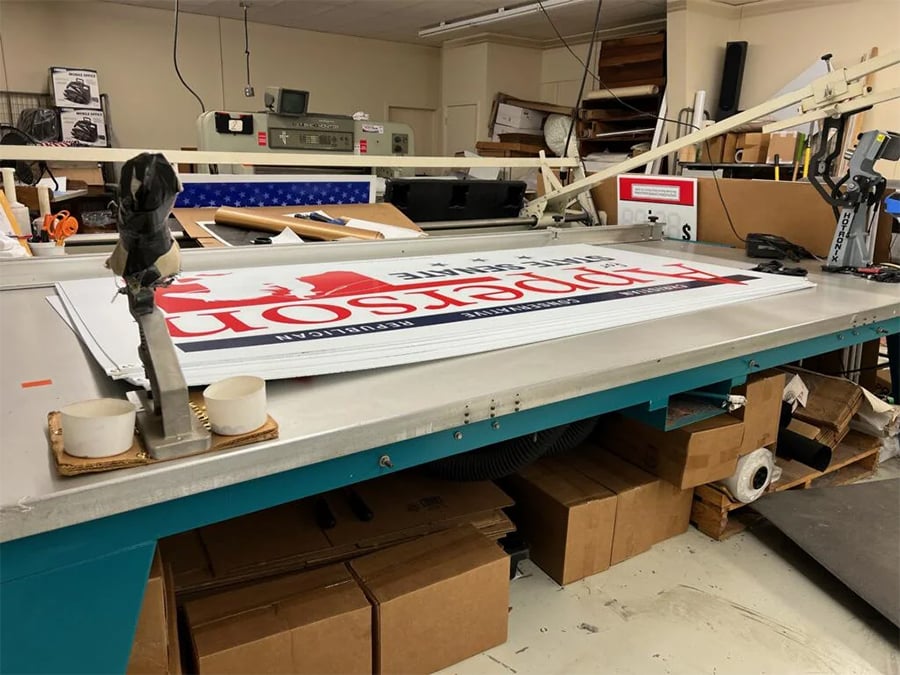
Why It’s at Risk: Digital media and automated printing
Commercial printing still serves packaging, advertising, publishing, and other industries, but much of the information once distributed physically now lives online. Digital production equipment also requires fewer workers to complete jobs that once involved multiple manual stages.
14. Word Processor and Typist

Why It’s at Risk: AI transcription and document automation
Dedicated typing positions were already becoming less common before generative AI arrived. Speech recognition, automatic transcription, document templates, and AI writing tools are accelerating that trend, with BLS projecting word processor and typist employment to decline 34.4% by 2035, the largest percentage drop in its current projections.
15. Telephone Operator

Why It’s at Risk: Automated phone systems
Businesses once relied heavily on human operators to route calls and provide basic information. Interactive voice systems, searchable directories, smartphones, and AI voice assistants can now perform much of that work automatically, and BLS projects telephone operator employment to decline 27.6% by 2035.
16. Receptionist

Why It’s at Risk: Digital check-in and AI assistants
Receptionists still play an important human role in offices, hotels, medical facilities, and other businesses, but some routine responsibilities are becoming automated. Digital check-in, appointment software, visitor-management systems, AI phone answering, and automated scheduling could allow organizations to operate front desks with fewer employees.
More Related Notes
• 18 Cities Where a $100,000 Salary Still Goes a Long Way.
Explore affordable cities where housing, everyday expenses, and overall cost of living allow residents to stretch their income considerably further.
• 10 Jobs That Still Offer Strong Pensions.
Discover careers that continue to provide valuable pension benefits, helping workers build greater financial security for retirement.
• 12 Hidden Costs of Owning a Vacation Property.
Learn about the often-overlooked expenses associated with second-home ownership and how they can affect long-term savings and retirement