
Owning a vacation property sounds like a dream. A place to escape, relax, and potentially build wealth through appreciation or rental income can be incredibly appealing. However, many buyers focus on the purchase price and mortgage while overlooking the ongoing expenses that come with maintaining a second home. These hidden costs can quickly add up and significantly impact the true cost of ownership. Before investing in a vacation property, it’s important to understand the financial commitments beyond the initial purchase. Here are 12 hidden costs that every prospective owner should consider.
1. Higher Property Taxes

Vacation homes often come with property tax obligations that can be surprisingly steep, especially in popular tourist destinations. Some local governments impose additional taxes on second homes or properties located in desirable resort areas. Even if tax rates remain stable, rising property values can increase annual tax bills over time.
2. Insurance Premiums

Insurance for vacation properties is often more expensive than for primary residences. Homes located near beaches, mountains, lakes, or hurricane-prone regions may require specialized coverage. Additional protection against floods, wildfires, or storms can further increase annual insurance costs.
3. Maintenance Between Visits
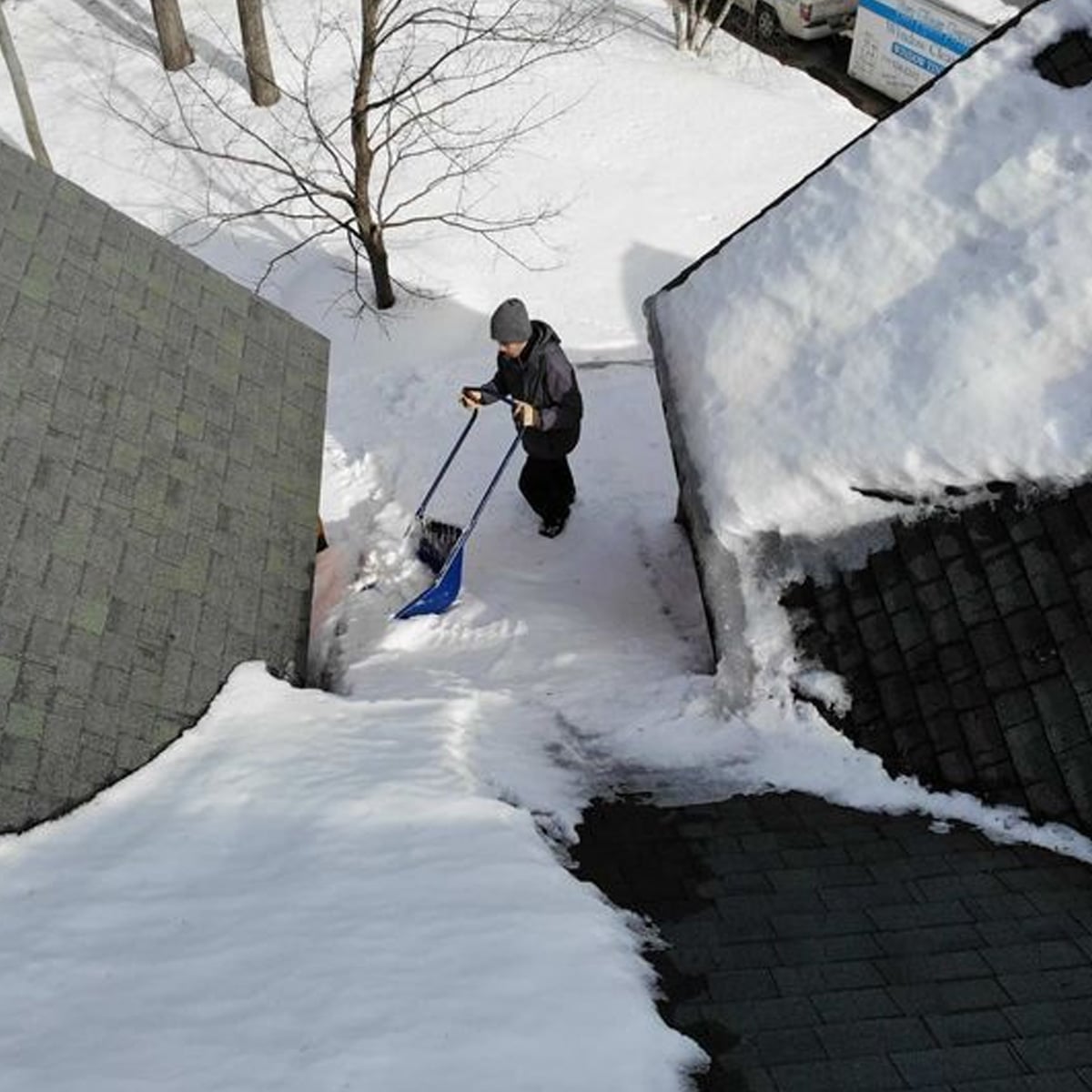
Even when you’re not using the property, maintenance never stops. Lawns need mowing, pools need cleaning, landscaping requires upkeep, and routine inspections help prevent small issues from becoming expensive repairs. These ongoing expenses continue year-round regardless of occupancy.
4. Utility Bills

Many owners assume utility costs will be minimal when the property is vacant, but that’s rarely the case. Electricity, water, internet, security systems, and climate control often need to remain active. In some climates, maintaining temperature levels is necessary to prevent mold, freezing pipes, or other damage.
5. Property Management Fees
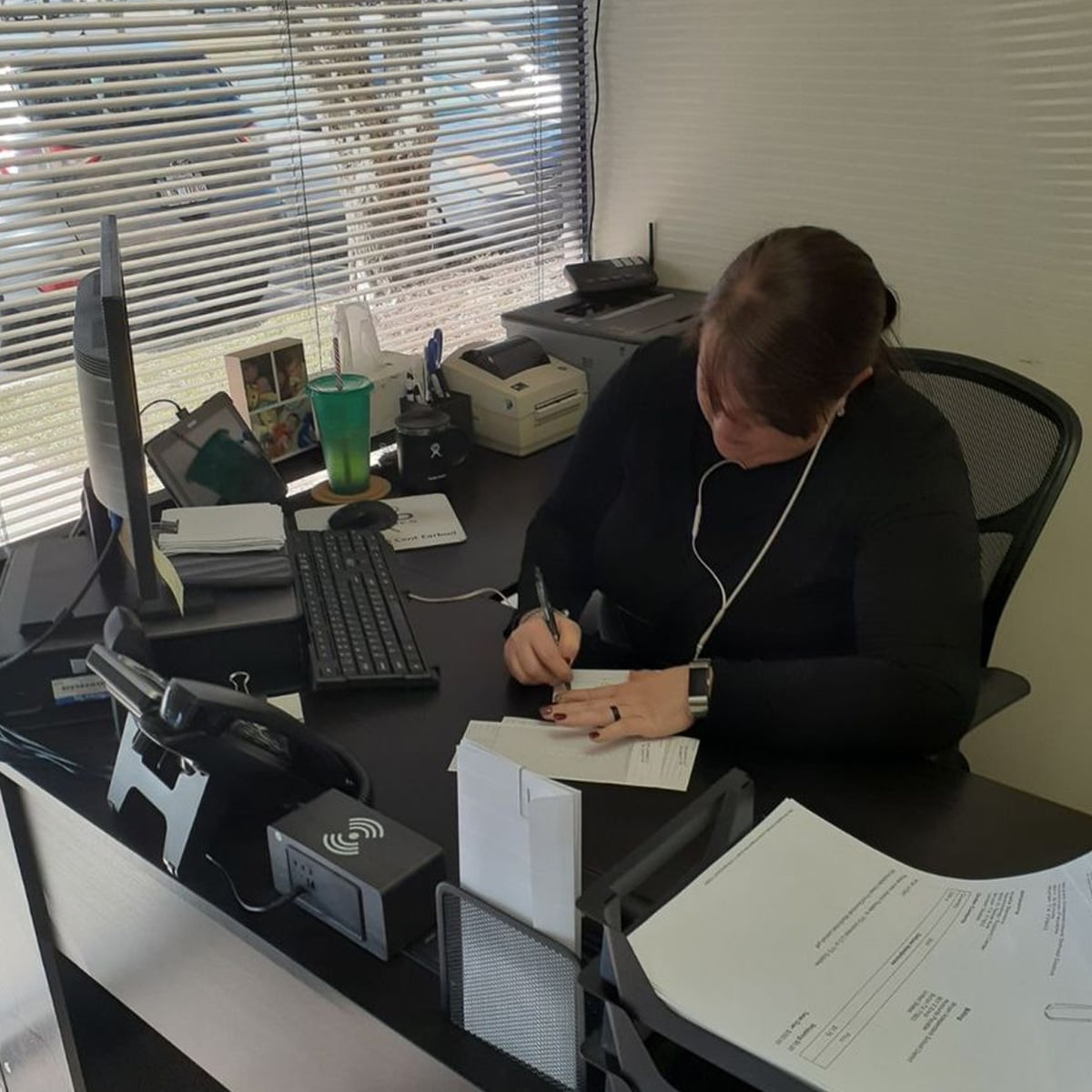
If you live far from your vacation home, hiring a property management company may be essential. Managers can handle maintenance, inspections, guest communication, and emergencies. While convenient, these services typically charge monthly fees or a percentage of rental income.
Trending on Wealth Gang


6. Travel Expenses
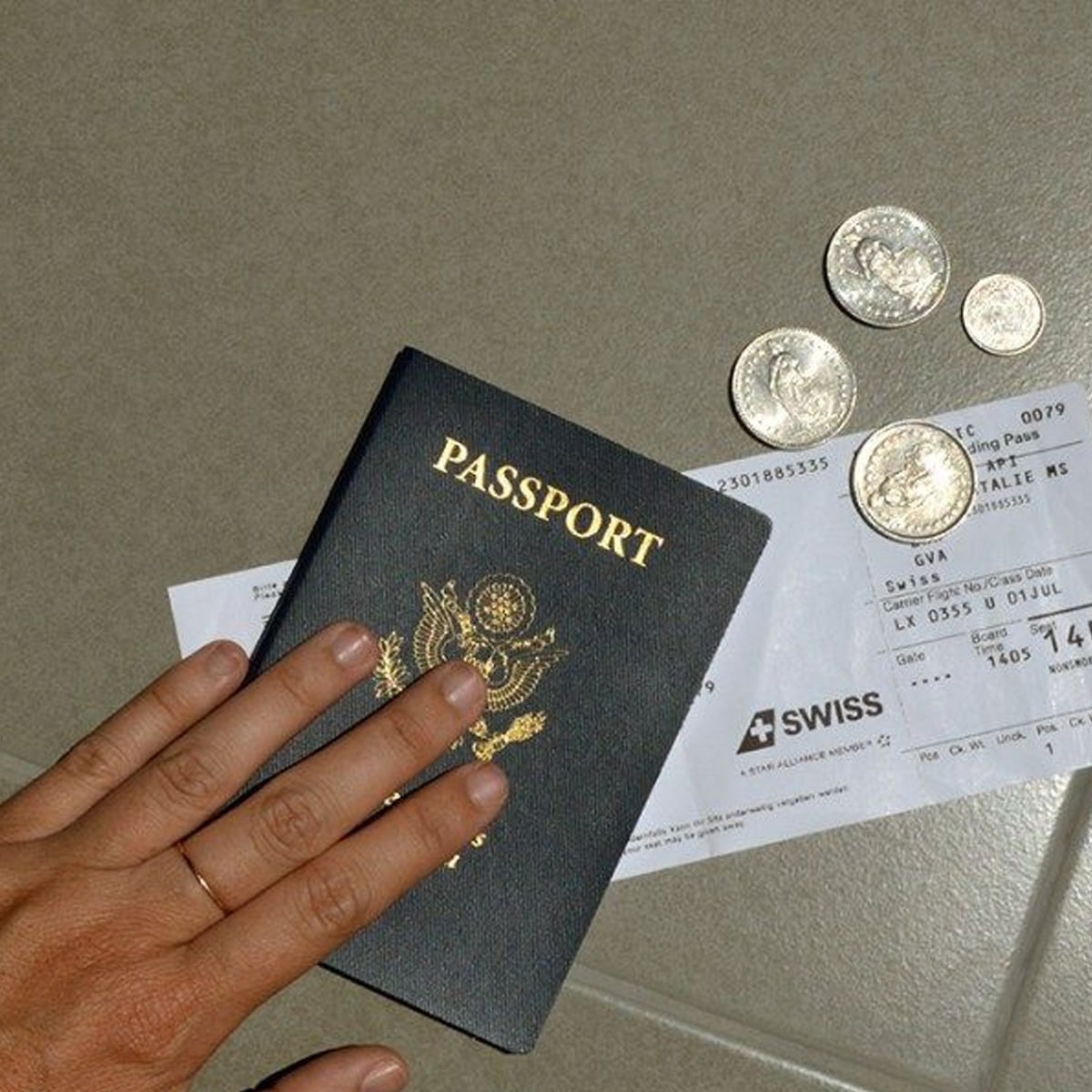
Getting to your vacation property isn’t free. Flights, fuel, tolls, vehicle maintenance, and other travel-related costs can add up over multiple visits each year. Owners sometimes underestimate how much they’ll spend simply accessing their second home.
7. HOA and Community Fees

Many vacation properties are located in planned communities, condominium developments, or resort-style neighborhoods with homeowners associations. HOA fees can cover amenities and maintenance, but they can also increase over time and occasionally include special assessments for major projects.
8. Emergency Repairs
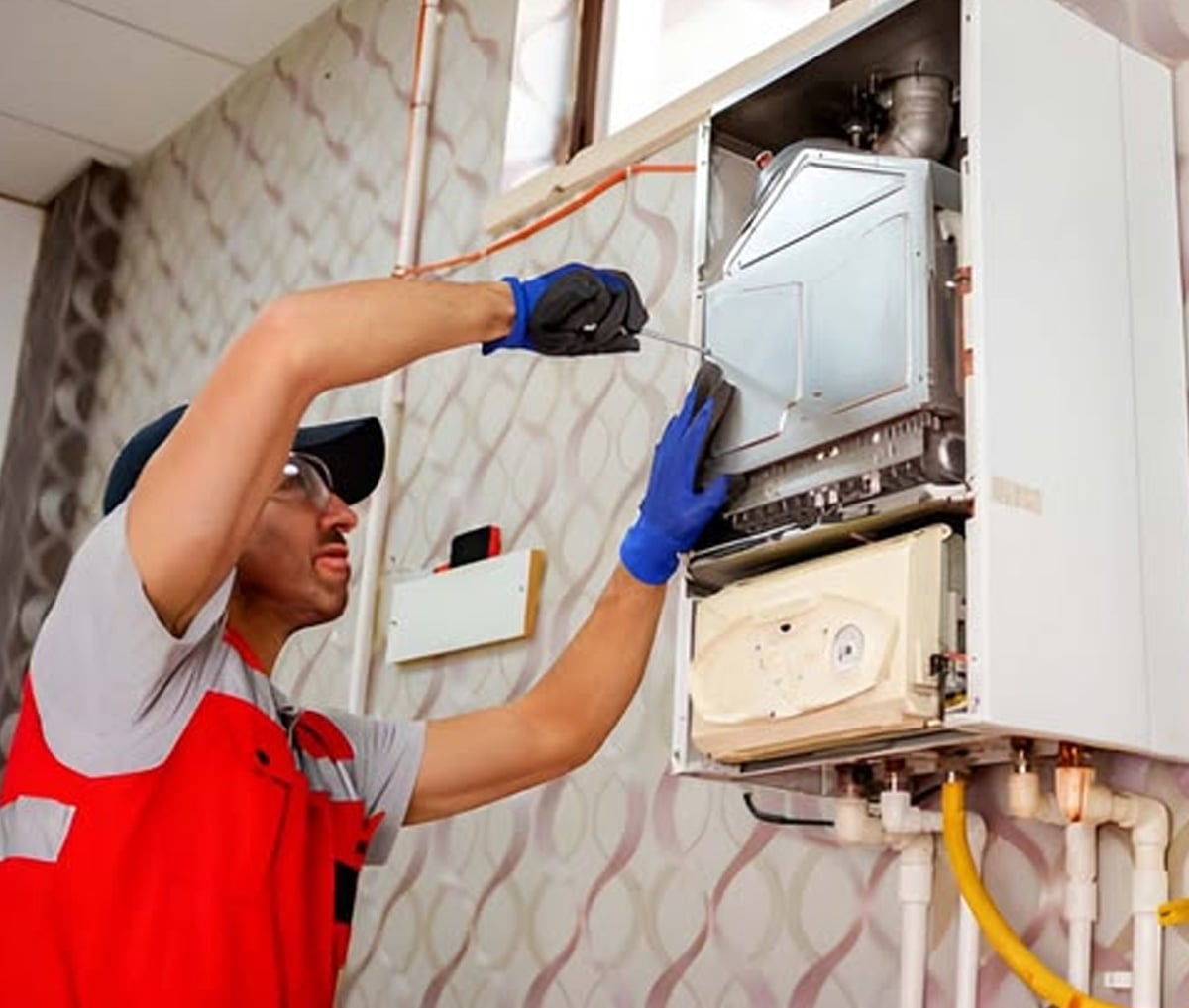
Unexpected repairs can happen at any property, but vacation homes present unique challenges. A leak, storm damage, broken HVAC system, or pest infestation may go unnoticed for days or weeks. Emergency service calls are often more expensive, especially in remote or seasonal areas.
Sign up for our newsletter
9. Furnishing and Replacement Costs

A vacation property needs furniture, appliances, linens, kitchen supplies, and décor. Over time, items wear out and need replacement. If the property is rented to guests, furnishings may experience heavier use and require more frequent updates.
10. Rental Licensing and Compliance Fees
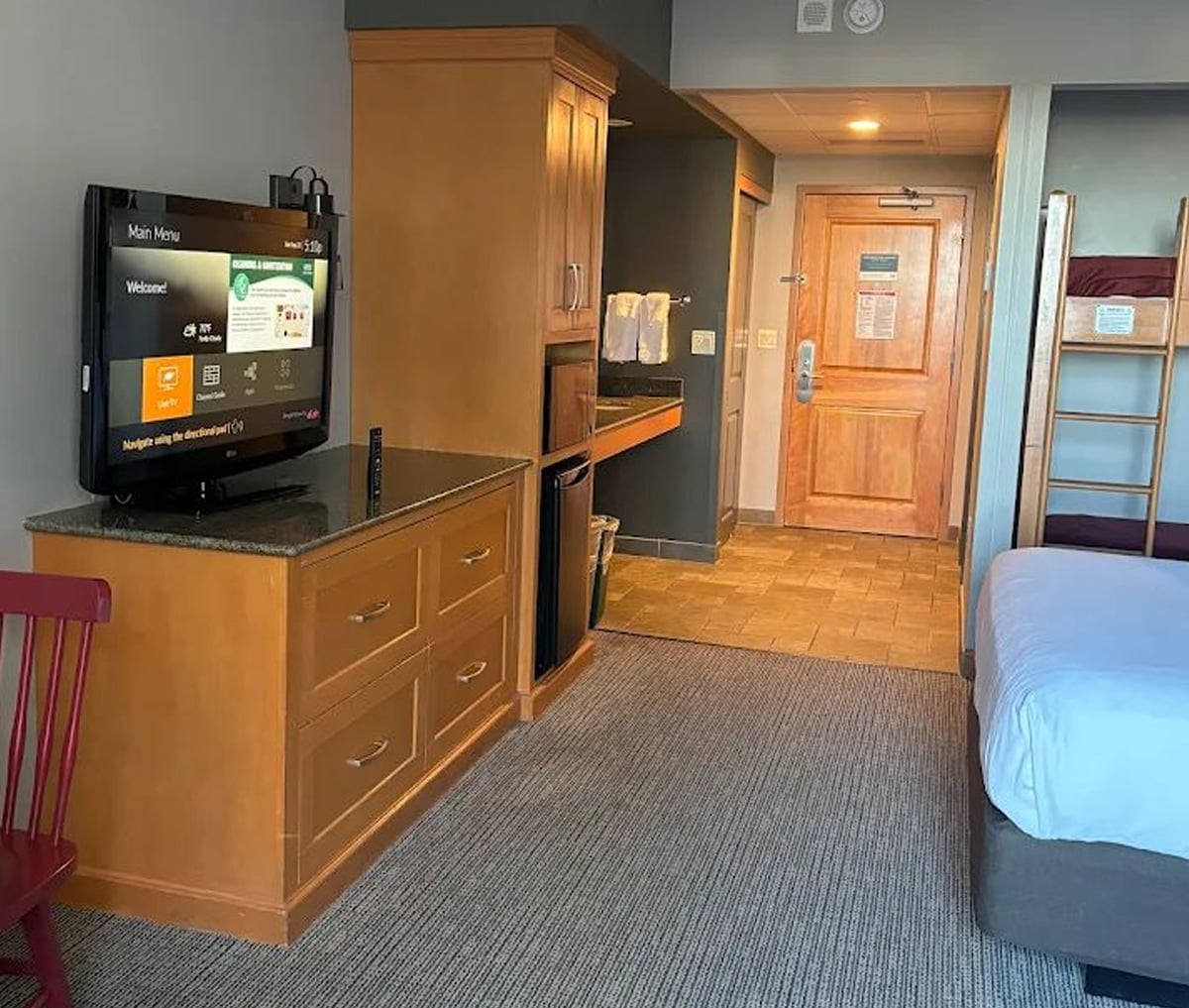
Owners who rent out their vacation homes may need permits, licenses, inspections, and local tax registrations. Many cities and counties have introduced short-term rental regulations that involve ongoing fees and compliance requirements. Failing to follow these rules can result in fines.
11. Security and Monitoring Services
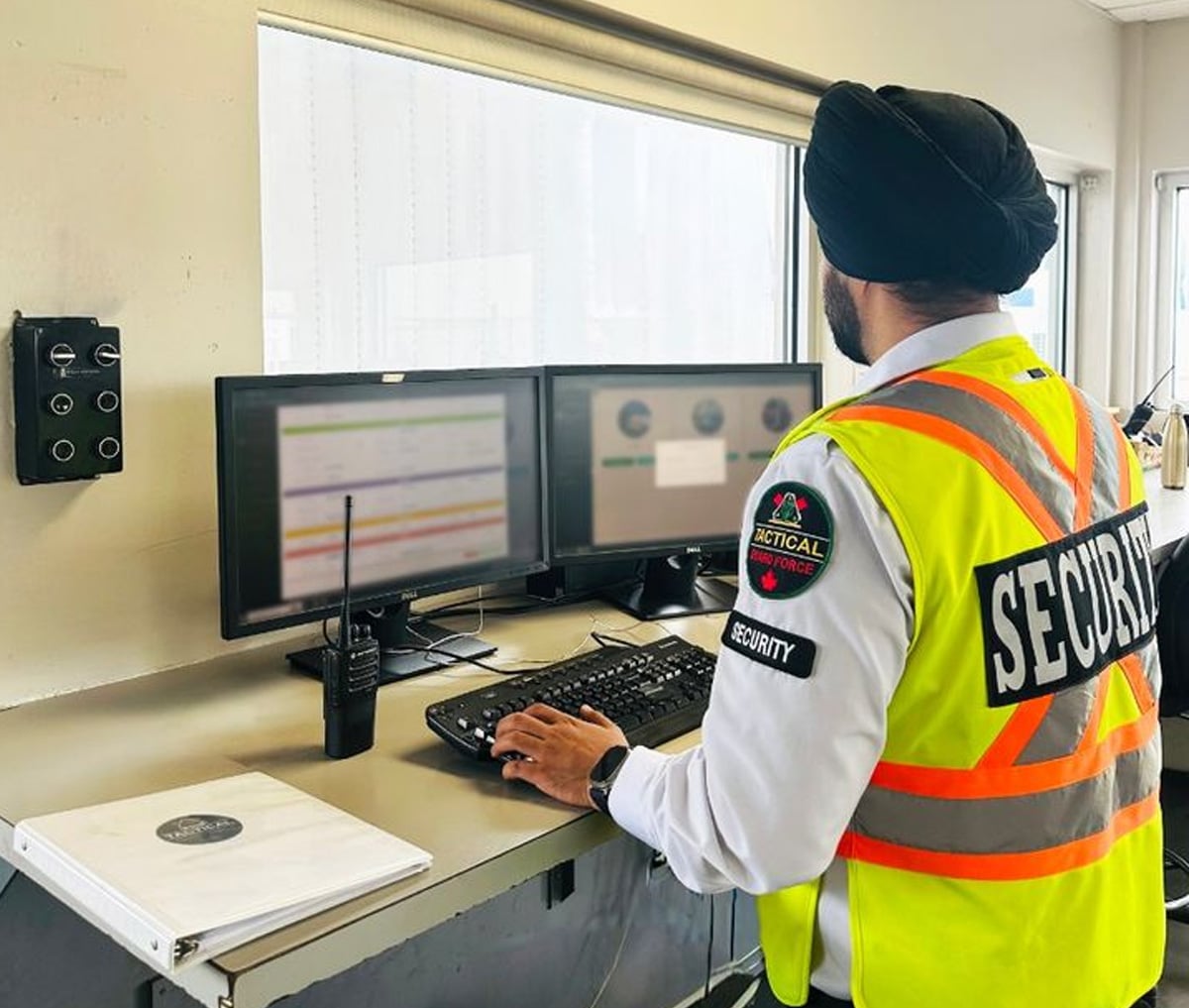
Vacant properties can be more vulnerable to theft, vandalism, or weather-related damage. Many owners invest in security cameras, alarm systems, smart home monitoring, or regular property checks. These services provide peace of mind but add to annual ownership costs.
12. Opportunity Cost of Capital

One of the most overlooked costs is the money tied up in the property itself. The down payment, closing costs, and ongoing expenses represent capital that could potentially be invested elsewhere. Depending on market conditions, alternative investments may generate higher returns with fewer responsibilities.
More Related Notes
• 15 Things the Average Family Could Afford in 1980 but Struggles With Today
A look at how rising property-related expenses have changed affordability and made major purchases more financially demanding.
• 10 Everyday Costs That Have Changed the Most Since 2000
This article explores the growing costs consumers face today, offering context for the ongoing expenses tied to property ownership.
• 11 Reasons Why You Are Not Able to Save Money
A complementary read about overlooked financial drains and budgeting challenges that can make owning a second home more expensive than expected.