The 1990s were when computers went from a rare novelty to a fixture in millions of homes, and every one of those computers came surrounded by a whole ecosystem of accessories that felt essential. Floppy disks, dial-up modems, among others, were simply what “having a computer” meant.
Cloud storage, wireless everything, and streaming have quietly made almost all of it disappear. Next are 16 computer accessories from the 1990s that once sat on every desk and that nobody uses anymore.
1. Floppy disks
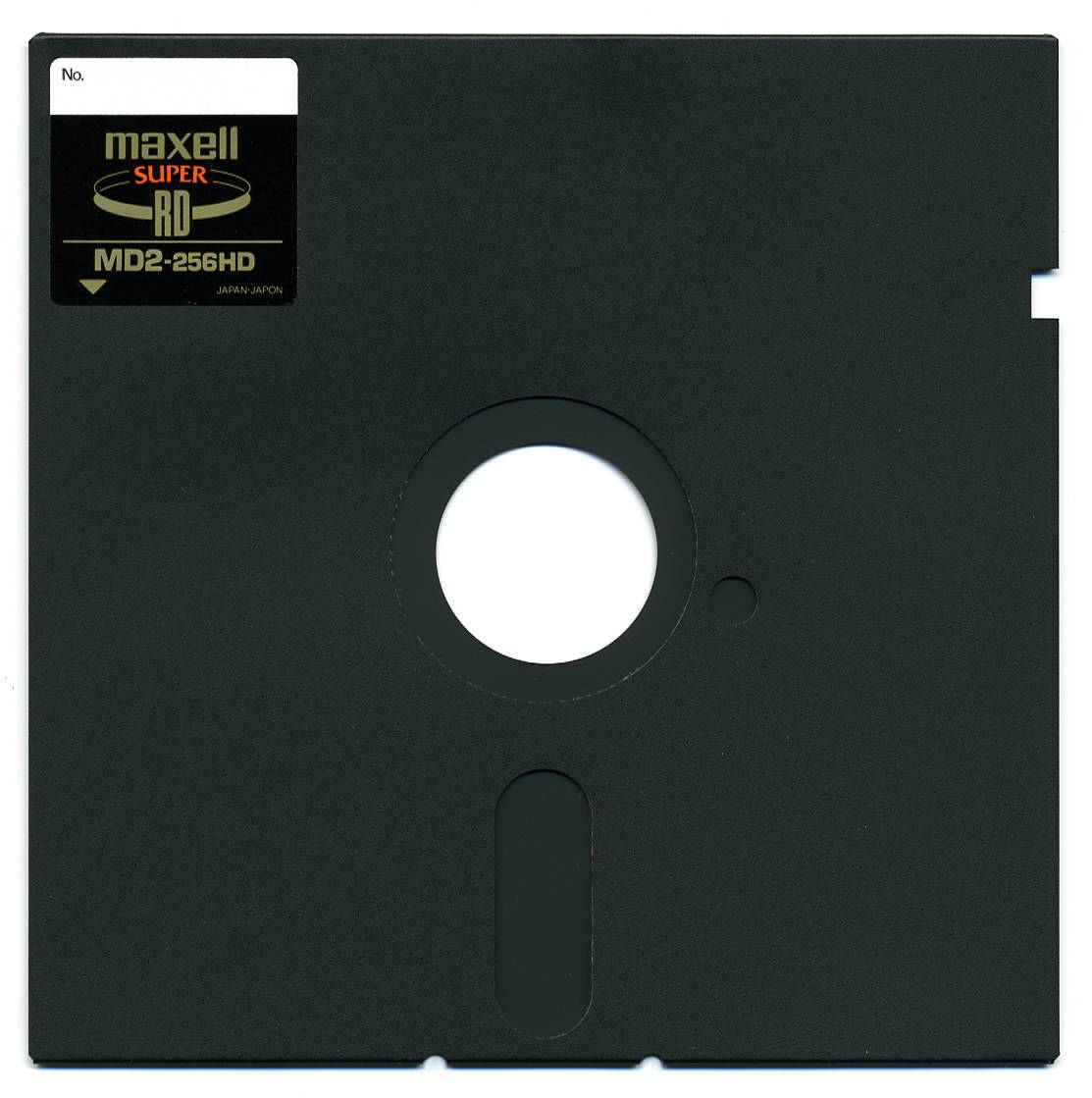
Floppy disks were the standard way to save and transfer files, holding a small amount of data, often not even enough for a single high-resolution photo. Losing one could mean losing an entire school project.
2. Zip drives
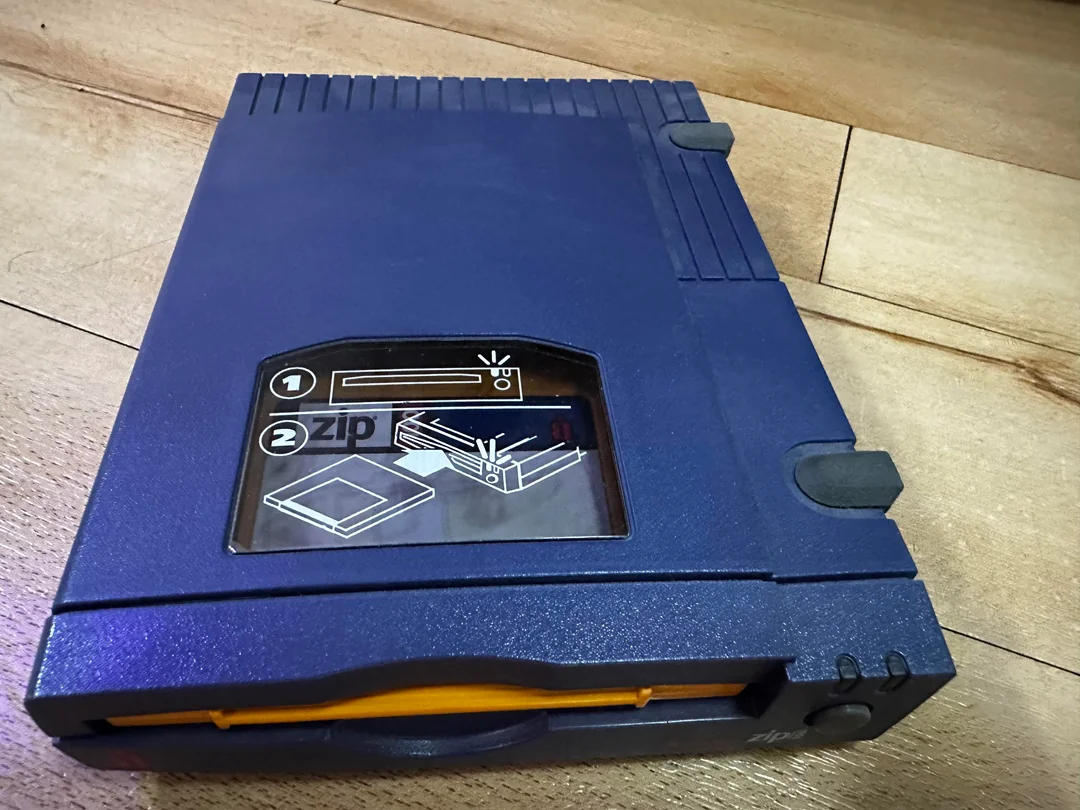
Zip drives offered a major upgrade over the floppy disk, holding far more data. They were popular for backing up files or moving large documents between computers. Rewritable CDs and USB drives quickly made the Zip drive’s extra hardware and disks unnecessary.
3. Dial-up modems
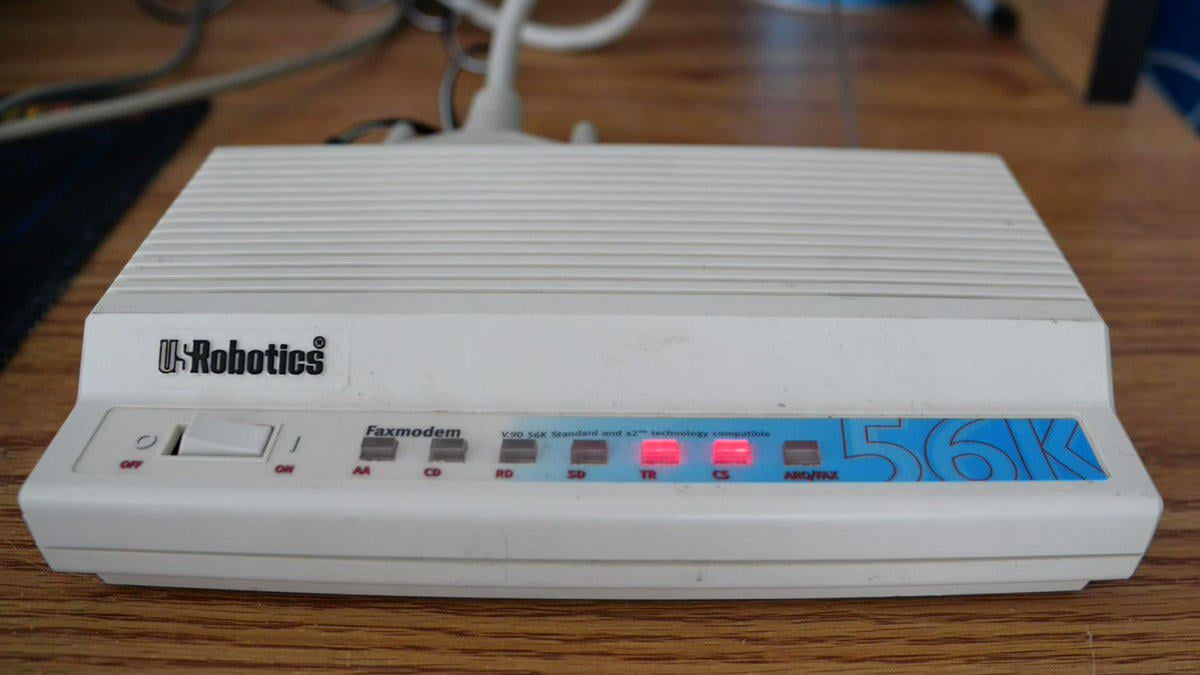
Getting online in the 1990s meant a dial-up modem, which connected to the internet through the phone line with a loud sound that an entire generation can still recognize instantly. Getting online meant nobody in the house could use the phone.
4. CD-ROM towers
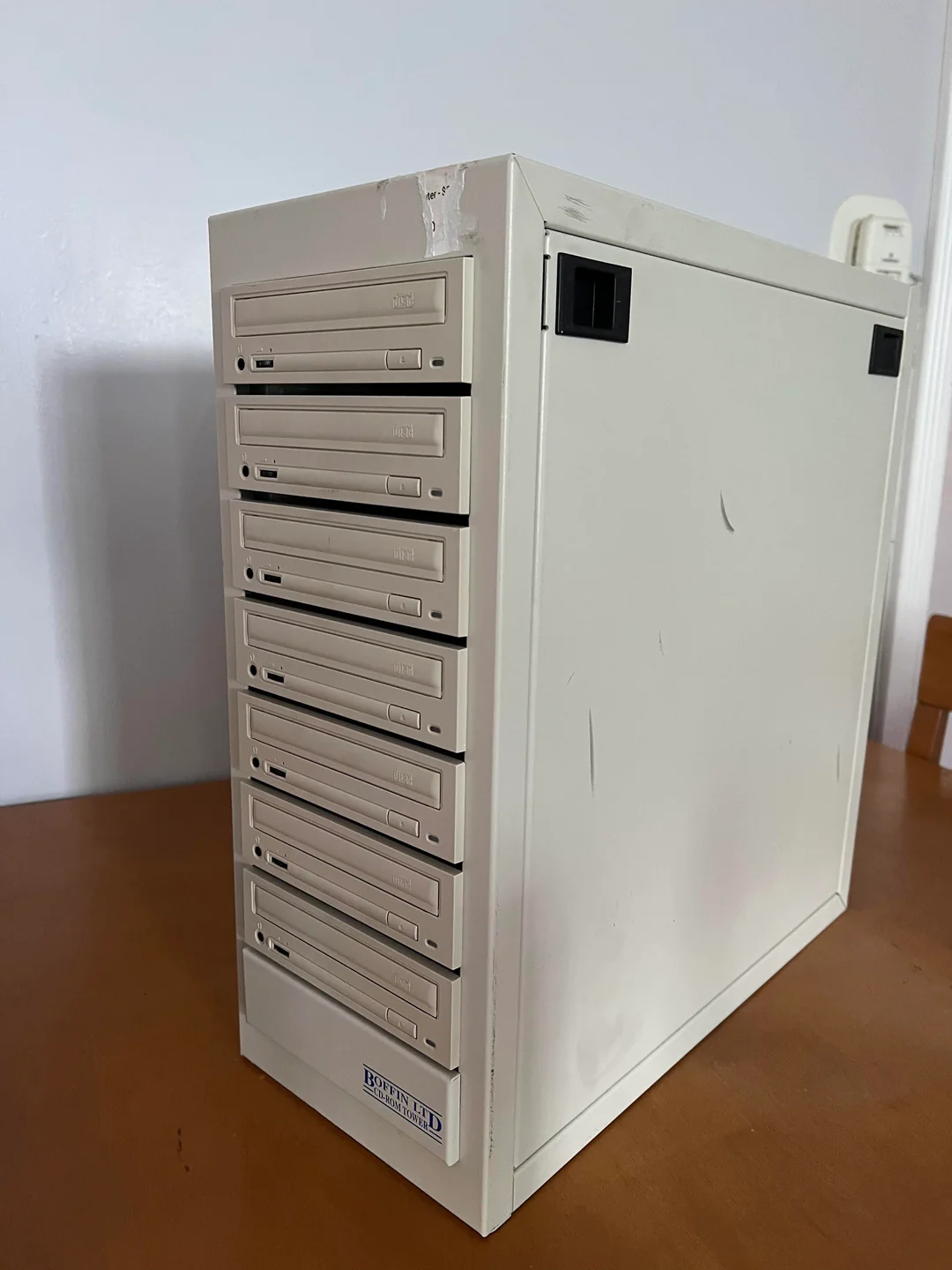
As CD-ROMs became the standard way to install software and games, many computer owners bought CD-ROM towers. They took up real desk space next to the monitor. Digital downloads have made physical software discs unnecessary.
5. Dot matrix printers
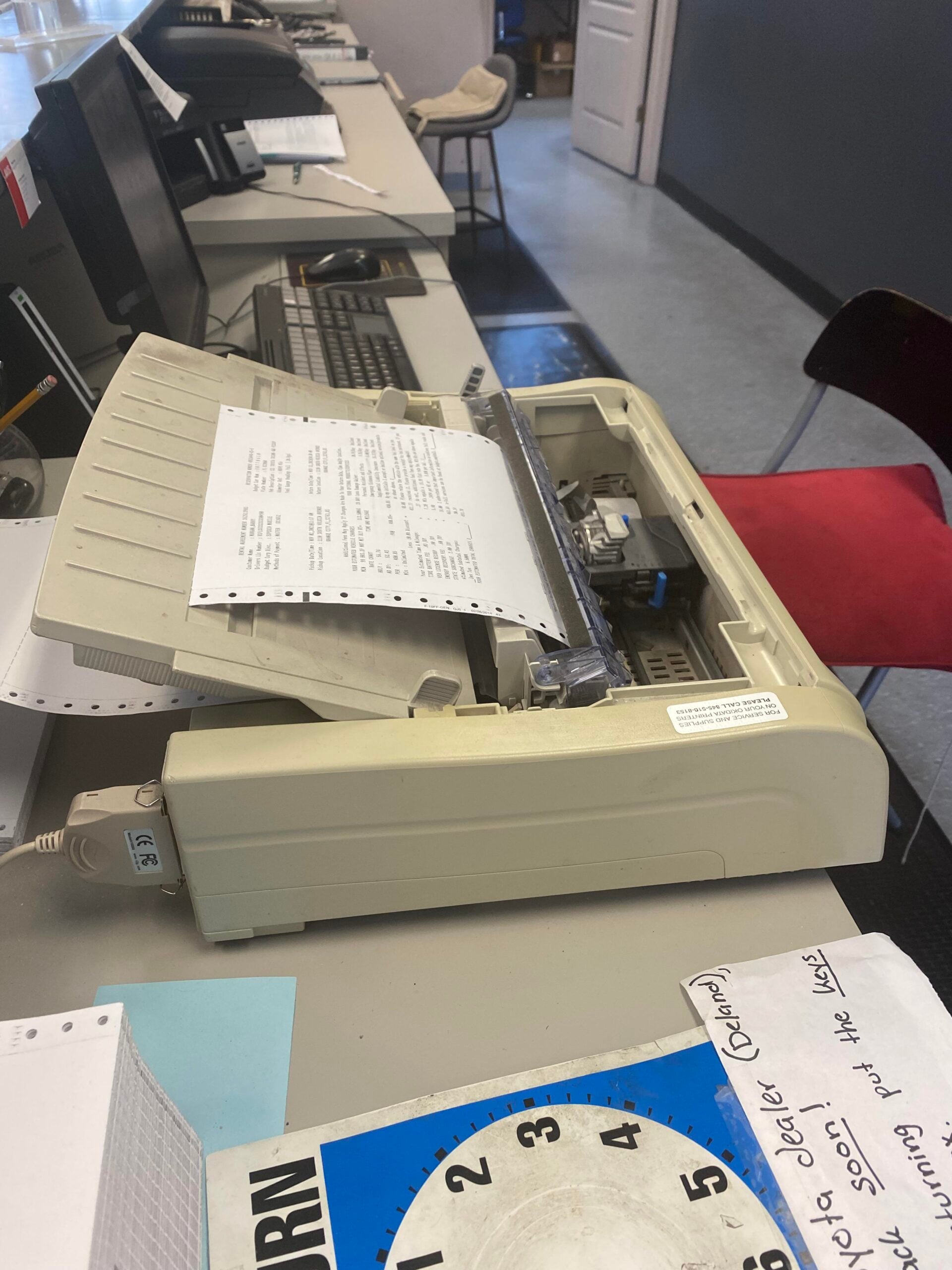
Dot matrix printers produced text by striking an inked ribbon with tiny pins, creating a distinctive grainy print and an even more distinctive loud noise that could be heard throughout the house. Laser printers have completely replaced the dot matrix printer for everyday home use.
Trending on Wealth Gang


6. Joystick controllers
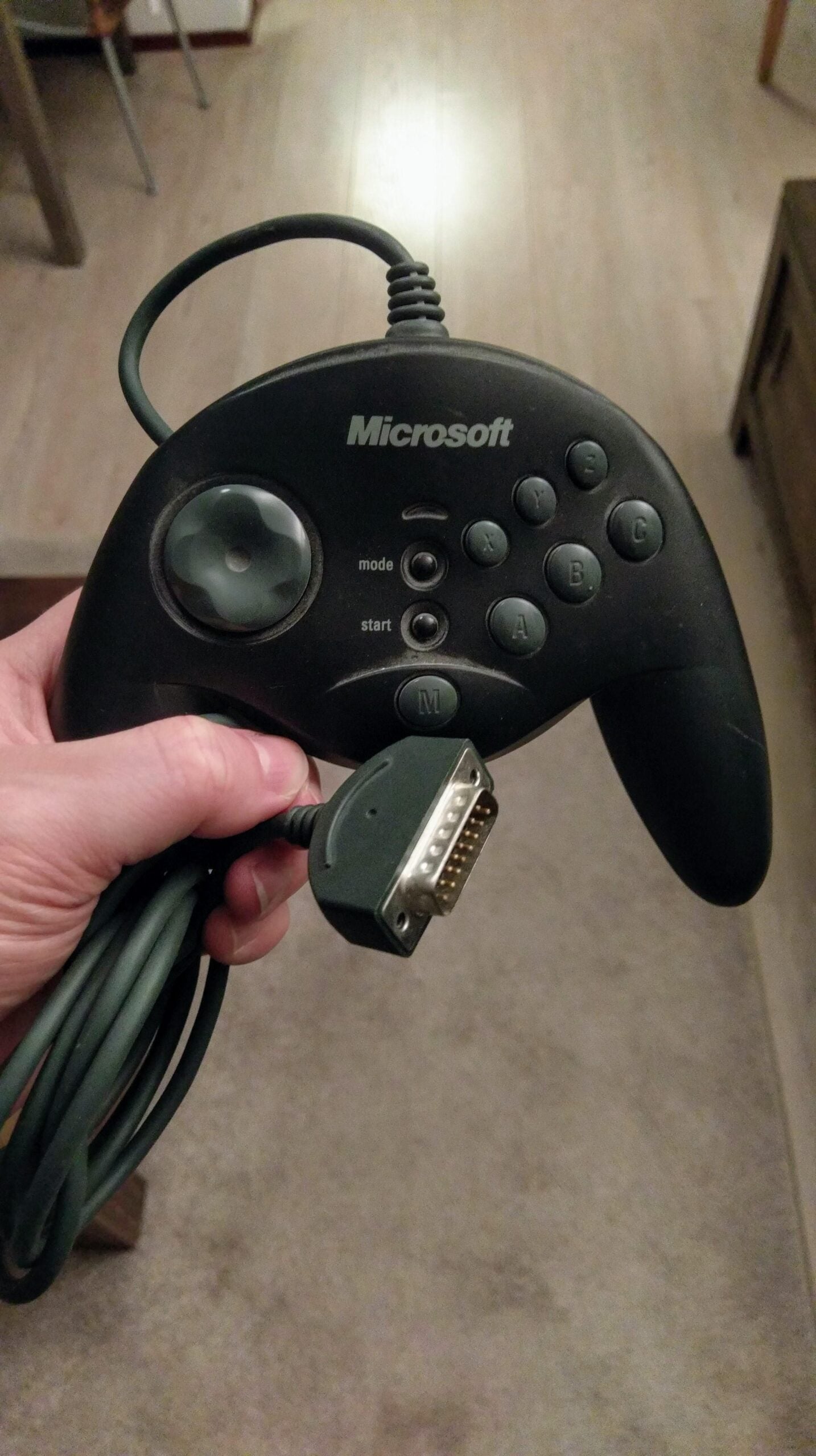
Before gamepads became standard, many home computer games were played with a joystick controller, plugging into a dedicated game port on the back of the computer tower. They were especially common for flight simulators and arcade-style games. Modern gaming has moved almost entirely to keyboard and mouse.
7. Trackball mice
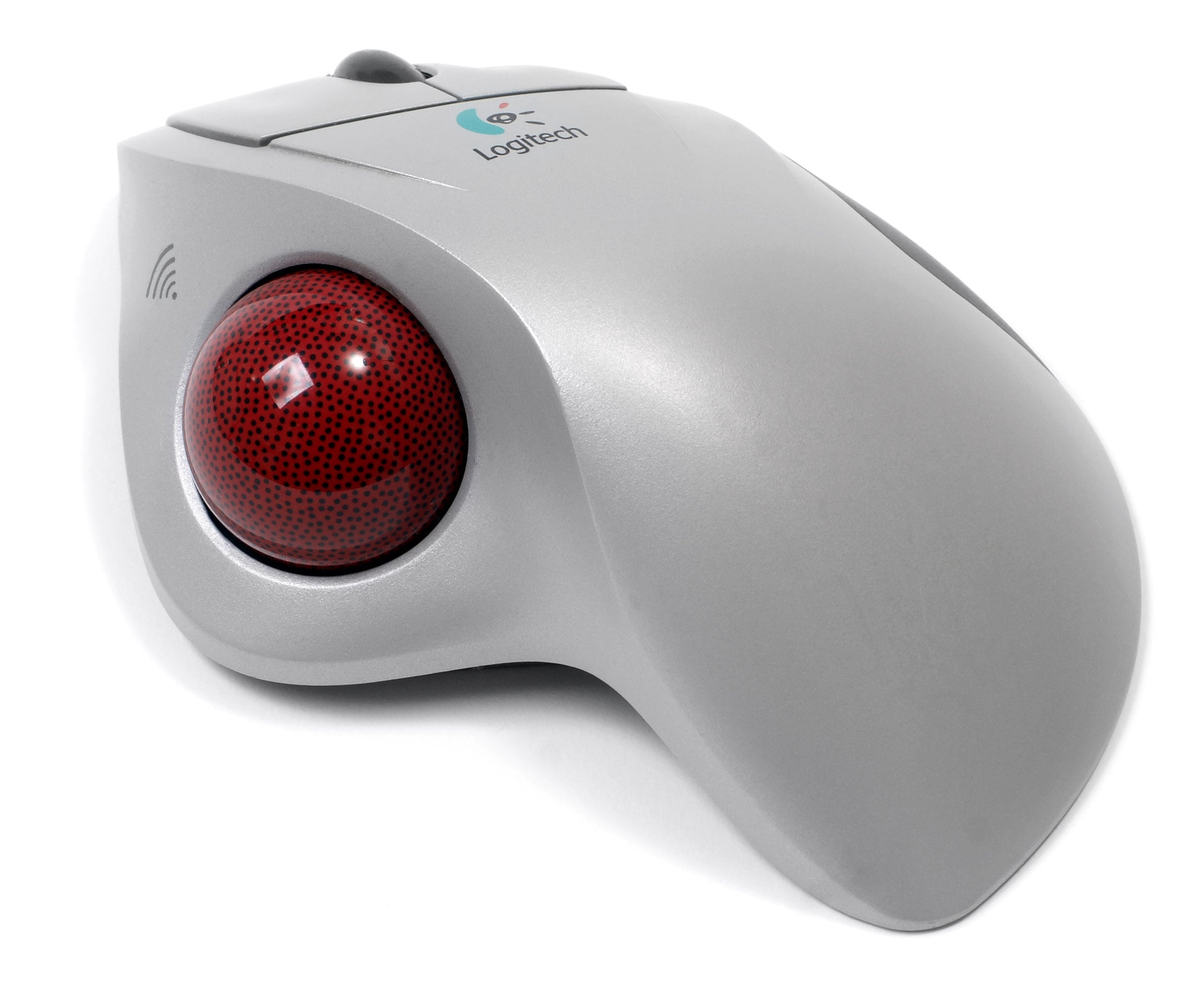
Trackball mice flipped the standard mouse design, keeping the device stationary while the user rolled an exposed ball directly with their thumb or fingers to move the cursor. They were popular for saving desk space since the whole mouse never needed to move.
8. Roller-ball mice
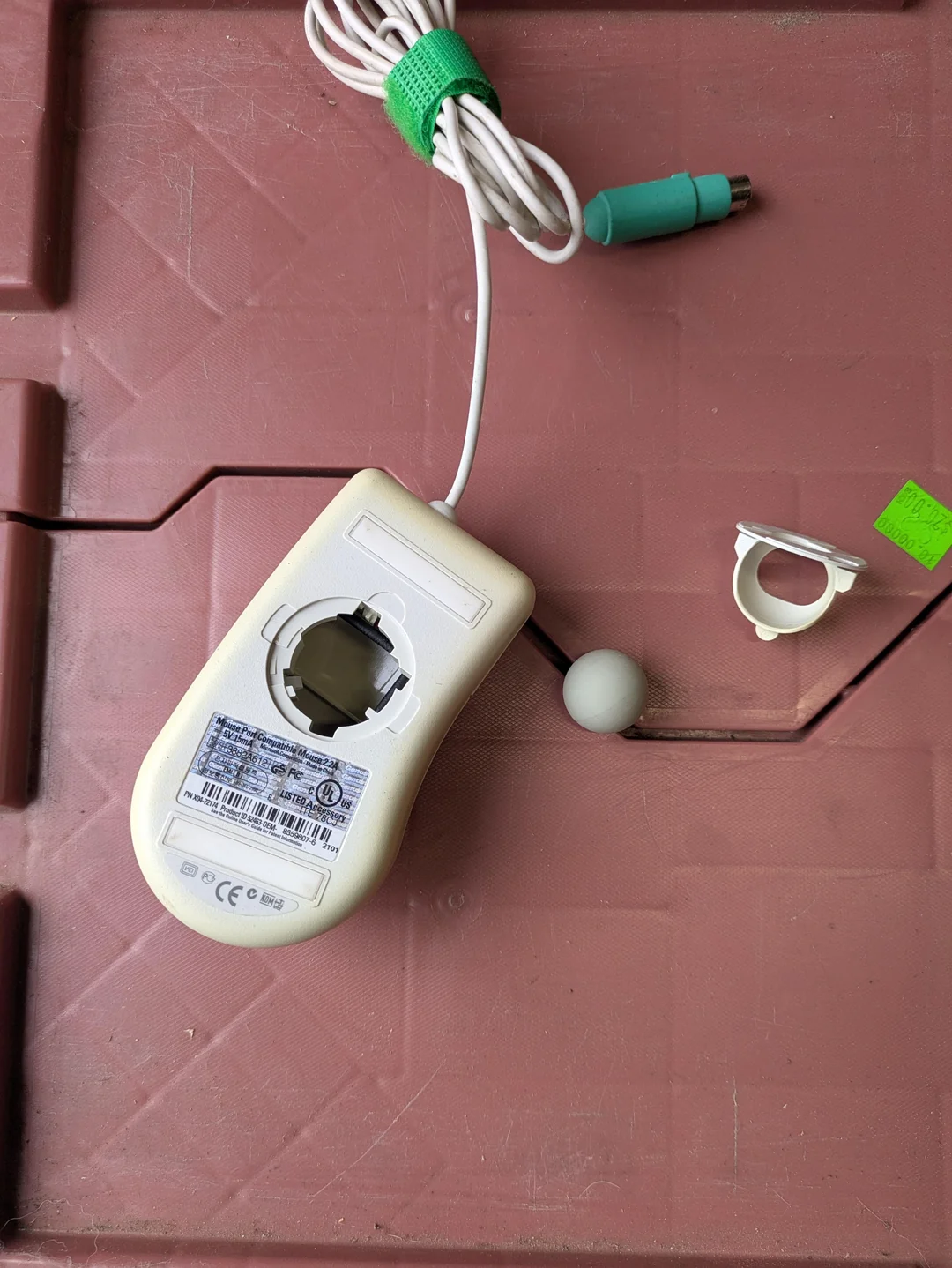
Even standard mice in the 1990s relied on a small rubber ball, which rolled against rollers inside the mouse to track movement. Optical sensors eliminated the ball, along with the regular cleaning ritual it required.
Sign up for our newsletter
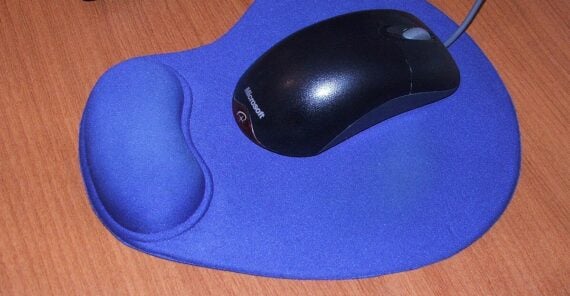
9. Mouse pads with wrist rests
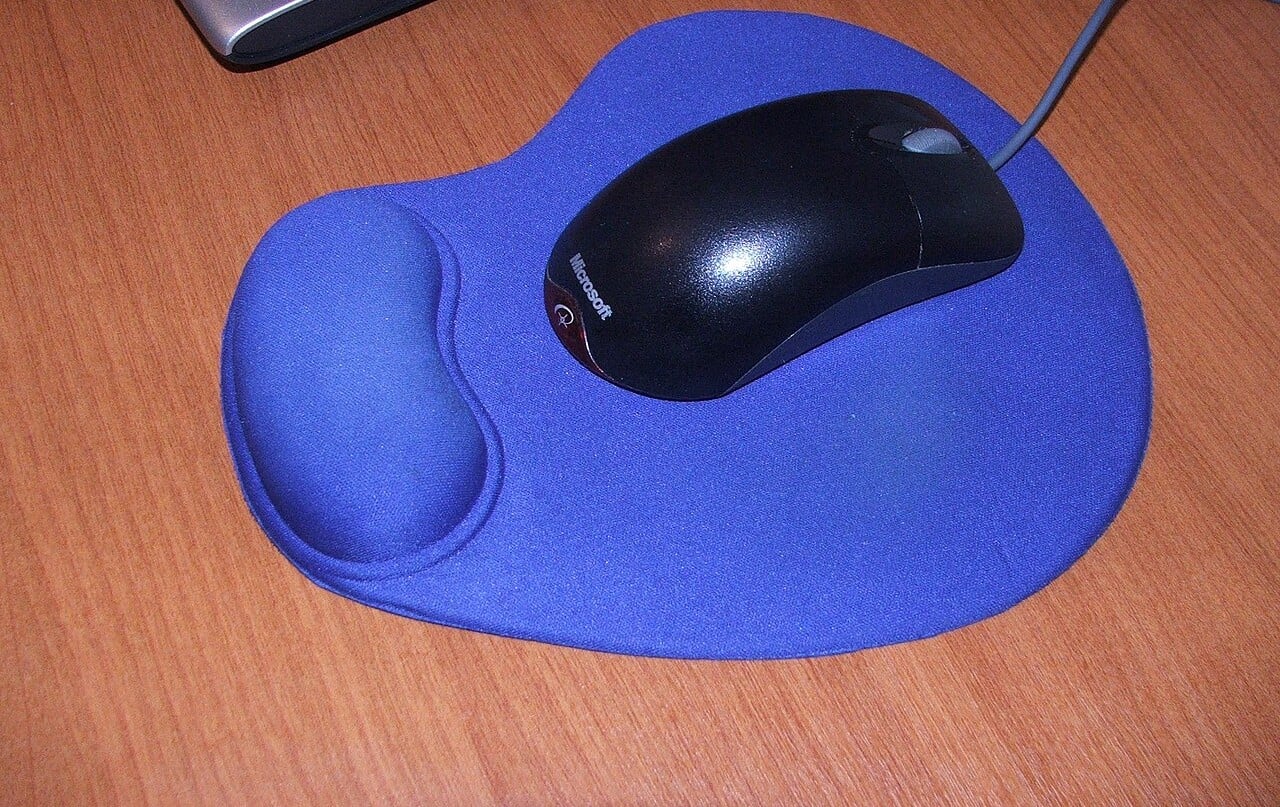
As computer use increased through the decade, mouse pads with built-in gel or foam wrist rests became a common desk accessory. They came in every color and pattern imaginable.
10. Screen saver software
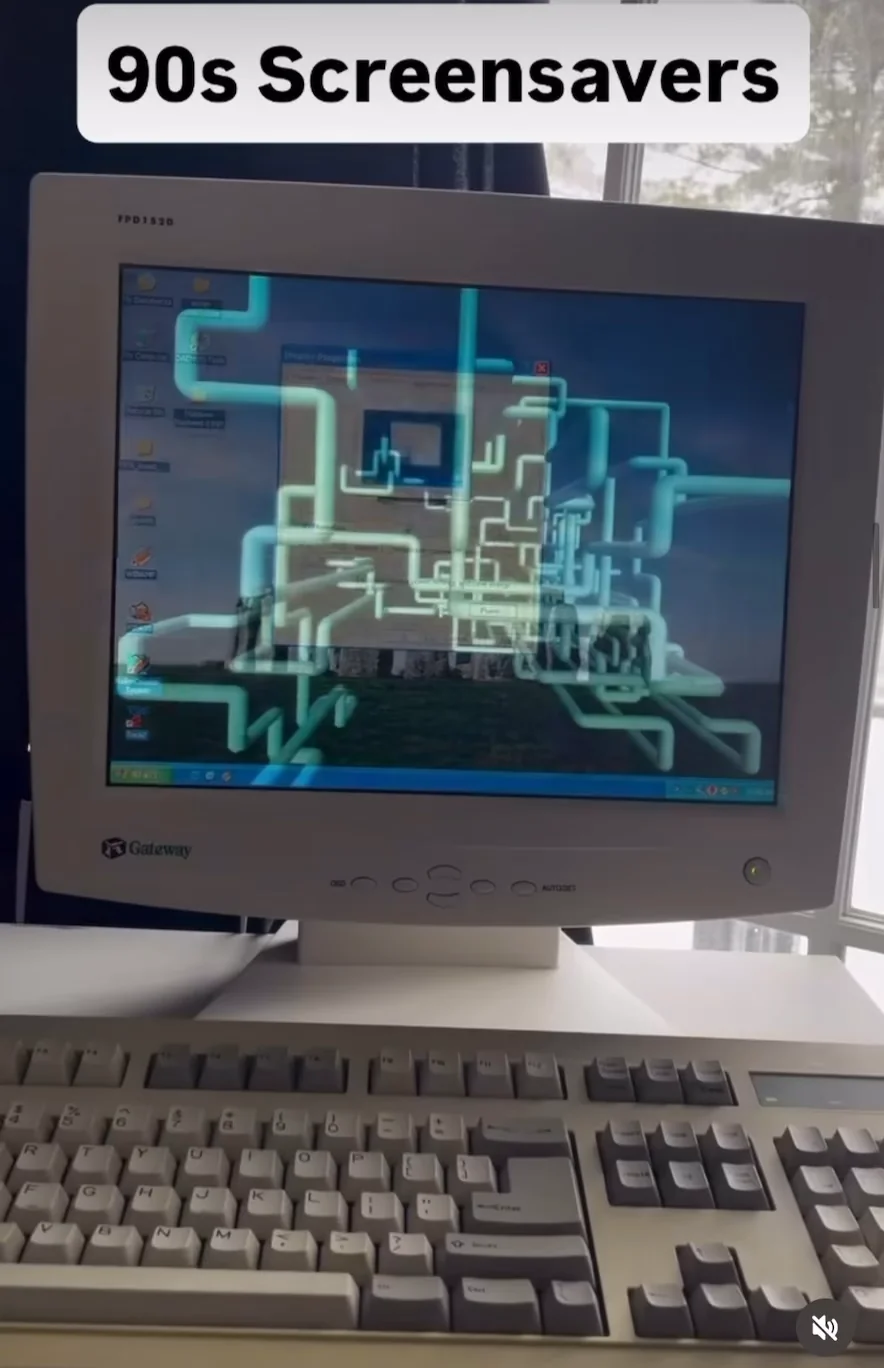
Screen saver software was originally designed to prevent images from burning into older monitors, but quickly became a form of desktop personalization and even entertainment in its own right. People enjoyed watching them cycle through. Modern LCD and LED screens aren’t vulnerable to the same issue, making it unnecessary.
11. AOL CDs
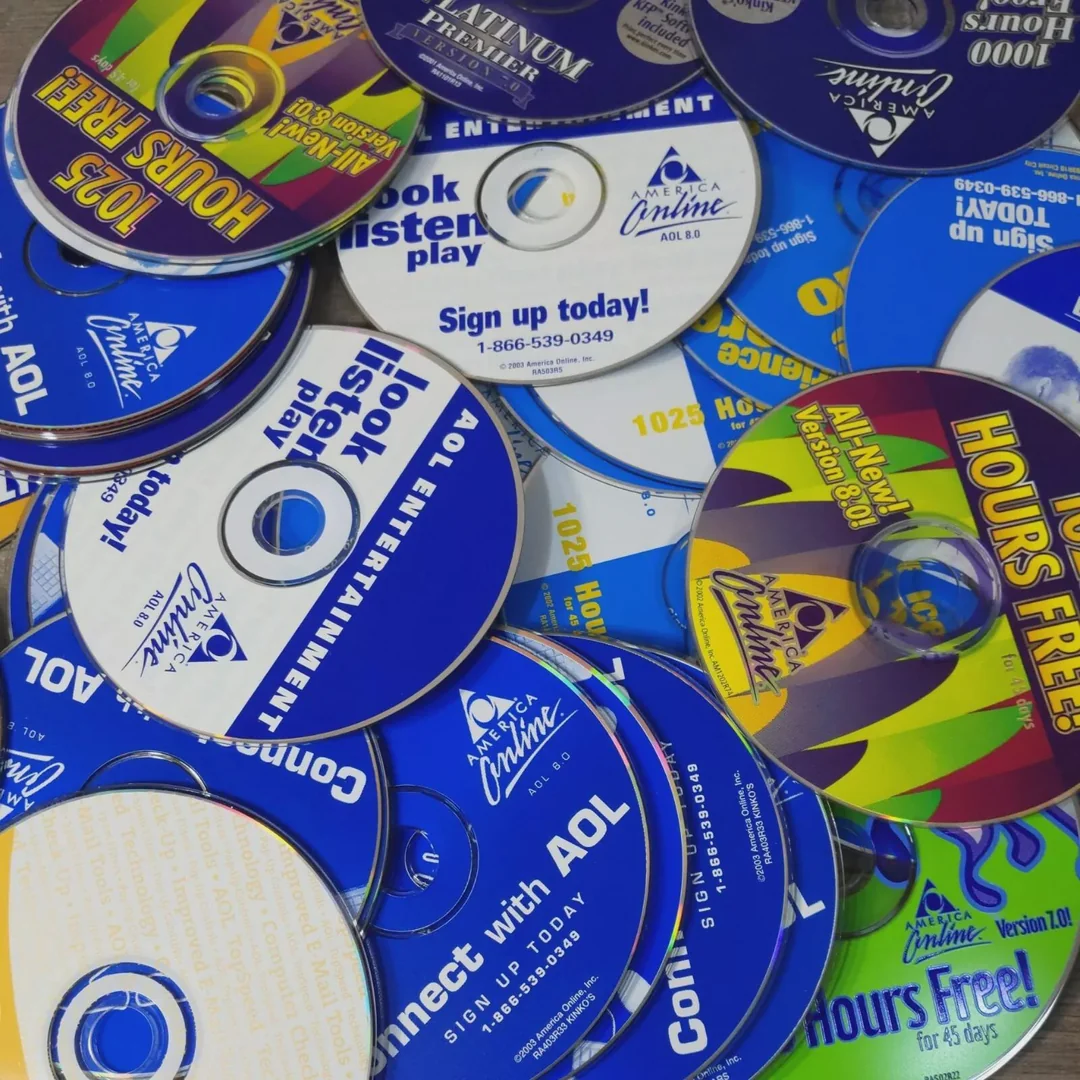
During the 1990s, America Online mailed out free trial CDs. Popping one in promised free hours of dial-up internet access.
12. Parallel port cables
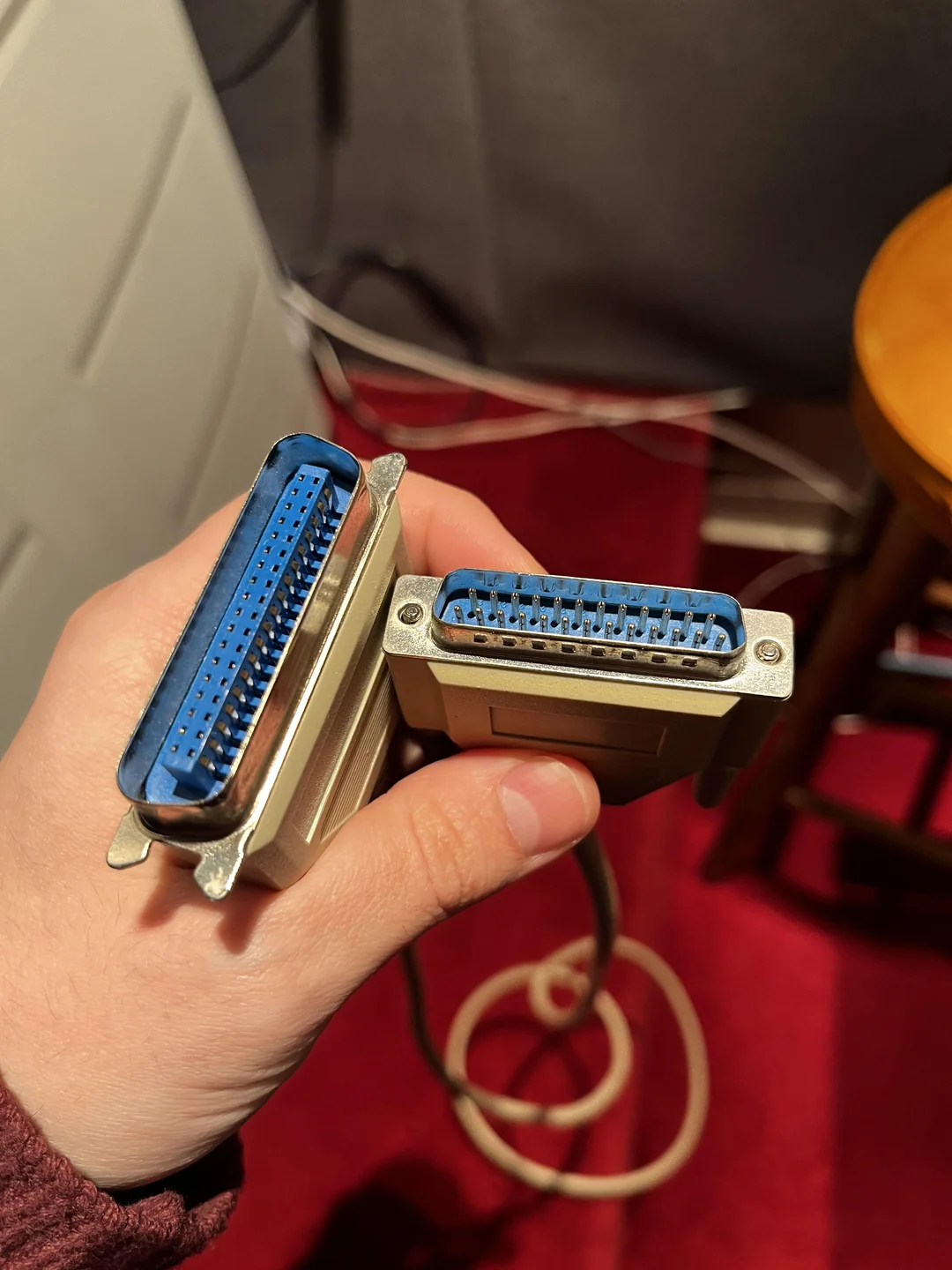
Before USB became the universal standard, printers and other peripherals plugged into a dedicated port on the back of the computer tower. Setting one up meant carefully aligning and screwing the connector in place.
13. External Jaz drives
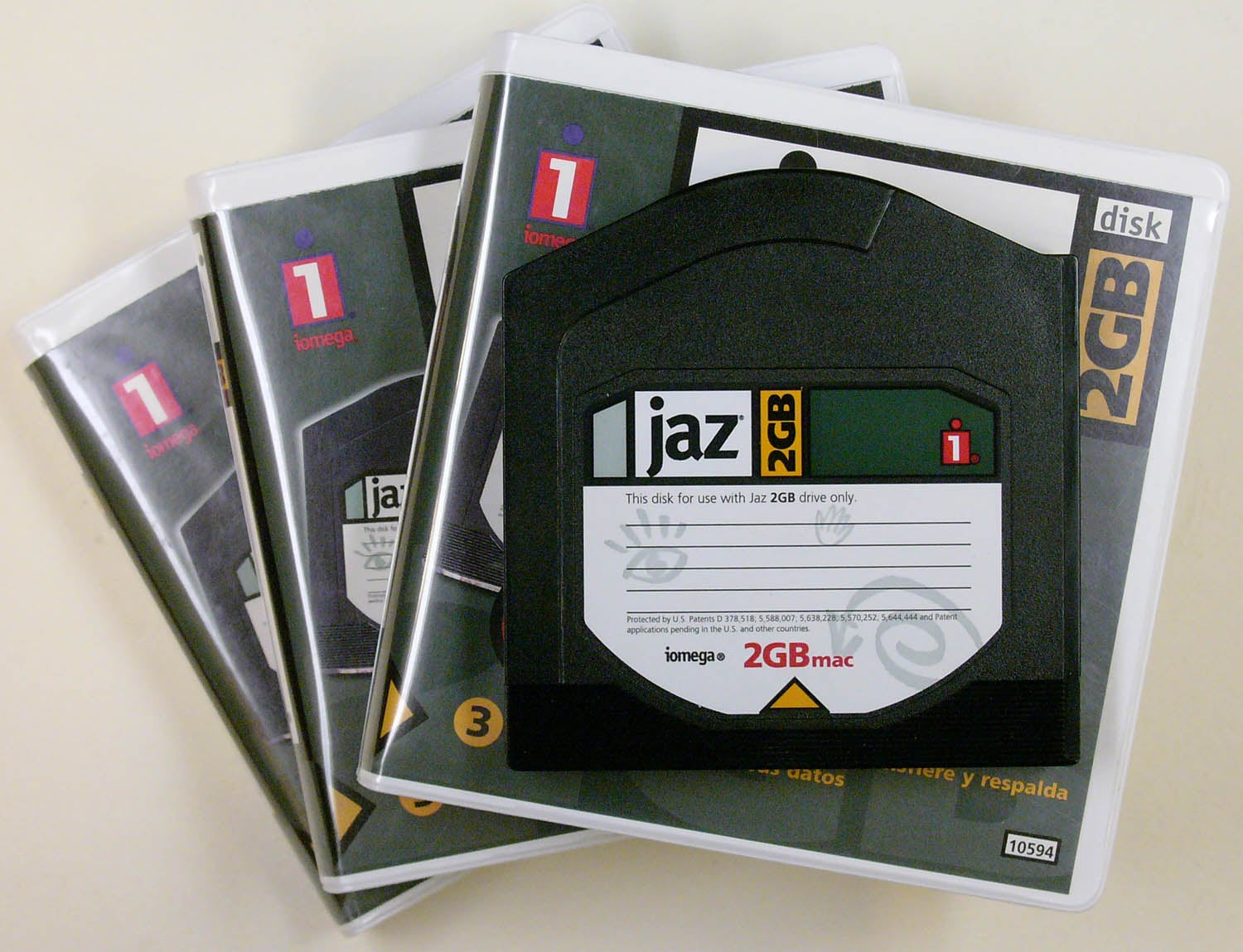
Jaz drives were a higher-capacity cousin to the Zip drive, offering enough storage for early digital video and large design files at a time when hard drive space was still expensive.
14. Bulky CRT monitor stands
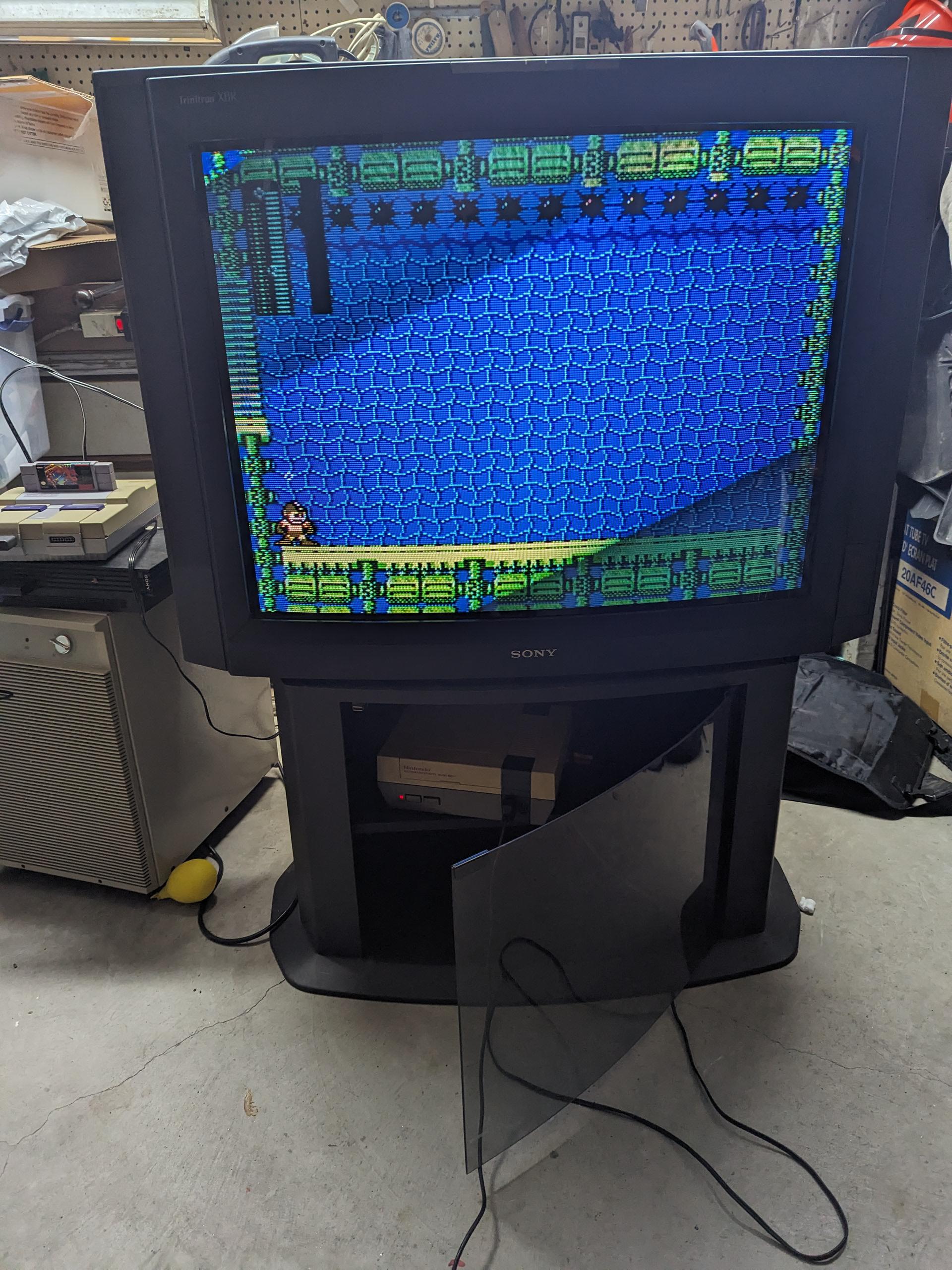
The heavy CRT monitors through the 1990s often needed sturdy, reinforced stands or dedicated furniture just to support their weight and depth on a standard desk. Moving one, even a few inches, was a two-handed job.
15. Surge protectors
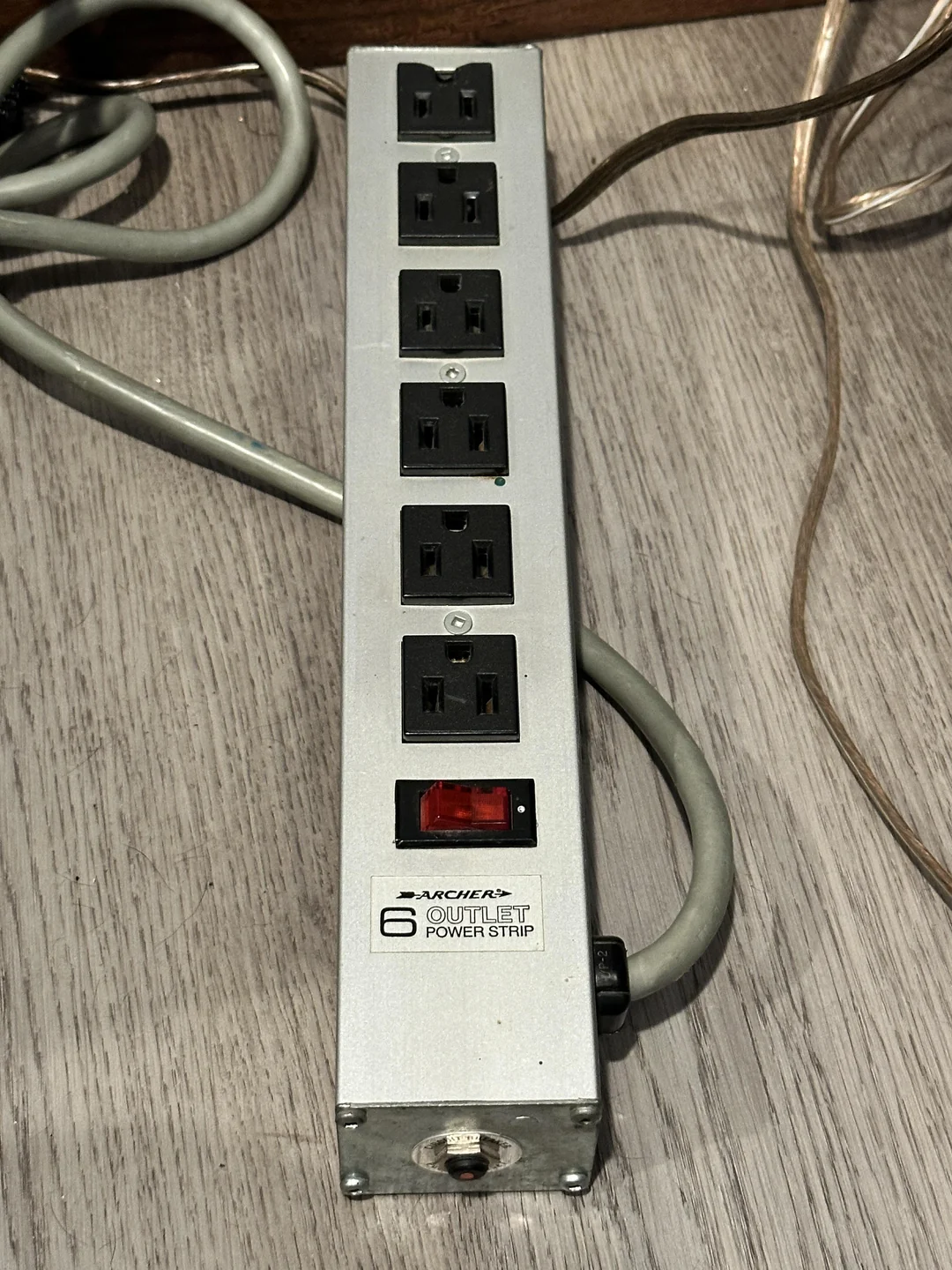
Many home offices used a specific surge protector, designed to protect a dial-up modem’s phone line connection from electrical surges during storms. With dial-up long gone, this specialized phone-line protection has disappeared along with the modems it was built to protect.
16. Flatbed scanners
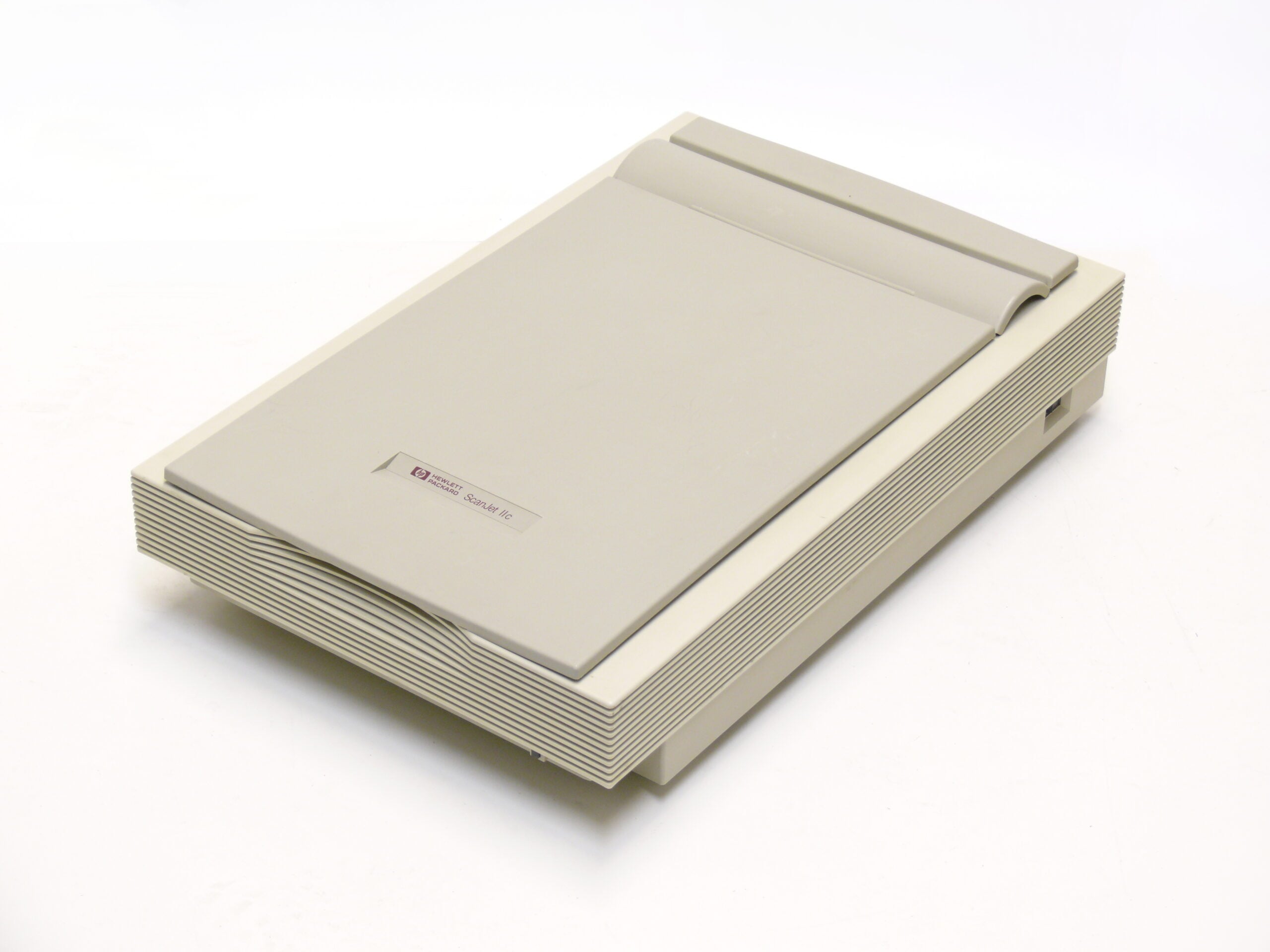
Flatbed scanners let home computer users digitize photos, documents, and homework assignments, requiring the user to carefully align the page and wait through a slow scanning pass. Smartphone cameras and scanning apps have made this scanner far less common in most homes today.
You might also like:
Check out 15 Items That Were Considered High-Tech in the 1980s for a look at the gadgets that once passed for science fiction. Then take a break from the screens and see how the era looked off the shelf, too, with 20 Pictures of Street Fashion in the 1990s. And if you want the full picture of what people were indulging in, 18 Gadgets From the 1990s That Were Surprisingly Expensive rounds out the decade’s most expensive must-haves.