Everyday items were once expected to remain part of a household for years, sometimes even generations. A sewing machine could belong to three generations of women, a cast-iron skillet might outlive the person who purchased it, and a wooden chair could survive countless family dinners. These possessions often became familiar fixtures in American homes, gathering scratches, dents, and memories along the way.
Not everything manufactured in the past was exceptionally durable, but certain products benefited from sturdy materials, straightforward mechanisms, and components that could be repaired rather than discarded. Their longevity was also the result of people taking the time to maintain what they owned. These 16 everyday items offer a glimpse into a time when durability was an important part of a purchase.
1. Cast-Iron Skillets
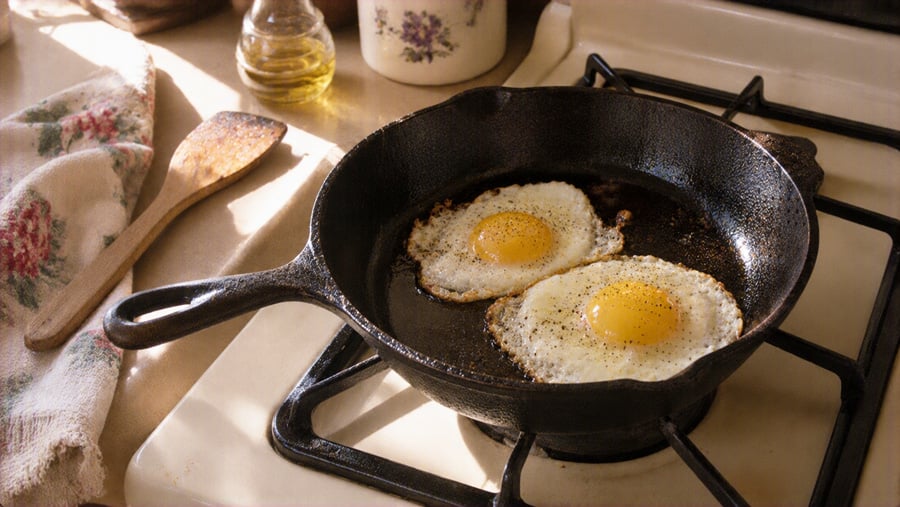
A well-seasoned cast-iron skillet could become one of the most treasured possessions in a family kitchen. Unlike pans with coatings that eventually wear away, traditional cast iron can be cleaned, restored, and seasoned repeatedly. Lodge’s manufacturing history dates back to 1896, and vintage cast-iron cookware remains sought after today. A skillet that once cooked breakfast for an entire family in the 1930s could still be frying eggs in someone’s kitchen generations later. With proper care, its age doesn’t necessarily diminish its usefulness.
2. Solid-Wood Chairs
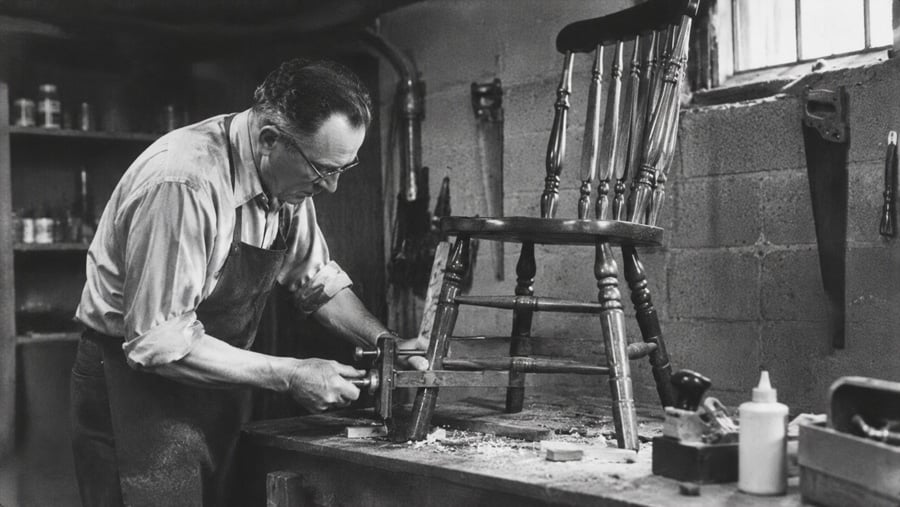
A kitchen chair with a loose leg wasn’t necessarily destined for the trash. Traditional solid-wood furniture was often assembled using joints that could be reinforced, taken apart, and glued back together. Scratched surfaces could be refinished, and damaged seats could sometimes be replaced without disturbing the rest of the chair. Surviving pieces from the 18th and 19th centuries demonstrate just how long well-maintained wooden furniture can remain useful. The occasional repair was simply another chapter in the life of an everyday household object.
3. Mechanical Sewing Machines
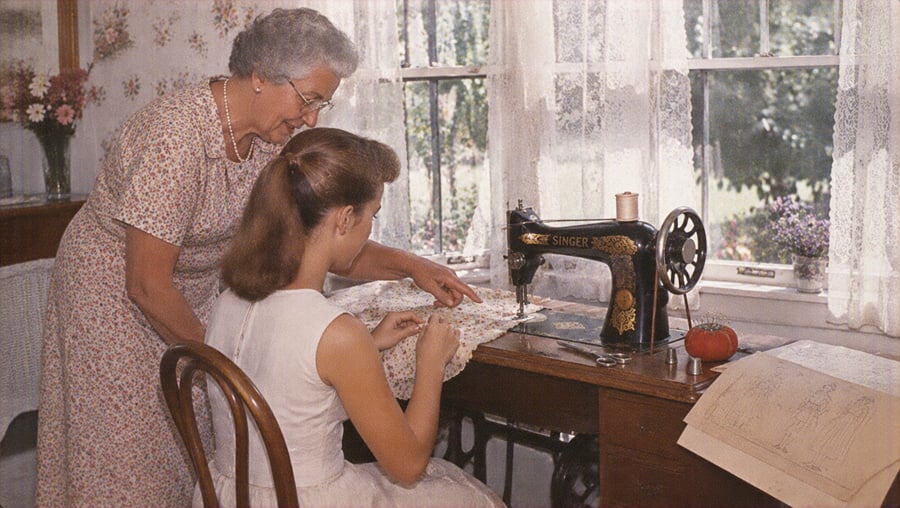
For many families, a sewing machine was a substantial investment that justified years of maintenance. Early treadle machines operated entirely through foot power, while later mechanical models continued to rely on serviceable metal components. Cleaning, lubrication, adjustments, and replacement parts could keep certain machines working long after their original owners stopped using them. Vintage Singer machines remain familiar examples, and some are still capable of stitching fabric today. Passing one down to a daughter or granddaughter could mean passing down a genuinely useful household tool.
4. Manual Typewriters
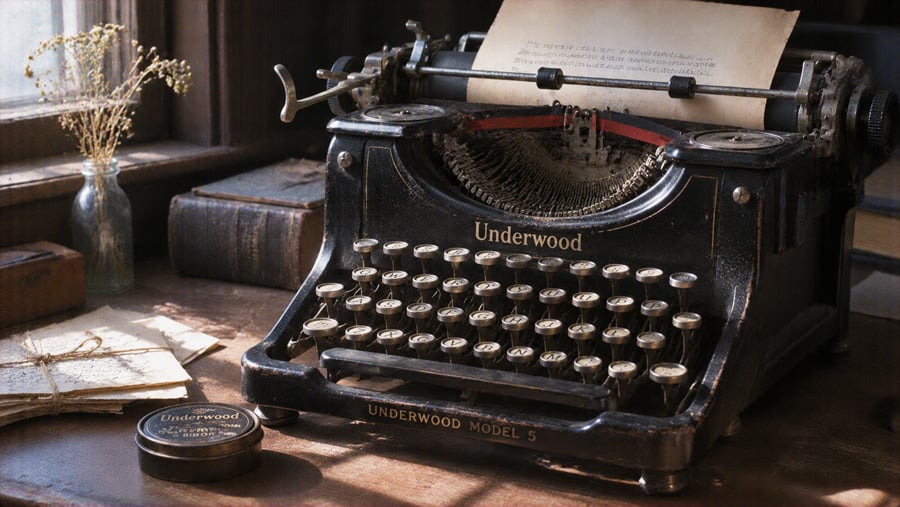
A dependable manual typewriter could produce thousands of letters, school assignments, manuscripts, and business documents over its lifetime. Machines such as the Underwood Model 5, introduced around 1900, were built with substantial metal mechanisms and replaceable ink ribbons. When the keys became sluggish, or the alignment needed attention, a repair could often bring the machine back into working order. Some surviving typewriters remain functional more than a century later, making their longevity particularly remarkable in an age of rapidly changing electronics.
5. Vintage Pyrex Baking Dishes
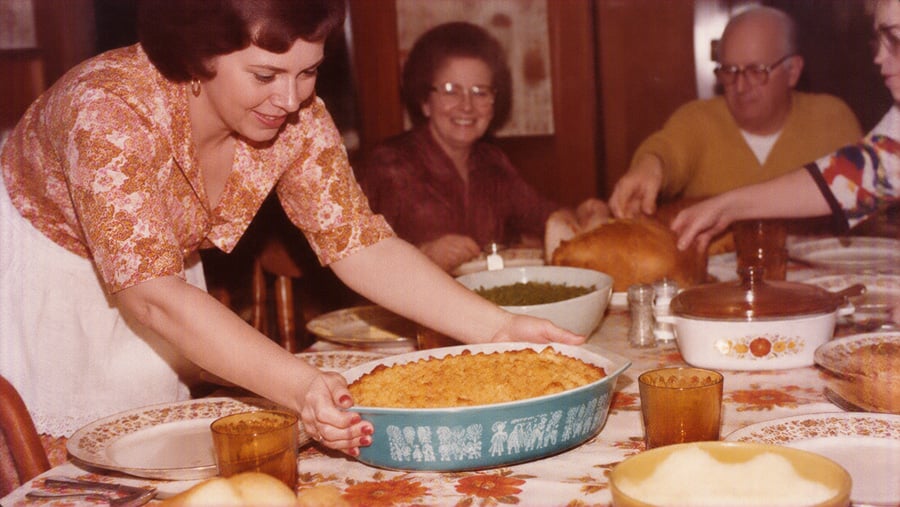
Pyrex baking dishes began appearing in American kitchens in 1915, originally made from heat-resistant borosilicate glass. American Pyrex bakeware later transitioned to heat-strengthened soda-lime glass, but many examples from different manufacturing periods have survived decades of family meals. Casserole dishes, mixing bowls, and baking pans became familiar sights at holiday gatherings and Sunday dinners. Undamaged vintage pieces can remain useful today when handled appropriately, although their condition and susceptibility to damage still matter. For many families, an inherited baking dish carries memories of the recipes once prepared inside it.
Trending on Wealth Gang
6. Heavy Metal Electric Fans
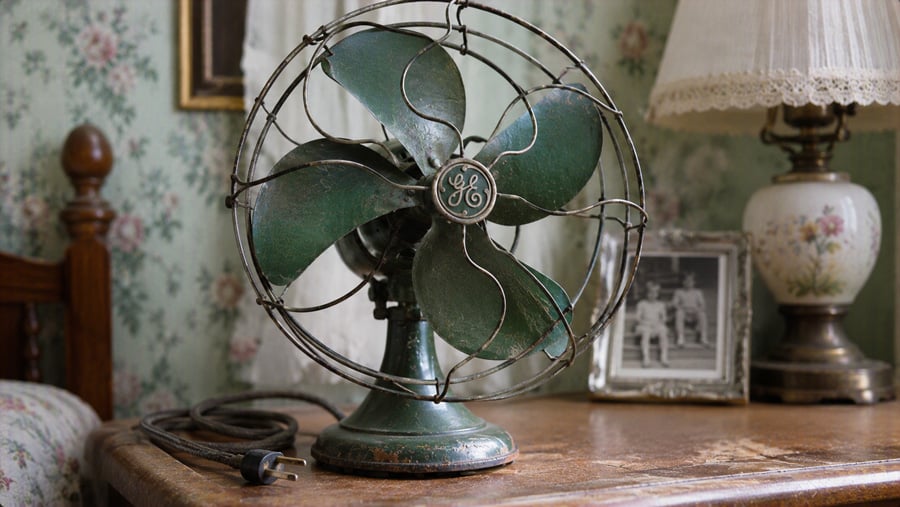
Older electric fans often featured substantial metal housings, heavy motors, and metal blades. Manufacturers such as General Electric and Westinghouse produced models that became familiar fixtures on desks, countertops, and bedside tables. Their separate mechanical and electrical components sometimes allowed repairs that extended their working lives. Restored vintage fans remain popular with collectors, although deteriorated wiring and older blade guards can make unrestored models unsafe. Even when no longer operating, these substantial appliances offer a striking example of how differently many household products were once constructed.
7. Wind-Up Alarm Clocks
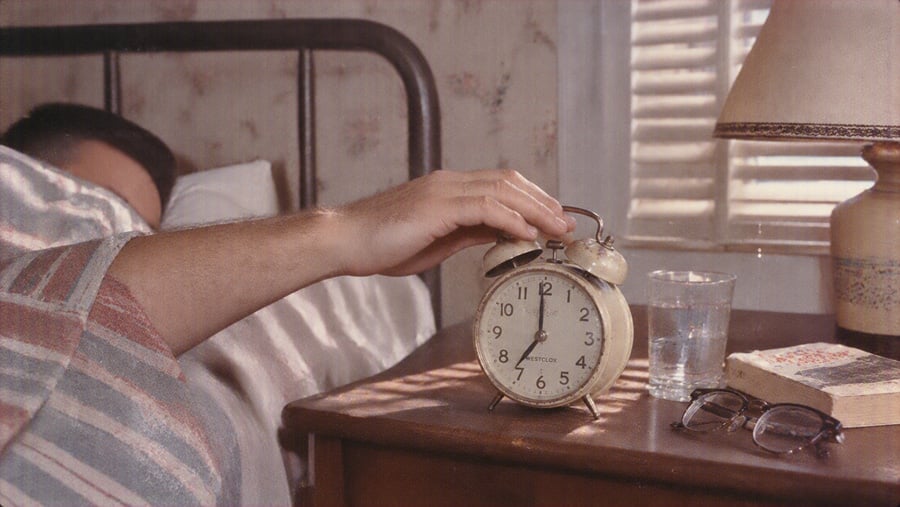
Before digital displays and smartphone alarms, many Americans woke up to the unmistakable ringing of a mechanical alarm clock. These clocks relied on springs, gears, and carefully balanced mechanisms rather than batteries or electronic circuits. Manufacturers such as Westclox helped make them ordinary household possessions throughout the 20th century. If a clock began losing time, a skilled repairer could sometimes clean and adjust its internal mechanism. With regular servicing, a wind-up alarm clock could remain on the same bedside table for decades.
8. Metal Safety Razors
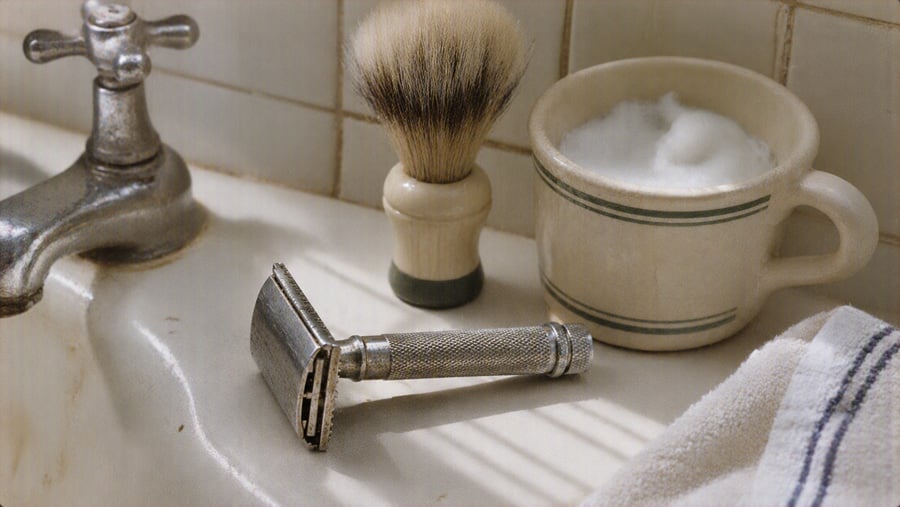
Traditional safety razors were designed around a simple idea: replace the dull blade, not the entire razor. Gillette introduced its replaceable-blade system in 1903, helping popularize a design that remained recognizable throughout the following century. A quality metal handle and razor head could withstand years of use when regularly cleaned and properly maintained. Some vintage safety razors are still used today because their basic design has changed remarkably little. What began as an everyday grooming tool could easily remain in someone’s bathroom cabinet for much of their adult life.
Sign up for our newsletter
9. Steel Lunch Boxes
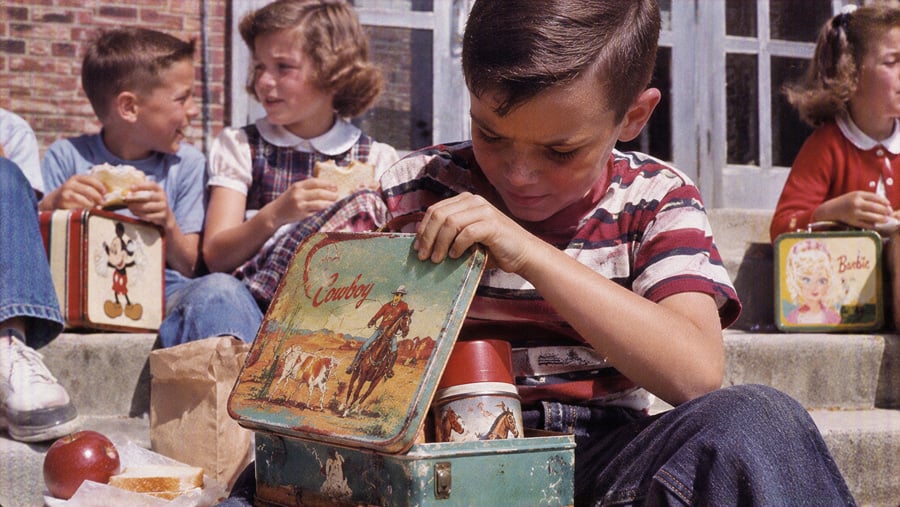
For American schoolchildren in the mid-20th century, a metal lunch box was both a practical possession and a way to show off a favorite character. Aladdin Industries introduced its famous Hopalong Cassidy lunch box in 1950, helping launch a long-running trend of illustrated school lunch containers. Their steel bodies could withstand plenty of bumps, drops, and playground adventures, even when the painted surfaces began to chip. Not every lunch box survived childhood, but many original examples remain intact today, complete with dents that tell their own little stories.
10. Refillable Fountain Pens
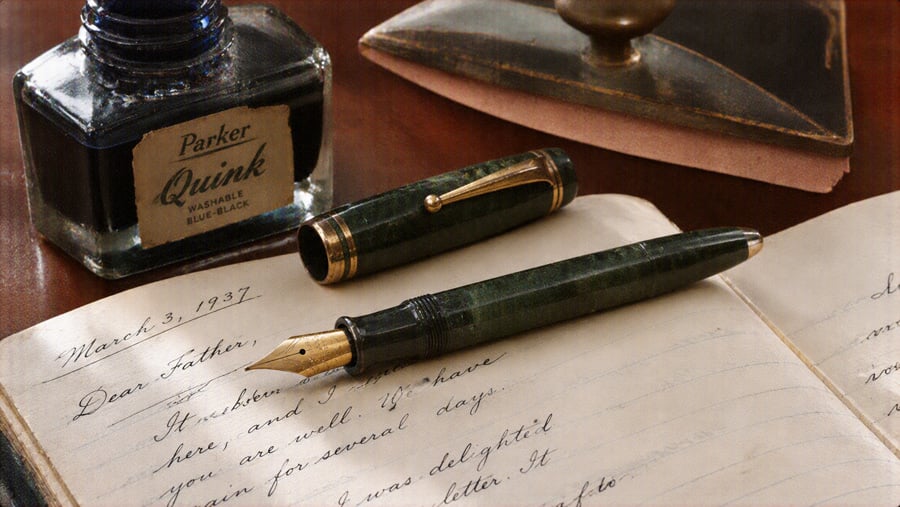
A good fountain pen was once something people expected to keep, rather than a writing instrument to throw away when the ink ran out. Owners refilled their pens, cleaned the nibs, and sometimes had damaged internal components replaced. The Parker Pen Company was founded in Wisconsin in 1888, and models such as the 1934 Parker Challenger reflected an era when writing instruments could be substantial personal purchases. Many vintage fountain pens continue to be restored and used, demonstrating how replaceable components could extend the life of even a relatively small everyday object.
11. Hand-Cranked Egg Beaters
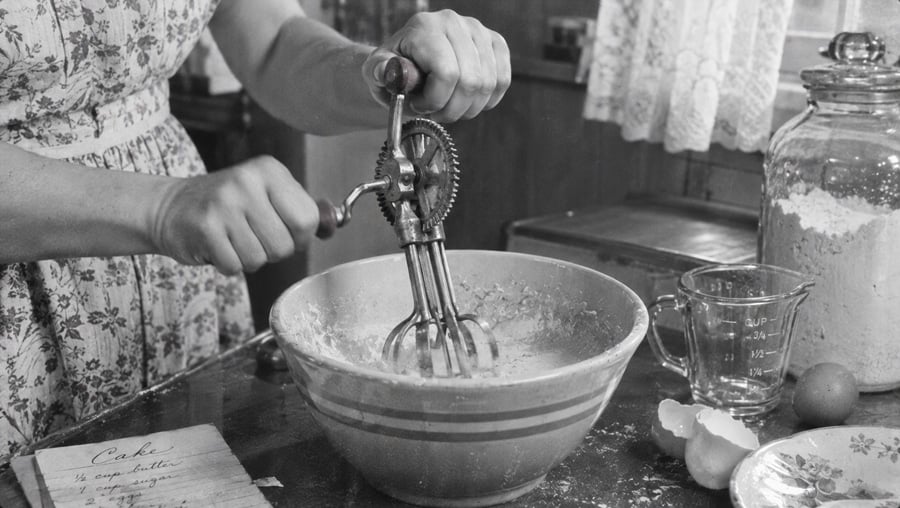
Long before electric mixers became standard kitchen equipment, a hand-cranked egg beater could handle everything from whipping cream to preparing cake batter. Turning a small handle activated a relatively simple system of metal gears and rotating beaters. Historical examples from the 1920s feature metal mechanisms and wooden grips, with no electrical parts to fail. Regular cleaning and careful storage helped these utensils remain useful through countless family baking sessions. Some surviving examples still perform essentially the same task they were designed to do a century ago.
12. Early Hoover Vacuum Cleaners
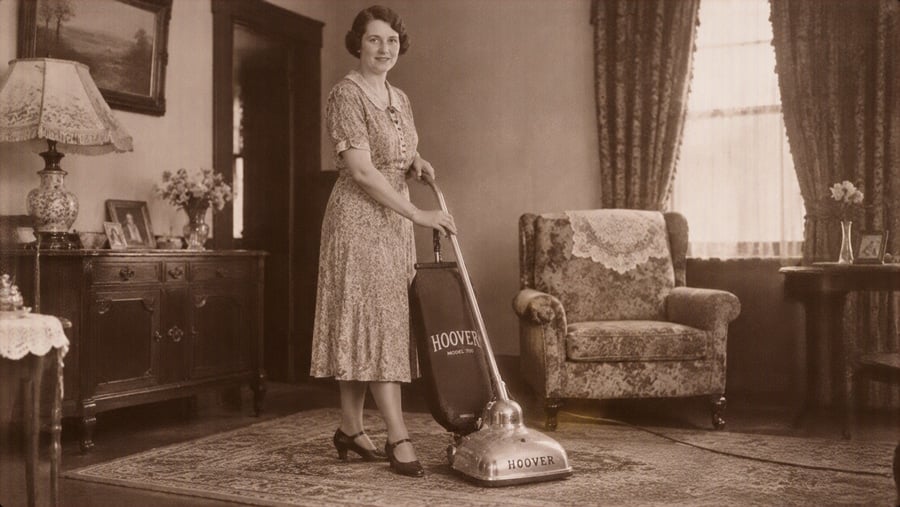
Early vacuum cleaners were substantial household appliances that often featured metal bodies and mechanical parts that could be serviced. Hoover’s Model 700, manufactured between 1926 and 1929, included an aluminum body and an agitator brushroll designed to lift dirt from carpets. Replacement components and regular maintenance could extend the appliance’s working life, although motors and electrical systems were still susceptible to failure. Surviving machines illustrate a time when household cleaning equipment was often a significant investment, expected to justify its purchase through years of service.
13. Wool Blankets
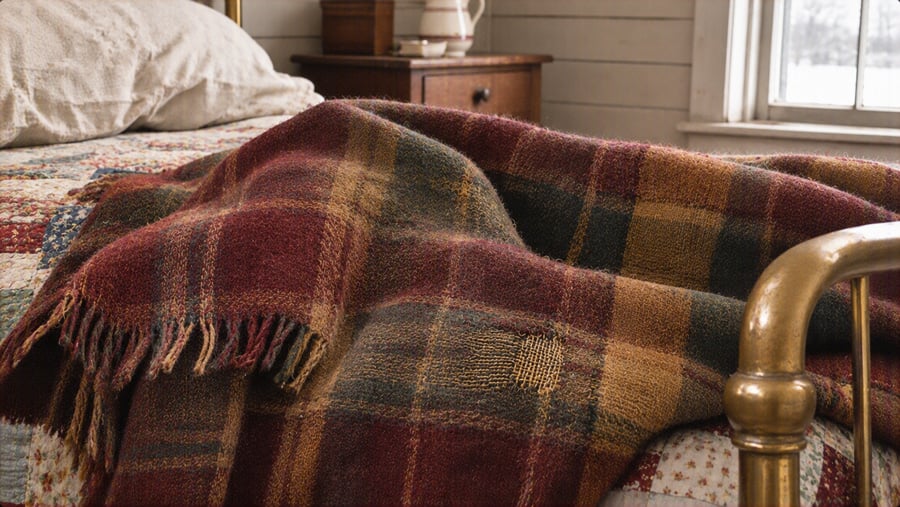
A thick wool blanket could remain folded at the foot of a family bed through decades of winters. Wool’s natural insulating properties made it especially useful in homes where heating wasn’t always consistent, while tightly woven fabrics could withstand repeated use. Small holes could be darned instead of immediately replacing the blanket. Although moths, improper washing, and ordinary wear could eventually cause significant damage, carefully maintained wool blankets sometimes passed from one generation to another. Their faded colors and small repairs often became part of their character.
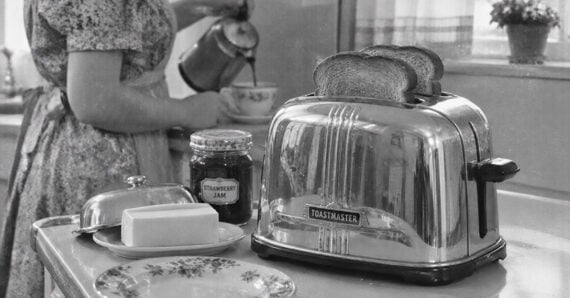
14. Chrome-Plated Pop-Up Toasters
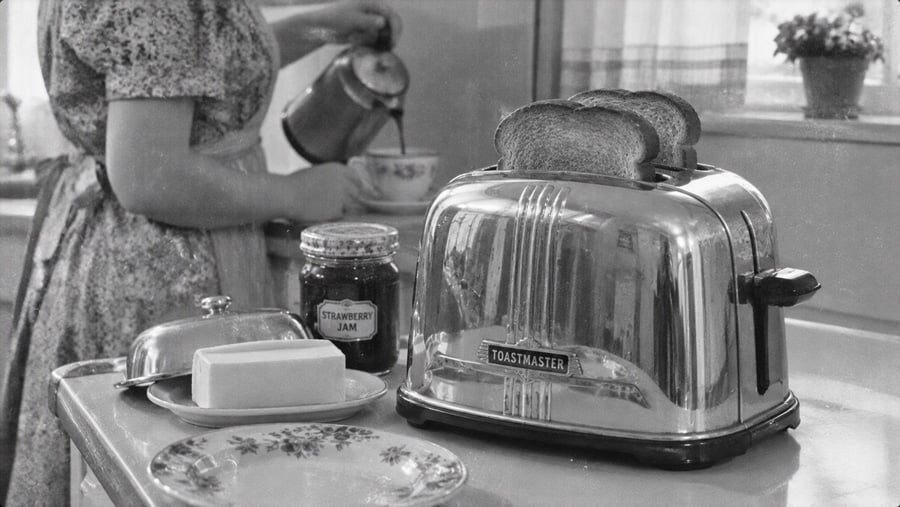
Early automatic toasters often combined sturdy metal construction with distinctive styling and mechanical controls. A 1930s Toastmaster model preserved by the Smithsonian features chrome-plated steel, Bakelite components, and Art Deco-inspired details. These appliances brought the convenience of automatically toasted bread into American kitchens while remaining recognizable household fixtures for years. Some vintage models still operate after professional restoration, although old wiring can make unrestored appliances hazardous. Their polished metal surfaces and substantial construction reflect an era when even small kitchen appliances could feel like important household purchases.
15. Riveted Work Jeans
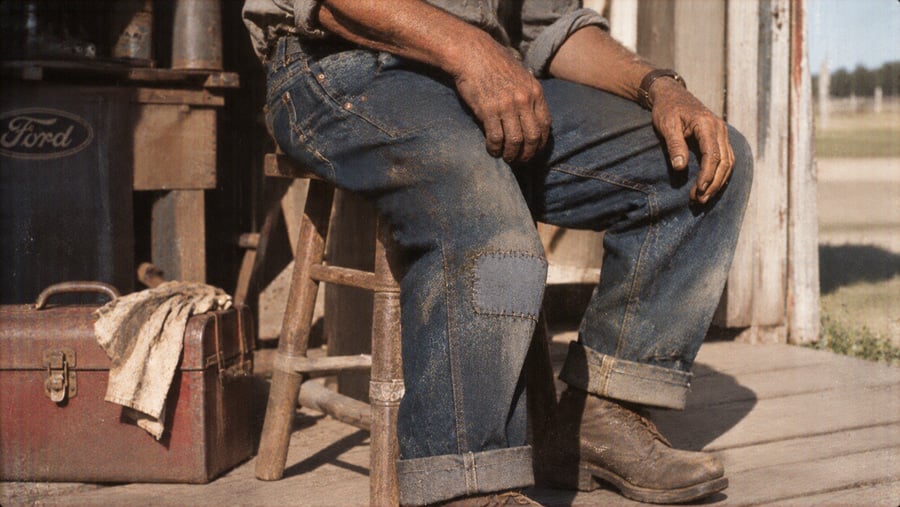
Blue jeans were originally developed as practical clothing for people whose work demanded tough fabrics. In 1873, Levi Strauss and Jacob Davis received a patent for reinforcing trousers with metal rivets at points vulnerable to tearing. Heavy denim and reinforced pockets helped the garments withstand demanding conditions, while worn knees and small tears could be patched. Not every pair survived decades of labor, but durability was central to the original design. Long before distressed denim became fashionable, faded fabric and visible repairs were evidence of actual hard work.
16. Traditional Wooden Window Frames
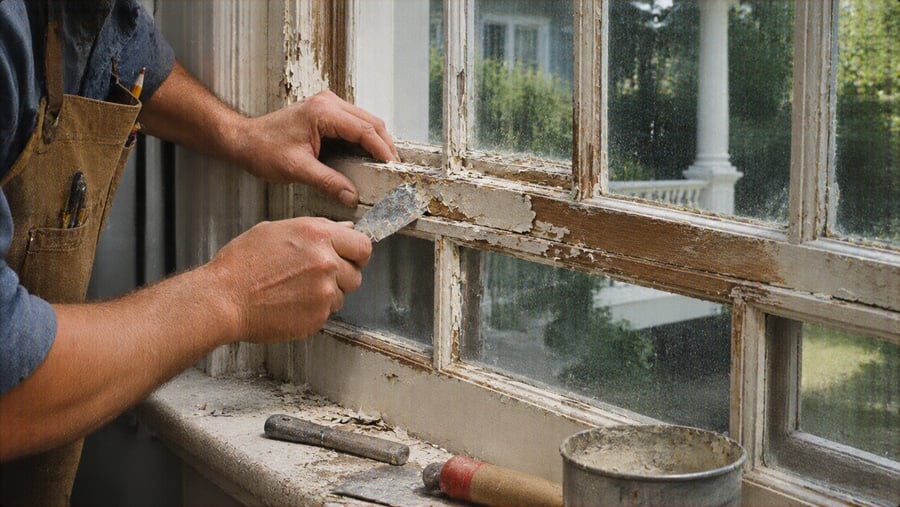
Historic wooden windows were often assembled from individual components that could be maintained or replaced separately. Broken glazing, deteriorated paint, worn sash cords, and certain areas of rotting wood could be repaired without removing the entire window. Preservation guidelines from the National Park Service document techniques for retaining original materials while restoring damaged sections. Many historic American buildings still contain wooden windows that have survived more than a century. Their continued existence demonstrates how regular upkeep and repairable construction could extend the life of everyday architectural features.
More Related Notes
• 15 Everyday Things That Look Nothing Like They Did in 1985
Take a nostalgic look at familiar products that have transformed over the past four decades, from telephones and televisions to everyday electronics. These changes reveal just how quickly technology reshaped ordinary household essentials.
• 18 Everyday Products That Lasted Much Longer in the Past
Explore how the durability, design, and functionality of everyday products have evolved. From washing machines to clothing and furniture, discover why many older items were built differently from their modern counterparts.
• 18 Everyday Items That Became Cheaper as Technology Improved
Discover how advances in manufacturing and technology transformed once-expensive products into affordable household staples, making televisions, computers, cameras, and other everyday essentials more accessible than ever.