Before modern conveniences like electric dryers and paved highways, the weather was not merely a backdrop to human activity. It was the ultimate schedule-maker.
From harnessing sun to relying on winter ice for summer preservation, society adapted to nature’s constraints. Even today, as technology continues to bridge the gap, these age-old weather dependencies remain deeply woven into the fabric of rural communities and traditional industries around the world.
1. Drying Laundry Took Days in Bad Weather
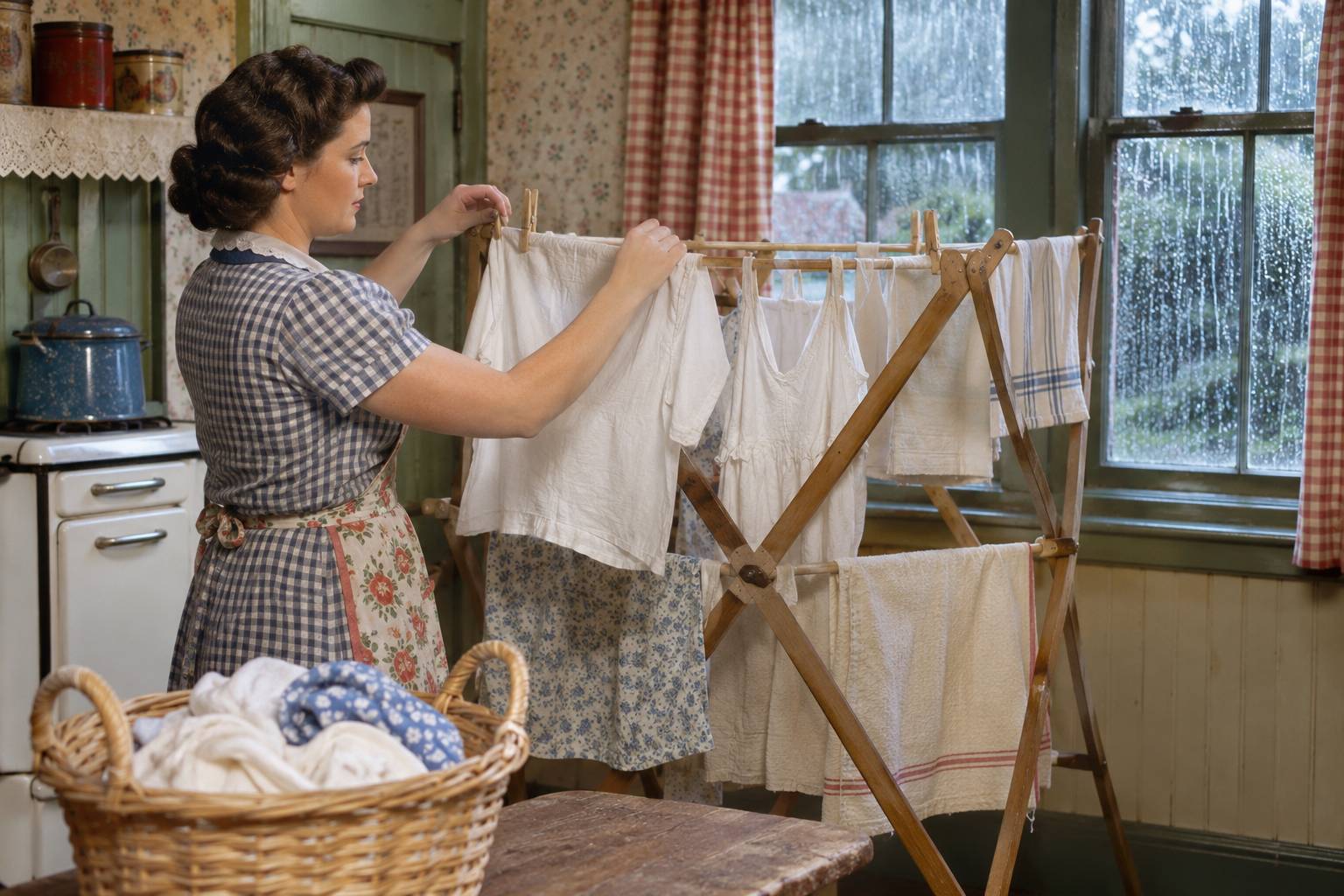
Before electric clothes dryers, getting laundry dry depended on sunshine, wind, and humidity. The Library of Congress describes how households traditionally hung washing outdoors, but moved it to attics or kitchen drying racks during rainy weather.
2. Keeping Food Cold Required a Freezing Winter
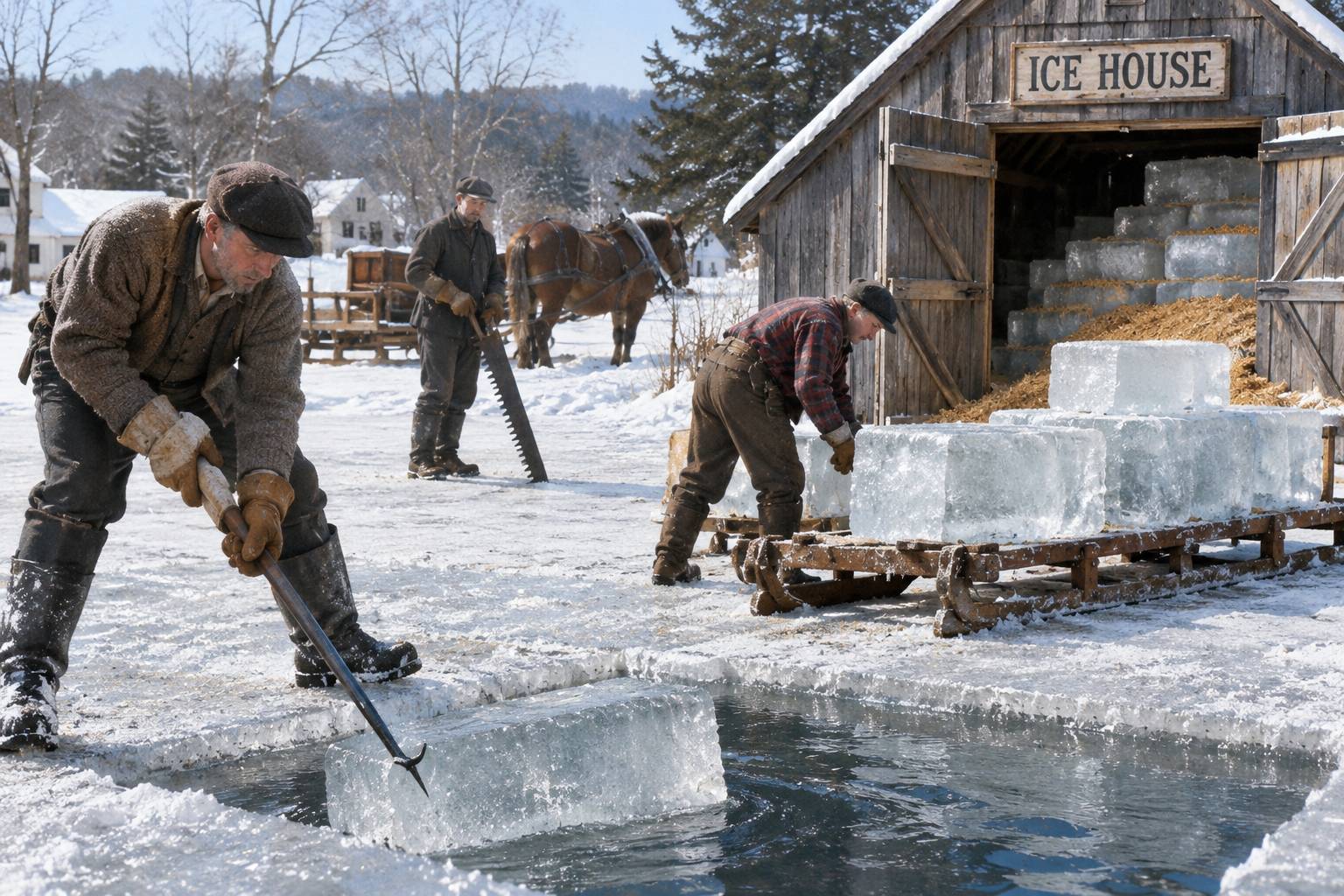
Before mechanical refrigeration became widespread, houses in colder regions relied on ice harvested from frozen lakes, rivers, and ponds. New Hampshire’s historic ice industry cut blocks that could be packed in sawdust and stored for summer use. Some icehouses preserved winter ice until August.
3. Preserving Fruit Required Consecutive Sunny Days
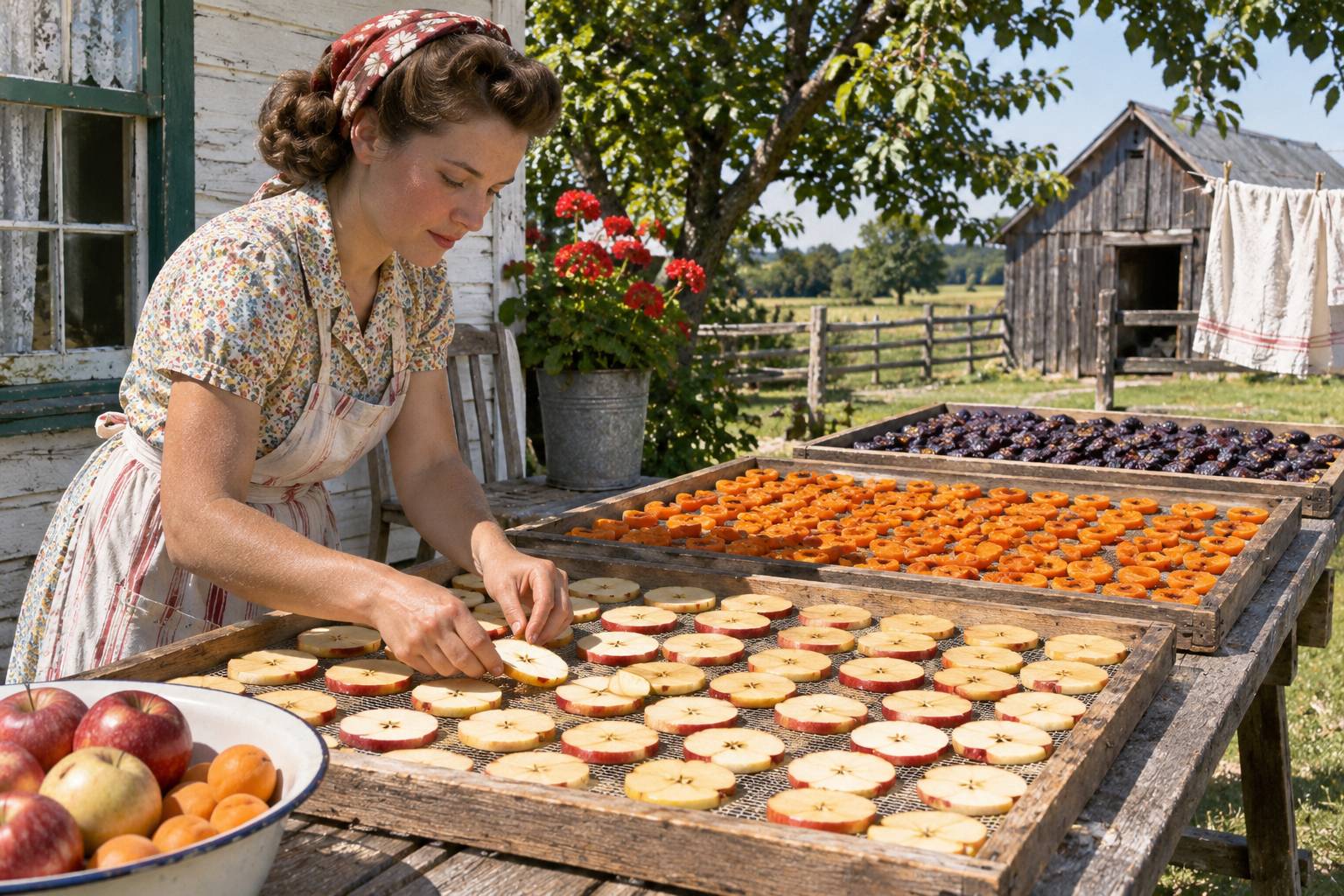
Before electric dehydrators, families preserved fruit by spreading it in the sun and allowing heat and moving air to remove moisture. This required more than a pleasantly warm afternoon. The National Center for Home Food Preservation explains that outdoor fruit drying needs hot, dry weather, ideally at least 85°F, and can take several days. Rain or excessive humidity could spoil the process.
4. A Trip to Town Became Impossible After Heavy Rain
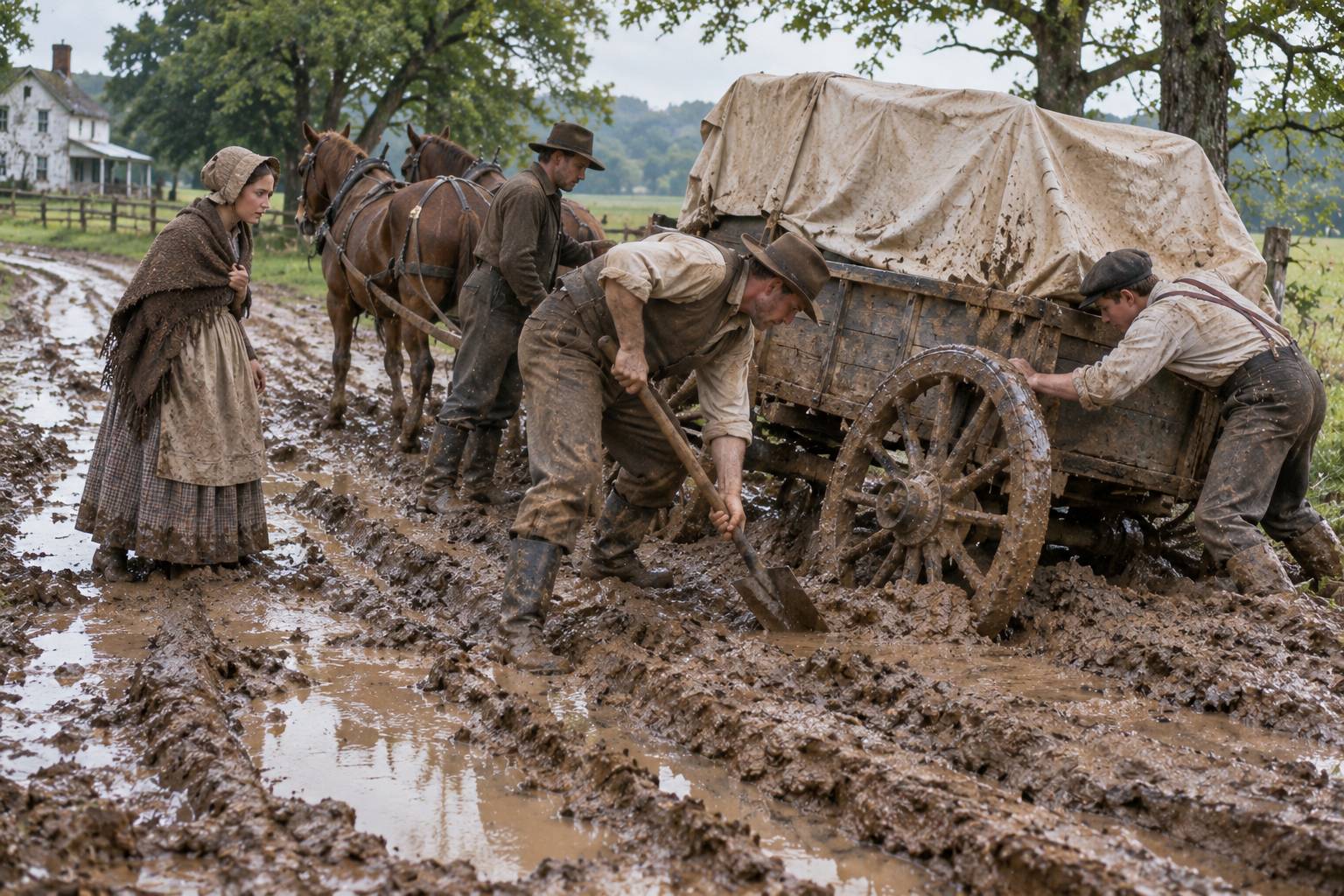
Traveling a few miles was much less predictable when roads were mostly dirt, and vehicles were pulled by animals. Rain could transform an ordinary route into deep mud, leaving wagons stranded or damaging their wheels. Historical accounts document how worsening weather made roads increasingly difficult and dangerous for travelers.
5. Making Hay Required Dry Weather
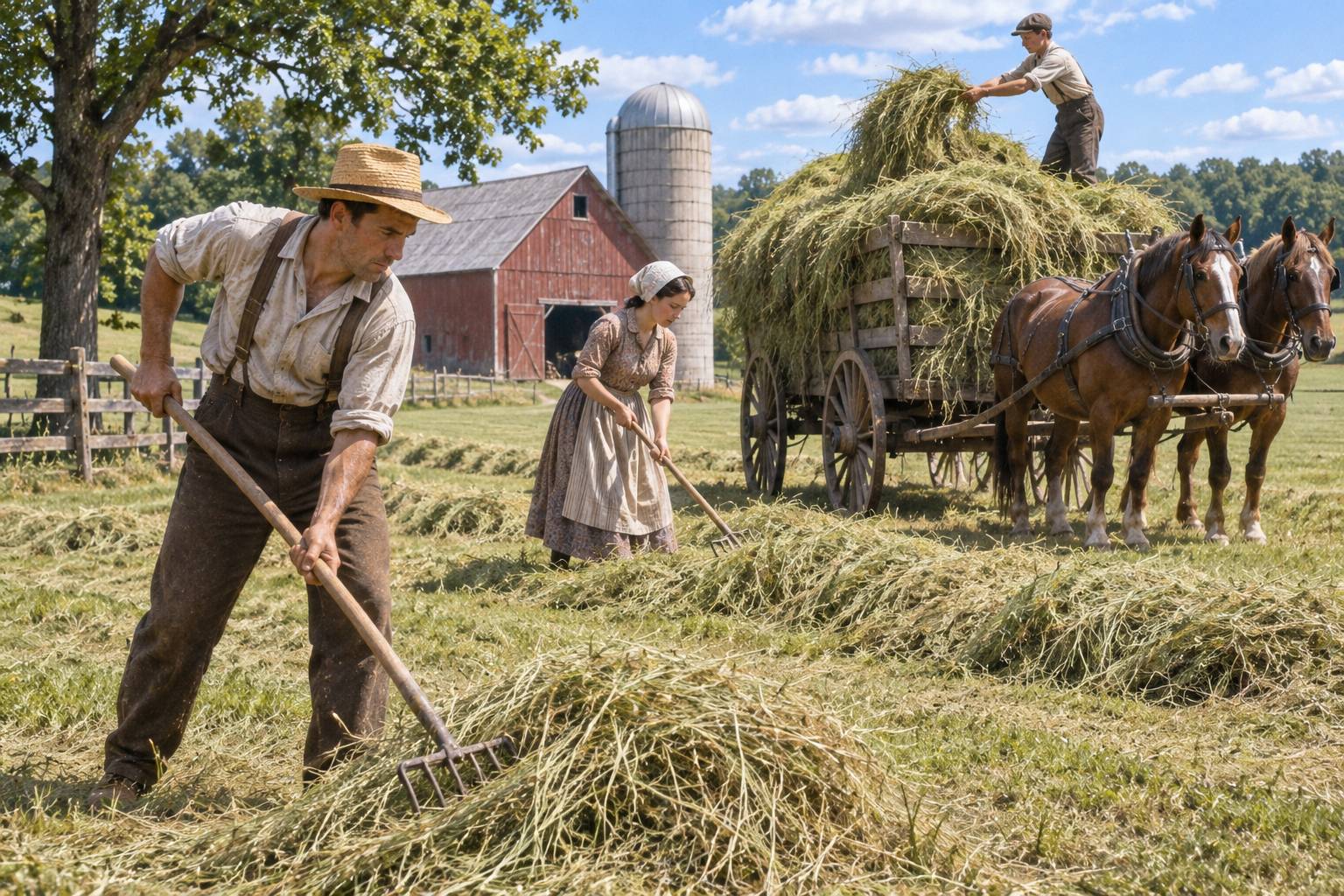
For farming families, a few rainy days could jeopardize livestock feed for the coming winter. Freshly cut grass had to dry before storage, and rain during that process could reduce its nutritional value. The National Park Service notes that traditional haymaking required several consecutive days of favorable weather.
Trending on Wealth Gang


6. Fetching Water Meant Going Outside in Any Weather
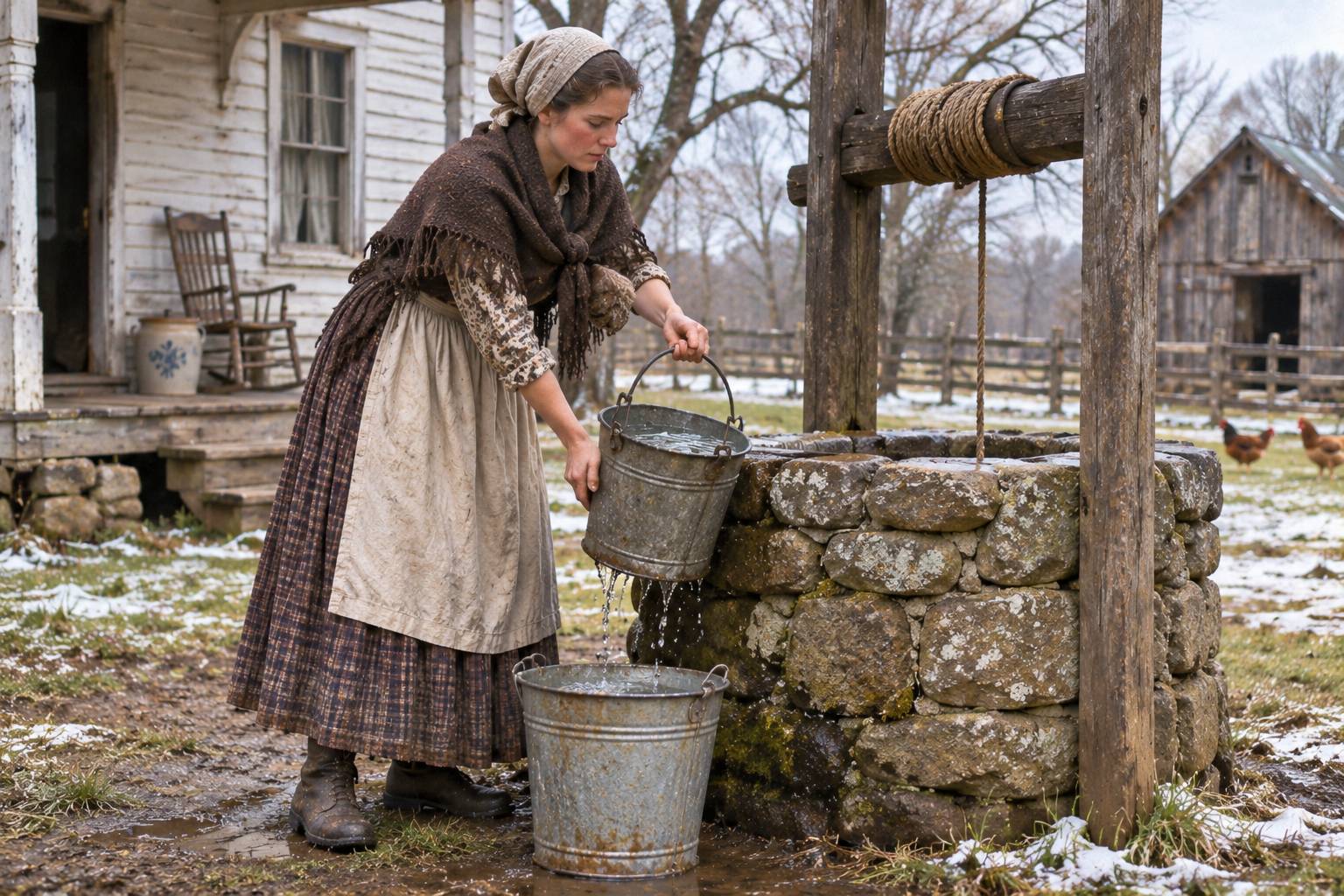
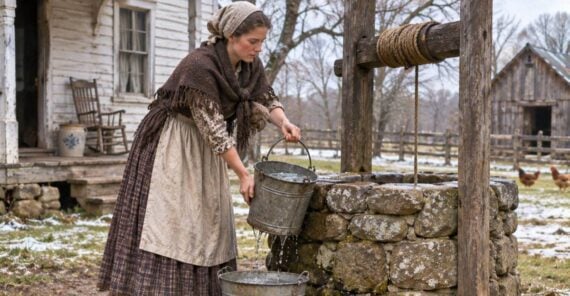
Before indoor plumbing, many households had to carry water from wells, pumps, or streams. Research cited by the University of Houston describes an 1886 estimate suggesting that a typical North Carolina housewife made eight to ten trips daily to obtain water.
7. Getting a Family Portrait Depended on Daylight
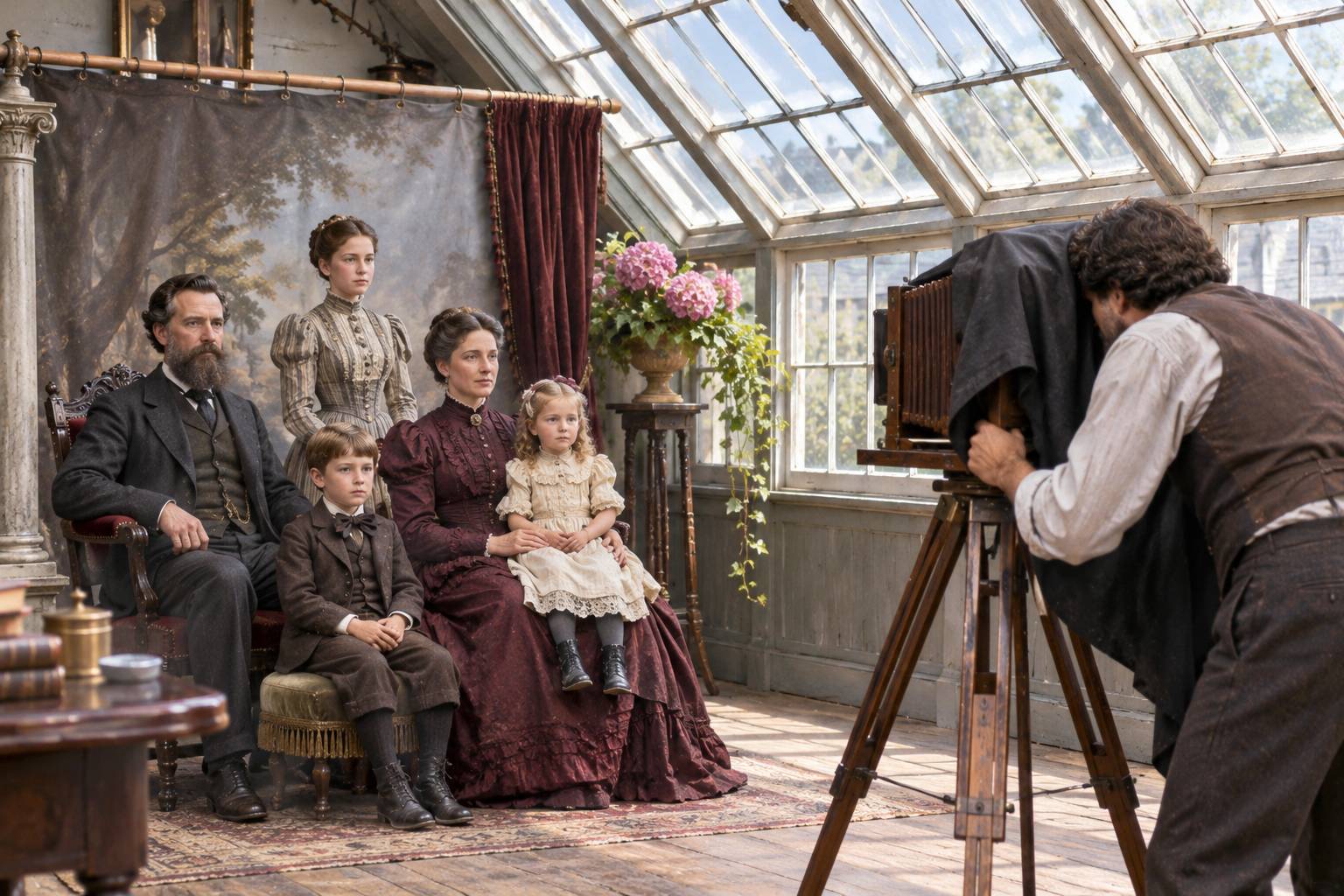
In the 19th century, photography studios depended on natural light rather than electric lighting. Many were located on upper floors with large skylights, which helped photographers capture enough light for an exposure.
8. Grinding Grain Into Flour Stopped During a Drought
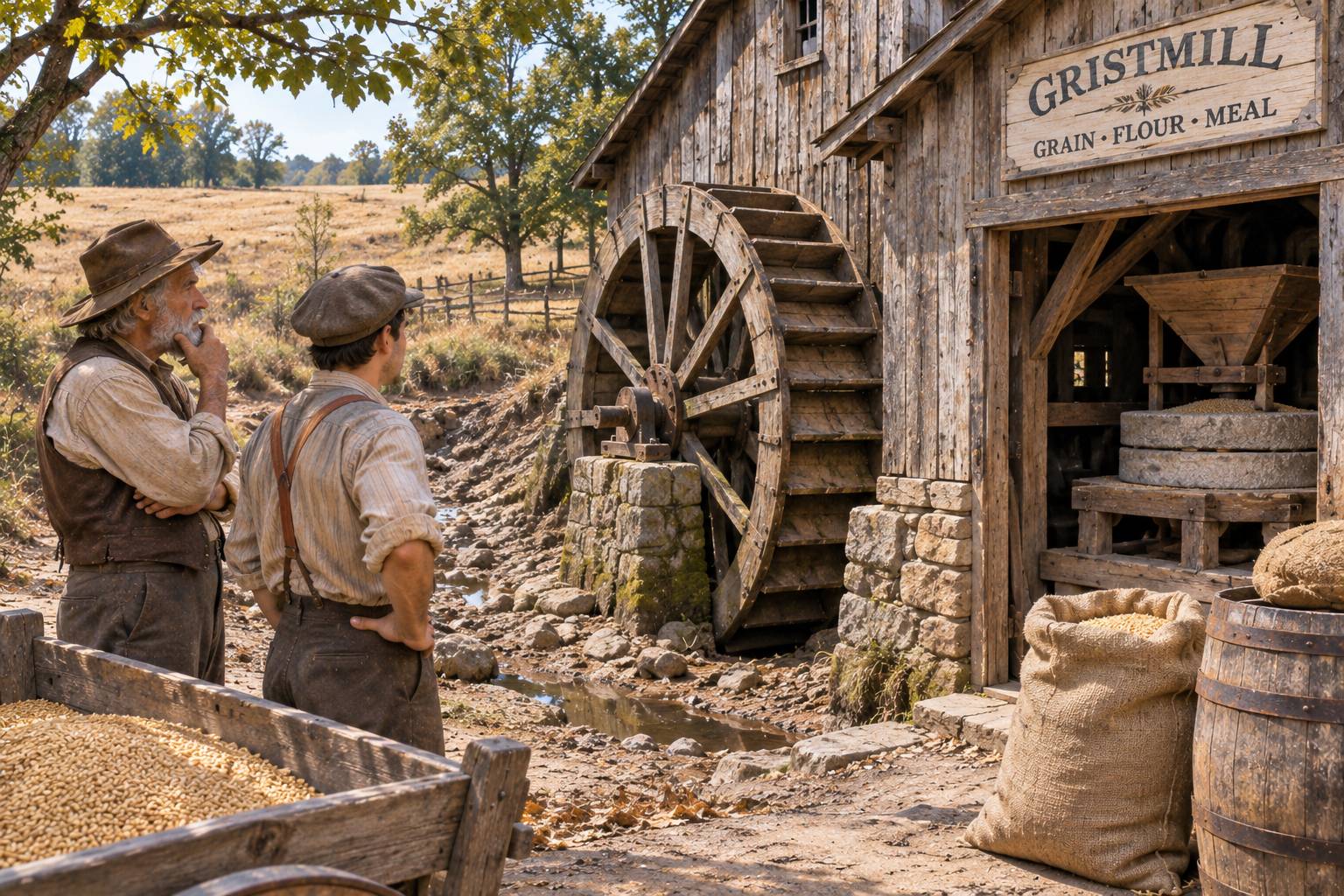
Before electric mills became common, many communities depended on water-powered gristmills to turn grain into flour. The equipment needed a dependable flow of water, which meant droughts could interrupt operations.
Sign up for our newsletter
9. Getting Running Water Indoors Depended on Wind
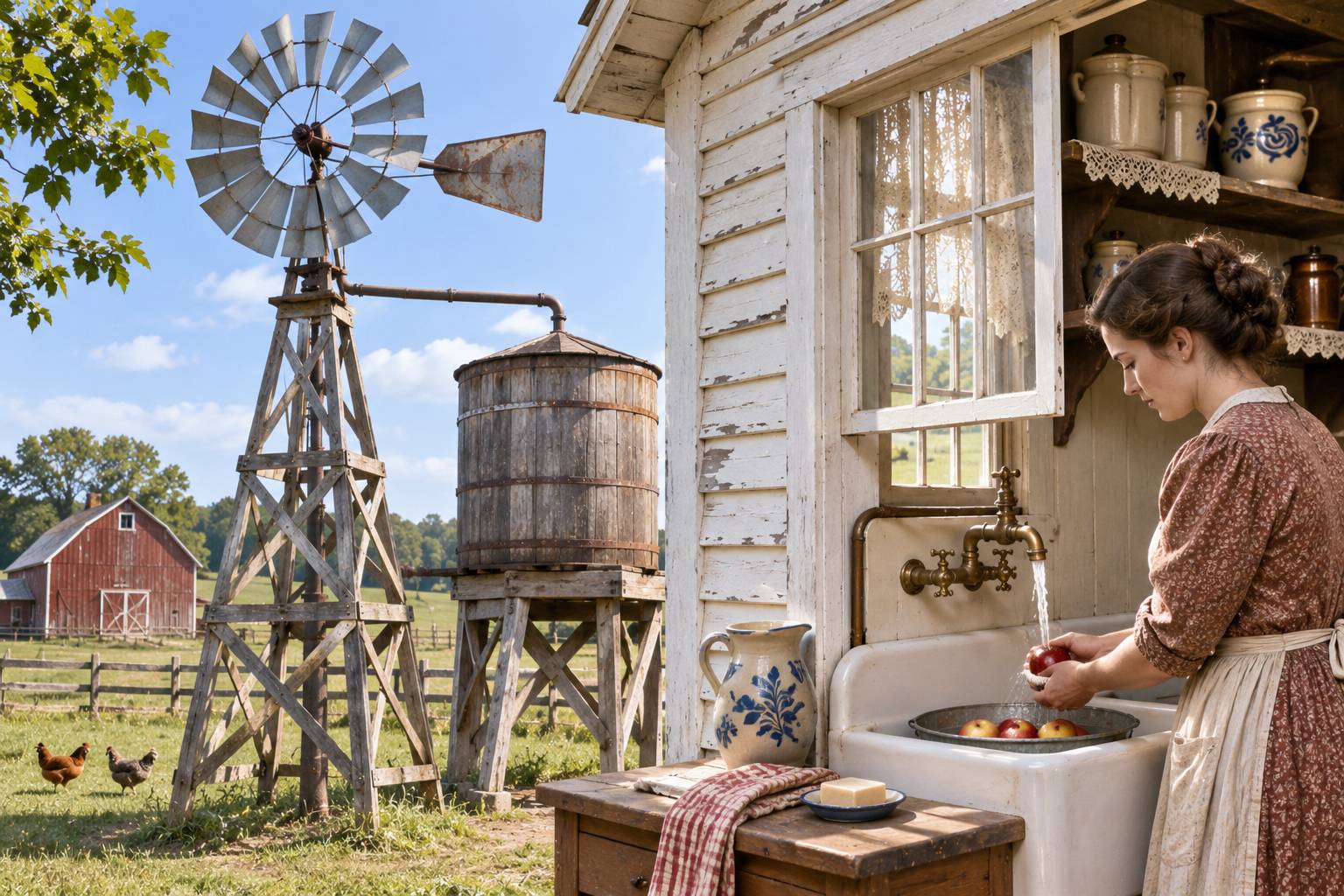
Some American families enjoyed a form of running water before they had electricity, thanks to wind-powered pumps.
10. Crossing a River Required Waiting for the Water to Drop
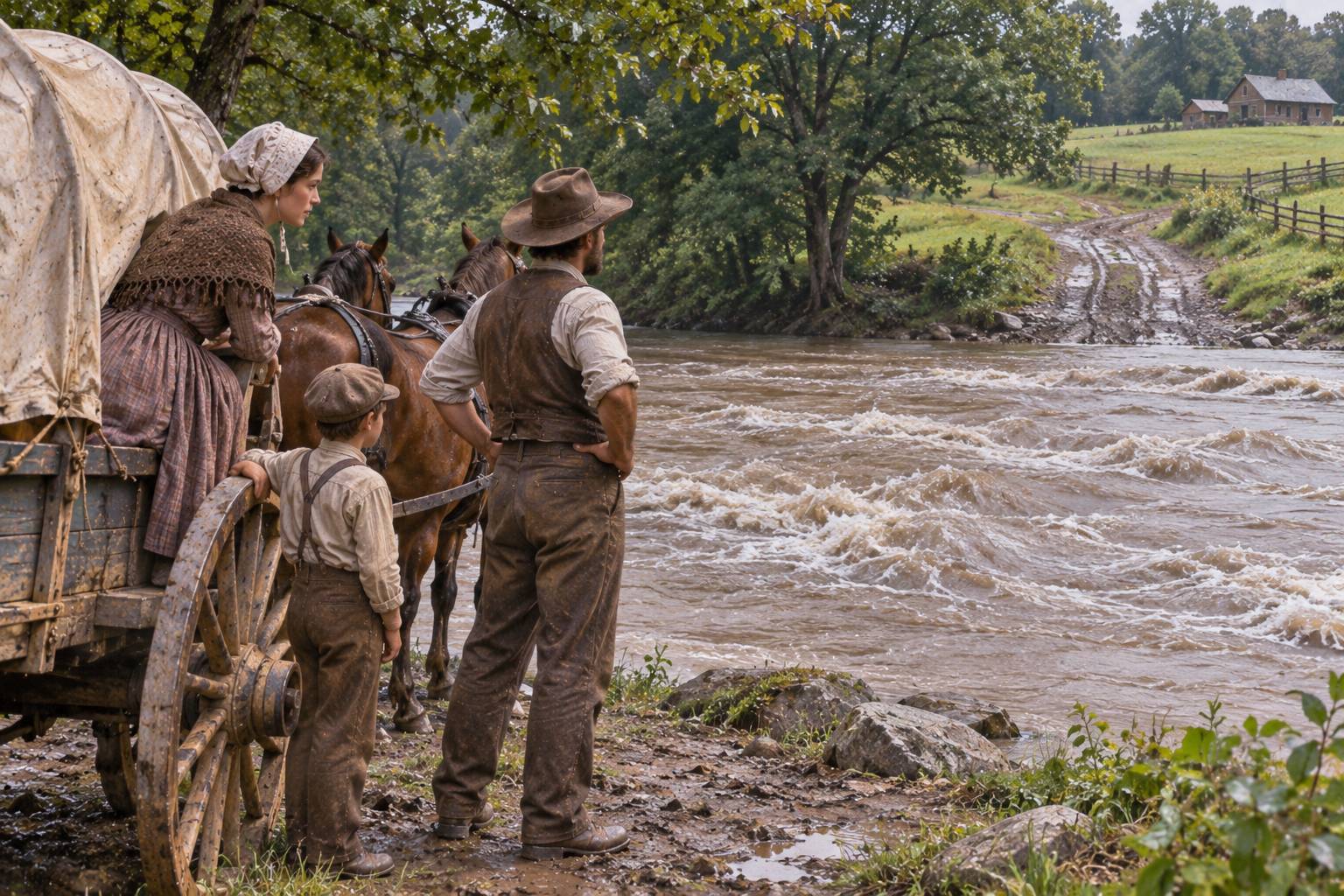
Before bridges became widespread, traveling between communities meant crossing rivers at shallow fords or using ferries. Heavy rainfall could turn an ordinary crossing into a dangerous obstacle.
11. Making Bricks Required Weeks of Sunshine
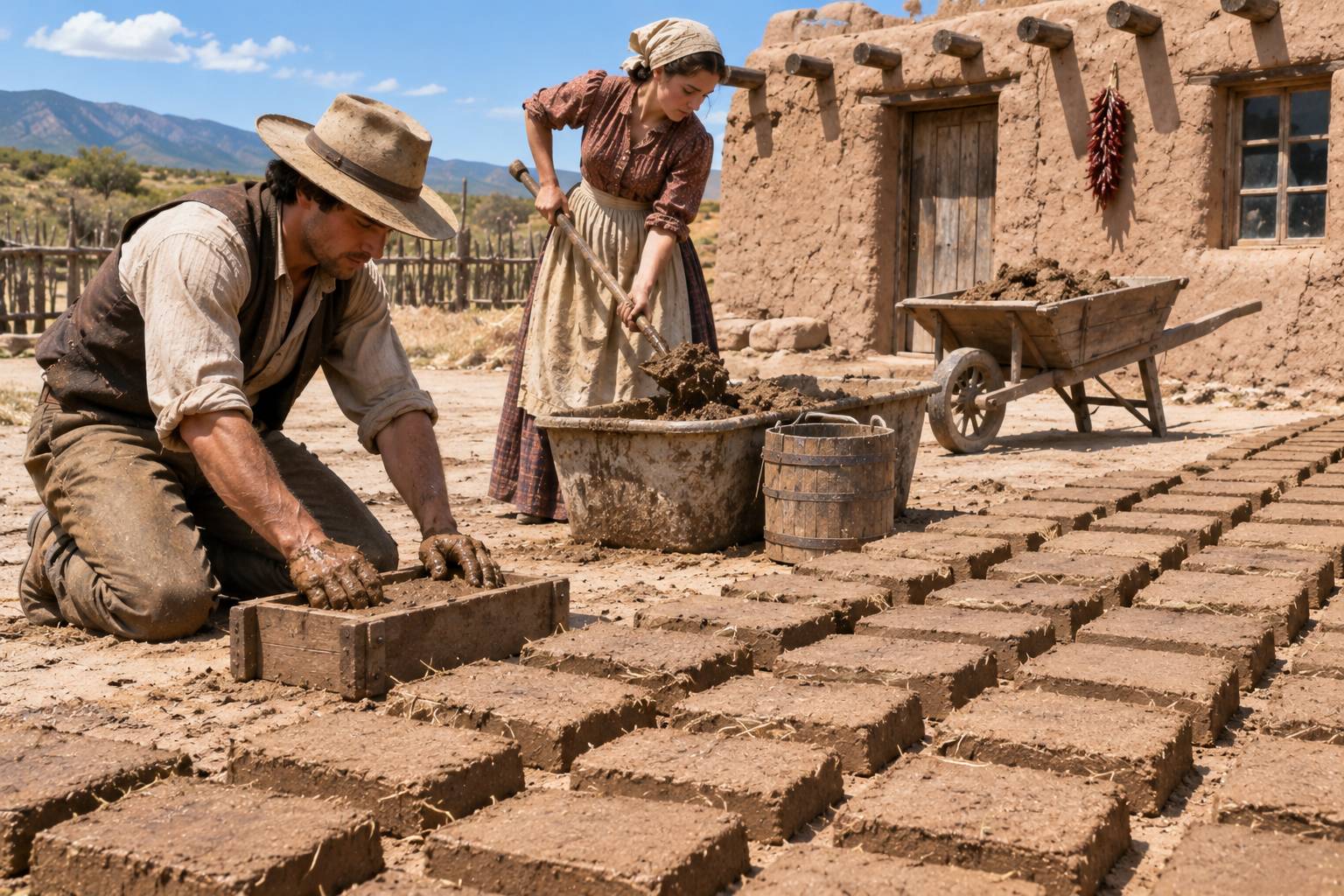
In regions where adobe construction was common, bricks were traditionally made from earth, water, and sometimes straw or grass, then left to dry in the sun. Rain during the drying process could disrupt production, making dry weather essential.
12. Preparing Lumber Depended on Humidity
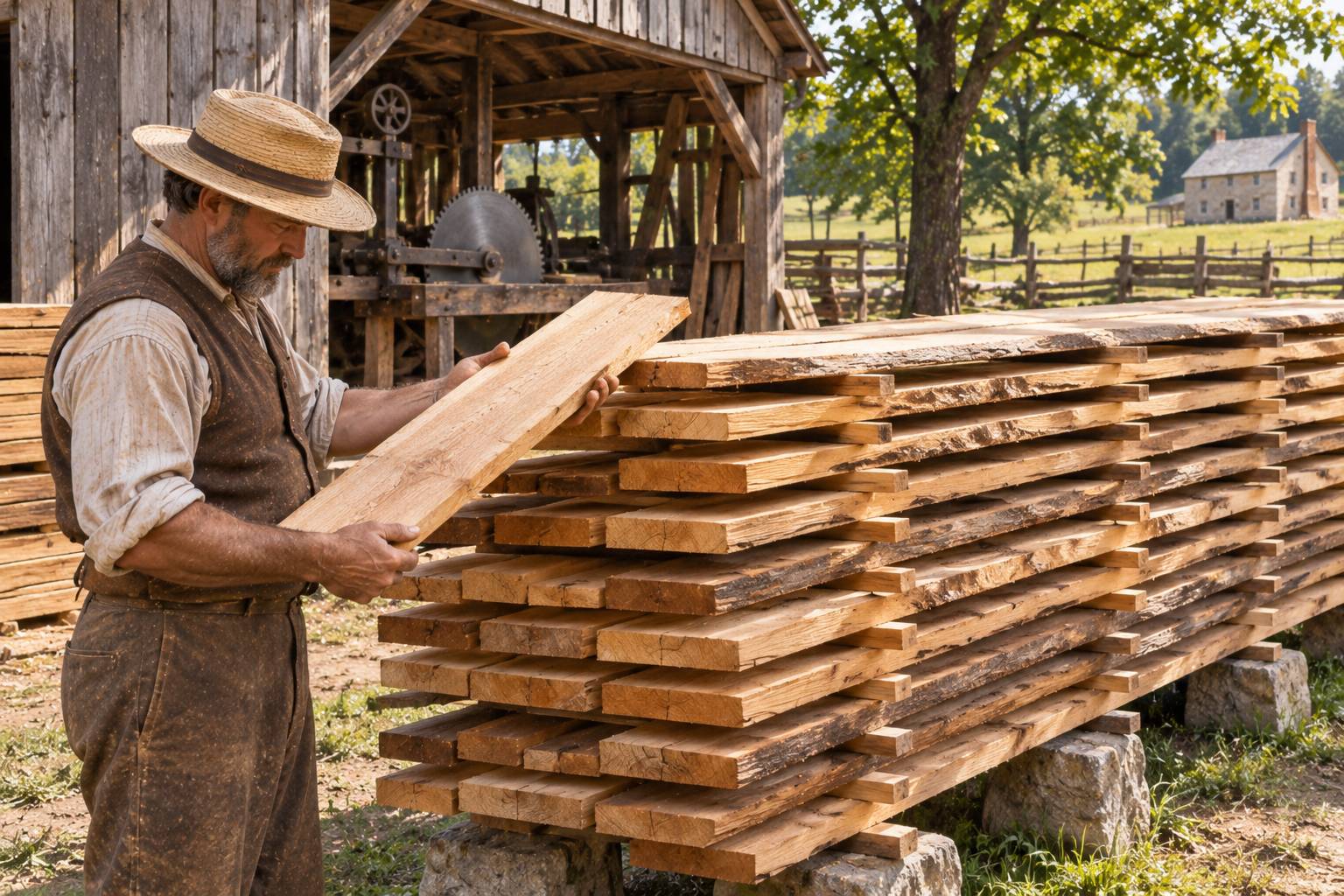
Before kiln drying became available, freshly cut lumber was commonly stacked outdoors to lose moisture naturally. The process depended on temperature, humidity, airflow, and the type of wood. Pennsylvania State University explains that some woods can develop staining in warm, humid conditions, while others require careful airflow to avoid cracking.