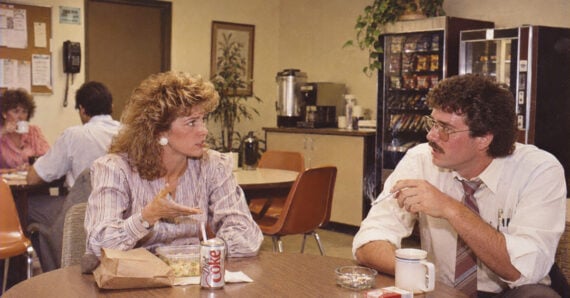
Awkward conversations were once an unavoidable part of everyday American life. Before text messages, online forms, and social media offered easier ways to communicate, people had to deliver uncomfortable news, ask embarrassing questions, and settle disagreements while looking someone directly in the eye. There was no convenient screen to hide behind and no time to carefully rewrite a response.
Some of these encounters were ordinary parts of growing up, dating, working, or living in a neighborhood. Others could turn a perfectly normal afternoon into a memory that lingered for years. From returning a disappointing birthday gift to asking a friend to repay borrowed money, these 17 situations capture the social discomfort that previous generations simply had to navigate.
1. Telling Someone You Didn’t Want a Second Date

Before dating apps made disappearing from someone’s life remarkably easy, turning down a second date often required an actual conversation. Someone might ask about Friday night while standing outside a restaurant, sitting in a parked car, or saying goodbye on a front porch. The person declining had to find a polite way to explain that the chemistry wasn’t there, sometimes while the other person was still smiling hopefully. A simple “I had a nice time, but…” could feel like the longest sentence in the world.
2. Asking a Friend to Pay Back Borrowed Money
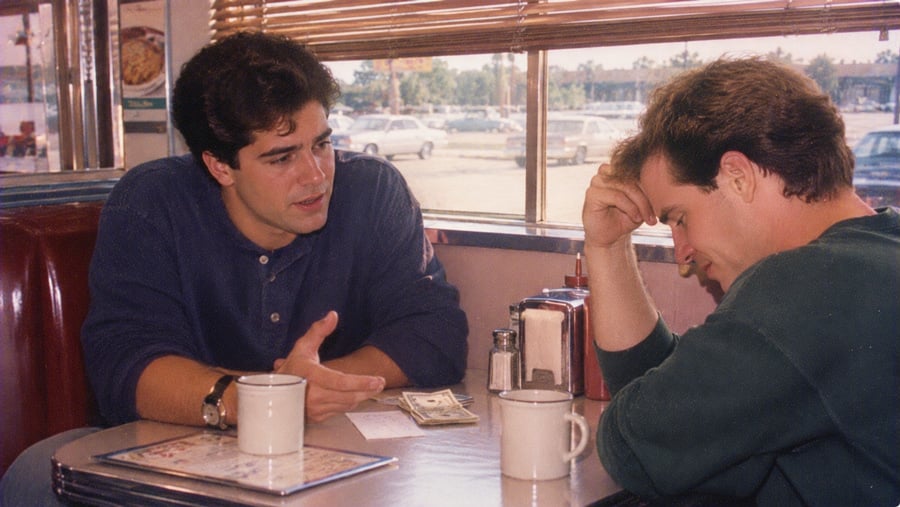
Lending someone twenty or fifty dollars could create weeks of uncomfortable tension when the money didn’t come back. Without payment apps and digital reminders, asking for repayment meant bringing it up in person or making an awkward phone call. The borrower might insist they hadn’t forgotten, while the lender tried to sound casual about money they genuinely needed. Sometimes the conversation was more embarrassing than the amount involved, especially when the two people were close friends.
3. Returning a Gift Someone Clearly Expected You to Love
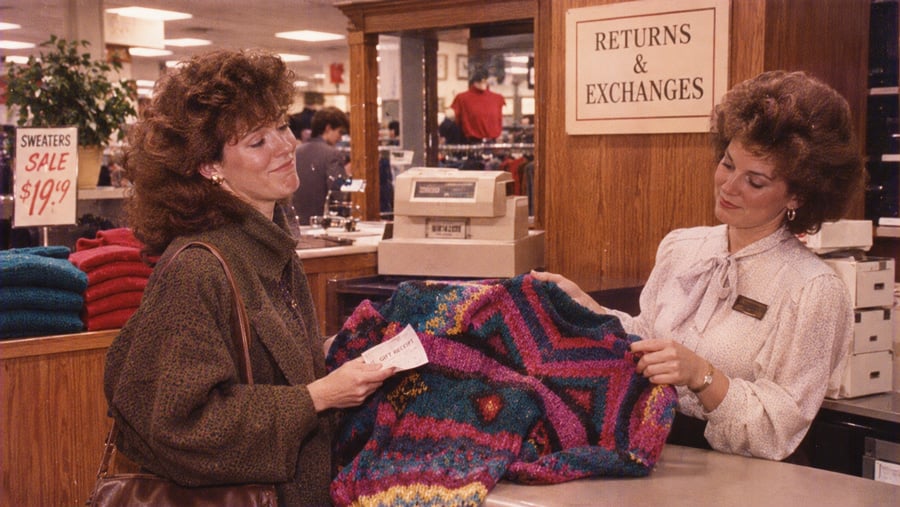
Receiving an unwanted gift was one thing. Having to explain why it needed to be exchanged was another. Before online returns became routine, people sometimes brought a present back to the store and faced questions from a salesperson. The situation became even worse when the giver had purchased it from a small local shop or wanted to know whether it was being used. Saying “It’s lovely, but…” while holding an obviously unwanted sweater required some great diplomatic skills.
4. Telling a Neighbor Their Dog Wouldn’t Stop Barking
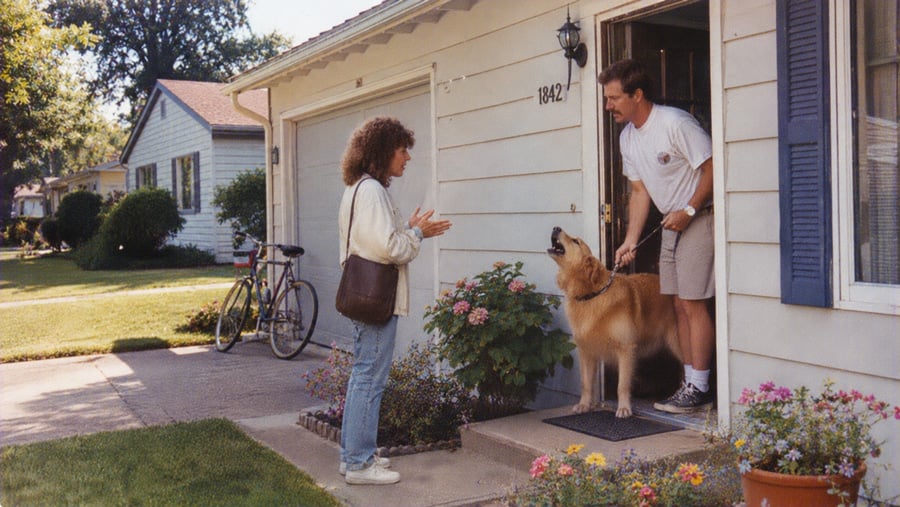
Neighborhood disagreements were difficult when everyone knew exactly where everyone else lived. If a dog barked through the night, the frustrated neighbor often had to walk next door, ring the bell, and politely explain the problem. The conversation could begin with friendly small talk before moving toward the real complaint. And unlike an anonymous online review, there was no escaping the awkwardness afterward. Both households would probably see each other again while taking out the trash.
5. Asking the Boss for a Raise

Before workplace communication moved heavily toward email and messaging platforms, asking for more money often meant requesting a private meeting and making the case in person. Employees rehearsed their arguments, gathered examples of their work, and hoped the boss would be in a good mood. Sitting across from a manager while explaining why a higher salary was deserved could be nerve-racking. The silence after stating a number sometimes felt longer than the entire meeting.
Trending on Wealth Gang


6. Admitting You Had Broken Something Expensive
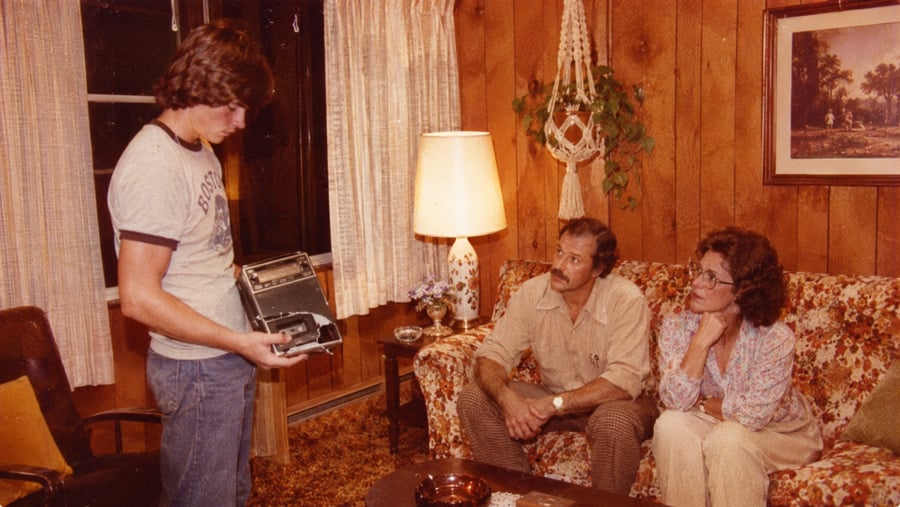
Accidentally damaging a friend’s belongings was bad enough. Having to stand in front of them and explain what happened was worse. Whether it was a borrowed camera, a family heirloom, or a neighbor’s lawn equipment, the confession usually came with an awkward offer to replace or repair the item. The owner might say it was fine while looking clearly upset. There was no carefully worded message to soften the moment, just an apology and the uncomfortable wait for a reaction.
7. Breaking Up With Someone in Person
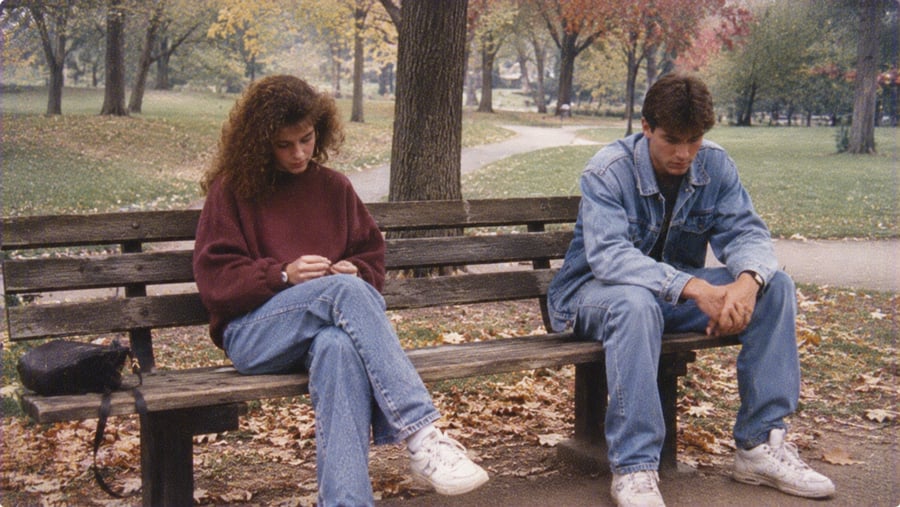
Ending a relationship was rarely comfortable, but doing it face to face made every word feel more consequential. Couples sometimes met at a park, sat in a car, or had the dreaded “we need to talk” conversation in a quiet living room. The person initiating the breakup had to explain their feelings while witnessing the other person’s immediate reaction. There was no send button to press and no opportunity to disappear before the response arrived. Both people had to sit with the discomfort.
8. Telling a Hairdresser You Hated Your Haircut
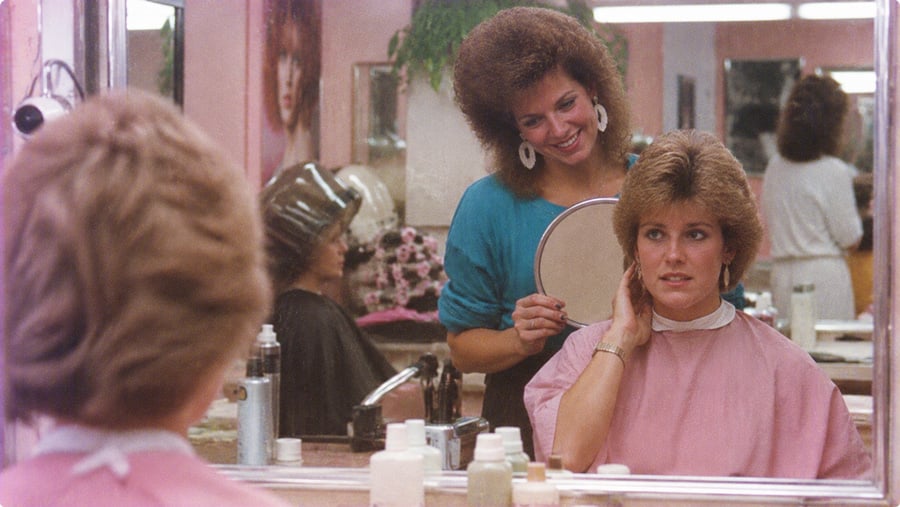
Few conversations were more uncomfortable than looking into a salon mirror and realizing the haircut wasn’t what you wanted. The stylist might smile proudly and ask, “What do you think?” while the customer searched for a response that wouldn’t hurt anyone’s feelings. Asking for a correction meant explaining exactly what was wrong, often in front of other customers. Many people simply paid, thanked the stylist, and went home to figure out how to live with the result.
Sign up for our newsletter
9. Explaining to a Salesperson Why You Weren’t Buying Anything
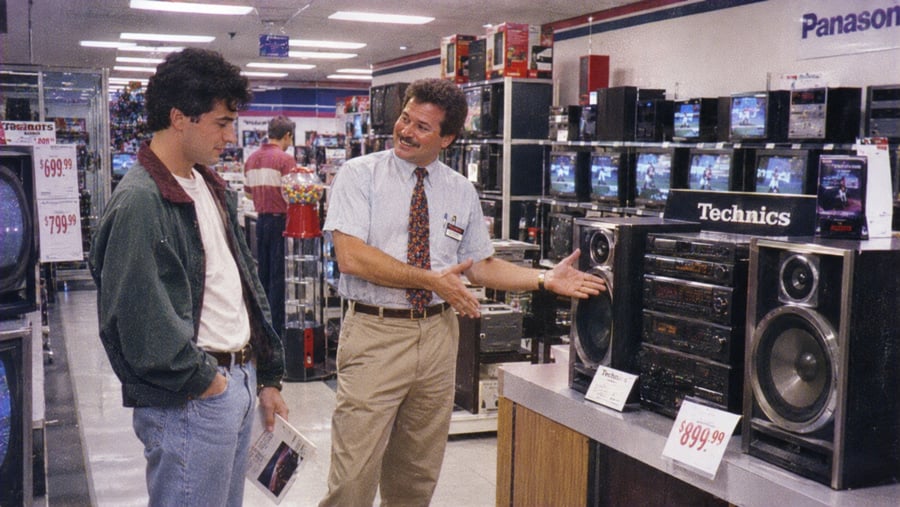
Shopping in a department store or specialty boutique could involve more personal attention than many customers wanted. A salesperson might spend twenty minutes demonstrating a product, finding sizes, or explaining features. Walking away without making a purchase could feel strangely uncomfortable, especially after so much effort. Shoppers sometimes invented excuses about needing to think it over or checking with a spouse, even when they had already decided the item wasn’t worth the money.
10. Asking Someone to Leave Your Party

Hosting friends at home sometimes meant dealing with a guest who had stayed too late, become too loud, or made everyone uncomfortable. Before people could quietly coordinate through group texts, the host had to handle the situation directly. Asking someone to leave without causing a scene required careful timing and a delicate choice of words. The worst part was knowing the guest might demand an explanation in front of everyone else.
11. Admitting You Couldn’t Afford the Group Plans
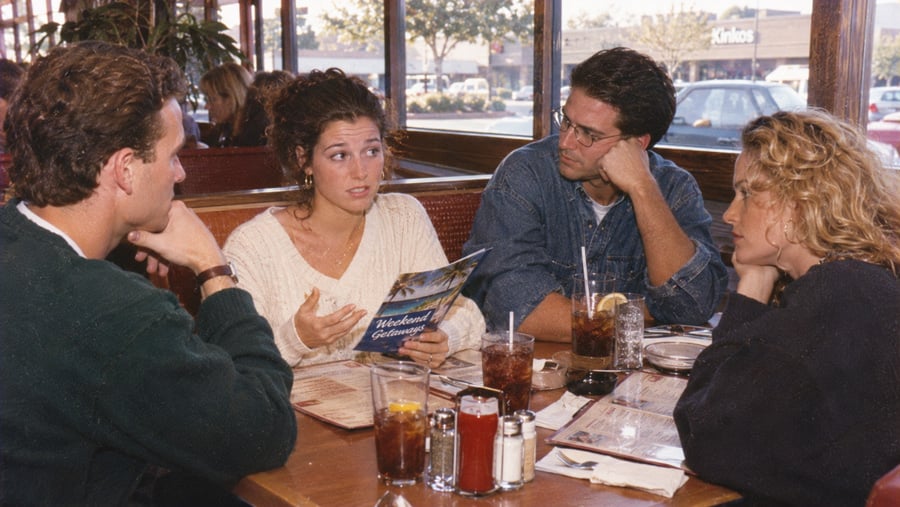
When friends suggested an expensive restaurant, weekend trip, or concert, not everyone had the budget to participate. Explaining that money was tight could feel embarrassing, especially when the rest of the group seemed excited. Some people invented scheduling conflicts rather than admit the real reason. Others had to say directly that the plans were too expensive. The conversation could be particularly uncomfortable among young adults trying to appear financially independent.
12. Telling a Roommate Their Habits Were Driving You Crazy

Living with someone could turn small annoyances into major problems. Dirty dishes, loud music, unpaid bills, and unexpected overnight guests were common sources of tension. Before household group chats made passive-aggressive reminders easy, roommates often had to sit down and discuss the issue directly. The conversation could begin politely and quickly become uncomfortable when one person insisted the other was overreacting. Sharing a kitchen afterward only made the tension harder to avoid.
13. Asking Your Parents for Permission to Stay Out Later

For teenagers, negotiating a later curfew could feel like presenting a case before a judge. Parents wanted to know where their child was going, who would be there, and exactly when they planned to return. The conversation often happened at the kitchen table or just before leaving the house, with the teenager trying to appear responsible while quietly hoping for an extra hour. A simple “Everyone else gets to stay out later” rarely worked as well as expected.
14. Complaining About a Restaurant Meal While the Waiter Watched
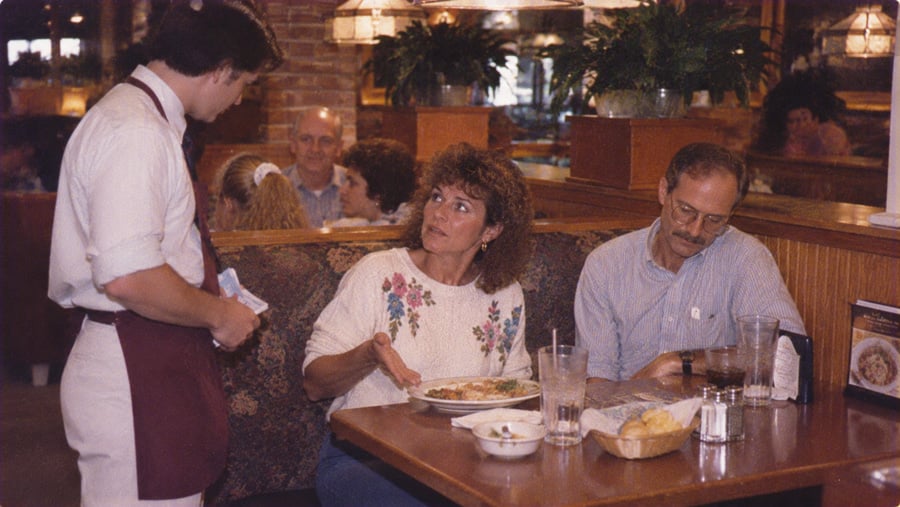
Sending back a disappointing meal required more than clicking a complaint button. Diners had to catch the server’s attention, explain what was wrong, and sometimes repeat the problem to a manager. If the restaurant was busy, the conversation could attract unwanted attention from nearby tables. Some customers preferred to eat the wrong order rather than make a fuss. Others rehearsed a polite complaint before finally raising their hand.
15. Asking Someone to Stop Smoking Near You
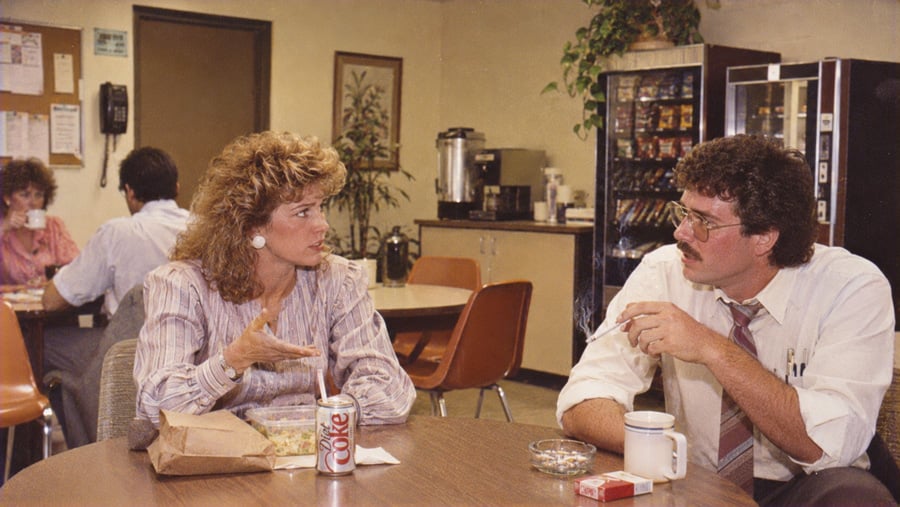
When smoking was permitted in many restaurants, offices, and public spaces, requesting a smoke-free environment could create an uncomfortable confrontation. Someone bothered by cigarette smoke might have to ask a coworker, fellow diner, or nearby passenger to put out their cigarette. The response wasn’t always friendly, particularly when the smoker believed they had every right to light up. What seems like a straightforward request today could once lead to a tense exchange.
16. Telling a Friend You Didn’t Want to Be Their Roommate

A friend suggesting they move in together could sound exciting until one person realized it was a terrible idea. Saying no meant explaining why sharing an apartment wasn’t appealing without making the friend feel rejected. The conversation might involve concerns about money, cleanliness, schedules, or simply wanting personal space. Some people invented elaborate excuses about leases or family obligations because admitting they didn’t want to live together felt too personal.
17. Telling Someone Their Personal Hygiene Was a Problem
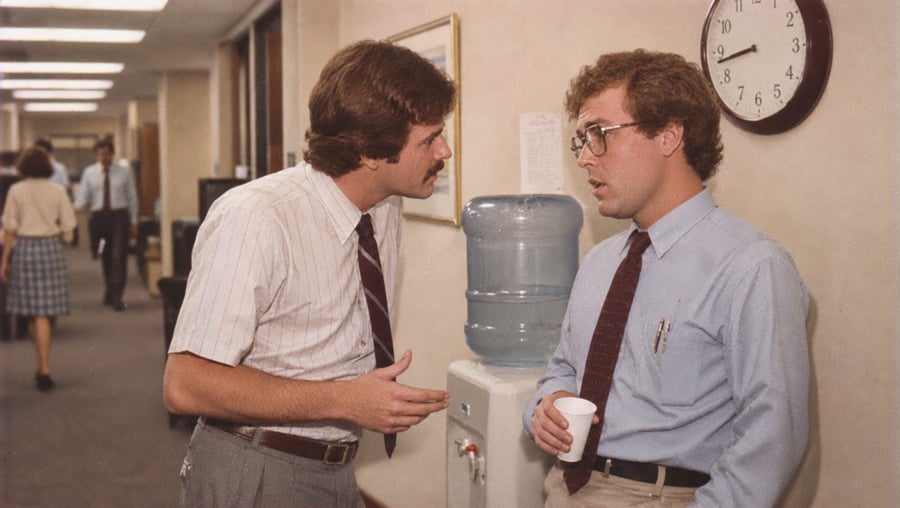
Few conversations required more tact than telling someone they had bad breath, noticeable body odor, or another hygiene issue. The person delivering the message usually wanted to be helpful without causing humiliation, which made every word feel risky. Coworkers, friends, and family members sometimes debated who should say something before anyone volunteered. There was no truly comfortable way to approach the subject, especially when the other person had no idea there was a problem.
More Related Notes
16 Old Jobs That Once Required Physical Labor
Before modern machinery transformed the workplace, many occupations demanded exhausting physical effort. These 16 jobs reveal how much harder everyday work used to be.
16 Everyday Situations Technology Has Replaced
From asking strangers for directions to handling everyday errands in person, technology has changed countless social interactions. These familiar situations show how much daily life has evolved.
15 Everyday Emergencies Before Cell Phones
Getting stranded, lost, or caught in an unexpected emergency was much more complicated before cell phones. These 15 situations recall a time when solving problems required patience, quick thinking, and help from others.