

Everyday problems in the 1990s could turn a perfectly ordinary day into a frustrating adventure. Before smartphones, GPS navigation, and instant messaging became part of daily life, small inconveniences often required a surprising amount of patience. A wrong turn could leave someone completely lost, while a missed phone call might mean spending hours wondering what happened.
The decade had plenty of conveniences, but it also came with frustrations that are easy to forget. People relied on paper maps, answering machines, cash, and carefully arranged plans to keep their days running smoothly. When something went wrong, there wasn’t always a quick fix. These 16 familiar situations capture the little disasters that could make life in the 1990s unexpectedly complicated.
1. Getting Lost Without GPS
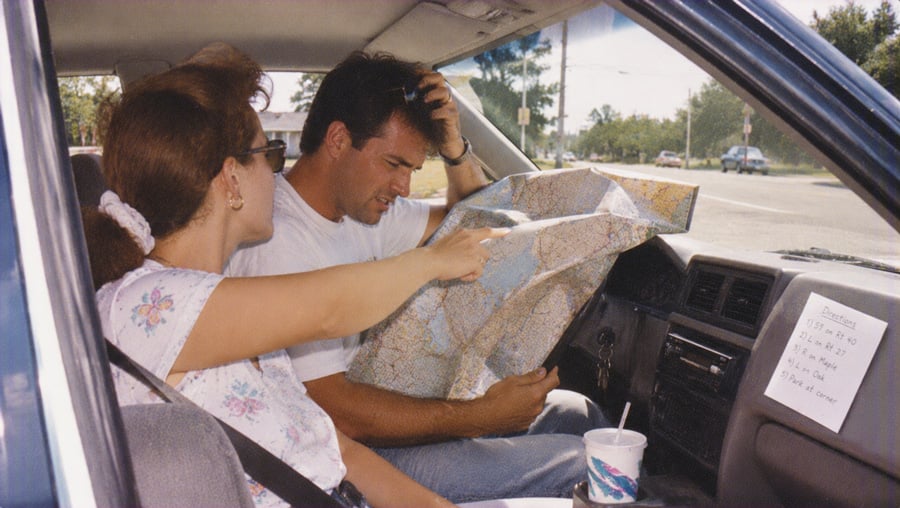
Taking a wrong turn in an unfamiliar neighborhood could quickly become a major problem. Drivers relied on folded road maps, handwritten directions, or printed instructions from someone who knew the area. Missing a highway exit might add another thirty minutes to a trip, especially when the next opportunity to turn around was miles away. Pulling into a gas station to ask for directions was sometimes the only solution. And if the person giving directions mentioned landmarks that no longer existed, things could get even more confusing.
2. Missing an Important Phone Call

Before cell phones became common, being away from home could mean missing a call that mattered. Someone waiting to hear about a job interview, a family update, or a change of plans had to stay near the telephone or hope the caller left a message. Answering machines helped, but they weren’t always reliable, and some callers simply hung up. Returning home to find no message could leave a person wondering whether the call had come at all.
3. Running Out of Cash When You Needed It Most
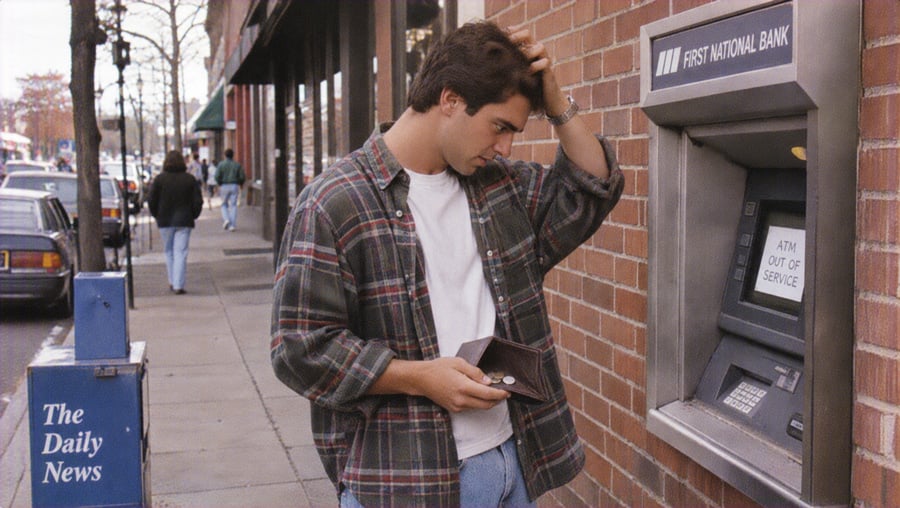
Debit and credit cards existed in the 1990s, but cash was still essential for plenty of everyday purchases. Small businesses, parking meters, vending machines, and some restaurants might not accept cards. Discovering an empty wallet at the wrong moment could mean searching for an ATM, hoping it worked, and possibly paying a withdrawal fee. If the nearest machine was out of service, an ordinary errand could suddenly become a much longer trip.
4. Forgetting Someone’s Phone Number
Wealthgang
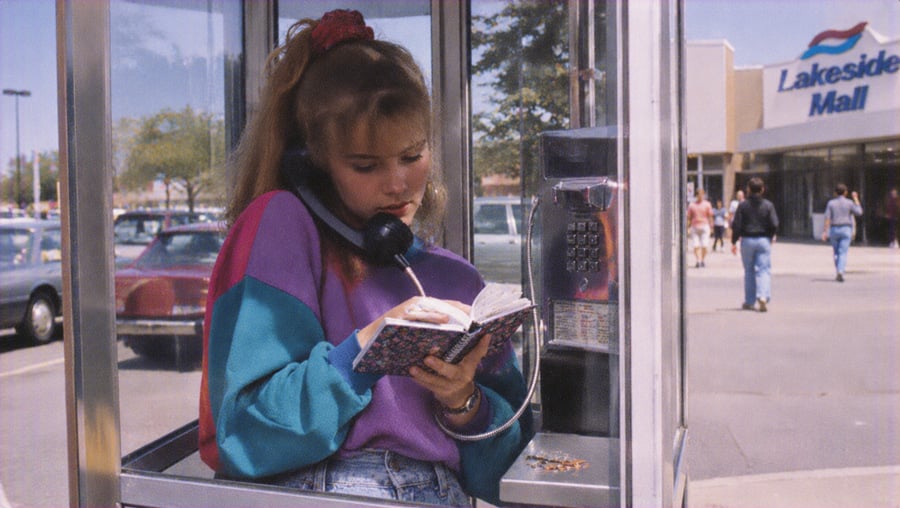
Remembering phone numbers was once an everyday skill, but even people with excellent memories occasionally drew a blank. If someone needed to call a friend, coworker, or relative while away from home, the number might be written in an address book sitting on the kitchen counter. Payphones weren’t much help without the digits, and directory assistance couldn’t always solve the problem. A forgotten number could mean postponing an important conversation until returning home.
5. Arriving Somewhere Only to Discover It Was Closed
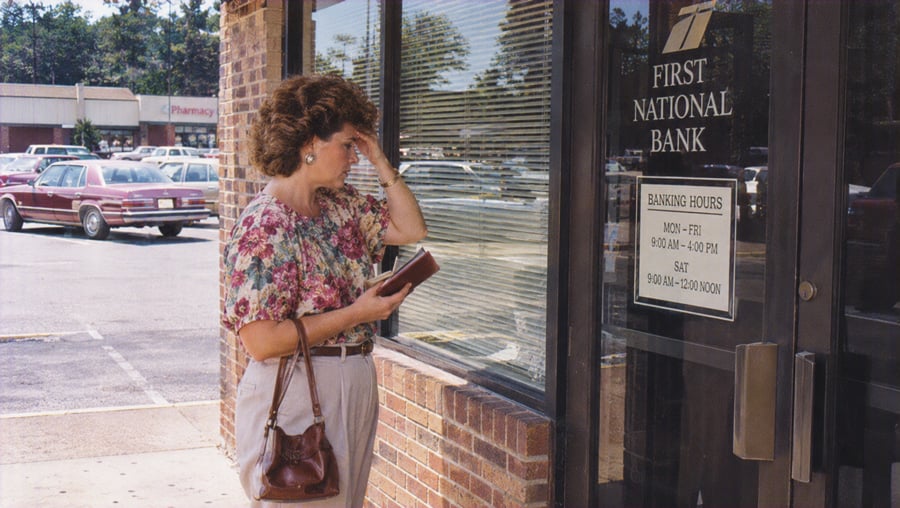
Checking business hours wasn’t always as simple as searching online. People relied on newspaper listings, telephone calls, or whatever they remembered from a previous visit. Driving across town to a store, bank, or government office only to find a locked door and a handwritten sign could be infuriating. The problem was even worse when the errand had to be completed that day. Sometimes the only option was to return another morning and hope the schedule hadn’t changed again.
Trending on Wealth Gang

6. Discovering the Movie You Wanted Was Already Rented
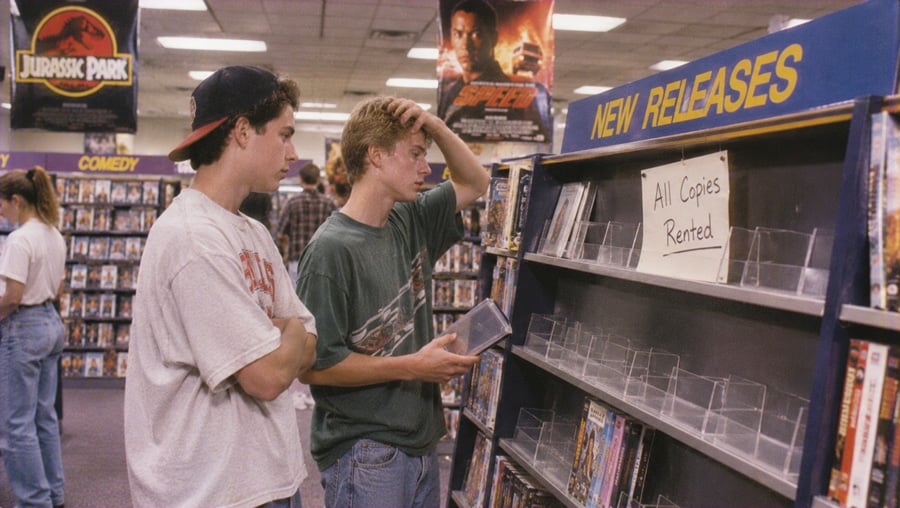
A Friday night trip to the video store could end in disappointment when the movie everyone wanted was completely checked out. Popular new releases often had entire shelves of empty cases, leaving customers to choose something else or visit another rental store. Families sometimes spent longer debating backup options than they would have spent watching the movie. Unlike streaming, there was no instant way to access another copy from home. Sometimes movie night depended entirely on what was still sitting on the shelf.
7. Having Your Car Break Down Far From Home
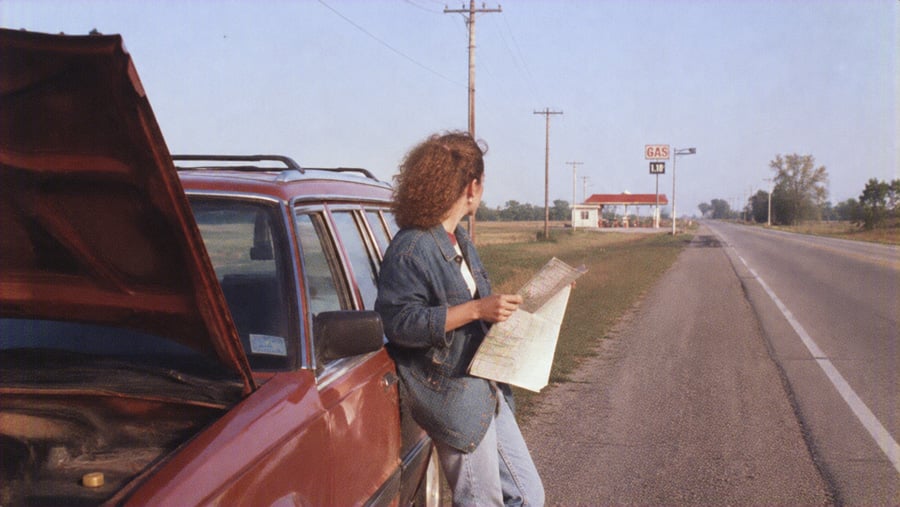
A car breakdown in the 1990s could turn a routine drive into a stressful situation, especially on an unfamiliar road. Without a cell phone readily available, drivers sometimes walked to a gas station, searched for a payphone, or waited for someone to stop and offer help. Even contacting a towing company required finding a working telephone and explaining the location. A flat tire or dead battery could consume hours, particularly after dark or in bad weather.
8. Losing a Disposable Camera Full of Memories
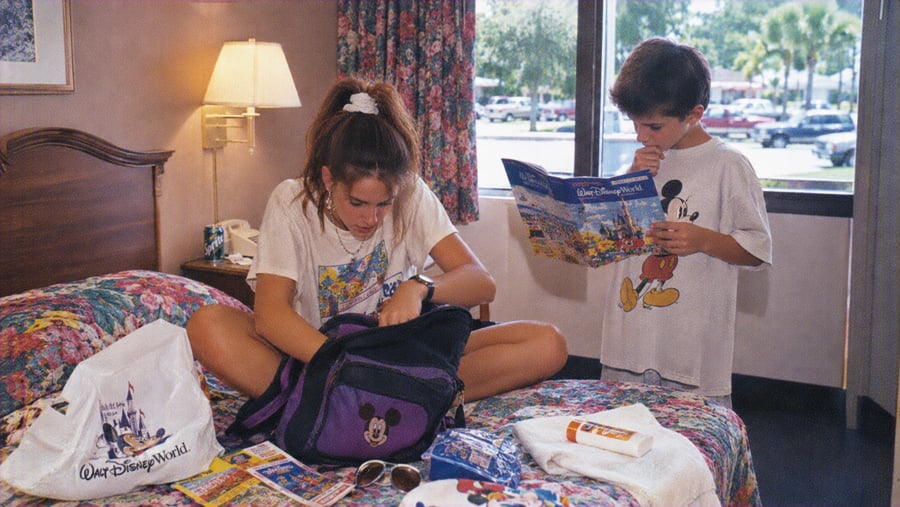
Disposable cameras were convenient for vacations, parties, and school trips, but losing one meant losing every photograph inside. There was no cloud backup, no digital gallery, and no way to recover the images if the camera disappeared. A forgotten camera at a restaurant or amusement park could erase an entire weekend of memories. Even when it wasn’t lost, the photographs remained a mystery until the film was developed, making the little plastic camera surprisingly valuable.
Sign up for our newsletter
9. Getting Stuck in Traffic Without Knowing Why
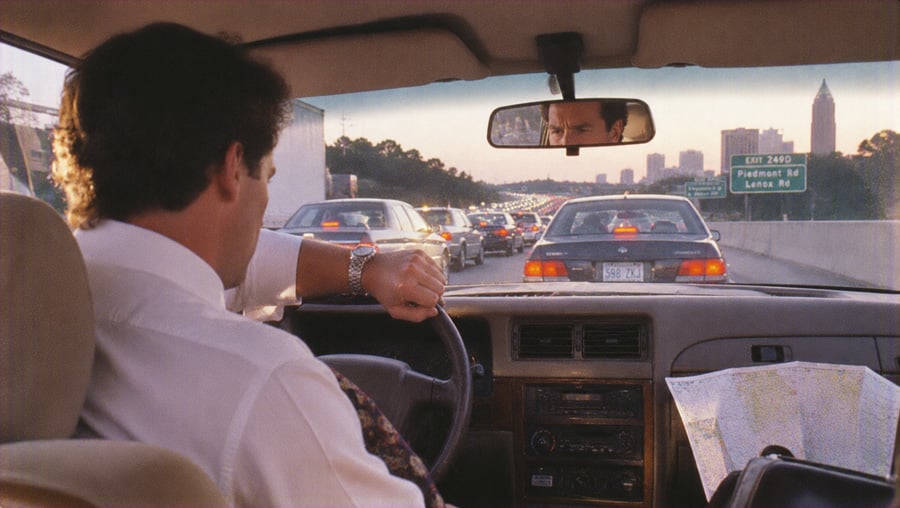
Traffic jams were frustrating long before navigation apps began showing accidents, delays, and alternate routes. Drivers might spend an hour crawling along a highway without knowing whether the problem was construction, a collision, or simply rush hour. Radio traffic reports offered occasional updates, but they weren’t always timely or specific. Choosing another route was a gamble, especially when the driver didn’t know the surrounding roads. Sometimes all anyone could do was sit, wait, and watch the clock.
10. Forgetting to Return a Rental Movie on Time
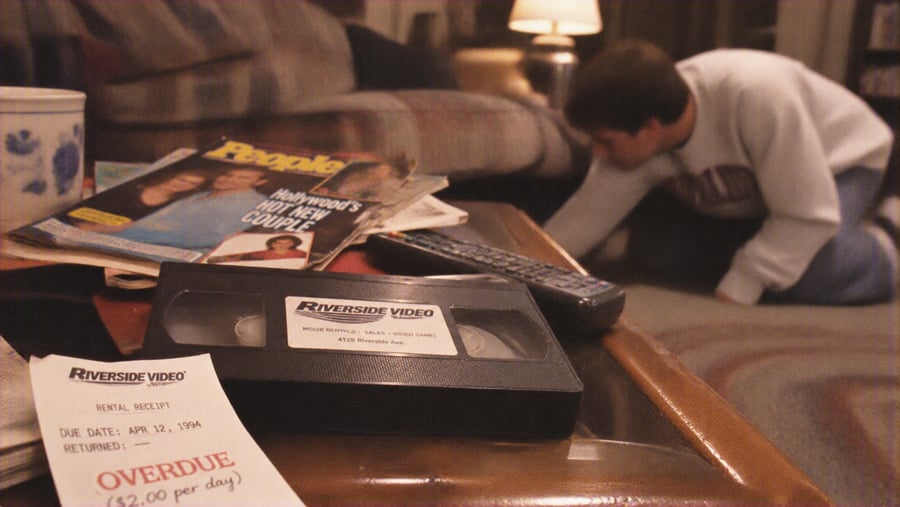
Renting a movie came with a deadline, and forgetting it could turn a cheap night of entertainment into an annoying expense. VHS tapes sometimes had to be returned by a specific time, and late fees could accumulate quickly. People discovered overdue rentals under couch cushions, inside VCRs, or buried beneath piles of magazines. Returning the tape meant another trip to the store, often accompanied by the unpleasant realization that the rental now cost more than expected.
11. Having the Family Computer Freeze Before Saving Your Work
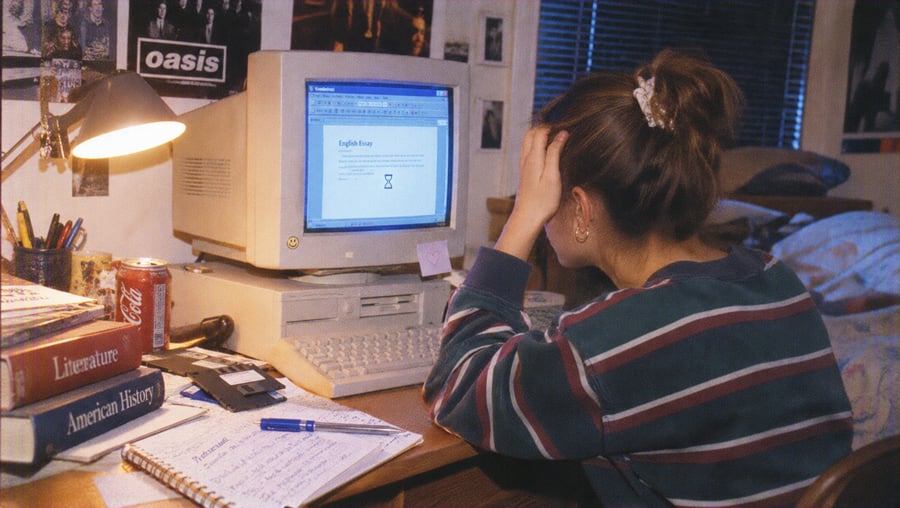
Anyone who used a home computer in the 1990s remembers the panic of a frozen screen. A school essay, work document, or carefully typed letter could disappear if the computer crashed before the file was saved. Autosave wasn’t something people could always rely on, and restarting the machine sometimes meant losing hours of progress. The familiar combination of an unresponsive mouse, a humming computer tower, and a sinking feeling in the stomach could ruin an otherwise productive afternoon.
12. Picking Up the Phone and Disconnecting Someone’s Internet
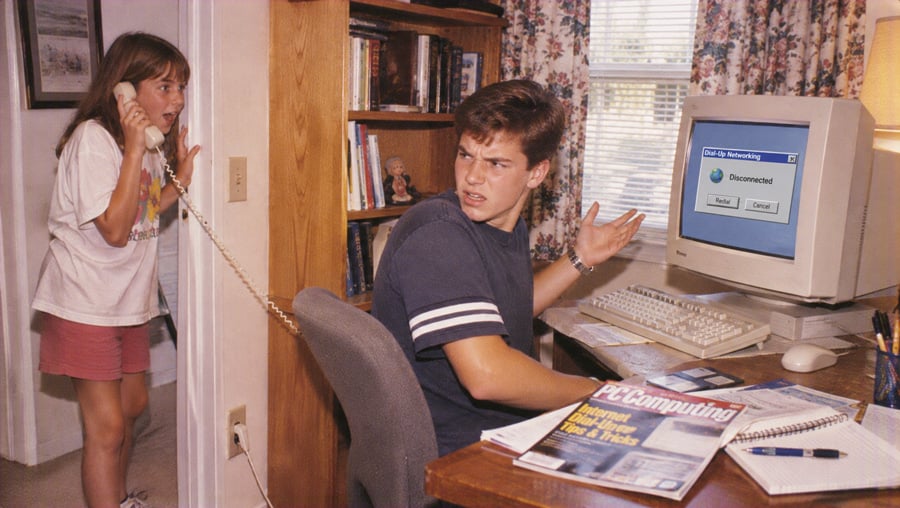
In households with dial-up internet, the telephone and computer often competed for the same line. Someone could be halfway through downloading a file or chatting online when another family member picked up the phone and interrupted the connection. The familiar screeching modem sounds were part of everyday life, and reconnecting could take several frustrating minutes. Families sometimes negotiated who was allowed to use the phone and when, turning a simple online session into a household scheduling problem.
13. Showing Up at the Wrong Meeting Place
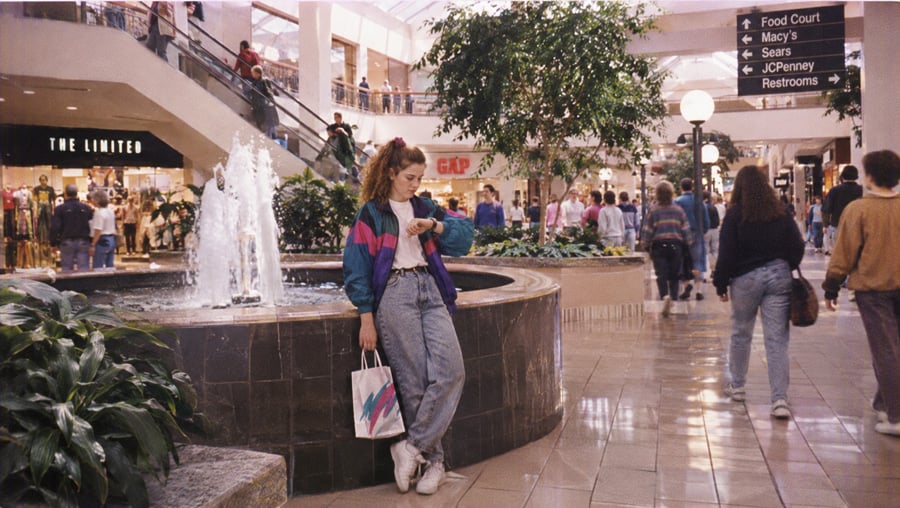
Making plans before texting required everyone to remember the same location and time. A small misunderstanding could leave two people waiting at opposite entrances of a mall, restaurant, or movie theater. Without mobile phones, neither person had an easy way to explain where they were standing. Someone might wait twenty minutes before searching the building or finding a payphone. What began as a simple afternoon outing could turn into an exhausting game of trying to find each other.
14. Finding Out the Store Was Sold Out After Driving There
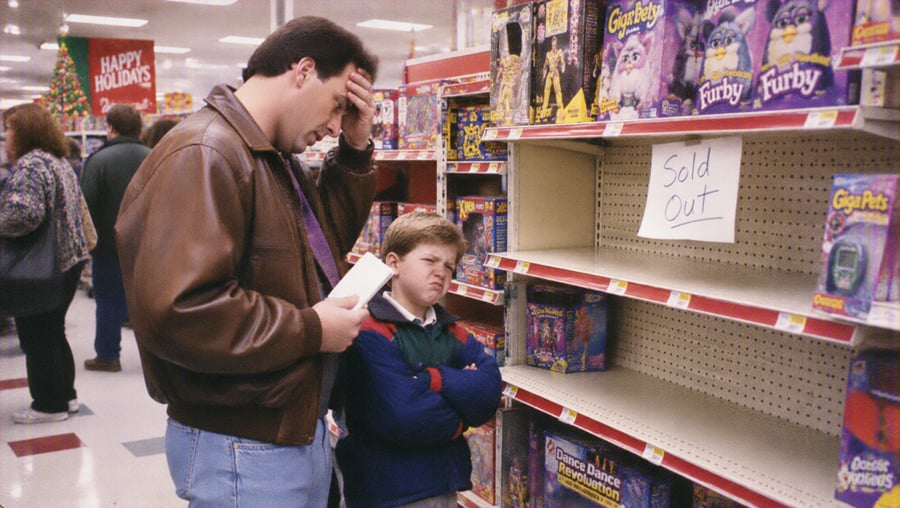
Before checking live inventory online, shopping for a specific product could involve a lot of guesswork. Someone might drive across town to buy a popular toy, video game, appliance, or pair of sneakers only to discover the shelves were empty. Calling ahead sometimes helped, but inventory information wasn’t always accurate. The disappointment was especially frustrating during the holidays, when popular items disappeared quickly. Finding another store meant more driving, more parking, and possibly another unsuccessful search.
15. Realizing You Left Your Wallet at Home
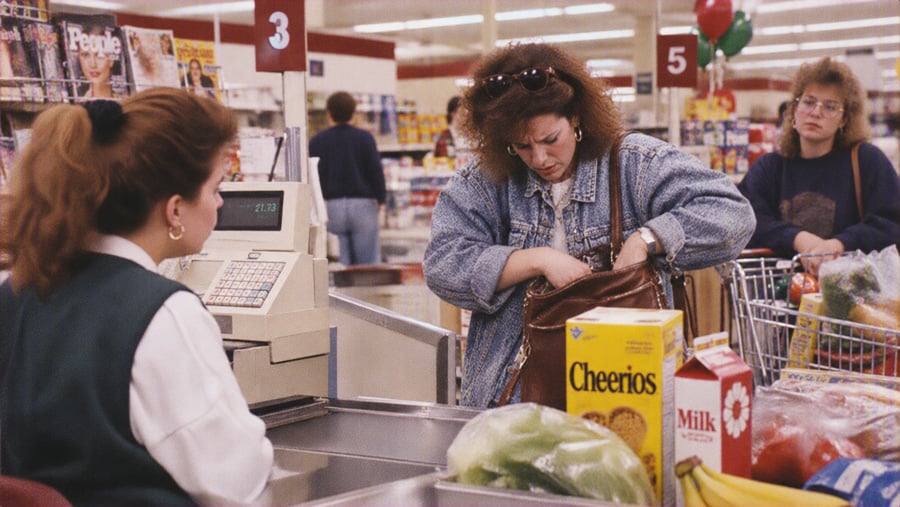
Forgetting a wallet could bring an ordinary day to a sudden halt. Without mobile payment options, someone who reached a grocery checkout, gas station, or restaurant without cash or cards had few convenient solutions. The embarrassment of explaining the problem to a cashier was often followed by the frustration of driving home to retrieve the wallet. Even a short errand could turn into a much longer outing, especially if the person had already spent time shopping.
16. Missing the Last Bus or Train Home
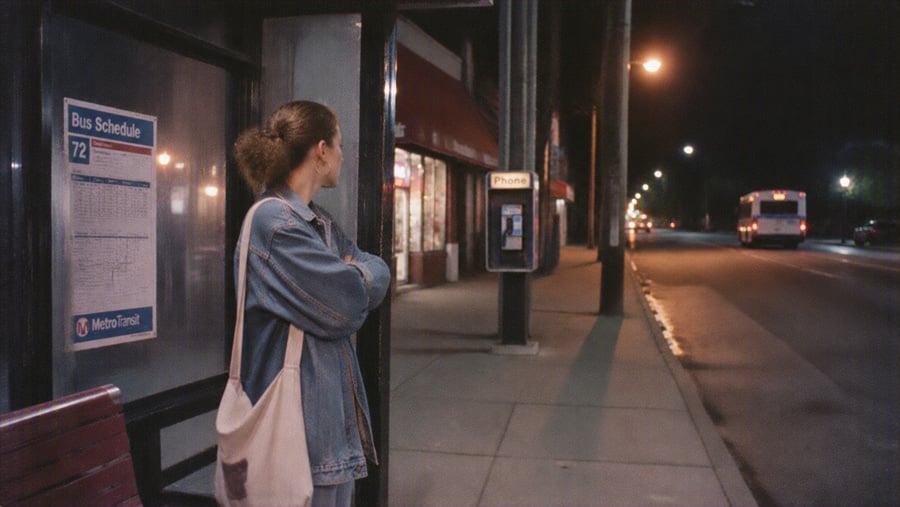
Public transportation could be unforgiving when someone missed the final bus or train of the evening. Without ride-hailing apps, finding another way home might involve calling a taxi company, asking a friend for a ride, or searching for a working payphone. Late-night service was limited in many areas, and waiting alone at an empty station could be stressful. A few minutes of bad timing could turn a normal evening into an expensive or exhausting journey home.
More Related Notes
16 Weekly Purchases Families No Longer Need
From everyday groceries to household essentials, these once-routine purchases reveal how much family shopping habits have changed over the years.
Family Photos Taken at the Worst Possible Moment
Awkward expressions, terrible timing, and unexpected interruptions turned ordinary family snapshots into unforgettable memories.
15 Photos About Family Road Trips Before GPS
Before navigation apps, family road trips meant paper maps, wrong turns, roadside stops, and plenty of unforgettable moments along the way.