Everyday purchases that seem completely ordinary today once revealed a surprising amount about a family’s wealth. A few decades ago, having certain things in the kitchen, driveway, or living room could quietly announce that someone was doing very well financially.
And it wasn’t always about diamonds, expensive cars, or designer clothes. Sometimes the real status symbols were hiding in plain sight: a second telephone, a refrigerator that made its own ice, or groceries that didn’t come from the discount aisle. These 16 purchases once made everyday life feel just a little more luxurious.
1. A Refrigerator With an Ice Dispenser
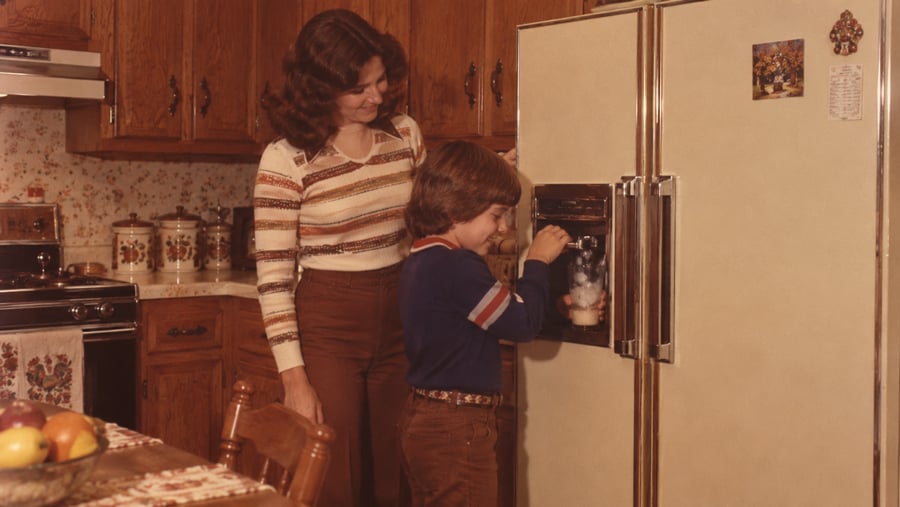
In the 1970s and 1980s, getting ice directly from the refrigerator door felt almost futuristic. While most families were still twisting plastic ice trays over the sink, the neighbors with the fancy refrigerator could fill a glass without opening the freezer. It was the kind of appliance children wanted to demonstrate every time someone visited.
2. A Second Telephone Line
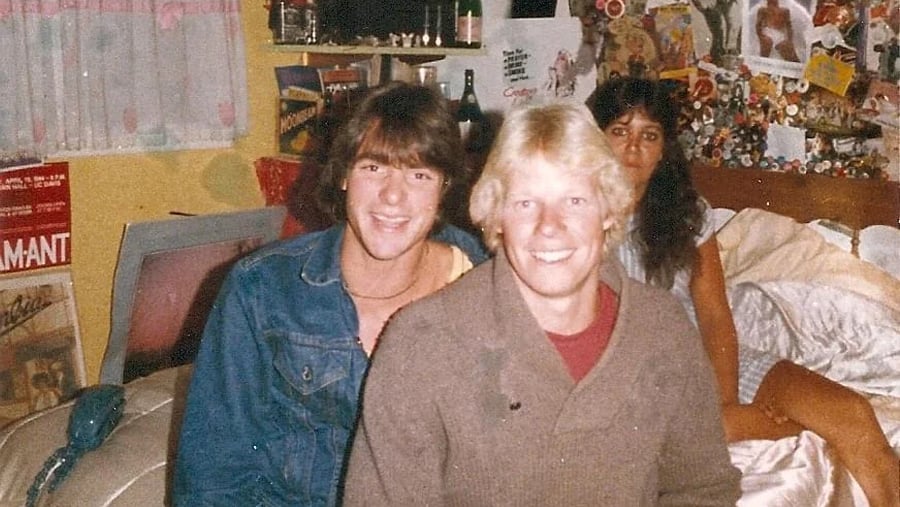
One telephone was normal. Two separate phone lines meant something entirely different. In the 1980s and 1990s, having a dedicated number for the teenagers, a home office, or simply uninterrupted conversations suggested a household could afford a convenience most families just argued about.
3. A Dishwasher
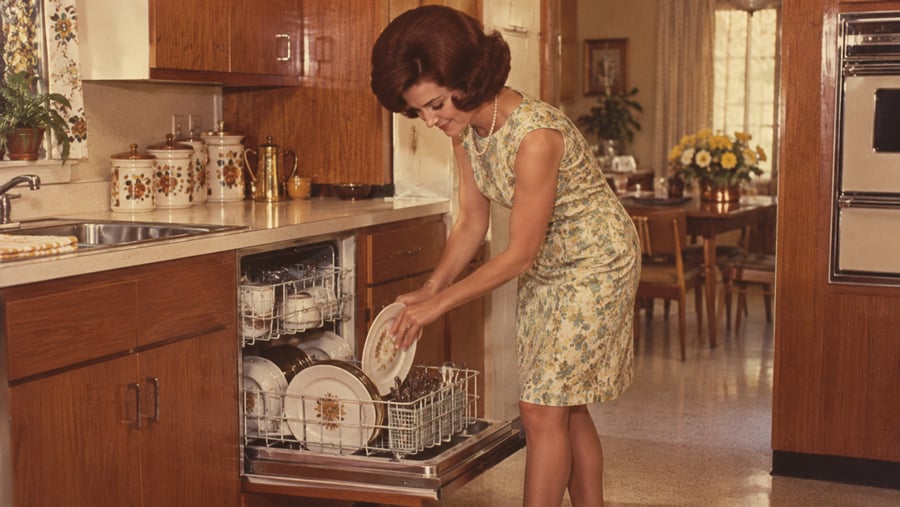
For many families in the 1950s and 1960s, the dishwasher was still a luxury appliance rather than a kitchen essential. After dinner, everyone else was scraping plates and standing at the sink while the fortunate household across the street could simply load a machine and walk away. That quiet mechanical hum was practically the sound of prosperity.
4. Store-Bought Birthday Cakes
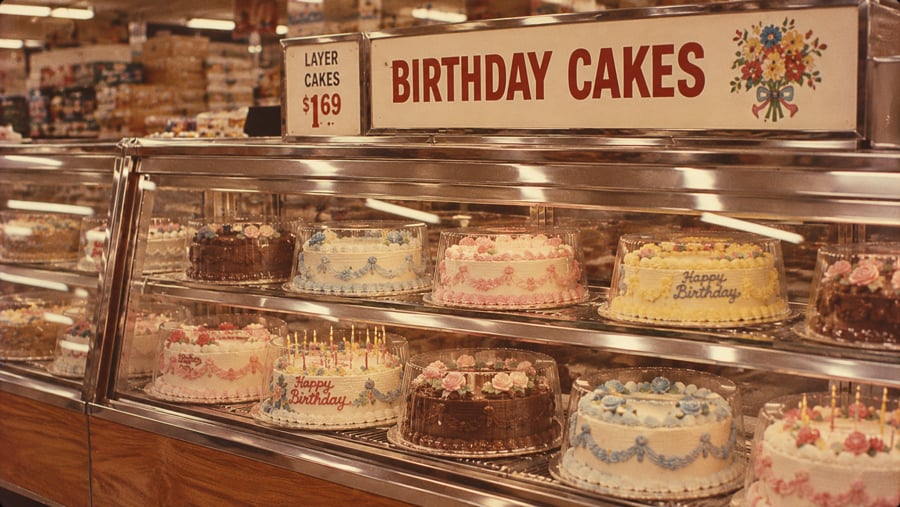
A homemade cake was perfectly respectable, but a professionally decorated bakery cake carried a different kind of excitement. The elaborate frosting, piped roses, and carefully written name suggested someone had spent extra money to make the birthday special. The cardboard bakery box alone could make children gather around the kitchen table.
5. A Color Television for the Bedroom
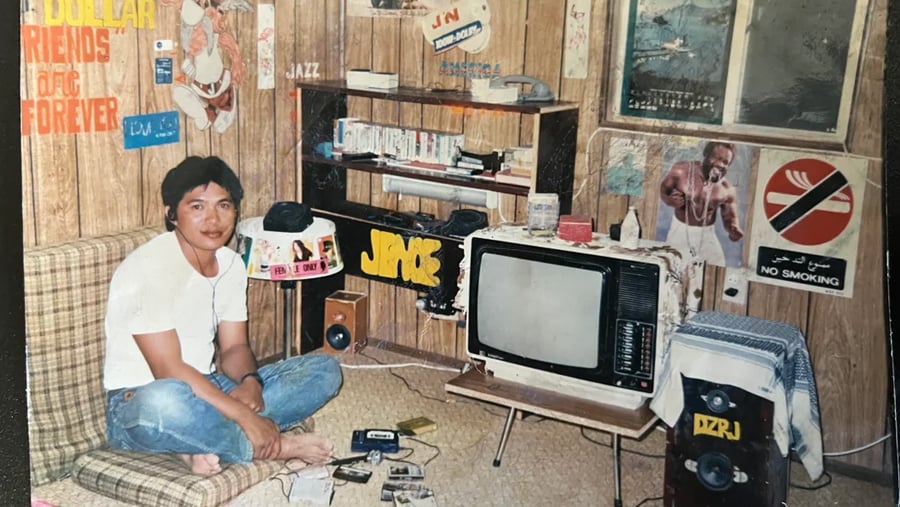
When the family television was still the center of the living room, having another set in a bedroom seemed almost excessive. By the 1970s and 1980s, children who had their own color television enjoyed a level of freedom their friends could barely imagine. No fighting over the evening news, no waiting for Dad to finish watching sports.
Trending on Wealth Gang

6. An Electric Garage Door Opener
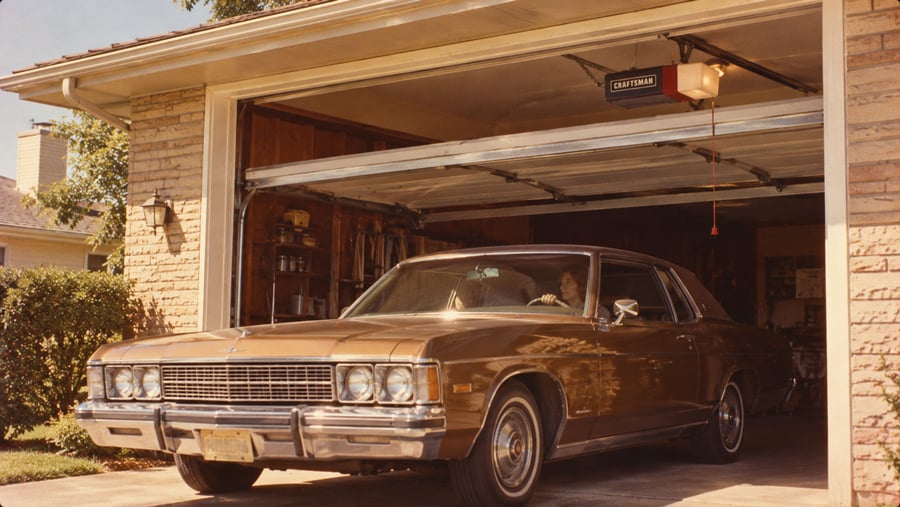
Getting out of the car in the rain to lift a heavy garage door was once an ordinary part of arriving home. Then there were the families who simply pressed a button from the driver’s seat. In the 1960s and 1970s, that little remote control could make an otherwise ordinary suburban house seem remarkably modern.
7. Individually Packaged Snacks
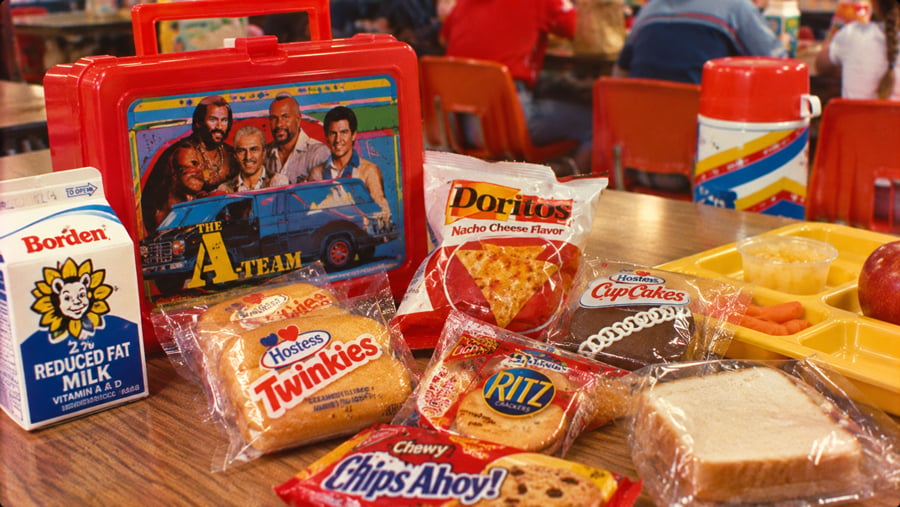
Before individually wrapped snacks became lunchbox staples, buying small, ready-to-eat portions could seem like an unnecessary expense. Families trying to stretch their grocery budgets packed homemade cookies or divided food into reusable containers. The child who arrived at school with a collection of branded snack packages sometimes looked like they had won the lunchroom lottery.
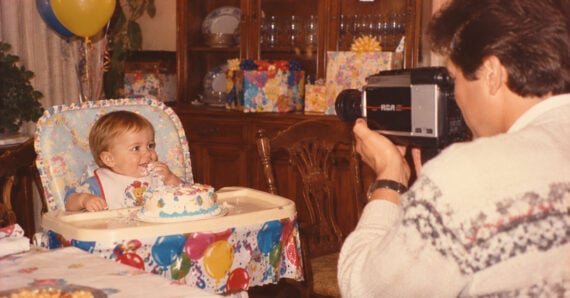
8. A Home Video Camera
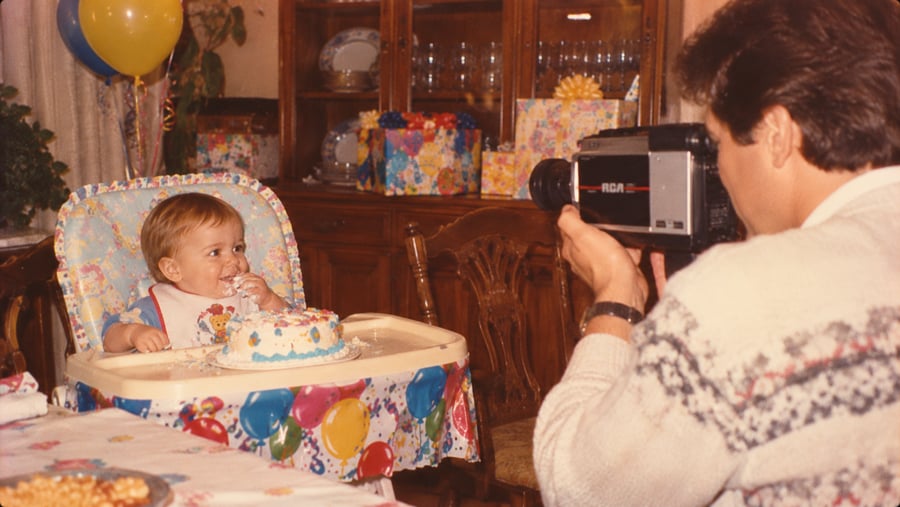
In the 1980s, filming a birthday party at home could require an investment that rivaled a major household appliance. Camcorders were expensive, bulky, and often reserved for families willing to spend serious money documenting vacations and Christmas mornings. The person holding one immediately became the unofficial director of every gathering.
Sign up for our newsletter
9. A Matching Bedroom Furniture Set
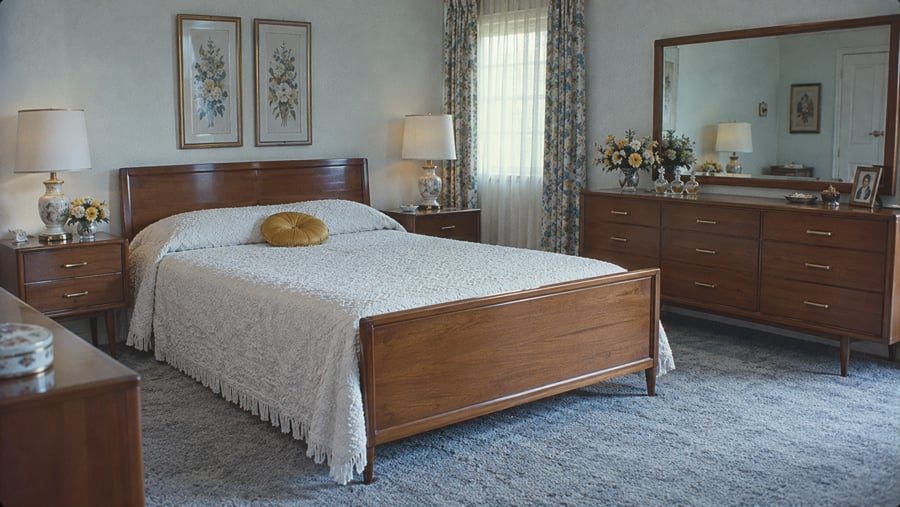
A bedroom filled with coordinated furniture once made a strong impression. Instead of a dresser inherited from an aunt and a nightstand rescued from another room, everything matched: the bed frame, dresser, mirror, and bedside tables. For newlyweds and young families in the 1950s through 1970s, buying the entire set could represent a major financial milestone.
10. A Microwave Oven
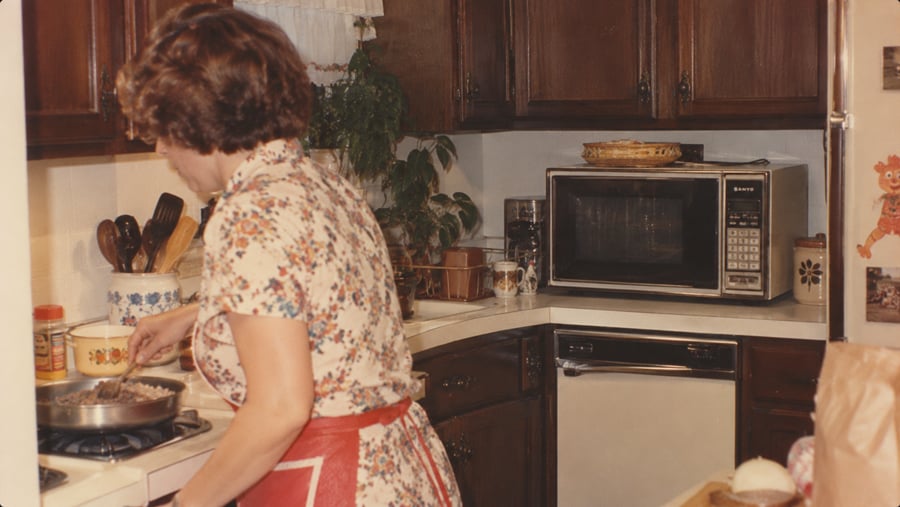
Early microwave ovens were not the inexpensive countertop appliances familiar today. In the 1970s, owning one could suggest a family was willing to pay a premium for the latest technology. Guests might even be invited to watch it heat something, as though reheating leftovers were a scientific demonstration.
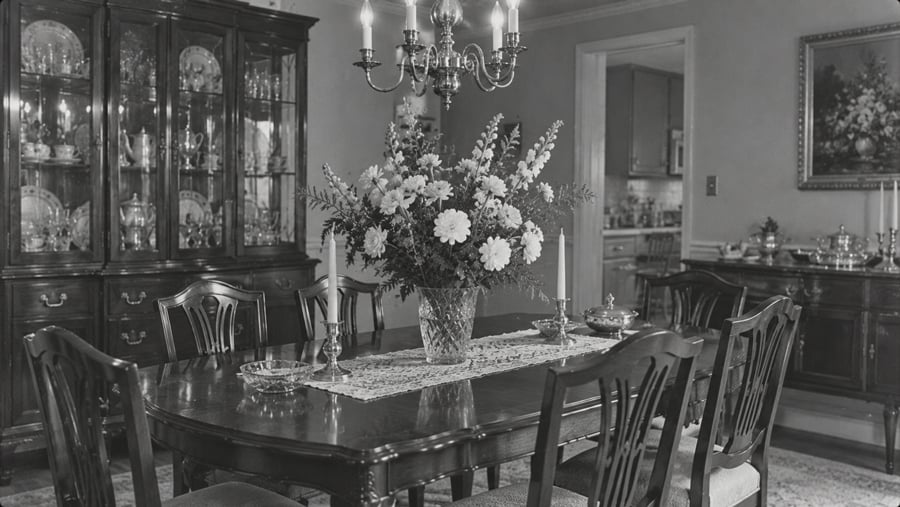
11. Fresh Flowers From the Florist
Wealthgang
Flowers picked from the yard were one thing. Regularly bringing home professionally arranged bouquets was another. In many midcentury households, fresh flowers from a florist were associated with anniversaries, important guests, and special dinners. Having them on the dining table without any obvious occasion could make an ordinary home feel surprisingly grand.
12. A Fully Stocked Home Bar
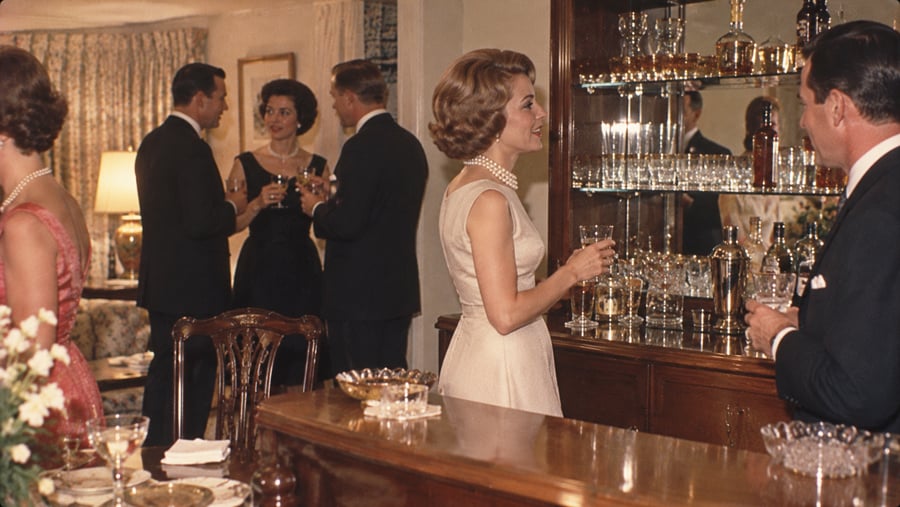
A few bottles tucked into a kitchen cabinet were normal enough, but a dedicated home bar with matching glassware, cocktail tools, and an impressive selection of spirits was something else. In the 1950s and 1960s, it suggested a household that entertained regularly and could afford to do it properly. Even the little cocktail napkins seemed to have a dress code.
13. A Backyard Swimming Pool
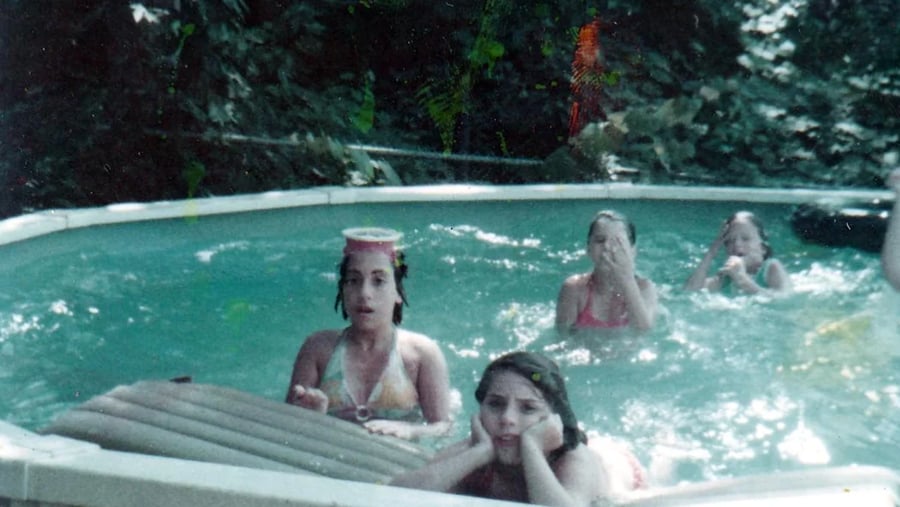
A swimming pool was once far more than a way to cool off. In the 1960s and 1970s, it could instantly turn an ordinary suburban backyard into the neighborhood’s most desirable destination. Suddenly, every child on the block wanted to be friends with the family who had one, especially during summer vacation.
14. Name-Brand Athletic Shoes
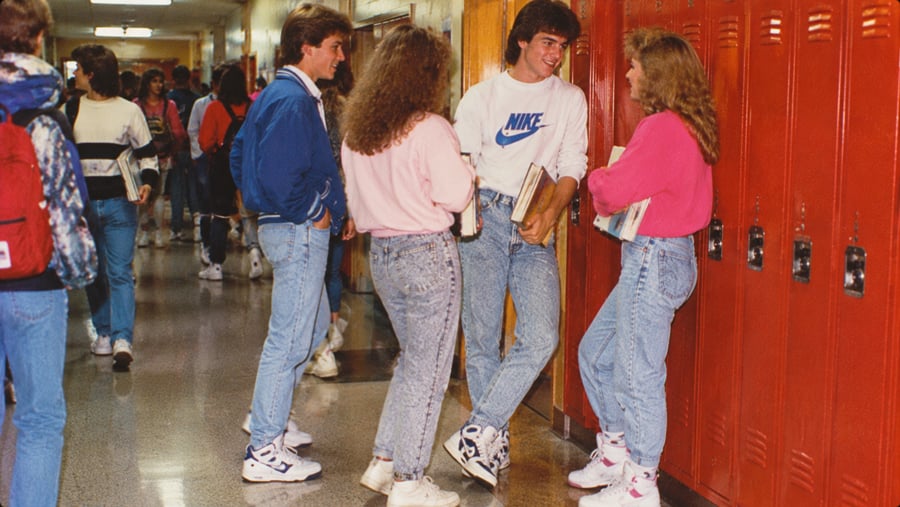
Before sneaker collections became an everyday obsession, paying extra for recognizable athletic shoes could make a statement. In the late 1970s and 1980s, arriving at school in a coveted pair of Adidas, Nike, or Converse sneakers could attract immediate attention. The shoes weren’t just for gym class anymore. They were proof that someone had convinced their parents to spend the extra money.
15. A Home Air Conditioner
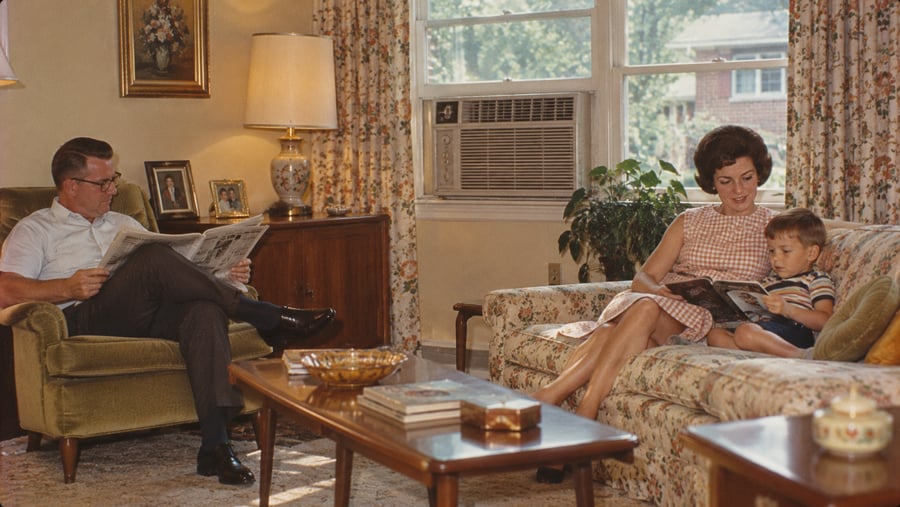
Before central air conditioning became widespread in many parts of the country, surviving summer meant fans, open windows, and hoping for a breeze. The family with a window air conditioner could retreat into one deliciously cold room while everyone else sweated through dinner. Visiting their house in July could feel like entering an expensive hotel.
16. A Brand-New Car Every Few Years
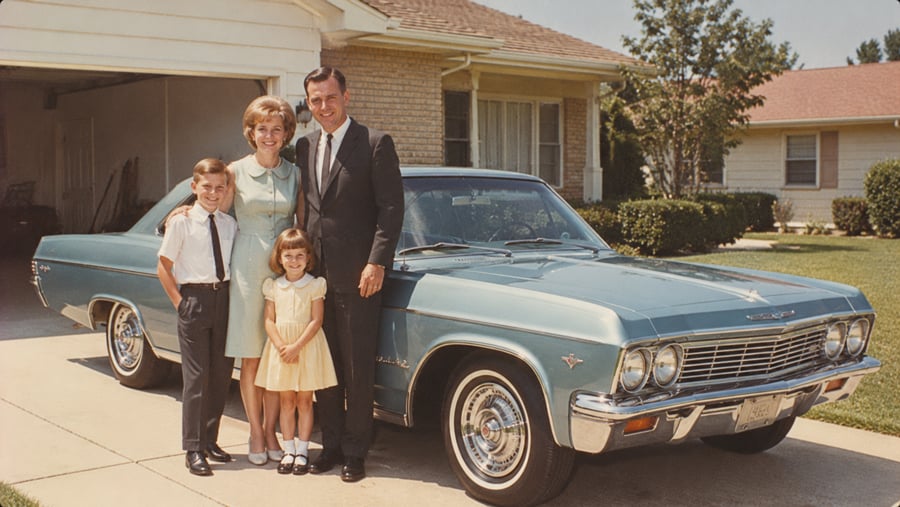
For many families, buying a car meant keeping it until repairs became unavoidable. But some households seemed to arrive home with a shiny new model every few years. In the 1950s and 1960s, when annual styling changes were particularly noticeable, neighbors could immediately tell who had upgraded. A new car in the driveway was an unmistakable sign that the family was doing well.
More Related Notes
15 Things a Single Income Could Buy in America in the 1970s
From homeownership to everyday essentials, these purchases reveal how far a single paycheck could stretch for American families during the 1970s.
American Grocery Stores in the 1970s
From familiar supermarket aisles to old-fashioned shopping habits, this nostalgic look at 1970s grocery stores captures how Americans once shopped for everyday essentials.
18 Popular American Dinner Foods From the 1970s
From comforting casseroles to classic family favorites, these popular dishes bring back the flavors and dinner traditions that defined American households in the 1970s.