
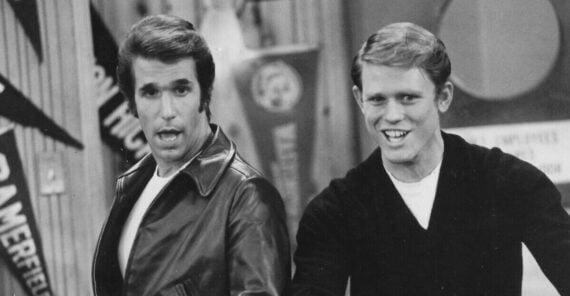
Turn on any classic sitcom rerun and you’ll catch more than a few laughs. Look closer, and you’ll spot some pretty solid money advice hiding in the background of these old shows. From tight budgets to big financial mistakes, the families and friend groups we grew up watching often dealt with the same money problems we face today.
That’s what makes these old episodes worth a second look. Long before personal finance influencers and budgeting apps, sitcom writers were quietly teaching us about saving, spending, and the value of a dollar. Here are 16 money lessons from the shows we know and love.
1. The Honeymooners: Get-Rich-Quick Schemes Rarely Work
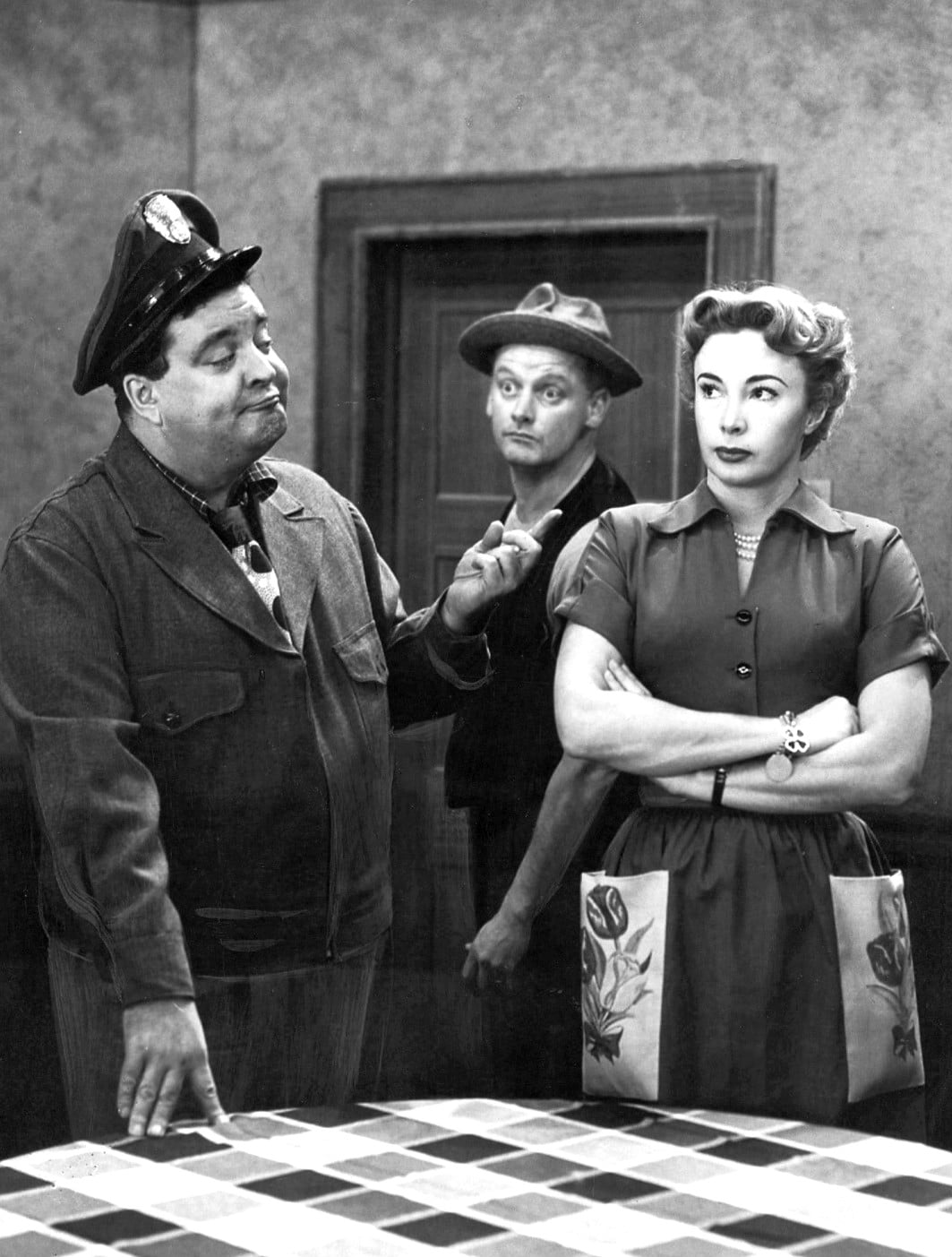
Ralph Kramden spent years chasing one wild investment after another, always convinced the next scheme would finally make him rich. Every single time, the plan fell apart and left him right back where he started. The lesson lands just as hard today: slow saving beats chasing a shortcut to wealth.
2. I Love Lucy: Keep Your Household Finances Honest

Lucy and Ricky’s marriage ran smoother when they were upfront about money. Financial secrets, even small ones, tend to snowball into bigger problems. Honest conversations about spending keep a household running the way it should.
3. The Cosby Show: A Budget Should Reflect Your Real Life
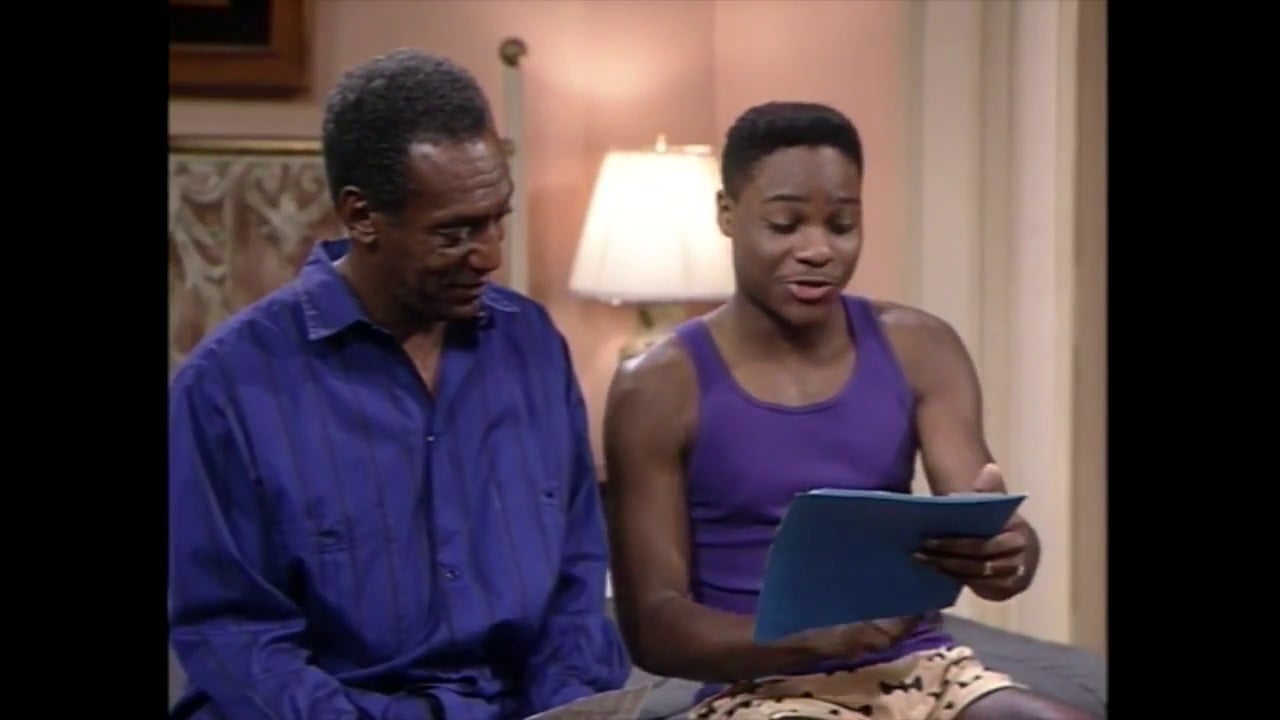
Cliff and Clair Huxtable raised five kids on the income of a doctor and a lawyer, but the show never pretended money worries disappeared just because the family was comfortable. College costs and household expenses all made regular appearances. It’s a reminder that budgeting isn’t just for people who are struggling, it’s for anyone who wants their spending to match their actual priorities.
4. Roseanne: Living Within Your Means Is Nothing to Be Ashamed Of
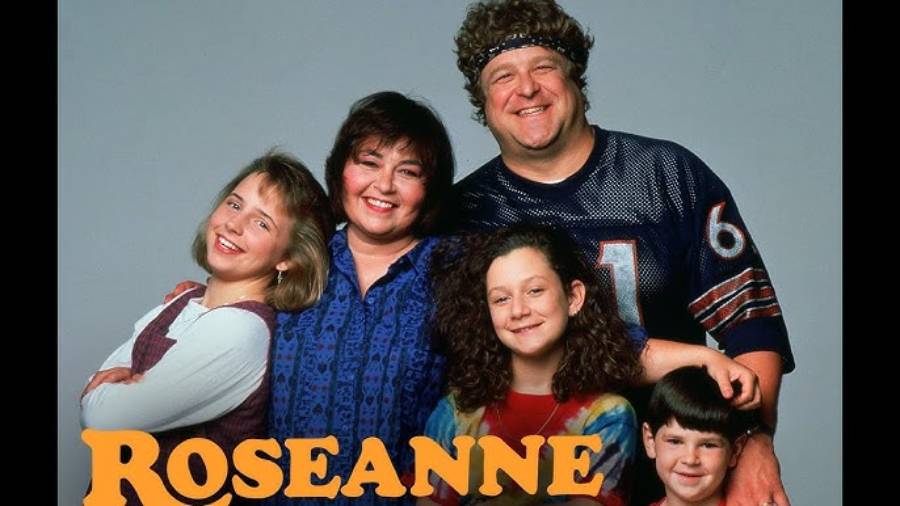
The Conner family never pretended to be anything other than working class. Bills got tight, jobs came and went, and the family adjusted instead of pretending otherwise. Living within your means is the most stable way to build a life.
5. Seinfeld: Small, Pointless Purchases Add Up
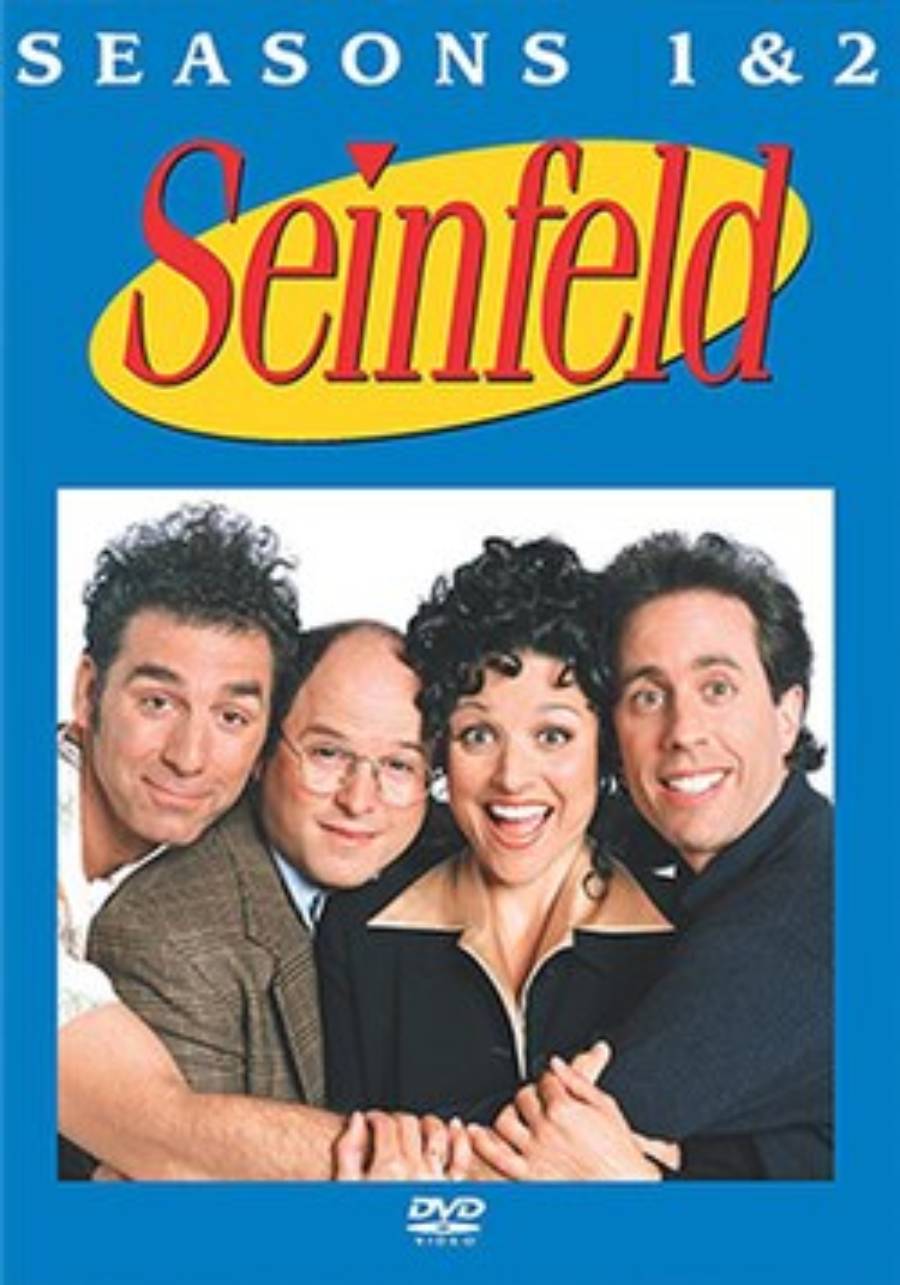
Jerry, Elaine, George, and Kramer were constantly bickering over small-dollar decisions, from restaurant tabs to parking garage fees. Together, it’s a pretty accurate picture of how minor daily spending can quietly drain a bank account.
Trending on Wealth Gang


6. Sanford and Son: There’s Value in a Side Hustle
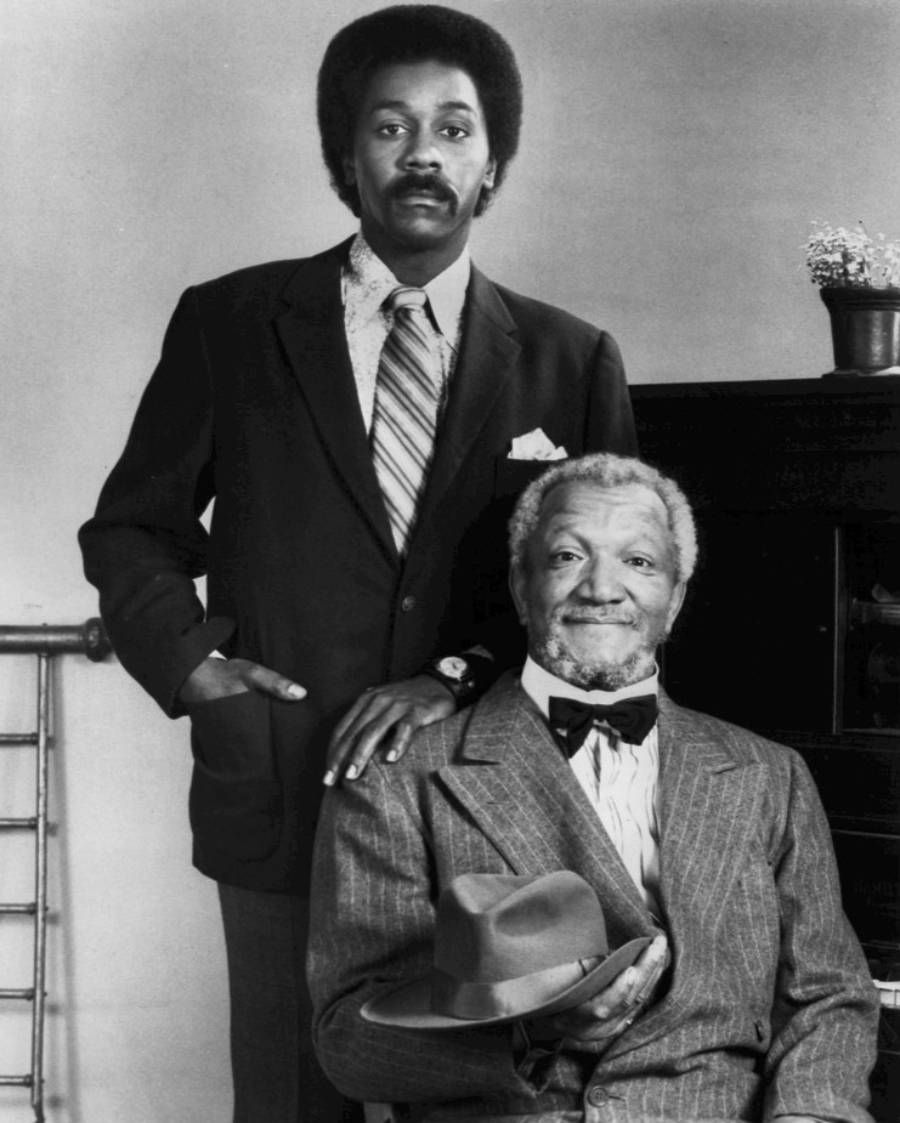
Fred Sanford ran a junk business out of his own yard. It wasn’t glamorous, but it kept the lights on and gave him independence. The show is an early argument for the kind of entrepreneurial hustle that’s now practically a personal finance buzzword.
7. Good Times: Community Support Matters When Money Is Tight
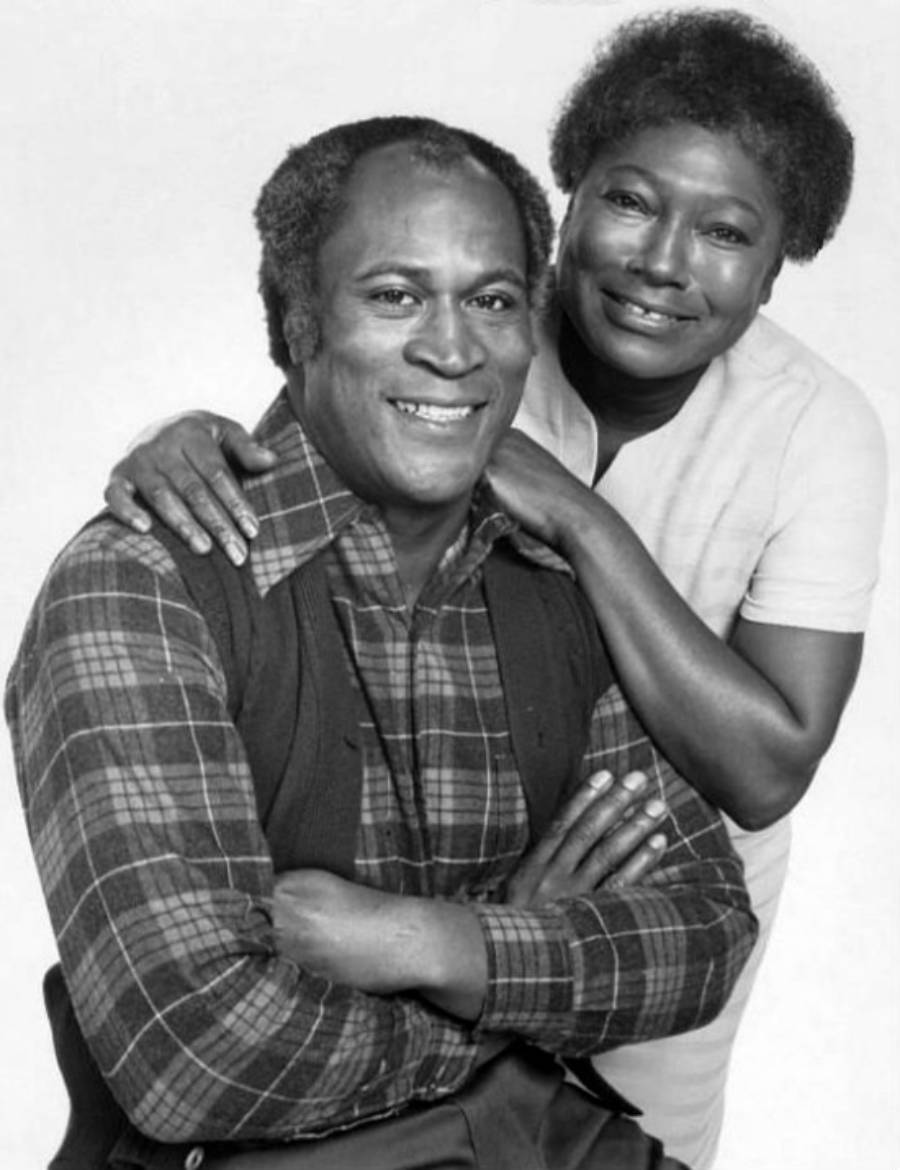
The Evans family faced real financial hardship throughout the series, and one of the show’s steadiest themes was leaning on neighbors and family during hard times. Financial resilience isn’t always about individual willpower, sometimes it’s about the people around you.
8. The Brady Bunch: Blending Finances Takes Communication
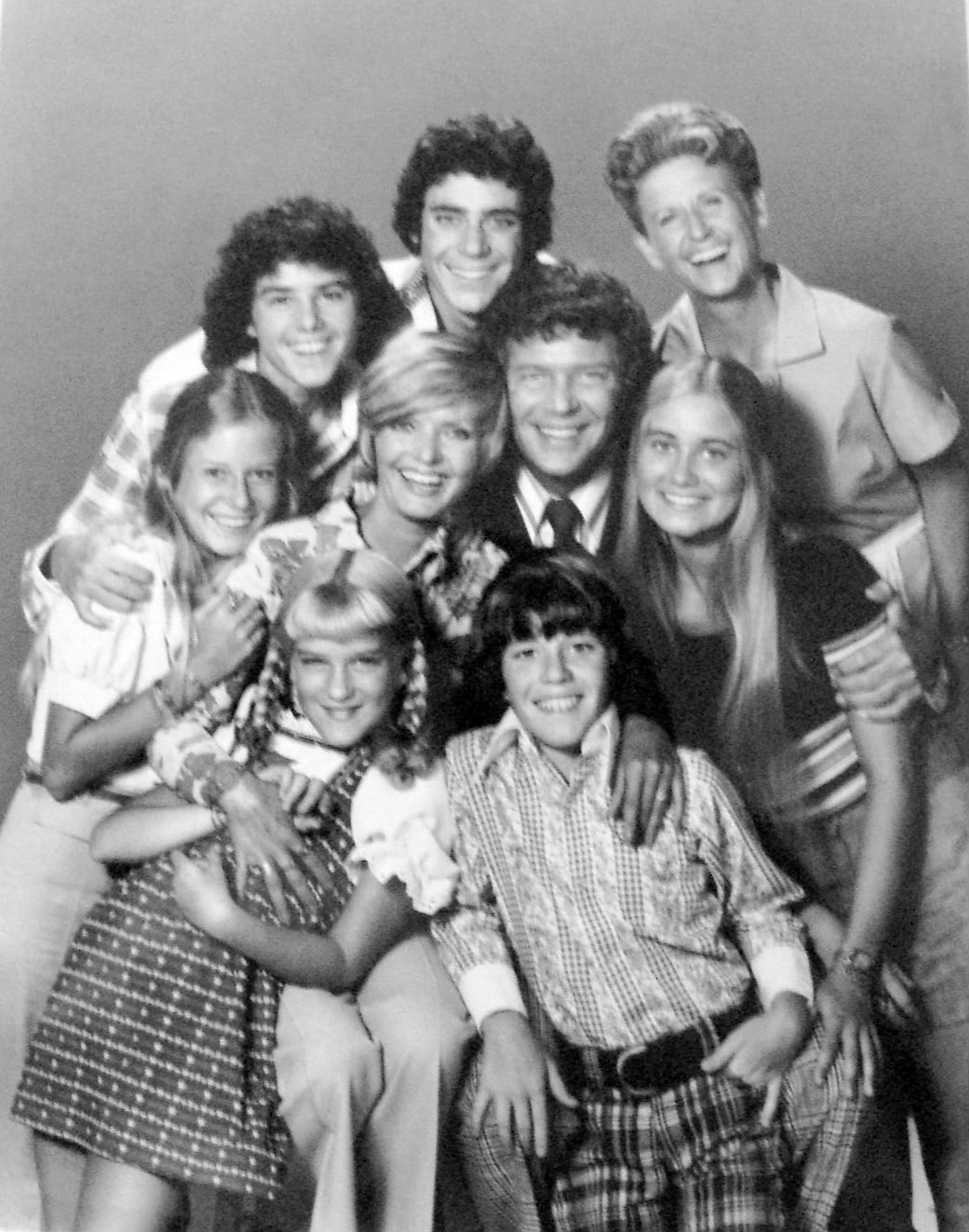
When Mike and Carol Brady combined two households into one, money decisions became a family affair rather than a private matter. Big purchases and allowances got discussed openly, often around the dinner table.
Sign up for our newsletter
9. Happy Days: A Steady Job Is Worth Something
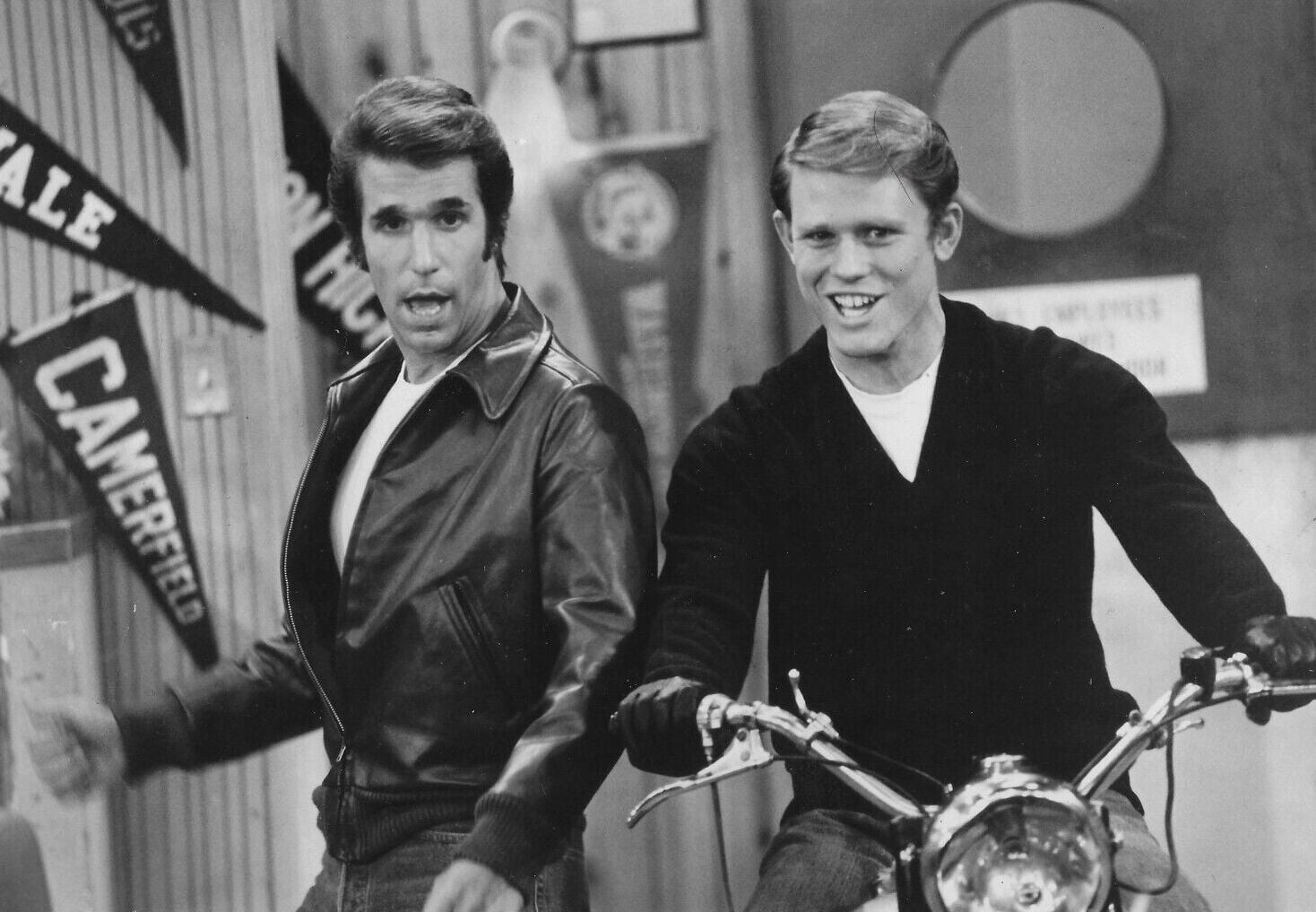
Richie Cunningham’s father ran a hardware store, and the show quietly celebrated the stability that came with owning a small, dependable business. Steady income is often the foundation that makes everything else possible.
10. Married… with Children: Debt Can Sneak Up on Anyone

Al Bundy’s shoe-selling salary never stretched as far as the family’s spending habits demanded, and the show mined that gap for endless laughs. When spending grows faster than earnings, debt is usually close.
11. The Jeffersons: Enjoy Success, But Don’t Forget Where You Started
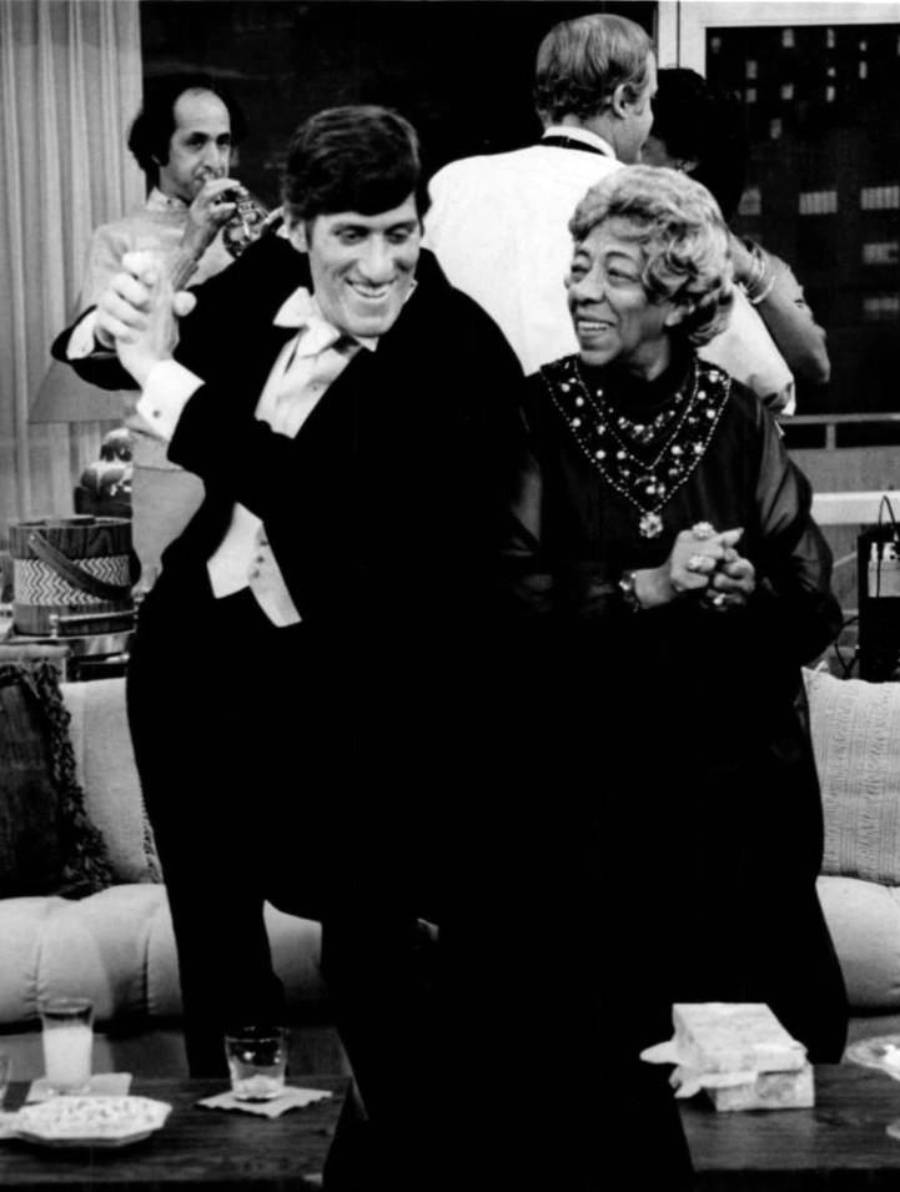
George Jefferson’s dry-cleaning business finally paid off, moving the family to a deluxe apartment in the sky. The show never let him forget his working-class roots, even as he adjusted to new wealth. It is a useful reminder that financial success doesn’t erase the value of the habits that got you there.
12. Full House: Extended Family Can Ease Financial Pressure
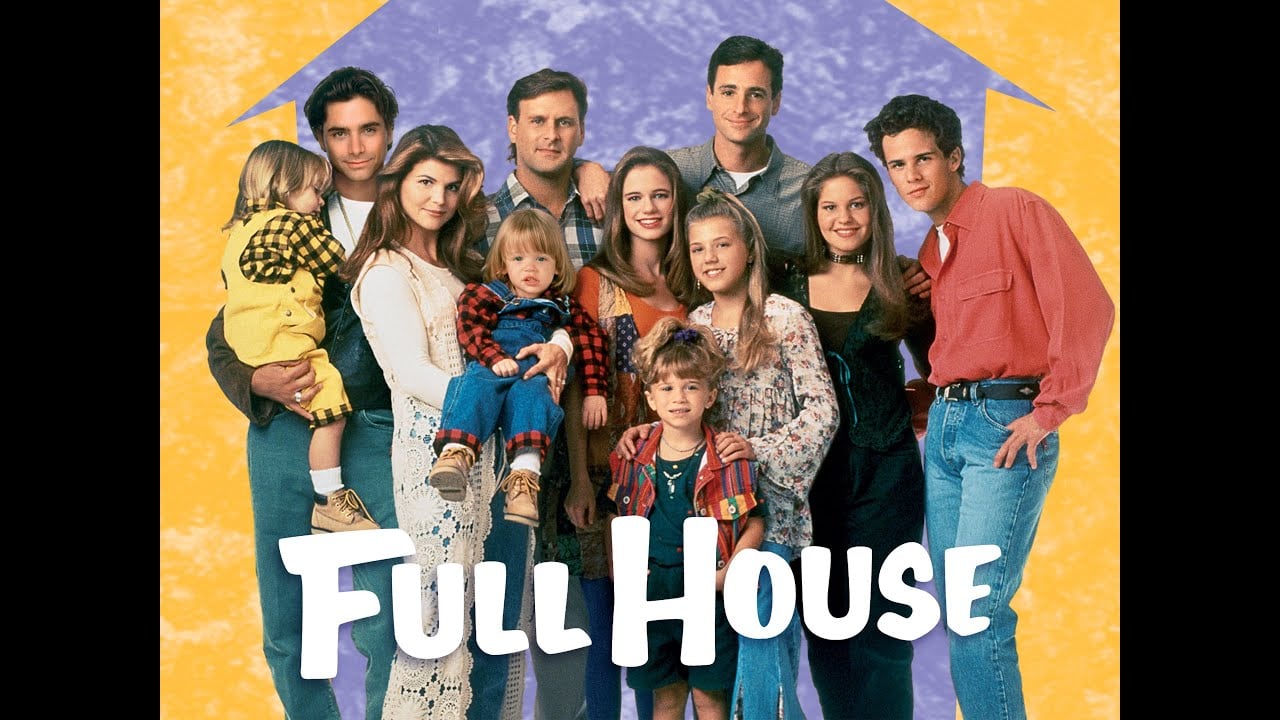
After losing his wife, Danny Tanner brought his brother-in-law and best friend into the house to help raise his daughters. It wasn’t just an emotional decision; it was also a practical one, splitting expenses and responsibilities three ways. Multigenerational or shared households have always been a legitimate financial strategy.
13. Friends: Rent Doesn’t Match Everyone’s Paycheck

Monica and Rachel’s spacious New York apartment became something of a running joke among fans who did the math on a chef’s and a waitress’s actual salaries. The gap between sitcom lifestyles and sitcom paychecks is a gentle reminder to check whether your own housing costs actually fit your income.
14. The Fresh Prince of Bel-Air: Wealth Doesn’t Guarantee Financial Wisdom

Will Smith moved in with his wealthy aunt and uncle, and the show spent plenty of episodes contrasting his street smarts with his cousins’ more privileged upbringing. Money problems showed up on both sides, just in different forms. Having wealth and knowing how to manage it turned out to be two very different skills.
15. Sabrina the Teenage Witch: Even Magic Can’t Solve Every Money Problem

Sabrina occasionally tried to use her powers to shortcut her way past an allowance shortfall or an unexpected expense. The show used its fantasy premise to make a point: there’s no spell, trick, or shortcut that replaces basic financial planning. Some lessons have to be learned the slow way.
16. King of Queens: Two Incomes Still Require a Plan

Doug and Carrie Heffernan both worked steady jobs, yet money tension was a constant thread through their marriage. Two paychecks doesn’t automatically mean financial ease: it still takes a shared plan and clear communication. Even a dual-income home needs a budget to match its ambitions.
Want to keep the money talk going?
Start with 15 Money Facts That Sound Made Up but Are Actually True for surprising truths about cash, credit, and compound interest. Then dig deeper with 24 Money Facts That Completely Changed How People Think About Wealth for even more eye-opening lessons on how wealth really works. And if you’re in the mood for a different kind of treasure hunt, 14 Kitchen Items Boomers Threw Away That Are Worth Money Today proves that sometimes the real wealth was sitting in your cabinets.