
Most of us grow up believing a few basic rules about money: save what you can and work hard. But some facts about wealth are so surprising that they force people to rethink everything they thought they knew. From strange historical accidents to modern psychology, these facts reveal just how differently money really works behind the scenes.
Whether it’s the surprising habits of self-made millionaires or the economic particularities that shaped entire generations, this list digs into the truths that don’t always make it into personal finance books. Get ready to look at your wallet a little differently.
1. Most millionaires didn’t inherit their money

It’s easy to assume that wealthy people were simply born into money, but the numbers tell a different story. Studies show that the vast majority of millionaires built their fortunes from scratch through steady saving, smart investing, and years of consistent work.
2. The first credit card was created almost by accident

Credit cards feel like a permanent part of modern life, but the very first one came from a simple mistake. A businessman forgot his wallet at dinner and was so embarrassed that he created a card system so it would never happen again. That small moment of embarrassment eventually reshaped how the entire world spends money.
3. Compound interest can turn small savings into huge sums

Many people underestimate how powerful compound interest really is. A small amount of money saved consistently over decades can grow into a surprisingly large sum, simply because interest keeps building on itself. This is why financial experts often say that time in the market matters more than timing the market.
4. Lottery winners often end up broke

It seems like winning the lottery would solve every financial problem, but a large number of winners lose most or all of their winnings within a few years. Sudden wealth without financial planning or discipline often leads to poor decisions, proving that how you manage money matters more than how much you have.
5. Paper money used to be backed by gold
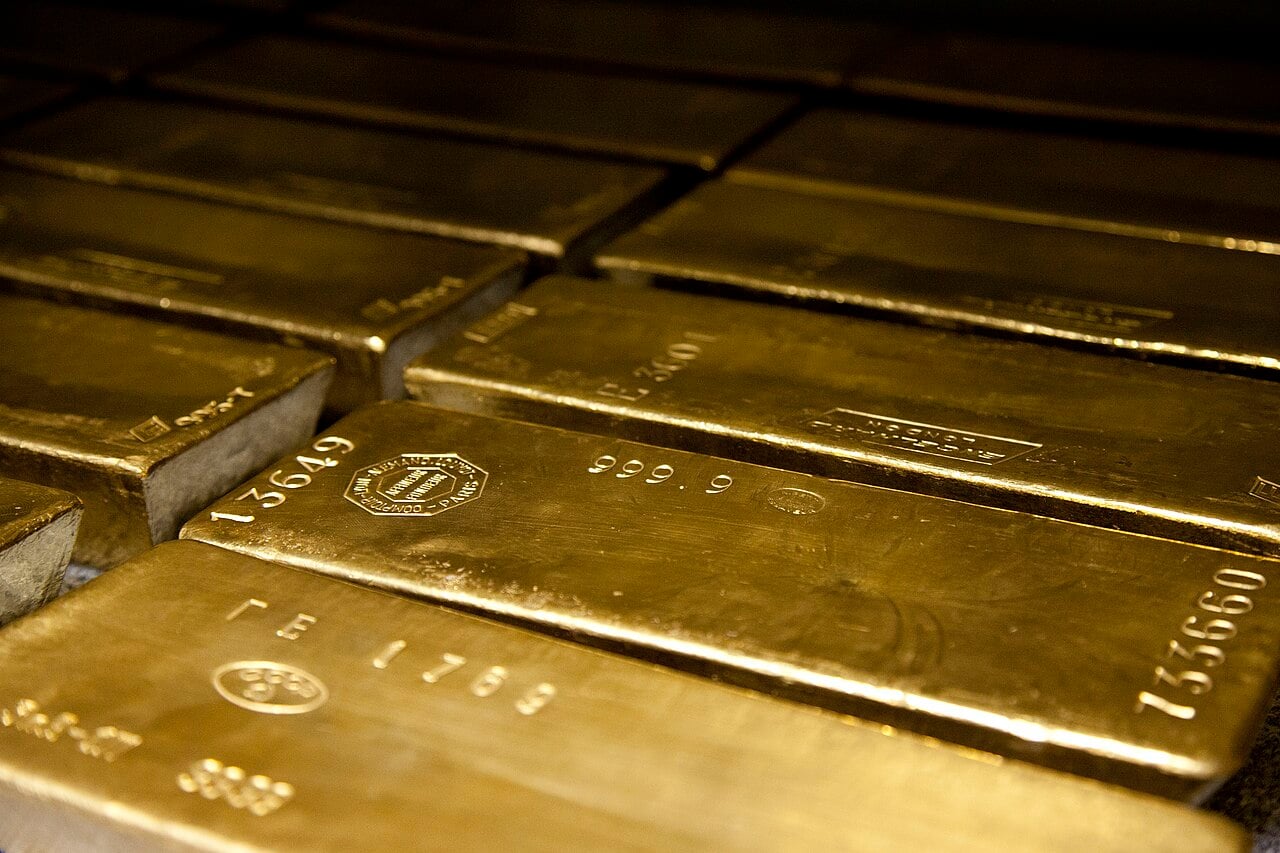
For a long time, the value of paper currency was tied directly to gold reserves held by the government. This system, known as the gold standard, gave people confidence that their money represented something real and tangible.
Trending on Wealth Gang


6. The wealthiest people often live below their means

Contrary to popular belief, many of the richest individuals don’t live flashy lifestyles. Instead, they tend to drive modest cars, live in reasonable homes, and avoid unnecessary spending. This habit of living below their means is often what allows them to invest more and build wealth.
7. Piggy banks were originally made from a clay called “pygg”

Centuries ago, people used a type of orange clay called “pygg” to make jars for storing coins. Over time, potters began shaping these jars like pigs as a playful pun, and the name stuck long after anyone remembered where it came from.
8. Money can’t buy happiness, but it can reduce stress

While extra money doesn’t guarantee joy, research shows it can significantly reduce daily stress. Having enough money to cover basic needs and emergencies removes a major source of anxiety.
Sign up for our newsletter
9. The Great Depression changed how Americans saved money forever

After watching banks collapse and life savings disappear, an entire generation grew up distrusting financial institutions. Many people who lived through the Great Depression developed lifelong habits of frugality and skepticism toward debt that shaped family finances for decades after.
10. The first paper currency was invented in China
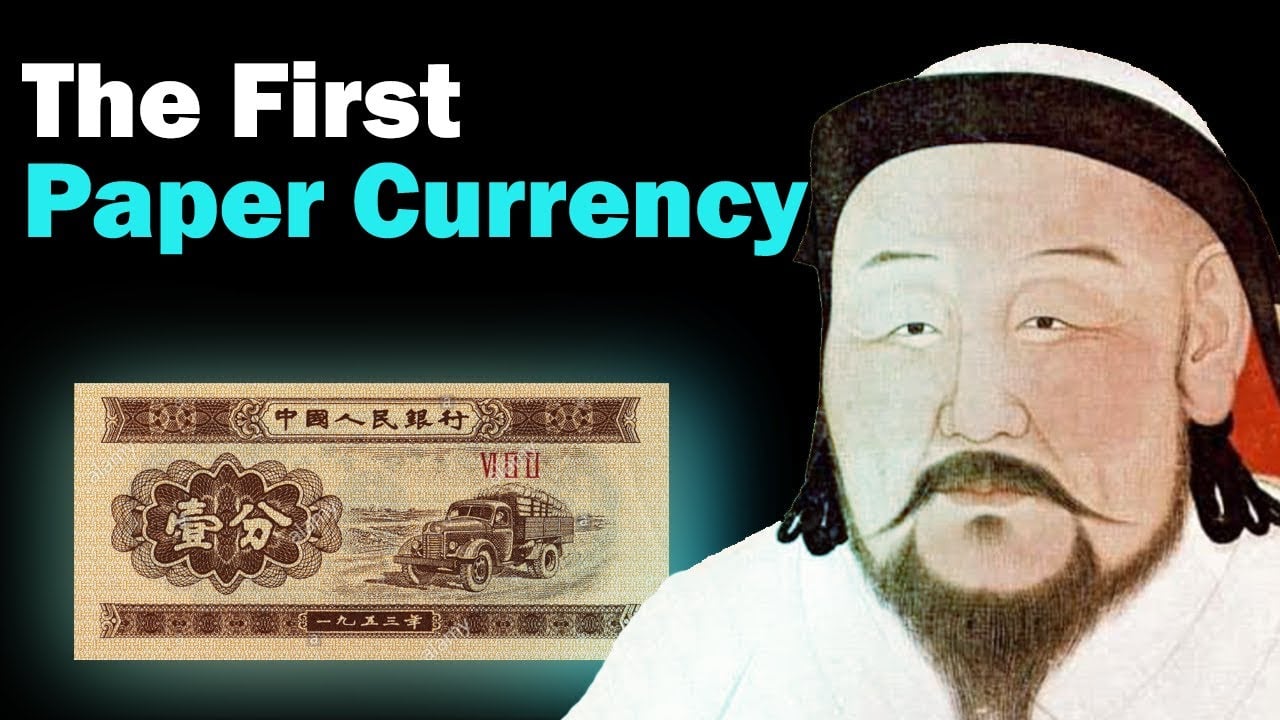
Long before Europe adopted paper money, Chinese merchants and government officials were already using it during the Tang Dynasty. It was originally created to avoid carrying heavy metal coins over long distances, making trade far more practical and efficient.
11. Most self-made millionaires have multiple income streams

Relying on a single paycheck is rare among the wealthy. Many self-made millionaires build several income streams, whether through investments, side businesses, or rental properties. This approach not only increases their earning potential but also protects them if one source of income slows down.
12. The stock market has historically recovered from every crash

Market crashes can feel terrifying in the moment, but history shows that the stock market has always eventually rebounded. This fact has helped shift the way many investors think about downturns, encouraging a long-term mindset instead of panic-driven decisions.
13. Financial literacy isn’t widely taught in schools

Despite how important money management is, many students graduate without ever learning how to budget, save, or invest. This gap has led to a growing movement pushing for financial education to become a standard part of school curricula.
14. The wealthy often prioritize assets over material items

Instead of spending on luxury items that lose value over time, many wealthy individuals focus on acquiring assets like real estate, stocks, or businesses.
15. Inflation has existed for thousands of years

The rising cost of goods and services is not a modern problem. Historical records show inflation affecting economies as far back as ancient Rome, when emperors would reduce the silver content in coins to stretch government resources.
16. Many billionaires started their businesses in garages or dorm rooms

Some of the world’s biggest companies began in the most unglamorous places imaginable. This fact has become a powerful reminder that massive success often starts small, with nothing more than an idea and the willingness to keep going.
17. Debt isn’t always a bad thing

While debt often carries a negative reputation, not all debt is harmful. “Good debt,” like a mortgage or a business loan, can help build long-term wealth when managed responsibly.
18. The concept of a “credit score” is relatively new

Credit scoring as we know it today didn’t exist until the late 20th century. Before that, lenders relied on personal relationships and reputation to determine who was trustworthy enough to receive a loan.
19. Emergency funds significantly reduce financial anxiety

Having just a small cushion of savings set aside for emergencies can dramatically change how people feel about their financial security. Even a modest emergency fund can prevent a single unexpected expense from turning into a full-blown crisis.
20. The wealthy tend to view failure differently

Rather than seeing failure as a dead end, many successful entrepreneurs view it as a necessary part of growth.
21. Money habits are often passed down from parents

The way people handle money as adults is frequently shaped by what they observed growing up. Children who watch their parents budget, save, and invest are more likely to develop similar habits.
22. The first known use of currency dates back over 5,000 years

Long before coins or paper money, ancient civilizations used items like shells and salt as forms of currency. This early system of trade laid the foundation for the complex financial world we rely on today.
23. Automating savings makes people more likely to actually save

Studies show that people who set up automatic transfers into savings accounts save significantly more than those who rely on manual effort.
24. Wealth is often more about mindset than income
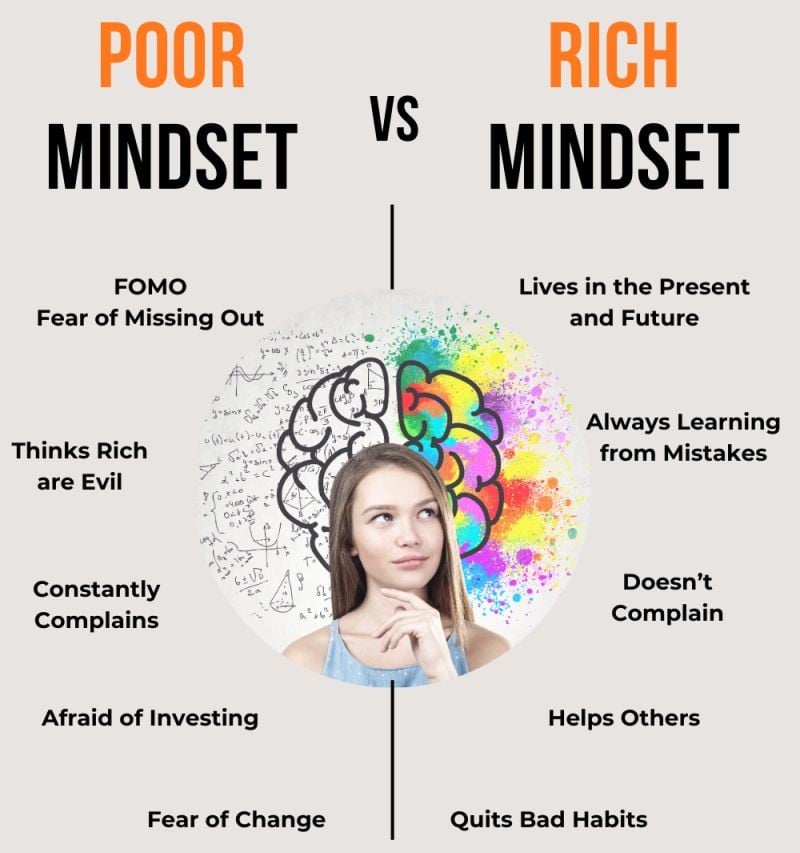
Perhaps the most eye-opening fact of all is that wealth isn’t only determined by how much someone earns. Two people with the same salary can end up in completely different financial situations based on their habits and mindset around money.
You might also like:
Don’t miss 15 Child Stars From the 1980s Who Quietly Built Lasting Wealth, a look at how some of the decade’s most beloved young actors turned early fame into lasting fortunes. You’ll also want to check out 14 Money Habits That The Wealthy Swear By, a breakdown of the financial habits that set the rich apart. And to put those habits into action this year, dive into 19 Money Habits That Will Make You Richer in 2026, with simple strategies for saving, investing, and building real wealth.