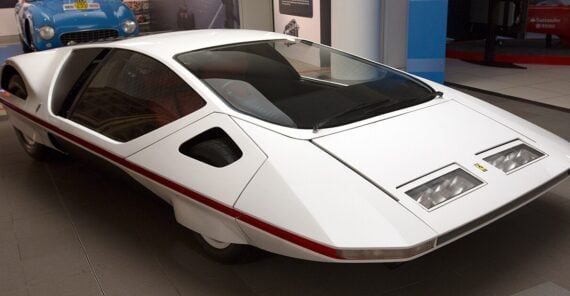
Concept cars are usually built to turn heads at shows, not to hit the road. Most are wild, impractical, and never meant for regular people to drive. But every so often, one of these strange machines plants an idea that quietly works its way into a car you can actually buy.
Sometimes it is a single design detail, a headlight shape or a dashboard layout. Other times, an entire concept car’s DNA ends up shaping a production model almost completely. These sixteen concepts prove that even the strangest ideas can leave a lasting mark on the cars we drive every day.
1. Lincoln Futura (1955)
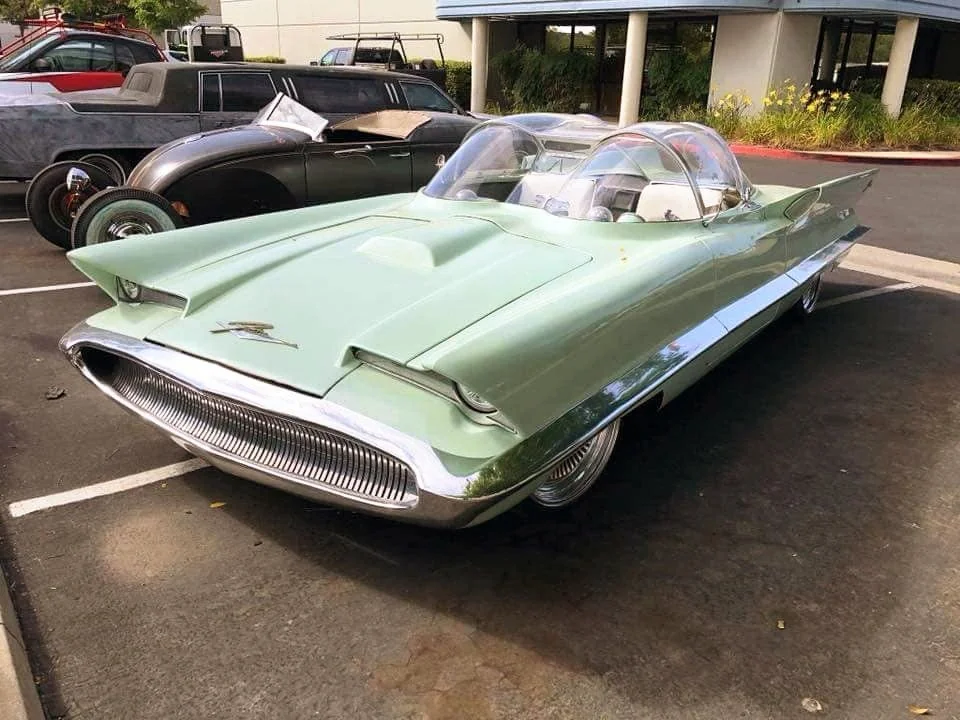
This bubble-topped concept was so distinctive that it was later transformed into the original Batmobile. Its dramatic tailfins also echoed forward into later Lincoln styling cues.
2. GM Firebird III (1958)
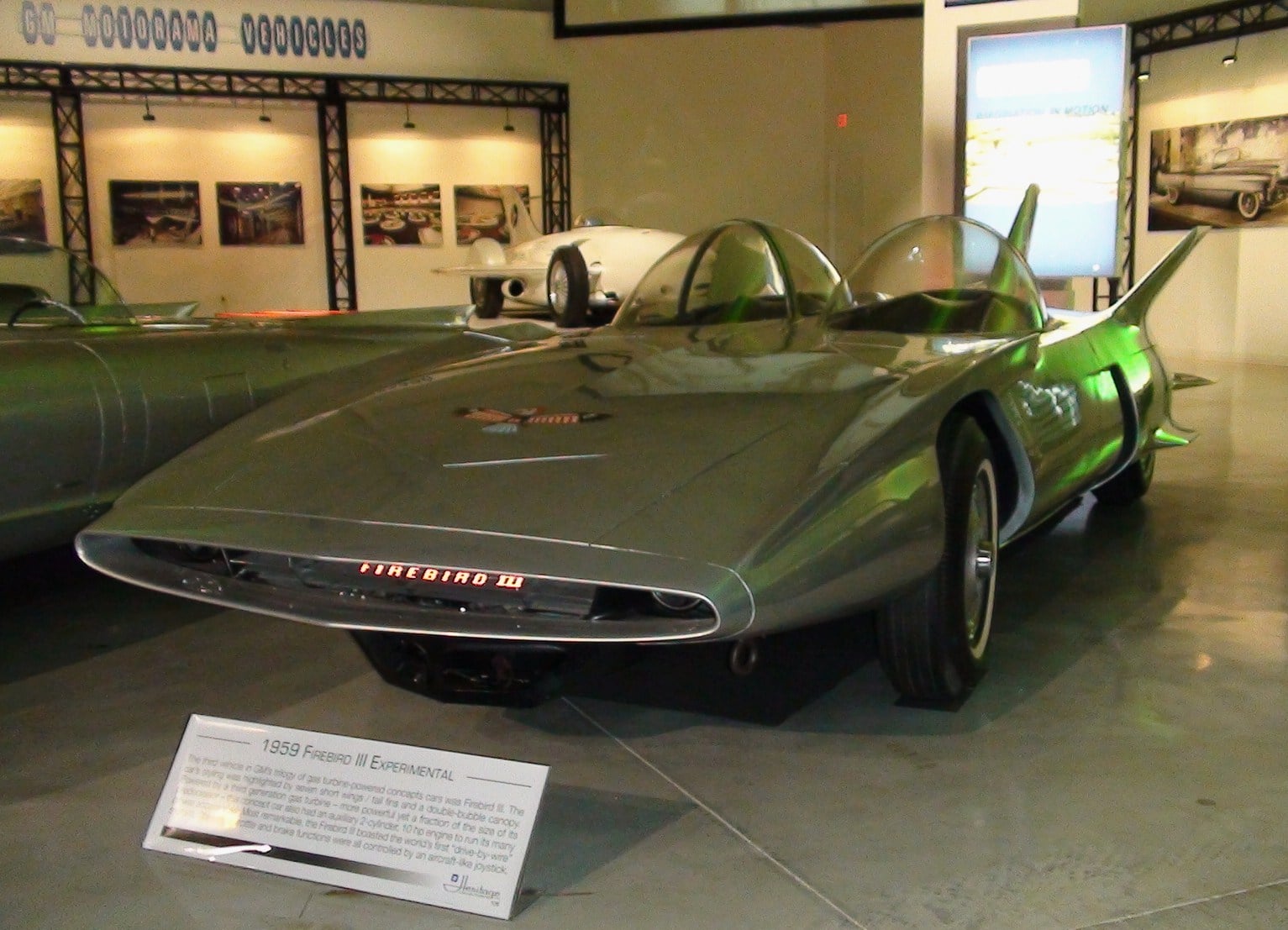
A jet-inspired concept with joystick control and rear fins, it never went to production, but its futuristic instrument layouts influenced how GM thought about dashboards for years.
3. Ford Mustang I (1962)
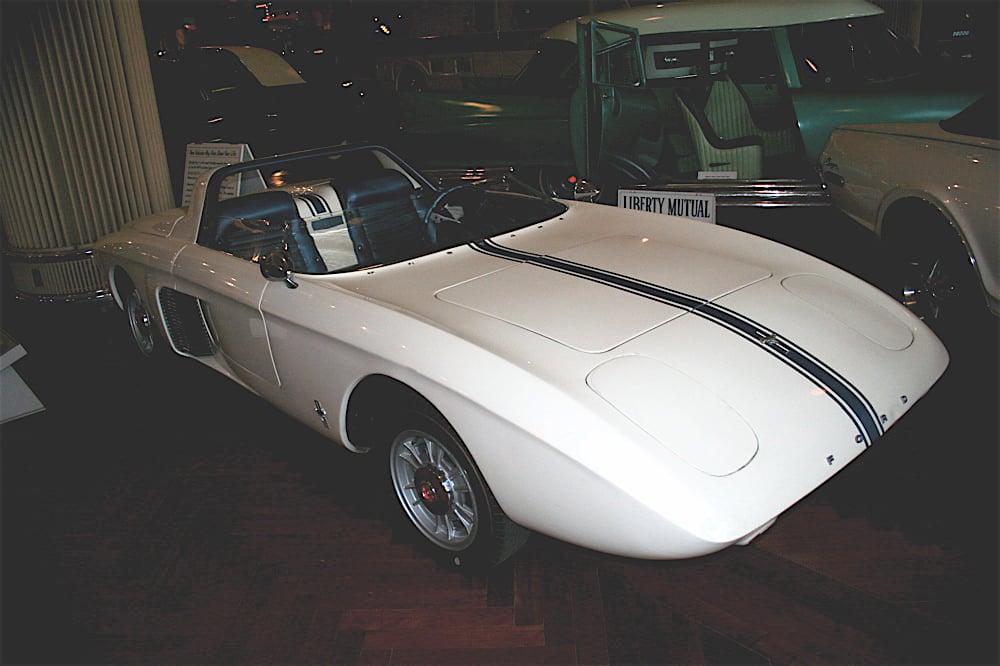
This two-seat, mid-engine concept looked nothing like the Mustang that eventually launched, but it planted the name and sporty image that Ford built on for the real thing.
4. Chevrolet Corvair Testudo (1963)
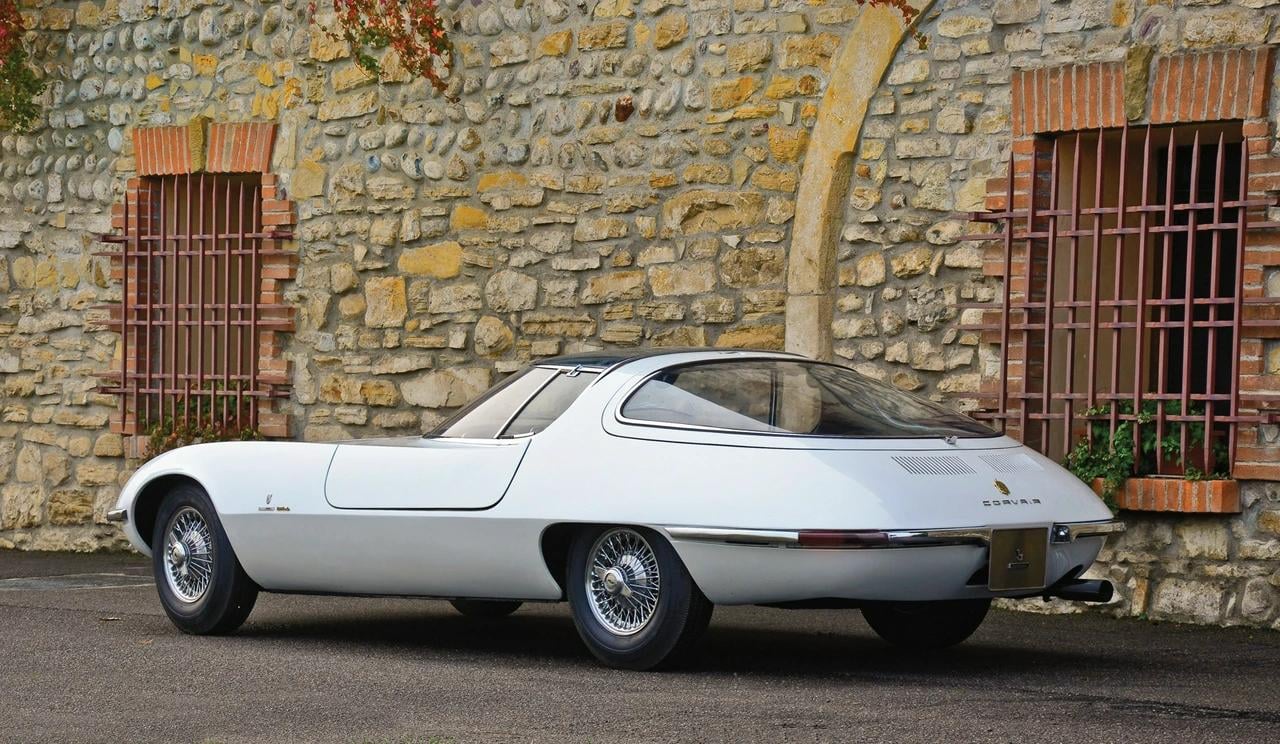
Designed by Bertone, its low, wedge-shaped body influenced European sports car design language for over a decade, including elements later seen in the Lamborghini Miura.
5. Pininfarina Modulo (1970)
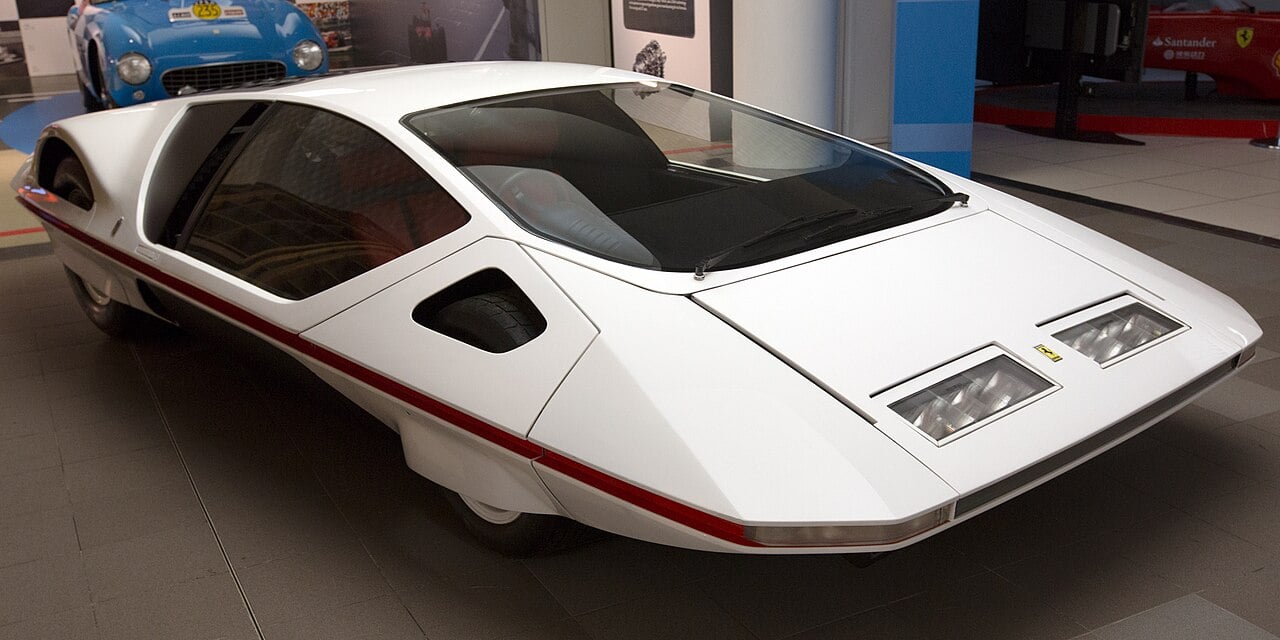
An almost alien-looking wedge concept, its lines and low stance influenced Italian supercar design for years, echoing later into cars like the Ferrari Testarossa.
Trending on Wealth Gang


6. Lancia Stratos Zero (1970)
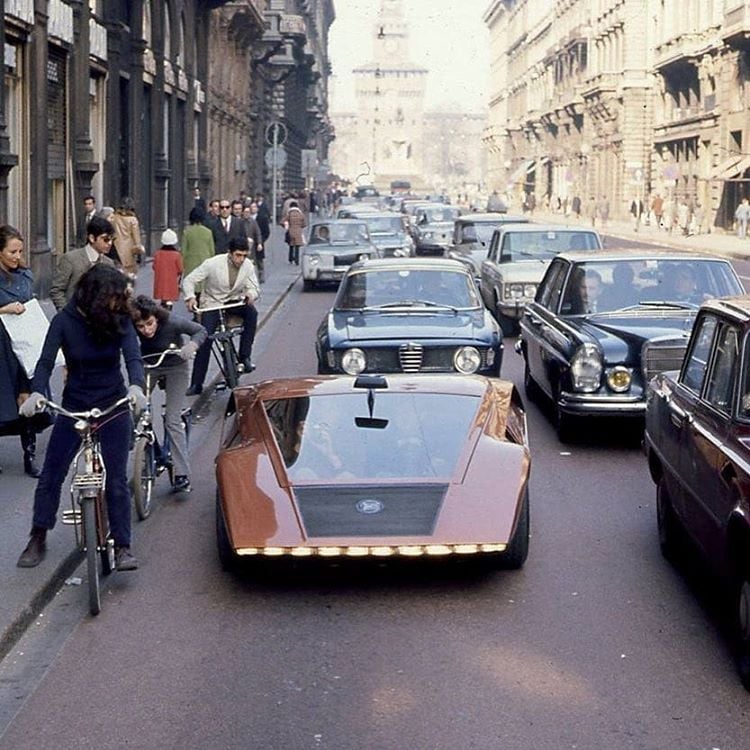
So low that drivers entered through the windshield, this concept’s wedge shape and aggressive angles shaped the production Lancia Stratos rally car.
7. Citroën Karin (1980)
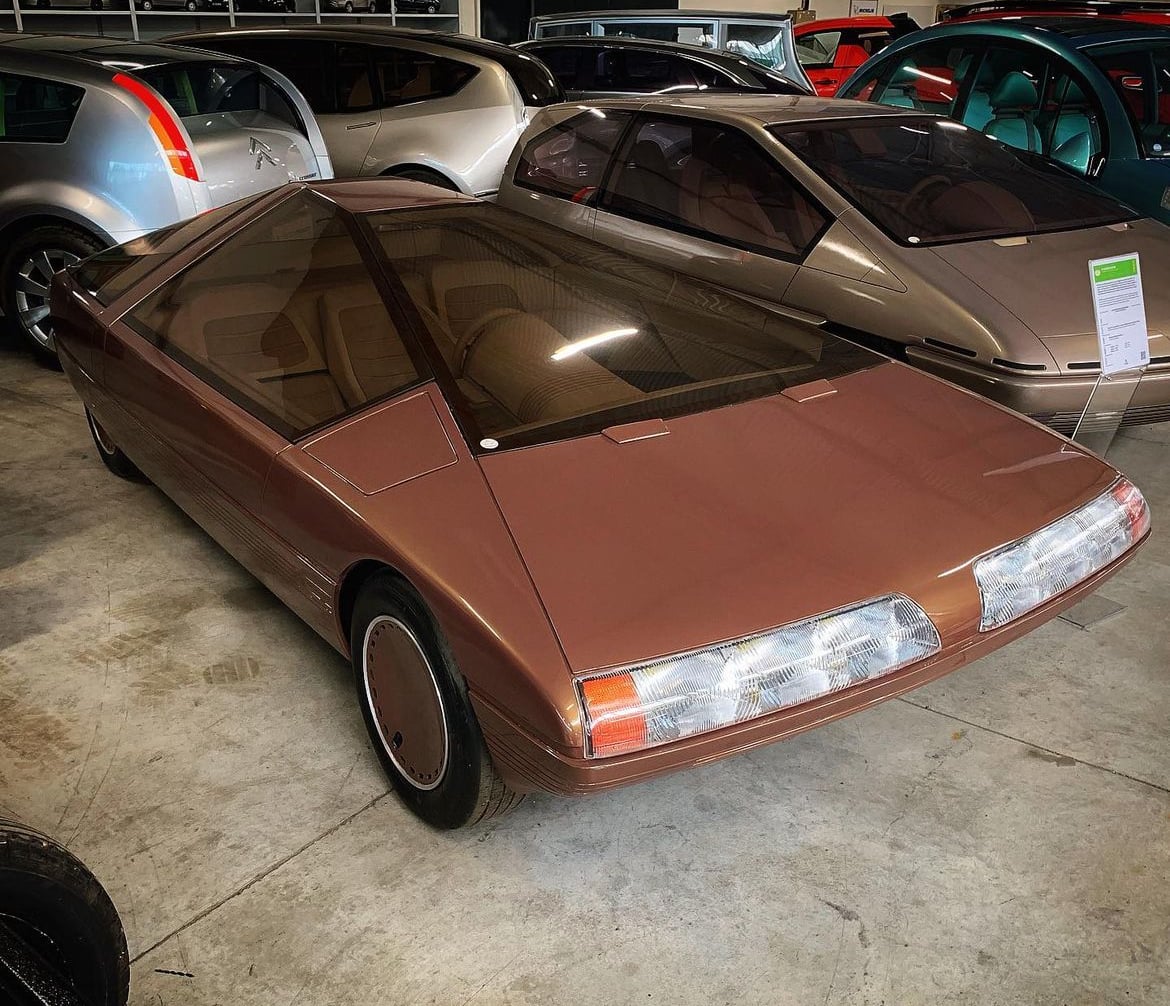
A pyramid-shaped concept with a central driving seat, its unusual cabin layout foreshadowed later three-seat designs like the McLaren F1.
8. Ford Probe IV (1983)
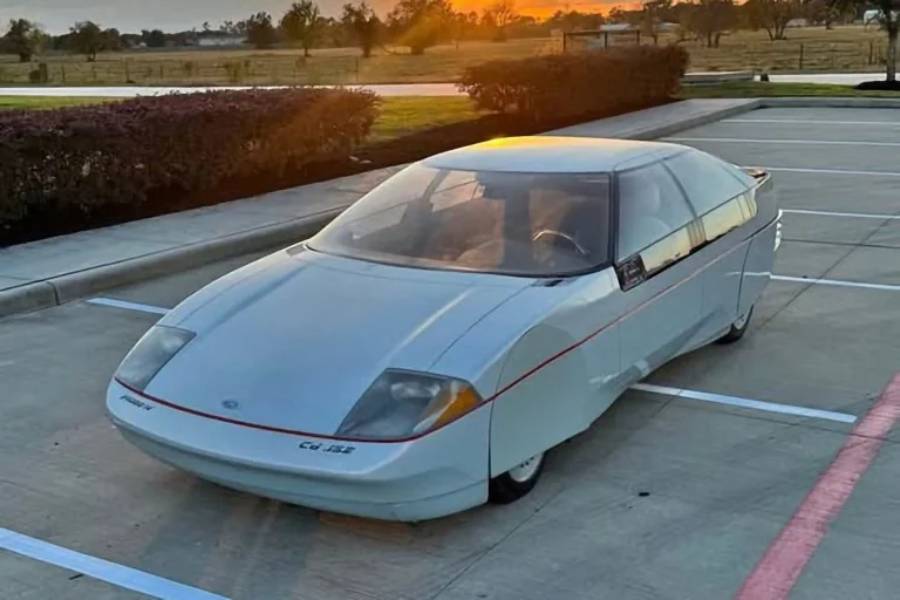
Built almost entirely around aerodynamics, its smooth, enclosed shape influenced the styling of the production Ford Taurus and Ford Probe.
Sign up for our newsletter
9. Chrysler Voyager III (1990)
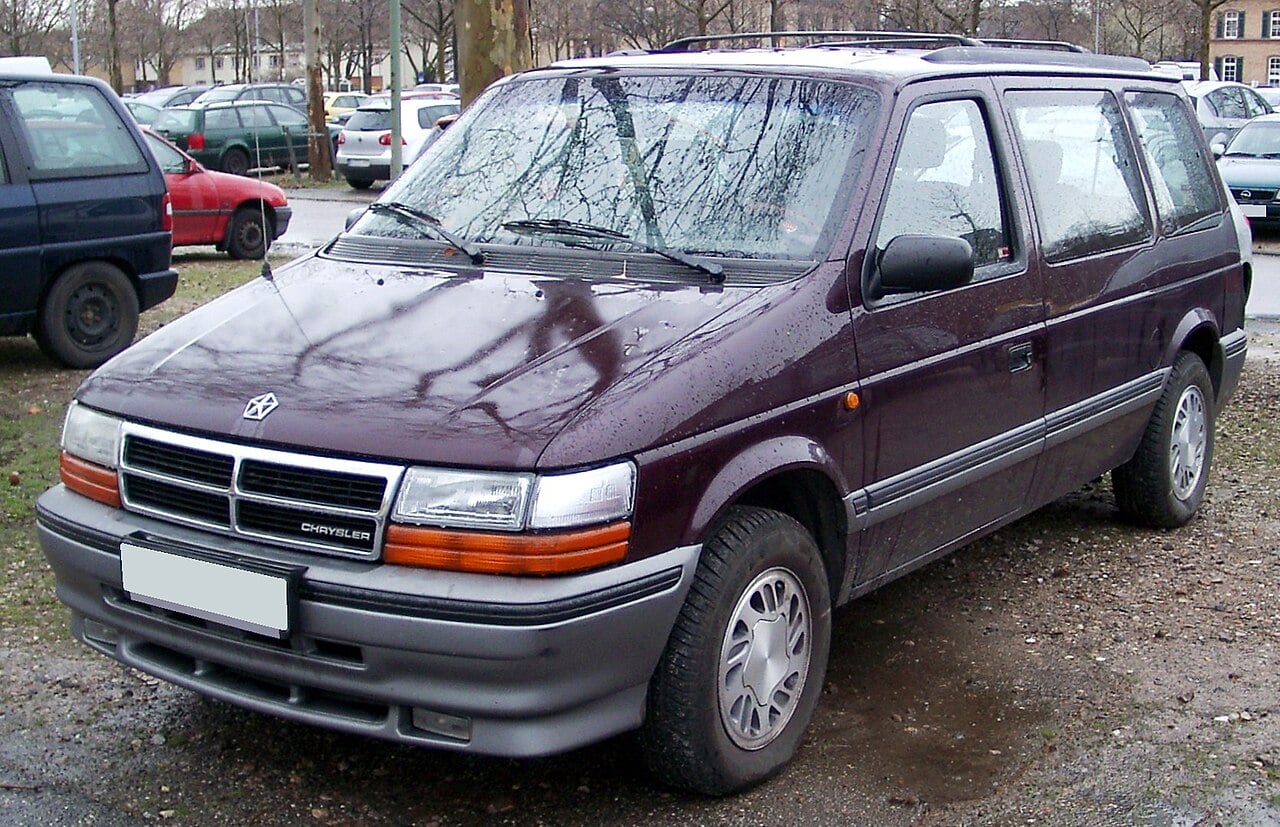
This modular concept explored flexible interior space and influenced the layout thinking behind later minivans across the industry.
10. Cadillac Voyage (1988)
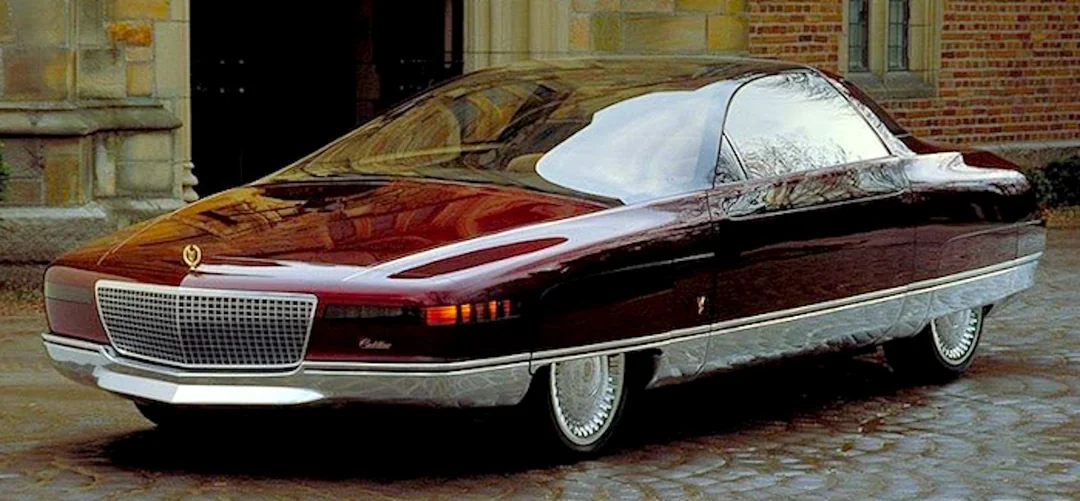
Its sleek, aerodynamic shape and pop-up headlights hinted strongly at the design direction Cadillac took with its early 1990s production sedans.
11. BMW Z1 (1987)
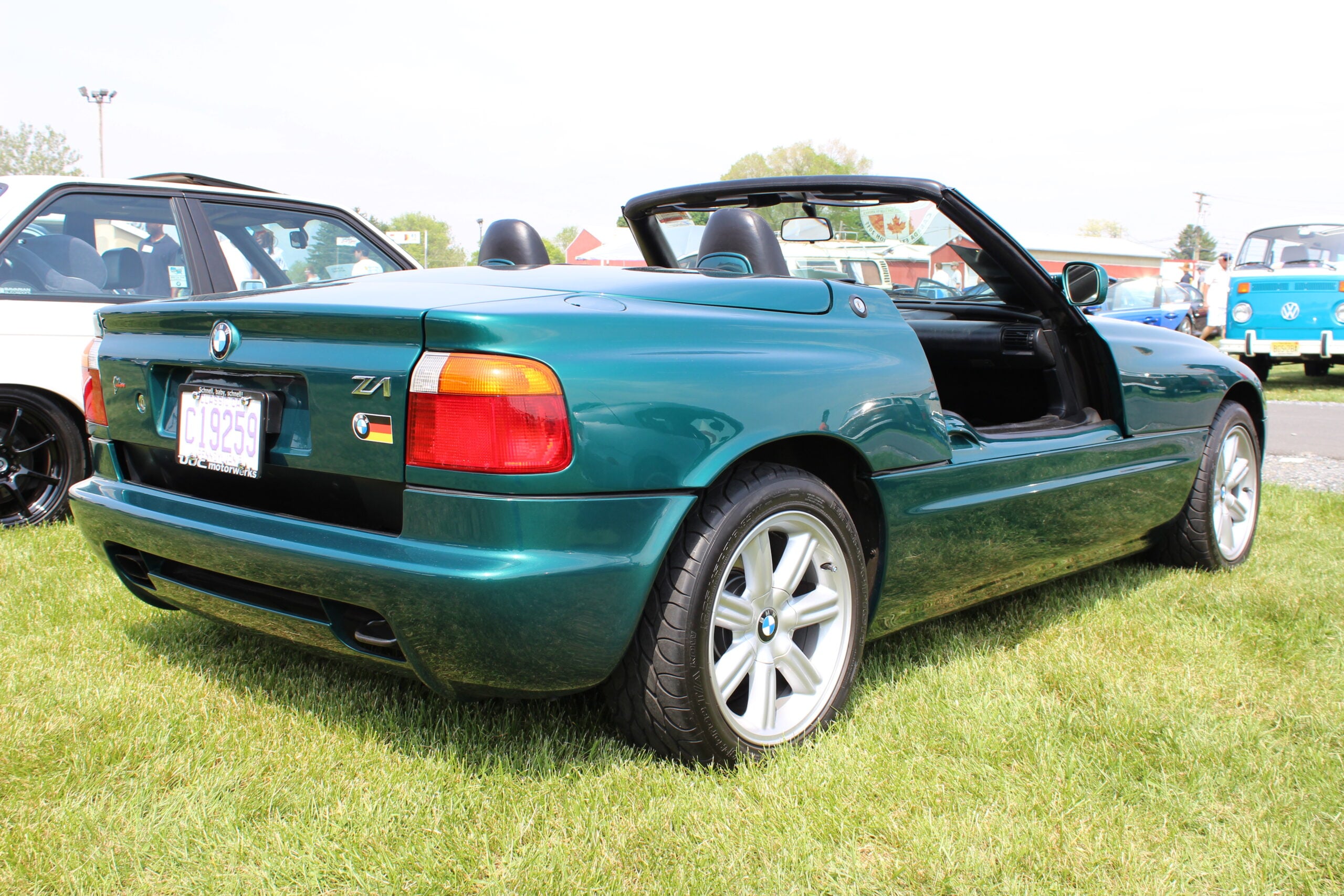
Its unusual doors never made it to mass production, but its roadster proportions directly shaped the later Z3 and Z4 models.
12. Renault Scénic Concept (1991)
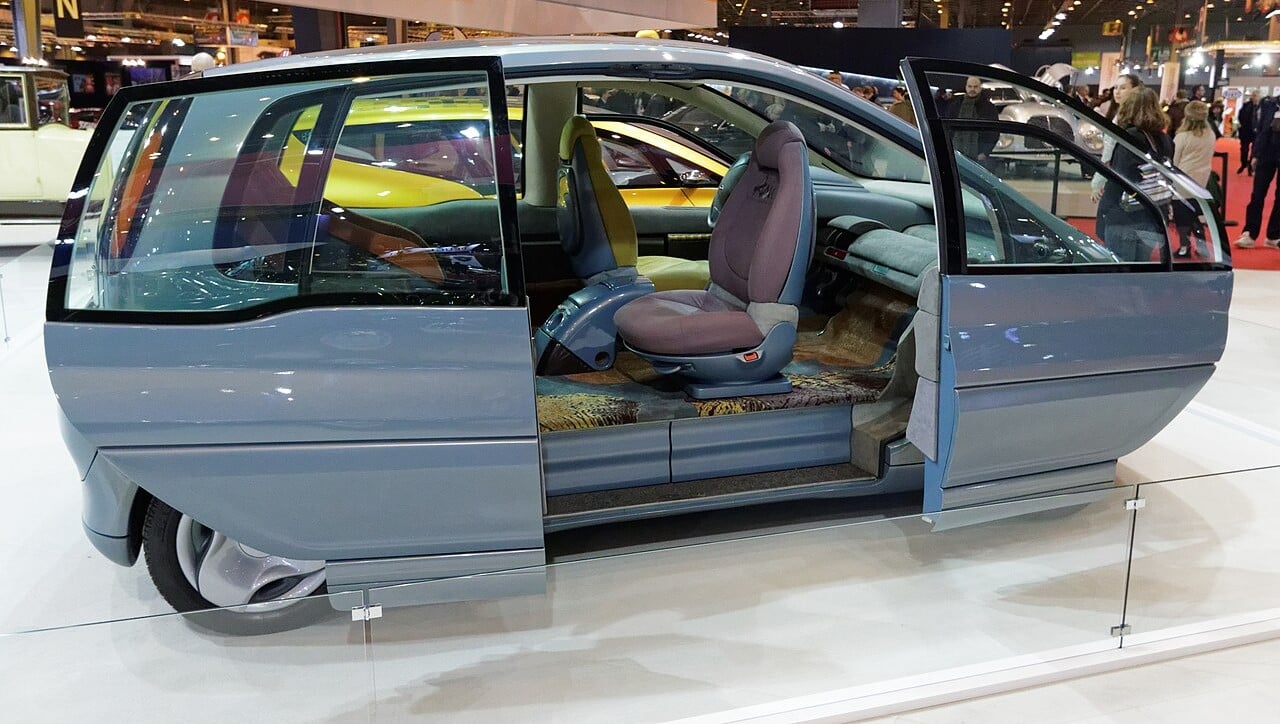
This compact concept introduced the idea of a small, tall-roofed family car, leading to the wildly popular production Renault Scénic and the compact MPV segment as a whole.
13. Nissan Pivo (2005)
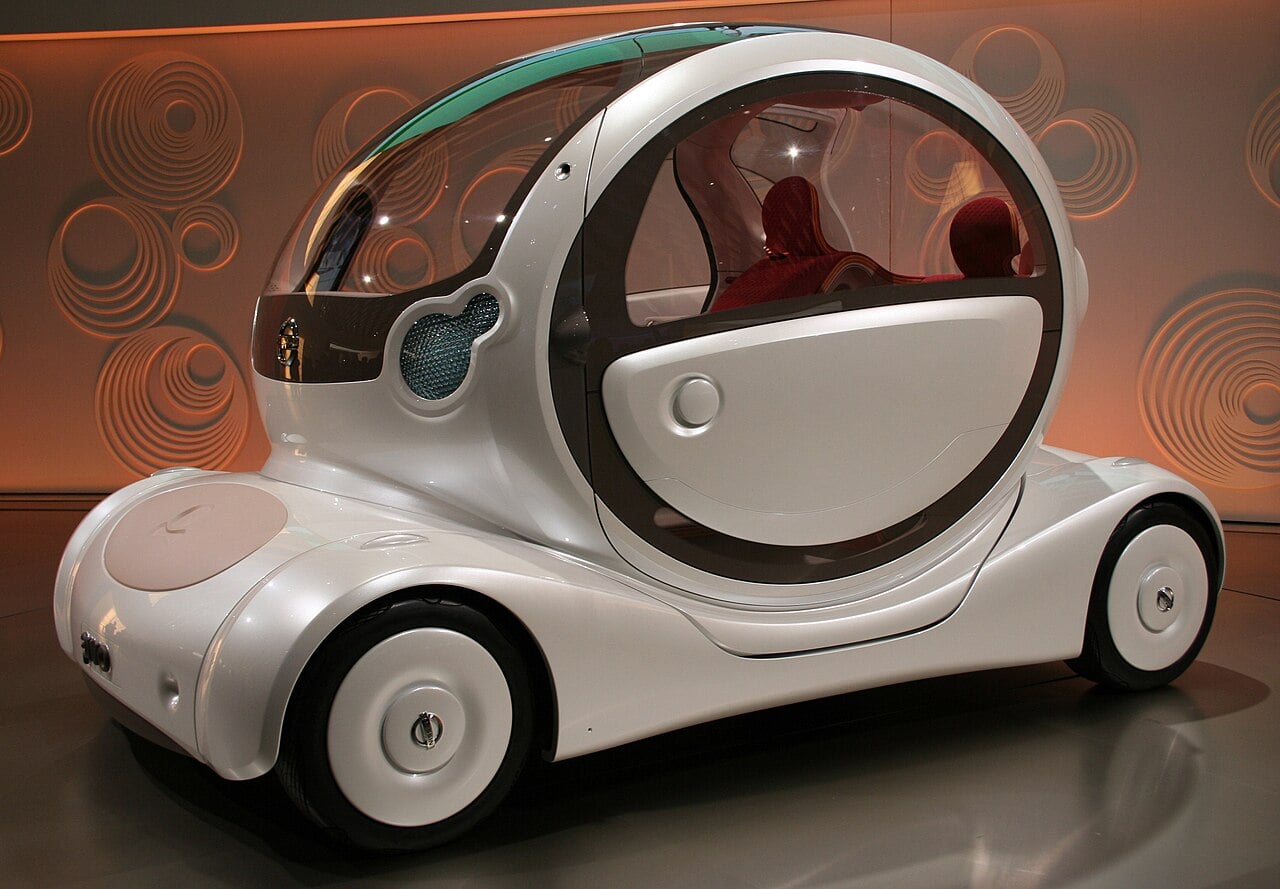
With a rotating cabin and futuristic controls, this quirky electric concept influenced how automakers began thinking about compact EV interior design.
14. Audi Avus Quattro (1991)
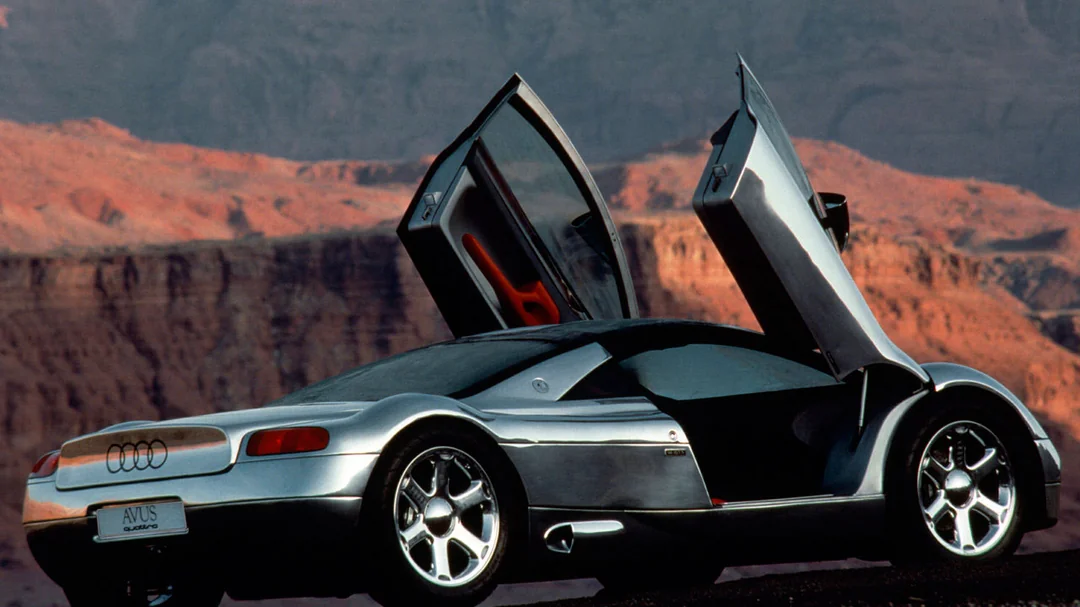
Its brushed aluminum body and long, low proportions foreshadowed the styling direction Audi took with the original R8 supercar the decade later.
15. Mercedes-Benz F 100 (1991)
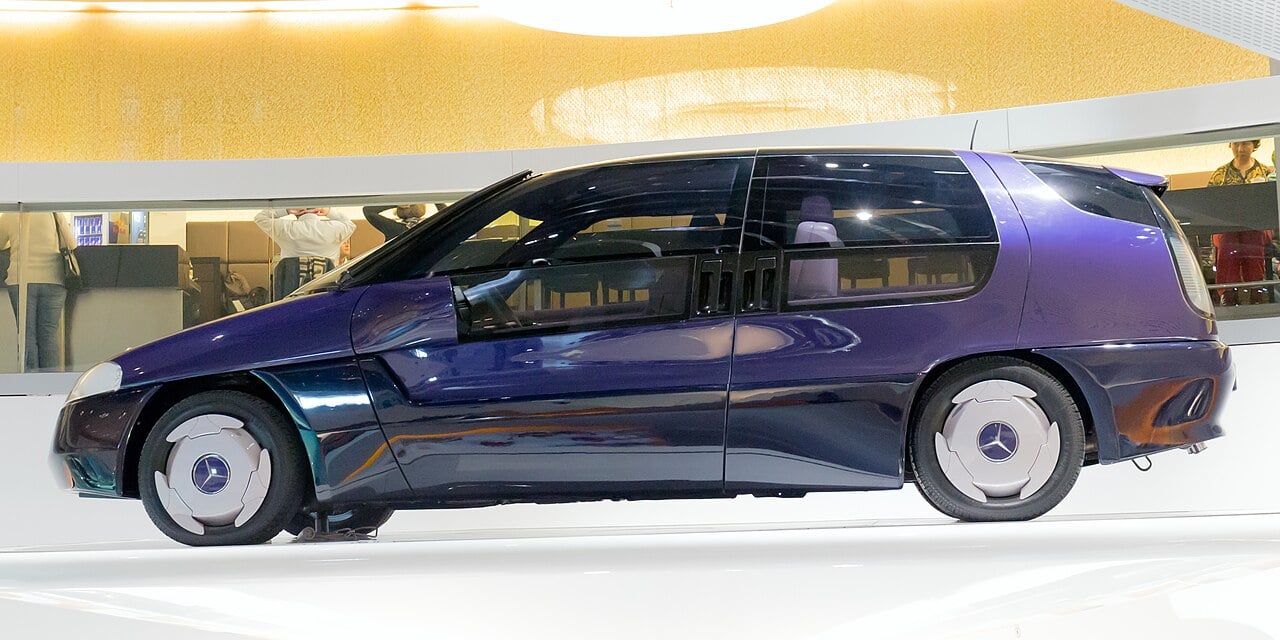
This futuristic minivan concept introduced ideas about visibility and seating position that influenced later Mercedes van and SUV interiors.
16. Toyota FT-86 Concept (2009)
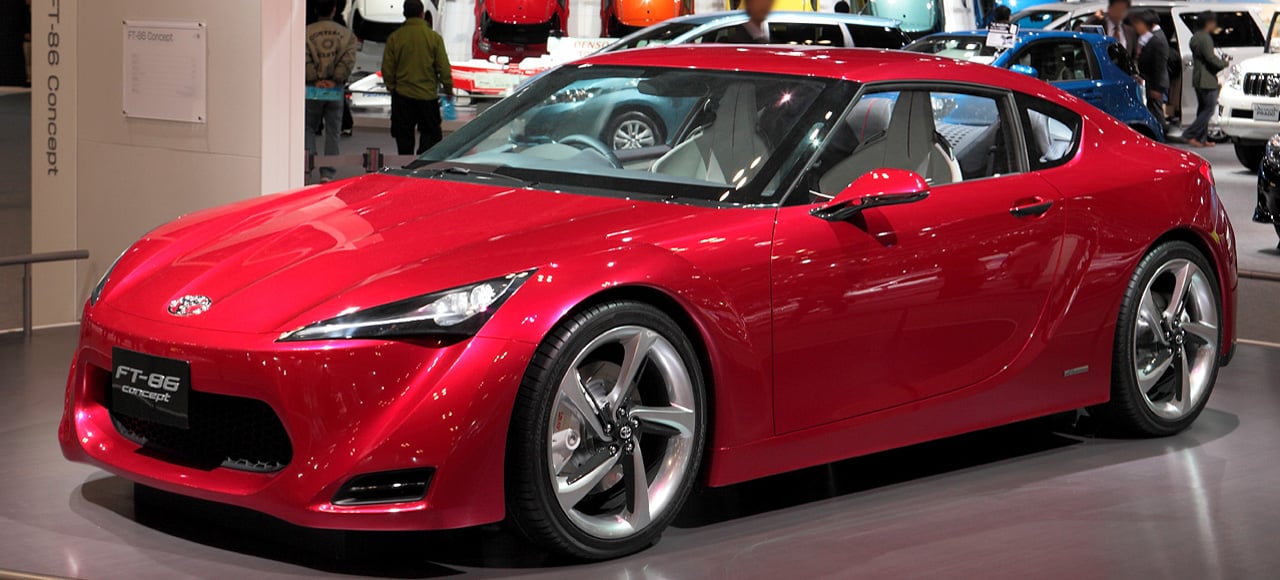
A lightweight, driver-focused sports car concept that translated into the production Toyota 86/Subaru BRZ twins.
More related articles:
Check out 15 Cars From the 1960s That Changed Automotive History for a look at the icons that reshaped the industry. If offbeat rides are more your speed, The 15 Weirdest Cars From the 1960s rounds up the era’s strangest experiments. And to see how car culture ties into status, The 12 Most Popular Cars Among the Rich and Famous shows what celebrities are driving today.