American homes built in the 1950s were filled with features that once seemed perfectly ordinary. Behind kitchen cabinets, beside front doors, and inside bathrooms were clever little details designed for a time when daily routines looked very different.
Some of these features were considered modern conveniences, while others were simply part of how a house was built. Many disappeared during renovations, but finding one still intact can feel like stepping into a family photograph from another era.
1. Built-In Telephone Niches
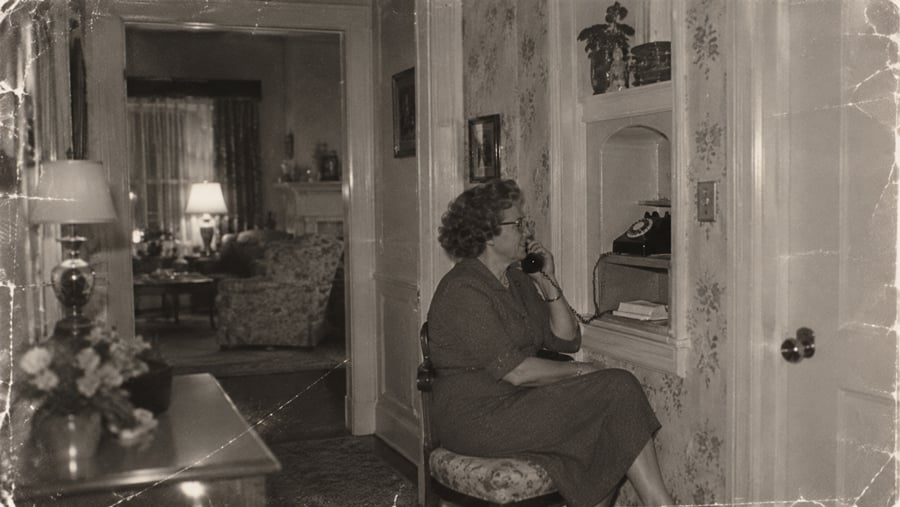
Before phones traveled from room to room, some houses had a dedicated little space for making calls. A recessed shelf or hallway nook might hold the telephone, a small seat, and a place for writing down messages. It was often positioned where everyone walking through the house could hear the conversation.
2. Milk Delivery Doors
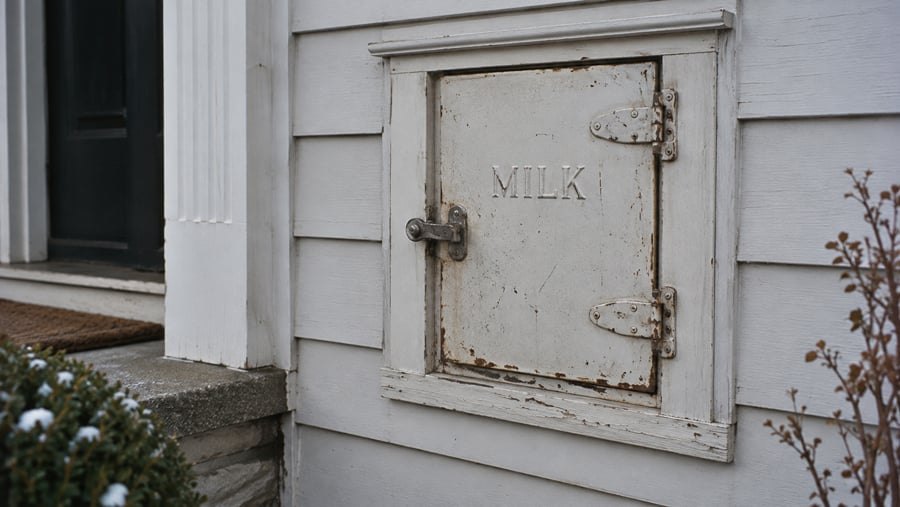
Some older houses had a small insulated compartment built into an exterior wall for milk deliveries. The milkman could leave bottles from outside, and the family could retrieve them from inside without opening the front door. These little doors are now easily mistaken for mysterious storage compartments.
3. Laundry Chutes
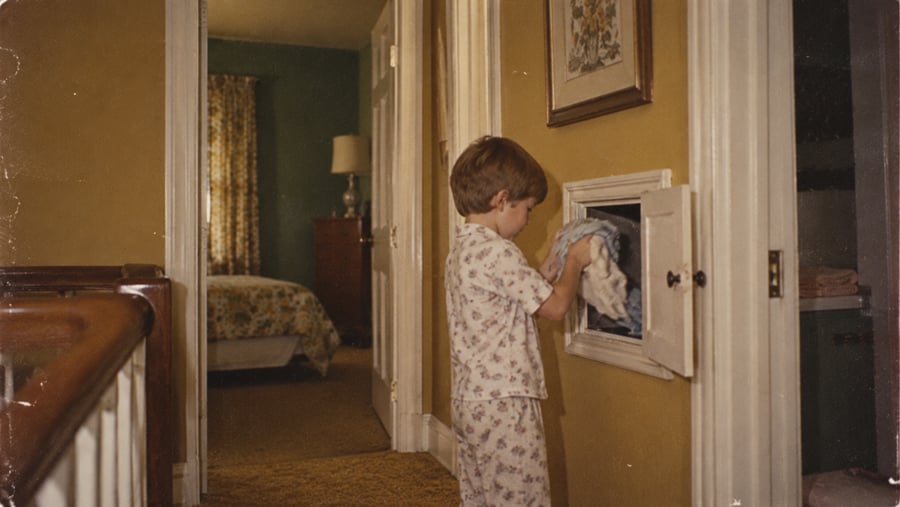
A small door in an upstairs hallway or bathroom could lead straight down to the basement laundry area. Children sometimes treated it like a secret passage, while parents appreciated not carrying every pile of clothes down the stairs. Many were eventually sealed during renovations.
4. Built-In Kitchen Bread Drawers
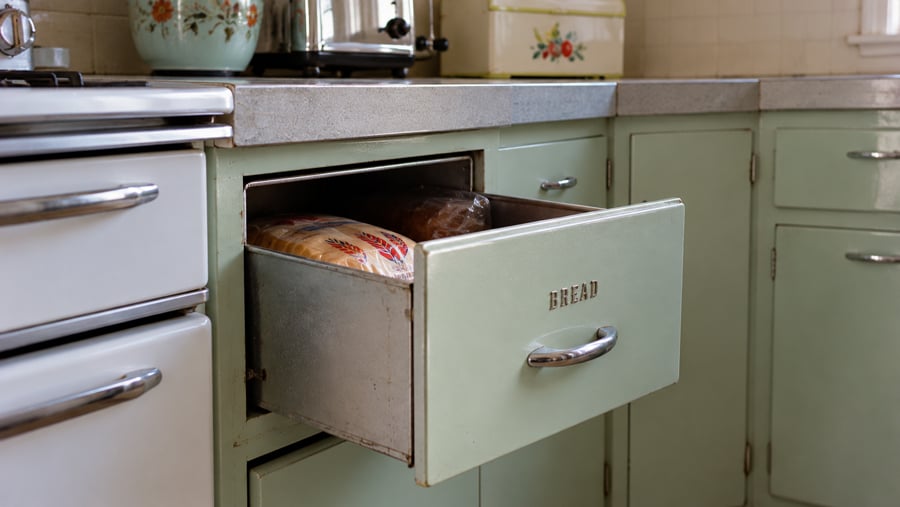
Before every countertop had another appliance sitting on it, some kitchens included a dedicated metal-lined drawer for storing bread. Opening it revealed loaves, rolls, and sometimes a few forgotten crumbs. It kept the counter clear while making bread storage part of the cabinetry itself.
5. Bathroom Tile Toothbrush Holders
Wealthgang
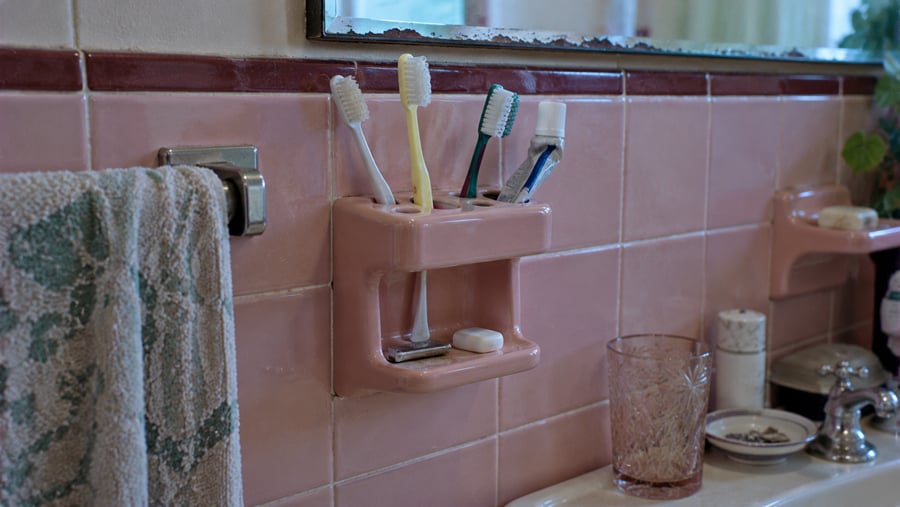
Many bathrooms had ceramic toothbrush holders permanently attached to the tiled wall. They matched the soap dishes, towel bars, and colorful fixtures that gave 1950s bathrooms their distinctive look. Removing one could mean damaging the surrounding tile.
Trending on Wealth Gang


6. Built-In Ironing Boards
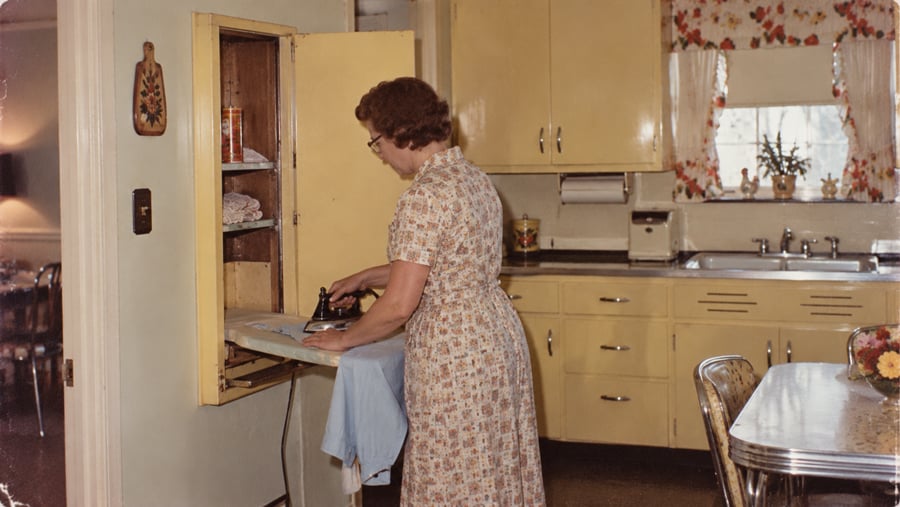
Some kitchens and utility rooms concealed an entire ironing board behind a narrow cabinet door. Pulling it down created a convenient place to press shirts without dragging a full-size board out of storage. When folded away, it almost disappeared into the wall.
7. Telephone Wiring Jacks in Unexpected Places
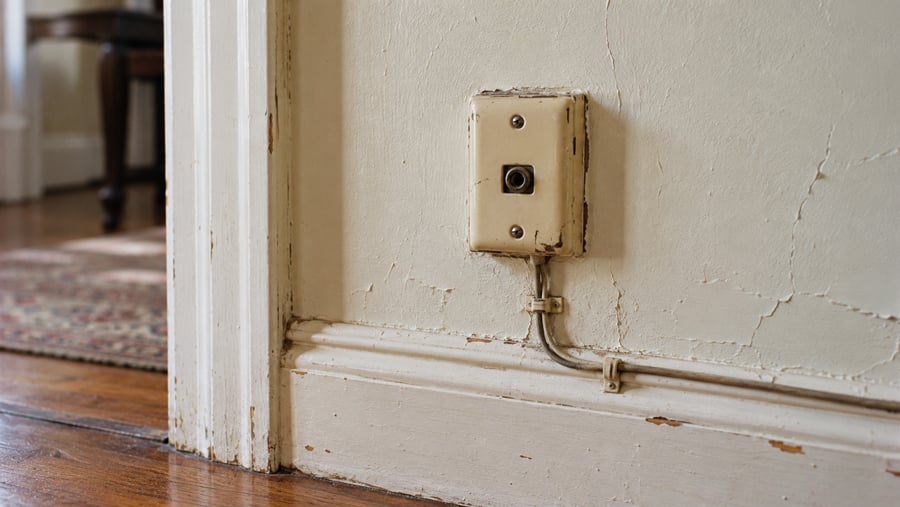
A small wall plate or old telephone connection in a hallway, bedroom, or kitchen could reveal where a family’s telephone once stood. Before wireless communication, adding a phone meant physically connecting it to the house, and those forgotten fittings sometimes survived decades of remodeling.
8. Built-In Kitchen Cutting Boards
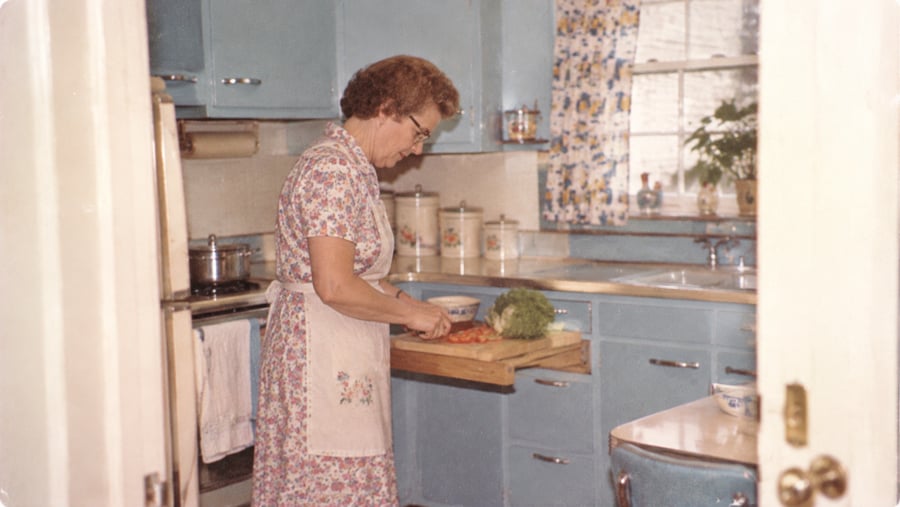
Some kitchen cabinets included a wooden cutting board that slid out from beneath the countertop. It was always available for slicing bread or preparing vegetables, then disappeared when the job was finished. In older kitchens, the boards often carry decades of knife marks.
Sign up for our newsletter
9. Pocket Doors Between Rooms
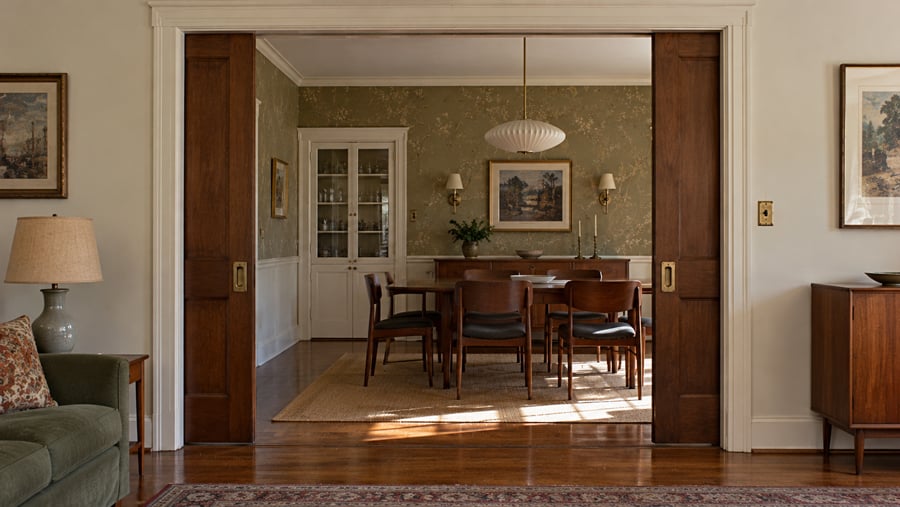
Instead of swinging into a room, these doors slid into the wall and disappeared. They could separate dining rooms, living rooms, or other shared spaces without taking up floor space. Many remain hidden inside walls after renovations, waiting to be rediscovered.
10. Built-In Bathroom Hampers
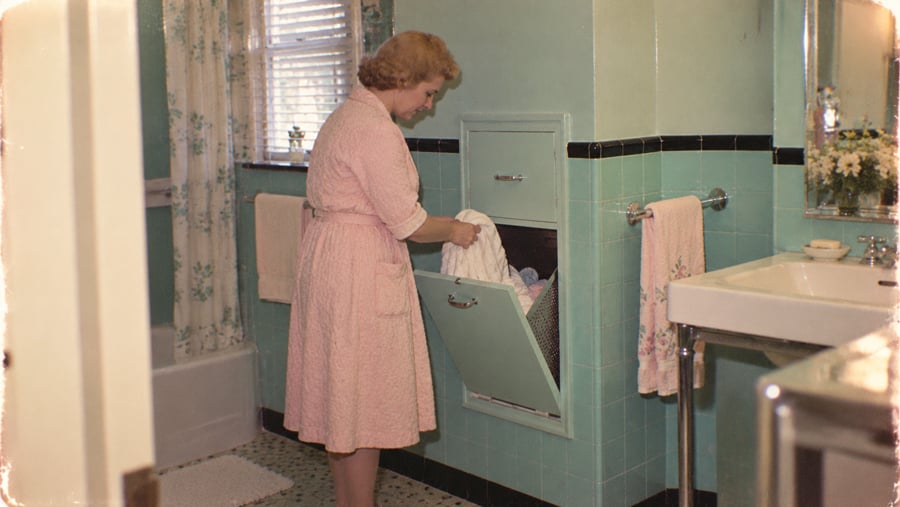
Some bathrooms had a metal laundry hamper built directly into the wall or vanity. Dirty clothes disappeared behind a small hinged door rather than collecting in a freestanding basket. It was a practical feature that made even a compact bathroom feel organized.
11. Laundry Sinks in the Basement
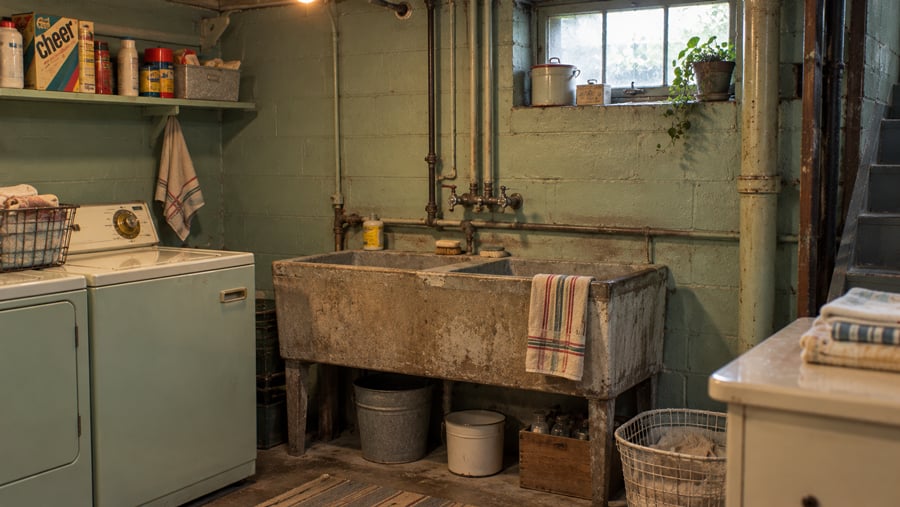
Deep utility sinks were once common in basements and laundry rooms. They handled muddy clothes, handwashing, cleaning buckets, and household jobs too messy for the kitchen sink. Some were made from heavy concrete or cast iron and were practically impossible to move.
12. Built-In Bathroom Heaters
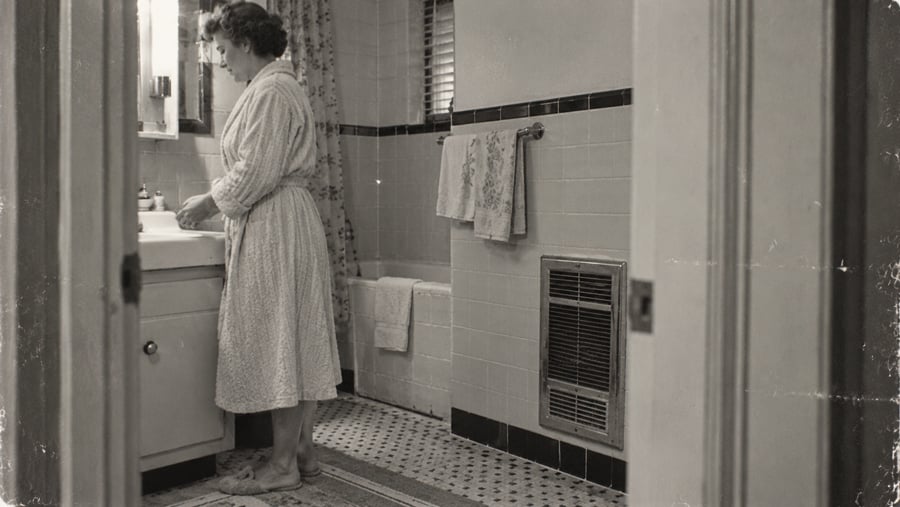
Some bathrooms had a small electric or gas heater installed directly into the wall. On cold mornings, it provided warmth before central heating became as consistent as it is today. The metal grilles and simple controls remain recognizable in many unrenovated houses.
13. Recessed Medicine Cabinets With Razor Blade Slots
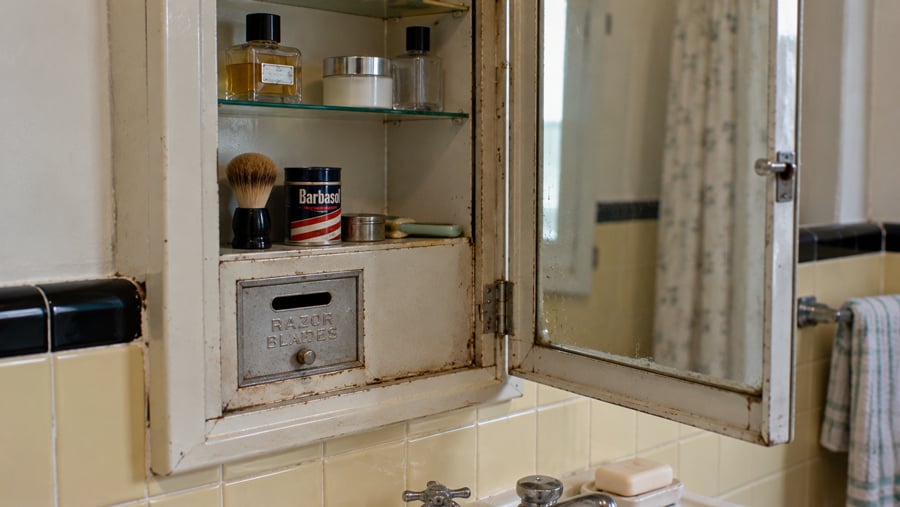
Behind the mirrored medicine cabinet, some bathrooms had a tiny opening marked for used razor blades. The blades dropped into the empty wall cavity, where they could remain for decades. Homeowners sometimes discover surprising collections of them during renovations.
14. Built-In Kitchen Desk Areas
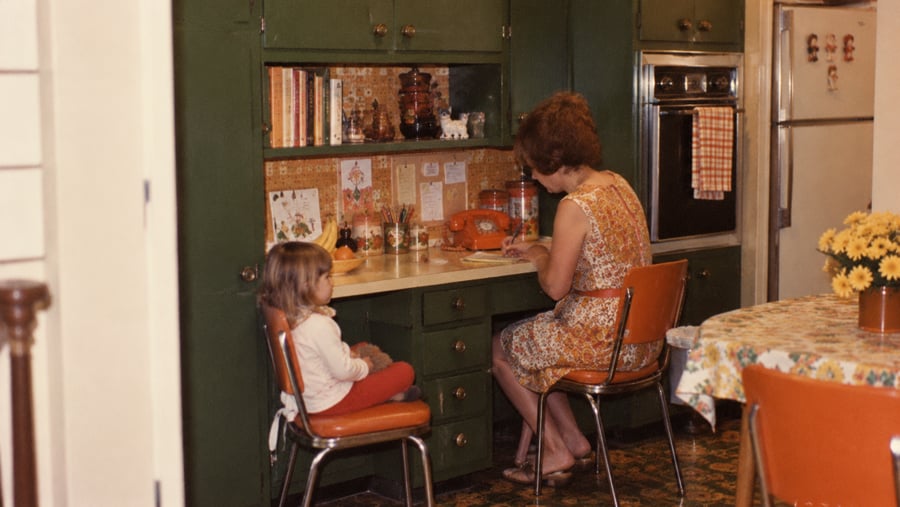
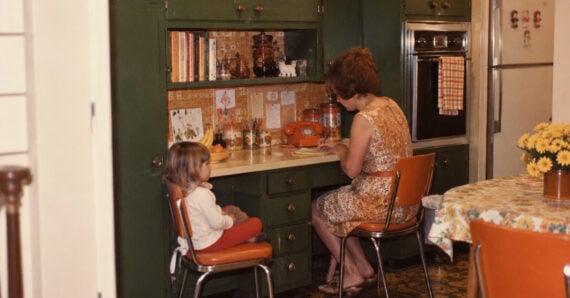
Long before the kitchen island became the center of the home, some houses had a small built-in desk for household paperwork. Recipe cards, bills, telephone directories, and grocery lists collected there. It was a practical little command center for running the household.
15. Picture Windows Facing the Street
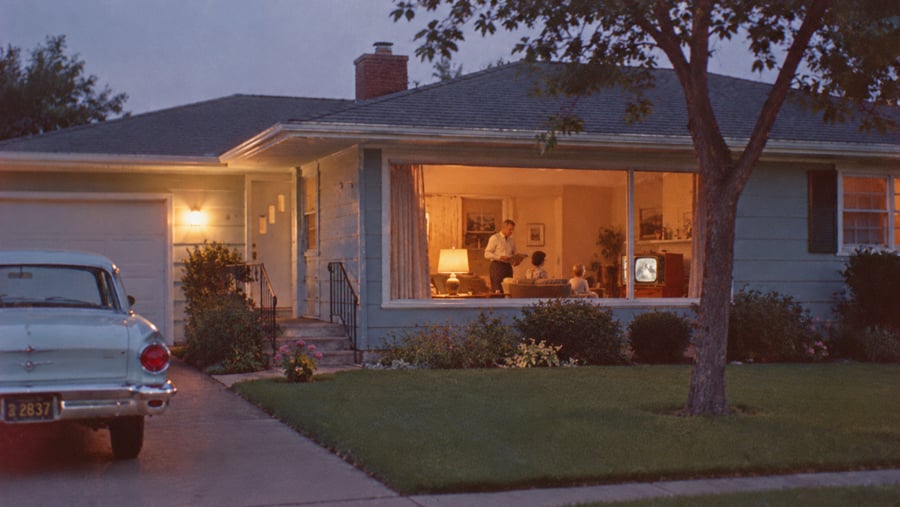
Large fixed windows became a defining feature of many postwar suburban homes. They brought daylight into the living room and gave families a clear view of the front yard, passing neighbors, and children arriving home from school. From the sidewalk, they offered a glimpse of life inside.
16. Built-In Linen Closets in Hallways
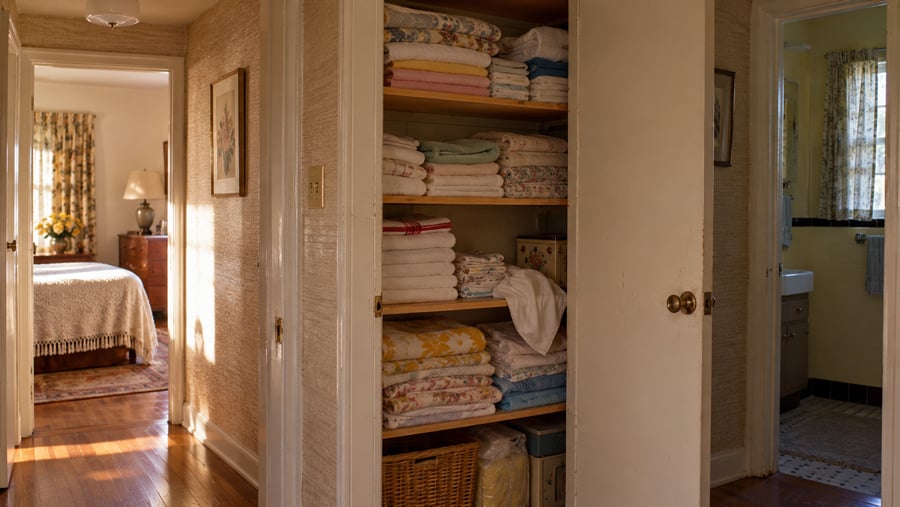
Rather than storing every towel and bedsheet in bedroom closets, many homes had a dedicated hallway linen cupboard. Shelves were stacked with folded towels, extra blankets, pillowcases, and carefully saved guest linens. Opening the door often revealed the familiar smell of clean cotton.
17. Breezeways Between the House and Garage
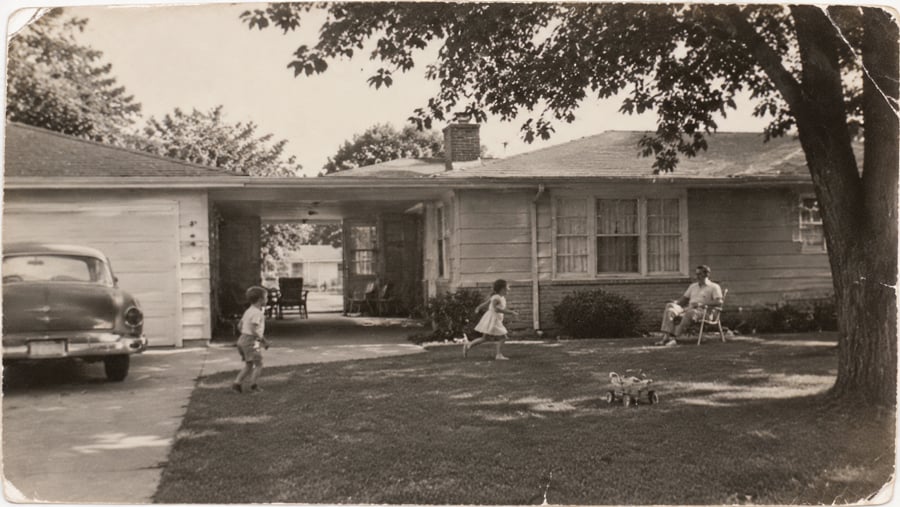
Some 1950s homes connected the house and garage with a covered but open-sided passageway. The breezeway offered shade, shelter from rain, and a place to sit during warm weather. Families sometimes used it as an informal outdoor room before enclosed patios became more common.
More Related Notes
18 Homemaker Chores That Once Filled Every Day
From time-consuming cleaning routines to daily household responsibilities, these old-fashioned chores reveal how much work went into maintaining a home before modern conveniences.
15 Forgotten 1980s Household Gadgets That Vanished
These once-popular household gadgets promised to make everyday tasks easier, but changing technology and lifestyles eventually pushed them into obscurity.
16 1950s Home Products Designed to Be Repaired
Built for durability and practicality, these 1950s household products reflect a time when fixing broken items was often preferred over buying replacements.