Household rules were a big part of growing up in American homes decades ago, and some of them would probably surprise kids today. Parents had firm expectations about everything from answering the telephone to behaving at dinner, and hearing “because I said so” was often the end of the conversation. There were chores to finish, manners to remember, and certain things children simply weren’t allowed to question.
Not every family followed the same rules, but many of these expectations were familiar throughout the 1940s, 1950s, 1960s, and even well into the 1980s. Some taught useful habits, while others reflected a much stricter approach to raising children. These 17 old-fashioned household rules bring back a time when family life came with a very different set of instructions.
1. Children Weren’t Supposed to Interrupt Adults
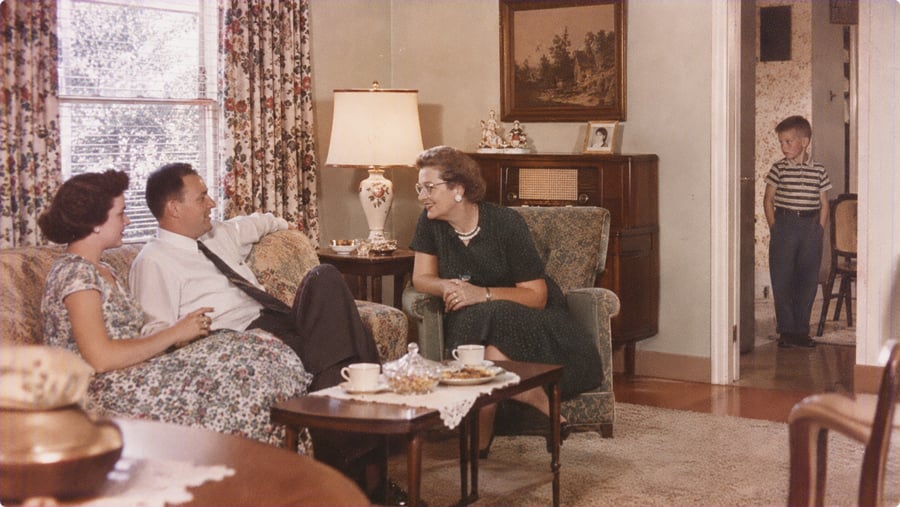
There was a time when walking into a room full of adults and joining their conversation was practically unthinkable for a child. Kids were expected to wait quietly until someone acknowledged them, even if they had something important to say. A parent might give a warning look or remind them that grown-ups were talking. The old saying about children being seen and not heard wasn’t followed in every home, but it captured the atmosphere in plenty of households where interrupting an adult was considered seriously disrespectful.
2. Everyone Had to Be Home for Family Dinner
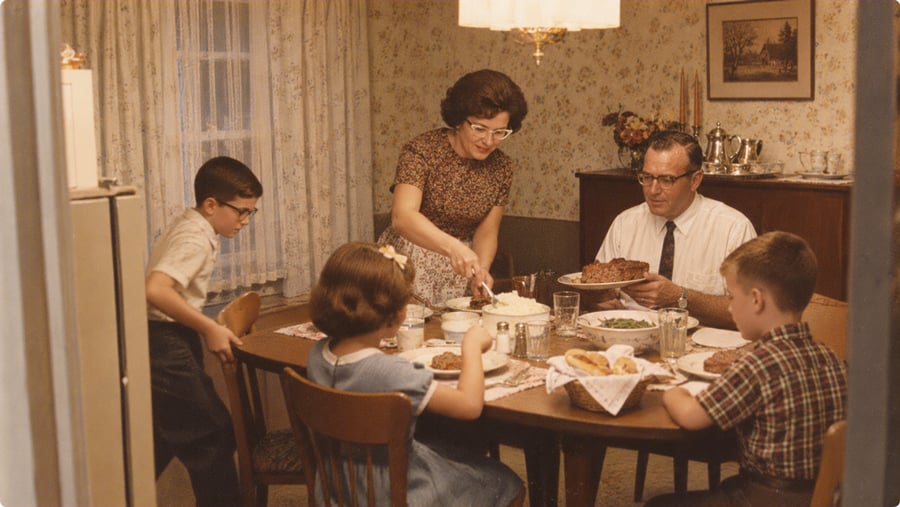
Dinner wasn’t something you grabbed whenever you felt hungry. In many households, everyone was expected to be at the table at a certain time, and being late could earn you a lecture before you even sat down. Kids were called in from playing outside, parents finished whatever they were doing, and the family gathered around the same table. There were exceptions, of course, but in homes that followed this routine, dinner was treated as a family obligation rather than an optional activity.
3. Nobody Could Start Eating Until Everyone Was Served
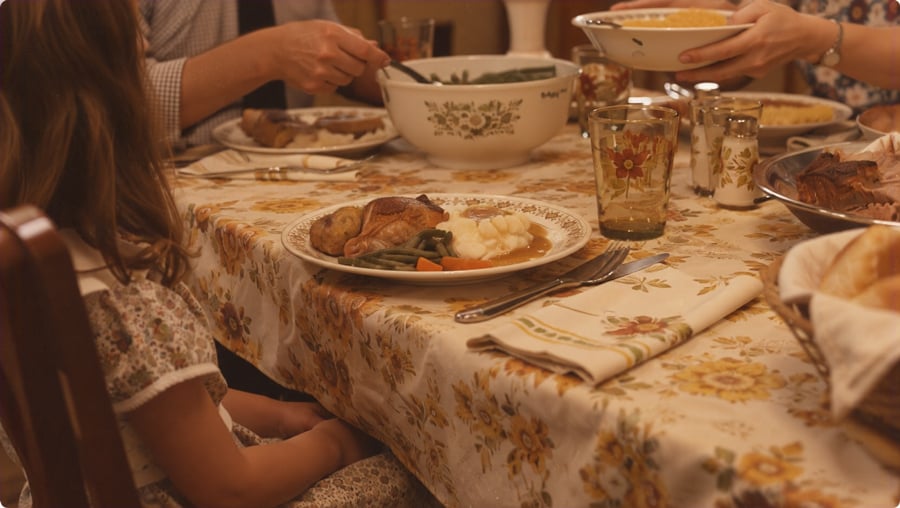
A plate full of hot food didn’t mean you were allowed to start eating. Children were often reminded to keep their hands in their laps and wait until everyone had been served or a parent said it was time to begin. Sneaking a bite of mashed potatoes could bring an immediate correction from across the table. It was one of those small dinner rules that seemed to require an enormous amount of patience when you were hungry, and the food was right in front of you.
4. Children Had to Ask to Be Excused From the Table
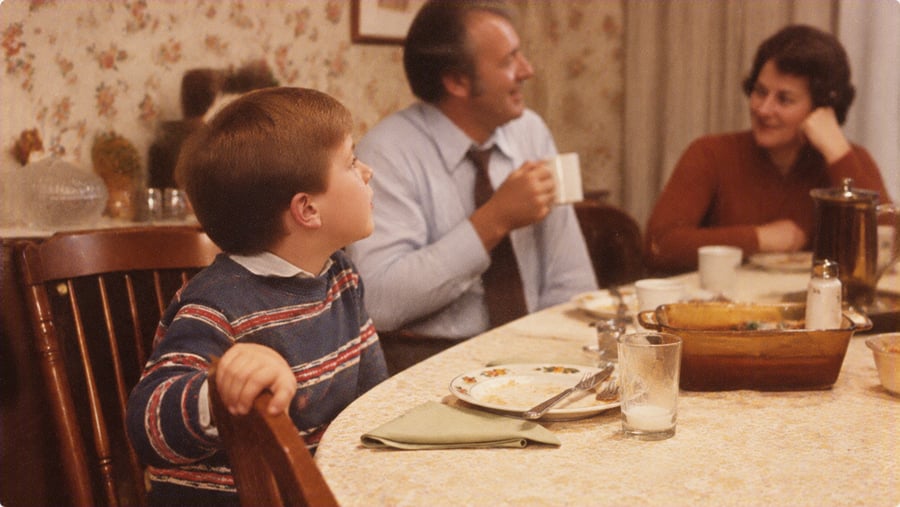
Finishing your dinner didn’t automatically give you permission to leave. In many homes, children had to sit politely until they were allowed to get up, even if the adults were still talking long after dessert. The familiar question, “May I please be excused?” was practically a required part of the meal. Running away from the table without asking could mean being called straight back to your chair, no matter how urgently you wanted to return to your toys or the television.
5. Elbows Were Never Allowed on the Table
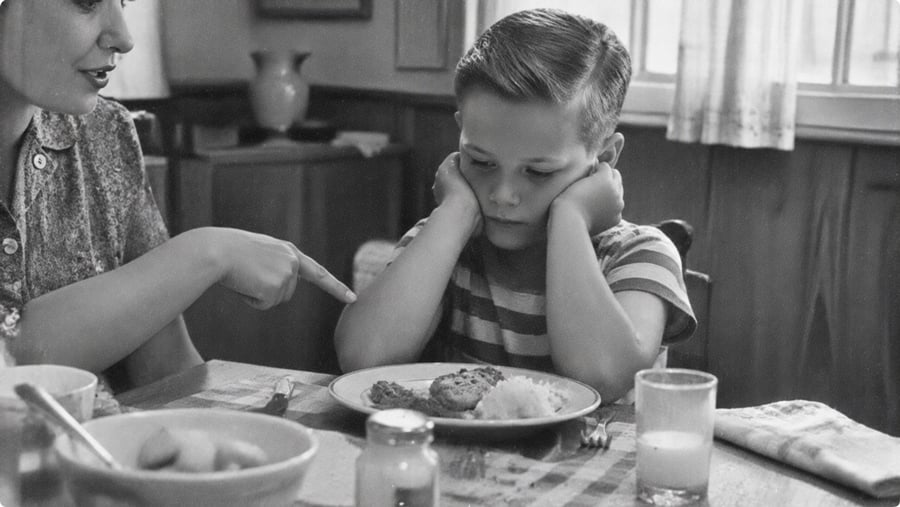
Few things could interrupt a family dinner faster than a parent saying, “Elbows off the table.” Children were expected to sit up straight, chew with their mouths closed, and avoid reaching across other people’s plates. Even resting an arm on the table between bites could earn a reminder. These rules were supposed to teach proper manners, although for kids trying to get through a long meal, they sometimes felt like an endless list of things they weren’t allowed to do.
Trending on Wealth Gang


6. You Ate What Was Put on Your Plate
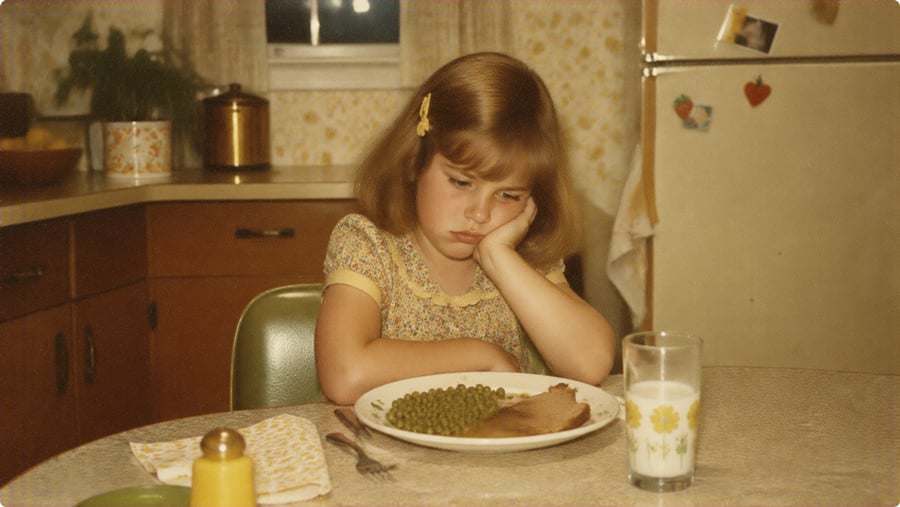
Being a picky eater wasn’t always an option. In some families, dinner came with a simple rule: you ate what was served, and nobody was preparing a second meal just because you didn’t like the vegetables. Children might spend what felt like an eternity staring at a serving of peas, liver, or boiled cabbage while everyone else finished eating. Some households were more flexible than others, but the idea that kids could request a completely different dinner was far less common in stricter homes.
7. Chores Had to Be Finished Before You Could Play
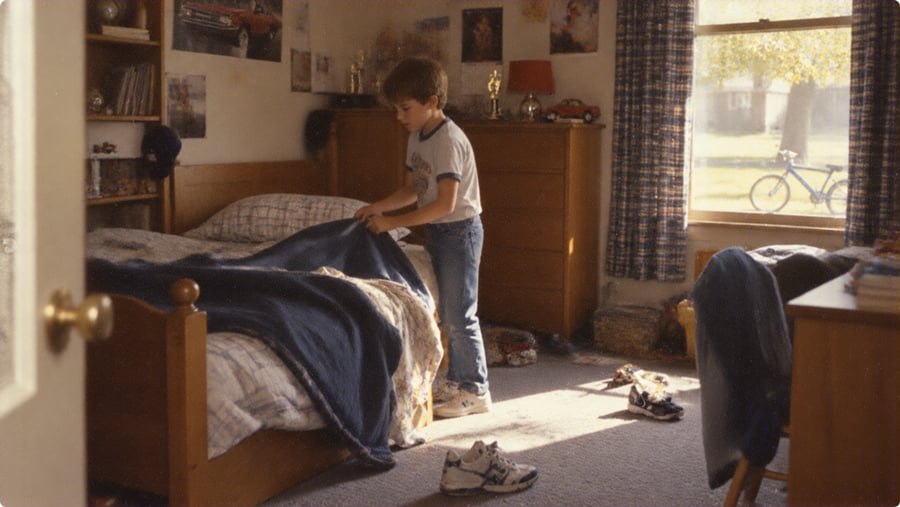
Being a picky eater wasn’t always an option. In some families, dinner came with a simple rule: you ate what was served, and nobody was preparing a second meal just because you didn’t like the vegetables. Children might spend what felt like an eternity staring at a serving of peas, liver, or boiled cabbage while everyone else finished eating. Some households were more flexible than others, but the idea that kids could request a completely different dinner was far less common in stricter homes.
8. Boys and Girls Were Often Given Different Chores
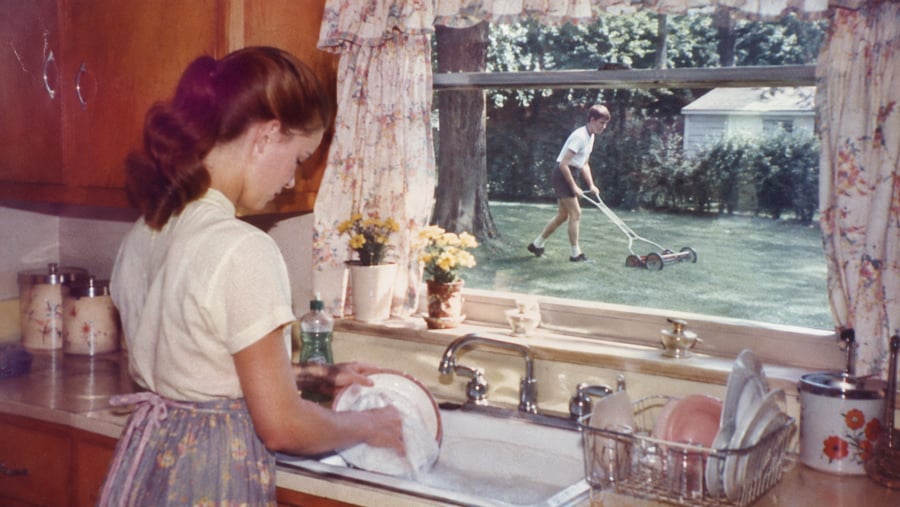
Household chores weren’t always divided equally. In many families, girls were expected to help with dishes, cooking, and indoor cleaning, while boys were sent outside to mow the lawn, take out the trash, or help with repairs. These assignments reflected traditional ideas about what men and women were supposed to do, and children often learned those expectations early. Not every family followed this pattern, but it was common enough that many adults still remember growing up with very different chore lists from their siblings.
Sign up for our newsletter
9. Telephone Calls Were Supposed to Be Short
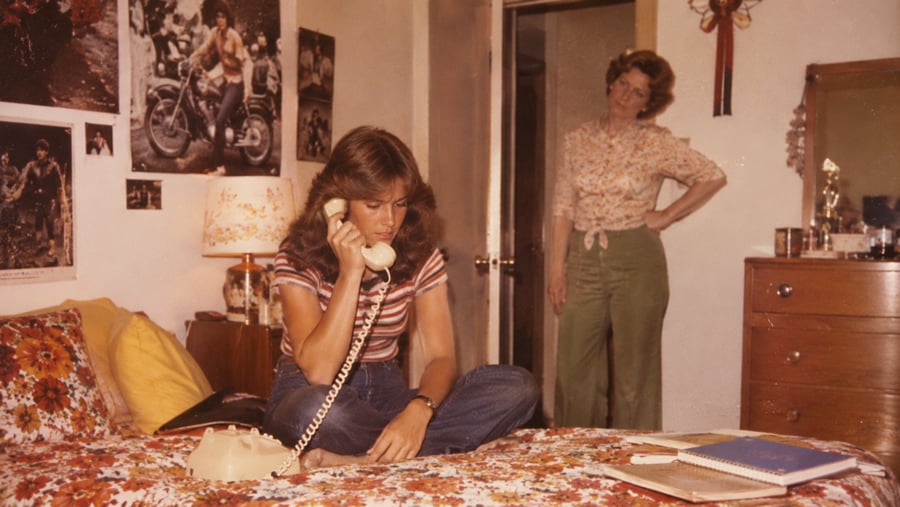
When the family shared one telephone, nobody could spend all evening chatting with friends. Parents often reminded children to keep calls brief, especially when someone else might need the line. In earlier decades, telephone service could also involve charges that made unnecessary conversations less appealing. A teenager might be halfway through an important story when a parent appeared in the doorway and announced that it was time to hang up. The conversation would have to continue at school the next day.
10. Listening to the Neighbors’ Phone Calls Was Forbidden
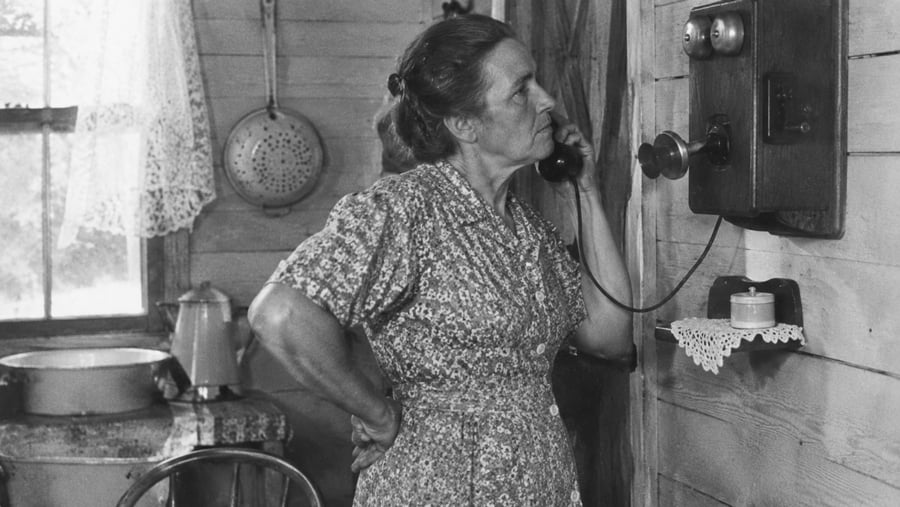
Before private phone lines became widespread, some American households shared a telephone connection with several neighbors. These party lines meant picking up the receiver could accidentally put you in the middle of someone else’s conversation. The proper thing to do was hang up immediately, although curiosity sometimes got the better of people. Children had to learn that the telephone wasn’t just a family convenience; it was a shared service, and listening in on the neighbors was considered bad manners.
11. Television Time Was Limited
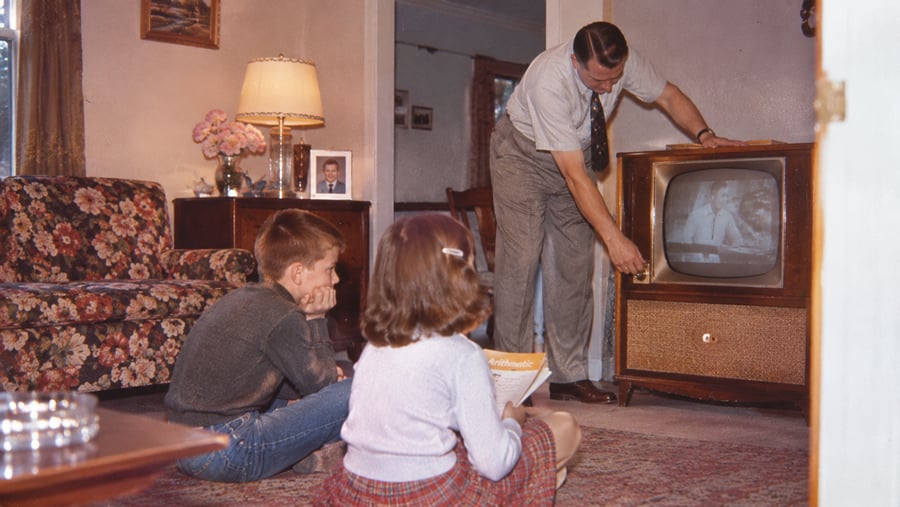
When television became a regular part of family life, parents quickly began setting rules about how much children could watch. Homework, chores, and outdoor play often came first, and some households allowed television only at certain times. With just one set in the living room, children also had to share it with everyone else. Missing a favorite show wasn’t as simple as watching it later, either. If the television was turned off or someone else chose the program, that was usually the end of it.
12. Friends Had to Be Properly Introduced to Parents
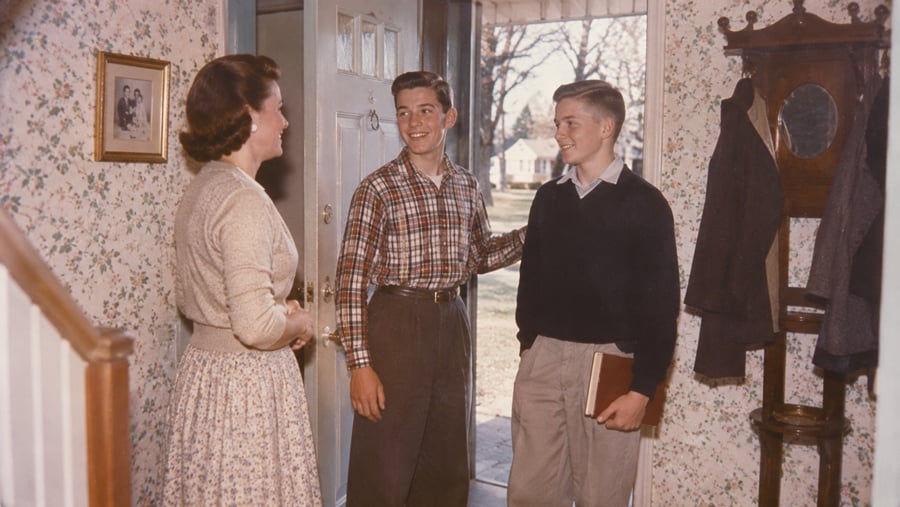
Bringing a friend home wasn’t always as simple as opening the door and heading straight to your bedroom. In households that emphasized traditional manners, visitors were expected to greet the adults, introduce themselves, and sometimes make a little polite conversation before disappearing to play. Parents wanted to know who was coming into their home, and ignoring them could be considered rude. For shy children, those few minutes of introductions could feel more uncomfortable than an entire afternoon at school.
13. Good Clothes Were Only for Special Occasions
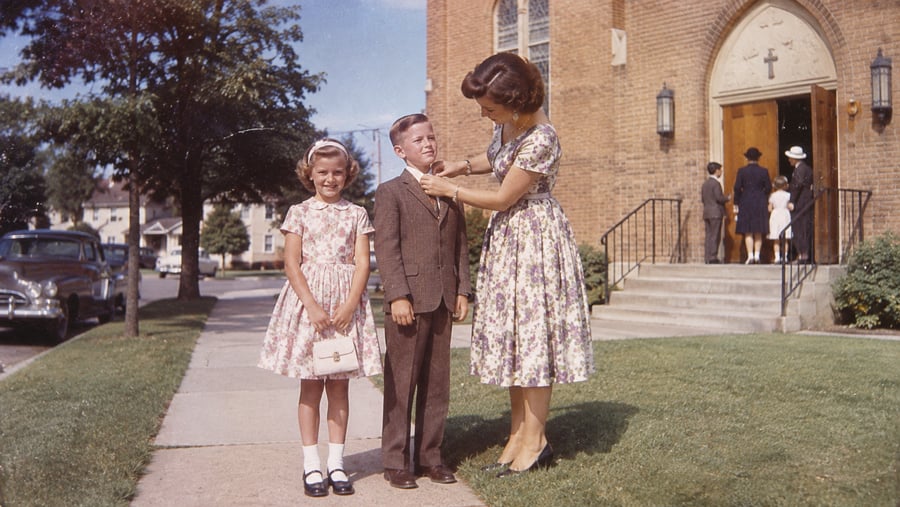
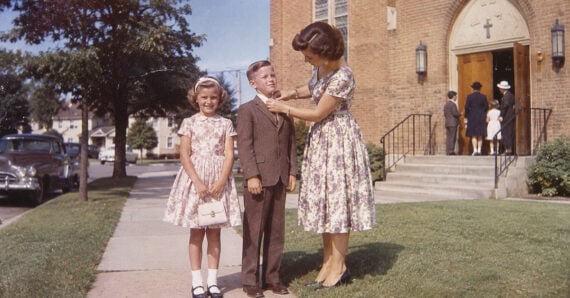
Most children had everyday clothes and a completely separate set of outfits they weren’t supposed to ruin. Sunday dresses, polished shoes, pressed trousers, and special sweaters came out for church, holidays, weddings, or important family visits. Wearing those clothes to climb a tree or play in the dirt was out of the question. Parents reminded children to be careful with their good outfits, which could make an otherwise ordinary family gathering feel like a test of how long they could stay clean.
14. Thank-You Notes Had to Be Written After Receiving Gifts
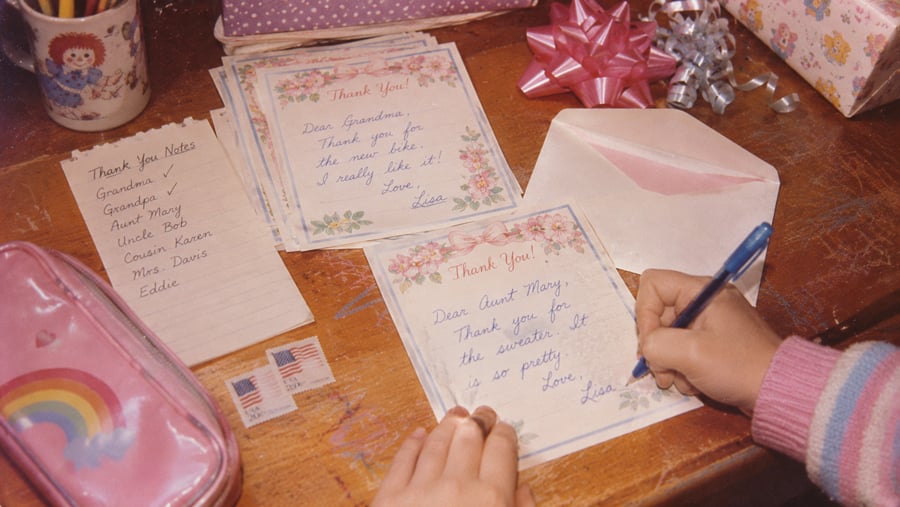
Getting a birthday or Christmas present sometimes came with homework. Children were expected to sit down with stationery, a pen, and a list of relatives who had sent gifts. A quick phone call or verbal thank-you wasn’t always enough. The notes had to mention the present, express appreciation, and ideally include a few personal words. For kids who would rather be playing with their new toys, writing those letters could feel like the least exciting part of the celebration.
15. Throwing Away Food Was a Serious Offense
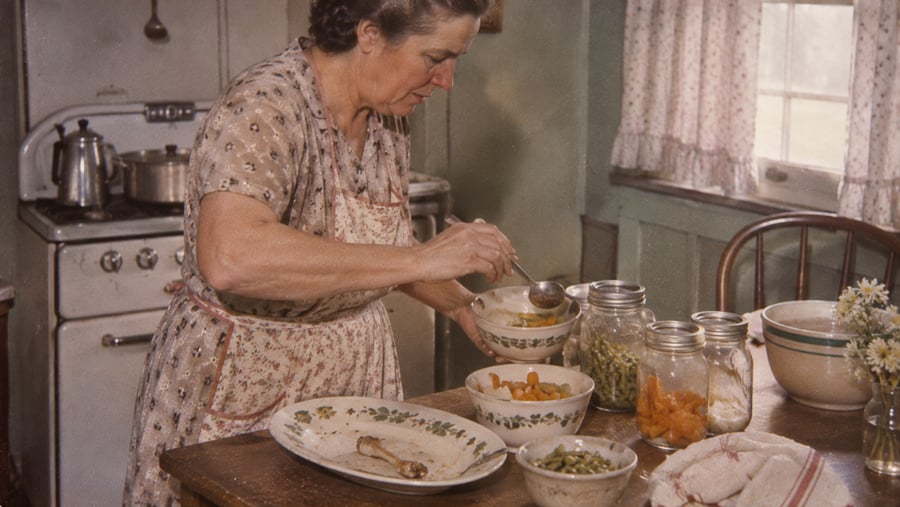
For parents and grandparents who had lived through the Great Depression or wartime rationing, wasting food wasn’t something to take lightly. Leftovers were saved, stale bread found another purpose, and vegetables were used before they spoiled. Children might hear reminders about how fortunate they were to have food on the table. Even in households that later became financially comfortable, those habits often remained. A perfectly usable piece of food going into the trash could still make Grandma visibly upset.
16. Torn Clothes Were Repaired Instead of Replaced
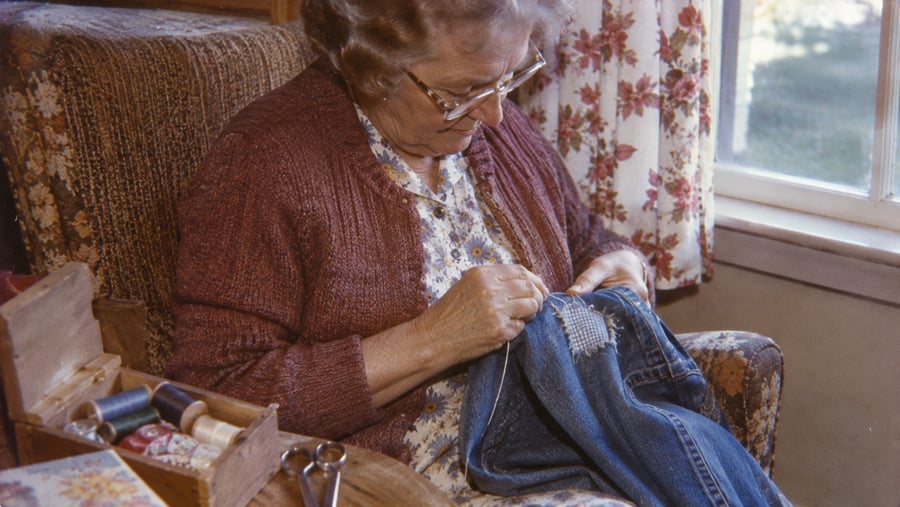
A missing button or ripped pair of pants didn’t automatically mean a shopping trip. In many homes, someone knew how to sew, patch, or darn clothing so it could be worn again. Socks were repaired, knees were reinforced, and hand-me-downs were adjusted to fit the next child. During periods of economic hardship and wartime shortages, these skills were especially valuable. Even when new clothes became easier to buy, plenty of families continued repairing what they already owned rather than throwing it away.
17. Children Were Expected to Help Grow or Preserve Food
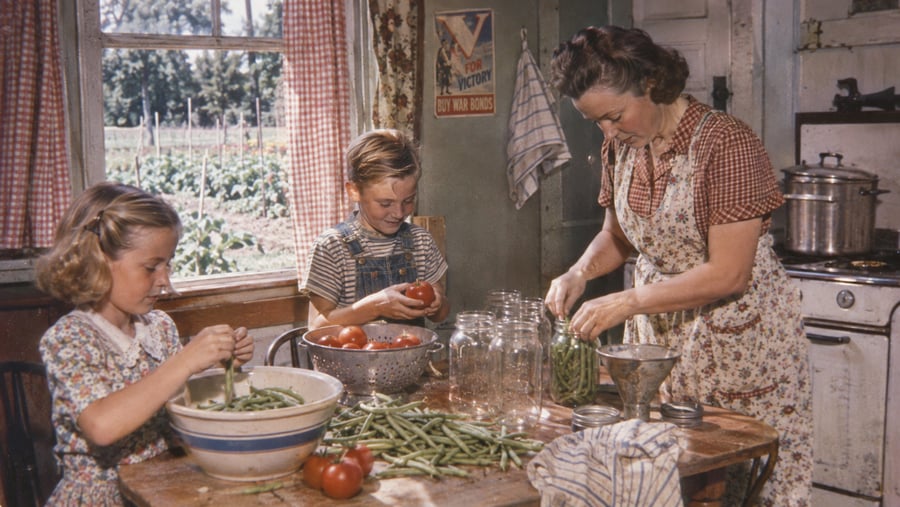
For many rural families, food didn’t simply appear in the refrigerator after a trip to the grocery store. Children helped plant vegetables, pick produce, and prepare food for storage. During World War II, Victory Gardens encouraged households across the country to grow some of their own food, and preserving the harvest was often a family activity. Kids might spend summer afternoons snapping beans, gathering tomatoes, or helping prepare jars for canning. It was work, but it also taught them how much effort went into keeping a family fed.
More Related Notes
16 Household Chores That Used to Take Most of the Day in the Early 1900s
Before modern appliances made life easier, everyday household chores required hours of physical work, patience, and effort.
15 Useless Household Gadgets From the 1970s
From strange kitchen inventions to questionable home accessories, these forgotten 1970s gadgets promised convenience but often delivered more trouble than they were worth.
18 Household Products That Have Nearly Disappeared
Once found in nearly every American home, these familiar household products have slowly vanished as technology and everyday routines changed.