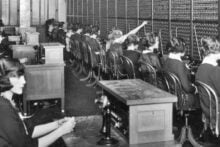
The ’20s were a decade of dazzling nightlife, technological transition, and cultural upheaval, and its workforce reflected that energy in peculiar ways. From cigarette girls weaving through smoky jazz clubs to pinsetters dodging flying bowling balls, many jobs existed only because of the unique combination of prohibition, entertainment, and emerging technology.
These 15 professions, now obsolete, reveal how society once relied on human labour for tasks that machines or modern conveniences have long replaced. They also highlight the improvisational spirit of the era: people found ways to monetize nightlife, leisure, and even prohibition itself, creating a variety of occupations that today feel more like fiction than history.
1. Ice Delivery Man
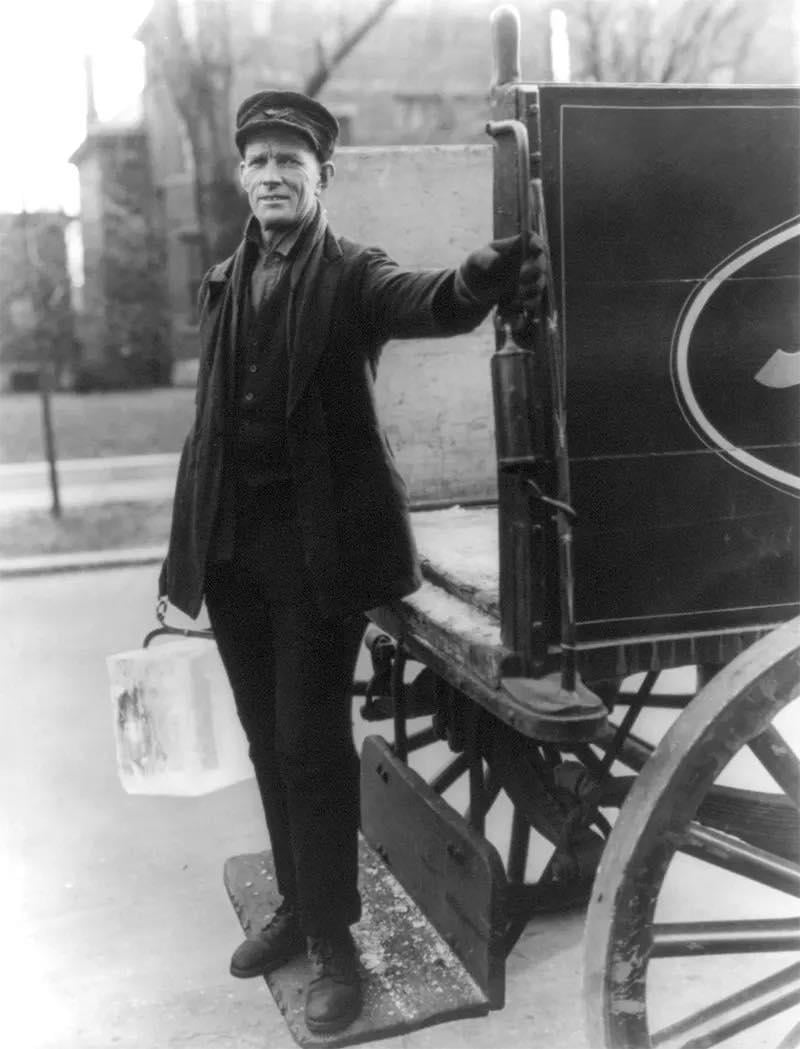
In the 1920s, the ice delivery man carried heavy blocks of ice to homes, keeping iceboxes cold before refrigerators existed, and his daily visits made him a trusted part of household routine.
2. Cigarette Girl
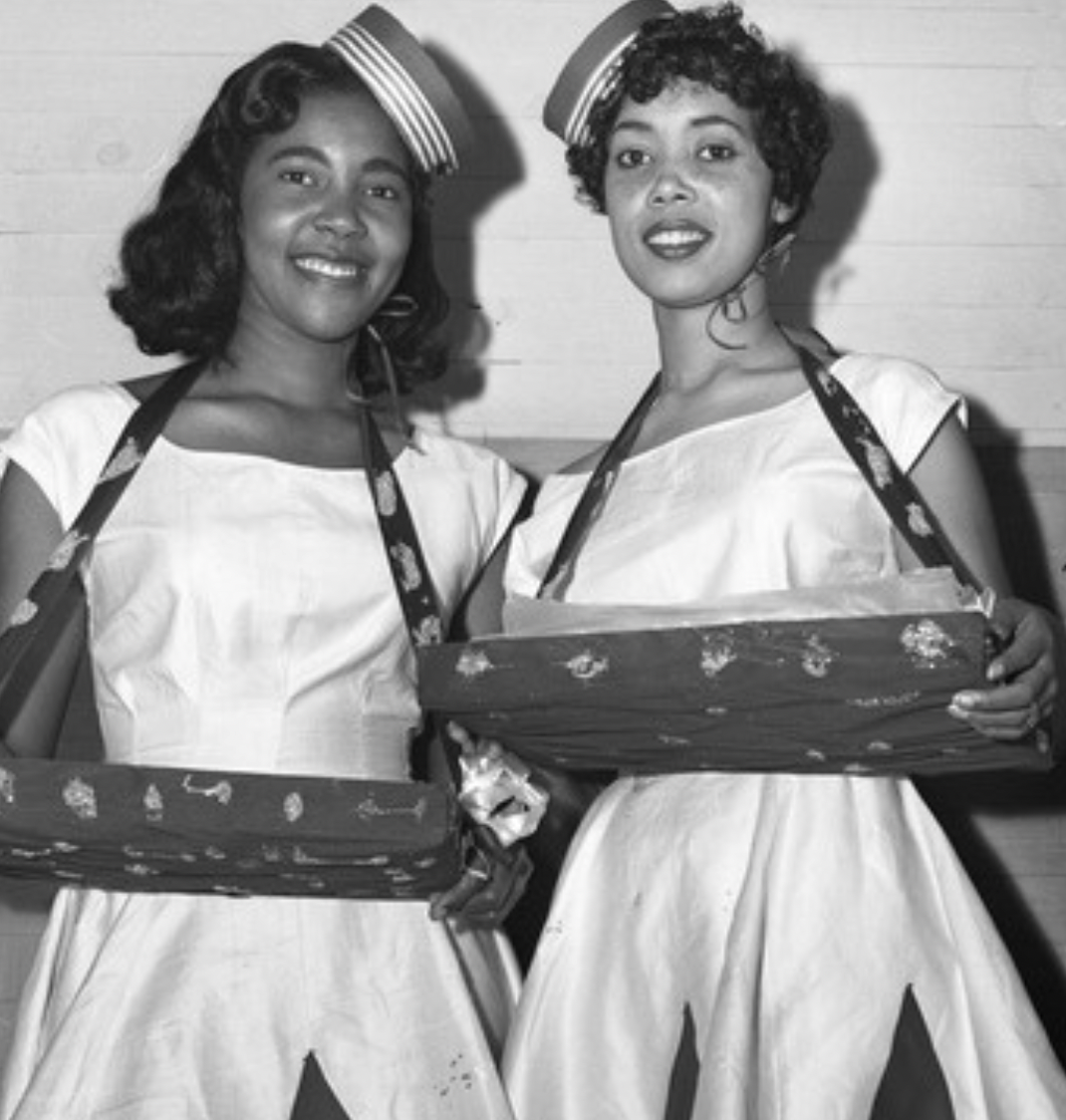
In smoky jazz clubs and speakeasies, cigarette girls glided between tables with trays strapped around their necks, selling cigarettes, cigars and even candy. They weren’t just vendors, they were part of the atmosphere, embodying the glamour of nightlife in the Jazz Age.
3. Jukebox Mechanic

Bars and diners relied on jukeboxes for atmosphere, and mechanics kept them humming. They repaired coin slots, replaced records, and ensured the music never stopped.
4. Ticker Tape Operator

In the financial frenzy of the 1920s, these operators had to keep the machines running smoothly and deliver the latest quotes to brokers in real time. Their work embodied the era’s obsession with speculation and the fast‑paced rhythm of Wall Street.
5. Bowling Alley Pinsetter

Before automation, pinsetters reset bowling pins by hand, dodging balls and working at an extremely fast pace. Often, teenagers turned recreation into a dangerous hustle that seems absurd by today’s standards.
Trending on Wealth Gang
6. Milkman

Every morning, milkmen delivered fresh bottles to doorsteps, clinking glass against metal carriers. Their punctuality and reliability made them household fixtures, long before supermarkets replaced the ritual.
7. Hat Checker

At speakeasies and dance halls, hat checkers catalogued patrons’ prized fedoras and cloches, handing out tickets to guarantee safe return. In an era when hats were status symbols, this job was surprisingly vital.
8. Dance marathon contestant

Dance marathons became a craze, with couples swaying for days or even weeks to win cash prizes. Contestants were paid to endure exhaustion, turning human stamina into a form of entertainment for eager crowds.
Sign up for our newsletter
9. Switchboard Operator

Long before smartphones, switchboard operators manually connected calls by plugging wires into panels. Their speed, memory, and politeness kept the nation’s conversations flowing, making them indispensable in the communications boom.
10. Movie Title Card Artist

Silent films relied on hand‑painted title cards to deliver dialogue and narration. Artists crafted these frames with ornate lettering and design, blending typography with storytelling in a way that feels almost surreal today.
11. Newspaper Linotype Operator
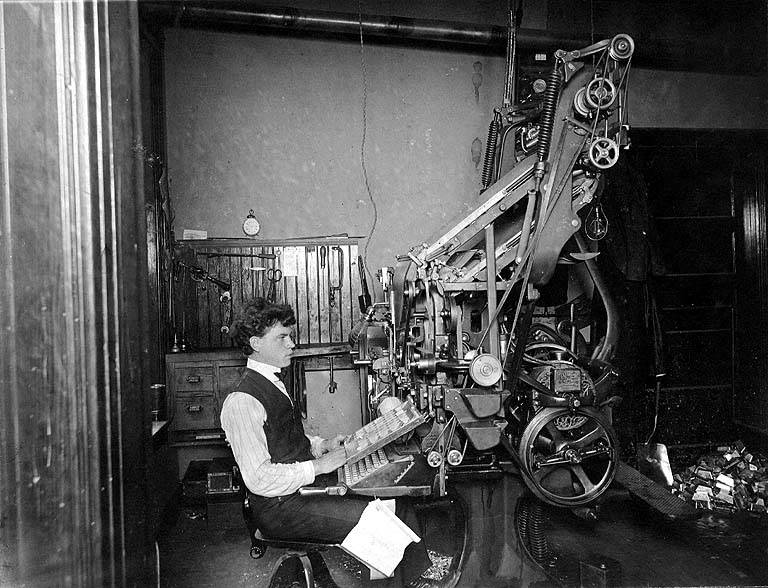
Linotype machines revolutionized printing, but operating them required skill and precision. Operators assembled entire pages of news by manipulating molten lead, a craft that combined engineering with journalism.
12. Flapper’s Companions

Some flappers hired companions to escort them to parties, ensuring they arrived with flair and social credibility. These companions were part stylist, part social buffer, and part symbol of independence in a rapidly changing culture.
13. Streetcar Conductor

Electric streetcars were the backbone of urban transport, and conductors managed fares, stops, and passenger safety. Their authority kept the daily commute orderly in cities buzzing with growth.
14. Speakeasy Doorman

Guarding the entrance to hidden bars, speakeasy doormen vetted guests with secret passwords. They were gatekeepers of glamour, deciding who gained access to the forbidden world of jazz, cocktails, and rebellion.
15. Stenographer

In the bustling offices of the 1920s, stenographers were indispensable, taking rapid dictation in shorthand before transcribing it onto typewriters. They captured speeches, business correspondence, and legal proceedings with remarkable speed and accuracy.
Want More? Check Out These Wild Jobs From Other Eras
- 13 Strange Jobs People Actually Got Paid for in the 1800s– 13 bizarre and gritty jobs from the 1800s that highlight how different life was before modern industry.
- 15 Strange Professions From the Victorian Era That Feel Straight-Up Fictional Now- 17 odd Victorian-era professions that seem almost fictional today, reflecting the strange social and economic roles of that time.