Victorian society was full of jobs that feel unbelievable today, yet they were once essential parts of daily life. From rat catchers scrambling through alleyways to pure finders collecting bizarre materials for tanneries, and even knocker uppers waking entire neighborhoods before sunrise, these professions show just how strange and inventive people had to be to make a living. Here are some of the most unusual roles that existed in an era where necessity created occupations that now seem straight out of fiction.
1. Rat catchers

Catching rats was a real profession and often fell to children, who could squeeze into tight spaces and work quickly. It was unpleasant but essential work that kept cities from being overrun.
2. Groom of the Stool
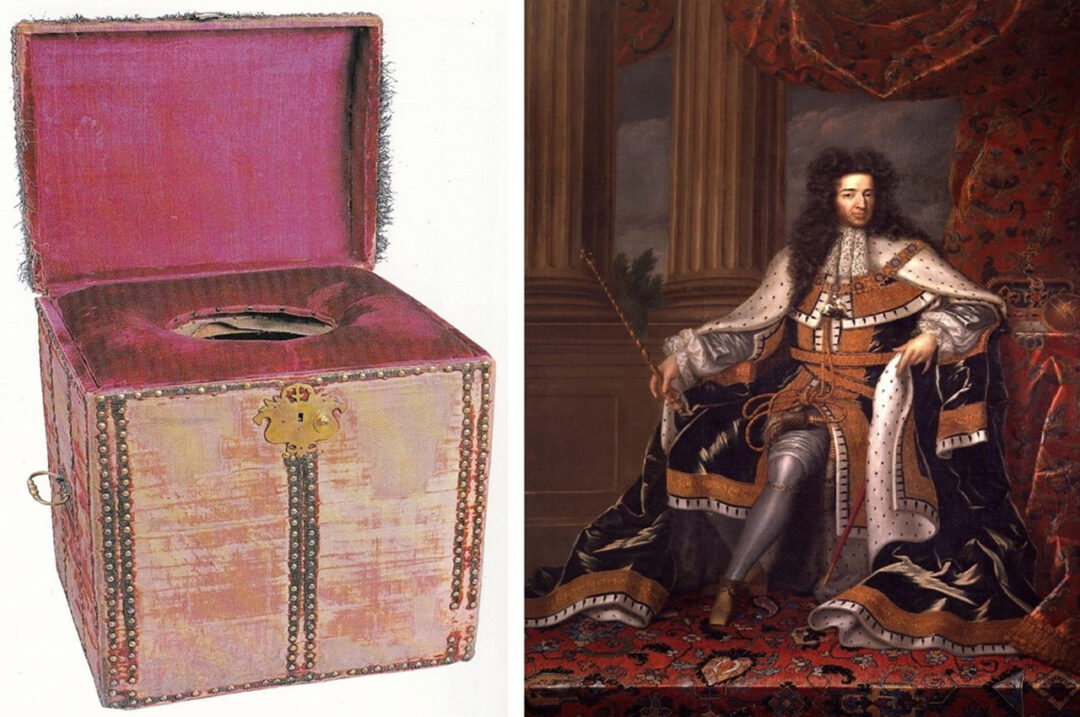
This royal attendant had one of the most intimate jobs in the Victorian and earlier courts. Their role was to assist the monarch with bathroom needs and manage anything related to the royal commode, a position that bizarrely held immense trust and influence.
3. Pure finders

These workers searched riverbanks and city streets for dog droppings, which were collected and sold to tanneries for leather processing. It was dirty, smelly, and strangely profitable work for some of the poorest families.
4. Sin-eaters

Families hired sin-eaters to perform a ritual over the deceased, symbolically absorbing their sins by consuming bread or a small meal placed on the body. It was a strange mix of superstition and ceremony that survived well into the Victorian era.
5. Knocker uppers

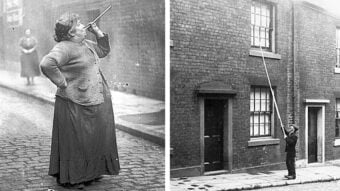
Before alarm clocks were common, knocker-uppers walked the streets with long sticks or pea shooters, tapping on bedroom windows to wake workers for their shifts. It was a surprisingly dependable profession that lasted well into the early 20th century.
Trending on Wealth Gang

6. Matchgirls

These young women worked in cramped match factories, dipping sticks into toxic white phosphorus that caused a devastating condition known as phossy jaw. Despite the dangers and low pay, the job was one of the few available to working-class girls in Victorian London.
7. Village witches

Many rural communities relied on local witches for remedies, charms, midwifery, and spiritual guidance. Their work blended herbal knowledge with folklore, making them unlikely but essential figures in Victorian village life.
8. Lamplighters

Before electric streetlights, lamplighters walked long routes at dusk and dawn, climbing ladders to ignite or extinguish gas lamps one by one. Their daily routine quietly shaped the rhythm of Victorian city life.
Sign up for our newsletter
9. Chimney sweep boys
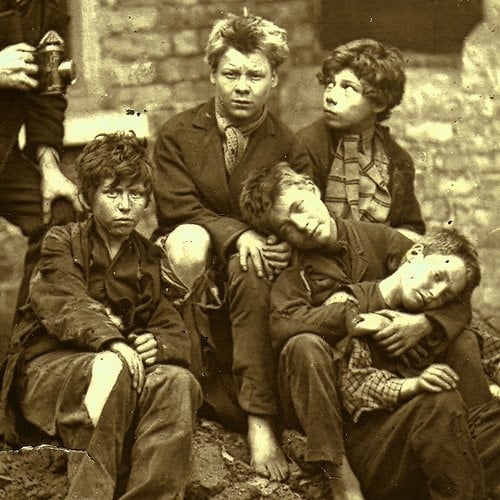
Young boys were sent to climb inside narrow chimneys, scraping soot from the brickwork and clearing blockages. It was one of the most dangerous Victorian jobs, exposing children to suffocating conditions, burns, and long-term health damage.
10. Tooth drawers
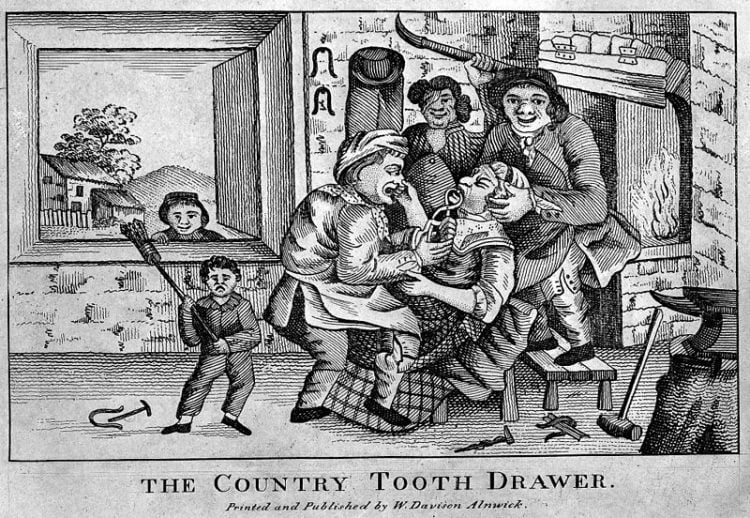
Before modern dentistry, tooth drawers traveled town to town pulling painful teeth with crude tools, often in public markets. Their work was quick, loud, and occasionally disastrous, but for many people, it was the only option available.
11. Town criers

Town criers roamed the streets shouting news, announcements, and warnings long before newspapers reached most homes. Their voices carried through busy markets and foggy alleys, making them one of the most recognizable figures of urban Victorian life.
12. Street hawkers
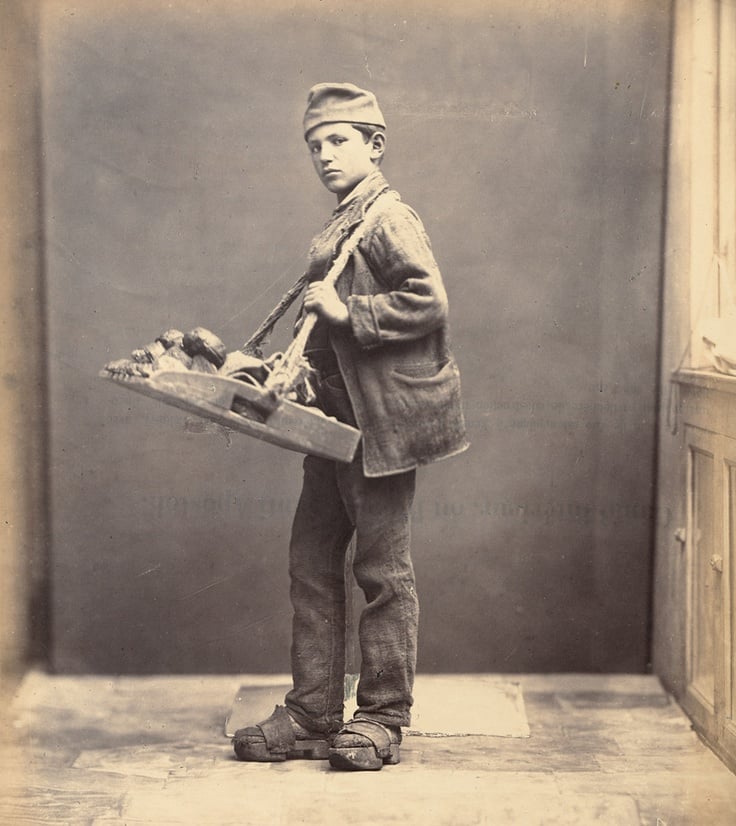
Street hawkers, many of them children, spent long days wandering the city selling small goods like matches, fruit, or trinkets. Their survival depended on loud voices, persistence, and the ability to navigate crowded Victorian streets.
13. Cooks for hire

Victorian cooks for hire moved from household to household, preparing meals for families who could not afford permanent kitchen staff. They were expected to work quickly, adapt to unfamiliar kitchens, and produce meals that matched each family’s expectations.
14. Soot sifters

Some children worked collecting soot from chimneys after the sweeps finished, gathering it in sacks and sifting it to sell as cheap fuel or fertilizer. It was filthy and poorly paid, yet it offered a rare source of income for the very young.
15. Peat cutters

Peat cutters, often women, spent long days slicing dense blocks of peat from bogs, drying them, and selling them as fuel. It was exhausting, muddy work that required strength, precision, and endless patience, yet it powered countless Victorian homes and workshops.
More Glimpses Into the 1800s
- 14 Strange Jobs People Actually Got Paid for in the 1800s
A fascinating look at the unusual, unsafe, and often unbelievable occupations people held in the 19th century. Many of these roles feel fictional today, making it a perfect companion to Victorian-era professions. - Vintage Photos From the 1850s Show What Daily Life Looked Like
A collection of rare photographs capturing street life, workers, families, and everyday moments from the mid-1800s. These images add important context to how people lived and worked during the Victorian era. - 17 Opulent Photos of Gilded Age High Society
A visual look at the luxurious world of the wealthy during the late 1800s. The contrast between elite life and the harsh jobs of ordinary people makes this a fitting historical companion.