The 1960s were a golden age of television, a decade when small-screen characters didn’t just entertain, they shaped culture, mirrored social change, and became icons of their time. From quirky sitcom families to suave secret agents, from groundbreaking female leads to memorable comedic figures, these characters captured the spirit of a rapidly evolving world.
They reflected the optimism, tensions, and transformations of the era, leaving a lasting imprint on pop culture. To look back at these 17 TV characters who completely defined the 1960s is to revisit the personalities that made living rooms yell, set fashion trends, challenged norms, and helped television become the cultural force it remains today.
1. Lucy Ricardo (The Lucy Show)
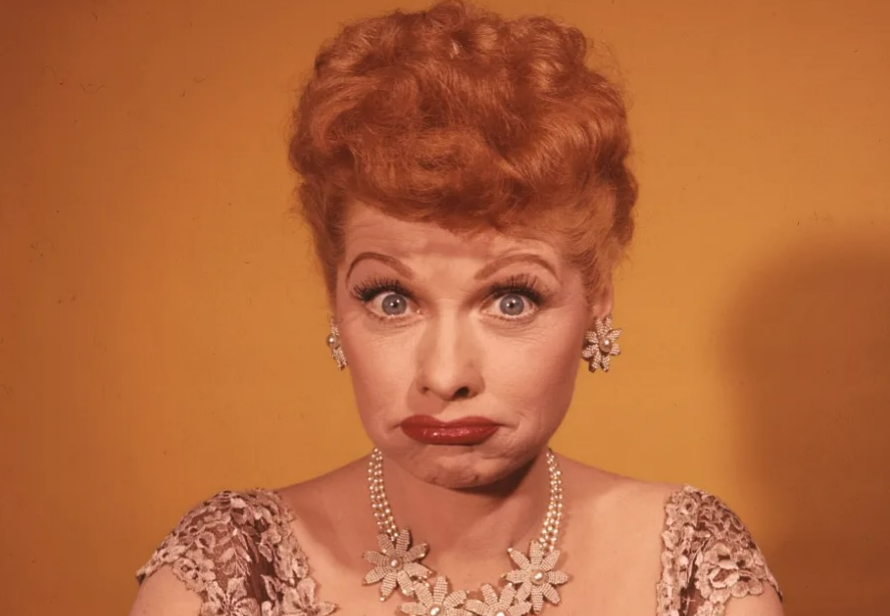
Lucille Ball’s Lucy Ricardo was the queen of slapstick comedy. Her mischievous antics and impeccable timing made everyday life hilarious, cementing her as one of television’s most beloved figures.
2. Andy Taylor (The Andy Griffith Show)

Sheriff Andy Taylor embodied small-town wisdom and kindness. His calm demeanor and moral lessons reflected the wholesome values many Americans cherished in the 1960s.
3. Samantha Stephens (Bewitched)

Elizabeth Montgomery’s Samantha was a modern witch balancing suburban life and magical powers. She symbolized female independence and charm, redefining the sitcom wife archetype.
4. James T. Kirk (Star Trek)

Captain Kirk, played by William Shatner, was bold, charismatic, and adventurous. He represented optimism about space exploration and leadership in a time of rapid technological change.
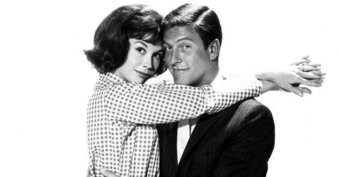
5. Rob & Laura Petrie (The Dick Van Dyke Show)

This couple brought sophistication and wit to television. Their dynamic showcased modern marriage with humor and warmth, influencing sitcoms for decades.
Trending on Wealth Gang

6. Morticia Addams (The Addams Family)

Morticia, with her gothic elegance, turned the idea of family upside down. She was stylish, witty, and a symbol of countercultural cool in the 1960s.
7. Maxwell Smart (Get Smart)

The bumbling secret agent spoofed Cold War espionage. His catchphrases and comedic incompetence made him a satirical icon of spy culture.
8. Gilligan (Gilligan’s Island)

Gilligan’s clumsy charm made him unforgettable. His missteps stranded the castaways longer, but his innocence and humor kept audiences laughing.
Sign up for our newsletter
9. Herman Munster (The Munsters)

Herman was a lovable Frankenstein figure who redefined the monster archetype. His goofy warmth made him a family-friendly icon of the decade.
10. Jeannie (I Dream of Jeannie)

Barbara Eden’s Jeannie was magical, mischievous, and enchanting. She brought fantasy and romance to prime-time TV, becoming a pop culture phenomenon.
11. Dr. Richard Kimble (The Fugitive)

David Janssen’s portrayal of a man wrongly accused of murder captured suspense and empathy. His quest for justice reflected deeper societal anxieties.
12. Jethro Bodine (The Beverly Hillbillies)

Jethro’s naïve humor highlighted the clash between rural simplicity and urban sophistication. He embodied the comedic heart of the show’s cultural satire.
13. Perry Mason (Perry Mason)

Raymond Burr’s Mason was the ultimate TV lawyer. His courtroom brilliance and moral clarity set the standard for legal dramas.
14. Hogan (Hogan’s Heroes)

Colonel Hogan, played by Bob Crane, led clever POWs in comedic resistance against Nazis. The show balanced humor with wartime themes, a daring mix for the era.
15. Ben Cartwright (Bonanza)

As patriarch of the Cartwright family, Ben embodied frontier justice and family loyalty. Bonanza was a cornerstone of 1960s television, blending Western grit with moral lessons.
16. Gidget (Gidget)

Sally Field’s Gidget captured teenage optimism and surf culture. She was a fresh, youthful character who reflected the growing influence of youth in pop culture.
17. Batman (Batman)

Adam West’s campy Batman brought comic books to life with colorful flair. His “Pow!” and “Zap!” style defined superhero television and remains iconic.
The television characters of the 1960s were more than just entertainment; they were cultural touchstones that reflected the hopes, humor, and challenges of a transformative decade. From Lucy’s timeless comedy to Kirk’s futuristic leadership, from Morticia’s gothic cool to Gidget’s youthful energy, these figures shaped how audiences saw themselves and the world around them. They broke barriers, set trends, and created archetypes that still influence television today.