Many everyday products from the past were built to last: devices, furniture, clothes, and electronics often remained in use for decades. Some were even passed down through generations, becoming reliable parts of family life.
Today, while modern goods offer greater convenience and improved features, older products sometimes had one major advantage: they were designed to be repaired, maintained, and used for years. These 18 everyday products show just how much durability has changed over time.
1. Washing Machines
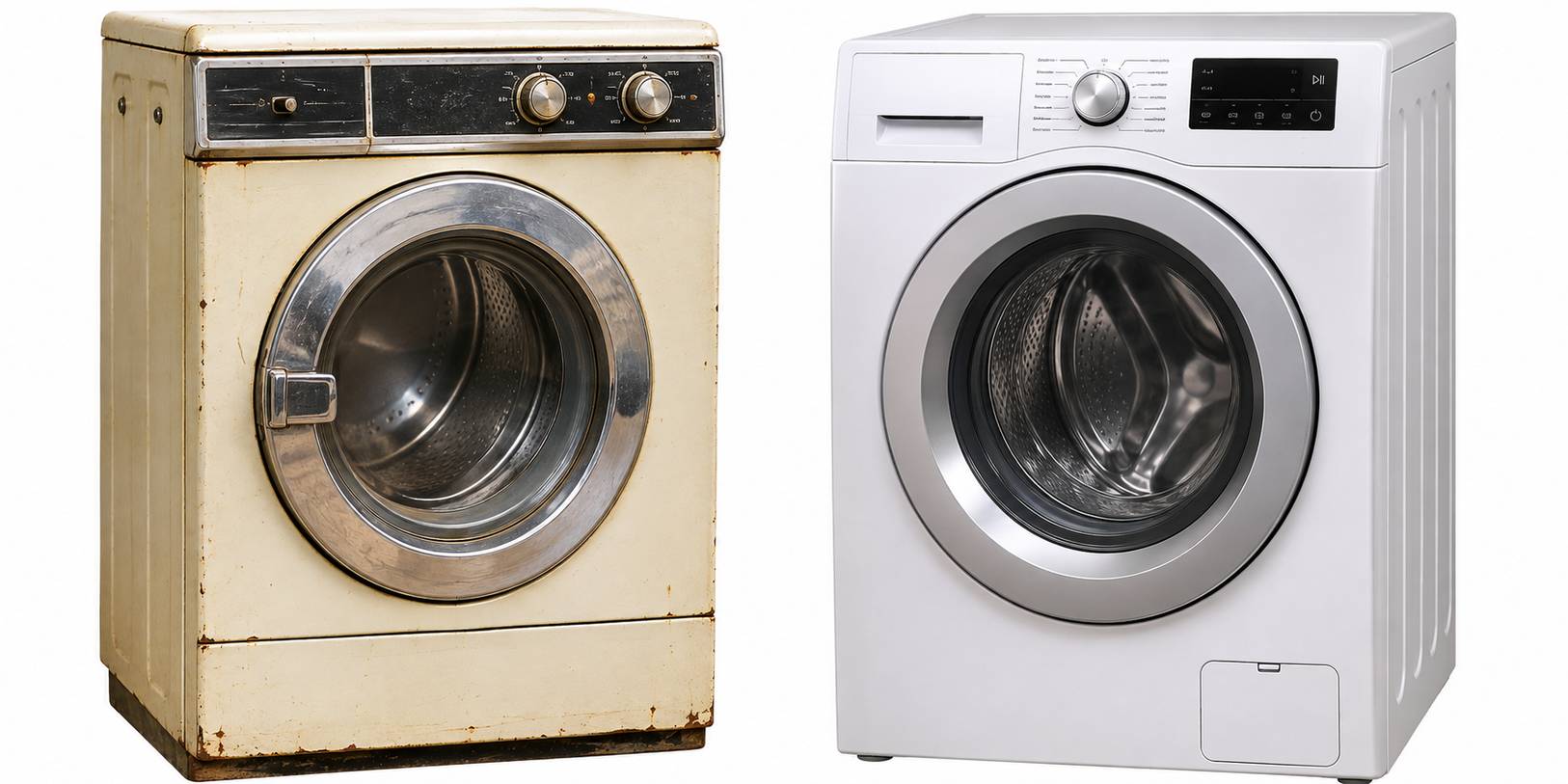
A 2025 study in the Journal of Industrial Ecology examining Norwegian households found evidence that washing machine lifespans have decreased, with a 45% decline around the 1990s and 2000s. Researchers emphasized that factors including pricing, technology, and consumer habits could explain the change.
2. Kitchen Ovens
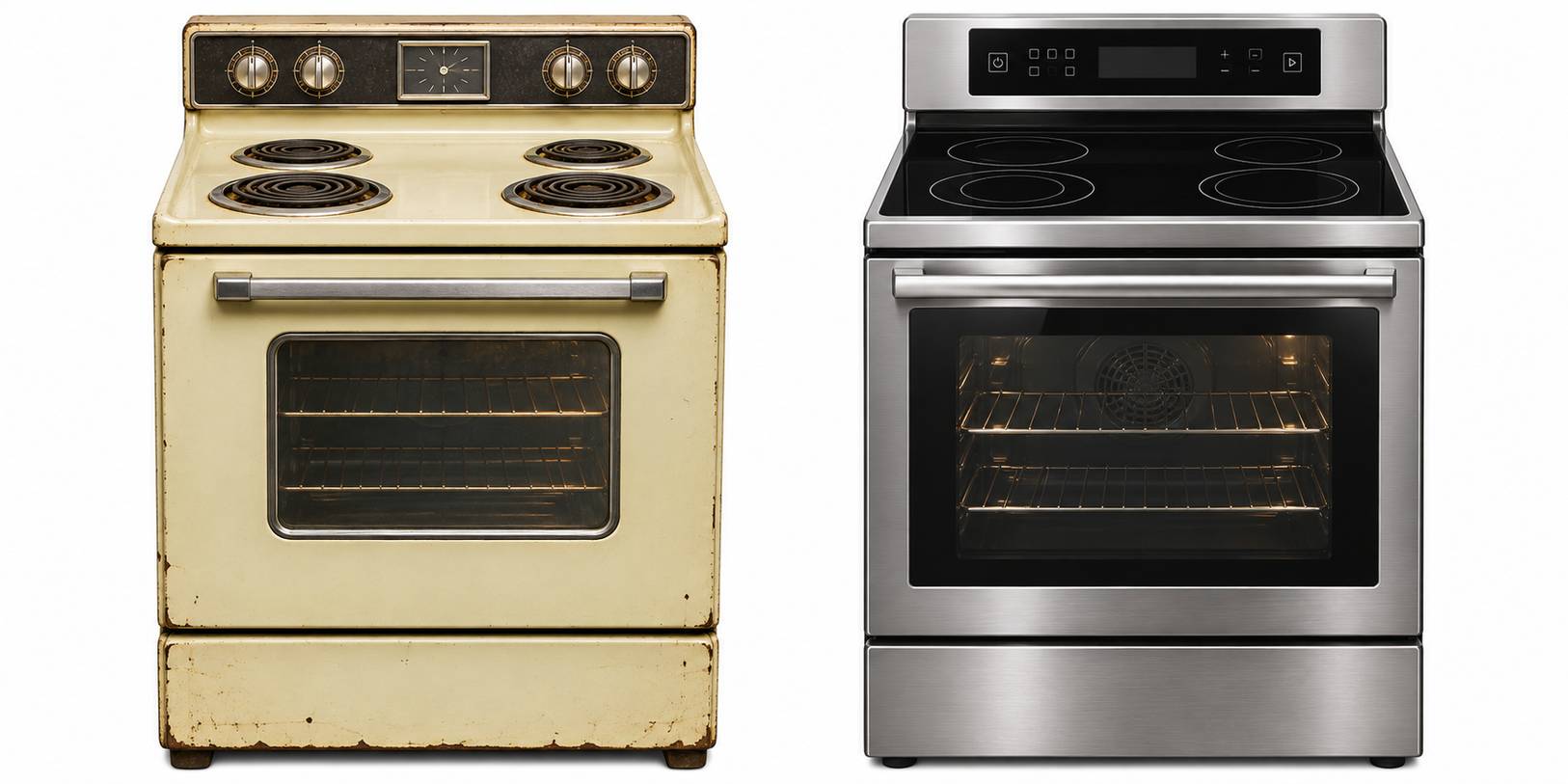
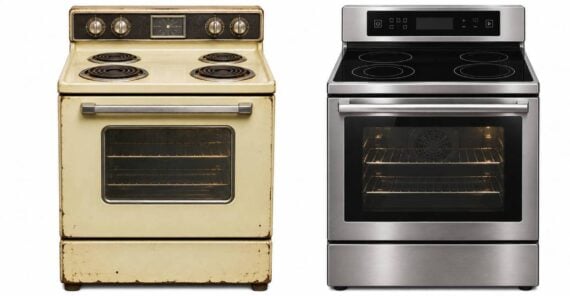
Kitchen ovens are another appliance category where researchers have identified evidence of declining service lives. The same 2025 Norwegian study found a 39% decrease in oven lifespans around the 1990s and 2000s. Modern models include electronic displays, digital control boards, and additional features that can affect repair costs.
3. Vacuum Cleaners
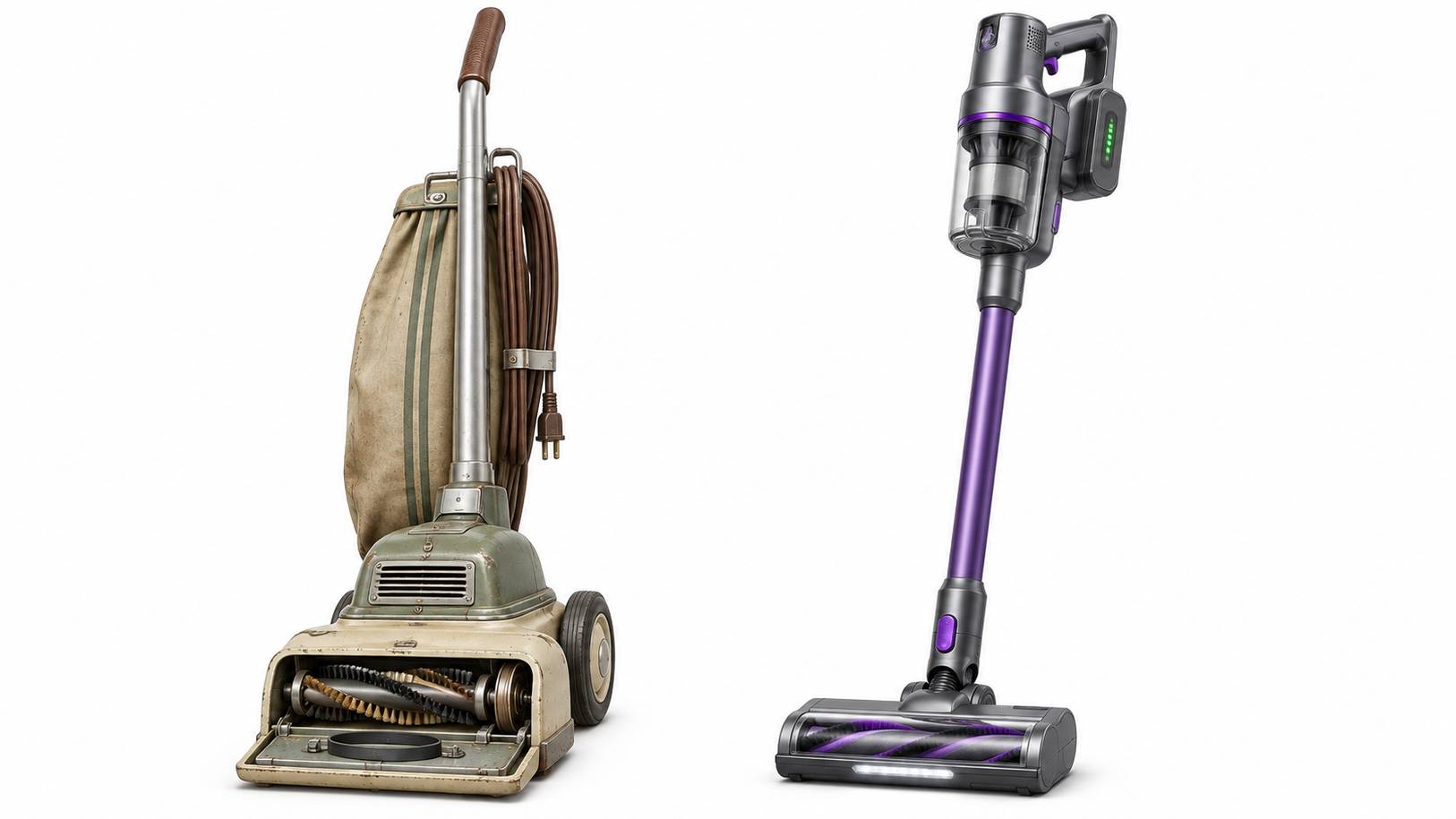
Older vacuum cleaners remained useful for years because people could service or replace components such as belts, brushes, and motors. A historical Norwegian study cited in 2025 research found a significant decrease in vacuum cleaner lifespans in its comparison of earlier periods. Modern cordless vacuums add rechargeable batteries and electronics that can introduce additional repair needs.
4. Home Telephones
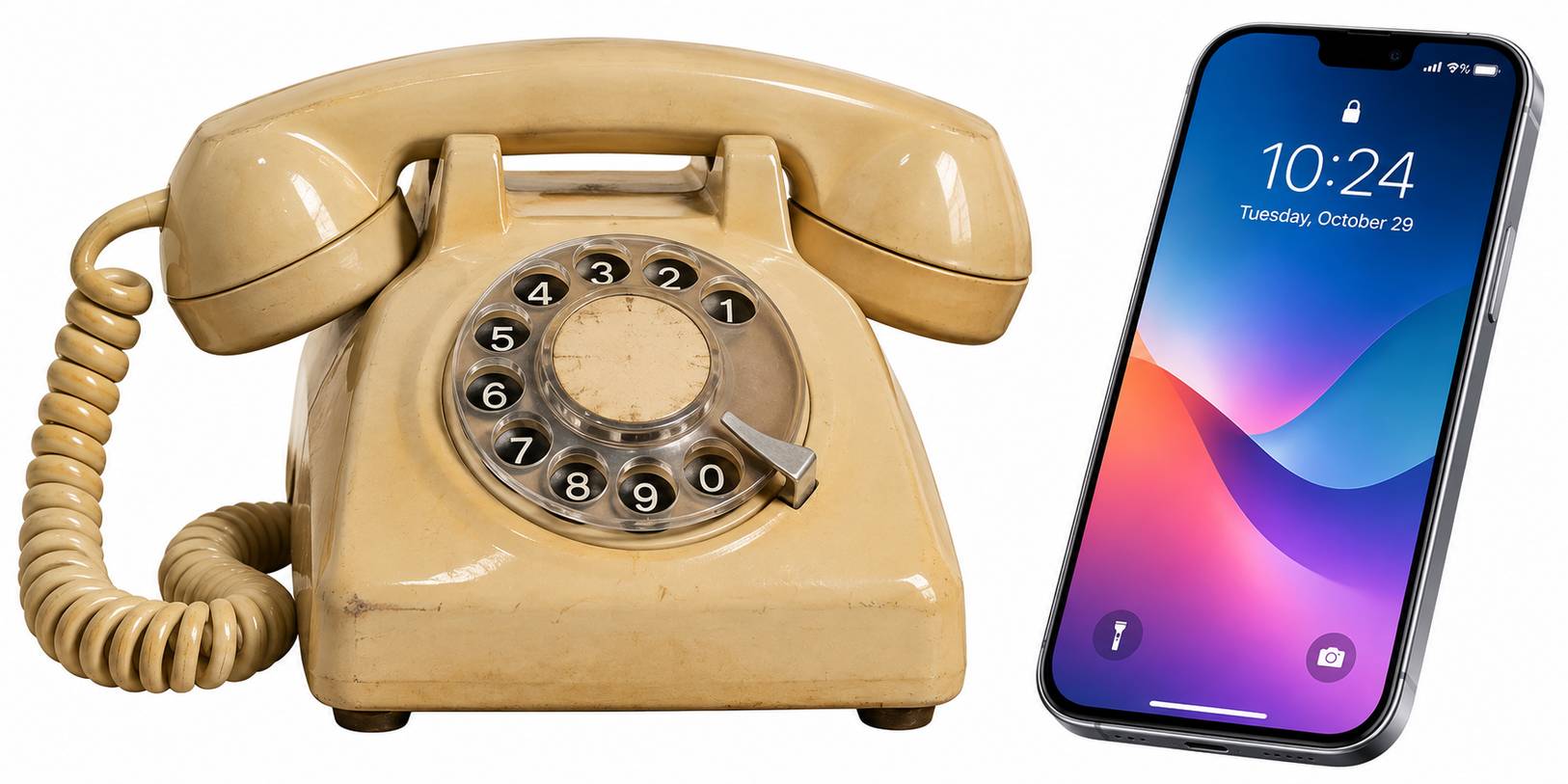
Traditional telephones remained usable for decades because they performed a limited number of functions without depending on rechargeable batteries. Smartphones offer more capabilities, but battery degradation, software compatibility, and damaged screens influence when consumers have to replace them.
5. Headphones & Earbuds
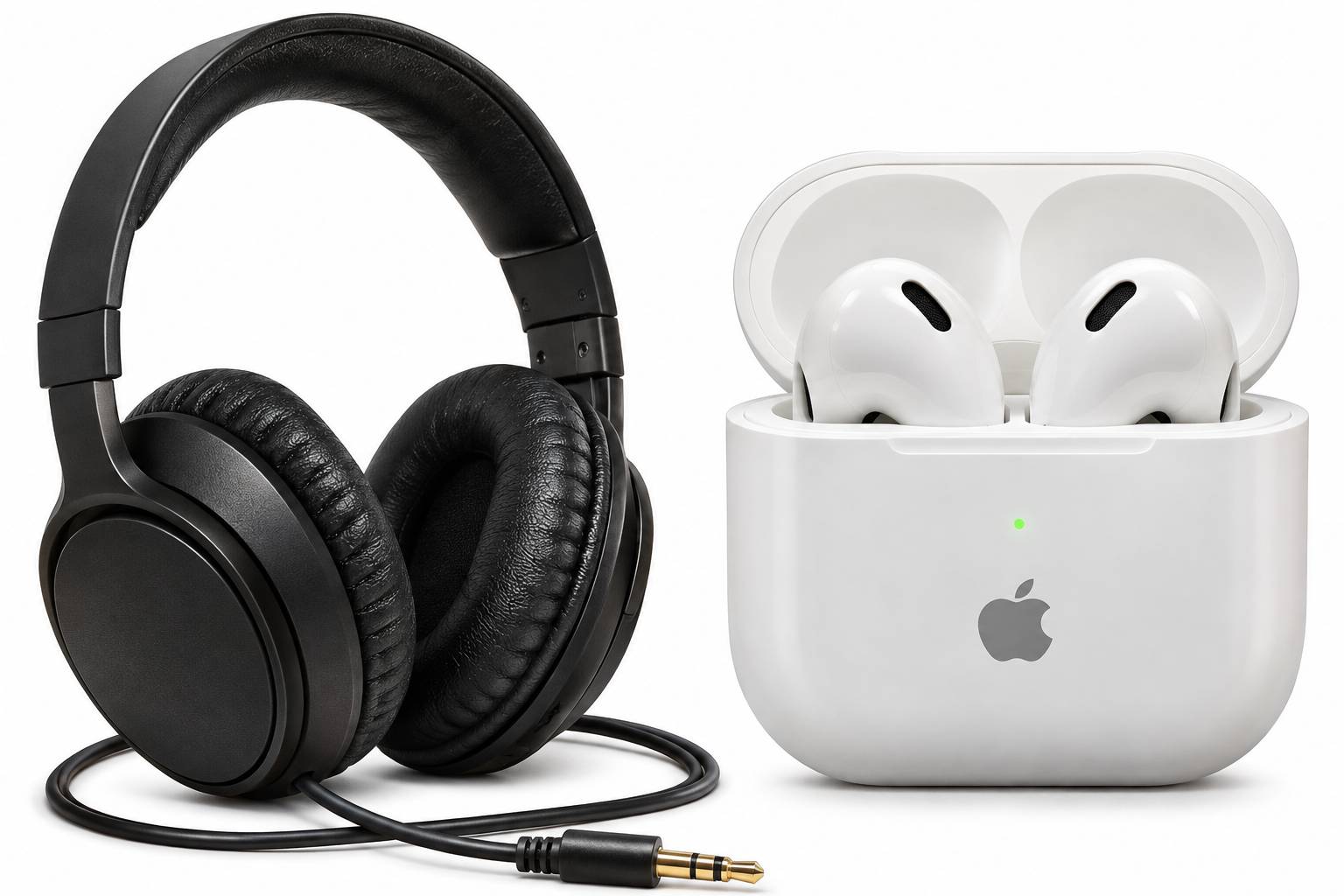
Traditional wired headphones remained useful for years without depending on rechargeable batteries. In September 2026, iFixit gave Apple’s AirPods 5 a repairability score of just 2 out of 10, despite improvements that made their batteries more accessible than in previous generations.
Trending on Wealth Gang


6. Wristwatches
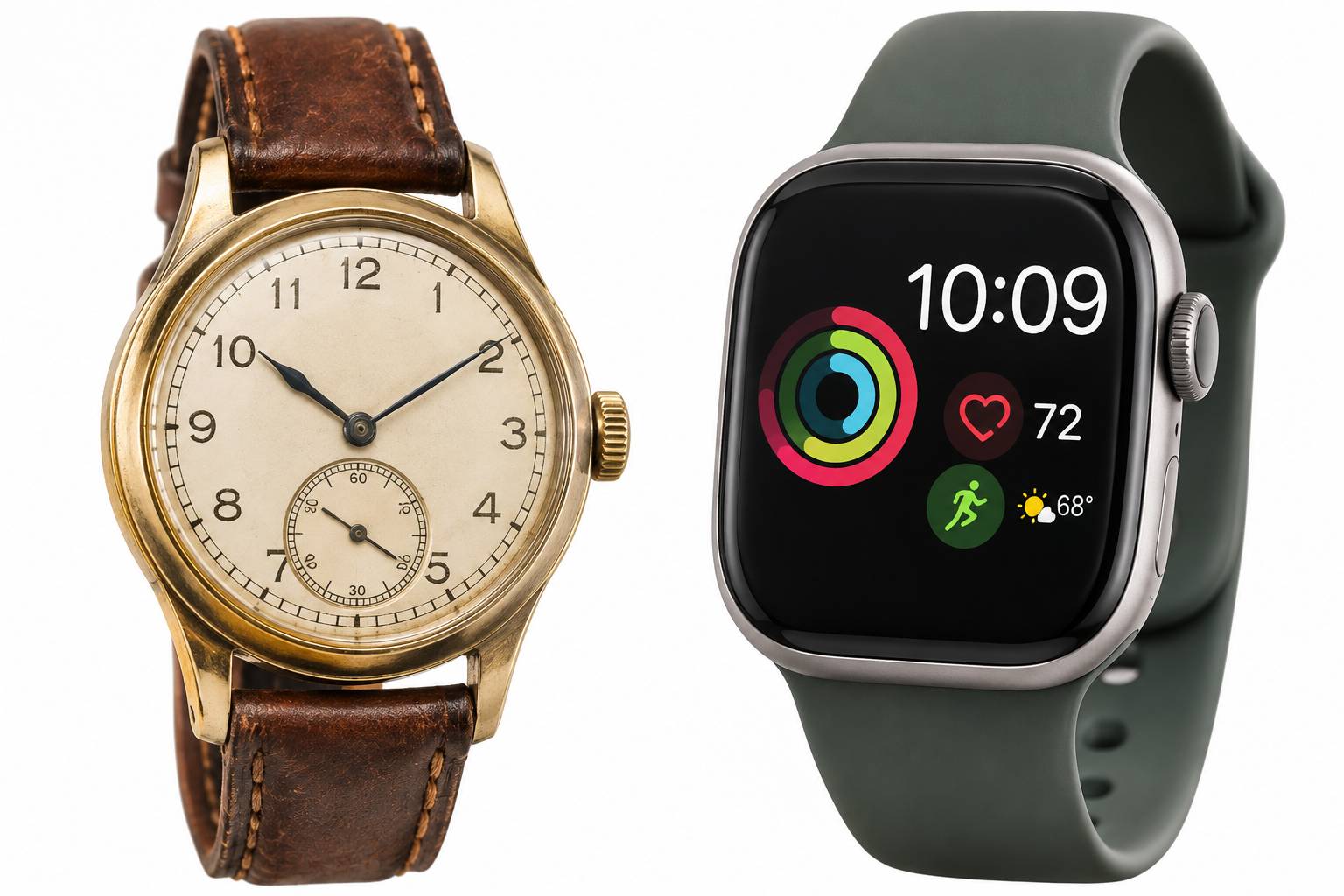
Traditional mechanical watches could remain in service for generations. Modern smartwatches offer fitness tracking, communication, and other features, but their batteries and electronic components introduce limitations that mechanical watches do not share.
7. Television Sets
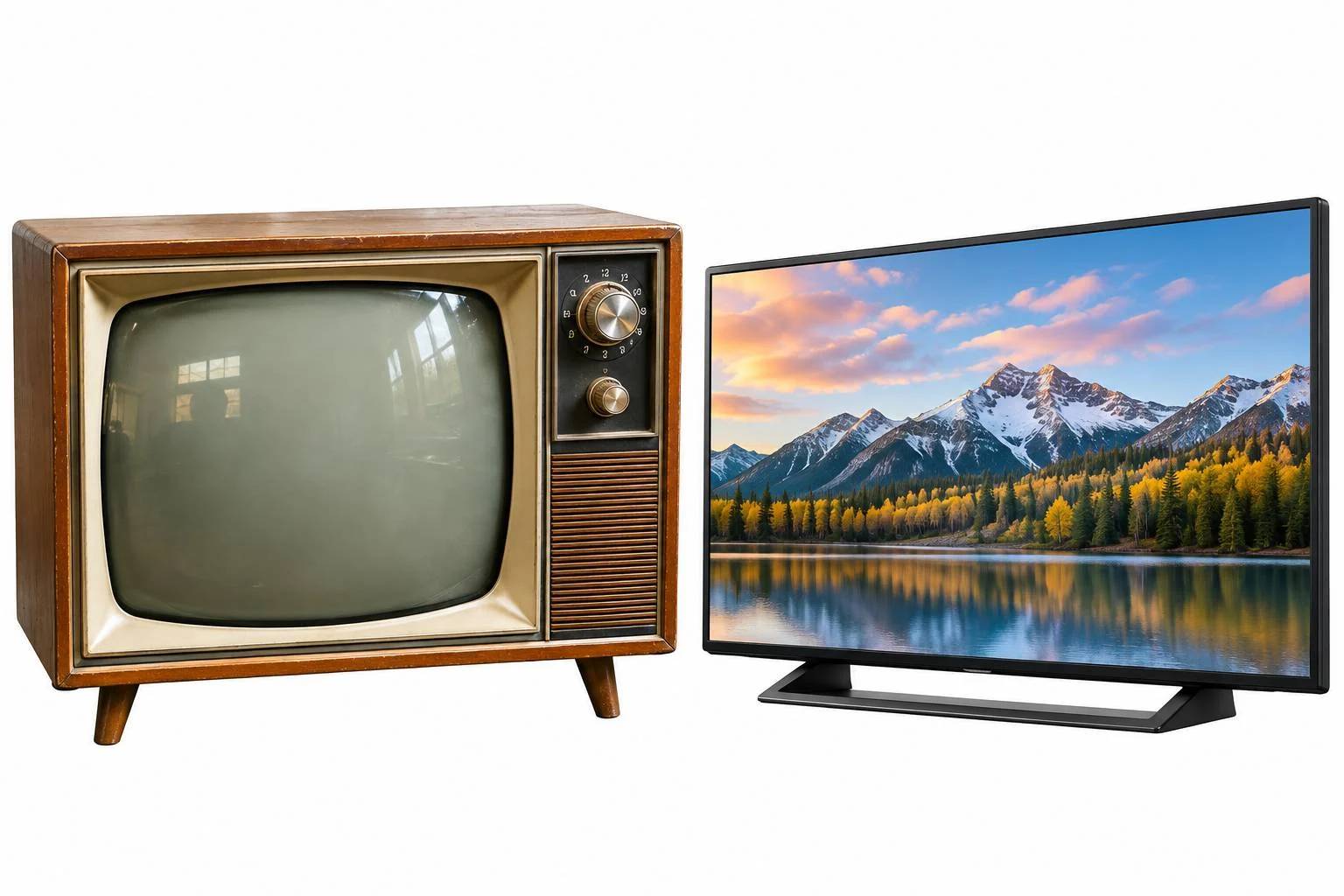
Old television sets could sometimes be kept in service through multiple repairs, with technicians replacing defective electronic components rather than discarding the entire unit. A study of replaced televisions in six European countries found an average age of seven years.
8. Stereo Systems
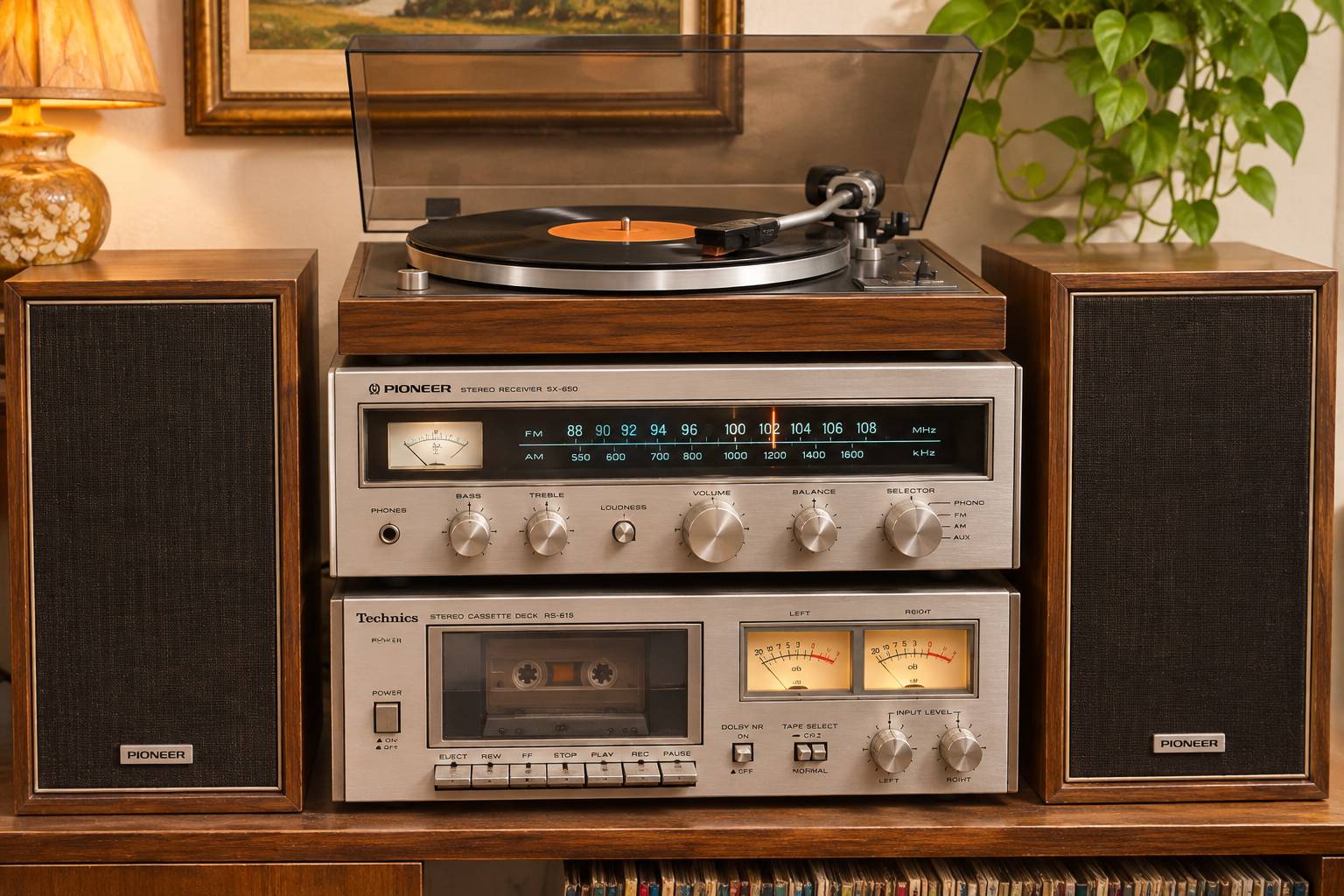
A home stereo purchased in the 1970s often consisted of separate components, including a receiver, amplifier, and speakers. This arrangement made it possible to replace or service individual pieces without discarding the entire sound system. Modern models with electronics that are difficult to replace may be less practical to repair.
Sign up for our newsletter
9. Cameras
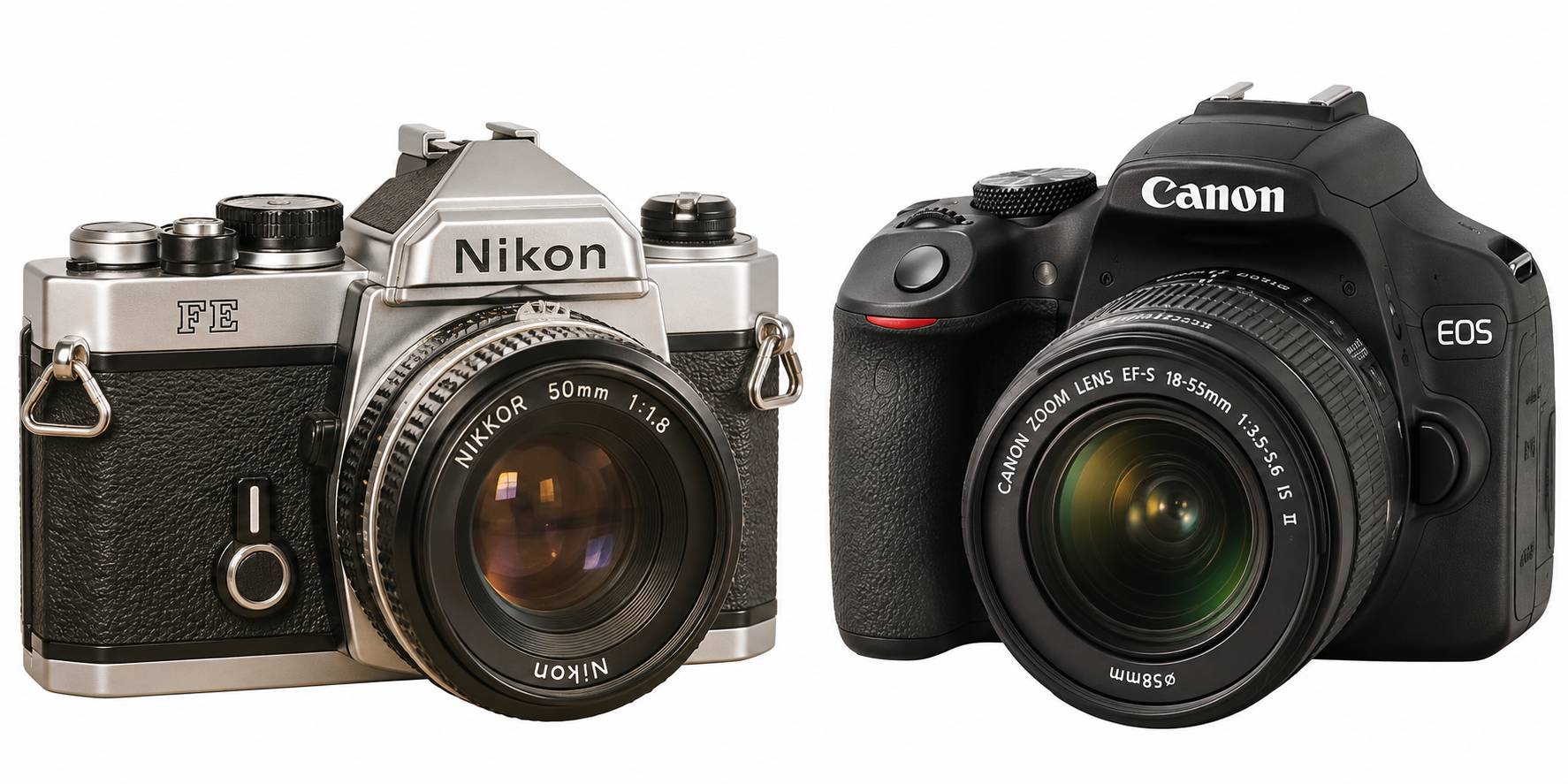
A well-maintained film camera can remain usable for decades. Current digital cameras provide instant photographs and diverse features, but electronic failures and unavailable replacement parts can eventually make some models impractical to repair.
10. Laptops
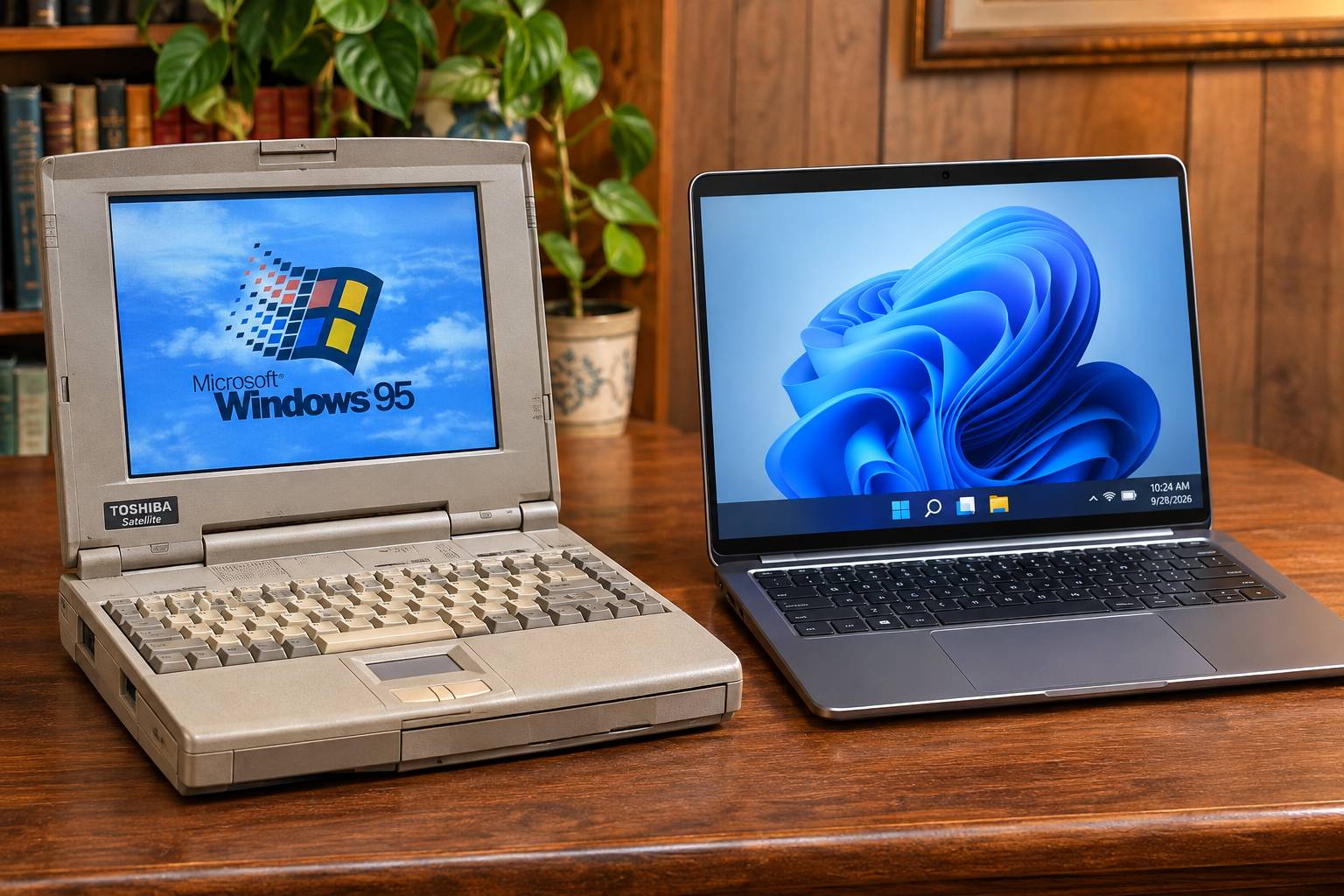
Older personal computers often allowed owners to replace or upgrade components such as memory, storage drives, and expansion cards instead of replacing the entire machine. Some modern laptops use soldered storage or memory, making repairs or upgrades considerably more difficult.
11. Clothes
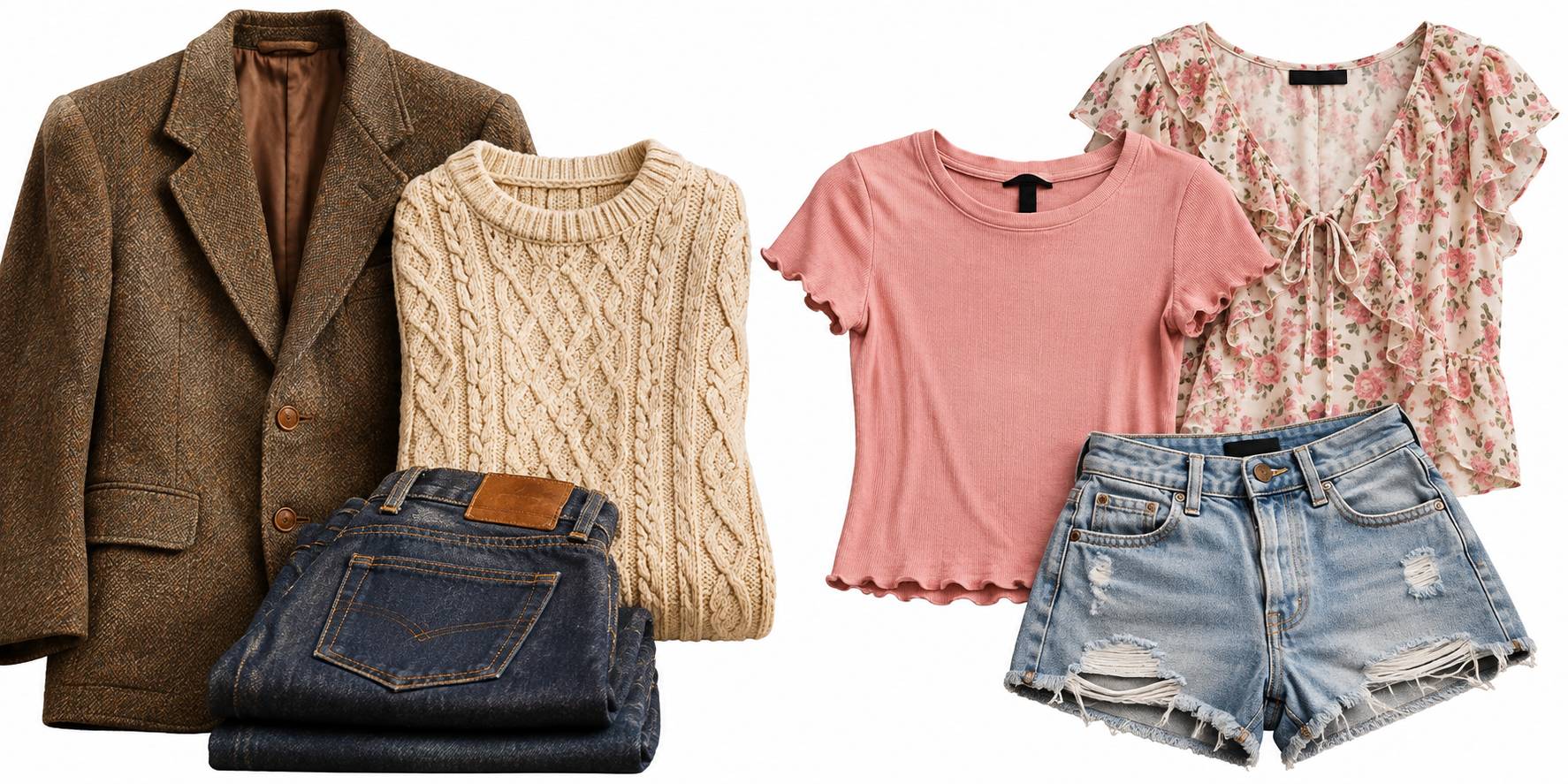
Clothing is one of the clearest examples of products being used for less time. A major Ellen MacArthur Foundation report found that the average number of times a garment was worn before it stopped being used declined by 36% over the 15 years leading up to 2015. The report also estimated that some garments were discarded after seven to ten wears.
12. Blue Jeans
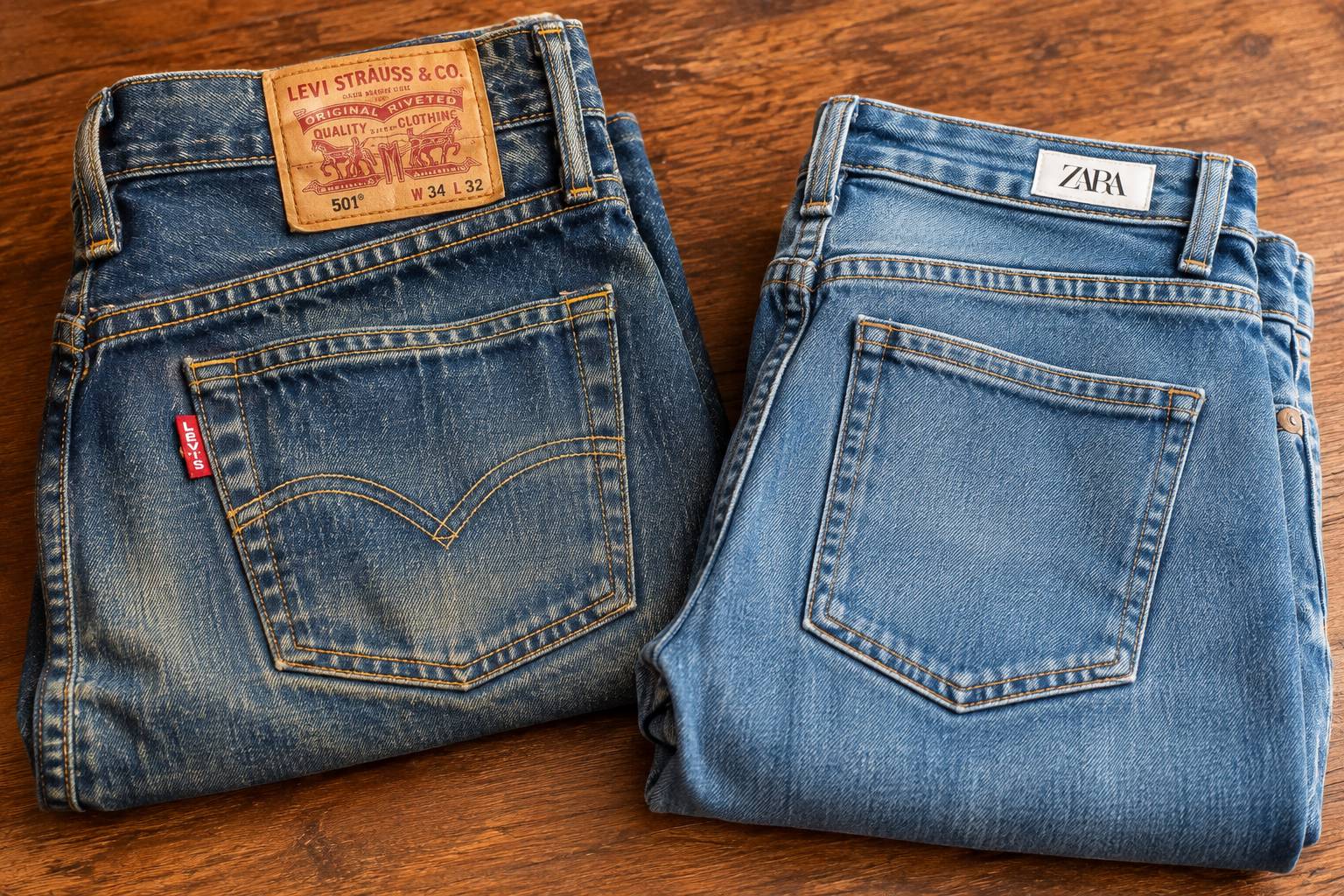
Traditional denim jeans could remain in regular use for years. Today’s jeans vary in construction, and frequent changes in fashion can encourage people to replace them before the fabric wears out.
13. Winter Coats
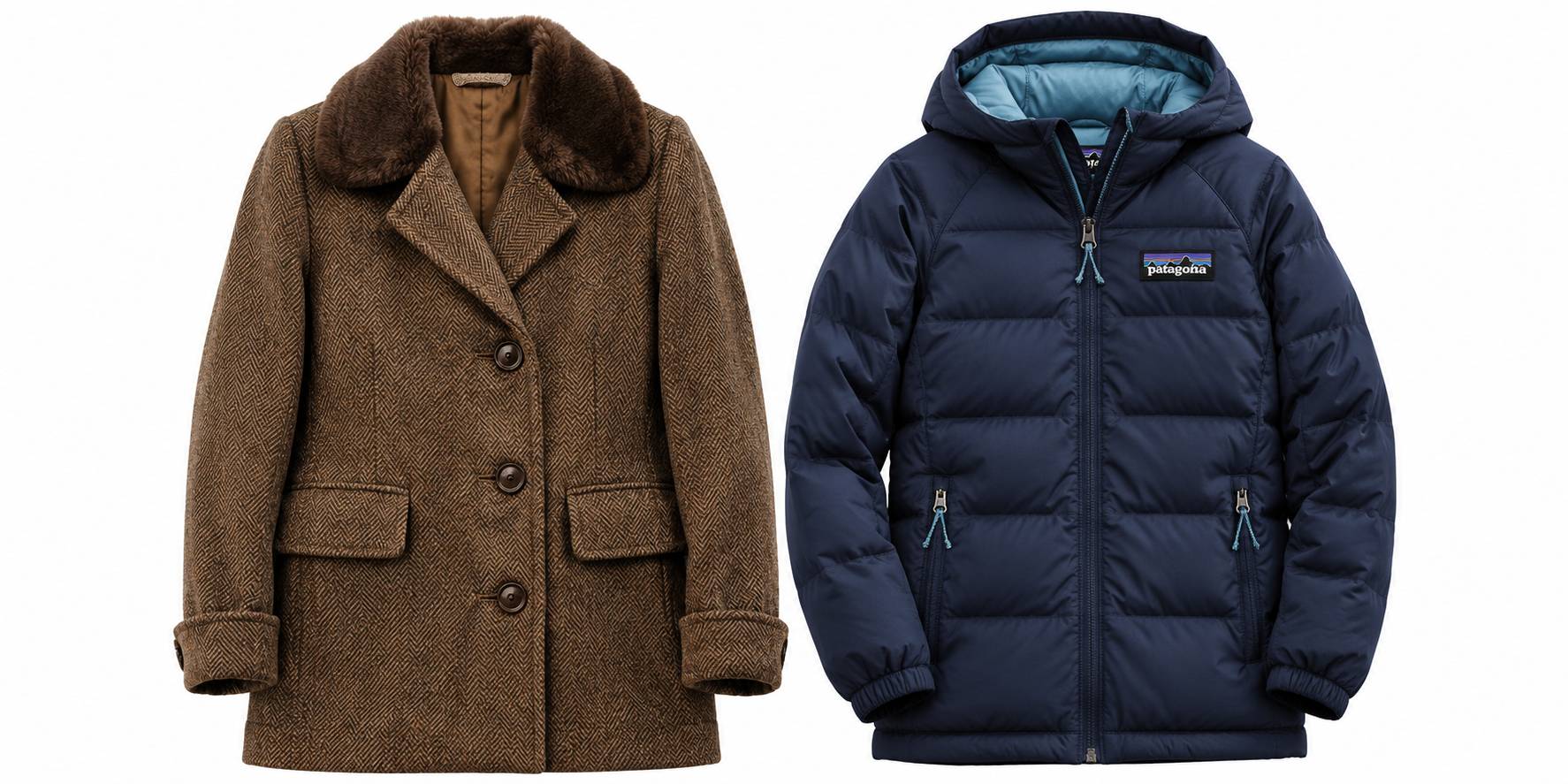
A winter coat could remain part of someone’s wardrobe for decades. Fast-changing fashion and widely available cheap clothing have made frequent replacement more common. Patagonia’s Worn Wear program offers repairs, used clothes, and maintenance instructions intended to keep jackets and other garments in service longer.
14. Leather Boots
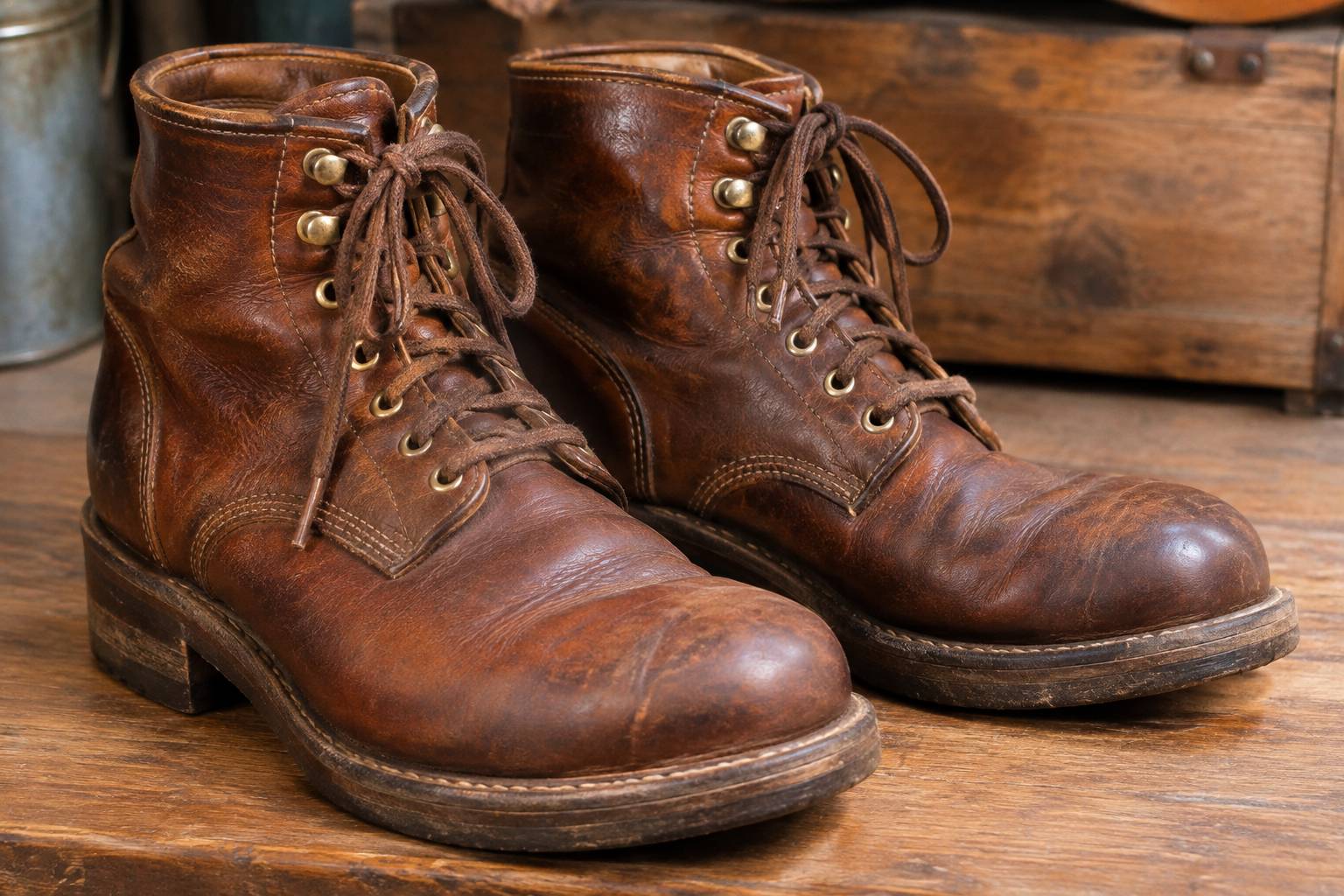
Leather boots remained useful for many years because worn soles, heels, and other components could be repaired without replacing the entire pair. Some modern footwear uses construction methods that make extensive repairs less practical.
15. Dining Tables
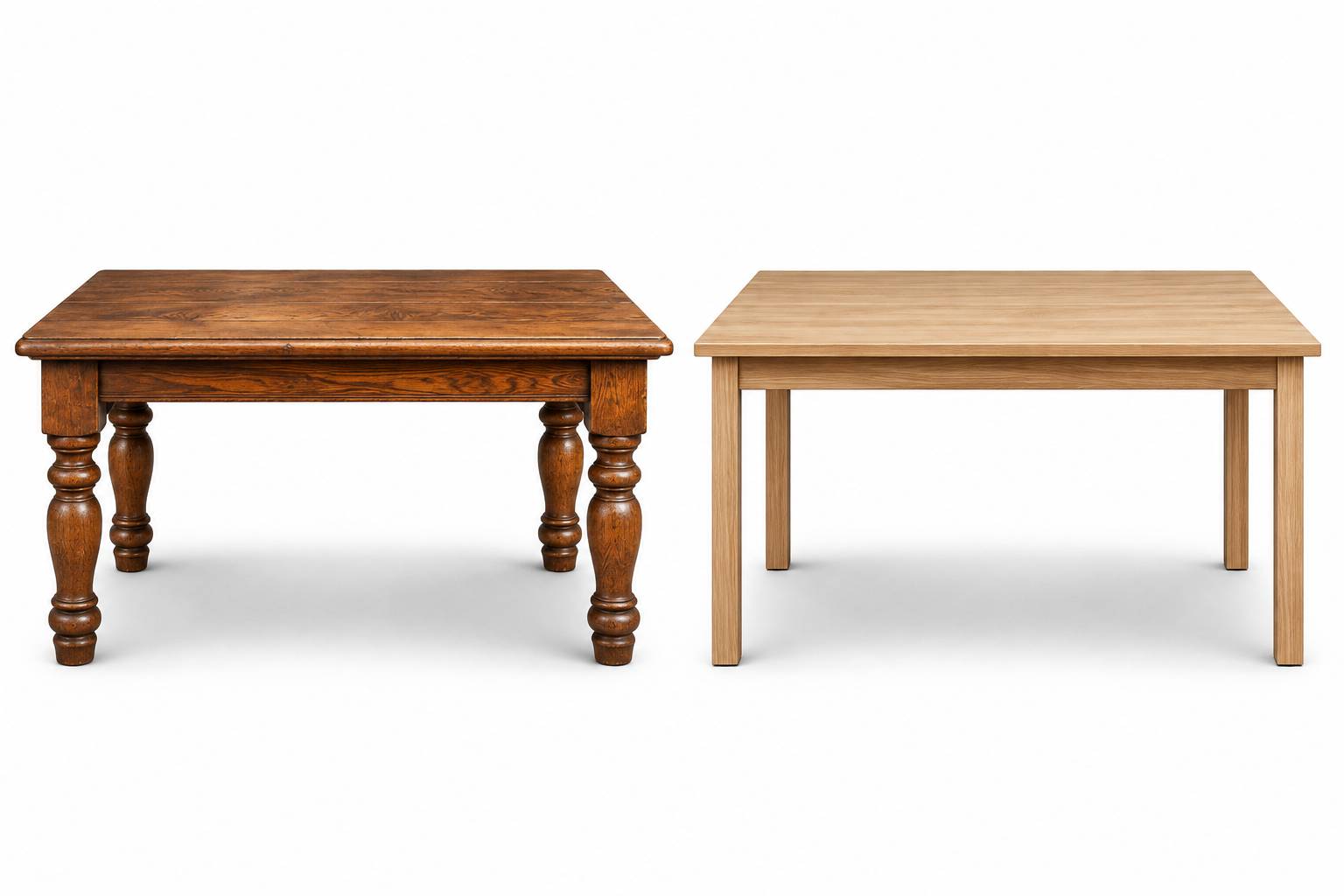
The EPA reported that Americans discarded approximately 12.1 million tons of furniture and furnishings in 2018, compared with 2.2 million tons in 1960.
16. Wooden Dressers
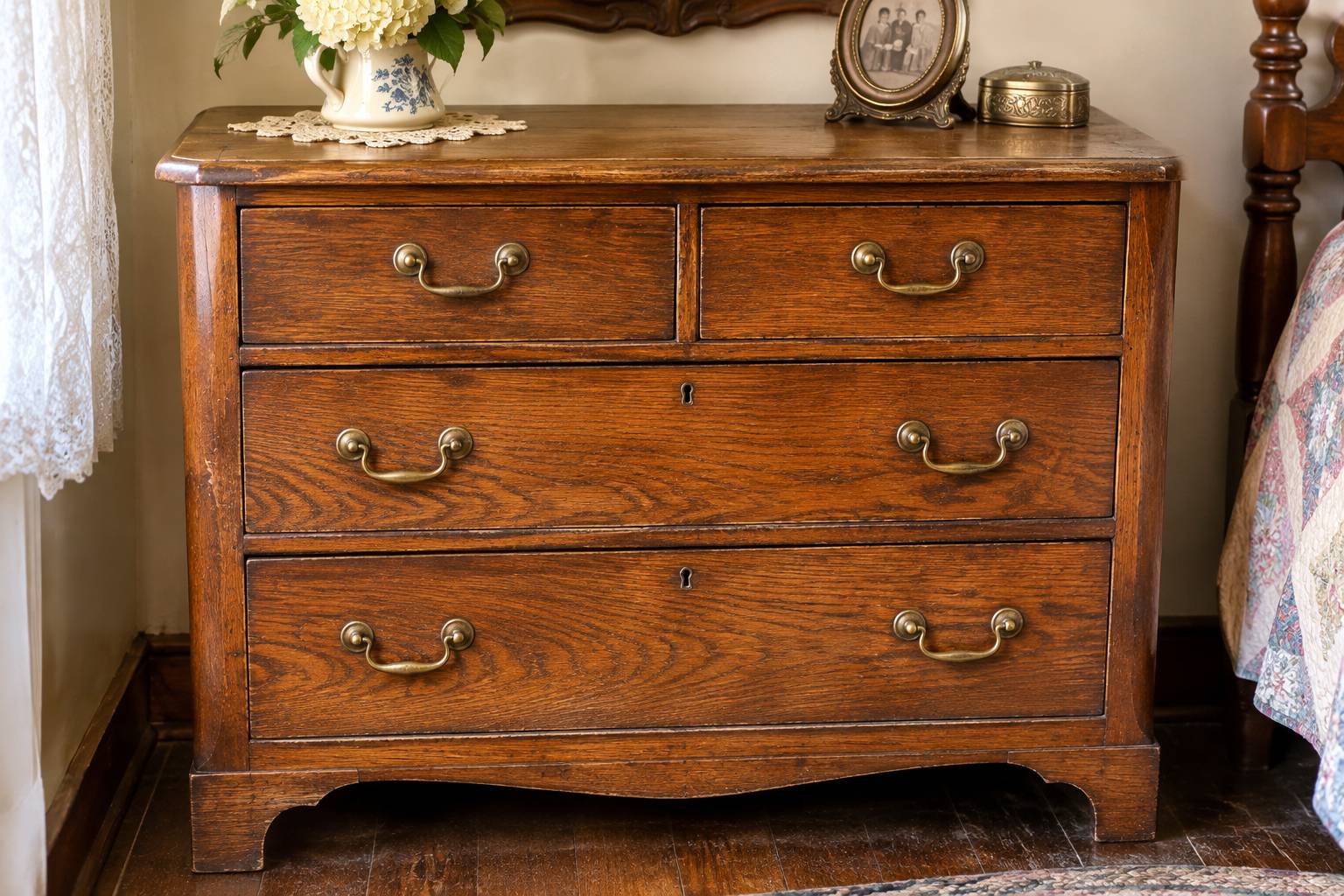
A well-built wooden dresser could survive decades of use because worn drawer mechanisms, loose joints, and damaged finishes could often be repaired. Some modern furniture uses engineered materials and fastening systems that may be less suitable for major restoration.
17. Sofas & Chairs
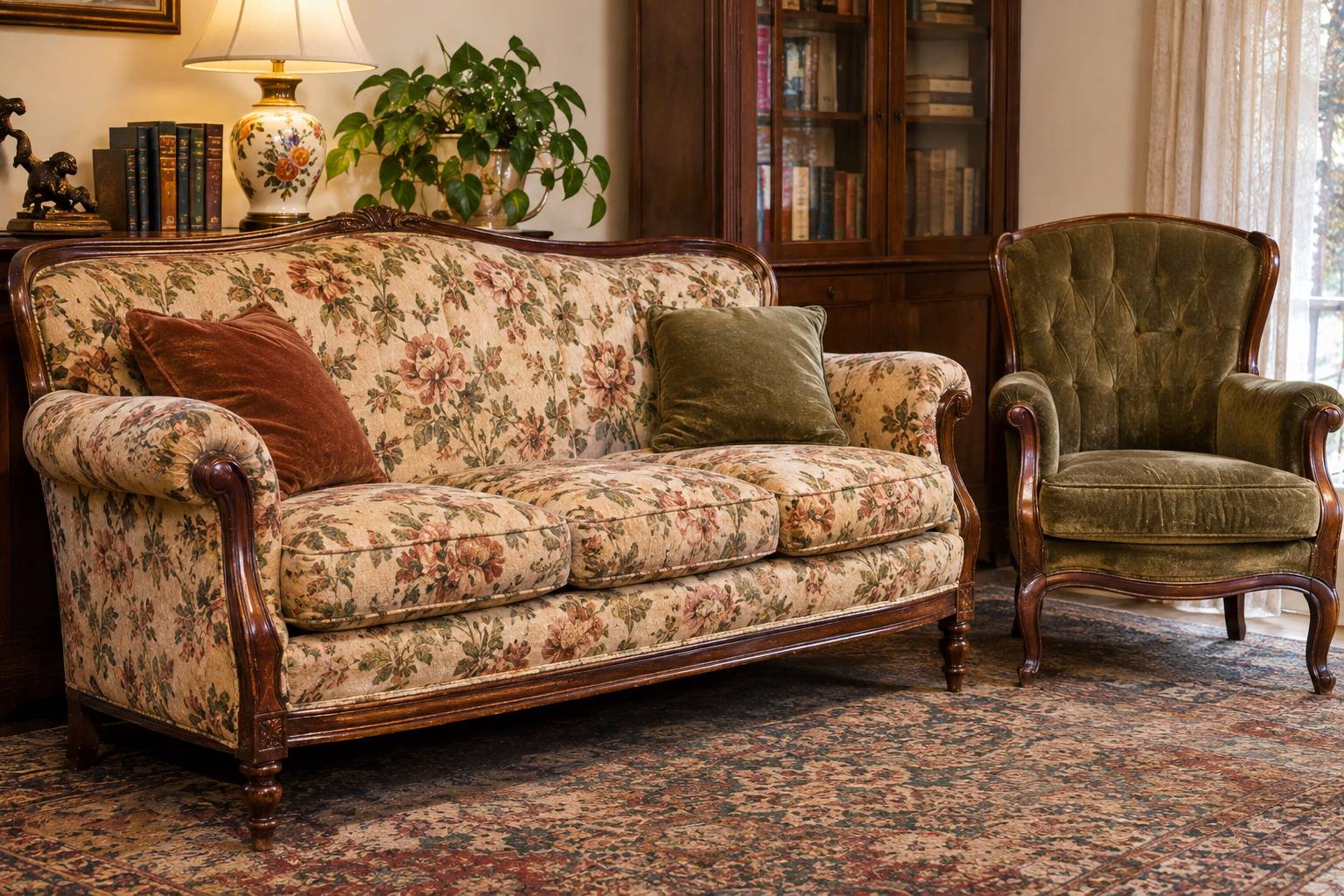
Old furniture with sturdy wooden frames could sometimes be kept in service for decades by replacing worn fabric, cushions, and springs. The EPA reported that 80% of discarded furniture and furnishings entered landfills in 2018, highlighting the scale of furniture disposal.
18. Nonstick Pans
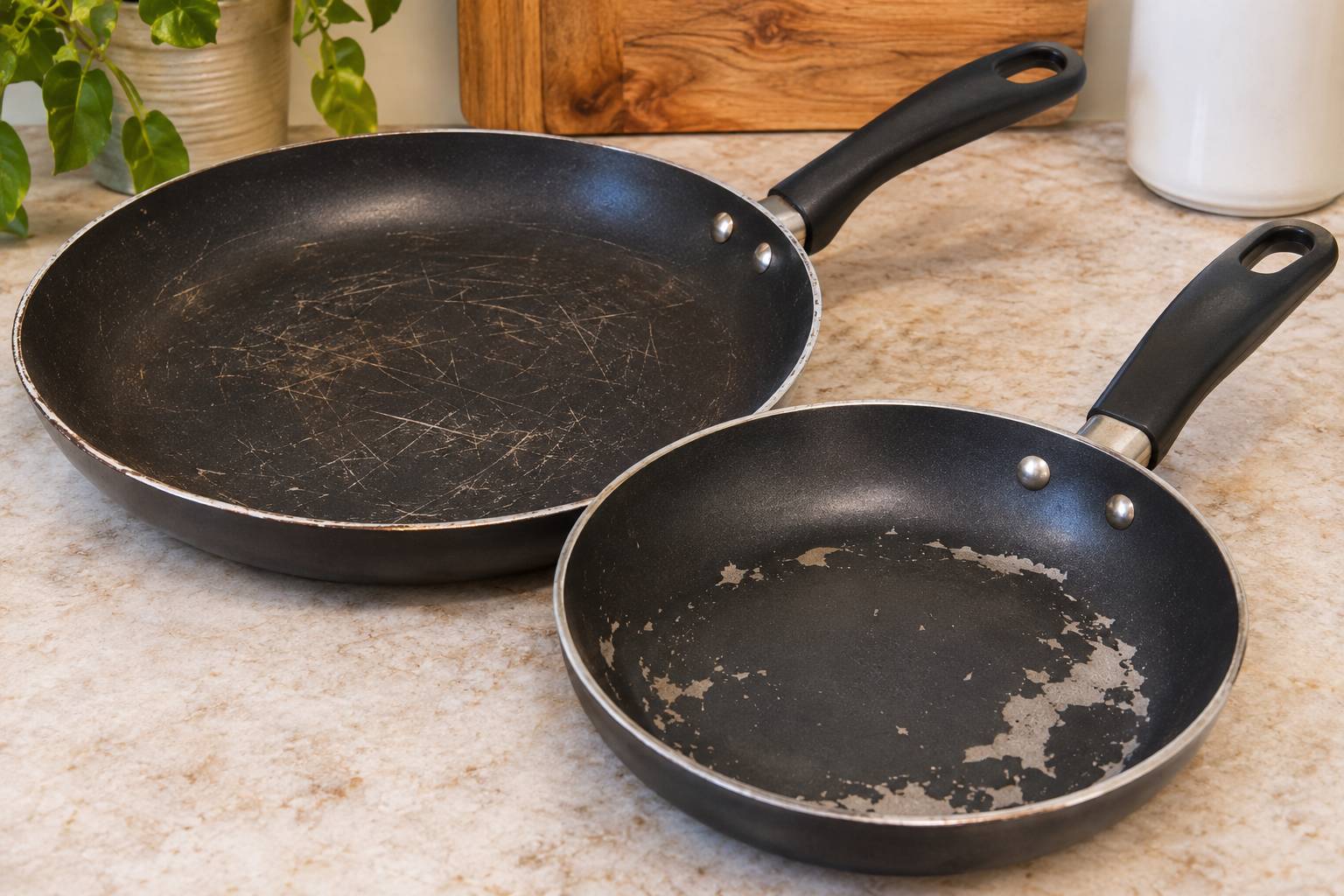
Traditional cast-iron skillets can remain useful for generations because their cooking surfaces can be maintained and restored through cleaning. Nonstick pans rely on specialized coatings that can deteriorate with use. Lodge Cast Iron continues to manufacture seasoned cast-iron cookware and provides care instructions intended to help customers keep their pans in service for generations.