The 1860s were a decade of enormous change. Across much of the world, industrialization was accelerating, cities were expanding, and new technologies were beginning to reshape daily routines. Yet for most people, life remained far more physically demanding than it is today. From household chores to transportation and communication, everyday activities required time, effort, and patience.
1. Most Families Heated Their Homes With Wood or Coal

Keeping a home warm was a daily responsibility. Families had to chop, haul, and store fuel, then constantly tend fires throughout the day. A cold morning often began with restarting a fire that had gone out overnight.
2. Laundry Was an All-Day Chore

Before electric washing machines, laundry involved hauling water, heating it over a fire, scrubbing clothes by hand, rinsing them, and hanging them to dry. Many households dedicated an entire day each week to washing clothes.
3. Letters Were the Main Form of Long-Distance Communication
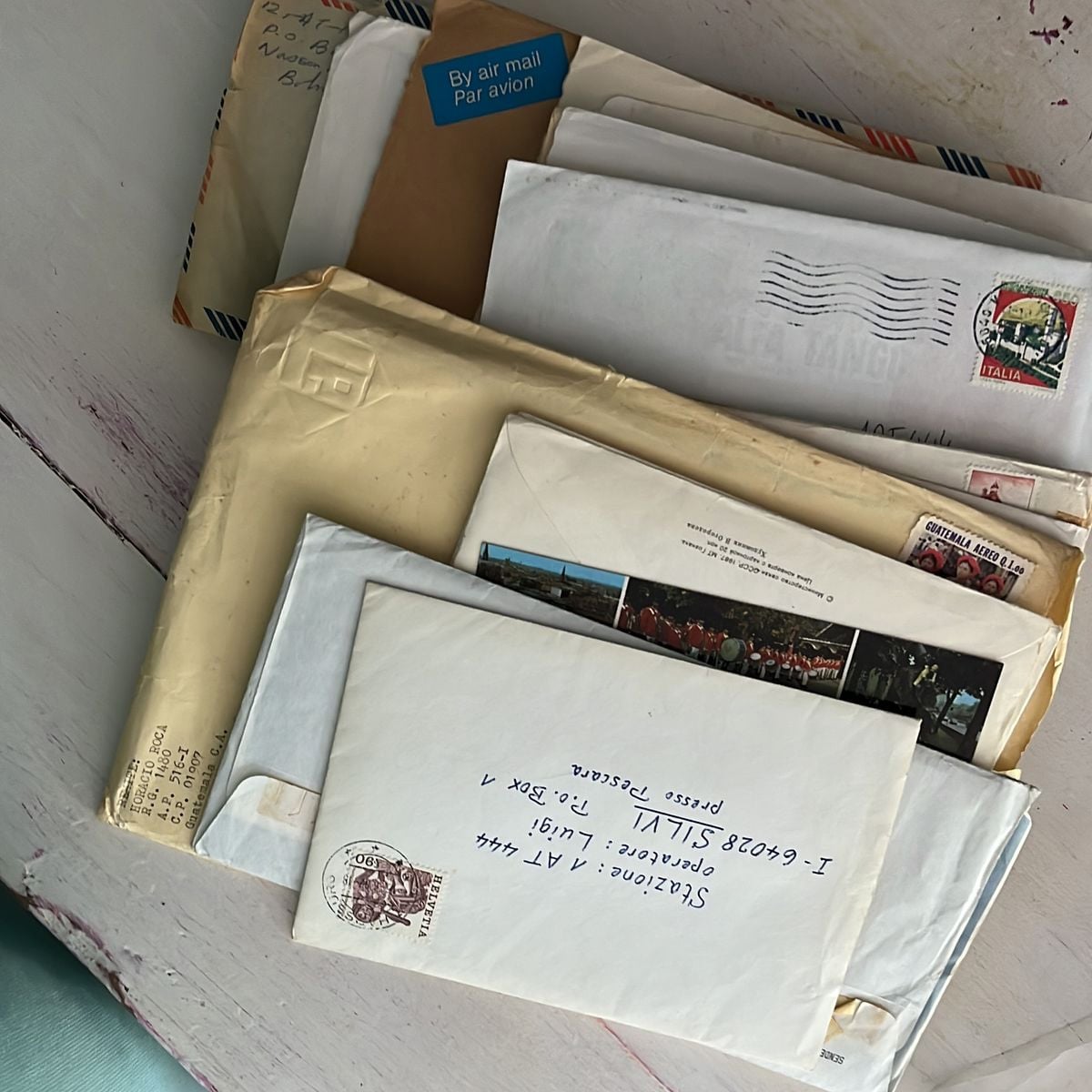
If you wanted to contact someone in another town or state, you wrote a letter. Even relatively short distances could require days for delivery, while international correspondence often took weeks or months.
4. Horses Were Everywhere

Cities and towns were filled with horses pulling wagons, carriages, delivery carts, and public transportation vehicles. Streets were noisy, crowded, and often far less sanitary than modern roads.
5. Most Food Was Prepared From Scratch

Convenience foods were rare. Families baked bread, preserved vegetables, butchered livestock, and prepared meals using ingredients they grew themselves or purchased locally.
Trending on Wealth Gang


6. Kerosene Lamps Lit the Night

Electric lighting was still uncommon. Most homes relied on candles or kerosene lamps, which provided limited illumination and required regular maintenance.
7. Ice Was a Valuable Commodity

Before refrigerators, ice was harvested from frozen lakes during winter and stored in insulated icehouses. Families used blocks of ice to keep food cool during warmer months.
8. Many Children Worked Alongside Adults
Children often contributed to family income or household labor. Depending on where they lived, they might help on farms, work in family businesses, or take jobs in factories and workshops.
Sign up for our newsletter
9. Medical Treatments Were Often Limited
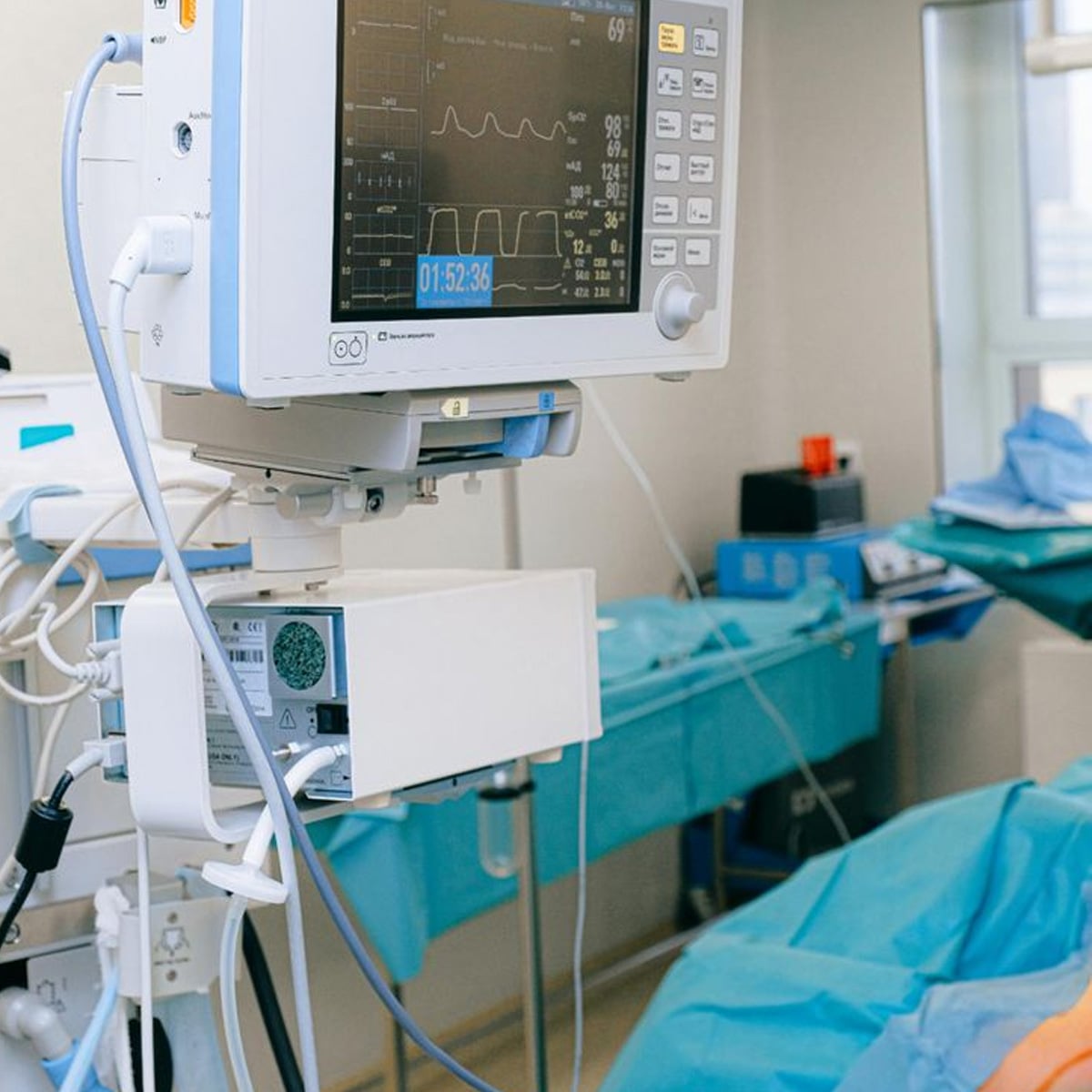
Doctors had fewer tools and medications than modern physicians. Antibiotics did not exist, and many illnesses or injuries that are easily treated today could become life-threatening.
10. Travel Took Much Longer

Railroads were expanding rapidly, but journeys still required significant time. Traveling across a country could take days or weeks, and many rural residents rarely ventured far from home.
11. Water Had to Be Carried by Hand

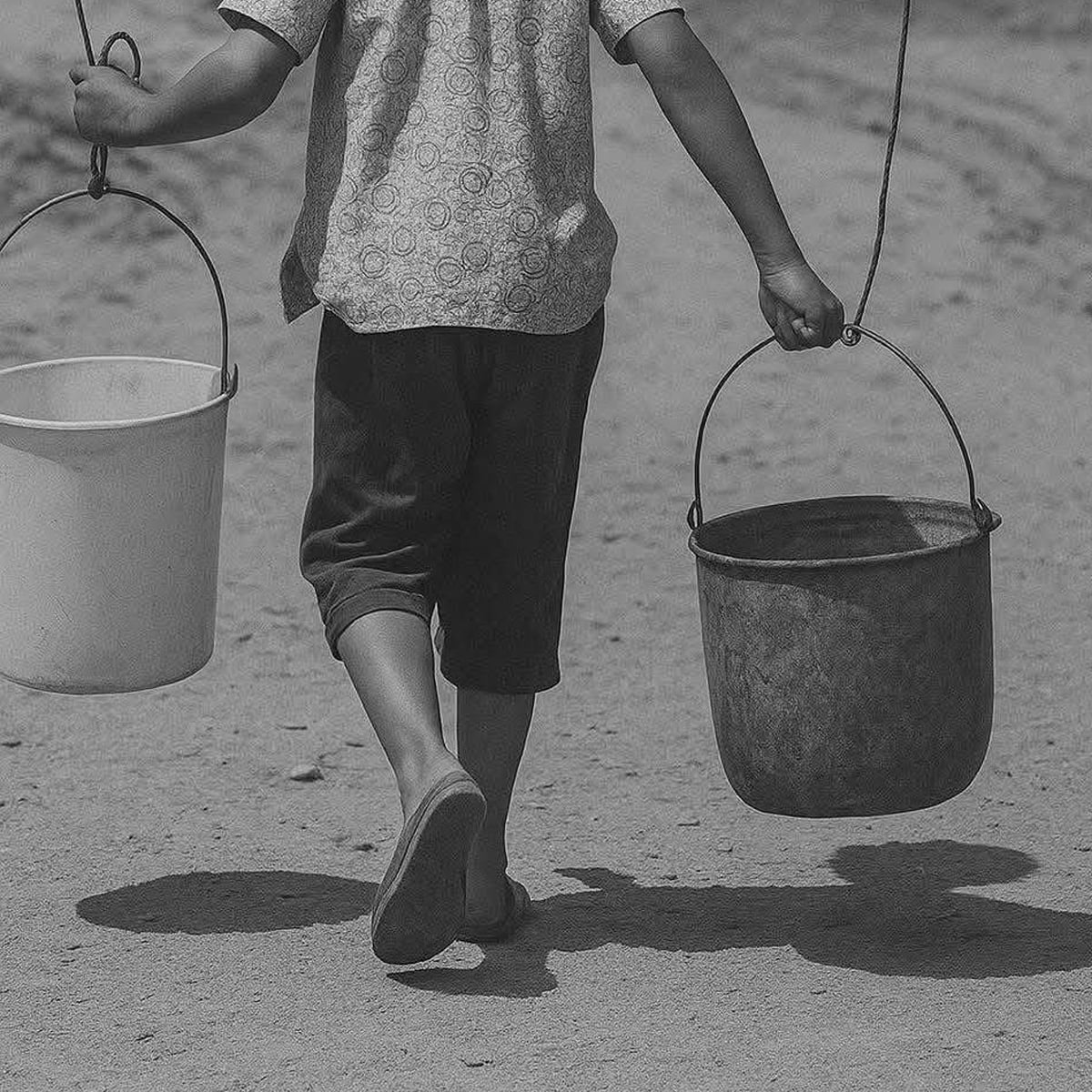
Many households lacked indoor plumbing. Water often came from wells, pumps, rivers, or community sources, requiring multiple trips each day just to meet basic needs.
12. Sewing Was an Essential Skill

Clothing was expensive, and people frequently repaired garments rather than replacing them. Many families made their own clothes or altered existing items to extend their usefulness.
13. Newspapers Were a Primary Source of Information
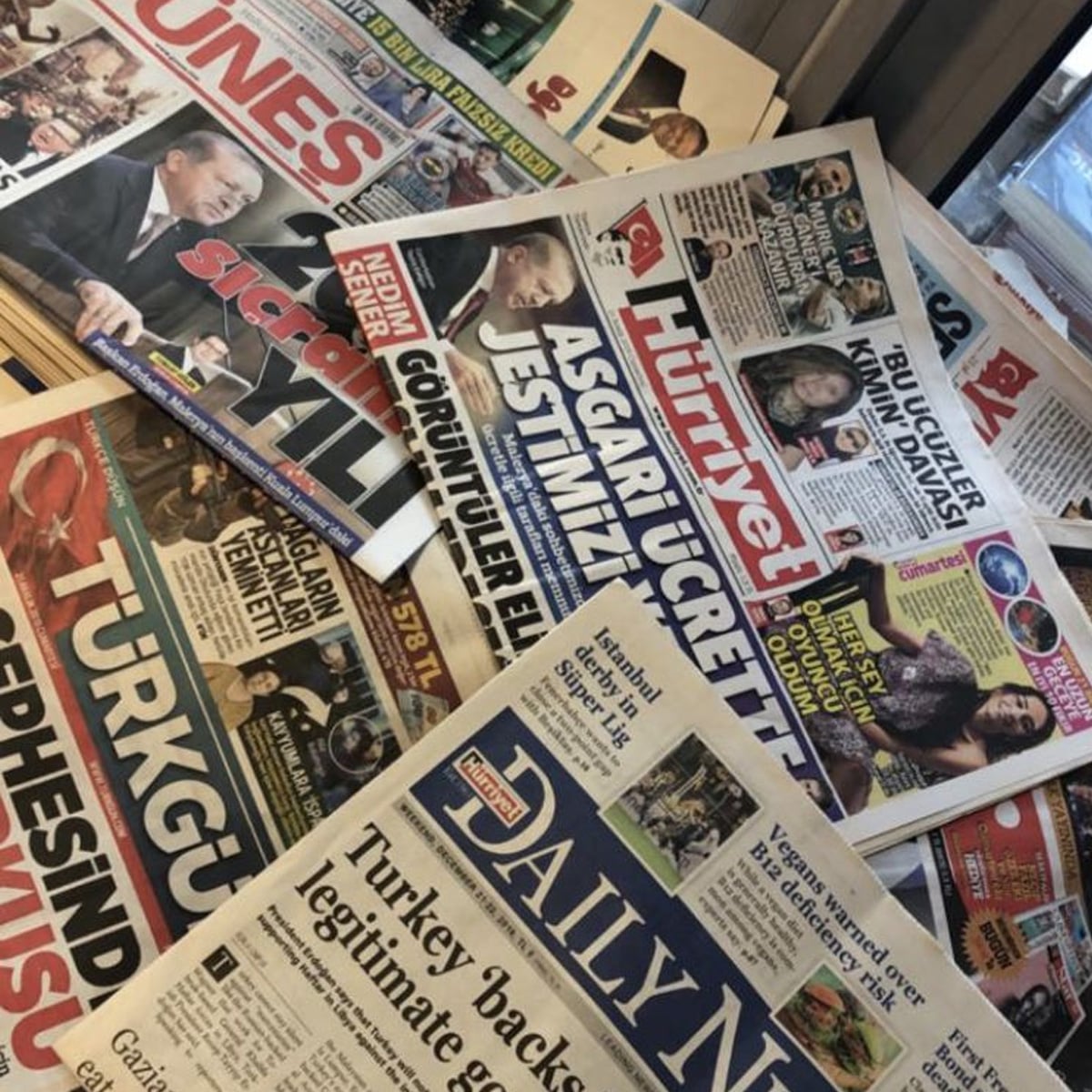
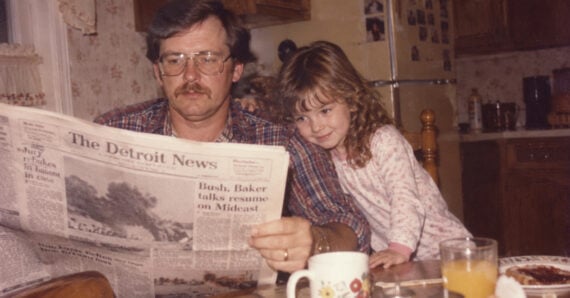
Daily newspapers connected people to national events, politics, business developments, and local happenings. Reading the paper was one of the most common ways to stay informed.
14. Shopping Was Highly Local
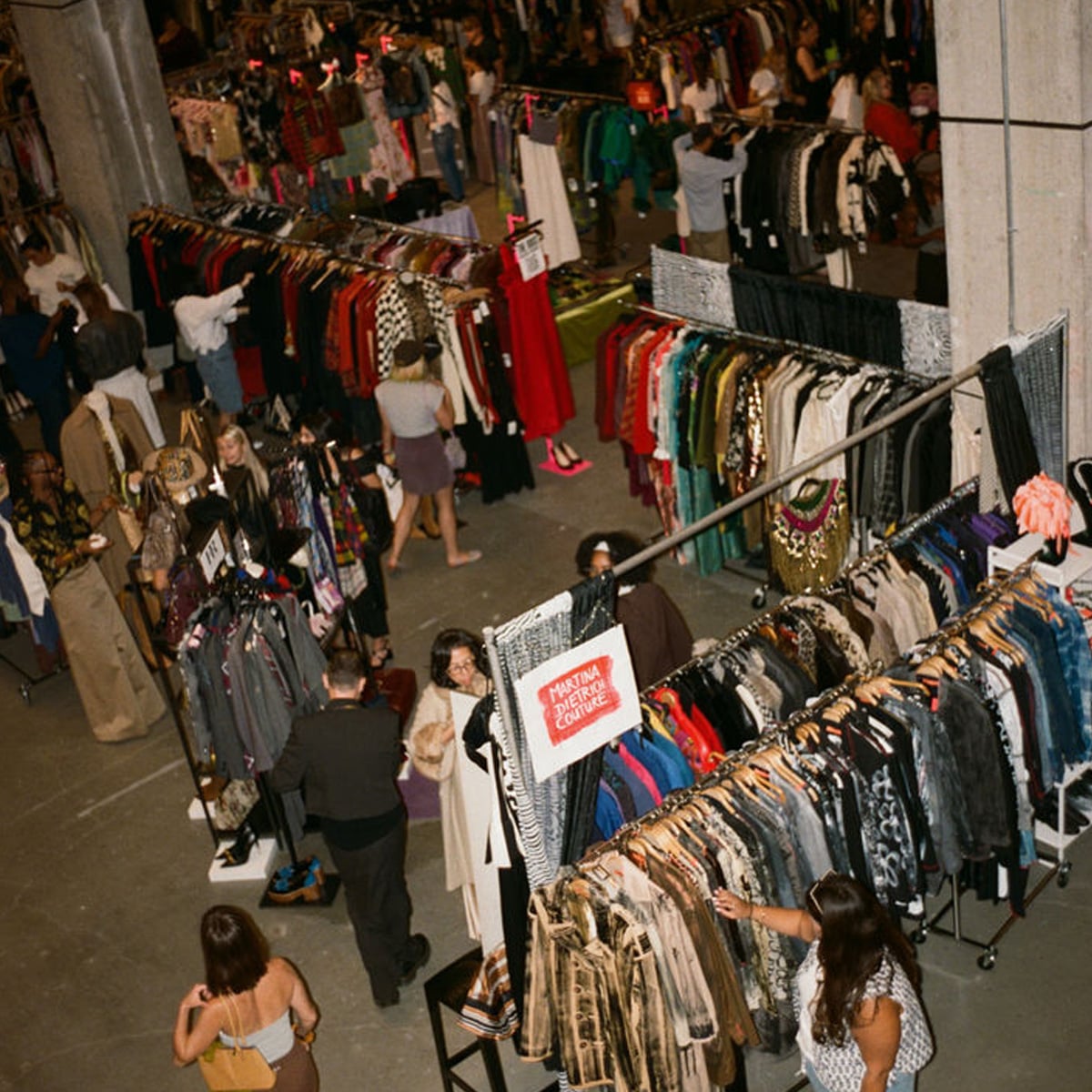
Large retail chains did not exist in the modern sense. Most purchases came from local merchants, general stores, markets, or traveling salesmen who visited rural communities.
15. Bathing Was Less Frequent

Without modern plumbing, hot water was labor-intensive to prepare. Full baths were often occasional events, while daily hygiene relied on washing specific areas rather than taking complete baths.
16. Clocks Were Becoming More Important

As railroads expanded and businesses became more organized, standardized timekeeping grew increasingly important. People began paying closer attention to schedules than previous generations had.
17. Entertainment Was Mostly In-Person
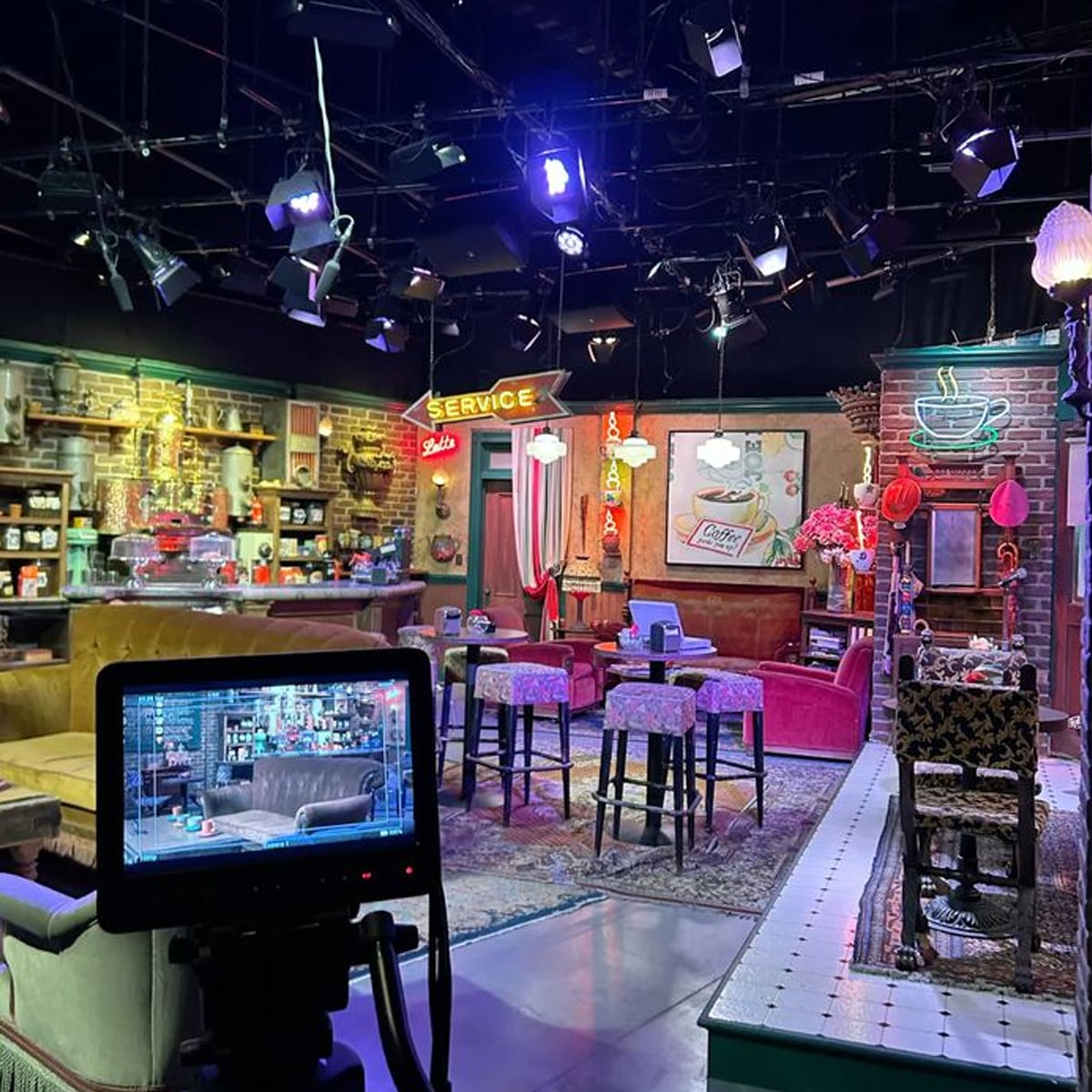
Families entertained themselves through music, storytelling, community events, social gatherings, theater performances, and reading. There were no televisions, streaming services, or video games.
18. Telegraphs Were Revolutionary Technology
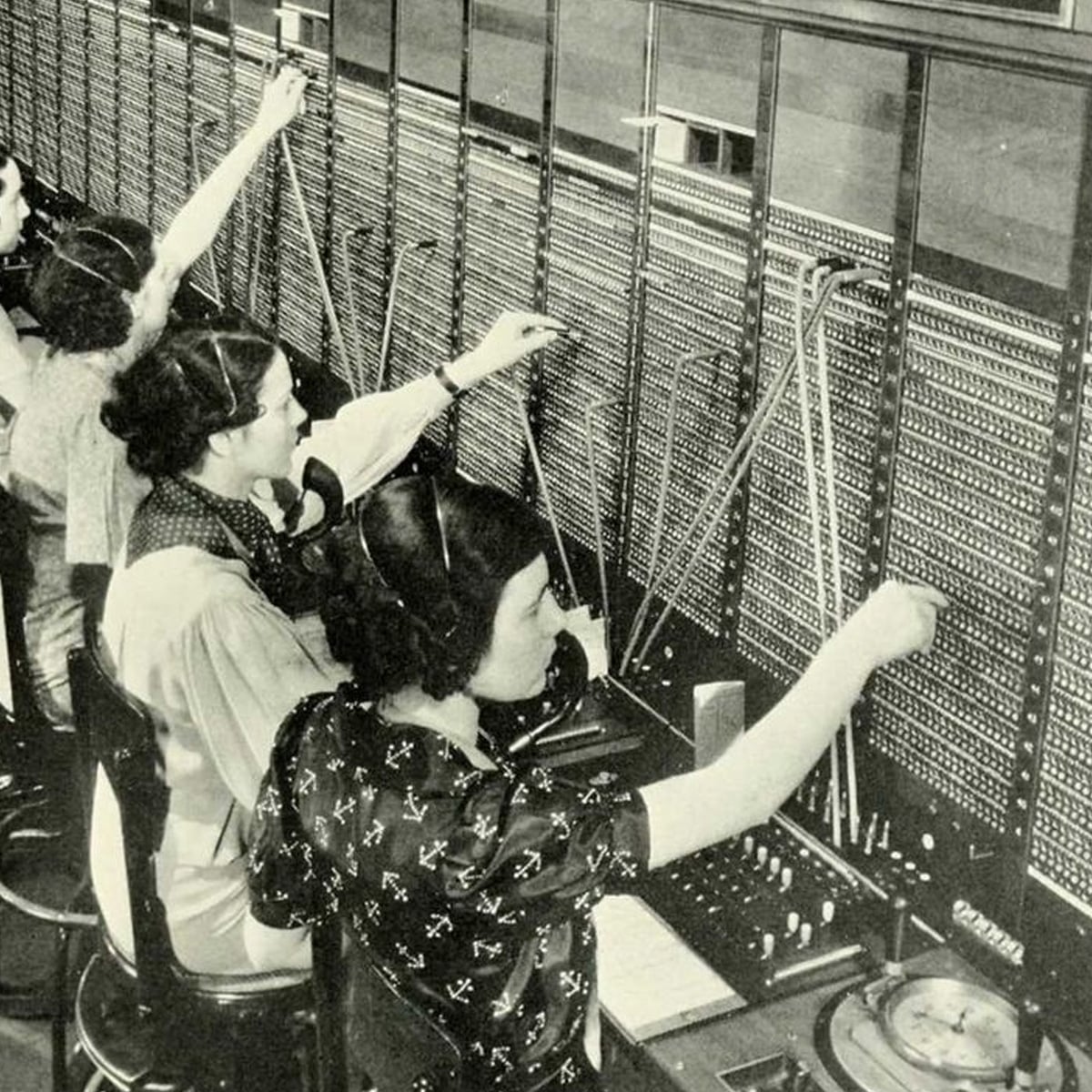
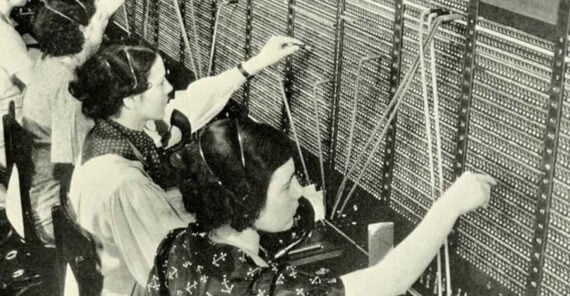
The telegraph dramatically accelerated communication by allowing messages to travel almost instantly across long distances. For many people, it was one of the most impressive technological advances they had ever witnessed.
More Related Notes
• 11 Historic Places That Look Like They’re From a Movie
A fascinating look at preserved locations that offer a visual connection to the past and help bring historical eras to life.
• 12 Historical Mistakes That Ended Up Changing the World
This article explores pivotal events and decisions that shaped society during periods similar to the one featured in this glimpse of the 1860s.
• 10 Historical Moments That Would Be Impossible to Handle on Social Media Today
A complementary read highlighting how dramatically daily life, communication, and public reactions have changed since the nineteenth century.