Everyday habits from the 1950s can make ordinary life from just a few generations ago seem surprisingly unfamiliar. Without smartphones, online shopping, or even many of the household conveniences now taken for granted, daily routines looked completely different.
Some of these habits disappeared because technology replaced them, while others faded as social norms and expectations changed. From doorstep deliveries to shared telephone lines, these everyday routines offer a glimpse into a world that feels much further away than 70 years.
1. Leaving the Front Door Unlocked
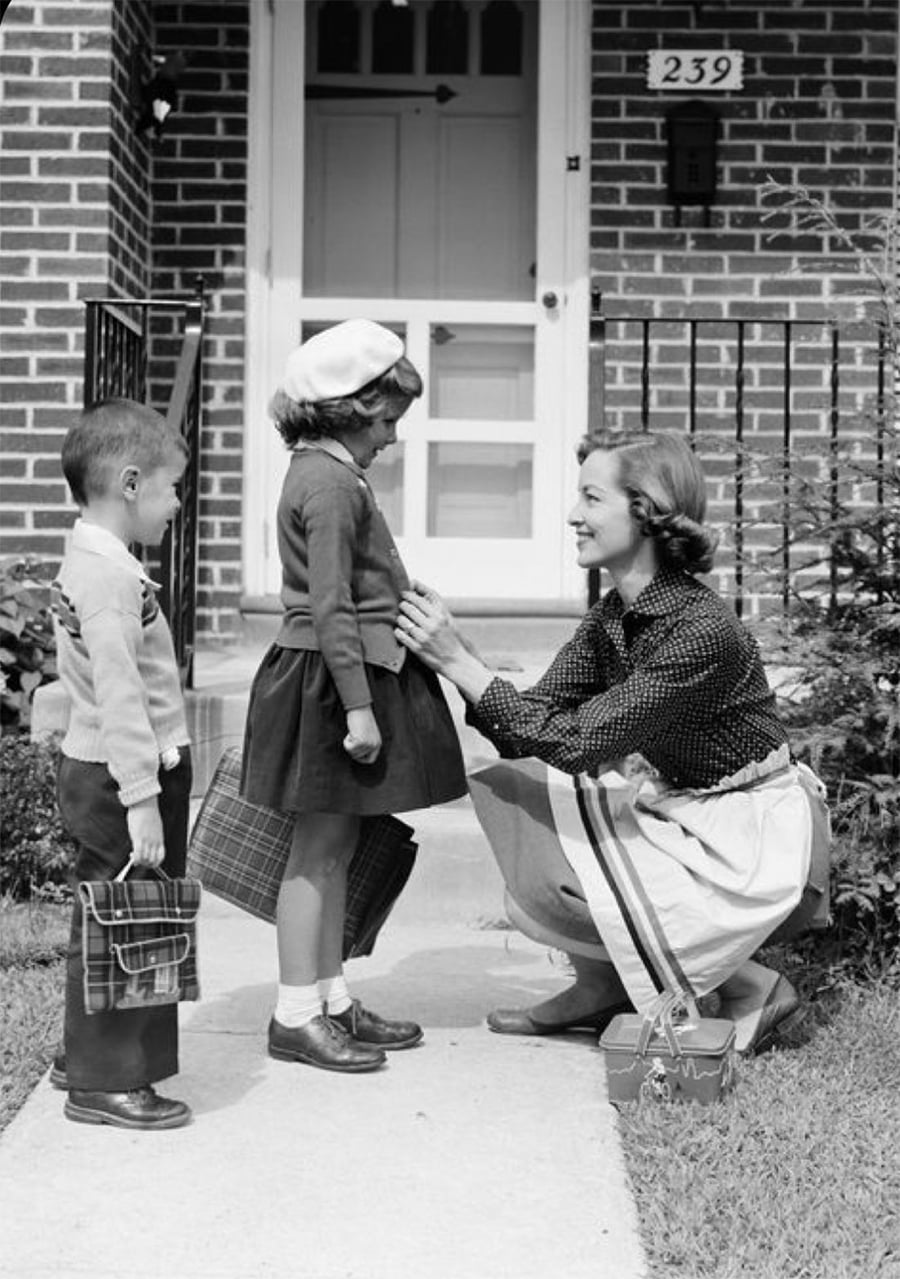
In many communities, locking the door every time someone left the house wasn’t considered essential. Some families even left doors unlocked overnight.
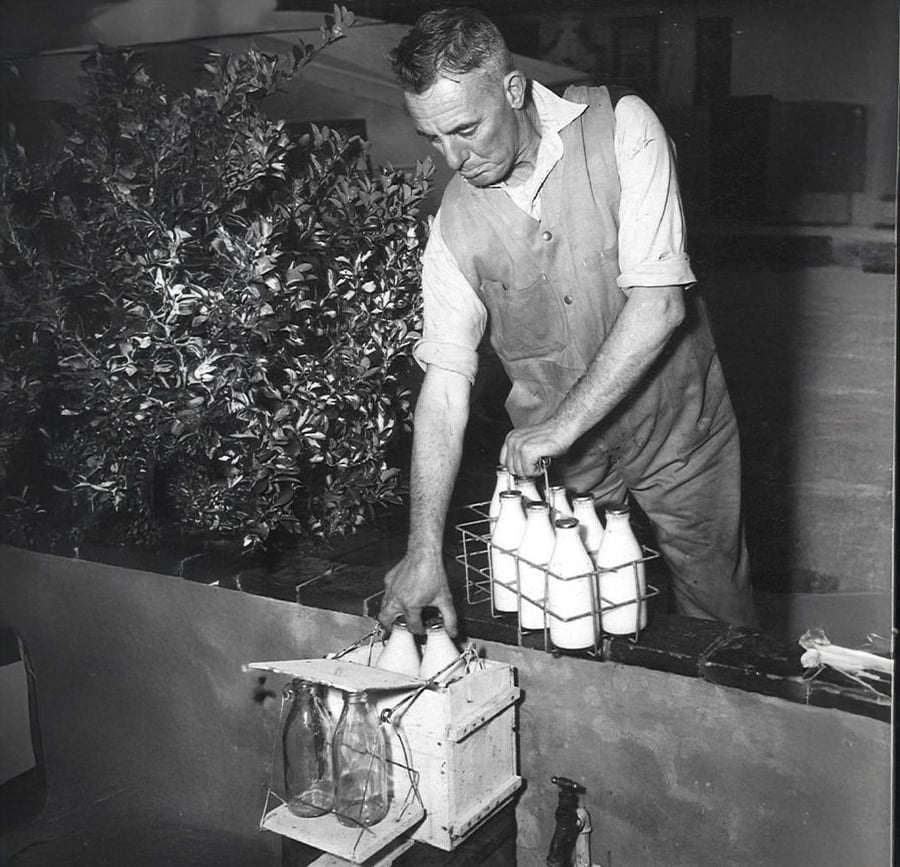
2. Having Milk Delivered to the Door
Pauline Dixon / Pinterest.com
Milkmen made regular neighborhood rounds, leaving fresh bottles on doorsteps and collecting the empty glass ones.
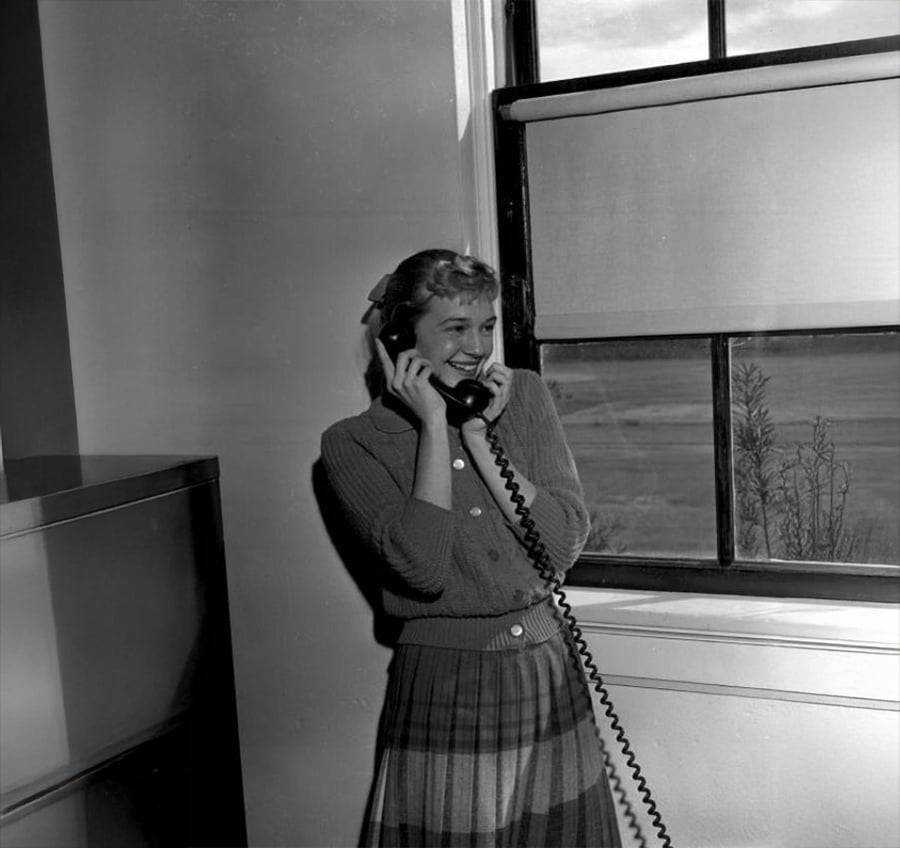
3. Sharing a Telephone Line With the Neighbors
ellie kay <3 / Pinterest.com
Party lines allowed several households to share the same telephone connection. Picking up the receiver could mean accidentally hearing a neighbor’s conversation.
4. Paying Almost Everything in Cash
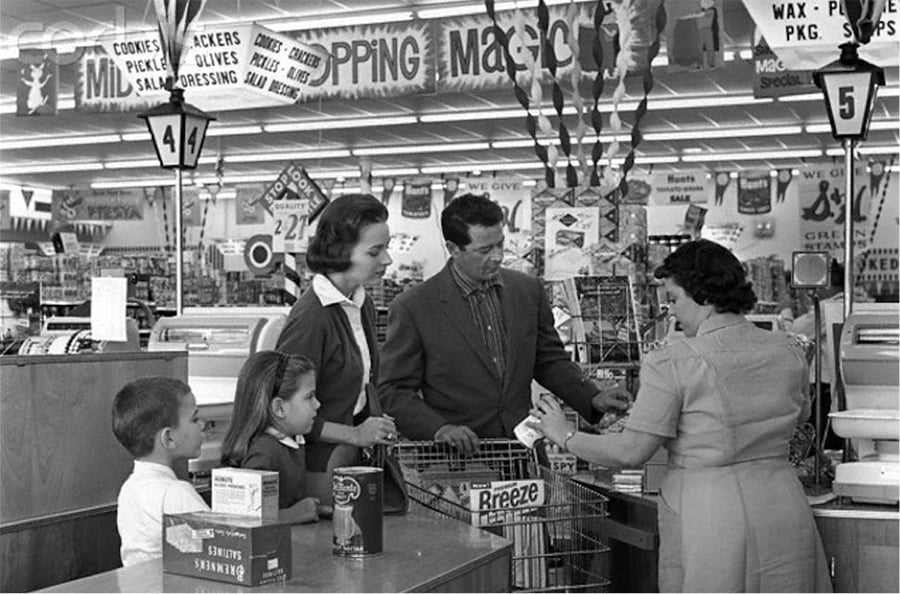
Groceries, gasoline, restaurant meals, and everyday purchases were routinely paid for with bills and coins.
5. Dressing Up to Take an Airplane
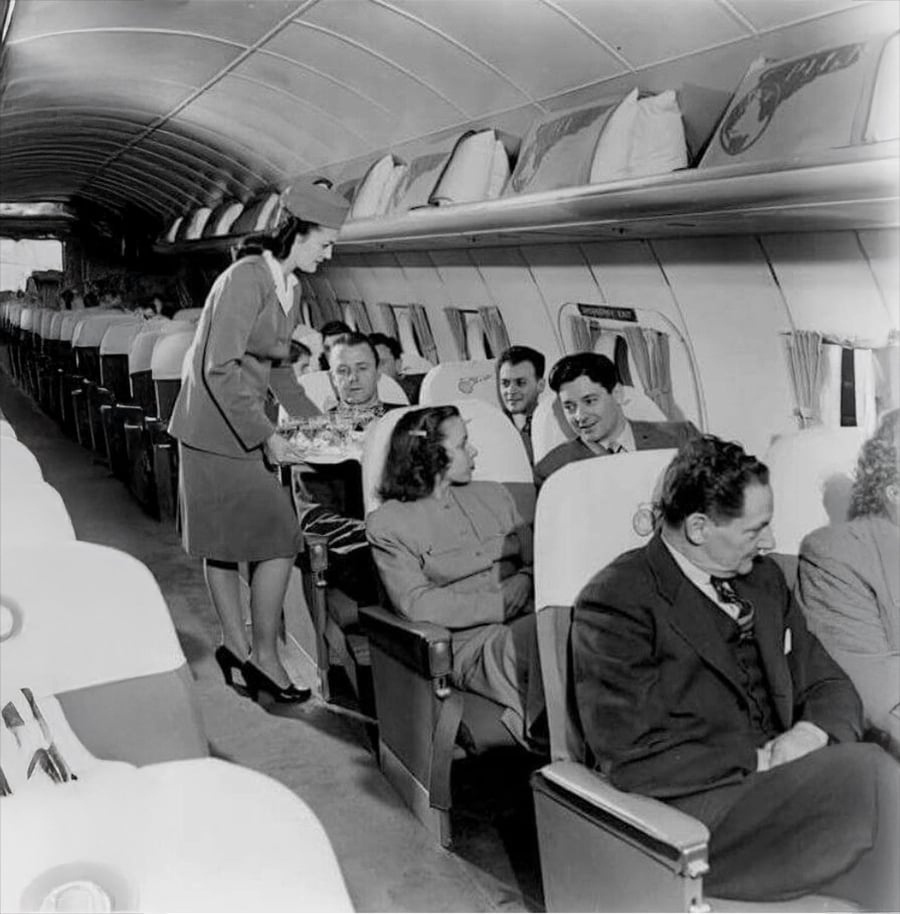
Flying was treated like a special occasion. Passengers often boarded planes wearing suits, dresses, hats, and polished shoes.
Trending on Wealth Gang


6. Smoking Almost Everywhere
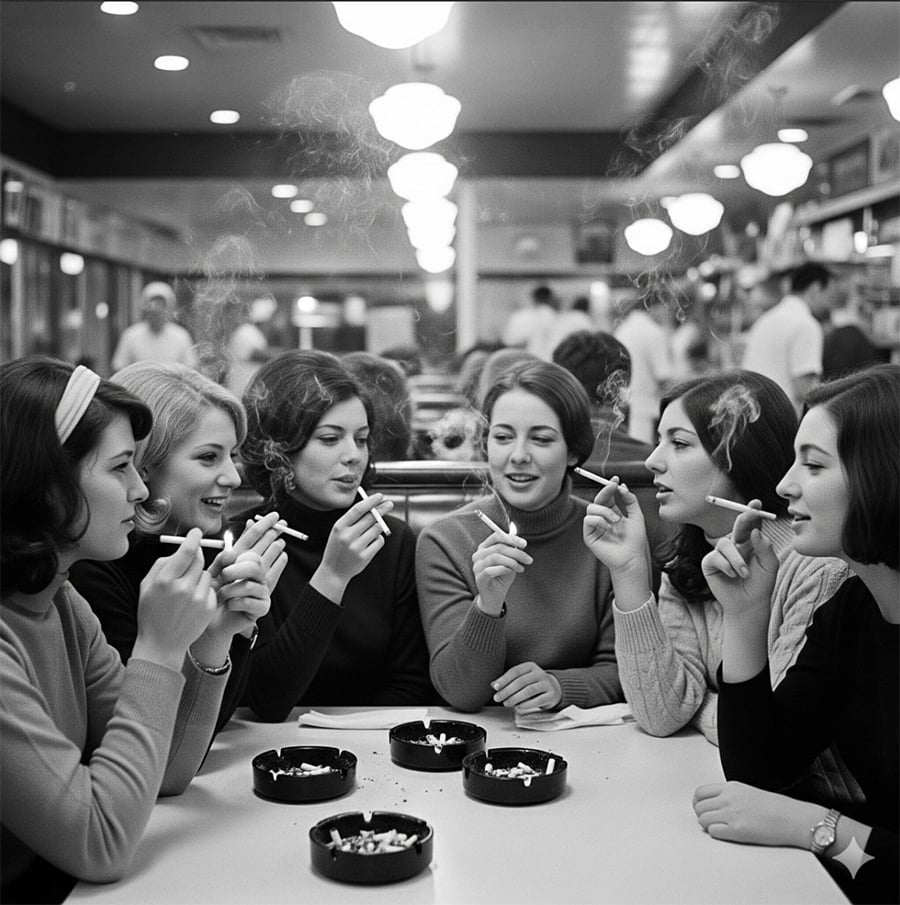
Cigarettes were common in restaurants, offices, airplanes, movie theaters, and even some medical settings.
7. Sending Children Outside for the Entire Day
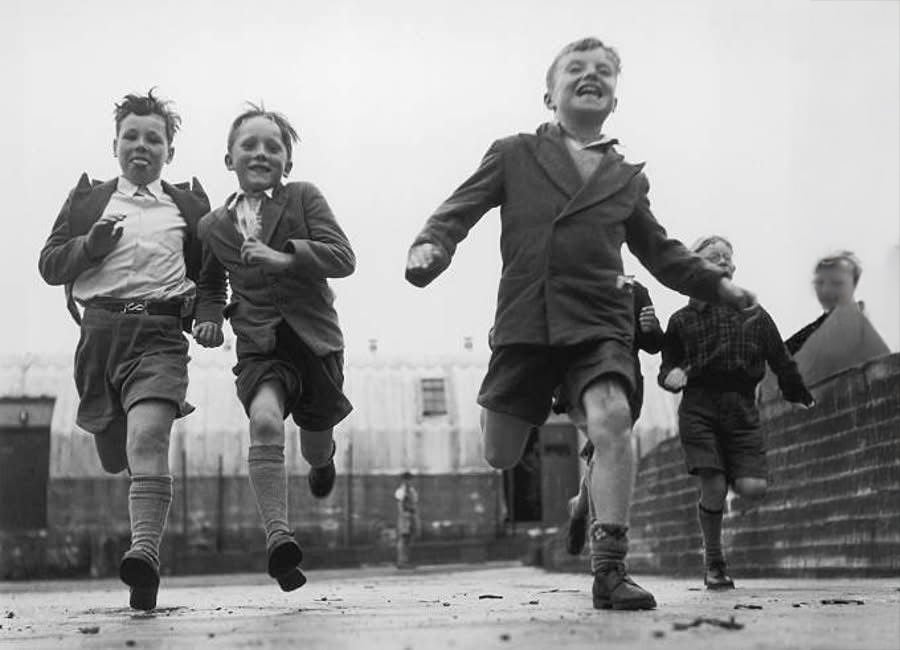
Kids often left home in the morning to ride bicycles or explore the neighborhood and weren’t expected back until dinner.
8. Hanging Laundry Outside to Dry
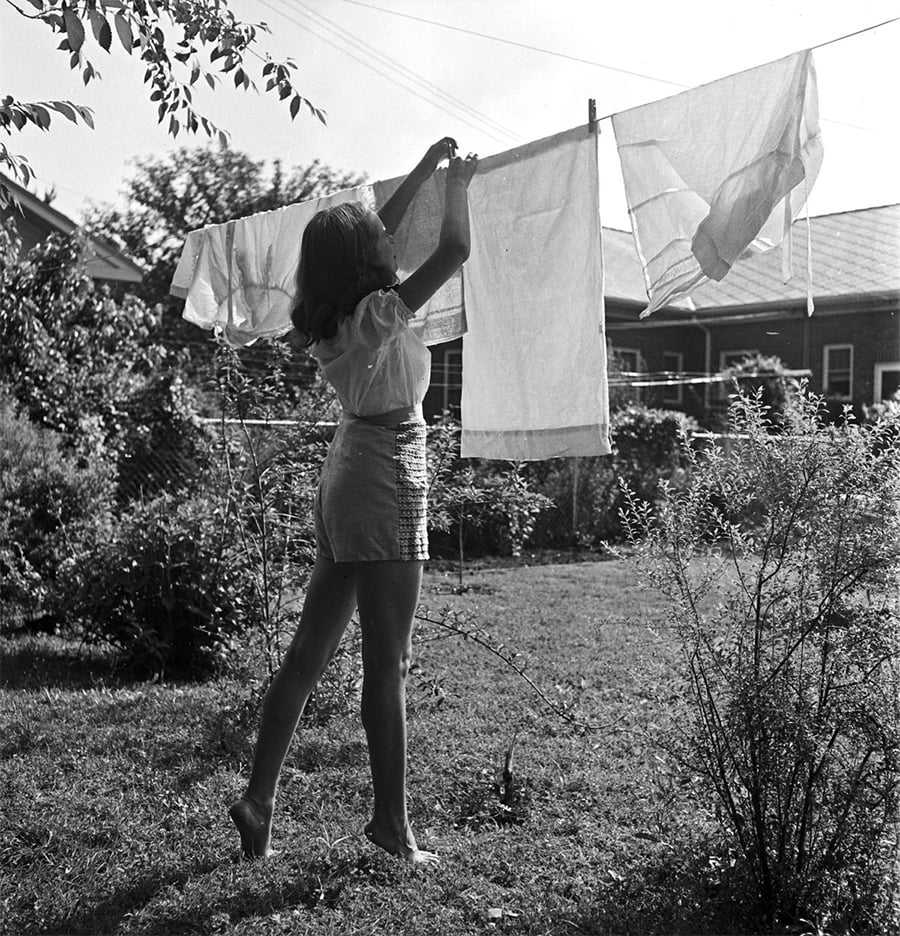
Lucy M / Pinterst.com
Before electric dryers became standard household appliances, clotheslines filled backyards across America.
Sign up for our newsletter
9. Getting News From the Morning Newspaper
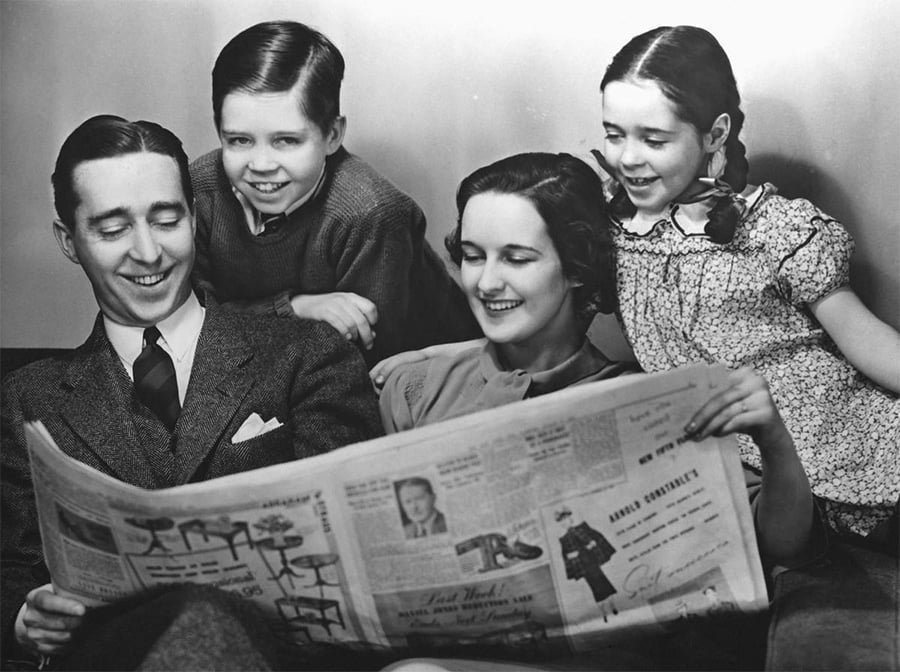
The Independent / Pinterest.com
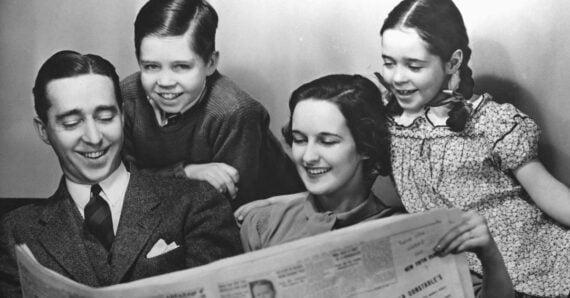
For many households, unfolding the newspaper over breakfast was the primary way to learn what had happened overnight.
10. Using a Phone Book to Find Everyone
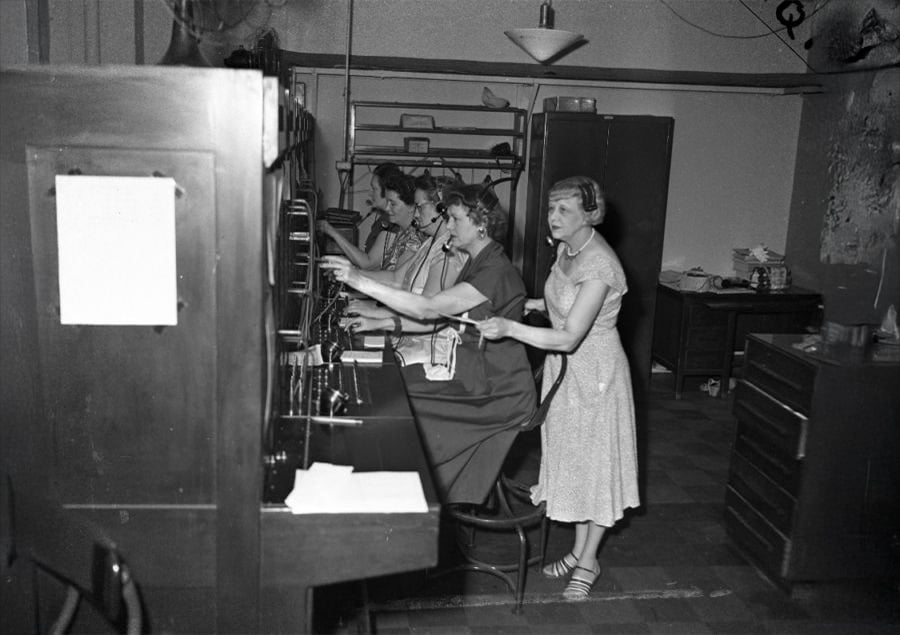
Need a plumber, restaurant, or someone’s home number? The enormous telephone directory was often the first place people looked.
11. Buying Groceries Several Times a Week
Bored Panda / Pinterest.com
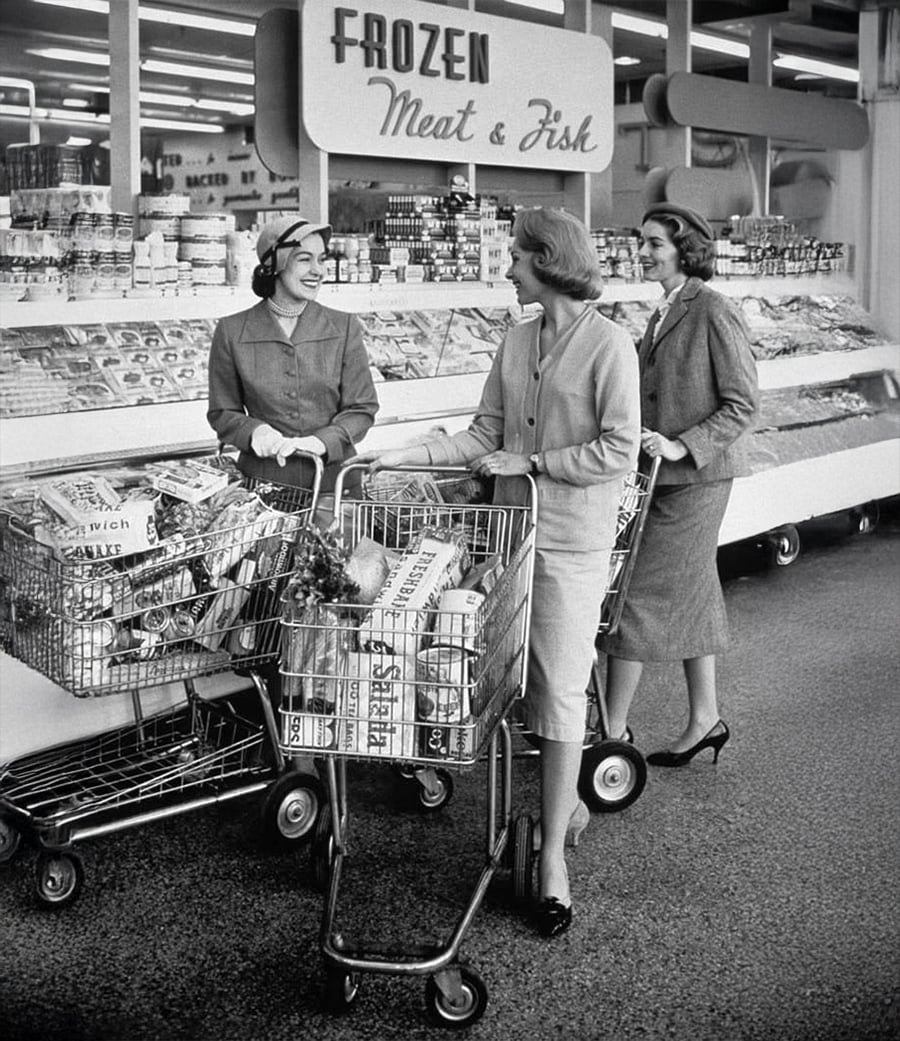
Smaller refrigerators and fewer processed foods meant many households made more frequent trips to local grocery stores, butchers, and bakeries.
12. Repairing Things Instead of Replacing Them
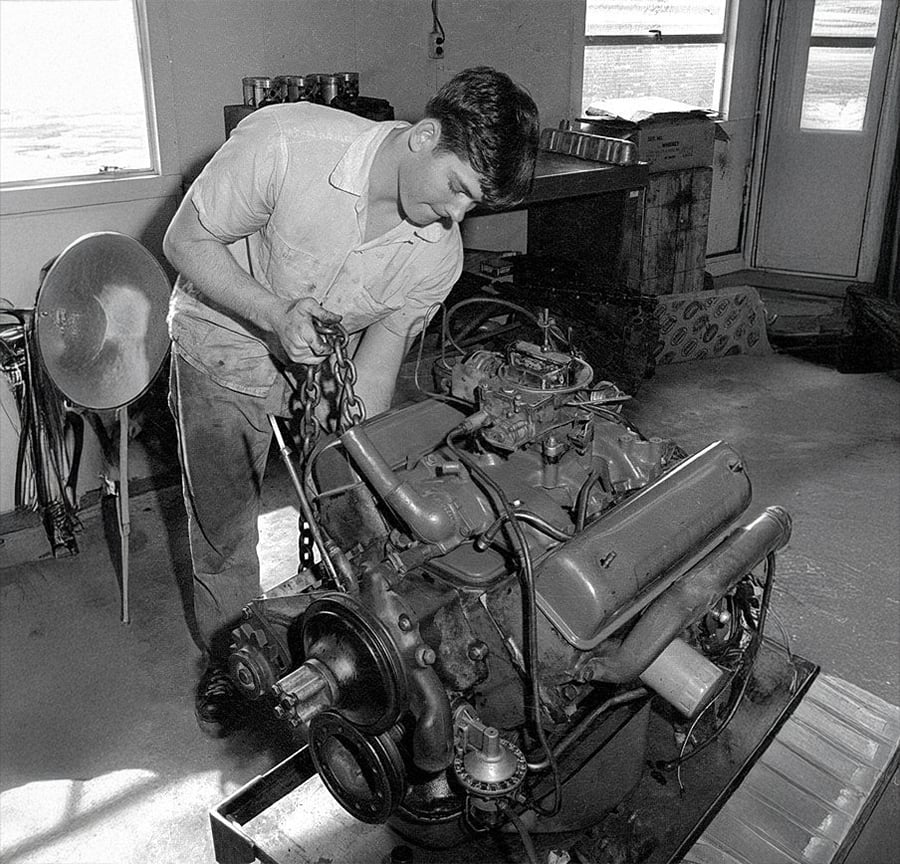
Shoes were resoled, televisions were repaired, clothing was mended, and broken appliances often got another chance instead of going straight into the trash.
13. Using Hand Signals While Driving
Dillon Davis / Pinterest.com
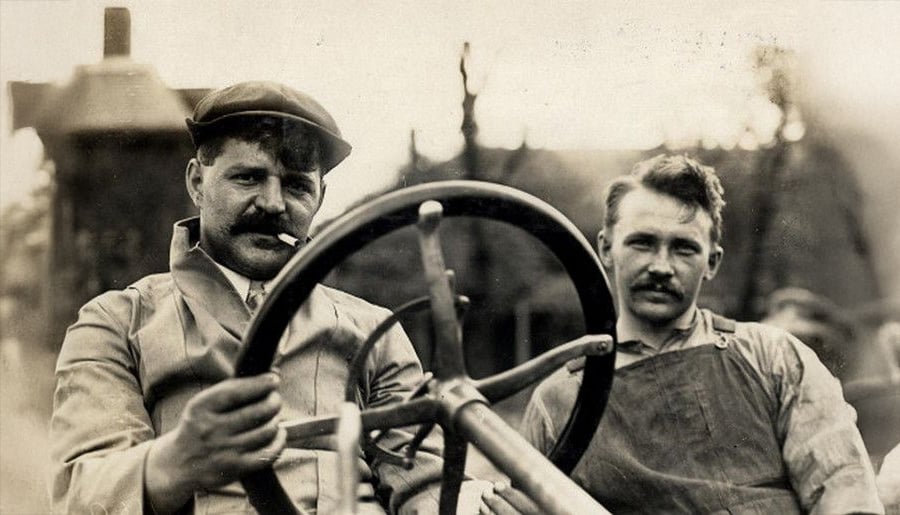
Turn signals weren’t yet universal on every car, so drivers sometimes extended an arm through the window to communicate turns and stops.
14. Letting the Gas Station Attendant Do Everything
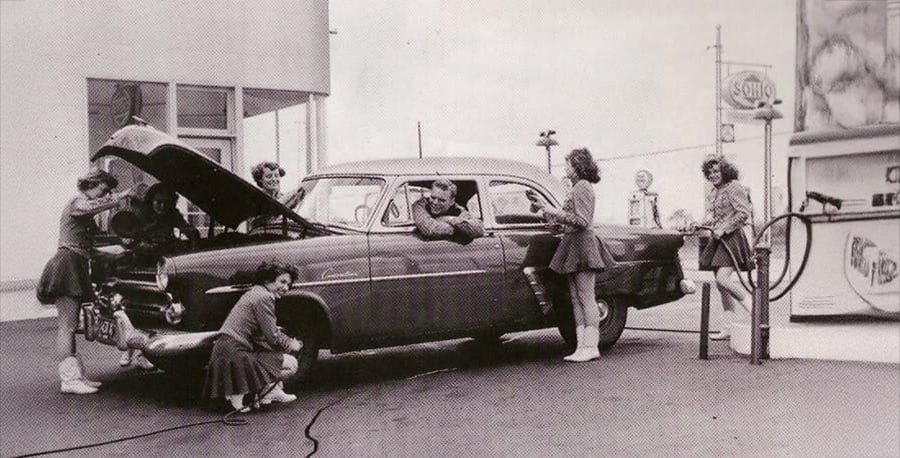
Ken Schilling / Pinterest.com
Drivers routinely stayed in their cars while attendants pumped gas, cleaned windshields, and checked oil levels.
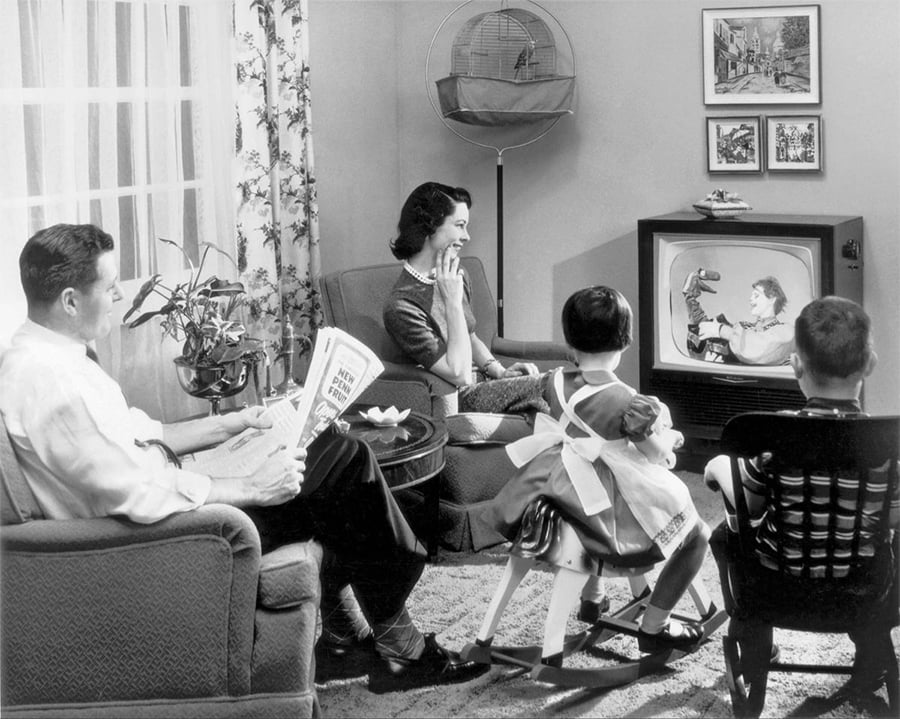
15. Planning an Entire Evening Around One TV Show
More Related Notes
• 15 Things Previous Generations Saved For That People Finance Differently Today
A fascinating look at how families once saved for major purchases instead of relying on long-term financing and monthly payments.
• 16 Purchases That Felt Affordable in the 1990s but Seem Like Luxuries Today
This article explores how rising prices transformed everyday household purchases into major financial commitments for many families.
• 10 Everyday Costs That Have Changed the Most Since 2000
A complementary read examining how inflation and changing economic conditions have reshaped the cost of owning and maintaining a household.