
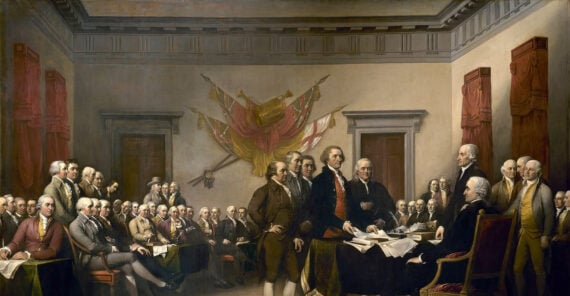
History is full of dramatic events that unfolded long before smartphones, livestreams, and viral hashtags existed. Many of these moments were already chaotic enough without millions of people posting opinions, sharing rumors, and creating memes in real time. If some of the most famous events in history happened today, social media would likely turn them into nonstop spectacles, complete with misinformation, trending debates, and endless online reactions. Here are ten historical moments that would be nearly impossible to manage in the age of social media.
1. The Titanic Sinking
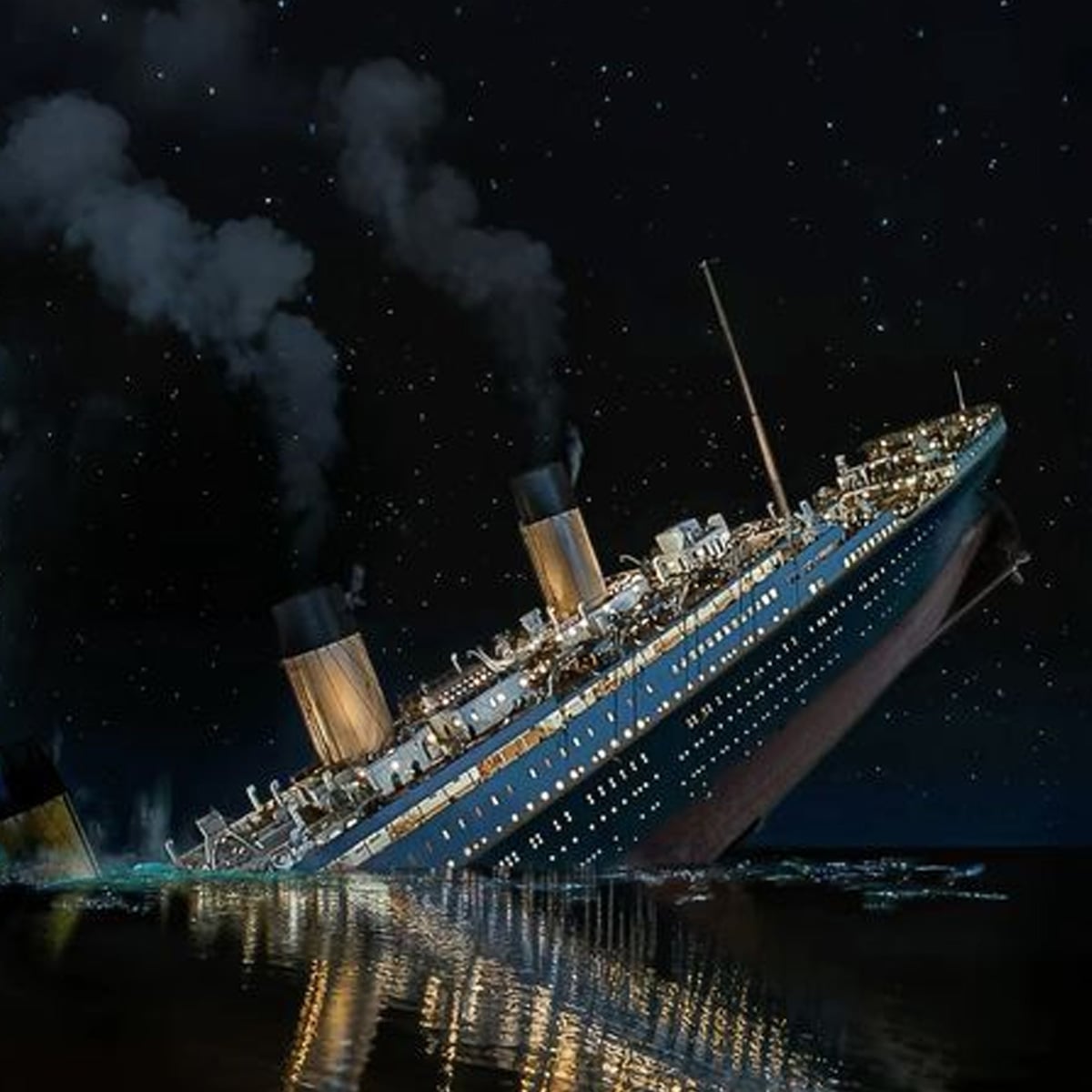
When the Titanic struck an iceberg in 1912, information traveled slowly through newspapers and telegraphs. If the disaster happened today, passengers would be posting videos from the decks, livestreaming evacuation efforts, and sharing conflicting reports about the ship’s condition. Social media would explode with speculation long before official information became available.
2. The Moon Landing
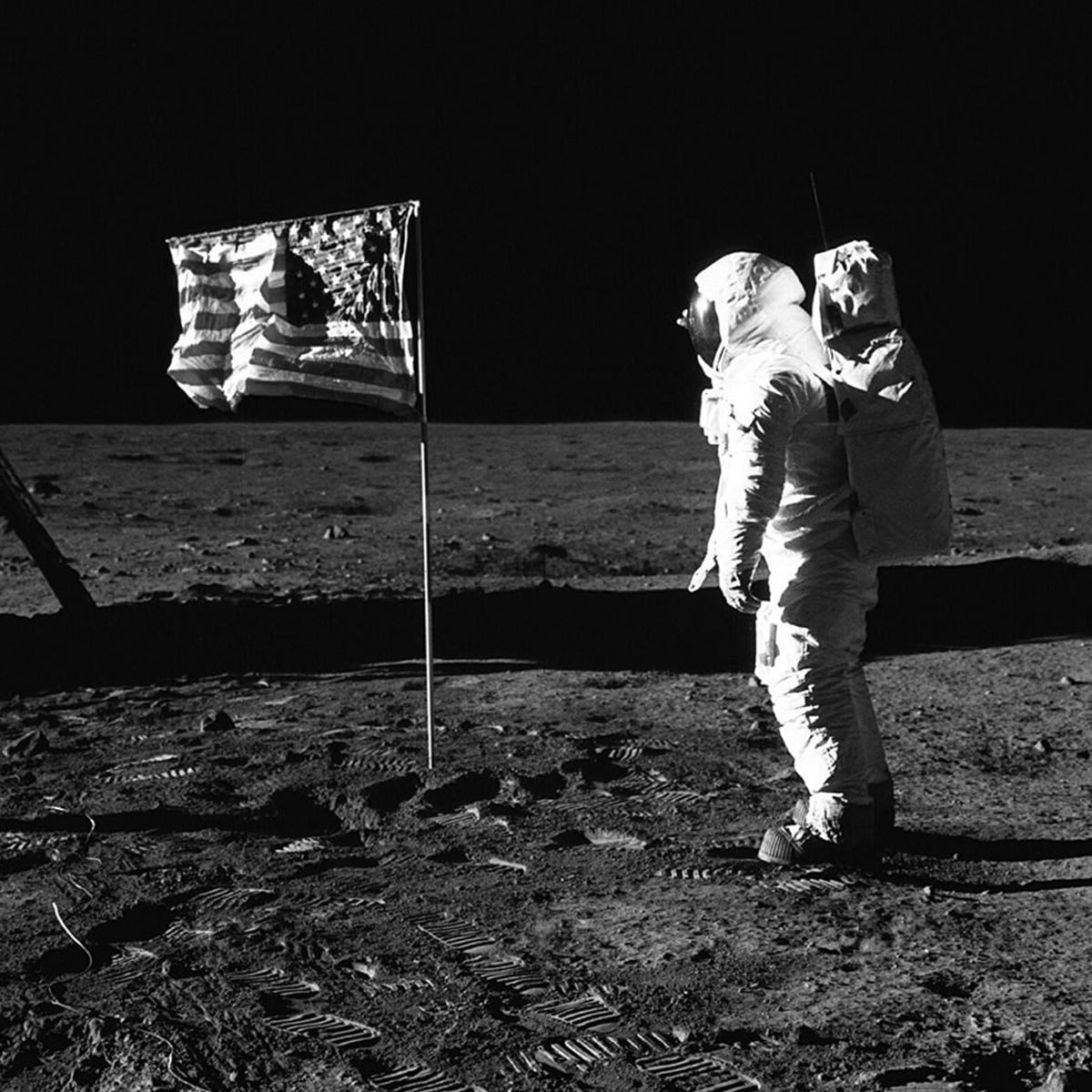
The first Moon landing in 1969 remains one of humanity’s greatest achievements. Yet if it happened today, social media would likely be filled with conspiracy theories within minutes. Every camera angle, transmission delay, and technical detail would be analyzed by millions of amateur experts claiming the event was staged despite overwhelming evidence.
3. The Discovery of King Tut’s Tomb
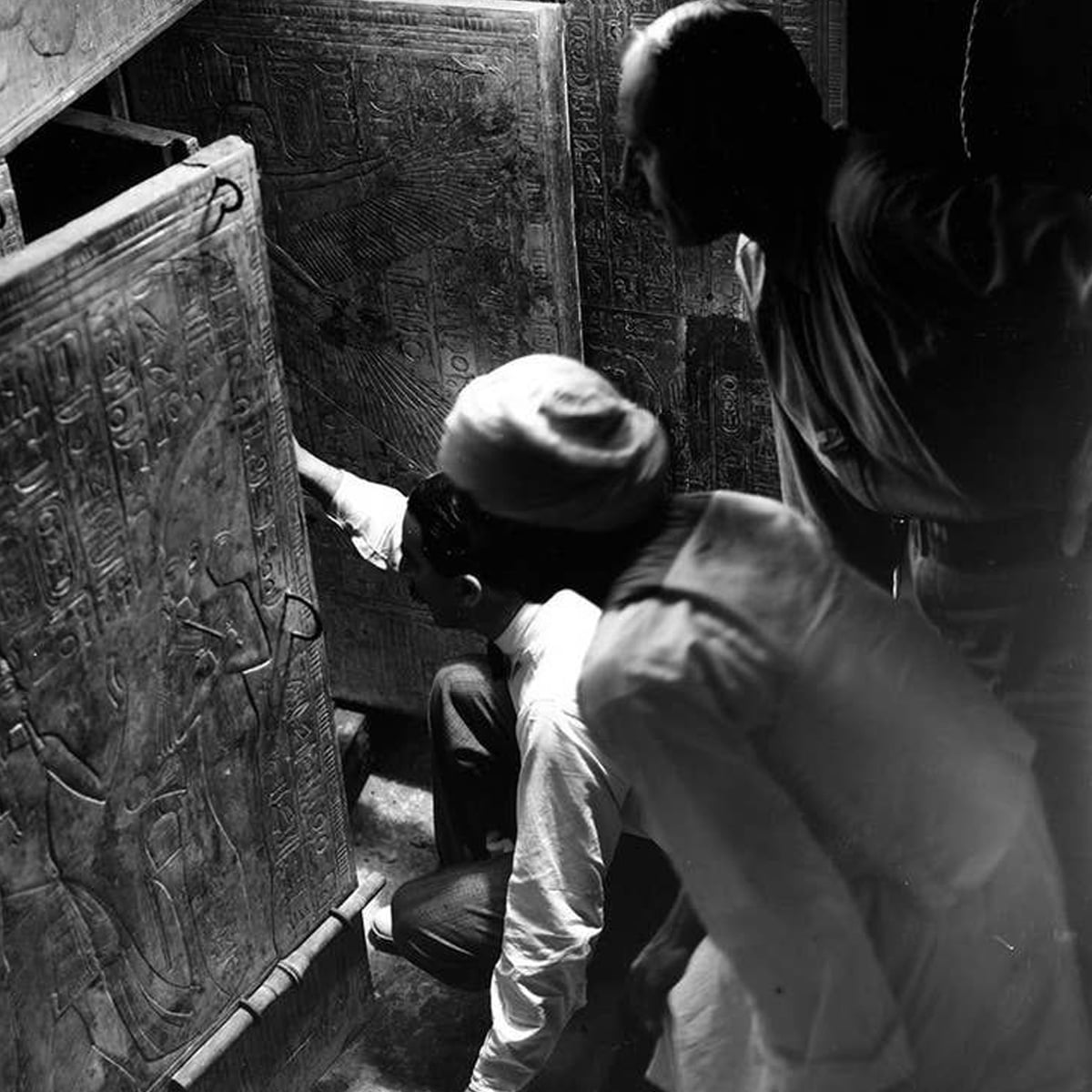
When archaeologists uncovered the tomb of King Tutankhamun in 1922, the news fascinated the world. Today, every artifact would be photographed, leaked, and debated online instantly. Rumors about hidden treasures, curses, and secret chambers would trend globally before researchers had a chance to complete their work.
4. The Fall of the Berlin Wall
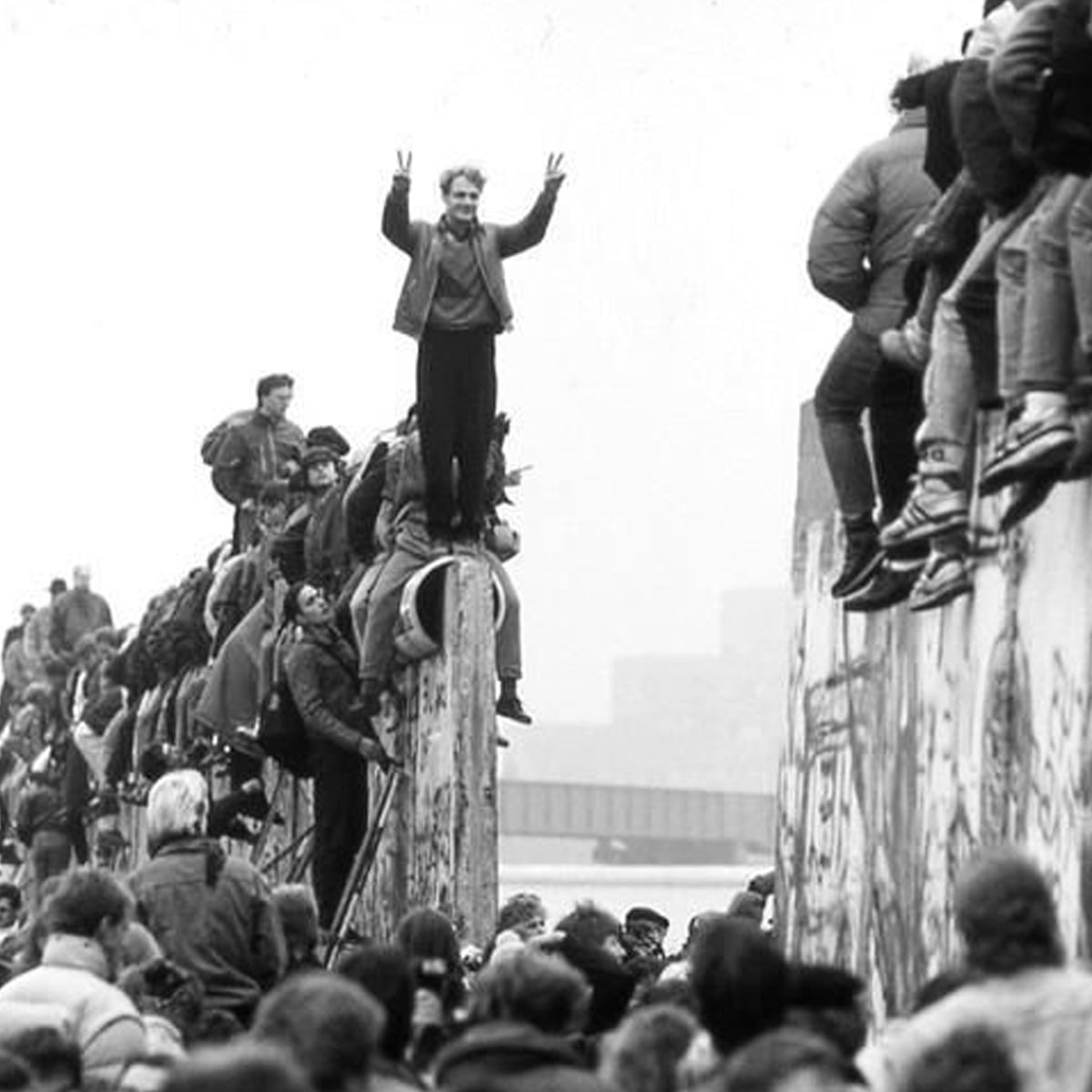
The fall of the Berlin Wall in 1989 symbolized the end of an era. While videos and photos documented the celebrations, social media would have amplified every moment exponentially. Hashtags, viral clips, and political arguments would dominate feeds worldwide as millions weighed in on the significance of the event.
5. The Gold Rush
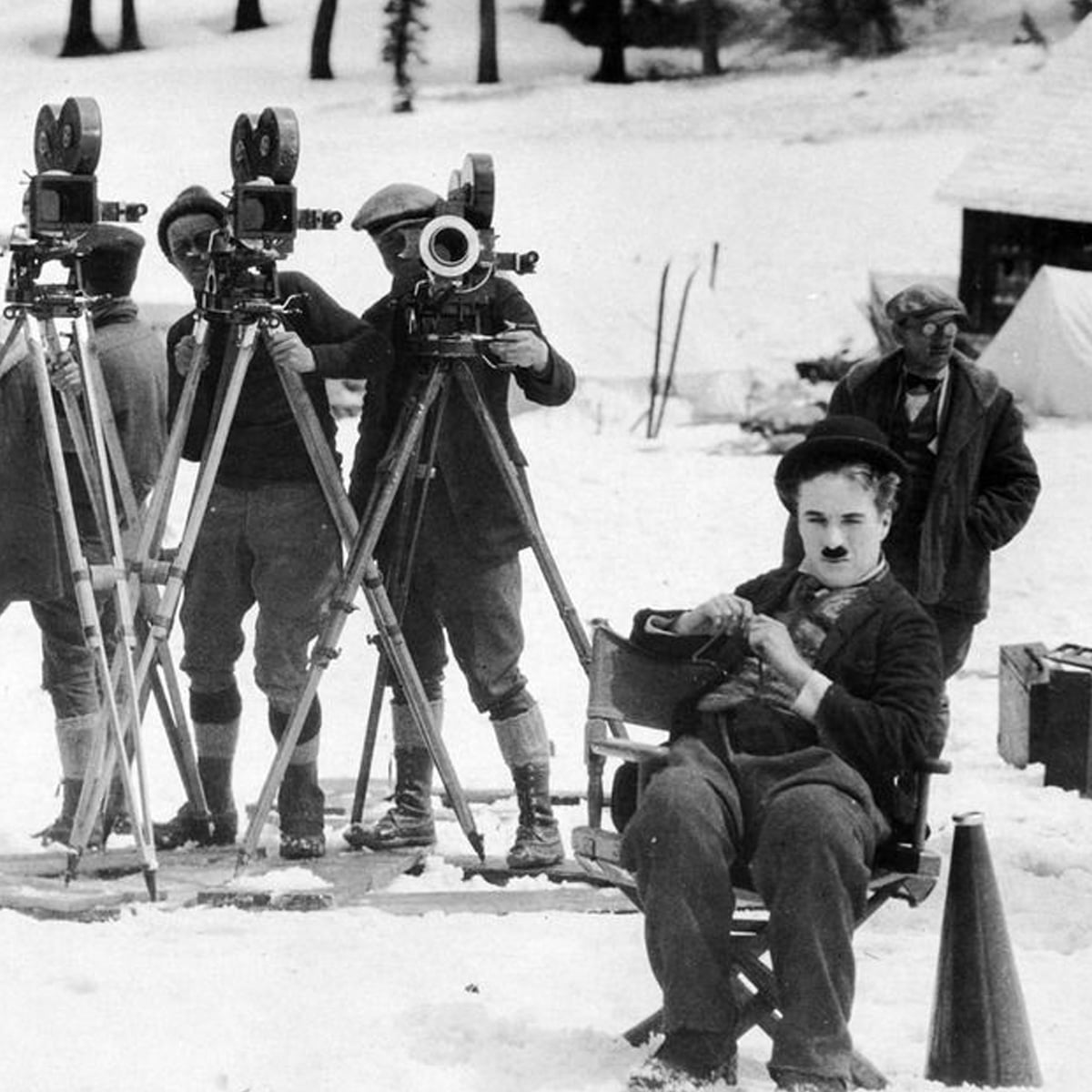
The California Gold Rush attracted thousands of people hoping to strike it rich. Imagine social media influencers posting videos of gold discoveries and claiming anyone could become wealthy overnight. The fear of missing out alone would likely send millions scrambling to participate before verifying whether the opportunity was real.
Trending on Wealth Gang


6. The Wright Brothers’ First Flight
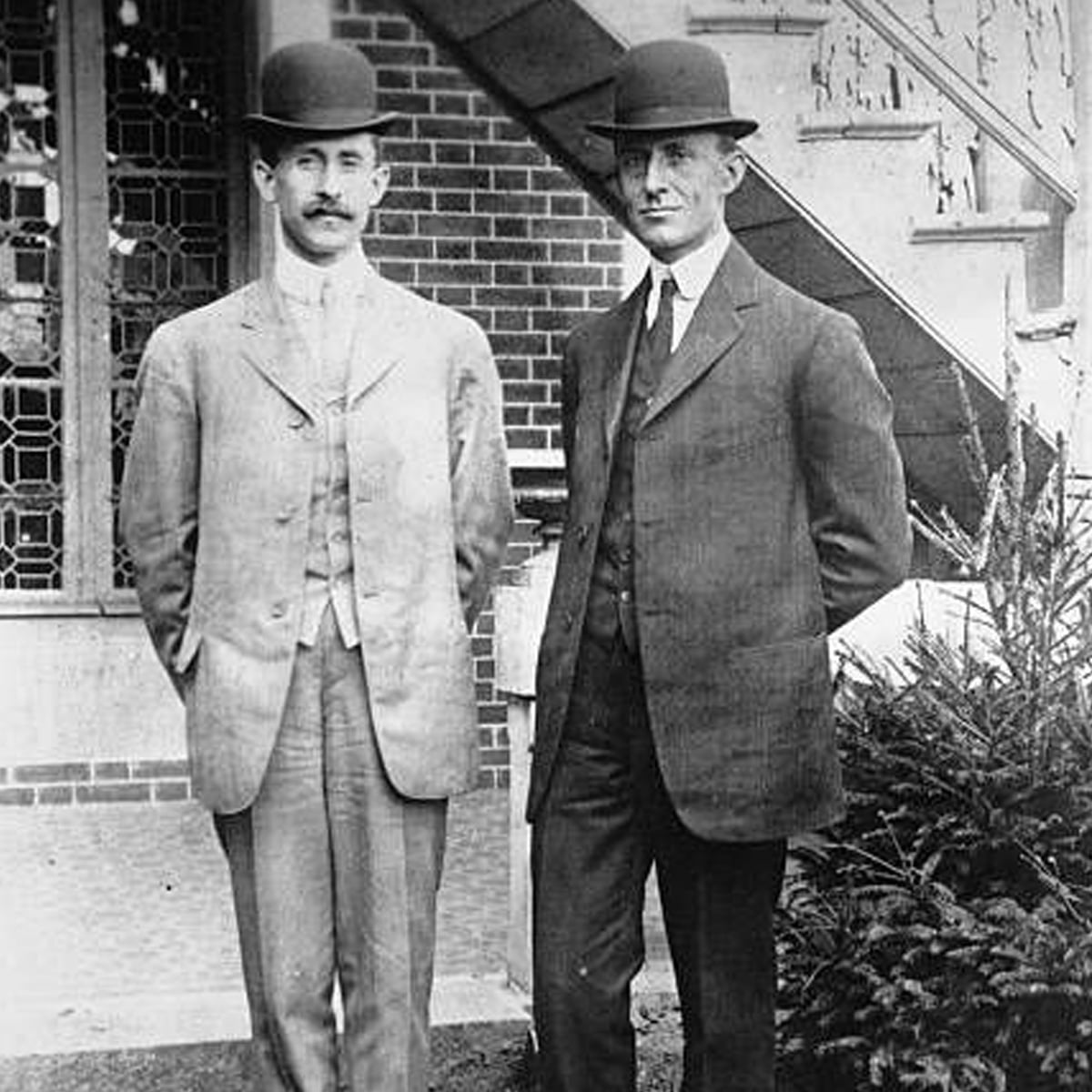
When the Wright brothers achieved powered flight in 1903, only a handful of witnesses saw it happen. Today, footage of the flight would instantly circulate online. Skeptics would question the authenticity of the videos, while aviation enthusiasts would dissect every frame and argue endlessly about the technology.
7. The Great Fire of London
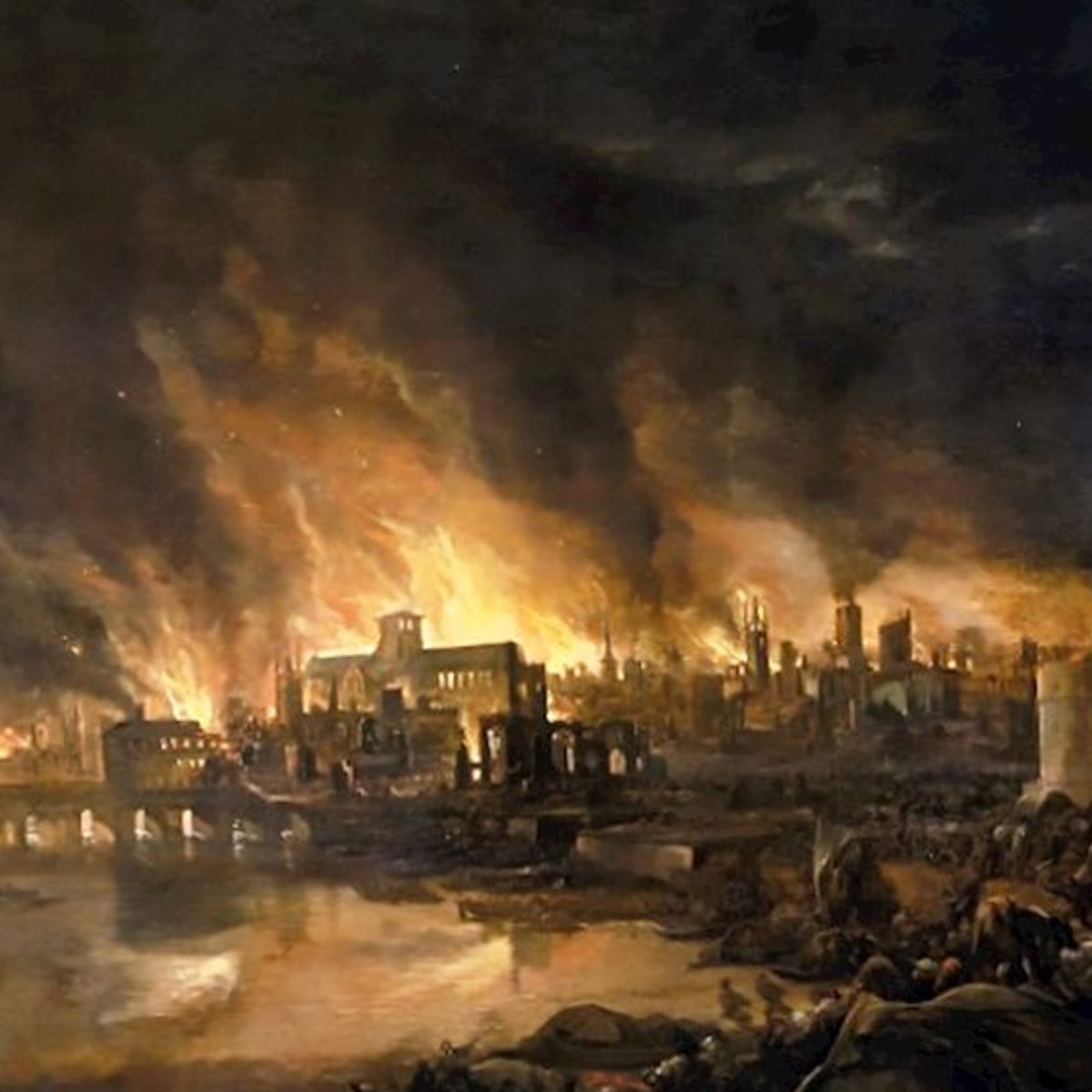
The Great Fire of London destroyed much of the city in 1666. In the modern era, social media would be flooded with dramatic footage, evacuation updates, and countless unverified claims about the fire’s cause. Authorities would struggle to separate facts from viral misinformation while responding to the emergency.
8. The Discovery of Machu Picchu
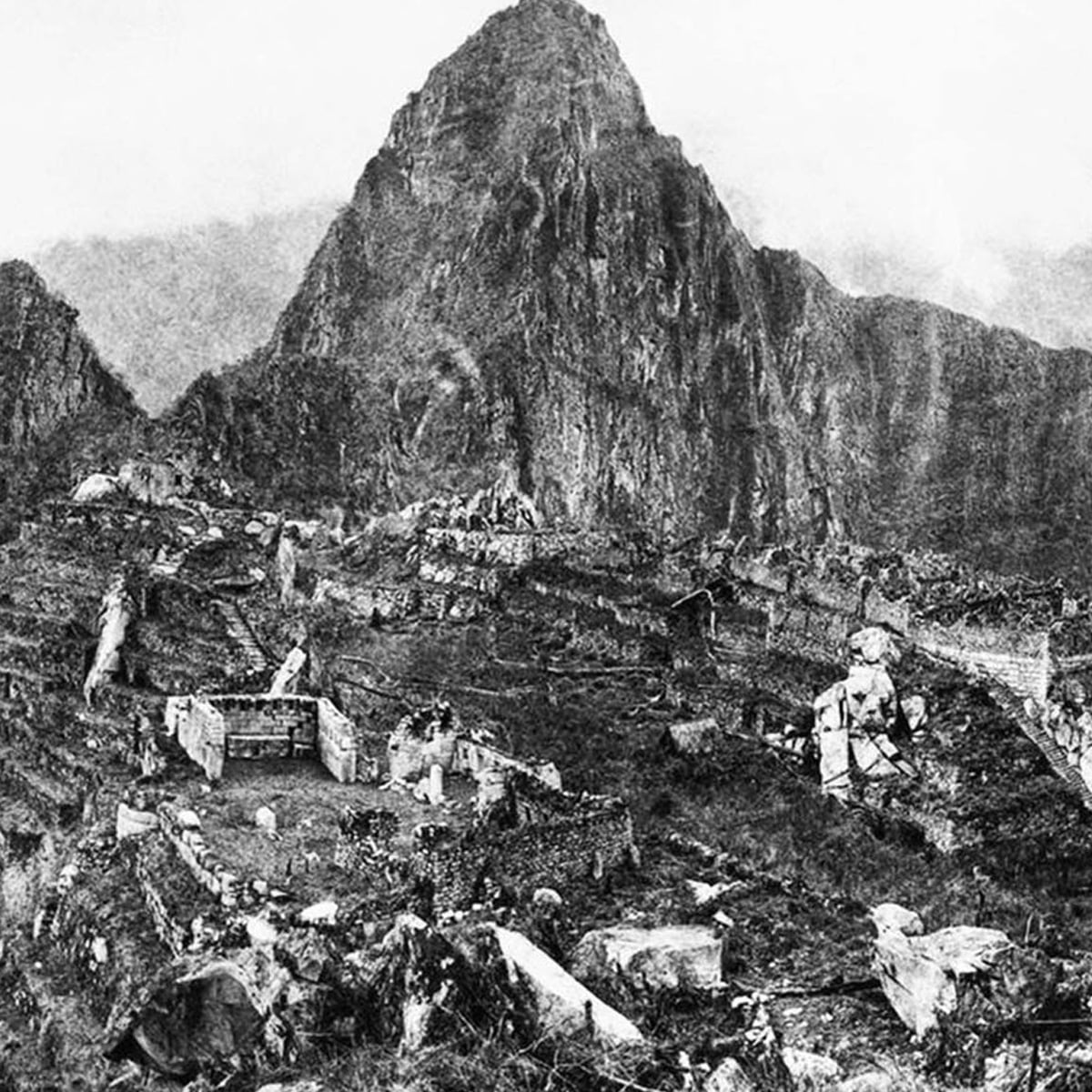
When explorer Hiram Bingham introduced Machu Picchu to the wider world in 1911, the site remained relatively protected from immediate mass tourism. Today, viral travel content would spread instantly, potentially overwhelming the location with visitors before preservation efforts could be established.
Sign up for our newsletter
9. The First Successful Heart Transplant
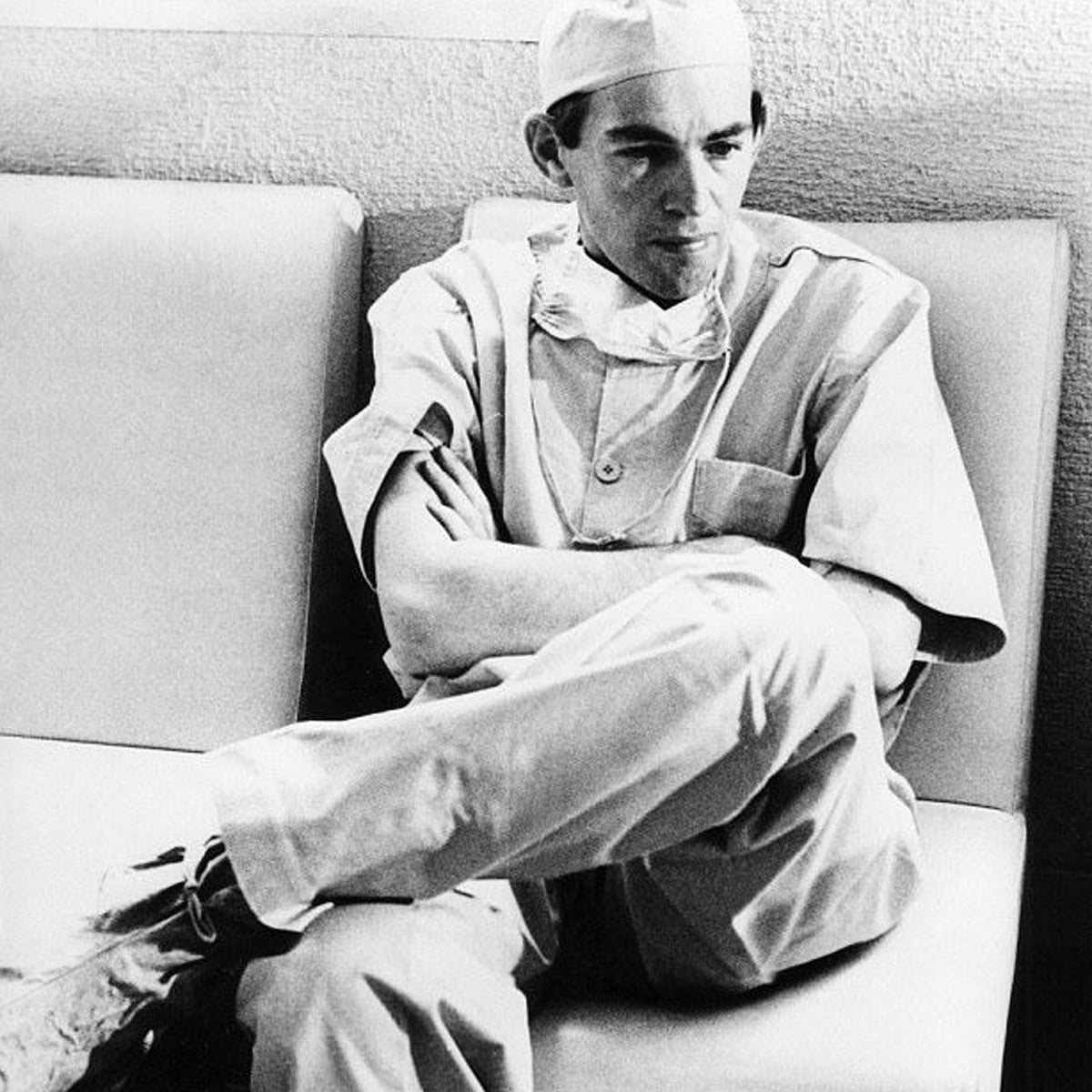
The first successful human heart transplant in 1967 was a groundbreaking medical achievement. Social media would likely transform the event into a heated global debate involving ethics, medical innovation, patient privacy, and misinformation about the procedure’s risks and success rates.
10. The Signing of the Declaration of Independence
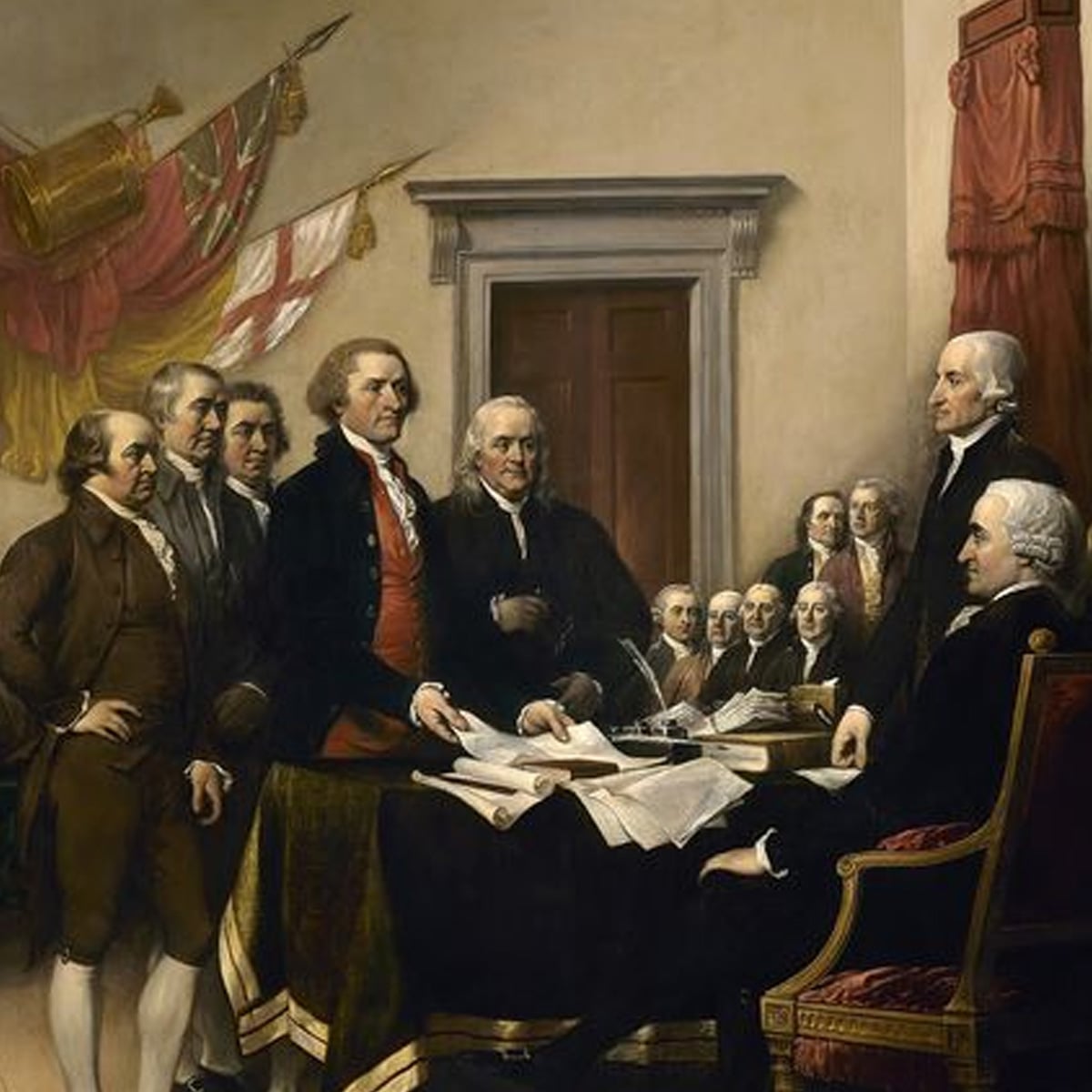
The signing of the Declaration of Independence in 1776 was one of the most important political moments in history. If social media existed at the time, every draft, disagreement, and negotiation would leak online. Political factions would wage nonstop battles in comment sections while hashtags supporting and opposing independence trended across the colonies.
More Related Notes
• No One Saw It Coming, But These 10 Things Are Now Normal
A look at how public reactions, communication, and cultural norms have changed dramatically in the digital age.
• 12 recent inventions that people don’t realize are essential to everyday life
This article explores recent inventions that quietly became essential, shaping everyday routines in ways many people barely notice.
•12 Summer Trends That Unexpectedly Came Back
A complementary read about modern behaviors and online habits that became widespread through social influence and collective trends.