Vintage food packages from familiar American brands can make an ordinary trip down memory lane surprisingly entertaining. Long before today’s polished logos and carefully coordinated supermarket shelves, popular foods came in illustrated boxes, brightly colored tins, unusual wrappers, and designs that now look like they belong in an antique store.
Some of these brands have been around for more than a century, but their packaging hasn’t always been so recognizable. A few completely reinvented their appearance, while others slowly traded elaborate artwork for simpler, bolder designs. From snack bags to breakfast favorites, these 18 vintage packages reveal just how different familiar groceries once looked.
1. Doritos Original Tortilla Chip Bags
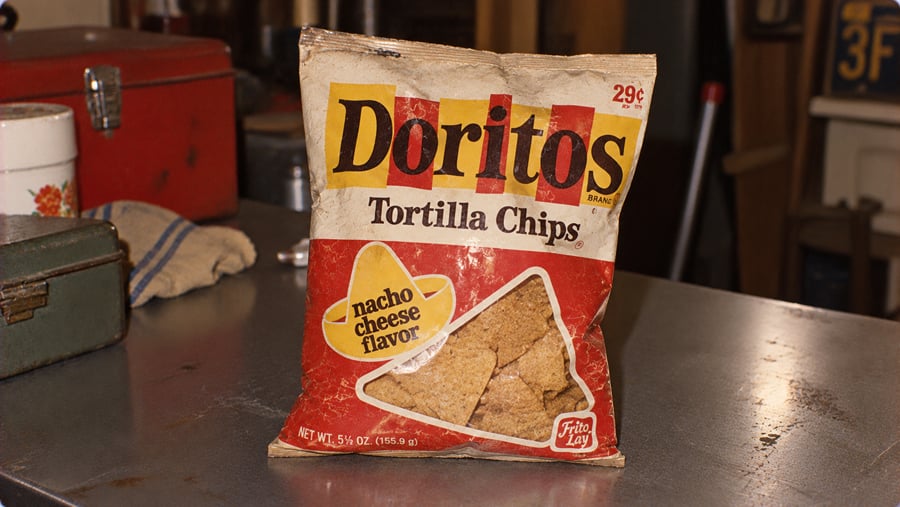
The first Doritos bags from the 1960s looked surprisingly different from the bold, angular designs found in stores today. Early packaging leaned into a playful, retro look with colorful graphics and a much simpler presentation. Long before fiery flavors and dramatic chip photography dominated the bags, Doritos looked like a cheerful new snack trying to find its place on supermarket shelves.
2. Kraft Macaroni & Cheese Boxes
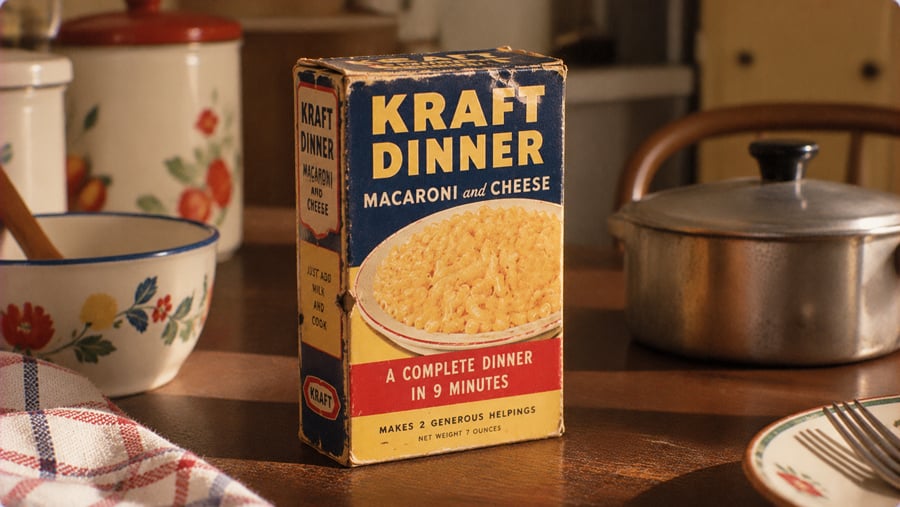
Kraft introduced its boxed macaroni and cheese in 1937, when convenience foods were becoming increasingly attractive to American families. Early packaging looked far more traditional than the bright blue boxes associated with the product today. The original designs emphasized practicality and value rather than the playful, highly recognizable branding that later generations grew up seeing.
3. Lay’s Potato Chip Bags
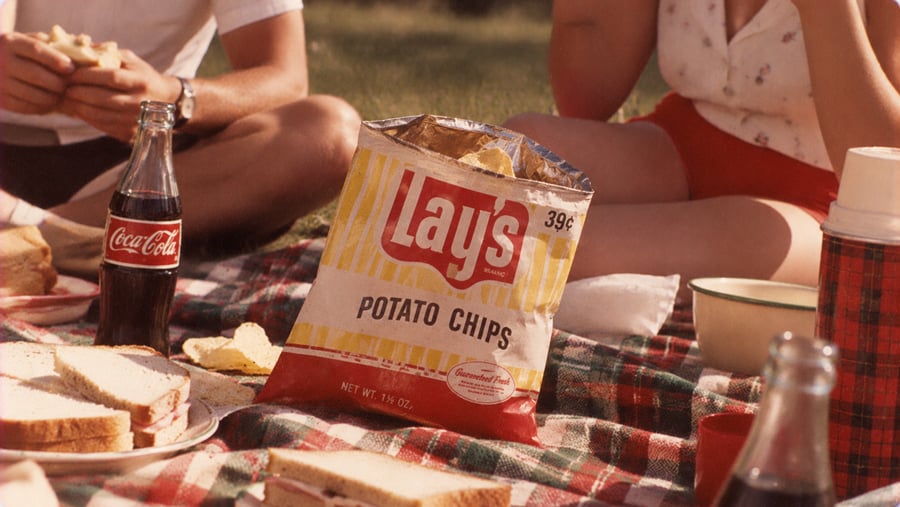
Lay’s has been selling potato chips for generations, but its earliest packaging had little in common with the glossy yellow bags seen today. Vintage versions featured different lettering, simpler layouts, and designs that reflected the advertising styles of their time. Looking at an old Lay’s bag is a reminder that even the most familiar snack brands had to experiment before finding their signature look.
4. Oreo Cookie Packages
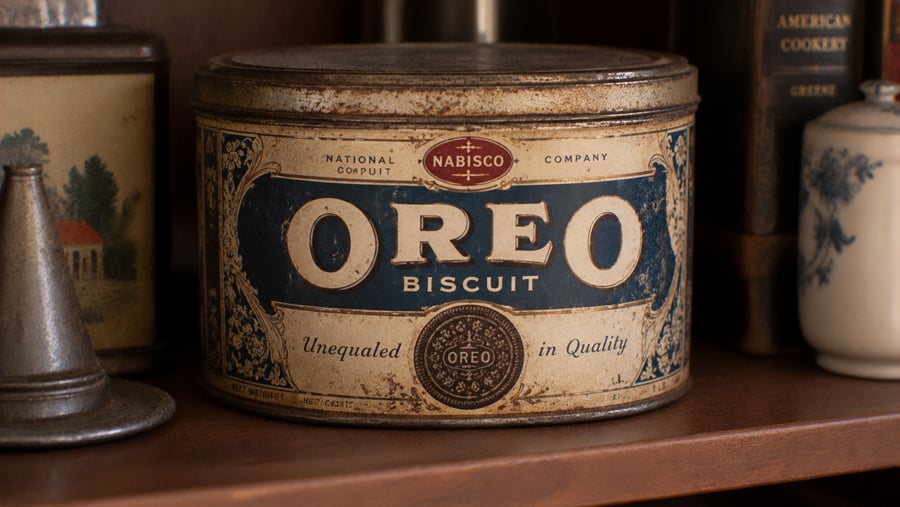
Oreo cookies have been around since 1912, and their early packaging was a world away from the blue plastic packages shoppers recognize today. The cookies were originally sold in decorative tins and later appeared in various boxes and wrappers. Those early containers made an everyday cookie look almost like a specialty gift rather than something to toss into a shopping cart.
5. M&M’s in Cardboard Tubes
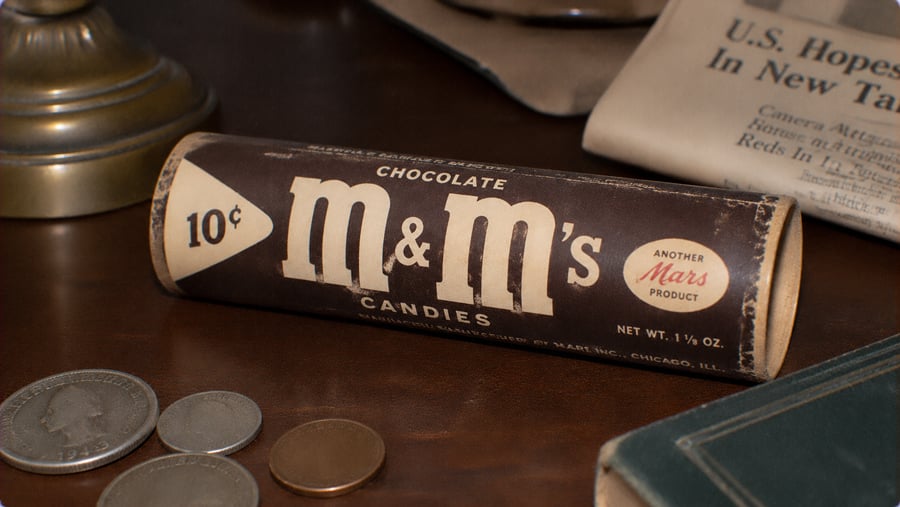
Before M&M’s became synonymous with colorful candy bags, the chocolates were sold in small cardboard tubes. Introduced in 1941, the original packaging was compact, practical, and easy to carry, with a completely different appearance from the bright pouches found at checkout counters today. Imagine reaching for a bag of M&M’s and finding something that looked more like a miniature mailing tube.
Trending on Wealth Gang

6. Hershey’s Chocolate Syrup in Metal Cans
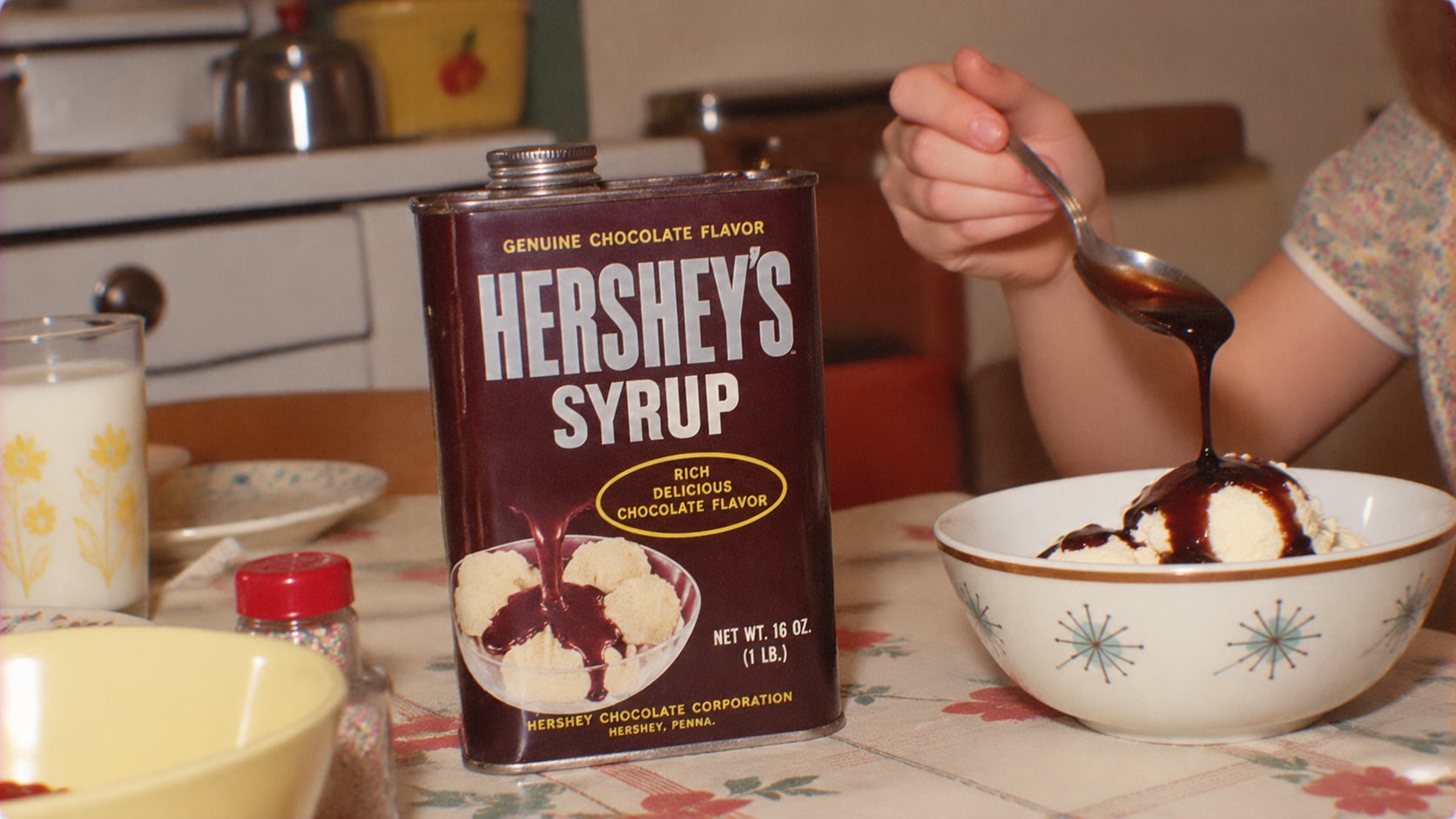
Hershey’s chocolate syrup once came in metal cans that had to be opened before anyone could pour a little chocolate over their ice cream. Earlier cans required a can opener, while later versions introduced easier openings. Today’s familiar squeeze bottles make the process considerably less complicated. The old cans, however, had the unmistakable look of a pantry staple from another generation.
7. Minute Maid Orange Juice in Frozen Concentrate Cans
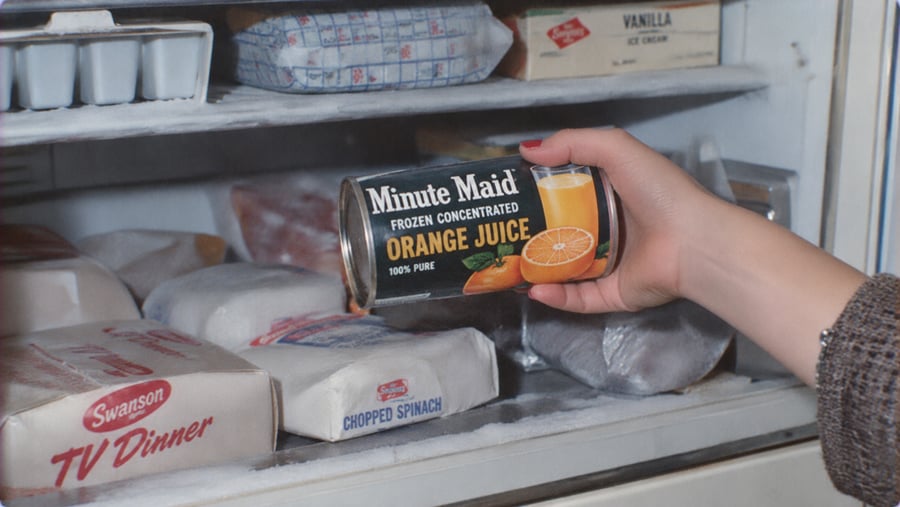
Before orange juice was something people simply poured from a carton, Minute Maid helped popularize frozen orange juice concentrate. The product came in small cylindrical cans that families kept in the freezer, then mixed with water to make breakfast juice. Compared with today’s large refrigerated cartons and plastic bottles, those little cans look like a completely different kind of grocery purchase.
8. Swanson TV Dinners in Aluminum Trays
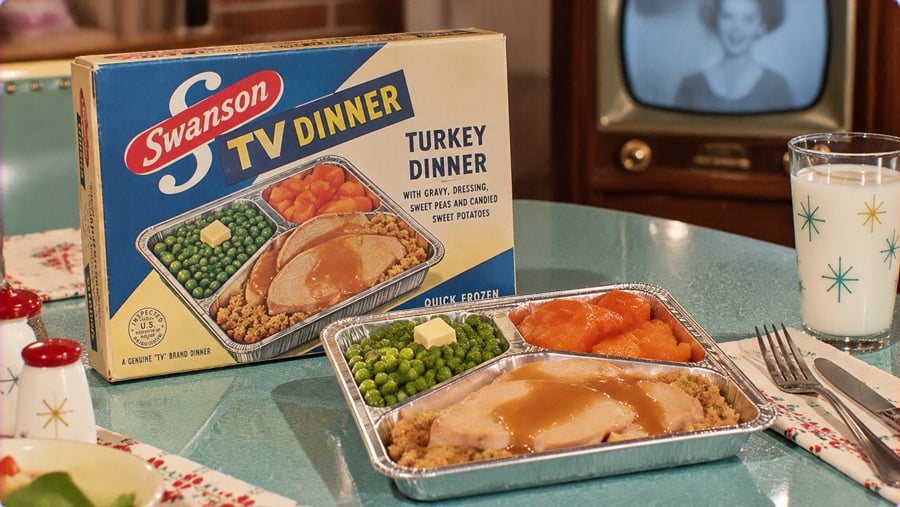
When Swanson introduced its famous TV dinner in 1953, the meal arrived in a divided aluminum tray inside a colorful cardboard box. The tray went into a conventional oven, and each compartment kept the turkey, vegetables, and potatoes neatly separated. Modern frozen meals frequently use microwave-safe trays, making those original aluminum dinners look like tiny cafeteria meals from another planet.
Sign up for our newsletter
9. Welch’s Jelly in Reusable Drinking Glasses
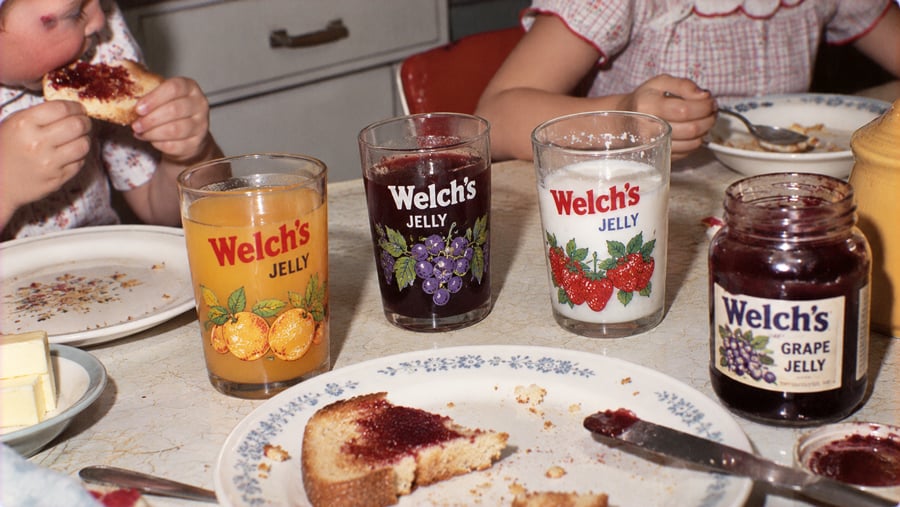
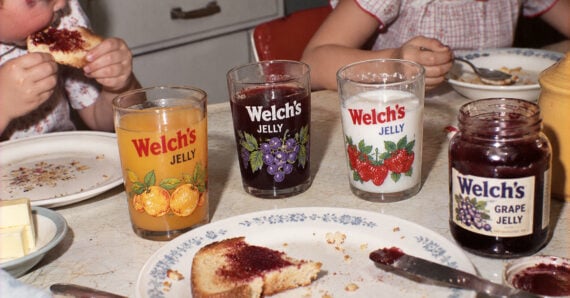
Some vintage Welch’s jelly products came in decorated glass containers designed to be reused as drinking glasses. Families could finish the jelly, wash the container, and add another glass to the kitchen cabinet. The brand’s modern jars and squeeze bottles don’t offer quite the same surprise. For many households, collecting the glasses was almost as memorable as eating the jelly.
10. Gerber Baby Food in Glass Jars
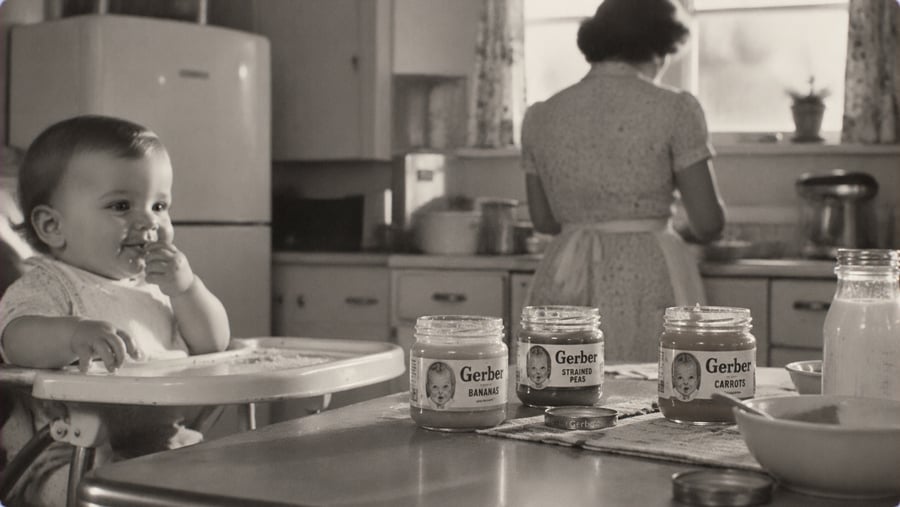
For decades, Gerber baby food was closely associated with small glass jars and metal lids. The packaging became such a familiar part of American kitchens that empty jars often ended up storing buttons, screws, or other tiny household items. While Gerber still sells some food in jars, today’s flexible pouches represent a very different approach to feeding babies, especially when parents are away from home.
11. McDonald’s Burgers in Foam Clamshell Boxes
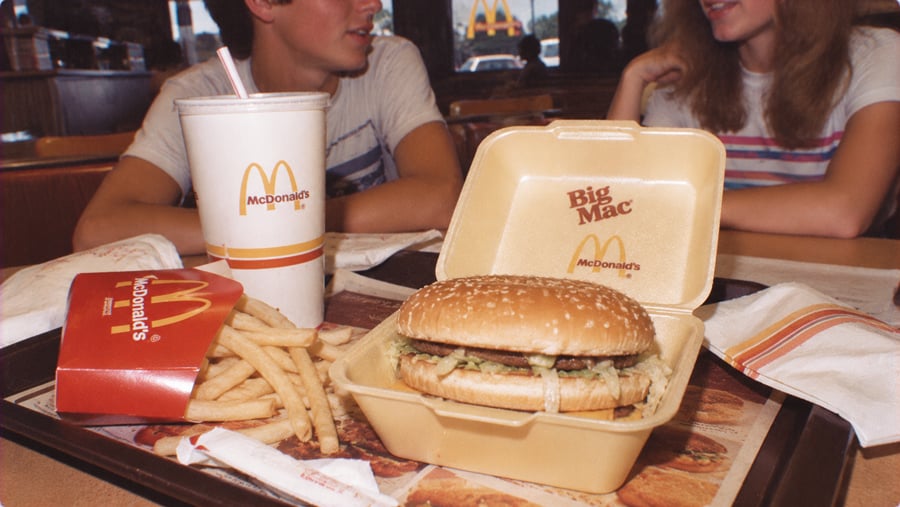
There was a time when opening a McDonald’s burger meant lifting the lid of a rigid foam container. These clamshell boxes became especially familiar during the 1970s and 1980s, before environmental concerns helped push the chain toward paper-based alternatives. Today’s cardboard boxes and wrappers look very different from those bulky containers that once filled fast-food trays and trash cans.
12. Crisco Shortening in Metal Cans
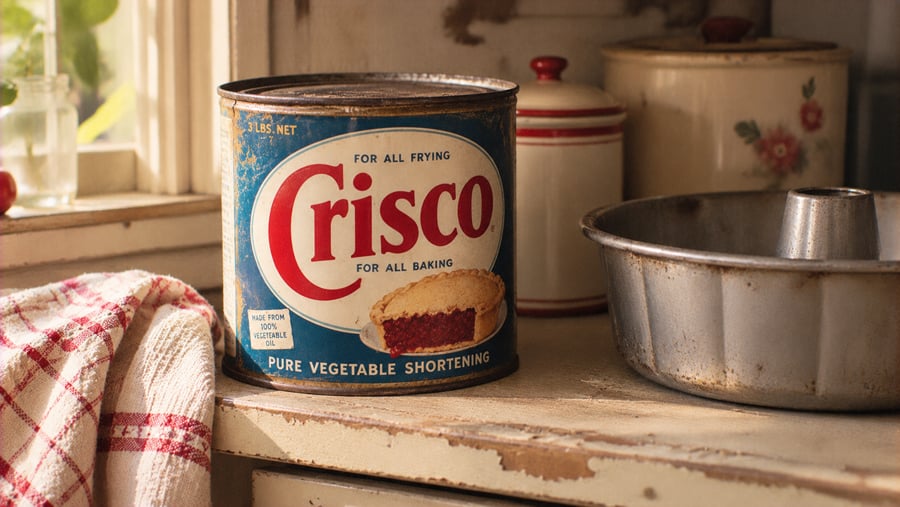
Crisco has been part of American kitchens since 1911, but its packaging has changed considerably. Vintage shortening came in sturdy metal cans, sometimes with elaborate printed designs that made the product look more like paint than a modern baking ingredient. Today’s familiar blue plastic tubs are lighter and easier to open, although those old Crisco cans certainly had a distinctive presence in the pantry.
13. Log Cabin Syrup in Cabin-Shaped Metal Tins
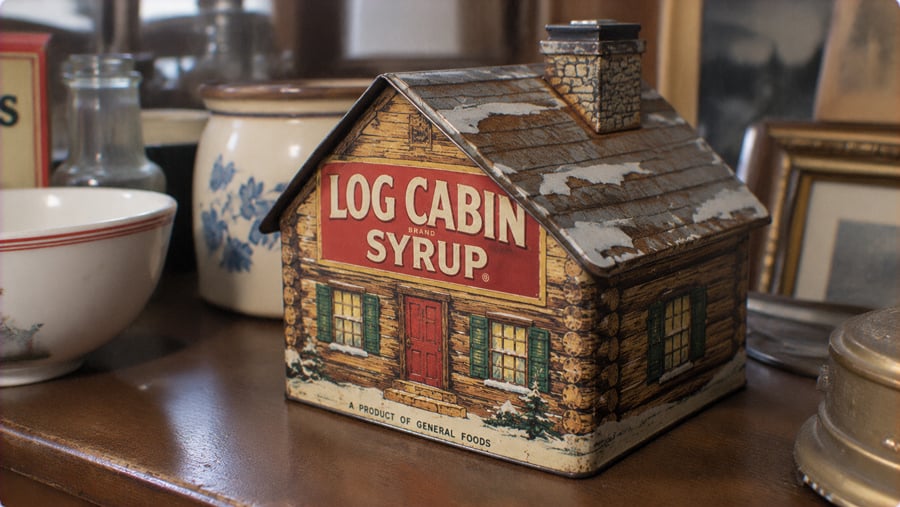
Some of the most memorable vintage syrup containers were designed to look like tiny log cabins. Log Cabin sold syrup in novelty metal tins shaped like rustic houses, complete with roof details that made breakfast packaging feel like a miniature souvenir. Compared with the brand’s modern plastic bottles, those old containers look almost too charming to throw away. No wonder collectors still seek them out.
14. Hawaiian Punch in Giant Metal Cans
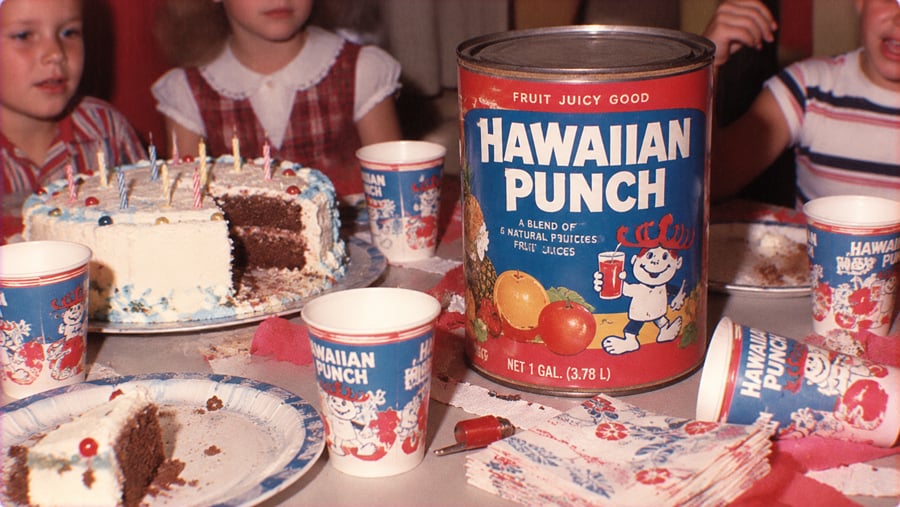
Before Hawaiian Punch became a familiar sight in plastic gallon jugs and juice boxes, the fruity drink was sold in large metal cans. Originally developed as a syrup concentrate in the 1930s, it eventually became a popular ready-to-drink beverage. Vintage cans featured colorful tropical graphics that looked right at home at a 1960s birthday party. Today’s packaging is considerably easier to pour from.
15. Nestlé Quik in Metal Powder Cans
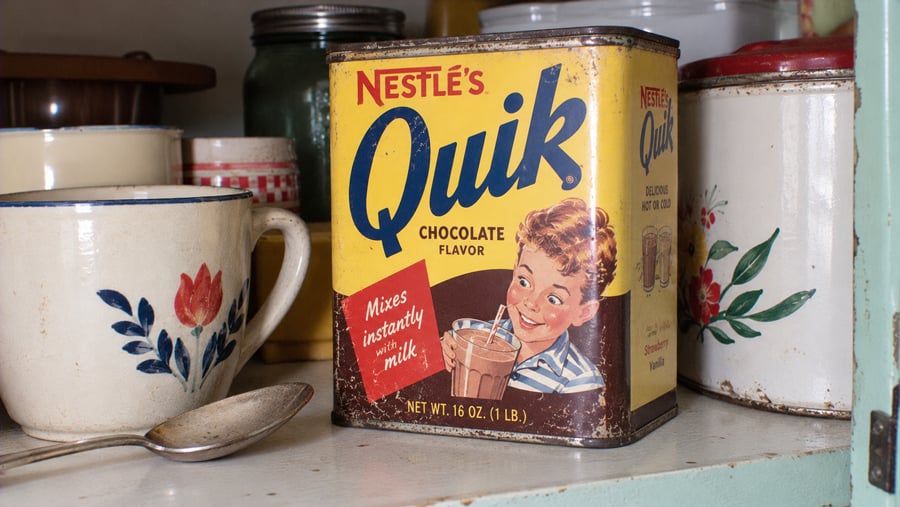
Before Nesquik became associated with plastic containers and its cheerful rabbit mascot, Nestlé Quik chocolate powder was sold in metal cans. The original packaging emphasized the instant chocolate drink itself, with lettering and graphics that looked noticeably different from the playful designs introduced later. Opening one of those old cans required a little more effort than lifting the lid on today’s familiar yellow container.
16. Hi-C in Large Juice Cans
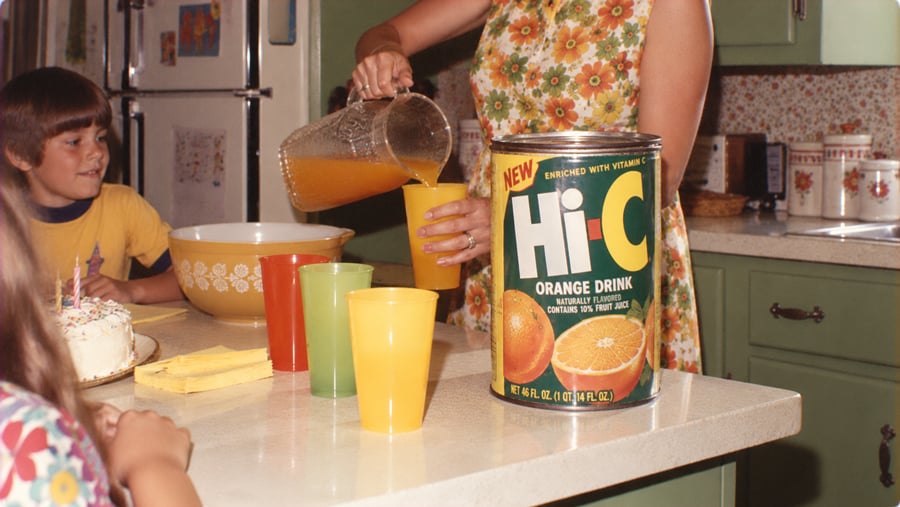
Long before juice boxes became lunchbox essentials, Hi-C fruit drinks were sold in large cans that families opened at home. The packaging was designed for sharing, not for slipping into a backpack. Today’s individual cartons and plastic bottles make the drink much more portable, but those vintage cans bring back memories of crowded kitchen tables, paper cups, and birthday parties.
17. Planters Peanuts in Metal Tins
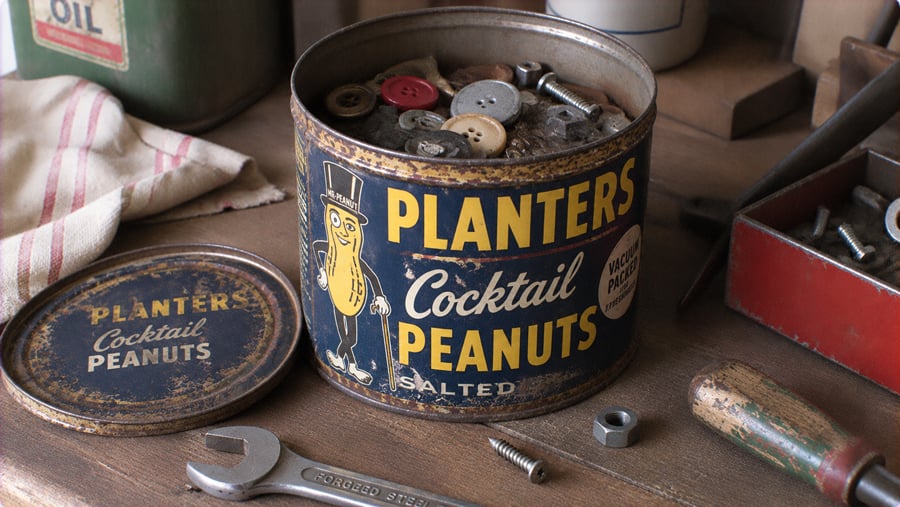
Planters once sold peanuts in sturdy metal containers decorated with vintage versions of Mr. Peanut. Some tins were large enough to become permanent fixtures in a kitchen or workshop, especially after the peanuts disappeared. Modern plastic jars and flexible packages are more practical for everyday snacking, but those old tins had the personality of something people might actually want to keep.
18. Gatorade in Glass Bottles
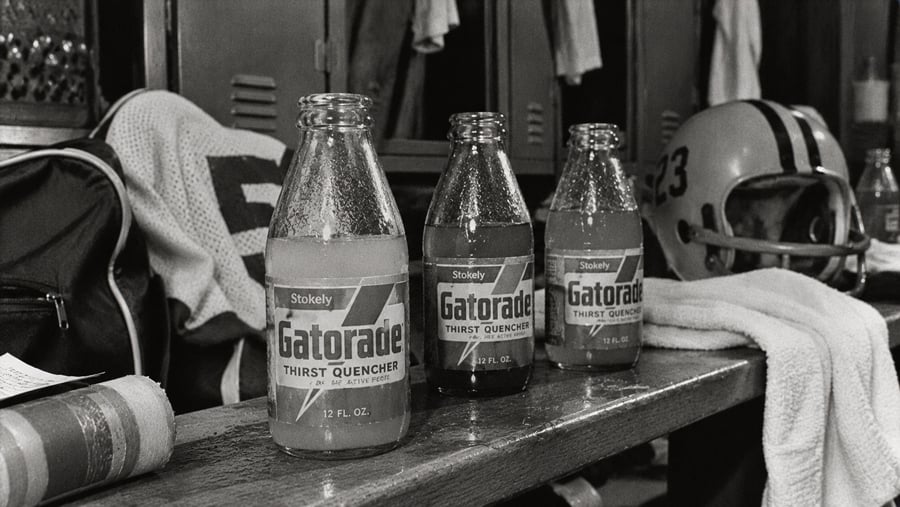
Gatorade’s early years looked quite different from today’s sports drink aisle. The drink was once sold in glass bottles, including versions with simple labels and metal caps, before plastic containers became more common. Modern Gatorade bottles feature bright colors, molded grips, and sports-focused graphics, making the old glass versions look almost like something from a vintage pharmacy.
More Related Notes
15 Fast Food Favorites Gen Z Probably Wants to See Return
From discontinued menu items to nostalgic fast-food classics, these forgotten favorites might deserve another chance on today’s menus.
16 Fancy Foods From the Past That Now Feel Outdated
Once considered the height of sophistication, these old-fashioned dishes reveal how dramatically American tastes and dining trends have changed.
Foods That Lost Their Healthy Reputation
Some foods once praised as healthy choices eventually fell out of favor as nutritional knowledge evolved and eating habits changed.