The 1960s were a decade of bold style, cultural revolutions, and everyday items that seemed absolutely essential at the time. From trendy fashion and vinyl records to shag carpets and lava lamps, people filled their homes and lives with products that reflected the optimism, rebellion, and experimentation of the era. The following must-haves weren’t just possessions, they were symbols of identity, status, and belonging in a rapidly changing world. Looking back, they capture the spirit of a generation that believed in progress, grooved to new sounds, and embraced trends that now feel wonderfully nostalgic.
1. Vinyl Records

In the 1960s, vinyl records were the lifeblood of youth culture. Every household had a collection, and every teenager dreamed of expanding theirs with the latest releases from The Beatles, The Rolling Stones, or Motown’s finest. Listening to music was a ritual: carefully sliding the record out of its sleeve, placing it on the turntable, and lowering the needle to hear that first crackle before the song began. Records weren’t just entertainment, they were identity markers, proof of taste, and often a social currency among friends.
2. Bell-Bottom Pants

Bell-bottoms became the fashion statement of the decade. Their flared design broke away from the conservative cuts of earlier eras, symbolizing freedom and rebellion. They were worn by hippies at music festivals, by rock stars on stage, and by everyday youth who wanted to stand out. The exaggerated silhouette captured the playful, carefree energy of the time, and paired perfectly with tie-dye shirts or fringed vests. To own a pair was to declare allegiance to a generation that valued individuality over conformity.
3. Miniskirts

The miniskirt, popularized by designer Mary Quant, was revolutionary. It wasn’t just a piece of clothing; it was a cultural statement about liberation, modernity, and confidence. Women embraced the bold style as a way of rejecting traditional expectations and celebrating their independence. The miniskirt became a symbol of the “Swinging London” scene, worn with go-go boots and geometric patterns. It was daring, playful, and unapologetically youthful, capturing the spirit of a decade that was rewriting social norms.
4. Tie-Dye Shirts

Tie-dye exploded as a fashion trend in the late 1960s, embodying the counterculture’s embrace of peace, love, and individuality. Each shirt was unique, often handmade, with swirling colors that reflected the psychedelic art and music of the time. Wearing tie-dye wasn’t just about fashion; it was about belonging to a movement that valued creativity and freedom. It became a uniform for hippies, festival-goers, and anyone who wanted to express their personality in vivid color.
5. Transistor Radios

The transistor radio was a technological marvel that transformed how people consumed music and news. Small, portable, and affordable, it allowed teenagers to carry rock ’n’ roll with them wherever they went. Whether at the beach, in the park, or on the bus, the transistor radio made music a constant companion. It symbolized independence, giving young people control over what they listened to and when they listened to it. For many, it was the first taste of personal technology, a must-have gadget that shaped daily life.
Trending on Wealth Gang

6. Shag Carpets

Shag carpets were the height of home décor fashion in the 1960s. With their thick, plush texture and bold colors, they transformed living rooms into cozy yet stylish spaces. They reflected the decade’s love of experimentation, moving away from traditional designs toward something more playful and tactile. Families gathered on shag carpets to watch TV, kids sprawled across them to play, and homeowners proudly showed them off as a sign of modern taste.
7. Scooters (Vespa & Lambretta)

Scooters like the Vespa and Lambretta became symbols of youthful freedom and style. In Europe, they were embraced by the “mod” subculture, which valued sleek design and mobility. Affordable and chic, scooters allowed young people to zip through city streets with ease, embodying independence and modernity. They weren’t just practical, they were fashionable, often customized with mirrors or paint jobs to reflect personal flair. Owning a scooter meant being part of a stylish, forward-looking generation.
8. Mood Rings

Though they gained popularity toward the end of the decade, mood rings captured the fascination with mysticism and self-expression that defined the 1960s. The idea that a ring could change color based on emotions appealed to a generation exploring spirituality, psychology, and individuality. They became playful accessories, sparking conversations and reflecting the era’s curiosity about the unseen forces that shaped human experience.
Sign up for our newsletter
9. Go-Go Boots

White, knee-high go-go boots were iconic in mod fashion, especially when paired with miniskirts and bold geometric prints. They became staples of dance floors, worn by women who wanted to embody confidence and modernity. The boots symbolized empowerment, allowing women to step boldly into a new era of fashion and self-expression. They were glamorous, practical for dancing, and instantly recognizable as part of the “Swinging Sixties” look.
10. Beanbag Chairs

Beanbag chairs were a quirky innovation that fit perfectly with the decade’s laid-back vibe. Unlike traditional furniture, they were casual, flexible, and fun, inviting people to lounge in unconventional ways. Their popularity reflected the 1960s’ rejection of rigid formality in favor of comfort and creativity. Beanbags became staples in dorm rooms, apartments, and homes, embodying the relaxed, experimental spirit of the time.
11. Psychedelic Posters

Walls in the 1960s were often covered with psychedelic posters, featuring swirling colors, abstract shapes, and surreal imagery. Inspired by the art of the counterculture, these posters weren’t just decoration; they were visual experiences that matched the music and mood of the era. They reflected the influence of LSD and other hallucinogens on art, creating immersive environments that felt alive. Owning such posters was a way of participating in the cultural revolution.
12. Peace Sign Jewelry

The peace symbol became one of the most recognizable icons of the 1960s, worn proudly as jewelry, patches, or pins. It was a must-have accessory for anyone aligned with the anti-war movement, representing hope, unity, and resistance. Wearing the peace sign wasn’t just fashion; it was activism, a way of signaling values and beliefs in a turbulent political climate.
13. Volkswagen Beetle

The Volkswagen Beetle was the car of choice for many young people in the 1960s. Affordable, reliable, and quirky, it became a cultural icon. Its rounded design stood out against the larger, more traditional American cars of the time, symbolizing individuality and commodity. For students, hippies, and families alike, the Beetle was a must-have vehicle that embodied simplicity and charm.
14. Record Players

Beyond owning vinyl, you needed a stylish record player to enjoy it. Record players in the 1960s were often sleek, with wood paneling or futuristic curves, making them a centerpiece of living rooms. They weren’t just functional; they were status symbols, proof that you valued music and modern technology. The ritual of listening to records was tied to the beauty of the machine itself.
15. Polaroid Cameras

Polaroid cameras revolutionized photography by offering instant results. In an era fascinated by technology and immediacy, being able to capture a moment and see it within minutes felt futuristic. Polaroids became must-haves for families, artists, and young people, allowing them to document life in a new, spontaneous way. They reflected the 1960s’ love of innovation and creativity.
16. Hippie Headbands

Headbands, often made of leather or fabric, were worn across the forehead as a symbol of free-spirited style. They were simple but essential for the hippie look, often paired with long hair, beads, and flowing clothes. The headband represented a rejection of mainstream fashion in favor of natural, handmade aesthetics. It was a small accessory with big cultural meaning.
17. Surfboards

Surf culture exploded in the 1960s, especially in California, where surfboards became symbols of freedom and adventure. Owning a surfboard wasn’t just about riding waves; it was about belonging to a sun-soaked lifestyle celebrated in music, movies, and fashion. Surfboards represented youth, vitality, and a connection to nature, making them must-haves for anyone chasing the dream of endless summer.
18. Rotary Phones

Every household had a rotary phone, often in bold colors like avocado green or mustard yellow. Dialing numbers took patience, but the design was iconic and instantly recognizable. Phones became central to communication, connecting families and friends in a way that felt modern and essential. They were both practical tools and stylish fixtures in the home.
19. TV Consoles

Television became the centerpiece of family life in the 1960s, and console TVs were must-haves. Housed in wooden cabinets, they were both furniture and technology, blending seamlessly into living rooms. Families gathered around them to watch “The Ed Sullivan Show,” news broadcasts, and historic events like the moon landing. The console TV symbolized progress, entertainment, and togetherness.
20. Lava Lamps

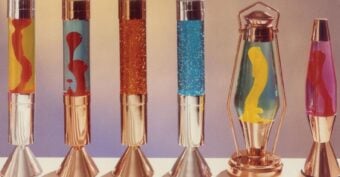
The lava lamp was more than just a piece of décor; it was a symbol of the psychedelic spirit that defined the 1960s. With its mesmerizing blobs of wax rising and falling in colorful liquid, it created an atmosphere of relaxation and wonder. Teenagers and young adults loved to place them in bedrooms or living rooms, where the shapes seemed to mirror the free-flowing creativity of the era. Owning a lava lamp was not just about lighting a space; it was about embracing a new way of seeing the world, one that valued imagination, experimentation, and a touch of surrealism.