Victorians took superstition very seriously, often treating everyday mishaps as ominous warnings rather than coincidences. From the belief that breaking a mirror could doom you to years of bad luck, to the fear that sleeping in front of a mirror could steal your soul, many of these ideas shaped daily behavior. Even simple encounters, like seeing a black cat or opening an umbrella indoors, were thought to invite misfortune. These peculiar beliefs reveal just how deeply superstition was woven into Victorian life.
1. Breaking a Mirror Meant Seven Years of Bad Luck
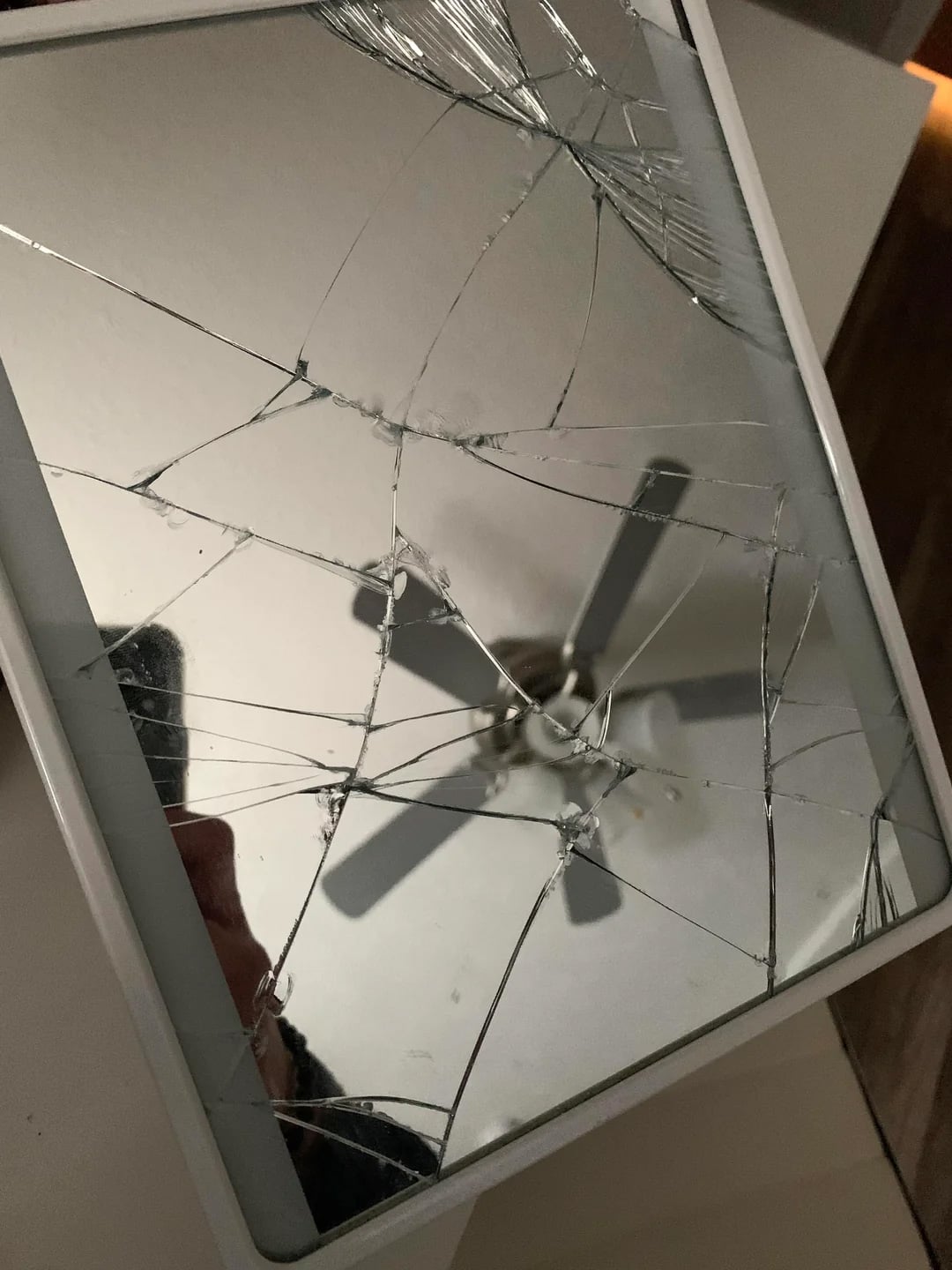
Victorians believed mirrors reflected not only a person’s appearance but also their soul. Breaking one was thought to damage the soul itself, resulting in seven years of terrible luck. The number seven was considered spiritually significant, representing the time it took for the soul to fully renew. This superstition made mirrors both precious and deeply feared household objects.
2. Sleeping in Front of a Mirror Could Steal Your Soul
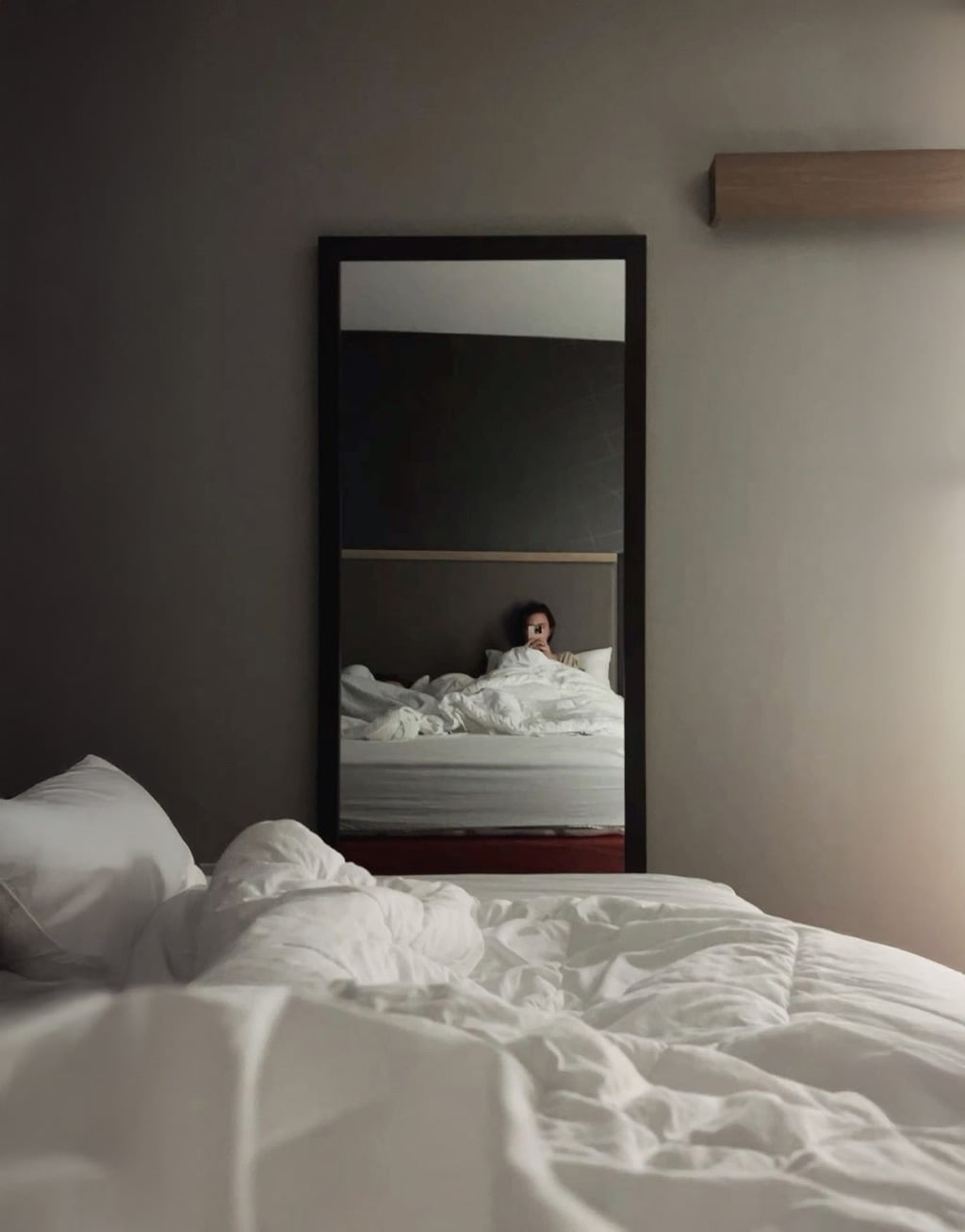
It was widely believed that mirrors acted as portals to the spirit world. Sleeping while facing one supposedly left the soul vulnerable during dreams, allowing it to be trapped or stolen. Many Victorians covered mirrors at night to prevent spiritual harm, turning bedtime into a ritual of protection rather than rest.
3. Opening an Umbrella Indoors Brought Bad Luck
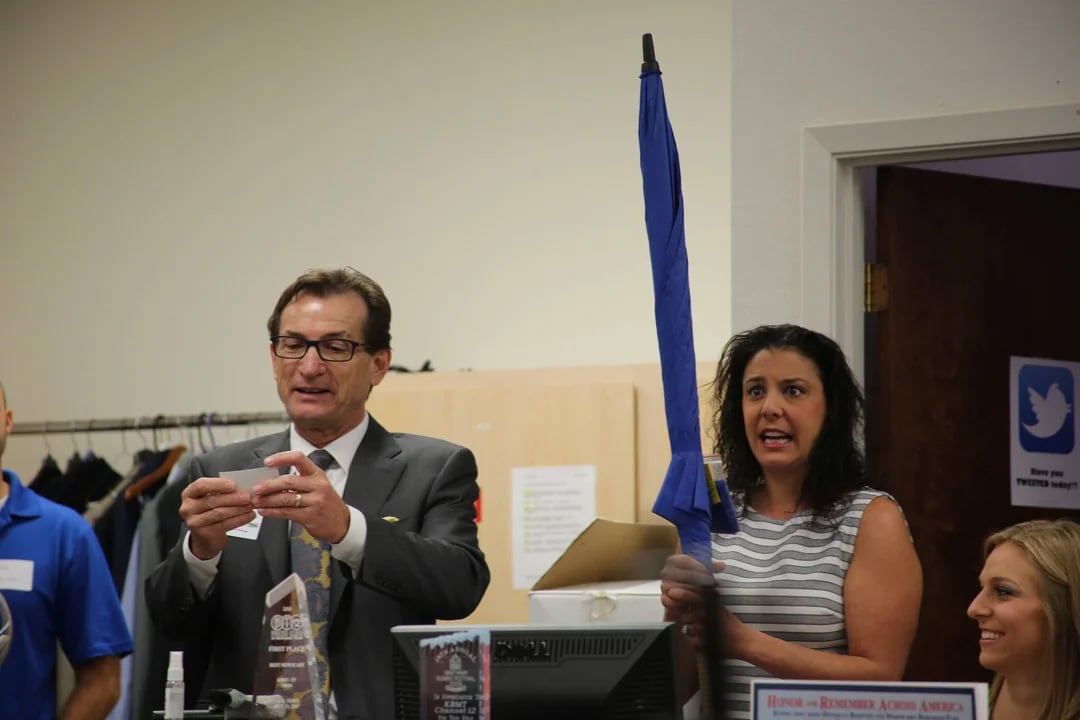
Victorians believed opening an umbrella inside a home angered household spirits and disrupted domestic harmony. Originally linked to early umbrellas causing physical accidents indoors, the superstition evolved into a warning of financial trouble or personal misfortune.
4. Walking Under a Ladder Invited Misfortune

Passing beneath a ladder was considered extremely unlucky in Victorian society. The ladder formed a triangle, a sacred symbol that should never be broken. Walking through it was thought to disrupt spiritual balance and attract bad luck, illness, or even death.
5. Black Cats Were Seen as Omens of Bad Luck
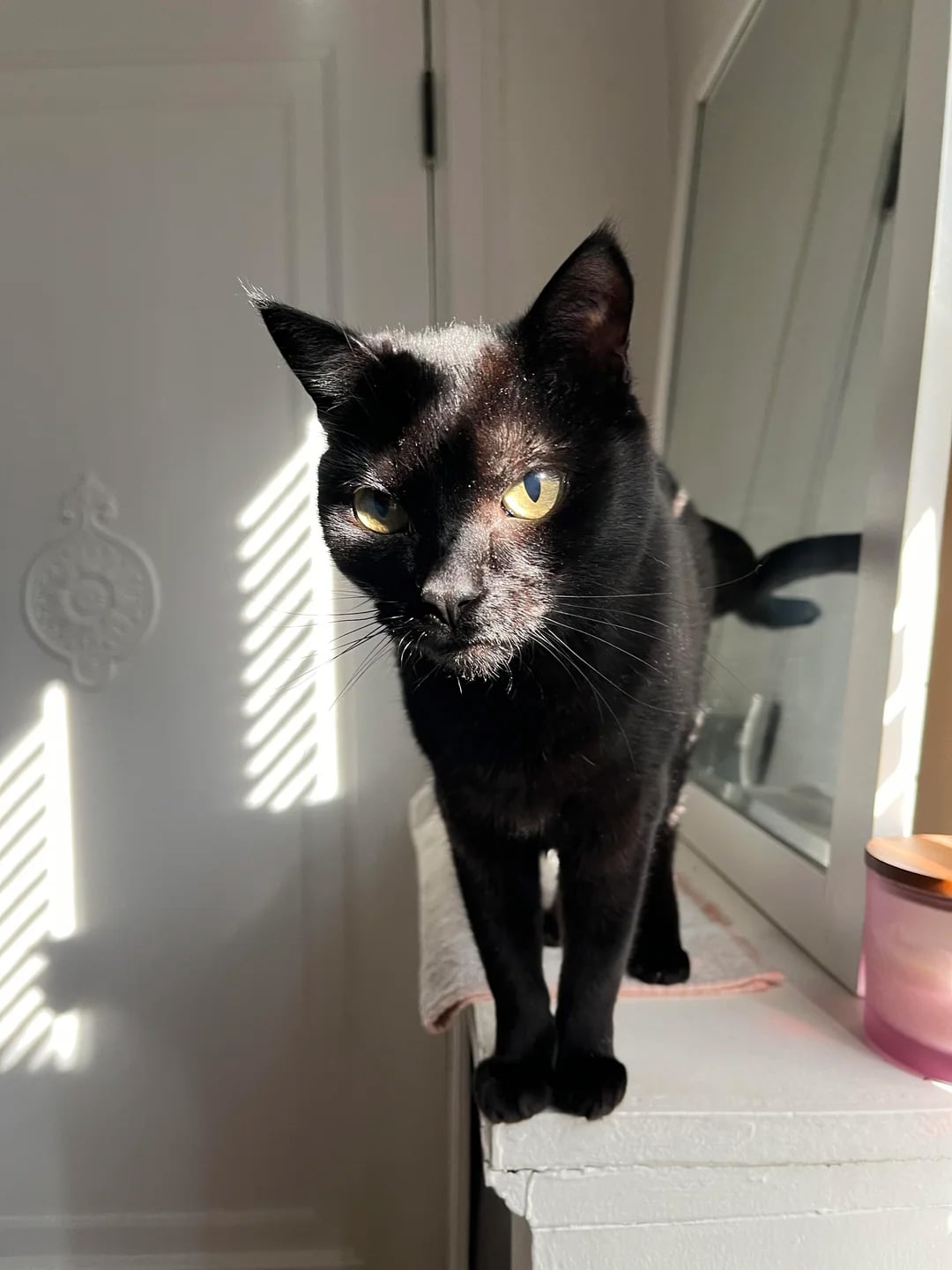
In Victorian times, black cats were widely believed to be harbingers of misfortune. Many people thought they were witches in disguise or companions of dark forces, especially if one crossed your path. Spotting a black cat could supposedly predict illness, financial loss, or even death. This fear was so strong that black cats were often avoided or mistreated, cementing a superstition that still lingers today.
Trending on Wealth Gang

6. Knocking on Wood Was Believed to Prevent Bad Outcomes
Victorians believed that knocking on wood could ward off bad luck and prevent negative outcomes. The superstition was tied to the idea that spirits or protective forces lived within trees, and touching wood was a way to call on their protection.
7. Spilling Salt Required Throwing It Over Your Shoulder

Spilling salt was considered a serious omen of bad luck unless it was quickly thrown over the left shoulder. Victorians believed this act would blind lurking evil spirits and cancel the misfortune before it could take hold.
8. Friday Weddings Were Thought to Doom Marriages

Getting married on a Friday was believed to bring unhappiness and eventual failure to a marriage. The day was associated with misfortune and bad beginnings, leading many couples to avoid Friday ceremonies altogether.
Sign up for our newsletter
9. Birds Entering a House Were Seen as a Sign of Death

A bird flying into a home was believed to signal an impending death or serious tragedy. Victorians saw birds as messengers between worlds, and their unexpected presence indoors was taken as a deeply unsettling omen.
10. Placing Shoes on a Table Was Thought to Invite Bad Luck

Putting shoes on a table was believed to bring misfortune and disrespect the household. The superstition may have originated from associations with death, as shoes were sometimes placed on tables during mourning rituals.
11. Itching Palms Predicted Money Coming or Going

An itchy palm was believed to be a financial omen, though interpretations varied. A tingling right hand often meant money was on the way, while an itchy left palm suggested cash would soon leave your possession. Victorians took these sensations seriously, sometimes adjusting their spending based on which hand itched.
12. Seeing the New Moon Through Glass Brought Bad Luck
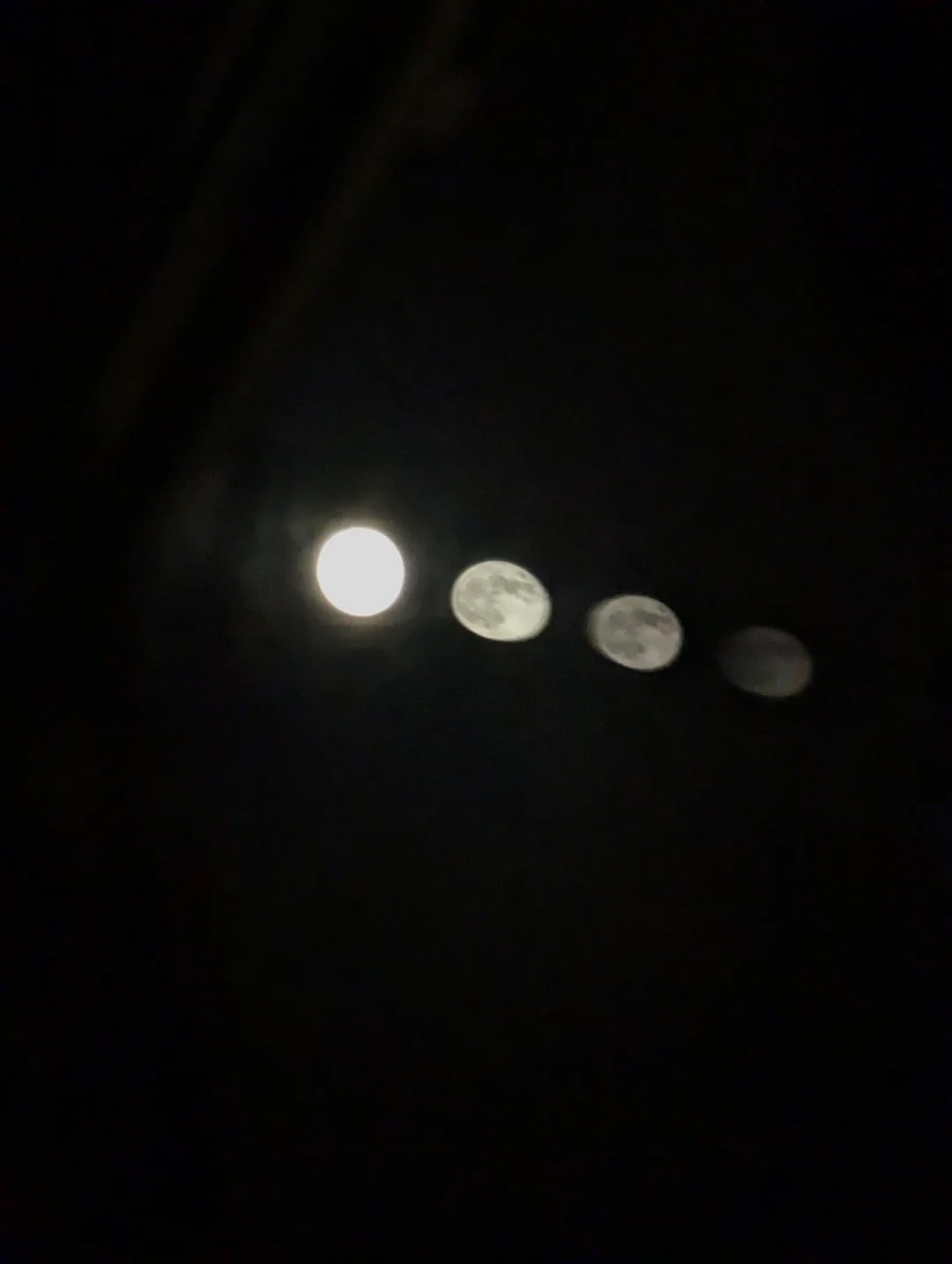
Catching the first sight of a new moon through a window or mirror was considered deeply unlucky. Victorians believed the moon should be seen directly in the open air to bring good fortune. Viewing it through glass was thought to block positive energy and invite misfortune instead.
13. Leaving Scissors Open Invited Arguments
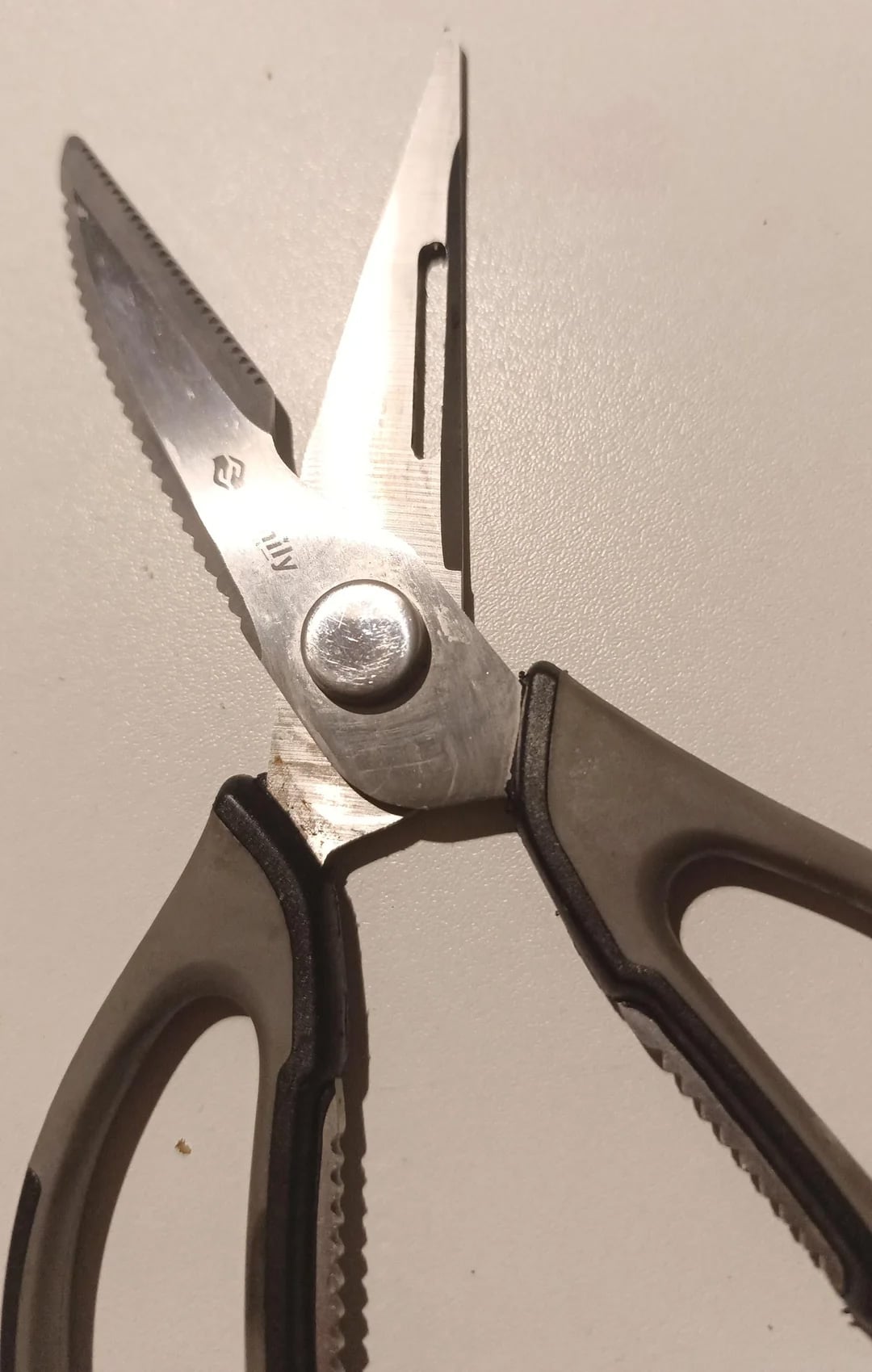
Open scissors lying around the house were seen as a recipe for conflict. Victorians believed this simple oversight could invite tension, sharp words, and unnecessary arguments into the home. Closing scissors was thought to restore harmony and keep tempers from flaring.
14. Whistling Indoors Attracted Evil Spirits

Whistling inside the house was considered dangerous rather than playful. Many believed the sound could summon evil spirits or bad luck, especially after dark. This superstition likely explains why whistling indoors was often discouraged as improper behavior.
15. Sitting at the Corner of a Table Meant You Would Never Marry
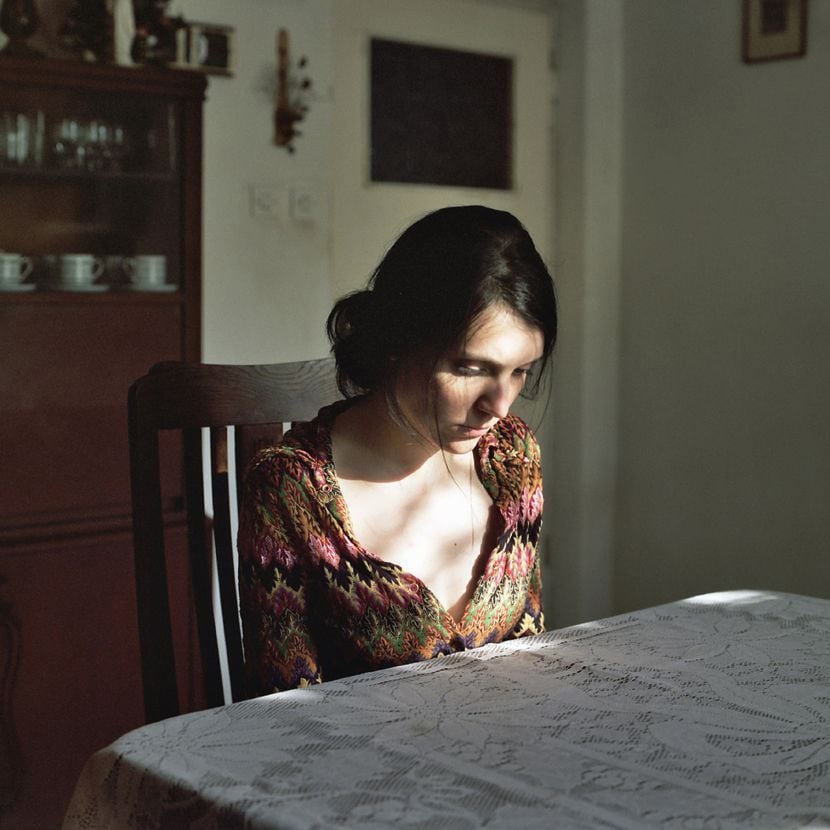
Taking a seat at the corner of a table came with ominous implications for one’s romantic future. Victorians believed this position doomed a person to lifelong singleness. The superstition was especially feared by young women hoping to secure a good match.
16. A Single Magpie Meant Sorrow

Spotting one magpie alone was considered a sign of sadness or impending bad news. This belief was so widespread that people often greeted the bird or looked for a second magpie to cancel out the bad omen. The rhyme surrounding magpies helped cement this superstition in daily life.
17. Wearing Pearls Brought Tears and Bad Luck
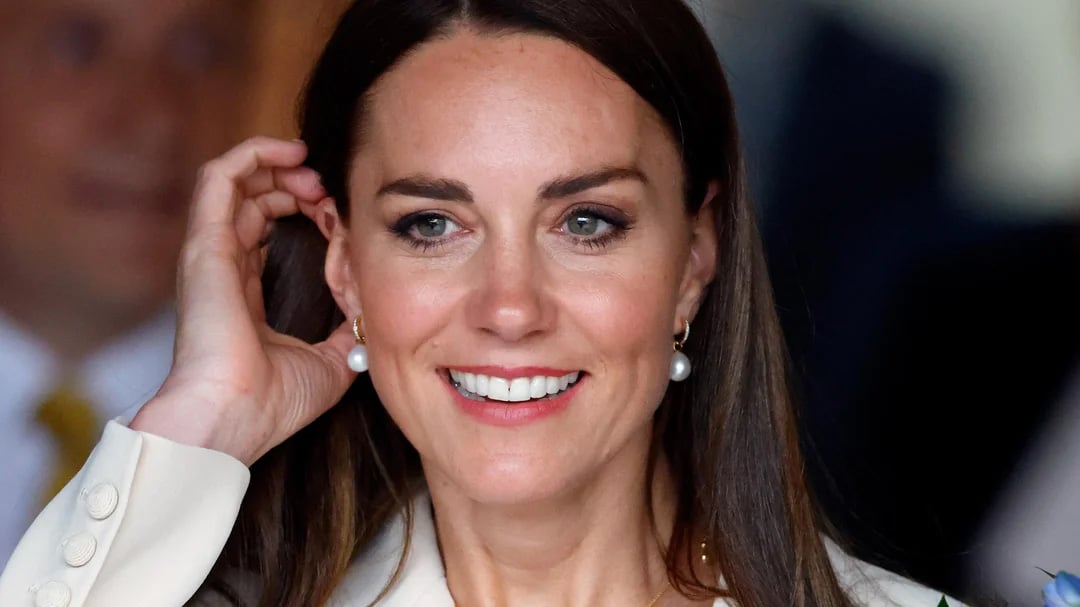
Pearls were associated with sorrow due to their resemblance to tears. Victorians believed wearing them, especially at weddings, invited unhappiness and emotional pain. Despite their beauty, pearls carried a reputation for emotional misfortune.
18. Lighting Three Candles With One Match Foretold Death
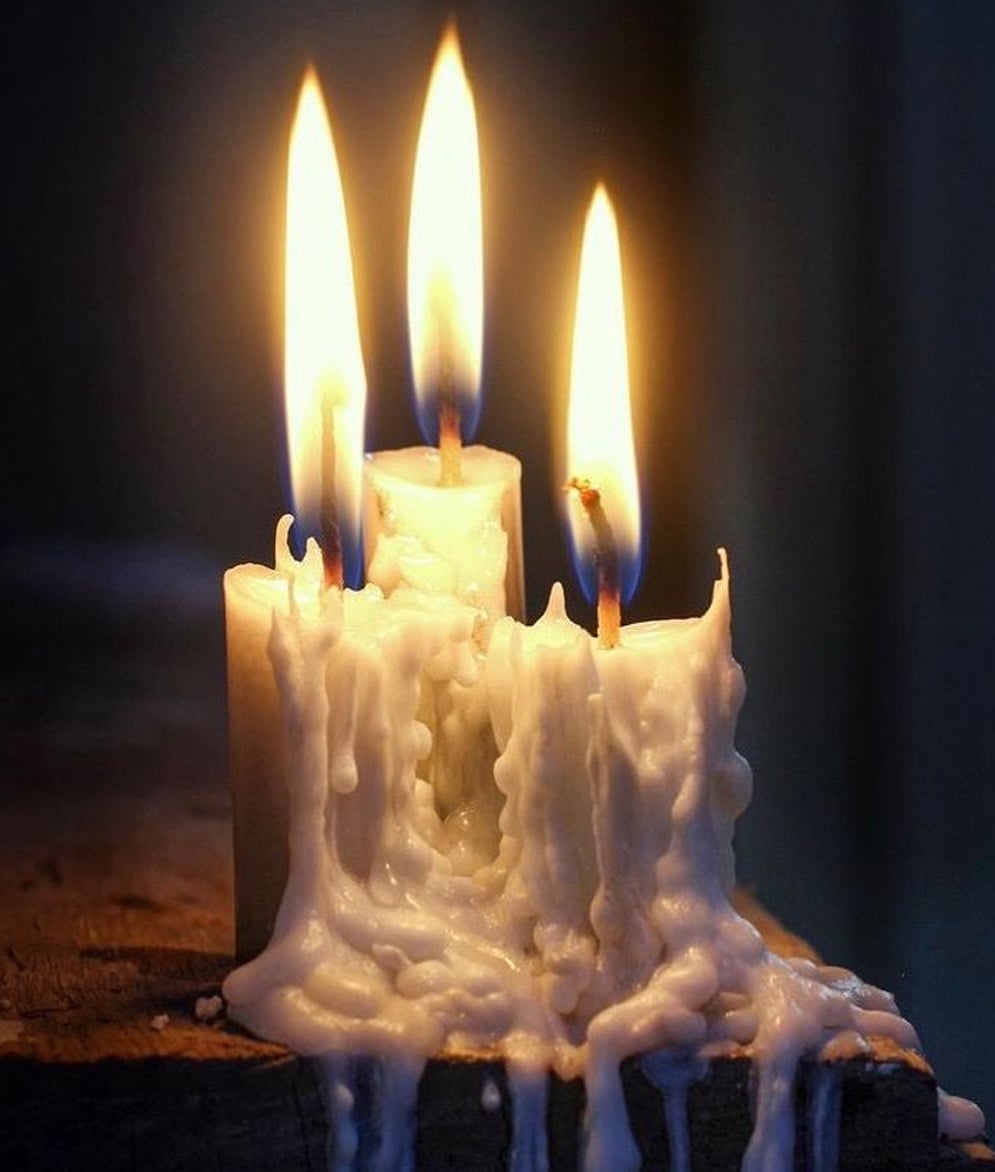
Using a single match to light three candles was considered a chilling omen. The belief held that one of the three people present would soon die. This superstition became so ingrained that many avoided the practice entirely, even in casual settings.
19. A Clock Stopping at Death Signaled a Soul Passing On
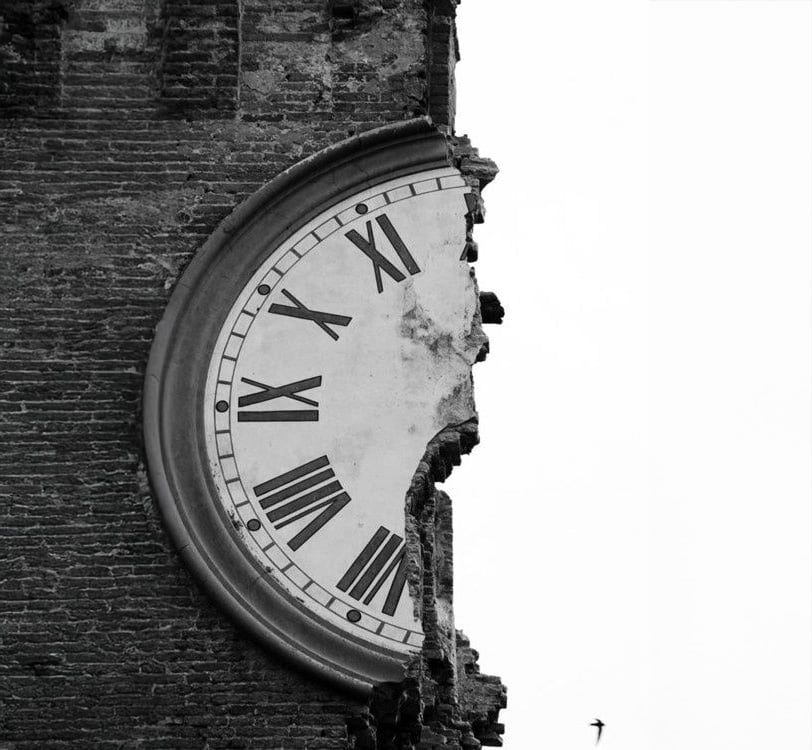
When a clock stopped at the exact moment someone died, it was believed to mark the soul’s departure. Victorians often stopped clocks deliberately after a death to honor this belief. A frozen clock face became a quiet symbol of life coming to an end.
More Strange Beliefs and Odd Ideas People Took Seriously
- 13 Strange Jobs People Actually Got Paid for in the 1800s
This piece explores bizarre and unexpected roles from the 1800s that people once accepted as completely normal careers. It complements your superstition article by showing how very different beliefs and norms shaped everyday life in the past.
- Life at the Turn of the Century: 32 Vintage Photos From the 1890s
While not about superstition directly, this article offers a real look at life in the late Victorian era, showing everyday practices, traditions, and behaviors that seem strange to modern eyes — perfect context for the world where these odd beliefs were taken as fact.
- 18 Warning Signs Whose Wording Raised More Questions Than Answers
This current article highlights confusing and unintentionally funny warnings that people actually posted. It ties into the theme of strange beliefs and accepted messages that don’t make logical sense, just like old superstitions once did.