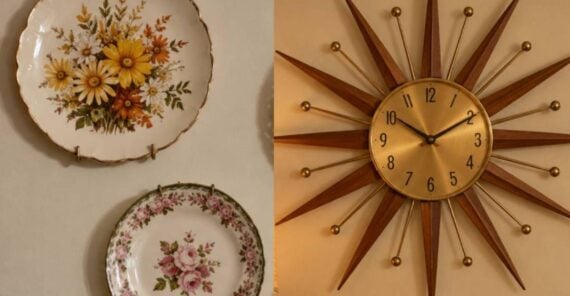

Many family traditions from the 1950s weren’t designed as money-saving strategies. They were simply part of daily life, shaped by the values of the era and the realities of postwar America. Families often followed routines that emphasized practicality, community, and making the most of what they already had.
Looking back, many of these traditions had an unexpected financial benefit. Without budgeting apps, financial gurus, or cashback rewards, households naturally avoided many expenses that are common today. These family traditions from the 1950s helped stretch household budgets while strengthening family bonds at the same time.
1. Sunday Family Dinners at Home
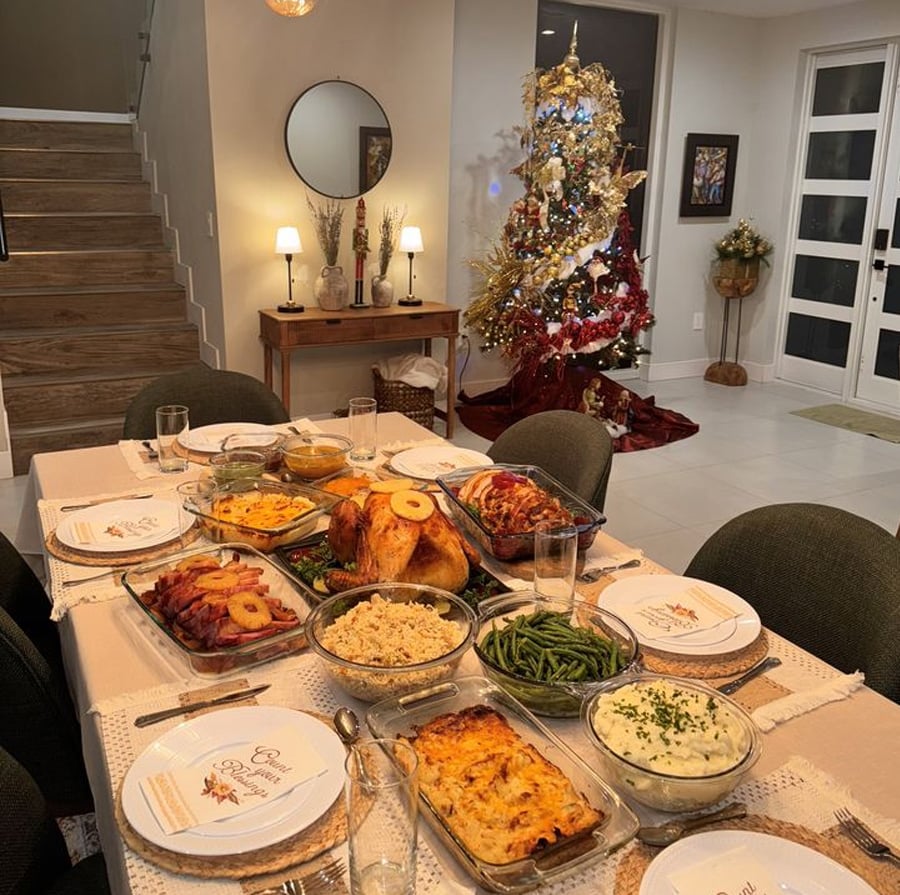
One of the most common family traditions from the 1950s was gathering for a large Sunday meal at home. Instead of dining out, families prepared affordable dishes that could feed many people, helping them save money while creating lasting memories.
2. Hand-Me-Down Clothing
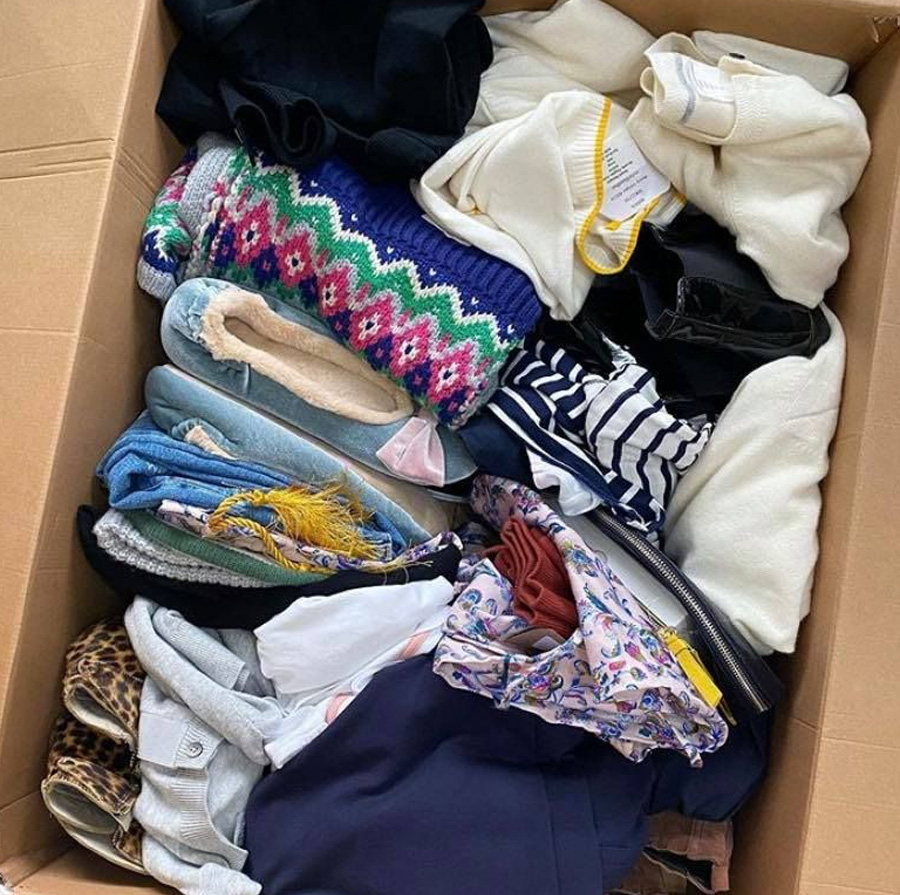
Passing clothes from older siblings to younger ones was a normal part of family life. This family tradition from the 1950s reduced the need for constant shopping and helped parents keep clothing expenses under control.
3. Sharing One Family Car
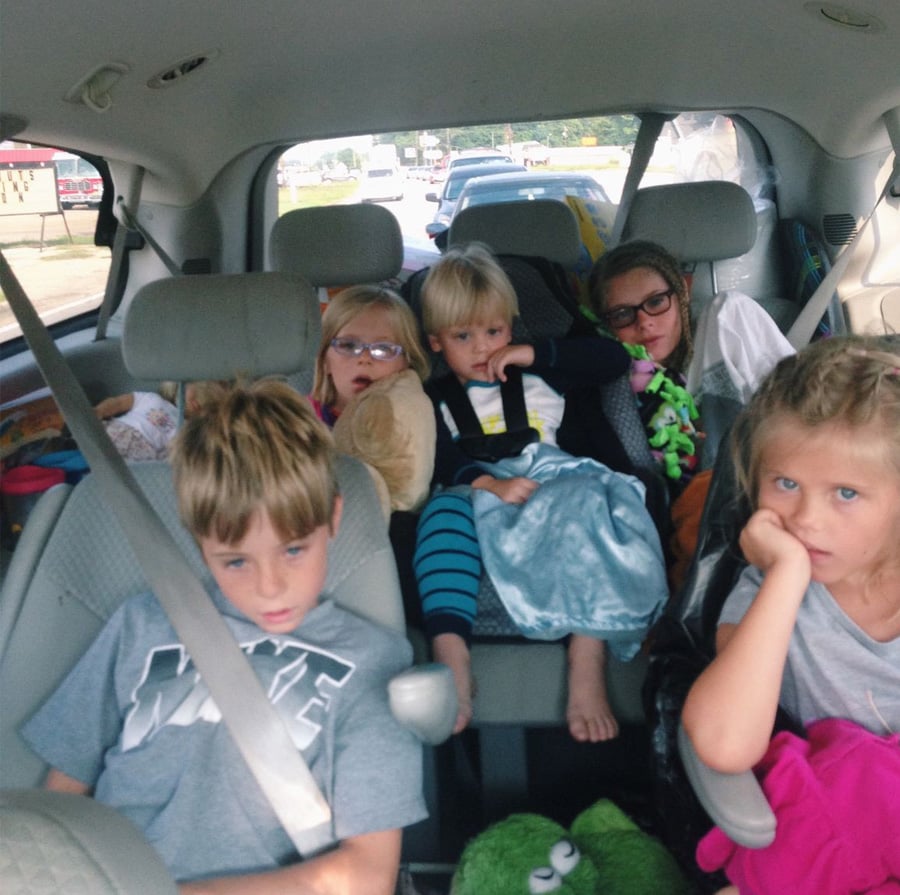
Many households owned only a single vehicle. By sharing transportation, families avoided additional car payments, insurance costs, maintenance expenses, and fuel bills that come with multiple vehicles.
4. Growing Vegetables Together
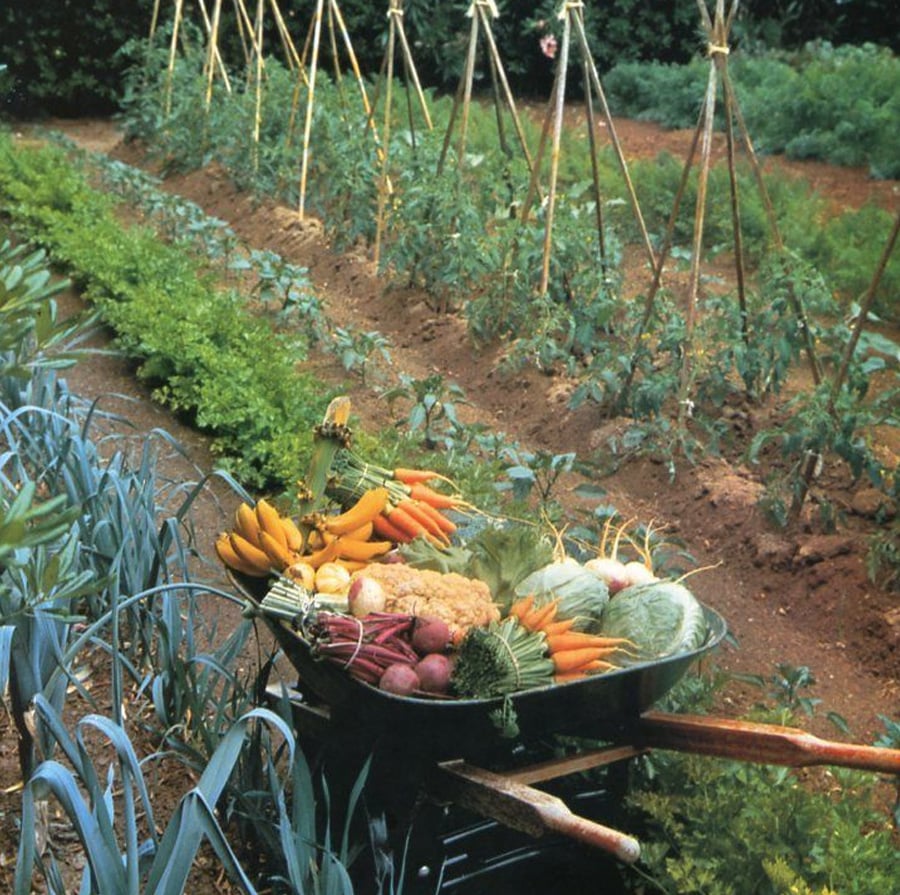
Backyard gardens were common family projects. Growing vegetables provided fresh food throughout the season and reduced grocery bills, making this family tradition from the 1950s both practical and economical.
5. Family Game Nights
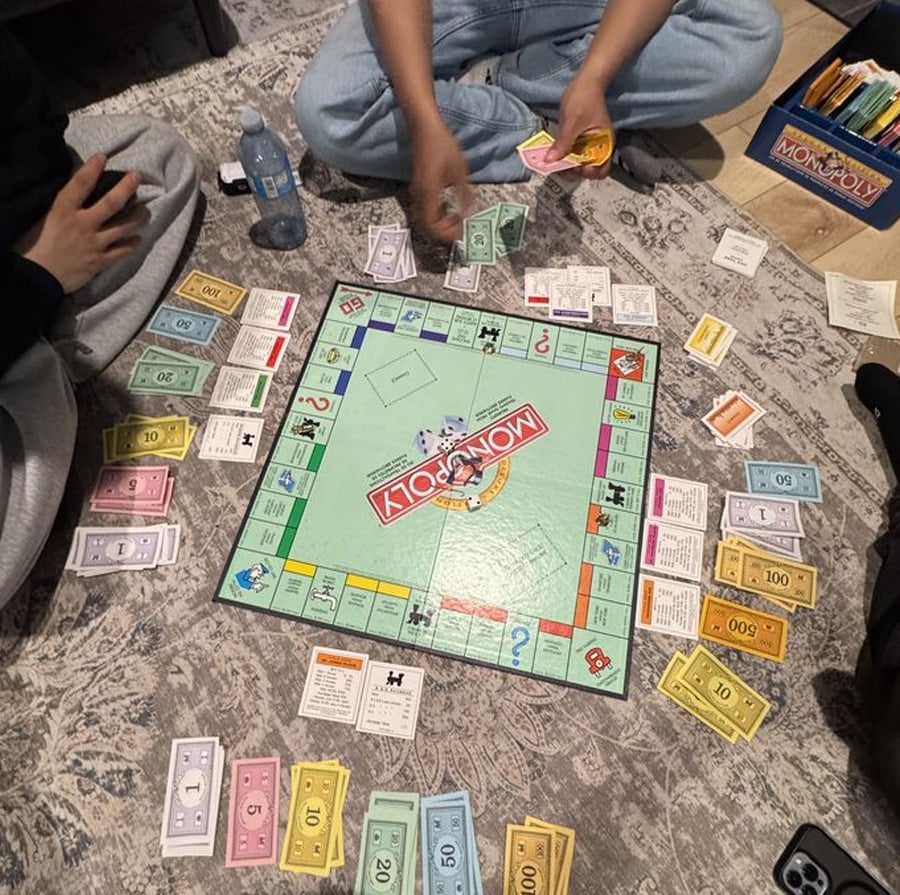
Instead of spending money on entertainment outside the home, families gathered around board games, cards, and puzzles. These simple evenings offered affordable fun without recurring costs.
Trending on Wealth Gang

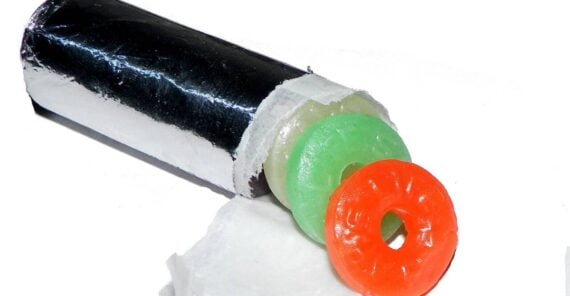
6. Homemade Birthday Celebrations
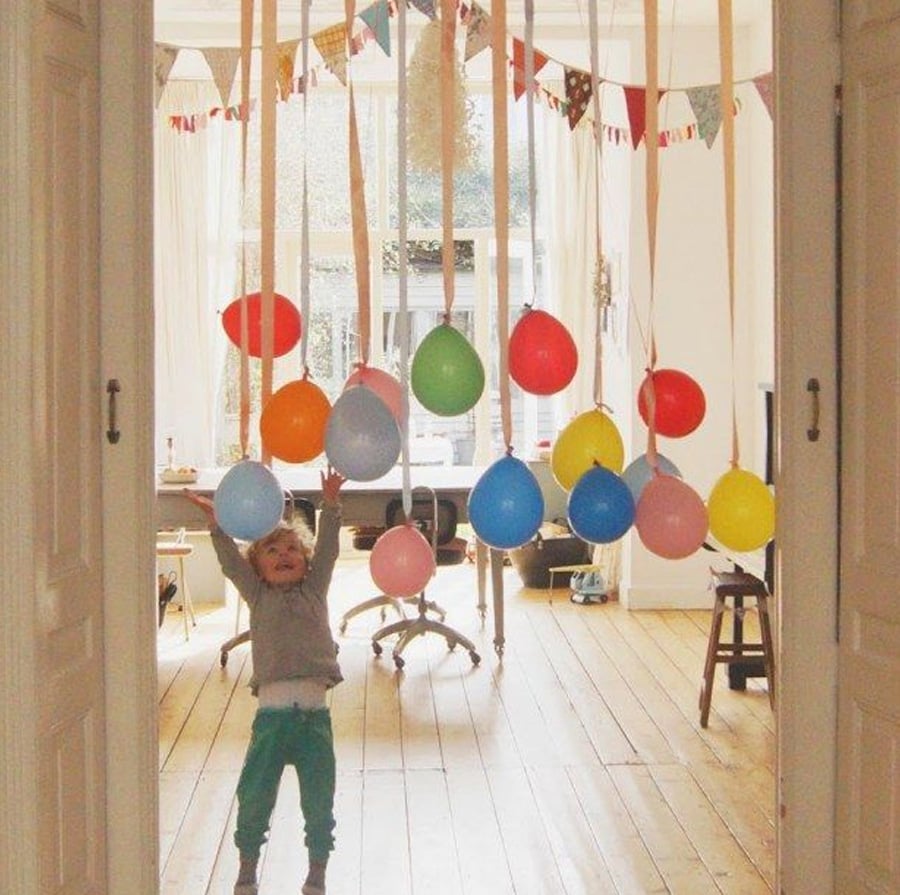
Birthday parties often featured homemade cakes, decorations, and games organized by family members. This tradition created meaningful celebrations while avoiding the expense of professionally planned events.
7. Saving Leftovers for Future Meals

Throwing away food was generally discouraged. Families routinely repurposed leftovers into lunches or new dinners, helping reduce waste and stretch grocery budgets further.
8. Visiting Relatives Instead of Traveling Far

Rather than booking expensive vacations, many families spent time visiting relatives. This family tradition from the 1950s provided affordable travel opportunities while strengthening family connections.
Sign up for our newsletter
9. Repairing Household Items Together
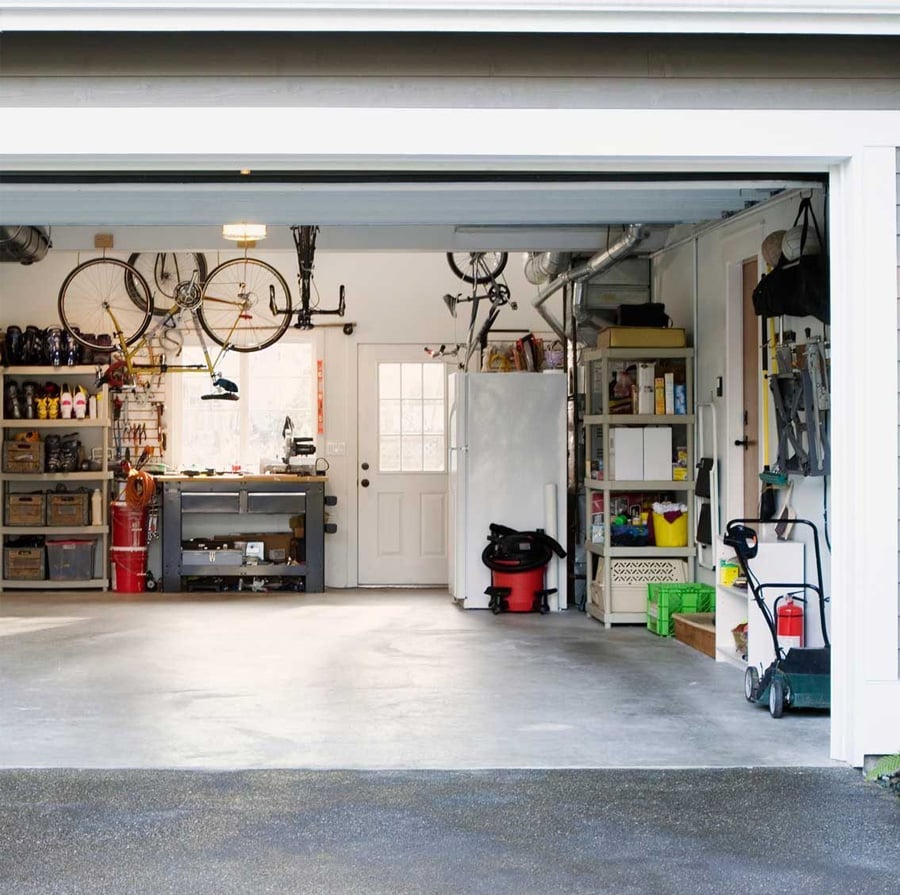
Parents frequently taught children how to fix furniture, appliances, and everyday objects. Learning basic repair skills helped families avoid replacement costs and extend the life of their belongings.
10. Home Movie and Photo Nights
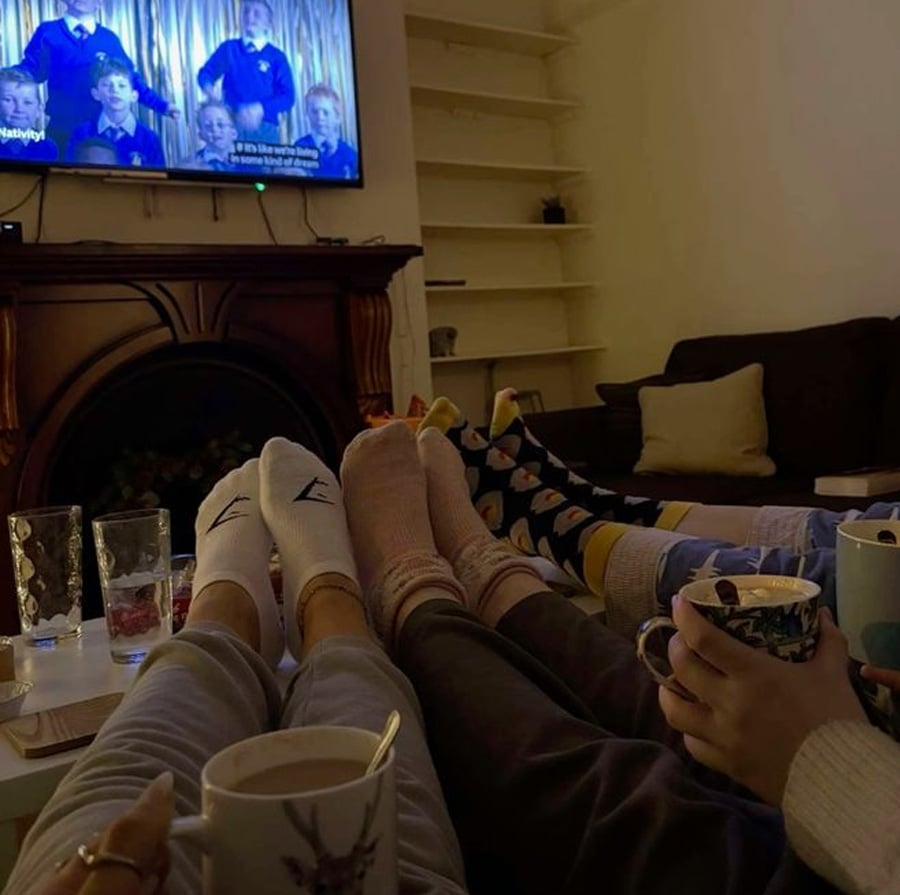
Families often entertained themselves by looking through photo albums or watching home movies. This low-cost activity offered meaningful entertainment without spending money on outside attractions.
11. Cooking Large Batches of Food
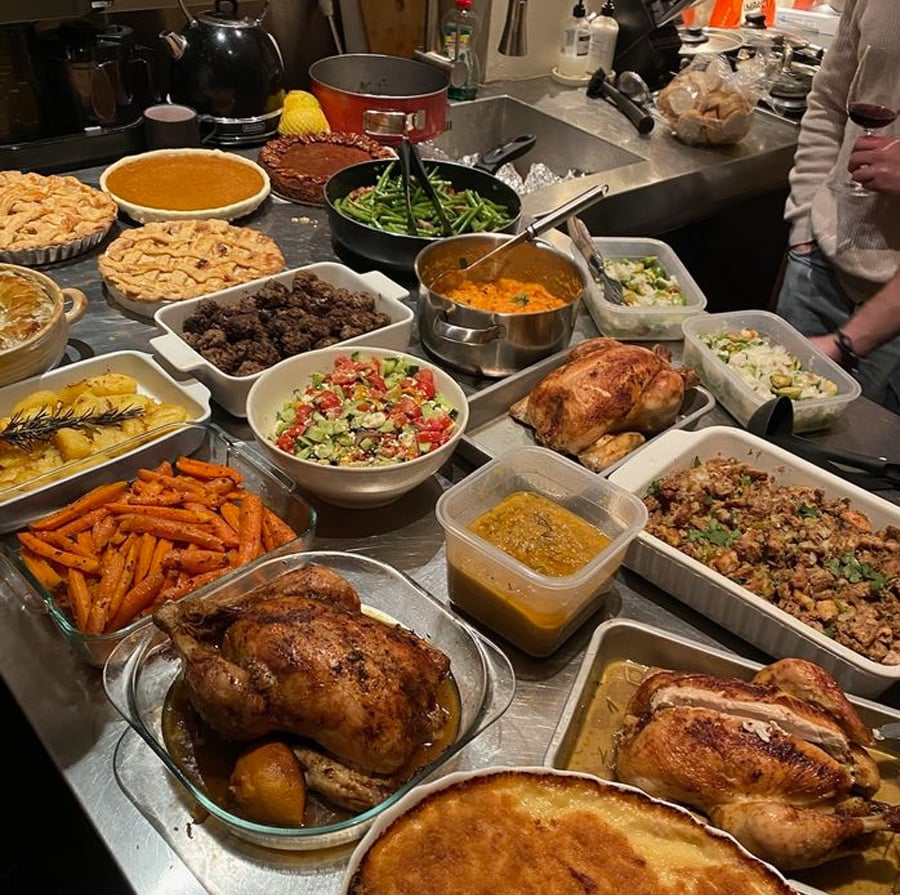
Preparing soups, casseroles, and other meals in large quantities was a common practice. This family tradition from the 1950s saved money through bulk ingredients and reduced the need for frequent cooking.
12. Community Potluck Gatherings
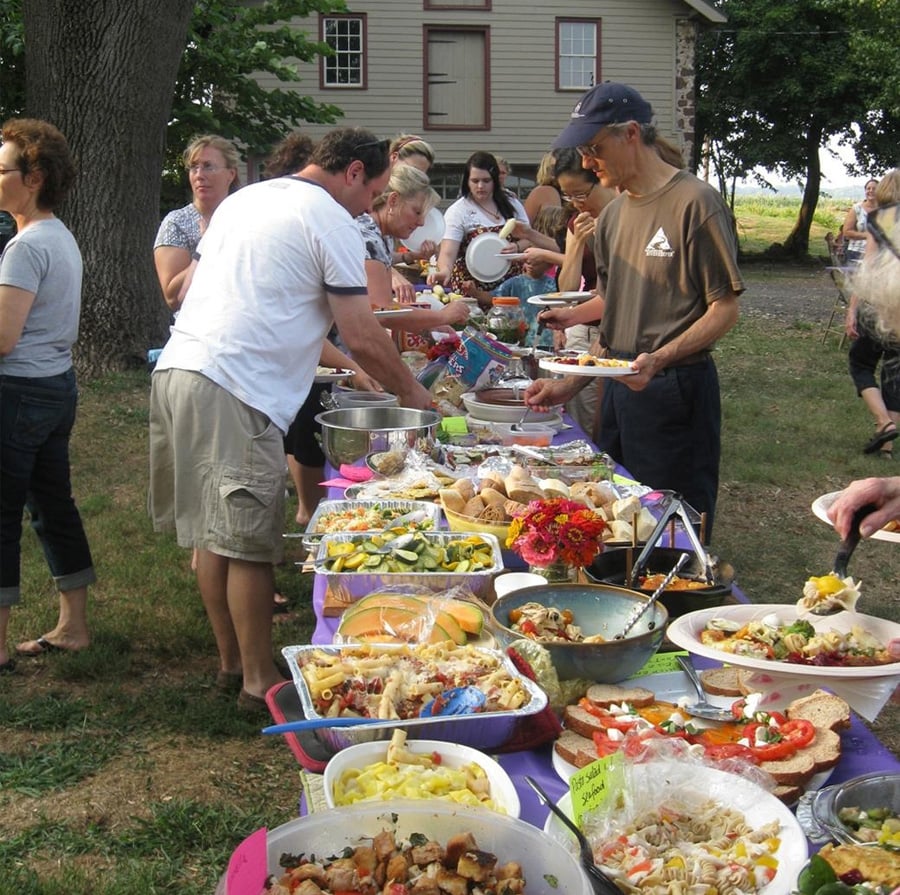
Neighbors and relatives frequently contributed dishes to shared meals. Potlucks allowed families to enjoy social events without bearing the full cost of hosting large gatherings.
13. Library Visits as a Family Activity
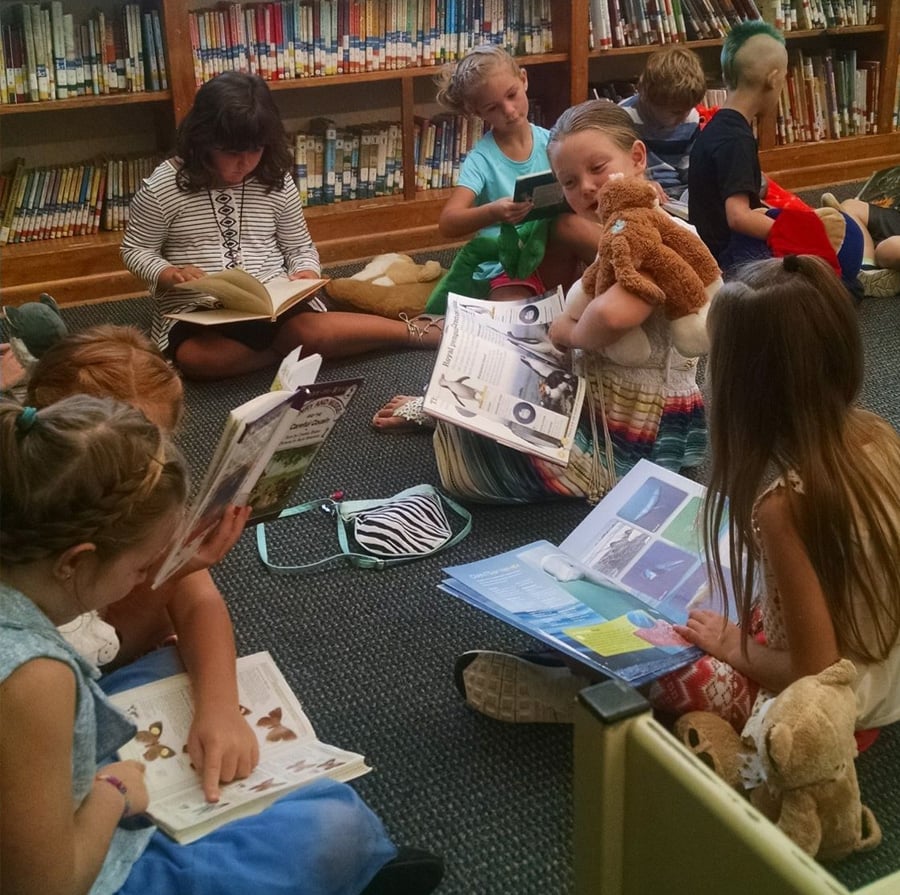
Public libraries served as important community resources. Families borrowed books, magazines, and educational materials for free, reducing entertainment and learning expenses.
14. Making Gifts by Hand

Many families created handmade gifts for holidays and special occasions. Whether knitting, woodworking, or crafting, this family tradition from the 1950s kept gift-giving affordable while adding a personal touch.
More Related Notes
• 14 Rules Every Middle-Class Household Had in the 1970s
A look at the values, routines, and expectations that shaped family life and often encouraged practical spending habits.
• 20 Things People Repaired Instead of Replacing a Century Ago
This article explores the resourceful mindset of earlier generations, many of whom naturally saved money by avoiding unnecessary purchases.
• 15 Things Previous Generations Saved For That People Finance Differently Today
A complementary read examining how family budgeting, saving habits, and financial priorities have evolved over the decades.