

For much of the 20th century, major life milestones required years of careful saving. Families often delayed purchases until they had accumulated enough cash, avoiding debt whenever possible. Today, while saving remains important, many people rely on financing, subscriptions, payment plans, and alternative investment strategies to reach the same goals. As technology, lending, and consumer habits have evolved, so has the way people pay for life’s biggest expenses
1. Buying a Home

Previous generations often spent years building a substantial down payment before purchasing a house. Today, many buyers use low-down-payment mortgage programs, first-time homebuyer assistance, or other financing options to enter the market sooner.
2. College Education

Parents once saved steadily for decades to cover tuition costs. While education savings accounts still exist, many students now combine scholarships, grants, loans, and payment plans rather than relying solely on family savings.
3. New Cars

Older generations frequently paid cash for vehicles after years of saving. Modern buyers often choose financing or leasing arrangements that spread costs across several years instead of making a large upfront payment.
4. Major Home Renovations

Kitchen remodels, additions, and other major projects were traditionally funded through savings. Today, homeowners commonly use home equity loans, lines of credit, or contractor financing programs to complete renovations sooner.
5. Weddings

Families once saved for years to host large weddings. Many couples today combine savings with credit cards, personal loans, or contributions from multiple family members to cover expenses.
Trending on Wealth Gang


6. Vacations

Big family trips used to require months or years of dedicated saving. Now travelers often use reward points, installment payment plans, travel financing, and flexible booking options to spread out costs.
7. Starting a Business

Entrepreneurs traditionally relied on personal savings to launch a venture. Modern founders have access to crowdfunding, angel investors, venture capital, online lenders, and business credit options.
8. Furniture

People once waited until they could afford entire furniture sets outright. Today, buy-now-pay-later services and retailer financing allow consumers to furnish homes immediately while paying over time.
Sign up for our newsletter
9. Medical Expenses

Many families maintained emergency funds specifically for healthcare costs. While unexpected medical bills still create financial pressure, insurance plans, payment arrangements, and healthcare financing programs have changed how these expenses are managed.
10. Retirement

Earlier generations often depended on pensions and personal savings. Today’s workers are more likely to rely on 401(k)s, IRAs, investment portfolios, and employer matching programs that require ongoing investing rather than simply accumulating cash.
11. Household Appliances
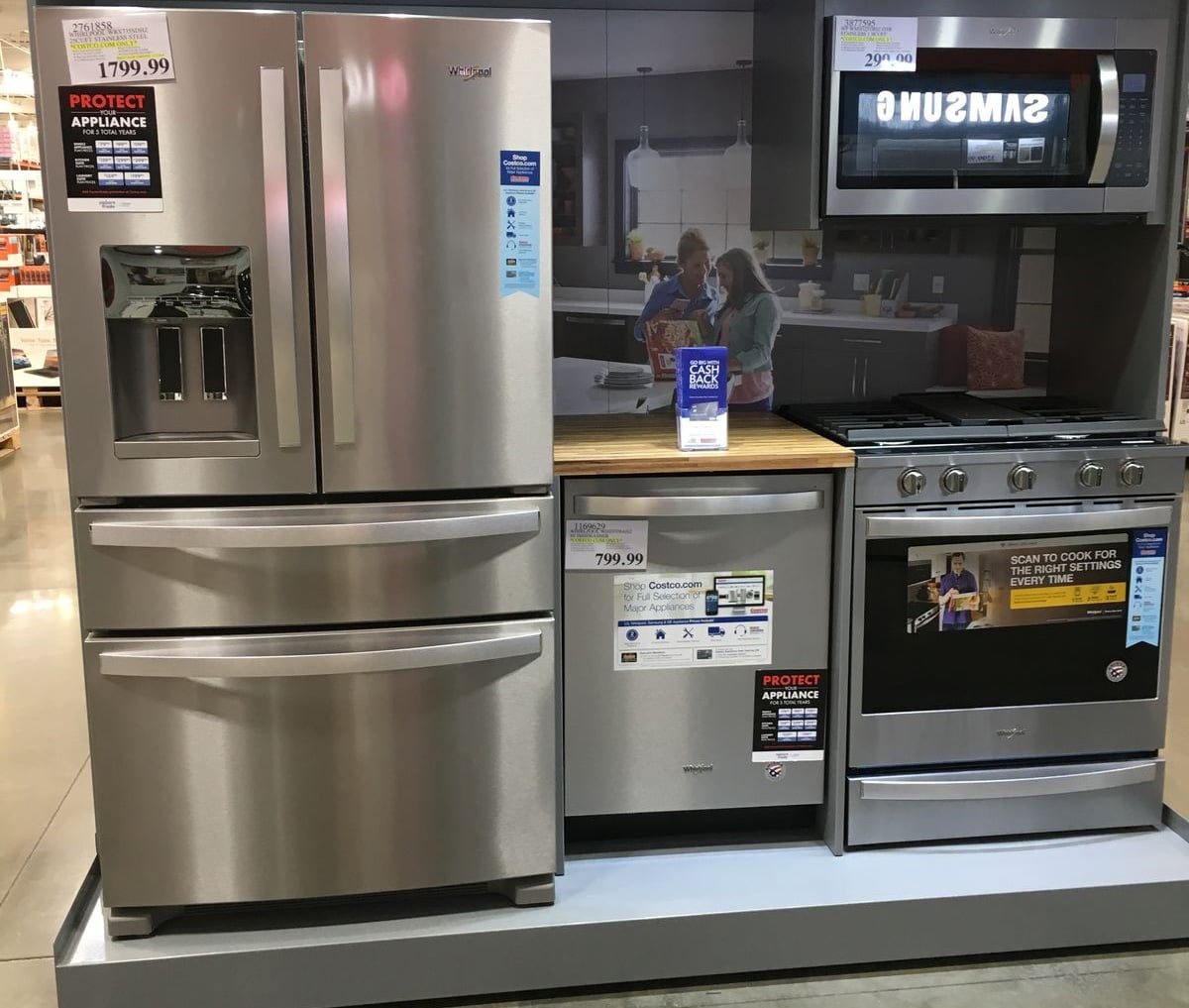
Replacing a refrigerator, washing machine, or oven once meant saving until the purchase was affordable. Consumers today frequently use store financing, promotional offers, or installment payments for major appliances.
12. Children’s Future Expenses

Parents traditionally maintained dedicated savings accounts for future milestones. Many now invest through education funds, brokerage accounts, custodial accounts, and other long-term investment vehicles designed to grow over time.
13. Holiday Spending

Previous generations often set aside money throughout the year for holiday shopping. Today, many consumers use credit cards, rewards programs, seasonal financing offers, and budgeting apps to manage holiday expenses.
14. Emergency Funds

Cash savings remain important, but some people now supplement emergency reserves with access to home equity, high-yield savings accounts, flexible credit lines, or other financial tools that weren’t as widely available in the past.
15. Luxury Purchases

Whether it was jewelry, high-end electronics, or premium household items, luxury purchases once required saving until enough money was available. Today, financing options, subscription models, and installment plans have made many luxury goods more accessible.
More Related Notes
• 15 Things the Average Family Could Afford in 1980 but Struggles With Today
A closer look at how purchasing power has changed over the decades and why many major expenses are harder to cover today.
• 10 Everyday Costs That Have Changed the Most Since 2000
This article explores the rising costs of common expenses and how consumers have adapted through financing and alternative payment methods.
• 11 Reasons Why You Are Not Able to Save Money
A complementary read about the financial pressures and modern spending habits that make saving for large purchases more difficult than it once was.