The 1950s were filled with optimism about technology. The atomic age, the space race, television, commercial aviation, and rapidly changing household appliances made it seem as though almost anything could become possible within a few decades.
Illustrators, engineers, companies, and futurists imagined a world of automated homes, personal aircraft, robot helpers, and cities that barely resembled those of their own era. Some predictions came surprisingly close to reality, while others remain firmly in the realm of retro-futuristic fantasy.
1. Flying Cars Would Become an Everyday Sight
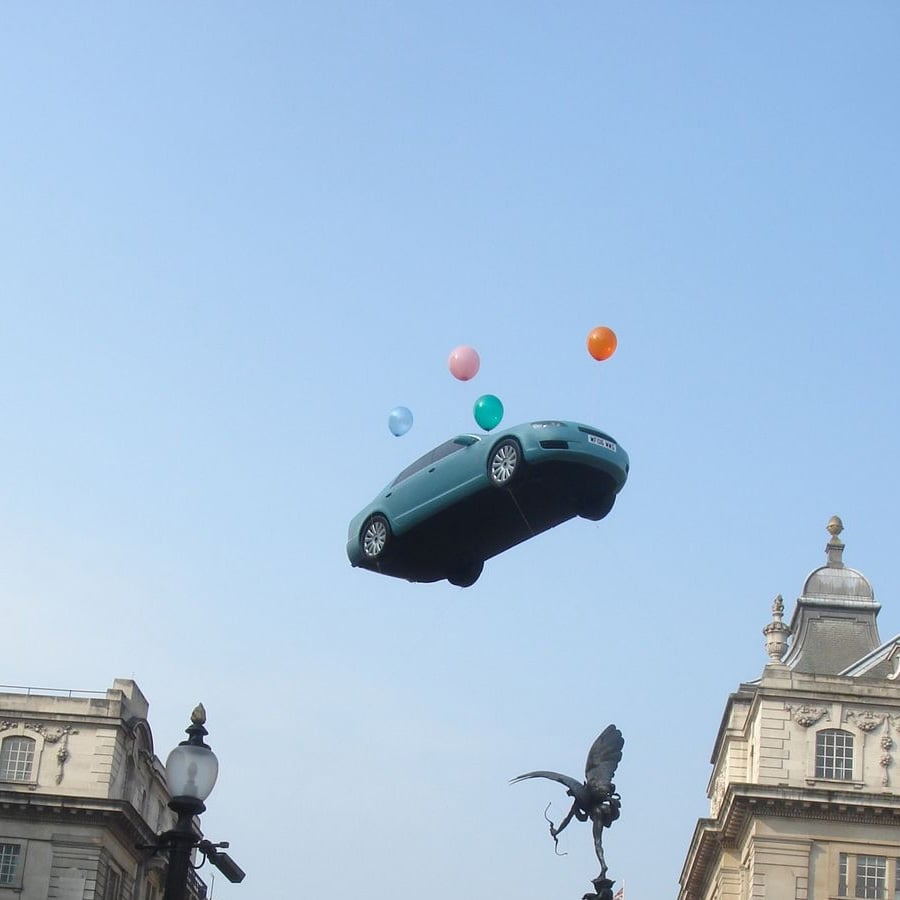
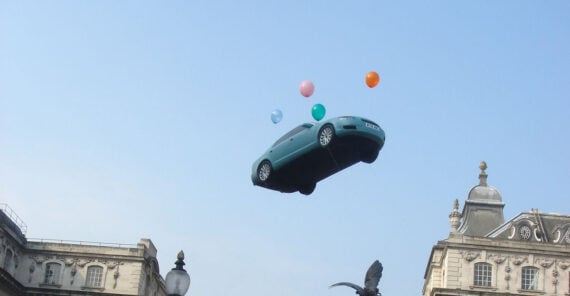
Flying cars were one of the most recognizable visions of the future during the 1950s. Designers imagined families taking off directly from their homes and traveling through organized aerial highways above cities. Experimental vehicles such as the Aerocar even demonstrated that a roadable aircraft was technically possible, but cost, safety, regulations, and infrastructure prevented the idea from becoming ordinary transportation.
2. Families Would Have Personal Helicopters
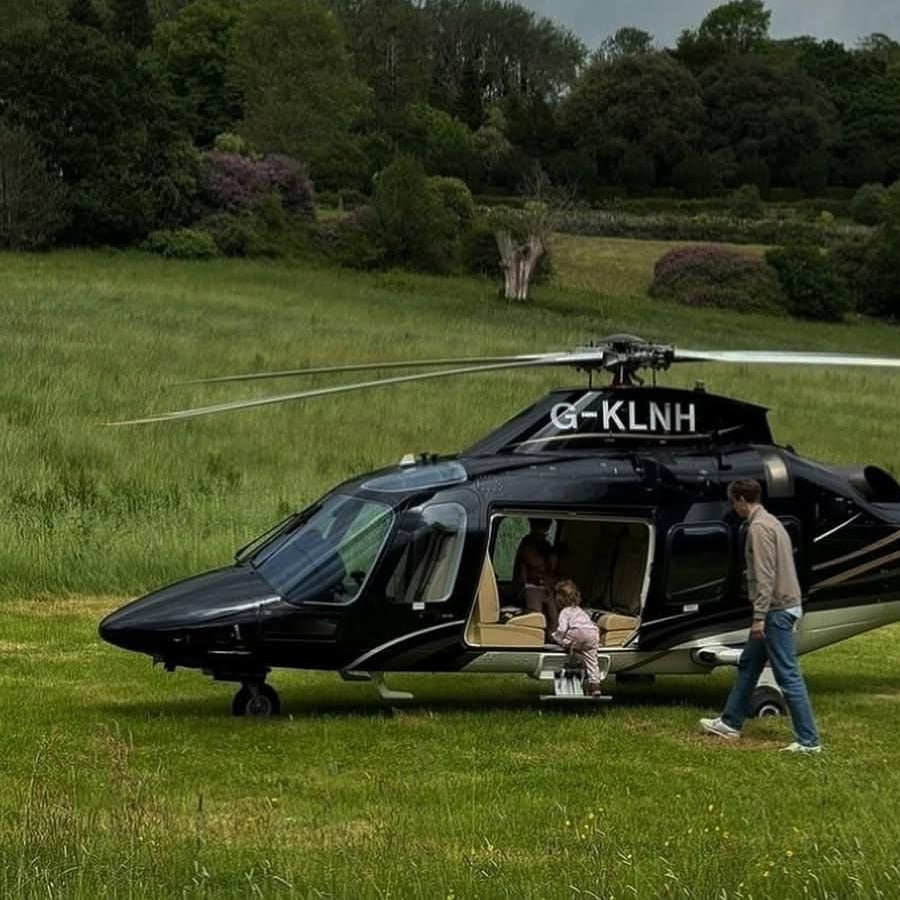
The postwar fascination with aviation extended beyond flying cars. Some futuristic illustrations showed suburban homes equipped with small landing areas where families could keep personal helicopters. Instead of driving through traffic, commuters would simply fly to work, although the expense and complexity of operating helicopters kept this prediction from becoming practical.
3. Robots Would Handle Household Chores
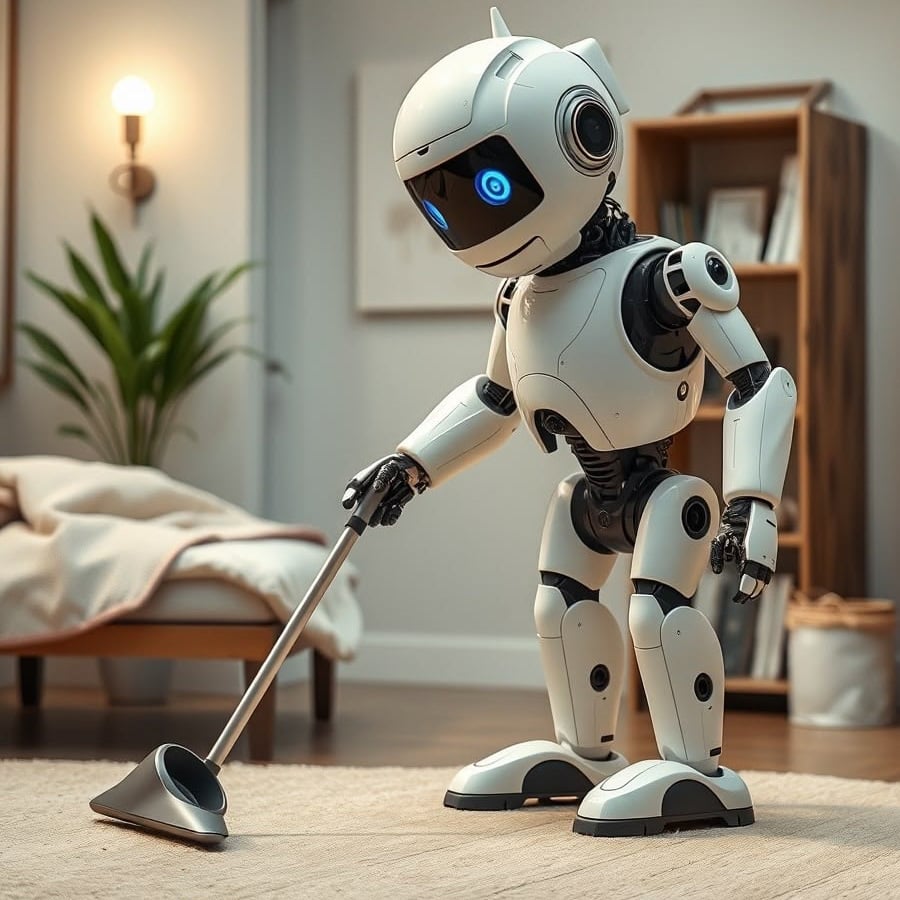
The automated home was a recurring 1950s dream, and robots were expected to become the ultimate domestic assistants. Futurists imagined machines vacuuming floors, preparing meals, carrying dishes, and completing repetitive chores while families relaxed. Robot vacuums and smart appliances eventually accomplished pieces of that vision, but the all-purpose robotic housekeeper is still far from standard.
4. Meals Would Come in Pills

Some predictions suggested that traditional cooking might eventually disappear altogether. Tiny pills or concentrated foods were imagined as replacements for full meals, providing all the necessary nutrition without shopping, cooking, or cleaning. Nutritional supplements and meal replacements became common, but the idea of replacing dinner with a couple of capsules never caught on.
5. Nuclear Power Would Be Used Almost Everywhere
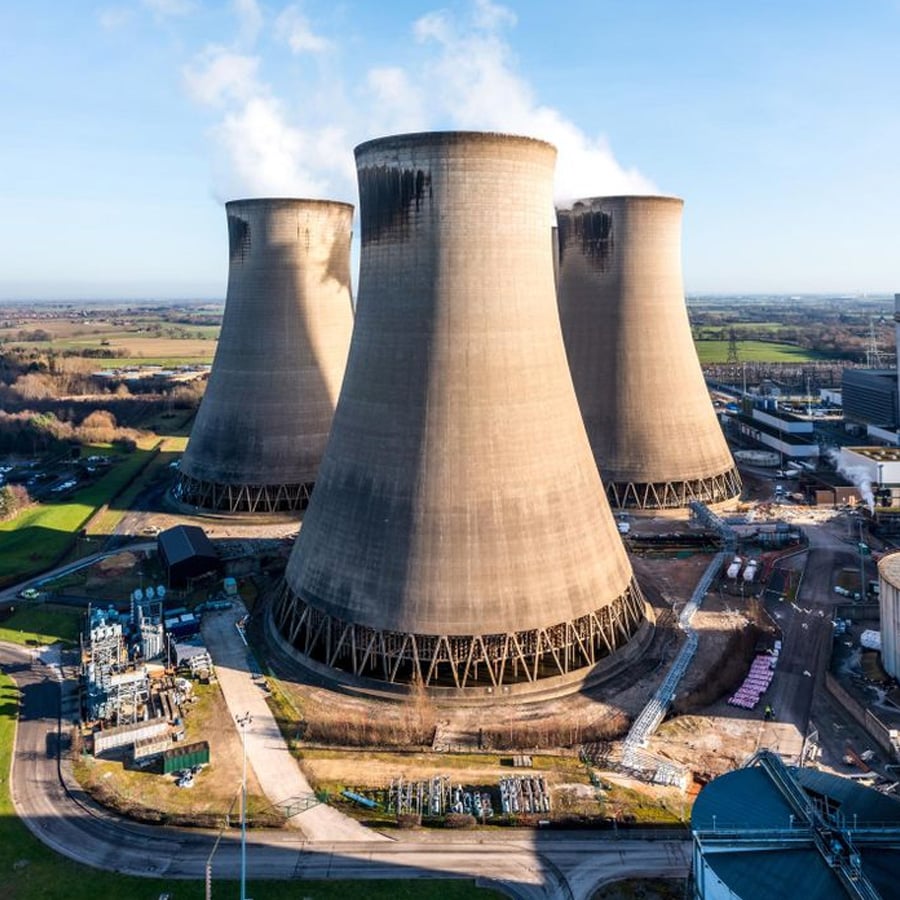
Enthusiasm surrounding atomic energy was enormous in the 1950s. Predictions imagined nuclear-powered ships, airplanes, trains, and even automobiles operating for extremely long periods without conventional fuel. Nuclear power did transform electricity generation and naval propulsion, but safety concerns and engineering limitations prevented miniature reactors from appearing in everyday vehicles.
Trending on Wealth Gang

6. Homes Would Practically Clean Themselves

The house of the future was often portrayed as almost completely automated. Concepts included furniture that could be easily washed, self-cleaning surfaces, automatic dishwashing systems, and rooms designed to require minimal maintenance. Modern appliances have eliminated plenty of household labor, but the completely self-cleaning home remains elusive.
7. Television Screens Would Cover Entire Walls
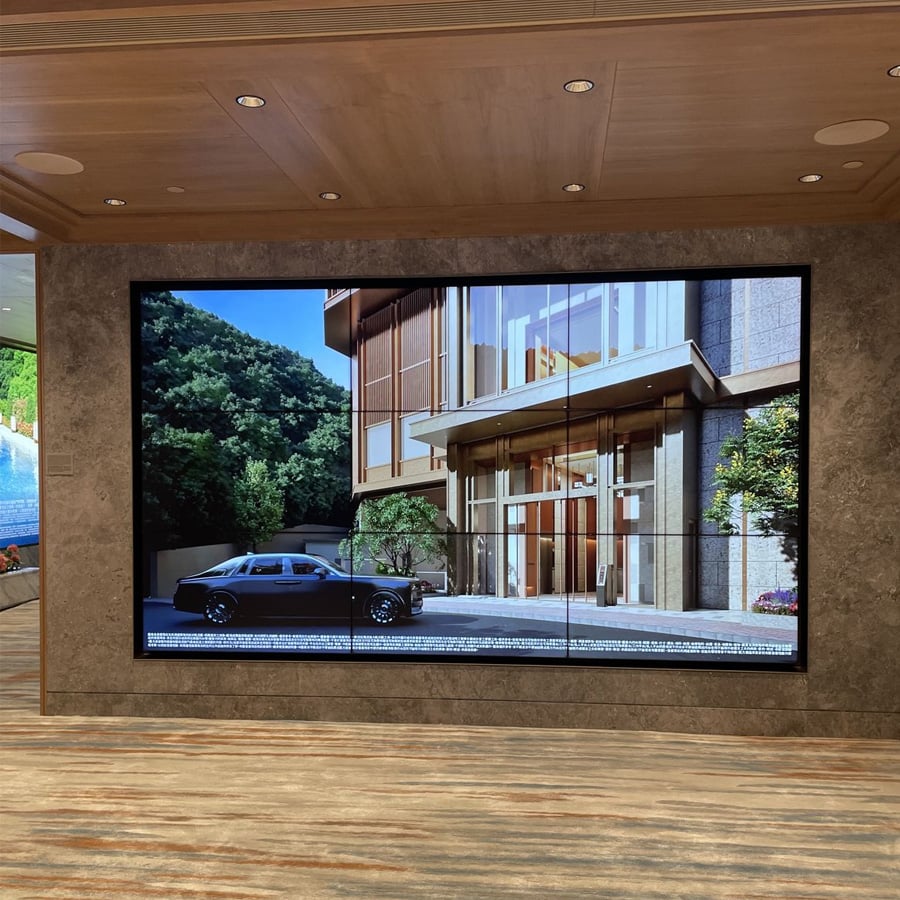
Television was still relatively new in many households during the 1950s, yet futurists were already imagining enormous flat screens built directly into walls. At a time when TVs were bulky pieces of furniture with small displays, the concept looked extravagant. Large flat-panel televisions and projection systems eventually made this one of the era’s more accurate predictions.
8. People Would Make Video Calls From Home

Future communication was frequently depicted as a combination of the telephone and television. People would supposedly be able to see friends, relatives, or coworkers while speaking with them from across the country or around the world. Video calling eventually became routine through computers and smartphones, making this prediction remarkably close to modern life.
Sign up for our newsletter
9. Newspapers Would Be Delivered Electronically
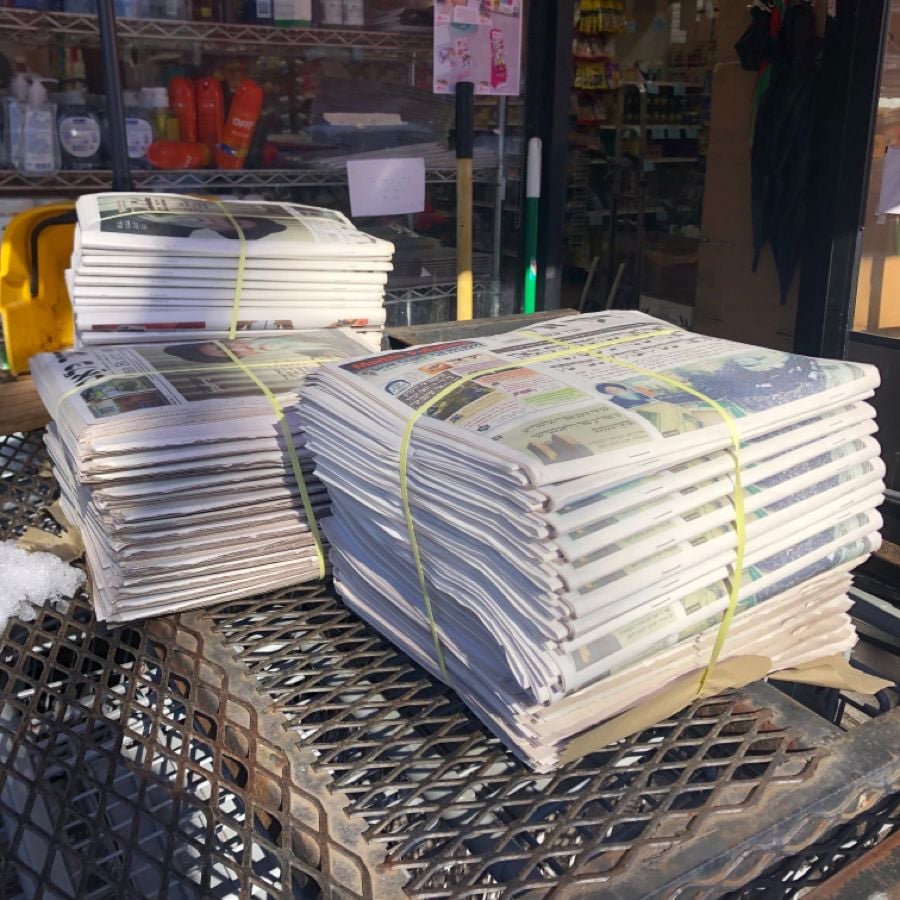
Some futurists anticipated that information could eventually arrive directly through electronic systems rather than being printed and physically delivered. The exact technology they imagined differed from today’s internet, but the broader idea was remarkably accurate. Digital newspapers, websites, apps, and instant news alerts have made electronic delivery the dominant way many people consume news.
10. Cars Would Drive Themselves
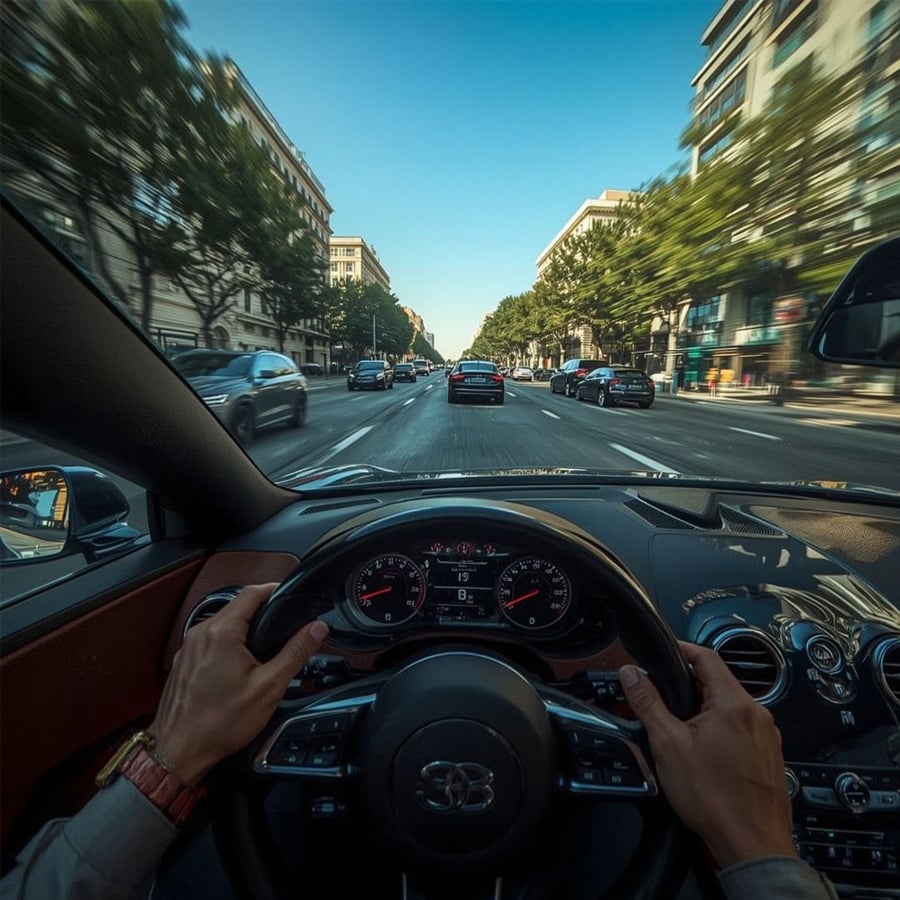
Automakers and futuristic publications explored the idea of automated highways where vehicles could travel with little or no driver input. Some concepts imagined electronic guidance systems embedded in roads that would control steering and maintain safe distances. Modern autonomous vehicles use very different technology, but the goal of removing the human driver is strikingly similar.
11. Highways Would Control Traffic Automatically
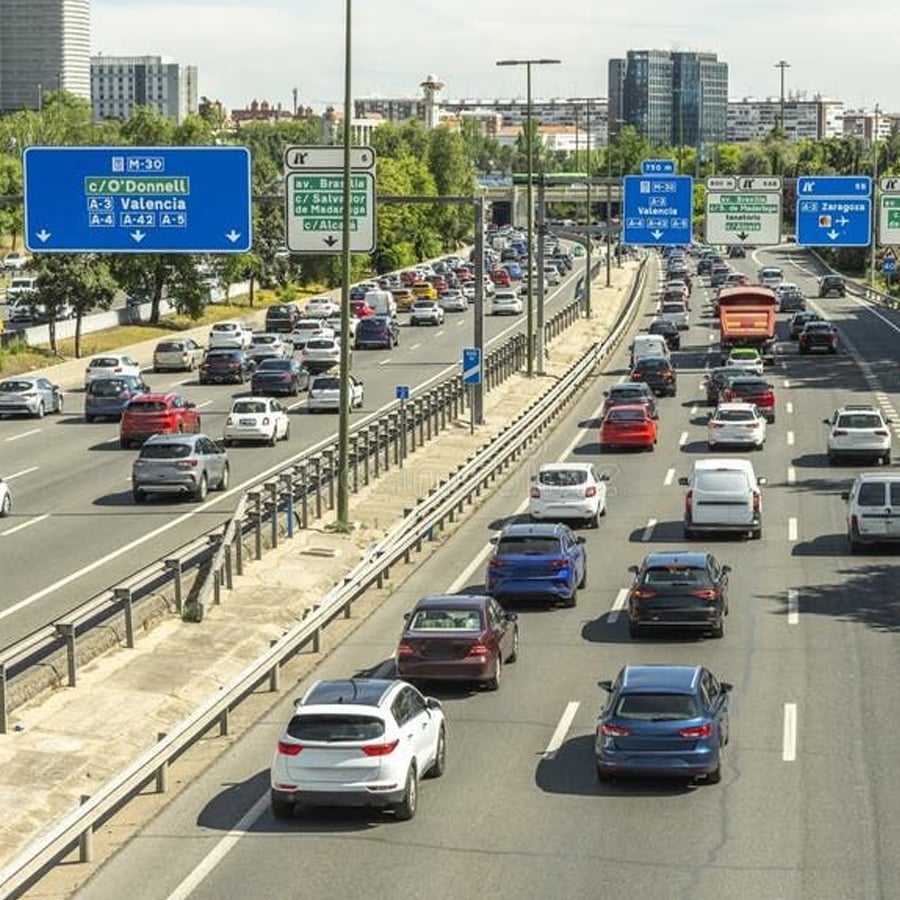
The future road system was supposed to be far more intelligent than ordinary pavement. Automated highways could theoretically communicate with vehicles, regulate their speed, prevent collisions, and eliminate congestion. Today’s traffic sensors, adaptive signals, GPS navigation, and connected vehicle technology resemble parts of that vision, although fully automated highway networks never became widespread.
12. People Would Vacation in Space
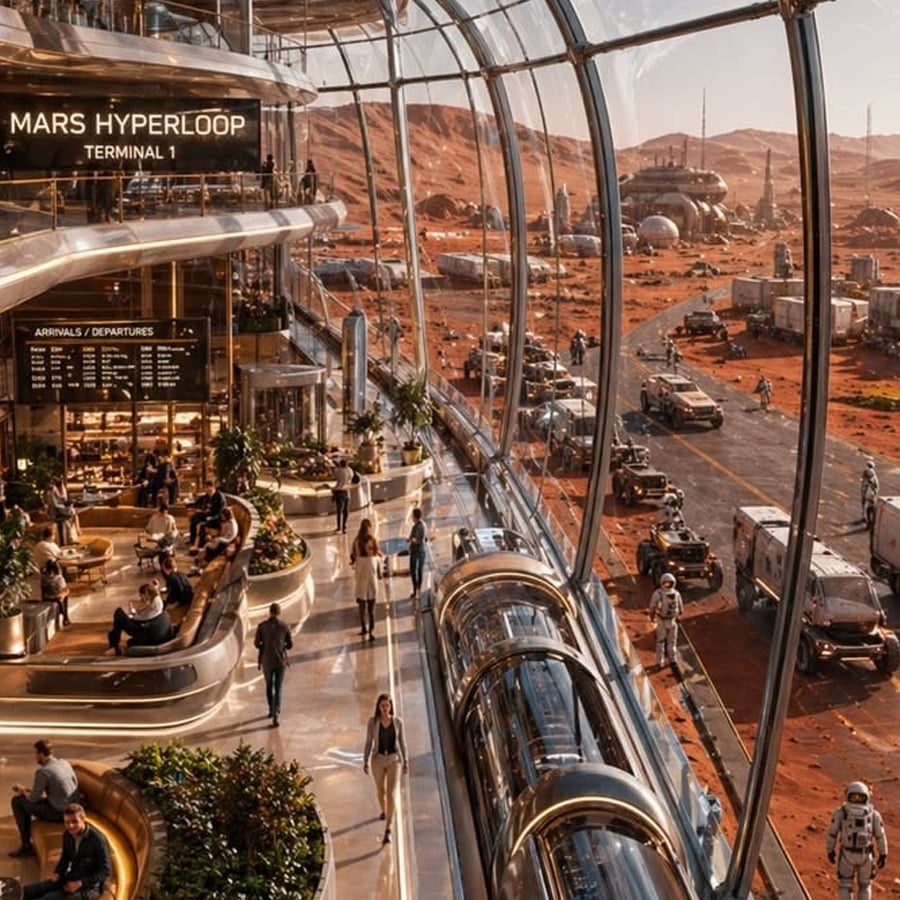
As rocket technology advanced during the 1950s, space tourism seemed like a logical next step. Illustrations depicted ordinary travelers boarding spacecraft and visiting orbiting hotels or destinations beyond Earth. Commercial space tourism finally became possible decades later, but it remains extraordinarily expensive rather than the routine family vacation once imagined.
13. Cities Would Be Built Beneath the Ocean
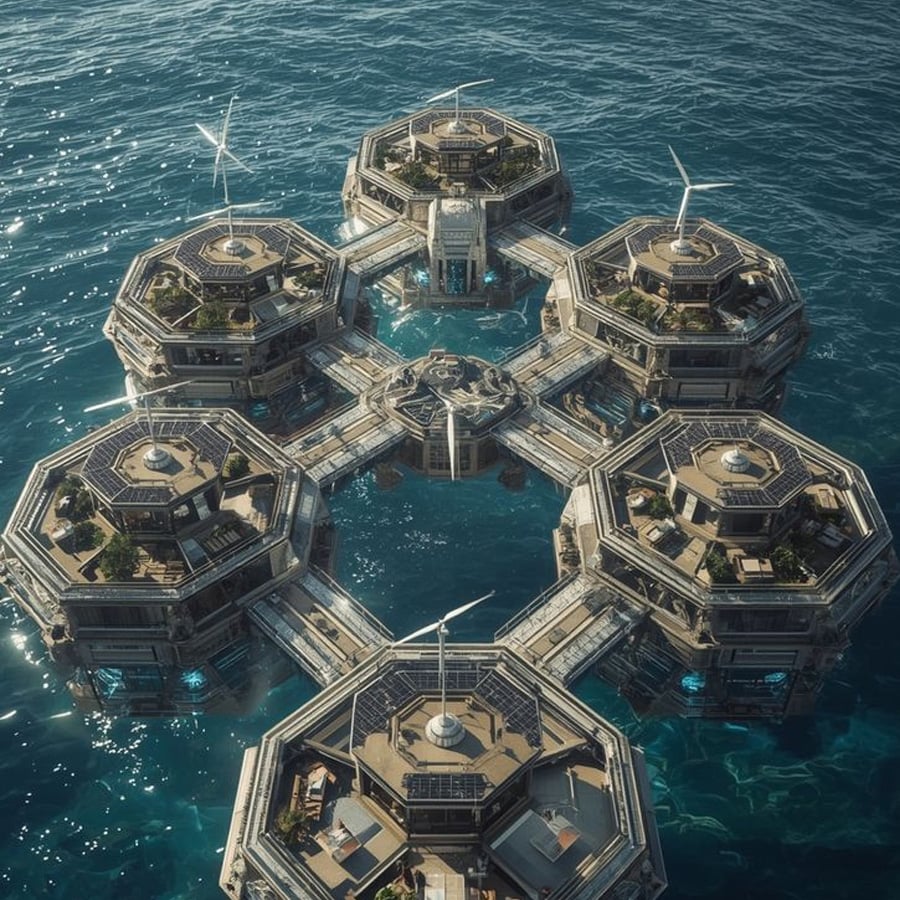
The ocean was sometimes treated as the next great frontier for human expansion. Futurists imagined underwater communities protected by enormous domes, complete with homes, workplaces, transportation systems, and spectacular views of marine life. Permanent underwater research habitats have existed, but nothing approaching a full-scale underwater city has been built.
14. Weather Could Be Controlled
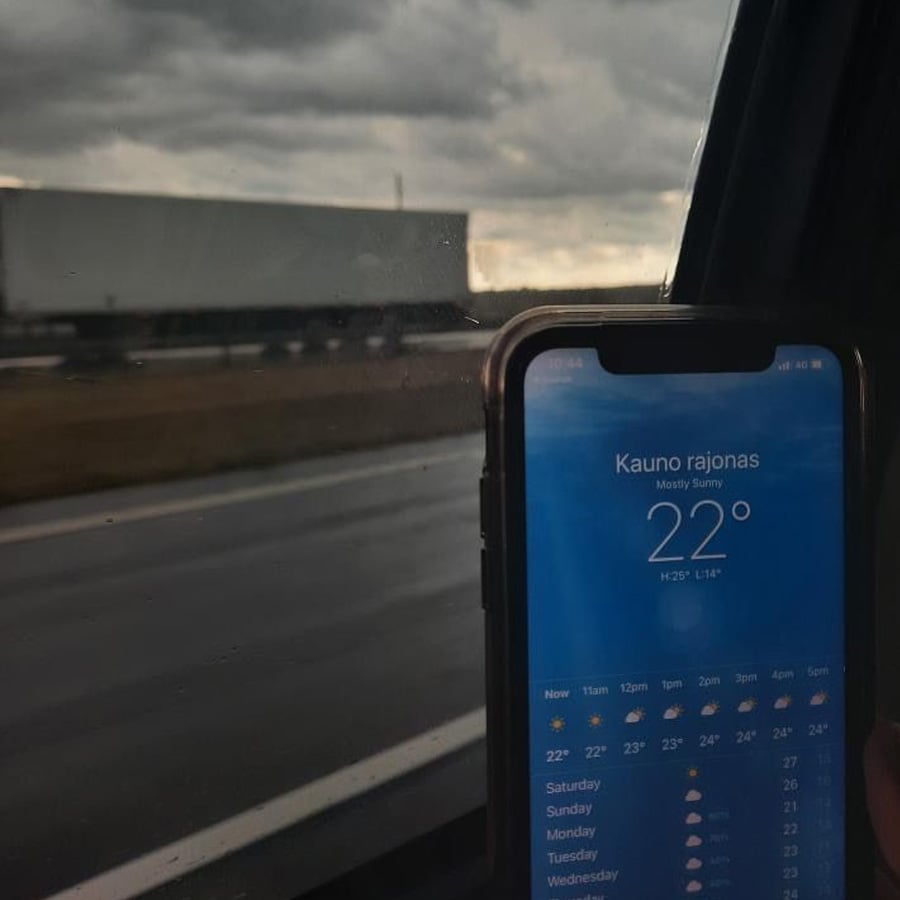
Scientists were already experimenting with cloud seeding by the middle of the 20th century, encouraging speculation that humanity might eventually control the weather itself. Future societies were imagined preventing droughts, producing rain when necessary, and perhaps even weakening dangerous storms. Weather modification remains limited, and controlling large-scale weather systems is still beyond existing technology.
15. Moving Sidewalks Would Replace Walking
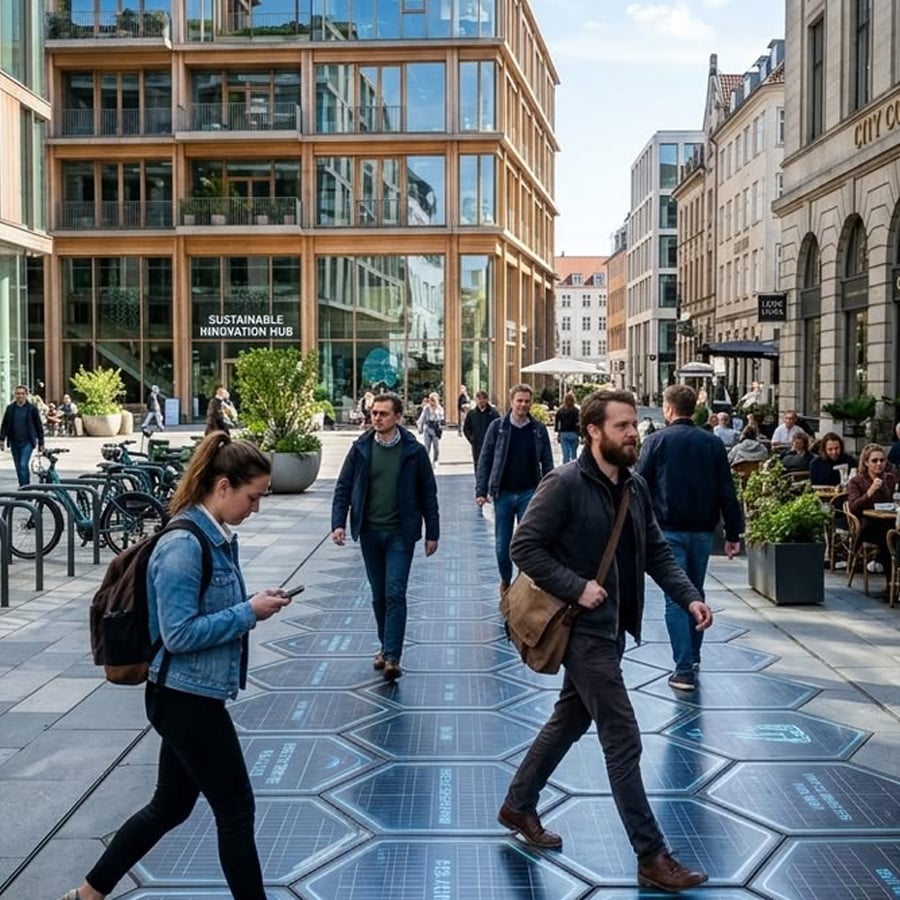
Futuristic cities were frequently illustrated with networks of moving sidewalks carrying pedestrians between buildings and neighborhoods. The idea promised cleaner streets and effortless urban transportation without relying entirely on cars. Moving walkways became common in airports and large facilities, but they never developed into the citywide transportation networks envisioned in mid-century predictions.
16. Workweeks Would Become Much Shorter
Automation was expected to make workers so productive that people would eventually spend less time on the job dramatically. Some mid-century predictions imagined extremely short workweeks and far more leisure time as machines handled increasing amounts of labor. Productivity rose enormously over the following decades, but the standard five-day workweek proved much harder to eliminate than many futurists expected.
More Related Notes
• 12 Forgotten Inventions That Were Ahead of Their Time.
Explore inventions that seemed futuristic when they first appeared, including ideas that anticipated technologies people now use every day.
• 15 Technologies That Were Supposed to Change the World but Failed.
Discover ambitious technologies that promised to transform everyday life but never quite delivered the revolutionary future their creators imagined.
• 10 Technologies That Changed Everyday Life Faster Than Expected.
See which innovations actually transformed daily life, offering an interesting comparison with the futuristic predictions people were making in the 1950s.