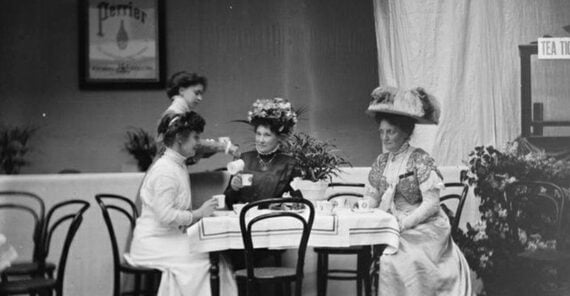
Three women in elaborate hats sit at a table enjoying tea, while a waitress pours a cup. A “Perrier” sign and a “Tea” sign are visible in the background. The setting appears to be an early 20th-century tearoom.

The 1890s were a period of transition across the United States. While major cities were growing rapidly, much of the country still revolved around small towns where daily life moved at a slower pace. These communities were shaped by local businesses, family farms, churches, schools, and railroad connections that linked them to the wider world. Rare photographs from the era offer a fascinating glimpse into how ordinary Americans lived, worked, and socialized more than a century ago. From dusty main streets to community gatherings, these images capture a way of life that has largely disappeared. Here are 25 remarkable scenes from small-town America in the 1890s.

1. The Town’s Main Street
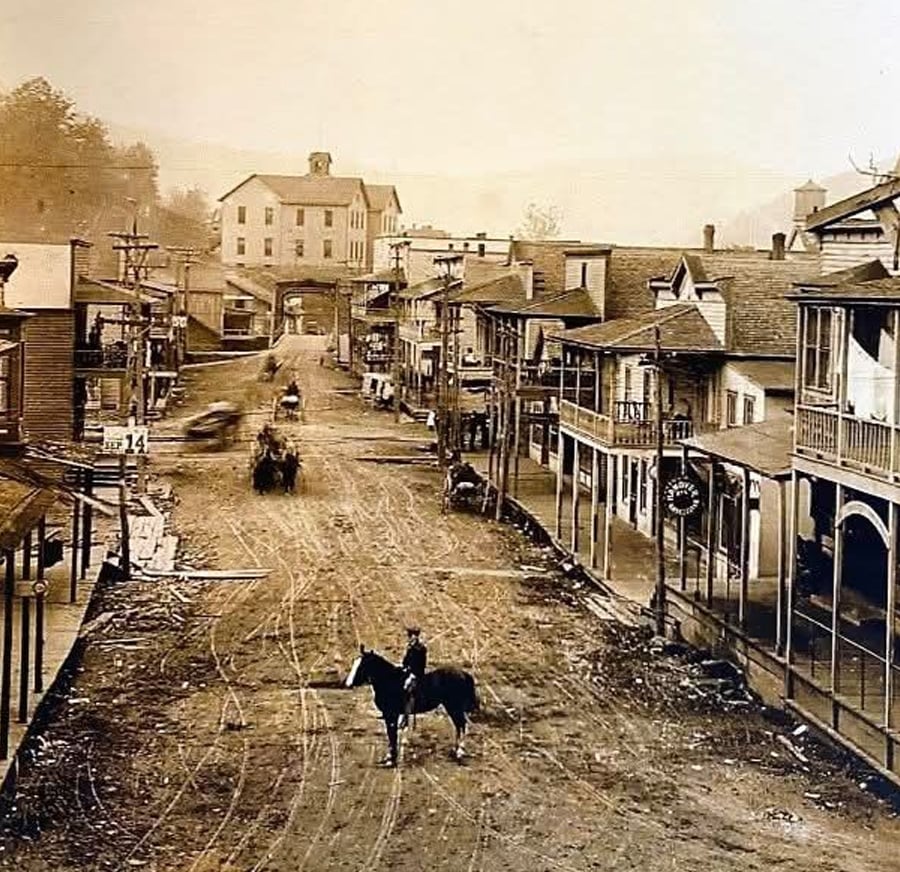
Sepia-toned photo of an old western town with dirt roads, wooden buildings, horse-drawn carriages, and a person on horseback in the street; hills and a large building are visible in the background.
Marlene Simpson / Pinterest.com

Main streets served as the heart of small-town life. General stores, banks, barber shops, and pharmacies lined the roads, creating a central gathering place for residents. Horse-drawn wagons filled the streets while merchants greeted familiar customers.

2. The General Store
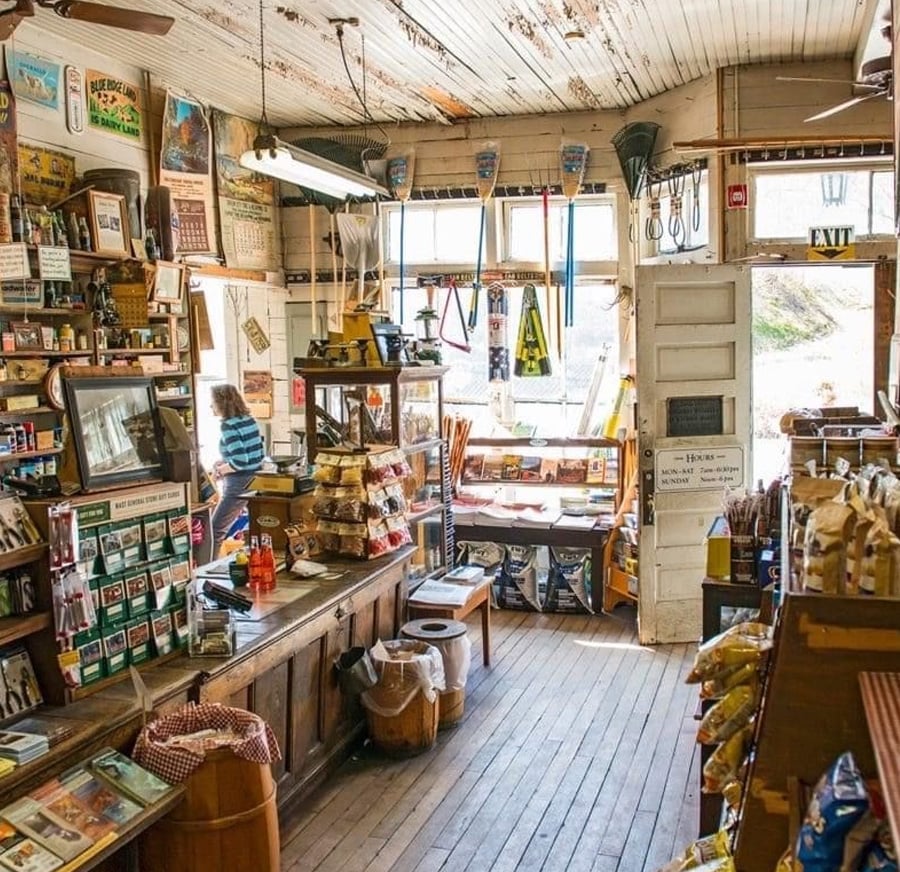
A cozy, old-fashioned general store with wooden floors, shelves stocked with snacks and goods, vintage posters on the walls, and sunlight streaming through large front windows. A person stands behind the counter.
Ruthann McCoy / Pinterest.com

The general store was often the most important business in town. Residents could purchase food, clothing, tools, and household goods in one location. It also functioned as a social hub where neighbors exchanged news and gossip.

3. One-Room Schoolhouses
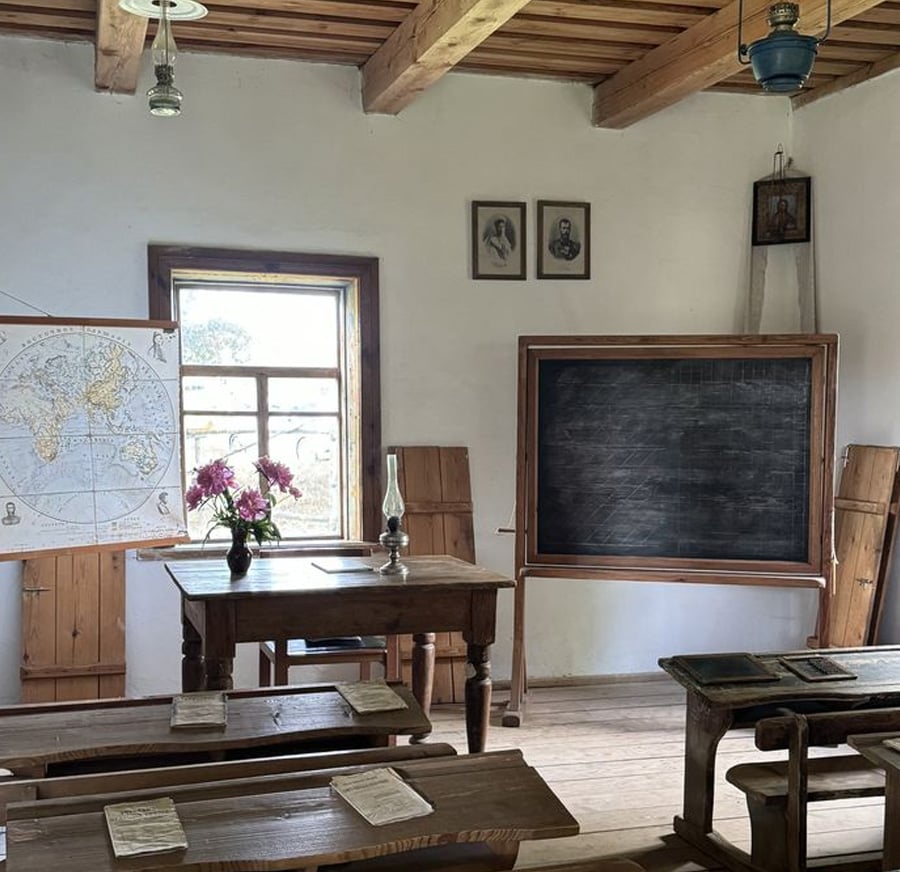
A vintage classroom with wooden desks, a chalkboard, a world map, an oil lamp on the teacher’s desk, and flowers in a vase. Sunlight comes through the window and portraits hang on the wall above the chalkboard.
Llelie / Pinterest.com

Many rural communities relied on one-room schoolhouses. A single teacher often educated students of various ages, teaching everything from reading and arithmetic to geography and history.

4. Family Farms
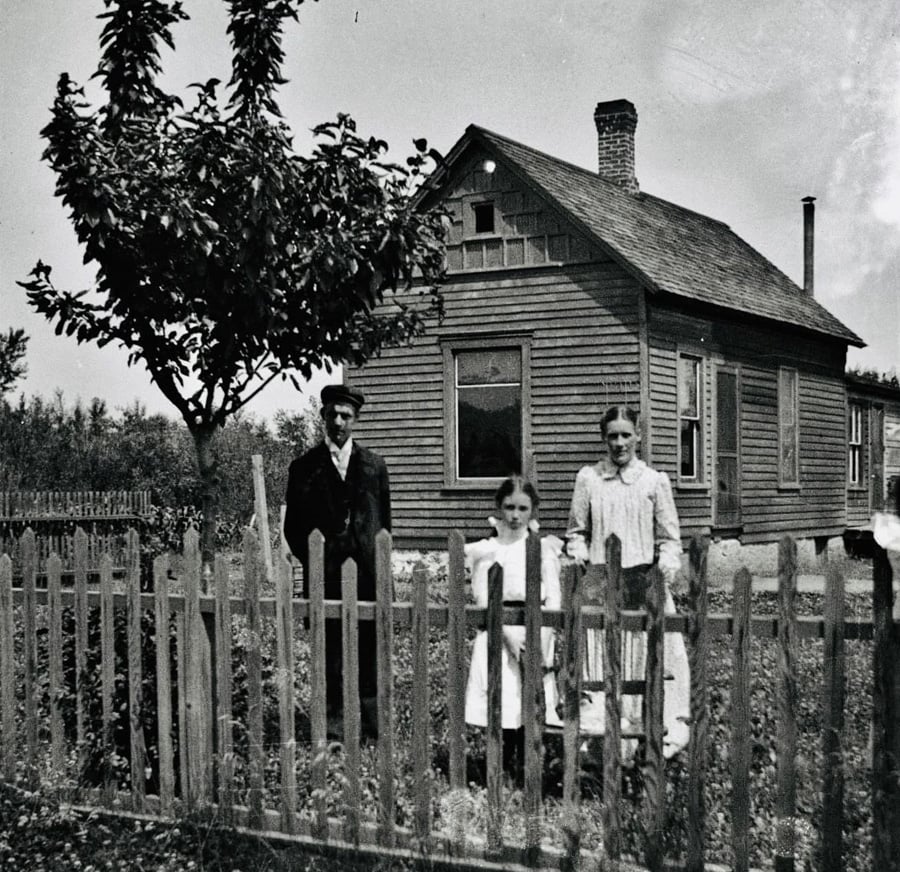
Black-and-white photo of three people—an adult man, a young girl, and an adult woman—standing behind a wooden picket fence in front of a small wooden house with a chimney and a tree nearby.
Dennis Miller / Pinterest.com

Agriculture remained the backbone of countless small towns. Families worked long hours tending crops and livestock, with children frequently helping alongside their parents.

5. Church Gatherings
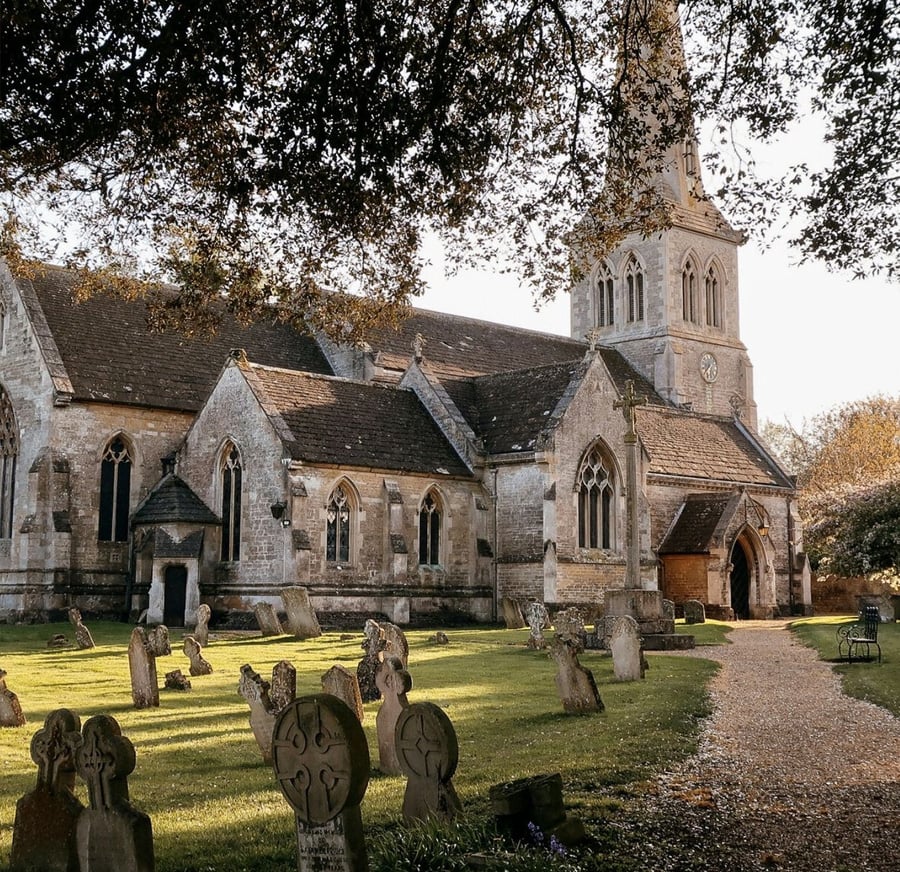
A historic stone church with a tall steeple stands amid a graveyard filled with old headstones and shaded by large trees, bathed in soft afternoon sunlight.
Heather Hafner / Pinterest.com

Churches played a central role in community life. Weekly services, social events, and charity efforts brought residents together and helped strengthen local bonds.

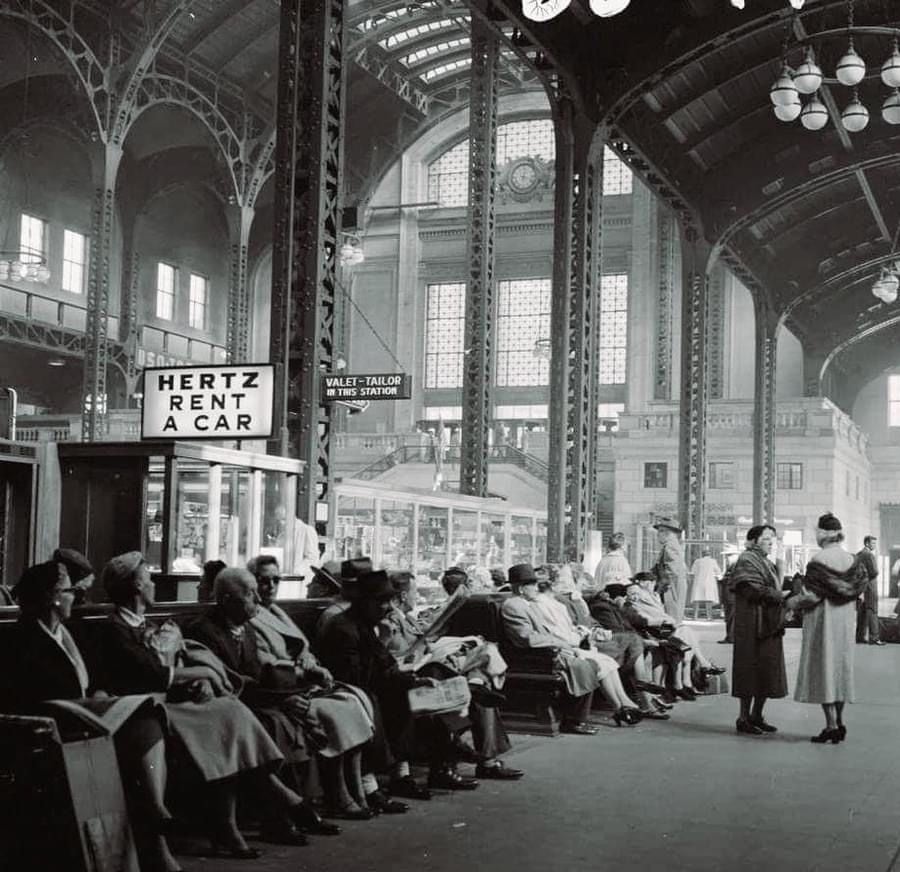
6. Railroad Stations

Black and white photo of a busy train station waiting area with people sitting and standing. A "Hertz Rent a Car" sign is visible. The architecture features tall arches and large windows.
Robert Elliott / Pinterest.com

Railroad depots connected isolated towns to larger cities. Trains delivered goods, mail, and visitors while providing opportunities for travel and commerce.

7. Local Blacksmith Shops
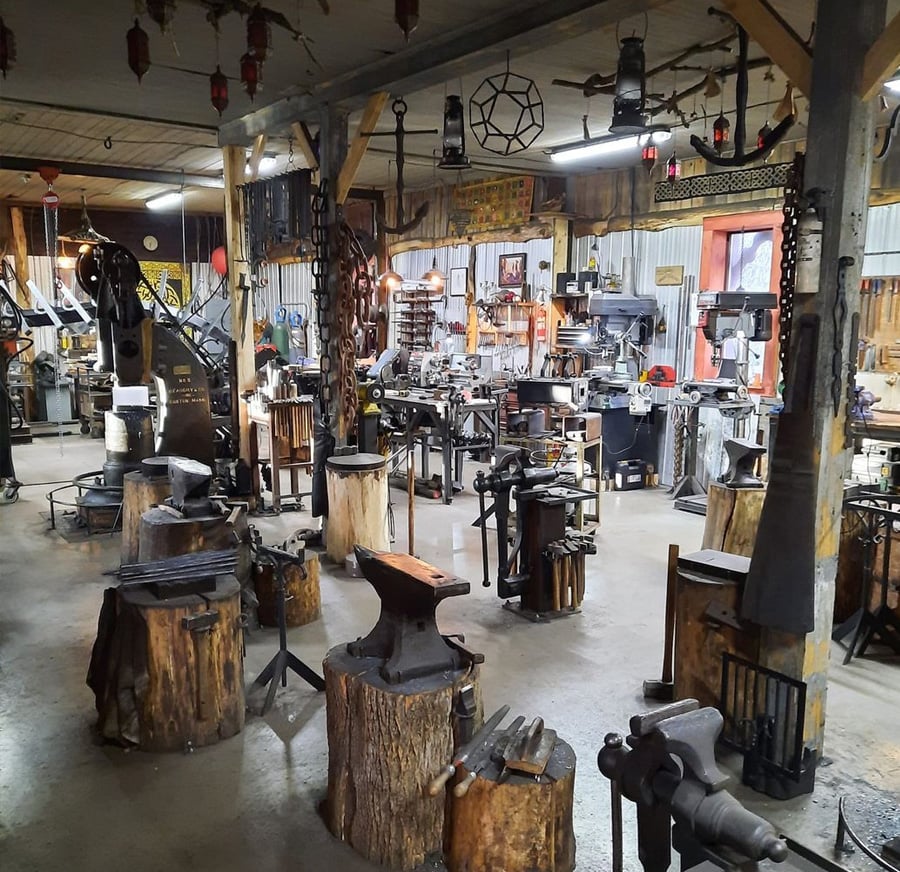
Spacious blacksmith workshop with multiple anvils on tree stumps, tools, equipment, and workbenches. The shop has a rustic, organized appearance with machinery and metalworking tools throughout.
GC / Pinterest.com

Before automobiles became common, blacksmiths were essential members of the community. They repaired wagons, shoed horses, and crafted tools used by farmers and tradesmen.

8. Town Parades
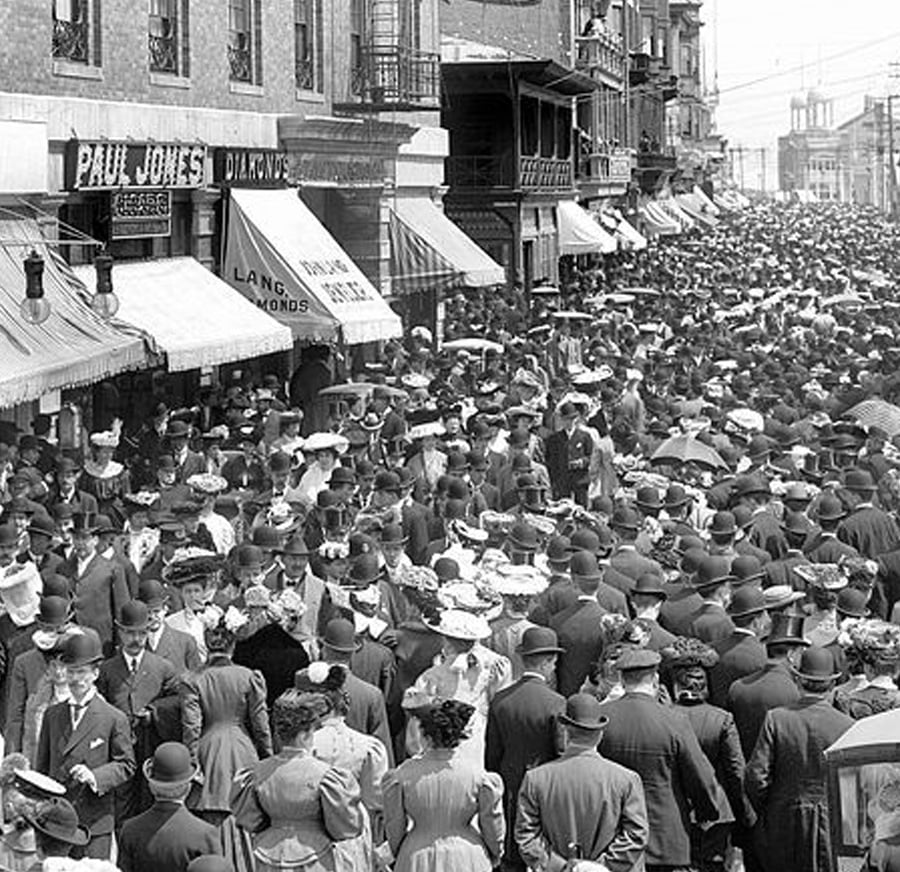
A large crowd of people in early 1900s attire, including suits, hats, and dresses, fills a city street lined with storefronts and awnings on a busy day.
Elizabeth Anne Hardy / Pinterest.com

Parades were popular celebrations for holidays, political campaigns, and local festivals. Entire communities often turned out to watch marching bands and decorated wagons pass by.

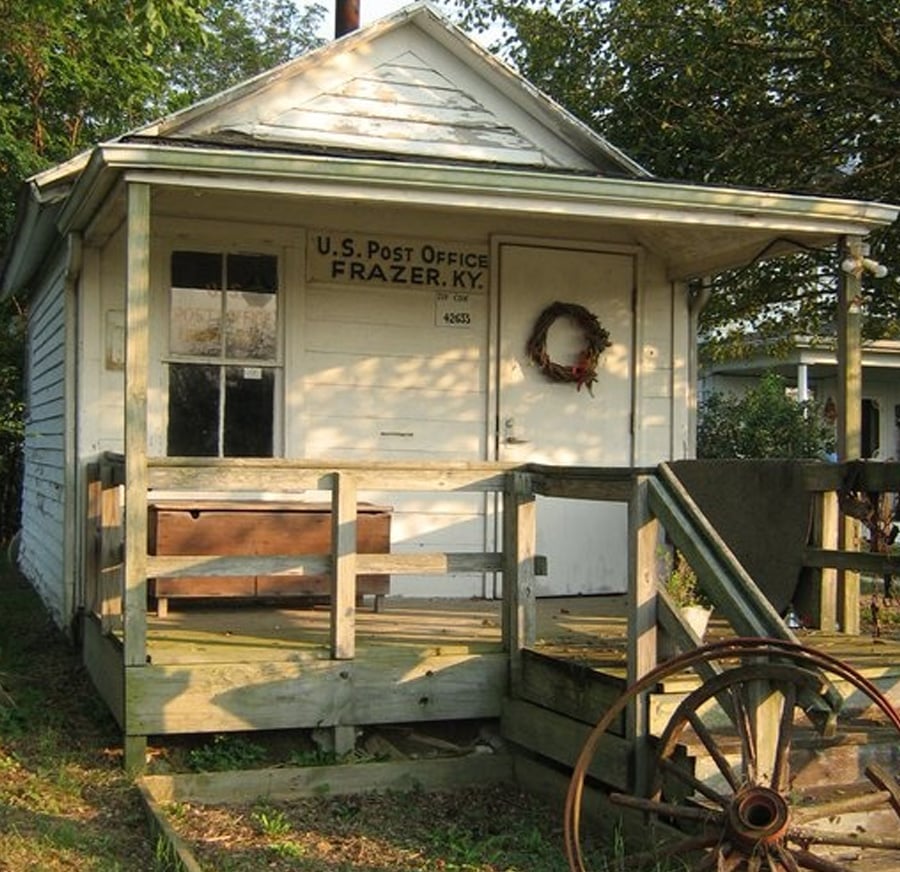
9. Rural Post Offices

A small, old white wooden building with a porch and ramp, marked "U.S. Post Office, Frazer, KY," sits in the sunlight. A wagon wheel decorates the porch, and a wreath hangs on the door. Trees are in the background.
Marilyn Muse / Pinterest.com

The post office served as a critical communication center. Residents gathered to collect letters, newspapers, and information from distant relatives and national events.

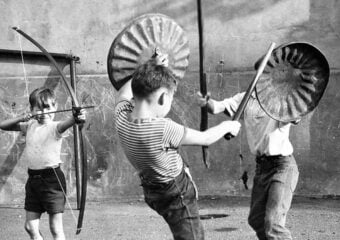
10. Children’s Everyday Play
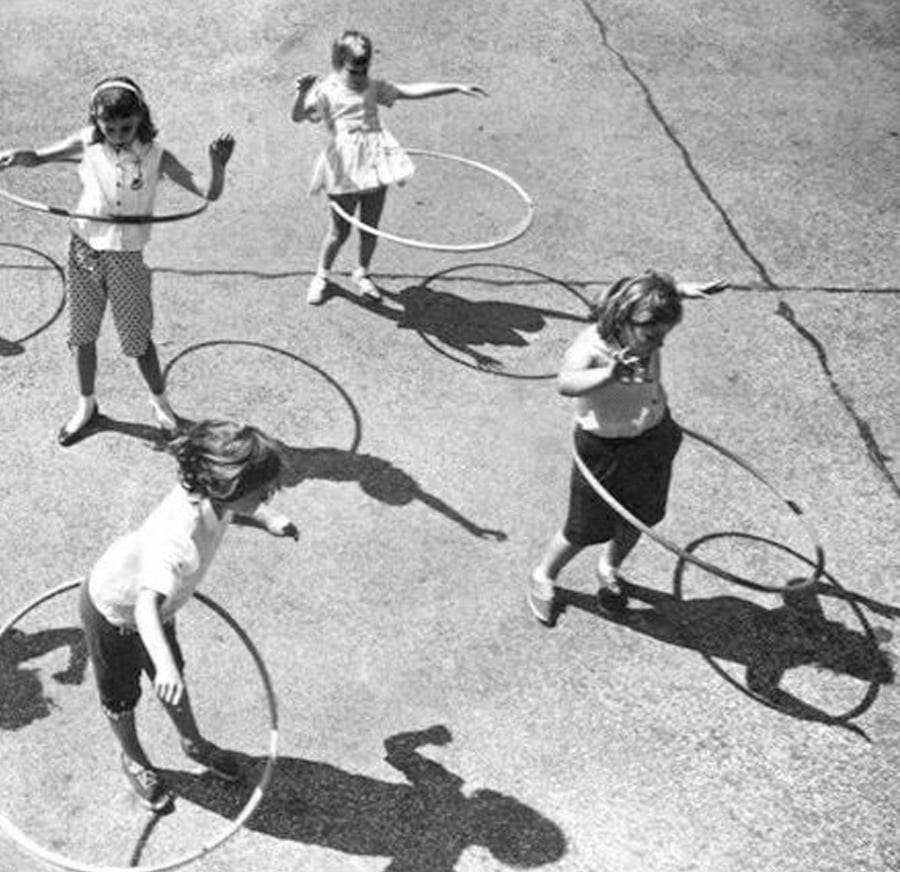
Five children play outside with hula hoops on a paved surface, casting long shadows in the sunlight. The image is black and white, giving it a nostalgic, vintage feel.
Beatrice Zammuto Miller / Pinterest.com

Without modern toys or electronics, children found entertainment outdoors. Games, homemade toys, and imaginative adventures filled their free time.

11. Community Picnic Days
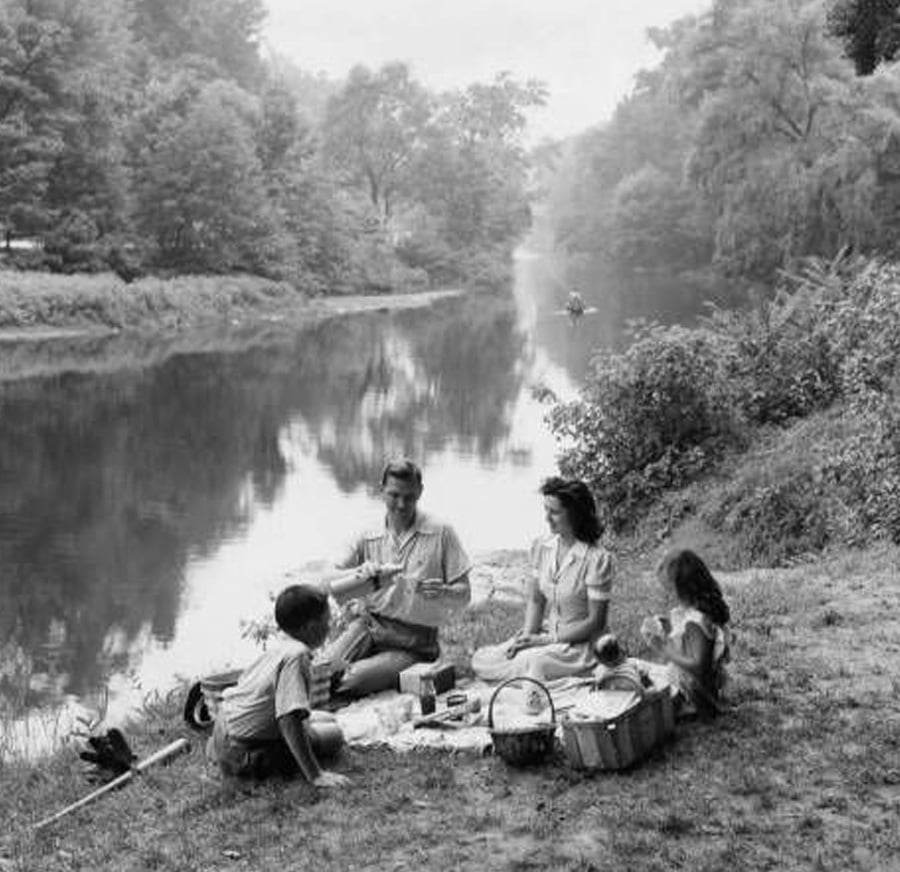
A family of four enjoys a picnic on a grassy riverbank. The parents sit on a blanket with food, while two children play nearby. Trees line the calm river, and a boat with two people is visible in the background.
Phoebe Darling / Pinterest.com

Large picnics brought together families from surrounding farms and towns. These gatherings featured food, music, games, and opportunities for socializing.

12. Small-Town Fire Brigades
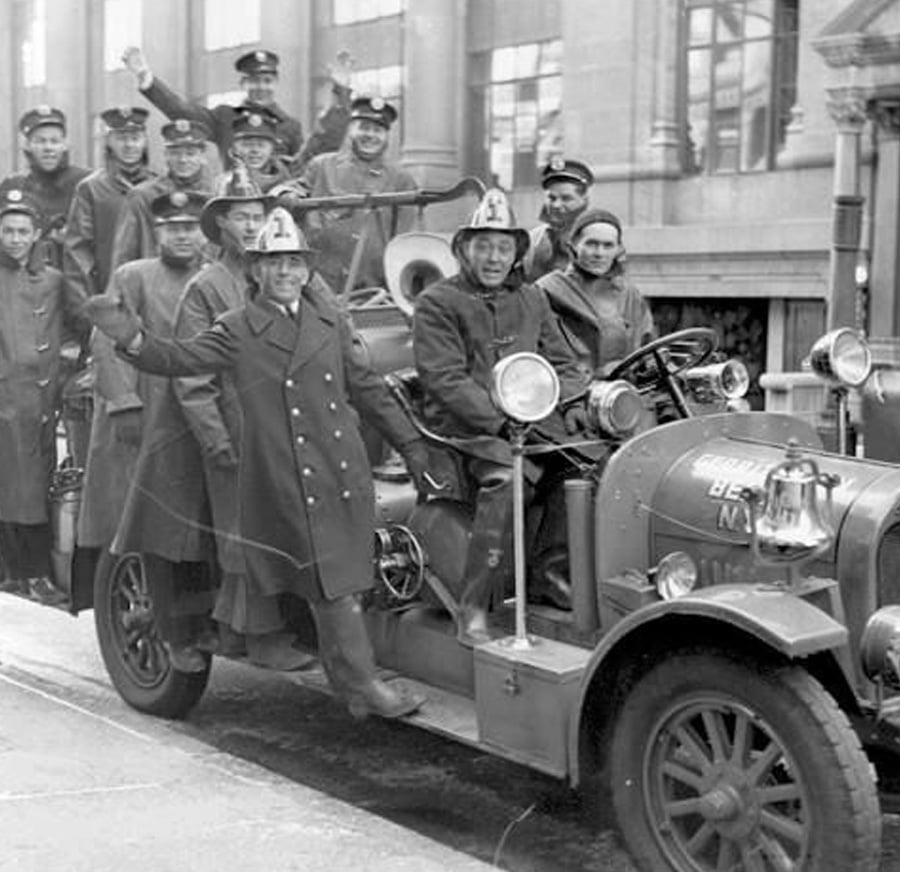
A group of firefighters in uniform pose and wave while riding an old-fashioned fire truck on a city street in front of a large building. The image appears to be from the early-to-mid 20th century.
billy roberts / Pinterest.com

Volunteer fire departments protected communities from devastating fires. Group photographs often show proud firefighters standing beside their equipment and horse-drawn engines.

13. Local Mercantile Businesses
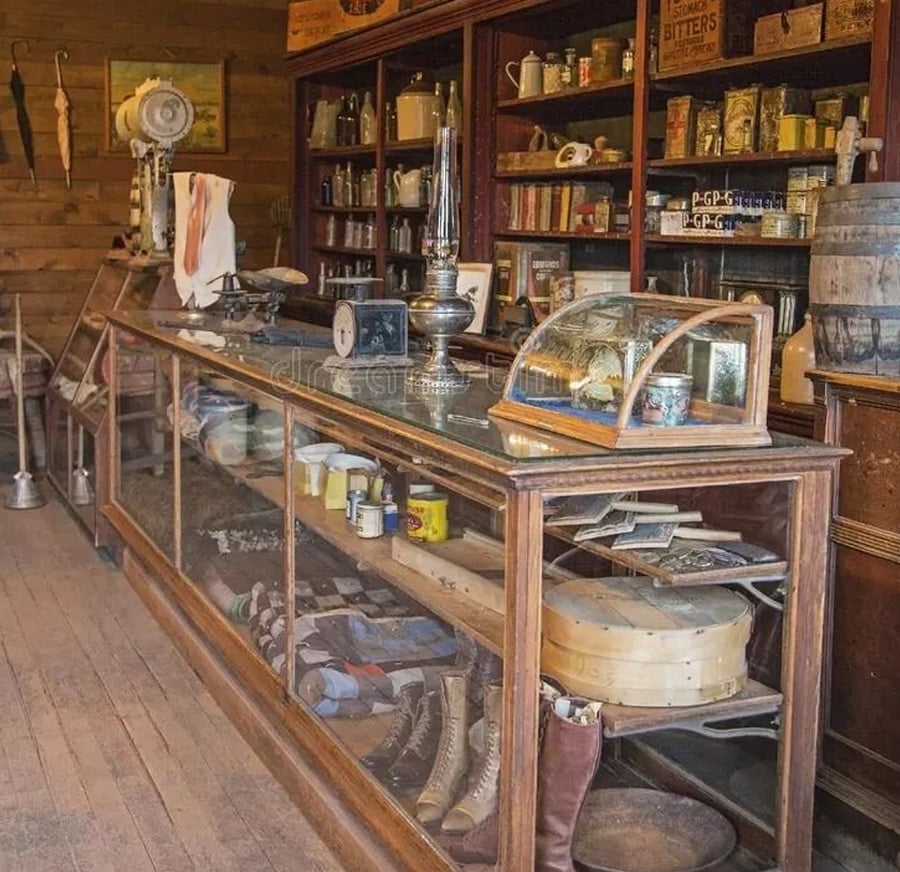
An old-fashioned general store with wooden shelves stocked with jars, bottles, and tins. Glass display cases hold boots, hats, and tools. A vintage scale and oil lamp sit on the counter, giving a rustic, historical feel.

Merchants stocked everything from fabric and farming supplies to canned goods. Their stores often reflected the economic health of the entire community.

14. Horse-Drawn Transportation
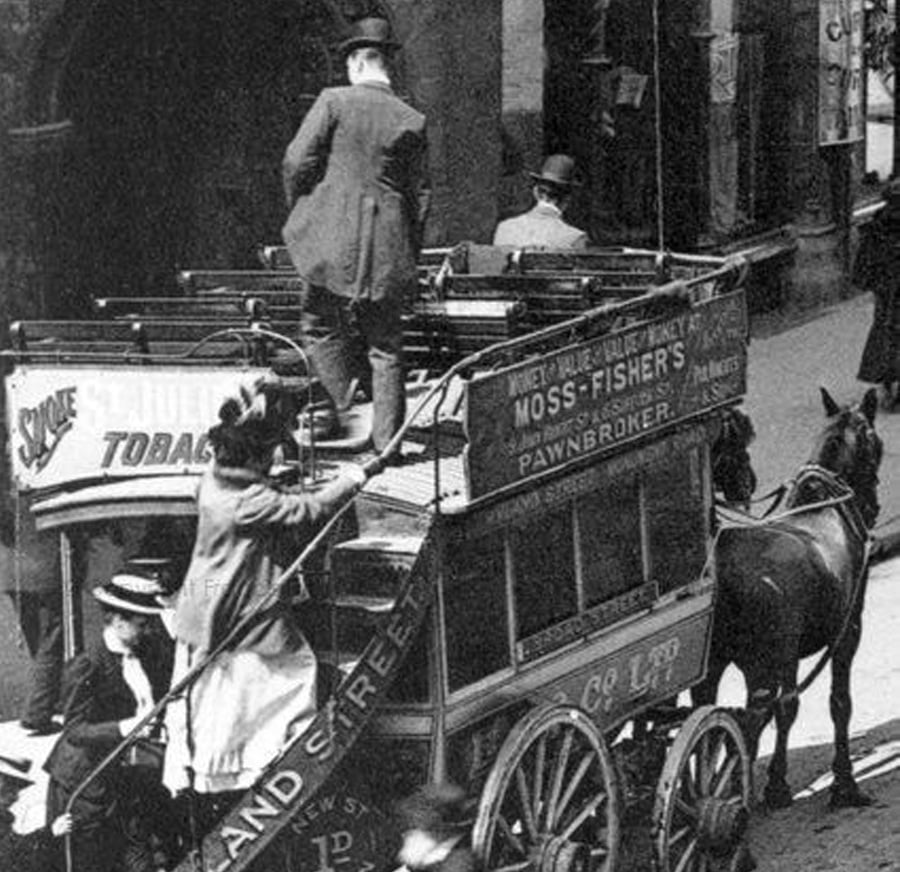
A black-and-white photo of people boarding a double-decker horse-drawn carriage on a city street. The carriage, advertising a pawnbroker, is pulled by two horses, and several passengers wear hats and coats.
he Francis Frith Collection / Pinterest.com

Horses powered daily transportation throughout the 1890s. Wagons, carriages, and buggies filled streets long before automobiles transformed travel.

15. County Fair Exhibits
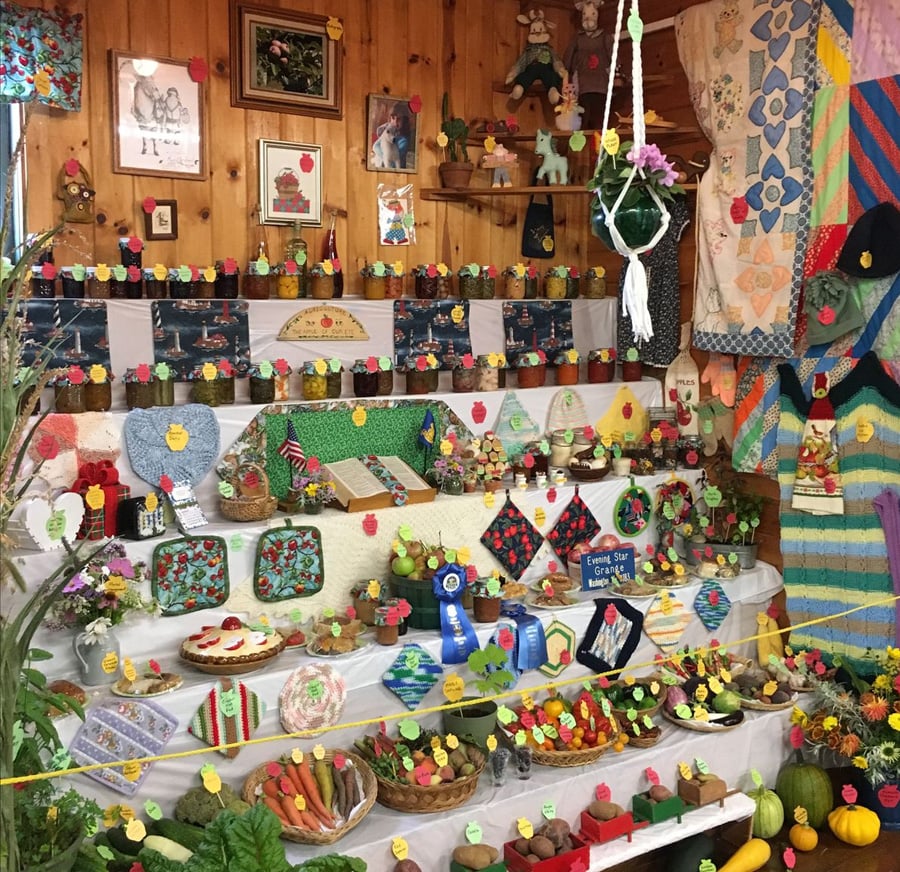
A display of handmade crafts, quilts, produce, and preserves arranged on shelves in a wooden room. Colorful ribbons and tags decorate each item, with framed artwork and textiles hanging on the walls.
International Association of Fairs and Expositions / Pinterest.com

County fairs showcased livestock, crops, crafts, and local talent. They offered entertainment while celebrating agricultural achievements and community pride.

16. Small-Town Hotels
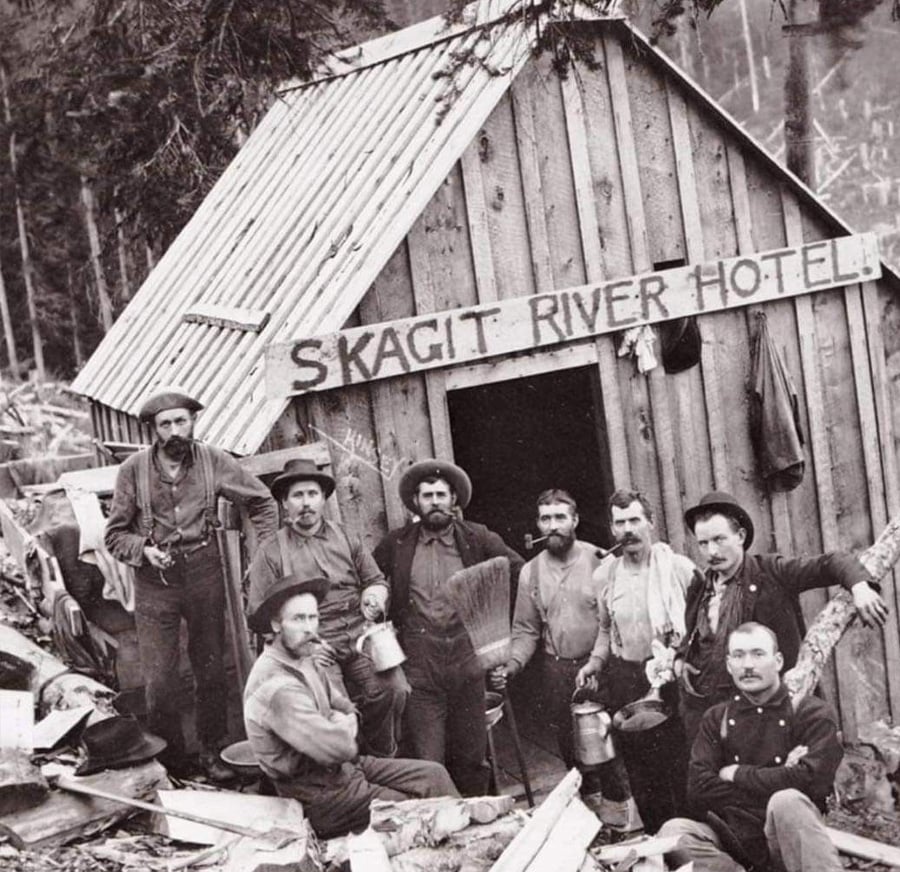
A group of men in work clothes and hats pose outside a small wooden cabin labeled “Skagit River Hotel,” surrounded by logs and trees in a rugged forest setting. Some hold mugs and tools, and most have facial hair.
Dana Andronescu / Pinterest.com

Travelers, salesmen, and railroad passengers often stayed in modest local hotels. These establishments became important centers of business and social activity.

17. Family Portraits Outside the Home
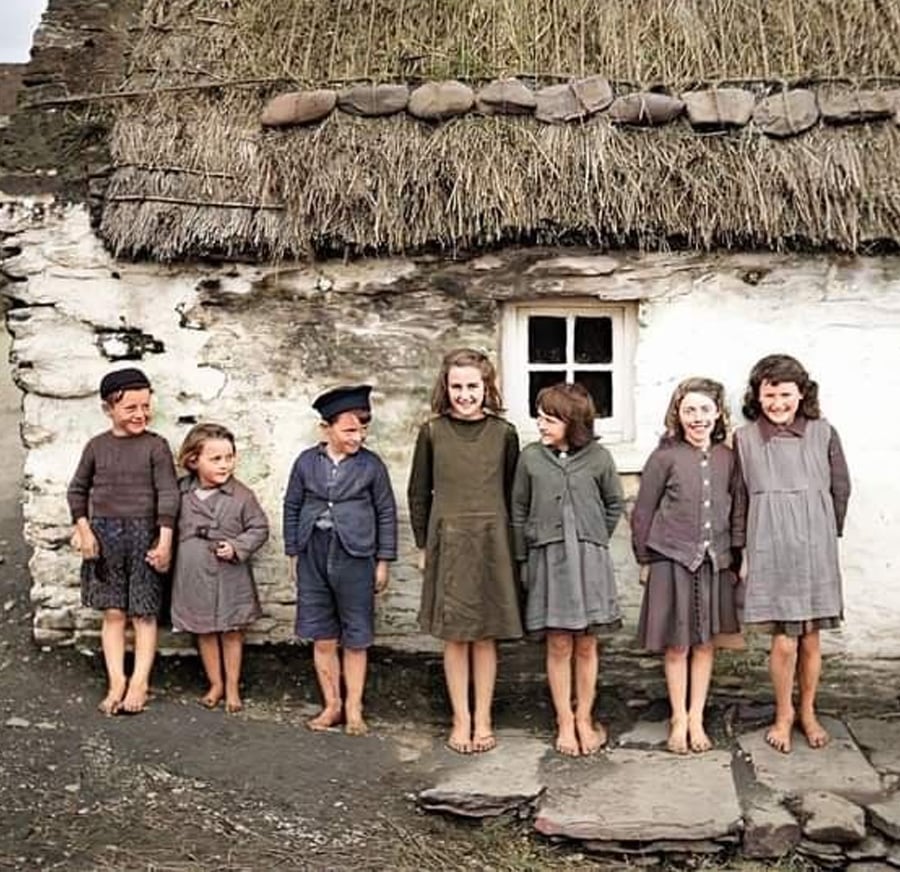
Seven barefoot children in old-fashioned, simple clothing stand in front of a stone cottage with a thatched roof. They are smiling and lined up on uneven ground, with a small window behind them.
Nancy Beasanski / Pinterest.com

Photography was becoming more accessible, and many families posed proudly in front of their houses. These images offer valuable insights into clothing, architecture, and family life.

18. Early Telephone Exchanges
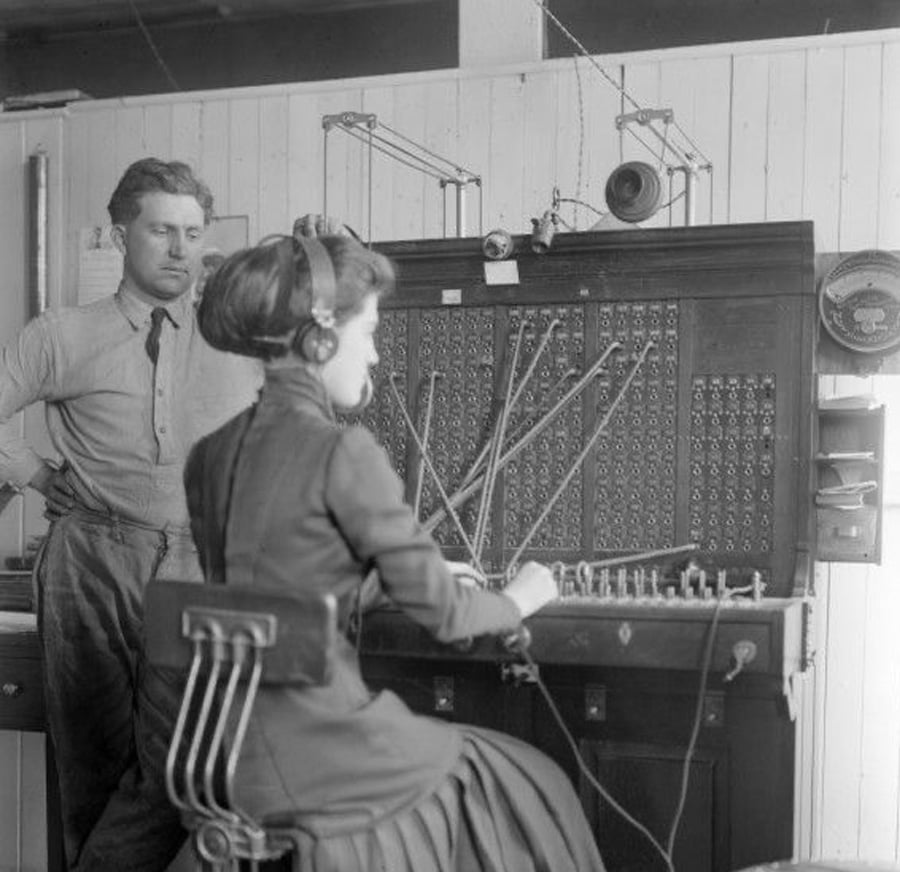
A woman operates an old-fashioned telephone switchboard, wearing a headset, while a man stands beside her watching. The setting appears to be an early 20th-century office with wood paneling.
Anonymous / Pinterest.com

Some towns began adopting telephone technology during the late nineteenth century. Early exchanges connected businesses and residents in ways that had never been possible before.

19. Harvest Season Work
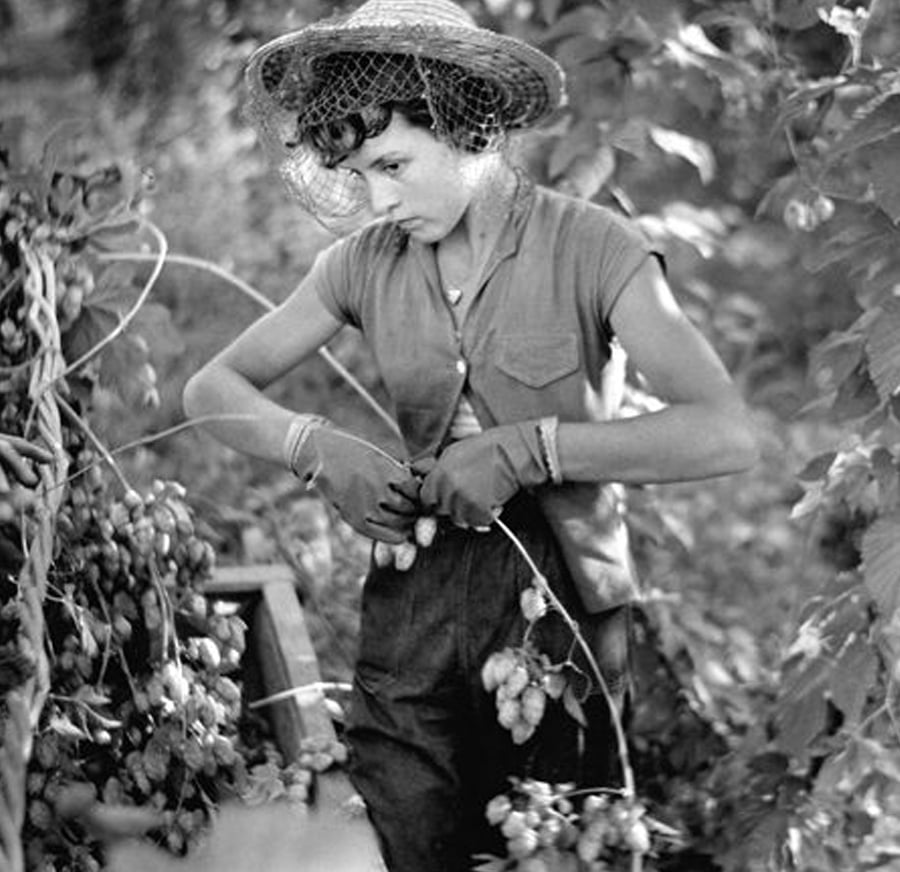
A woman wearing a straw hat, gloves, and a short-sleeved shirt harvests beans in a lush garden. She is focused on picking, surrounded by leafy plants and sunlight filtering through the foliage.
Anna Robertson / Pinterest.com

Harvest time required cooperation from entire families and communities. Photographs often show groups working together to bring crops in before winter arrived.

20. Women’s Social Clubs
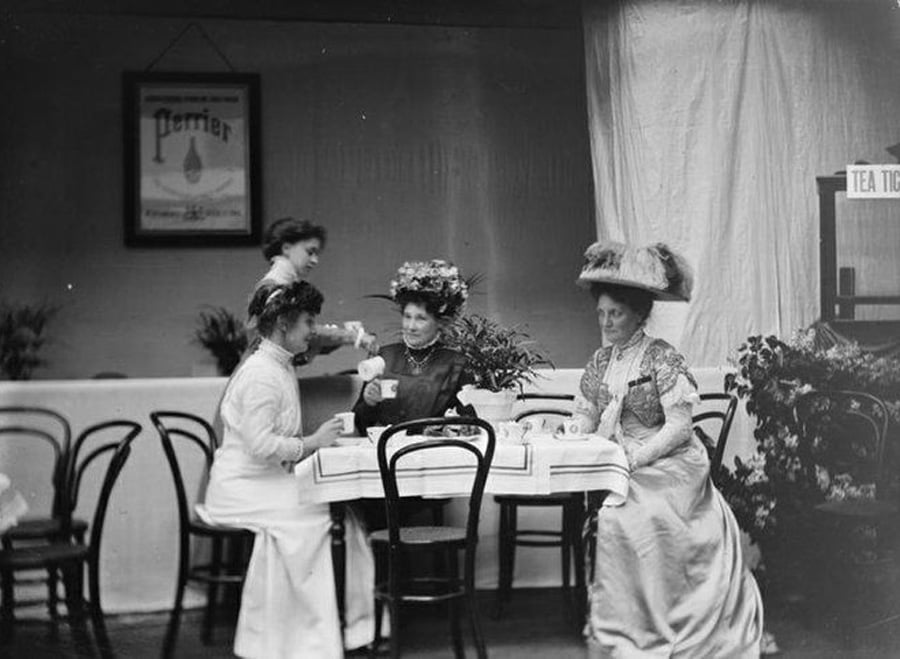
Three women in Edwardian-era dresses and hats sit at a table enjoying tea, while another woman stands pouring tea. The setting appears to be a vintage tea room with simple decor and a Perrier sign on the wall.
Jo’s favourite stuff / Pinterest.com

Women’s organizations played important roles in education, charity work, and civic improvement. Club meetings helped shape community life across many towns.

21. Local Baseball Teams
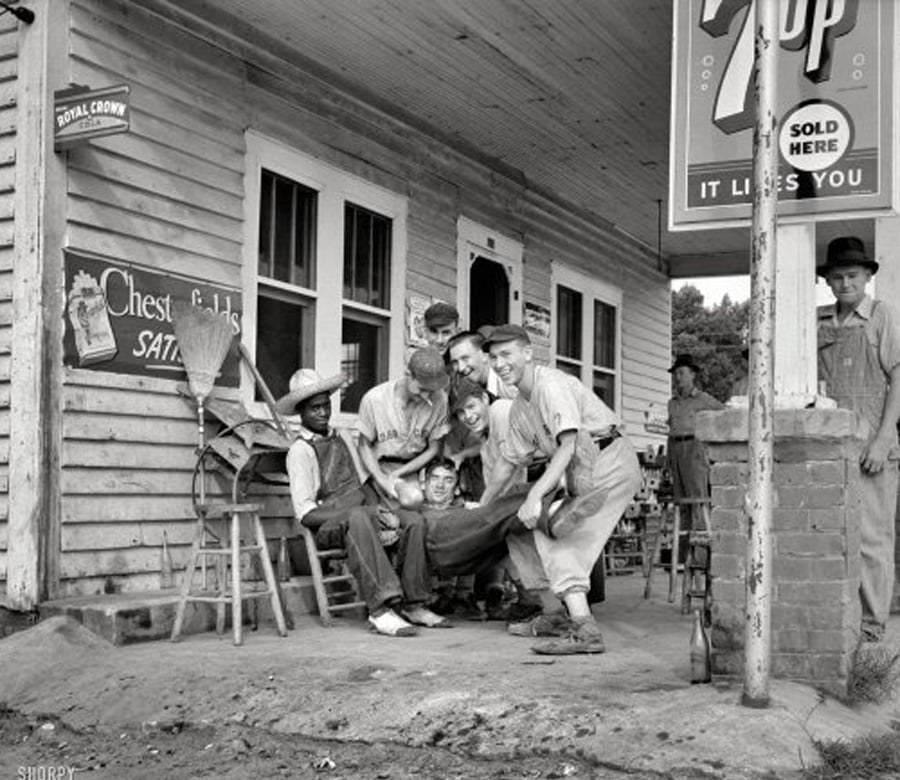
A group of men and boys gather playfully on the porch of an old wooden store with vintage signs for 7-Up, Chesterfields, and Royal Crown Cola. Some sit and some stand, while one leans against a post and another looks on.
Anonymous / Pinterest.com

Baseball was already becoming America’s favorite pastime. Small-town teams attracted enthusiastic crowds and fostered friendly rivalries with neighboring communities.

22. Lumber and Grain Operations
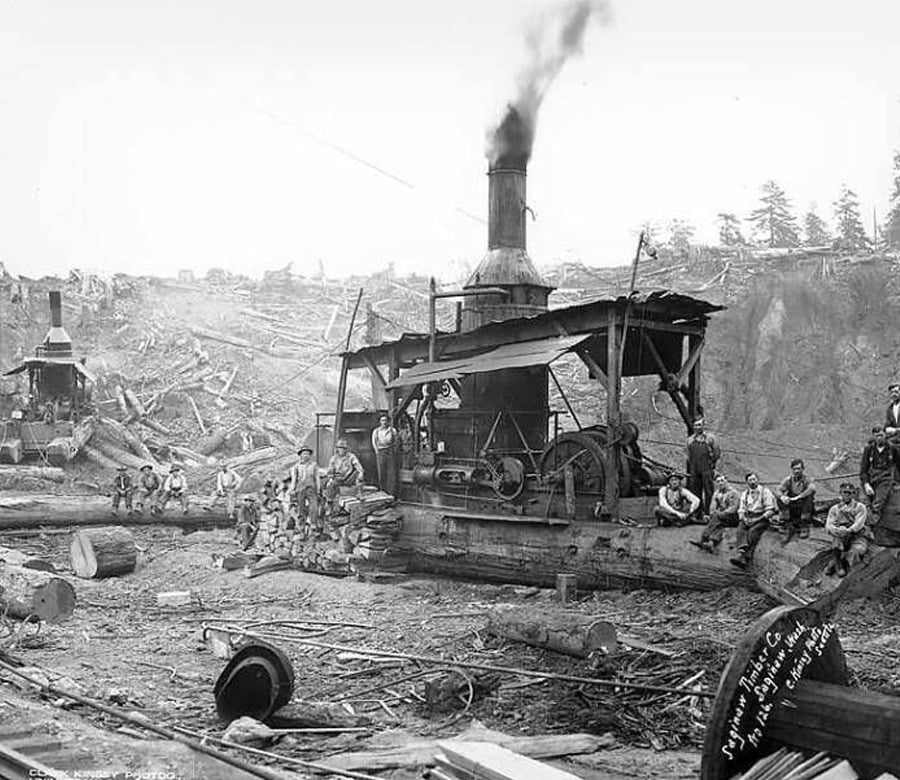
A group of workers sit and stand on and around a large steam-powered logging machine in a deforested area, surrounded by fallen logs and debris, with smoke rising from the machine’s smokestack.
don / Pinterest.com

Many towns depended on local industries such as lumber mills and grain elevators. These businesses provided jobs and connected rural economies to national markets.

23. Town Squares and Courthouses
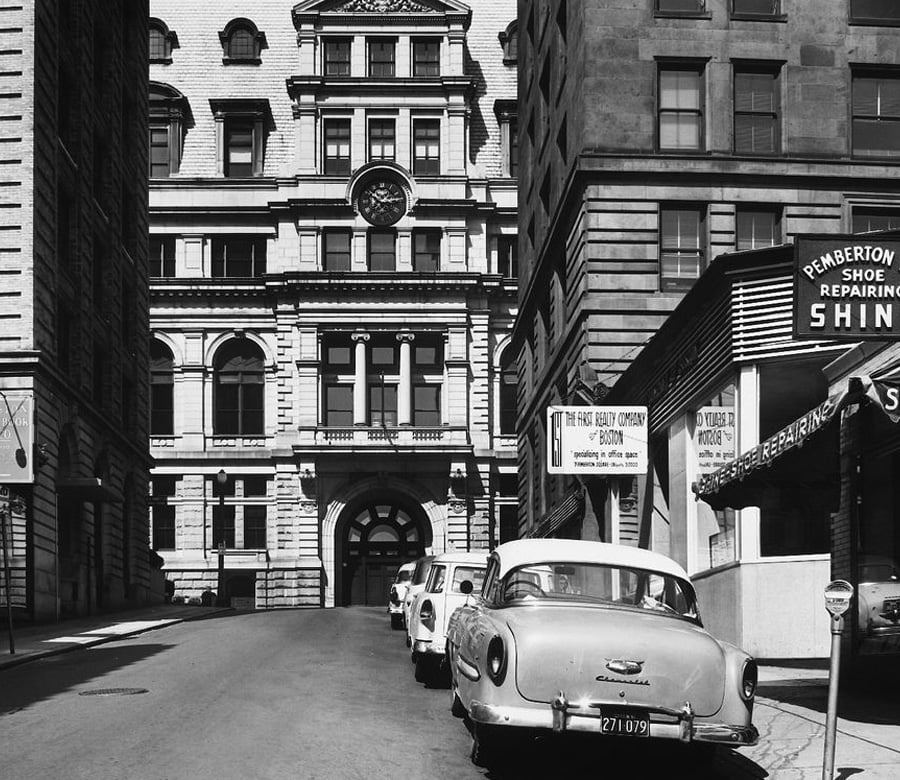
Black-and-white photo of a city street lined with parked 1950s cars, historic buildings, and storefronts, including a shoe repair shop and an employment booth, with a large ornate building in the background.
Flickr / Pinterest.com

Courthouses and town squares often served as civic centers. Public meetings, celebrations, and important announcements frequently took place in these spaces.

24. Saturday Market Days
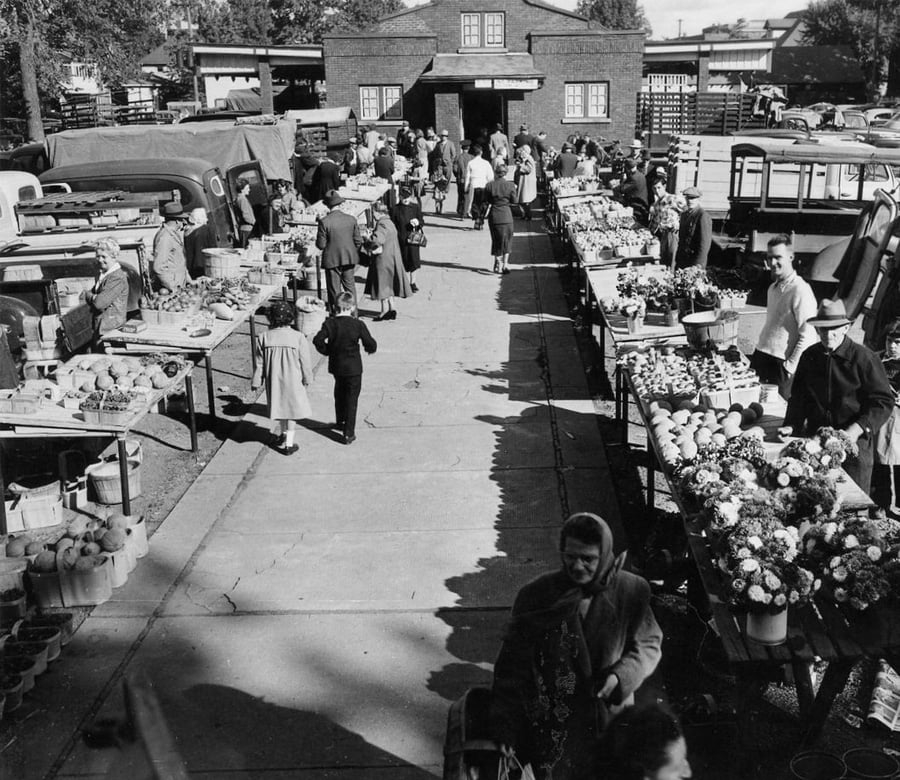
Black-and-white photo of a busy outdoor market with people shopping for produce and flowers at vendor stalls on both sides of a wide walkway, with a brick building visible in the background.
Anonymous / Pinterest.com

Market days brought farmers and merchants together to buy, sell, and trade goods. The streets became lively with activity and conversation.

25. Community Group Portraits
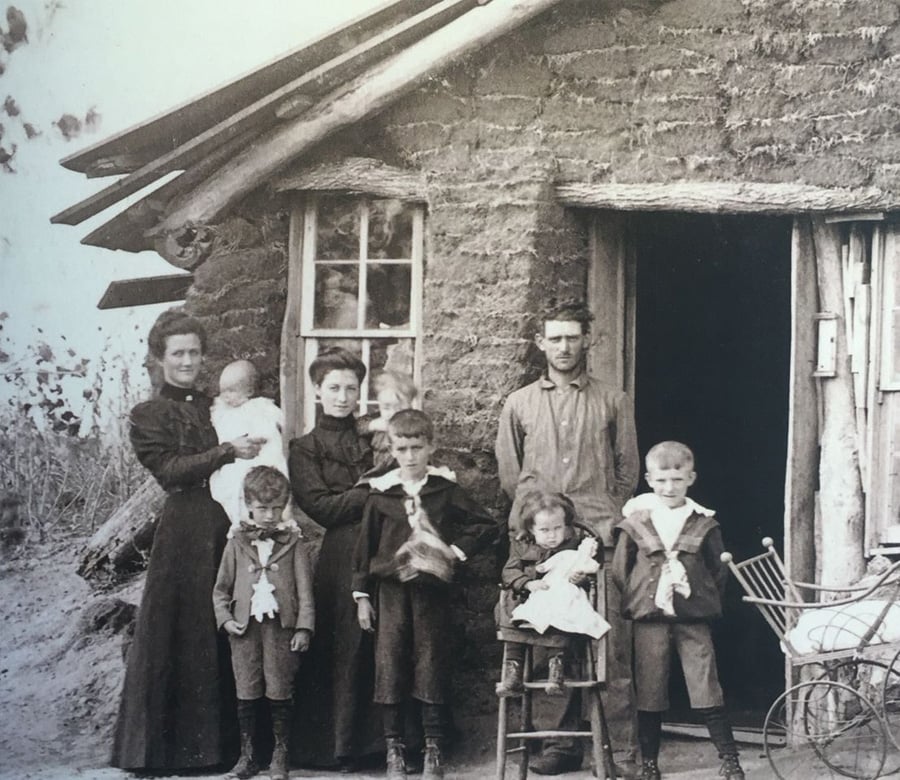
A black-and-white photo of a family with four children and a baby standing outside a rustic sod house. The adults and children wear old-fashioned clothing, and a small stroller is visible next to the group.
Donna Behrens / Pinterest.com

Large group photographs captured residents at reunions, celebrations, and civic events. These images preserve the faces of people who helped build and sustain their communities during the 1890s.

More Related Notes

• 16 Photos That Show What Middle-Class Life Looked Like in the 1880s
A fascinating visual journey into everyday life just a decade earlier, showing how families lived, worked, and adapted during a period of rapid change.

• 18 Glimpses Into Everyday Life in the 1860s
This article provides additional historical context, revealing how American communities evolved throughout the nineteenth century.

• 11 Historic Places That Look Like They’re From a Movie
A complementary read featuring remarkable locations that preserve the atmosphere and character of bygone eras, much like these rare photographs from small-town America.

Meet the Writer

Tatiana is a graphic designer specialized in marketing, with over 15 years of experience in the digital marketing world. Throughout her career, she’s worked with a variety of brands, developing strategies that blend creativity, identity, and results and loves to churn out refreshingly engaging content for audiences across many content realms at the same time. Find her on Behance at, tatianaalalach, as well.