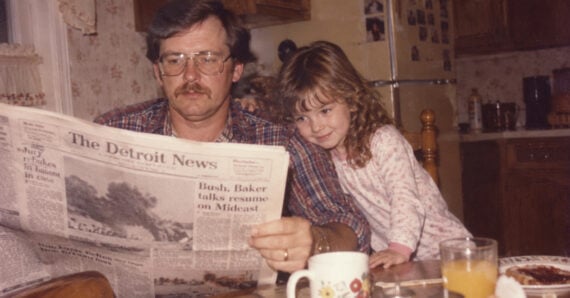
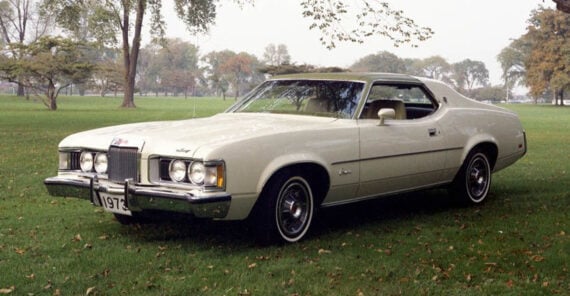
The 1970s produced some of the most memorable cars ever built. It was a decade filled with bold styling, oversized engines, chrome-covered exteriors, and experimental designs that reflected changing tastes and evolving technology. While many of these vehicles became cultural icons, they also represented an era before modern safety regulations, fuel efficiency standards, and environmental concerns reshaped the automotive industry.
Today, many of these cars would never make it to production in their original form. Whether because of massive V8 engines, poor crash protection, excessive emissions, or impractical designs, these classic models belong to a very different automotive age. Here are 16 cars from the 1970s that simply couldn’t be built the same way today.
1. Chevrolet Chevelle SS 454
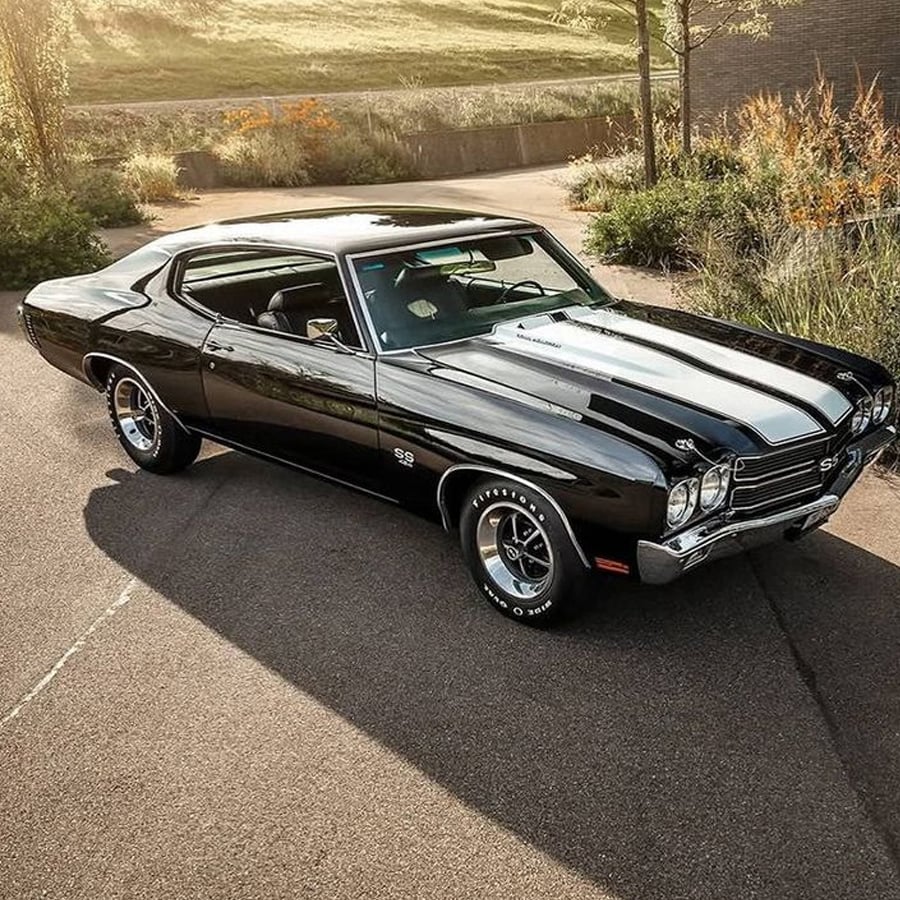
The Chevrolet Chevelle SS 454 became one of the last great muscle cars before tightening emissions rules dramatically reduced horsepower. Its enormous 7.4-liter V8 produced incredible straight-line performance but consumed fuel at an astonishing rate, making it almost impossible to justify under today’s efficiency standards.
2. Dodge Challenger R/T 426 Hemi
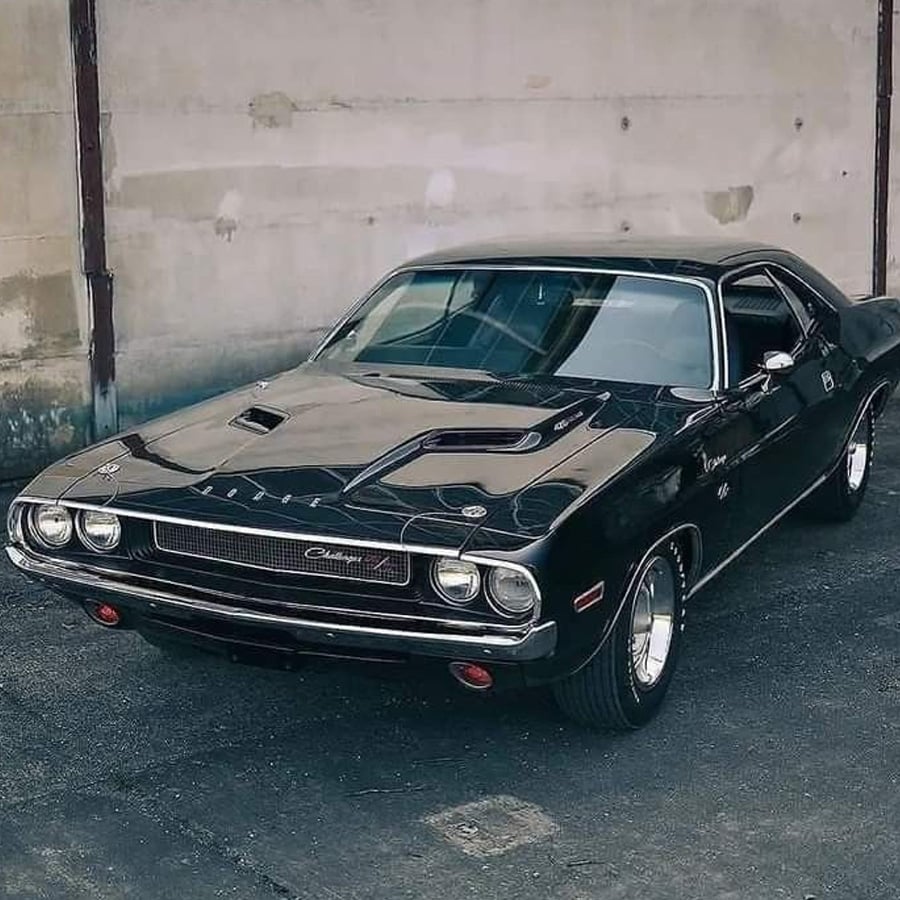
Powered by the legendary 426 Hemi V8, the Challenger R/T symbolized the peak of American horsepower. Modern emissions regulations, pedestrian safety requirements, and fuel economy expectations would prevent a production car with this exact formula from reaching dealerships today.
3. Plymouth Superbird
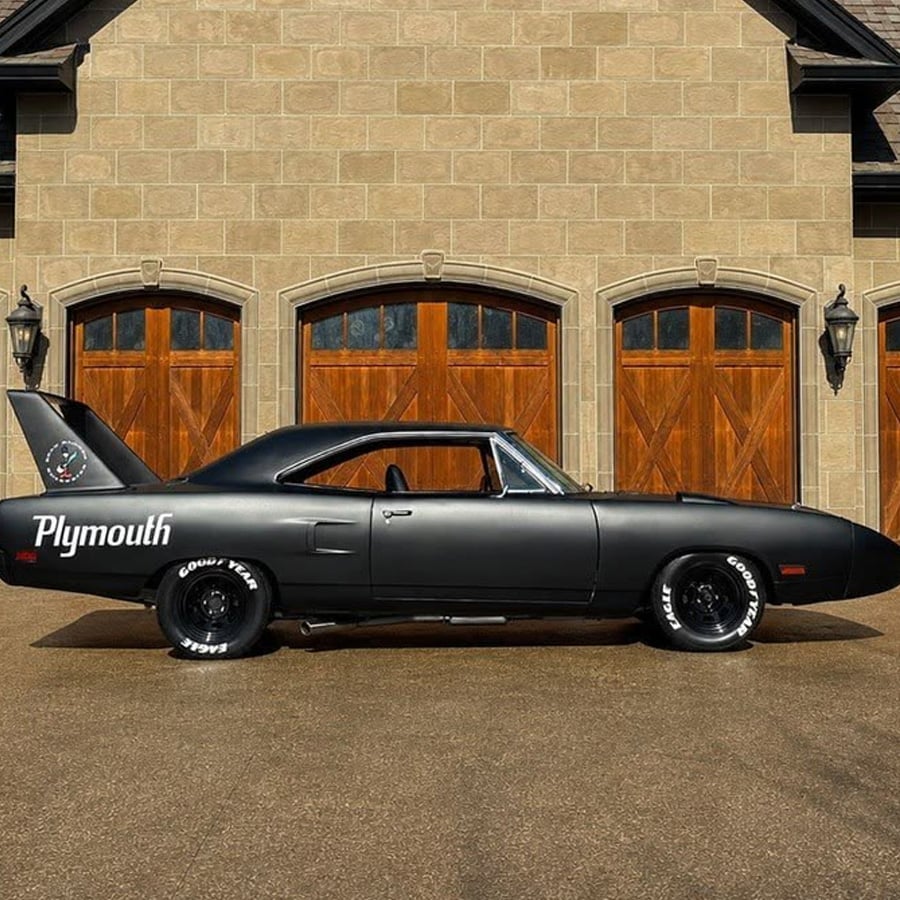
Designed primarily to dominate NASCAR, the Plymouth Superbird featured an enormous rear wing and pointed aerodynamic nose unlike anything sold today. While unforgettable, its extreme styling would struggle to satisfy modern pedestrian safety and production practicality standards.
4. Ford LTD Country Squire Wagon
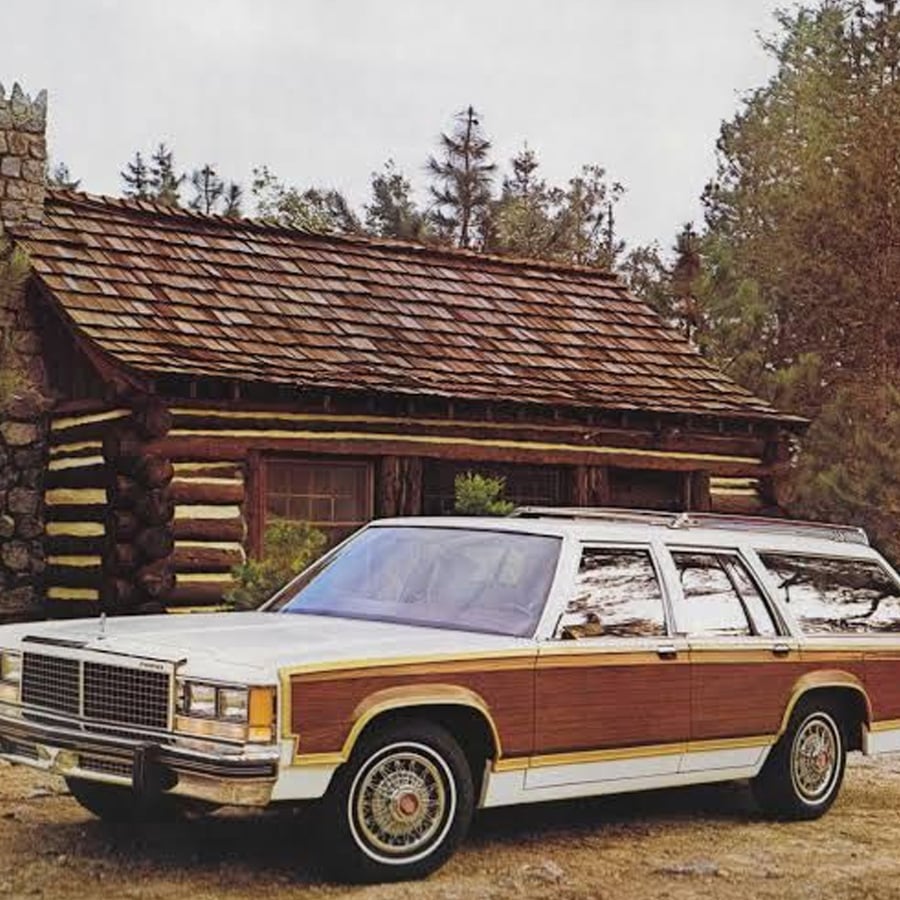
This gigantic station wagon came with woodgrain exterior panels, three rows of seating, and a massive V8 engine. Its size, weight, and fuel consumption reflected an era when efficiency mattered far less than passenger comfort and cargo space.
5. Cadillac Eldorado
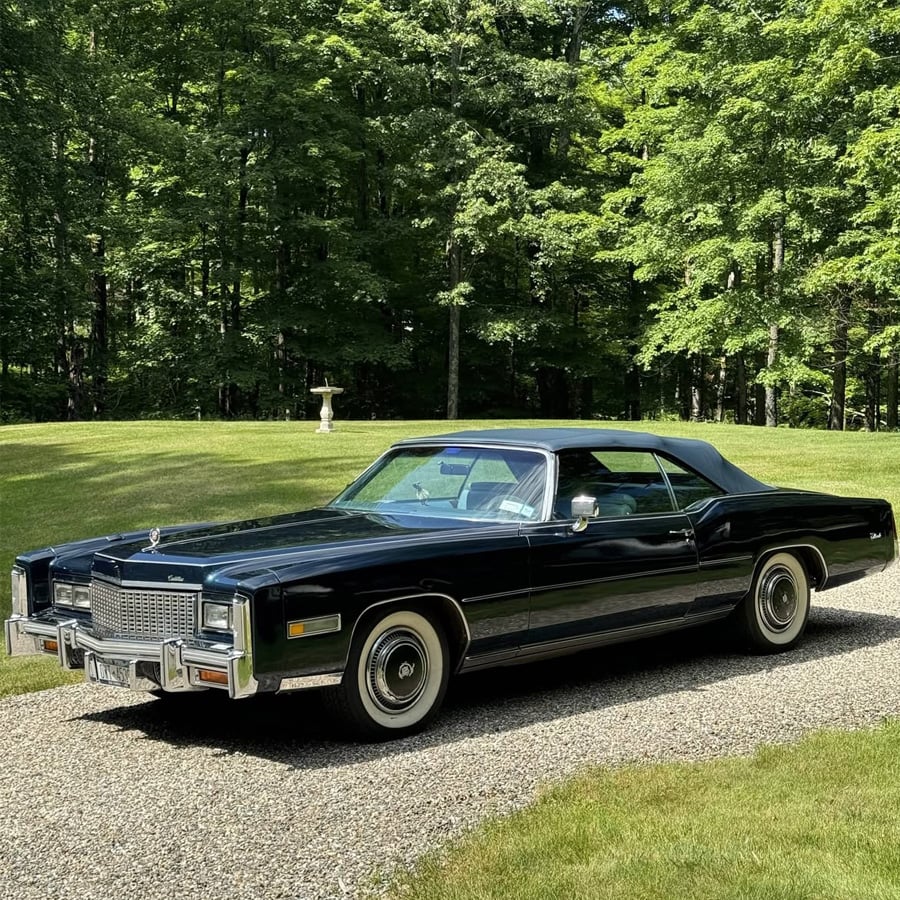
The 1970s Cadillac Eldorado represented American luxury with its huge dimensions, front-wheel drive, and massive V8. Today’s luxury buyers expect better efficiency, advanced safety systems, and cleaner emissions than a car like the original Eldorado could ever provide.
Trending on Wealth Gang
6. Lincoln Continental Mark IV
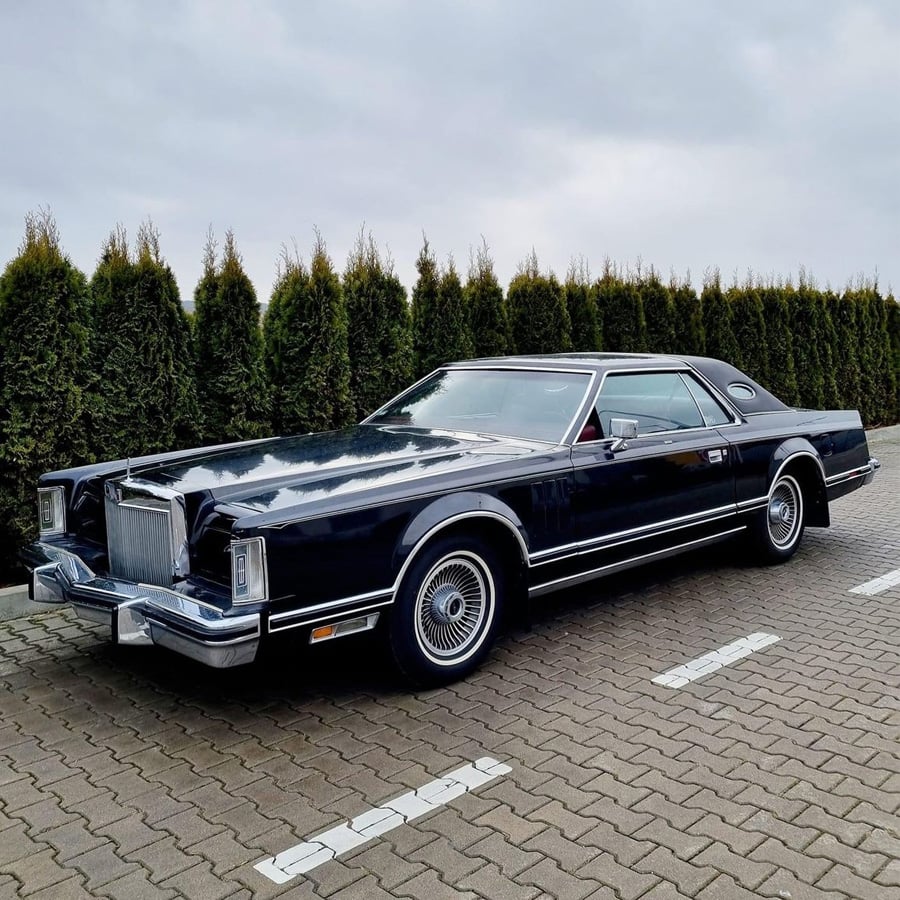
Long hoods, hidden headlights, opera windows, and oversized engines made the Continental Mark IV instantly recognizable. While elegant for its time, its enormous footprint and inefficient powertrain would make it nearly impossible to engineer under current automotive regulations.
7. Pontiac Firebird Trans Am
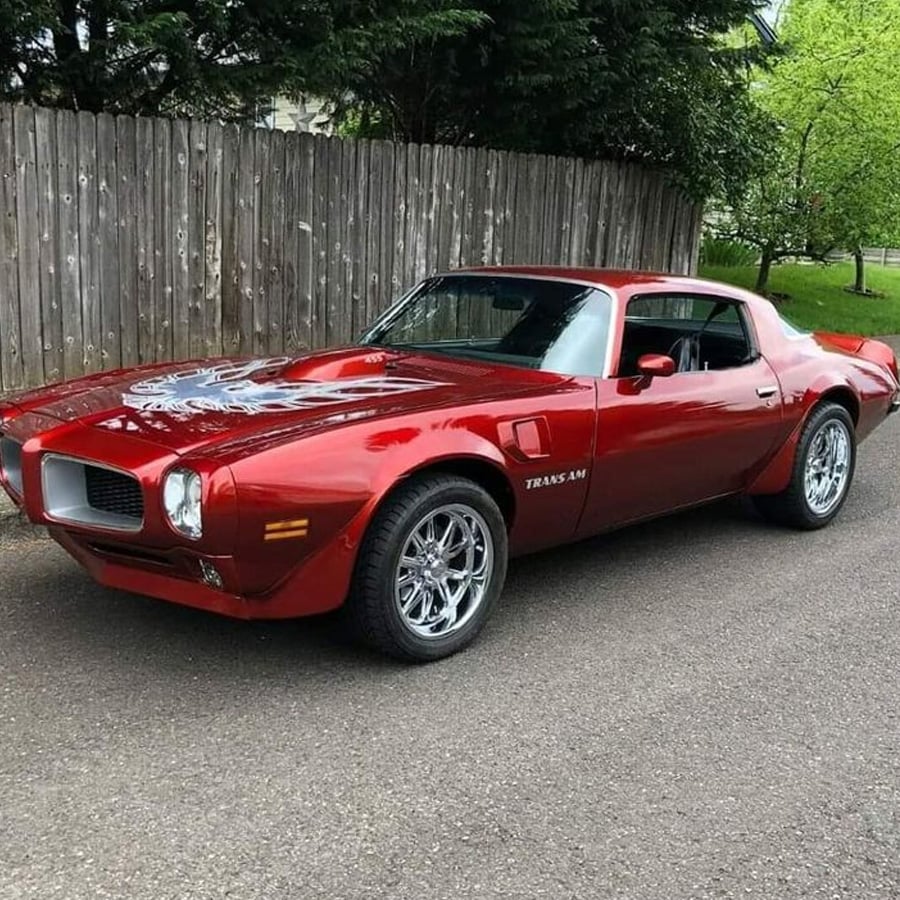
Made famous by Hollywood films, the Firebird Trans Am became a symbol of freedom and American performance. Its loud exhaust note, thirsty V8 engine, and relatively simple safety engineering would require significant redesigns to meet today’s requirements.
8. AMC Pacer
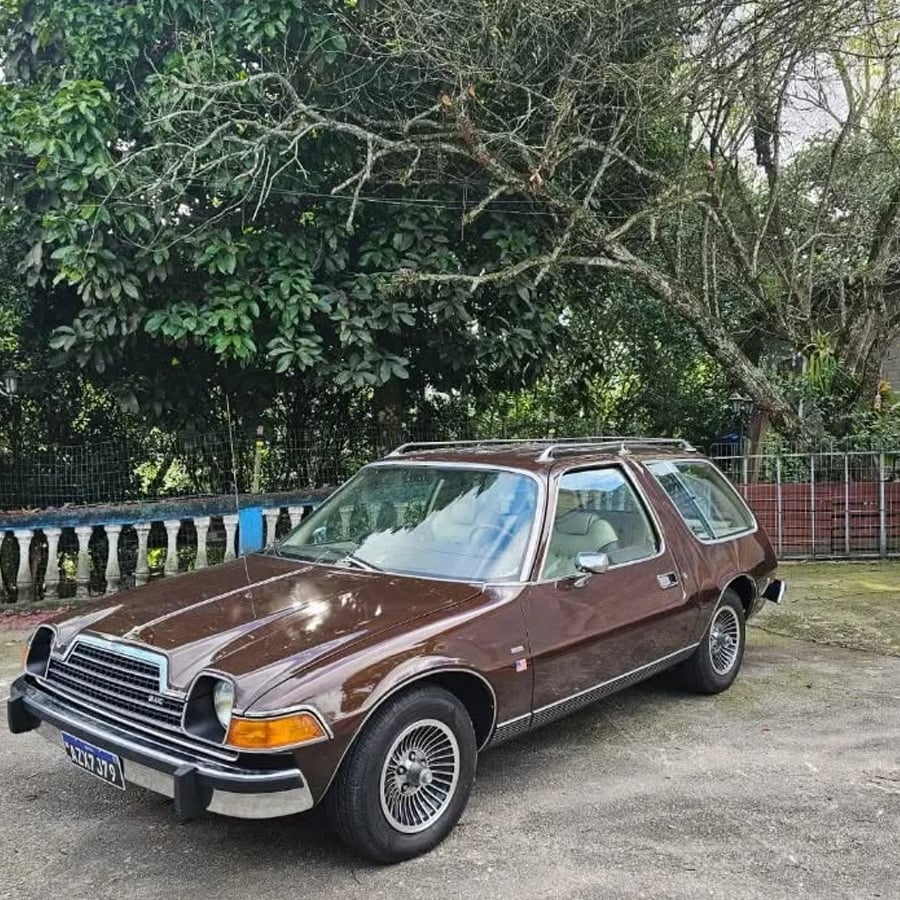
Often remembered for its unusually wide body and expansive glass area, the AMC Pacer looked futuristic when it debuted. However, its unconventional proportions and structural design would face major engineering challenges under modern crash-testing standards.
Sign up for our newsletter
9. Chevrolet Corvette C3
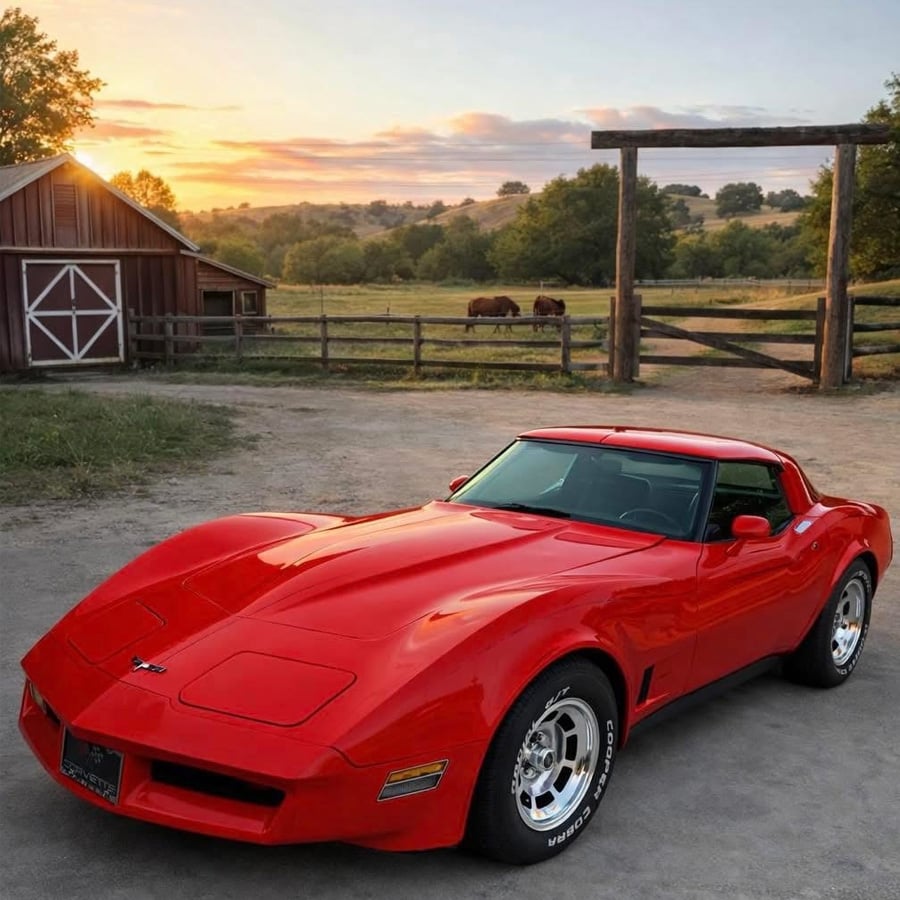
The third-generation Corvette featured dramatic curves, removable roof panels, and aggressive styling that defined an era. While today’s Corvette continues the legacy, the original C3’s emissions, occupant protection, and structural design would require a complete overhaul.
10. Volkswagen Type 181 “Thing”
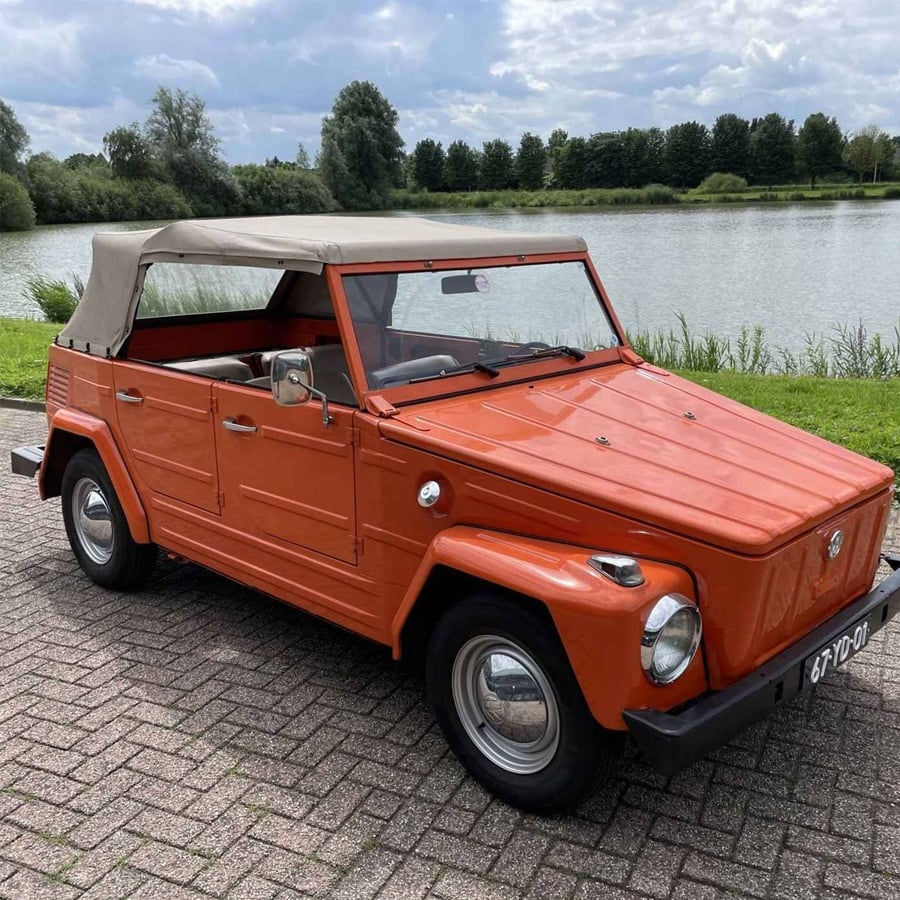
Originally developed for military use, the Volkswagen Thing featured removable doors, a folding windshield, and minimal safety equipment. Modern rollover protection, crash standards, and occupant safety rules would prevent such a basic design from being sold largely unchanged.
11. Chrysler New Yorker
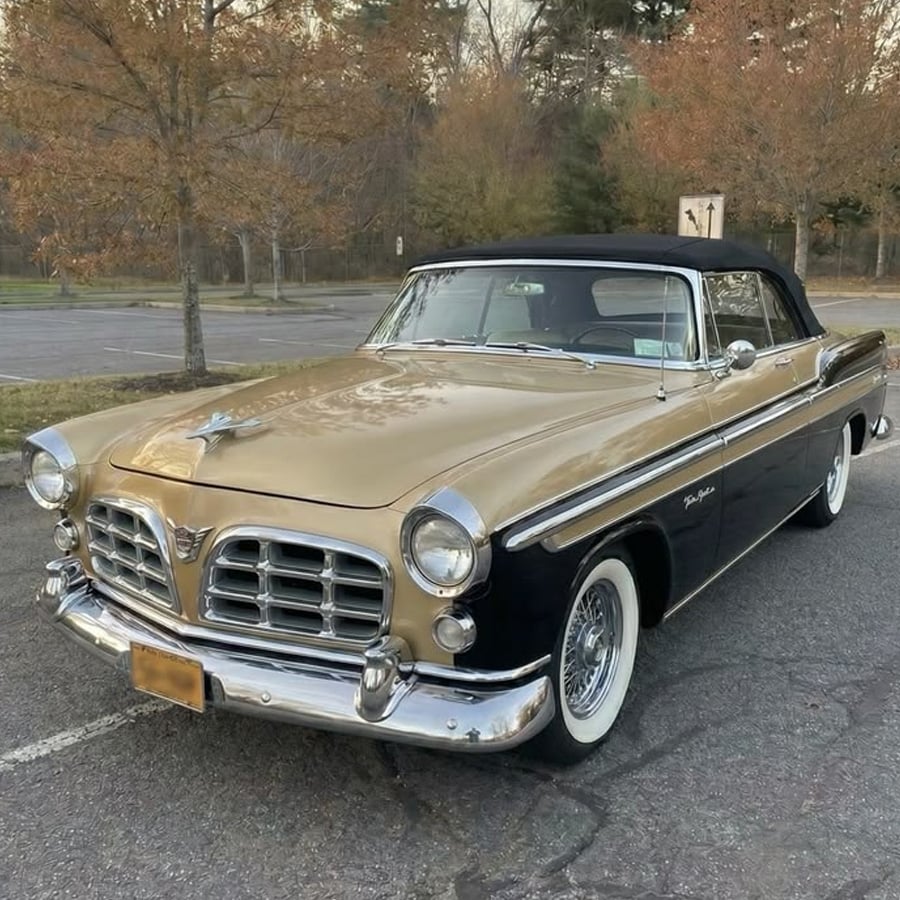
The Chrysler New Yorker emphasized smooth rides, spacious interiors, and large-displacement V8 engines. Its impressive size and weight contributed to comfort but also to fuel consumption levels that would be difficult to justify today.
12. Buick Riviera
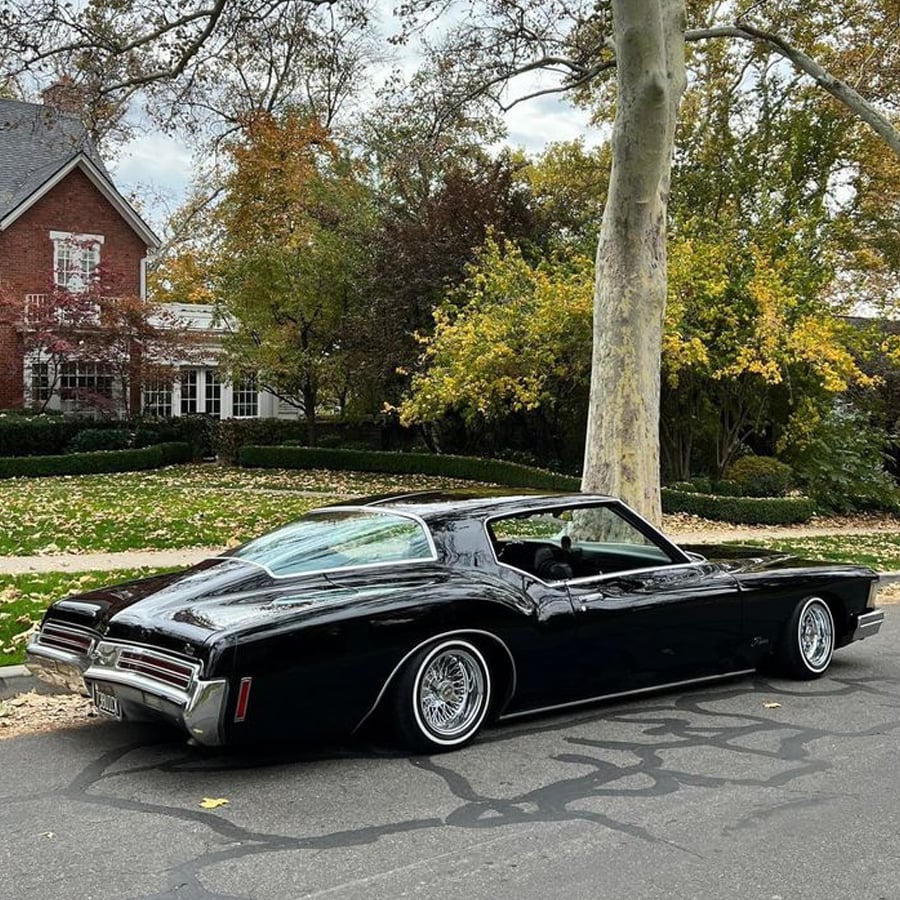
The Riviera combined personal luxury with distinctive boat-tail-inspired styling during the early 1970s. While visually striking, its massive dimensions and powerful engines reflected priorities that differ greatly from today’s emphasis on efficiency and emissions reduction.
13. Mercury Cougar XR-7
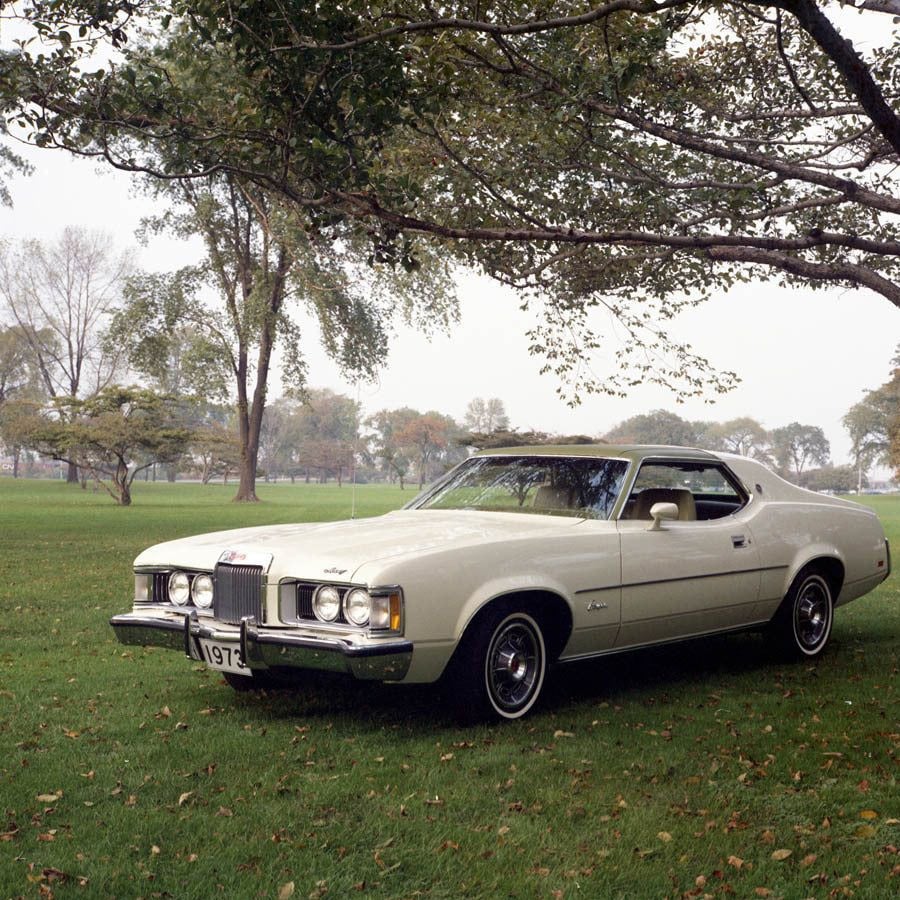
The Cougar XR-7 blended luxury touches with muscle car performance, offering big engines and stylish interiors. Vehicles with its original combination of weight, emissions output, and fuel consumption would require extensive modernization before reaching today’s market.
14. Oldsmobile 98 Regency
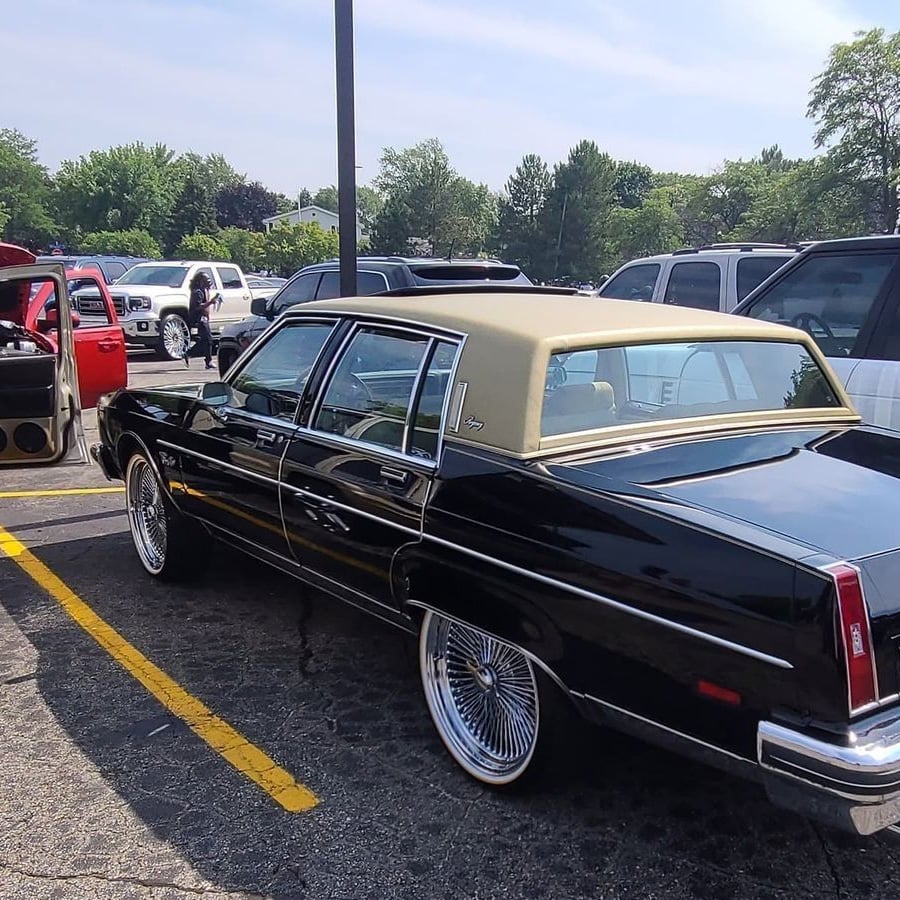
One of the largest sedans of its time, the Oldsmobile 98 Regency focused on comfort above all else. Plush interiors, oversized bodies, and large V8 engines made it appealing in the 1970s but far less compatible with current efficiency and safety expectations.
15. Ford Ranchero GT
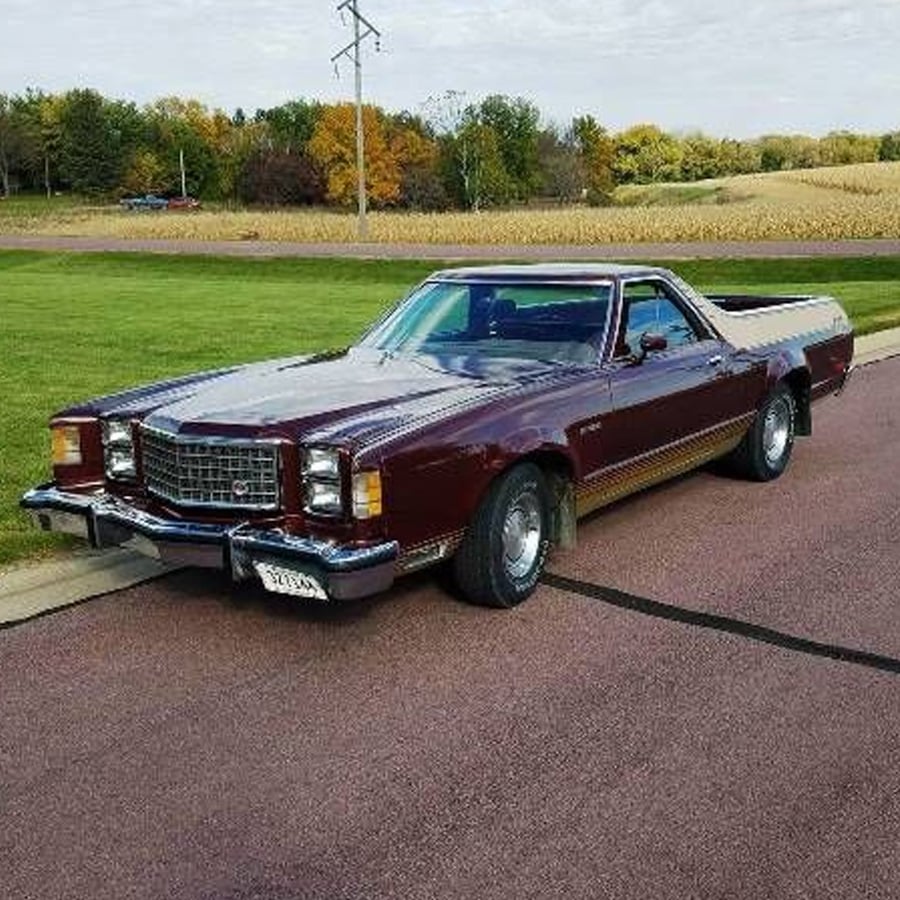
The Ranchero combined the front end of a passenger car with the cargo bed of a pickup truck. Although modern car-based pickups exist in other markets, the original Ranchero’s design, crash structure, and emissions performance would need extensive changes to satisfy current regulations.
16. Pontiac Grand Ville Convertible
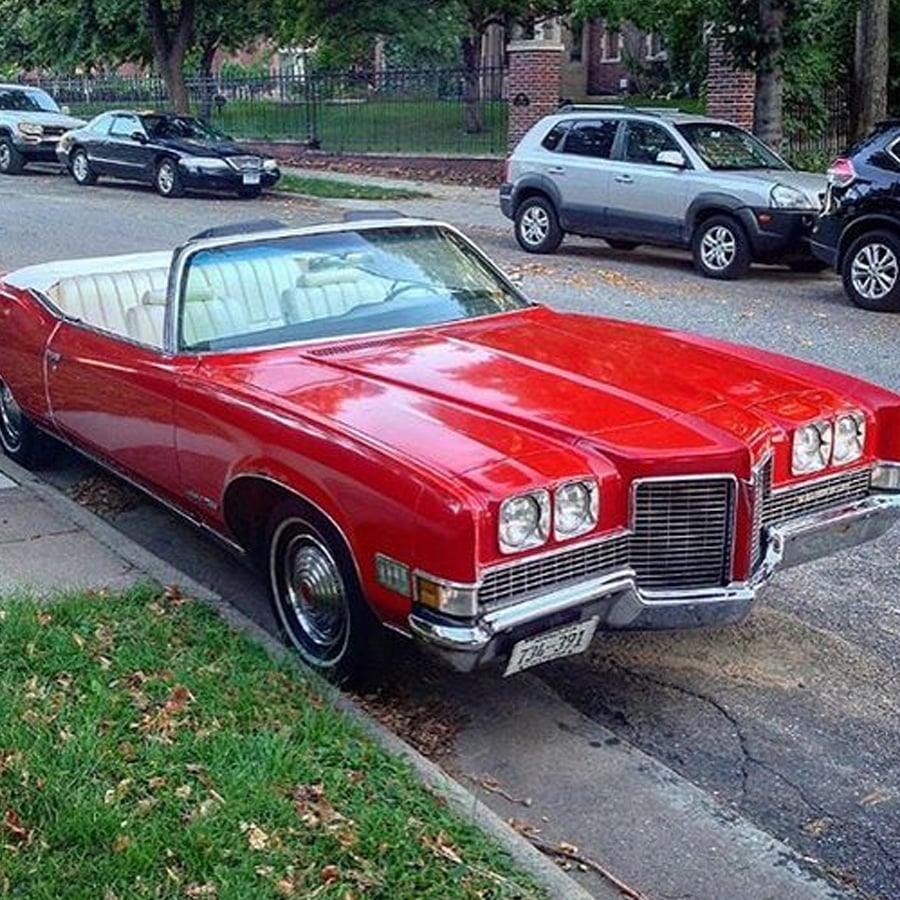
The Pontiac Grand Ville Convertible was among the last of America’s enormous full-size convertibles. Concerns over rollover protection, body rigidity, fuel economy, and emissions helped end this era of giant open-top cruisers, making cars like it highly unlikely to return in their original form.
More Related Notes
• 15 Classic Cars Nobody Wanted That Became Collector Favorites.
Discover how overlooked classic cars eventually became highly sought-after collectibles, with many vintage models now commanding impressive prices.
• 14 Rules Every Middle-Class Household Had in the 1970s.
Step back into the 1970s and explore the lifestyle, values, and everyday routines that shaped the era when these unforgettable cars ruled the roads.
• 25 Vintage Photos That Capture the American Middle Class at Its Peak.
See nostalgic images of American neighborhoods, families, and daily life during the decades when many of these iconic vehicles were part of the landscape.