
Corporate leadership can inspire innovation, loyalty, and growth, but history also shows the darker side of executive power. Across industries and decades, certain CEOs and business leaders have become infamous not for their achievements, but for the toxic cultures, scandals and crises they left behind. Here are 20 CEOs who earned reputations as real-life Grinches, proving that sometimes the coldest hearts sit in the corner office.
1. Vishal Garg- Better.com
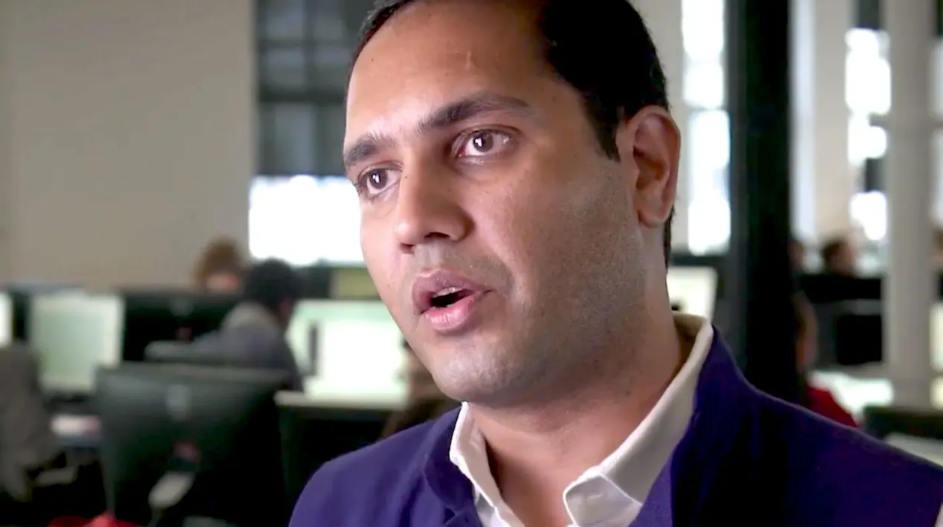
In December 2021, Vishal Garg became notorious after firing 900 employees over a Zoom call just before the holidays. His delivery, telling staff they were “too slow” and “stealing from the company” sparked outrage and lawsuits, cementing his reputation as one of the coldest corporate leaders in recent memory.
2. Didier Lombard- France Télécom
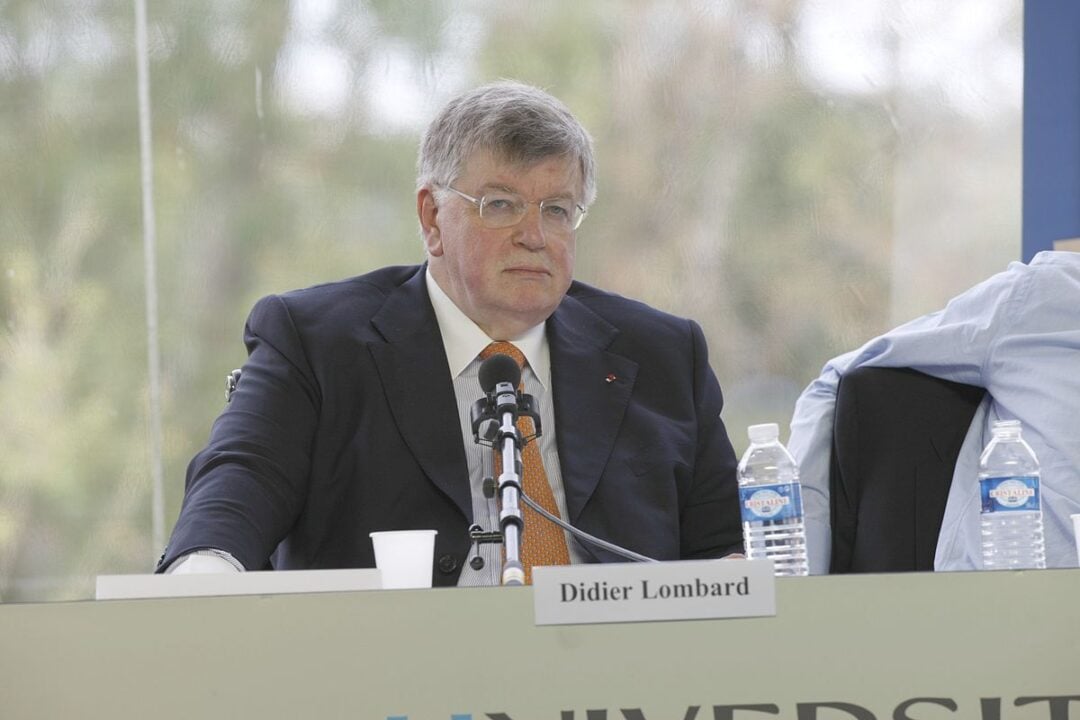
As CEO of France Télécom, Didier Lombard oversaw a brutal downsizing strategy between 2008–2009 that relied on psychological pressure and “management by terror.” The toxic environment led to his conviction for moral harassment in 2019.
3. Elizabeth Holmes- Theranos

Elizabeth Holmes cultivated a culture of secrecy and fear at Theranos, misleading employees about the company’s technology and silencing dissent. Staff who questioned the validity of the blood-testing devices faced intimidation, contributing to one of the most infamous corporate frauds in history.
4. John Stumpf- Wells Fargo

John Stumpf presided over Wells Fargo’s fake accounts scandal, where employees were pressured to open millions of unauthorized accounts to meet sales quotas. While lower-level staff bore the blame, Stumpf initially avoided accountability.
5. Bobby Kotick- Activision Blizzard

Bobby Kotick faced widespread criticism for fostering a workplace rife with harassment and discrimination. Employees accused him of ignoring complaints and protecting abusers, leading to lawsuits and a tarnished reputation.
Trending on Wealth Gang

6. Tony Hayward- BP
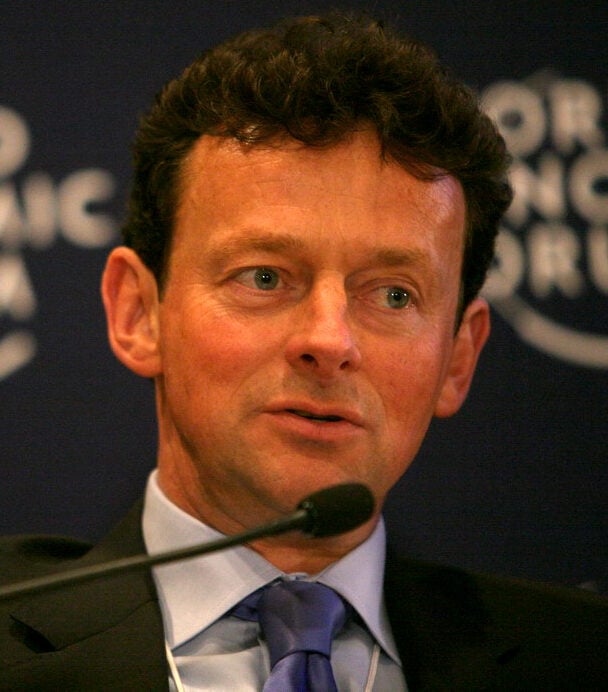
During the 2010 Deepwater Horizon oil spill, BP CEO Tony Hayward infamously dismissed the disaster’s impact by saying, “I’d like my life back.” His insensitive remarks and poor crisis management angered employees and the public, underscoring his lack of empathy during a catastrophe.
7. Min Hee Jin- ADOR

Min Hee Jin has faced serious allegations of mistreating female employees. Reports claim she used derogatory language toward staff and pressured victims of harassment to remain silent rather than supporting them. Her leadership style has been described as manipulative and hostile.
8. Carly Fiorina- Hewlett-Packard
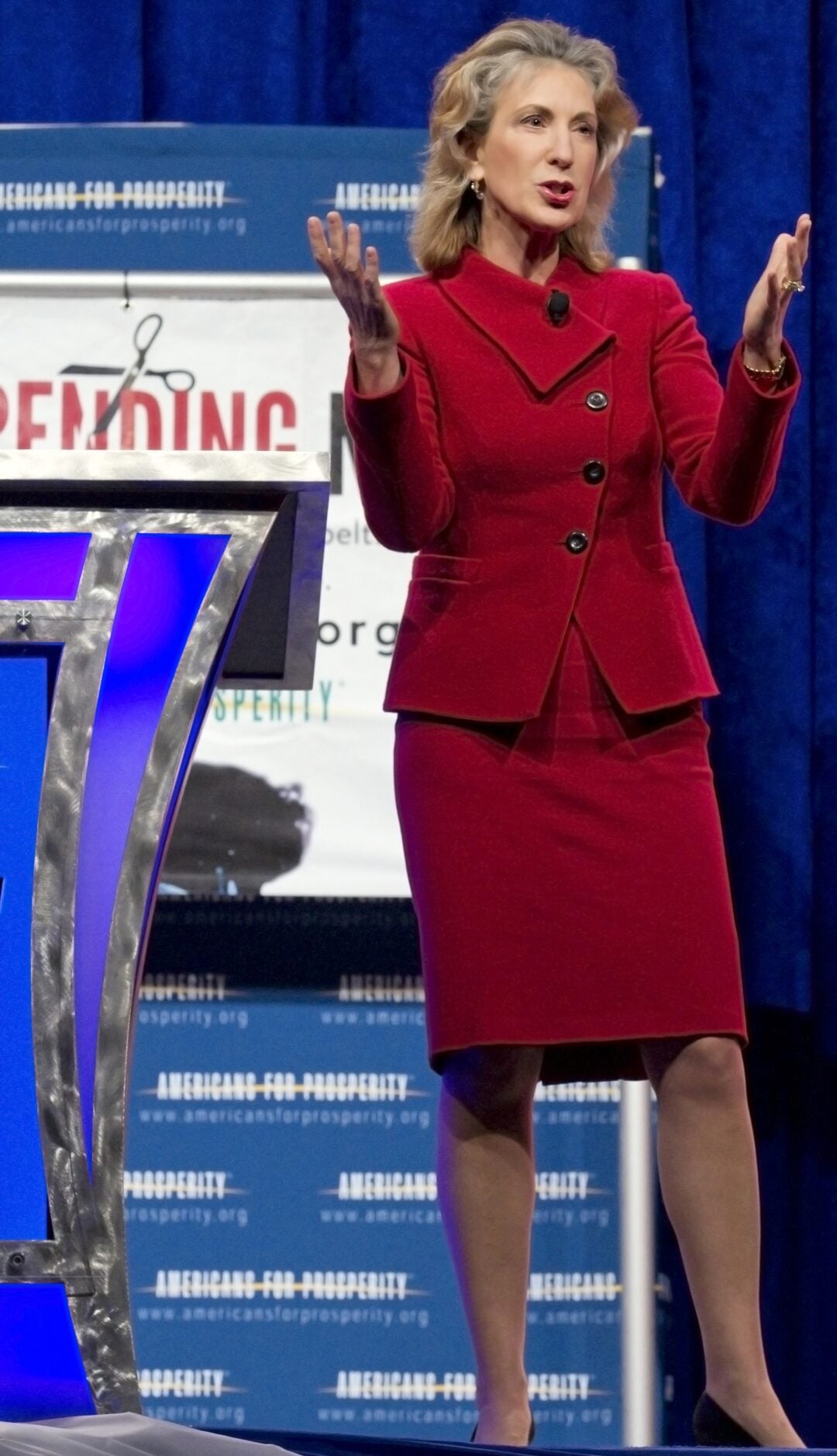
As HP’s CEO from 1999 to 2005, Carly Fiorina oversaw one of the largest layoffs in tech history, cutting over 30,000 jobs. Employees accused her of being authoritarian and dismissive of staff concerns.
Sign up for our newsletter
9. Mark Hurd- HP
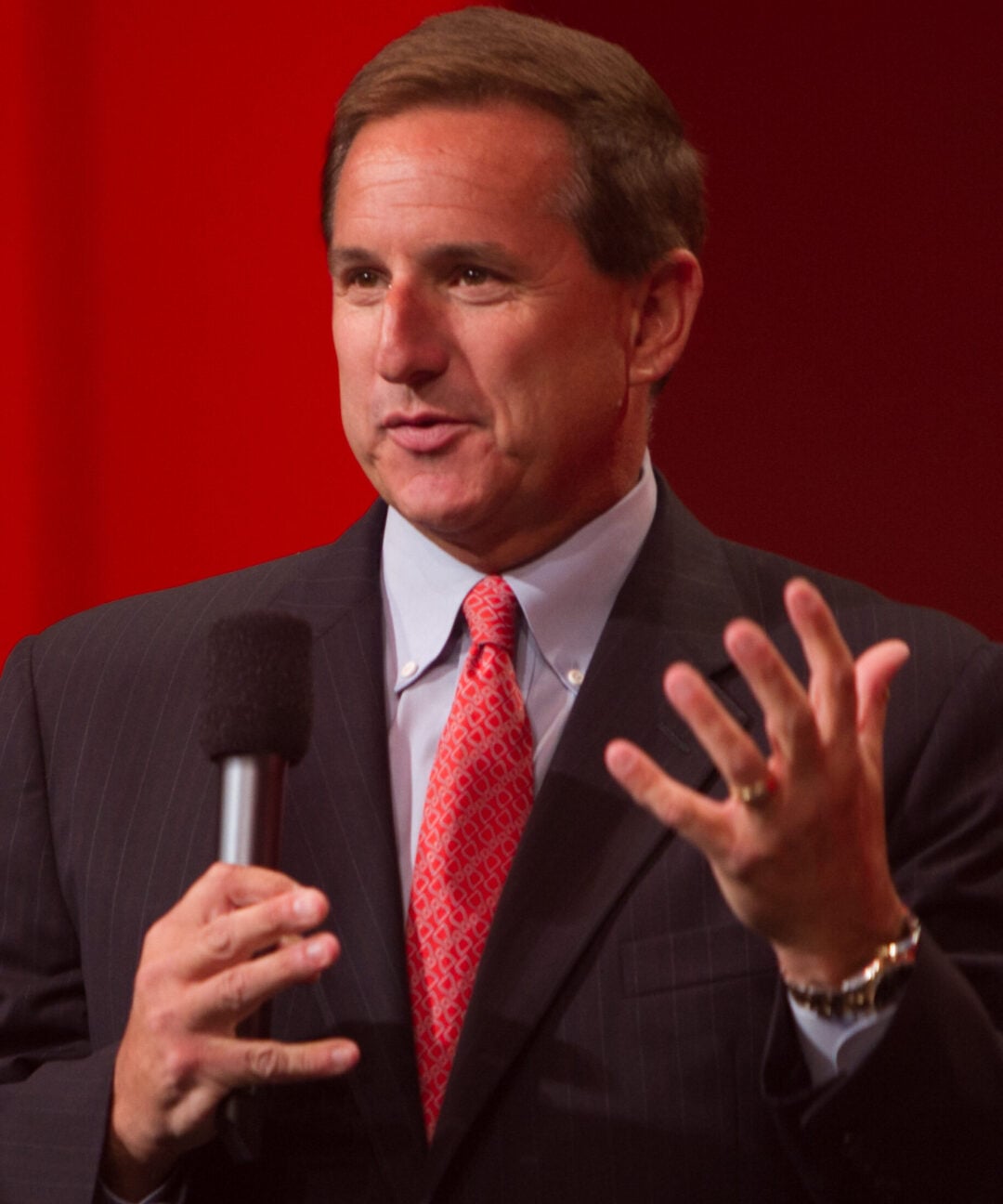
He resigned in 2010 after allegations of sexual harassment and expense-report manipulation. Employees described a culture of fear and mistrust under his tenure.
10. Dov Charney- American Apparel

Charney was notorious for inappropriate behavior toward employees and fostering a toxic workplace. His downfall came when the board finally ousted him in 2014, but not before years of damage to staff morale.
11. Steve Odland- Office Depot

Odland’s tenure was marked by poor employee relations and accusations of mismanagement. He left with a golden parachute while employees faced layoffs and restructuring, fueling resentment among staff.
12. Marissa Mayer- Yahoo
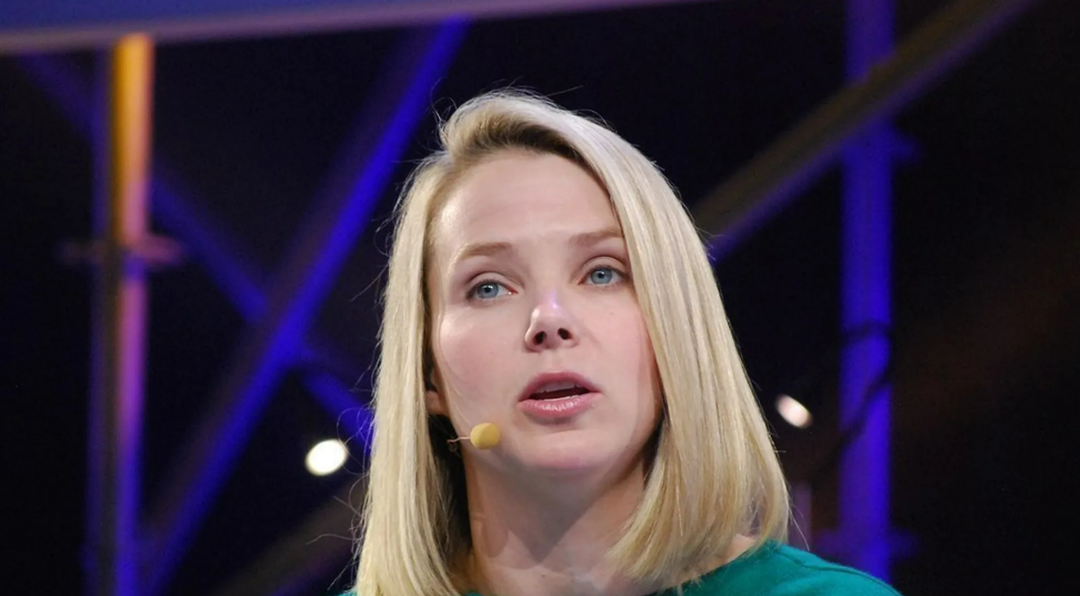
Marissa Mayer´s leadership quickly drew criticism from employees. She banned remote work, a move seen as regressive and damaging to work-life balance, while simultaneously overseeing mass layoffs that eroded morale. Her micromanaging style left staff feeling stifled and undervalued.
13. Robert Nardelli- Chrysler / Home Depot
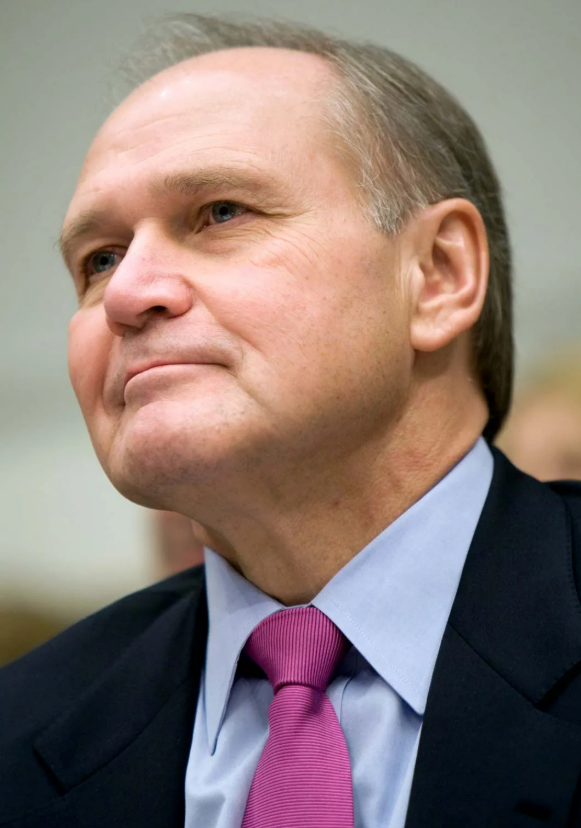
Nardelli became infamous for his authoritarian style. At Home Depot, employees complained of micromanagement and lack of trust, while at Chrysler he presided over massive layoffs.
14. John Rigas- Adelphia Communications

Rigas was convicted of fraud after looting company funds, leaving employees betrayed and jobless. Workers described feeling blindsided by the scandal, which destroyed pensions and livelihoods.
15. Harry Stonecipher- Boeing

Stonecipher resigned in 2005 after an affair with an employee came to light. His leadership was criticized for being rigid and dismissive, creating a culture where employees felt undervalued.
16. Dennis Kozlowski- Tyco International

Kozlowski’s extravagant spending of company money, including a $6,000 shower curtain, symbolized his disregard for employees. Staff endured layoffs and instability while he enriched himself, leading to his conviction for fraud.
17. Julie Roehm- Walmart Marketing

Julie Roehm was accused of fostering toxic environments marked by favoritism and questionable ethics. At Walmart, she was ousted after violating company policies, and later employees at Chrysler described her leadership as divisive and self-serving, prioritizing personal ambition over team cohesion.
18. John Thain- Merrill Lynch

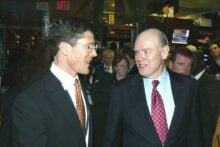
Thain (on the left) became infamous for spending $1.2 million on office renovations while employees faced mass layoffs during the 2008 financial crisis. His lavish spending contrasted sharply with the suffering of staff, cementing his reputation as indifferent to employee hardship.
19. Richard Fuld- Lehman Brothers
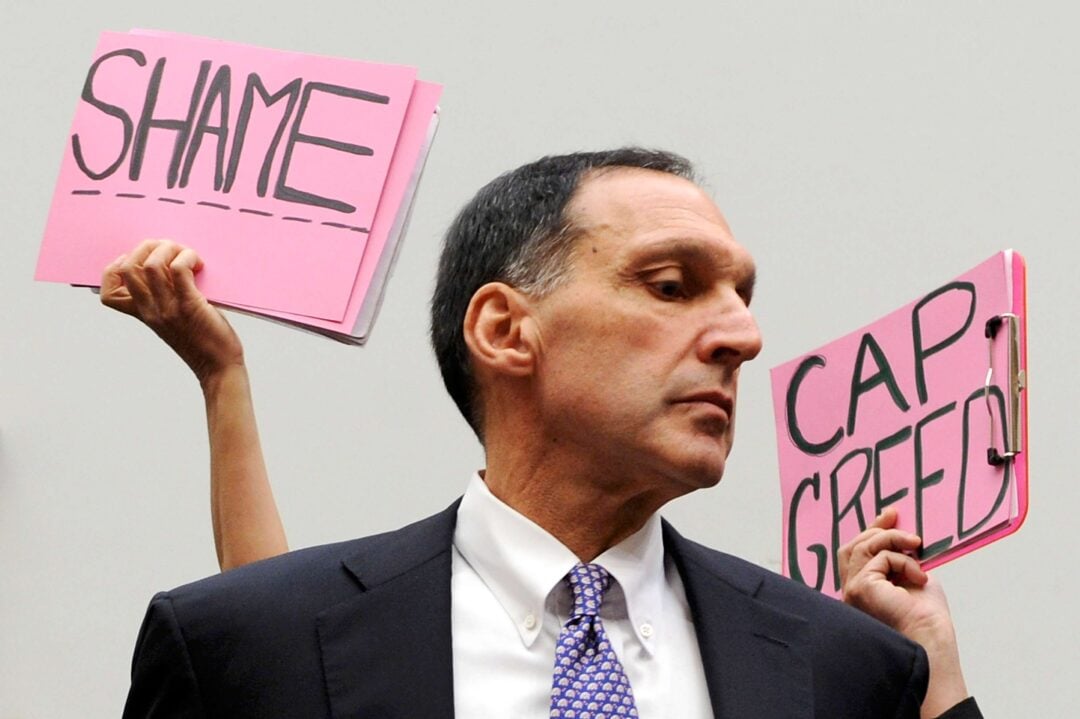
Fuld presided over Lehman Brothers’ collapse in 2008, which cost thousands of employees their jobs and pensions. While staff bore the brunt of the fallout, Fuld walked away with millions, symbolizing the disconnect between executive privilege and employee devastation.
20. Linda Wachner- Warnaco Group

Linda Wachner, CEO of Warnaco in the 1990s, became infamous for her abrasive and authoritarian management style. Employees described her as verbally abusive, creating a hostile environment where fear dictated workplace culture.