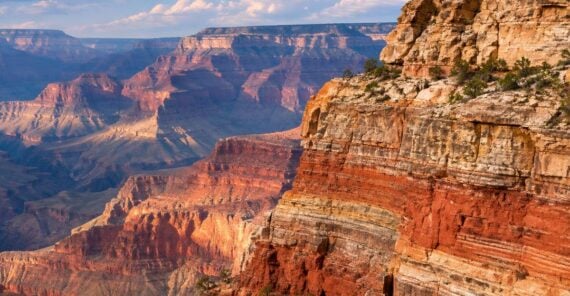
For many years, people have tried to understand the world around them through observation and stories. Many of these questions have remained unanswered until discoveries gave scientists a better picture of Earth.
Important findings changed how humans understood the planet and their place in it. From the discovery of ancient fossils to the evidence of moving continents, each revelation challenged old beliefs and opened the door to new questions.
1. Earth Is Not Flat
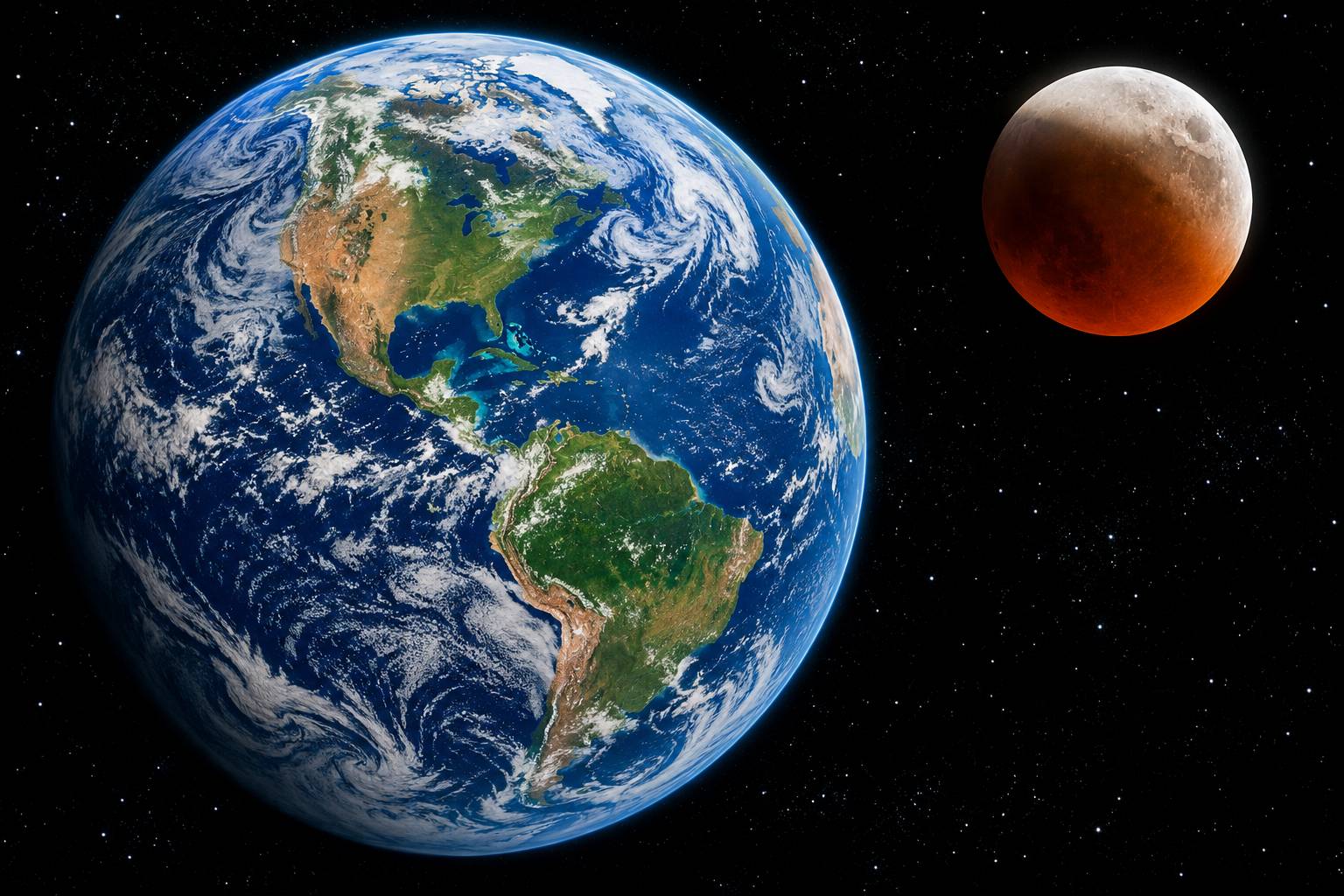
The idea that Earth is spherical developed over many centuries. Ancient Greek thinkers, including Pythagoras and Aristotle, presented arguments for a round Earth. Aristotle pointed to the curved shadow Earth casts on the Moon during a lunar eclipse as evidence.
2. Earth Orbits the Sun
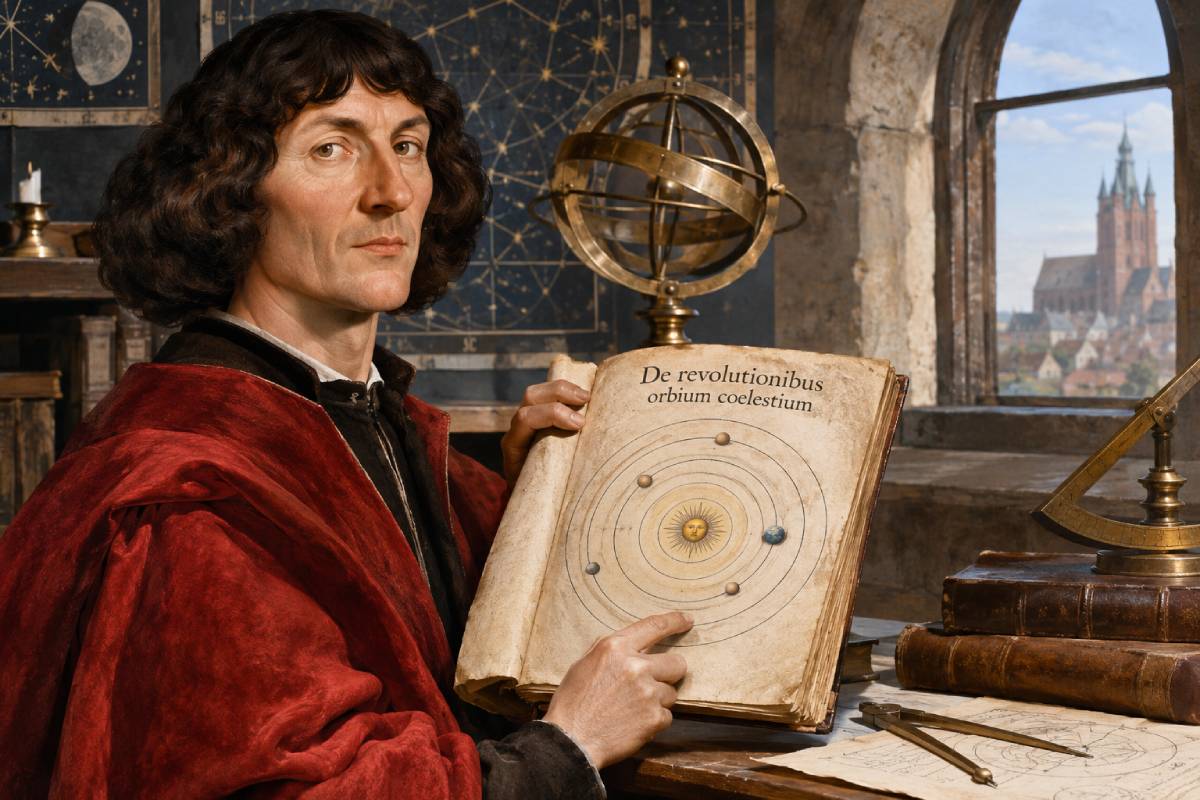
For centuries, many people believed that Earth stood still at the center of the universe and that the Sun and other planets moved around it. In the 16th century, Nicolaus Copernicus presented a model placing the Sun at the center of the planetary system.
3. Earth Is Ancient
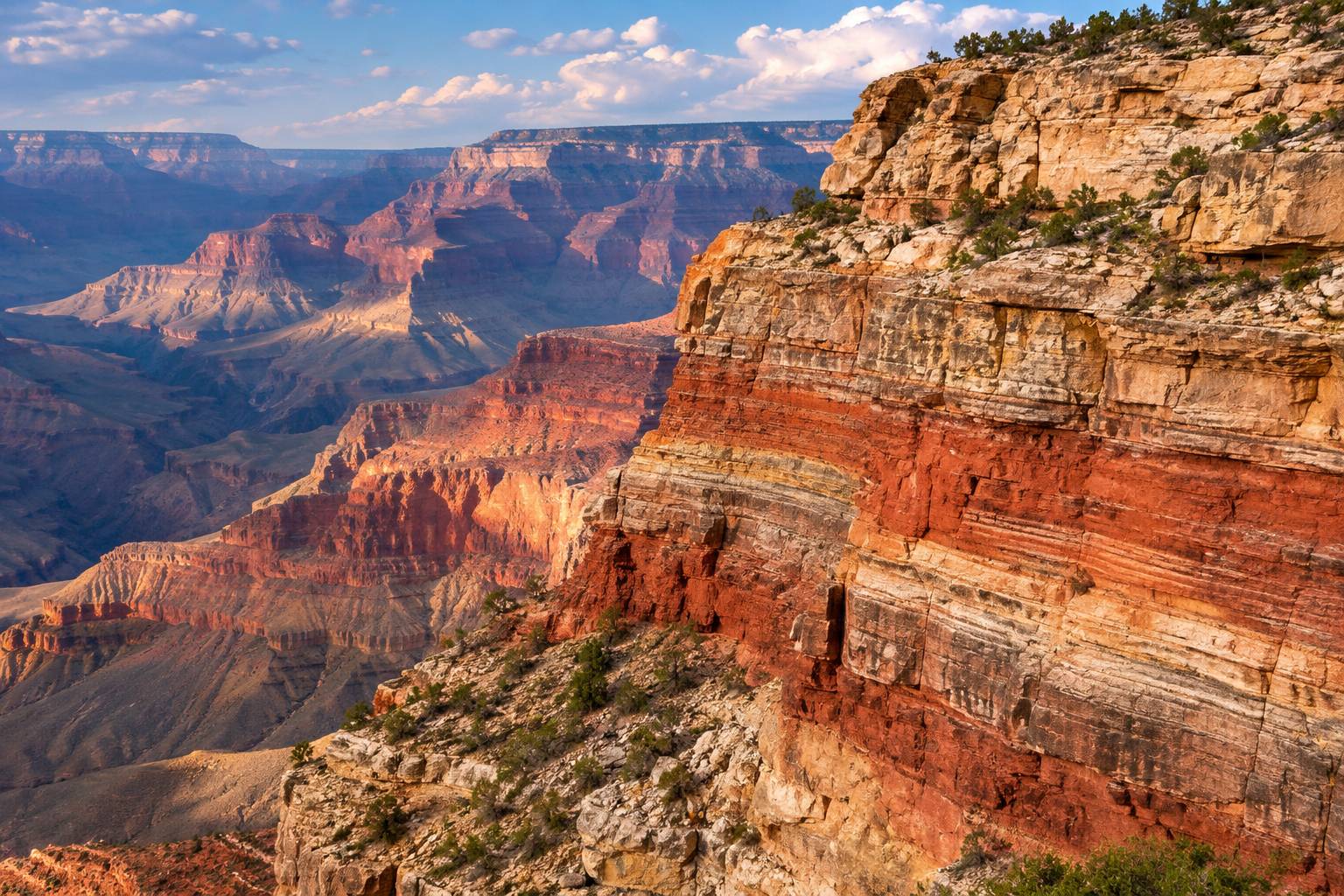
Early estimates of Earth’s age were often based on religious texts and suggested a young planet. Geological discoveries showed that Earth had a much longer history. Scientists studying rock layers, erosion, and ancient formations realized that these processes took place over enormous periods of time.
4. Fossils Reveal Ancient Life
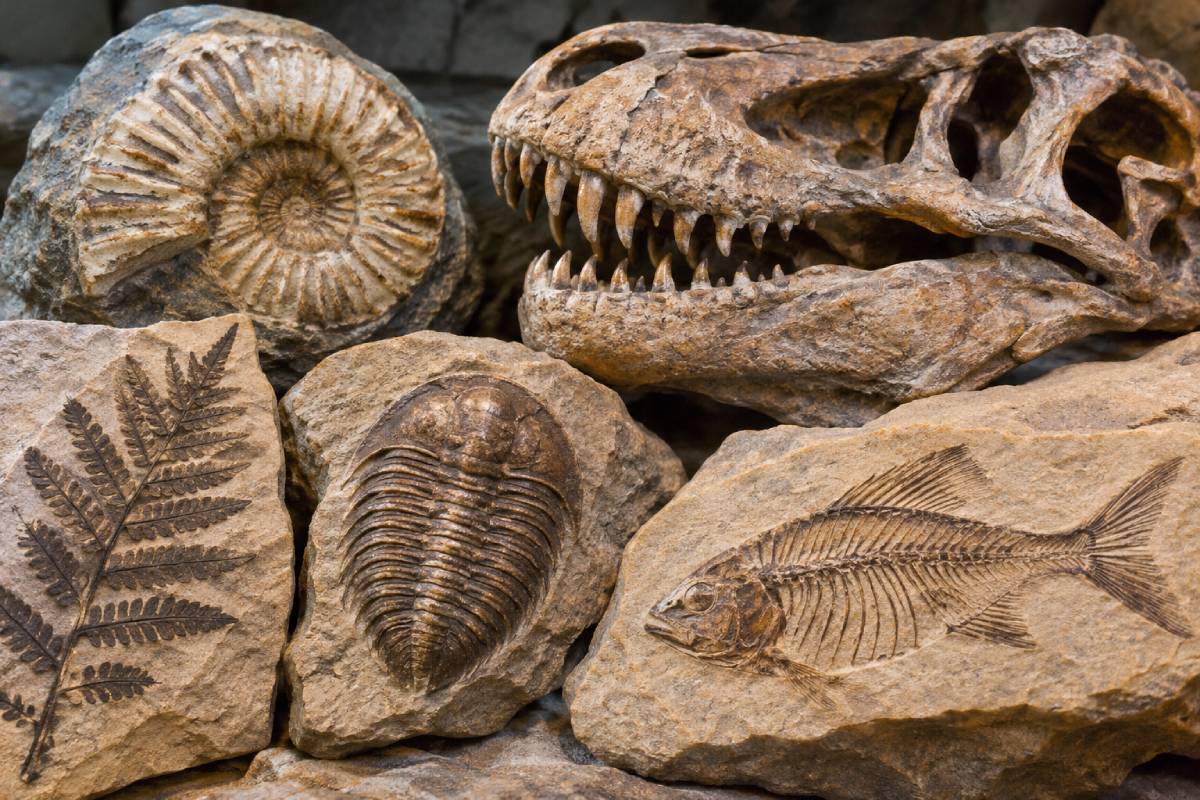
Fossils showed scientists that Earth was once home to plants and animals different from those alive today. Early fossil discoveries included shells, bones, and strange imprints preserved in rocks.
5. Continents Were Once Connected
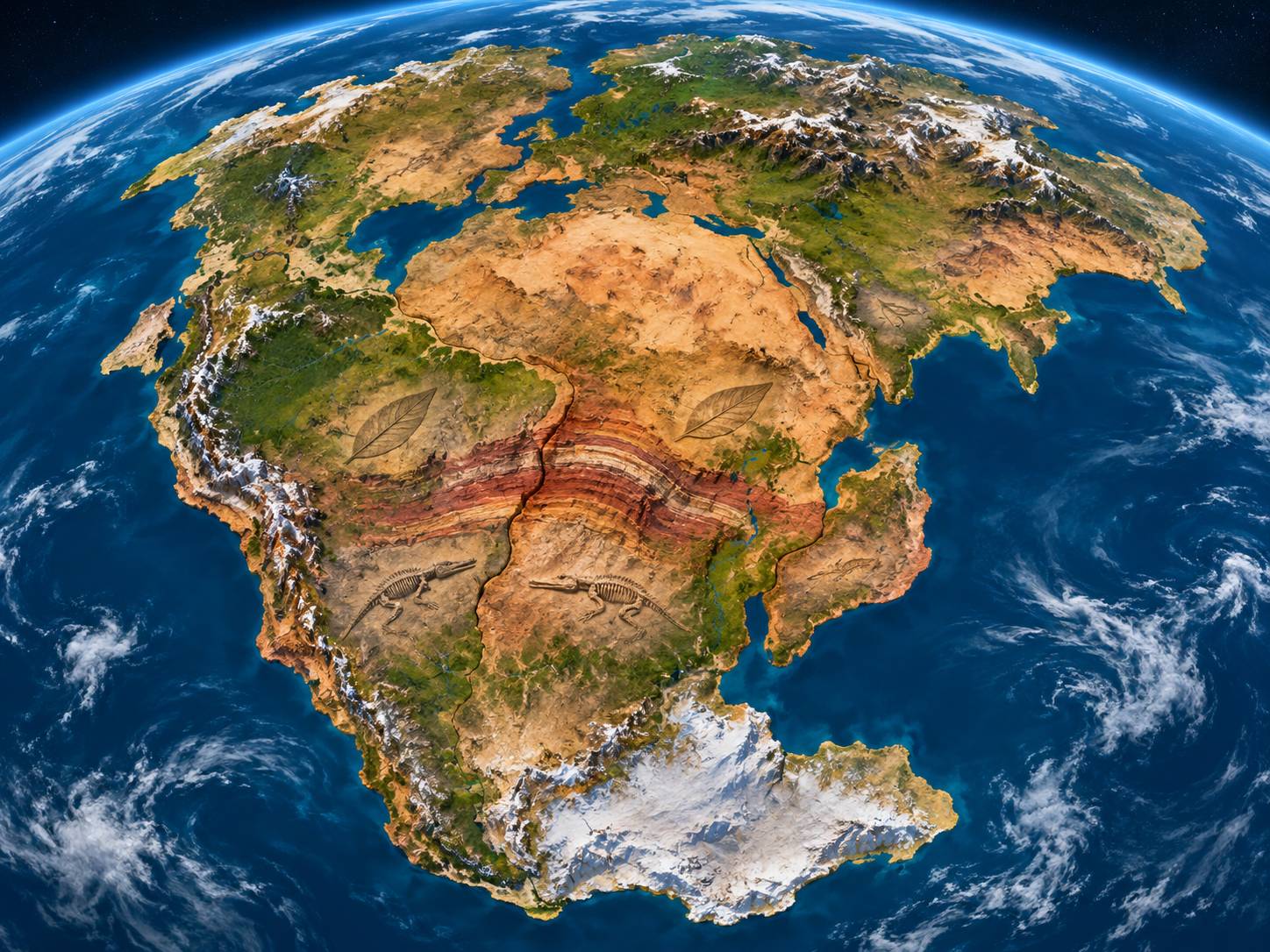
In 1912, German scientist Alfred Wegener proposed that today’s continents had once formed a single enormous landmass called Pangaea. He noticed that the coastlines of South America and Africa seemed to fit together and that fossils and rock formations appeared on continents now separated by oceans.
Trending on Wealth Gang


6. Earth Has Moving Tectonic Plates
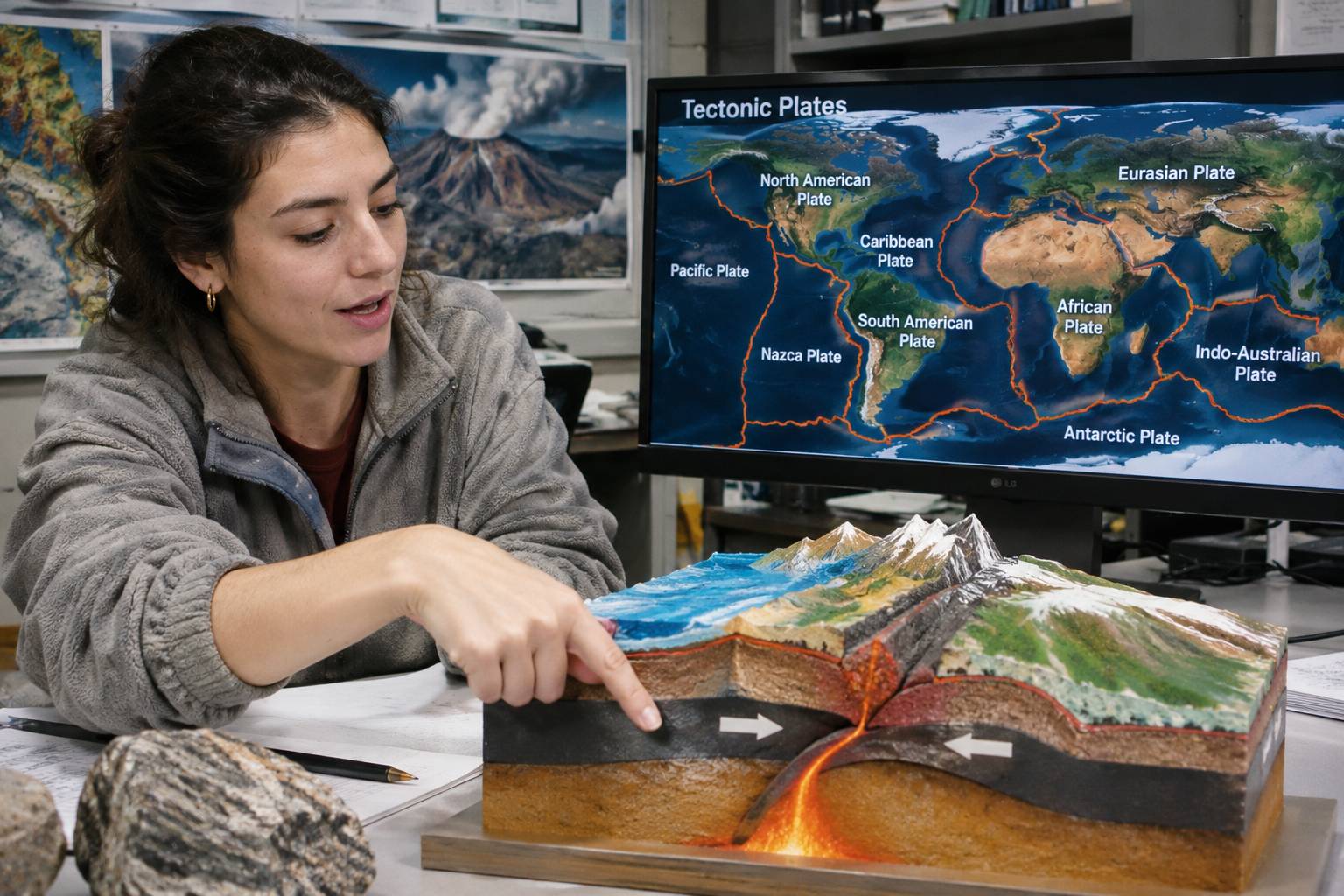
Scientists eventually discovered that Earth’s outer layer is divided into large sections called tectonic plates. Their movement helps explain why mountains form, why earthquakes happen, and why volcanoes are common in certain areas.
7. Earth Has an Outer Core
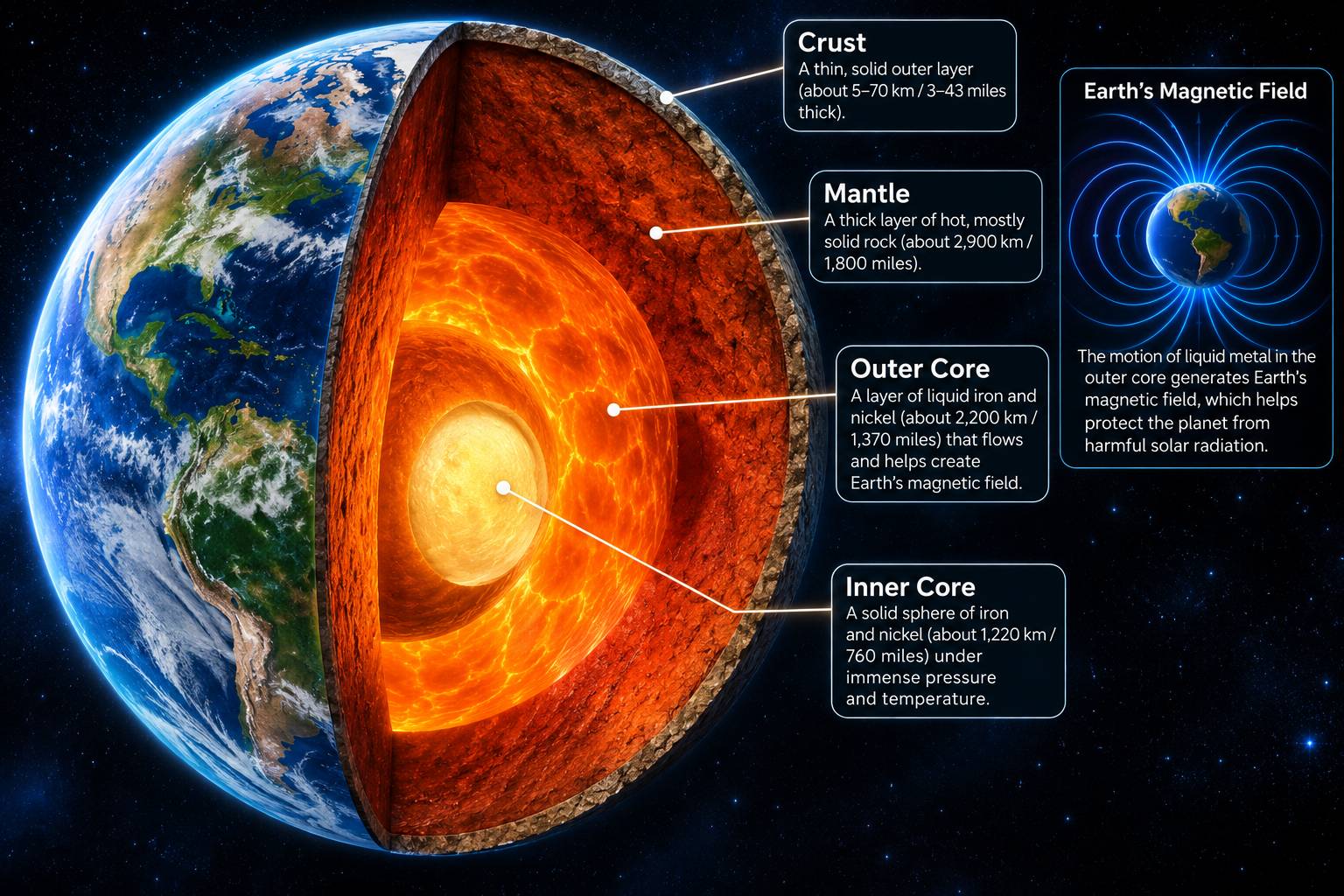
Scientists discovered that Earth’s interior is made of several different layers. In 1906, geologist Richard Dixon Oldham identified evidence for a central core. Later research showed that the outer core is liquid, while the inner core is solid.
8. Oceans Are Deeper Than They Look
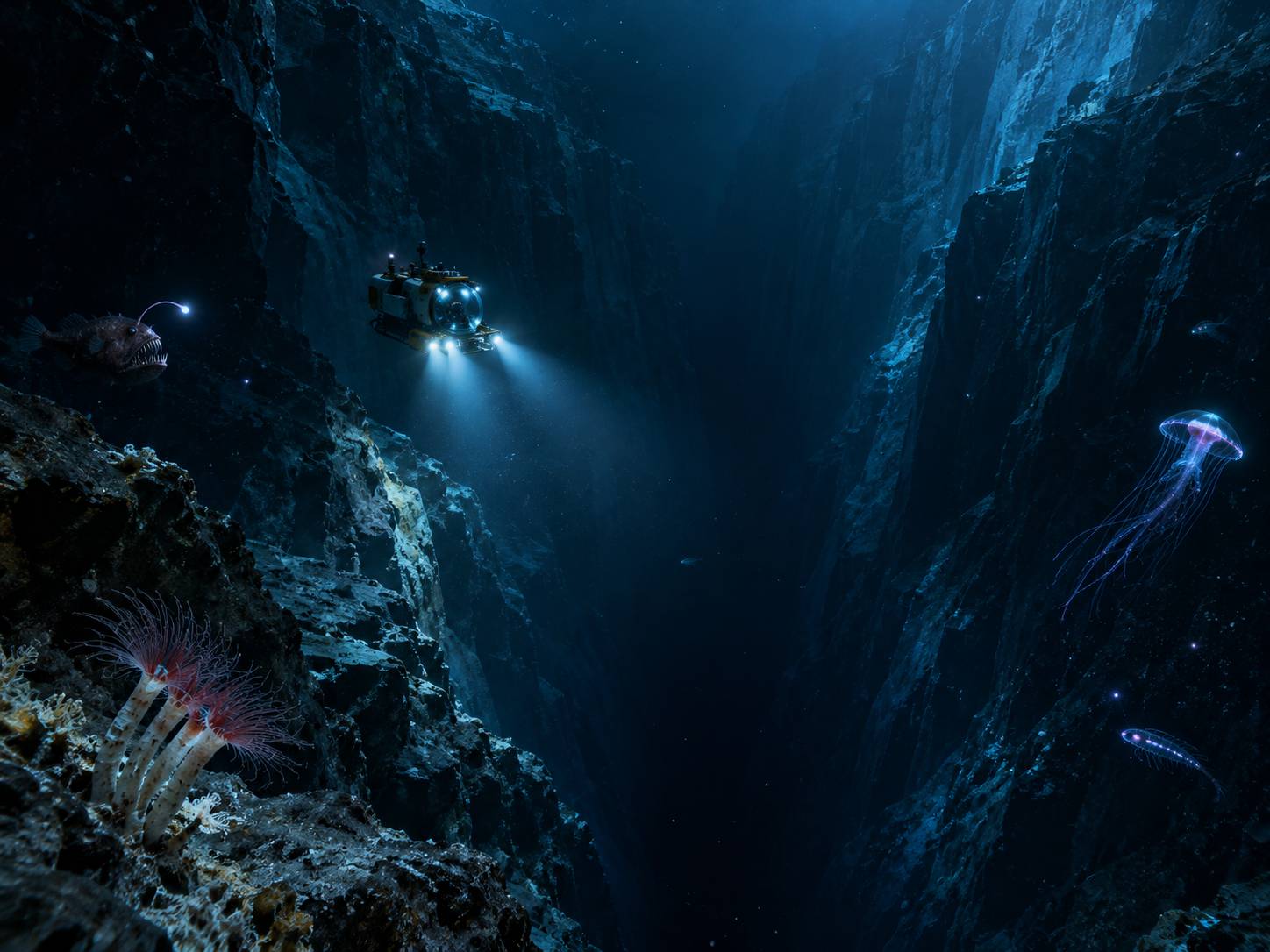
For much of human history, the deep ocean remained unexplored. Better measuring equipment and underwater exploration revealed enormous underwater mountains, deep valleys, and ecosystems that exist without sunlight. One of the most important discoveries was the Mariana Trench.
Sign up for our newsletter
9. The Ocean Floor Has a Huge Mountain Range
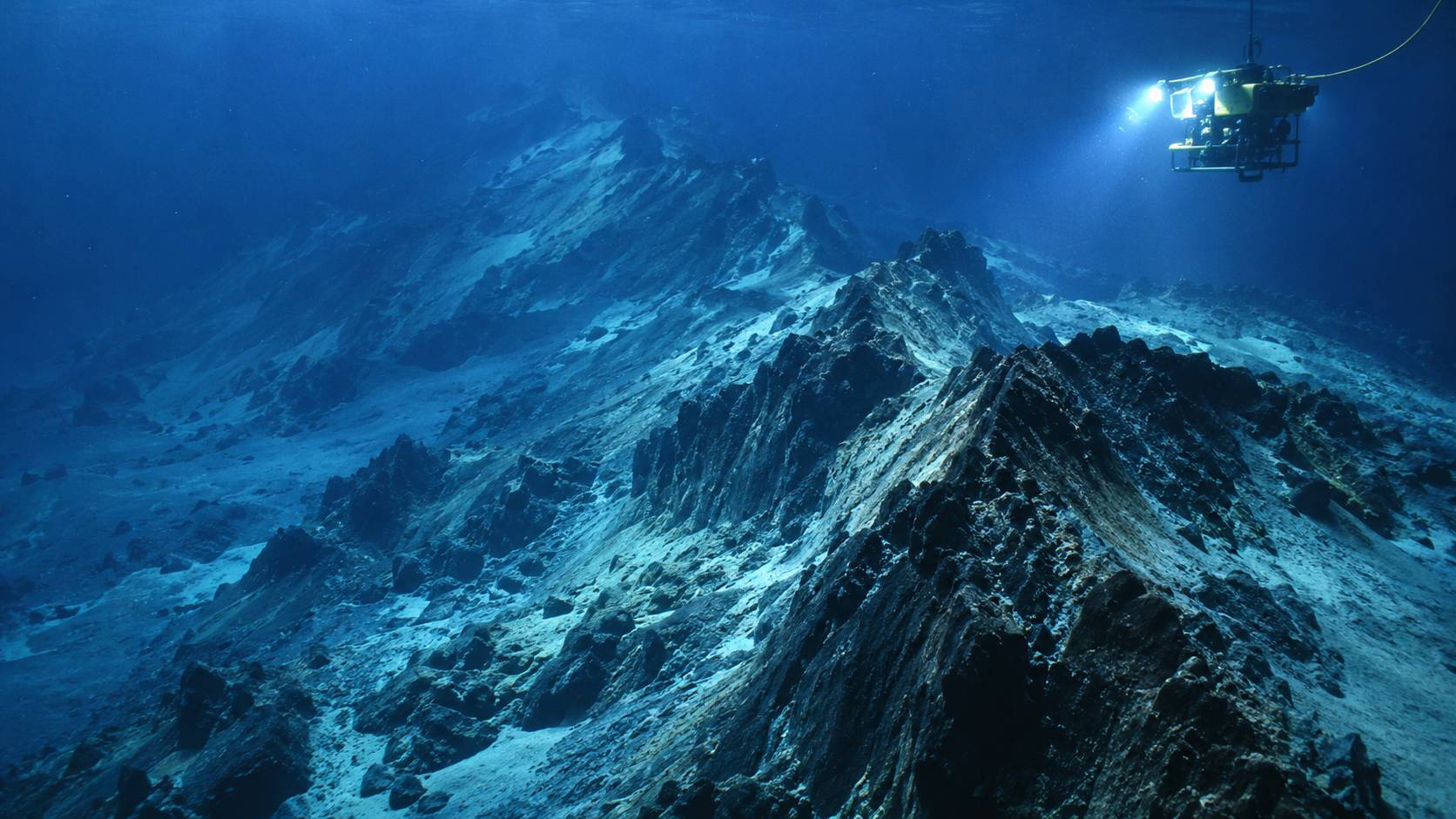
Scientists once had very limited knowledge of what the ocean floor looked like. Sonar technology used during the 20th century helped reveal a massive system of underwater mountain ranges stretching across the world’s oceans.
10. Earth Has a Magnetic Field
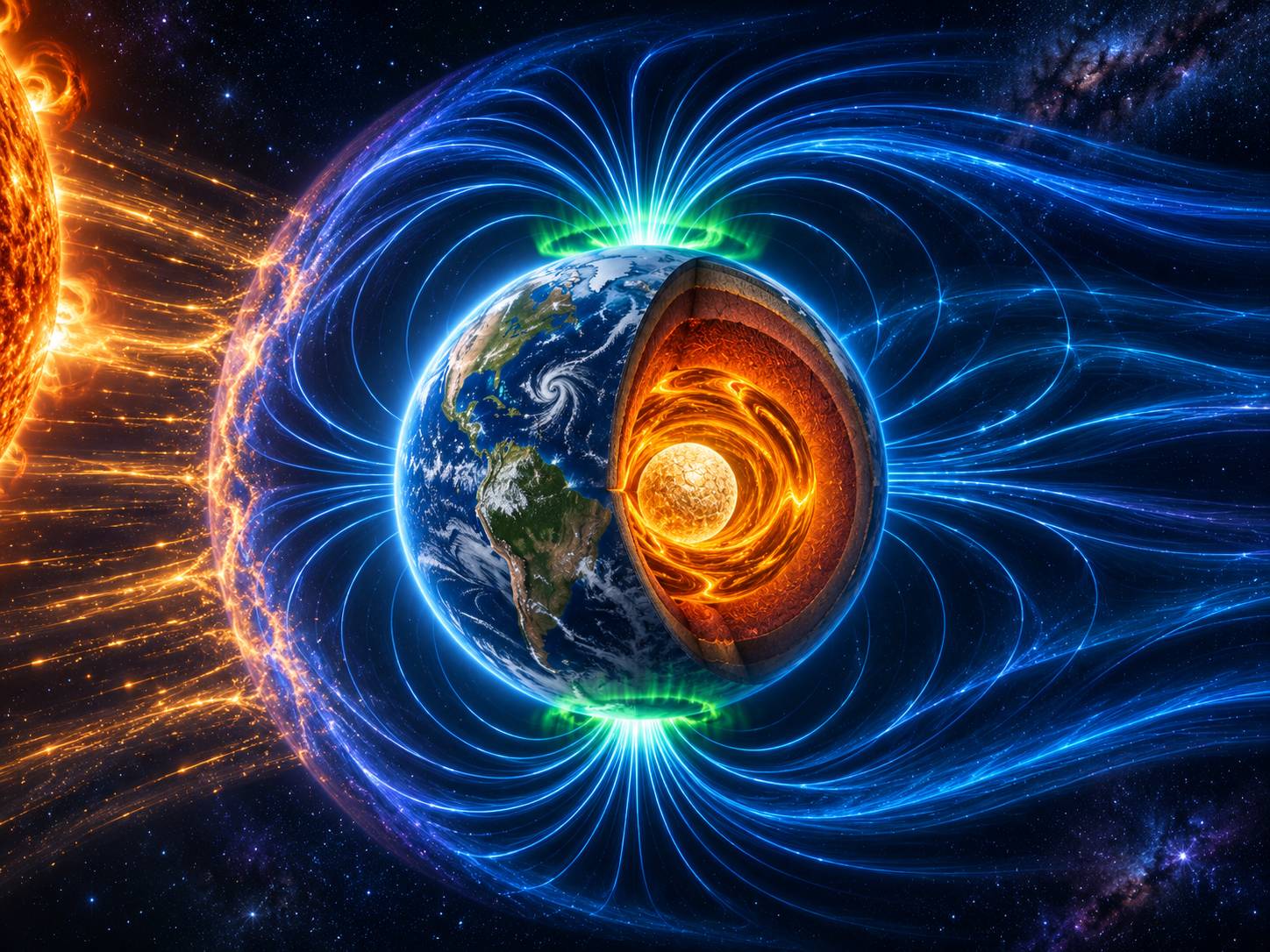
The discovery and study of Earth’s magnetic field helped explain how our planet interacts with the space around it. Scientists learned that the field is generated mainly by the movement of liquid iron in the outer core.
11. The Atmosphere Has Layers
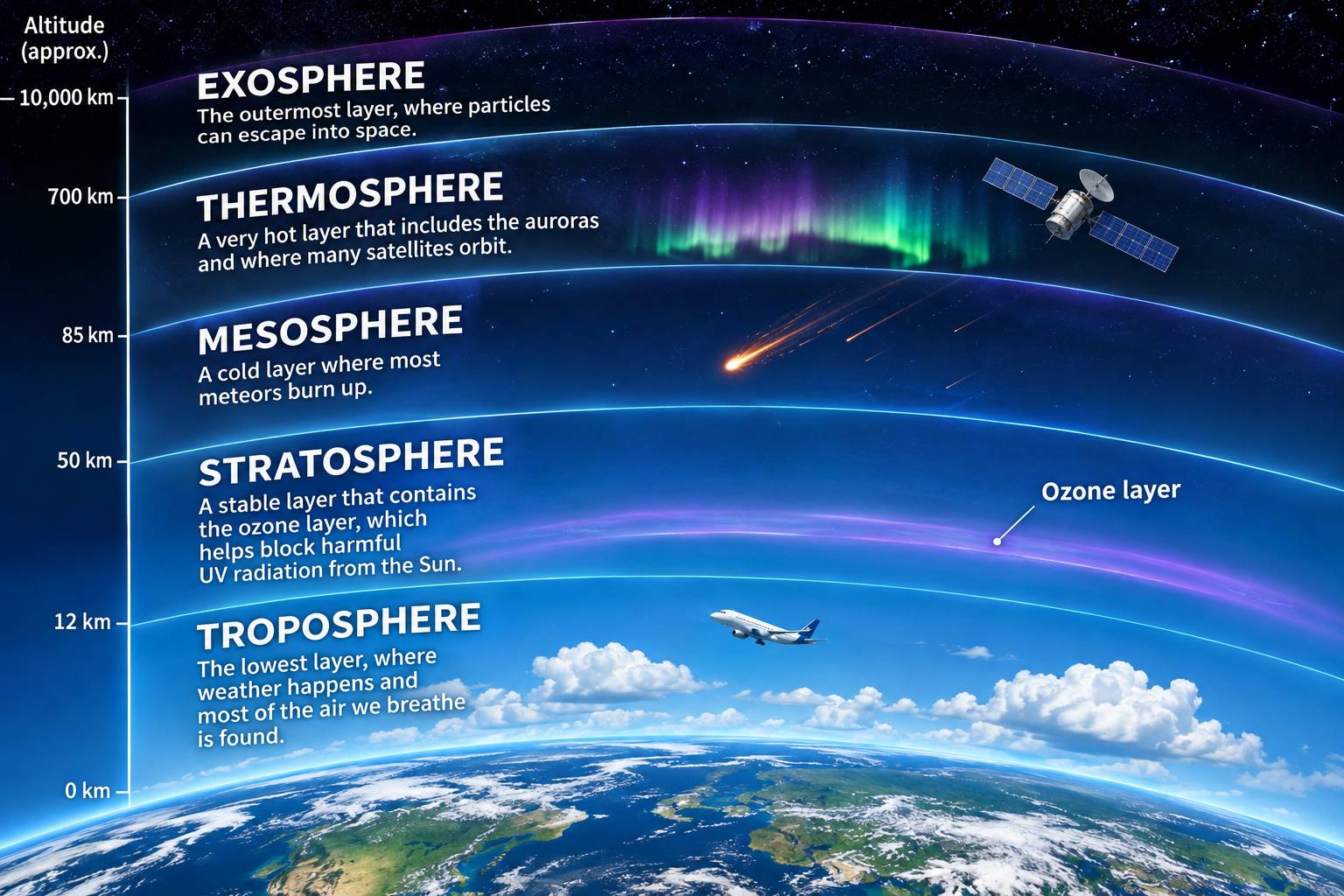
The atmosphere is divided into different regions, including the troposphere, stratosphere, mesosphere, thermosphere, and exosphere. Understanding these layers helps explain weather patterns, the formation of ozone, and the behavior of objects entering Earth’s atmosphere.
12. The Ozone Layer Protects Life
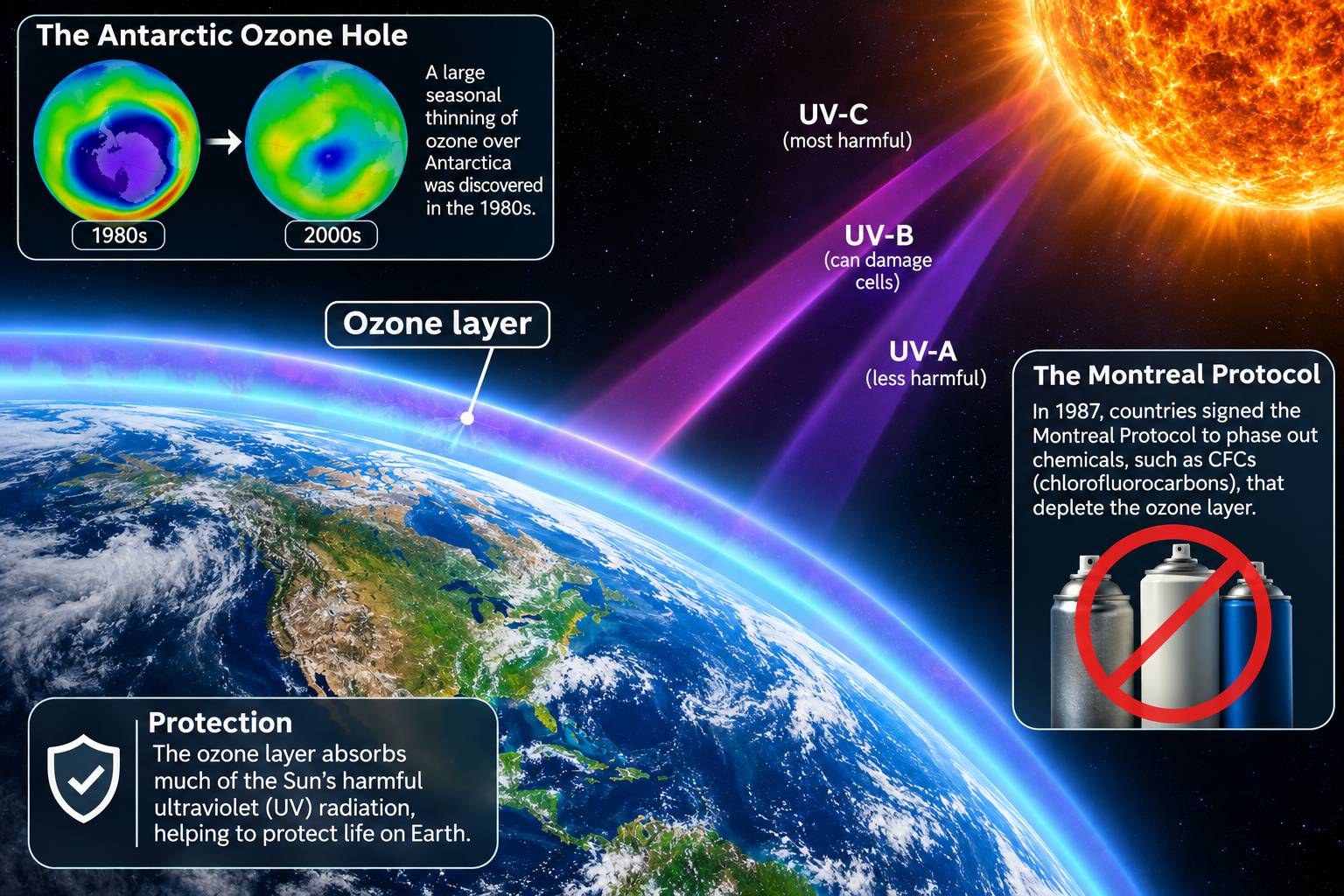
The ozone layer is important for life on Earth because excessive UV exposure can damage living cells. In the 1980s, researchers also discovered a major seasonal thinning of ozone over Antarctica. The discovery led to international action to reduce chemicals responsible for ozone depletion.
13. Earth Has Experienced Ice Ages
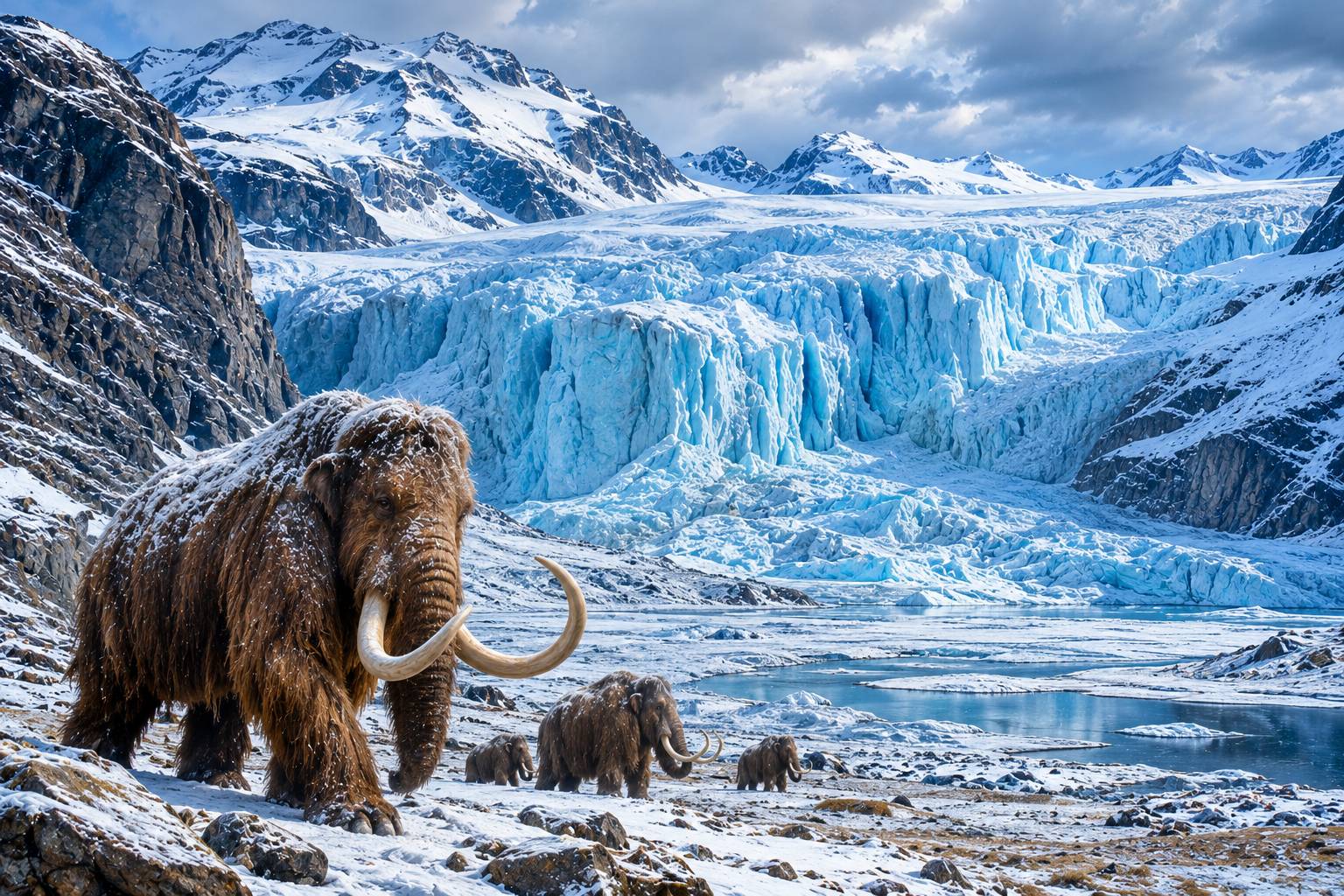
Geological evidence revealed that Earth has gone through several periods when large areas of the planet were covered by ice. Scientists found signs of ancient glaciers, including unusual rock formations and deposits left behind by moving ice.
14. Life Exists Around Deep-Sea Vents
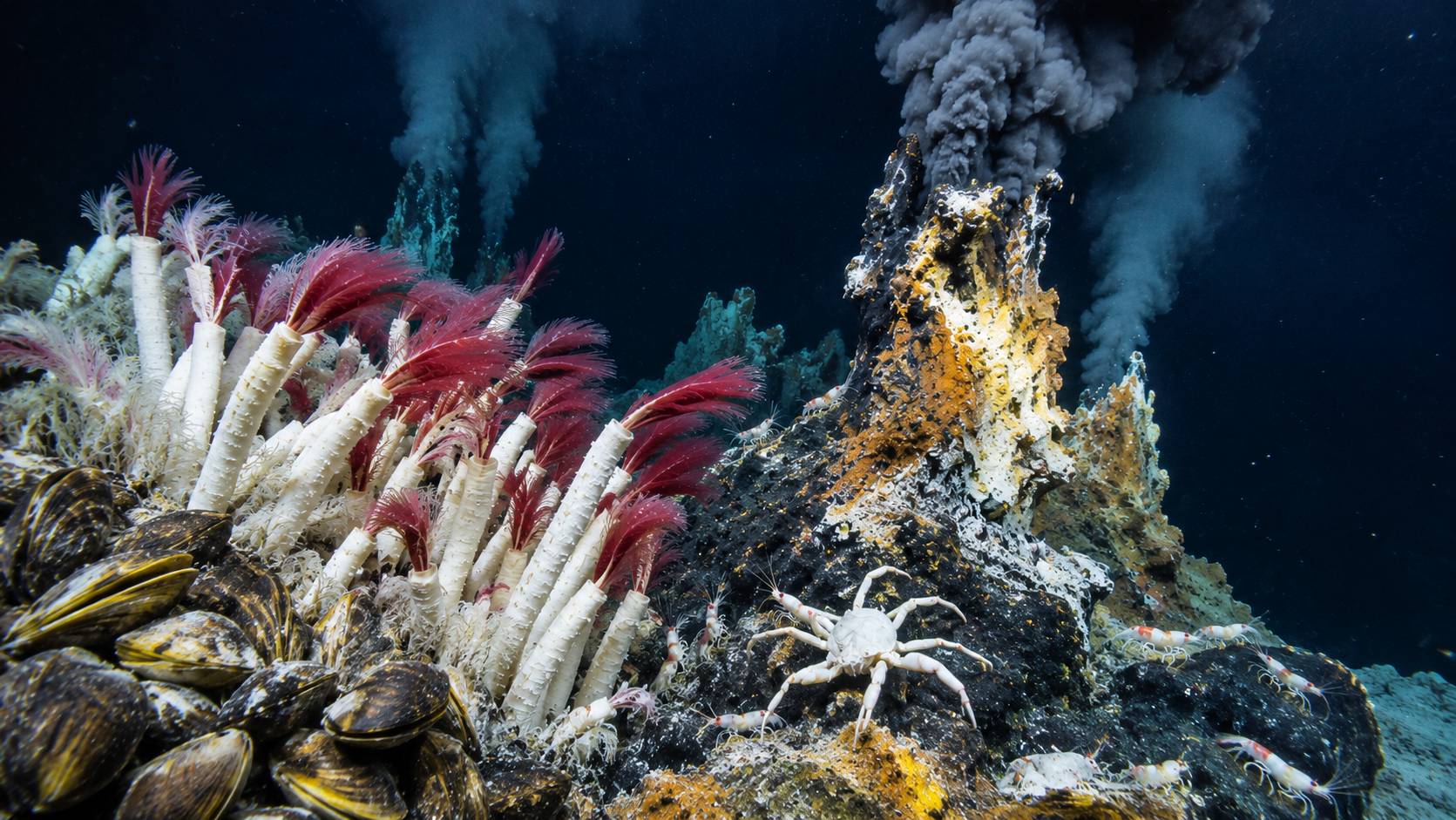
In 1977, scientists exploring the ocean floor near the Galápagos Islands discovered communities around hydrothermal vents. These openings release hot, mineral-rich water from beneath the seafloor.
15. Earth Is Changing
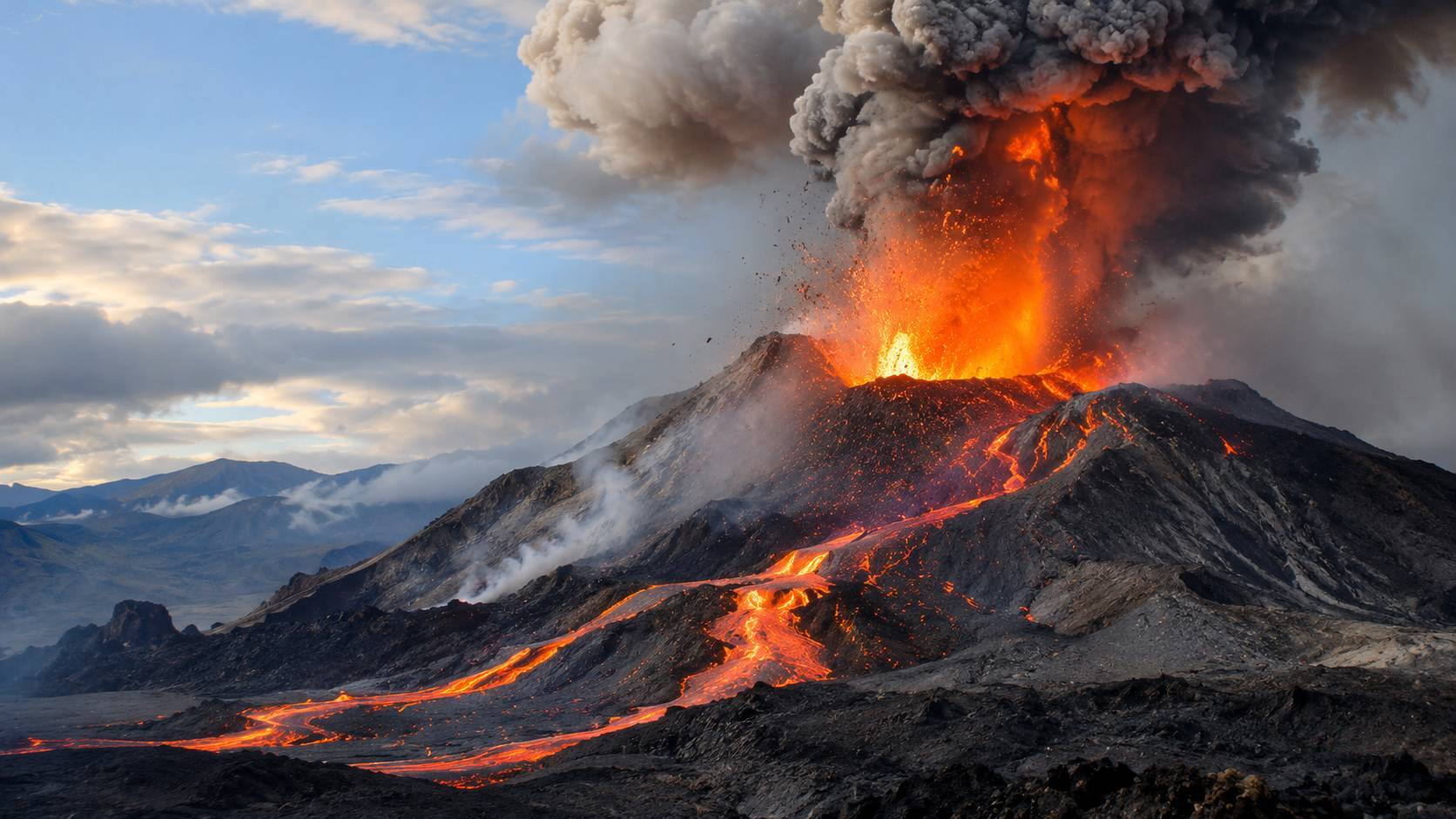
Some changes happen over millions of years, while others can take place in minutes. Events such as volcanic eruptions revealed the power of natural processes and helped researchers better understand the forces that shape the planet.