

Before Facebook, Instagram, and TikTok became the giants of our digital lives, there was a vast ecosystem of social media platforms that once defined how people connected online. From odd niche communities to networks that shaped the idea of sharing and socializing on the web, these platforms were innovators in their time, only to fade into obscurity as trends shifted and technology evolved. In this list of 20 forgotten social media platforms that once ruled the internet, we will revisit the rise and fall of these digital pioneers, exploring how they captured millions of users’ attention, influenced online culture and ultimately cemented the way for the social networks we know today.
1. Friendster

Friendster launched in 2002 and became one of the first mainstream social networks, connecting millions of users worldwide. It introduced the concept of online “friends” and profile-based communities, laying the groundwork for future platforms. Unfortunately, technical issues and slow innovation caused users to migrate elsewhere.
2. MySpace
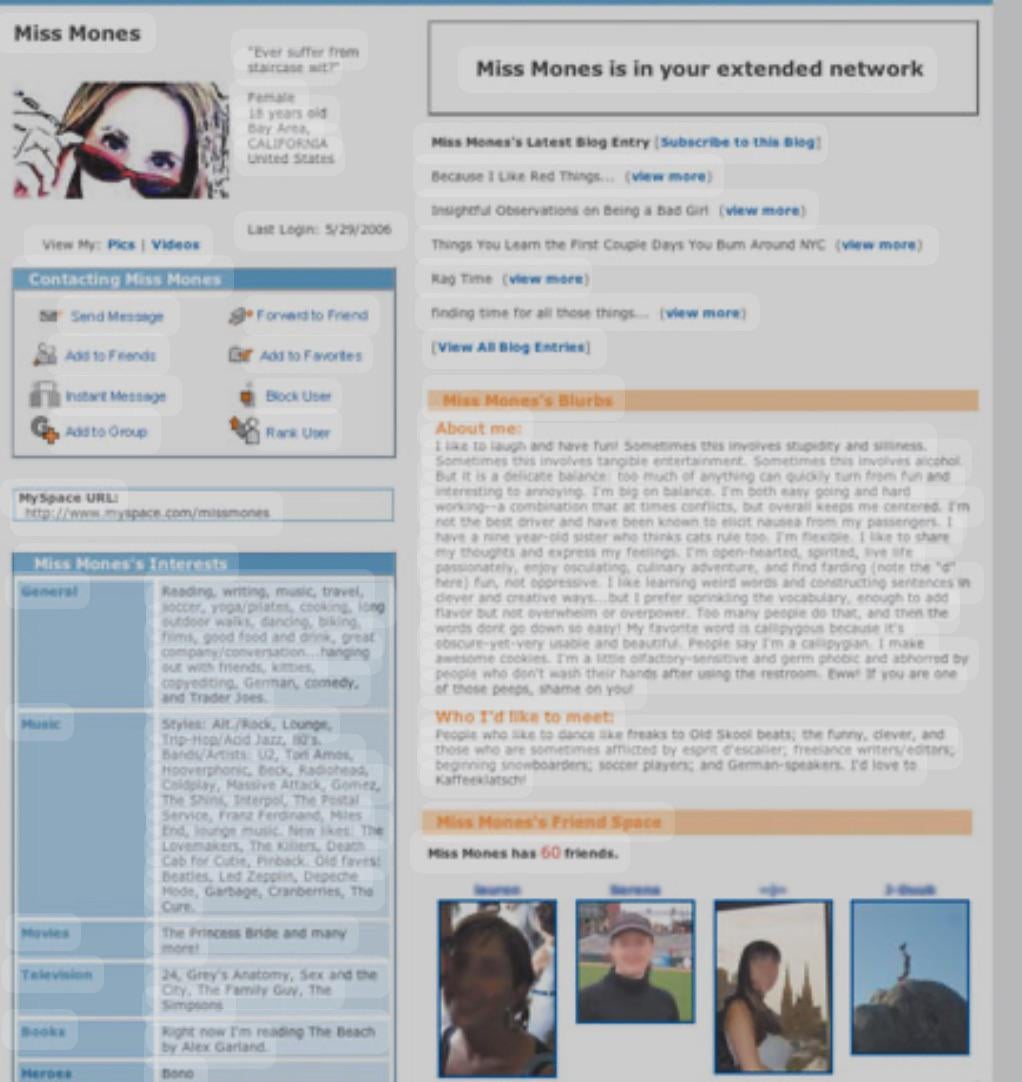
In the mid-2000s, MySpace was the undisputed king of social networking, famous for customizable profiles and music. It gave rise to countless bands and internet personalities, shaping pop culture in ways Facebook never did. But cluttered design and poor management led to its downfall.
3. Orkut
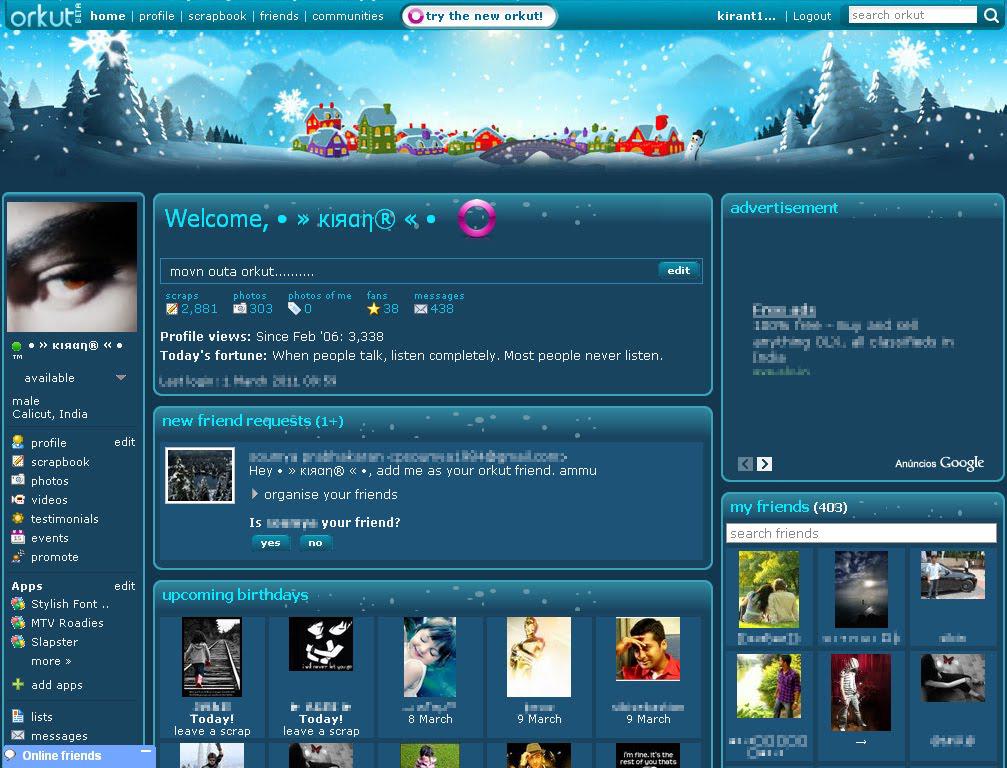
Google’s Orkut was a massive hit in Brazil and India, where it became the dominant social network for years. It offered communities, scrapbooks, and testimonials, fostering close online friendships. Despite its popularity abroad, Google shut it down in 2014 after failing to expand globally and losing ground to Facebook.
4. Hi5

Hi5 was a colorful, customizable platform that thrived in Latin America and Asia during the mid-2000s. It blended social networking with games and discovery features, making it fun and interactive. Over time, it pivoted into a dating-focused site, losing its original charm and mainstream audience.
5. Bebo

Bebo, launched in 2005, was especially popular in the UK and Ireland, offering playful features like “whiteboards” for doodles. It briefly rivaled MySpace and Facebook, attracting millions of users with its quirky design. However, after AOL acquired it, mismanagement and competition led to its quick decline.
Trending on Wealth Gang


6. Xanga

Xanga was a blogging-centered social network where users shared journal entries, photos, and comments. It thrived among teens and young adults who wanted a creative outlet for personal expression. As blogging evolved and platforms like Tumblr and WordPress rose, Xanga disappeared.
7. LiveJournal

LiveJournal combined blogging with community forums, creating a hub for writers, artists, and fandoms. It was beloved for its tight-knit groups and long-form storytelling culture. Eventually, newer platforms with sleeker interfaces stole its audience.
8. Bolt

Bolt was one of the earliest teen-focused social networks, dating back to the late 1990s. It offered chat rooms, message boards, and personal pages, making it a pioneer in online youth culture. Despite its innovation, it shut down in 2008 as newer competitors dominated the scene.
Sign up for our newsletter
9. SixDegrees

SixDegrees, launched in 1997, is often considered the first true social network. It allowed users to list friends and connect through them, introducing the “six degrees of separation” concept online. Ahead of its time, it closed in 2001 due to limited internet adoption and monetization challenges.
10. Tagged

It began as a teen social network but later pivoted toward social discovery and dating. It offered games, profiles, and ways to meet new people, carving out a niche audience. While never mainstream, it survived longer than many peers before merging into the MeetMe app.
11. iWiW

iWiW, short for “International Who´s Who,” was Hungary’s most popular social network in the 2000s. It dominated locally, connecting millions of Hungarian users before Facebook arrived. Unable to compete globally, it shut down in 2014, remembered fondly as Hungary’s digital meeting place.
12. Mixi

Mixi was Japan’s leading social network in the mid-2000s, focused on diary entries and community groups. It thrived in a culture that valued privacy and smaller circles of friends. Though overshadowed by Facebook and Twitter, Mixi still exists today as a niche platform.
13. Cyworld

Cyworld was a South Korean social network where users decorated virtual “mini-hompy” rooms. It blended socializing with digital creativity, becoming a cultural phenomenon in Asia. As mobile apps and Facebook grew, its popularity declined, though it remains a nostalgic memory for many.
14. Habbo Hotel

Habbo Hotel was a virtual world where teens created avatars, decorated hotel rooms, and socialized. It was wildly popular in the early 2000s, blending gaming with social networking. Over time, newer platforms and games stole its audience, but Habbo remains iconic in internet history.
15. Second Life

Second Life wasn’t just a social network, it was a virtual universe where users built avatars, businesses, and communities. It had its peak in the mid-2000s, attracting media attention and even real companies.
16. FriendFeed

FriendFeed aggregated updates from multiple social networks, offering a one-stop feed for online activity. It was beloved by tech enthusiasts for its real-time sharing and integration. Acquired by Facebook in 2009, it was eventually shut down, but its influence shaped Facebook’s news feed.
17. App.net

App.net launched in 2012 as a subscription-based, ad-free alternative to Twitter. It attracted developers and early adopters who wanted a cleaner, more open platform. Despite its noble mission, it never gained enough traction and shut down in 2017.
18. Ello

Ello emerged in 2014 as a minimalist, ad-free social network for creatives. It gained hype as the “anti-Facebook,” attracting artists and designers. However, it struggled to retain users and eventually pivoted into a niche community for digital art.
19. Google+

Google+ launched in 2011 with features like circles and hangouts, aiming to rival Facebook. Despite heavy promotion, it failed to attract sustained engagement from users. Security issues and declining activity led to its shutdown in 2019.
20. Vine

Vine revolutionized short-form video with its six-second clips, sparking memes and launching internet stars. It became a cultural phenomenon, influencing how people consumed video online. Despite its impact, Twitter shut it down in 2017, paving the way for TikTok’s rise.
Looking for similar content?
- An Ultimate Guide On How To Make Money On Social Media Today– It explains the evolution of social media and outlines ways to monetize platforms like Facebook, Instagram, YouTube, and more.
- How to Make Money Posting Ads on Social Media– The article breaks down practical methods: affiliate marketing, Google AdSense, YouTube ads, and platform‑specific campaigns for earning income by running ads online.
- 15 Pop Culture Moments That Changed the Way We Think About Money– Highlights iconic cultural events that reshaped public attitudes toward wealth, spending, and financial identity.