
The 1990s were a golden era for stand-up and comedy-driven entertainment, producing a wave of comedians who dominated TV, movies, and pop culture. Some became defining voices of the decade, while others rode trends that felt unstoppable at the time. Looking back, not all of that humor aged the same and these comedians are a reminder of how quickly cultural tastes can change.
1. Pauly Shore

He became an icon of ’90s slacker humor, boosted by MTV and a laid-back attitude that resonated with a specific generation. Over time, though, his comedy leaned too heavily on era-specific slang and exaggerated characters that didn’t age particularly well.
2. Andrew Dice Clay
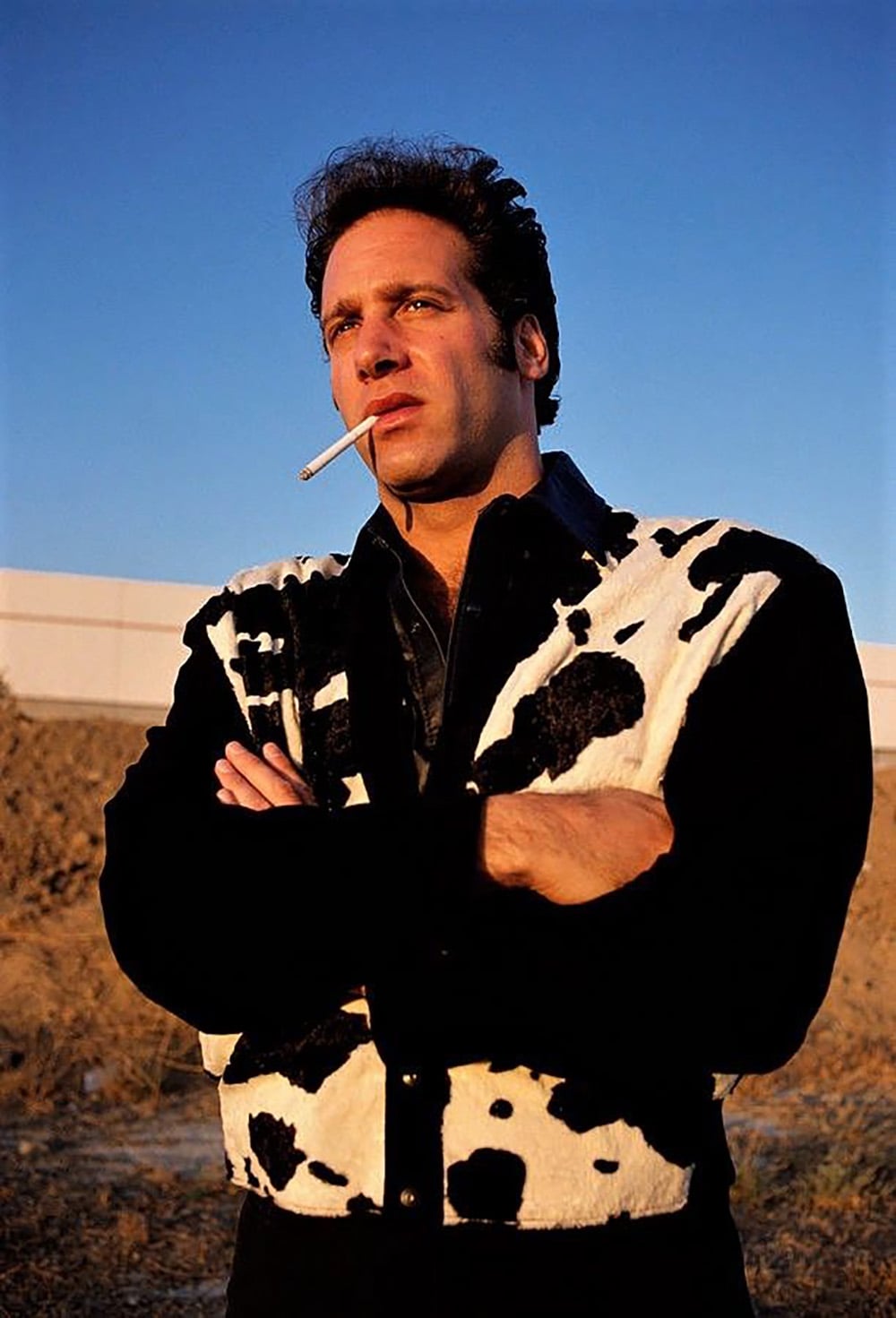
His success was built on deliberately provocative, crude humor meant to push buttons. While it initially made waves and sparked controversy, the act didn’t hold up over time, losing its edge once shock value stopped being enough.
3. Carrot Top
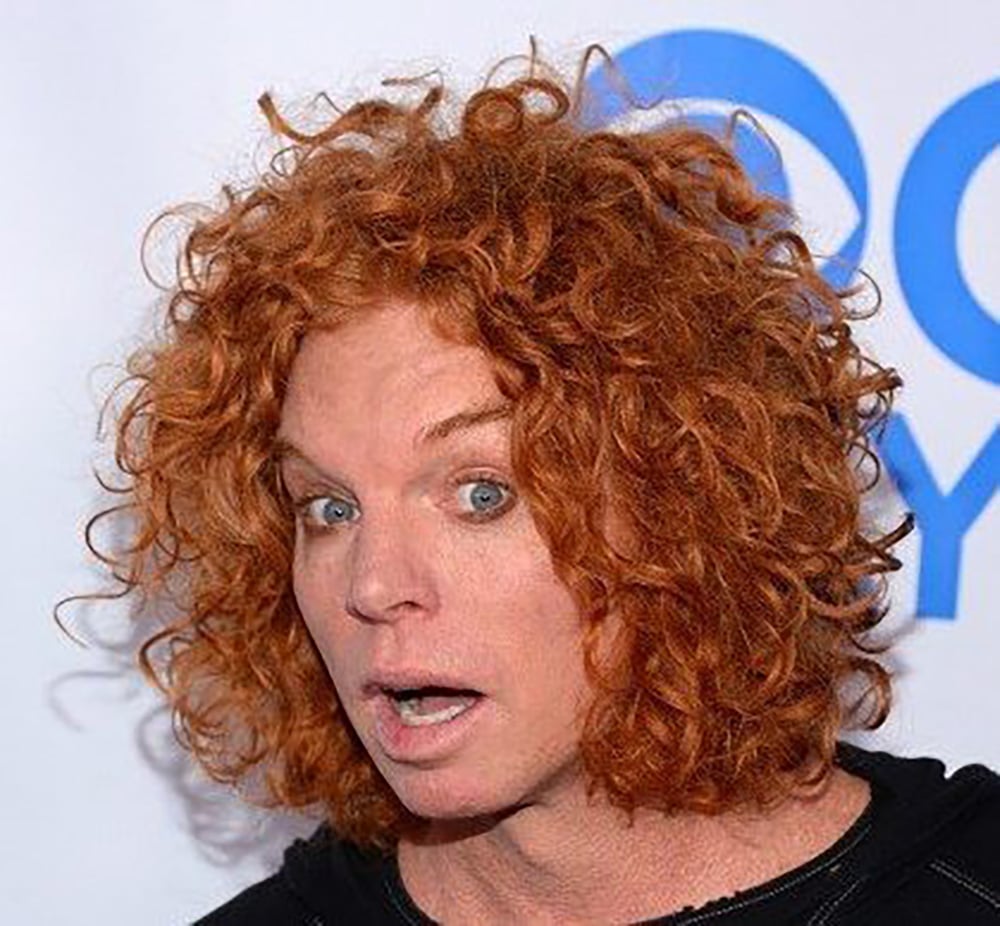
He built his career around visual gags and prop-based comedy. It felt fresh at first, but the lack of real evolution in his act eventually made it come across as repetitive and one-note.
4. Dennis Miller
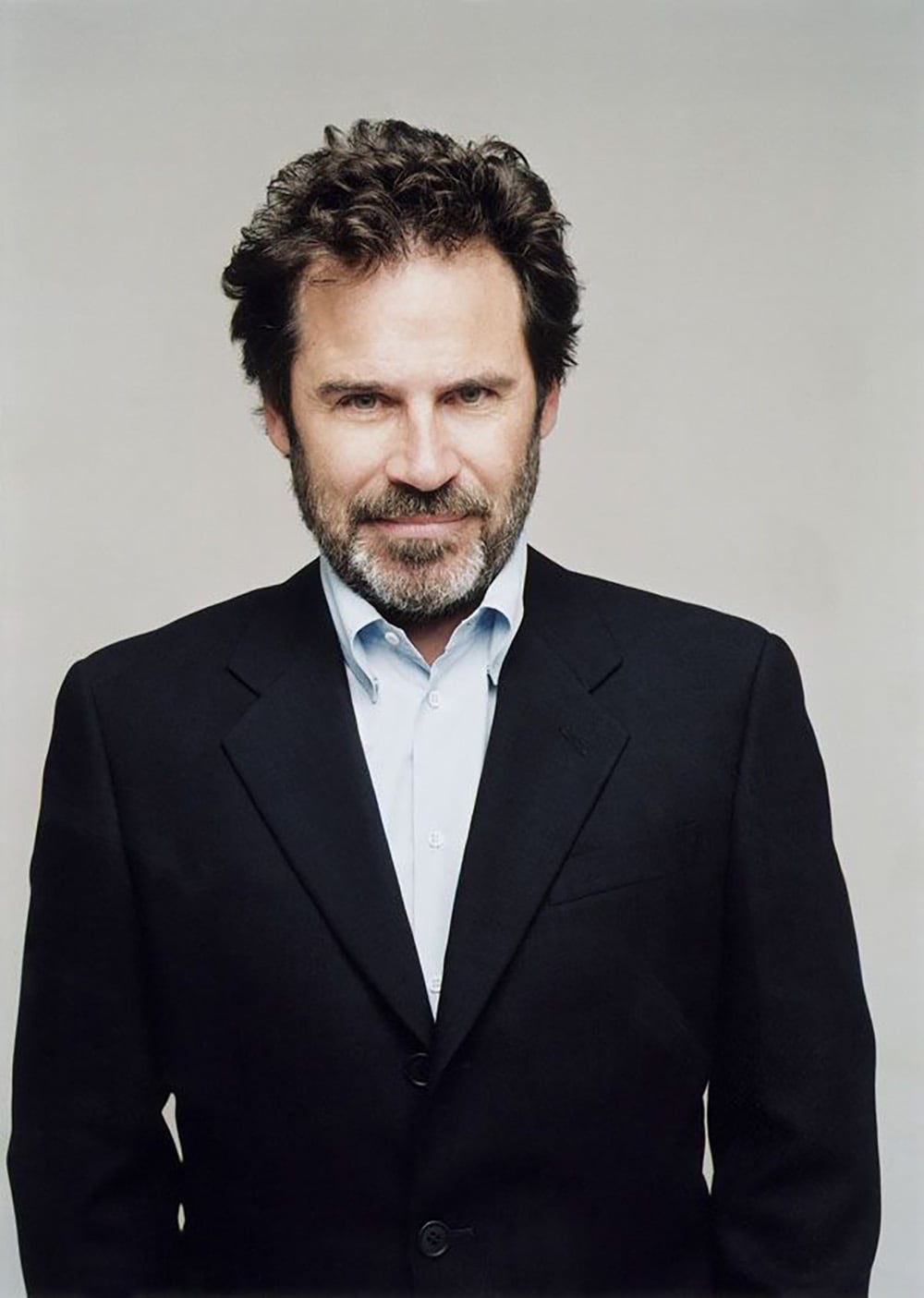
He became known for comedy packed with cultural and intellectual references. Some audiences found it sharp and clever, while others saw it as overly self-important and hard to connect with.
5. Rob Schneider
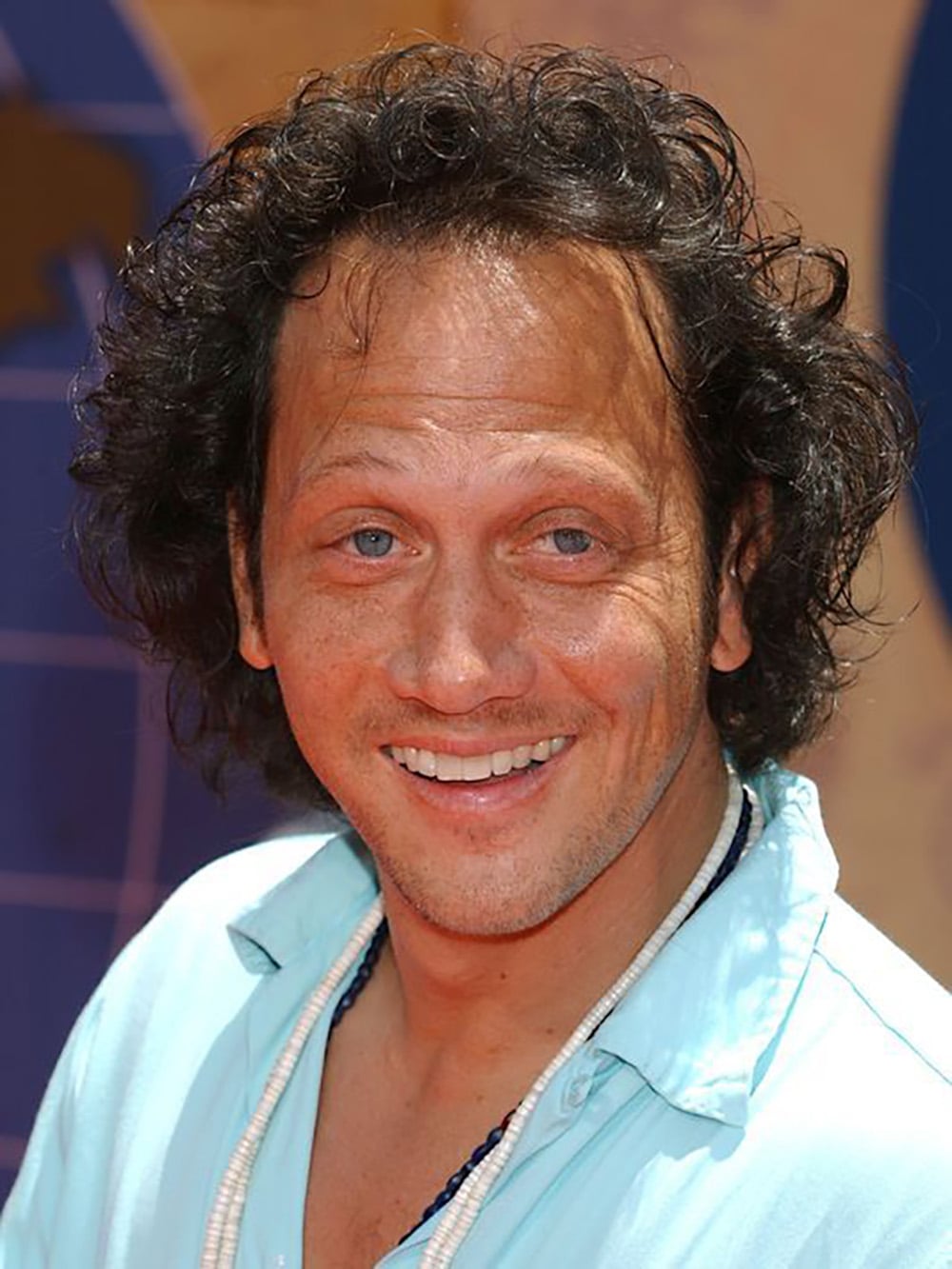
He gained exposure through television and mainstream films, often in supporting roles. Many of his characters relied on broad, simple stereotypes that worked in the ’90s but didn’t age particularly well.
Trending on Wealth Gang

6. Chevy Chase
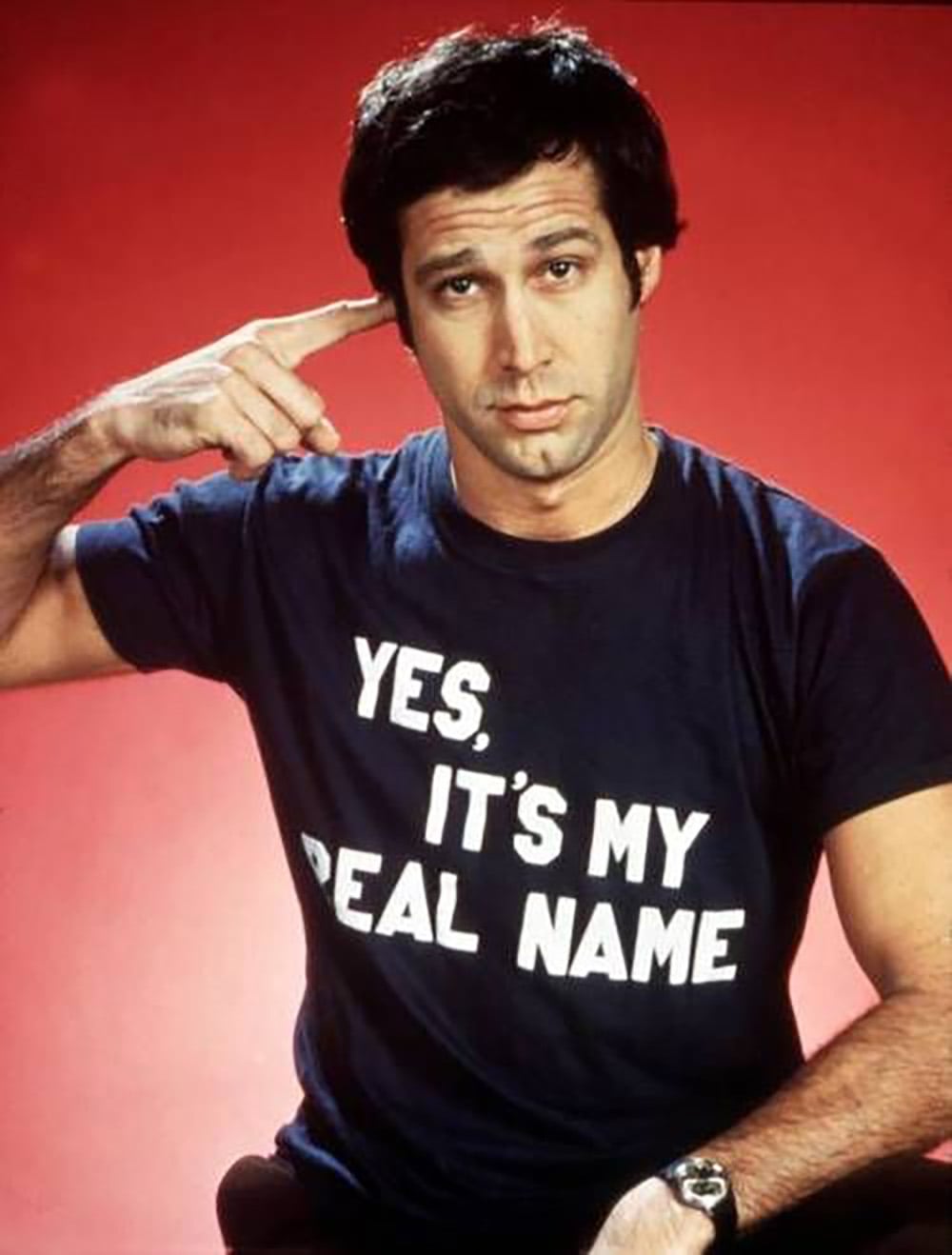
Even though he was influential in earlier decades, by the ’90s his physical, sarcastic style started to feel recycled. His reputation ended up outpacing the originality of his later work.
7. Bobcat Goldthwait
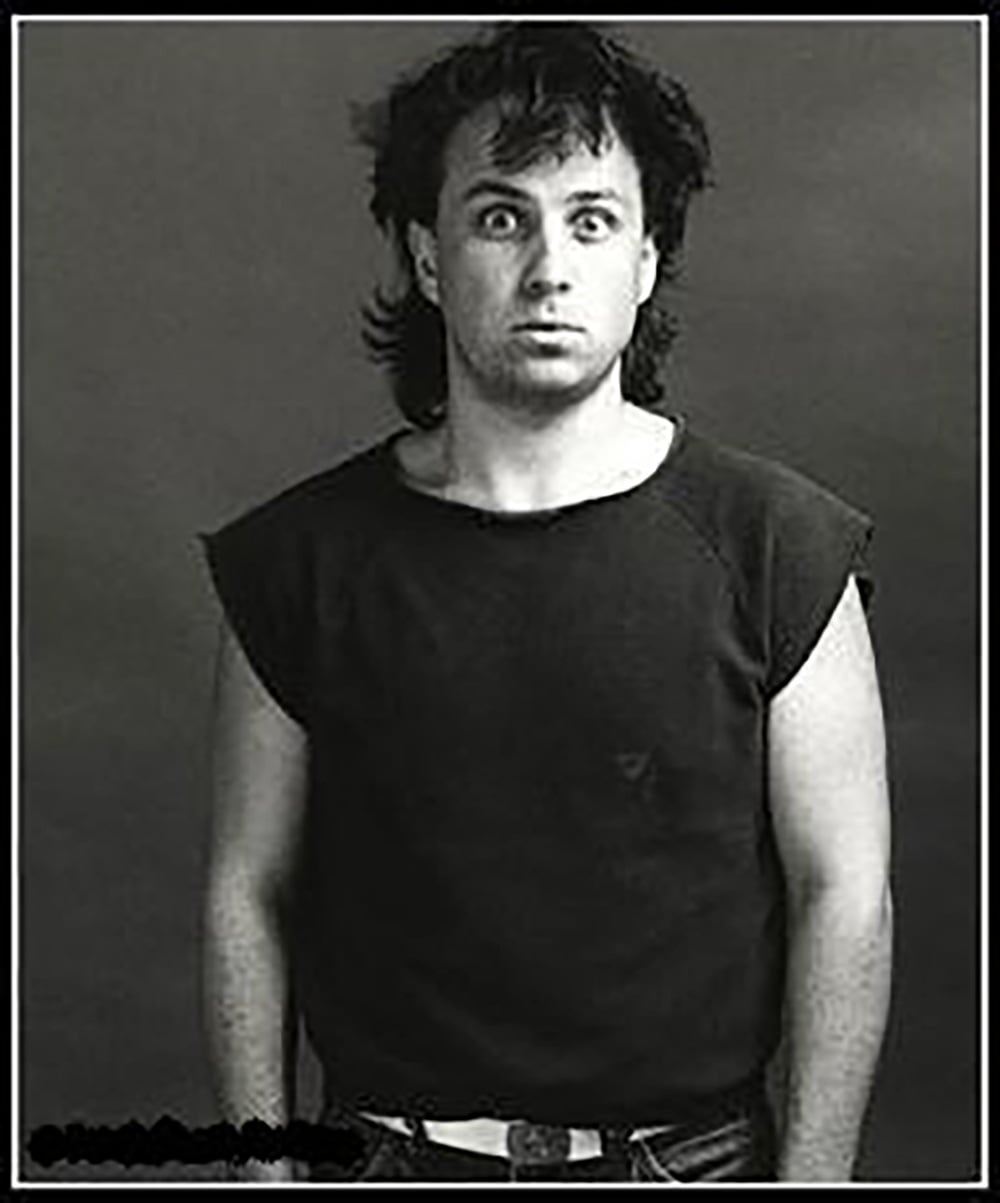
He quickly grabbed attention with his shrill voice and over-the-top characters. Over time, though, that same approach wore thin and became tiring for a lot of viewers.
8. Sam Kinison
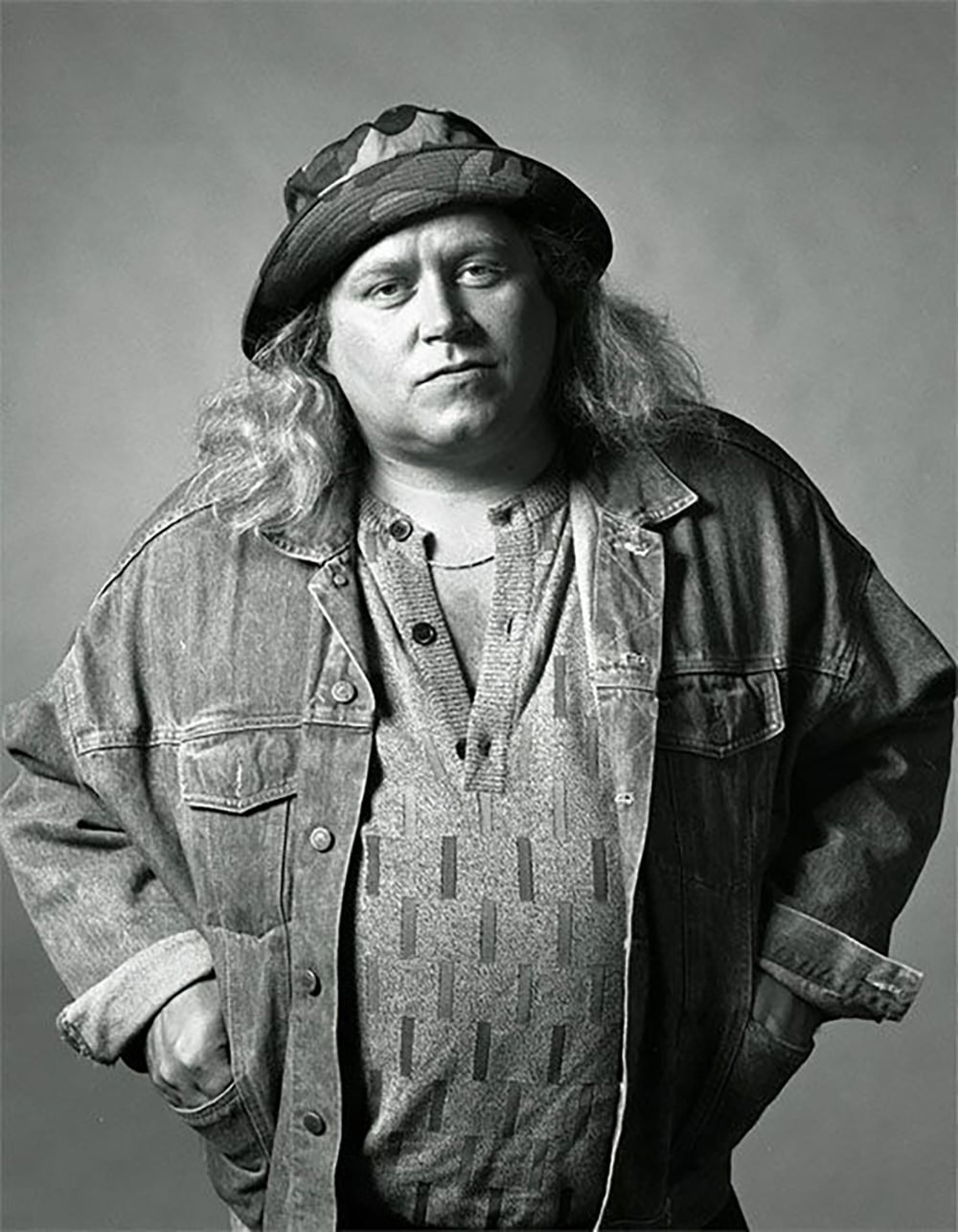
His loud, aggressive delivery defined a moment in comedy history. It was influential, but it relied so heavily on exaggeration that it ultimately limited his long-term appeal.
Sign up for our newsletter
9. Emo Philips
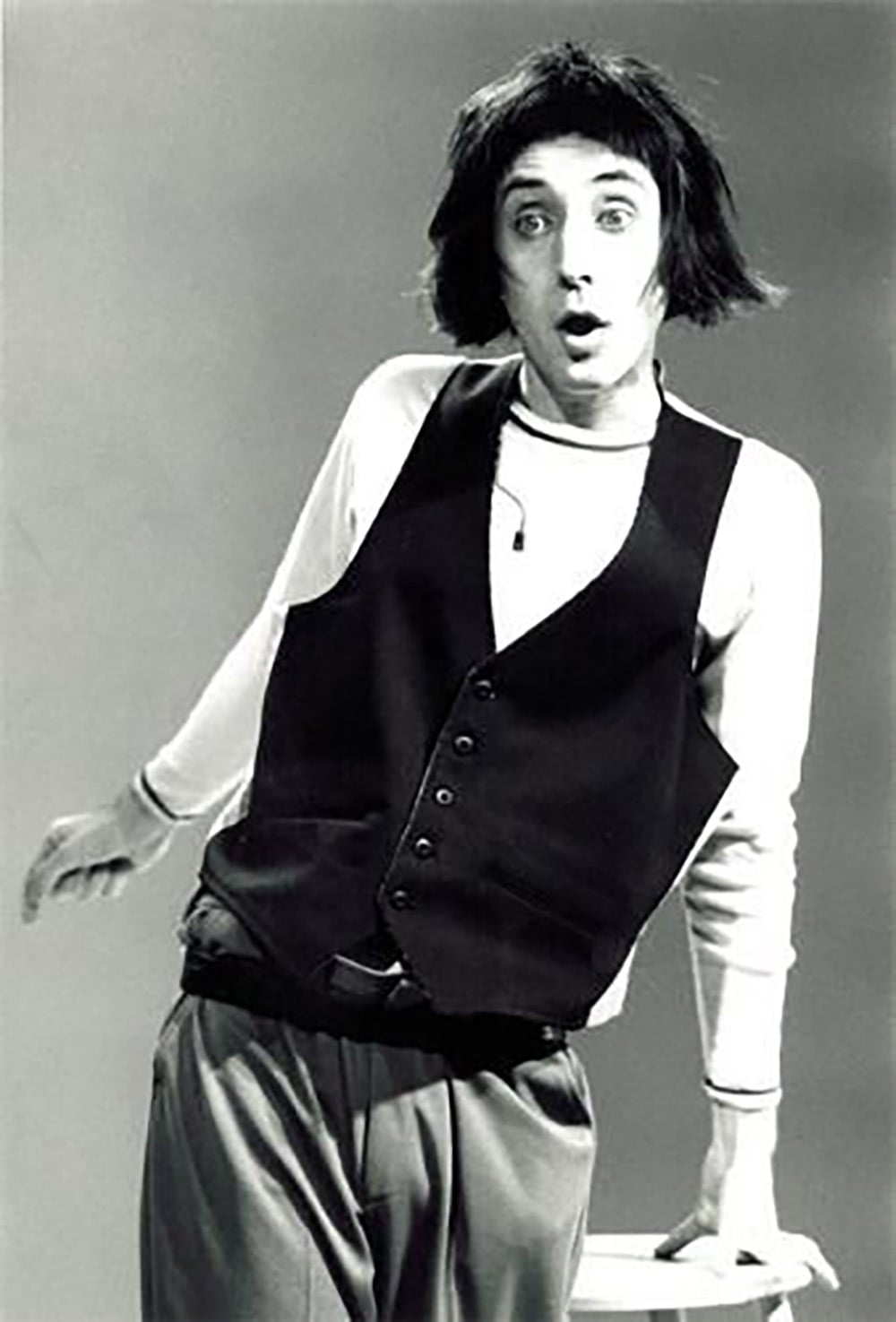
His surreal sense of humor and distinctive voice made him stand out. Still, the act remained very niche and never really translated into lasting mainstream appeal.
10. Jay Mohr

He stood out for his impressions and strong TV presence. Over time, though, his comedy became too tied to a formula that never really evolved.
11. Tom Green
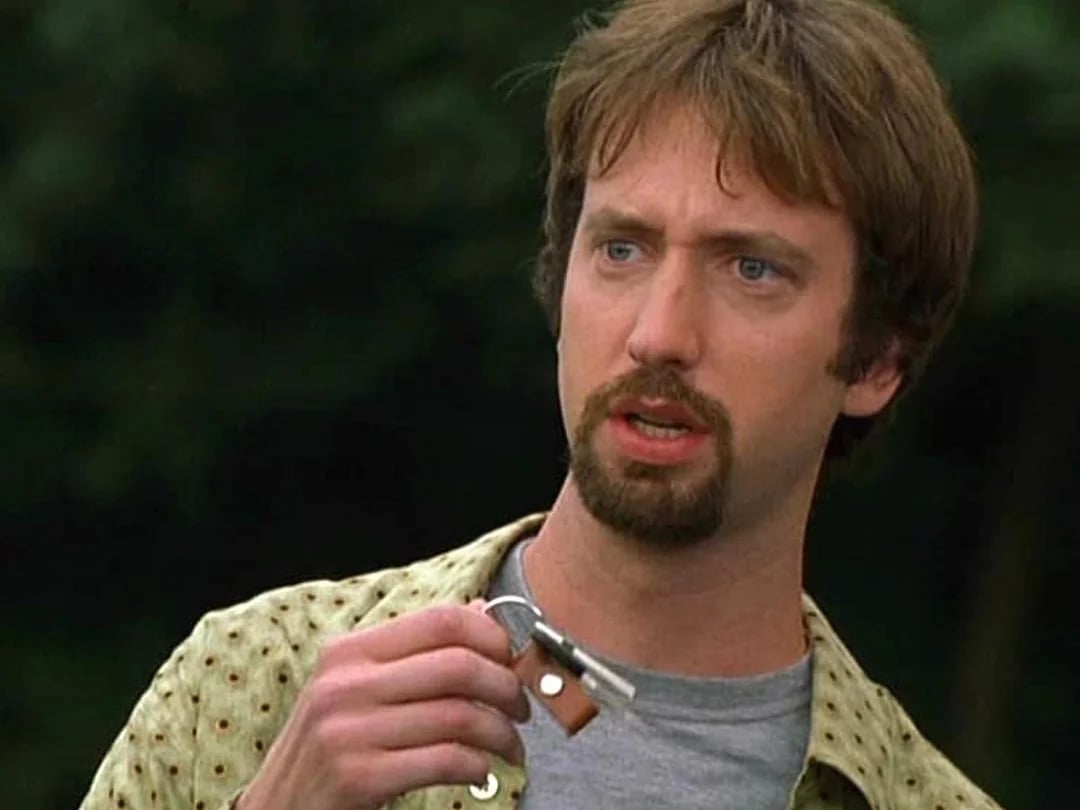
His rise was built on awkward, provocative shock humor that felt fresh and disruptive at the time. While it worked as a short-lived cultural phenomenon, much of its impact faded once audiences became accustomed to the shock factor. What once felt daring eventually struggled to evolve beyond its initial novelty.
12. Sinbad
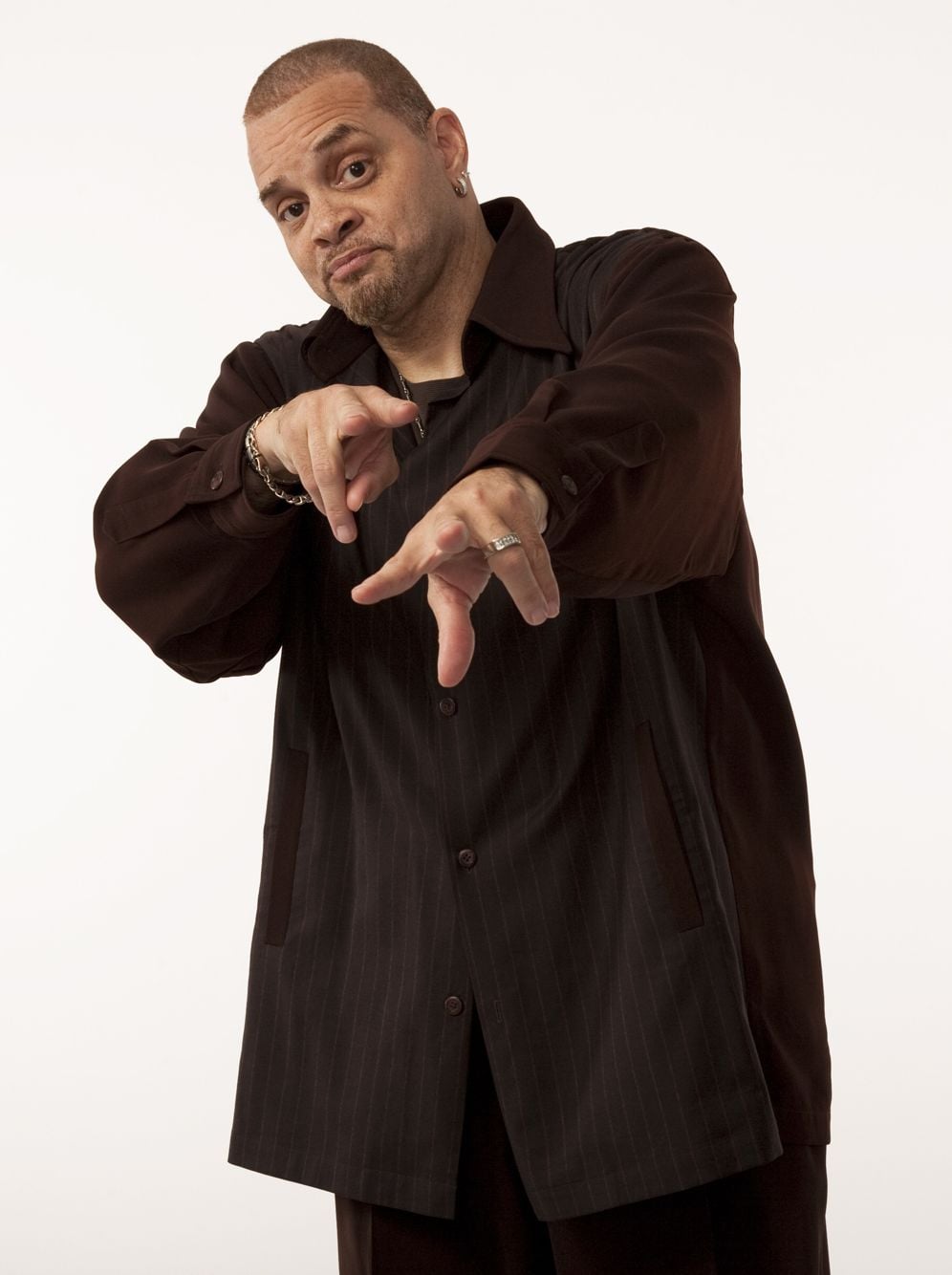
He became extremely popular through family-friendly television and an energetic, accessible comedic style. Despite widespread recognition, his humor didn’t transition smoothly as audience tastes shifted in the late 1990s and early 2000s. The broad appeal that once defined his success gradually lost relevance.
13. Kathy Griffin
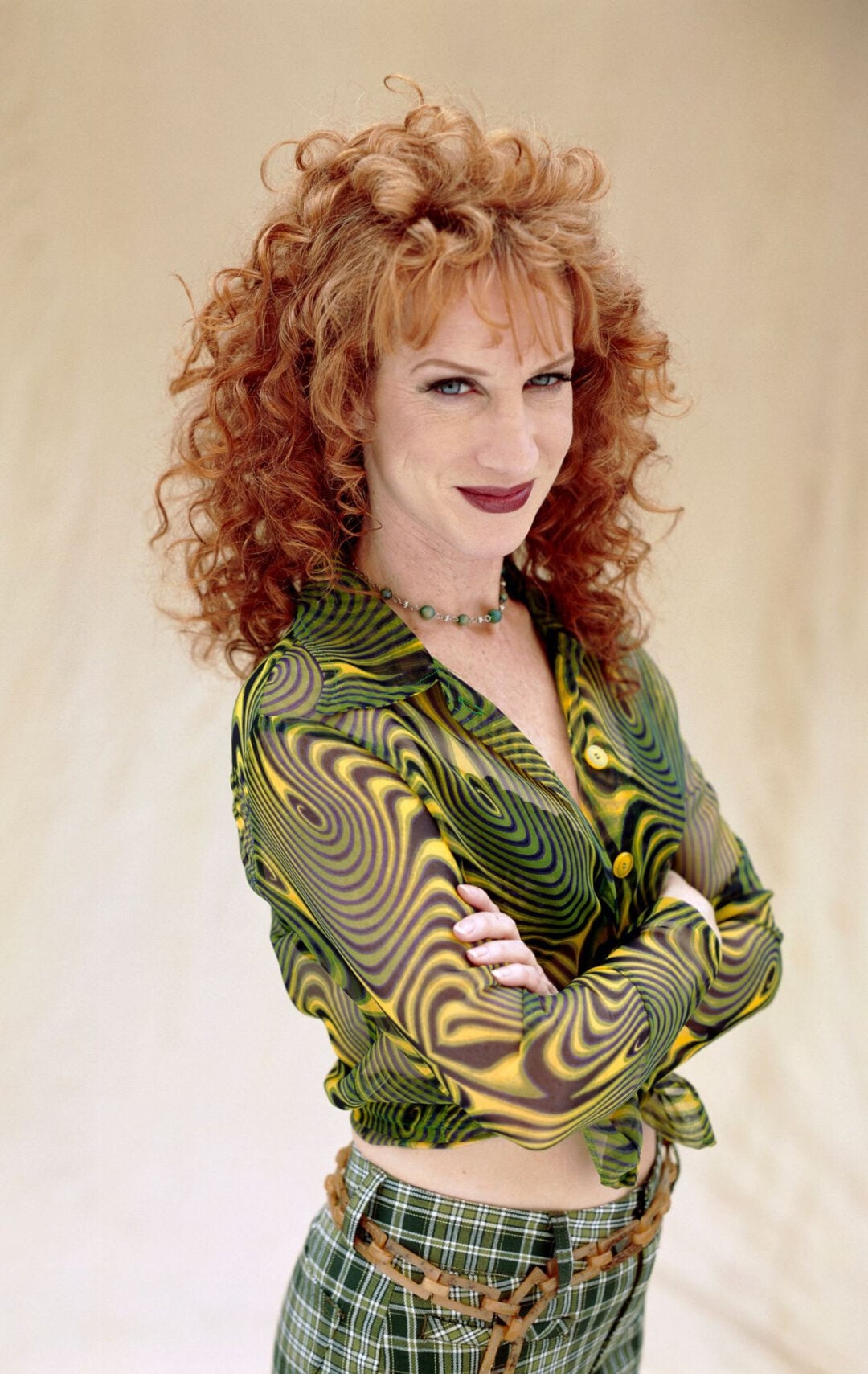
Her comedy revolved heavily around pop culture references and celebrity commentary. While effective in its specific moment, that approach proved highly dependent on timing and trends. As the cultural conversation changed, the material felt increasingly tied to a particular era.
14. Chris Kattan
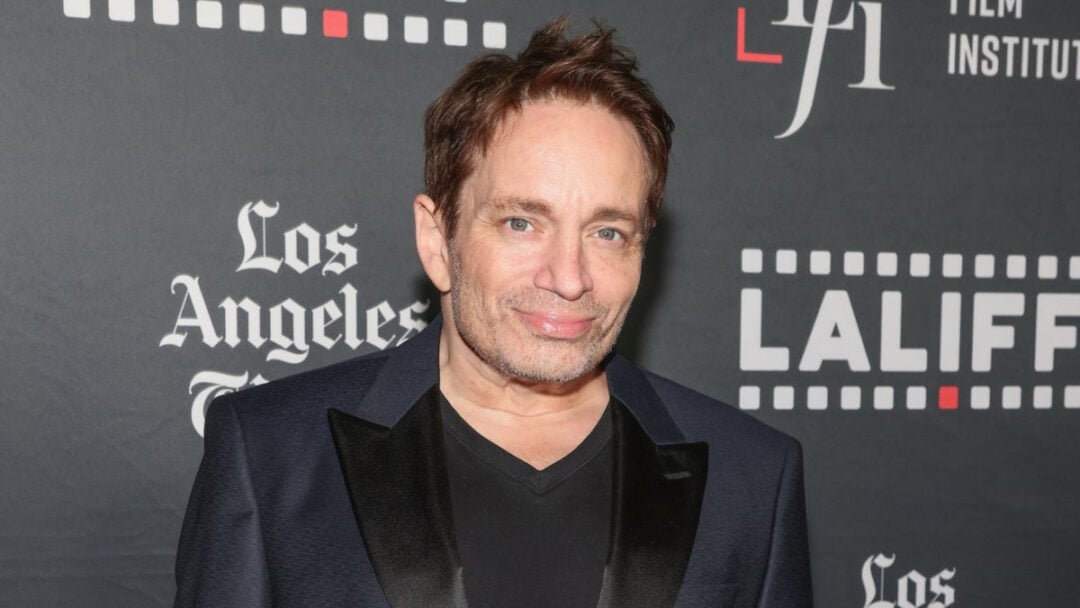
Best known for exaggerated physical characters, his humor thrived within sketch comedy formats. Outside of that environment, the reliance on caricature and overstatement became harder to sustain. The comedic style that once drew attention struggled to translate beyond television.
15. Jim Breuer

His routines leaned heavily on exaggerated voices and expressive physicality. While initially popular, the act often felt limited in range over time. Repetition gradually replaced novelty, making it difficult to maintain long-term momentum.
16. Howie Mandel

During the 1990s, his comedy was defined by chaotic energy and physical performance. Over time, public recognition shifted more toward his role as a television host than as a stand-up comedian. His comedic identity slowly took a back seat to mainstream entertainment success.
17. Yakoff Smirnoff
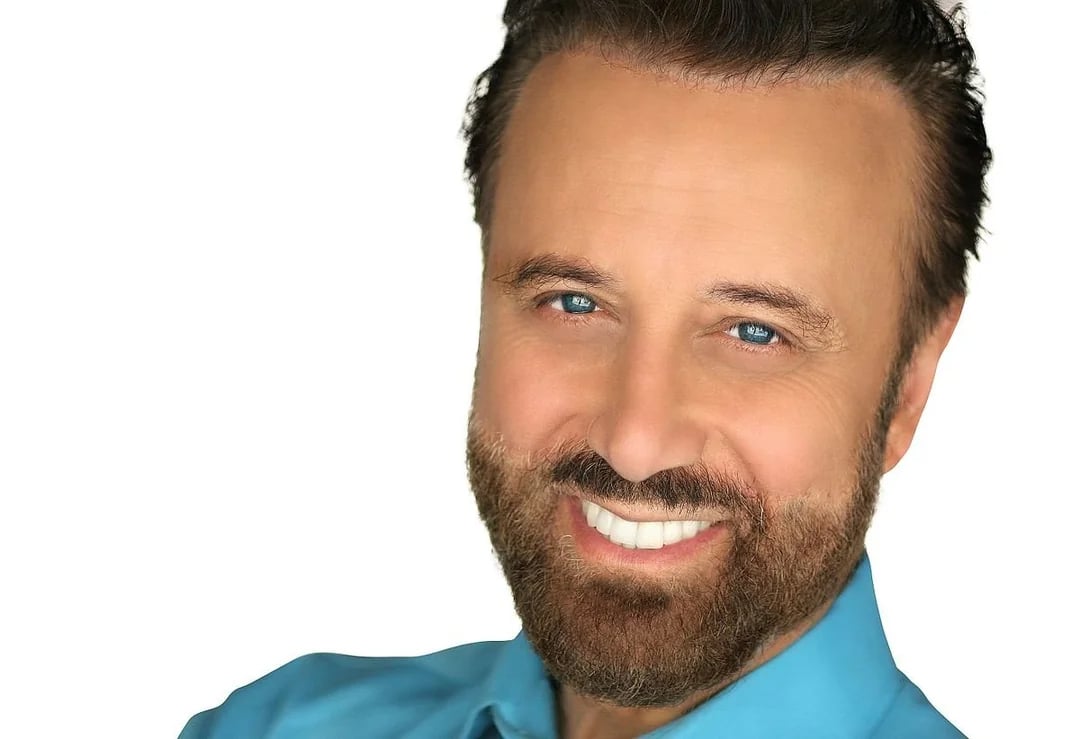
His humor centered on cultural contrasts tied closely to Cold War tensions. Once that political and social context faded, the material lost much of its impact. What once resonated strongly no longer felt as relevant in a changed world.
18. Paul Reiser
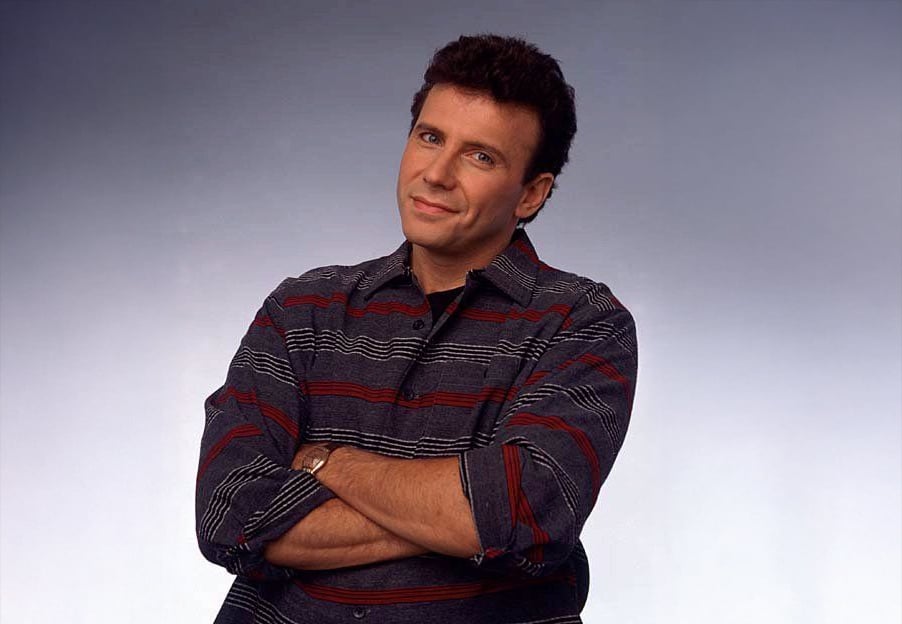
He found major success through sitcoms built on simple observational humor. While relatable and widely appealing, the style offered limited innovation in the long run. As comedy evolved, the approach felt comfortable but less distinctive.
19. Rich Hall

Known for dry sarcasm and sharp irony, his work appealed strongly to niche audiences. Despite its intelligence, the reach remained relatively limited. The humor never fully crossed into broader mainstream recognition.
20. Louie Anderson
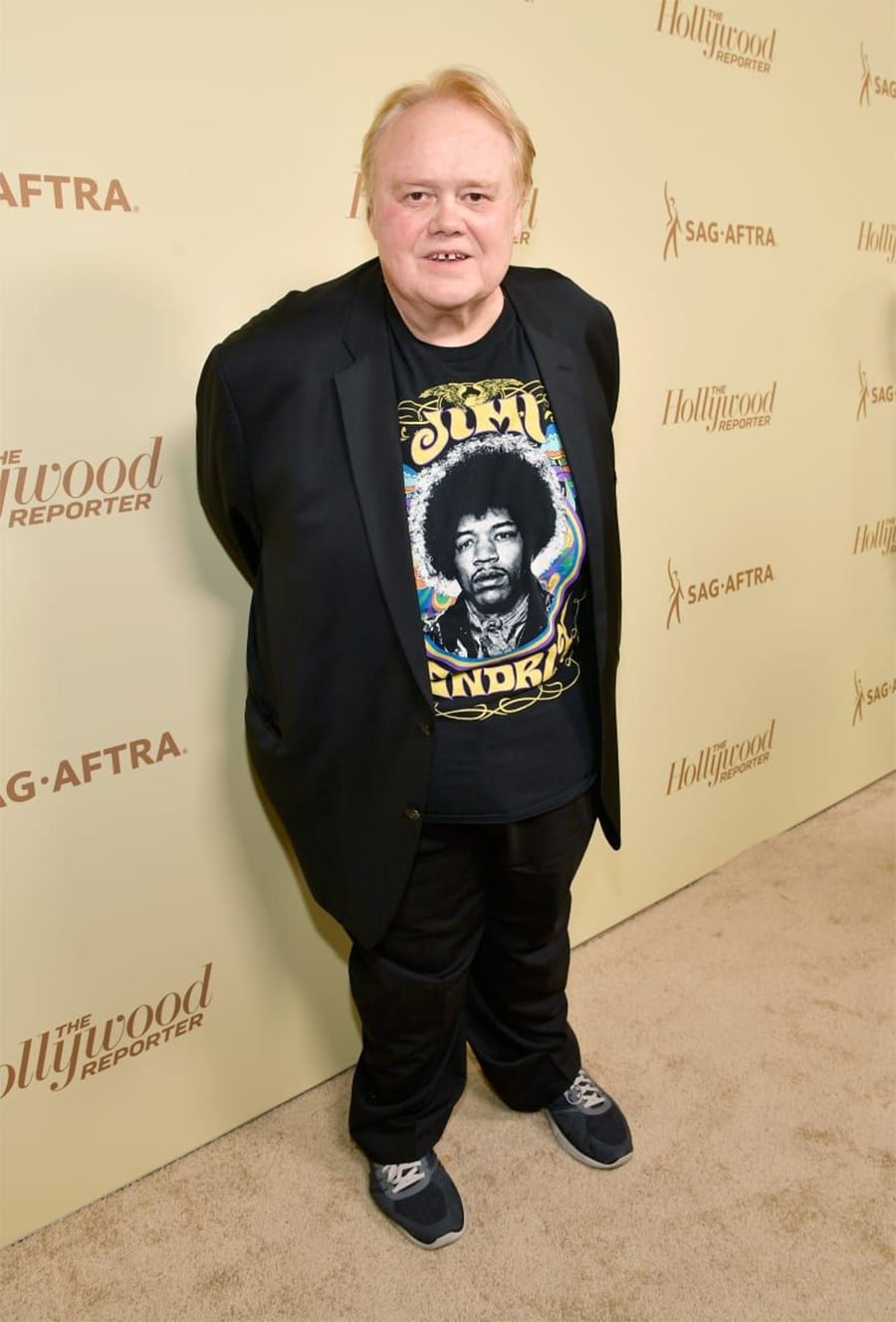
His self-deprecating, family-oriented comedy connected well with audiences at the time. As edgier comedic voices gained prominence, the style began to feel overly gentle by comparison. Cultural shifts gradually moved attention elsewhere.
More Related Notes
- 15 Comedians Who Were Huge in the 1990s but Faded Away
A look at stand-up stars and TV comedians who dominated the ’90s before slowly disappearing from the spotlight as tastes changed. - 20 Once-Famous Comedians People Barely Remember Today
This article revisits comedians whose popularity peaked for a brief moment, offering context on why some careers didn’t age as well as their fame. - 15 Sitcom Stars from the 1990s Who Didn’t Translate to Movies
A complementary read that explores how comedy success on TV didn’t always carry over to long-term careers or box office success.