Walking into an American grocery store in the 1970s felt very different from the bright, sprawling supermarkets we know today. The aisles were packed with colorful boxes, handwritten price stickers, glass bottles, and products that seemed to stay on shelves forever. There was less variety in some ways, but the things stores did carry became familiar fixtures of everyday life.
For anyone who grew up during the decade, a trip to the grocery store came with its own little rituals. Maybe you followed your parents while they pushed a metal cart, watched the cashier punch prices into the register, or hoped a favorite cereal would somehow make it into the basket. These are some of the sights that once made a 1970s grocery store instantly recognizable.
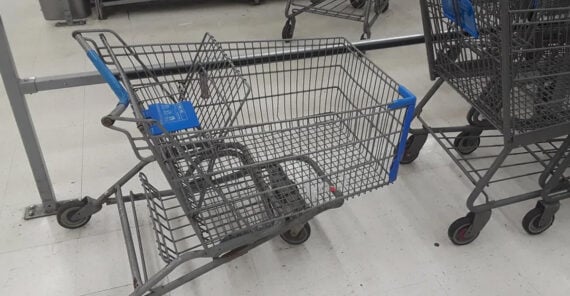
1. Metal Shopping Carts With Child Seats
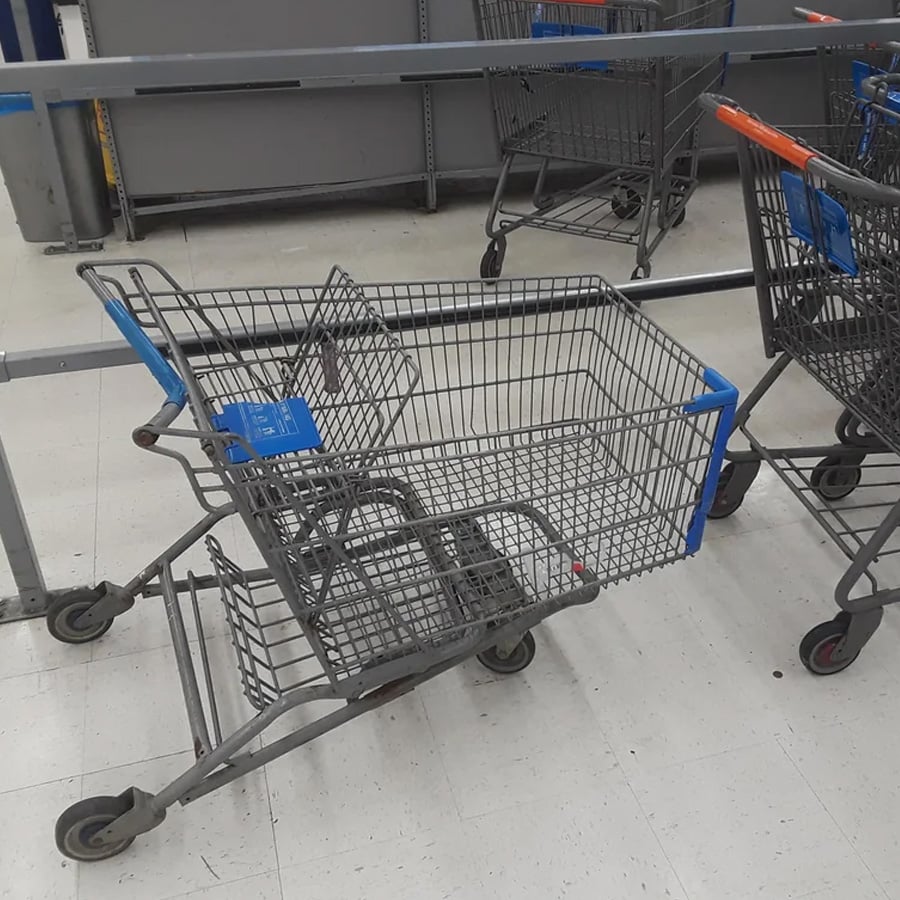
Shopping carts were sturdy, heavy, and almost entirely metal. Kids rode in the folding front seat while parents worked their way through the aisles, and that rattling sound of metal wheels against the floor became part of the grocery-shopping soundtrack.
2. Handwritten Price Signs
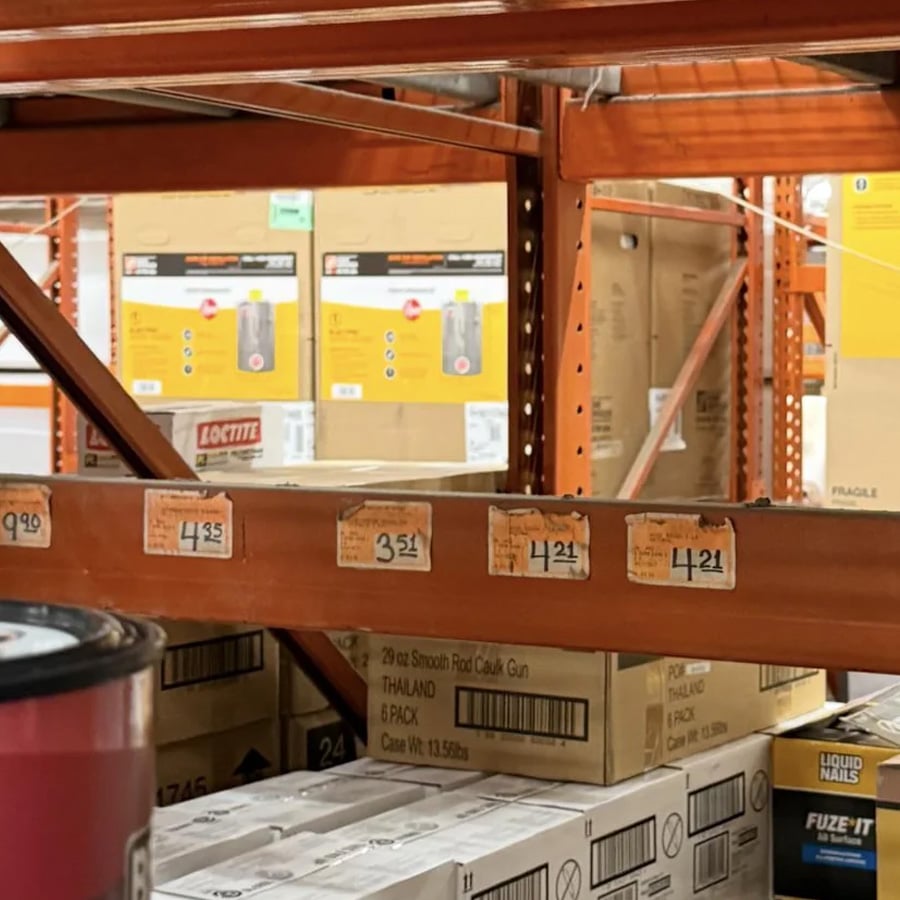
Before digital displays appeared everywhere, grocery stores relied on handwritten signs to announce weekly specials. Thick marker on bright paper or cardboard made sale prices hard to miss, especially around produce bins and meat counters.
3. Price Stickers on Individual Items
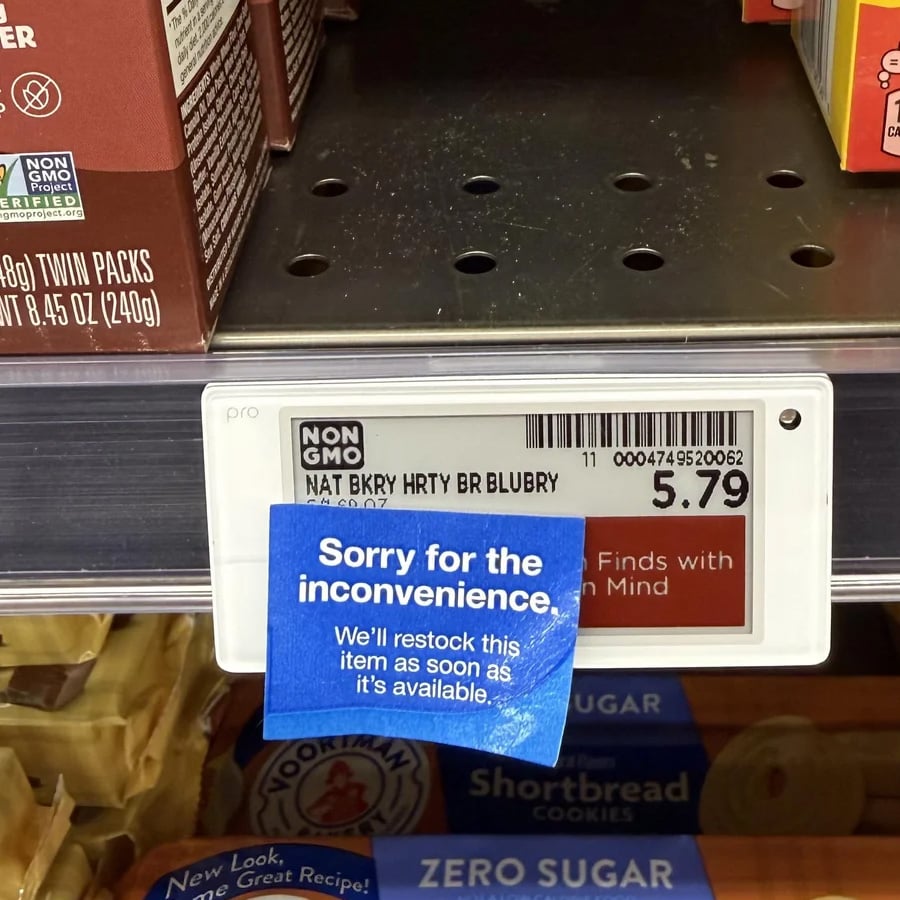
There was no quick barcode scan at checkout. Many products had tiny adhesive price stickers placed directly on the package, often applied with a handheld pricing gun by employees who spent hours marking merchandise.
4. Cash Registers With Large Mechanical Keys
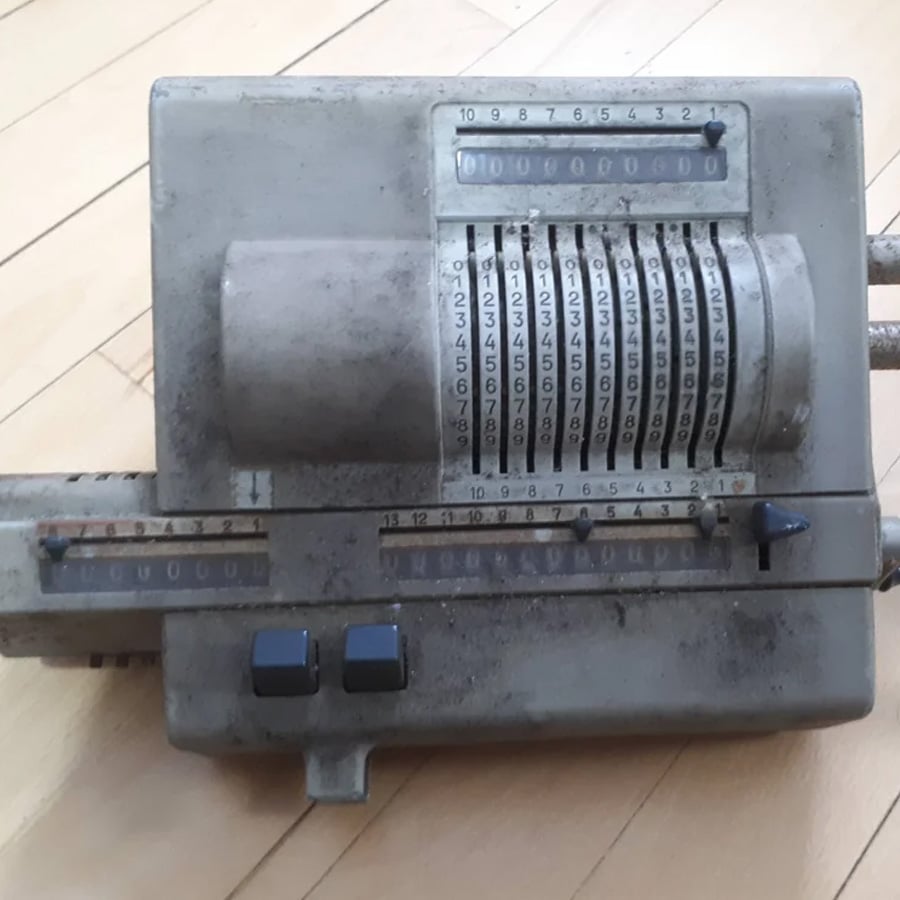
Checkout looked and sounded different in the 1970s. Cashiers entered prices manually on registers with chunky keys, and experienced workers could ring up a full cart with impressive speed without scanning a single barcode.
5. Paper Grocery Bags
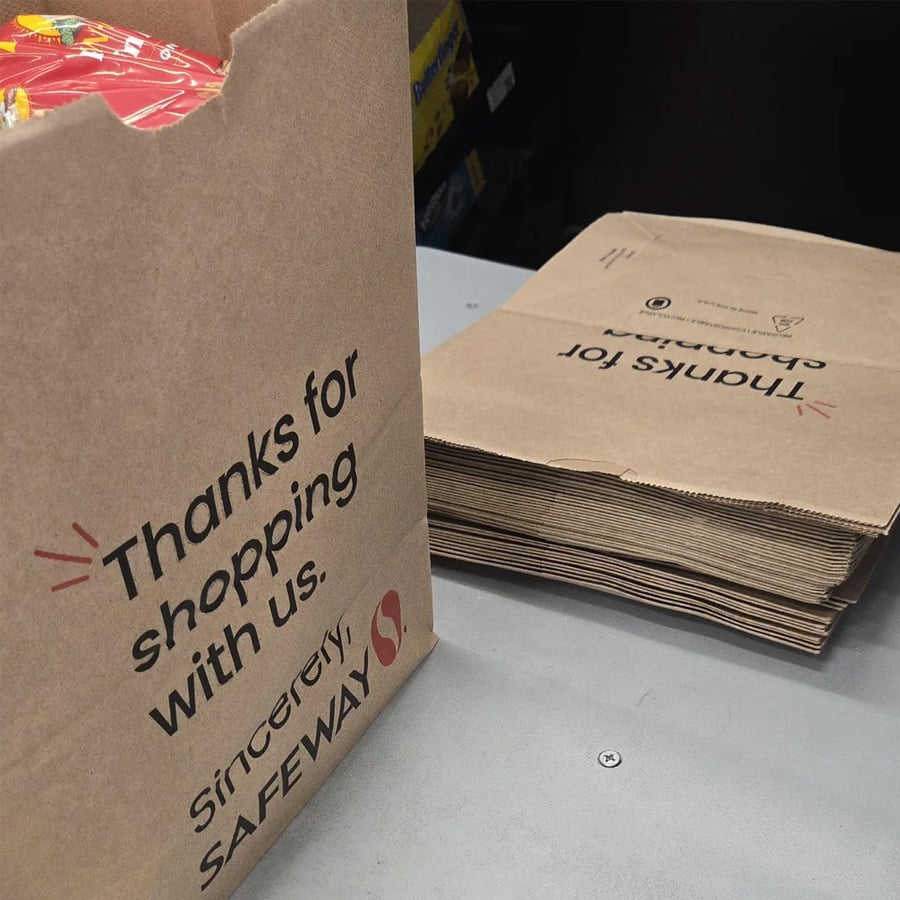
Long before plastic bags became the default, groceries usually went home in large brown paper sacks. Baggers carefully arranged cans and boxes at the bottom, lighter items on top, and somehow tried to make everything survive the ride home.
Trending on Wealth Gang
6. Returnable Glass Soda Bottles
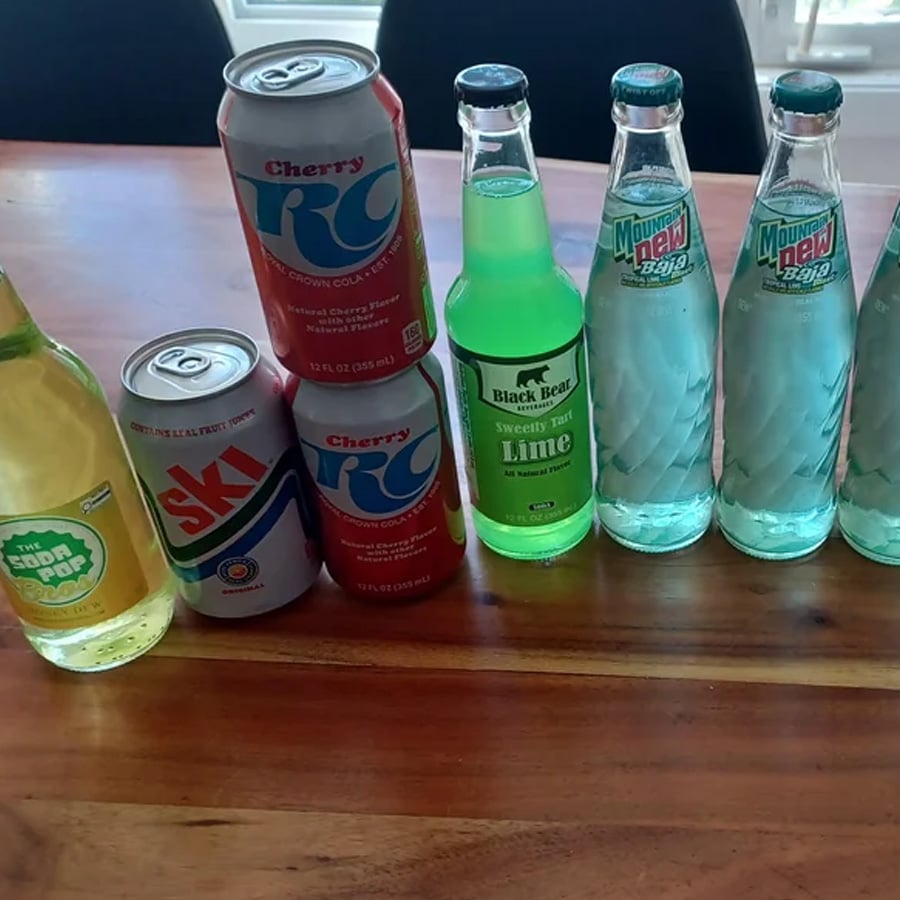
Soft drinks commonly came in heavy glass bottles that families could return for a deposit. Empty bottles might pile up in the garage or kitchen until the next grocery trip, when returning them meant getting a little money back.
7. A Full-Service Meat Counter
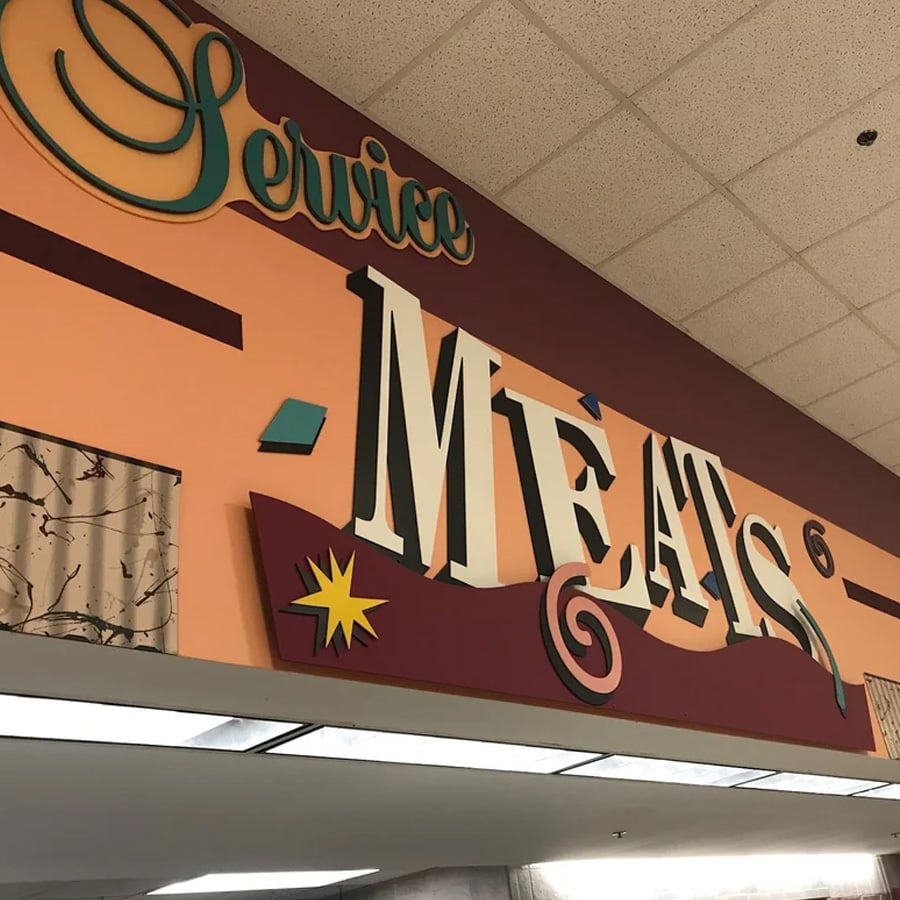
The butcher counter was a familiar stop for many families. Shoppers could ask for a particular cut, request a certain amount of ground beef, or talk directly with the butcher instead of choosing only from rows of sealed packages.
8. Large Displays of Canned Food
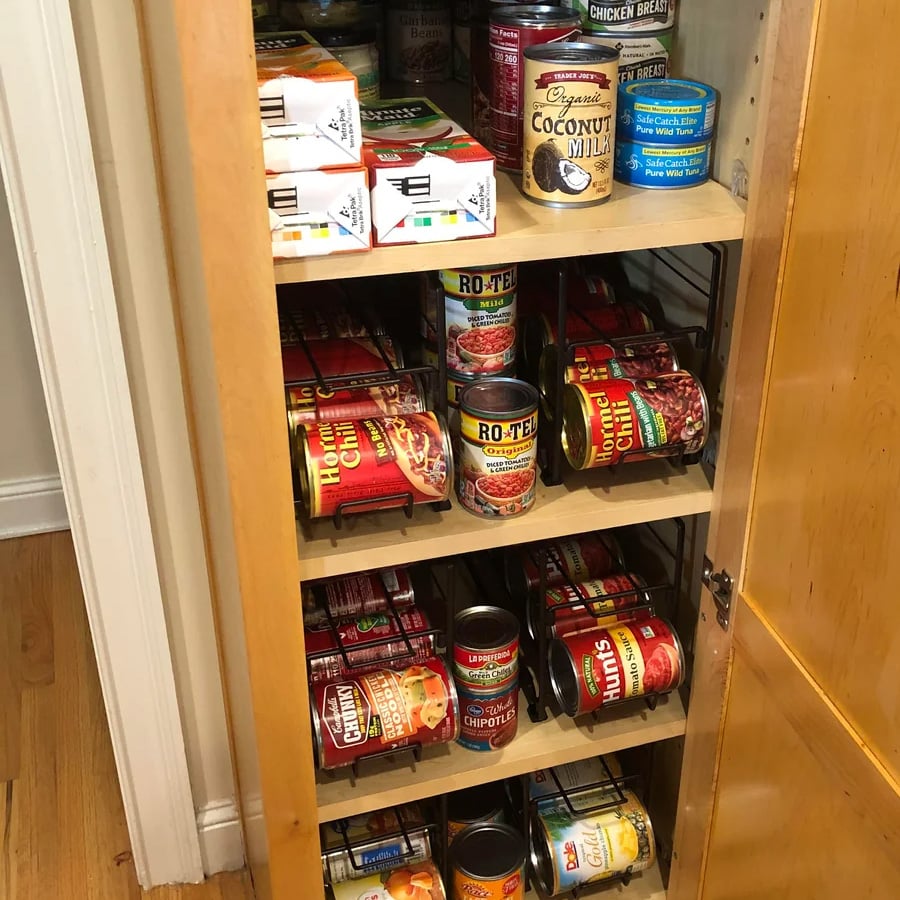
Canned vegetables, soups, fruits, and meats occupied a lot of shelf space. Families stocked their pantries with them because they were inexpensive, lasted a long time, and could turn into dinner without much preparation.
Sign up for our newsletter
9. Frozen TV Dinners
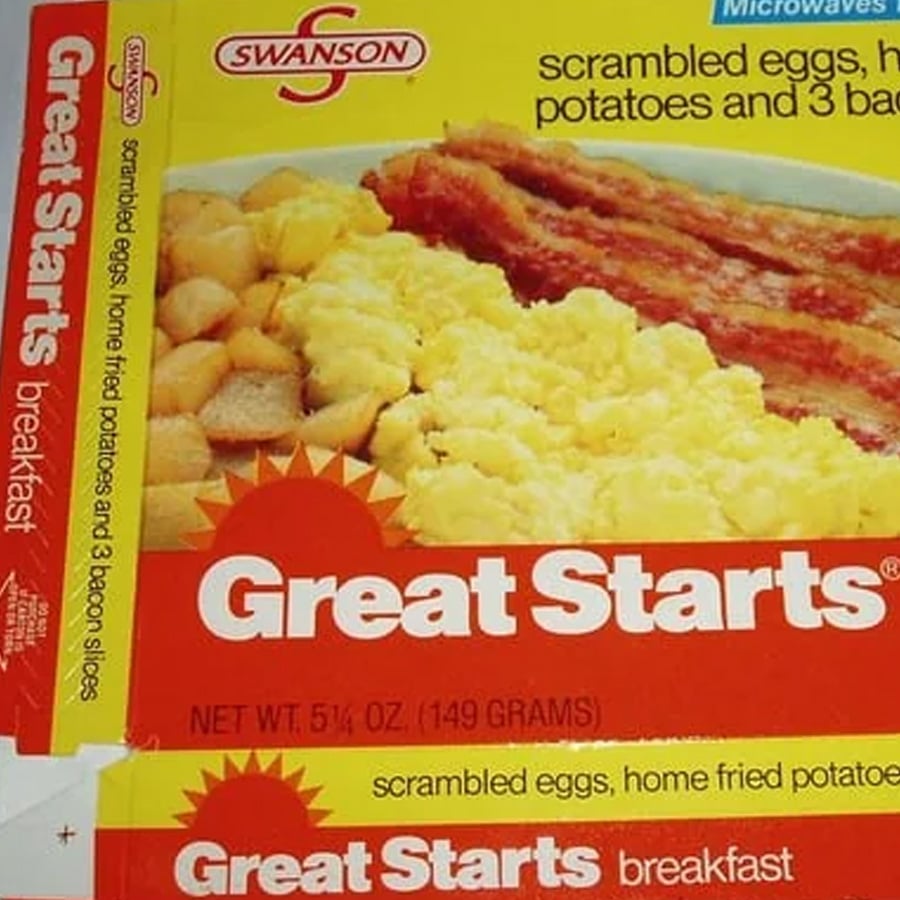
The freezer aisle promised an easy night in front of the television. Meals came in compartmented trays with meat, vegetables, potatoes, and sometimes dessert, giving families a convenient alternative to cooking everything from scratch.
10. Powdered Drink Mixes
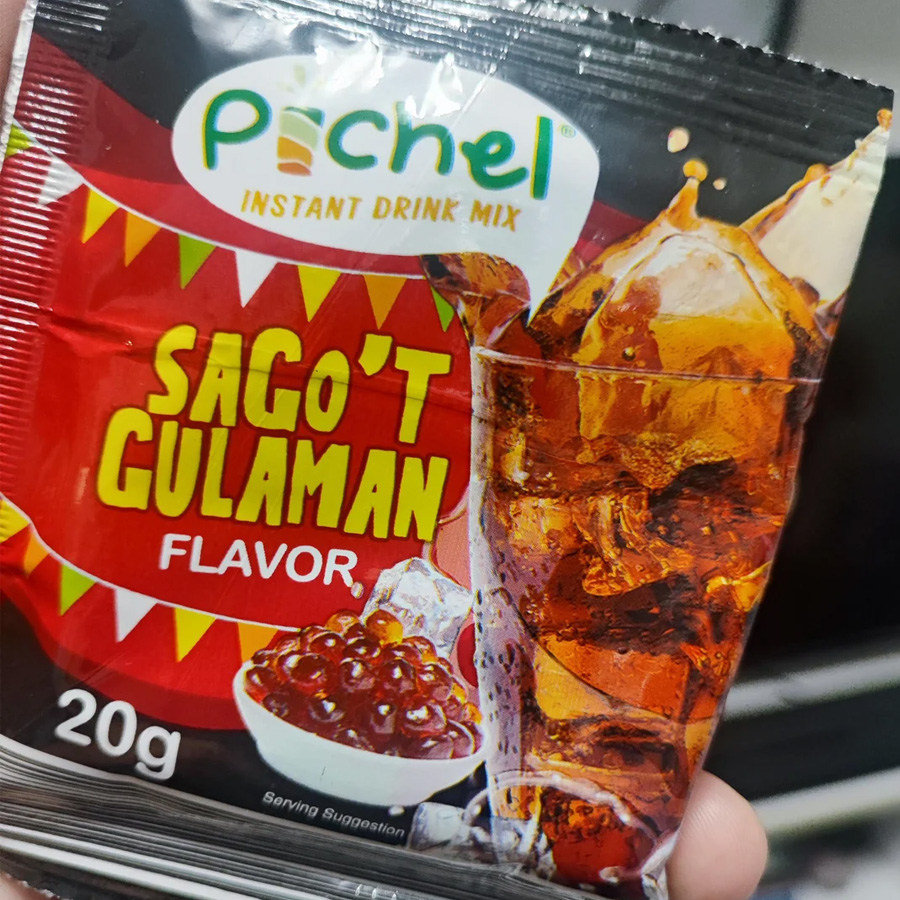
Brightly colored drink powders were pantry staples in many households. Mixed with water and usually plenty of sugar, they filled pitchers at family dinners, birthday parties, and summer afternoons when something cold and sweet felt like a treat.
11. Boxed Gelatin Desserts
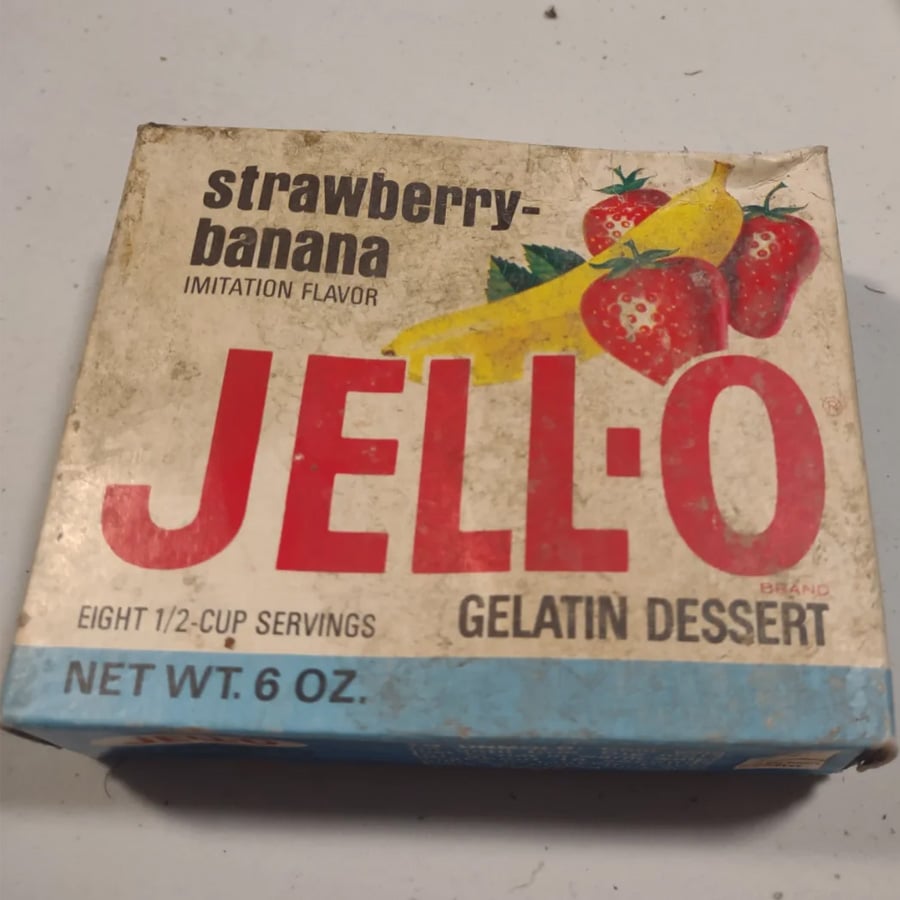
Gelatin had a surprisingly big presence in 1970s kitchens, and grocery shelves reflected it. Boxes came in an assortment of flavors and could become everything from a simple dessert to an elaborate molded creation filled with fruit or other ingredients.
12. Coupon Displays Near the Shelves
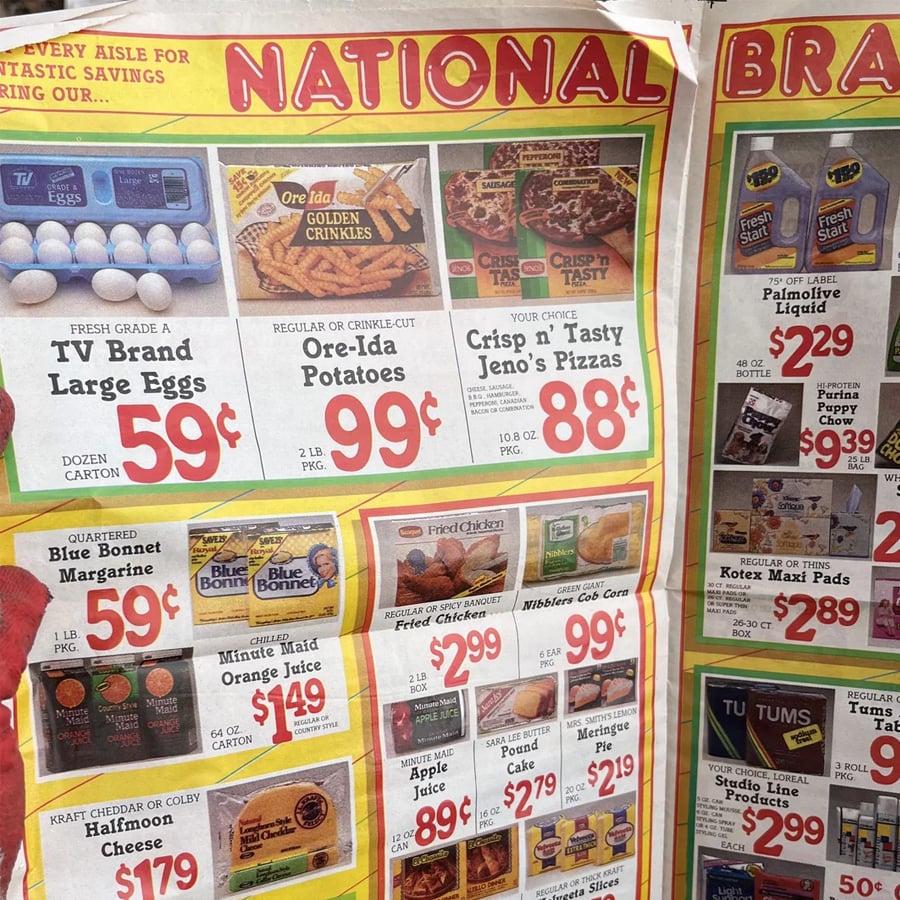
Coupons weren’t only something shoppers clipped from the Sunday newspaper. Stores often placed promotional coupons and dispensers near products, giving customers another reason to toss a particular brand into the cart.
13. Giant Boxes of Sugary Cereal
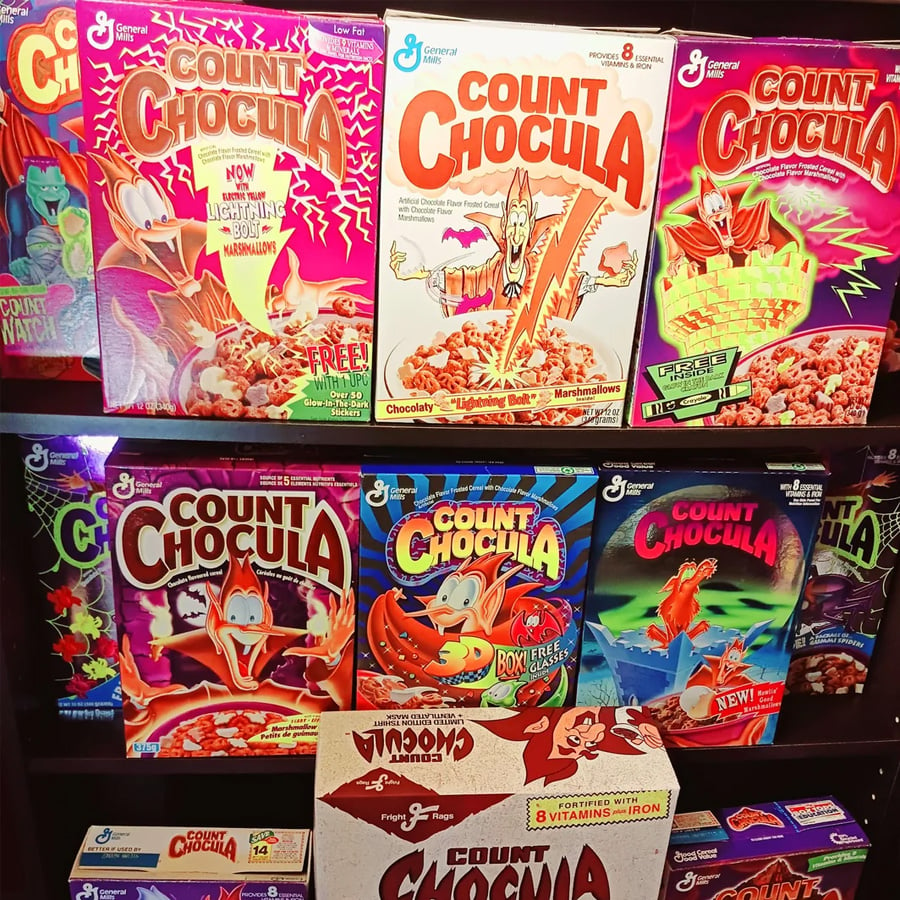
The cereal aisle was already becoming a colorful battleground for children’s attention. Cartoon characters, prizes, games, and promises of something sweet inside made choosing breakfast cereal feel much more exciting than an ordinary grocery decision.
14. Green Stamps and Other Loyalty Promotions
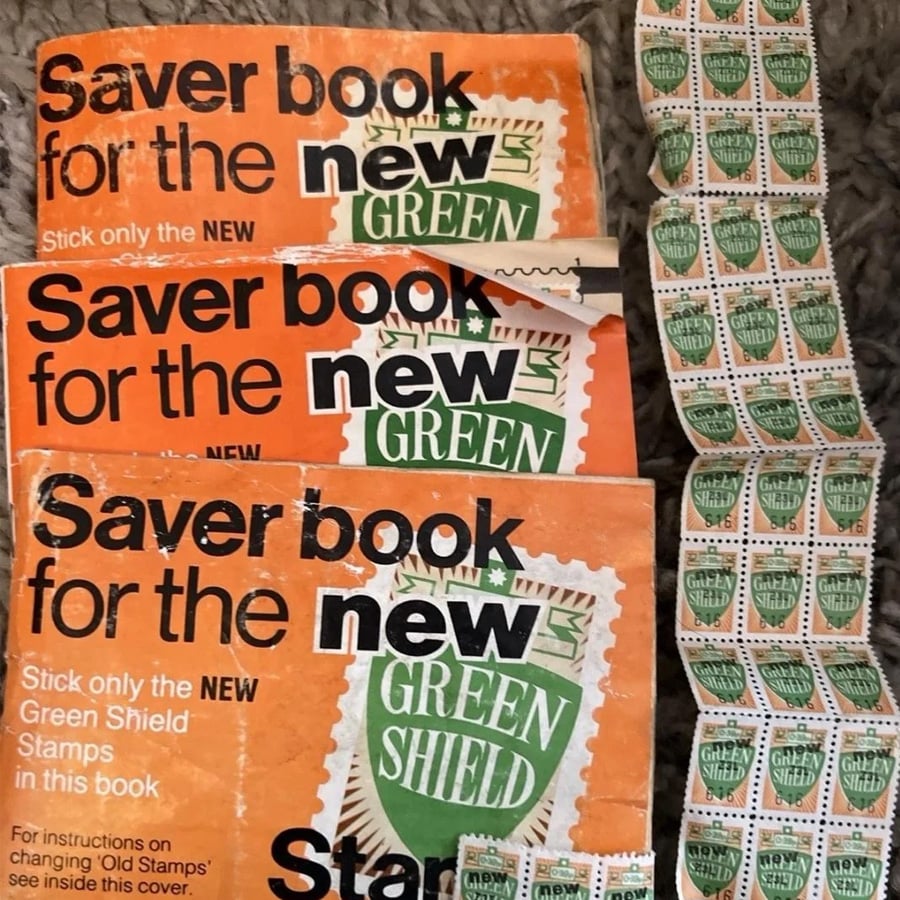
Some grocery trips came with trading stamps based on how much a customer spent. Families saved the stamps in booklets and eventually exchanged filled books for household goods, turning routine grocery shopping into a slow-moving hunt for a reward.
15. A Bagging Clerk at the End of the Register
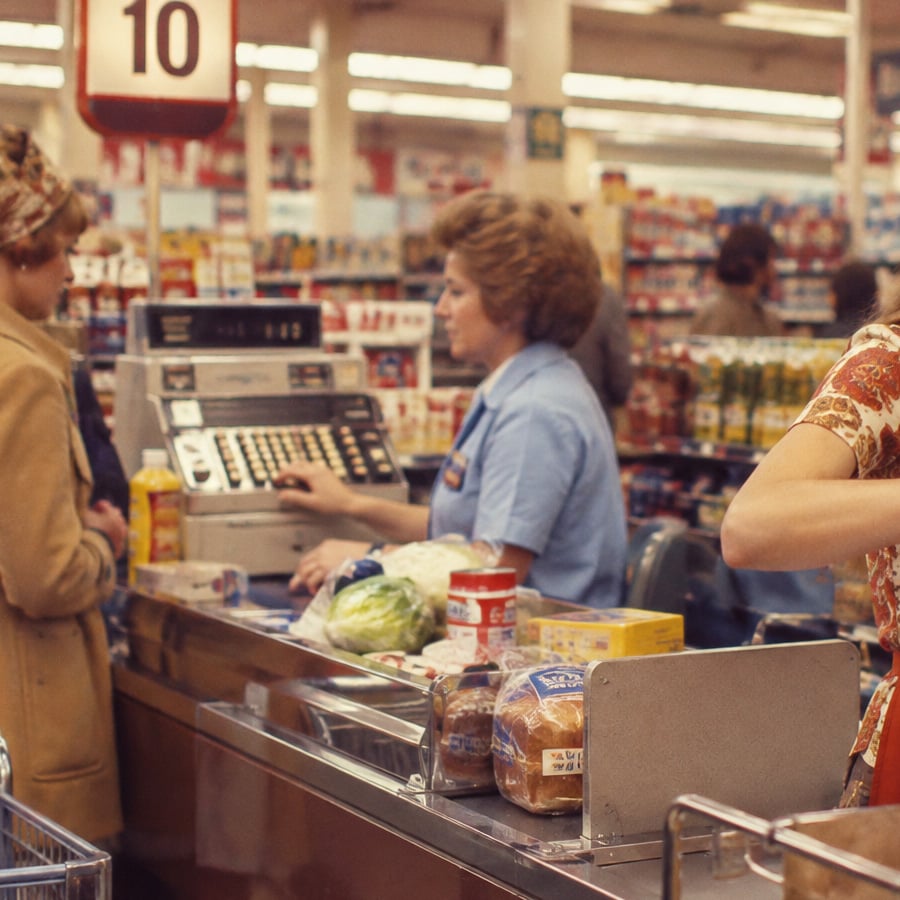
Checking out often involved another person besides the cashier. A grocery clerk stood at the end of the lane packing purchases into paper bags and sometimes even carrying them outside, a small bit of service that many longtime shoppers still remember.
More Related Notes
• 18 Vintage Photos That Show What Grocery Shopping Looked Like in the 1960s.
Take a nostalgic look at American supermarkets just before the 1970s, from familiar store displays and packaging to shopping routines that have largely disappeared.
• 15 Foods That Used to Be Sold in Completely Different Ways.
Explore how grocery shopping and food packaging have changed over the decades, revealing just how different everyday supermarket shelves once looked.
• 18 Vintage Snacks That Were Once Common in American Homes.
Revisit the nostalgic snacks that once filled American grocery carts and kitchen cabinets, including familiar favorites that have since disappeared or become harder to find.