
For every iPhone, smart speaker, and smartwatch that changed everyday life, there were plenty of tech gadgets that went in a very different direction. Companies experimented with Wi-Fi juicers, dancing music players, brain-controlled headsets and even a USB-connected rock, convinced that consumers might want them. Some were ahead of their time, others solved problems nobody had, and a few were simply too strange to last.
1. Yes, Someone Made a USB Pet Rock
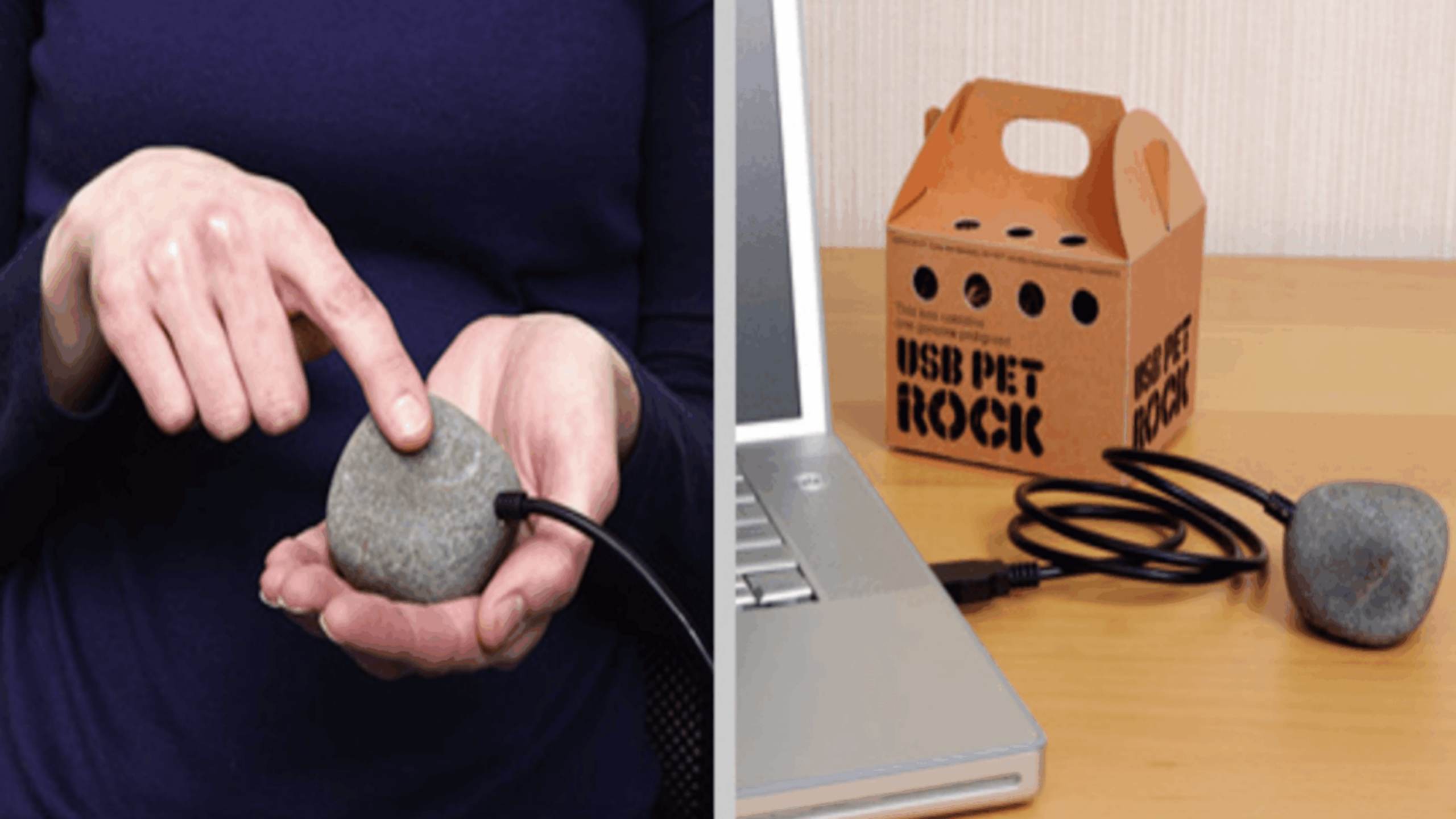
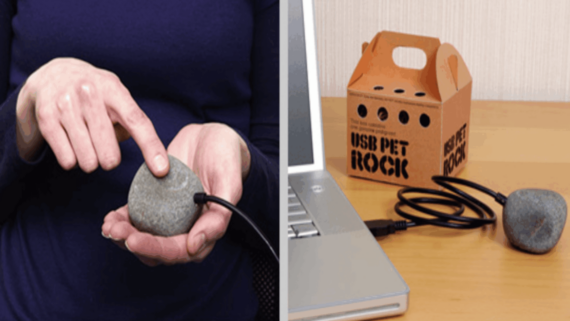
The USB Pet Rock plugged into a computer and did absolutely nothing. That was the joke, and during the era of novelty USB products, apparently that was enough to make it a real product.
2. Imagine Sending Someone the Smell of Coffee
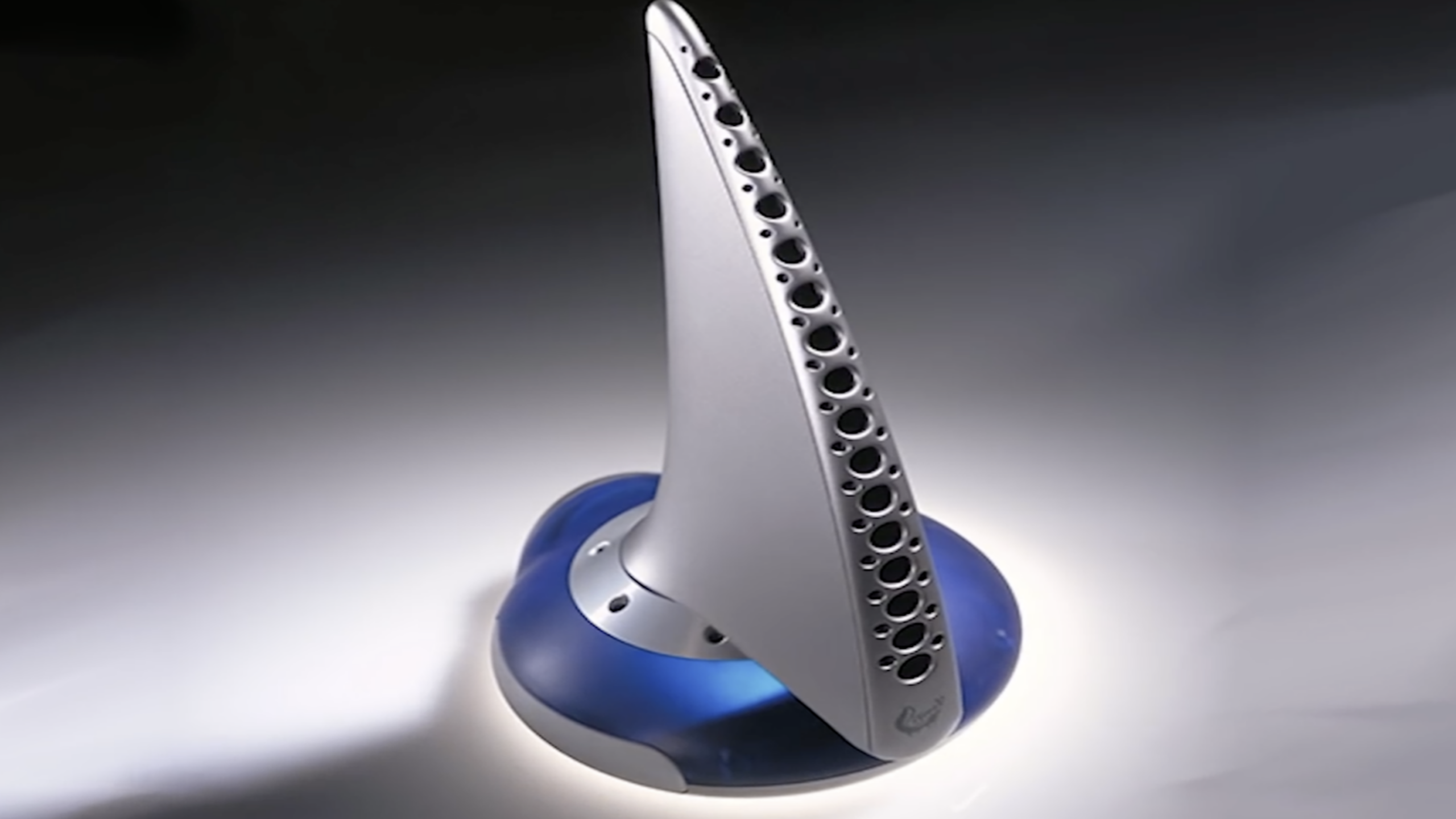
The iSmell was designed to release scents while people browsed websites, played games, or read emails. The idea of smelling perfume or coffee through the internet sounded futuristic, but the product never became a commercial success.
3. Google Glass Arrived Before People Were Ready
Google Glass put messages, video recording, and web searches directly in front of the wearer’s eyes. The technology was impressive, but privacy concerns and its unusual appearance made the futuristic concept difficult to turn into a mainstream product. u/AR_MR_XR/via Reddit.com
4. The $700 Juicer That Needed Wi-Fi

Juicero promised to revolutionize fresh juice with Wi-Fi connectivity and specially designed produce packs. The problem? Users could squeeze those same packs by hand, turning one of Silicon Valley’s most infamous tech gadgets into an expensive solution to a problem nobody really had.
5. Toshiba Put Two Screens on One Laptop
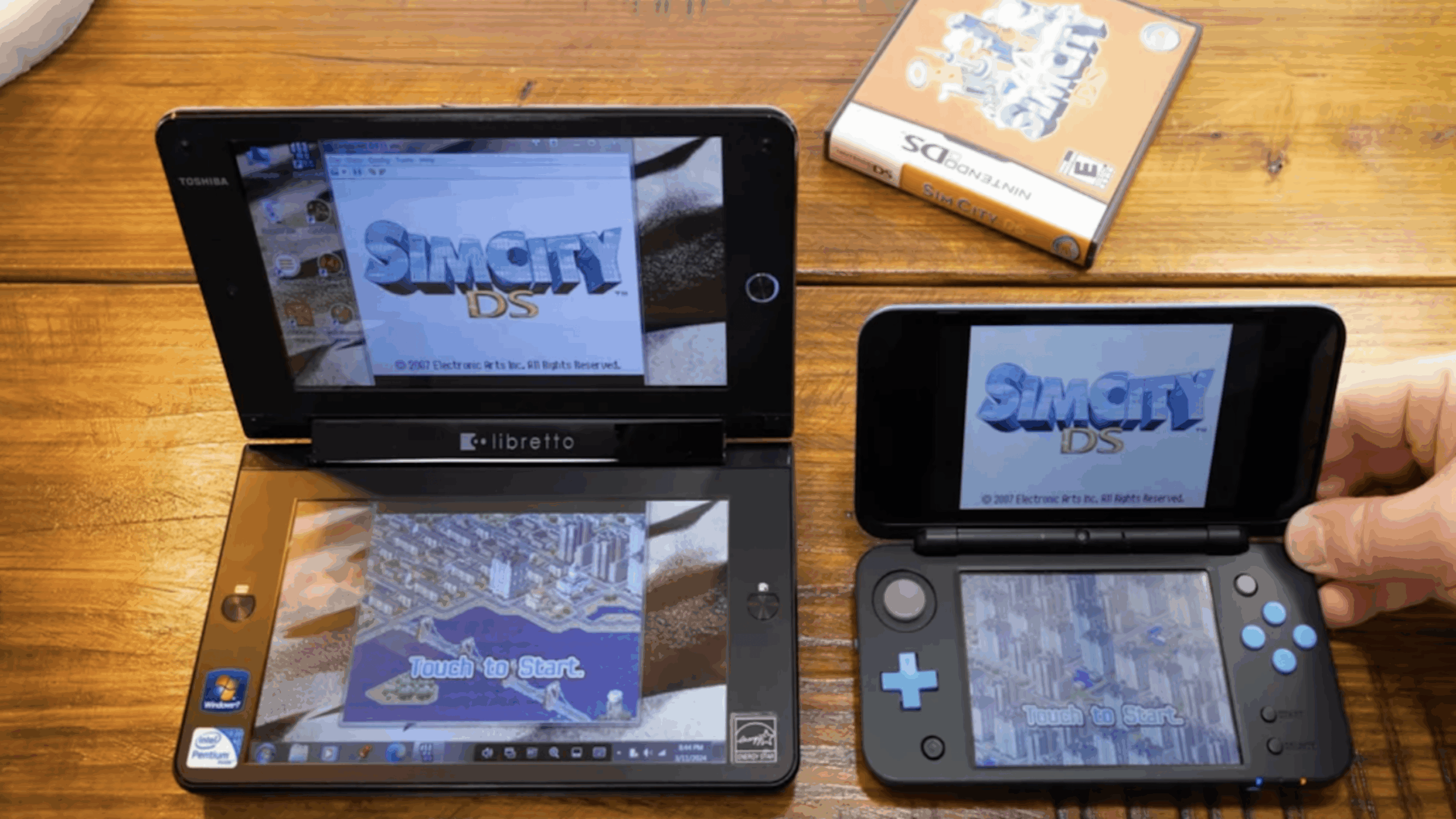
The Libretto W100 replaced the traditional keyboard with a second touchscreen. Users could switch between a virtual keyboard, web pages, and other functions, but the high price and limited hardware kept this futuristic laptop from becoming a mainstream hit.
Trending on Wealth Gang


6. Barbie Got a Microphone and an Internet Connection

Hello Barbie used Wi-Fi and cloud-based voice recognition to have conversations with children. The technology was impressive, but privacy concerns surrounding an internet-connected microphone inside a child’s bedroom quickly became the bigger story.
7. The Cat-Shaped Scanner That Wanted to Change the Internet
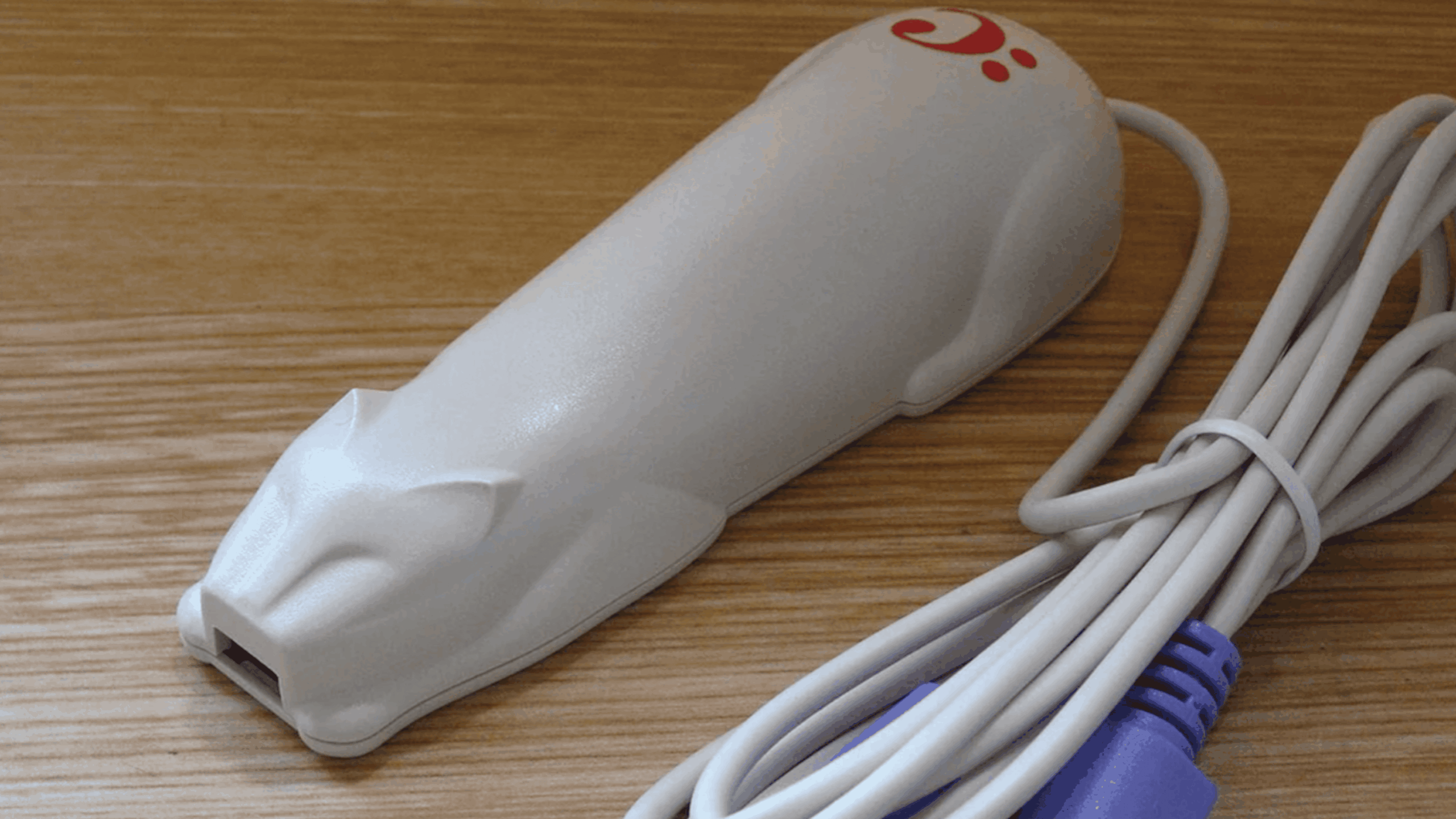
CueCat was a computer accessory shaped like a cat that scanned special codes printed in newspapers and magazines. Millions were distributed, but most users quickly discovered they had little reason to keep the strange scanner beside their keyboard.
8. A Headset Controlled by Your Brain
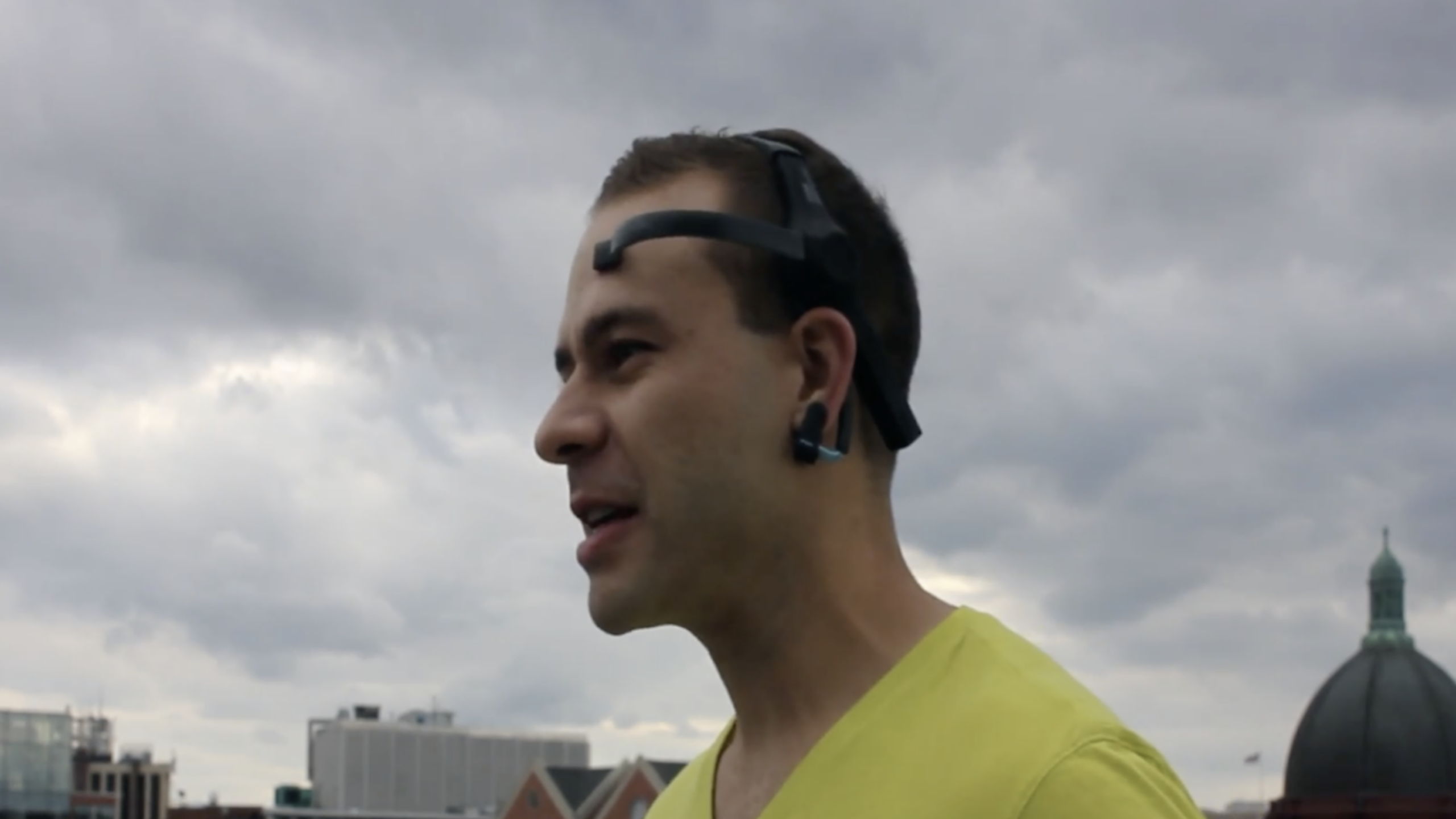
NeuroSky’s MindSet introduced consumers to basic brain-computer interface technology. The headset measured brain activity and translated it into simple commands, offering an early glimpse at technology that once seemed strictly science fiction.
Sign up for our newsletter
9. A Device Made Only for Twitter
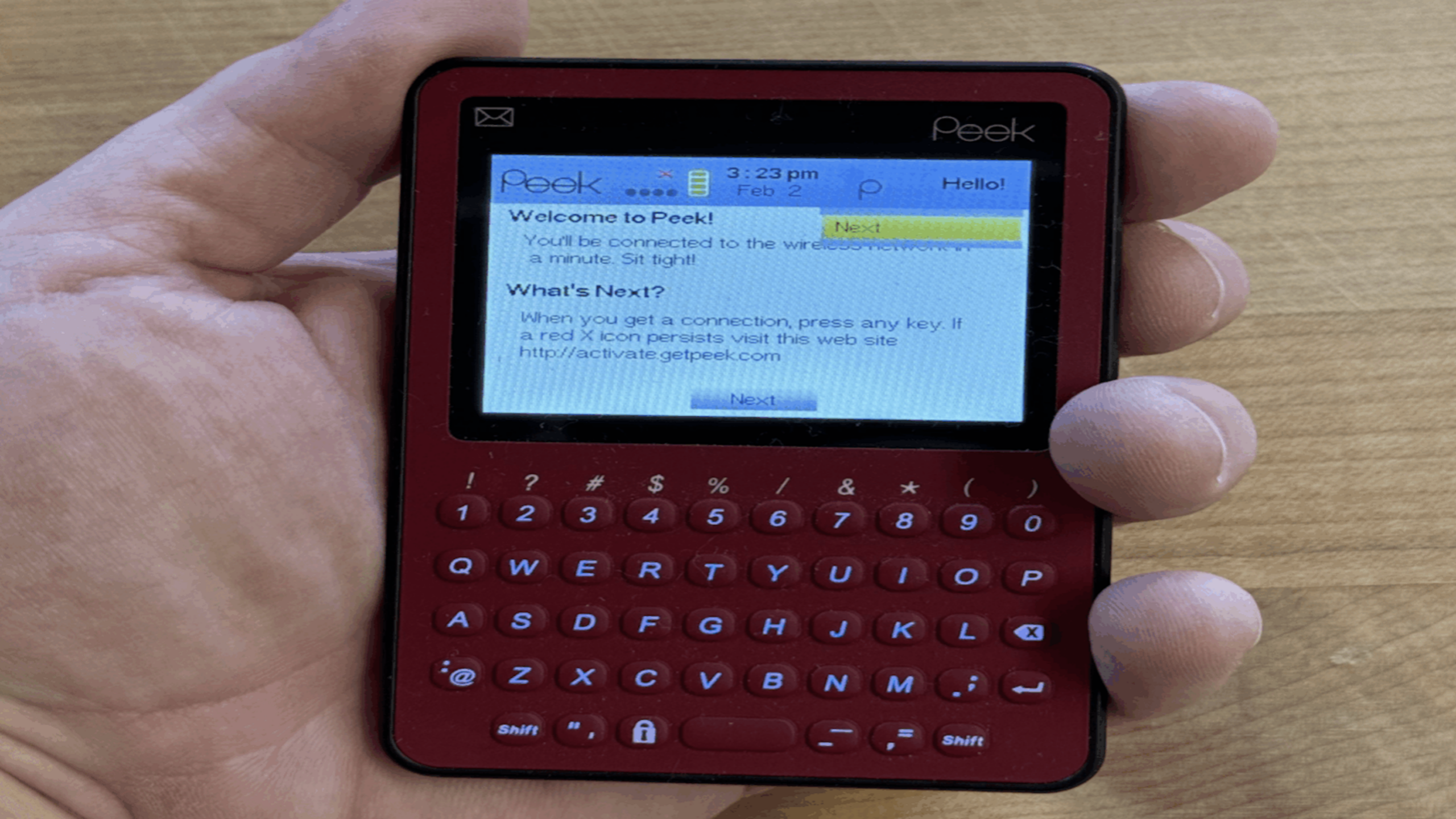
TwitterPeek did exactly what its name suggested: it gave users access to Twitter without needing a computer or smartphone. With no real function beyond checking tweets, it became obsolete almost as quickly as the social media habits it was built around.
10. A Fork That Told You to Eat Slower

HAPIfork used vibrations and flashing lights to warn users when they were eating too quickly. It was marketed as a wellness device, proving that tech gadgets could find technological solutions to even the smallest everyday habits.
11. Microsoft’s Pre-Smartwatch Experiment
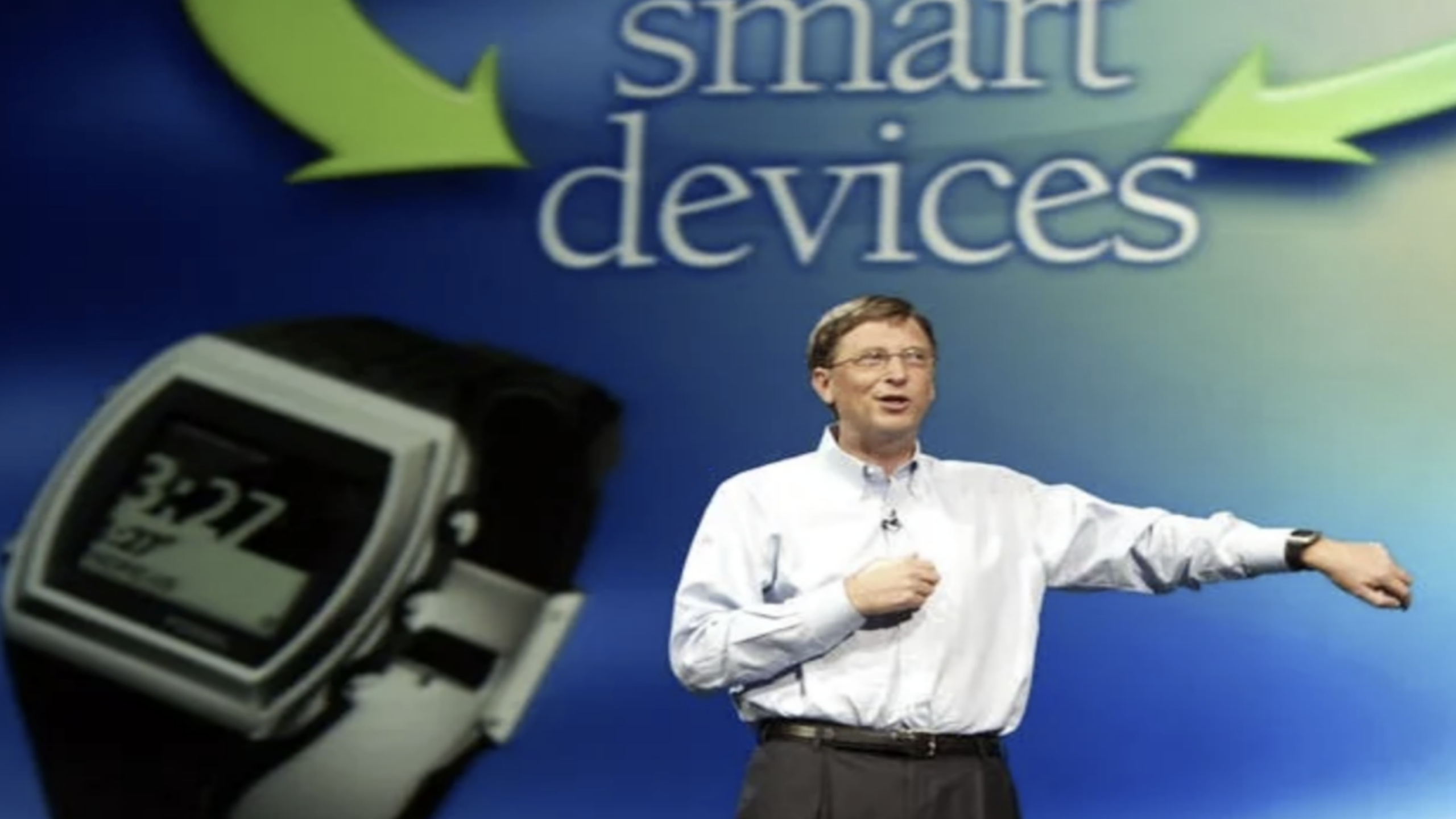
Years before smartwatches became mainstream, Microsoft’s SPOT Watch delivered weather, news, sports scores, and calendar updates through an FM network. The technology was ahead of its time, but subscription costs kept the concept from taking off.
12. A Mug That Stirred Your Drink for You

The Self Stirring Mug eliminated one of life’s simplest tasks with a tiny motor activated by a button. It was convenient, but also a perfect example of how tech gadgets sometimes solve problems most people never considered problems.
13. Sony Made a Music Player That Danced
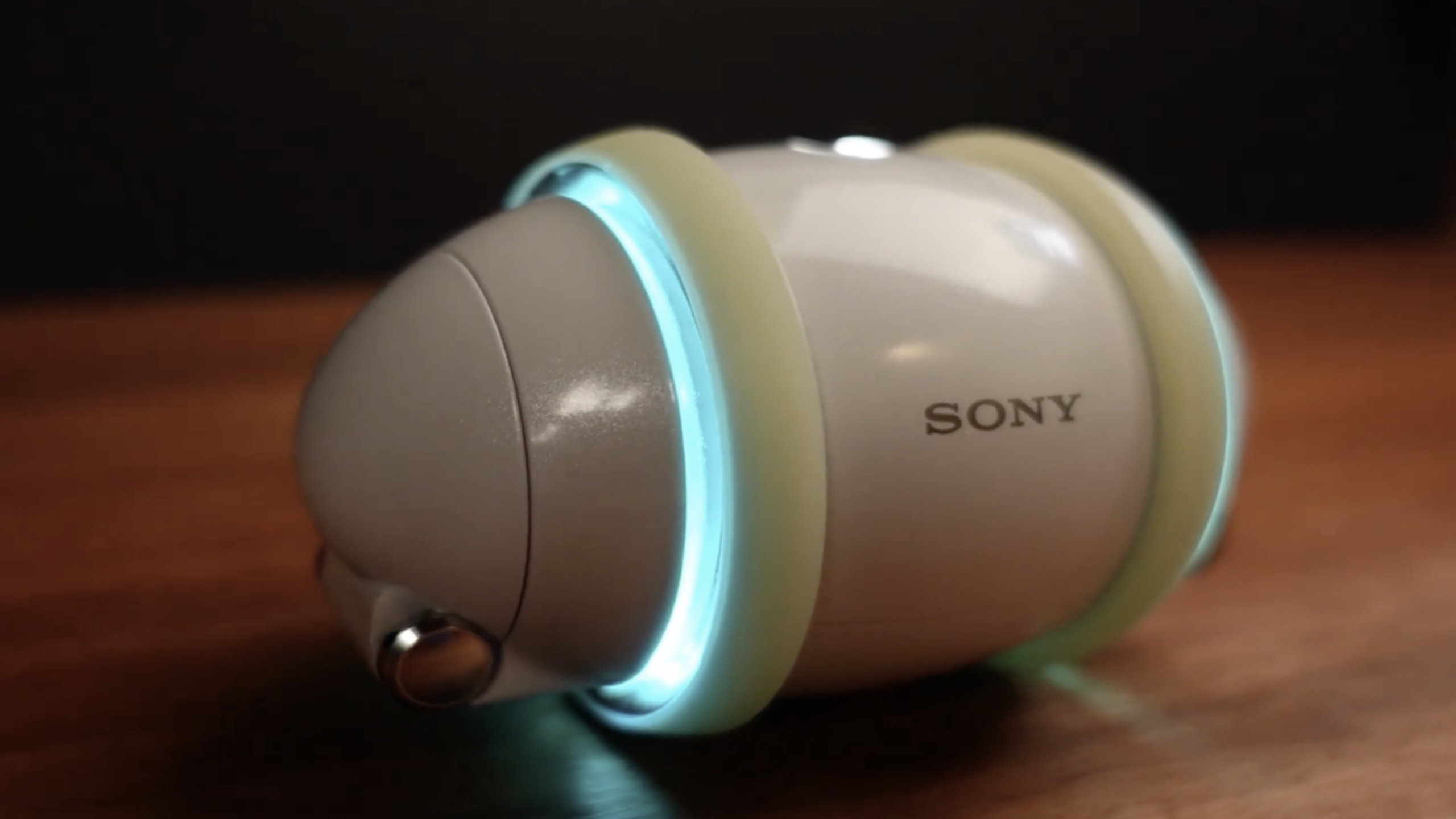
The Sony Rolly had speakers, wheels, and moving parts that synchronized with music. It was creative, unusual and undeniably fun, but consumers never quite figured out what they were supposed to do with it.
14. Alexa Had a Rabbit-Shaped Predecessor
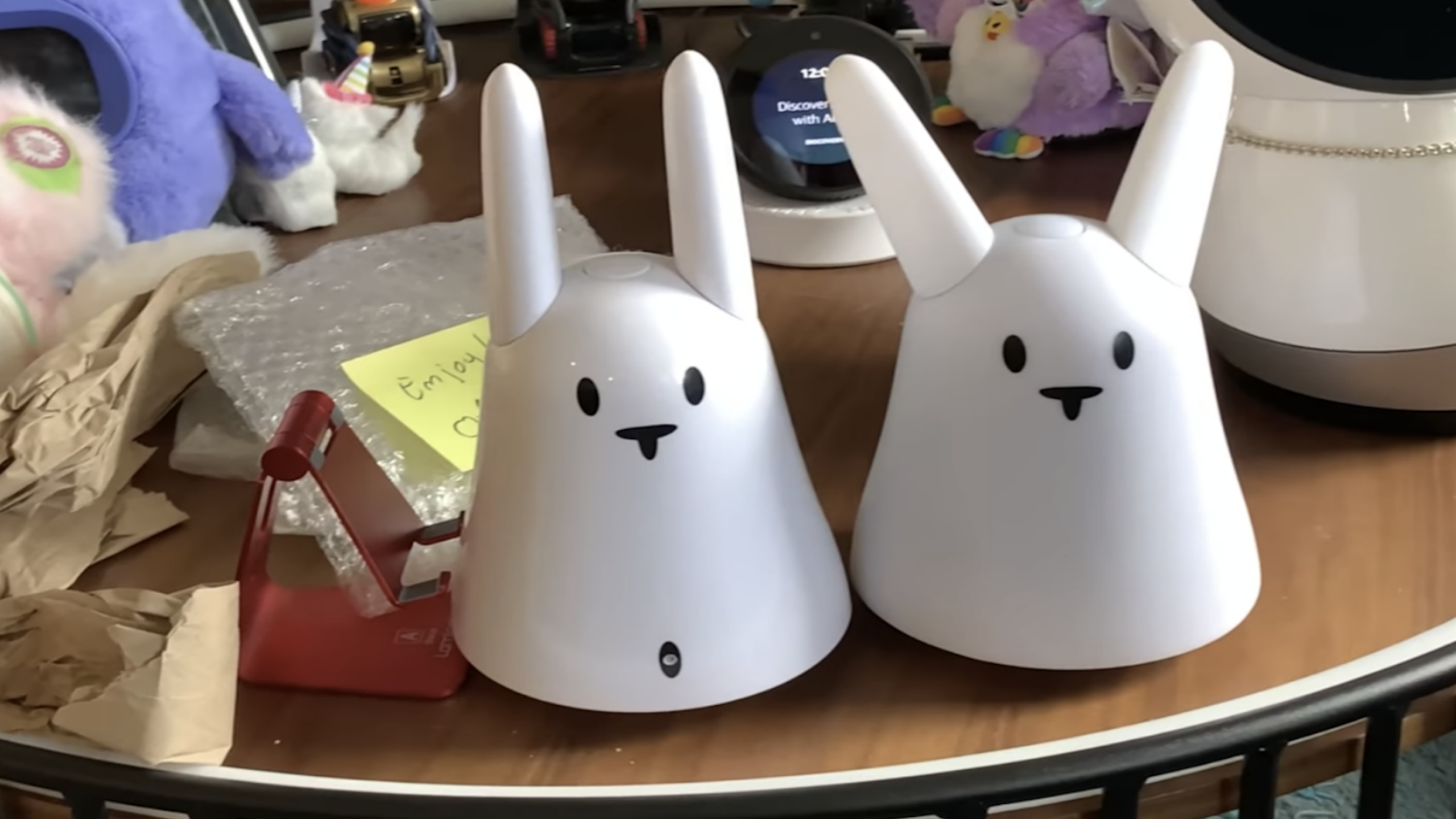
Nabaztag connected to Wi-Fi, delivered news and weather updates, received emails, and even moved its ears for notifications. It looked more like a toy than a smart speaker, but the idea was surprisingly close to today’s connected home devices.