Long before fitness apps counted every step and smartwatches reminded us to stand up, people were already finding plenty of ways to stay active at home. There were no digital streaks to maintain, no heart rate zones glowing on a wrist, and no online instructors waiting on a screen. Exercise was usually simpler, less measured, and often squeezed naturally into everyday life.
Some routines came from television shows or magazine articles, while others involved inexpensive equipment tucked away in a closet or basement. Looking back, many of these methods seem surprisingly familiar. The technology has changed, but the basic idea of moving more without leaving the house has been around for generations.
1. Following Exercise Shows on Television
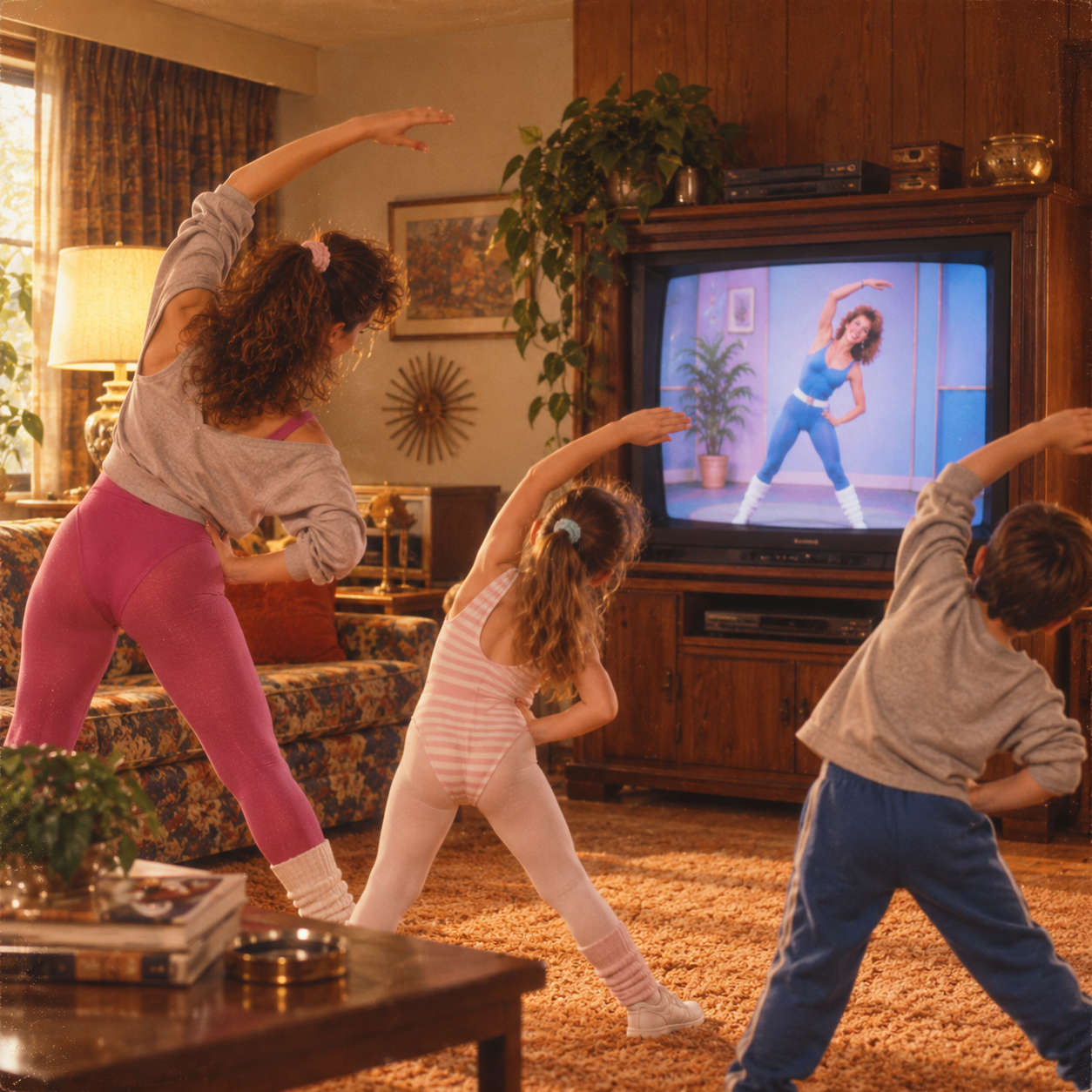
Morning television once doubled as a home fitness studio. Viewers could push the coffee table aside and follow instructors through stretches, leg lifts, jumping jacks, and other simple movements right in the living room. Shows such as The Jack LaLanne Show helped make guided exercise accessible to people who might never have considered joining a gym.
2. Doing Calisthenics in the Living Room
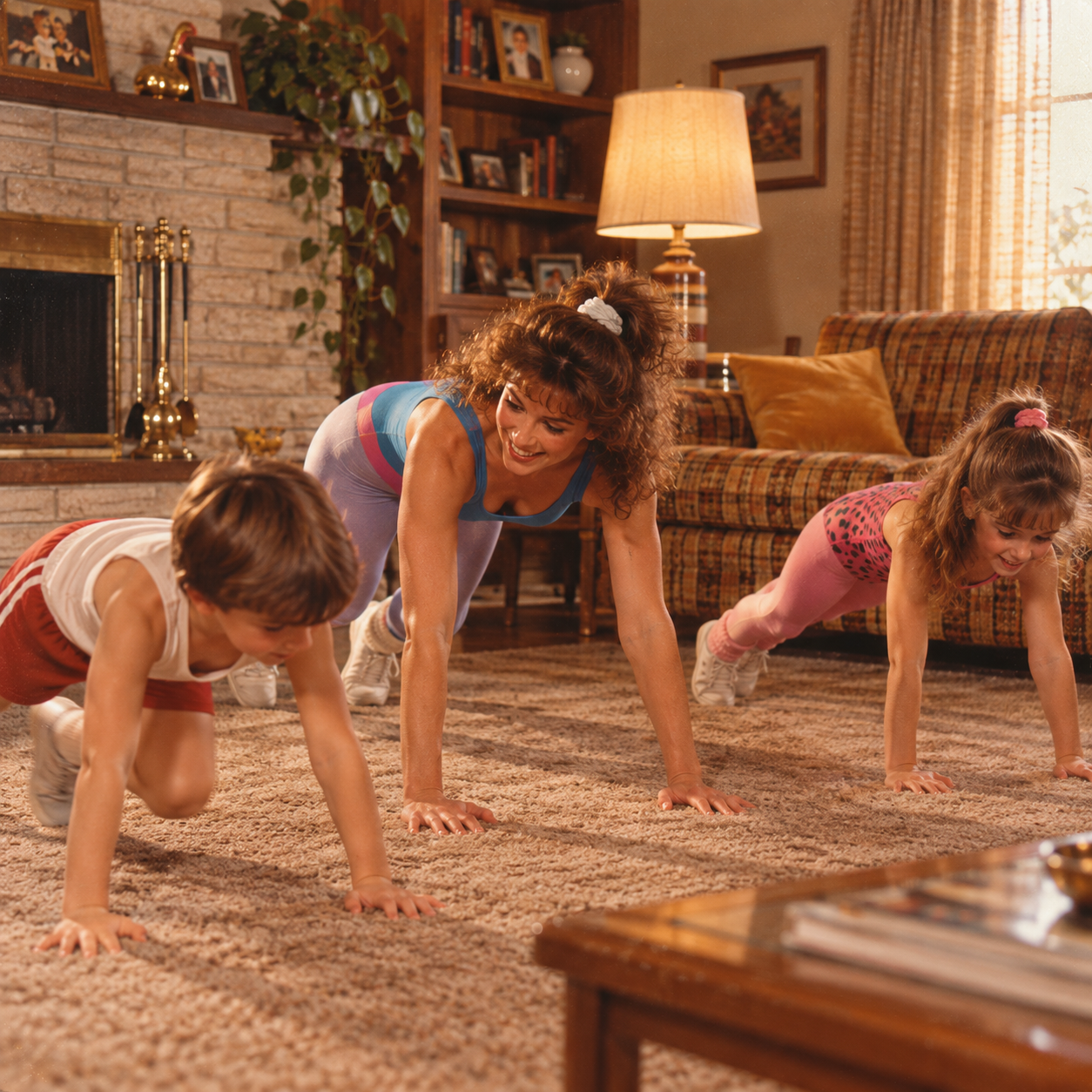
Push-ups, sit-ups, squats, toe touches, and jumping jacks required nothing more than a little floor space. Many people learned these exercises in school and simply continued doing them at home. A basic routine could be completed beside the bed or in front of the television without buying a single piece of equipment.
3. Jumping Rope
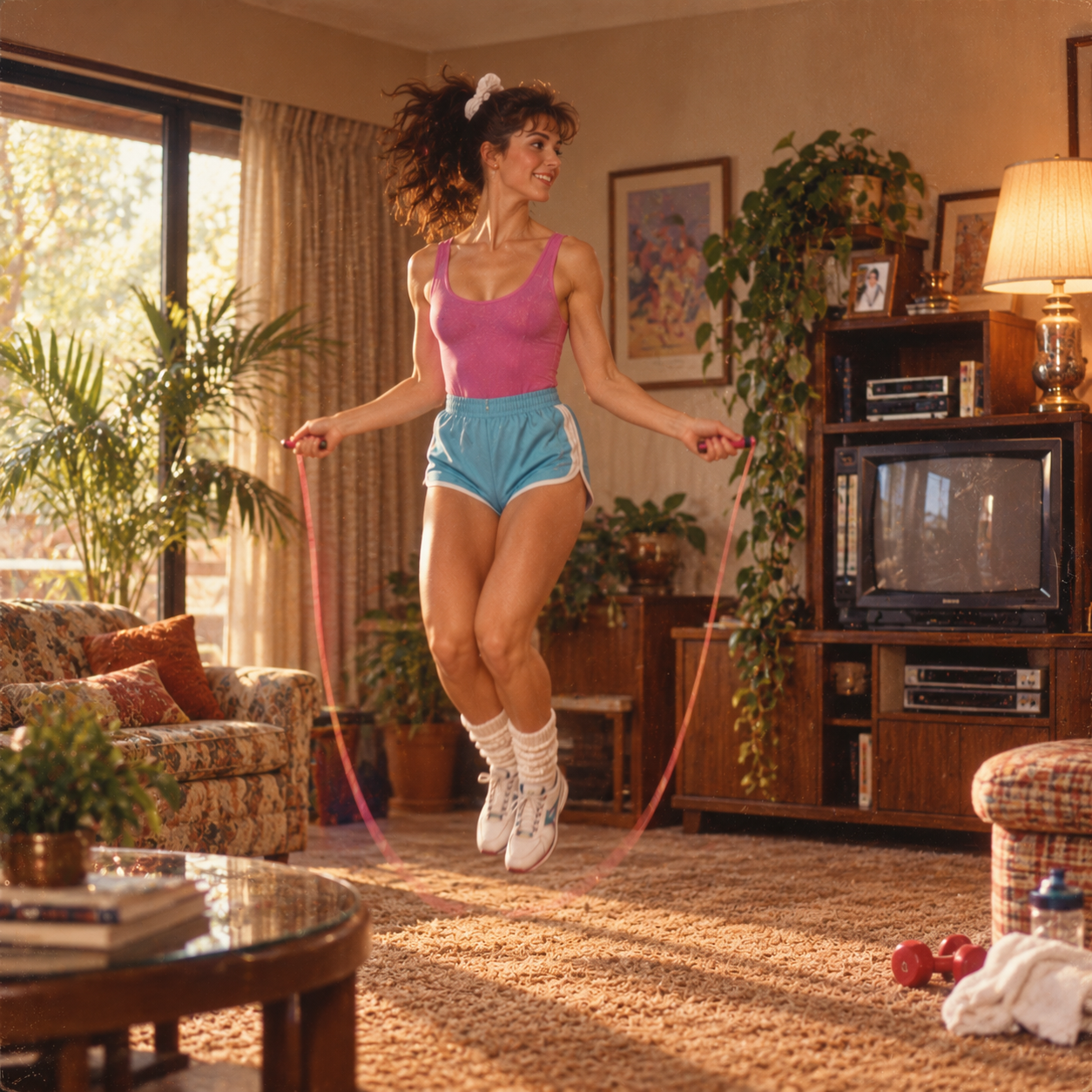
A jump rope was inexpensive, easy to store, and capable of turning a driveway, basement, garage, or backyard into a workout area. Although children often treated jumping rope as a game, adults also recognized how quickly it could get the heart pumping. Long before digital cardio programs, a simple rope offered a remarkably effective workout.
4. Using a Hula Hoop
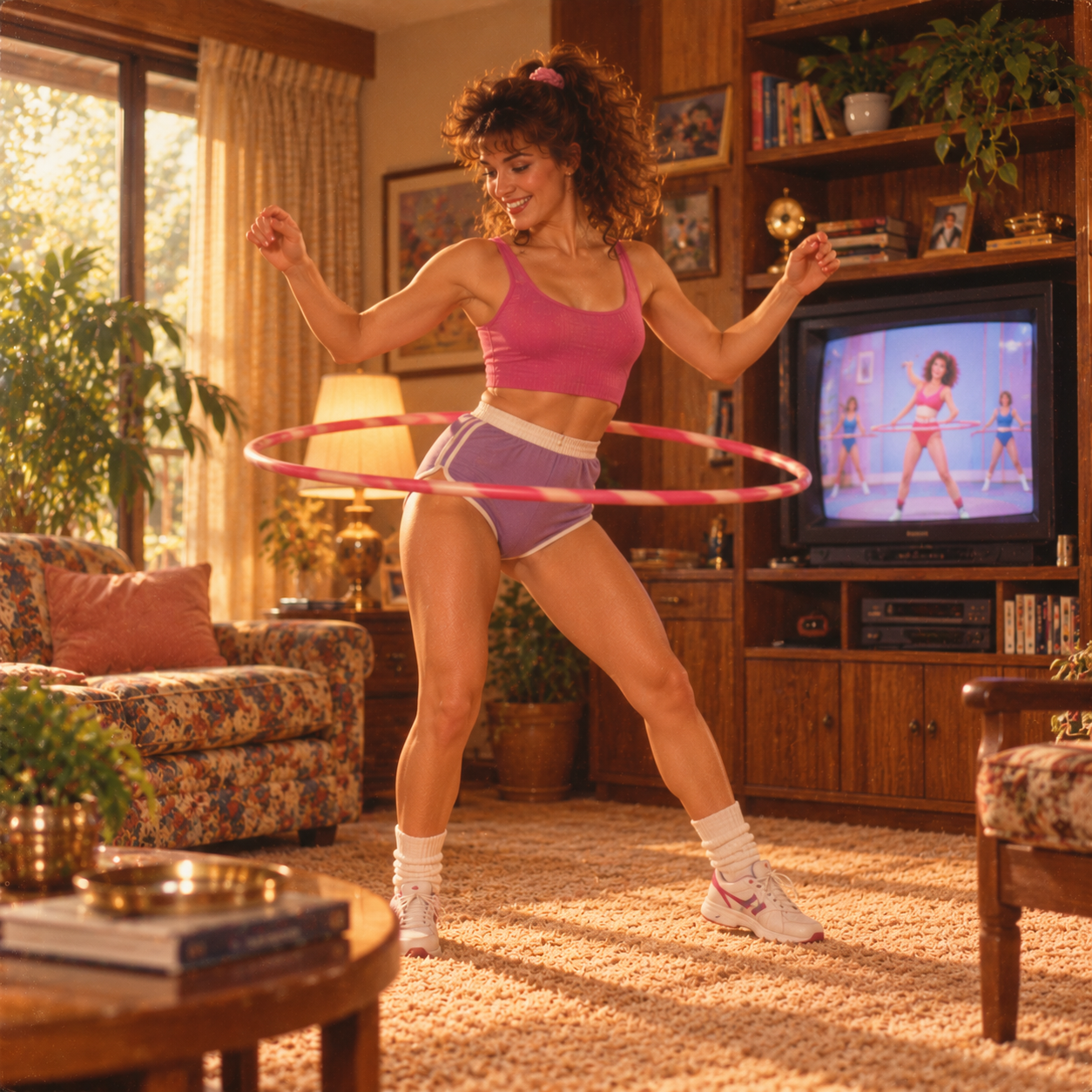
The hula hoop became a cultural sensation in the late 1950s, but it was more than just a backyard toy. Keeping one spinning required constant movement through the hips and core, and people could spend surprisingly long stretches trying to master it. For many families, it was exercise disguised as entertainment.
5. Following Workout Records
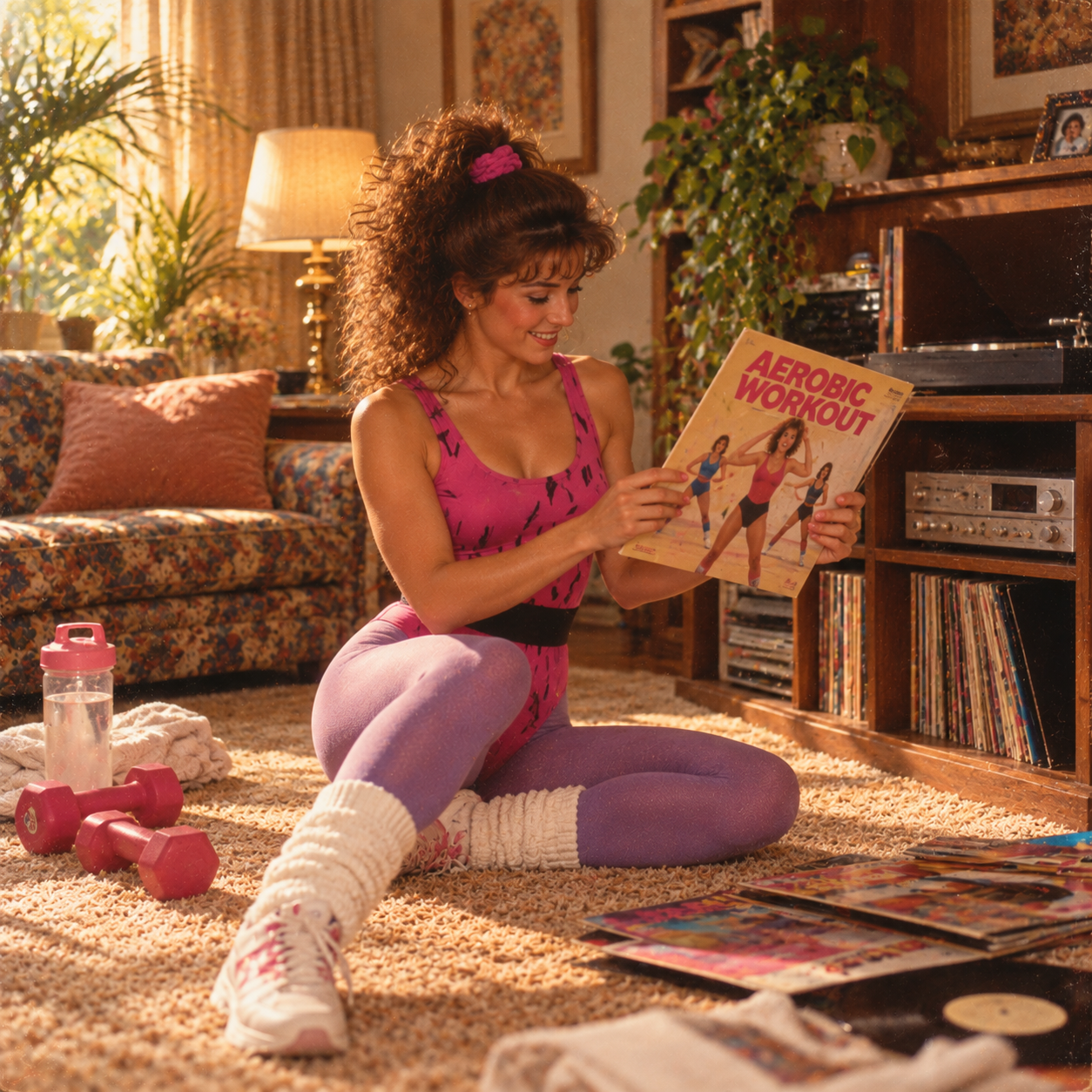
Before streaming classes and workout videos, some exercise programs came on vinyl records. An instructor’s voice would guide listeners through a sequence of movements while music helped establish the rhythm. People simply moved the furniture, put the record on the turntable, and transformed the living room into a temporary exercise space.
Trending on Wealth Gang
6. Exercising Along With VHS Tapes
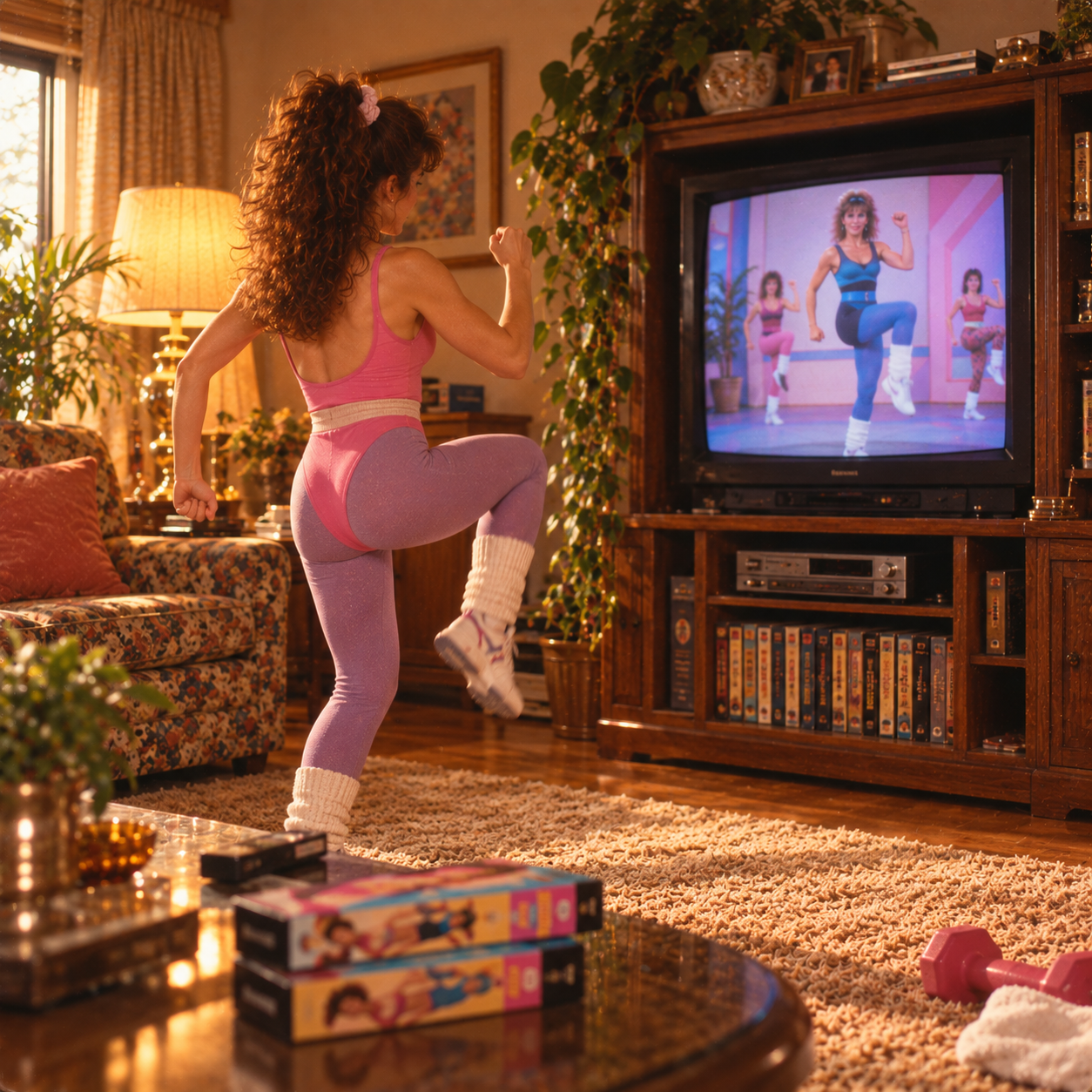
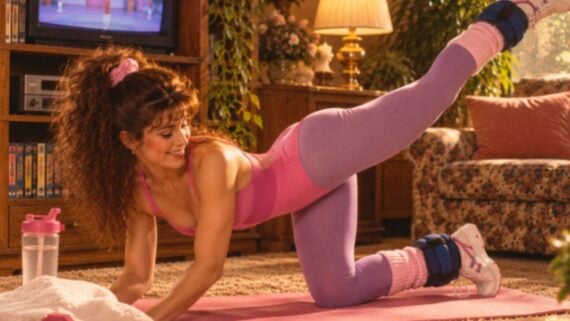
By the 1980s, workout tapes brought instructors directly into millions of homes. Aerobics routines filled with energetic music, colorful leotards, leg warmers, and enthusiastic encouragement became part of the era’s fitness culture. A television, VCR, and enough room to move were all someone needed for a structured class at home.
7. Using a Stationary Exercise Bike
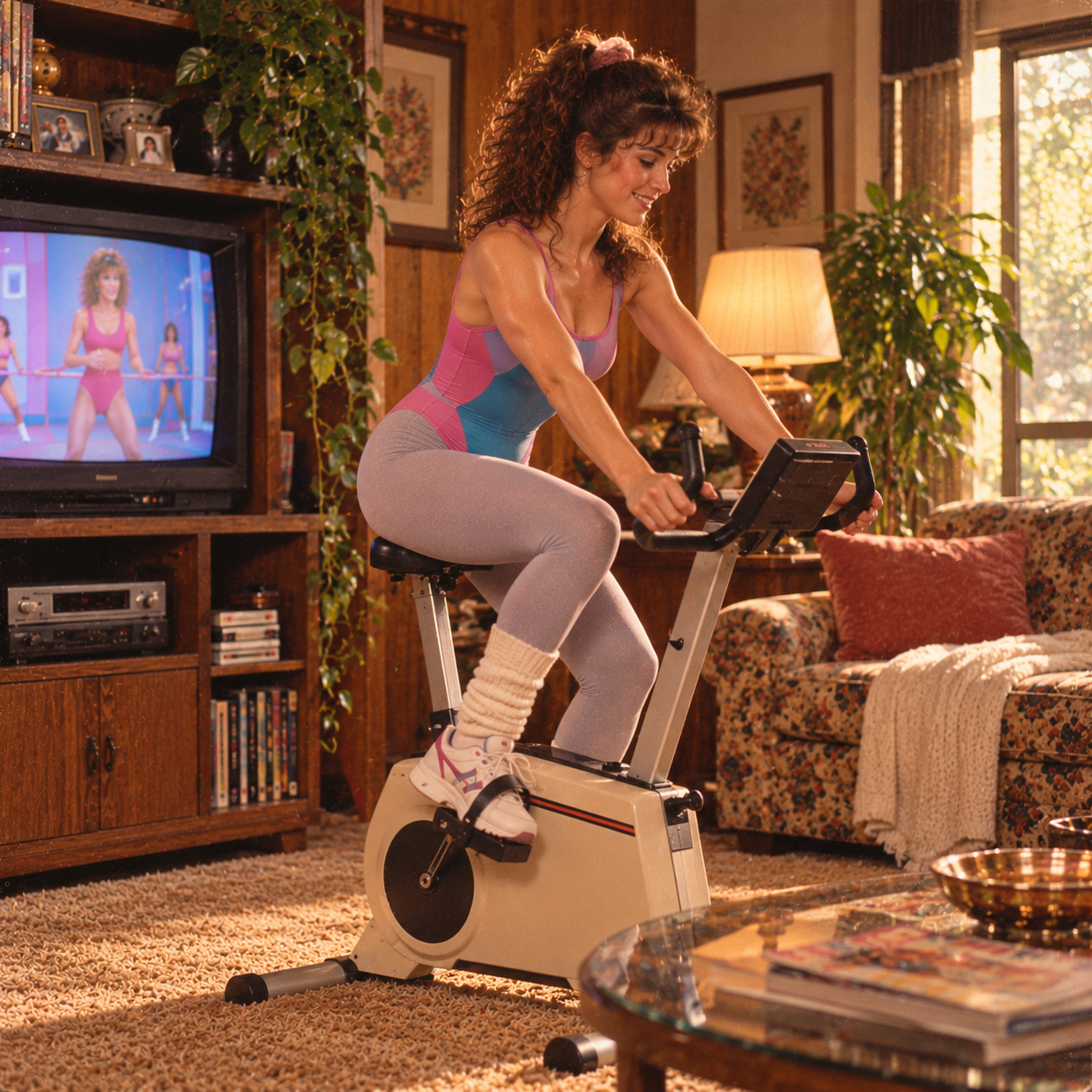
Stationary bicycles were a familiar sight in spare bedrooms and basements long before modern connected bikes appeared. Most had simple resistance controls and basic mechanical displays, if they had displays at all. Riders judged their workouts mostly by time, effort, and how tired their legs felt rather than a screen full of statistics.
8. Riding a Mechanical Exercise Bike
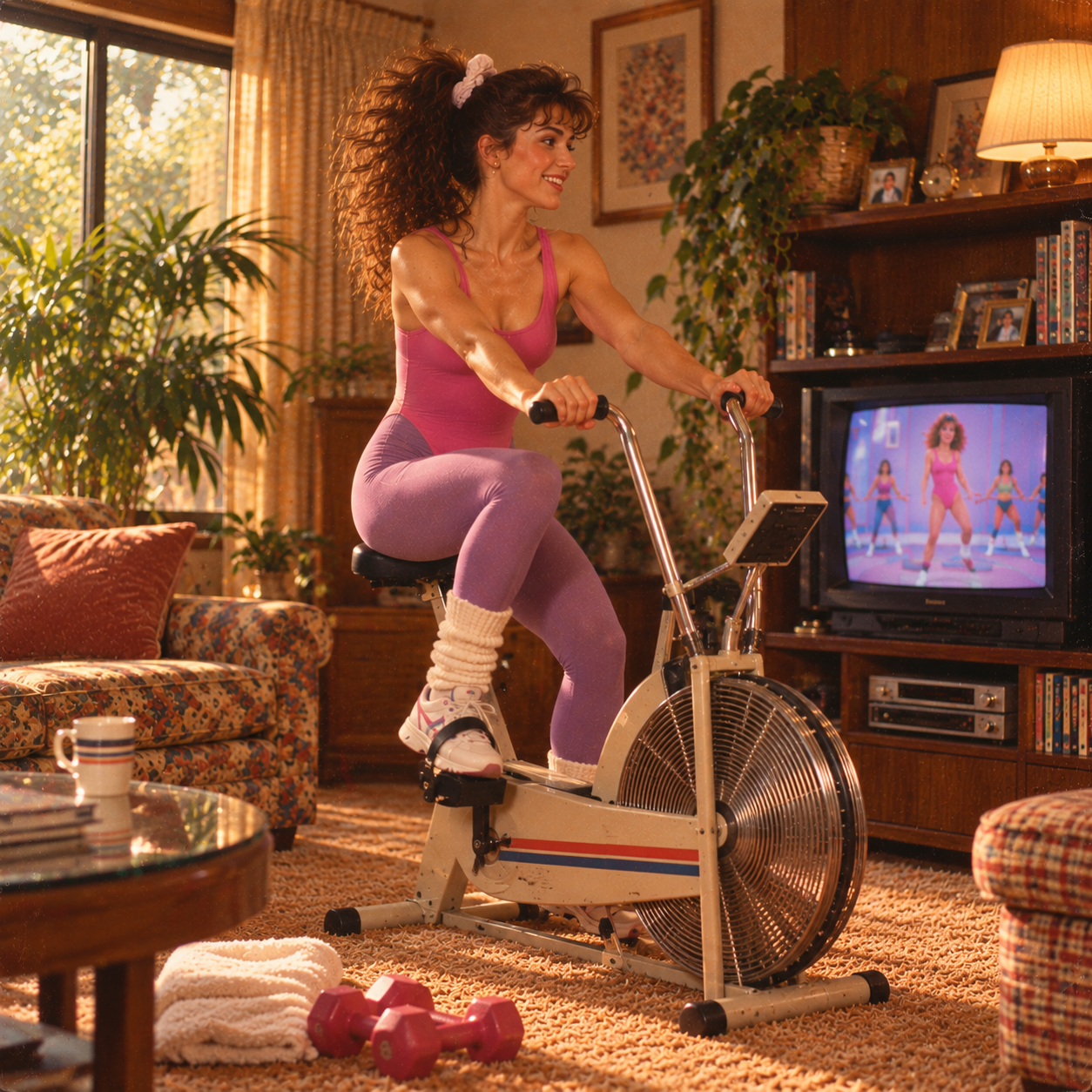
Earlier home exercise bikes could be extremely simple machines, sometimes with heavy frames and little more than pedals, handlebars, and an adjustable resistance mechanism. They were not particularly glamorous, but they allowed people to pedal while listening to the radio or watching television. There were no leaderboards or virtual landscapes to make the ride more interesting.
Sign up for our newsletter
9. Using a Treadmill Without Digital Tracking
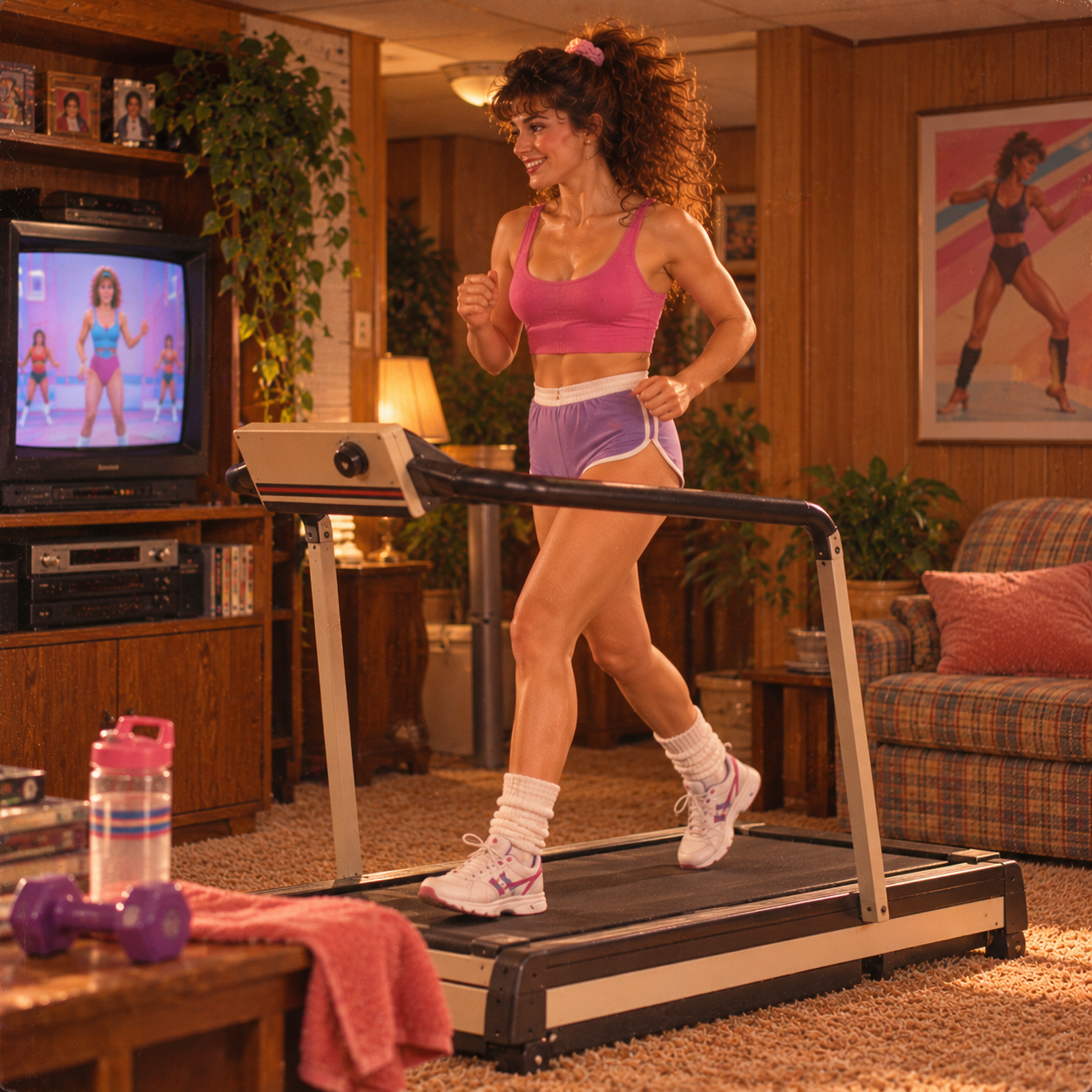
Early home treadmills looked very different from today’s sophisticated machines. Some were manually powered, while later electric versions often provided only basic speed and time information. People walked or jogged without constantly checking calories, heart rate, distance goals, or whether they had earned another digital badge.
10. Lifting Small Hand Weights
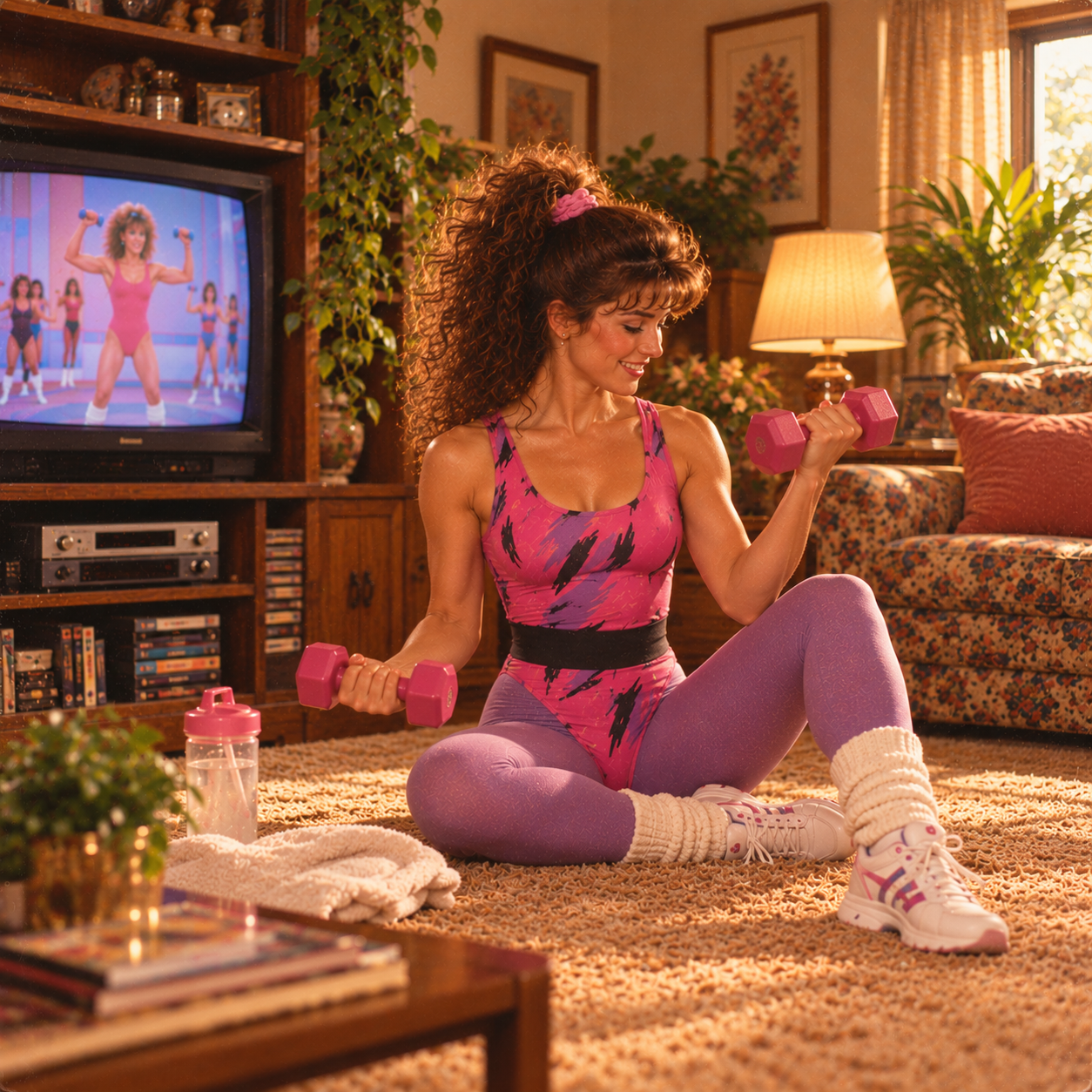
A pair of dumbbells could sit under a bed or in the corner of a basement for years and still provide a dependable workout. People used them for curls, presses, raises, and other straightforward exercises. Fitness magazines and books often supplied routines, but many people simply repeated the movements they already knew.
11. Using Ankle Weights
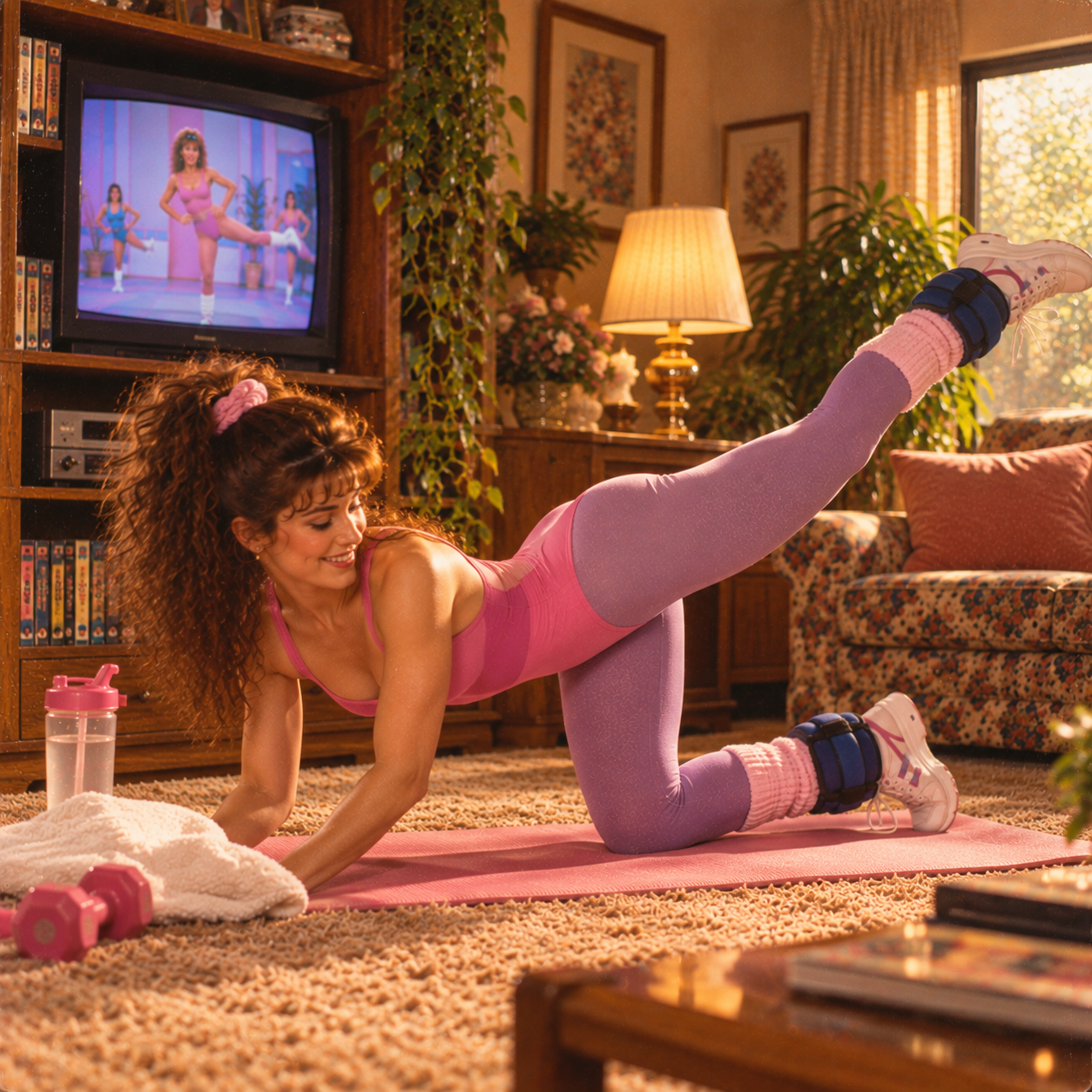
Strapping weights around the ankles became especially popular during the home fitness boom of the 1970s and 1980s. People wore them while performing leg lifts, walking around the house, or following aerobics routines. They represented the wonderfully low-tech belief that making ordinary movements slightly harder could turn them into exercise.
12. Stretching on the Floor
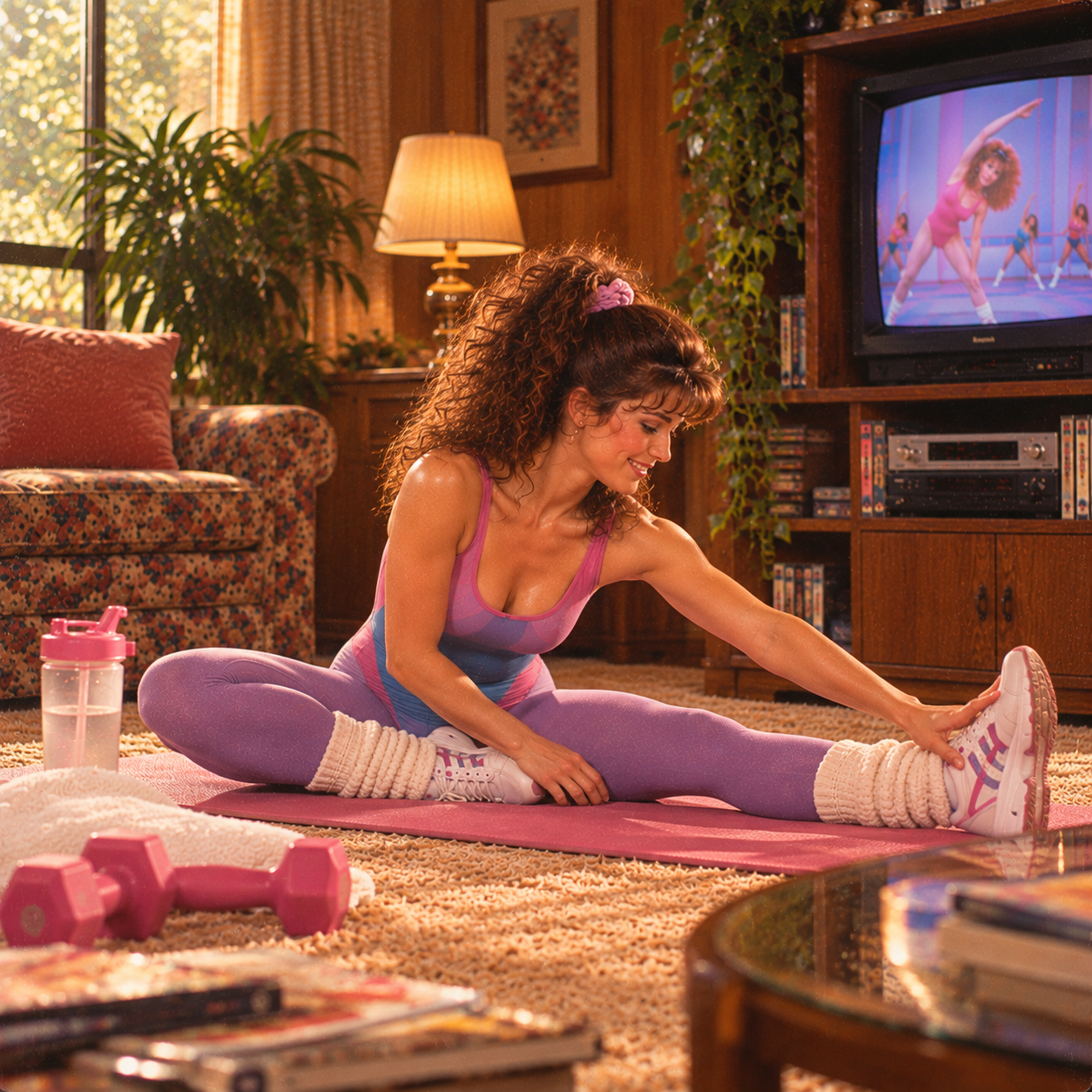
Not every home workout involved sweating through an intense routine. Many people regularly stretched on the bedroom carpet or living room floor, often using exercises remembered from physical education classes. Touching the toes, reaching overhead, twisting the torso, and stretching the legs formed a simple routine that required no special equipment.
13. Doing Sit-Ups With Someone Holding Their Feet
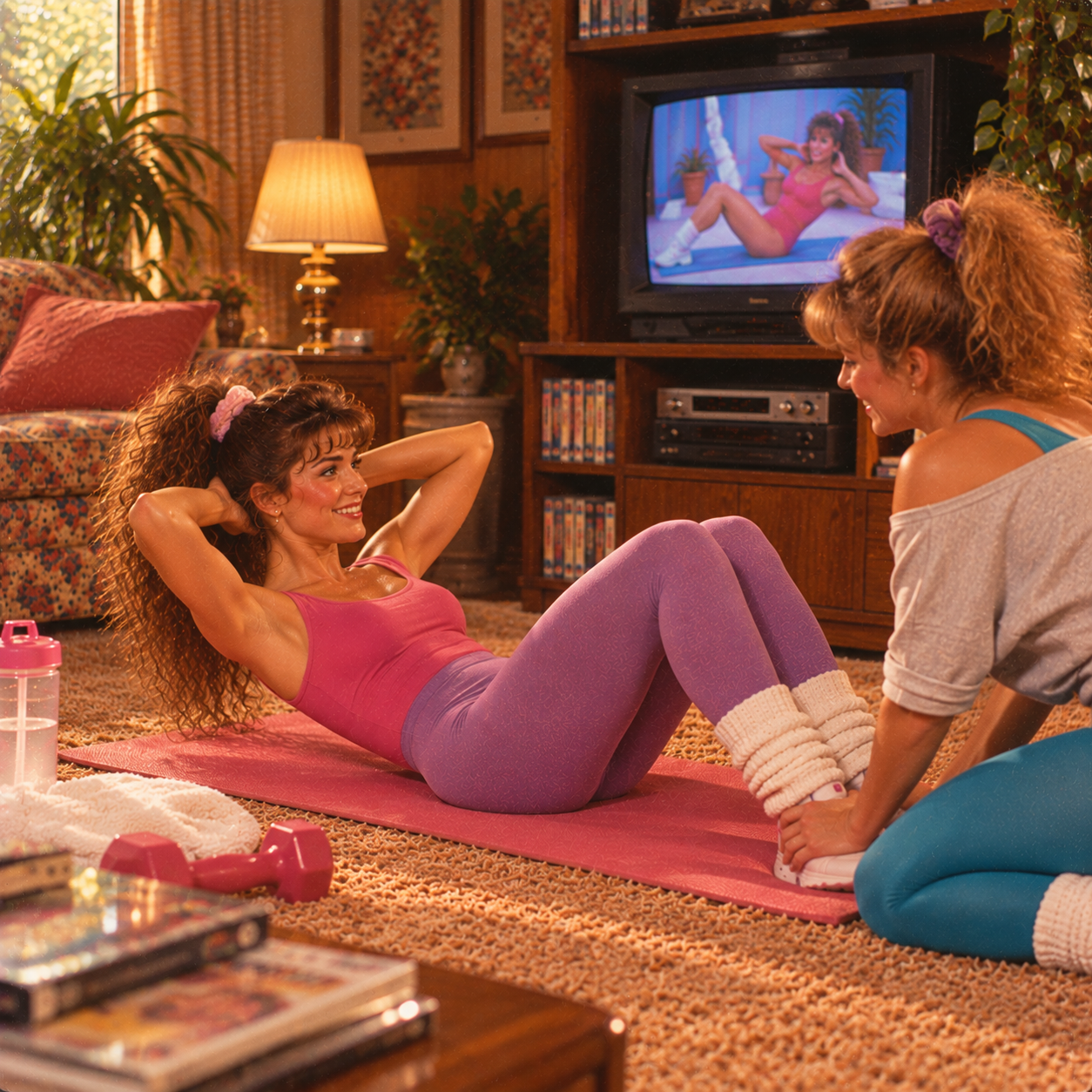
Before specialized abdominal machines and endless online core workouts, sit-ups were one of the most familiar exercises around. A spouse, sibling, friend, or even the edge of a heavy sofa might hold someone’s feet in place while they worked through a set. Counting repetitions out loud was often the only tracking system involved.
14. Using a Doorway Pull-Up Bar
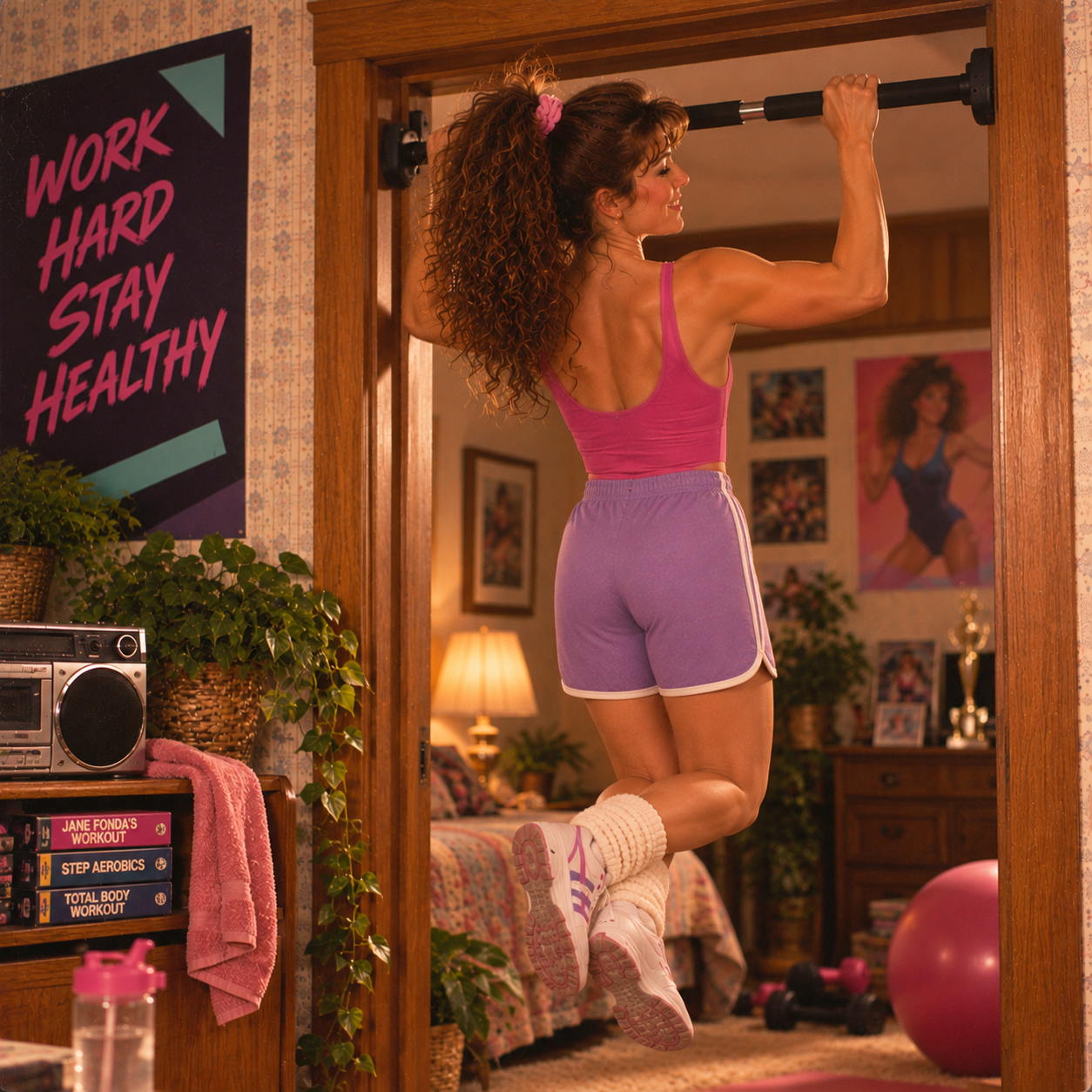
Doorway bars gave people a surprisingly challenging workout in a very small space. They could be installed in a bedroom, basement, or garage and used whenever someone had a few minutes to spare. There were no apps suggesting sets or tracking progress; improvement was obvious when another pull-up suddenly became possible.
15. Following Exercise Routines From Magazines
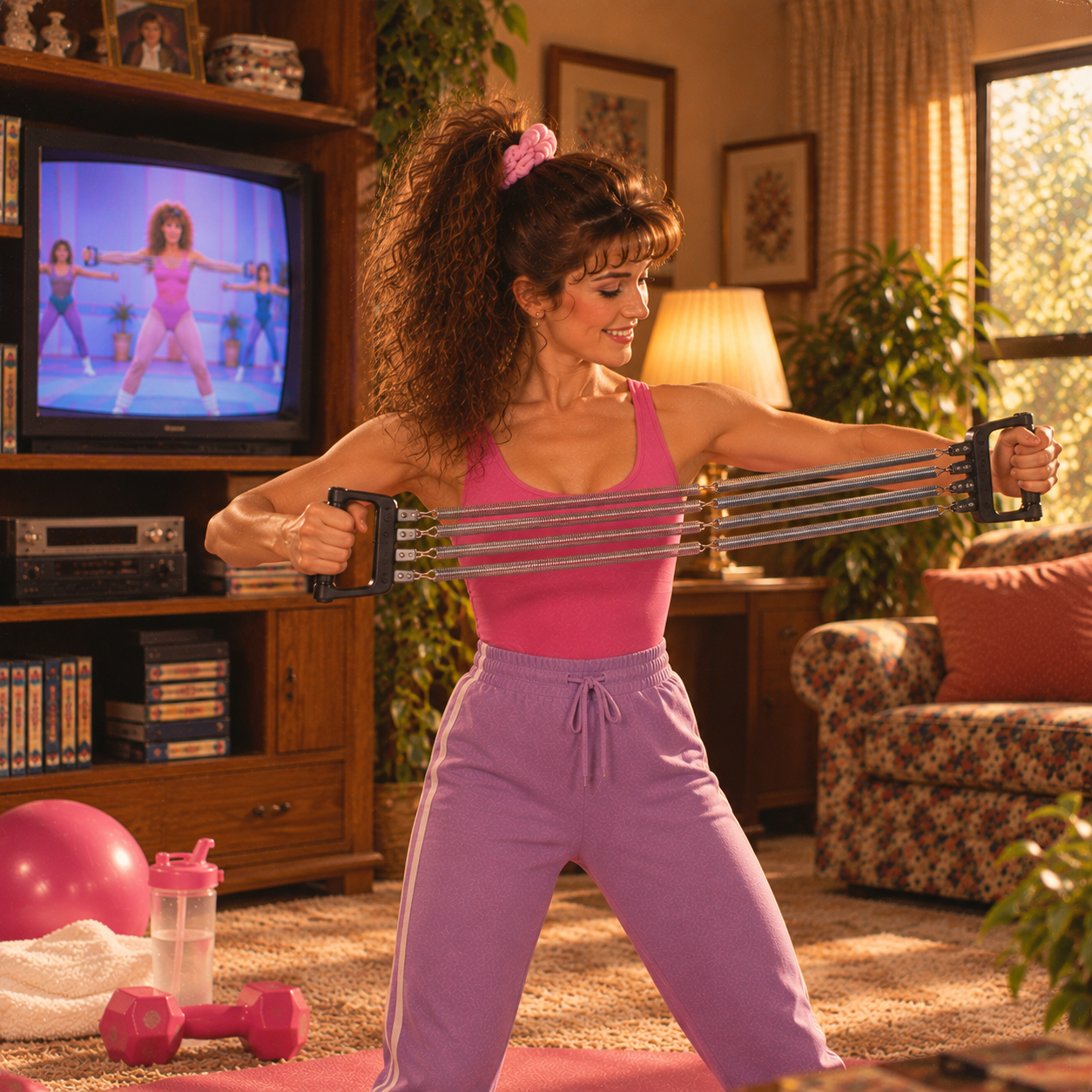
Fitness and women’s magazines regularly printed illustrated exercise routines that readers could tear out, save, or follow directly from the page. Photographs or drawings demonstrated each position while short instructions explained the number of repetitions. For someone exercising alone at home, those pages served much the same purpose that online workout programs do today.
16. Using Resistance Springs and Chest Expanders
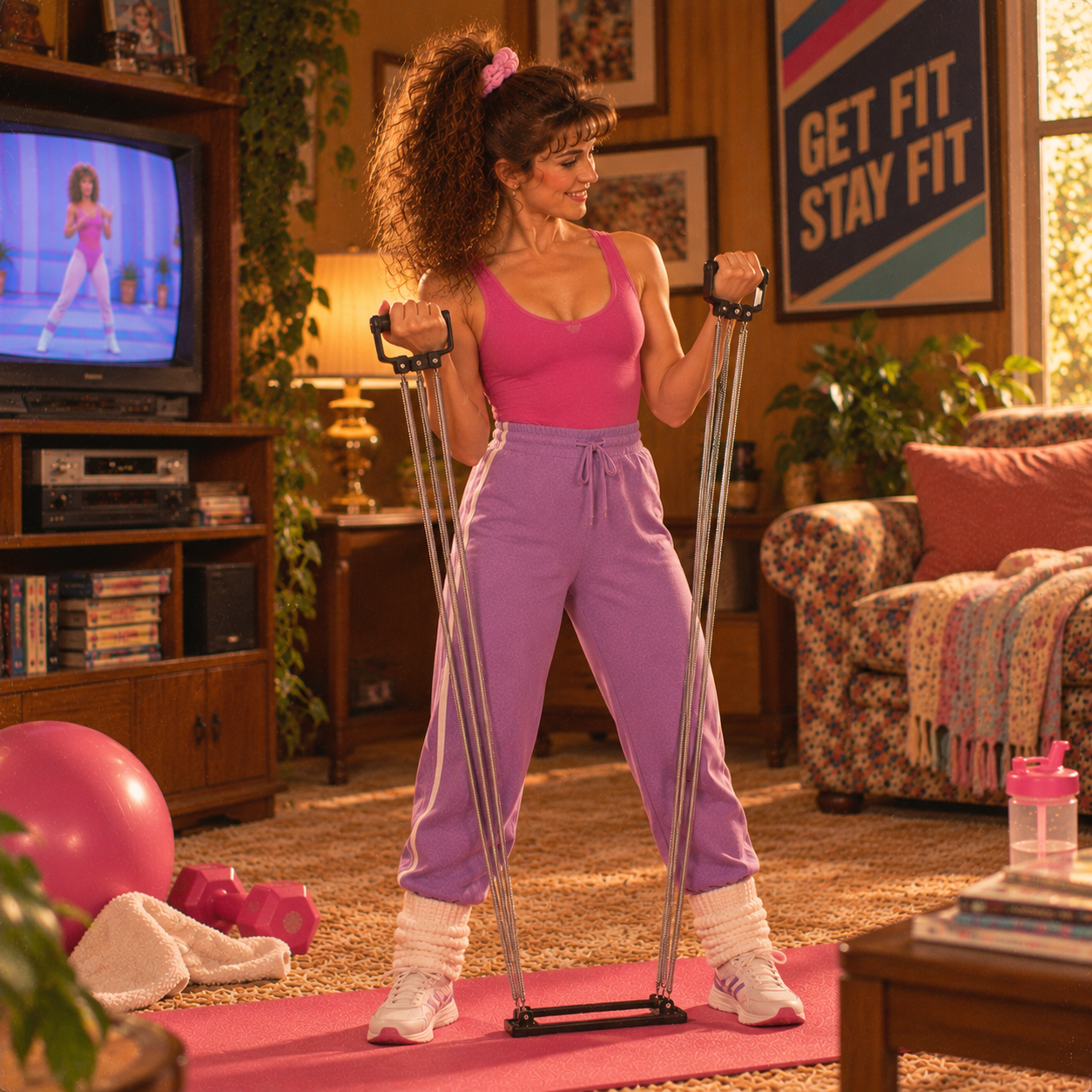
Chest expanders and spring-based exercise devices promised stronger arms, shoulders, and chests with relatively little equipment. Users pulled handles apart against the resistance of metal springs or elastic material, often following diagrams included with the product. These devices could be stored in a drawer or closet and brought out whenever it was time for a workout.
17. Dancing Around the House
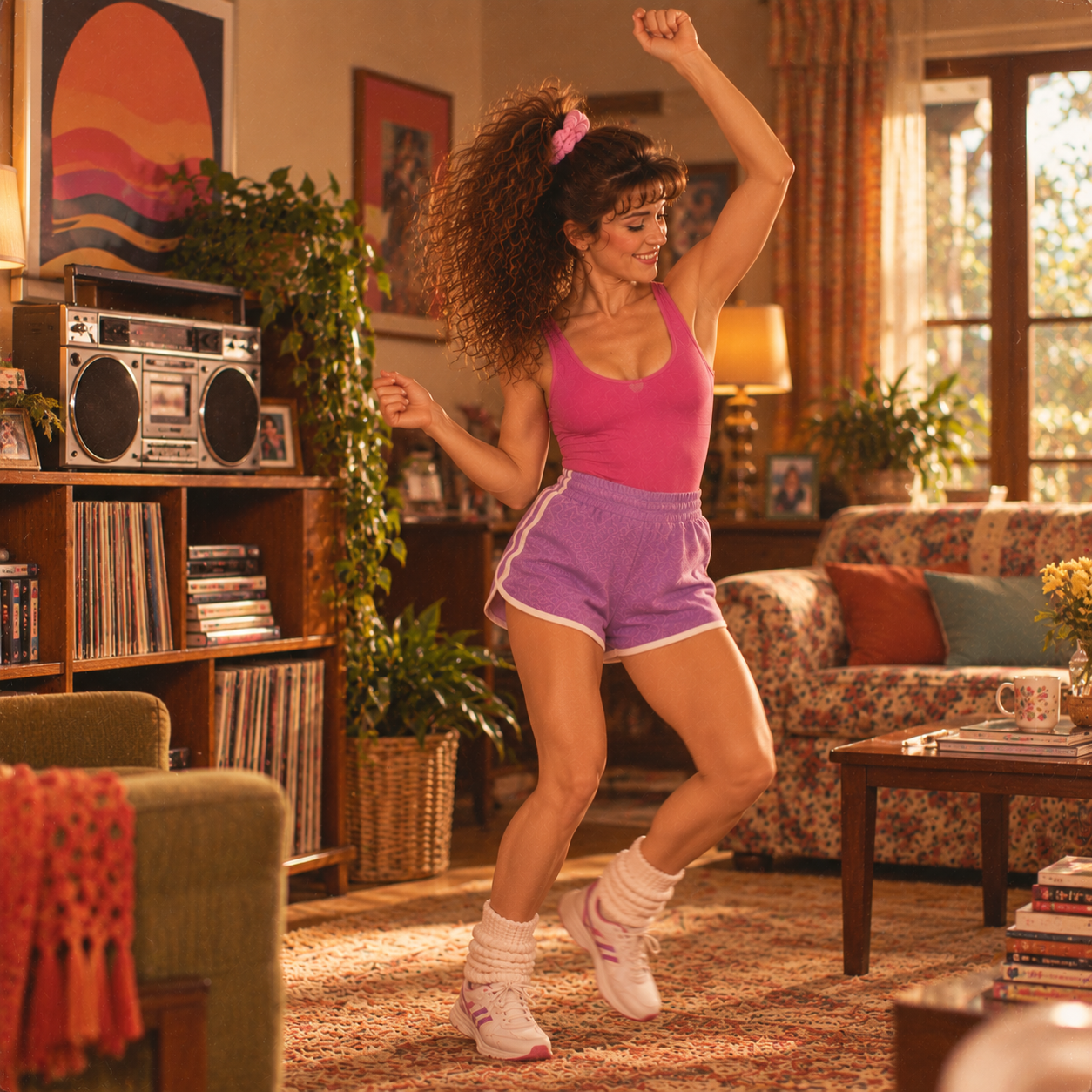
Not every form of exercise was officially called exercise. People put on records, turned up the radio, and danced around kitchens and living rooms simply because they enjoyed the music. A few energetic songs could provide plenty of movement without anyone worrying about calories burned, steps recorded, or whether the activity technically counted as a workout.
18. Turning Household Chores Into Exercise
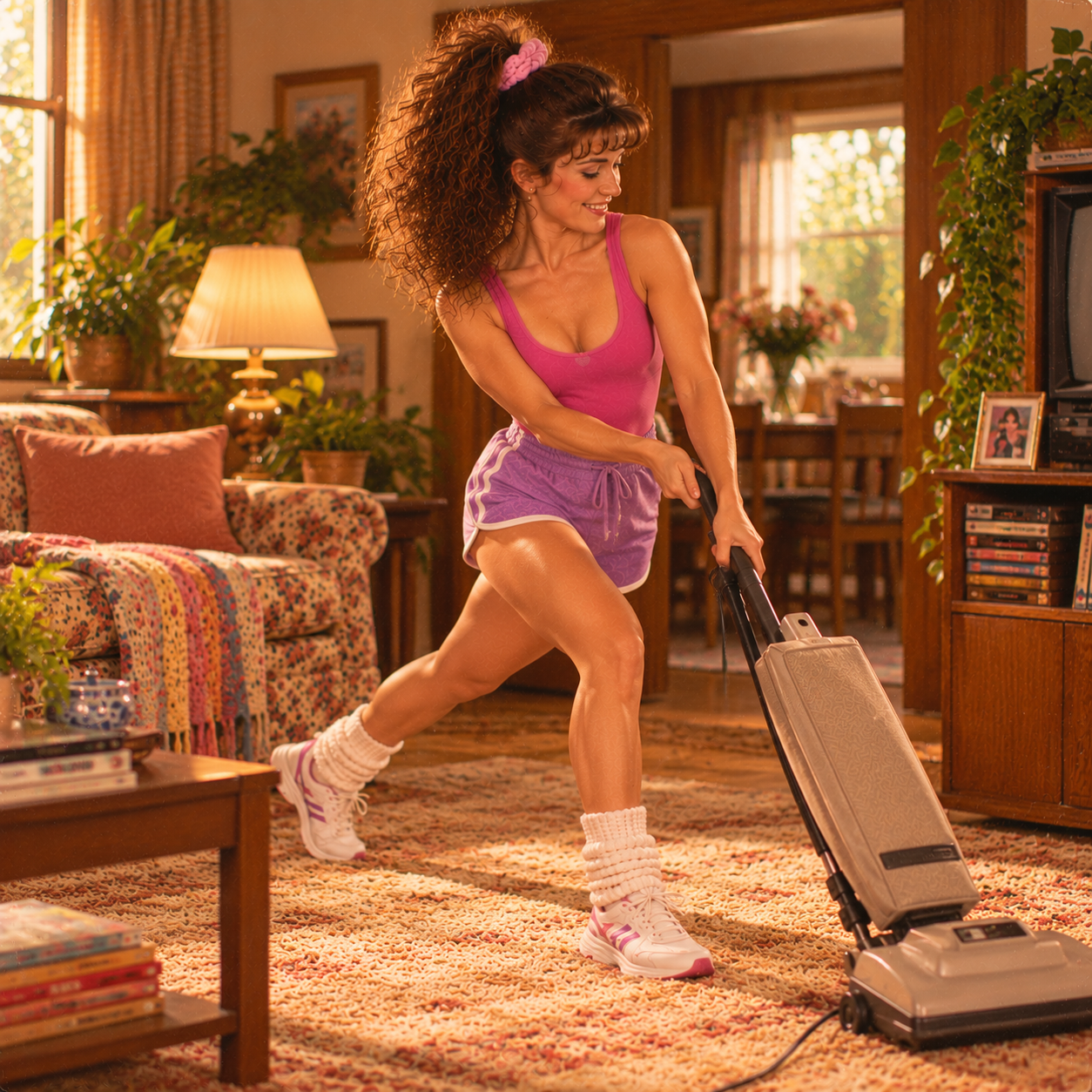
Cleaning the house could be physically demanding before lightweight appliances and automated gadgets handled so much of the work. Scrubbing floors, washing windows, carrying laundry, sweeping, beating rugs, and moving furniture required real effort. People may not have labeled these chores as workouts, but an afternoon of heavy housework could provide more movement than many carefully planned exercise sessions today.
More Related Notes
• 15 Ways Americans Stayed in Shape Before Gyms Were Everywhere.
Explore the simple ways Americans stayed active before modern fitness centers became part of everyday life, from walking and calisthenics to sports and physical chores.
• 16 Photos That Show How Americans Spent Their Free Time Before the Internet.
Take a nostalgic look at the hobbies and activities that kept people moving and entertained long before smartphones, streaming, and fitness technology entered daily life.
• 15 Photos That Capture a Typical Saturday in America in the 1960s.
Revisit a typical American Saturday in the 1960s, when housework, yard work, neighborhood activities, and outdoor recreation naturally kept families active.