Before big box stores and sprawling shopping centers transformed the retail landscape, Main Streets were the beating heart of American communities. These bustling downtown corridors were lined with locally owned businesses, family-run shops, and storefronts that reflected the personality of each town. A walk down Main Street often meant seeing familiar faces, supporting local merchants, and participating in the daily rhythm of community life.
These historic photos offer a glimpse into an era when downtown shopping districts thrived as centers of commerce and social interaction. Long before national chains dominated retail, Main Streets served as gathering places where residents shopped, worked, and connected with their neighbors.
1. Independent Department Stores
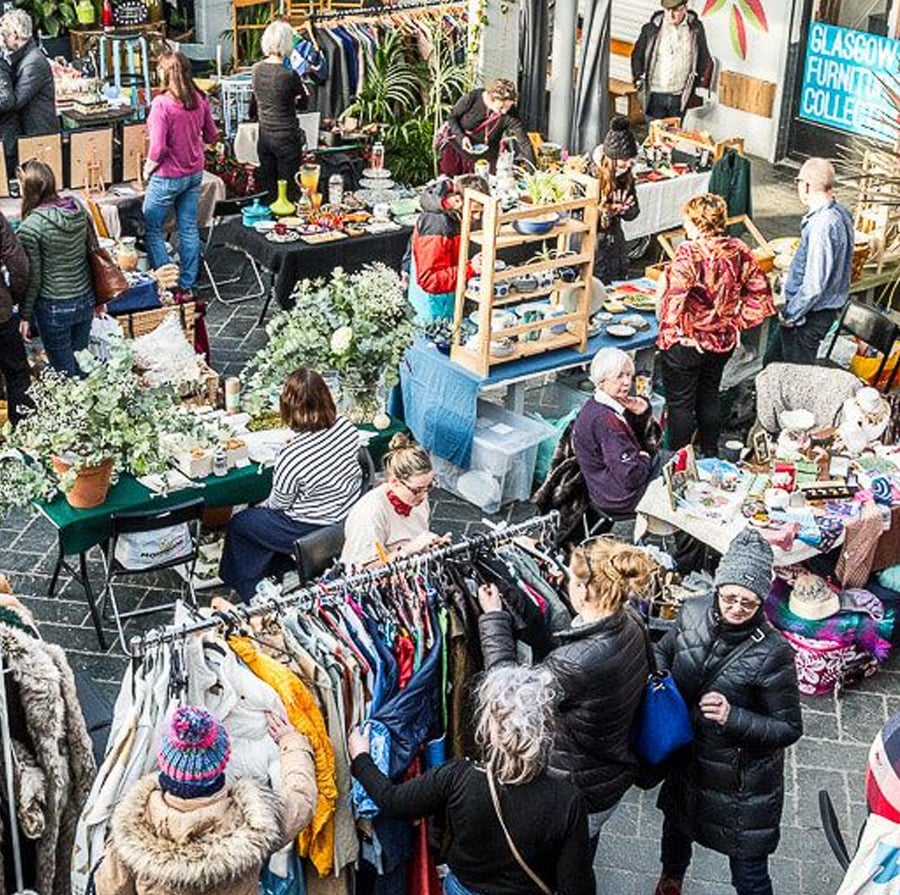
Many Main Streets featured locally owned department stores that sold everything from clothing to household goods. These independent department stores often became landmarks in their communities and attracted shoppers from surrounding rural areas.
2. Family-Owned Grocery Markets
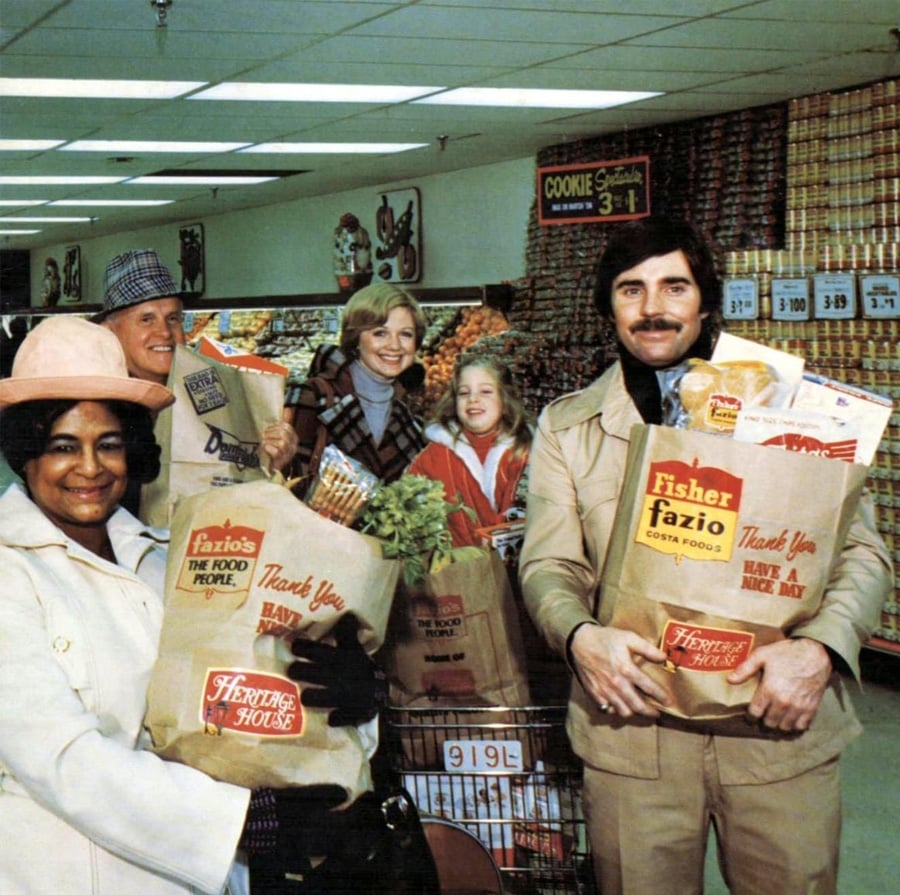
Before supermarkets and warehouse clubs became common, family-owned grocery markets supplied towns with fresh produce, meats, and everyday necessities. These grocery stores often knew customers by name and provided personalized service.
3. Corner Drugstores
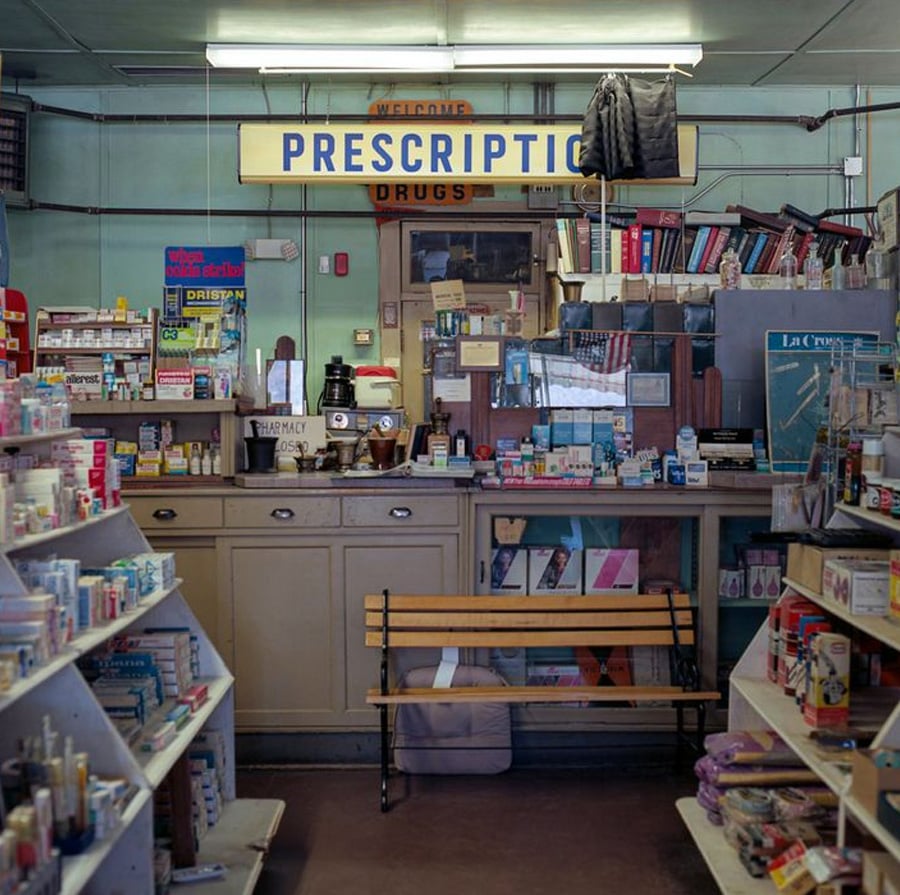
The corner drugstore was more than a place to fill prescriptions. Many featured soda fountains, lunch counters, and gathering spaces where residents met friends and caught up on local news.
4. Hardware Stores at the Center of Town
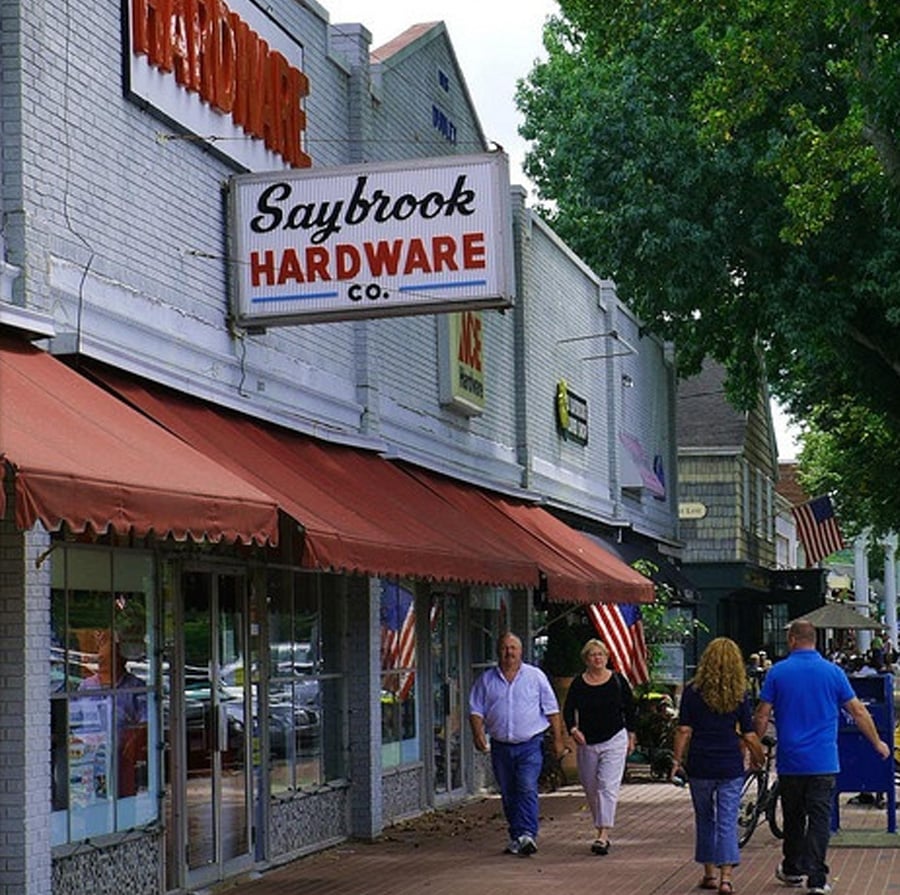
Hardware stores occupied prominent spots on Main Streets and supplied farmers, homeowners, and local businesses with tools and building materials. These shops often reflected the practical needs of the surrounding community.
5. Local Clothing Shops
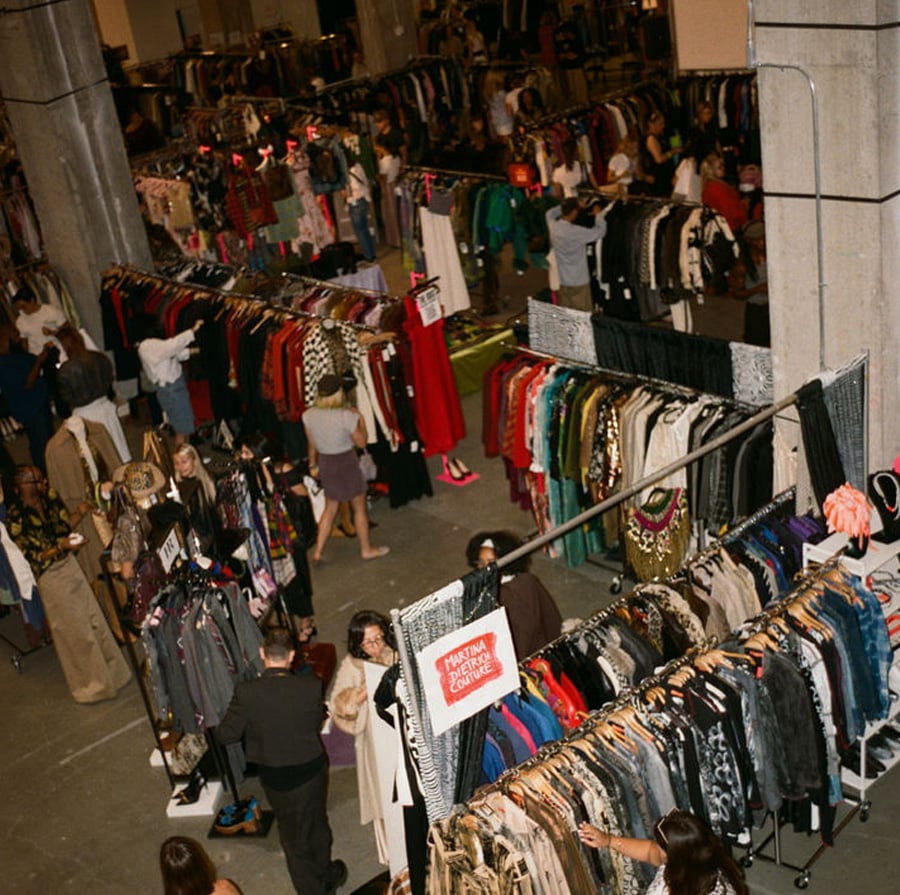
Independent clothing shops offered personalized fittings and carefully selected merchandise. Unlike today’s chain retailers, these stores often carried styles chosen specifically for local customers.
Trending on Wealth Gang

6. Main Street Movie Theaters
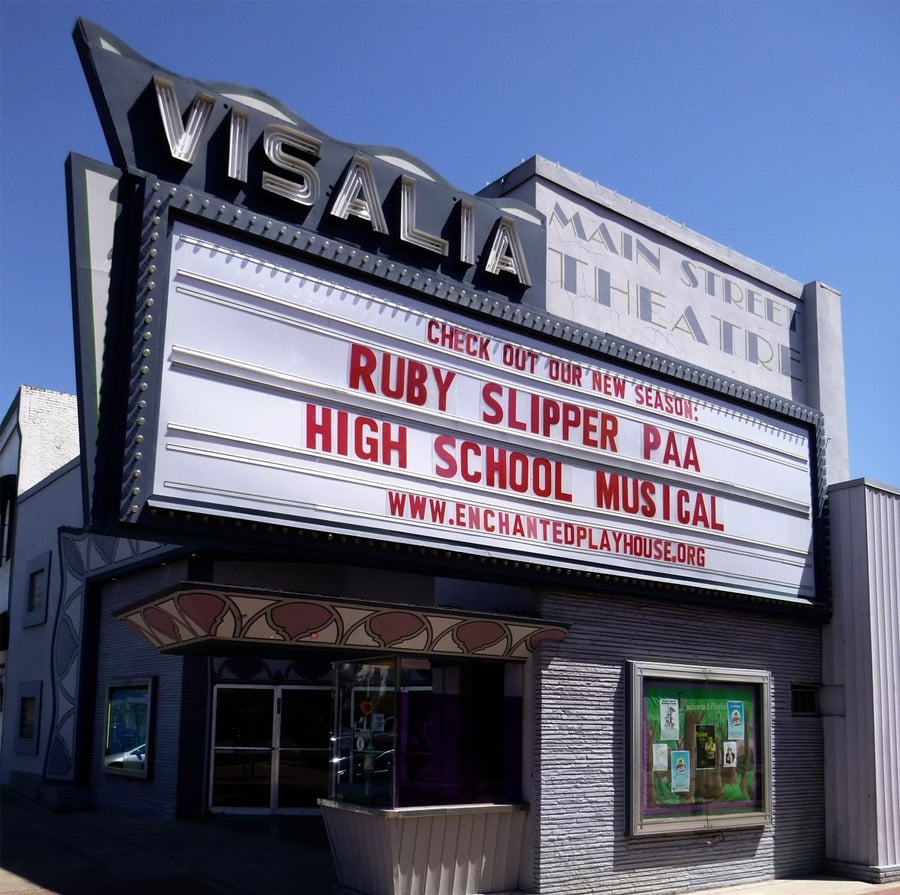
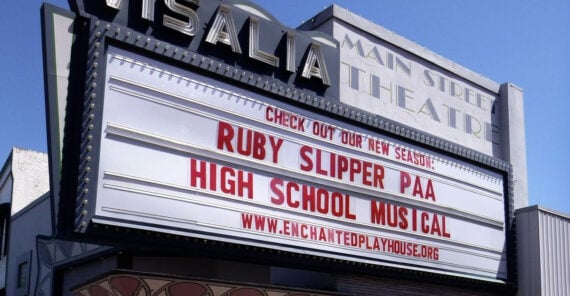
Movie theaters drew crowds to downtown districts and served as major entertainment destinations. Their brightly lit marquees helped create vibrant evening activity along Main Street.
7. Five-and-Dime Stores
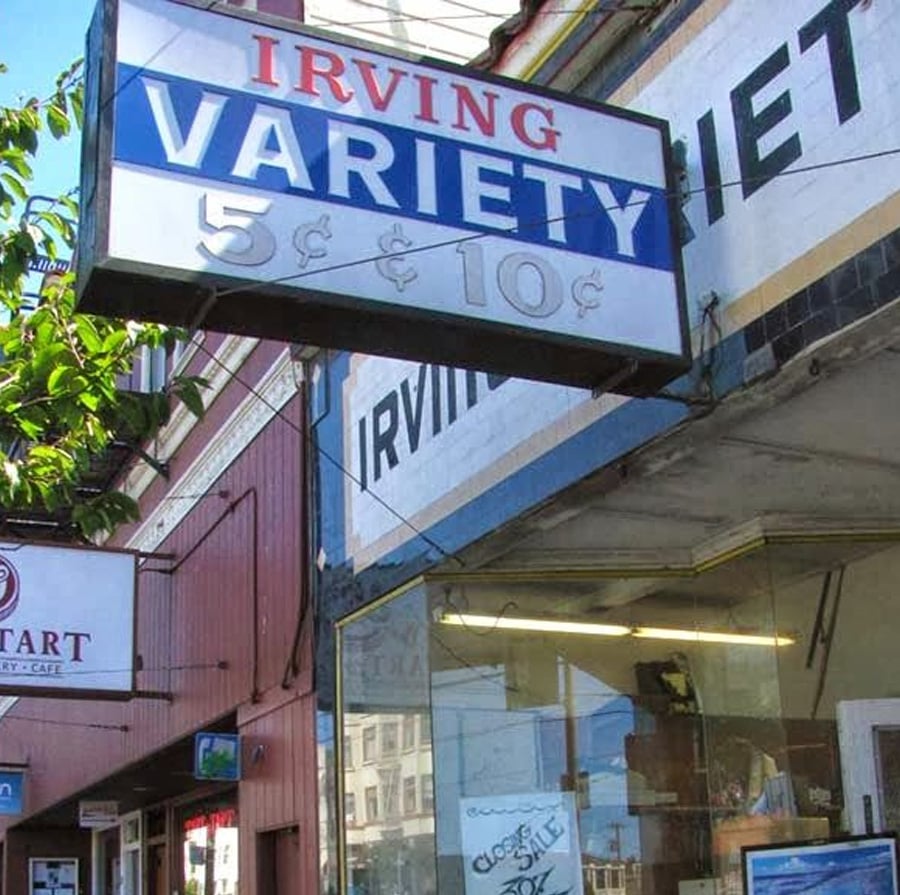
Five-and-dime stores became popular gathering places where shoppers could find affordable household items, toys, school supplies, and countless everyday products under one roof.
8. Neighborhood Bakeries
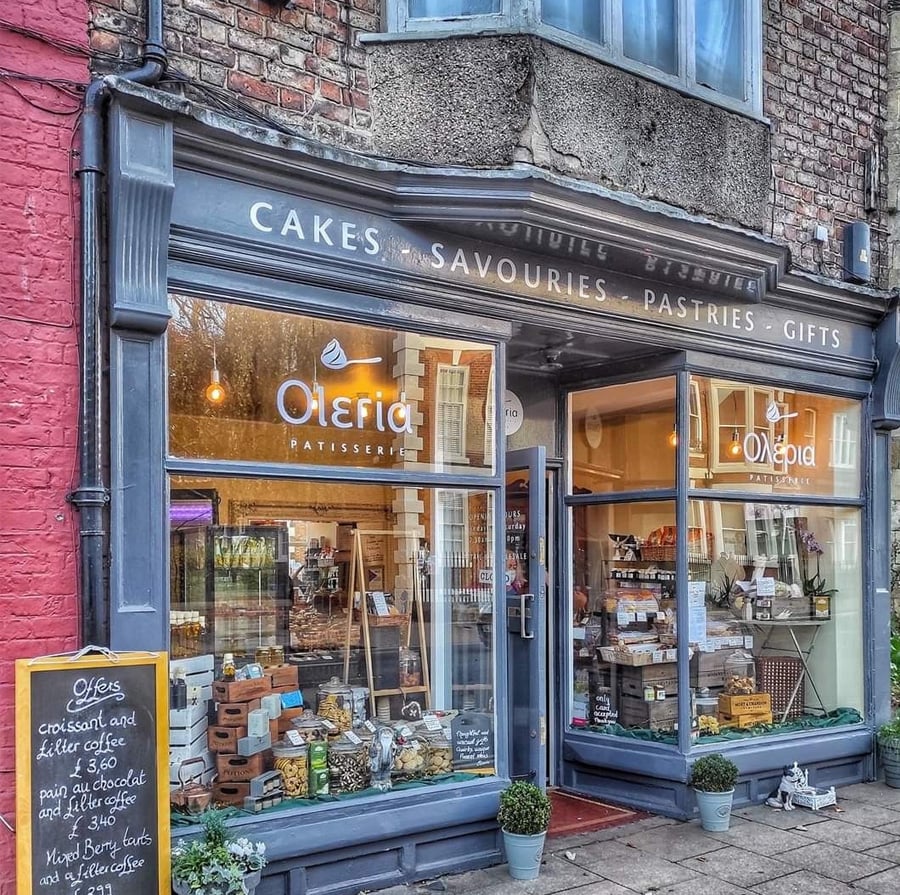
Local bakeries filled Main Streets with the aroma of fresh bread and pastries. Many families made regular visits to purchase baked goods prepared on-site each morning.
Sign up for our newsletter
9. Automobile Dealerships Downtown
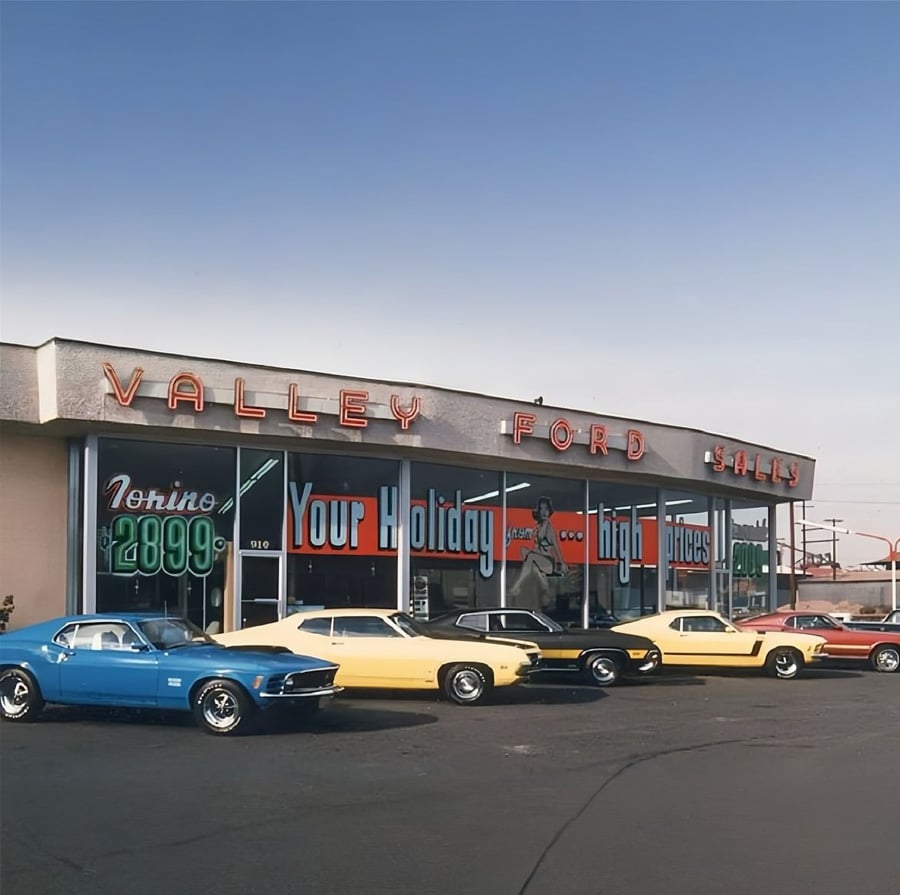
Early automobile dealerships were often located directly on Main Street. Their showrooms introduced residents to the latest vehicle models and symbolized the growing influence of the automobile.
10. Barber Shops and Beauty Parlors
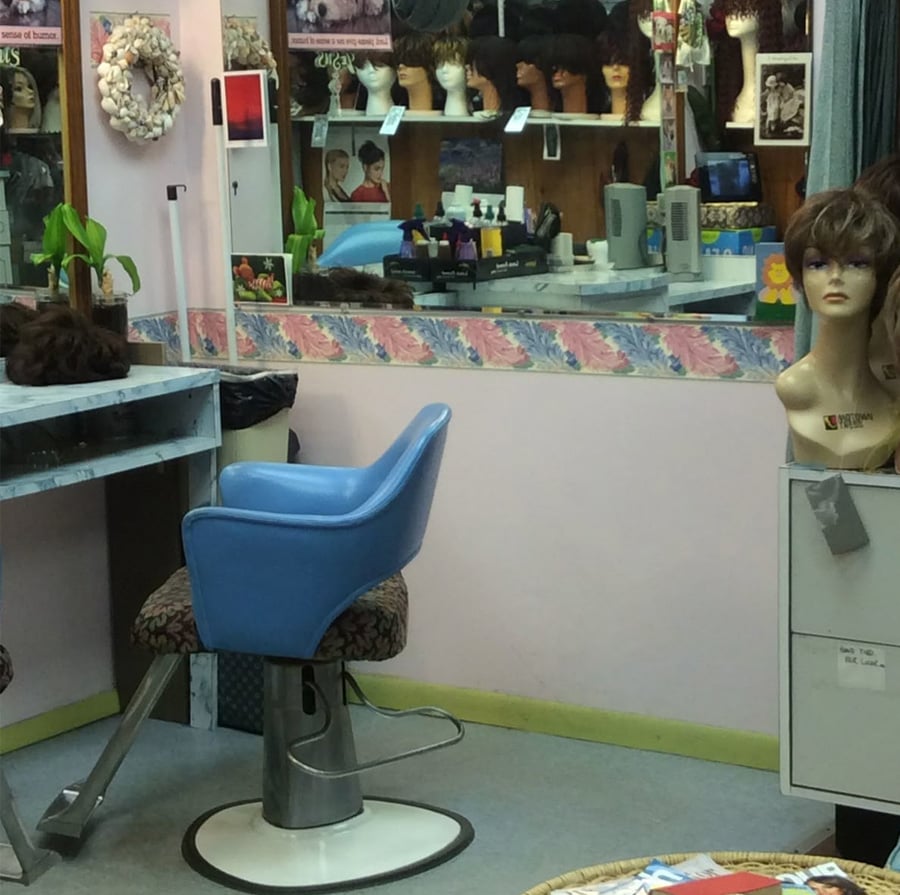
Barber shops and beauty parlors served as social hubs where residents exchanged stories, discussed local events, and strengthened community ties while receiving personal services.
11. Busy Sidewalk Shopping Districts
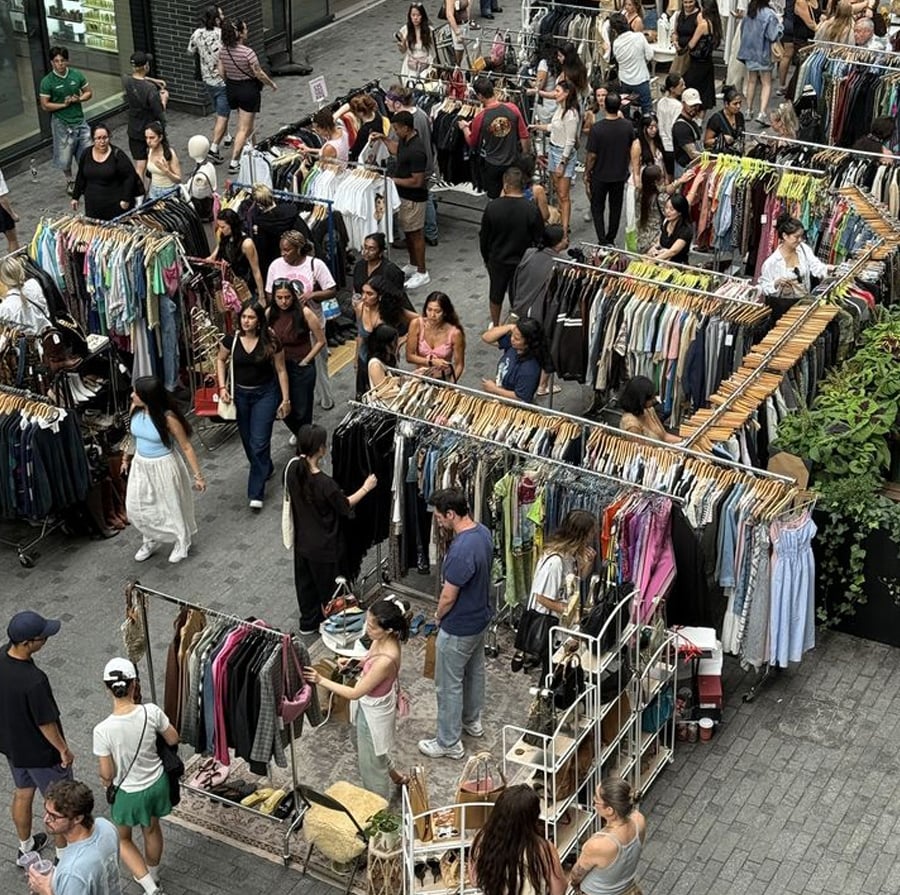
Historic photos frequently show crowded sidewalks filled with shoppers moving between locally owned businesses. These bustling shopping districts reflected the economic vitality of downtown areas before large retail centers emerged.
12. Main Street Banks
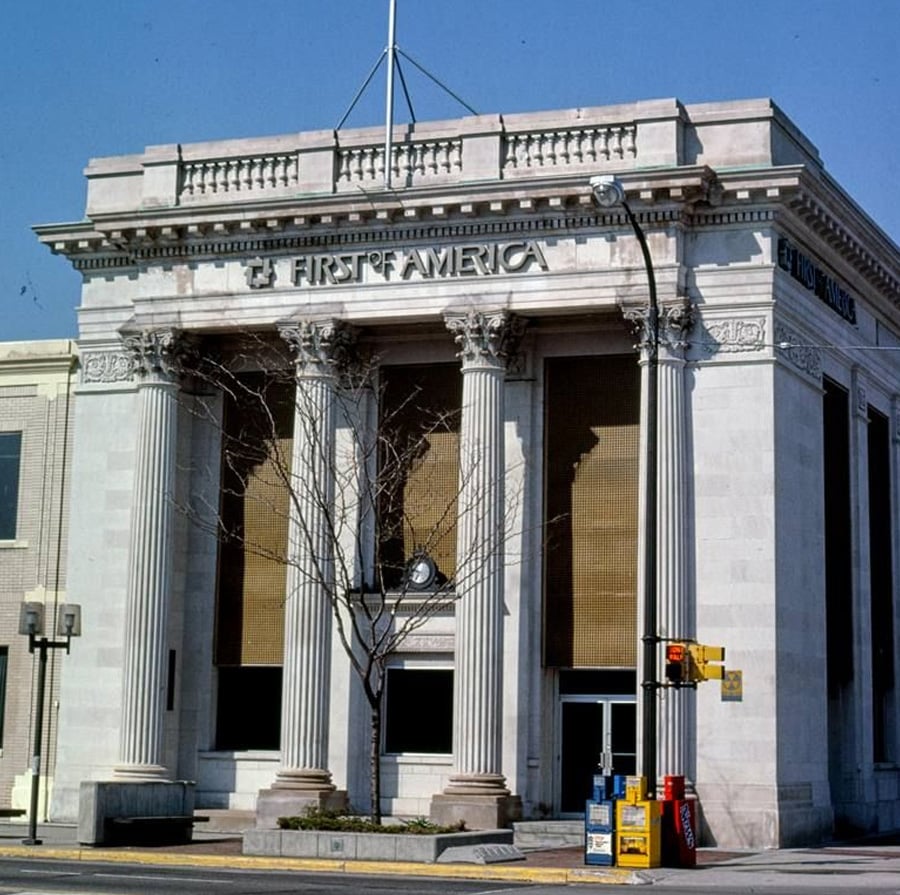
Local banks played an important role in supporting businesses and residents. Their prominent buildings often stood among the most recognizable structures in town centers.
13. Small-Town Restaurants and Diners
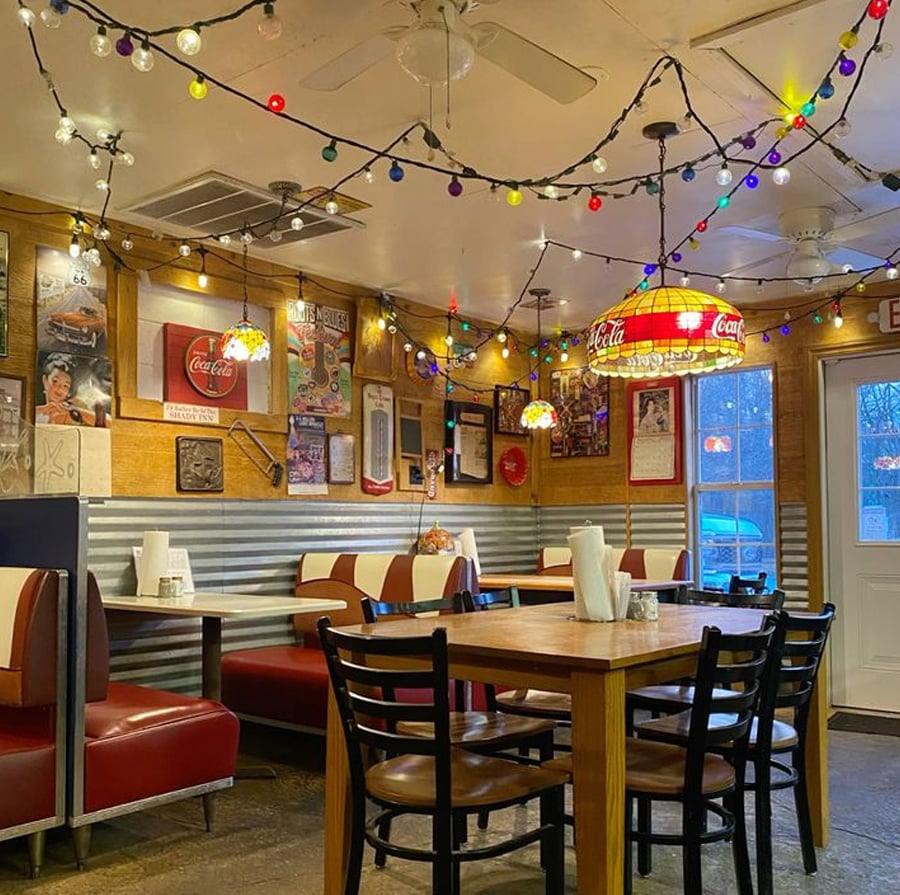
Restaurants and diners provided gathering places for workers, travelers, and families. Many became community institutions where regular customers returned for years.
14. Seasonal Holiday Displays
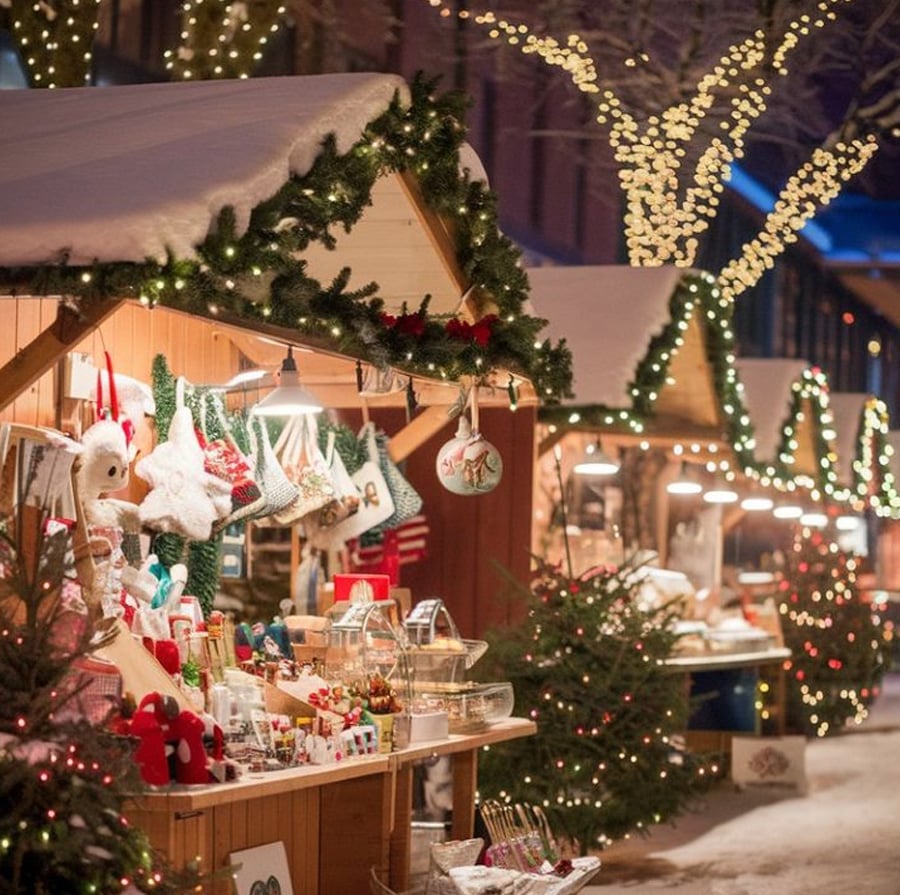
Main Streets often featured elaborate seasonal decorations and storefront displays. During holidays, downtown districts became festive destinations that attracted visitors from nearby communities.
15. Community Events in Downtown Squares
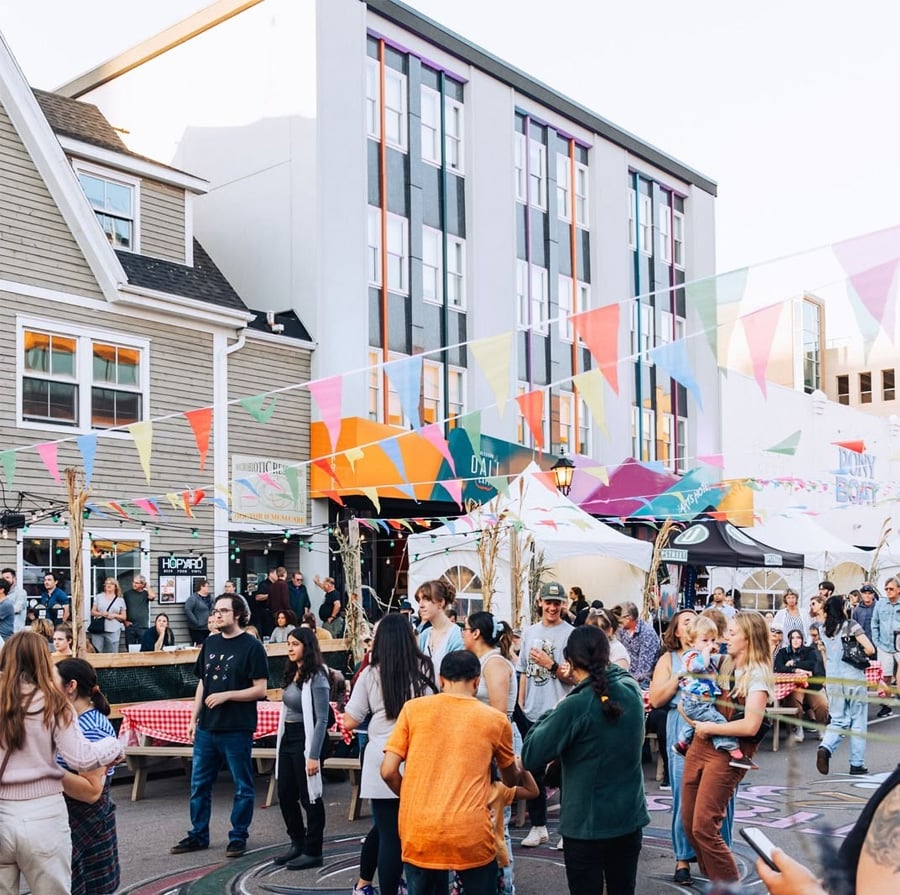
Parades, festivals, and public celebrations frequently took place along Main Street. These community events strengthened local identity and highlighted the central role downtown districts played in everyday life before big box stores changed the retail experience.
More Related Notes
• 25 Rare Photos of Small-Town America in the 1890s
A fascinating look at local communities during an era when independent businesses and neighborhood commerce defined daily life.
• 16 Photos That Show What Middle-Class Life Looked Like in the 1880s
This article provides additional historical context, showing the homes, streets, and routines that shaped American towns before modern retail chains.
• 18 Vintage Photos That Show How Americans Entertained Themselves Before TV
A complementary read highlighting community-centered activities and social life during a time when Main Street was often the heart of local culture.