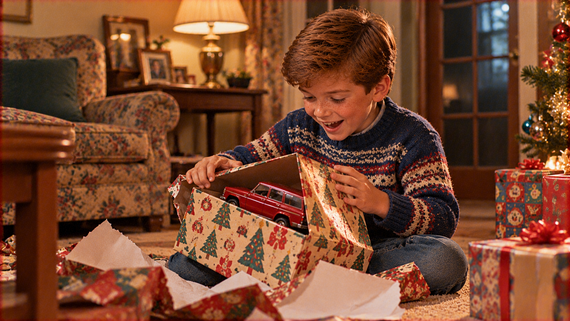
Growing up in the 1960s meant learning about money long before anyone explained interest rates, credit scores, or retirement accounts. Kids discovered the value of a dollar through weekly allowances, trips to the corner store, and the satisfying sound of coins dropping into a piggy bank. A quarter could buy a little happiness, but spending it meant starting from scratch if something better came along.
For many American families, money lessons happened around the kitchen table, in grocery store aisles, and during Saturday morning chores. Parents who had lived through the Great Depression or World War II often passed down habits shaped by years of making every dollar count. Some of those lessons might seem old-fashioned today, but they taught children practical skills that stayed with them well into adulthood.
1. Saving Part of Every Allowance
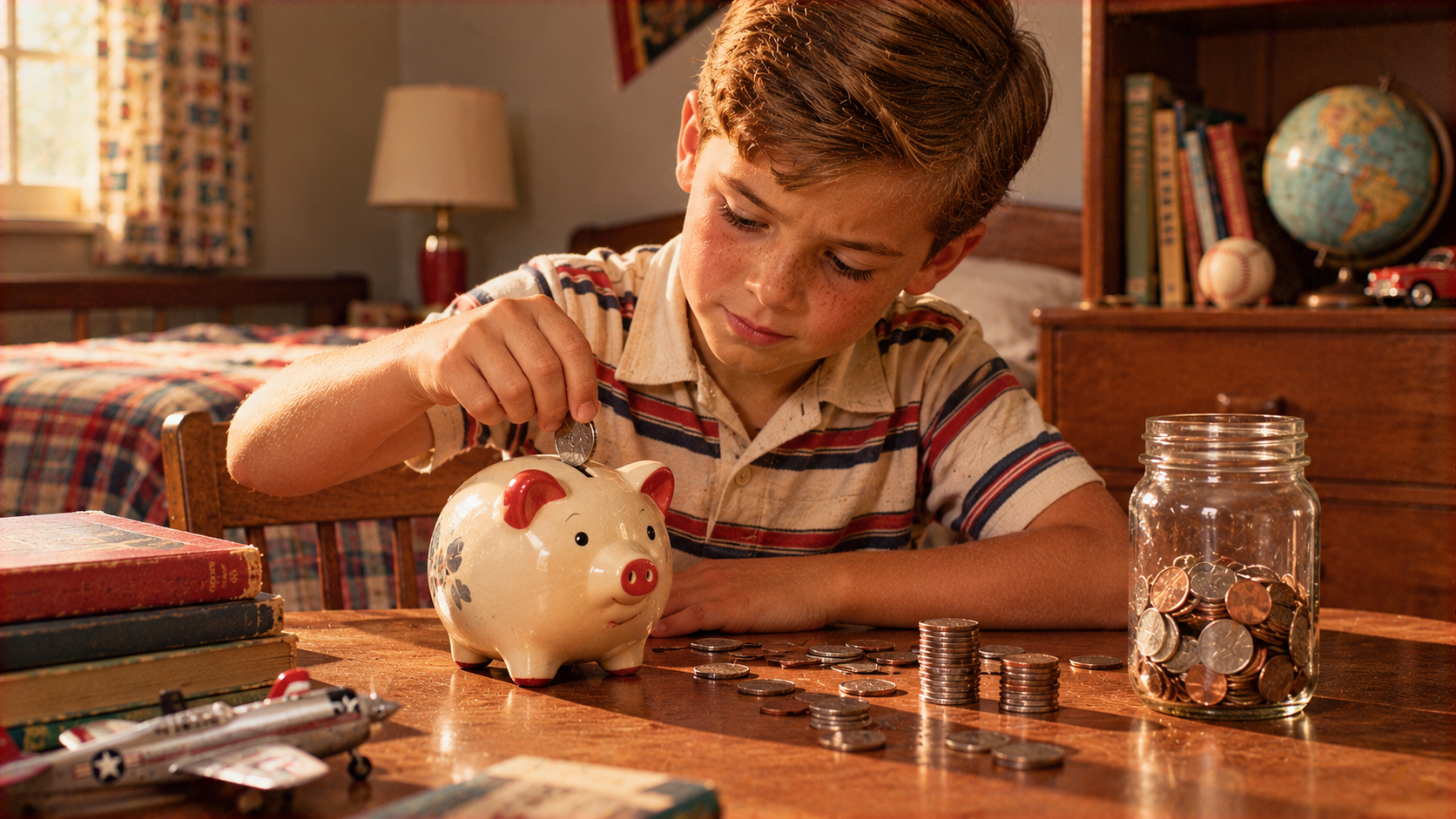
Getting an allowance was exciting, especially when a few coins could buy candy, comic books, or a Saturday matinee ticket. But many parents had one rule: some of that money had to be saved. Kids learned to divide their weekly earnings between spending now and keeping something for later. Watching a small pile of coins grow inside a jar or piggy bank made saving feel like an accomplishment, even when the amount was only a few dollars.
2. Working for Money Instead of Expecting It
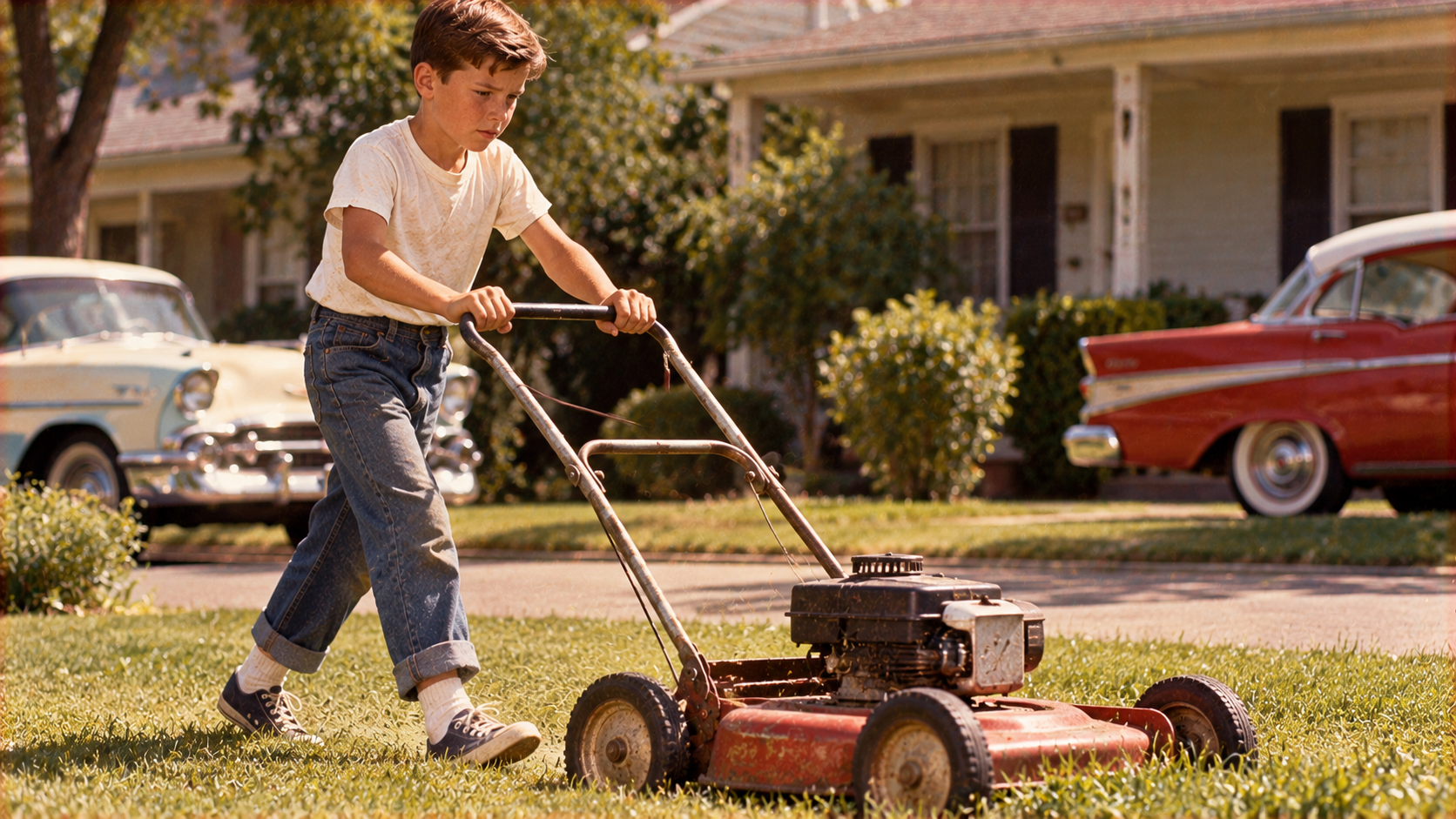
Money rarely appeared without some effort attached. Kids earned extra change by mowing lawns, delivering newspapers, washing cars, or helping neighbors with small jobs. A Saturday spent pulling weeds could turn into enough money for a new baseball glove after several weeks. These experiences introduced children to a simple connection between work and reward, while giving them a taste of the independence that came with earning their own money.
3. Waiting Until They Could Afford Something
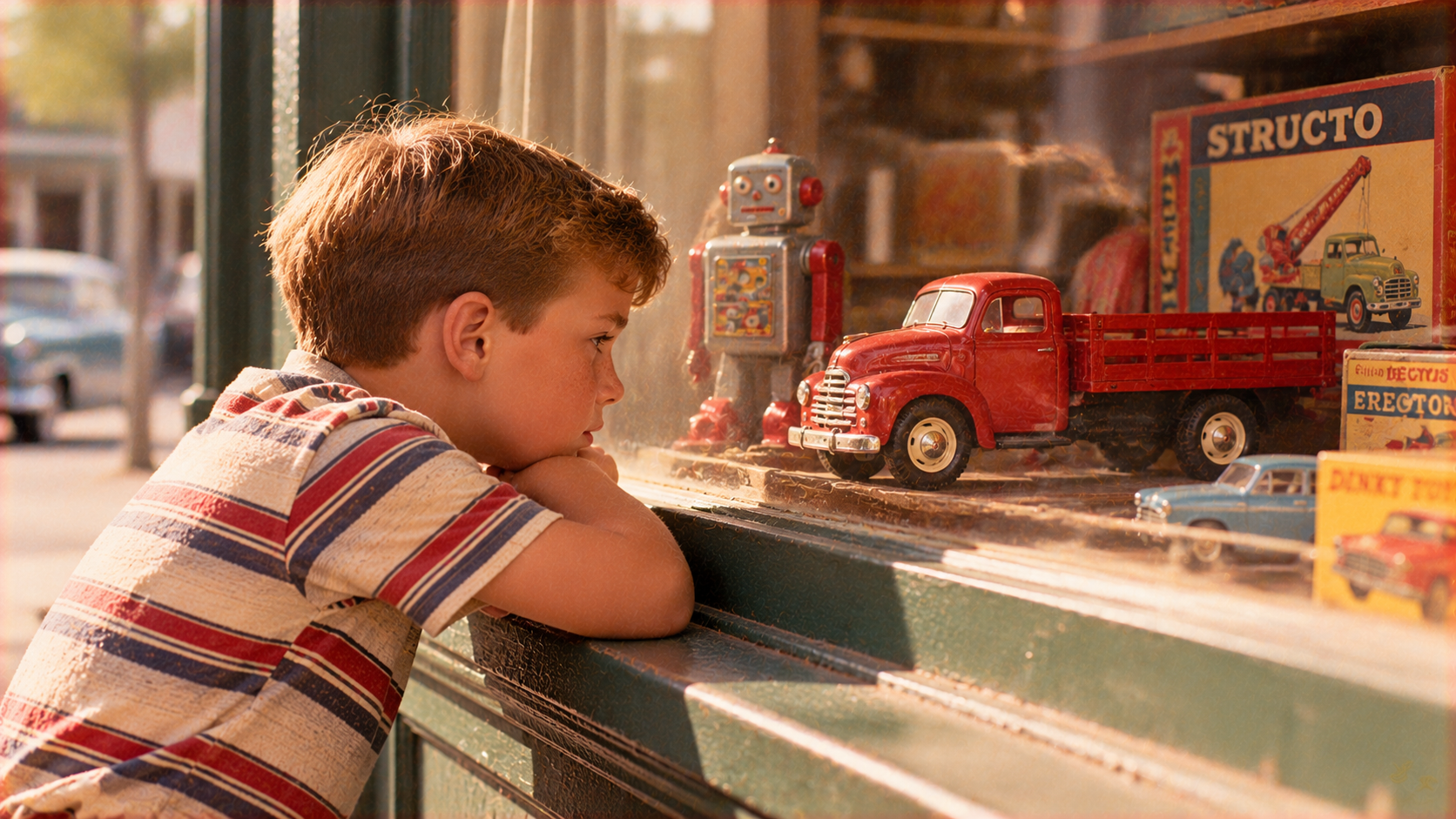
Seeing a toy in a store window didn’t necessarily mean taking it home that afternoon. Children often had to save for weeks or months before buying something they wanted. A bicycle, transistor radio, or special pair of sneakers became a goal worth working toward. Every dollar saved brought the purchase a little closer, and finally walking into the store with enough money made the moment feel especially satisfying.
4. Understanding That Money Was Limited
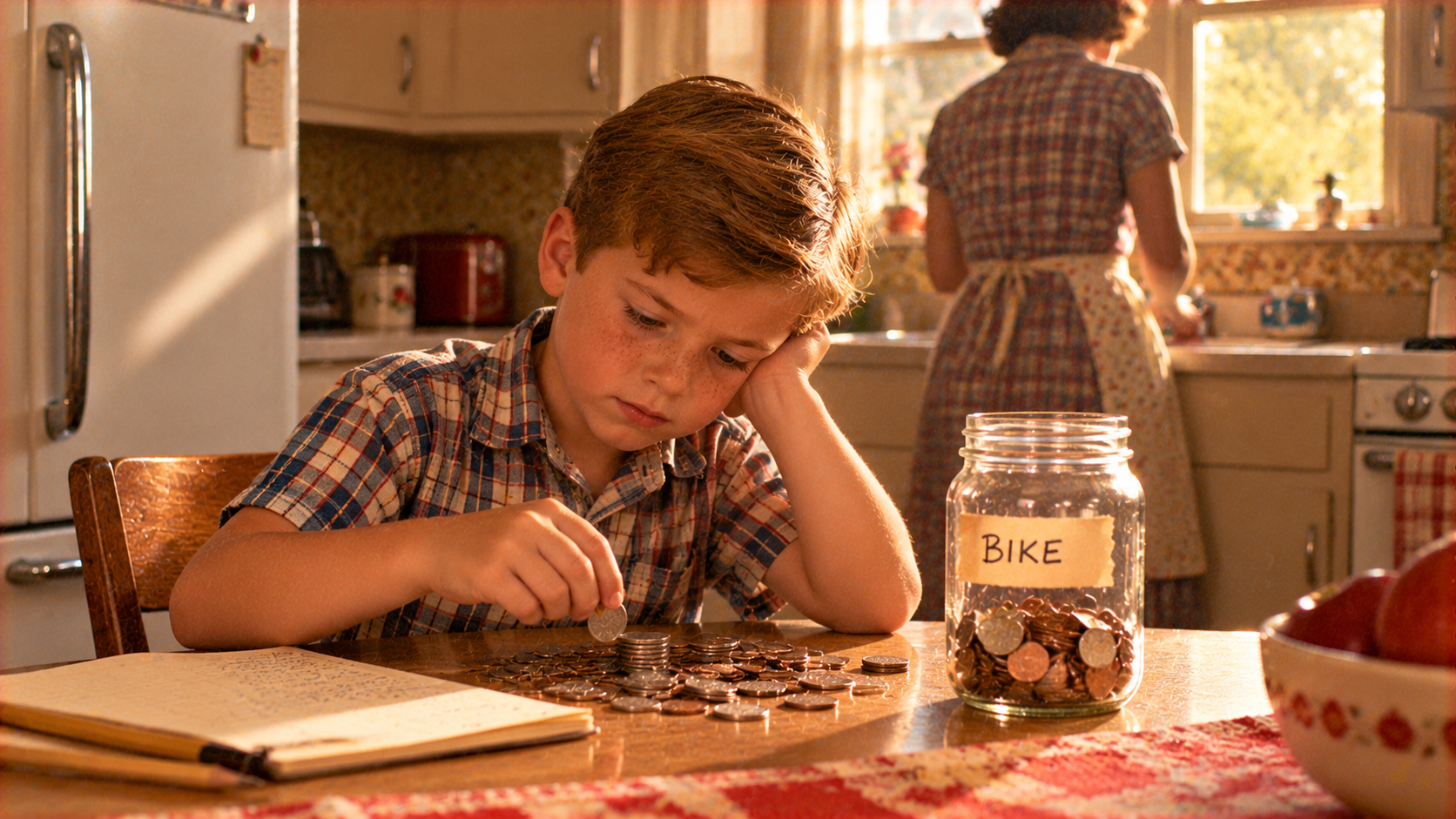
Many children grew up hearing some version of “Money doesn’t grow on trees.” It was a familiar response when they asked for another toy, a second treat, or something their parents considered unnecessary. Household budgets weren’t always discussed openly, but kids understood that families had to make choices. Paying the electric bill, buying groceries, and keeping the car running came before spending money on extras.
5. Comparing Prices Before Buying
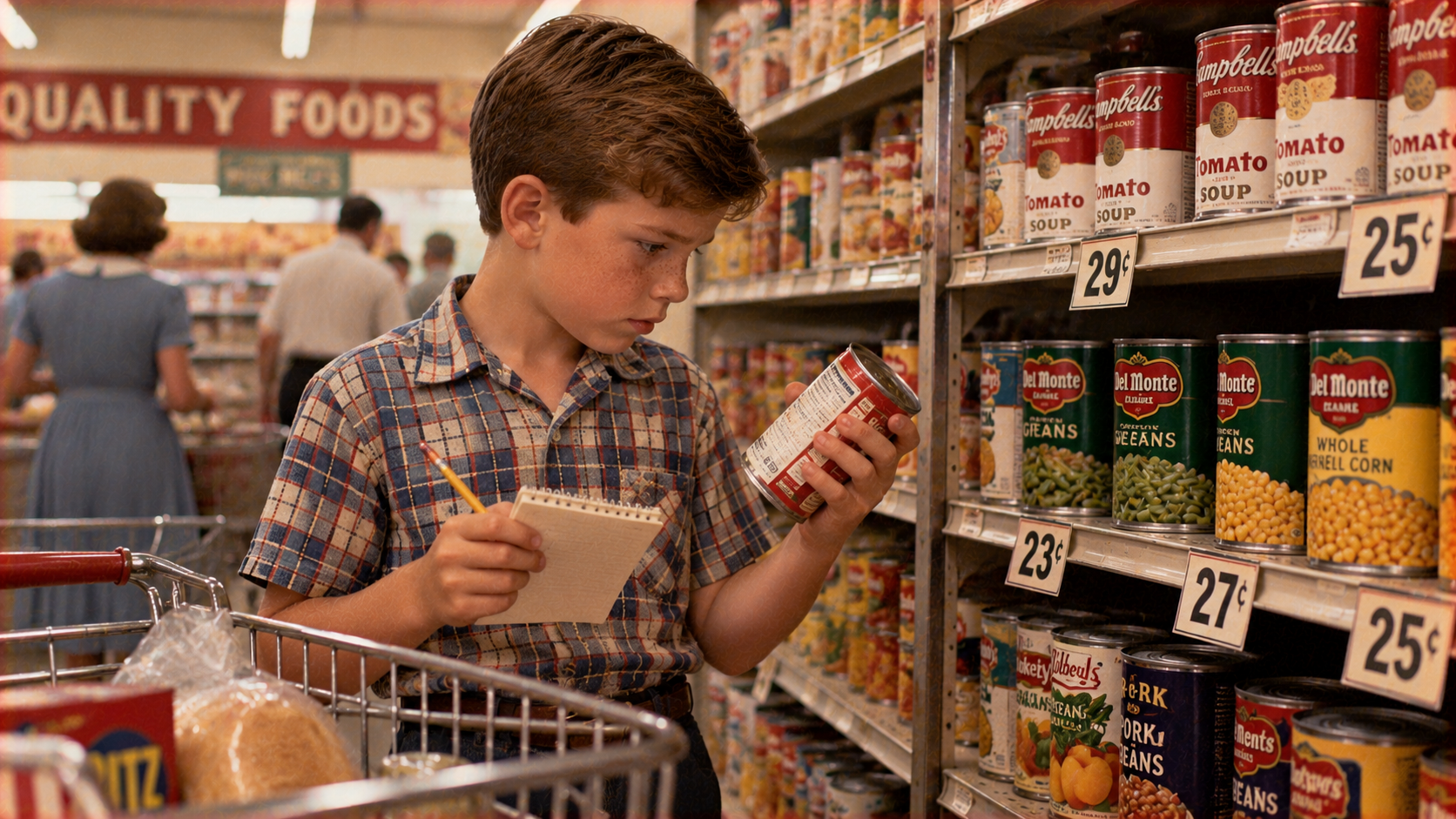
A trip to the grocery store could become an unexpected lesson in arithmetic. Parents compared prices, checked newspaper advertisements, and sometimes calculated which package offered the better value. Kids watched their mothers choose one brand over another because it cost a few cents less. Those small differences mattered, particularly in households where grocery money had to last until the next paycheck.
Trending on Wealth Gang


6. Taking Care of What They Owned
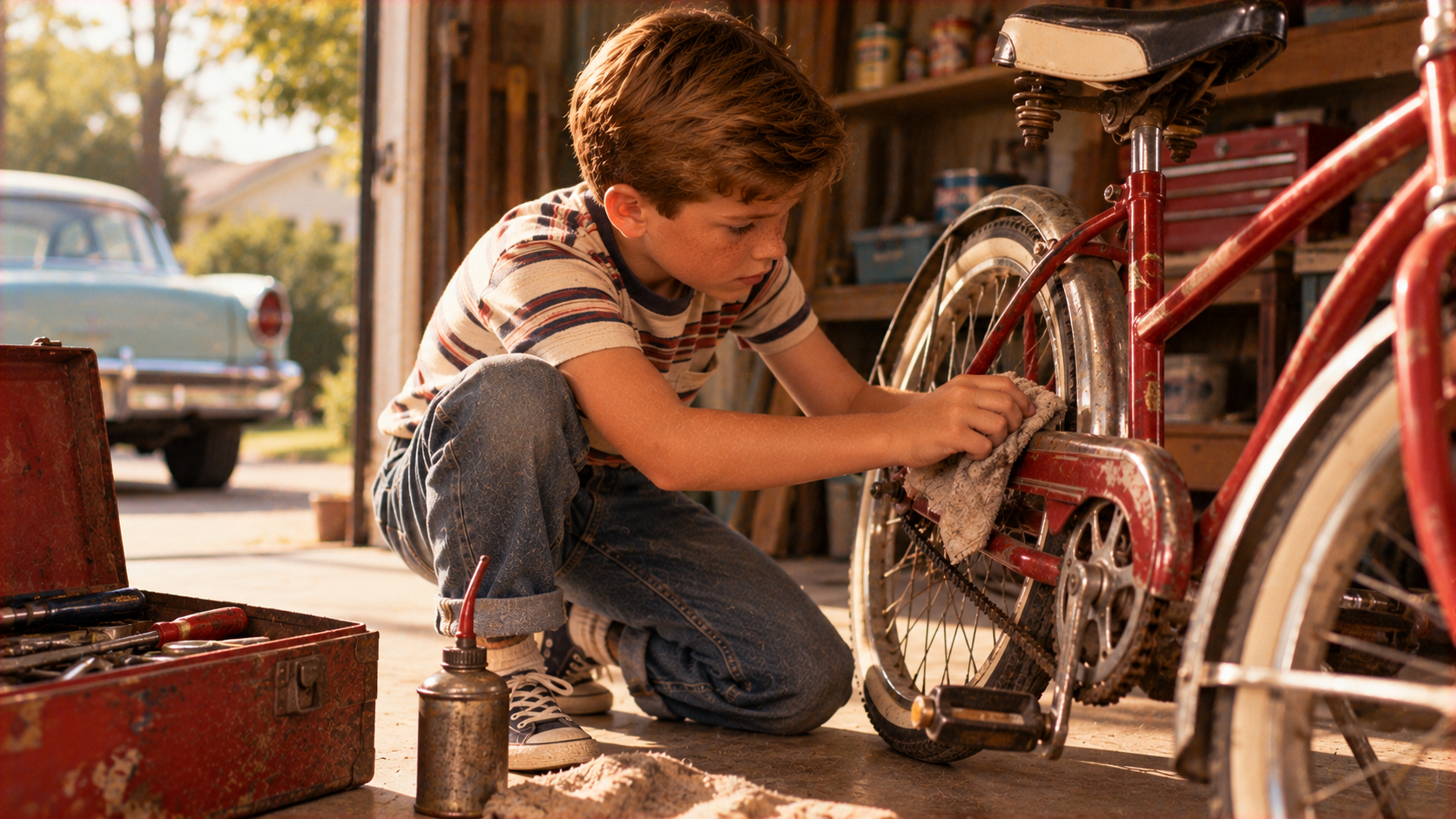
A new bicycle wasn’t something to leave outside in the rain, and a baseball glove wasn’t automatically replaced when it started looking worn. Children were expected to look after their belongings because replacing them cost real money. Toys were repaired, shoes were polished, and clothes were treated with care. The lesson was about making things last, especially when a replacement wasn’t guaranteed.
7. Learning to Live Without Everything They Wanted
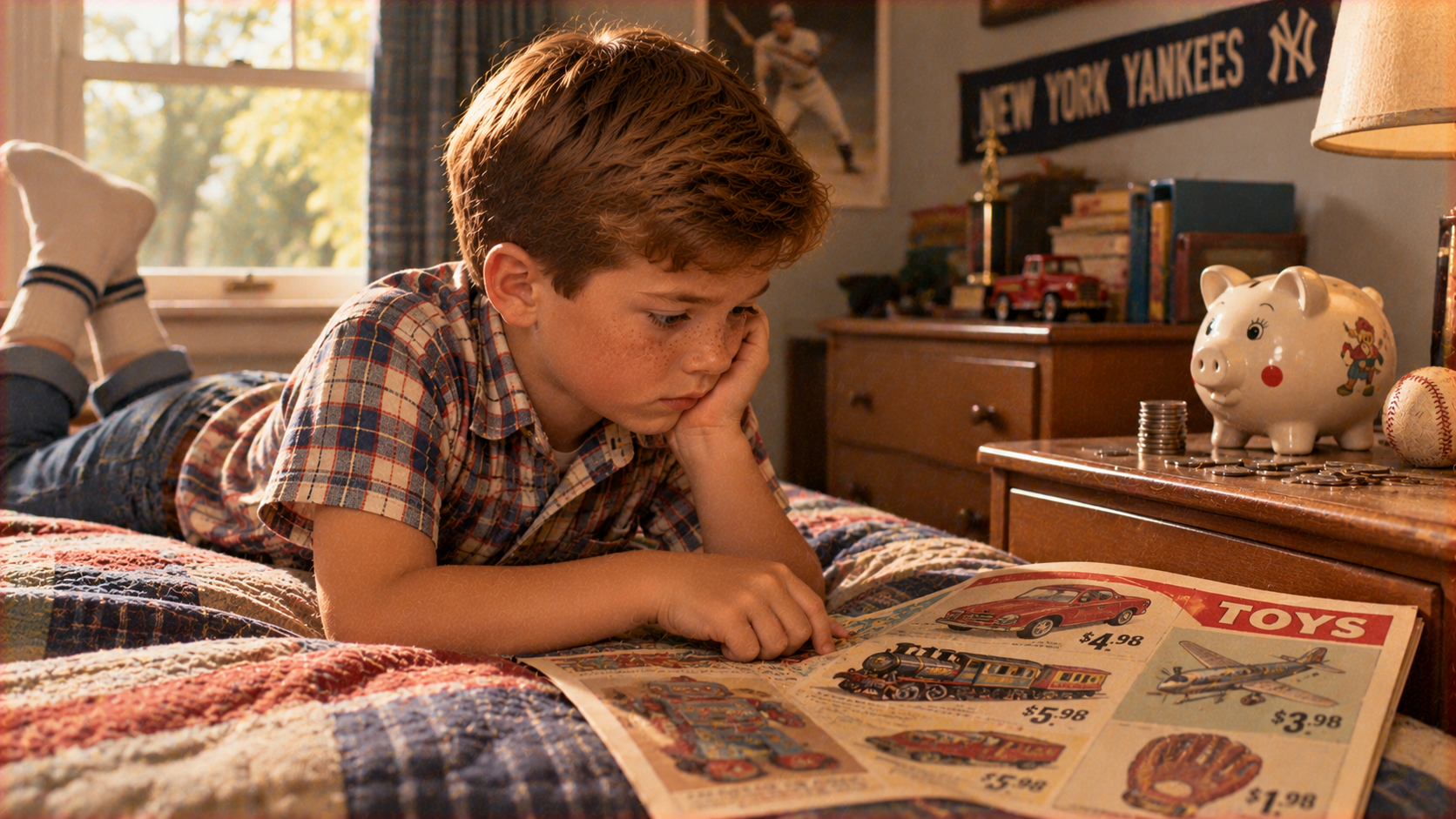
The Sears catalog could make a child’s wish list seem endless. There were electric train sets, dolls, bicycles, and countless toys that looked irresistible on glossy pages. But wanting something and getting it were two very different experiences. Many children learned that disappointment was part of shopping, and that not every exciting product needed to become a purchase.
8. Keeping Spare Change in a Piggy Bank
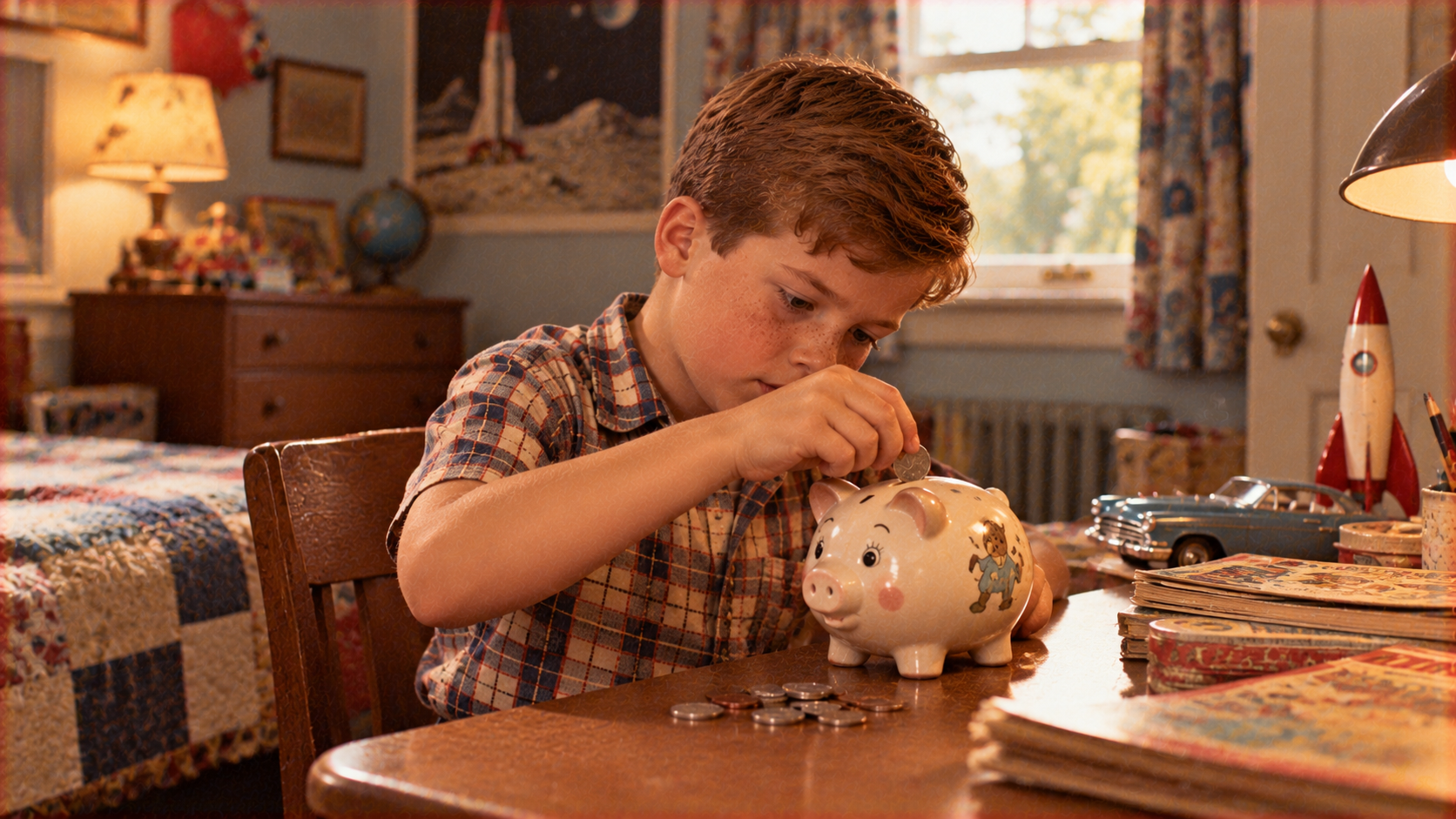
A penny found on the sidewalk or a nickel received as change could have a permanent home in a ceramic piggy bank. Some children kept their savings in old coffee cans, cigar boxes, or glass jars tucked inside bedroom drawers. Counting those coins became a little ritual, especially before a planned purchase. It taught kids that small amounts weren’t meaningless when collected consistently over time.
Sign up for our newsletter
9. Understanding the Value of a Dollar
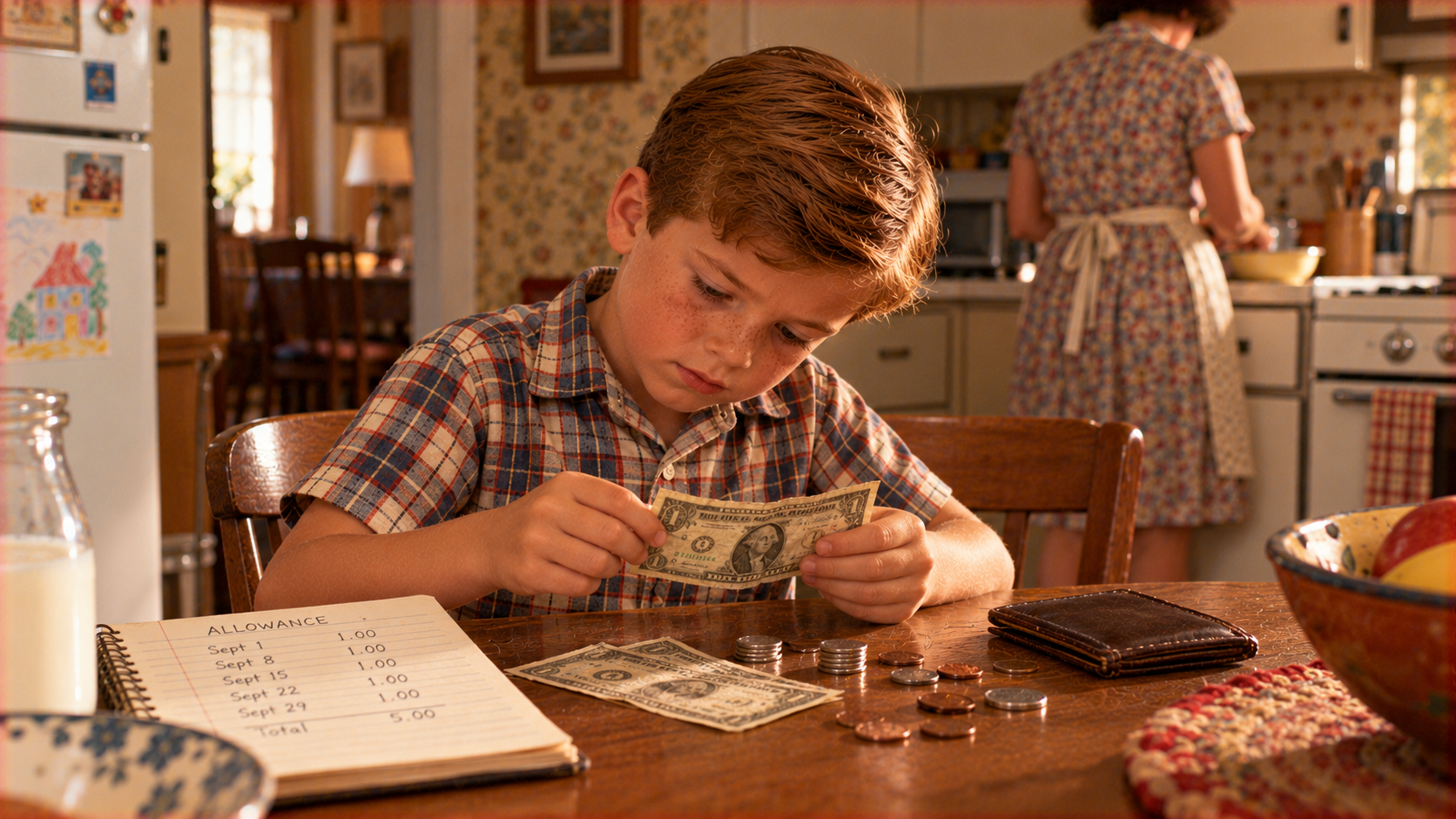
A dollar carried a different kind of excitement in the 1960s. Depending on the year and location, it could cover several small treats, a comic book or two, and perhaps a trip to the movies. Children became surprisingly skilled at calculating what their money could buy. They also learned that spending a dollar on one thing meant giving up the opportunity to spend it on something else.
10. Avoiding Borrowing Money for Small Purchases
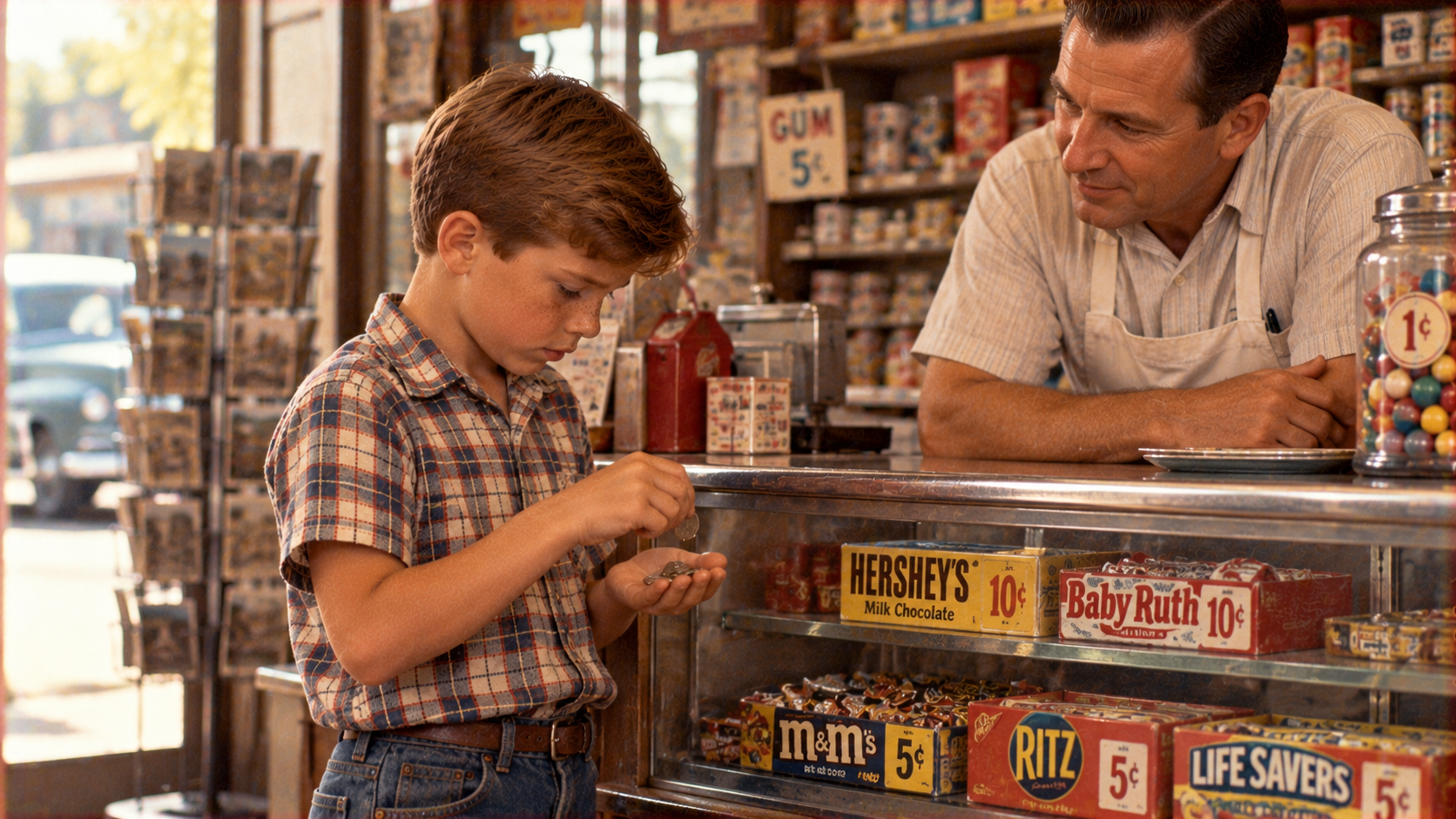
In many households, borrowing money for candy, toys, or entertainment was discouraged. Parents preferred that children wait until they had enough cash rather than owe someone for something unnecessary. A friend might lend a quarter occasionally, but paying it back mattered. These early experiences introduced the responsibility that came with debt, even when the amount involved was tiny.
11. Learning That Homemade Could Be Cheaper
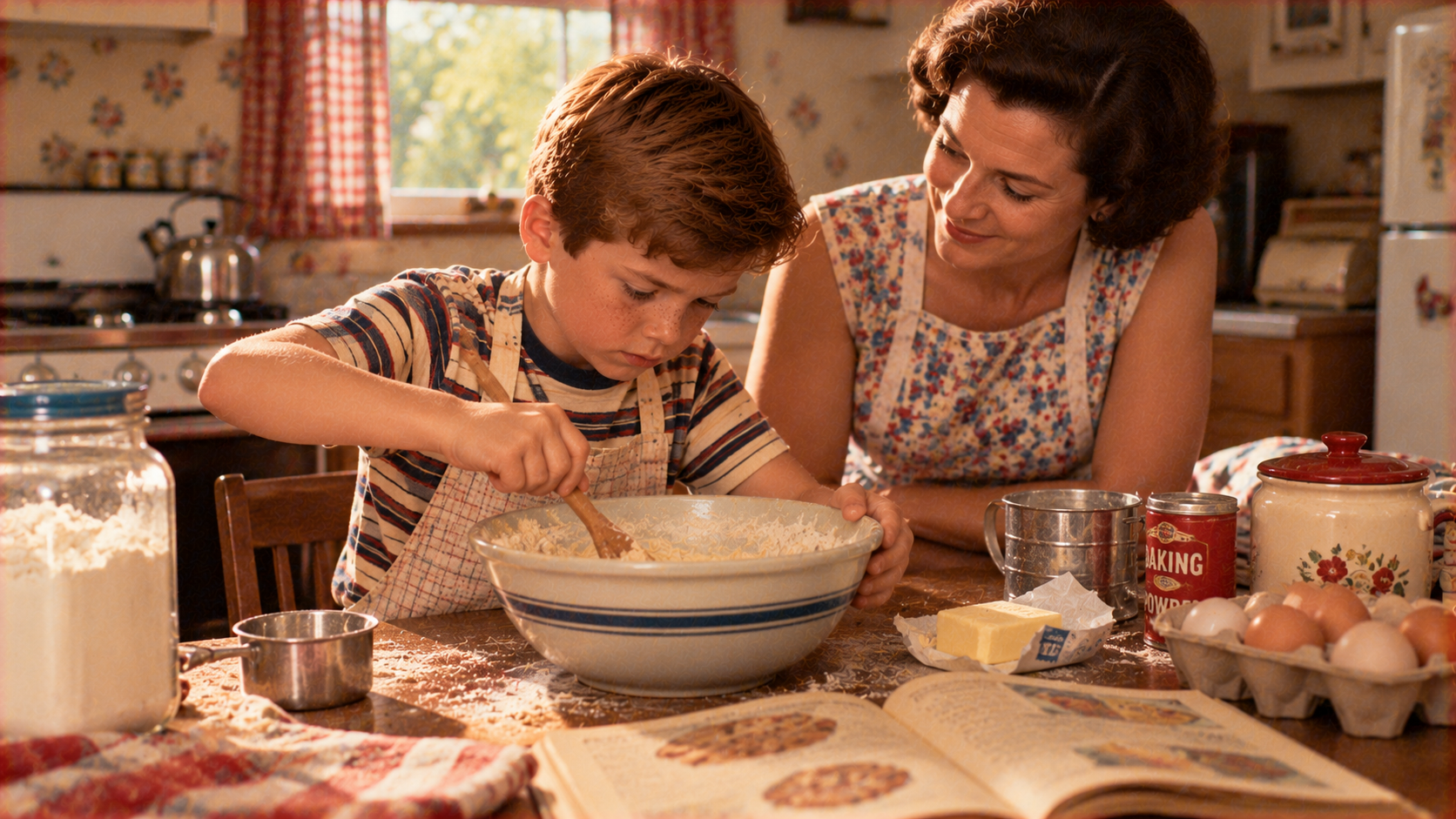
Before convenience became such a powerful selling point, many families regularly made things at home to save money. Lunches were packed in paper bags, birthday cakes came out of the family oven, and Halloween costumes were assembled from whatever was available. Kids learned that buying something ready-made wasn’t always necessary. Sometimes a little effort and creativity could stretch the family budget considerably further.
12. Putting Money in a Savings Account
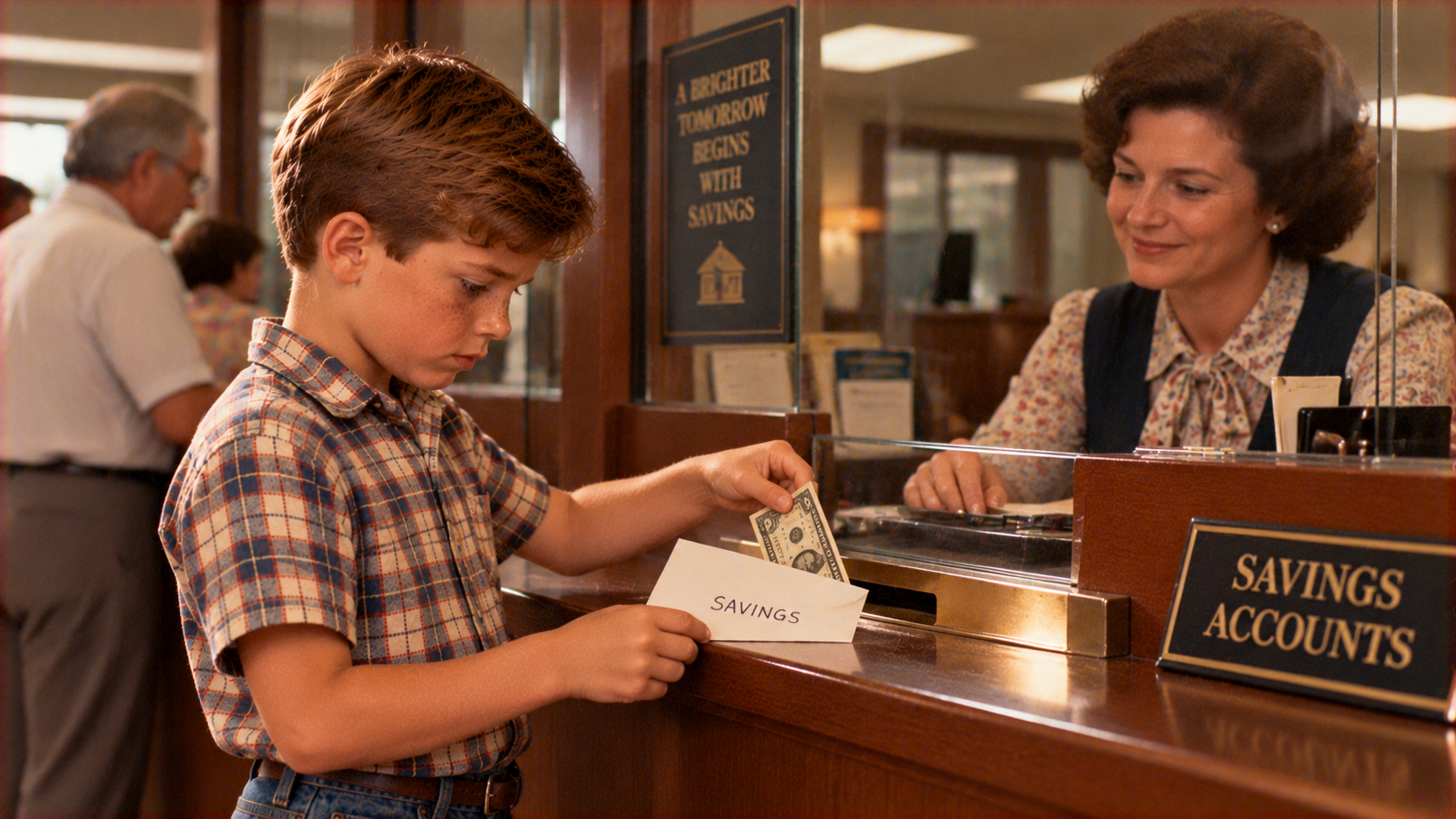
Opening a first savings account was a memorable milestone for many children. Some banks offered special accounts for young savers, complete with passbooks that recorded deposits and interest. Visiting the bank with birthday money or earnings from a paper route made saving feel official. Watching a teller update the balance offered a small glimpse into how money could grow when it wasn’t immediately spent.
13. Knowing the Difference Between Needs and Wants
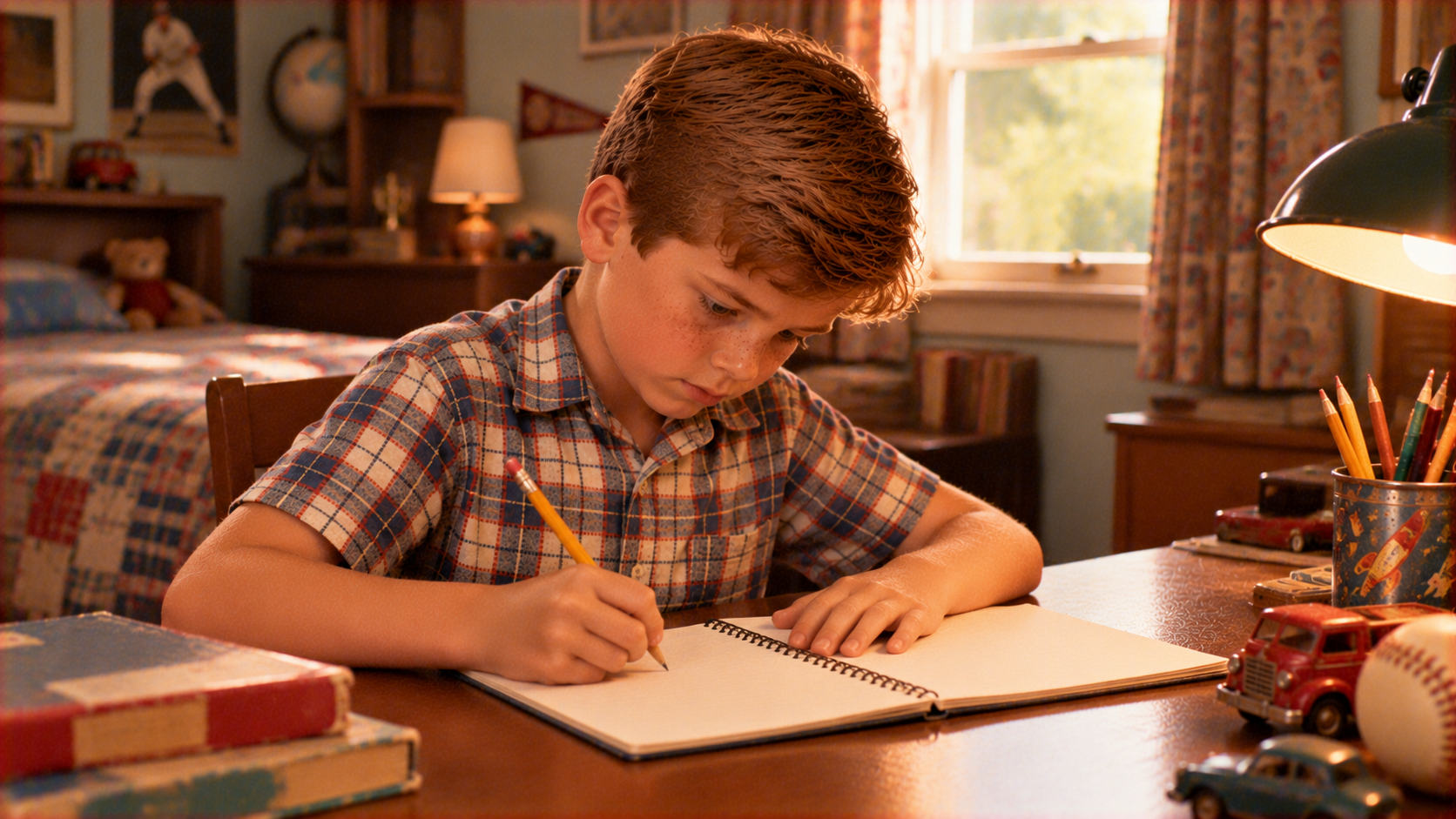
A winter coat was a necessity, but the newest fashionable jacket might not be. School supplies had to be purchased, while another toy could wait. Parents regularly made these distinctions, and children absorbed them through everyday family decisions. The difference wasn’t always enjoyable to hear, particularly when friends had something exciting, but it helped establish priorities that would become useful later.
14. Making Extra Money With Small Neighborhood Jobs
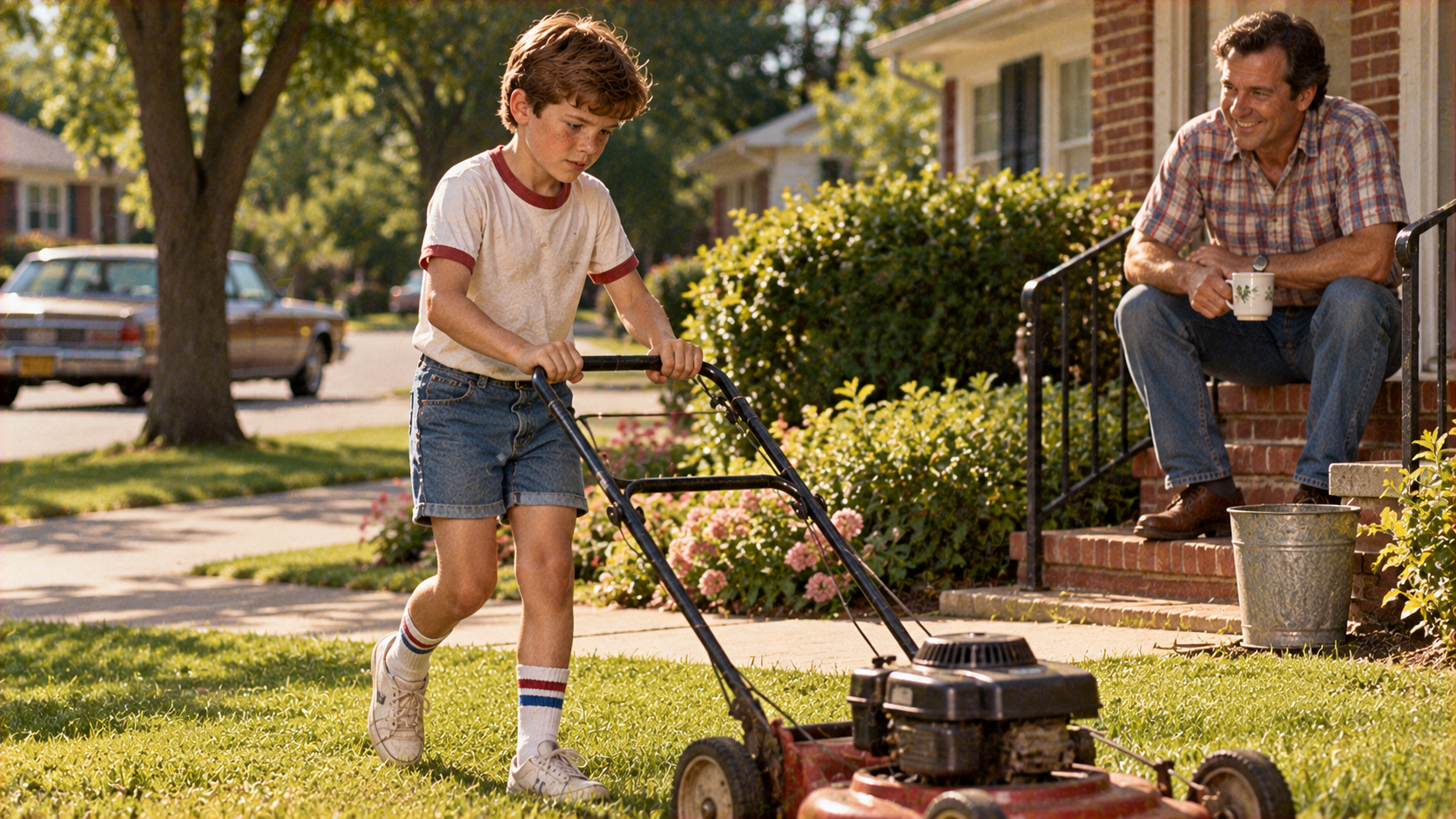
Long before online side hustles existed, neighborhood streets offered plenty of opportunities for ambitious kids. Shoveling snow, raking leaves, babysitting, and running errands could bring in a few dollars. Some children even set up lemonade stands or collected refundable bottles for deposit money. These little ventures taught them how to spot opportunities, deal with customers, and discover that earning extra cash often required initiative.
15. Appreciating Gifts and Special Purchases
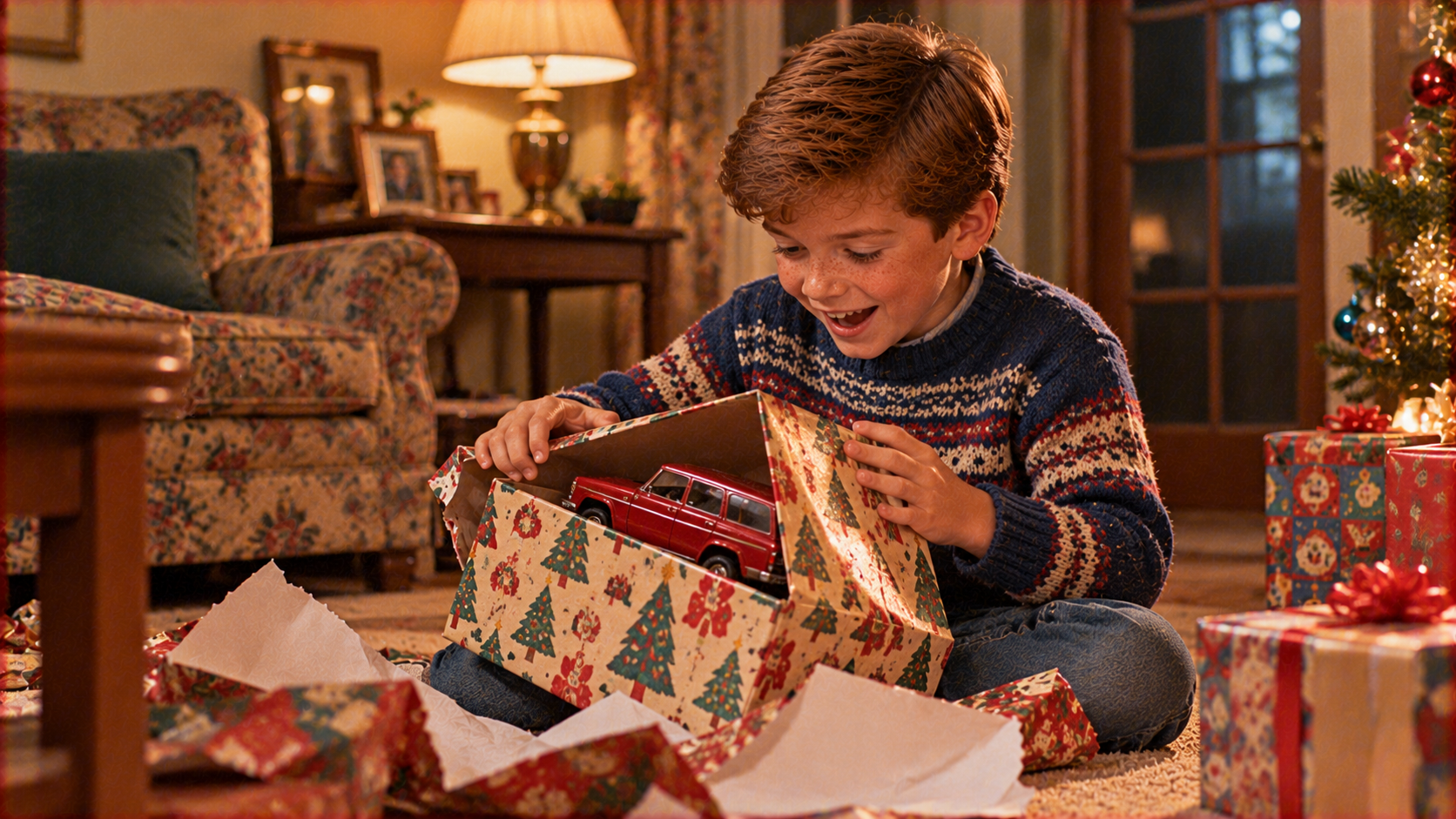
A new bicycle under the Christmas tree or a long-awaited toy on a birthday could become a treasured childhood memory. In families where expensive purchases were reserved for special occasions, children often spent months anticipating them. Gifts weren’t necessarily bigger or more elaborate, but the excitement surrounding them could last for weeks. Growing up with fewer spontaneous purchases helped many kids appreciate the things they finally received.
More Related Notes
• 15 Ways Kids Used to Make Money 20 Years Ago Before Apps Did Everything
Remember when earning a few dollars meant raking leaves, running errands, or helping neighbors? Revisit the childhood side jobs that taught kids the value of hard work, responsibility, and earning their own spending money.
• 16 Money Lessons Hidden in Classic Sitcoms
Discover the timeless financial lessons tucked into classic television shows, from saving for the future to managing household budgets and understanding why money doesn’t grow on trees.
• 12 Ways Our Families Saved Money in the 1980s
Take a nostalgic look at the practical money-saving habits families relied on before budgeting apps and online shopping, when clipping coupons, reusing household items, and avoiding unnecessary purchases were part of everyday life.