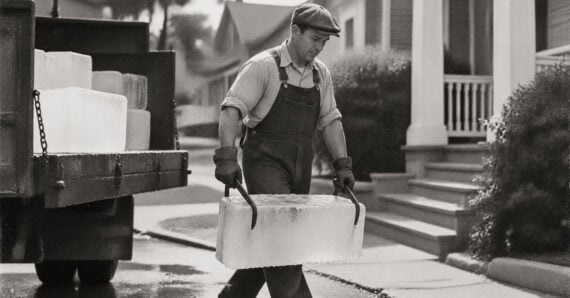
There was a time when cooking dinner involved more than choosing a recipe and setting a timer. Kitchens were filled with bubbling pots, well-worn skillets, handwritten recipes, and the unmistakable smell of something that had been cooking since morning. Meals took patience, and many families relied on techniques passed down through generations rather than instructions found online.
Over the decades, microwaves, convenience foods, modern appliances, and changing schedules transformed the way Americans prepare meals. Some old cooking methods were messy, others demanded hours of attention, and a few simply fell out of fashion. Yet many still bring back memories of Sunday dinners, grandmother’s kitchen, and the comforting sounds of a busy stove.
1. Cooking With Bacon Grease
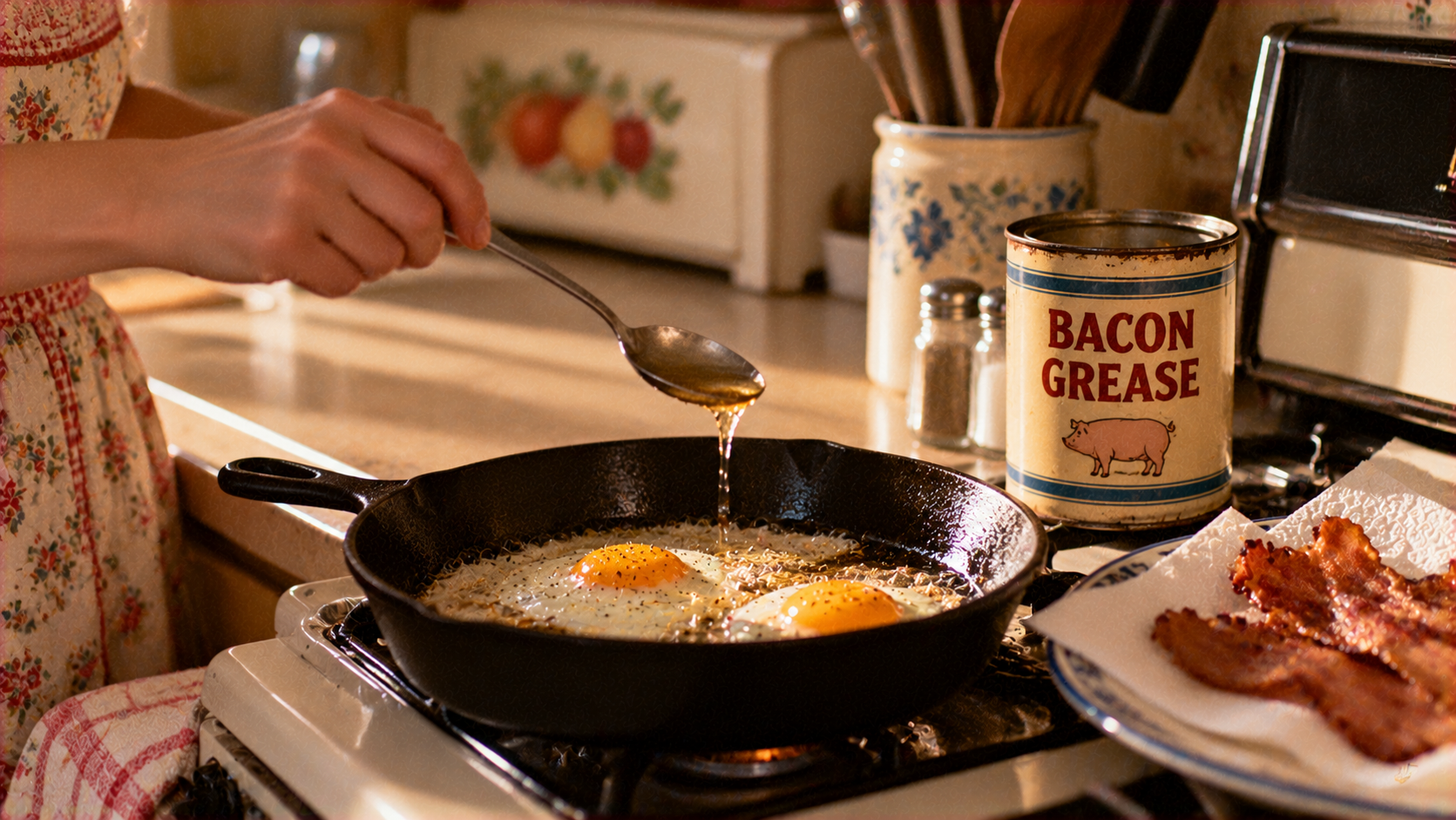
A coffee can or glass jar filled with leftover bacon grease was once a familiar sight beside American stoves. Instead of pouring the fat away, home cooks saved it for frying eggs, seasoning vegetables, or making cornbread in a cast-iron skillet. It added a smoky flavor that many families considered essential, especially in Southern kitchens. While some cooks still swear by it, keeping a container of bacon drippings for everyday meals is far less common than it used to be.
2. Boiling Vegetables Until They Were Soft
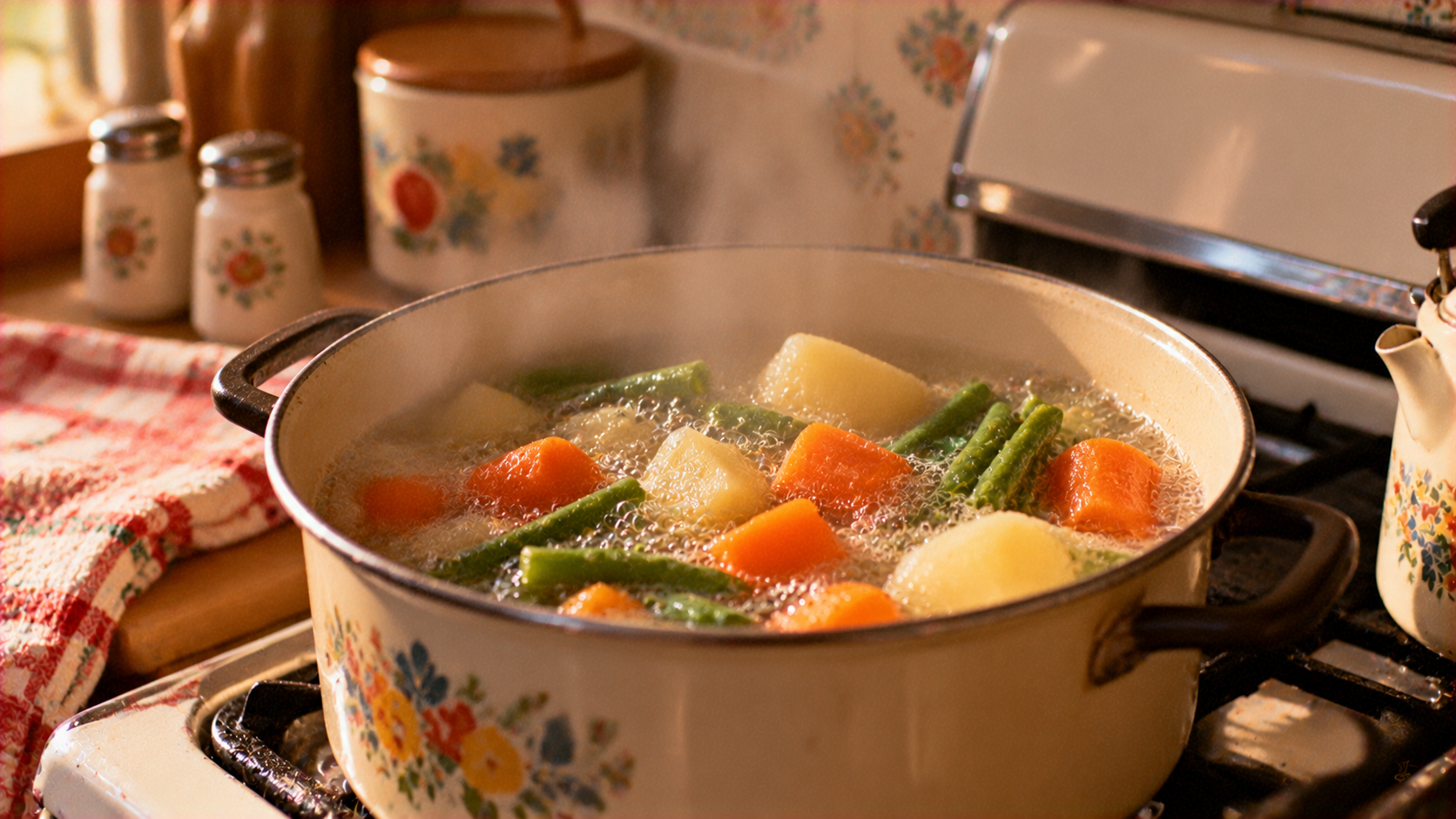
For generations, green beans, carrots, cabbage, and Brussels sprouts often spent a long time bubbling in a pot of water. Vegetables were expected to be tender, sometimes so tender that they barely held their shape. The smell of boiling cabbage could fill the entire house before dinner was ready. Today’s preference for roasting, steaming, and keeping vegetables slightly crisp has made those thoroughly boiled side dishes feel like something from another era.
3. Cooking Entire Meals in a Pressure Cooker on the Stove
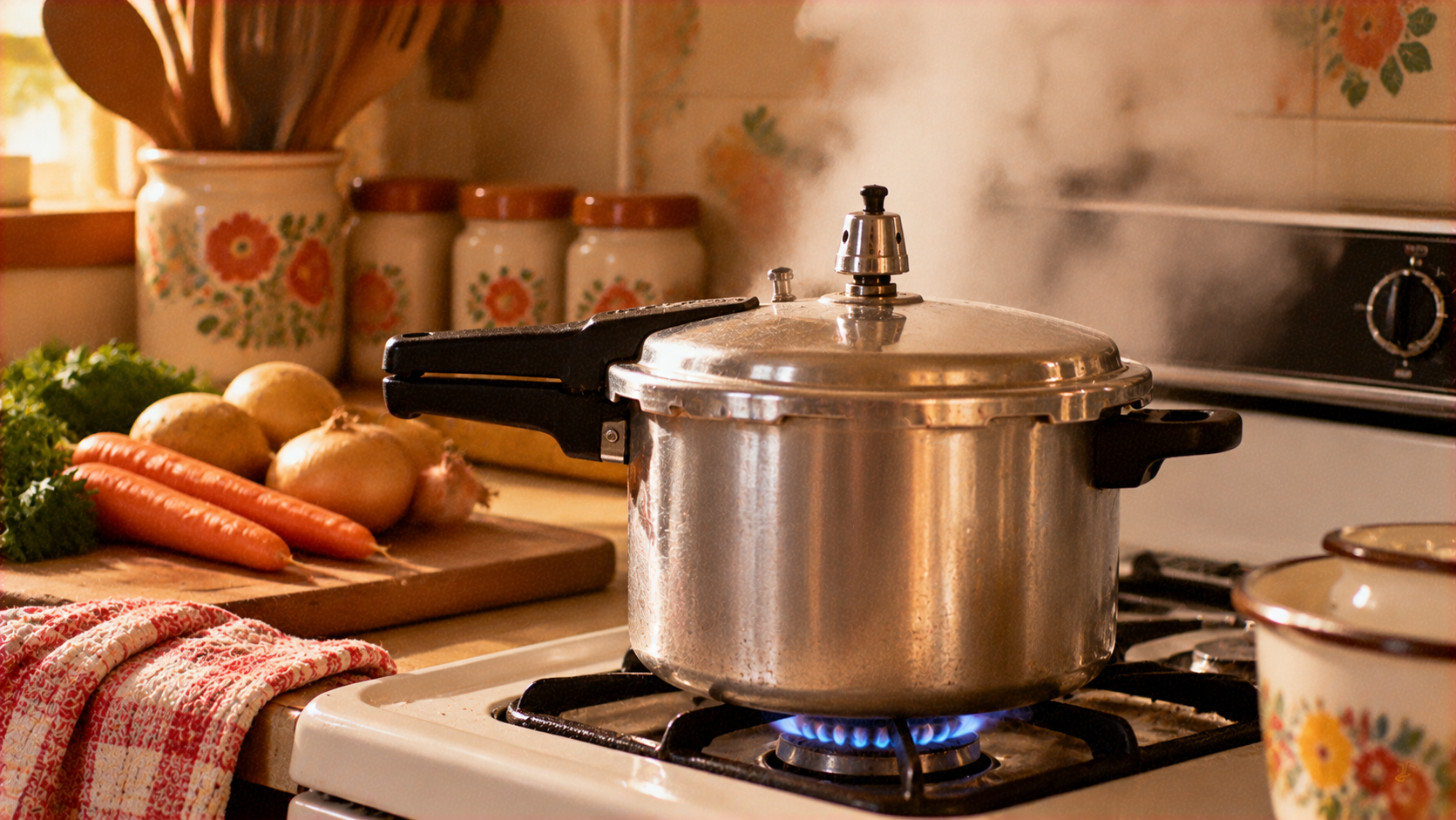
Before electric multicookers became popular, pressure cooking meant placing a heavy metal pot on the stove and listening for its familiar hissing sound. Parents and grandparents used these cookers to prepare pot roasts, beans, soups, and stews in a fraction of the usual time. The rattling pressure regulator could be heard from another room, and everyone knew not to touch the lid until the pressure was released. Traditional stovetop models still exist, but they no longer dominate the kitchen the way they once did.
4. Frying Chicken in a Deep Cast-Iron Skillet
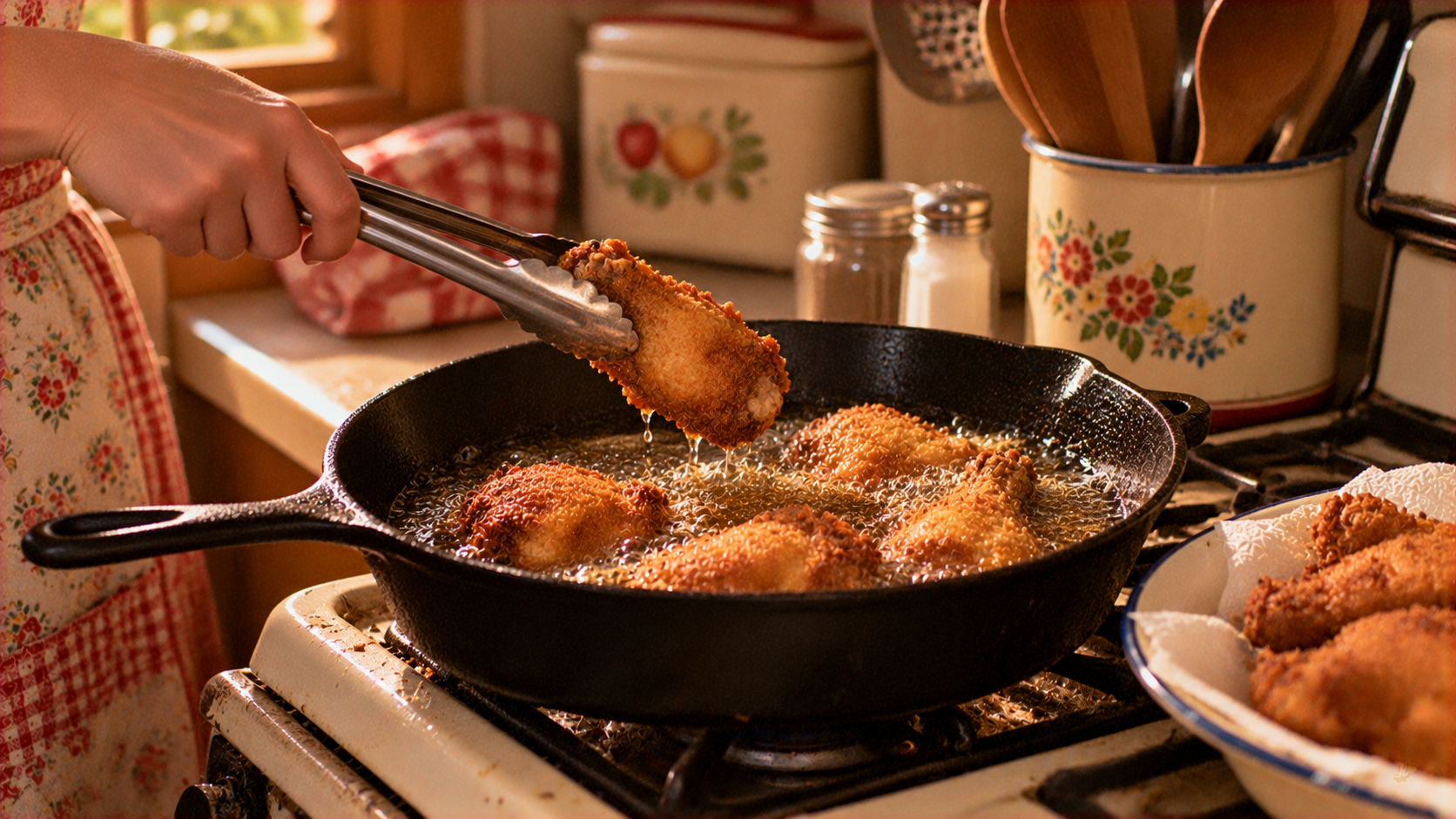
Sunday fried chicken once meant standing over a heavy skillet filled with hot shortening or oil, carefully turning each piece until the coating became golden and crisp. The process left flour on the counter, grease splatters around the stove, and an aroma that could bring everyone into the kitchen. Recipes were often learned by watching rather than measuring. Although homemade fried chicken remains beloved, preparing a large batch this traditional way has become more of an occasional project than a regular family routine.
5. Making Toast Under the Oven Broiler
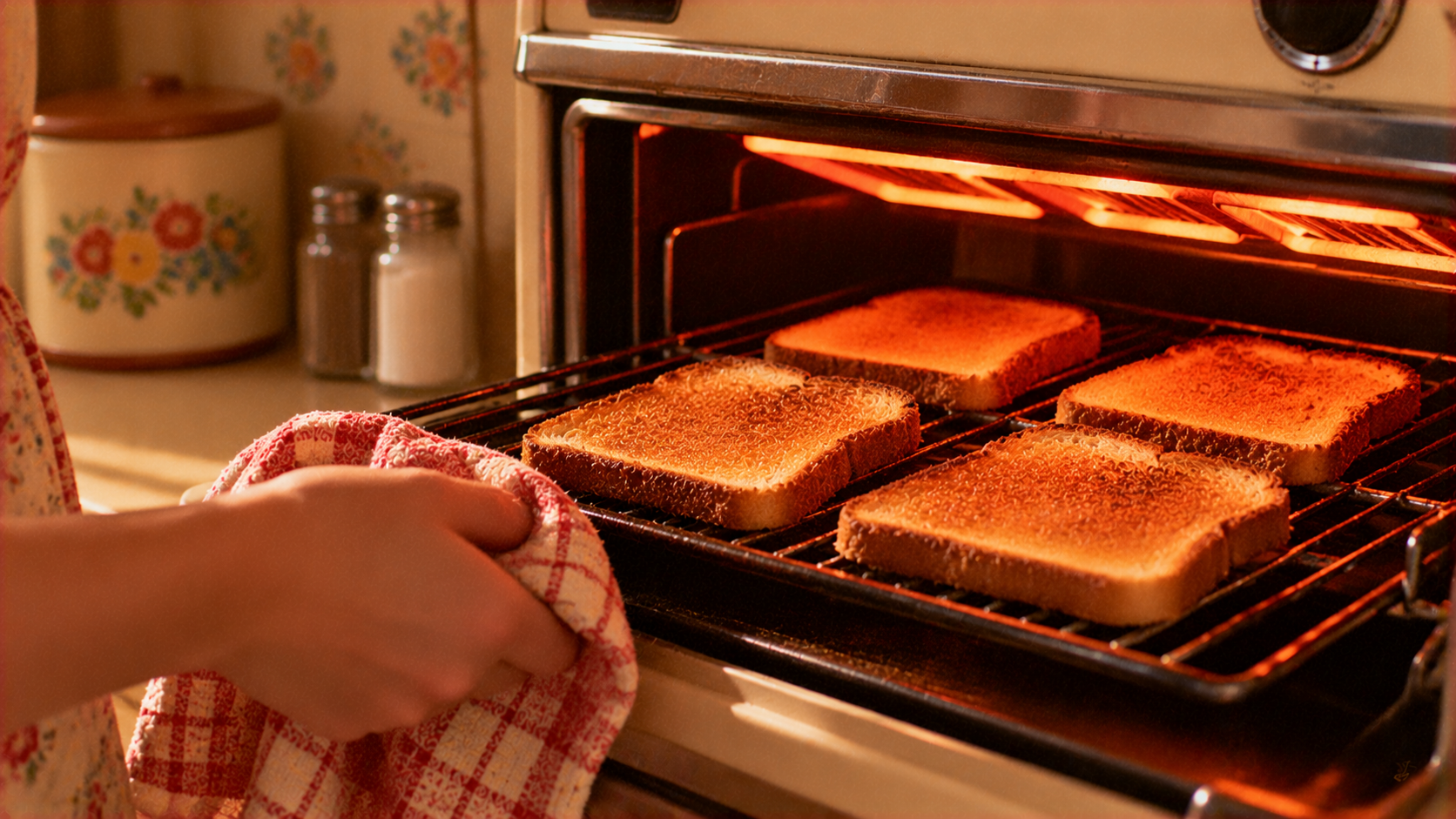
Long before every kitchen counter seemed to have a toaster, some families browned bread beneath the oven broiler. Slices were arranged on a baking sheet, watched closely, and flipped to toast the other side. A moment of distraction could turn breakfast into a tray of blackened bread. The method also worked for open-faced cheese sandwiches and garlic bread. Modern toasters and toaster ovens have made broiler toast much less necessary, though plenty of older cooks remember the routine.
Trending on Wealth Gang


6. Cooking With Lard
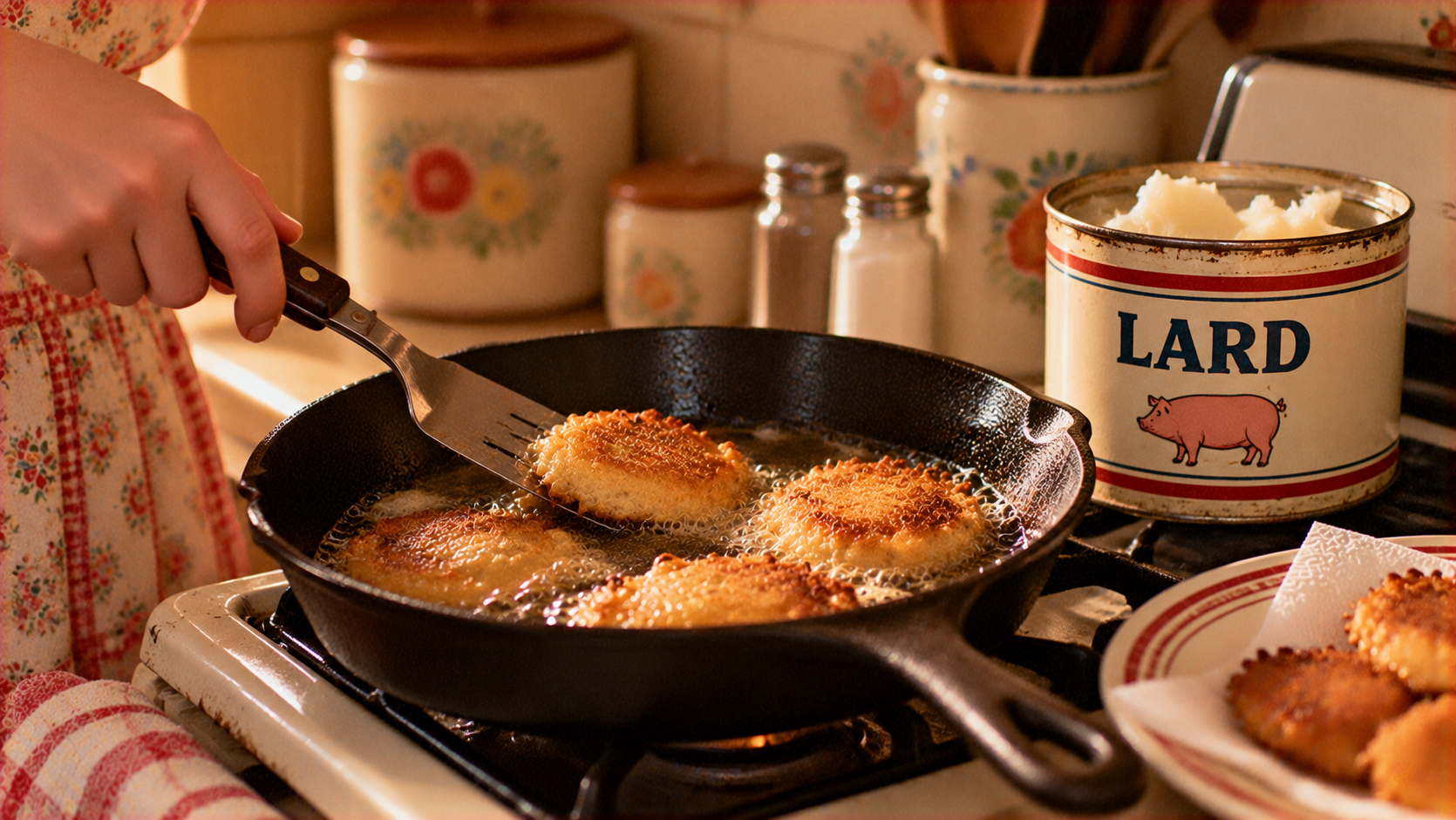
Lard was once a dependable ingredient in American kitchens, particularly for pie crusts, biscuits, frying, and traditional pastries. Families often kept a container of rendered pork fat ready for recipes that needed a flaky texture or rich flavor. In rural households, making lard could even be part of the annual process of preserving meat. Vegetable shortening and cooking oils gradually replaced it in many homes, although traditional bakers and certain regional cuisines continue to appreciate its distinctive qualities.
7. Preparing Dinner in a Double Boiler
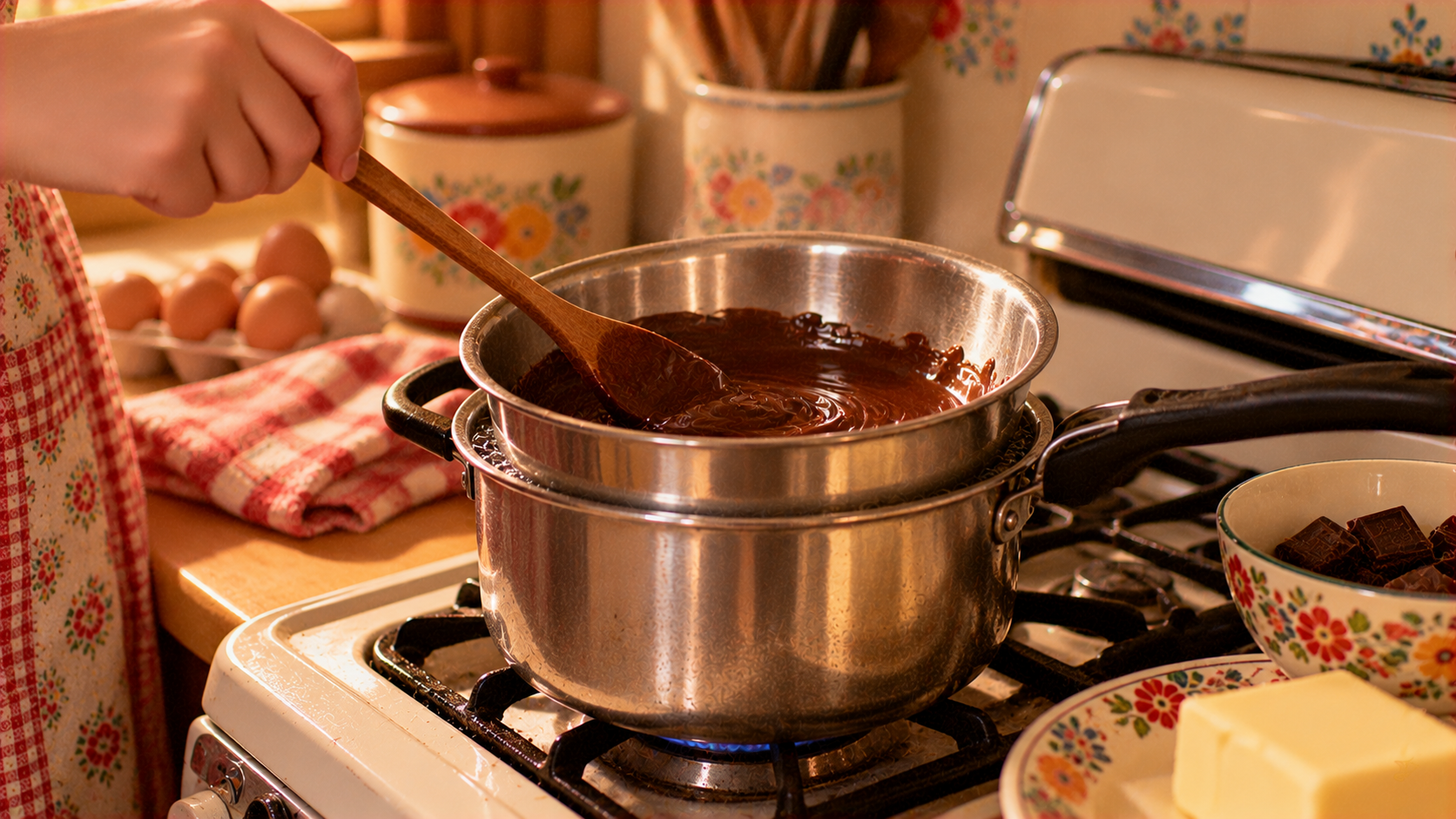
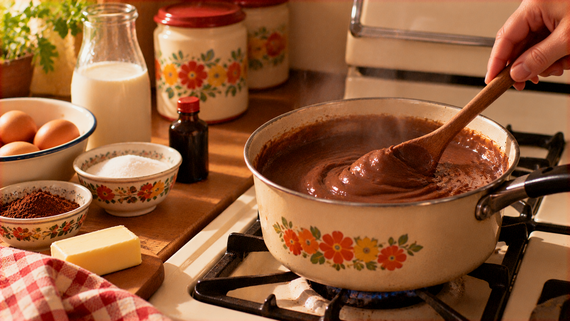
A double boiler was once essential for anything that needed gentle heat. Home cooks placed a smaller pot over simmering water to melt chocolate, prepare custards, or make delicate sauces without scorching them. The method required patience, occasional stirring, and a little extra washing afterward. Many modern recipes use microwaves or carefully controlled direct heat instead. Those two stacked pots, however, remain a familiar memory for anyone who watched a parent prepare homemade pudding.
8. Cooking Meat in a Roasting Pan With Drippings
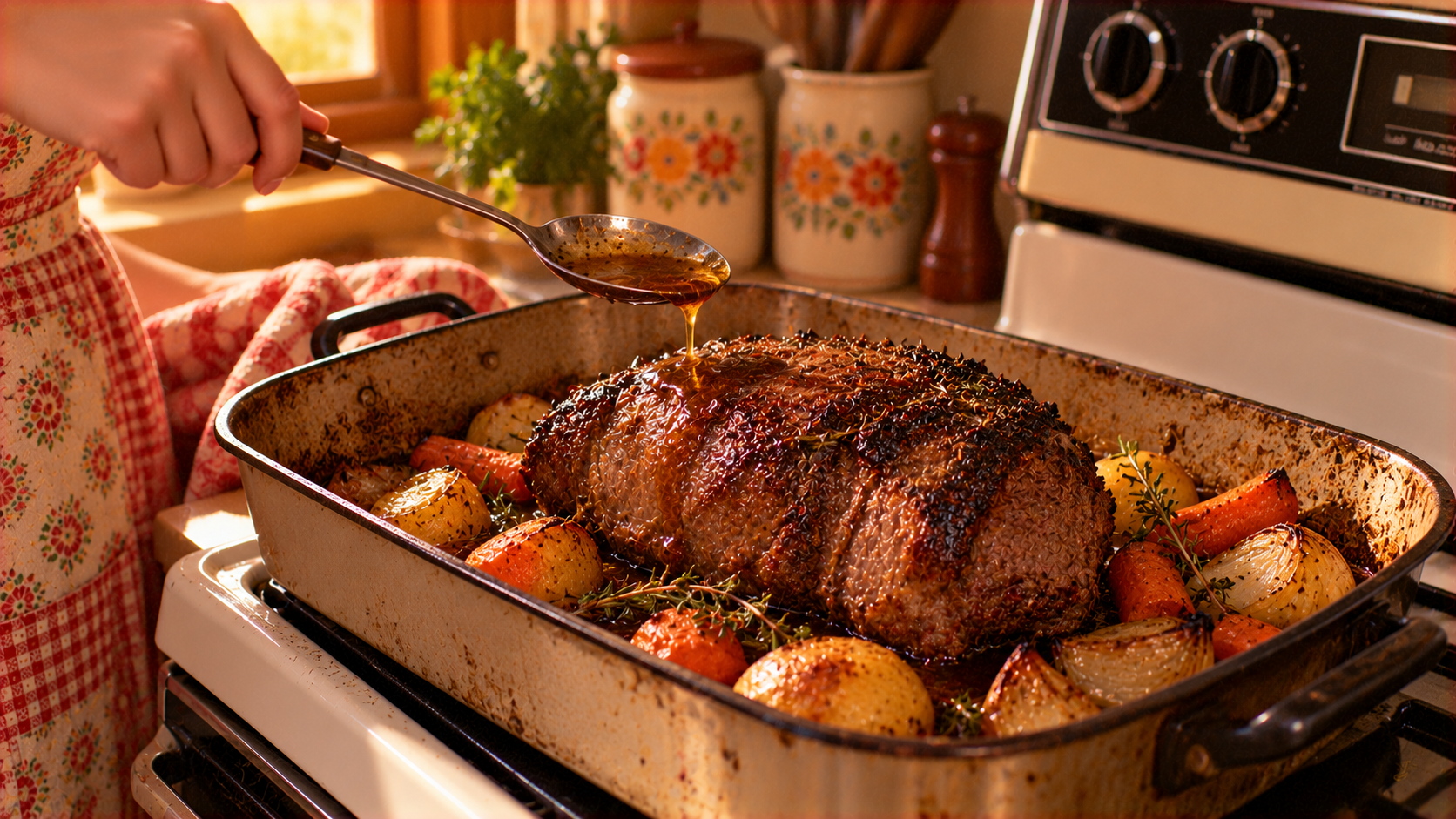
A large roasting pan was once the centerpiece of many Sunday dinners. Beef, pork, or chicken slowly cooked in the oven while someone periodically opened the door to spoon hot drippings over the meat. The browned bits left behind became the foundation for homemade gravy, often prepared right in the same pan. The ritual could take an entire afternoon, with potatoes and vegetables added around the roast. Smaller households and faster meal routines have made these elaborate weekly roasts less common.
Sign up for our newsletter
9. Baking Potatoes Directly in Hot Ashes
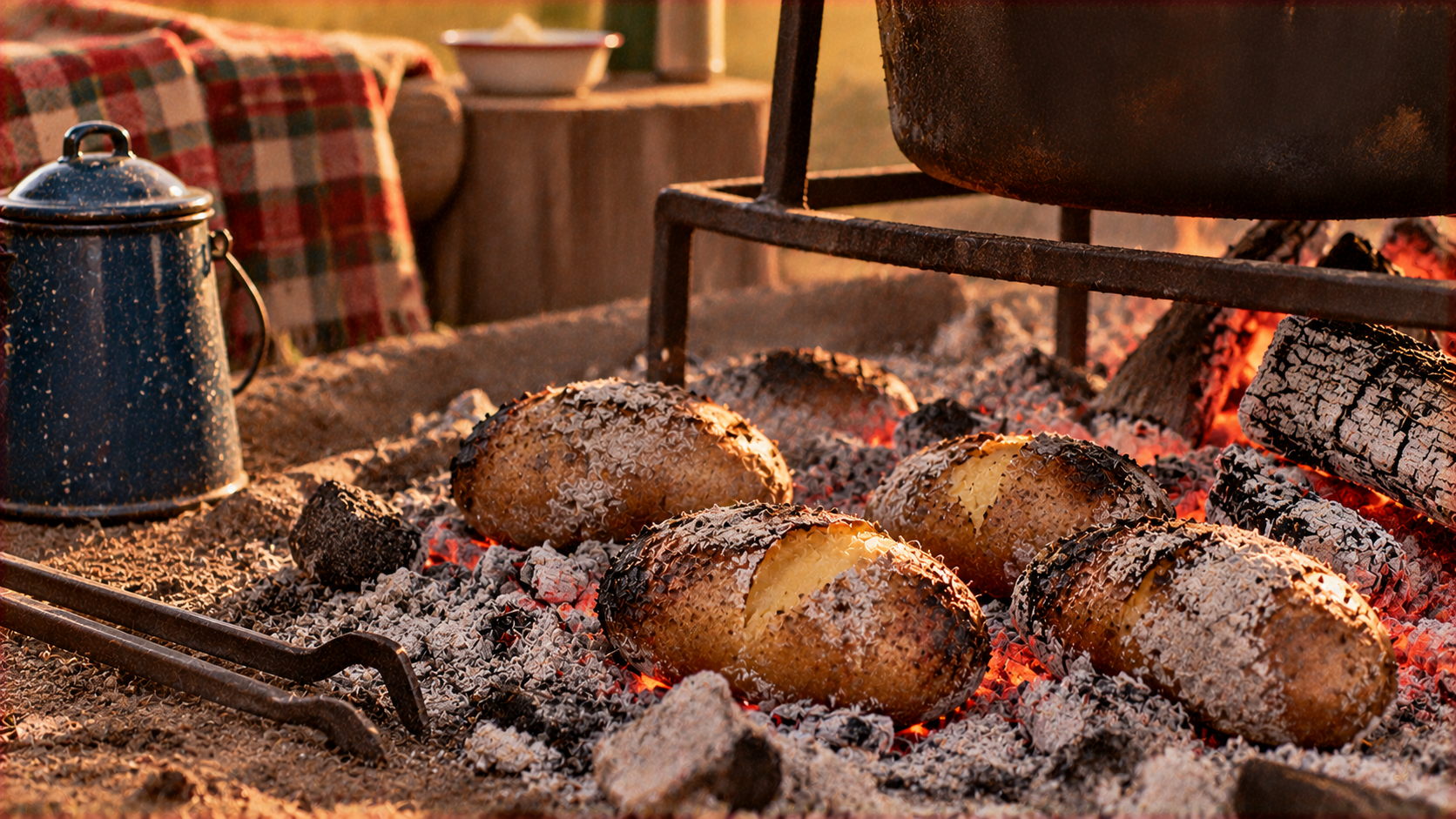
Cooking potatoes in the ashes of a fire was once a practical method in rural homes, camps, and outdoor cooking traditions. Potatoes were nestled among hot embers, sometimes wrapped and sometimes left in their skins, until the insides became soft and fluffy. Their outsides could emerge blackened, but the smoky flavor was part of the appeal. Today, most baked potatoes go straight into an oven, microwave, or air fryer, leaving ash-roasted potatoes largely associated with camping and historical cooking demonstrations.
10. Making Popcorn in a Pot on the Stove
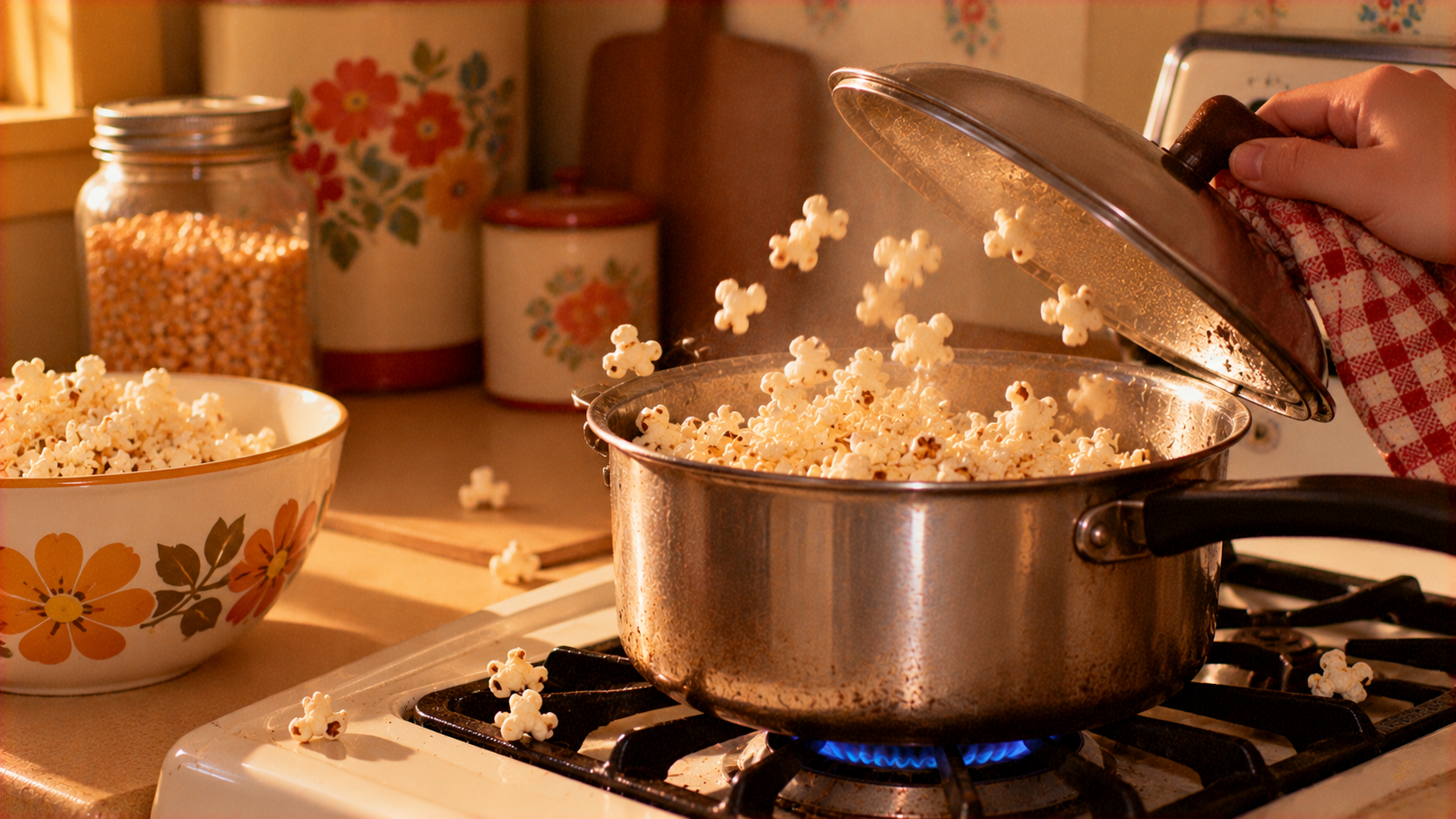
Before microwave popcorn became a pantry staple, movie night often began with a saucepan, a little oil, and a handful of kernels. Someone stood over the stove shaking the pot as the first pops turned into a rapid chorus beneath the lid. Children waited for the popping to slow before the steaming popcorn was poured into a large bowl and covered with melted butter. Stovetop popcorn hasn’t disappeared, but the ritual has become less familiar to generations raised on microwave bags.
11. Cooking Beans From Scratch All Day
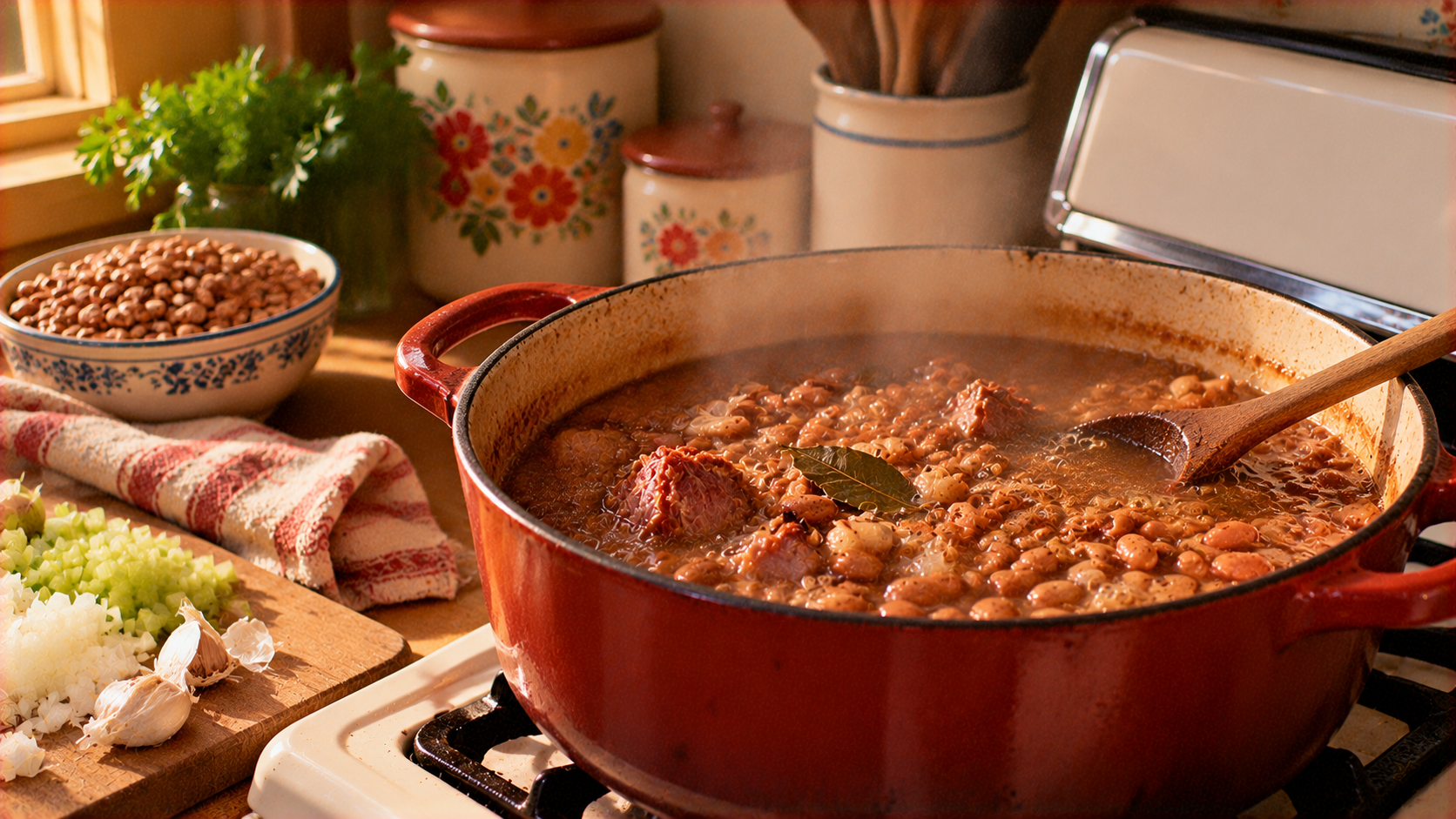
A pot of dried beans simmering for hours was once a regular feature of American home cooking. Families soaked beans overnight, then cooked them slowly with onions, salt pork, or a leftover ham bone. The pot might sit on the stove for much of the afternoon, filling the kitchen with a comforting smell while the beans softened. Canned beans now make it possible to prepare similar dishes in minutes, turning the traditional all-day method into something many households reserve for special recipes.
12. Making Homemade Stock From Leftover Bones
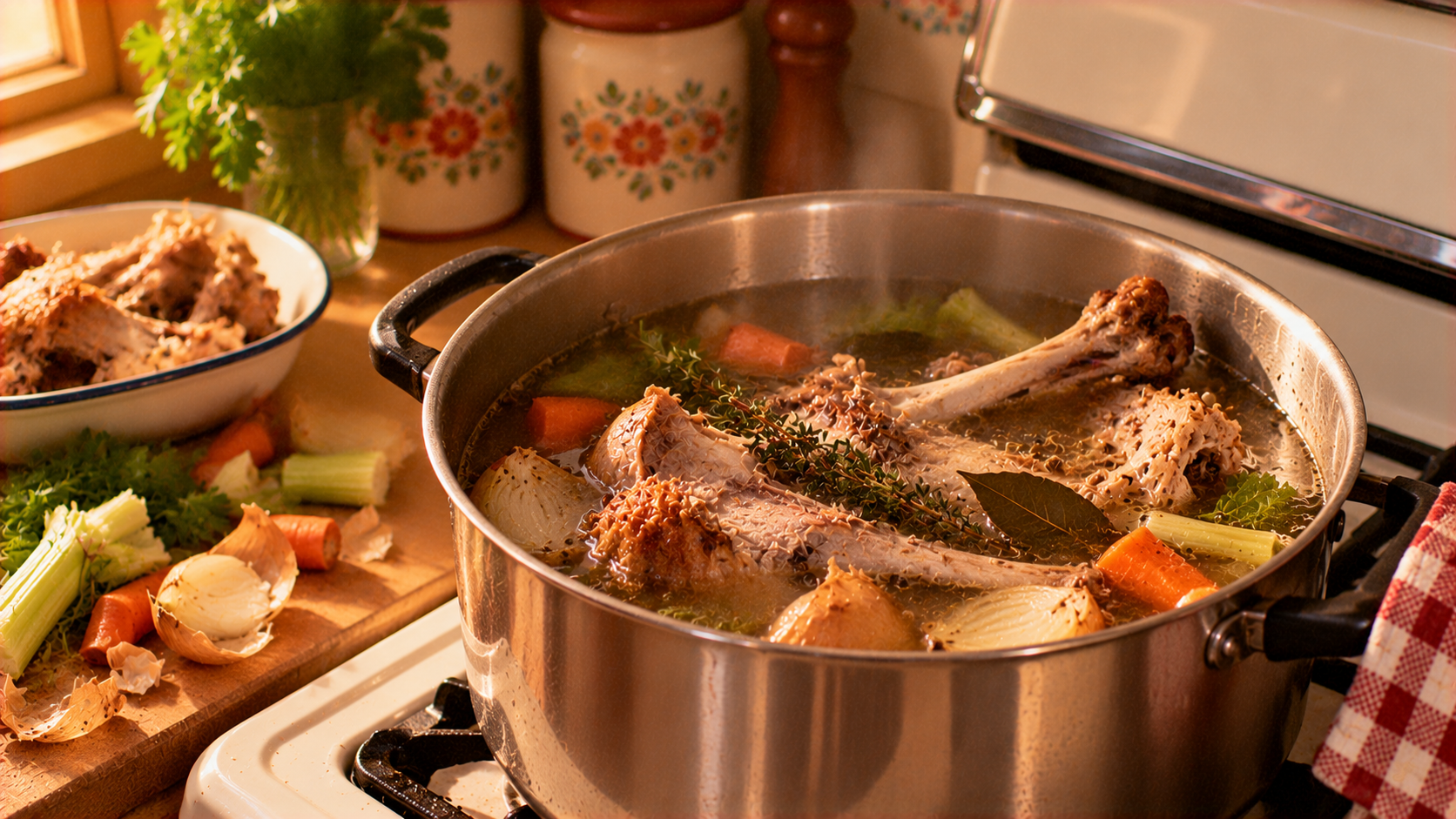
Throwing away the bones from Sunday dinner once seemed wasteful to many home cooks. Chicken carcasses, beef bones, and vegetable scraps went into a large pot of water to simmer for hours, producing broth for soups, gravies, and future meals. Some families froze the finished stock in small containers, while others used it immediately for the next day’s soup. Cartons of ready-made broth have largely replaced this routine in busy kitchens, even though homemade stock remains popular among dedicated cooks.
13. Cooking Over an Open Fireplace
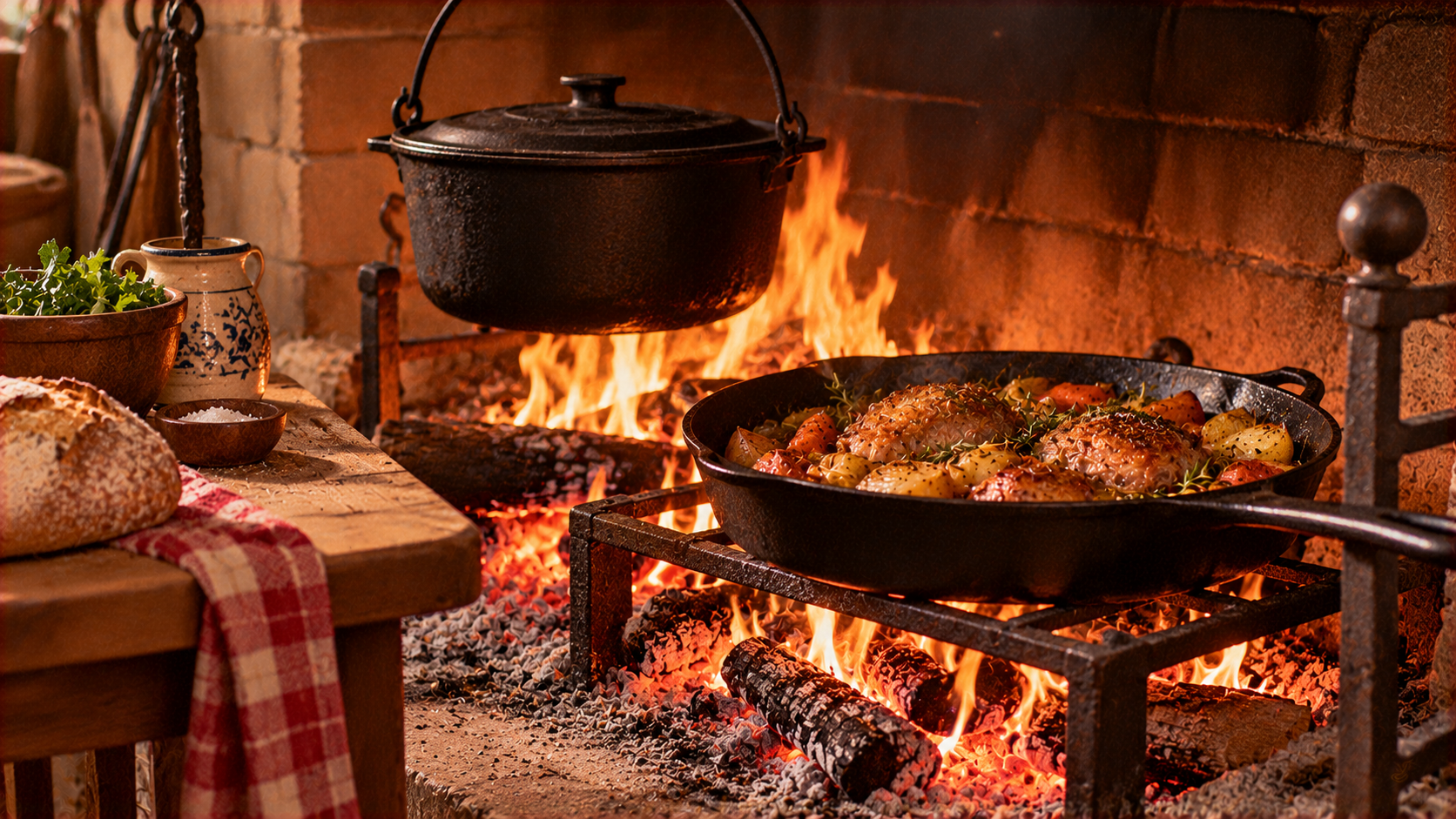
Before modern stoves became standard household equipment, cooking over an open hearth was an everyday responsibility. Heavy iron pots hung above flames, skillets rested near glowing coals, and food had to be moved constantly to control the heat. Even after kitchen ranges became widespread, some rural households continued using fireplaces for certain meals. Today, open-hearth cooking survives mainly through historical demonstrations, outdoor traditions, and enthusiasts interested in recreating the flavors of earlier generations.
14. Preparing Meat in Gelatin Molds
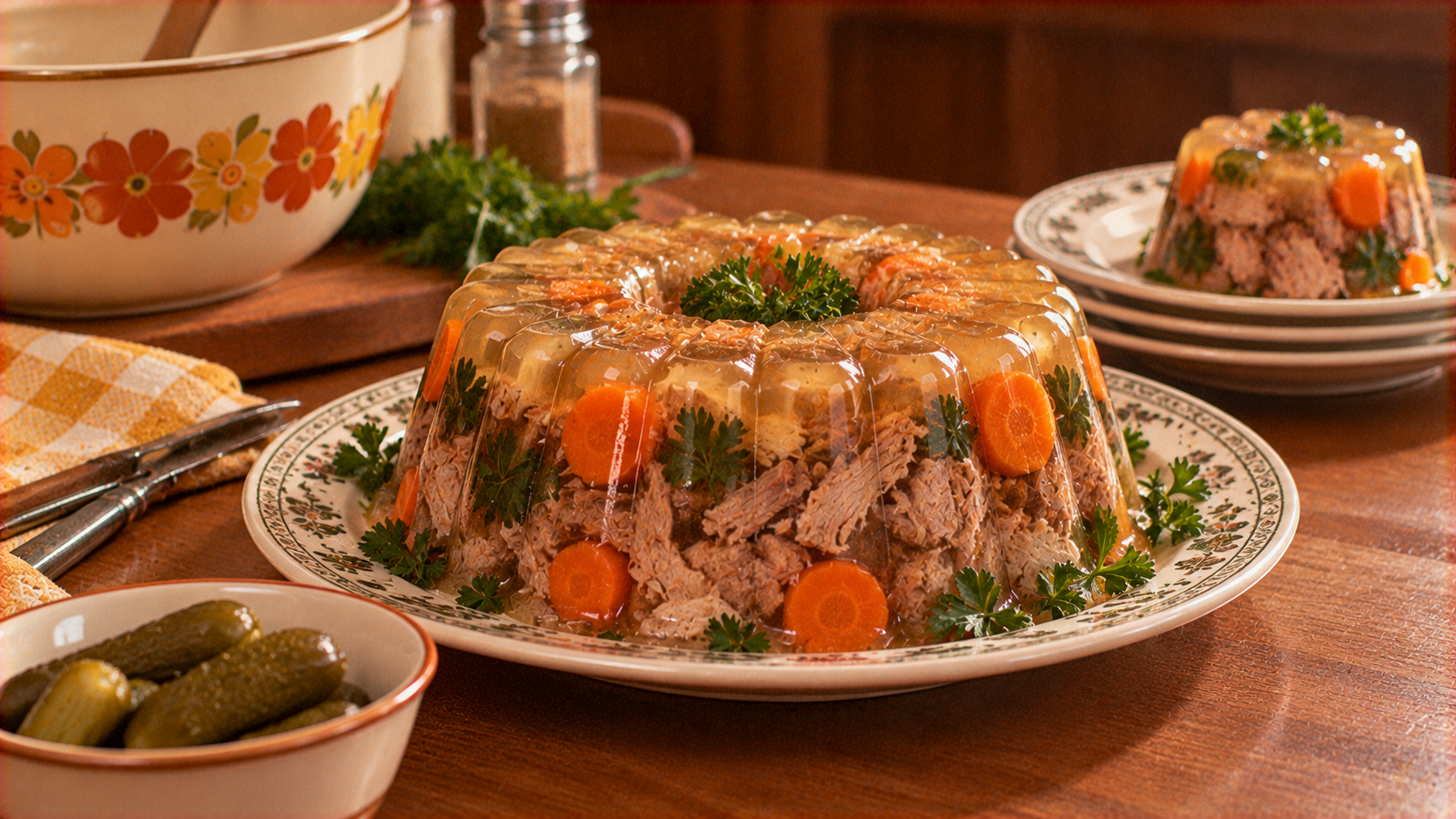
Few vintage dinner-table traditions seem quite as unusual today as savory meat suspended in gelatin. Known as aspic, these dishes could contain chicken, ham, vegetables, or seafood arranged inside a decorative mold. They were especially popular at formal luncheons and gatherings where an impressive presentation mattered as much as the flavor. Preparing one required heating, arranging, chilling, and carefully unmolding the finished dish. Although aspic remains part of certain culinary traditions, it has largely vanished from everyday American entertaining.
15. Using a Hand-Crank Meat Grinder
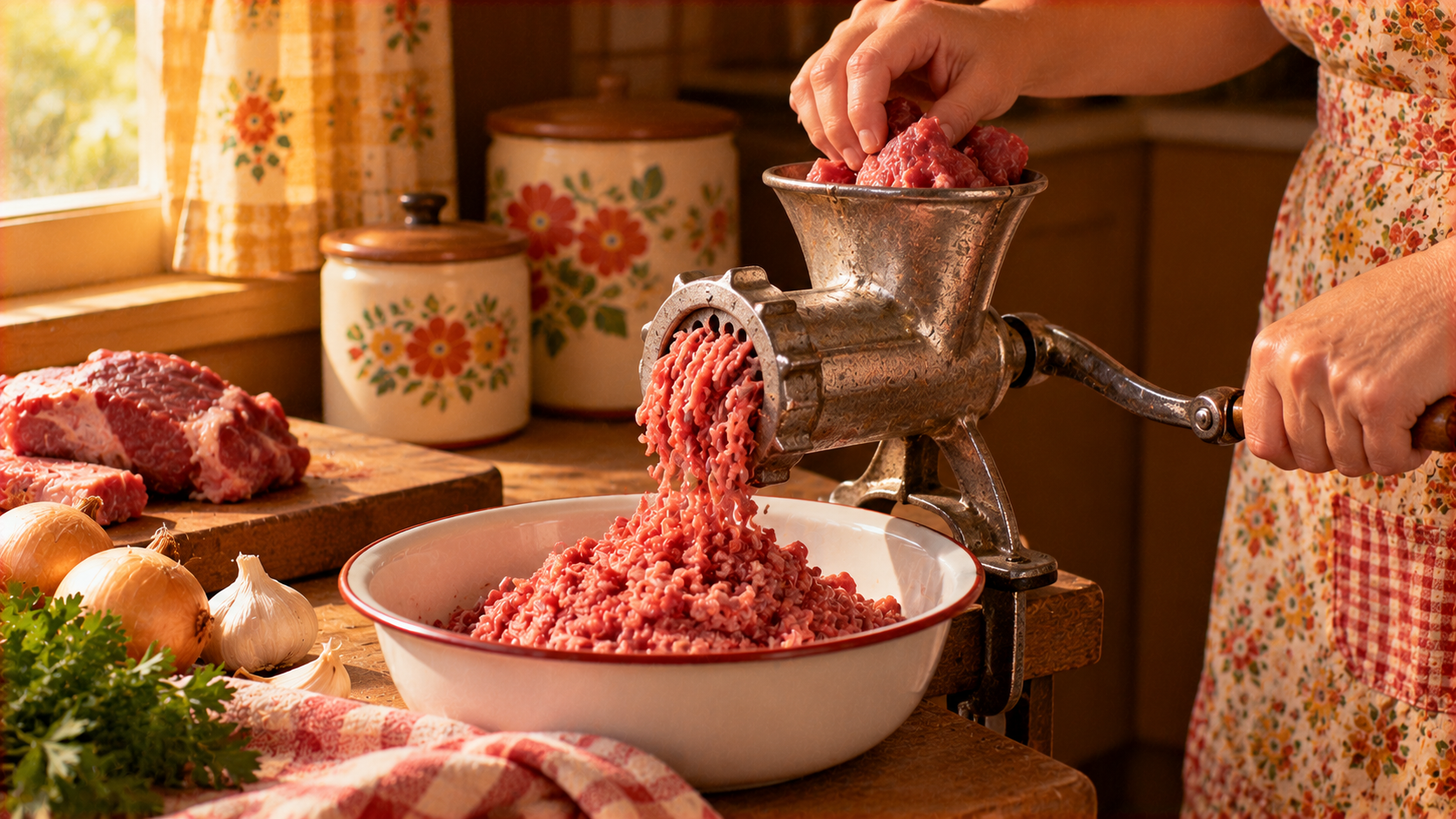
A sturdy metal meat grinder clamped to the edge of a kitchen table was once a useful tool for turning leftover roast beef, cooked ham, or fresh cuts of meat into another meal. Someone fed pieces into the opening while turning a heavy handle, and ground meat emerged through the perforated plate. Families used the results for meatloaf, patties, sandwich spreads, and homemade sausage. Supermarket ground meat and electric food processors have made the old hand-cranked grinder a rare sight in modern kitchens.
16. Cooking With a Wood-Burning Kitchen Stove
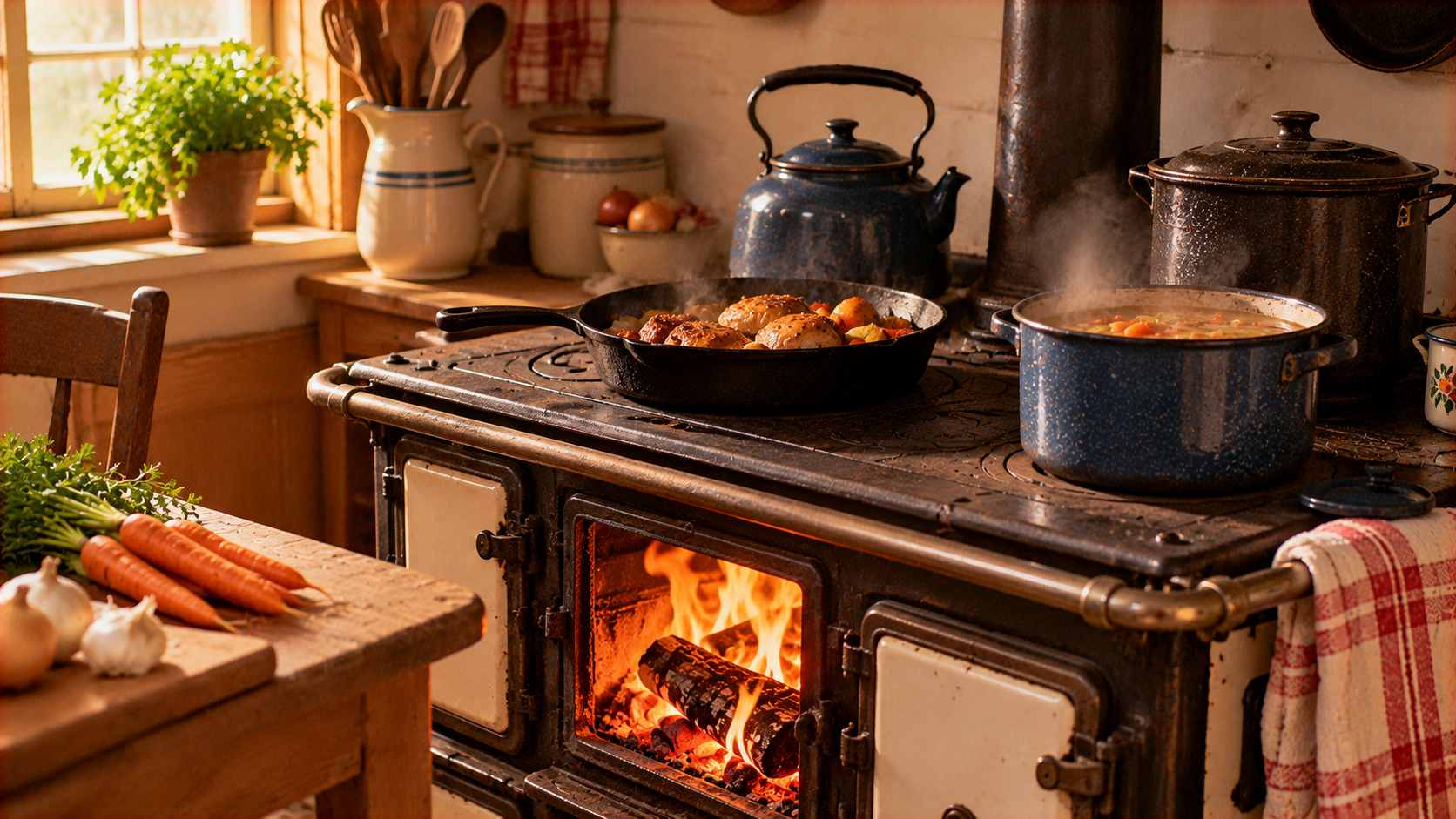
For many American households, especially in rural areas, a wood-burning cookstove once handled everything from morning coffee to evening supper. Keeping it working meant carrying firewood, tending the flames, removing ashes, and learning which part of the stovetop was hottest. Baking required experience because there was no digital display showing the exact oven temperature. Gas and electric ranges eventually replaced these demanding appliances, leaving wood-fired kitchen stoves mostly in historic homes, cabins, and traditional communities.
17. Making Pudding From Scratch on the Stovetop
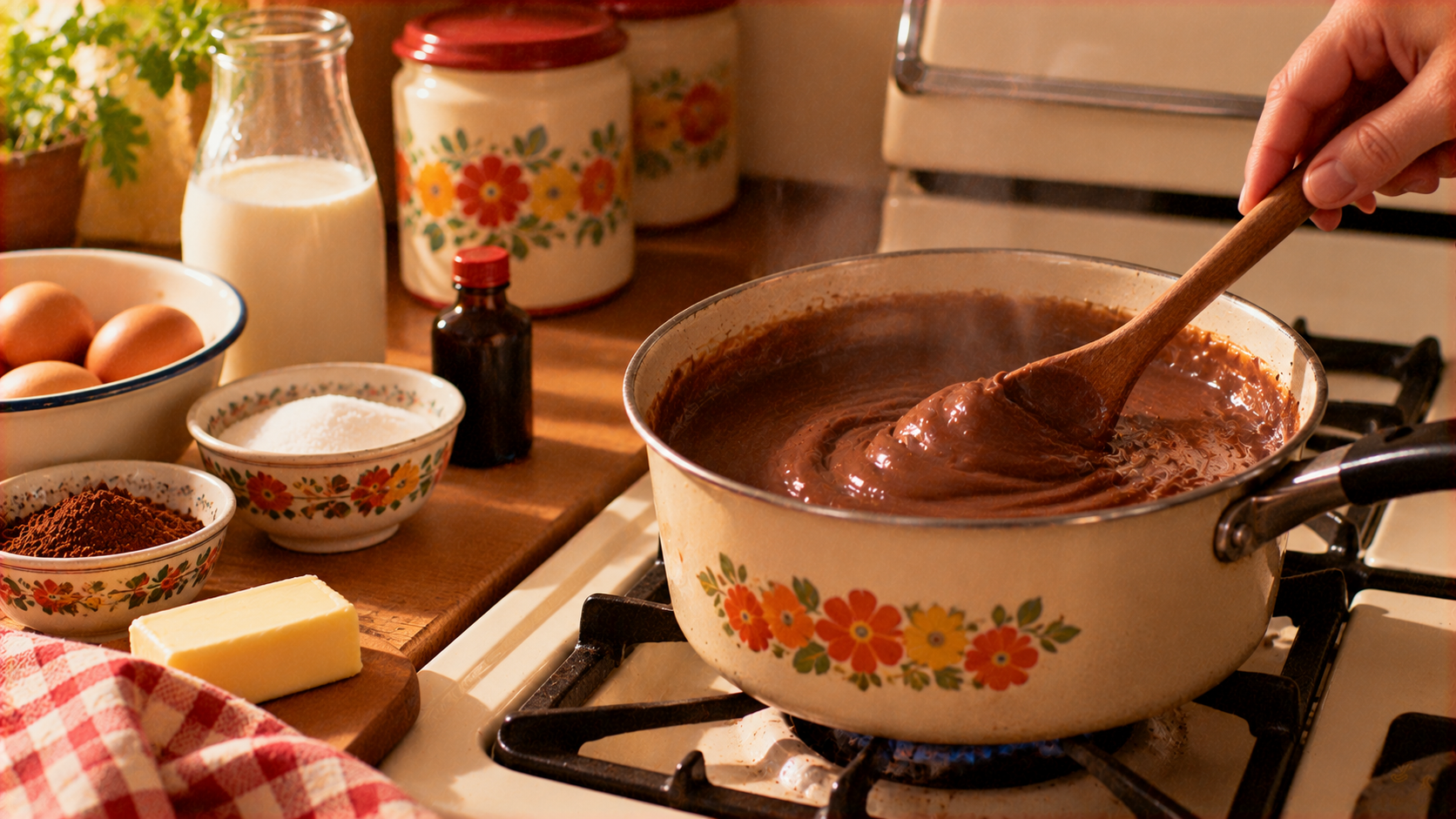
Before instant pudding mixes and ready-made dessert cups became common, homemade pudding required milk, sugar, cocoa or vanilla, and a saucepan. The mixture had to be stirred carefully as it thickened, and impatient children sometimes hovered nearby hoping to lick the spoon. A thin skin often formed across the surface as the pudding cooled, something people either loved or immediately removed. The process wasn’t particularly complicated, but packaged alternatives made this familiar after-dinner ritual much less necessary.
18. Canning Food in Large Pots of Boiling Water
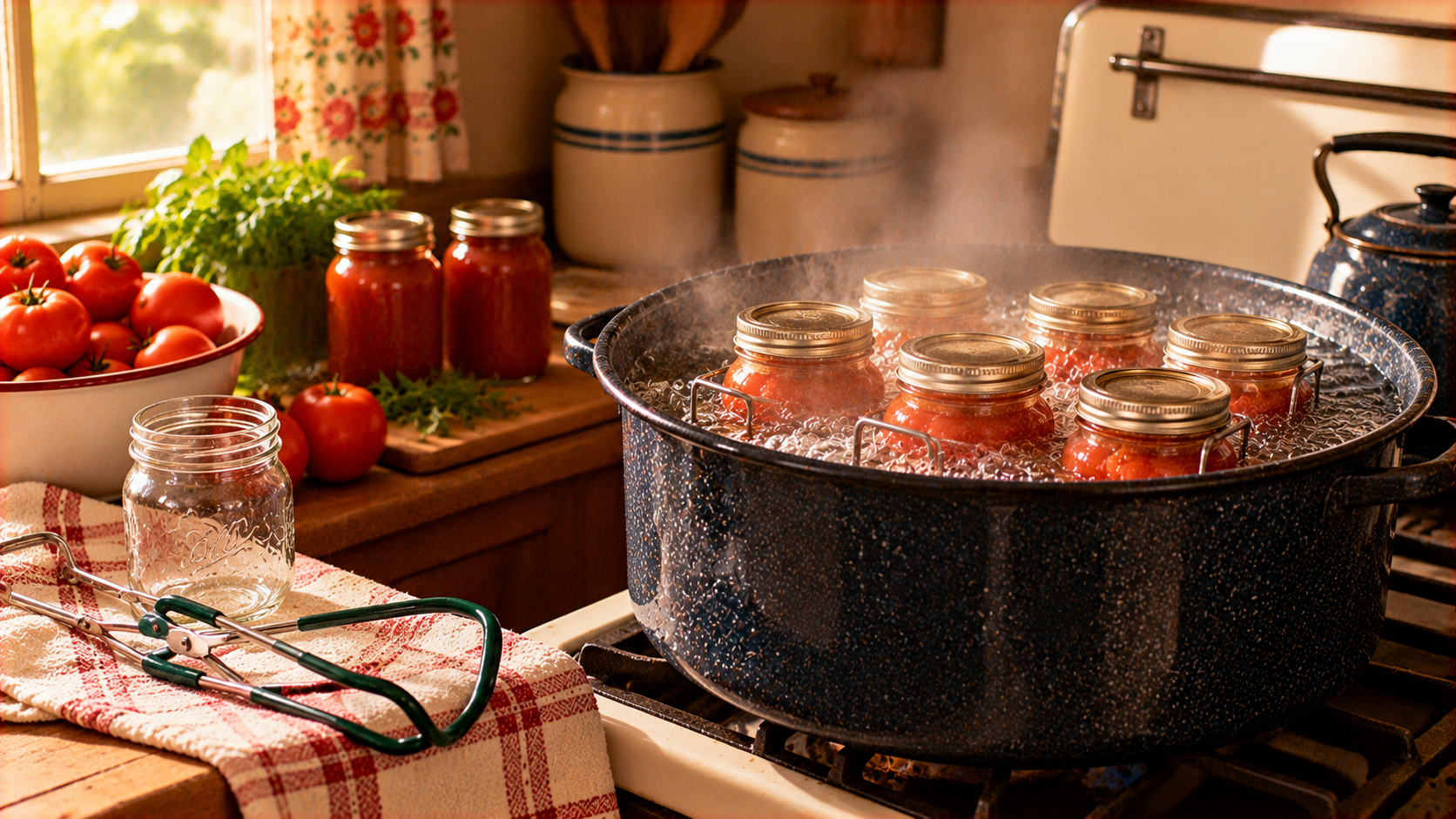
Late summer once meant jars, lids, bushels of tomatoes, and a kitchen that seemed hotter than the weather outside. Families preserved seasonal produce by filling glass jars and processing suitable foods in large pots of boiling water. Rows of homemade jams, pickles, and tomato products eventually lined basement shelves or pantry cabinets, ready for the colder months. Home canning still has devoted followers, but inexpensive year-round groceries and commercially preserved foods have made it less essential for most households. Modern canning also requires tested recipes and pressure canning for low-acid foods to ensure safety.
More Related Notes
• 18 Things From 1970s Kitchens That Younger Generations May Never Have Used
Rediscover the hand-cranked tools, old-fashioned appliances, and kitchen essentials that once made preparing family meals a much more hands-on experience.
• 15 Foods Grandma Made That People Rarely Make Anymore
Take a nostalgic trip back to Grandma’s kitchen, where recipes were passed down through generations and simple ingredients became homemade meals that brought the whole family together.
• 18 Photos That Show How American Kitchens Have Transformed Over the Decades
Explore how American kitchens evolved from traditional stoves and handwritten cookbooks to modern appliances, revealing just how much home cooking has changed over the years.