
A century ago, replacing everyday items wasn’t the first solution when something broke. Most families lived in a culture where repair was a normal part of daily life, and people developed practical skills to extend the lifespan of household goods, clothing, tools, and furniture. In many communities, repairing possessions was often more affordable and convenient than buying something new.
The early 1900s were marked by resourcefulness and careful use of materials. Before mass consumer culture encouraged constant replacement, people regularly fixed damaged items and found creative ways to keep them useful for years. These repairs reflected both economic necessity and a mindset that valued durability over convenience.
1. Shoes
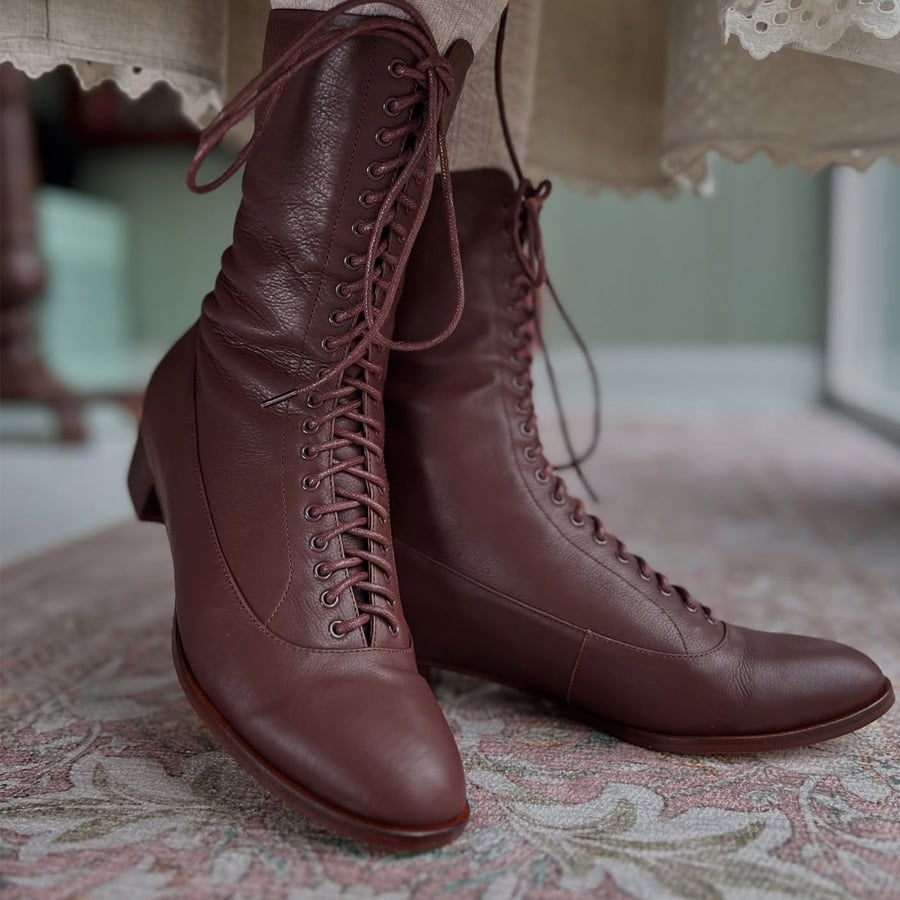
A century ago, shoes were among the most commonly repaired items instead of replaced. Cobblers regularly replaced worn soles, repaired stitching, and restored leather uppers, allowing a good pair of shoes to remain functional for many years.
2. Socks
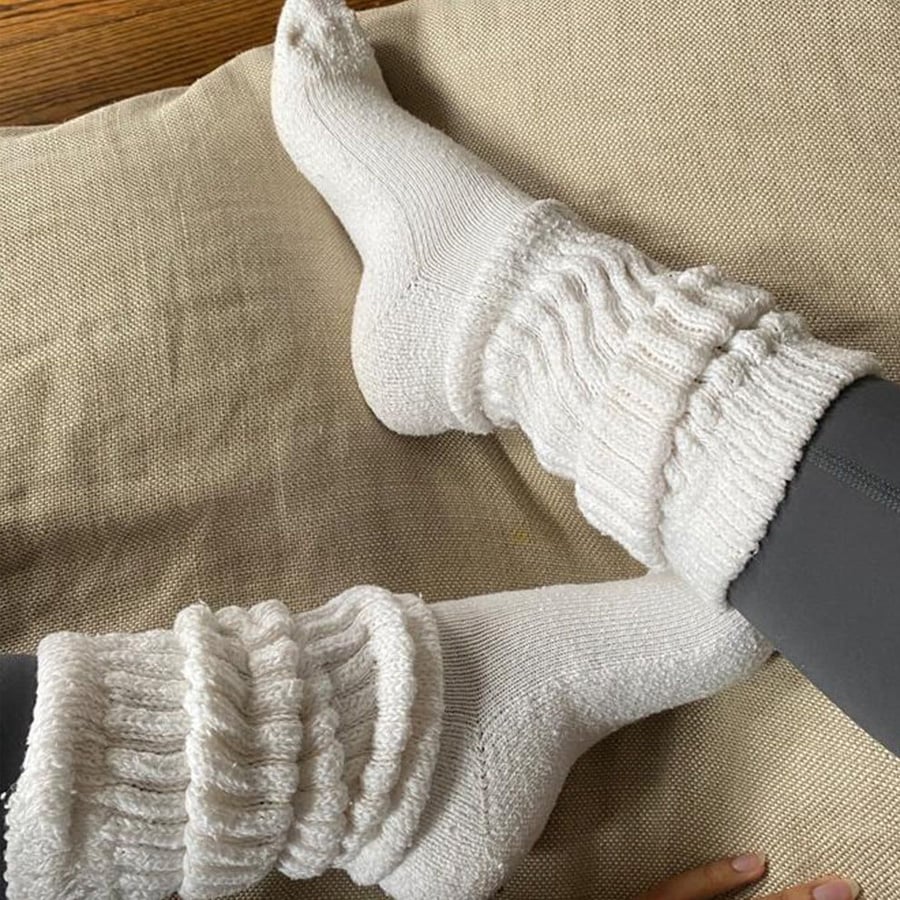
People frequently repaired socks by darning holes rather than throwing them away. This simple sewing technique reinforced worn areas and helped families extend the life of their clothing while avoiding unnecessary expenses.
3. Work Pants

Work pants often endured heavy wear, but people repaired torn knees, ripped seams, and damaged pockets instead of replacing them. Patches were common and considered a practical solution for preserving useful garments.
4. Dresses
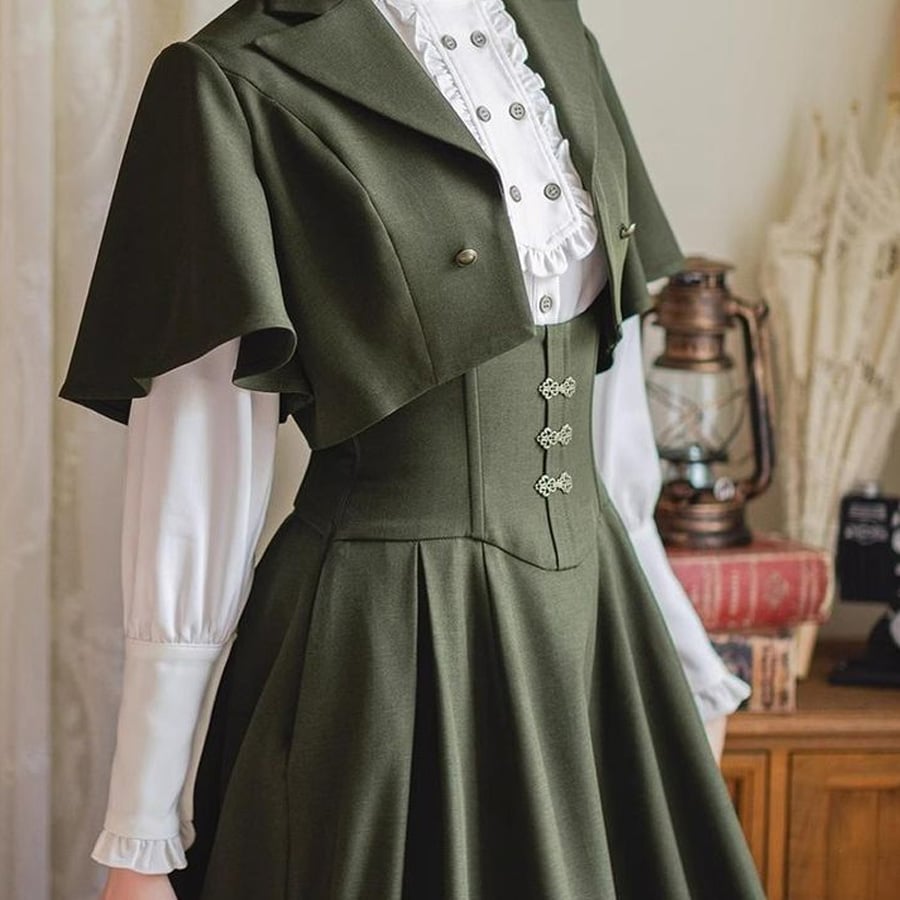
A century ago, dresses were valuable possessions that were often repaired when fabric tore or seams came loose. Women regularly altered, mended, and reinforced dresses to keep them wearable through changing fashions and growing families.
5. Quilts
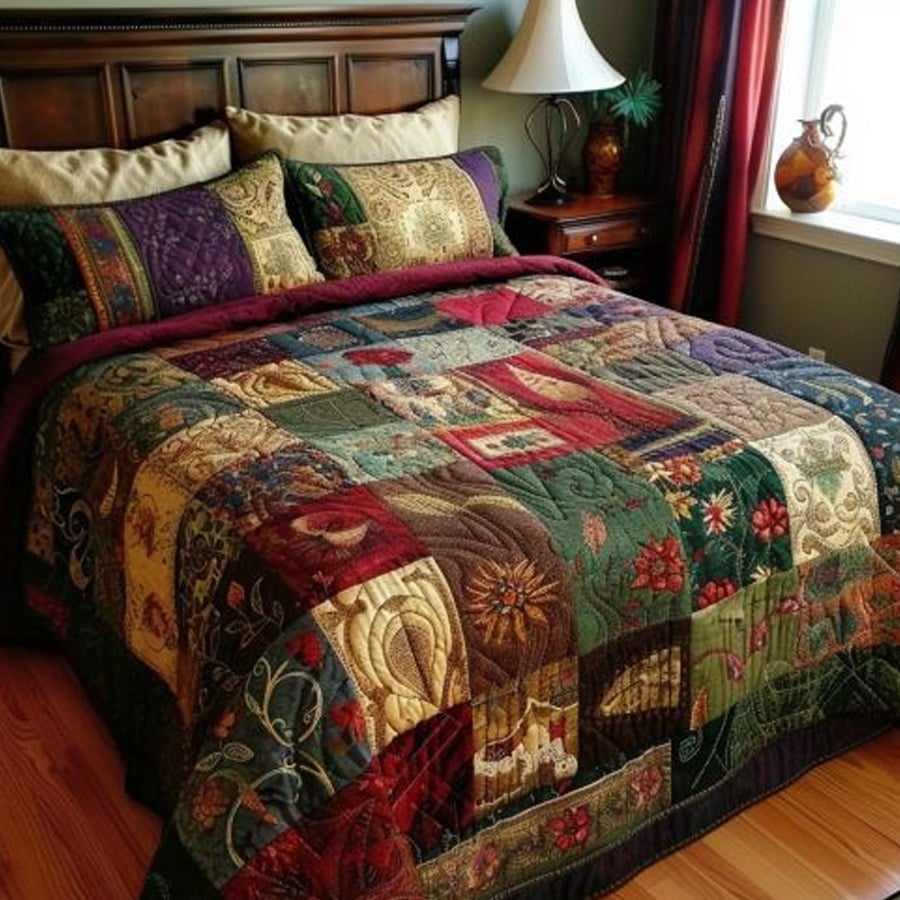
Families repaired quilts by replacing worn fabric sections and resewing damaged stitching. Because quilts required significant labor to create, maintaining them was far more practical than making entirely new ones.
Trending on Wealth Gang


6. Furniture

Furniture was built to last, and people commonly repaired broken chairs, loose joints, and damaged wood surfaces. Skilled craftsmen and homeowners alike restored furniture instead of sending it to a landfill.
7. Clocks
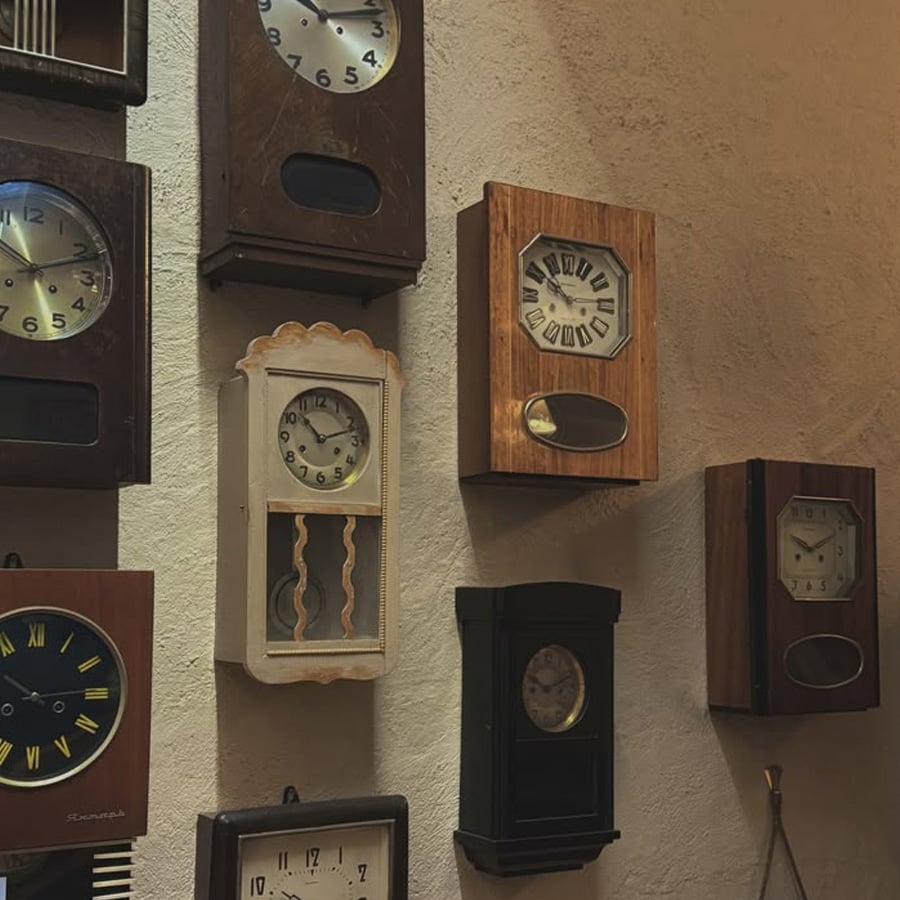
Mechanical clocks were regularly repaired instead of replaced. Clockmakers cleaned gears, replaced springs, and adjusted delicate mechanisms to keep household timepieces running accurately for decades.
8. Watches
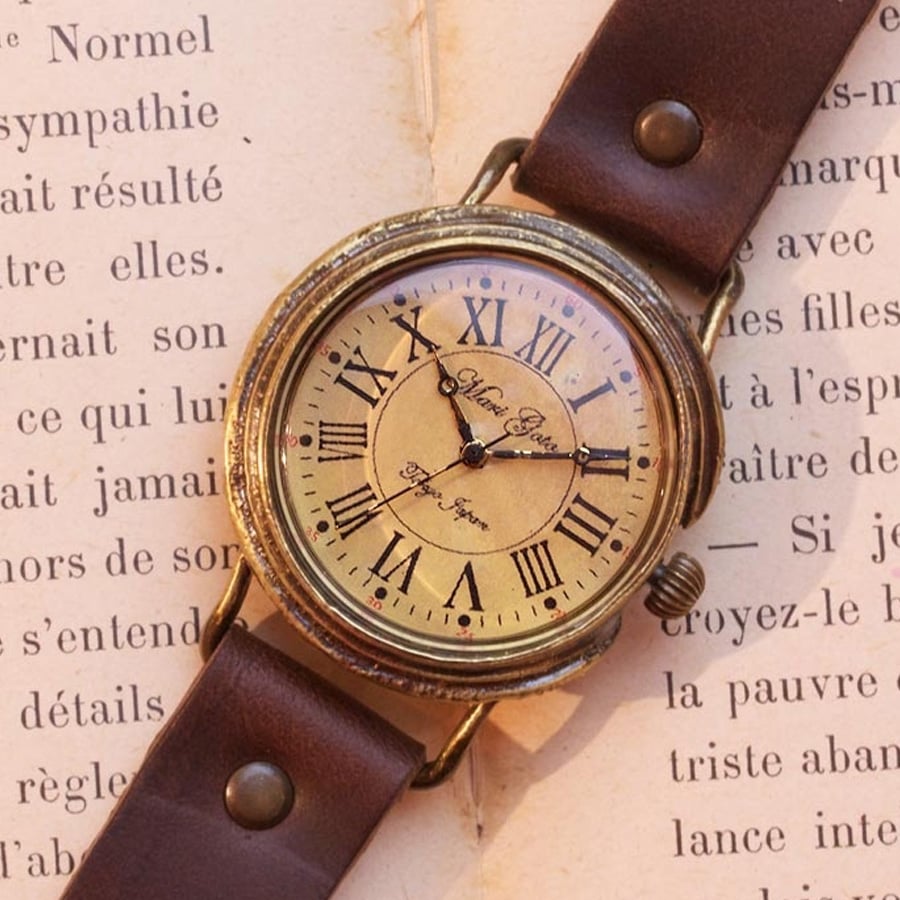
Pocket watches represented significant investments, making repairs a common practice. Owners frequently had worn components replaced and mechanical movements serviced to maintain reliable performance.
Sign up for our newsletter
9. Kitchen Pots
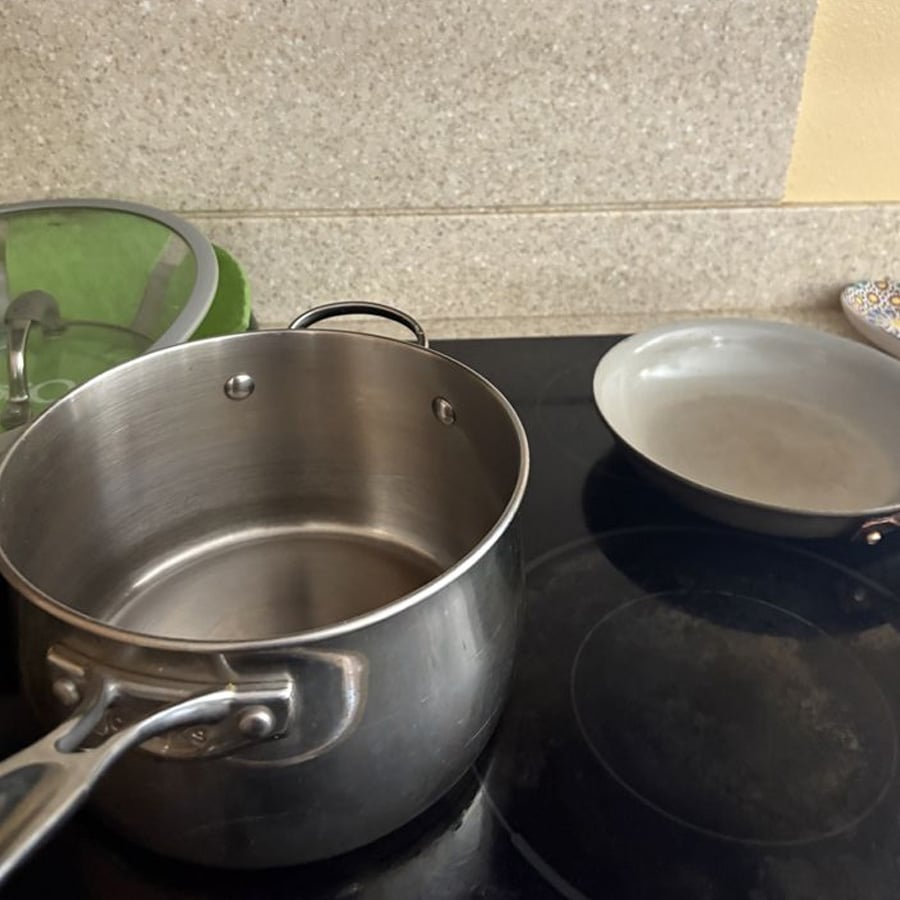
Metal kitchen pots were often repaired when handles loosened or surfaces became damaged. Rather than discarding cookware, families found ways to restore it and continue using it for daily meal preparation.
10. Cast-Iron Pans
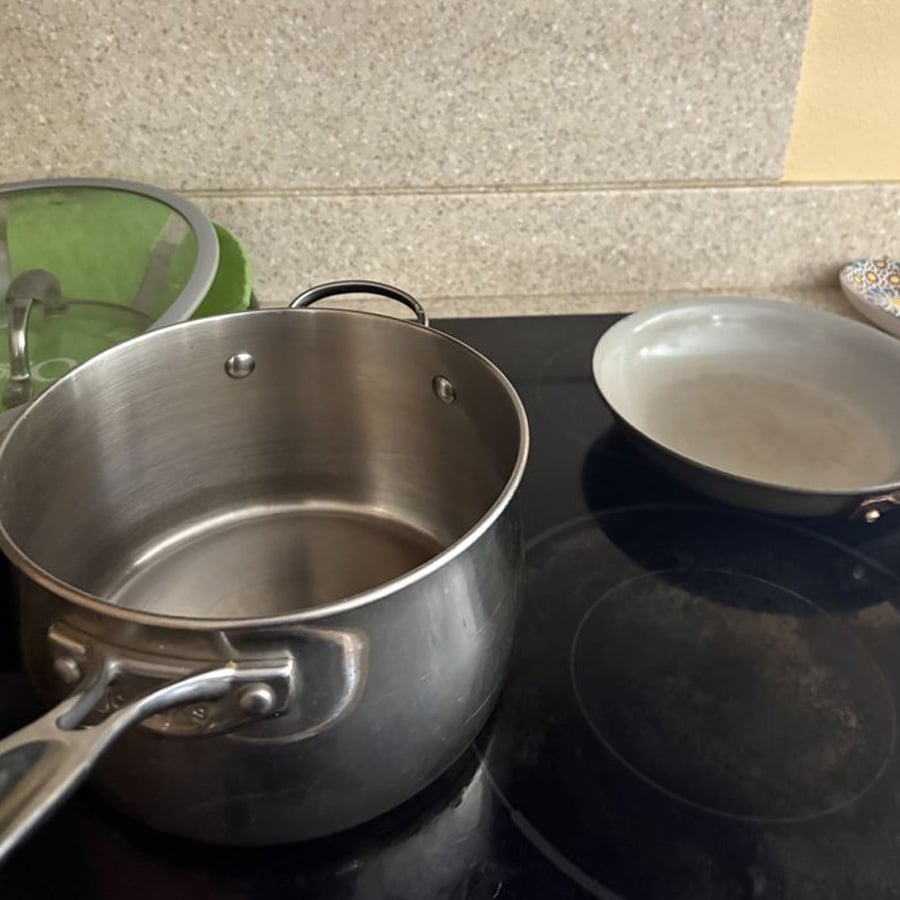
Cast-iron pans were especially valued because of their durability. If they developed rust or minor damage, owners cleaned, seasoned, and repaired them rather than purchasing replacements.
11. Wooden Buckets
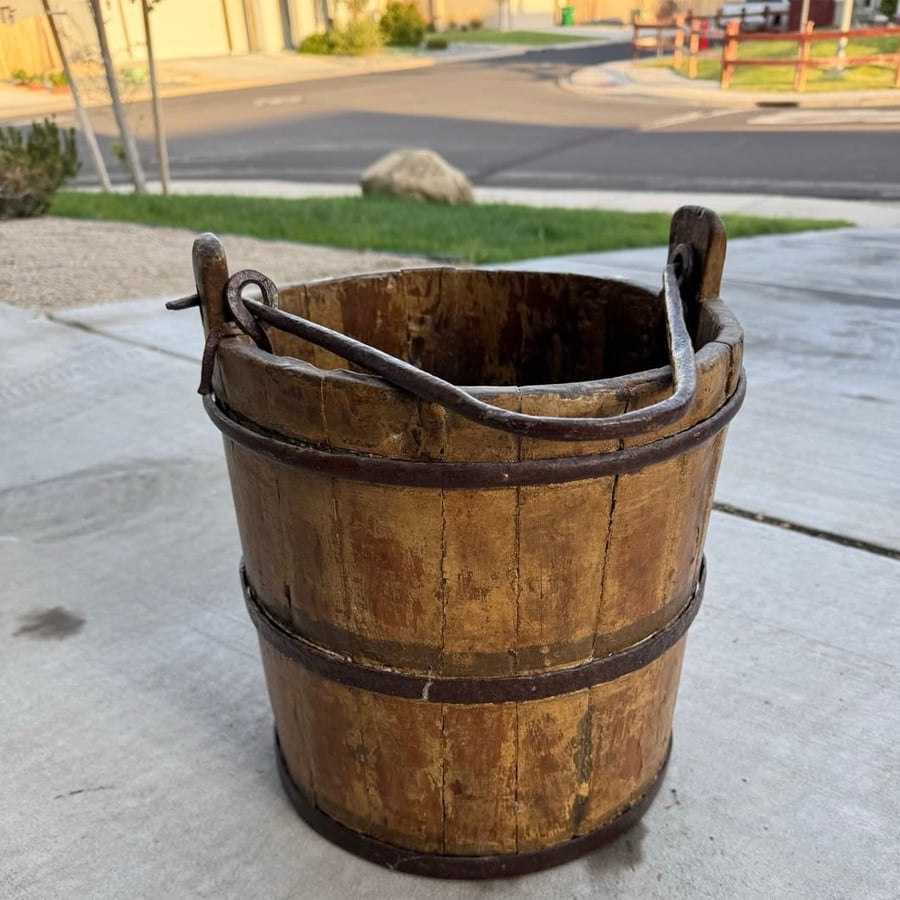
Wooden buckets played important roles in homes and farms, and people repaired cracked staves or loose metal bands whenever possible. Proper maintenance helped these buckets remain useful for years.
12. Farm Tools
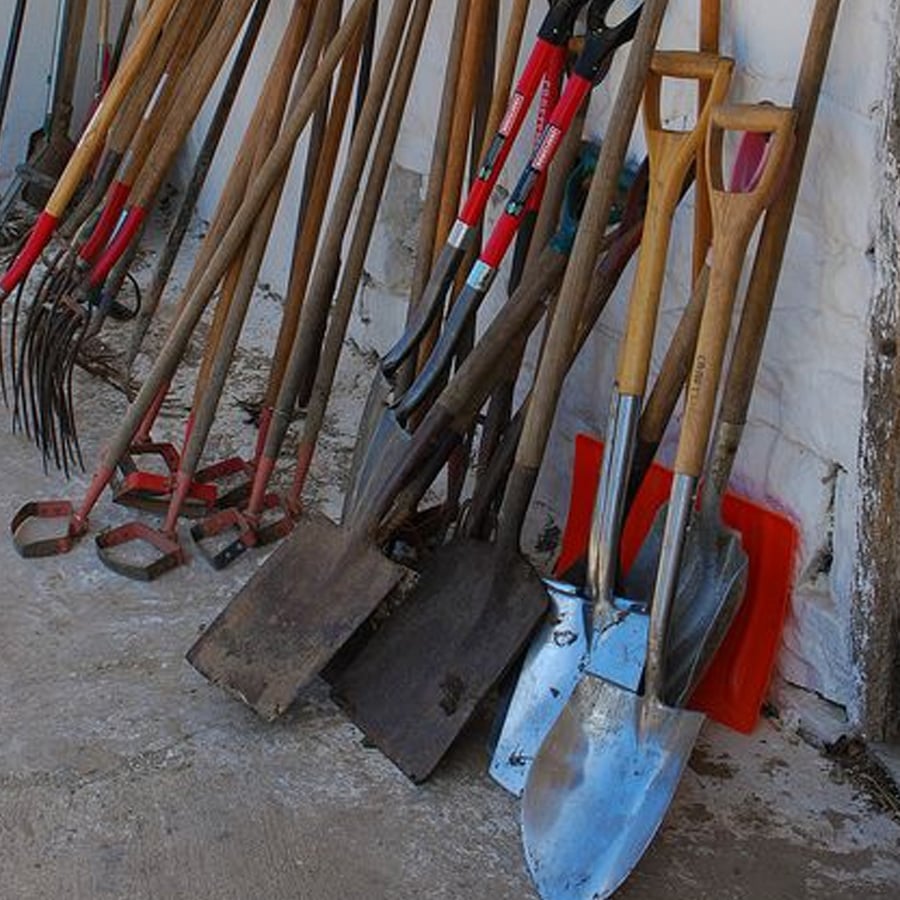
Farm tools were essential for earning a living, so replacing them was rarely the first choice. Handles were replaced, metal parts were sharpened, and damaged components were repaired to maximize their usefulness.
13. Hand Saws
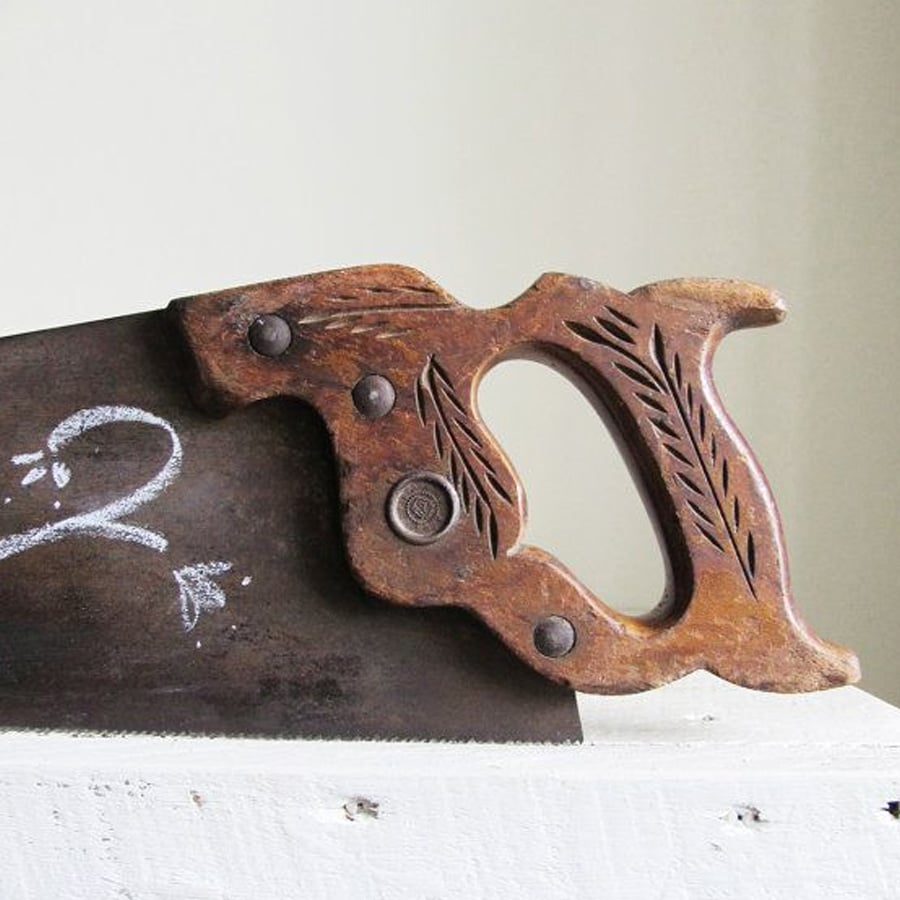
Hand saws frequently received repairs instead of replacement. Owners straightened blades, replaced handles, and sharpened teeth to ensure the tools continued performing effectively.
14. Bicycles

As bicycles became more common, repairing tires, chains, and wheels was a normal part of ownership. A century ago, many bicycle owners learned basic repair skills themselves.
15. Umbrellas
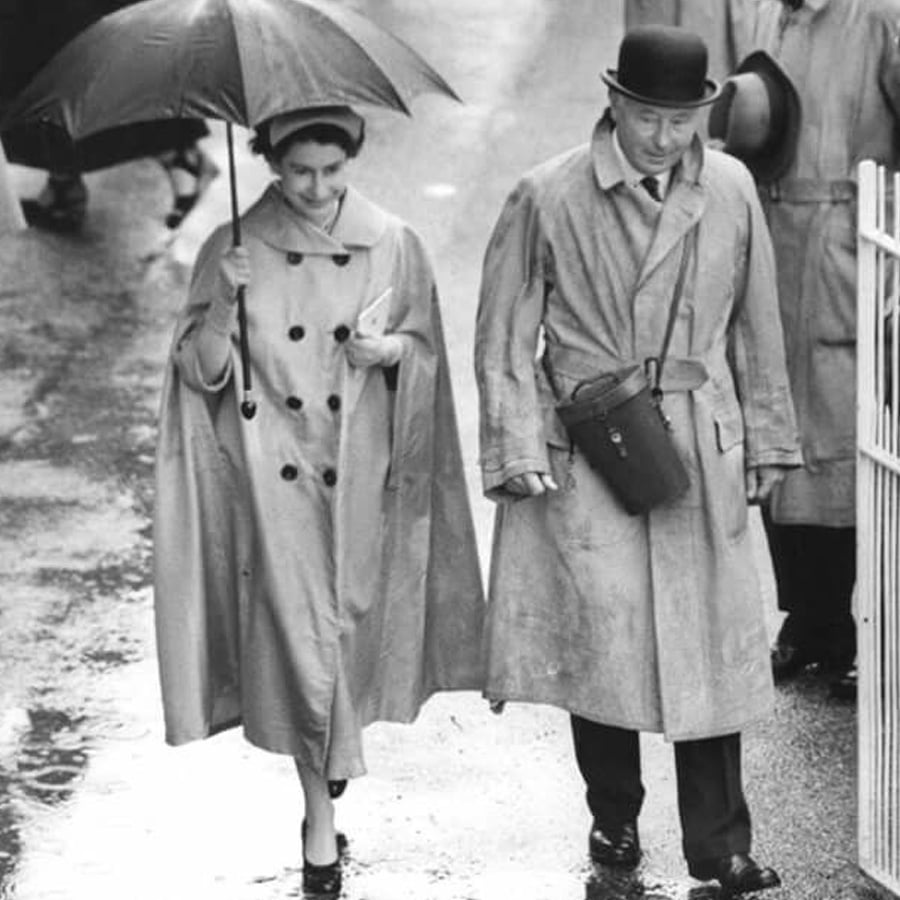
Umbrellas were often repaired when fabric tore or metal ribs bent. Because quality umbrellas represented a worthwhile investment, people preferred fixing them rather than buying new ones.
16. Lamps
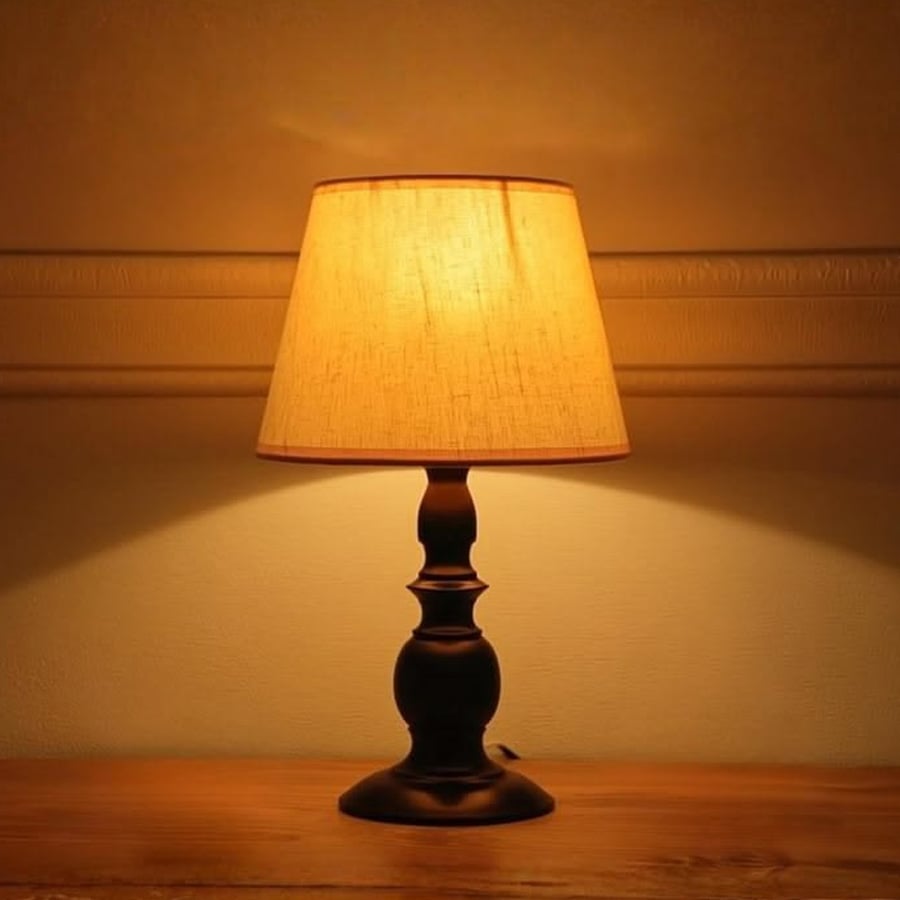
Oil lamps and early electric lamps were regularly repaired to maintain their usefulness. Broken parts, damaged wiring, and worn components were often replaced individually instead of discarding the entire lamp.
17. Books
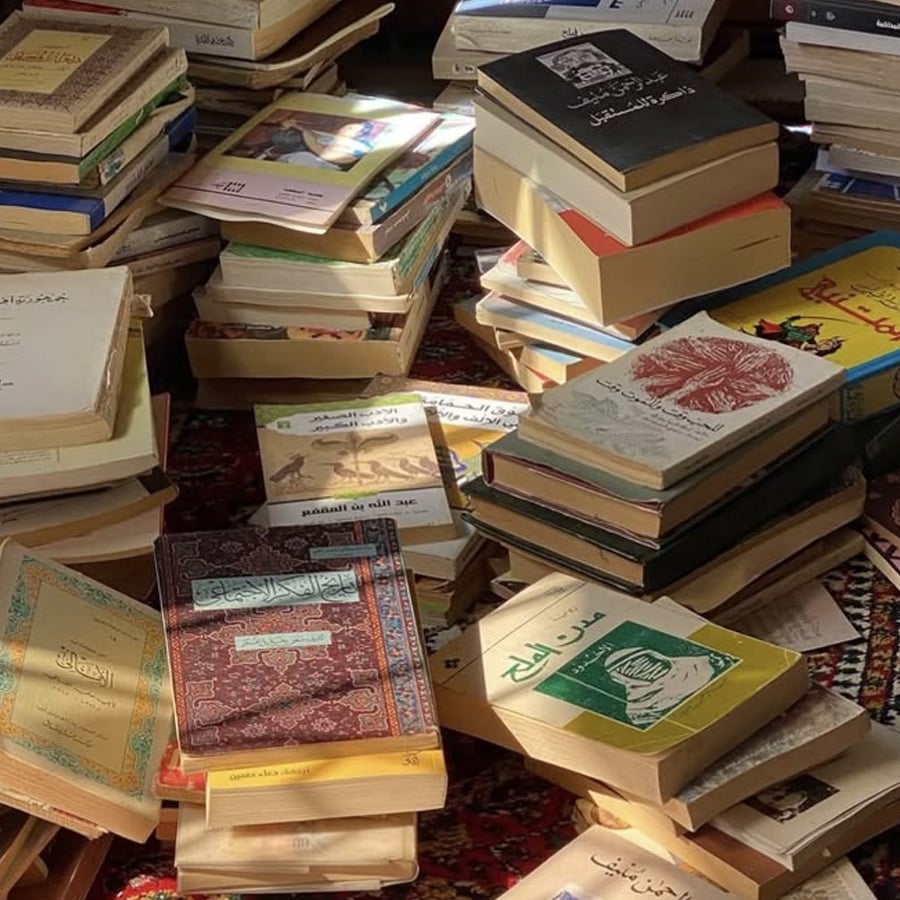
People repaired books by restitching bindings, replacing covers, and reinforcing damaged pages. Valuable books were considered worth preserving, especially when replacements were difficult to obtain.
18. Toys
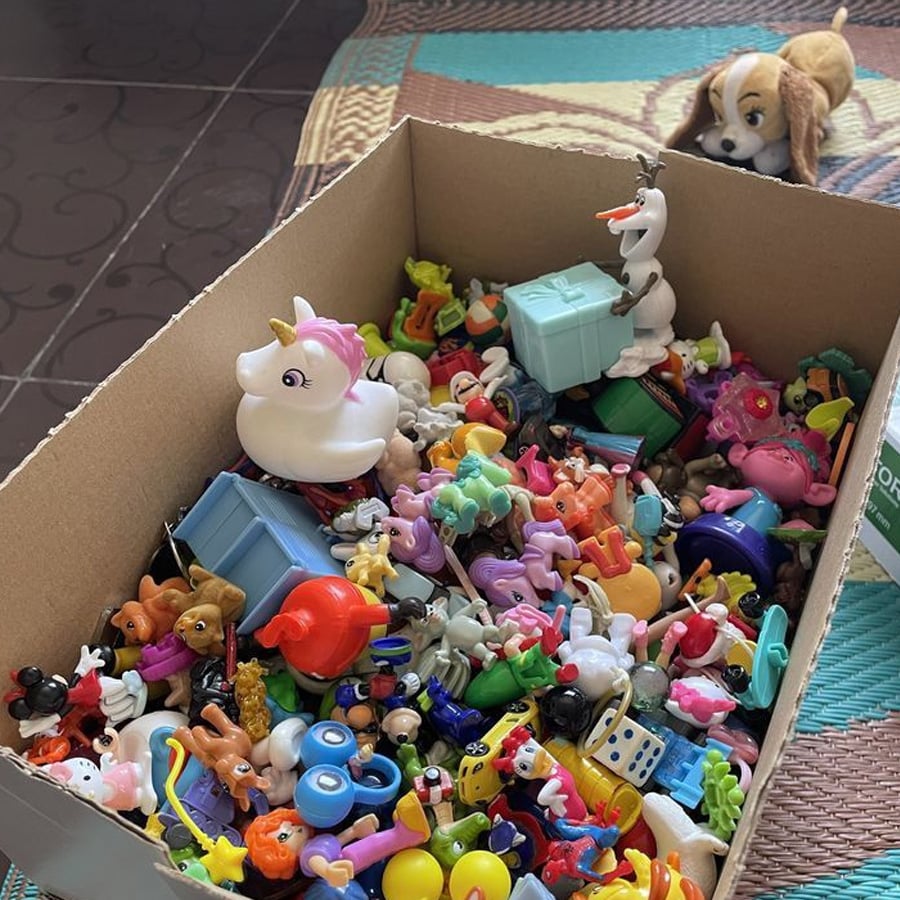
Children’s toys were commonly repaired instead of replaced. Parents fixed broken wheels, reattached parts, and restored favorite toys so children could continue enjoying them.
19. Wagons
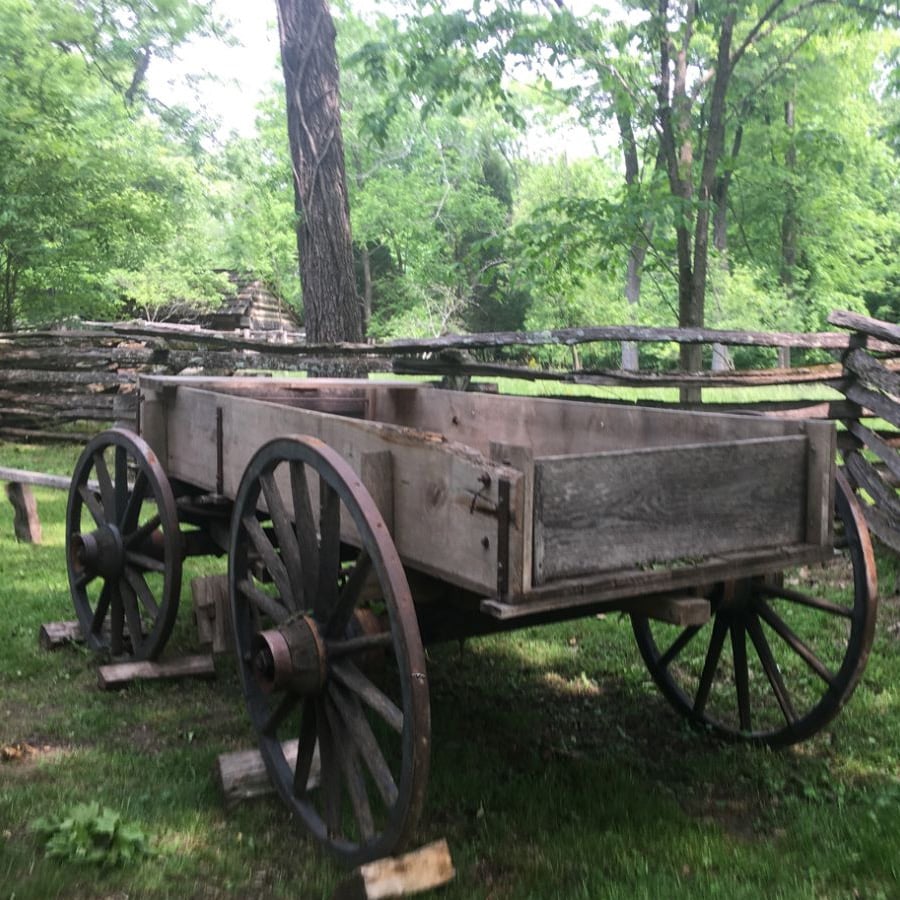
Wagons were expensive assets, making repairs essential. Owners repaired wooden wheels, reinforced frames, and replaced damaged components to extend the wagon’s service life for many years.
More Related Notes
• 16 Household Items That Were Luxury Purchases 100 Years Ago
A fascinating look at valuable household possessions that people worked hard to maintain because replacing them was often too expensive.
• 18 Photos That Reveal What Daily Life Cost a Century Ago
This article provides economic context for why previous generations focused on repairing everyday items rather than buying new ones.
• 25 Rare Photos of Small-Town America in the 1890s
A complementary read showcasing the resourcefulness and self-sufficiency that defined everyday life in communities where waste was rarely an option.