Long before smartphones and smart homes, inventors were solving everyday problems with tools so effective that we’ve never needed to replace them. Zippers, safety pins, ballpoint pens. These are objects we reach for without thinking, so deeply woven into daily life that we rarely stop to consider how strange the world was before they existed.
What is remarkable isn’t just that these inventions have survived decades of technological revolution; it is that they have thrived. Engineers have tried to reinvent the wheel on dozens of household staples, only to find that the original design still does the job best. The following 15 inventions prove that good ideas don’t expire.
1. Zipper
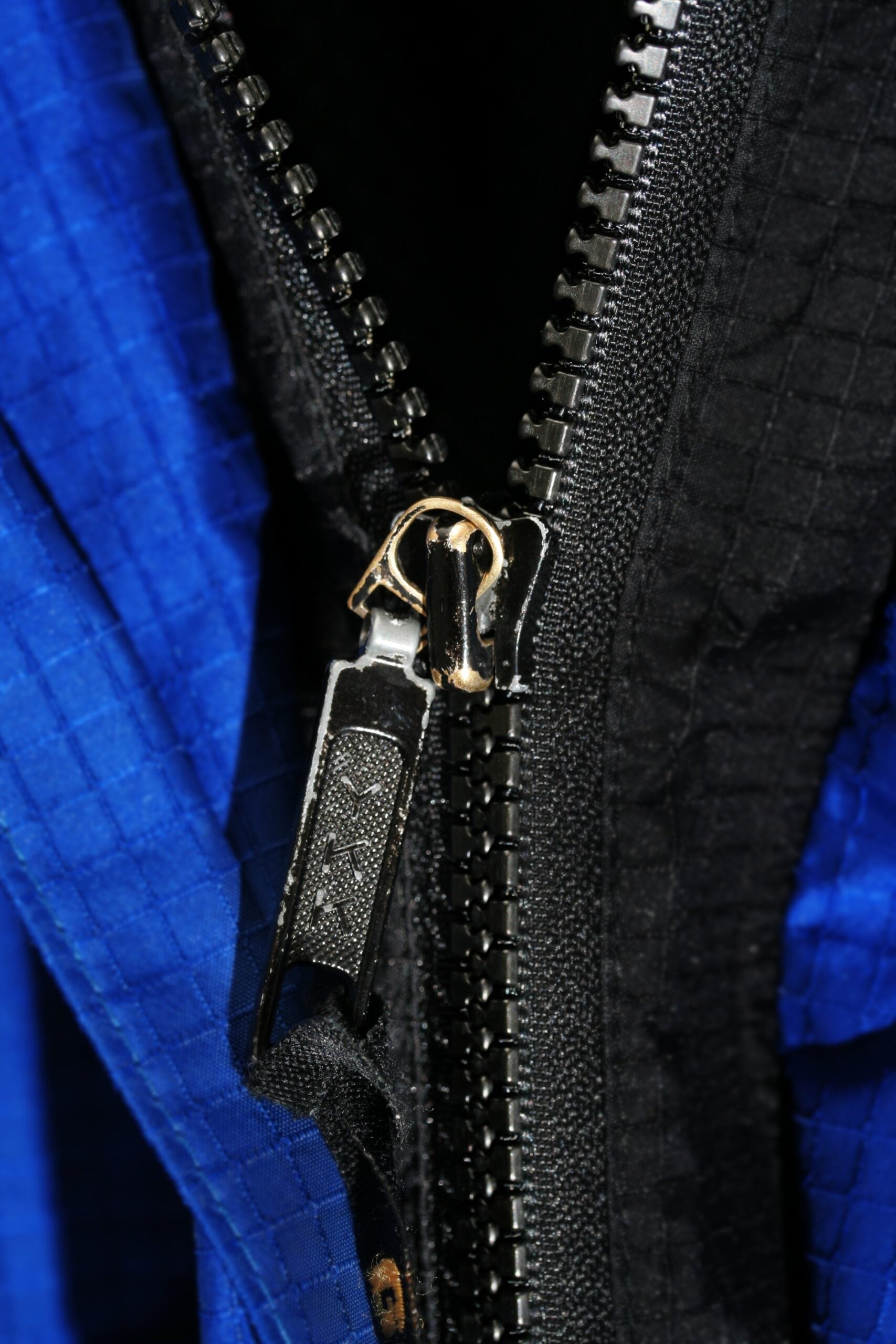
Whitcomb Judson patented an early “clasp locker” in 1893, but it took engineer Gideon Sundback nearly two decades to perfect the design into the smooth, interlocking teeth we recognise today. Once it caught on, the zipper transformed everything from clothing to luggage to tents, offering a fast, secure closure that buttons simply couldn’t match. It remains one of the most elegant mechanical solutions ever devised.
2. Safety Pin
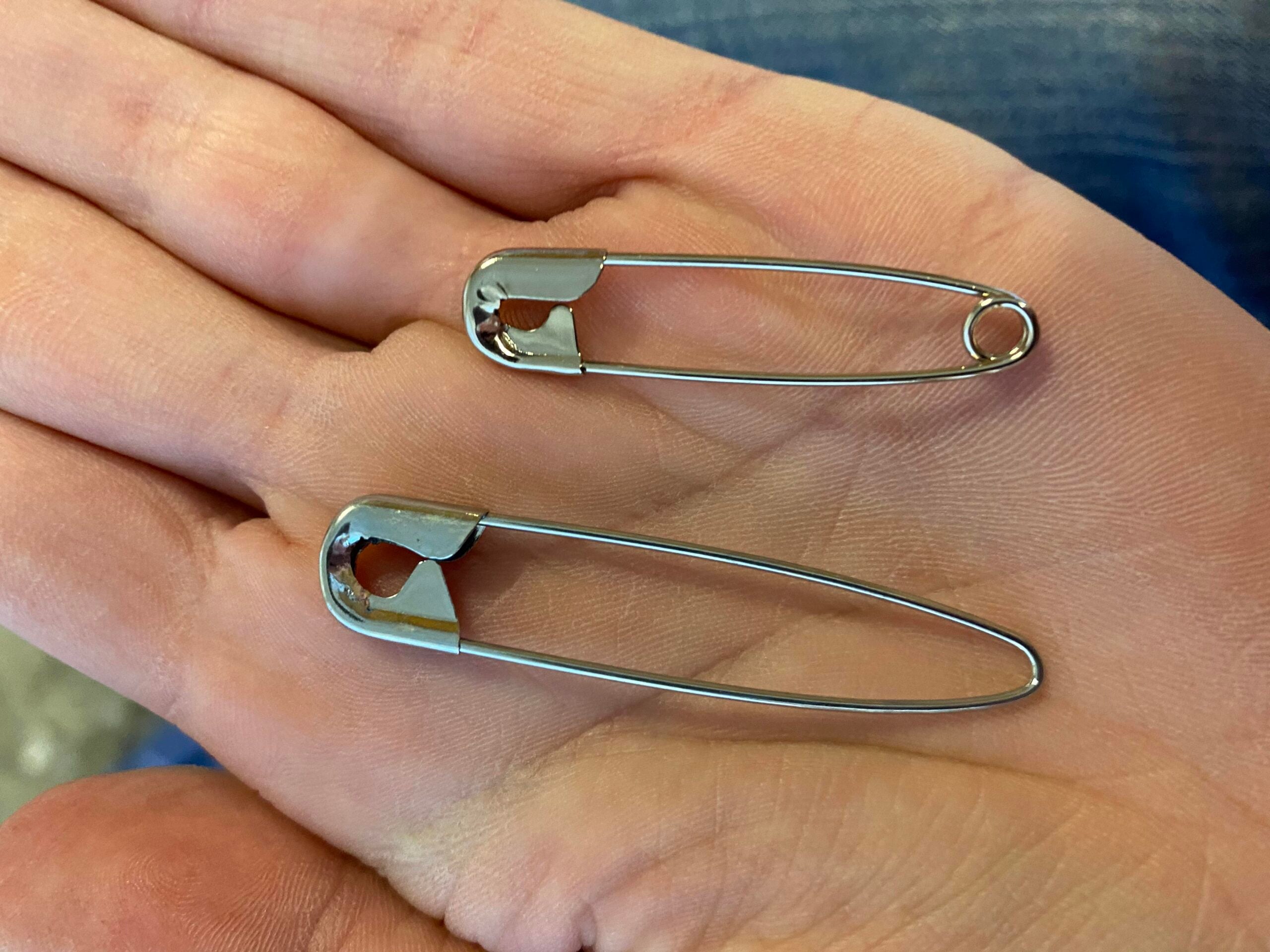
Walter Hunt invented the safety pin in 1849, reportedly to pay off a small debt, and in doing so created one of the most versatile tools in human history. Nearly two centuries later, it hasn’t needed a redesign; you’ll still find it in sewing kits, first-aid boxes, and junk drawers everywhere. It’s the rare invention so complete on arrival that improving it would almost be beside the point.
3. Ballpoint Pen
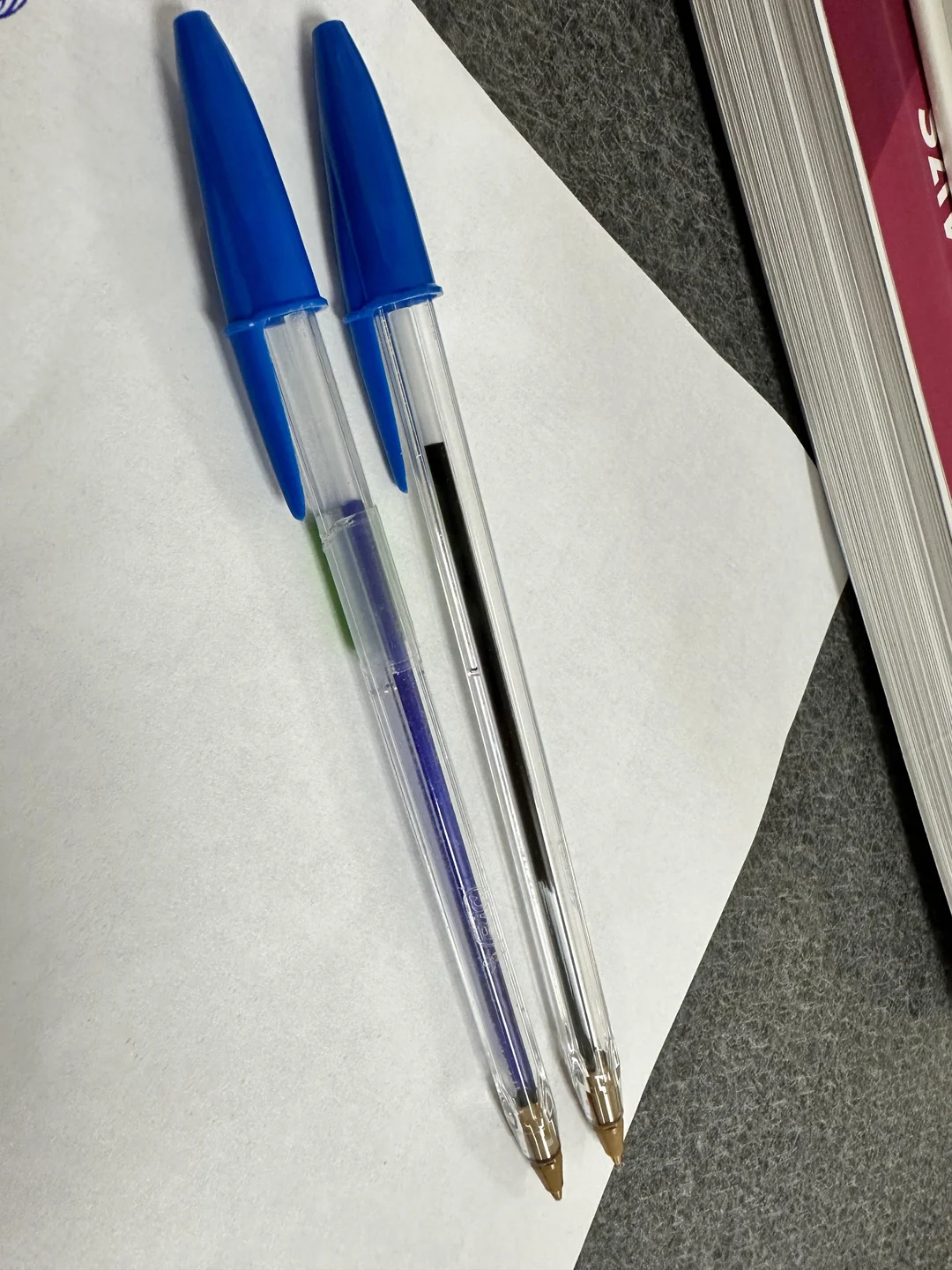
Fountain pens were beautiful but temperamental, prone to leaking and requiring constant refilling. László Bíró, a Hungarian journalist, solved the problem in the late 1930s by adapting the fast-drying ink used in newspaper printing with a small rotating ball at the tip. The result was a pen that wrote smoothly and could survive being tossed in a bag or forgotten in a car for weeks. Today’s ballpoint pens are cheap enough to lose without a second thought, yet the underlying mechanism remains nearly identical to Bíró’s original design.
4. Refrigerator
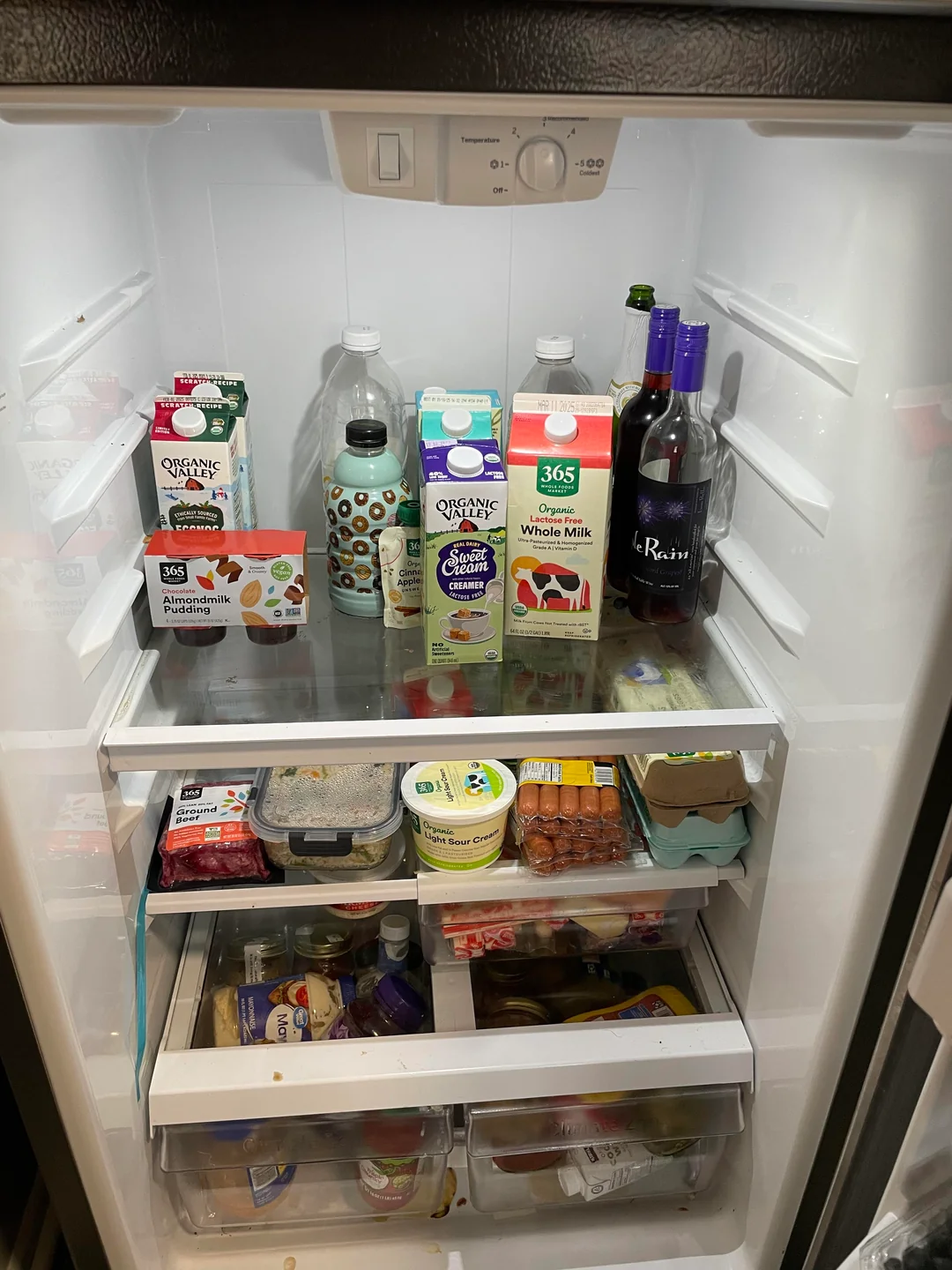
Before mechanical refrigeration became common in homes during the 1920s and ’30s, keeping food cold meant relying on iceboxes and regular deliveries from the local iceman. The refrigerator changed the rhythm of daily life entirely, freeing families from constant grocery runs and drastically reducing related illness. It reshaped kitchens, grocery shopping habits, and even meal planning, making it possible to stock up for a week instead of a day. Modern refrigerators come loaded with smart displays and water filters, but the core promise is the same one.
5. Can Opener
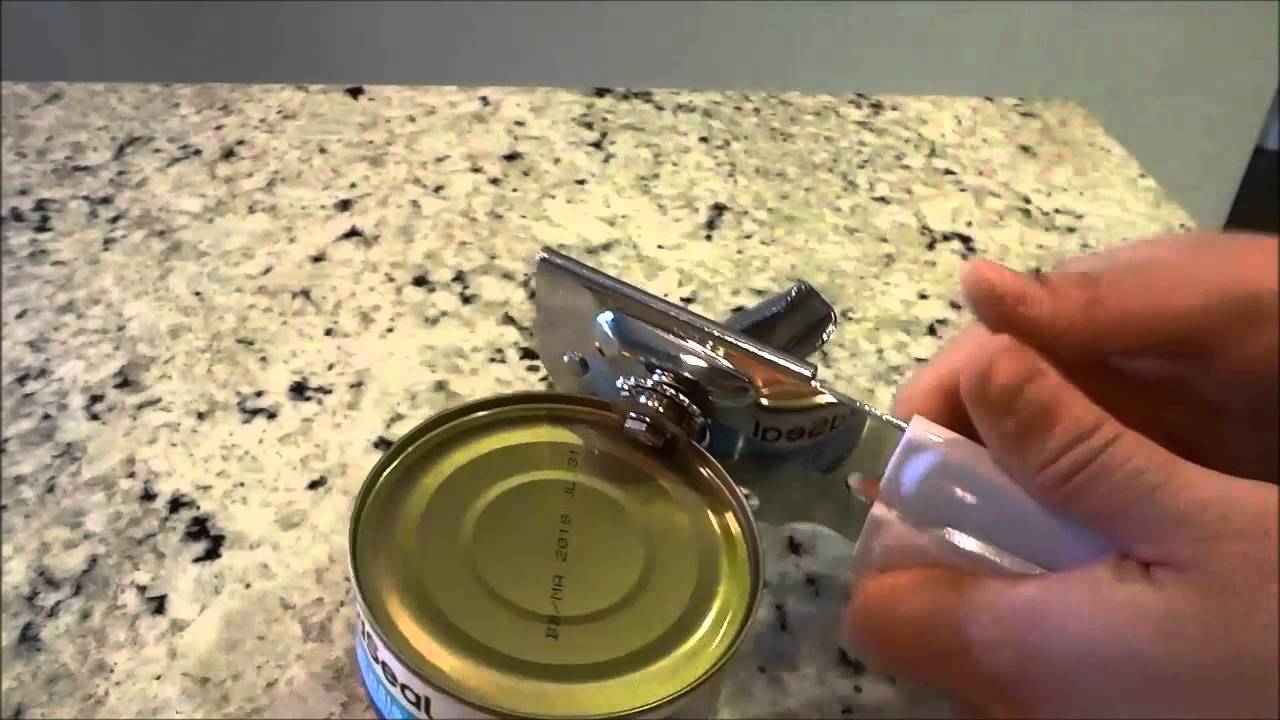
Canned food existed for decades before anyone invented a decent way to open it; early cans famously came with instructions to use a hammer and chisel. Ezra Warner patented the first can opener in 1858, and later designs added the rotating wheel mechanism that made the process fast. It’s a small tool, easily overlooked, but it solved a genuinely absurd problem: food you could store indefinitely but couldn’t actually access without a struggle. Every kitchen drawer in America still has one.
Trending on Wealth Gang


6. Sewing Machine
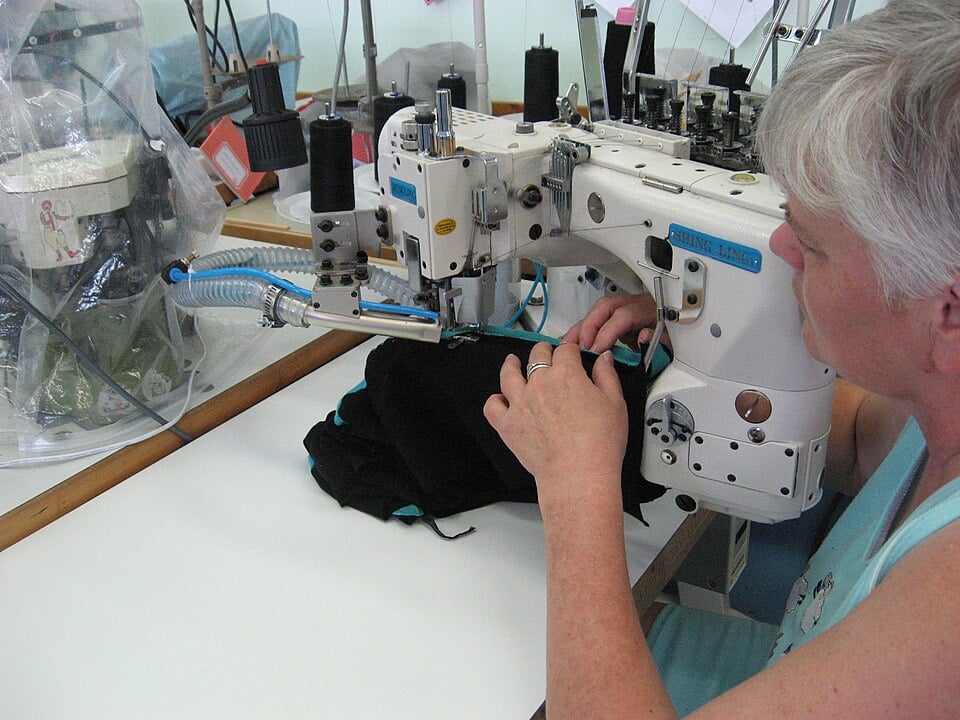
Hand-sewing a garment could take days; Isaac Singer’s improvements to the sewing machine in the 1850s brought that down to hours, and eventually minutes. It transformed the textile industry, made home dressmaking accessible to ordinary families, and laid the groundwork for the ready-to-wear clothing industry we rely on today. Its basic mechanism has barely changed in over a century. It’s a rare case of an industrial revolution-era invention still doing exactly what it was built to do.
7. Umbrella
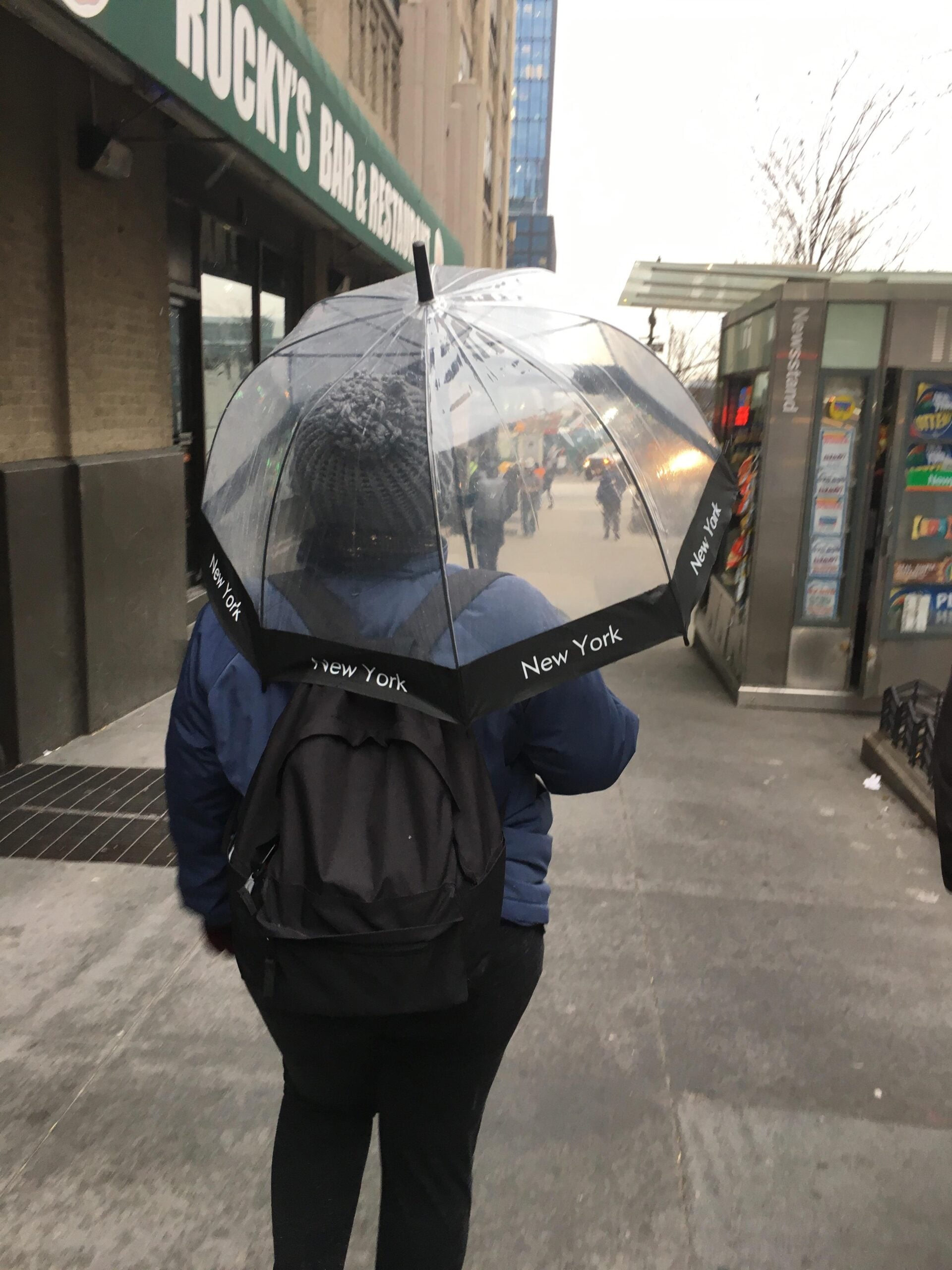
Umbrellas have existed in some form for thousands of years, but the modern folding, waterproofed version we know today emerged in the 18th and 19th centuries. It solved a problem that hasn’t gone away no matter how advanced our world becomes: rain still falls, and people still need to stay dry on the way to work. Despite endless variations in size, pattern, and material, the core design remains essentially untouched.
8. Toothbrush
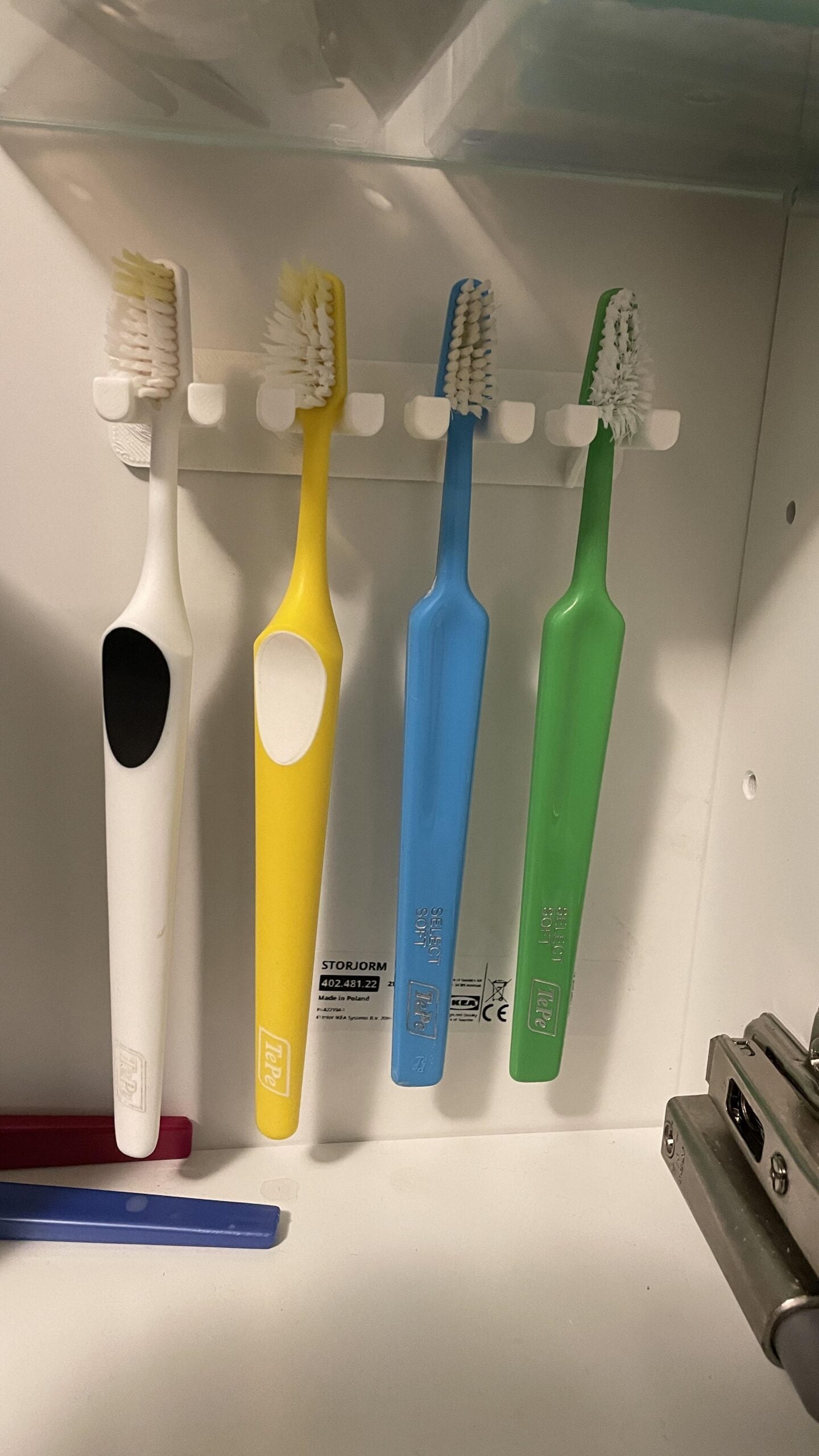
Modern toothbrush design, with a handle and bristles set at an angle for better reach, began taking shape in the late 18th century and was refined through the 19th and 20th centuries with the introduction of nylon bristles in the 1930s. It replaced far less effective methods of dental hygiene, and became a ritual for people around the world. It’s one of the few inventions everyone uses, without exception, every single day.
Sign up for our newsletter
9. The Thermos
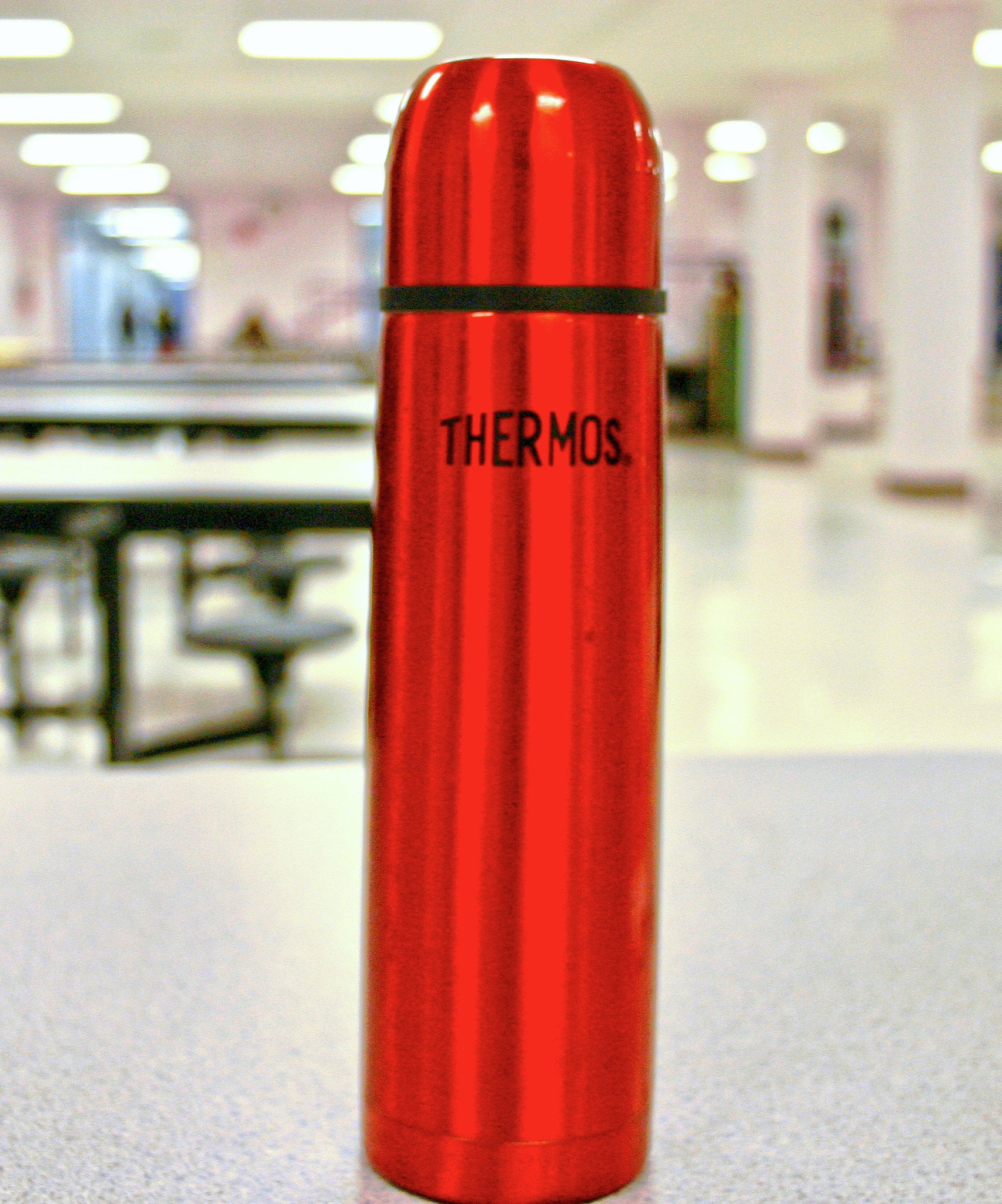
Sir James Dewar developed the vacuum flask in the 1890s for scientific use, insulating liquids by trapping a vacuum between two walls of glass. It wasn’t long before the design was adapted for everyday life, keeping coffee hot on a work site or soup warm on a hike for hours without any power source at all. The genius of the thermos lies in doing so much with so little: no batteries and no electricity.
10. Clothespin
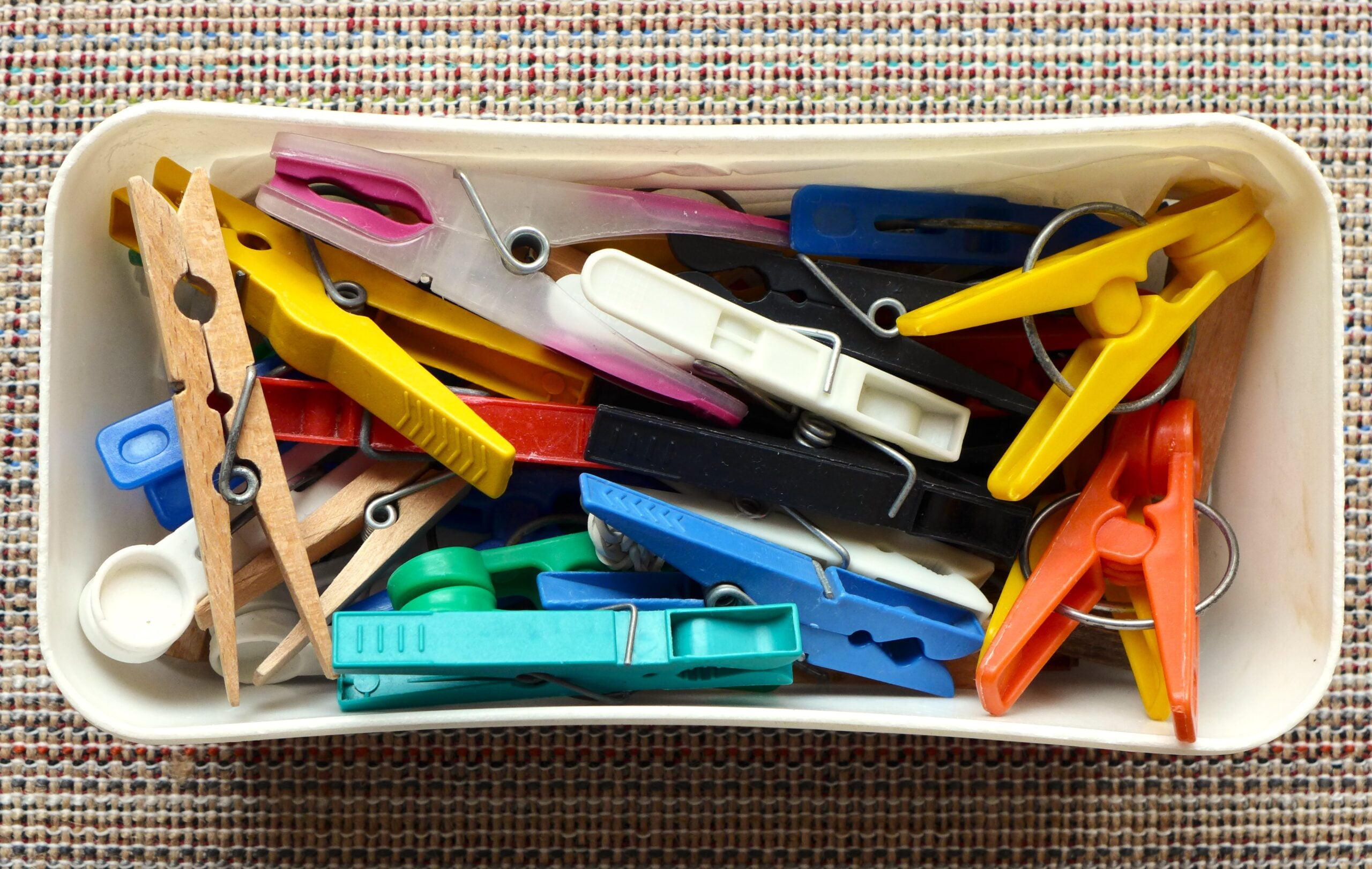
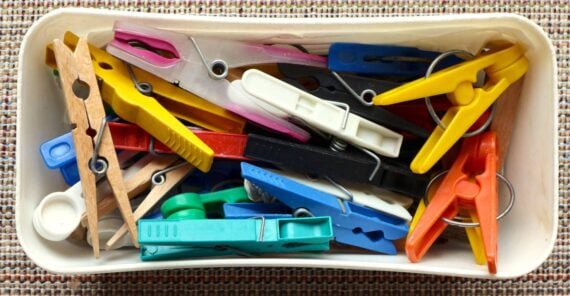
Simple, cheap, and endlessly useful, the modern clothespin was patented by David M. Smith in 1853 and quickly became a laundry-day essential. It solved a small but constant problem: how to keep wet clothes secured to a line without them blowing away, with a design so efficient it never needed reinventing. Long after electric dryers became common, clothespins have stuck around. Their staying power says something about good design: the best tools solve one problem perfectly instead of many problems adequately.
11. The Match
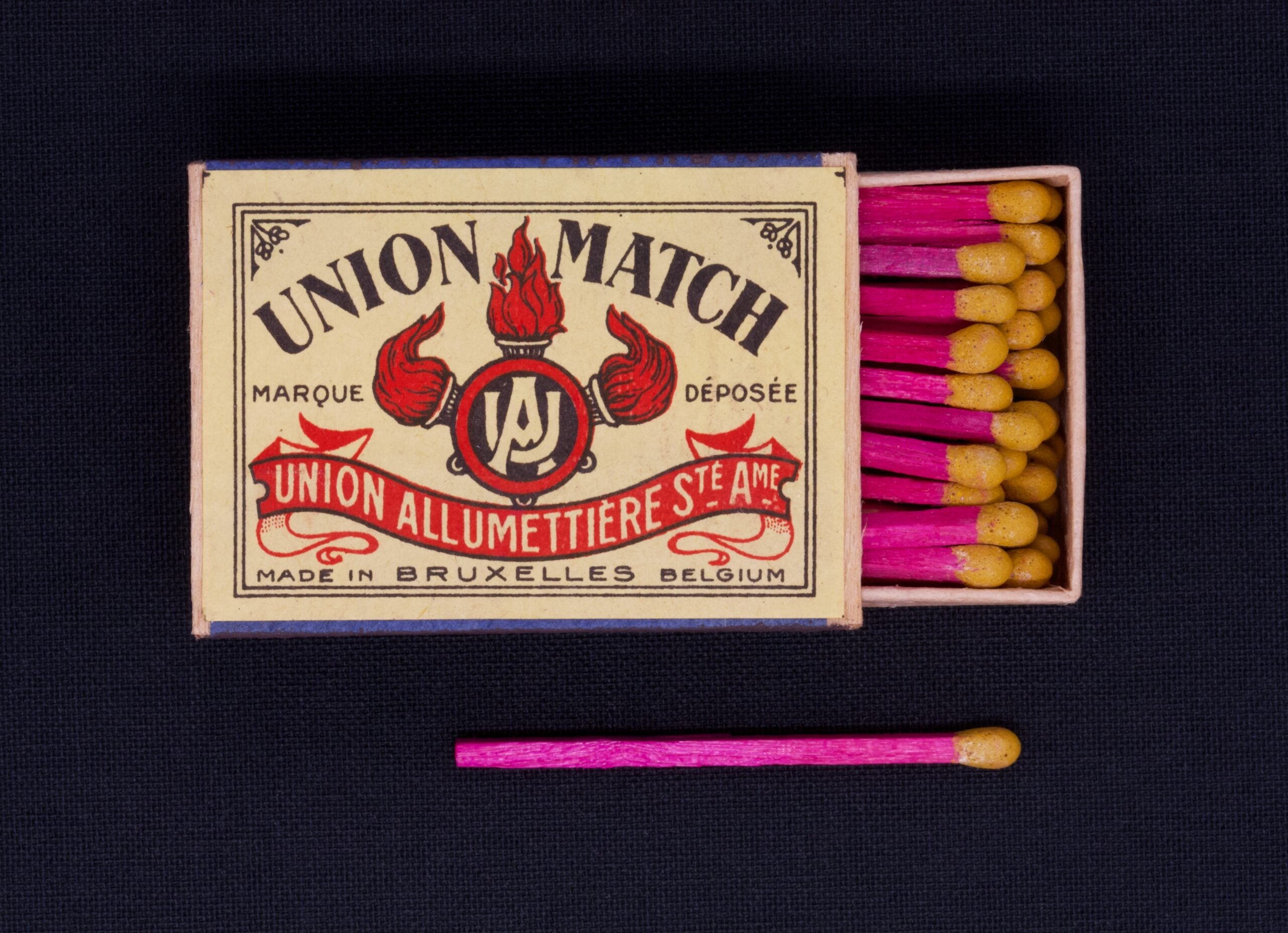
The friction match, developed by John Walker in 1826 and refined over the following decades, made fire instantly accessible with nothing more than a quick strike. It changed how people cooked, heated their homes, and lit their evenings, turning a laborious task into a two-second action. Lighters and electric starters have added convenience since, but for candles, campfires, and birthday cakes, the humble match remains the fastest and most reliable option in the drawer.
12. Doorknob
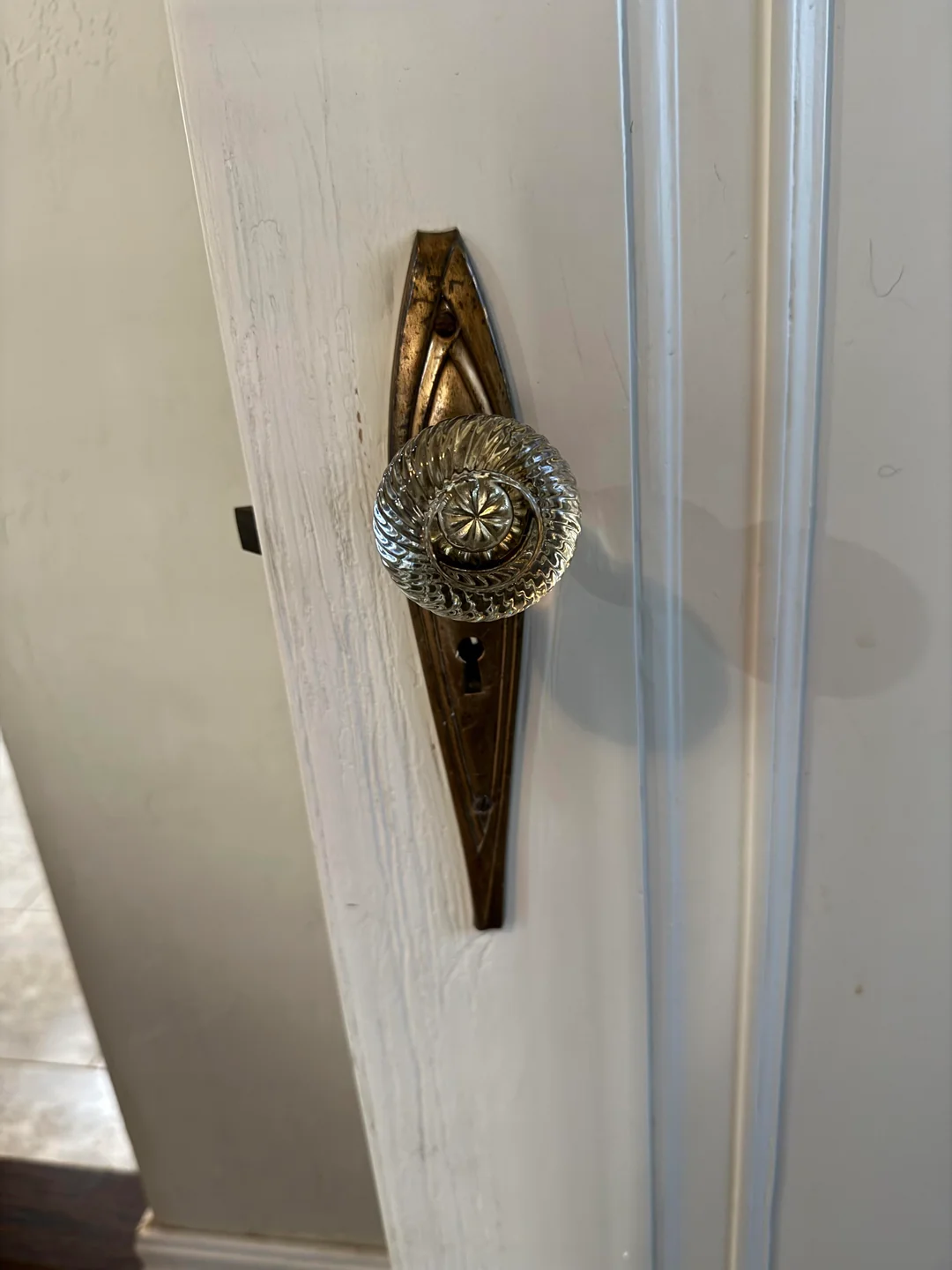
Doorknobs became common in the mid-19th century, replacing simpler latches and mechanisms with a design that offered better security and easier operation. It’s such an unremarkable object that most people never think about it, yet its round, turnable form has proven very intuitive. Every home, office, and building still relies on this same basic mechanism to control who comes and goes. Sometimes the most essential inventions are the ones we notice least.
Keep reading:
These 11 Inventions Are Newer Than Most People Realize rounds up everyday tech, from QR codes to ride-sharing apps, that became essential almost overnight. Next, 20 Inventions Straight out of an Ingenious Garage That Saved Tons of Money shows what happens when everyday people skip the big-budget solution and build something clever with what’s on hand. And if you are wondering just how much has shifted in your own daily routine, 10 Modern Habits That Didn’t Exist Just 15 Years Ago breaks down the small behaviors that would’ve seemed completely foreign back in 2008.