The modern workplace looks dramatically different from the one people knew just a few generations ago. Advances in technology, changing social norms, and shifting industries have completely transformed the types of jobs people do every day. Some careers that once employed thousands have disappeared almost entirely, while others have evolved into something almost unrecognizable.
Looking back at these forgotten professions offers a fascinating glimpse into how people lived and worked before automation and digital technology took over. Many of these jobs sound so unusual today that it’s hard to believe they were once considered perfectly ordinary ways to earn a living.
1. Knocker-Up
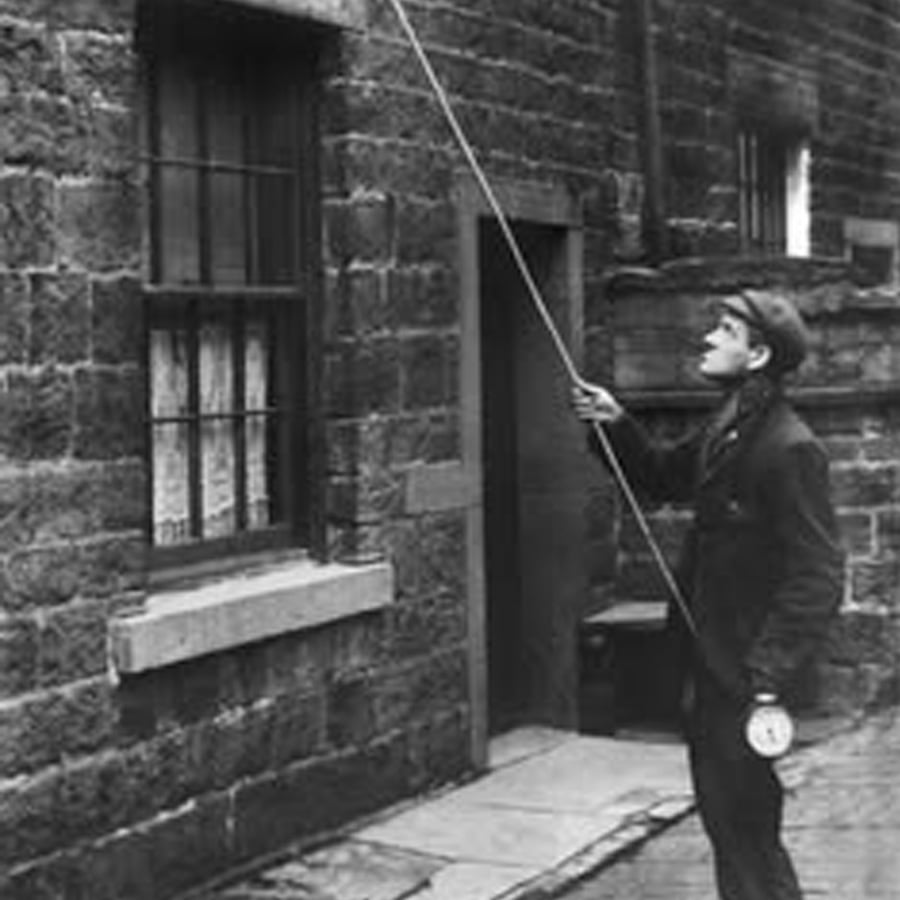
Before alarm clocks became affordable household items, people relied on professional “knocker-ups” to wake them for work. Armed with long bamboo poles or pea shooters, they tapped on bedroom windows until clients woke up. The job was especially common in industrial towns where factory workers needed to arrive before dawn.
2. Ice Cutter
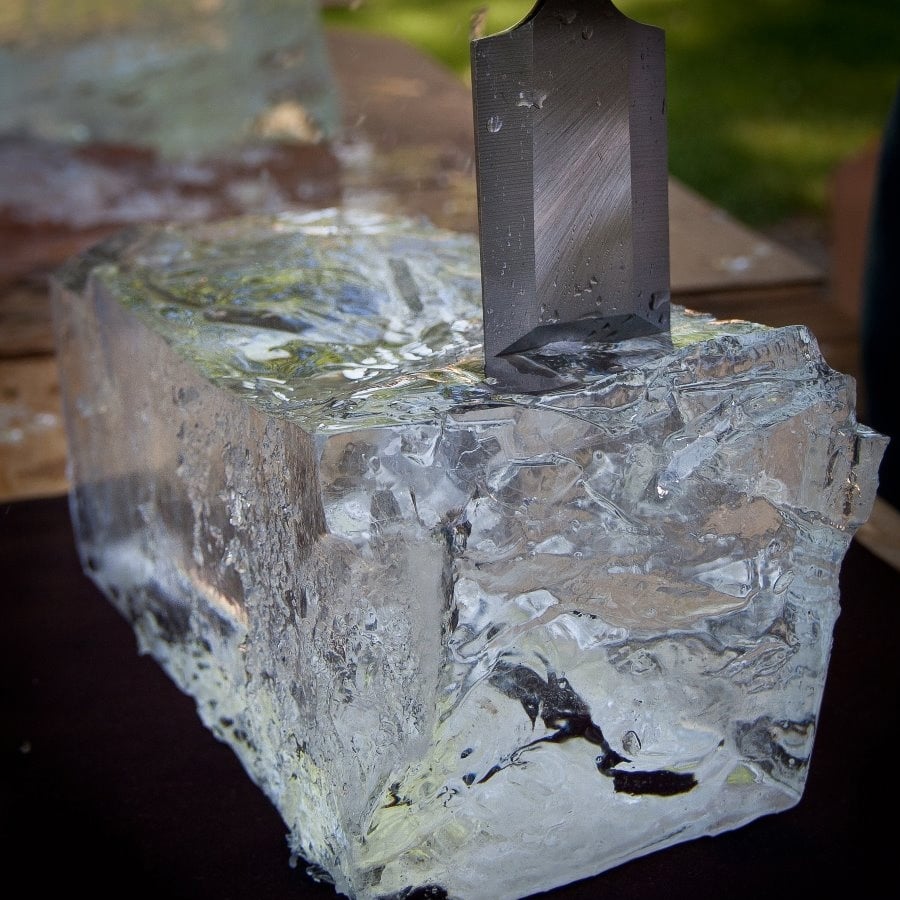
Long before electric refrigeration, workers spent winters cutting enormous blocks of ice from frozen lakes and rivers. The ice was stored in insulated icehouses and delivered throughout the warmer months to homes, restaurants, and businesses. It was physically demanding work that disappeared once refrigerators became widespread.
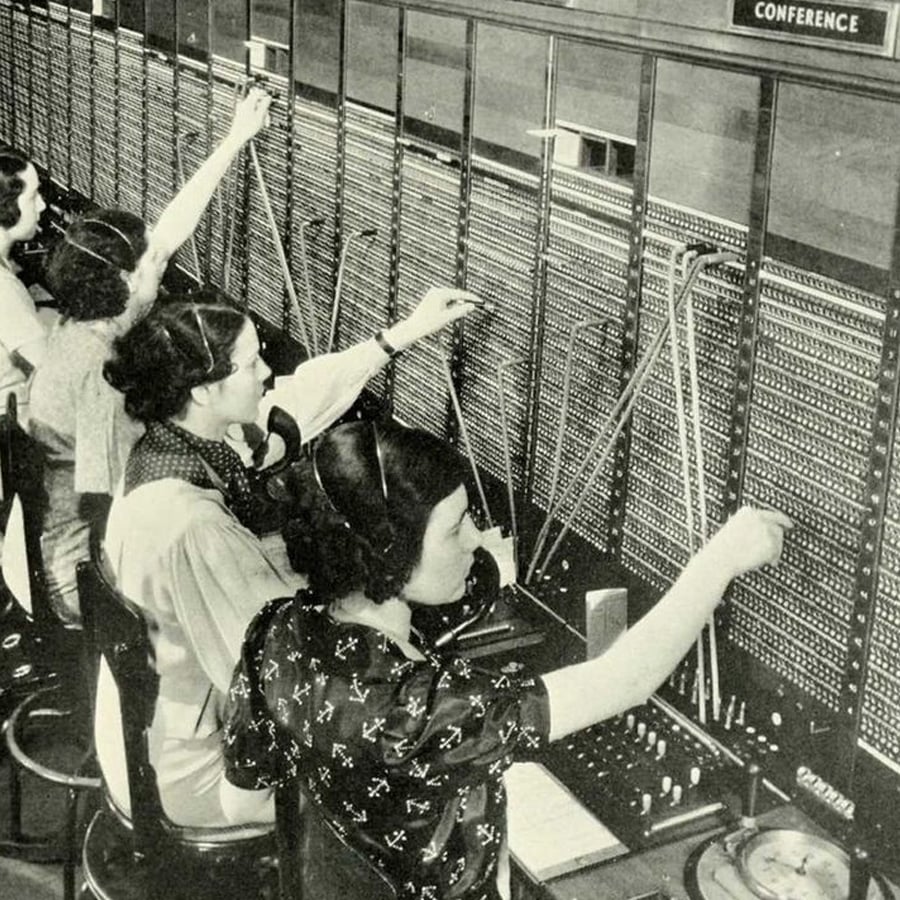
3. Switchboard Operator
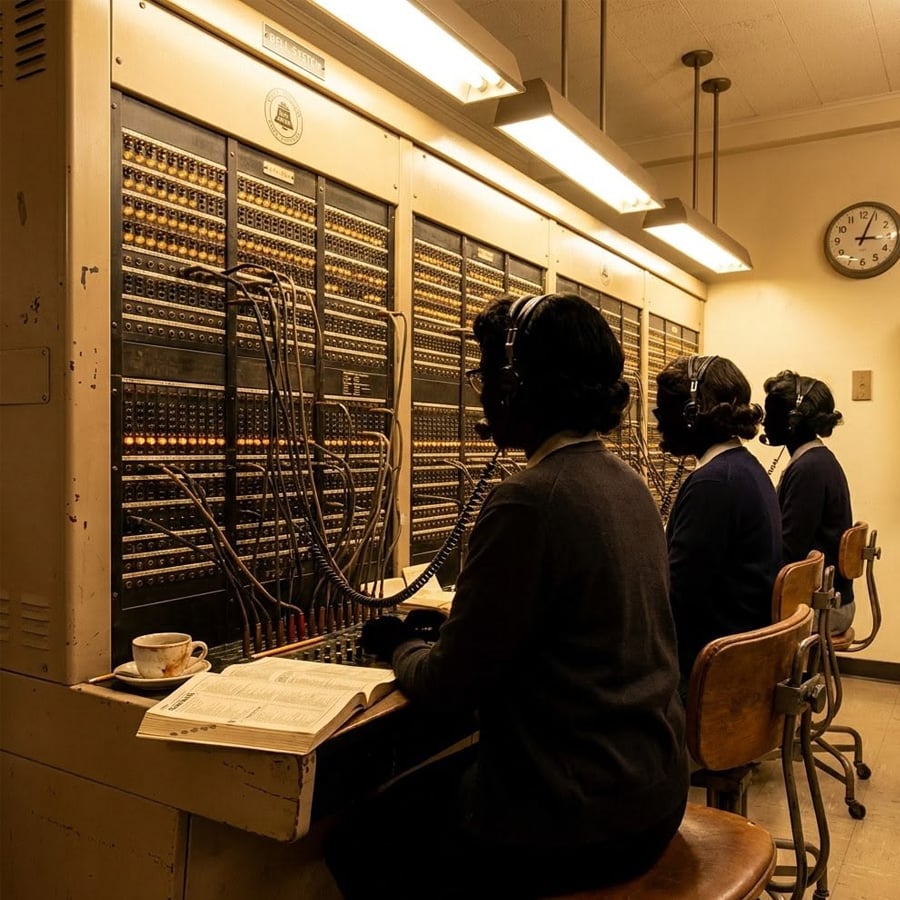
Telephone calls once depended on armies of switchboard operators manually connecting callers by plugging cables into massive switchboards. The role required speed, accuracy, and excellent communication skills. Automated telephone exchanges eventually made the profession almost obsolete.
4. Lamplighter
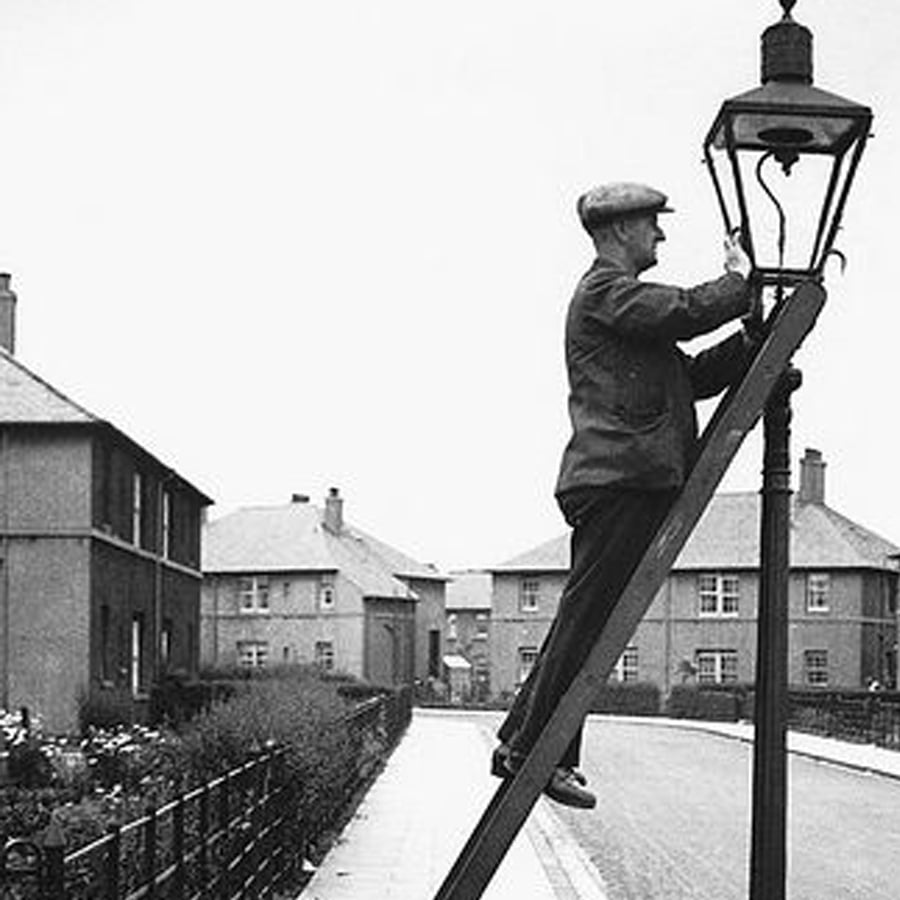
City streets were once illuminated by gas lamps that had to be lit individually every evening and extinguished every morning. Lamplighters walked miles carrying ladders and lighting equipment to keep neighborhoods bright after sunset. Electric streetlights gradually eliminated the need for the occupation.
5. Rat Catcher
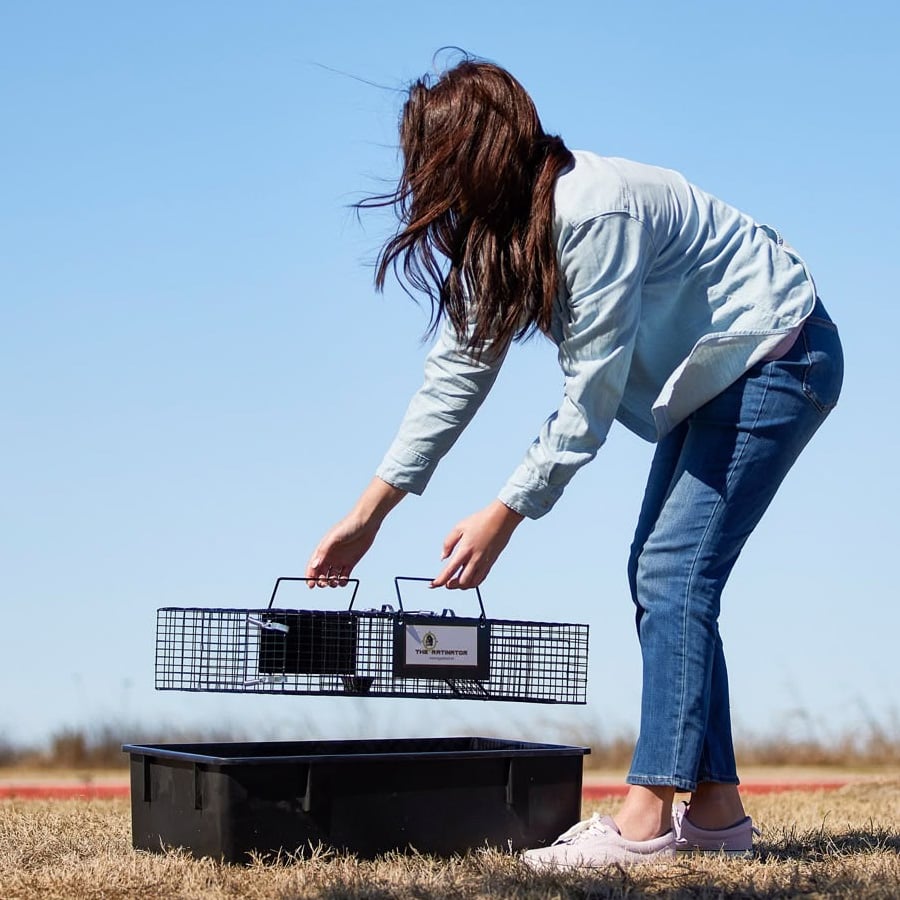
In crowded cities, rat catchers played an essential role in controlling dangerous rodent populations. They trapped or hunted rats in homes, warehouses, and sewers, helping reduce the spread of disease. Today, pest control companies use far more advanced methods than the tools available to these specialists.
Trending on Wealth Gang

6. Town Crier
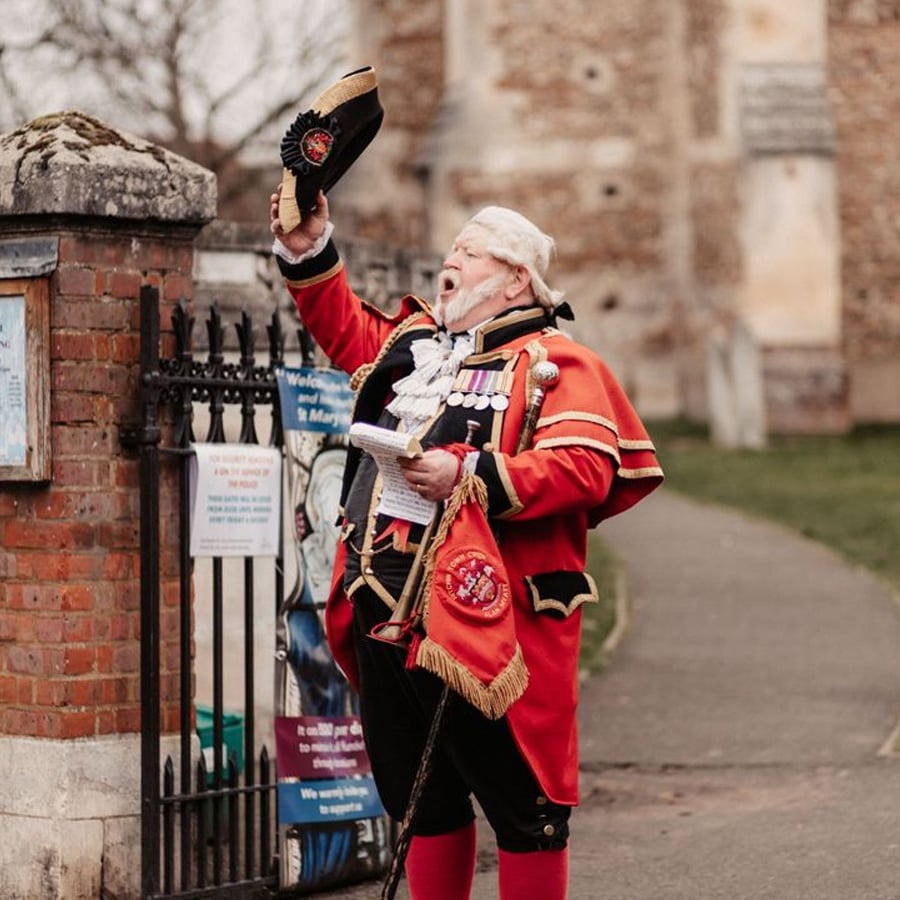
Before newspapers reached every household and long before television or social media, official announcements were delivered by town criers. Standing in public squares, they loudly proclaimed government notices, local news, and important community updates so everyone could hear them.
7. Human Computer

Before electronic computers existed, companies, governments, and research institutions hired people to perform complex mathematical calculations by hand. These “human computers” were responsible for everything from engineering projects to astronomical observations, requiring remarkable precision and patience.
8. Pin Setter

Bowling alleys originally relied on workers who manually reset the pins after every frame. Often performed by teenagers, the job demanded quick reflexes to avoid flying bowling balls while constantly replacing pins throughout the day. Automatic pin-setting machines eventually replaced nearly all of these workers.
Sign up for our newsletter
9. Milkman
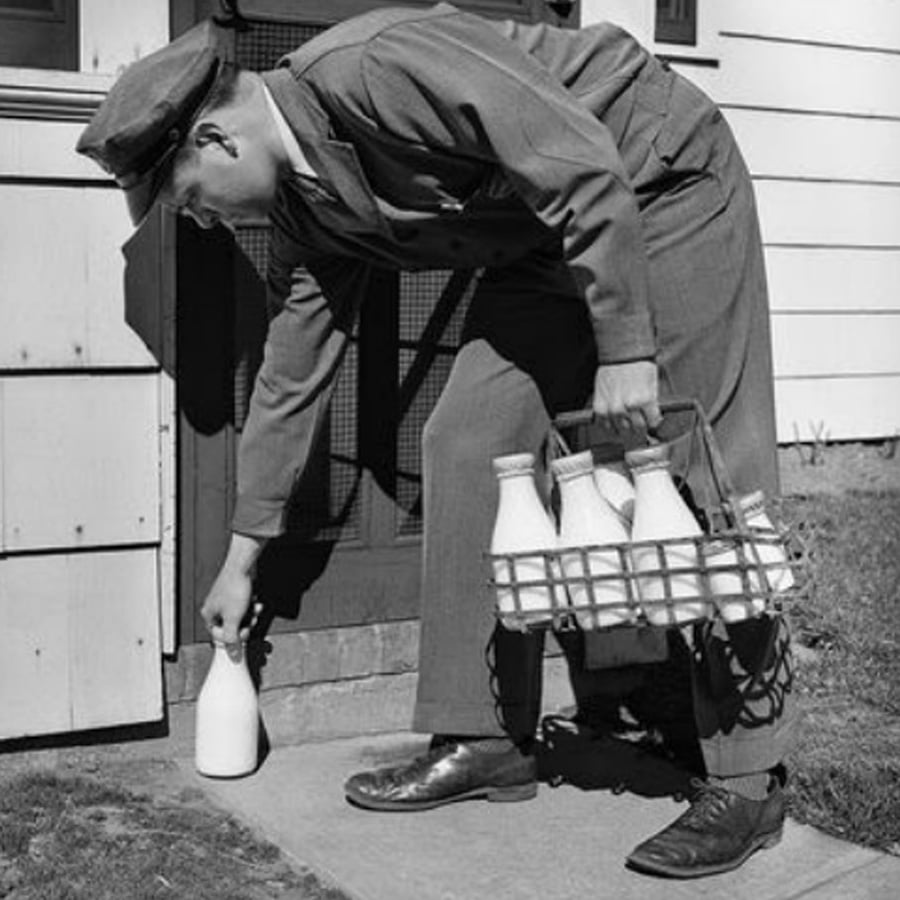
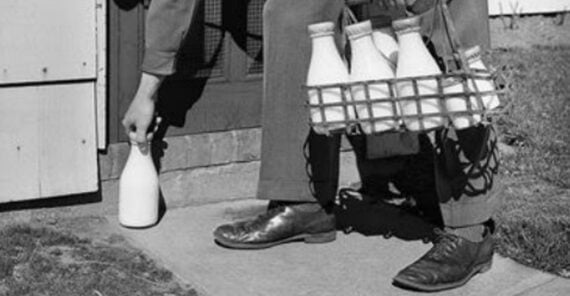
Fresh milk was once delivered directly to homes every morning by neighborhood milkmen. Families left empty glass bottles outside, which were exchanged for fresh ones during daily rounds. Supermarkets and modern refrigeration gradually made daily home delivery much less common.
10. Elevator Operator
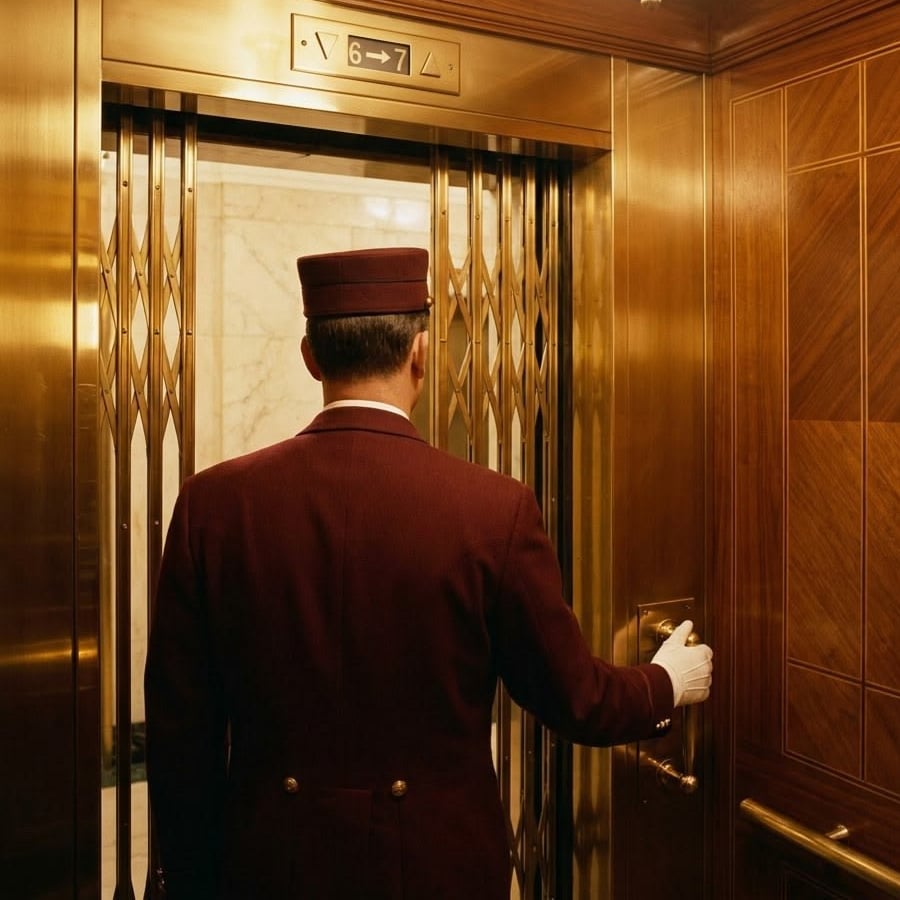
Operating an elevator used to require a trained employee who manually controlled speed, stopping points, and opening the doors. Besides running the equipment, operators often greeted passengers and provided directions within large office buildings and department stores. Automation removed the need for most operators.
11. Telegraph Operator
Telegraph operators transmitted messages across long distances using Morse code, making near-instant communication possible for the first time. Businesses, newspapers, railroads, and governments depended heavily on their expertise. The rise of telephones and digital communication brought the profession to an end.
12. Typesetter
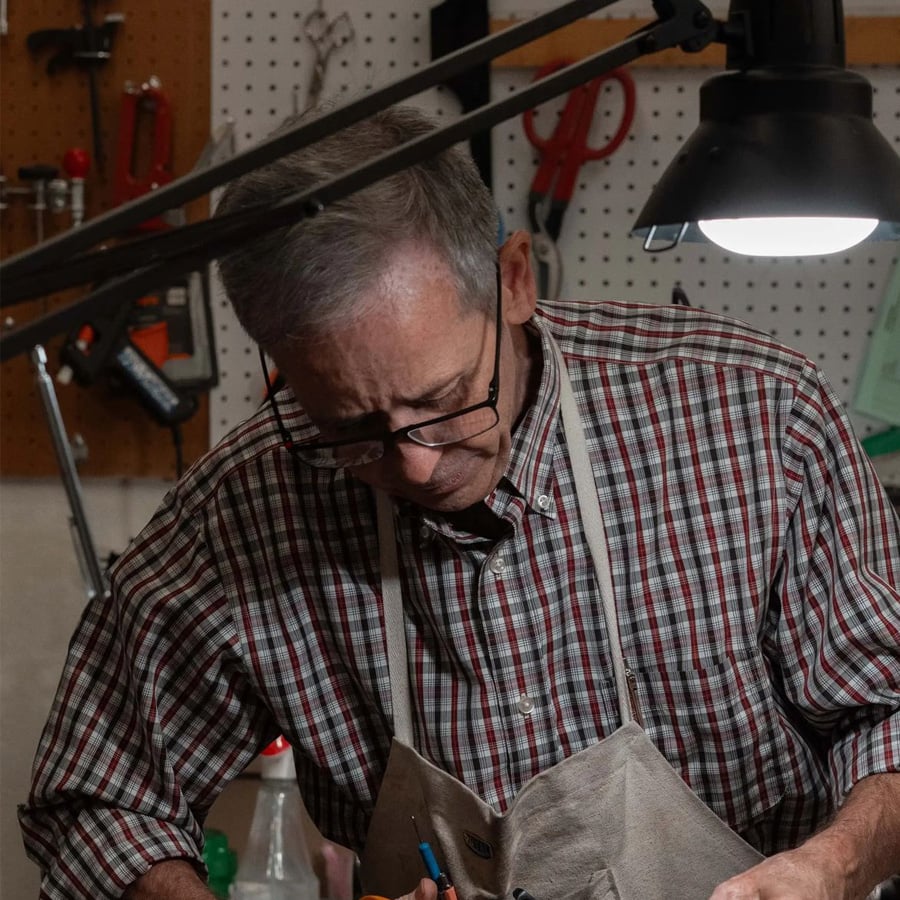
Before desktop publishing, every newspaper, book, and magazine required skilled typesetters to arrange individual letters or metal type into printable pages. It demanded careful attention to detail and years of training. Digital publishing software completely transformed the printing industry.
13. Leech Collector
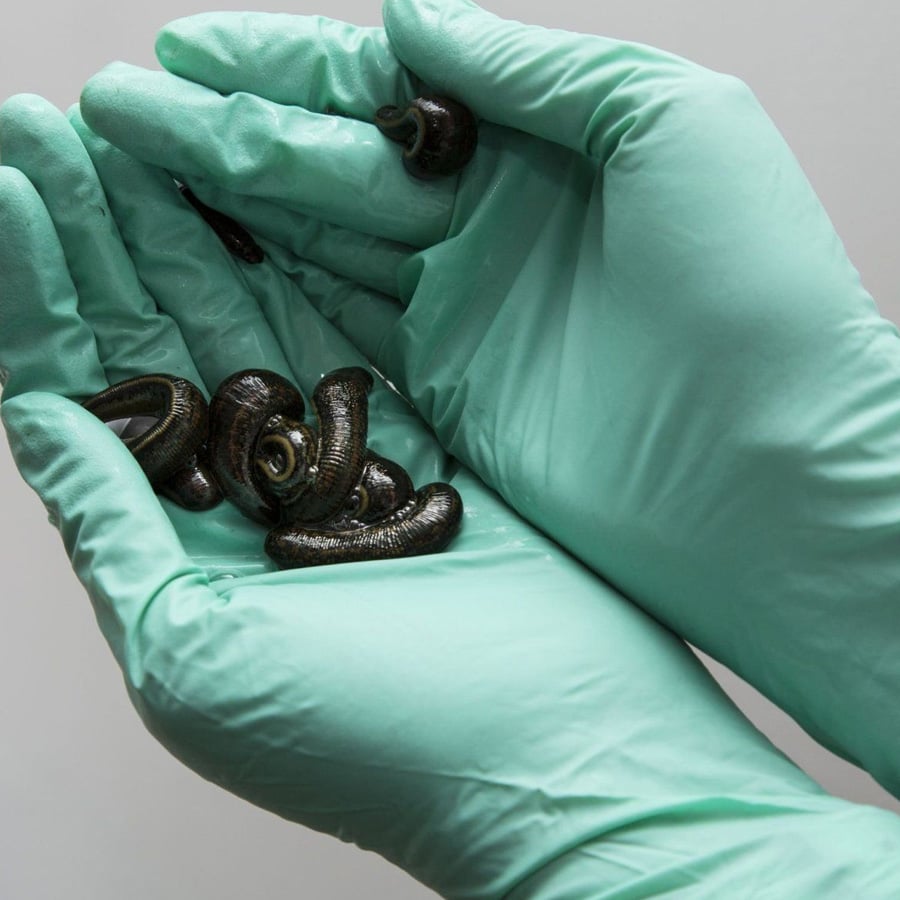
Medical treatments once relied heavily on leeches for bloodletting, creating demand for workers who collected them from ponds and marshes. The work was unpleasant and often involved standing in cold water while attracting leeches onto their own legs. Modern medicine has made the profession virtually extinct, despite limited medical use of leeches today.
14. Factory Reader
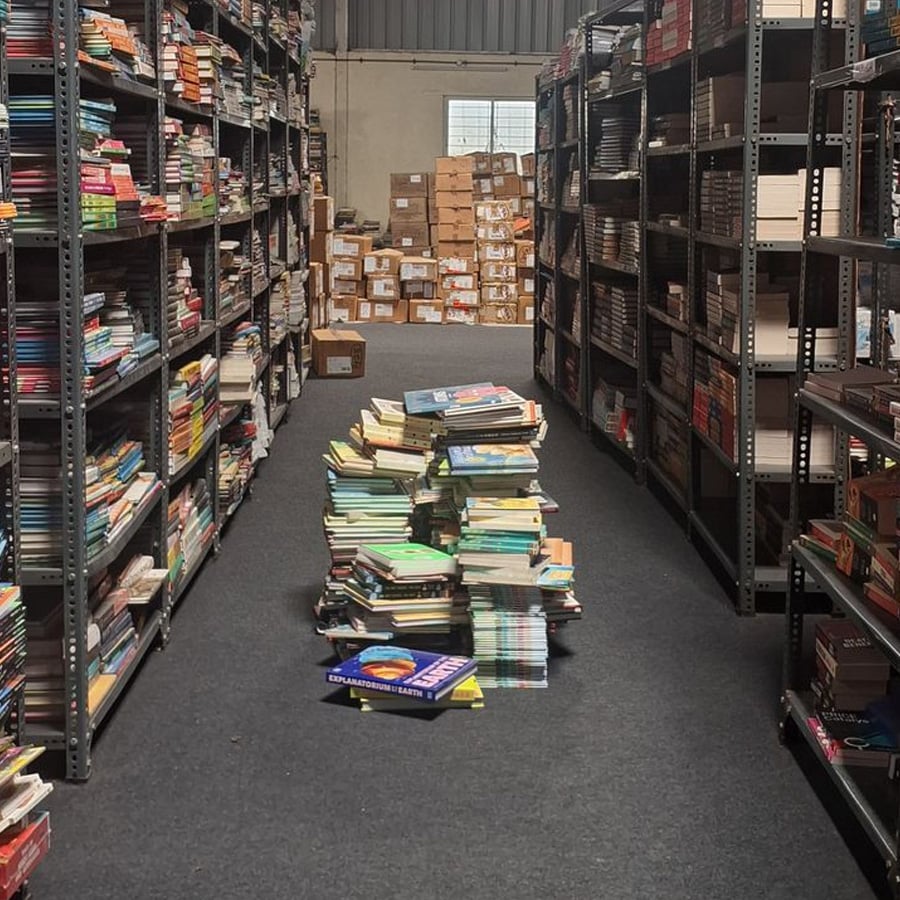
In cigar factories and other workplaces, employers hired readers to entertain workers by reading newspapers, novels, and political speeches aloud during long shifts. The position boosted morale and kept employees informed before radios became common. Recorded audio and broadcast media eventually replaced this unusual occupation.
More Related Notes
• 17 Surprisingly High-Paying Jobs Most People Never Consider.
Discover modern careers that may sound unusual today but offer impressive salaries and growing demand across multiple industries.
• 11 Unusual Jobs That Pay Much More Than You’d Expect.
Explore unique professions that challenge traditional career paths and prove that unconventional work can be surprisingly rewarding.
• 12 Occupations Expected to Add the Most Workers This Decade.
See how the job market has evolved by comparing forgotten occupations of the past with the careers expected to shape the future.