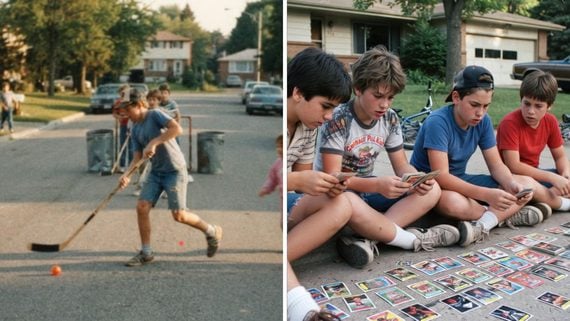
Growing up as a teenager in the 1980s meant experiencing a kind of independence that can feel surprisingly unfamiliar today. Without smartphones, constant location tracking, or social media updates, teenagers often had more opportunities to explore their neighborhoods, make spontaneous plans, and spend time away from adult supervision. A bicycle, a few dollars, and a group of friends could be enough to fill an entire afternoon.
Of course, not every teenager enjoyed the same level of freedom. Family rules, neighborhood safety, and personal circumstances shaped how much independence young people actually had. Still, many American teens experienced everyday freedoms that have become less common in an increasingly connected world. These 16 small freedoms capture what made teenage life in the 1980s feel so different.
1. Riding Bikes Around Town Without Constant Check-Ins
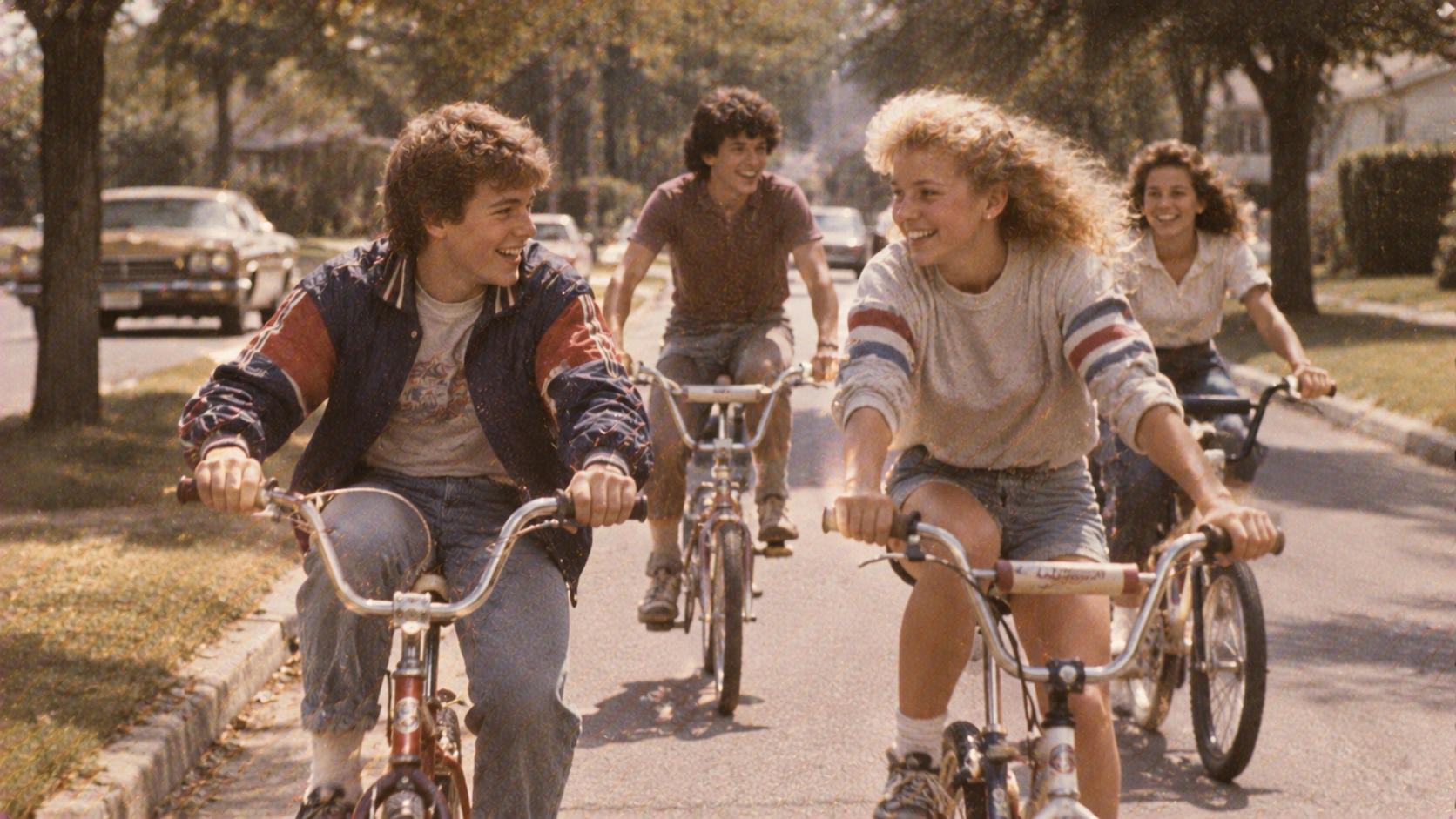
For many teenagers in the 1980s, a bicycle was practically a passport to independence. They could ride to a friend’s house, visit a convenience store, or explore nearby neighborhoods without needing someone to drive them. Parents often expected their children to return by dinner rather than provide updates throughout the afternoon. As long as they stayed within familiar areas and followed household rules, teenagers could enjoy hours of freedom on two wheels.
2. Spending Entire Afternoons at the Mall

Shopping malls were major social destinations for American teenagers during the 1980s. Friends could spend hours browsing clothing stores, visiting record shops, eating at the food court, and watching people walk by. Many teens were dropped off by their parents and picked up several hours later, with little supervision in between. The mall offered a place to socialize, discover trends, and feel independent without necessarily spending much money.
3. Making Plans Without Constantly Updating Everyone

Before cell phones became common, teenagers had to make plans in advance and trust that everyone would show up. Friends might agree to meet outside a movie theater at seven or gather at someone’s house after school. Once those arrangements were made, there was usually no easy way to change them. This sometimes led to missed connections, but it also encouraged teenagers to be punctual and figure things out on their own.
4. Hanging Out With Friends Without Taking Pictures

Teenagers in the 1980s could spend an afternoon with friends without documenting every moment. Cameras required film, and developing photographs cost money, so ordinary conversations and casual gatherings often went unrecorded. A trip to the park, an embarrassing joke, or a spontaneous dance session could remain a private memory. For many teens, this meant enjoying social experiences without worrying about how they would appear in photographs shared with others.
5. Going to the Movies Without Adult Supervision

A trip to the local movie theater was a popular way for teenagers to enjoy independence. Friends could purchase tickets, buy popcorn, and watch the latest releases without parents sitting beside them. Movie theaters were especially attractive because they provided a few hours away from home in a familiar public setting. For younger teenagers, being allowed to attend a movie with friends could feel like an important milestone.
Trending on Wealth Gang


6. Walking to Friends’ Houses Without Calling First
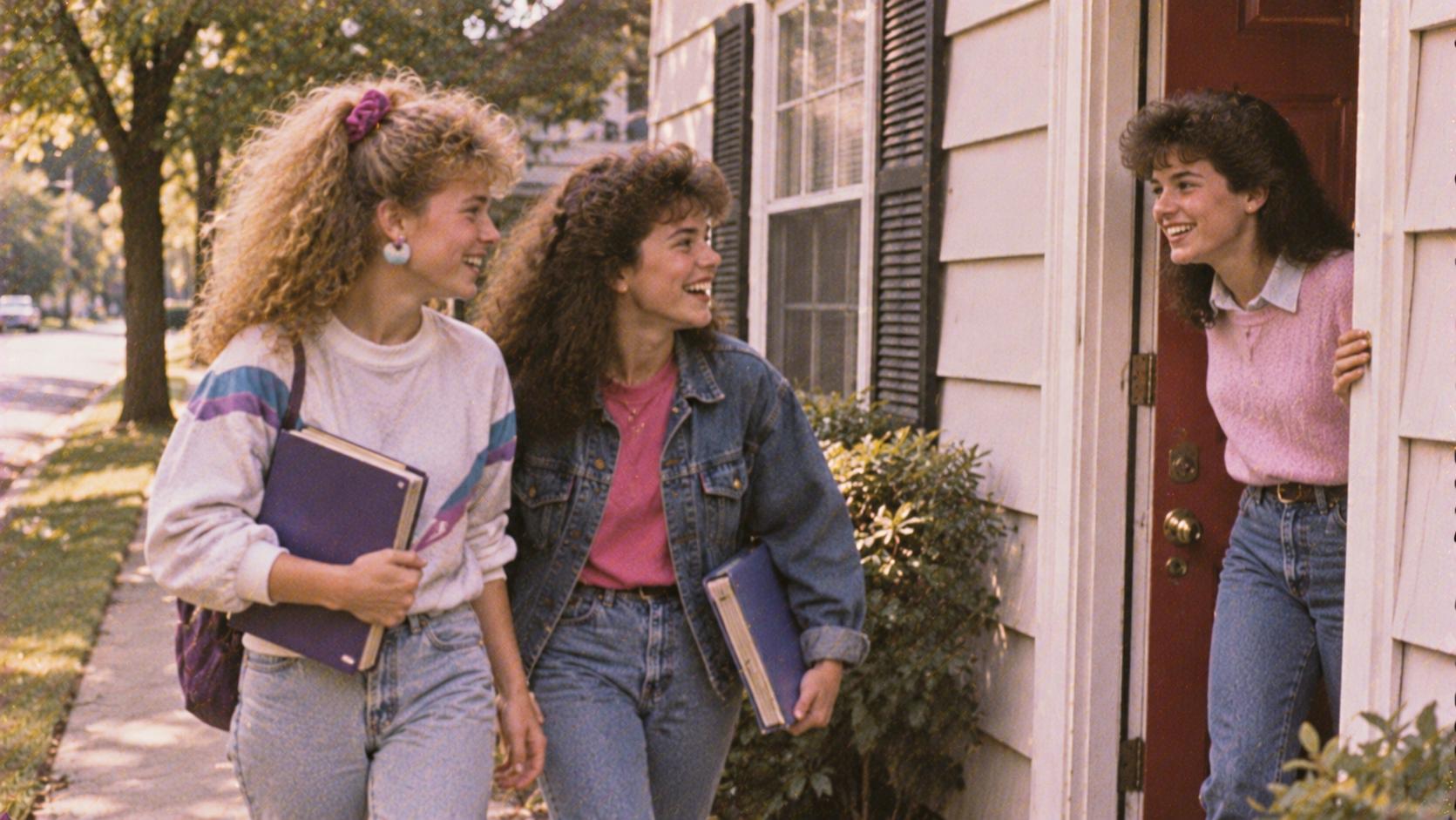
Showing up at a friend’s front door was a normal part of teenage social life in the 1980s. Someone might walk several blocks, ring the doorbell, and ask whether their friend could come outside. If nobody answered, they simply tried another house or headed home. Without instant messaging, these spontaneous visits were an easy way to find company and turn an ordinary afternoon into an unexpected adventure.
7. Spending Hours at the Arcade

Video game arcades offered teenagers an exciting escape from everyday routines. With a handful of quarters, they could compete for high scores, watch skilled players, and socialize around popular machines. Games such as Pac-Man, Donkey Kong, and Galaga helped make arcades gathering places throughout the decade. Teenagers could spend considerable time there without needing organized activities or constant adult involvement.
8. Listening to Music Without Anyone Monitoring Their Playlists
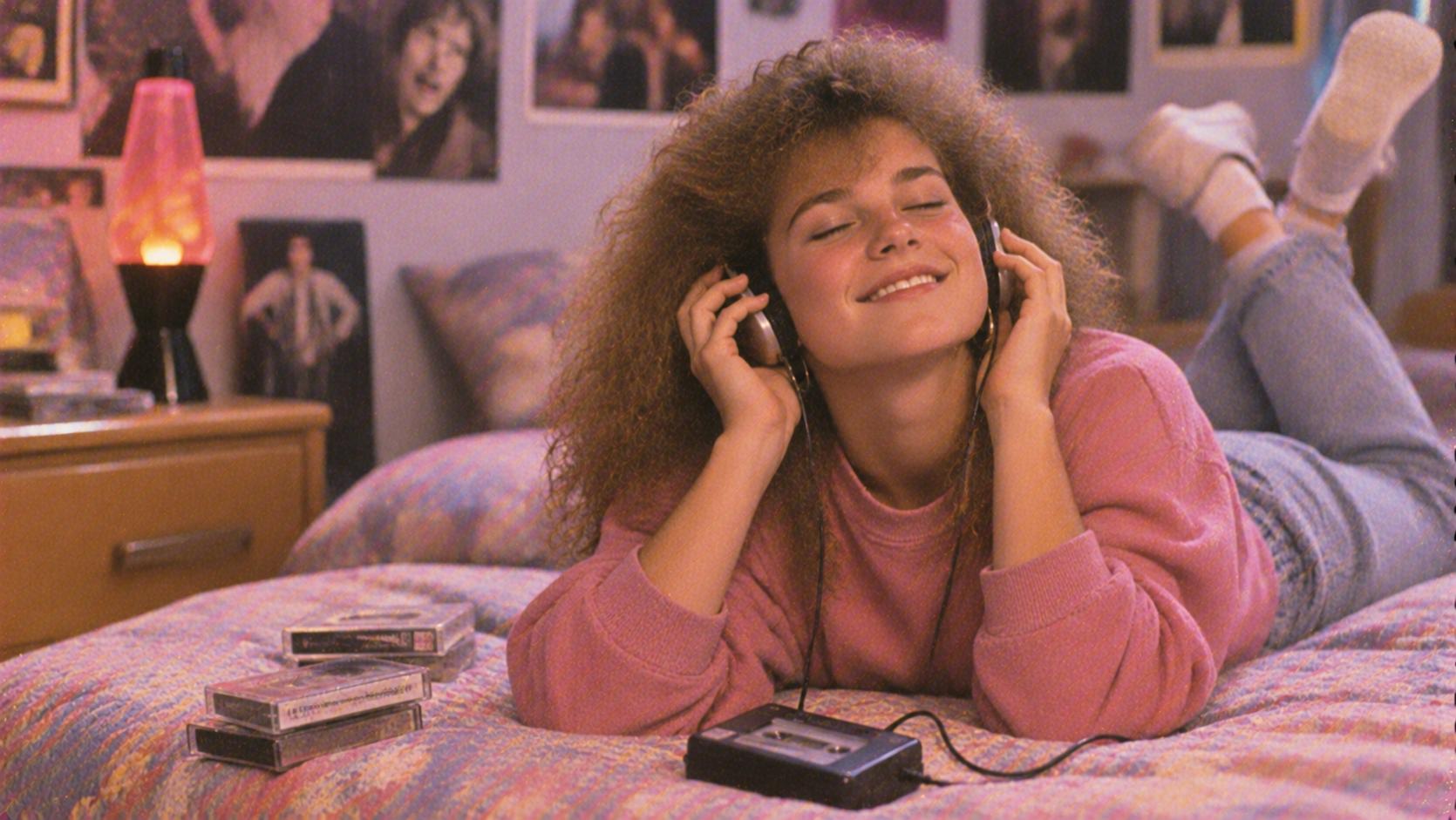
Music was an important part of teenage identity in the 1980s. Young people could listen to cassette tapes, record songs from the radio, and discover new artists through friends or record stores. A portable cassette player made it possible to enjoy favorite songs while walking around or riding the bus. Although parents sometimes objected to certain artists or lyrics, teenagers often had considerable freedom to develop their own musical tastes.
Sign up for our newsletter
9. Taking Long Walks Just to Pass the Time
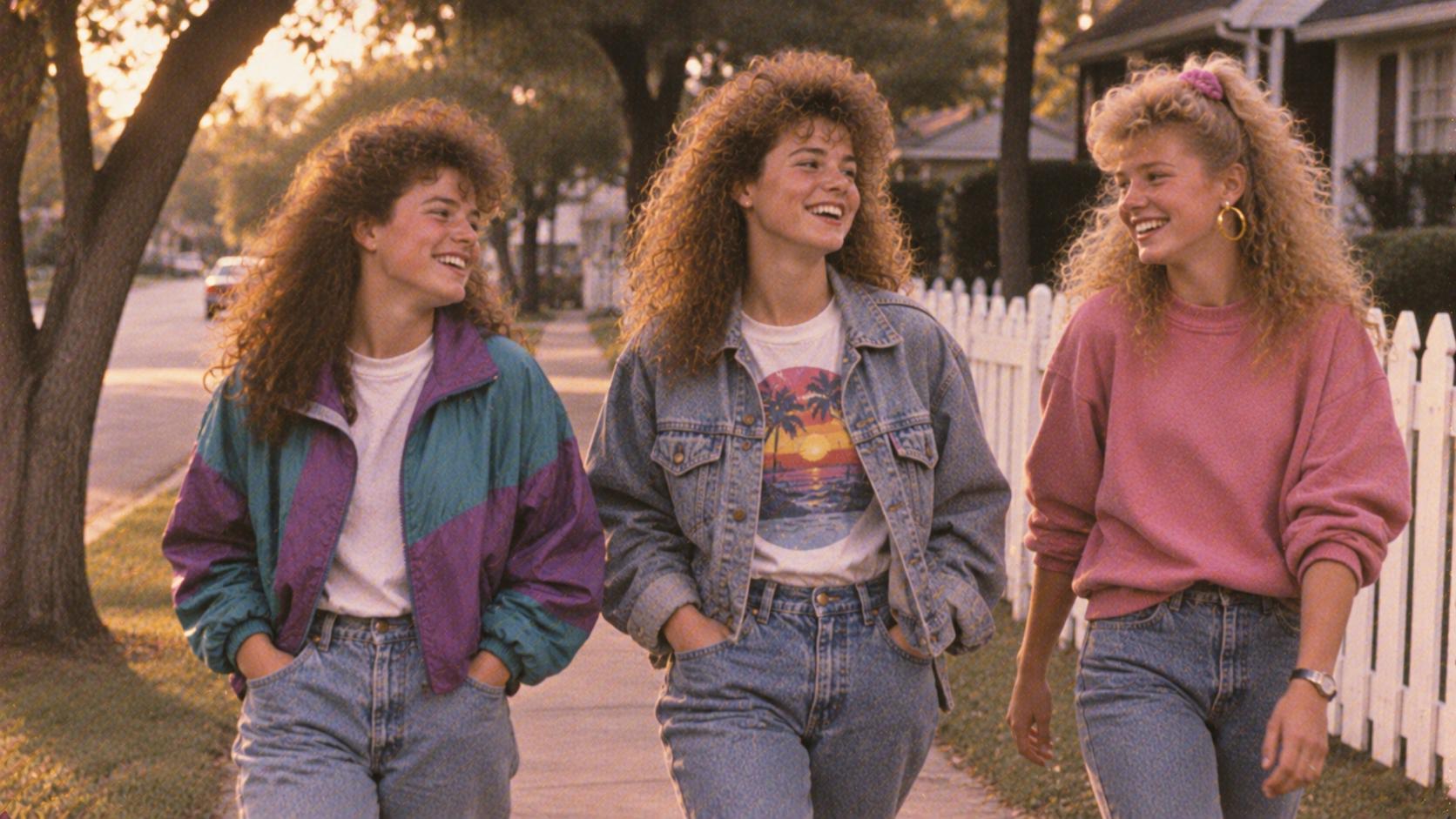
Not every teenage adventure required a destination. Friends could walk through their neighborhoods, stop at a corner store, sit on a bench, or wander around talking for hours. Without smartphones providing constant entertainment, these simple outings became opportunities for conversation and exploration. Walking around town helped teenagers become familiar with their surroundings while enjoying time away from home.
10. Having Private Phone Conversations

The family landline was usually the main way teenagers communicated with friends outside school. While parents and siblings could interrupt or overhear conversations, teenagers sometimes found privacy by stretching a long telephone cord into another room or using a second phone extension. Conversations could last for hours, especially in the evening. Unlike modern digital messaging, these discussions generally left no searchable written record.
11. Going to the Convenience Store Alone

A quick trip to the neighborhood convenience store could feel like a small adventure. Teenagers might walk or ride their bikes to buy candy, soda, magazines, or snacks with their allowance money. Stores such as 7-Eleven became familiar stops for young people looking for something inexpensive to enjoy. These errands gave teenagers opportunities to make their own purchasing decisions and spend time outside the house.
12. Keeping Their Social Lives Separate From Their Parents

In the 1980s, parents generally had fewer technological ways to monitor their teenagers’ friendships and daily activities. There were no social media profiles to inspect or location-sharing apps to check throughout the day. Parents could still establish rules, ask questions, and contact other families, but teenagers often had more space to develop their own social identities. Conversations, friendships, and minor disagreements could remain largely within their peer groups.
13. Spending Summer Days Outside Until Dinner
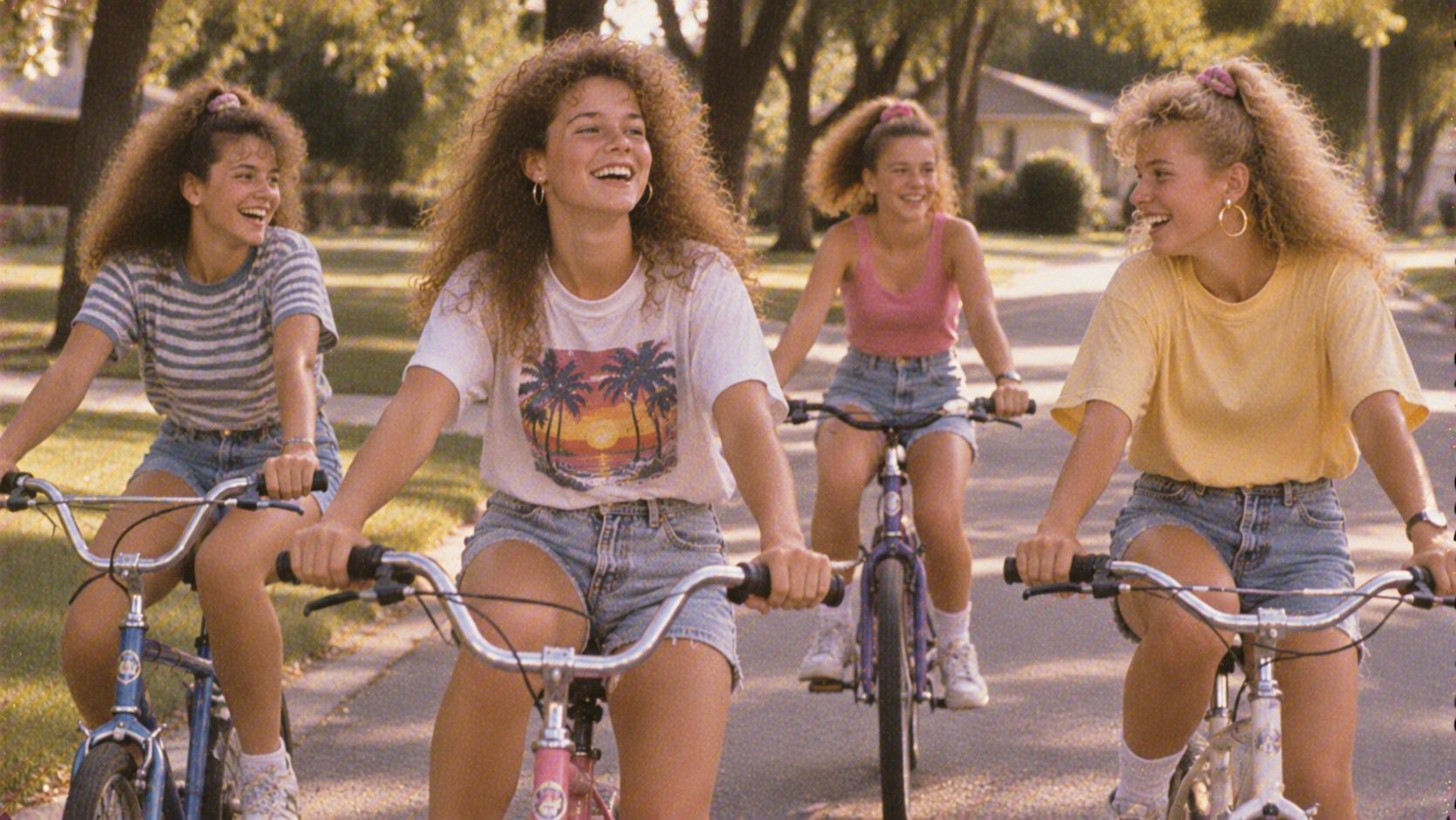
Summer vacation often meant long days of outdoor activities with relatively little structure. Teenagers could meet friends at a park, play basketball, ride bicycles, or spend time near a neighborhood pool. Some families expected their children to return at a particular hour, while others simply called them home when dinner was ready. These unplanned afternoons offered opportunities to explore interests and enjoy independence without a packed schedule.
14. Choosing Their Own Clothes Without Social Media Pressure

Teenagers in the 1980s followed fashion trends, but their clothing choices were not constantly displayed to an online audience. Styles inspired by MTV, popular musicians, and movies influenced everything from denim jackets to colorful sneakers. Young people experimented with hairstyles, accessories, and outfits to express their personalities. Peer pressure certainly existed, but there was no expectation to photograph every outfit or maintain a carefully curated digital image.
15. Making Mistakes Without Them Becoming Permanent Online Memories
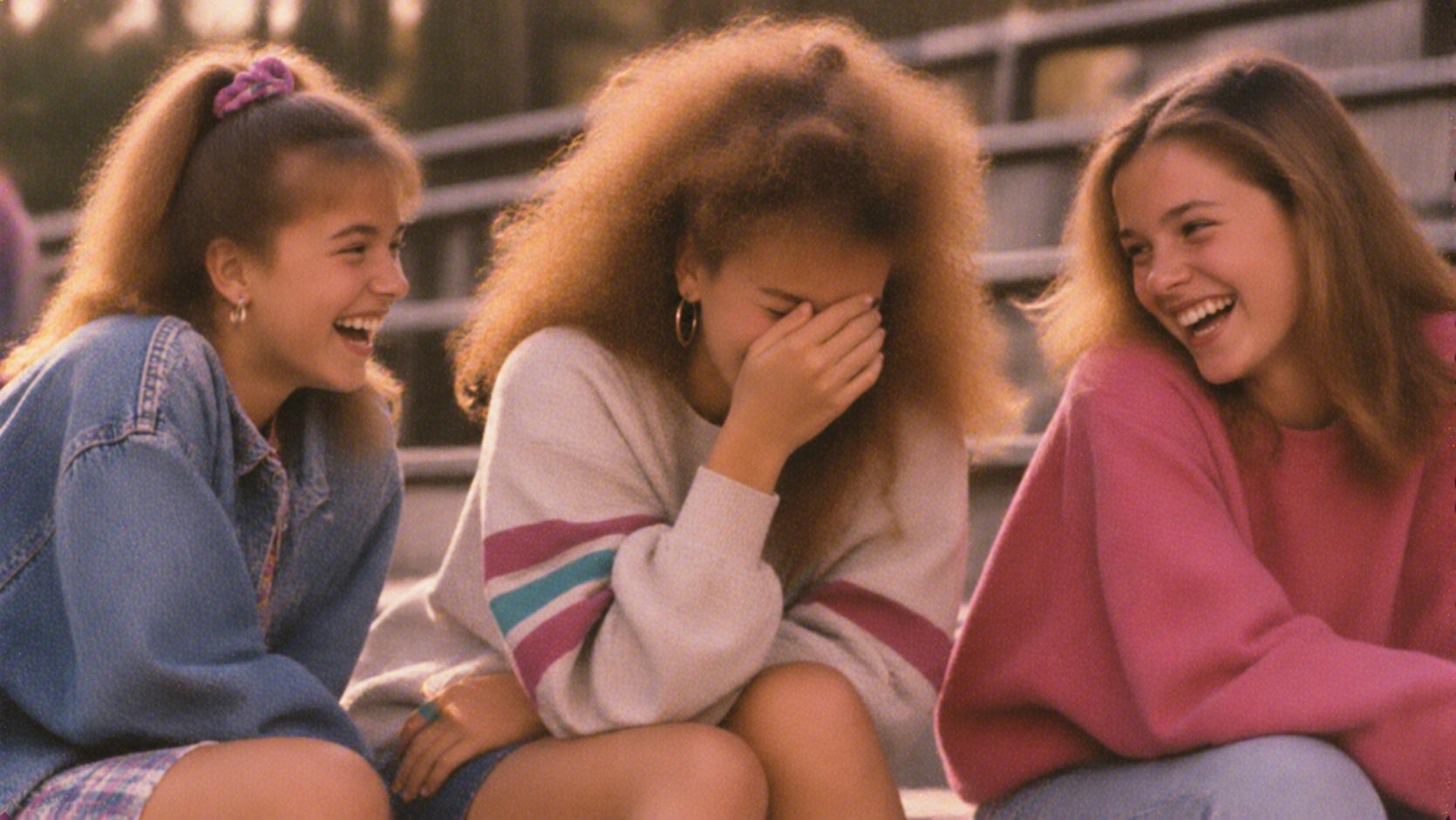
Teenage embarrassment was nothing new in the 1980s, but most awkward moments were limited to the people who witnessed them. A bad haircut, an embarrassing school dance, or a foolish comment might become a temporary joke among friends rather than a widely shared video. Without smartphones and social media, everyday mistakes were much less likely to become permanent digital records. This gave teenagers more opportunities to experiment, learn, and move past uncomfortable experiences.
16. Enjoying Time Alone Without Being Constantly Reachable
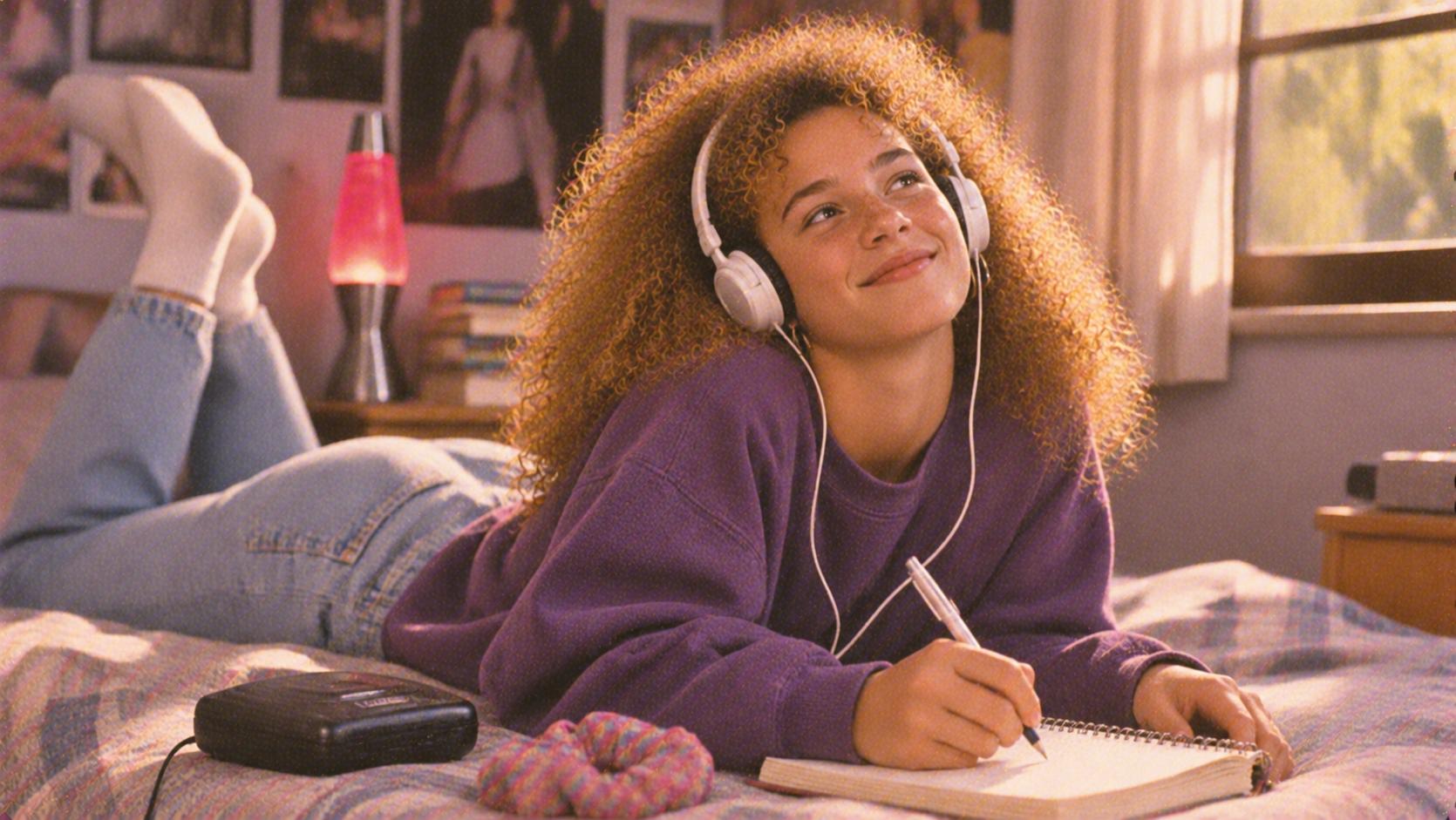
One of the biggest differences between teenage life in the 1980s and today was the ability to be temporarily unreachable. A teenager could spend time at a friend’s house, browse a bookstore, or take a walk without receiving messages throughout the afternoon. Parents generally relied on agreed return times, landline calls, or knowing where their children planned to go. While this lack of immediate communication sometimes created uncertainty, it also allowed teenagers to experience stretches of uninterrupted independence.
More Related Notes
• From Fashion to Fun: 17 Snapshots That Depict Teenage Life in the ’80s
Revisit the everyday adventures of American teenagers in the 1980s, from hanging out at shopping malls to spending afternoons with friends. These nostalgic photos capture a time when growing up meant enjoying more independence and fewer digital distractions.
• 10 Shopping Mall Trends That Defined Teen Life in the 80s
Remember when teenagers could spend entire afternoons browsing record stores, playing arcade games, and meeting friends at the food court? Explore the mall culture that gave 1980s teens a place to socialize and enjoy their freedom.
• 20 Photos of Kids Playing Until the Streetlights Came On
Take a nostalgic look at childhood before smartphones and constant supervision, when riding bikes, exploring neighborhoods, and staying outside until dark were ordinary parts of growing up.