

For generations, owning a successful small-town business was one of the most reliable ways for American families to build lasting wealth. Long before online shopping and national chains dominated the market, local entrepreneurs supplied everything their communities needed, often creating businesses that stayed profitable for decades and were passed down from one generation to the next.
Many of these businesses became the financial backbone of entire families, funding homes, college educations, and comfortable retirements. While some still exist today, changing consumer habits, corporate competition, and technology have dramatically reduced their earning power. Here are 15 small-town businesses that once made ordinary families surprisingly wealthy.
1. Hardware Stores
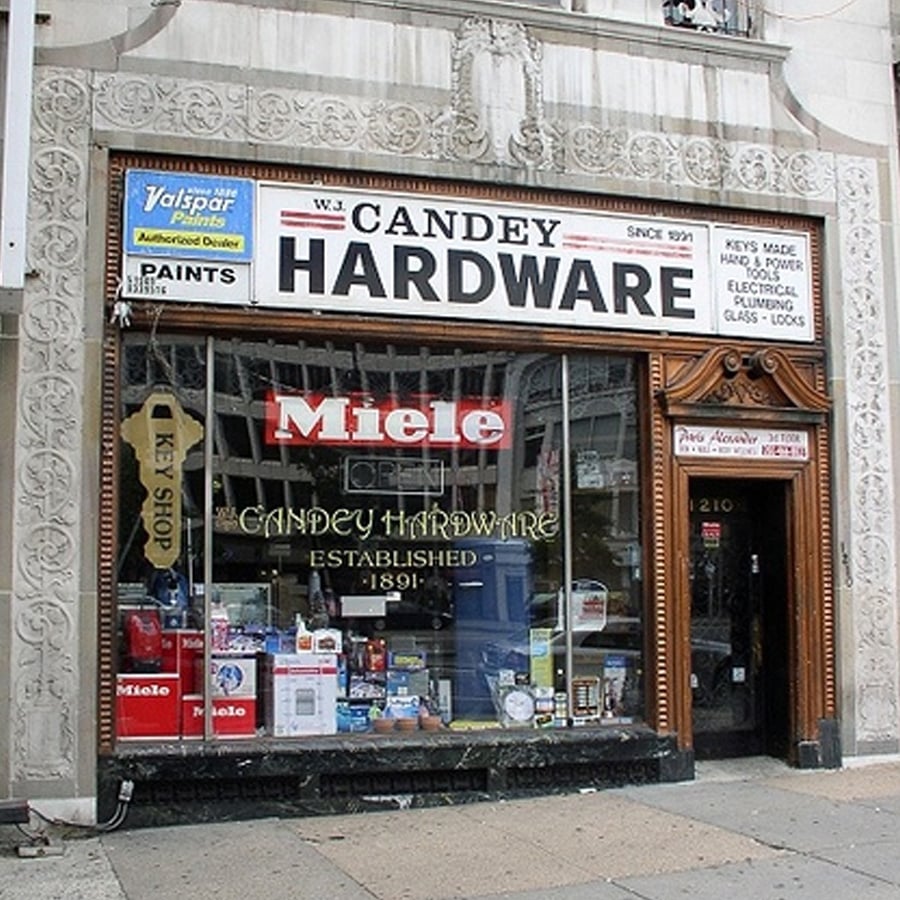
Independent hardware stores were once essential in every small town, supplying tools, building materials, and household necessities. Families who owned a hardware store often built significant wealth because loyal customers returned for generations and competition was limited.
2. General Stores
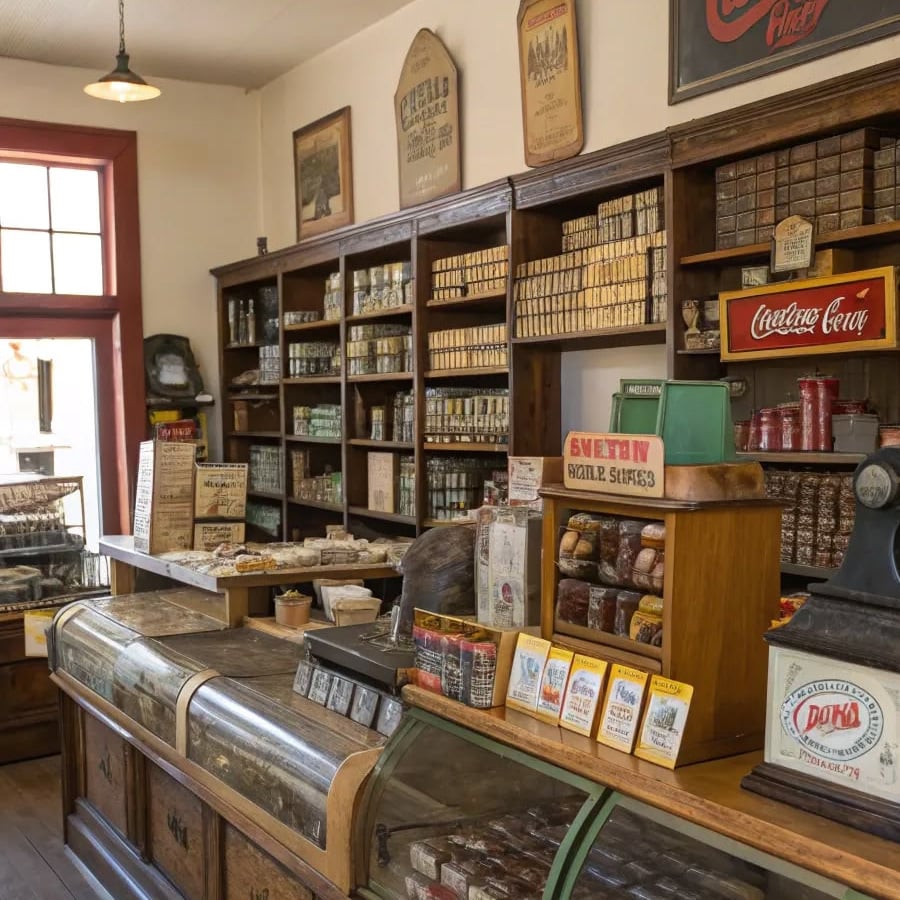
Before supermarkets and department stores arrived, general stores sold groceries, clothing, farming supplies, and household goods all under one roof. A successful general store often became one of the town’s most profitable businesses and created lasting family wealth.
3. Local Pharmacies
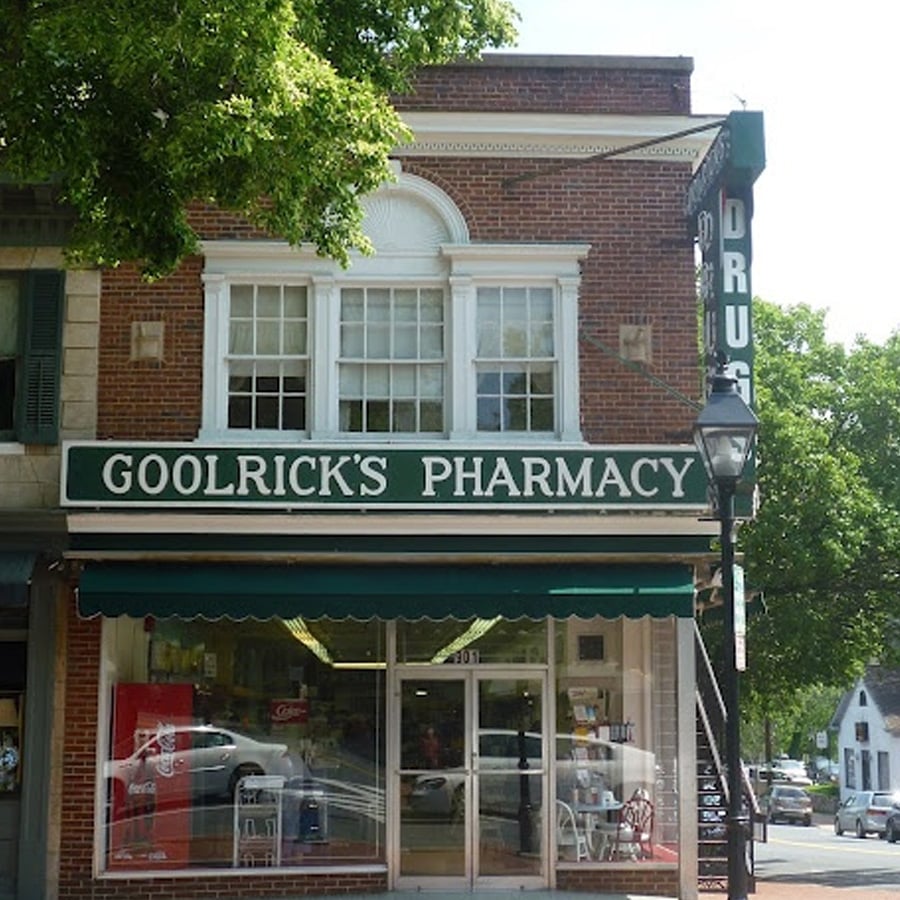
Small-town pharmacies weren’t just places to fill prescriptions; they also sold gifts, cosmetics, snacks, and everyday essentials. Owning a local pharmacy often provided a steady income and helped families accumulate substantial wealth over time.
4. Grain Elevators
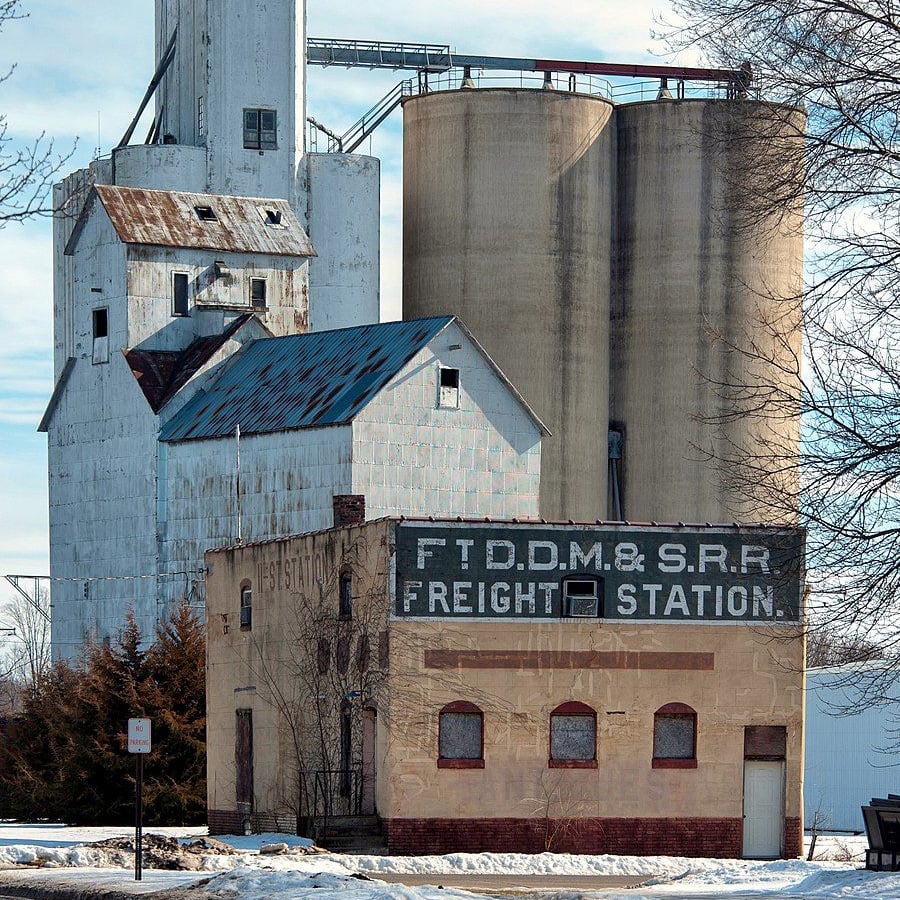
In farming communities, grain elevators played a critical role in the local economy. Families who operated these businesses earned income through grain storage, transportation, and handling, making them some of the wealthiest business owners in rural America.
5. Car Dealerships
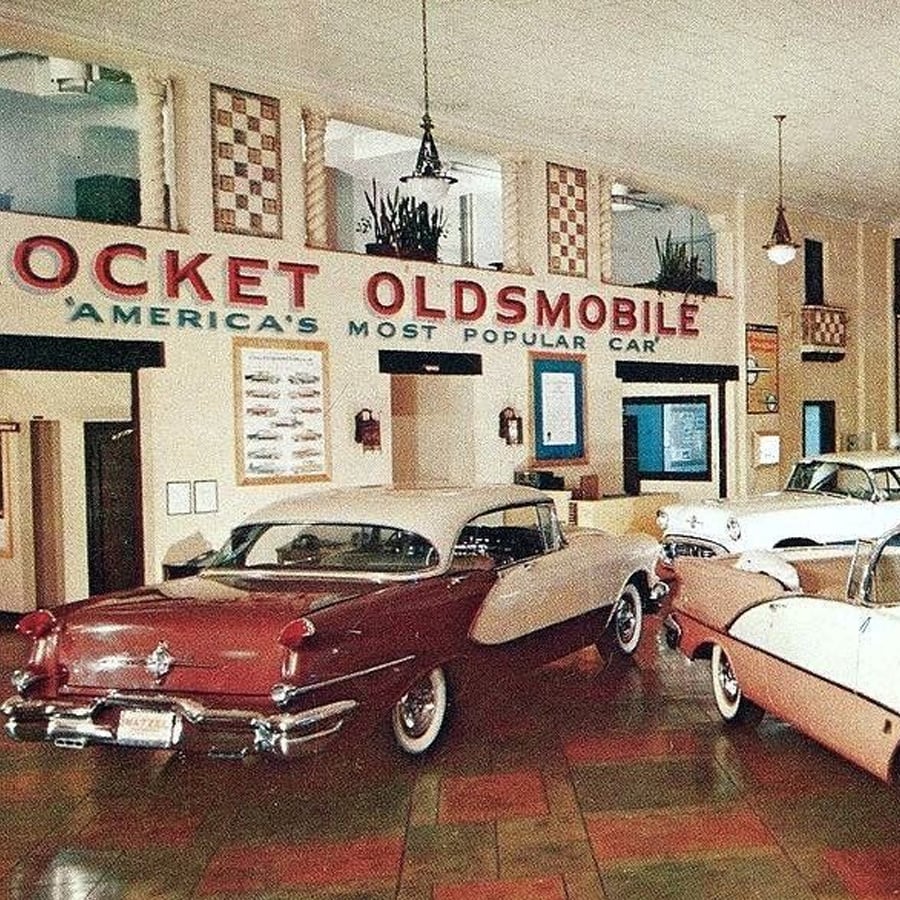
Local car dealerships often remained family-owned for generations. Selling and servicing vehicles created multiple income streams, allowing dealership owners to build impressive fortunes within their communities.
Trending on Wealth Gang


6. Funeral Homes

Funeral homes have long provided stable demand regardless of economic conditions. Families who owned these businesses often enjoyed reliable earnings and passed profitable operations down through multiple generations.
7. Feed and Farm Supply Stores
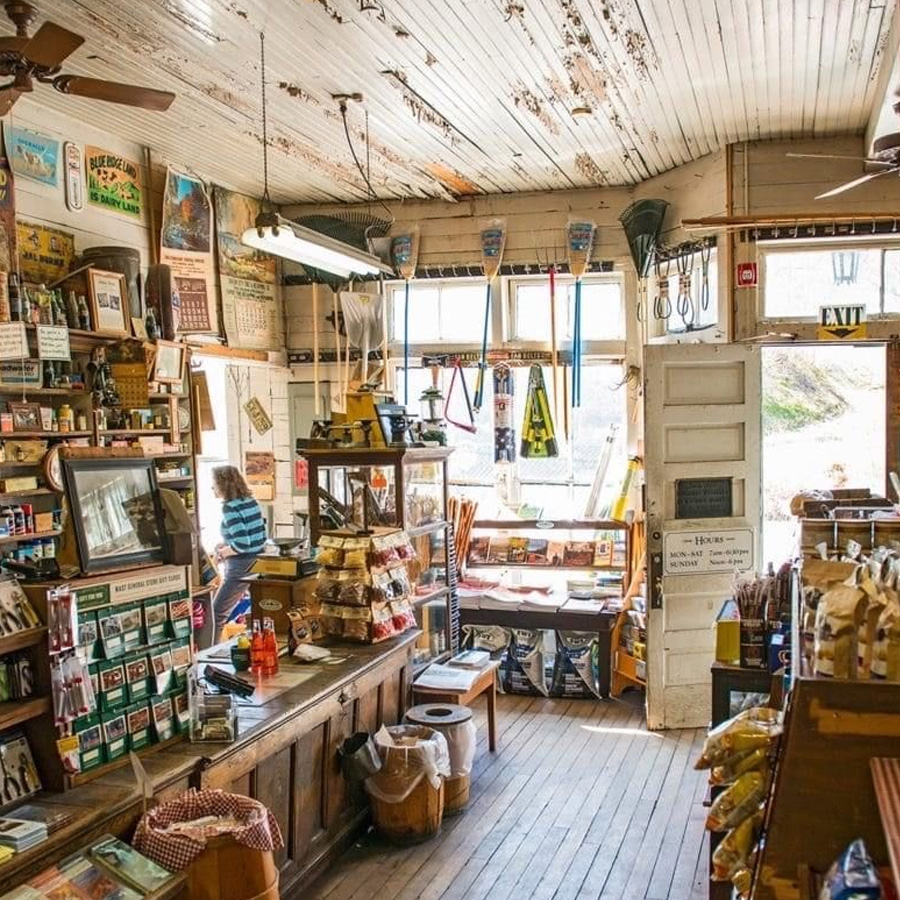
Agricultural communities depended heavily on feed stores for livestock food, fertilizer, seed, and equipment. Because farmers returned season after season, these businesses often generated dependable profits for decades.
8. Lumber Yards
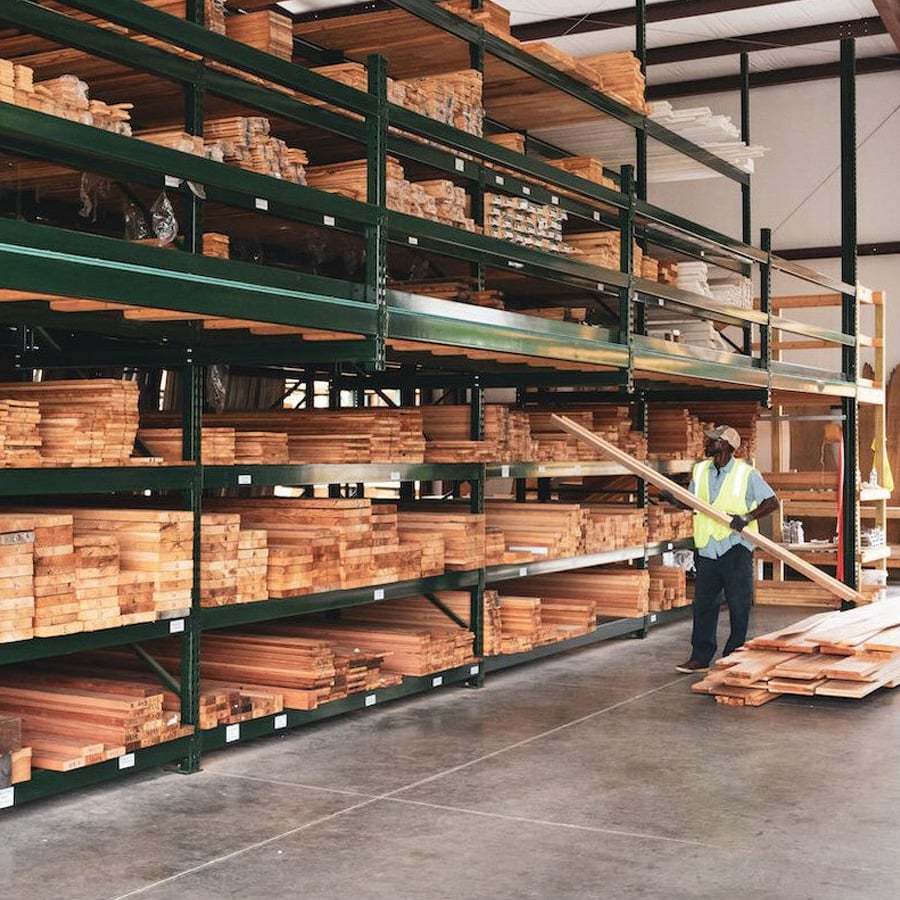
Before big-box home improvement retailers expanded nationwide, local lumber yards supplied nearly every construction project in town. Owners benefited from steady demand as communities grew and homes were built or renovated.
Sign up for our newsletter
9. Grocery Stores
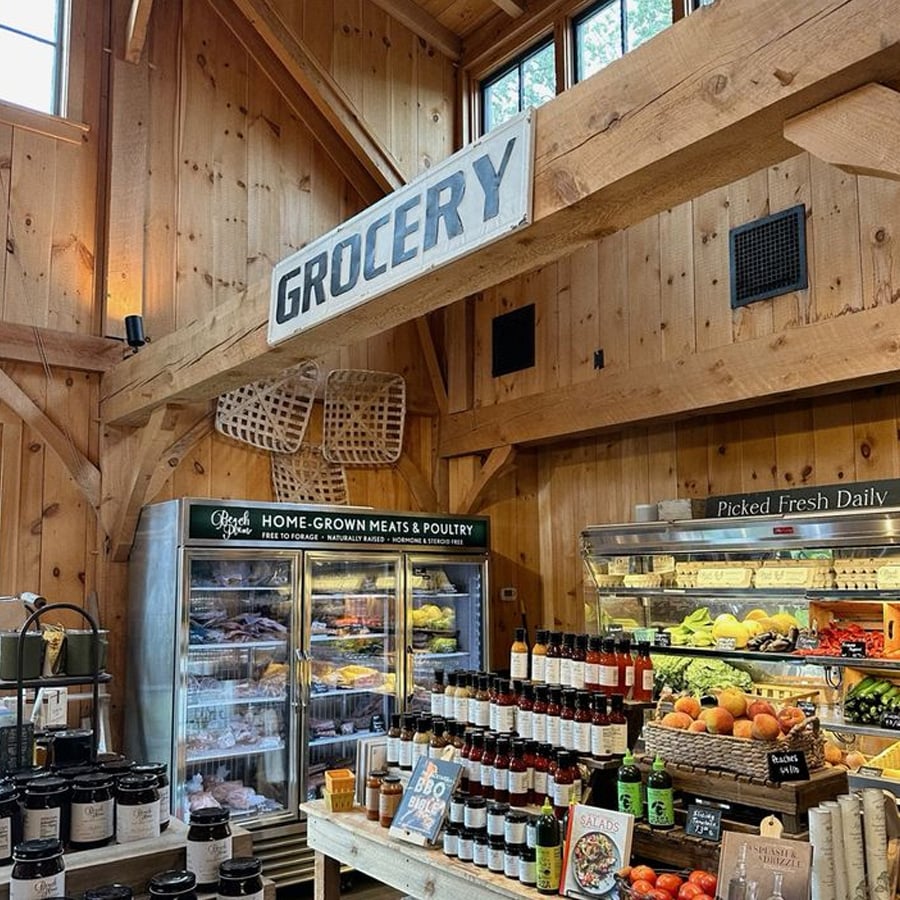
Independent grocery stores were once among the busiest businesses in every town. With customers shopping several times each week, successful grocers developed loyal followings that translated into long-term financial success.
10. Appliance Stores
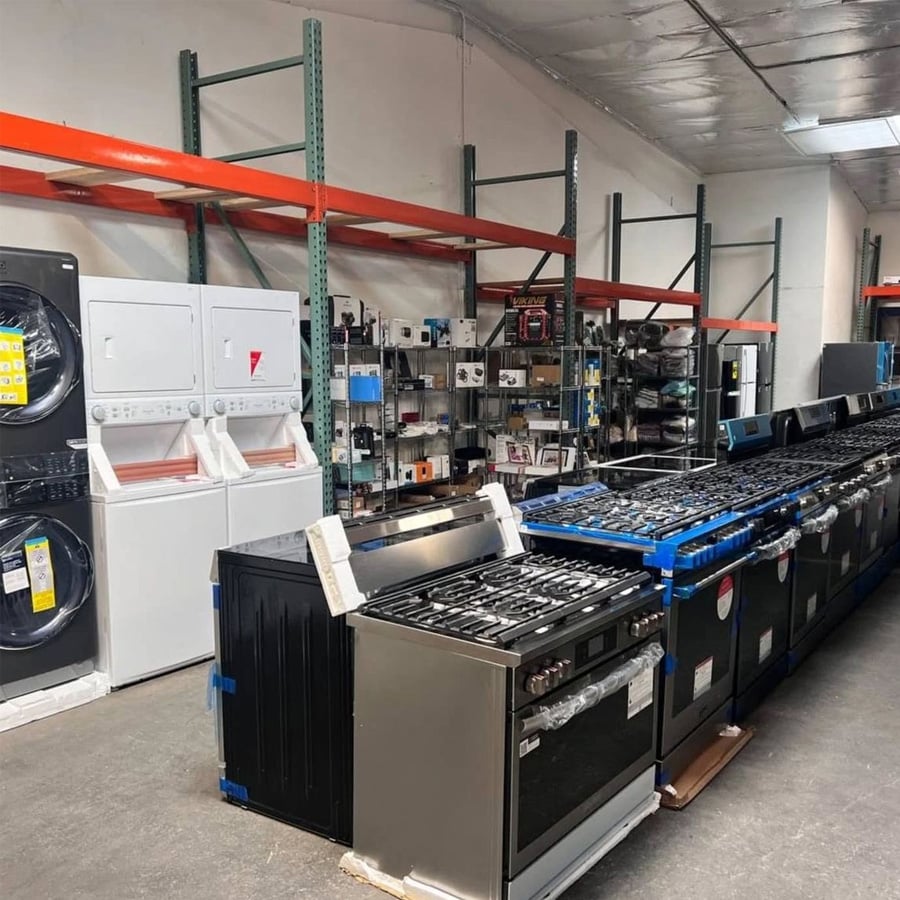
Selling refrigerators, washing machines, televisions, and kitchen appliances proved highly profitable during America’s postwar boom. Local appliance stores often expanded into repair services, creating additional revenue for family businesses.
11. Banks

Community banks were frequently family-owned or locally controlled, giving owners strong influence within the town while generating consistent profits through lending and financial services. Many local banking families accumulated considerable wealth.
12. Furniture Stores
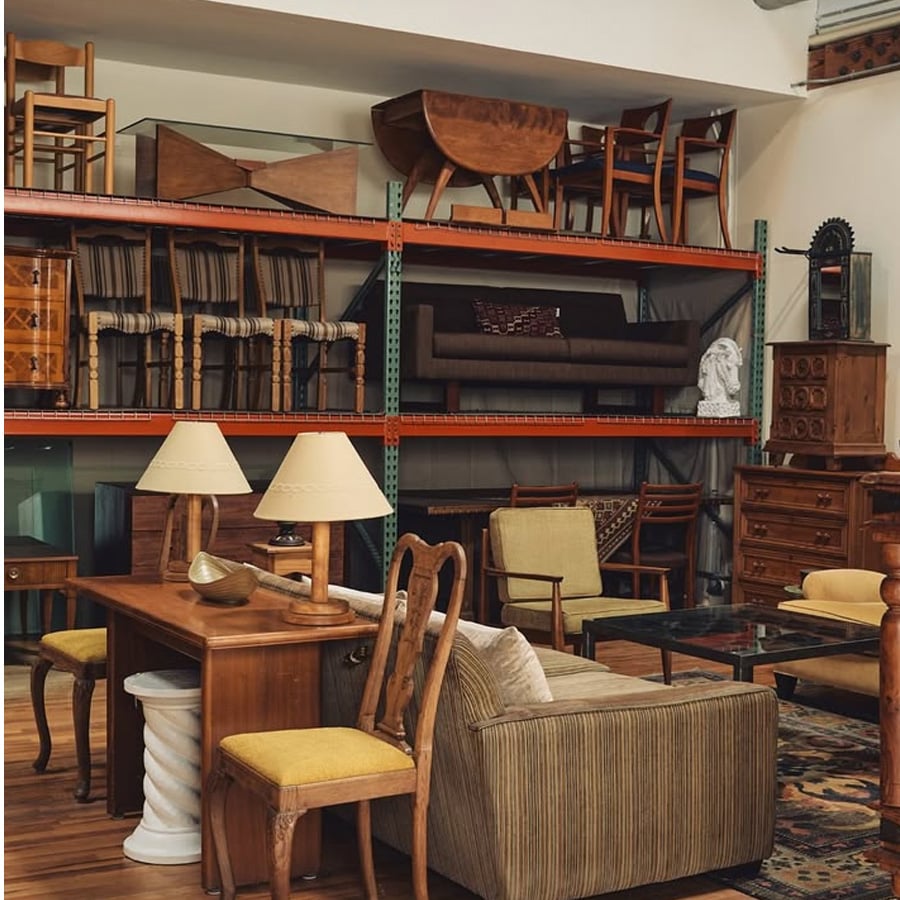
Furniture stores supplied everything from bedroom sets to dining tables for growing families. Because purchases were high-value and customers often returned over the years, these businesses became reliable wealth builders.
13. Farm Equipment Dealerships
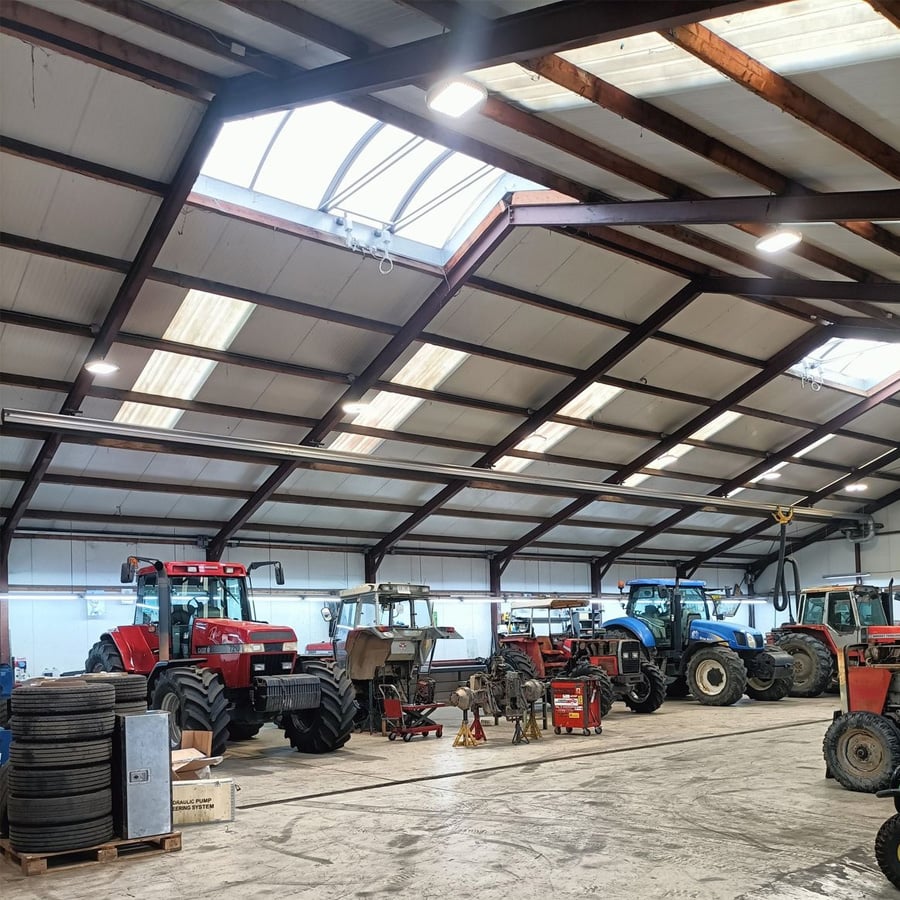
Selling tractors, combines, and agricultural machinery brought in substantial revenue, especially in farming regions. Equipment sales, maintenance, and replacement parts provided multiple sources of income for dealership owners.
14. Local Newspapers

Before the internet transformed media, community newspapers generated strong advertising revenue from local businesses while maintaining loyal subscribers. Newspaper owners often became influential and financially successful members of their towns.
15. Bottling Companies
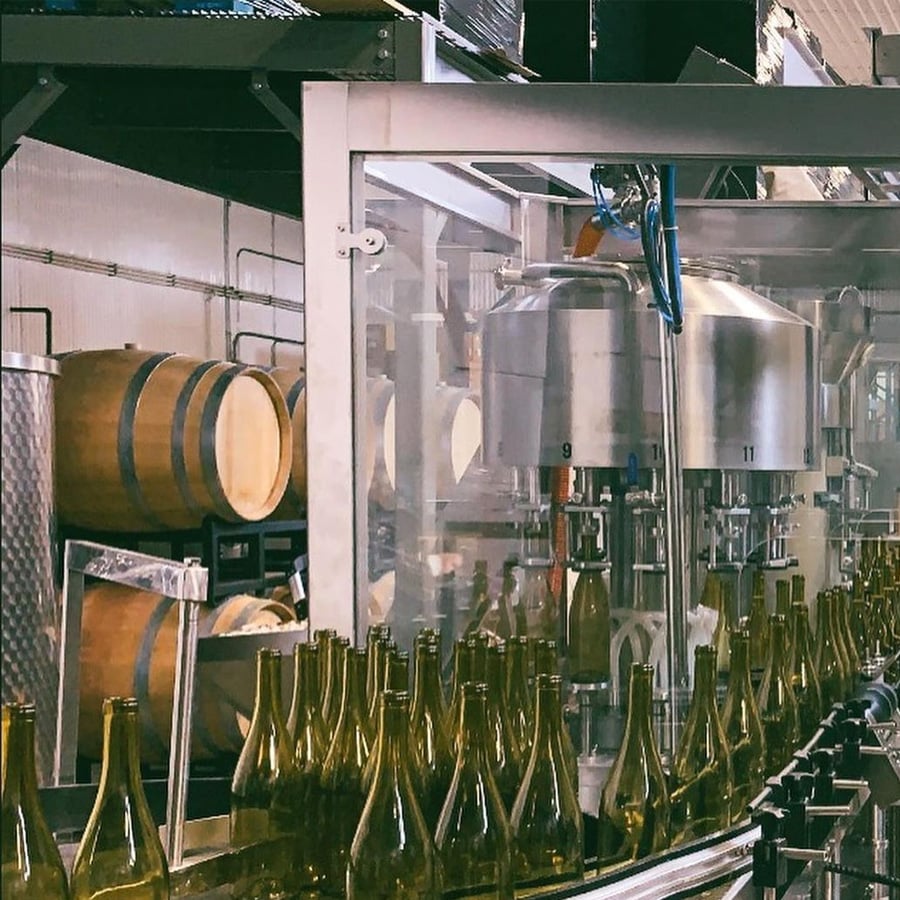
Many small towns once had locally owned soft drink bottling companies or regional beverage distributors. These businesses supplied restaurants, grocery stores, and vending machines across entire counties, allowing some families to build remarkable wealth before industry consolidation changed the market.
More Related Notes
• 15 Forgotten American Businesses That Made Ordinary Families Rich
A fascinating look at once-thriving industries that created financial success for countless American families across generations.
• 15 Small-Town Careers That Still Provide Excellent Incomes
This article explores occupations that continue to offer strong earning potential in smaller communities where local businesses remain essential.
• 10 Rural Towns Experiencing Surprising Economic Revivals
A complementary read highlighting how entrepreneurship and local commerce are helping small-town economies grow once again.