There was a time when walking into a store meant asking for things you couldn’t simply grab off a shelf. Behind the counter, shopkeepers kept all sorts of everyday essentials, from tiny bottles of medicine to carefully wrapped packages and products stored in wooden drawers. Customers knew exactly what they needed, and the person behind the register usually knew exactly where to find it.
Those counters were more than places to pay. They were where neighbors exchanged news, children spent their allowance, and familiar shopkeepers remembered everyone’s favorite brands. As supermarkets, self-service shopping, and online stores took over, many of those once-familiar products and traditions quietly disappeared.
1. Glass Jars Filled With Penny Candy
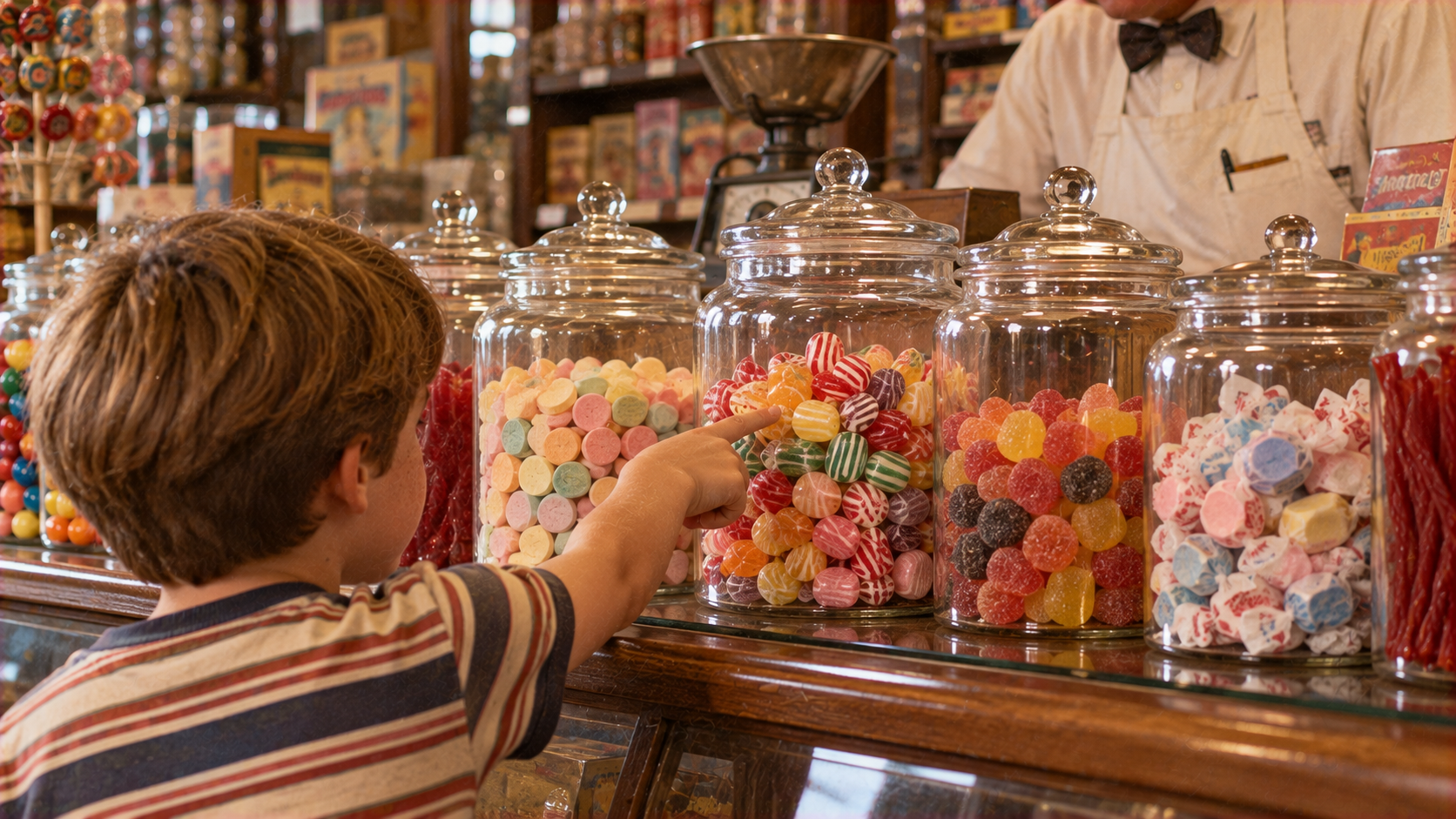
For generations of children, the candy counter was practically a destination of its own. Large glass jars held peppermint sticks, lemon drops, licorice, and colorful hard candies that could be purchased for just a few pennies. Kids would press their noses against the glass, carefully calculating how much their allowance could buy. The shopkeeper would scoop their selections into a little paper bag, turning a handful of coins into one of the sweetest moments of the week.
2. Wooden Drawers Filled With Loose Buttons
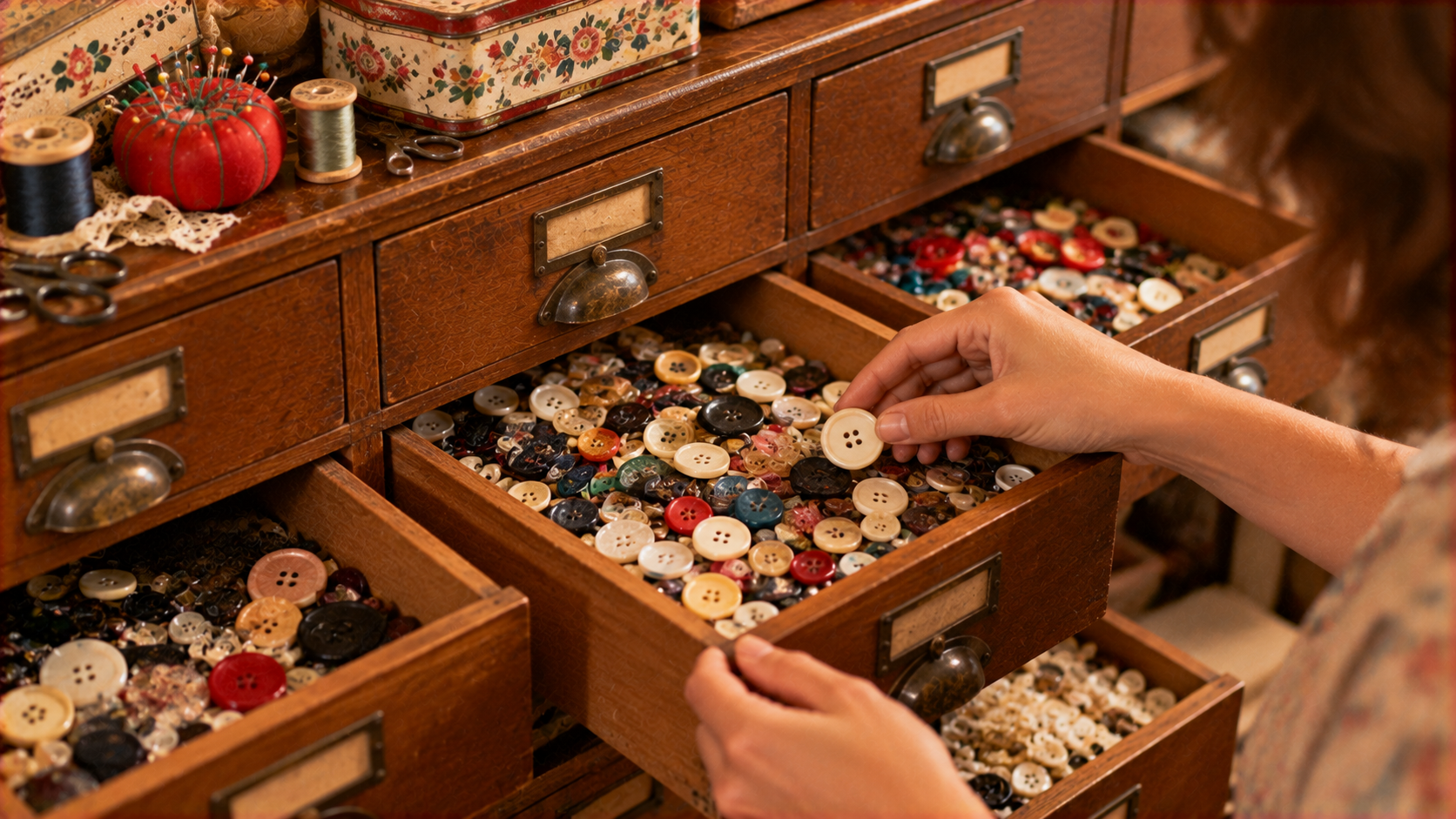
Before sewing supplies came in neatly packaged sets, small general stores often kept buttons organized in wooden drawers behind the counter. Customers could bring in a coat or shirt and ask for a close match to replace a missing button. The shopkeeper might pull out several possibilities, comparing colors and sizes until finding the right one. It was a small service, but it reflected a time when repairing clothing was far more common than replacing it.
3. Rolls of Camera Film
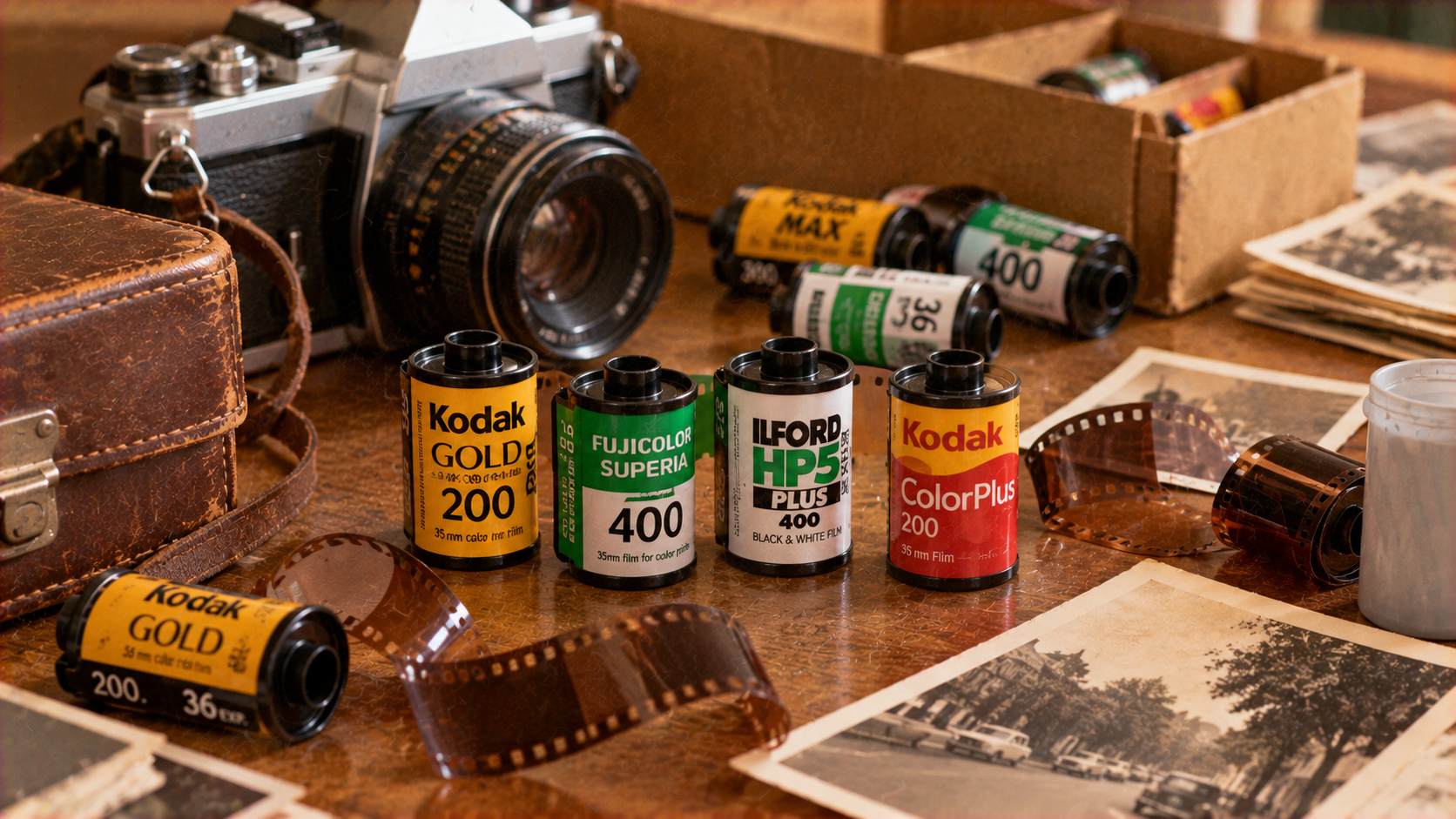
Buying camera film used to involve a little conversation with the person behind the counter. Customers asked for 110, 126, or 35mm film, sometimes needing advice about which speed worked best for their cameras. The colorful Kodak and Fujifilm boxes were familiar sights in drugstores and photography shops. Every roll promised a collection of memories, even though nobody knew how the pictures would turn out until they were developed.
4. Small Bottles of Fountain Pen Ink
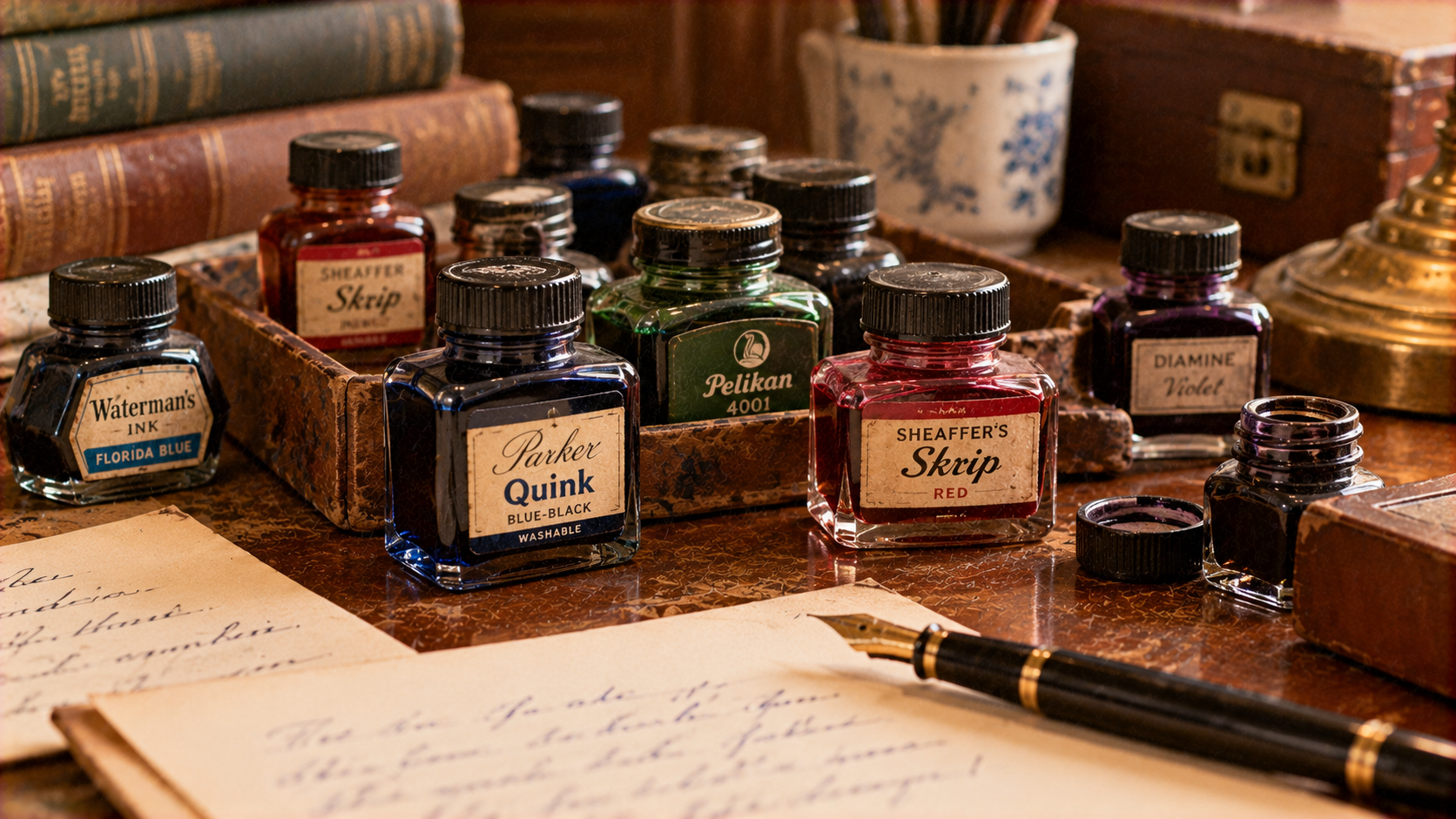
Stationery shops once kept glass bottles of fountain pen ink behind their counters, ready for customers who needed to refill their writing instruments. The bottles came in familiar shades of blue, black, and occasionally something more adventurous. Buying ink was part of the routine for students, office workers, and anyone who still wrote letters by hand. Today, fountain pen enthusiasts continue the tradition, but those little bottles are rarely found in ordinary neighborhood stores.
5. Individual Razor Blades Wrapped in Paper
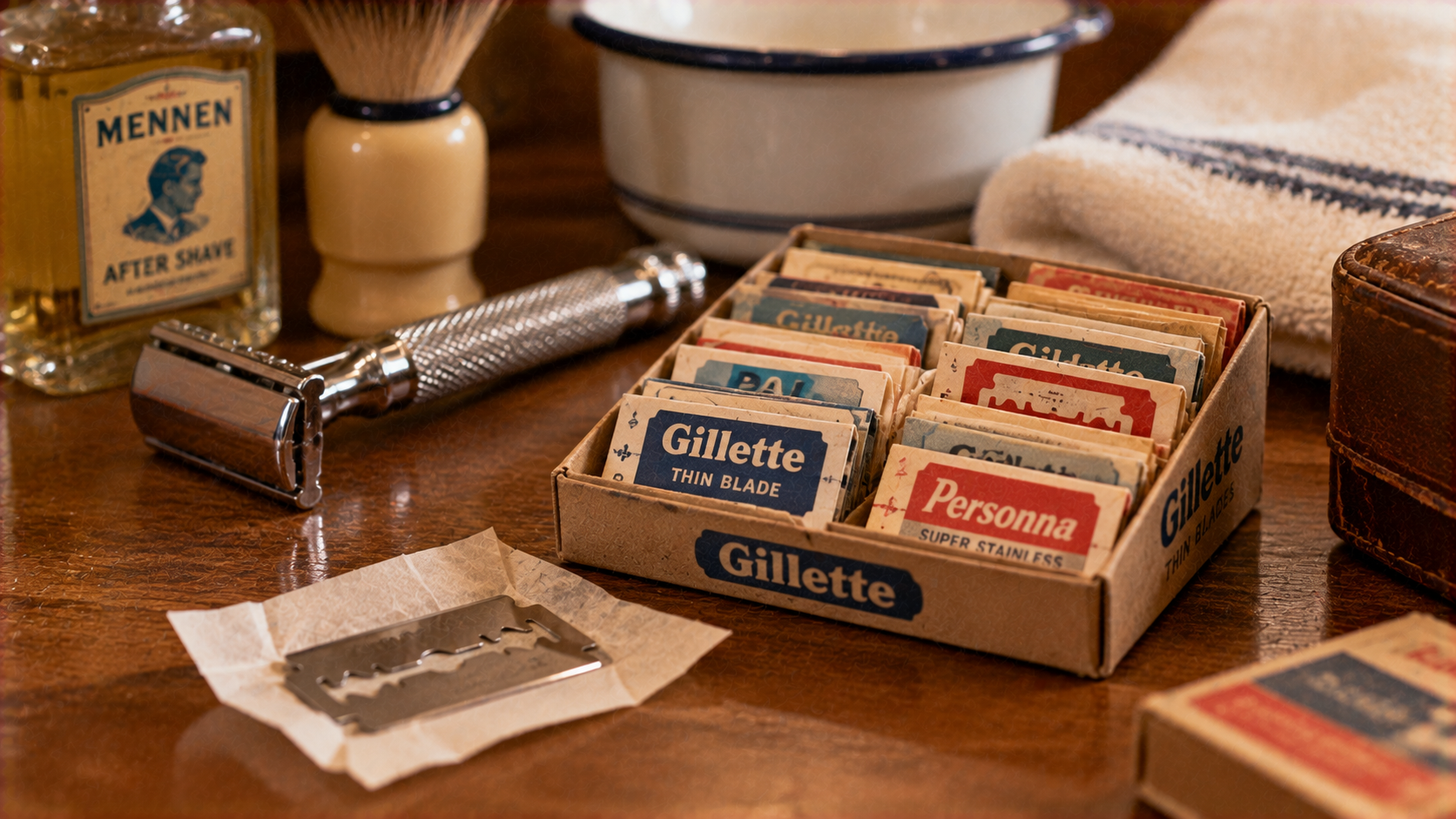
Long before disposable razors dominated bathroom cabinets, replacement blades for safety razors were an everyday purchase. Hardware stores, barbershops, and drugstores sold small packages of thin metal blades, sometimes kept in drawers or display cases behind the counter. The familiar ritual of changing a blade was part of maintaining a good shave. Modern cartridge systems and electric razors eventually pushed those old-fashioned blade displays out of most mainstream shops.
Trending on Wealth Gang

6. Loose Tobacco Weighed on a Scale
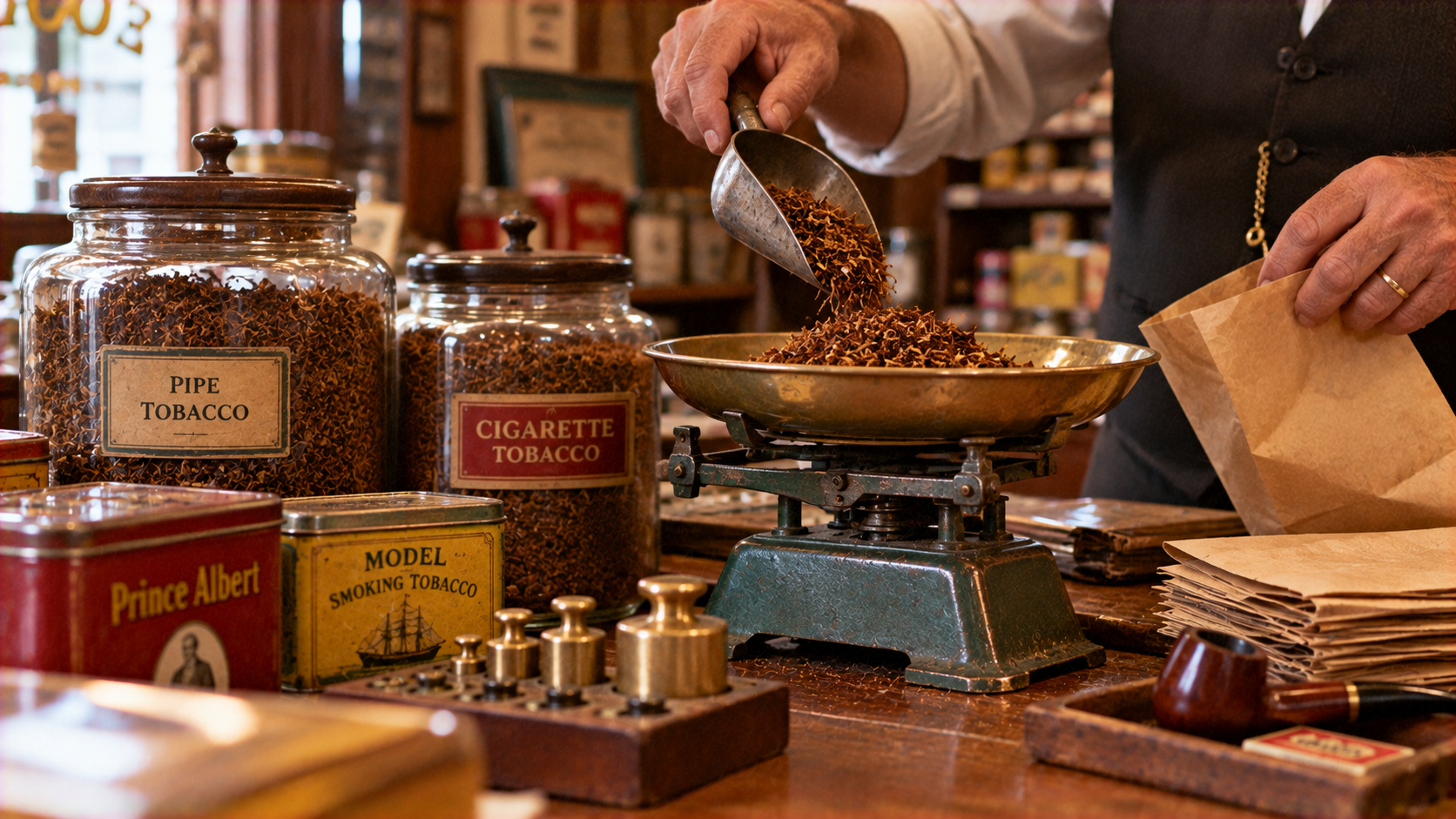
In old tobacco shops and general stores, customers could purchase loose tobacco measured and packaged by the shopkeeper. Large tins and jars sat behind the counter, and regular customers often had a favorite blend. The shopkeeper would weigh the requested amount and wrap it in paper or place it in a pouch. Although specialty tobacco shops still exist, the sight of a neighborhood clerk measuring loose tobacco is far less common than it once was.
7. Boxes of Typewriter Ribbons
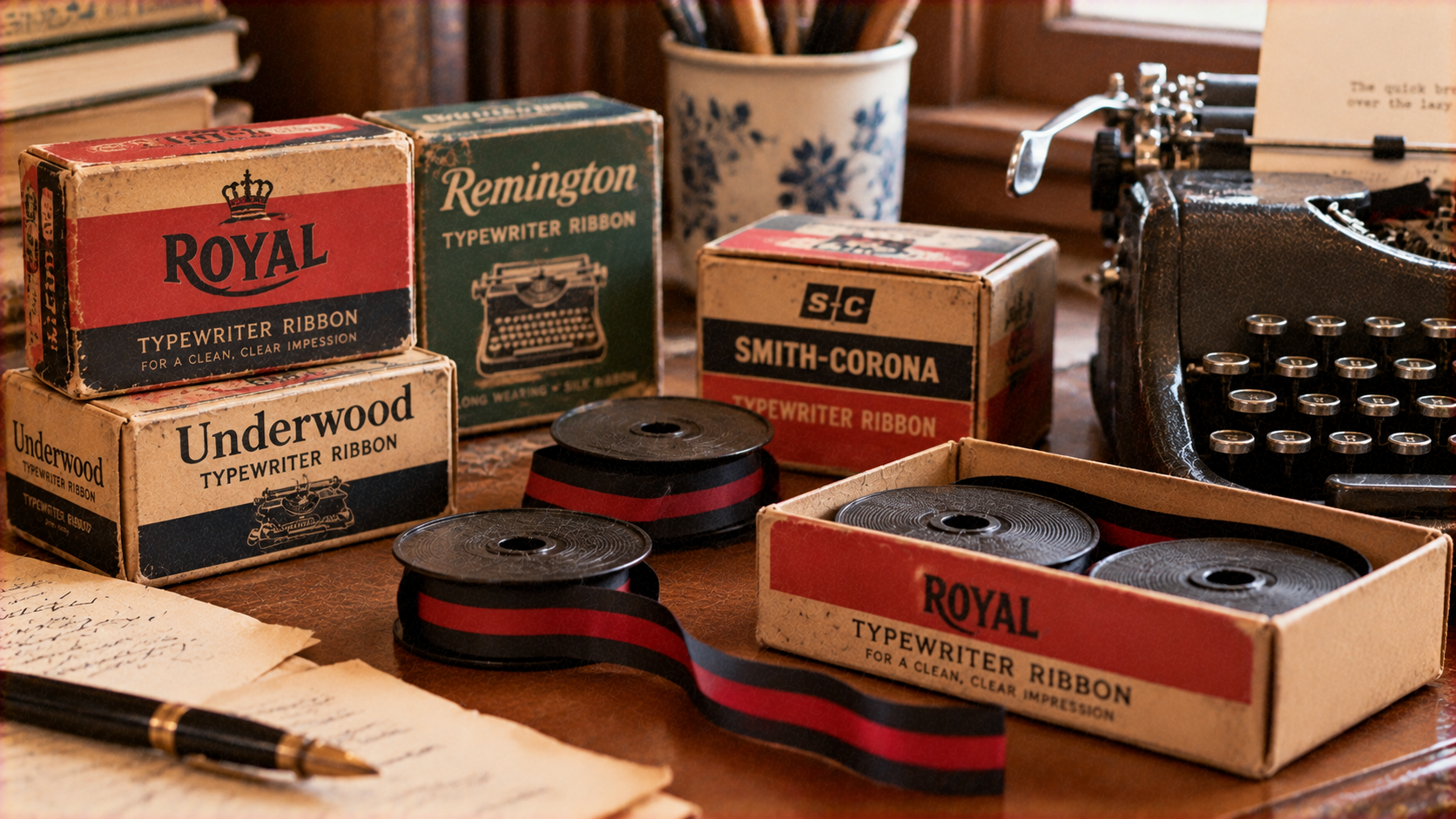
When typewriters were essential office equipment, replacing an ink ribbon was as ordinary as buying printer paper today. Stationery stores kept boxes of ribbons behind the counter, often organized by machine brand and model. Customers sometimes arrived carrying an empty spool to make sure they purchased the correct replacement. As computers replaced typewriters, those little boxes gradually vanished from the shelves and drawers of everyday office supply stores.
8. Small Envelopes of Loose Seeds
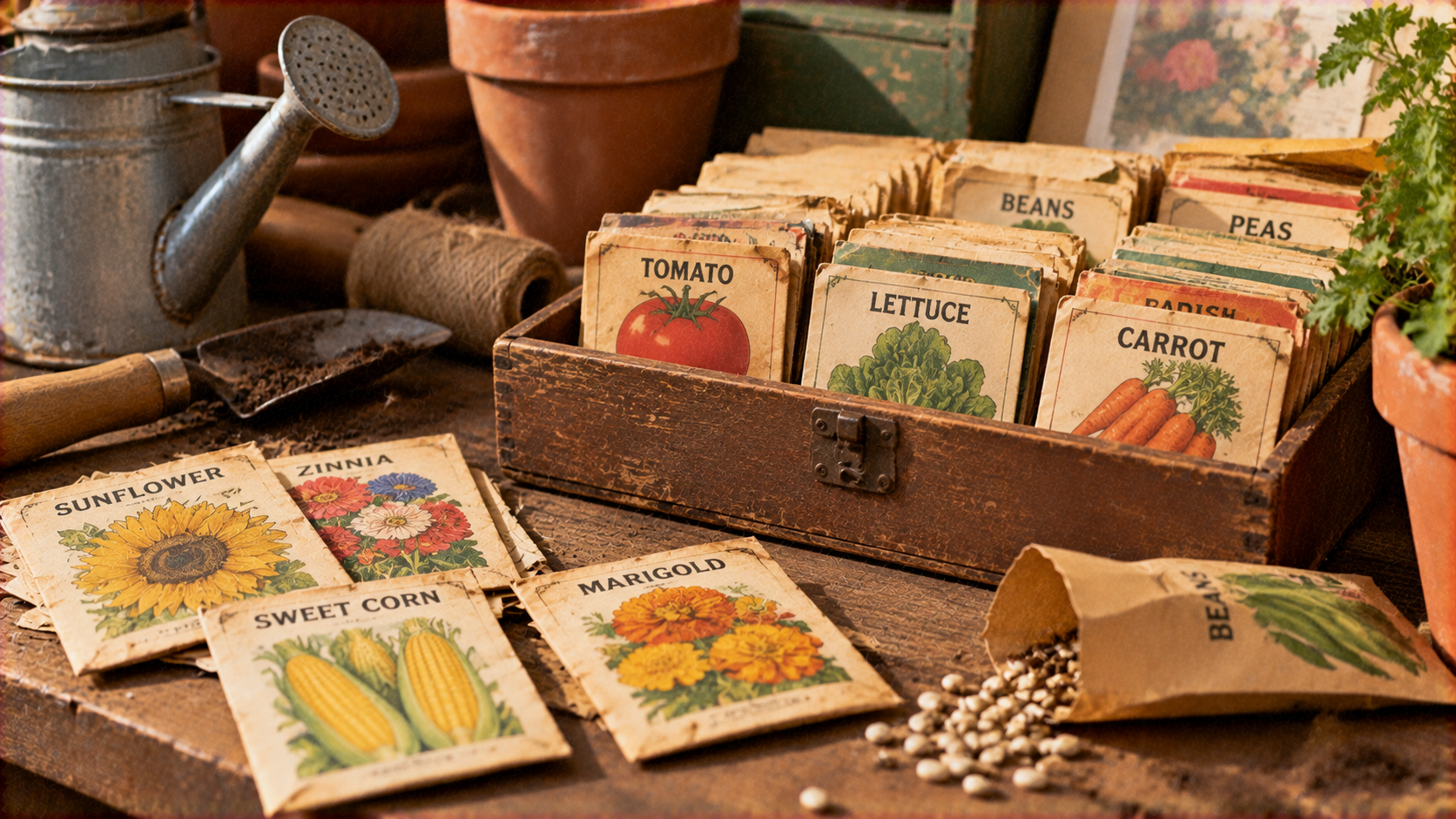
Spring once brought customers into hardware stores and general stores looking for seeds to plant in backyard gardens. Some shops kept bulk seeds in labeled drawers or containers behind the counter, measuring out small quantities into paper envelopes. A customer could ask for just enough beans, peas, or flower seeds for a modest garden. The shopkeeper might even offer advice about planting dates or soil conditions. Prepackaged seed packets eventually became the more familiar option.
Sign up for our newsletter
9. Replacement Watch Crystals
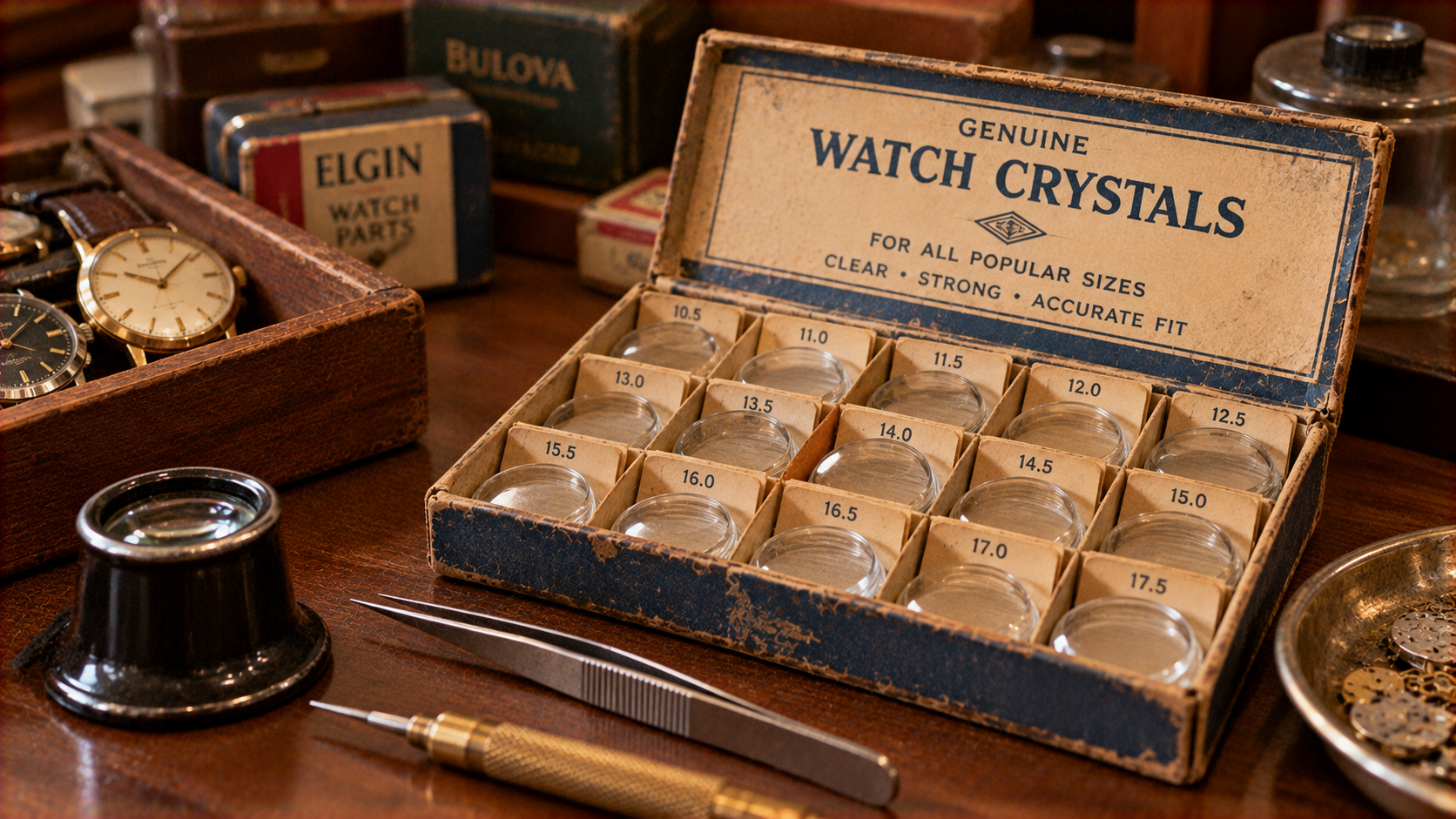
A scratched or cracked watch face didn’t always mean replacing the entire watch. Jewelry stores and watch repair shops kept assortments of replacement crystals in small compartments behind the counter. Customers could bring in a beloved wristwatch and have the glass replaced, sometimes while waiting. These repairs helped watches last for decades, and many people wore the same one for most of their adult lives. Today, replacement crystals are largely the territory of specialized repair shops.
10. Loose Postage Stamps From Small Drawers
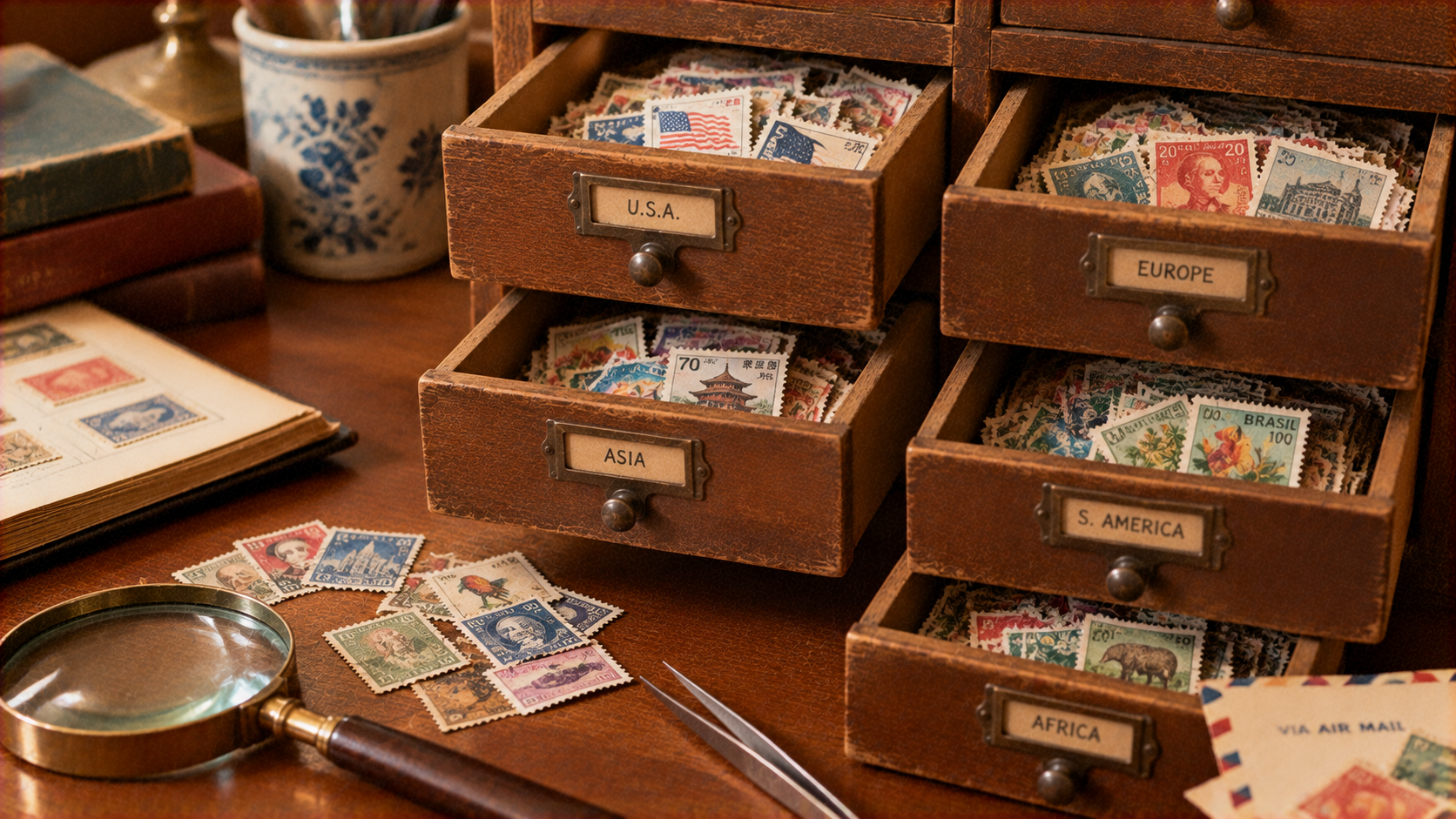
Buying a stamp once meant visiting the post office or a local shop where the clerk kept sheets of stamps safely tucked away behind the counter. Customers might ask for a single stamp to mail a birthday card or a few extras for the letters they planned to write that week. The clerk would carefully tear the stamps along their perforated edges. Although postage stamps remain available, the everyday ritual has faded as personal correspondence has increasingly moved online.
11. Small Glass Bottles of Perfume
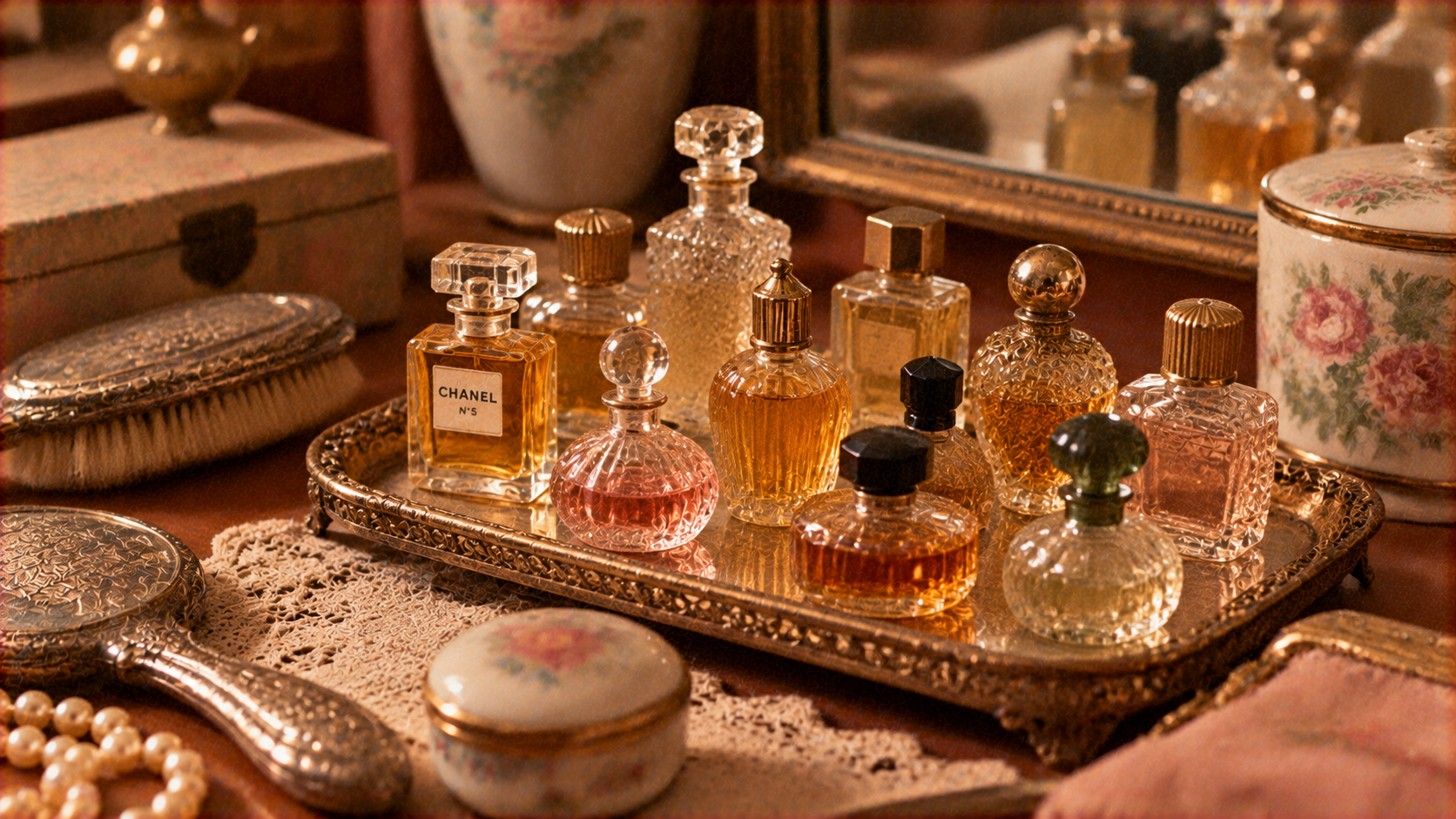
Before department stores filled entire floors with fragrance displays, some neighborhood drugstores and specialty shops sold perfume from small bottles kept behind glass counters. Customers could ask to smell a fragrance before choosing one, sometimes buying a modest bottle as a gift. The delicate packaging and careful handling made even an inexpensive perfume feel special. Today, fragrance shopping is often dominated by branded displays, online ordering, and large retail chains.
12. Replacement Vacuum Cleaner Belts
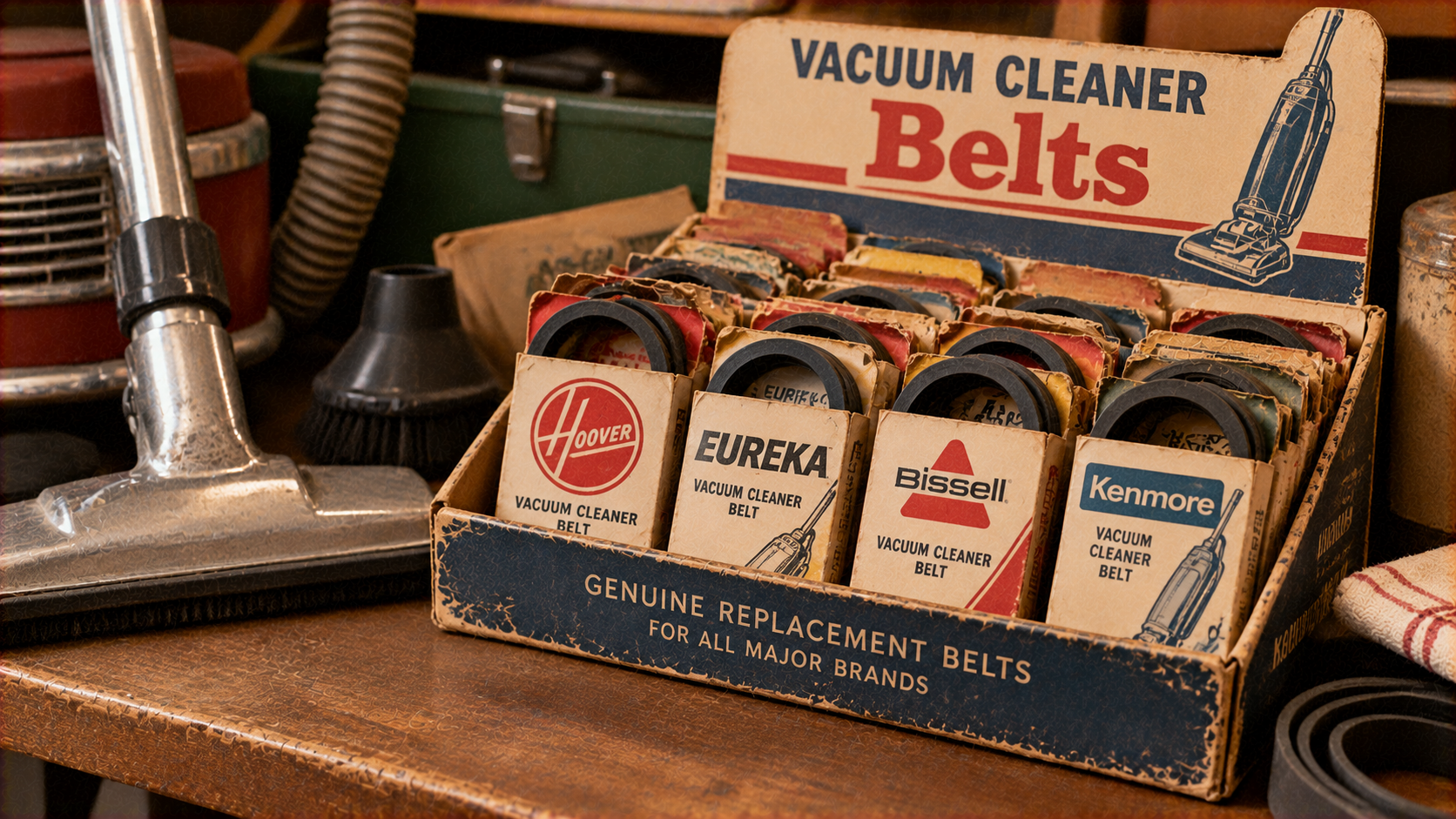
A broken vacuum cleaner belt used to send someone straight to the neighborhood hardware or appliance store. Behind the counter, clerks kept boxes of rubber belts organized by brand and model. Customers often brought the worn belt with them, hoping to find an exact match. The shopkeeper might explain how to install the replacement, saving the family the cost of a repair visit. These small parts are still available, but increasingly through online retailers rather than familiar local counters.
13. Paper Tickets for Local Events
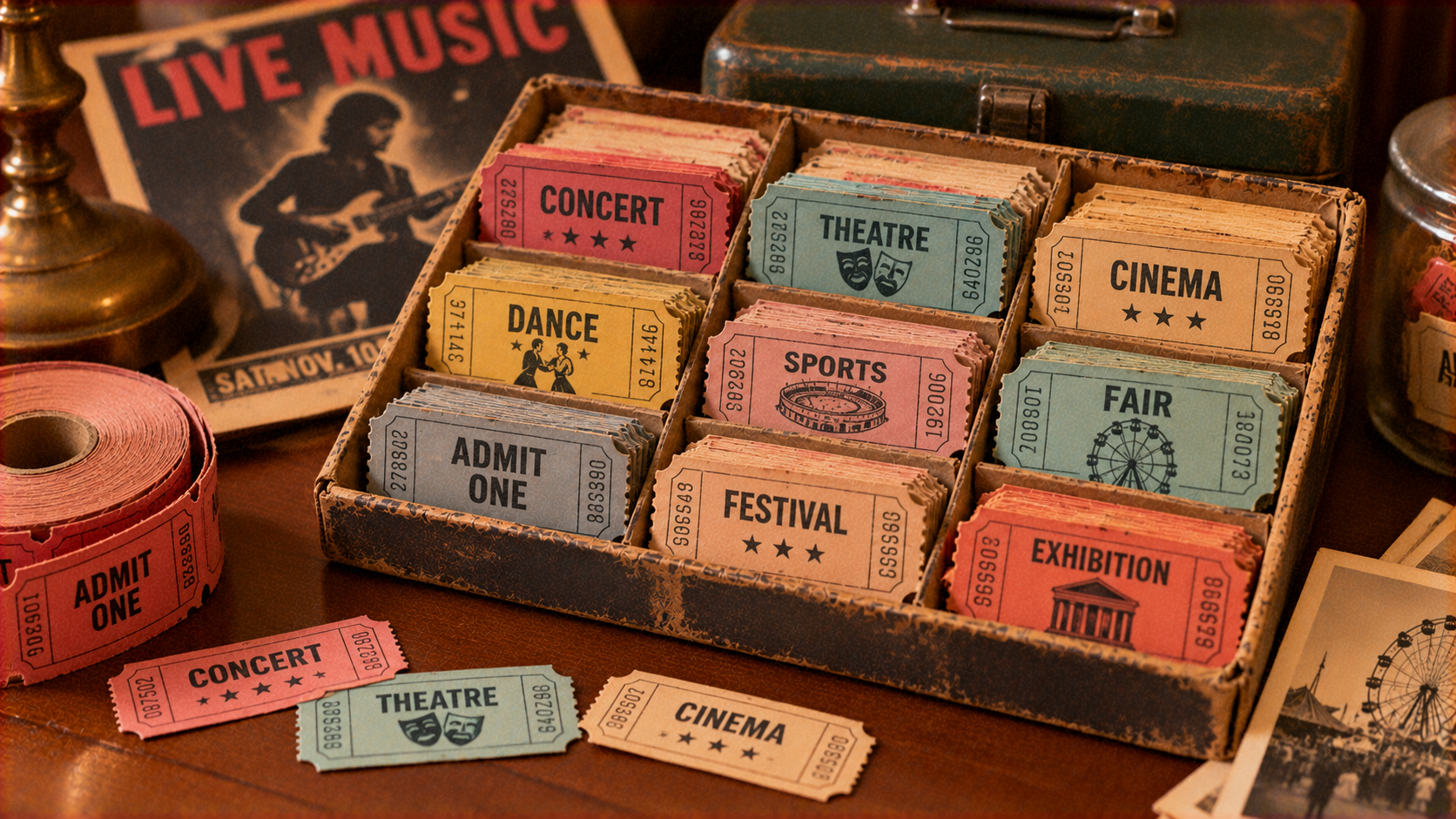
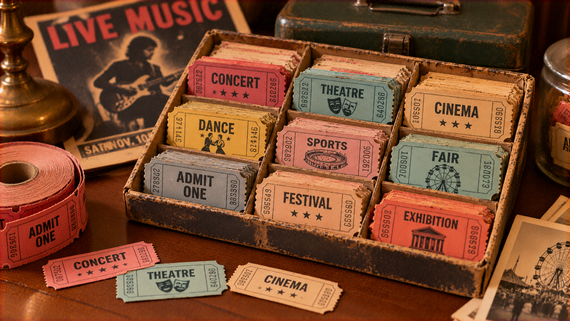
Before digital tickets and online reservations, many neighborhood stores served as ticket outlets for concerts, school performances, sporting events, and community fundraisers. The tickets were often stored in envelopes or small boxes behind the register. Customers would stop by, pay in cash, and leave with a printed ticket they had to keep safe until the event. For some families, that little piece of paper was the first exciting reminder that a special evening was coming.
14. Small Bottles of Shoe Dye
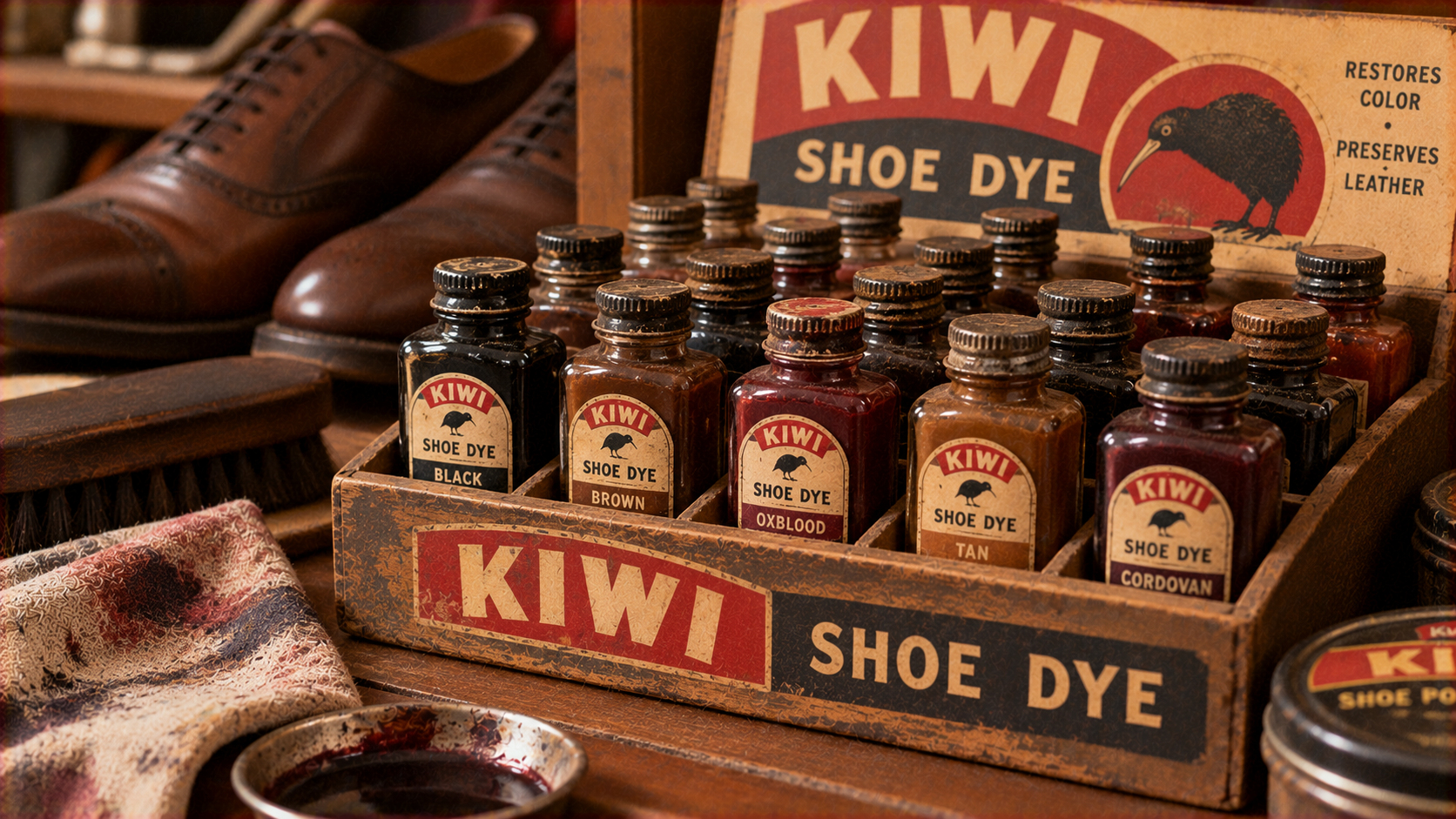
When leather shoes became scuffed or faded, replacing them wasn’t necessarily the first option. Shoe repair shops and some variety stores kept small bottles of leather dye behind the counter, offering customers a way to restore their favorite footwear. Black and brown were practical favorites, although other colors could sometimes be found. A little patience and careful application could make an old pair of shoes look presentable again, extending its life for another season.
15. Replacement Phonograph Needles
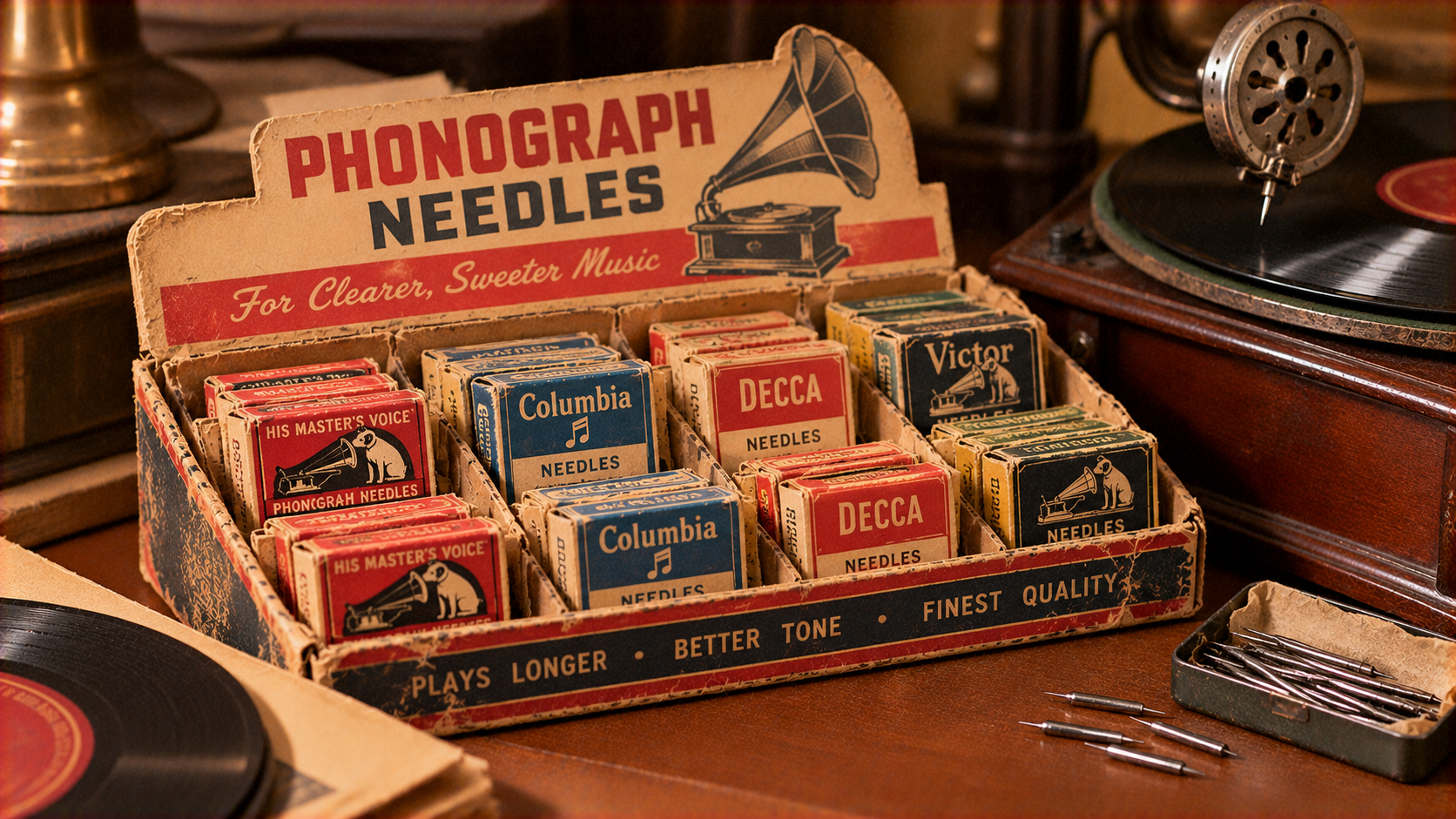
In the days of record players and early phonographs, replacing a worn needle was a routine part of enjoying music at home. Music stores and radio repair shops kept tiny replacement needles and styluses in labeled boxes behind the counter. Customers needed to know which model they owned, and a knowledgeable clerk could help identify the correct part. Vinyl records have made a comeback, but the old neighborhood routine of buying a replacement needle from a shopkeeper has largely disappeared.
16. Carbon Paper Sold by the Sheet
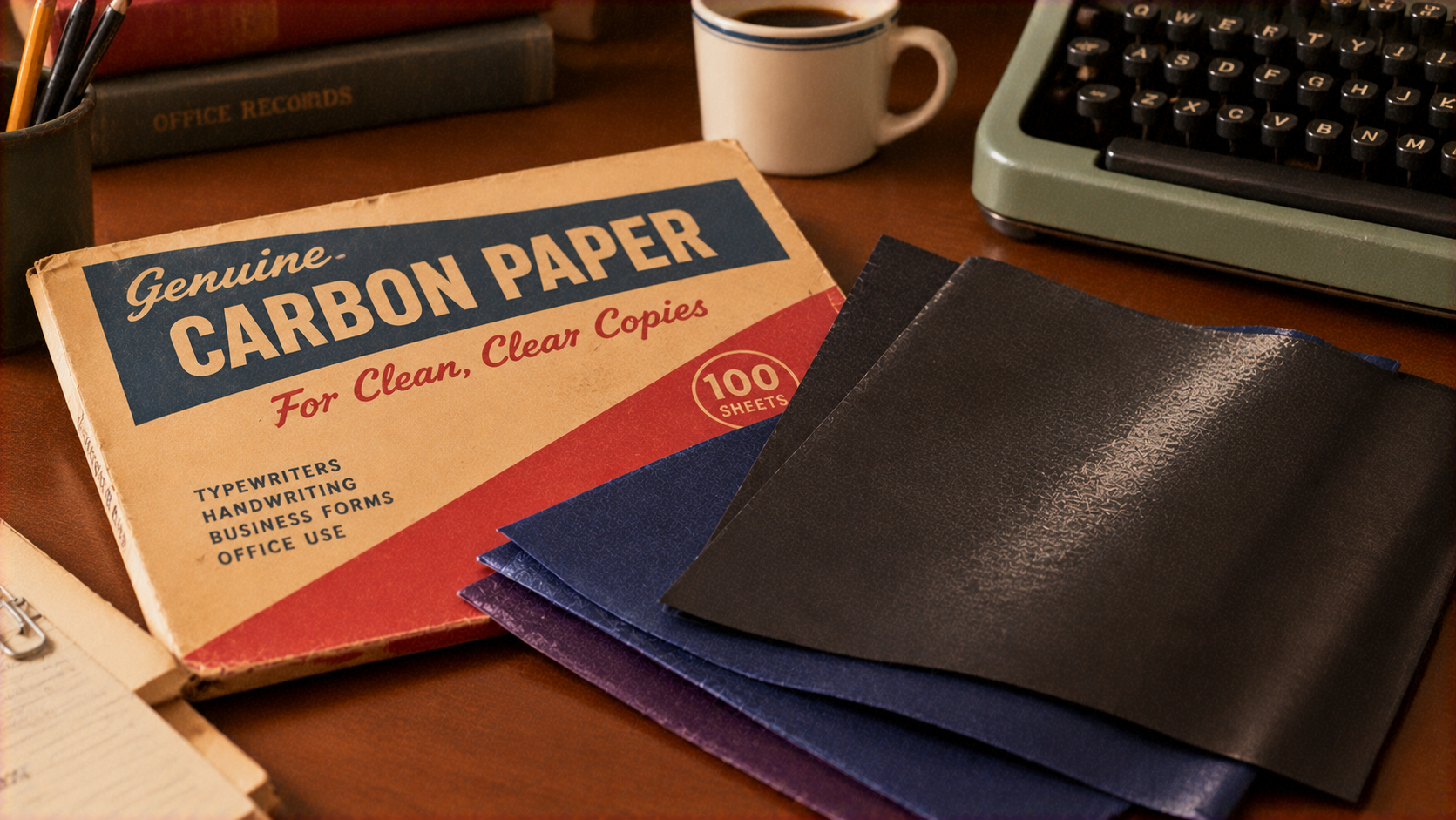
Before photocopiers and digital documents became commonplace, carbon paper helped people create duplicate copies of handwritten and typed documents. Stationery shops sometimes kept sheets behind the counter, selling them individually or in small quantities. Office workers, shopkeepers, and students placed the thin, ink-coated paper between sheets to produce an instant copy. It was messy, occasionally frustrating, and remarkably useful. Today, most people can go years without seeing a single sheet of carbon paper.
More Related Notes
• 16 Things Americans Used to Buy at the Corner Store That Have Nearly Disappeared
Revisit the familiar products and inexpensive treats that once filled neighborhood stores, from penny candy and loose cookies to everyday essentials sold directly by the shopkeeper.
• 15 Foods That Used to Be Sold in Completely Different Ways
Discover how grocery shopping worked before modern packaging and self-service aisles, when customers often relied on store clerks to weigh, measure, and wrap their purchases.
• 15 Stores That Vanished but Boomers Still Talk About
Take a nostalgic look at the department stores, five-and-dime shops, and familiar retail chains where personal service and old-fashioned counters were once part of the shopping experience.