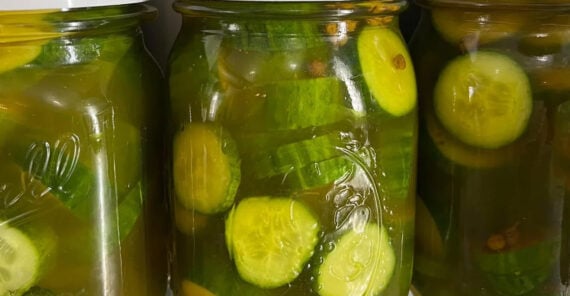
Before supermarkets, convenience chains, and online shopping became part of everyday life, the neighborhood corner store was where Americans went for almost everything they needed in a hurry. These small shops carried an eclectic mix of groceries, household basics, candy, newspapers, and inexpensive treats, often packed into a surprisingly small space.
Many of the products themselves still exist, but the way people bought them has changed dramatically. Others have faded along with the stores, packaging, and routines that once made them familiar. Here are 16 things that were once common purchases at American corner stores but are much harder to encounter today.
1. Penny Candy Sold Individually
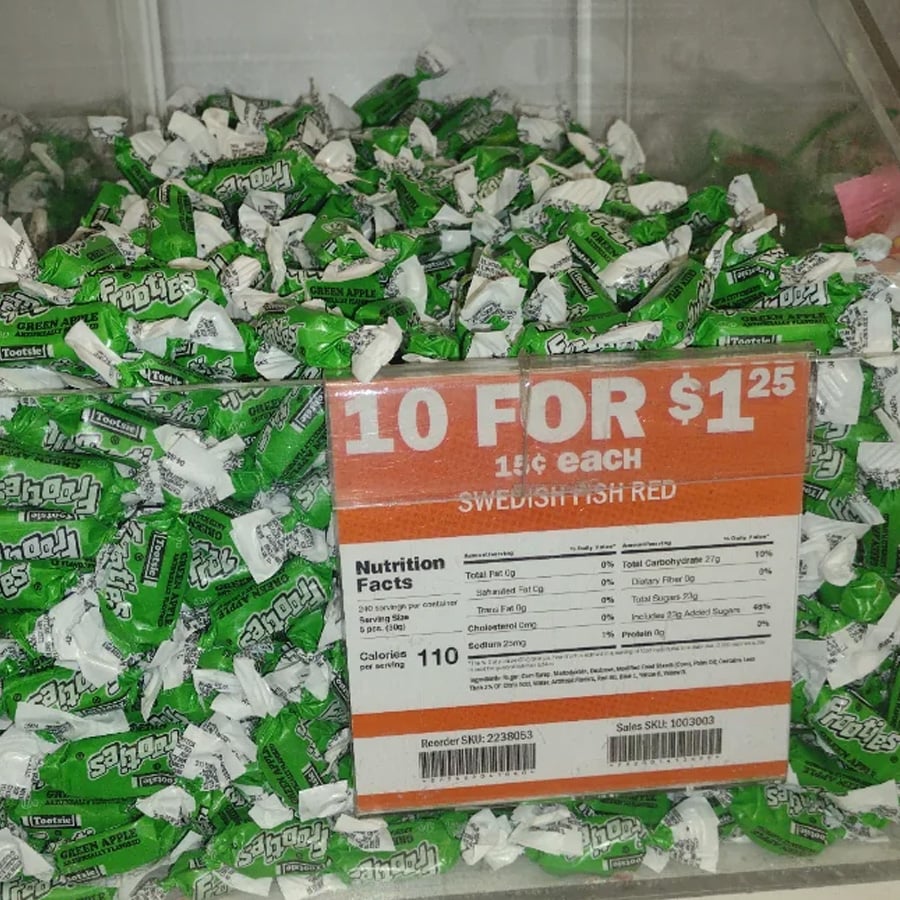
Glass jars and open displays once held pieces of candy that children could choose one at a time. Gumdrops, hard candies, caramels, and jawbreakers could be purchased for just a few cents, making a trip to the corner store an affordable childhood ritual.
2. Soda in Returnable Glass Bottles
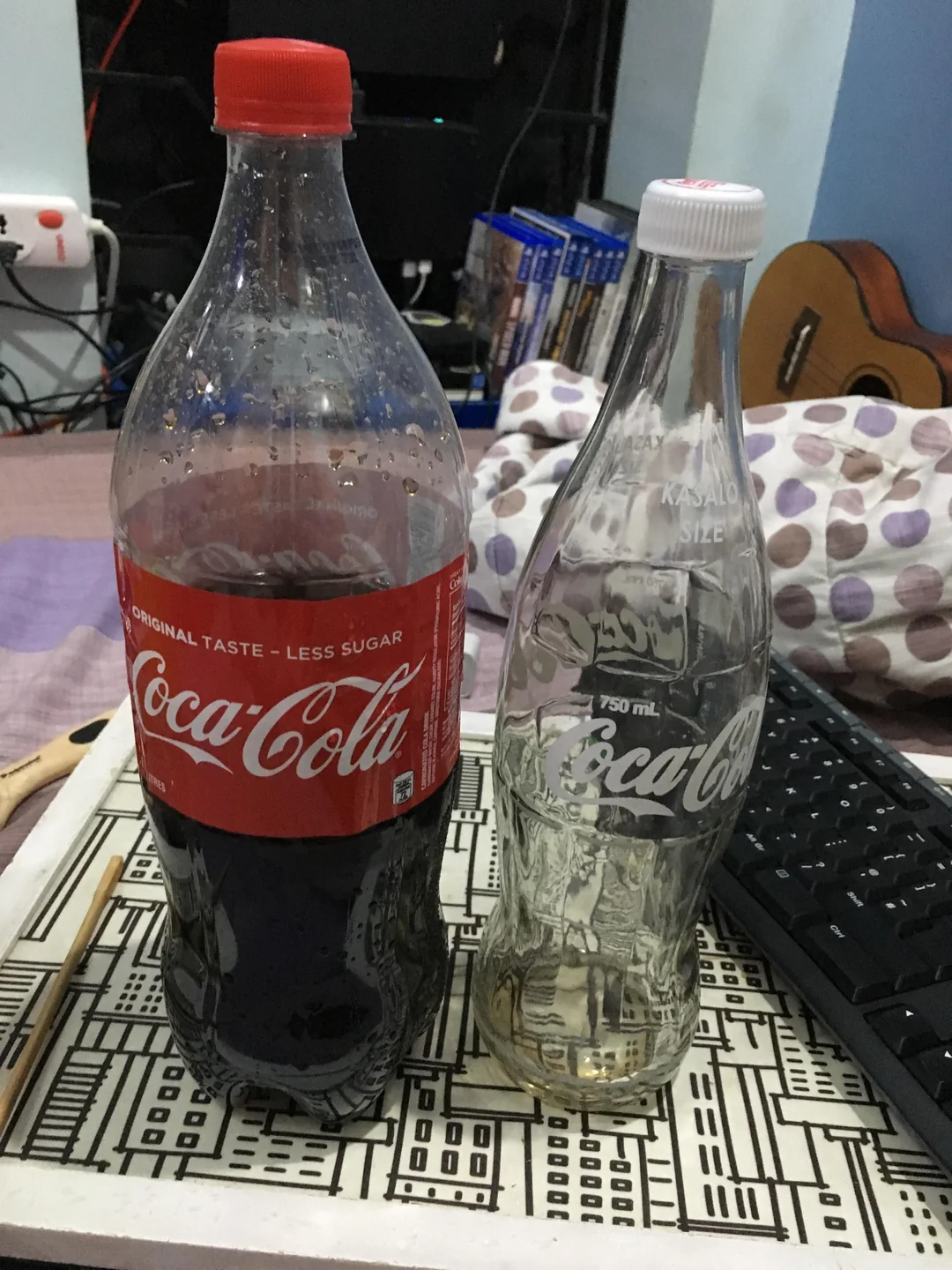
Before disposable plastic bottles became standard, shoppers regularly bought soda in heavy glass bottles and returned the empties for a deposit. Stores collected the bottles so they could be cleaned, refilled, and sold again.
3. Milk in Glass Bottles
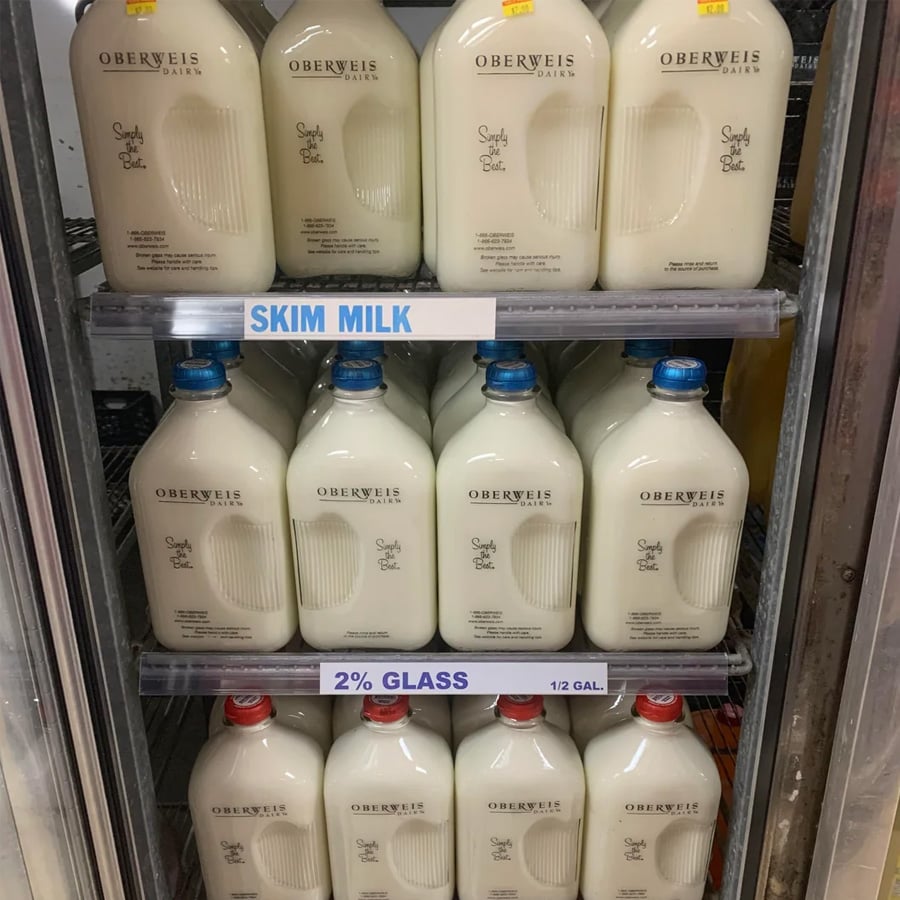
Milk was commonly sold in reusable glass bottles long before plastic jugs and coated paper cartons dominated grocery shelves. Some neighborhood stores carried locally produced milk, and customers returned the empty bottles after use.
4. Loose Cookies From Display Cases
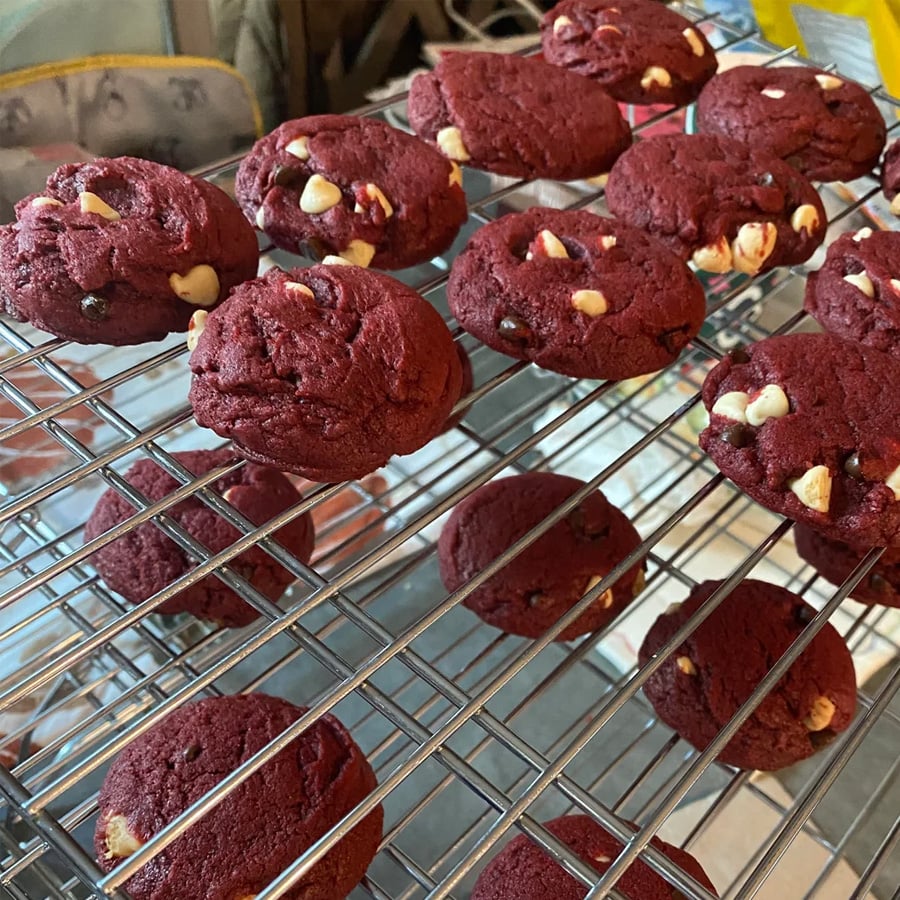
Rather than choosing from dozens of factory-sealed packages, customers could sometimes buy cookies individually or by weight. Storekeepers would take them from large tins, jars, or display cases and wrap the desired amount for the customer.
5. Cigars Sold One at a Time
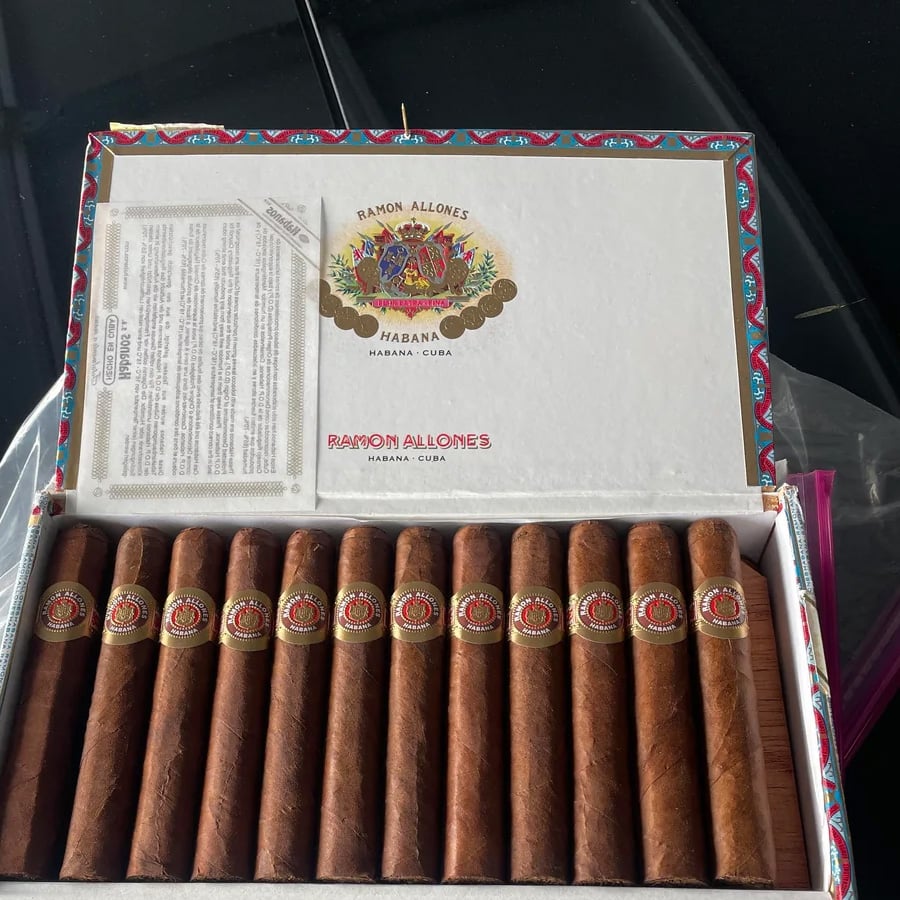
Corner stores traditionally kept boxes of inexpensive cigars near the register and sold them individually. While single cigars are still available in some places, the classic neighborhood-store display is far less common than it once was.
Trending on Wealth Gang
6. Newspapers From Multiple Daily Editions

A corner store might once have carried morning, afternoon, and evening editions of local newspapers along with papers from nearby cities. As print circulation declined and news moved online, the towering stacks of daily papers largely disappeared.
7. Five-Cent Packs of Chewing Gum
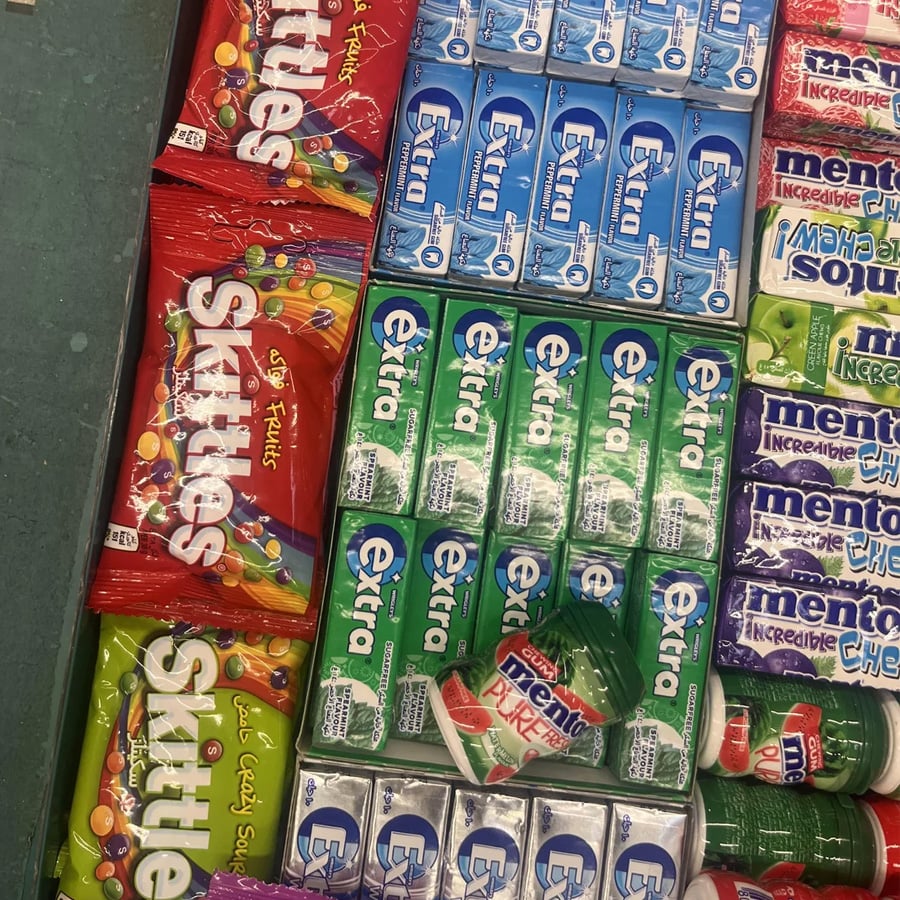
Small packages of chewing gum were classic impulse purchases, particularly for children with a few coins in their pockets. Brands offered compact packs at prices that made them easy additions to almost any purchase.
8. Individual Pickles From a Barrel
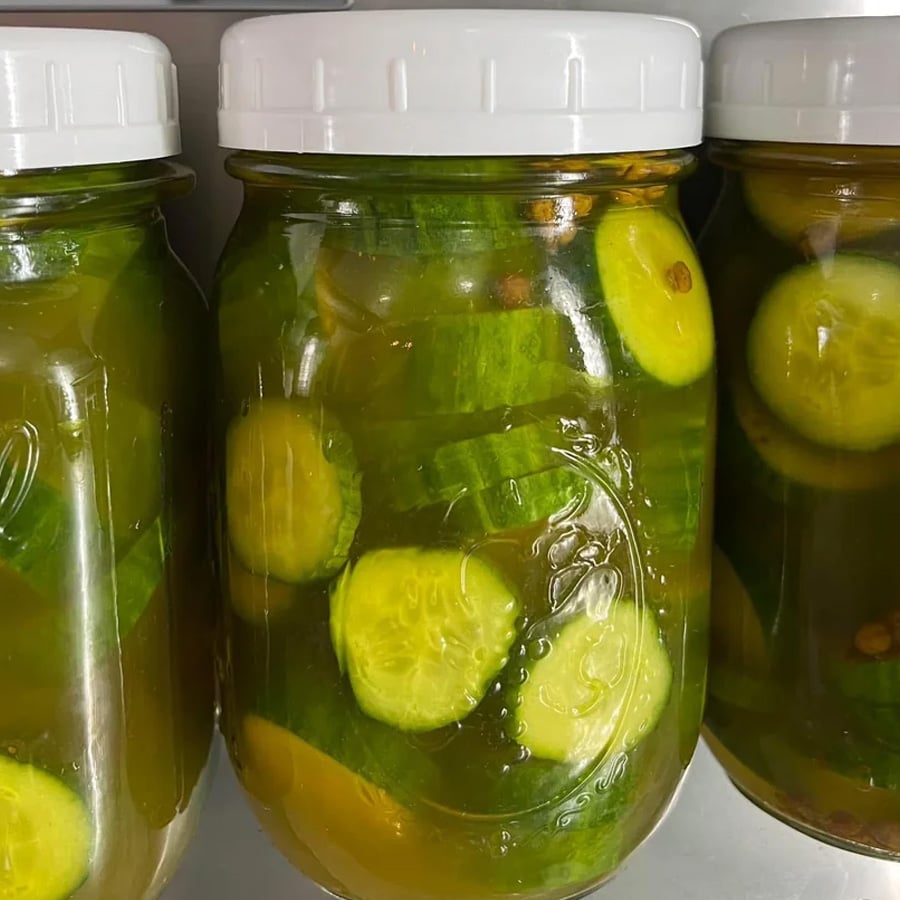
Large barrels or jars of pickles were once a familiar sight in some neighborhood groceries. Customers could purchase a single pickle instead of an entire packaged jar, a practice that has largely vanished from modern convenience stores.
Sign up for our newsletter
9. Loose Eggs
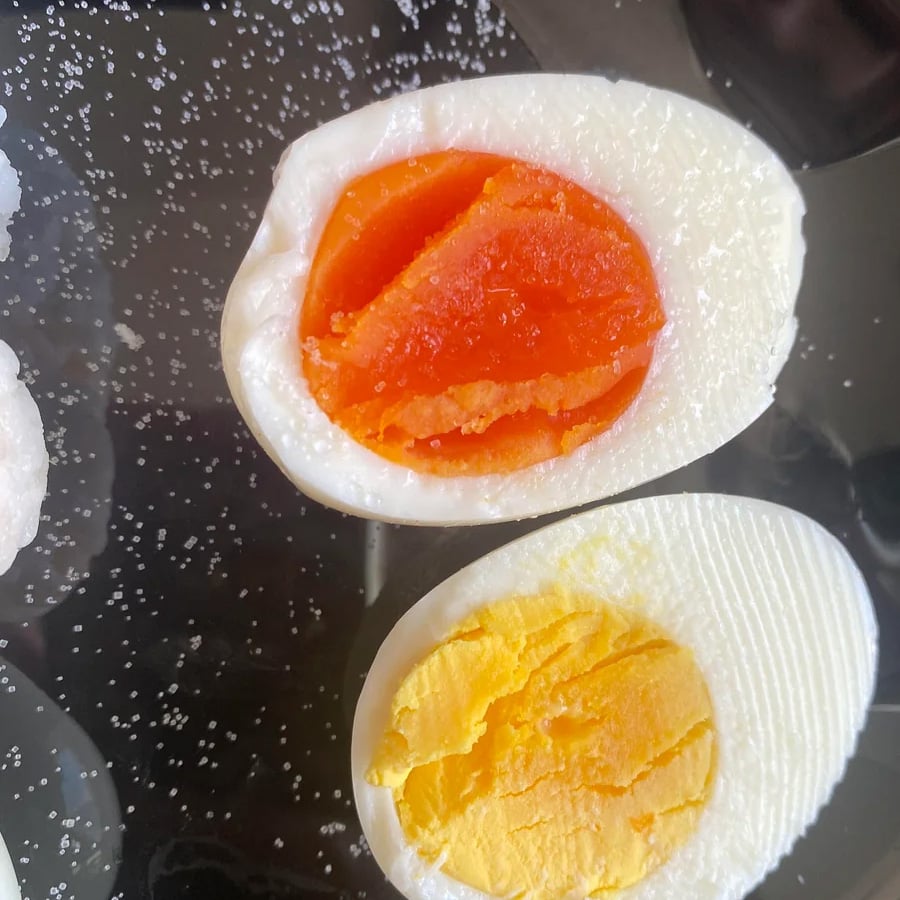
Instead of always purchasing eggs by the dozen in sealed cartons, shoppers at some small groceries could buy only the number they needed. This was especially practical for households shopping frequently and carrying groceries home on foot.
10. Kerosene for Household Use
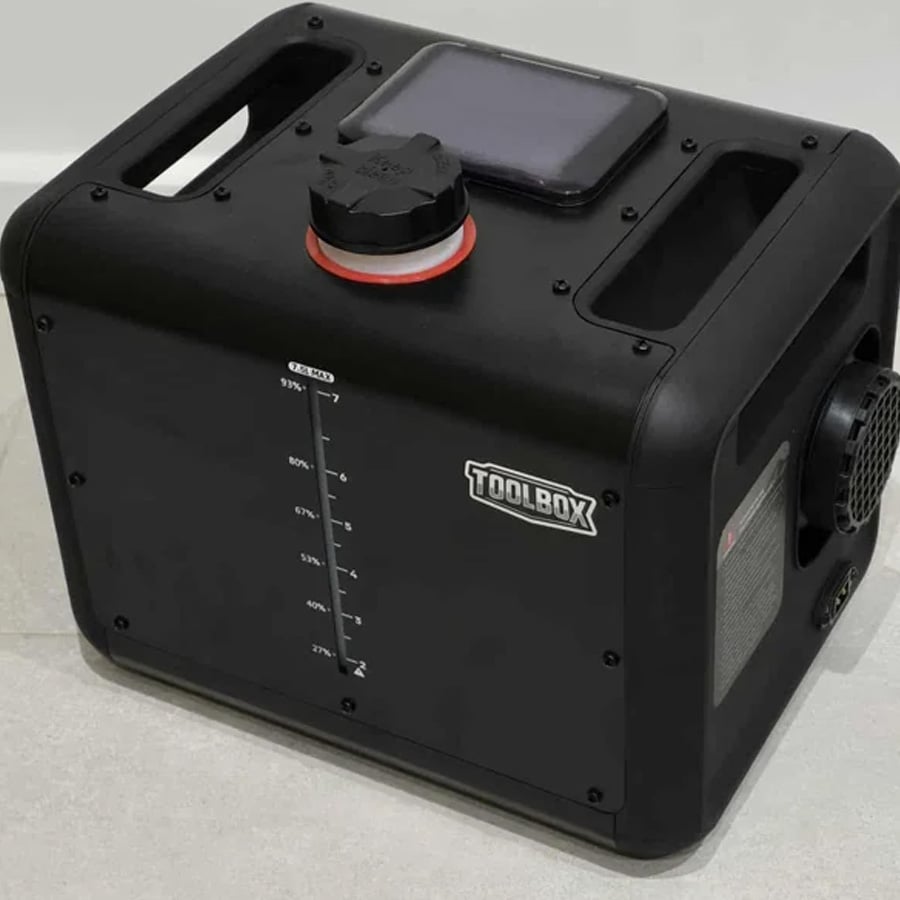
Before modern heating systems became universal, kerosene was an ordinary household necessity used for lamps, heaters, and cooking equipment. Local stores sometimes sold it alongside groceries and other everyday supplies.
11. Razor Blades Sold in Tiny Packs
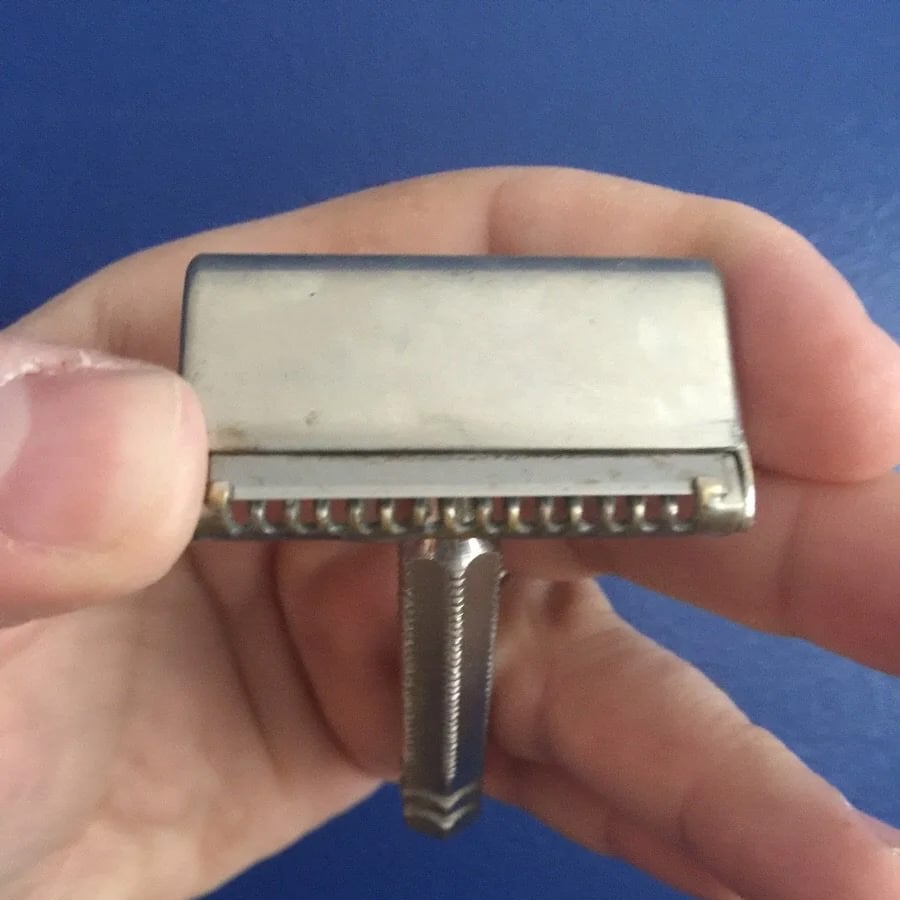
Double-edge razor blades were once an extremely common checkout-counter purchase. Small paper packets containing only a few blades were inexpensive, compact, and easy for neighborhood stores to keep in stock.
12. Fountain Soda
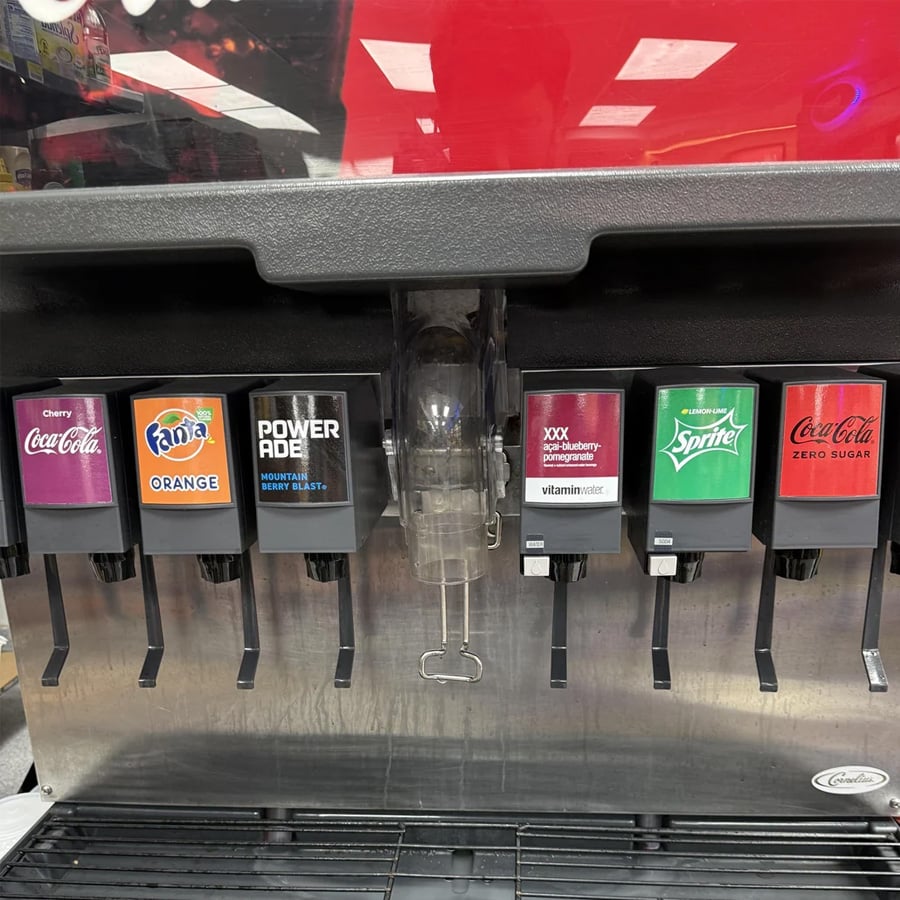
Many small stores had soda fountains where customers could order freshly mixed soft drinks rather than grabbing a bottle from a refrigerator. Syrup and carbonated water were combined at the counter, often for only a few cents.
13. Individual Aspirin Packets
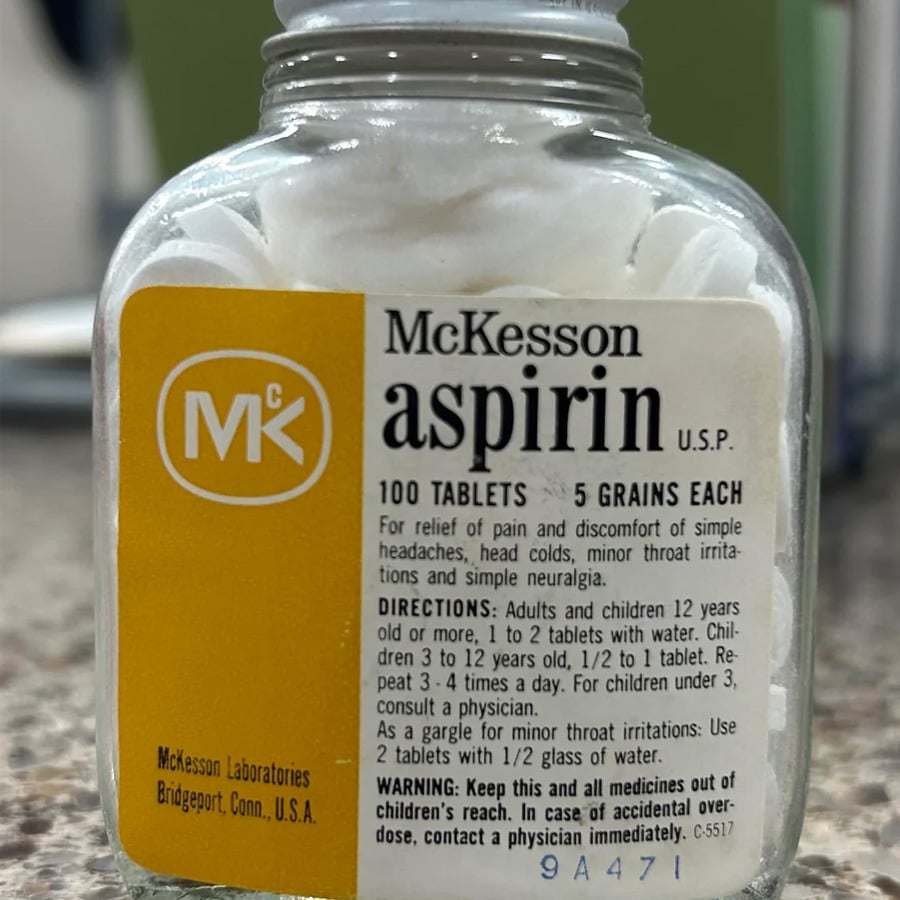
Instead of purchasing a large bottle of pain relievers, customers could pick up tiny packets containing just a couple of aspirin tablets. They were convenient for people who needed immediate relief without buying a full package.
14. Matches Given Away With Purchases
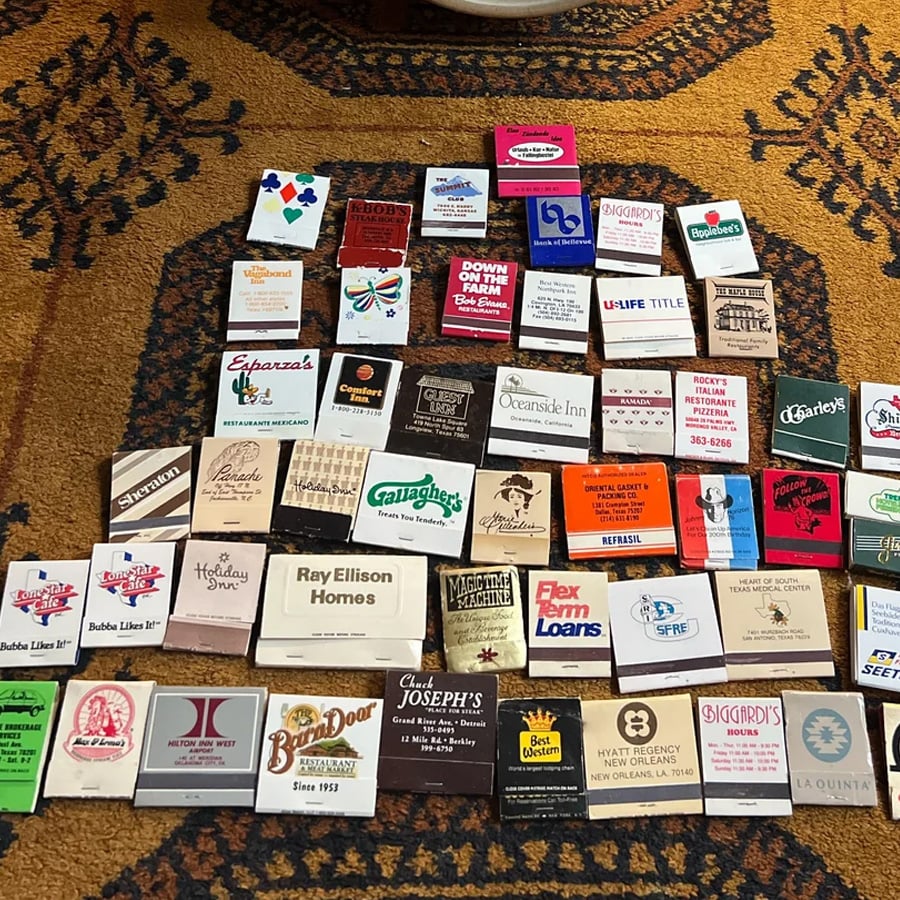
Books of matches carrying the store’s name or advertising were once commonly handed out for free. They served a practical purpose while also functioning as miniature advertisements that customers carried home.
15. Small Paper Sacks of Bulk Goods
Some neighborhood stores sold staples such as flour, sugar, beans, or coffee from larger containers, measuring out only what a customer wanted. The goods would be weighed and packed into simple paper bags rather than sold exclusively in branded packages.
16. Local Postcards
Corner stores frequently stocked inexpensive postcards featuring nearby streets, landmarks, hotels, beaches, or town centers. Travelers mailed them home, while locals sometimes bought them as souvenirs, creating a visual record of ordinary American communities that collectors now seek out.
More Related Notes
• 16 Things Americans Used to Buy at Drugstores That Are Hard to Find Today.
Explore once-common drugstore purchases that have largely disappeared, offering another nostalgic look at how everyday American shopping habits have changed over the decades.
• 18 Things From 1960s Drugstores That Have Nearly Vanished.
Take a trip back to the neighborhood drugstores of the 1960s and discover the products and services that were once familiar parts of everyday life.
• 16 Things Sold in 1980s Malls That Have Become Hard to Find.
Discover products that once filled American malls and stores but have since become discontinued, obsolete, or increasingly difficult to find.