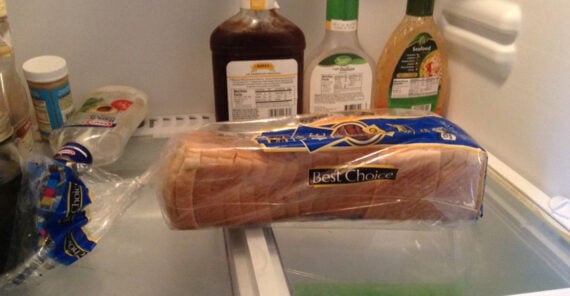
Food shopping has changed dramatically over the decades. Long before supermarkets filled their aisles with individually wrapped products, resealable bags, plastic bottles, and frozen meals, many everyday foods reached consumers through methods that would feel surprisingly unfamiliar today.
Some were delivered directly to the doorstep, while others were scooped from barrels, weighed behind a counter, or carried home in reusable containers. These older methods reveal not only how packaging has evolved, but also how dramatically convenience, refrigeration, transportation, and food safety have transformed the way people shop.
1. Milk Was Delivered in Glass Bottles
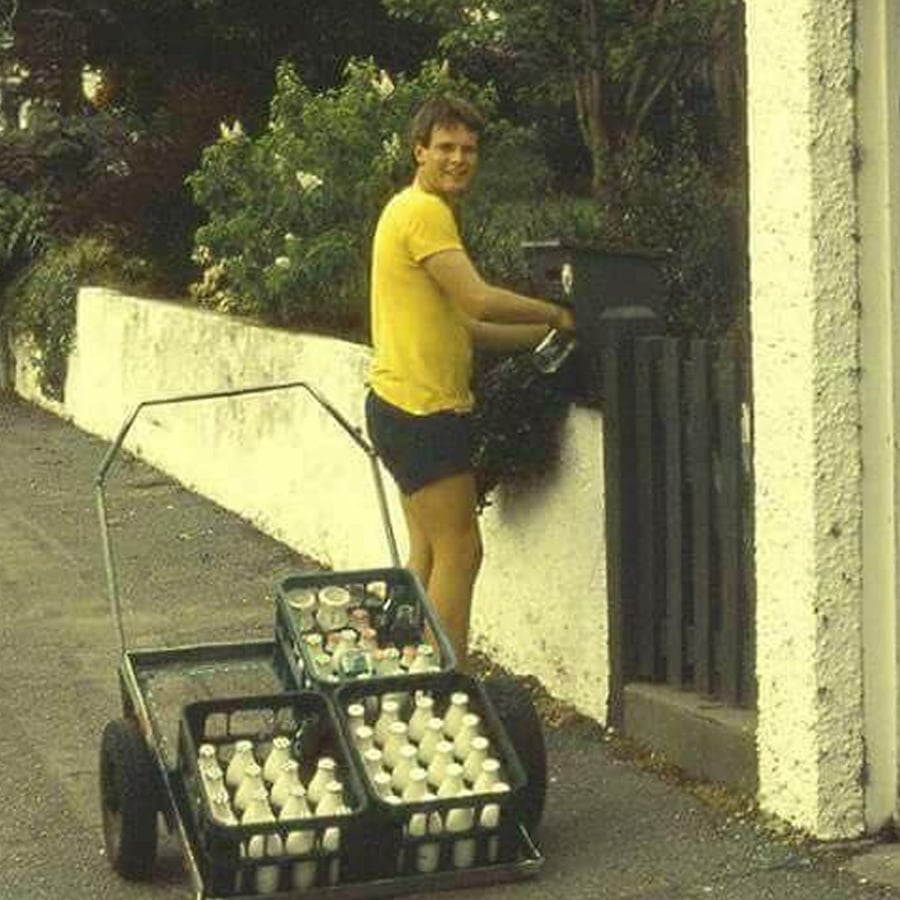
For much of the 20th century, milk commonly arrived at homes in reusable glass bottles delivered by a milkman. Customers left empty bottles outside to be collected, cleaned, and refilled. As supermarkets expanded and refrigeration became more common, cartons and plastic jugs gradually replaced the familiar doorstep bottle.
2. Pickles Were Sold From Large Barrels
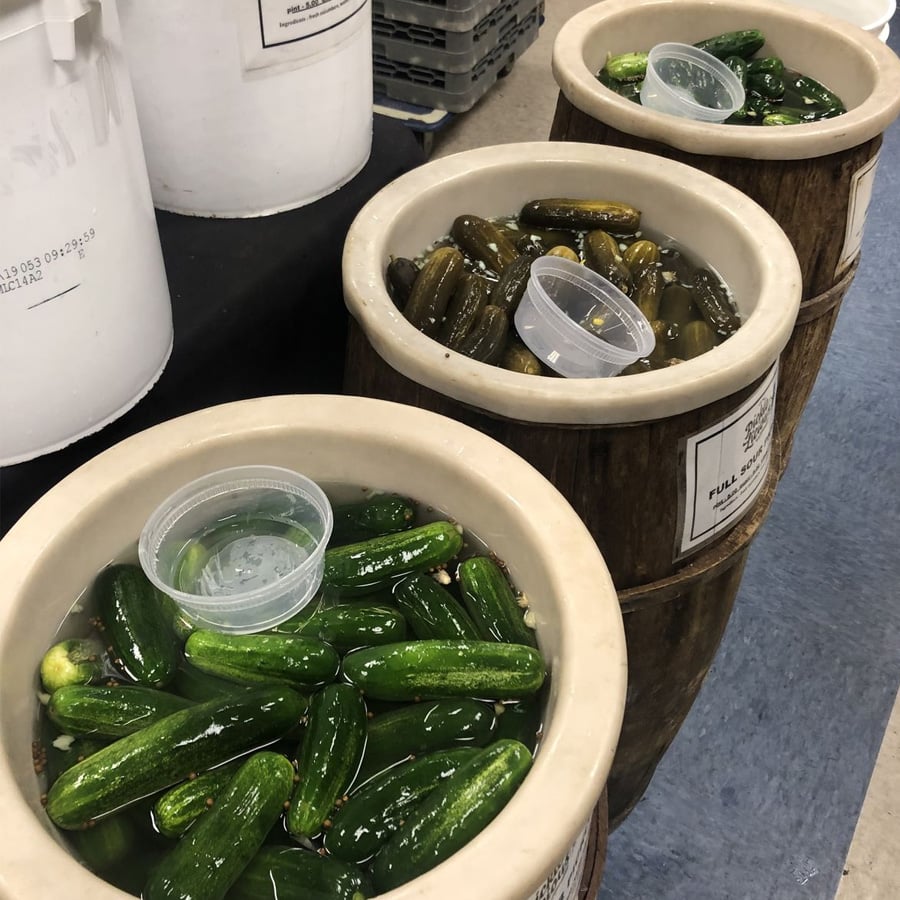
Before jars of pickles became a supermarket staple, general stores often kept large wooden barrels filled with pickles in brine. Customers could select the amount they wanted, and a clerk would retrieve the pickles directly from the barrel before wrapping or placing them in a container for the trip home.
3. Flour Was Sold in Cloth Sacks
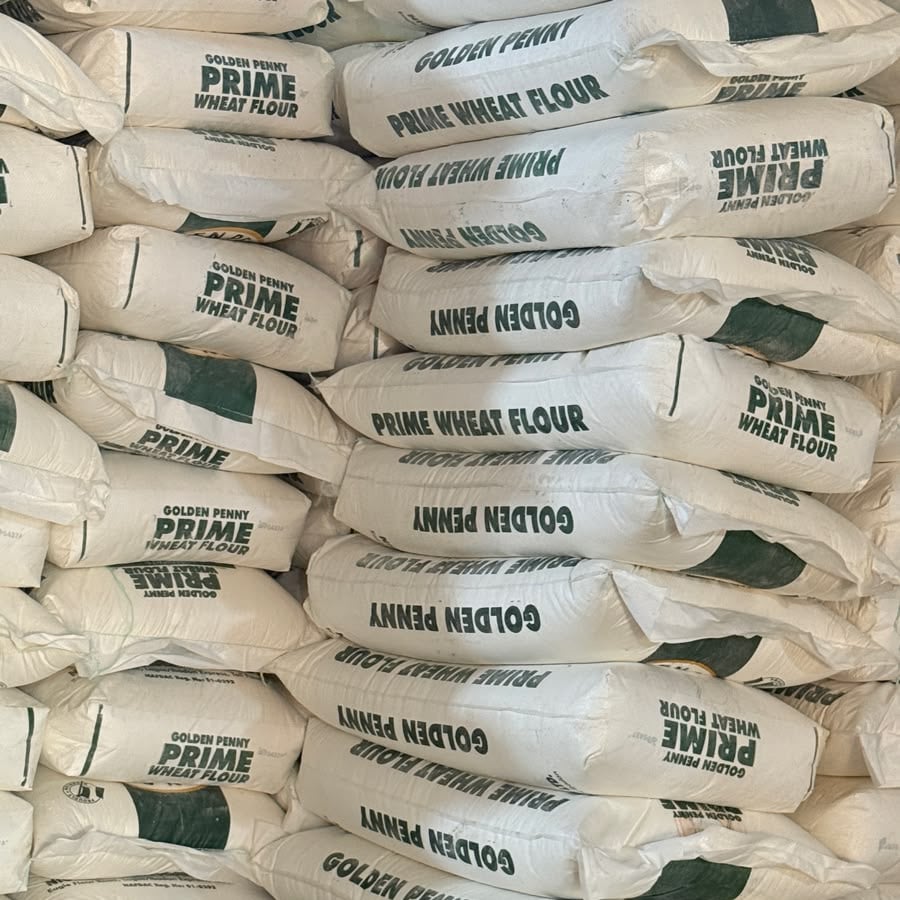
Flour was once commonly packaged in sturdy cotton sacks rather than disposable paper bags. During the Great Depression and surrounding decades, families frequently reused the fabric to make clothing, towels, quilts, and other household items. Manufacturers eventually began printing attractive patterns on the sacks after realizing how often the material was repurposed.
4. Soda Came in Returnable Glass Bottles
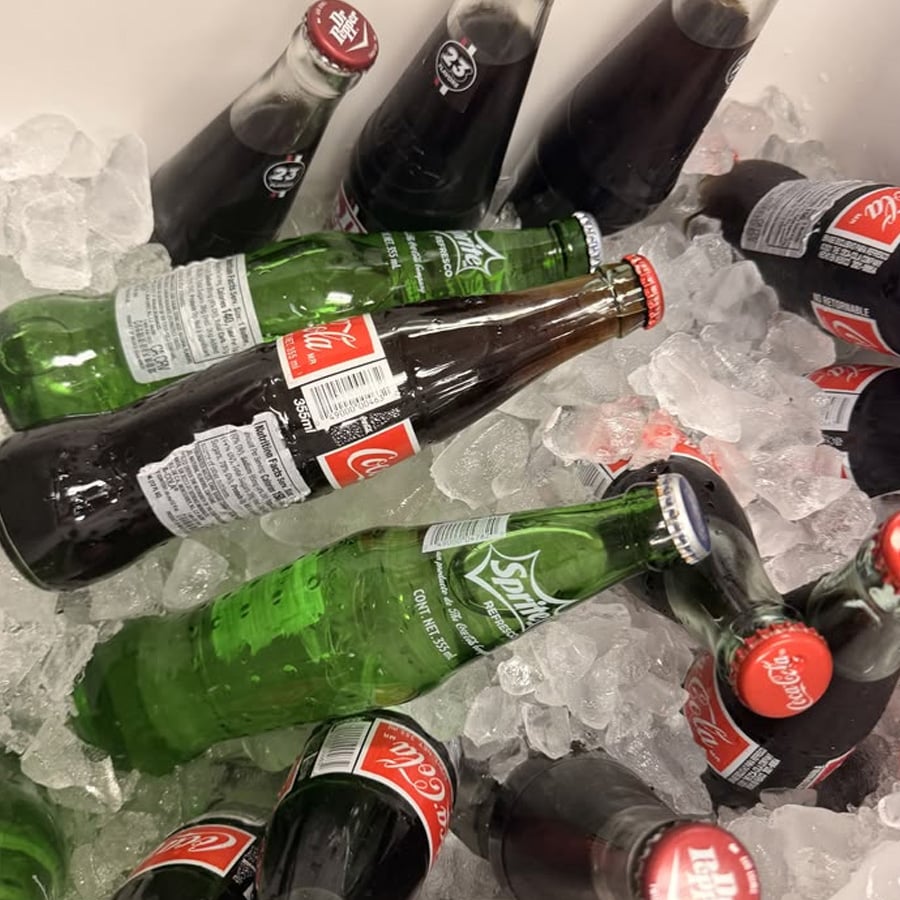
Soft drinks were once overwhelmingly sold in heavy glass bottles that consumers were encouraged to return. A small deposit gave shoppers an incentive to bring the bottles back, where they could be washed and reused by bottlers. Disposable cans and plastic bottles eventually became far more common because they were lighter and easier to transport.
5. Crackers Were Stored in Barrels
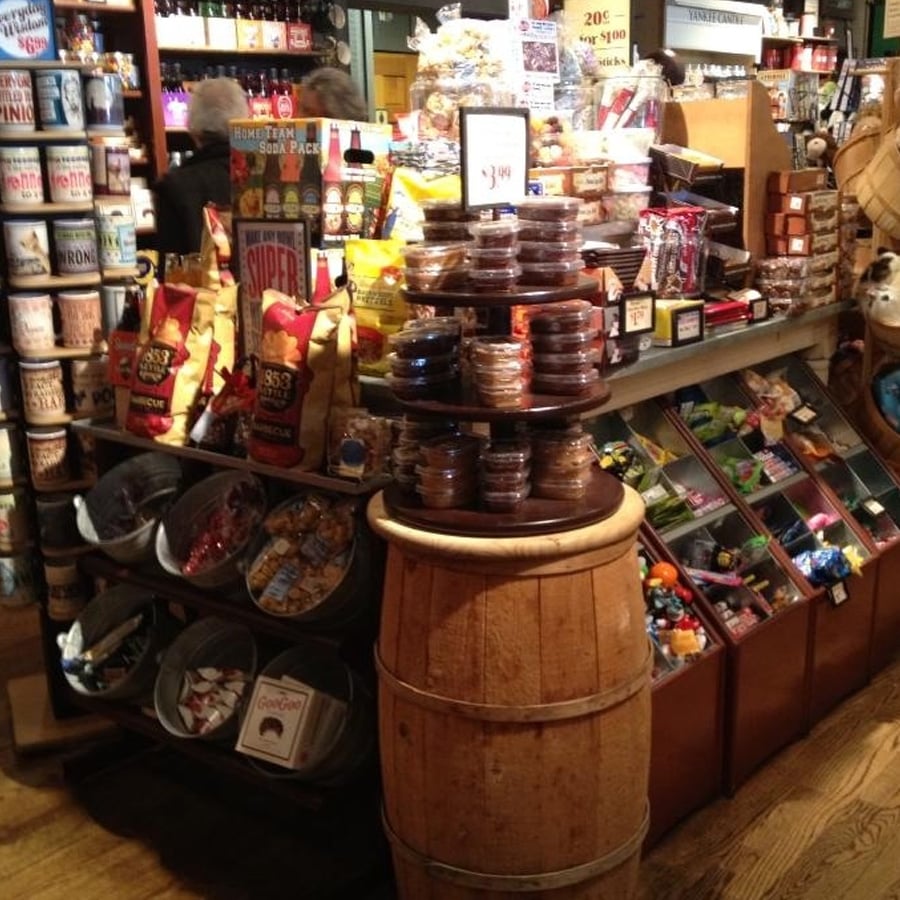
The phrase “cracker barrel” comes from an actual retail practice. General stores once received crackers in large barrels rather than the sealed boxes found in grocery stores today. Clerks would remove the desired quantity for customers, making crackers another everyday product that was frequently purchased in bulk.
Trending on Wealth Gang

6. Coffee Beans Were Ground at the Store
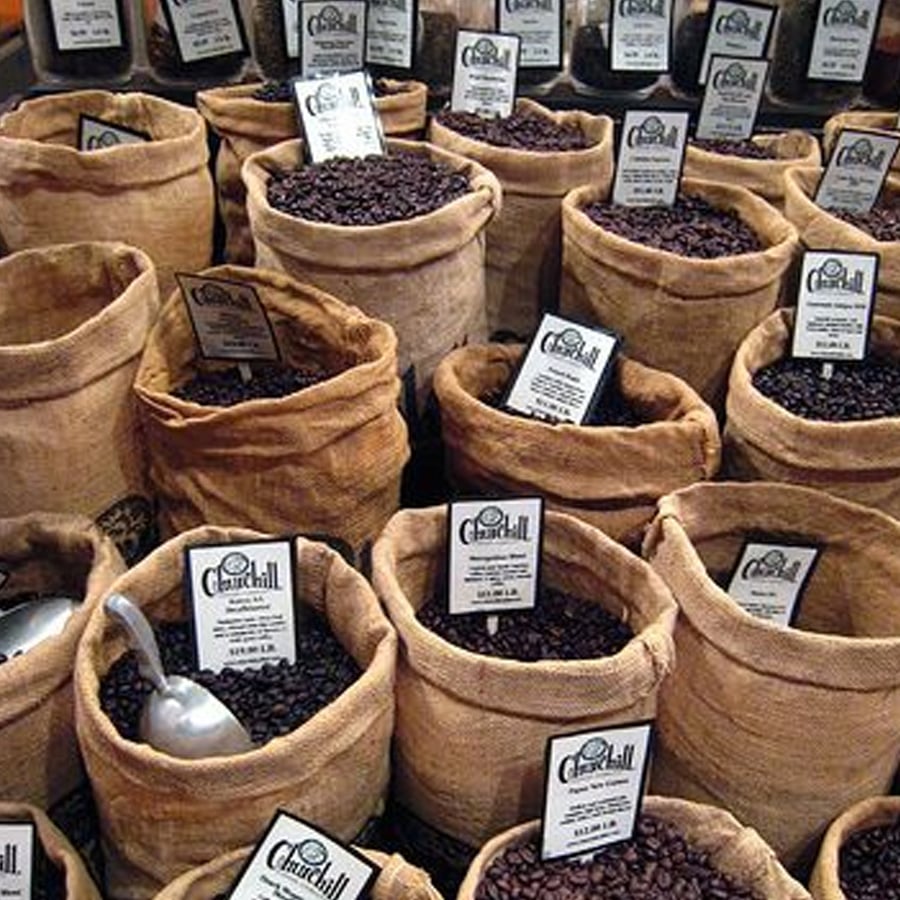
Rather than choosing from shelves filled with bags of pre-ground coffee, shoppers could once buy whole roasted beans from bulk containers and have them ground at the store. Customers could select the amount they needed and often specify how finely the beans should be ground depending on how they planned to brew their coffee.
7. Meat Was Wrapped in Butcher Paper
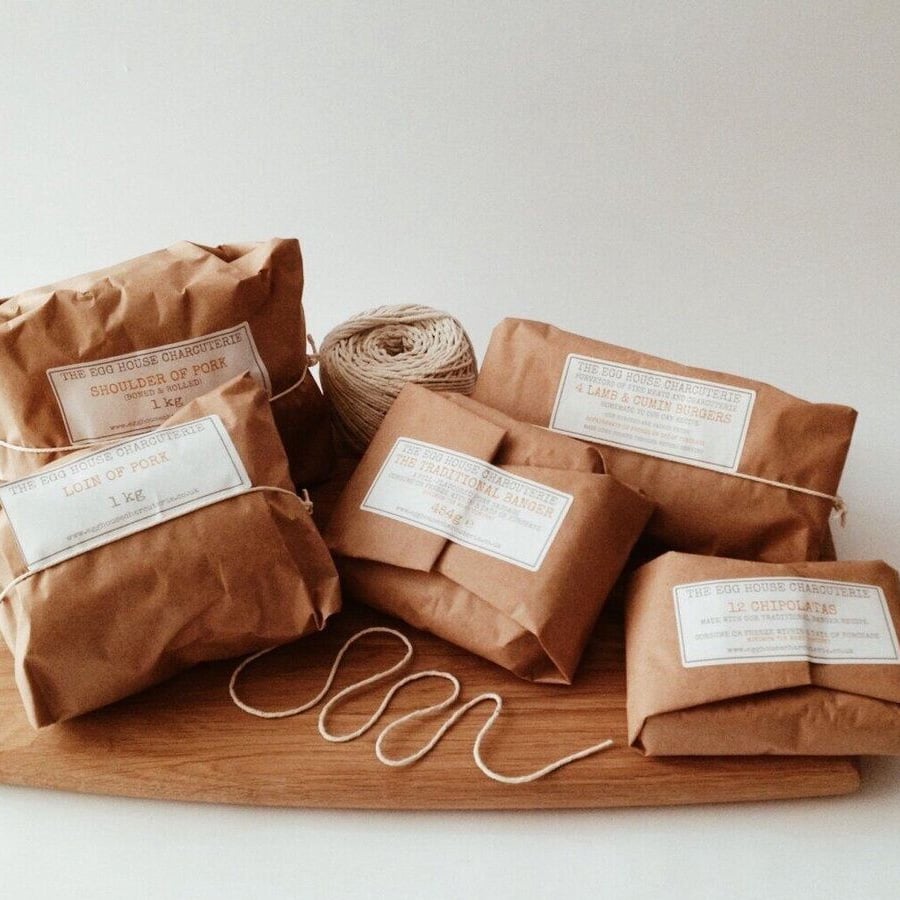
Prepackaged trays of meat covered in plastic film were not always the standard. Shoppers traditionally visited a butcher counter, selected a cut, and watched as the butcher weighed and wrapped it in paper. The interaction allowed customers to request specific quantities, thicknesses, or cuts instead of choosing from predetermined packages.
8. Eggs Were Sold Individually
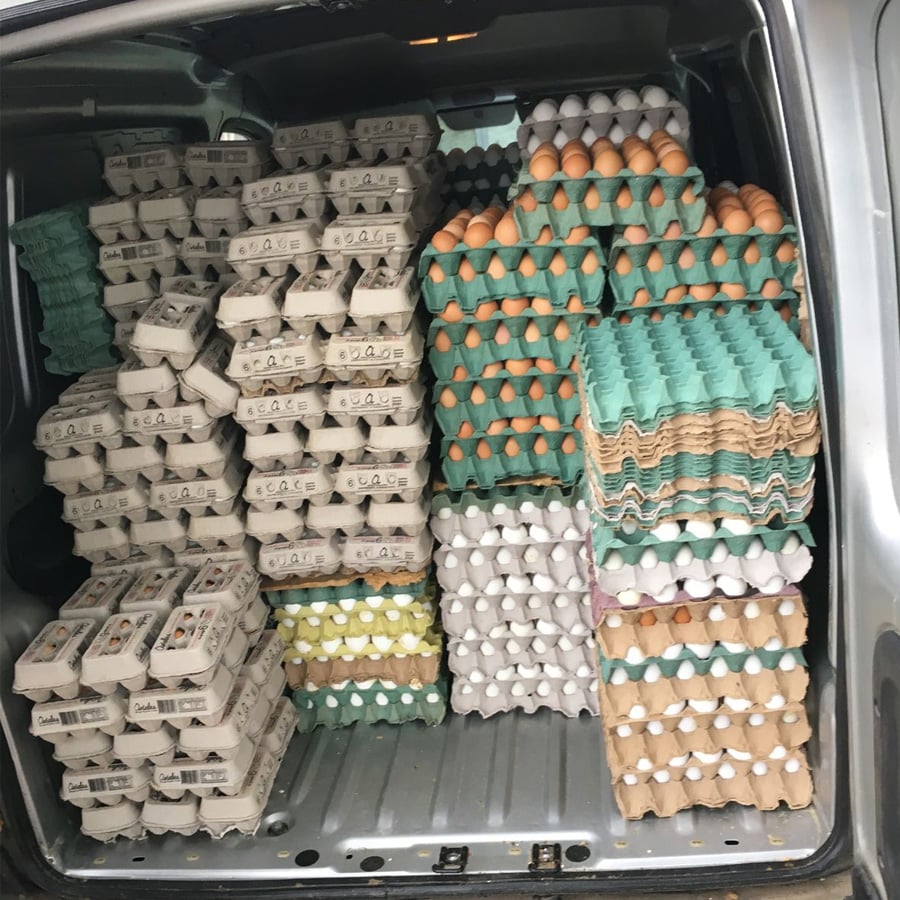
Eggs were not always packaged neatly by the dozen in standardized cartons. At markets and small stores, they could be purchased individually or in whatever quantity a household needed. Shoppers often carried them home in baskets or reusable containers before protective cardboard cartons became widespread.
Sign up for our newsletter
9. Candy Was Scooped From Glass Jars
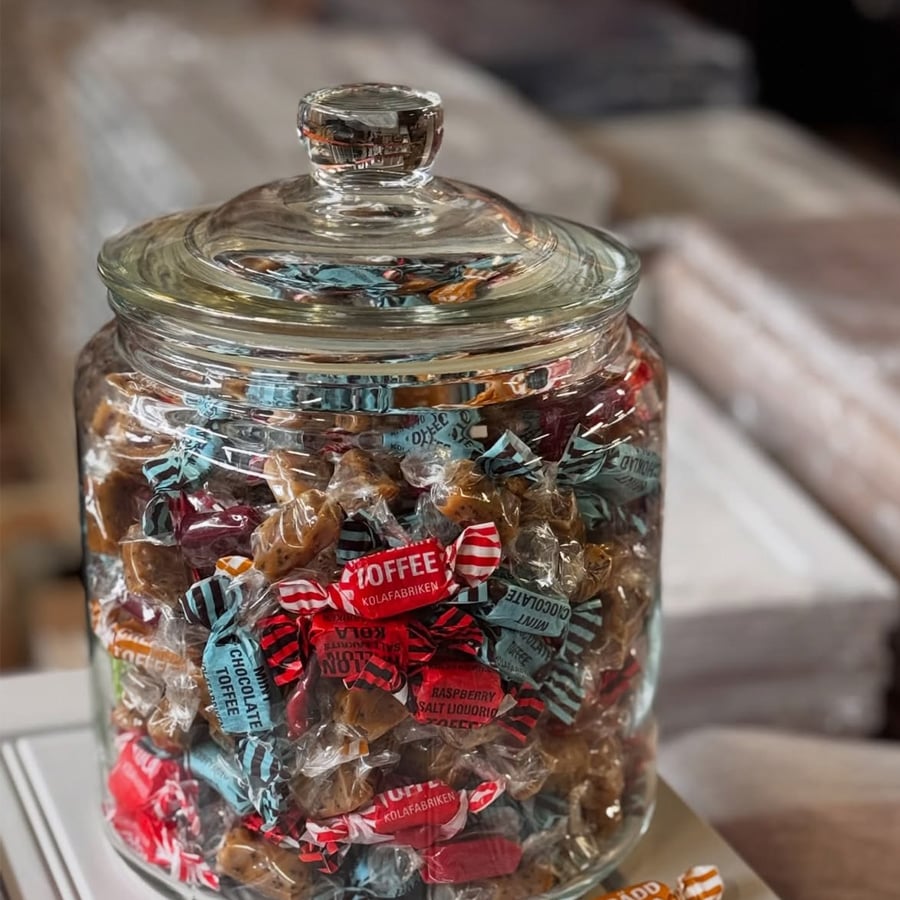
Candy stores once displayed sweets in rows of large glass jars rather than countless individual wrappers. Customers chose their favorites, and the shopkeeper weighed the candy before placing it into a small paper bag. Penny candy made it possible for children to purchase just a few pieces at a time.
10. Butter Was Cut From Large Blocks
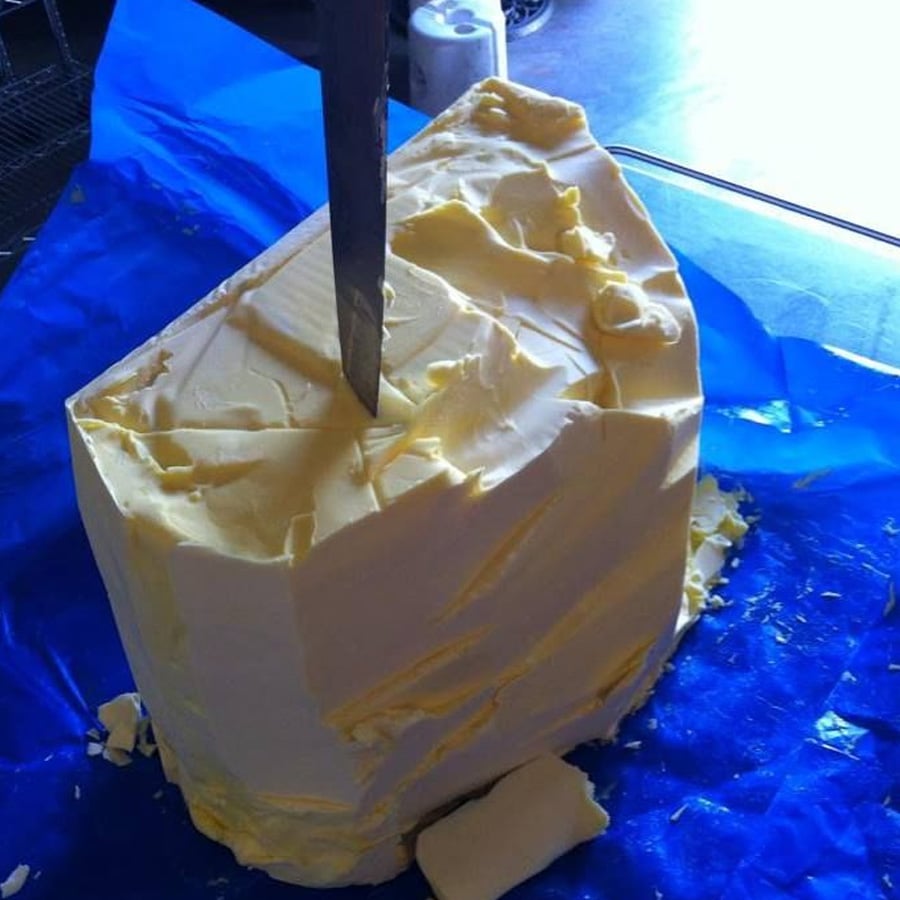
Before butter was routinely sold as individually packaged sticks, grocers often received it in large tubs or blocks. A clerk would cut off the amount requested by the customer, weigh it, and wrap it in paper. Standardized sticks eventually made measuring, storing, and selling butter considerably easier.
11. Tea Was Weighed From Bulk Containers
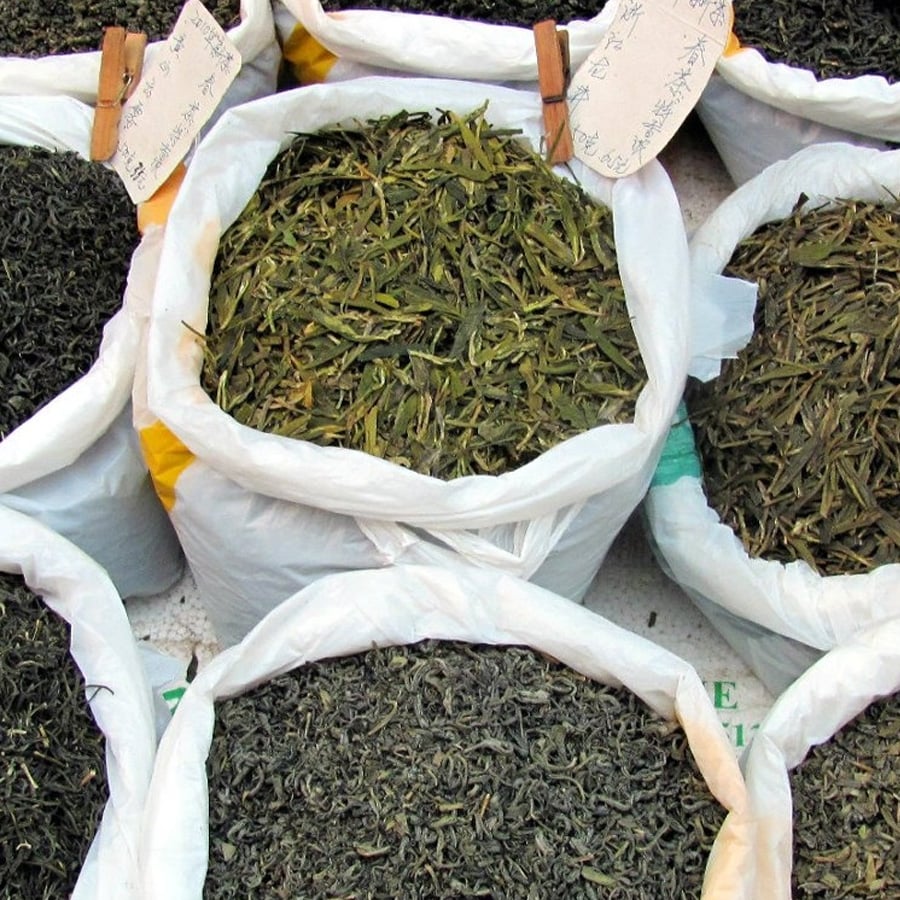
Loose-leaf tea was traditionally stored in large tins, chests, or containers at shops. Customers could request a particular variety and quantity, which would then be weighed and packaged by the merchant. Individually portioned tea bags later transformed tea into a much more standardized and convenient grocery product.
12. Potato Chips Came in Large Metal Tins
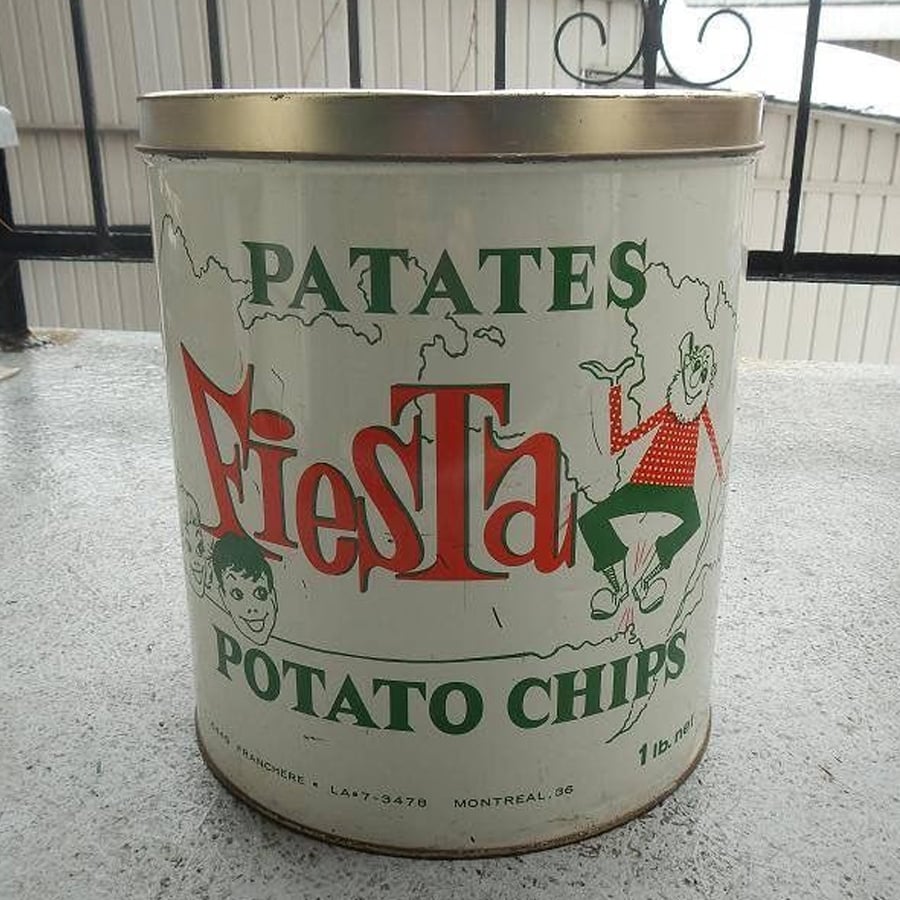
Before lightweight plastic bags dominated the snack aisle, some potato chips were sold in large reusable metal tins. The sturdy containers helped protect fragile chips from being crushed during transportation and storage. Improvements in flexible packaging eventually made sealed bags cheaper, lighter, and easier for stores to stock.
13. Ice Cream Was Packed by Hand
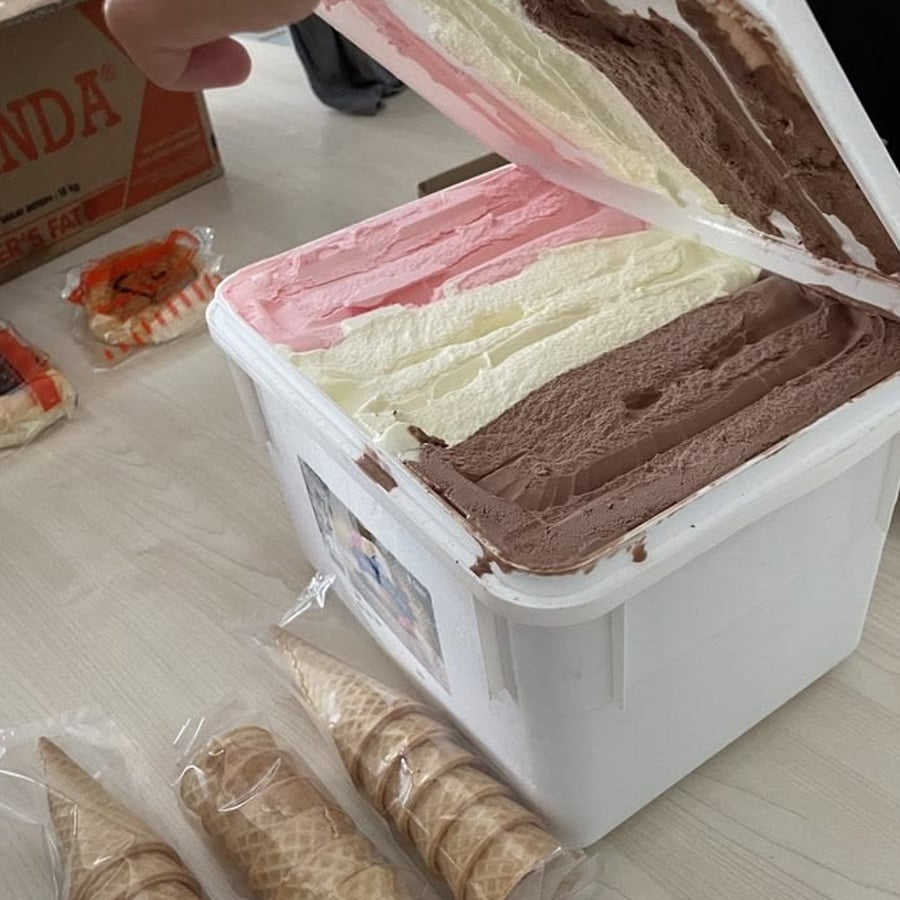
Before factory-sealed cartons became the norm, ice cream shops and soda fountains often packed ice cream into paper containers for customers to take home. The amount could be measured and packed directly from a larger supply, making buying ice cream a more personalized experience than simply grabbing a carton from a freezer.
14. Cooking Oil Was Sold From Bulk Containers
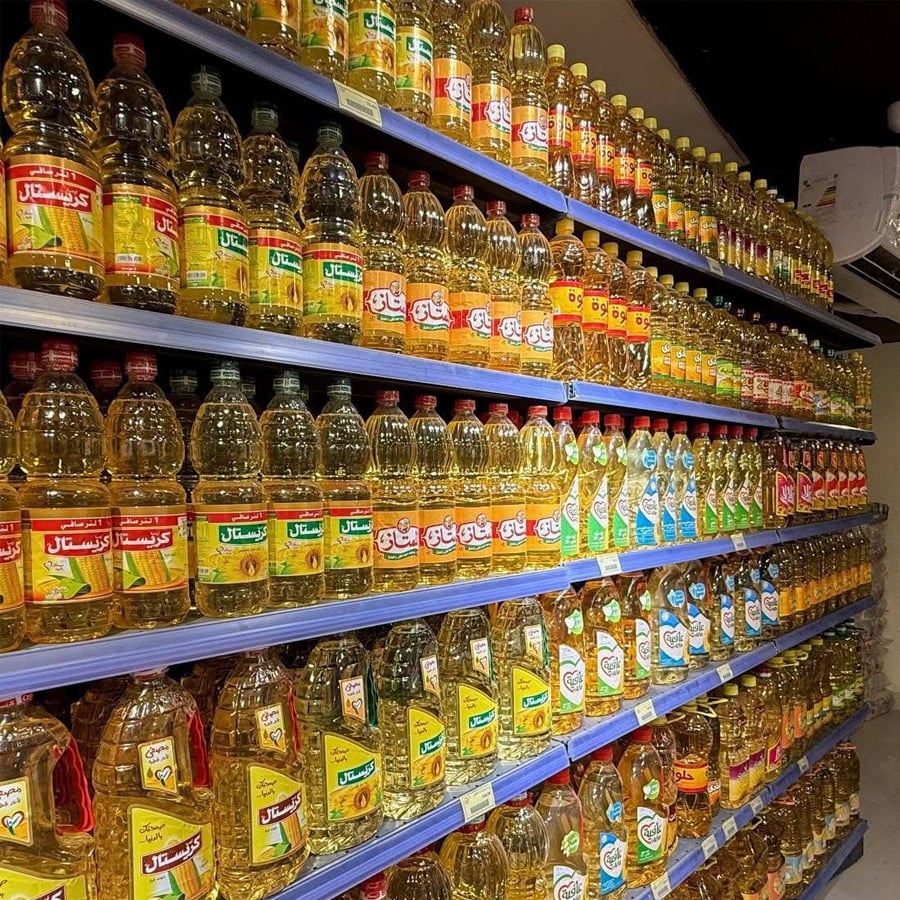
Cooking oils were once commonly distributed from large barrels, drums, or other bulk containers. Customers could bring their own bottles or have a merchant fill a container with the quantity they wanted. Factory-sealed bottles eventually became standard as mass production, branding, transportation, and food safety practices evolved.
15. Bread Was Often Sold Unwrapped
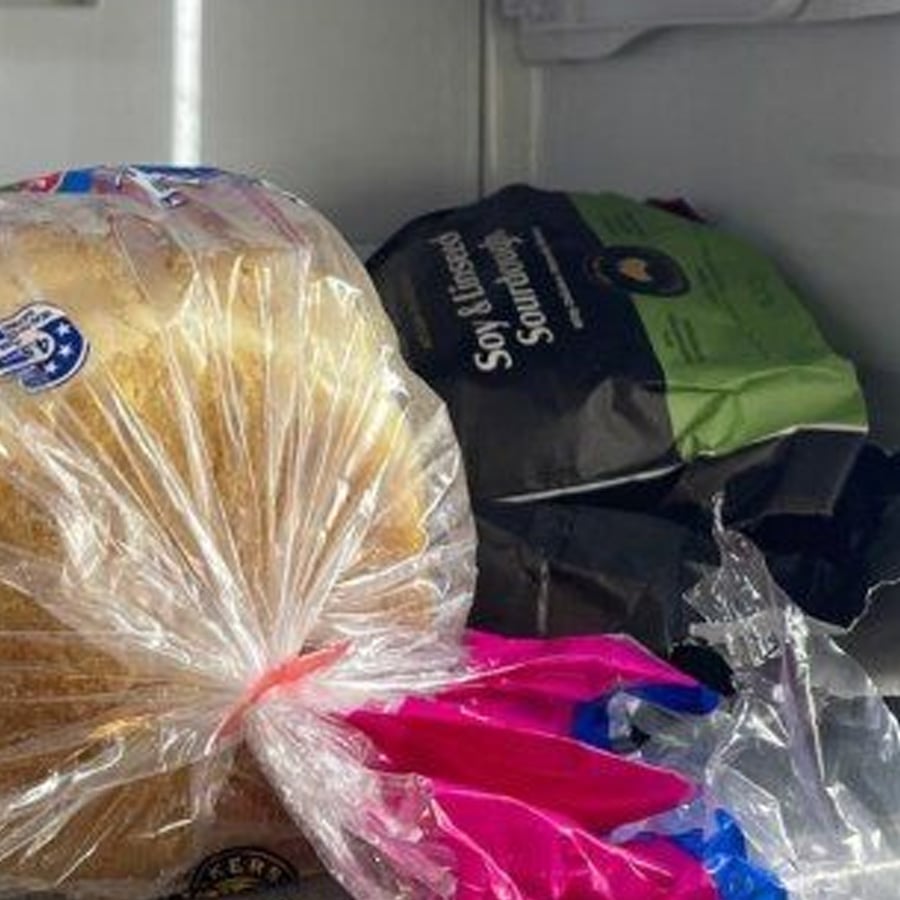
Fresh loaves were once routinely displayed and sold with little or no packaging, particularly at local bakeries. Customers carried bread home in paper, cloth, or baskets and expected to eat it relatively quickly. Today, commercially produced bread is usually sealed in plastic packaging designed to protect it and extend its shelf life.
More Related Notes
• 15 Everyday Products That Were Once Considered Luxuries.
Explore familiar products that were once expensive or difficult to obtain, revealing how manufacturing and consumer habits have transformed over time.
• 17 Childhood Treats That Were Cheap Then and Cost a Lot More Today.
Take a nostalgic look at familiar snacks and treats while seeing how their prices, packaging, and place in everyday life have changed across generations.
• 15 Vintage Ads That Would Never Be Approved Today.
Discover how companies once marketed food and everyday products, highlighting just how dramatically advertising and consumer culture have evolved.