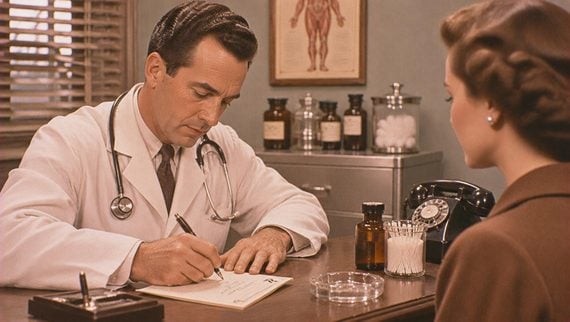
A visit to the doctor looked very different in the 1950s than it did by the end of the 1990s. From the equipment used during examinations to the way appointments were scheduled, medical offices experienced decades of change. Many practices that once seemed completely normal gradually disappeared as technology improved and healthcare became more specialized.
Vintage photographs reveal how these changes unfolded in waiting rooms, examination rooms, and hospitals across America. These 18 examples highlight the familiar sights, outdated routines, and important innovations that transformed ordinary doctor visits during the second half of the twentieth century.
1. Doctors Made More House Calls in the 1950s
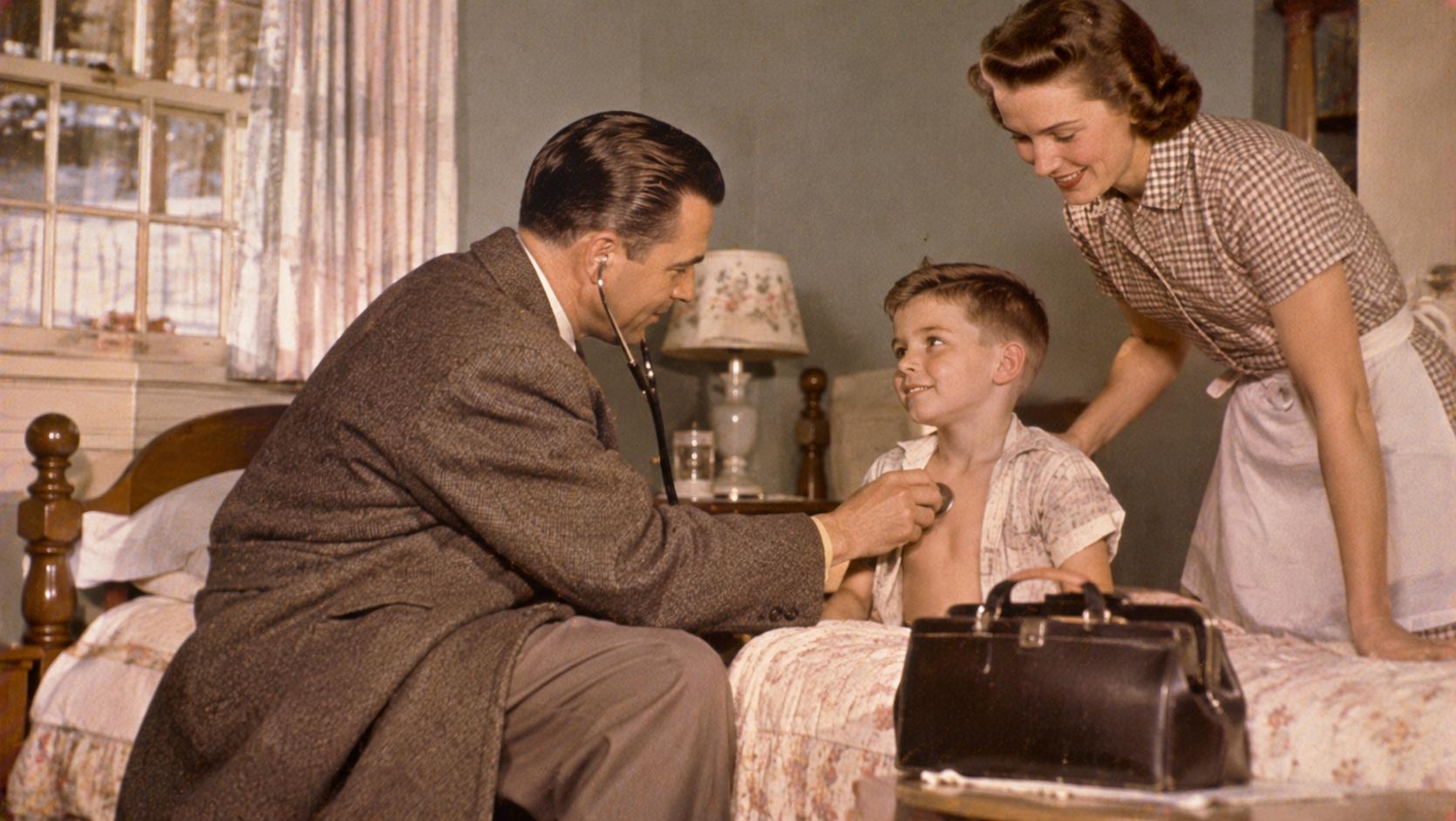
During the 1950s, some American families still expected doctors to visit patients at home, particularly when someone was too ill to travel. Physicians often carried black medical bags containing basic examination instruments and medications. Although house calls had already declined from earlier decades, they remained part of medical practice in some communities. By the 1990s, most routine medical appointments took place in offices, clinics, or hospitals.
2. Waiting Rooms Had Simple Wooden Chairs and Magazine Racks
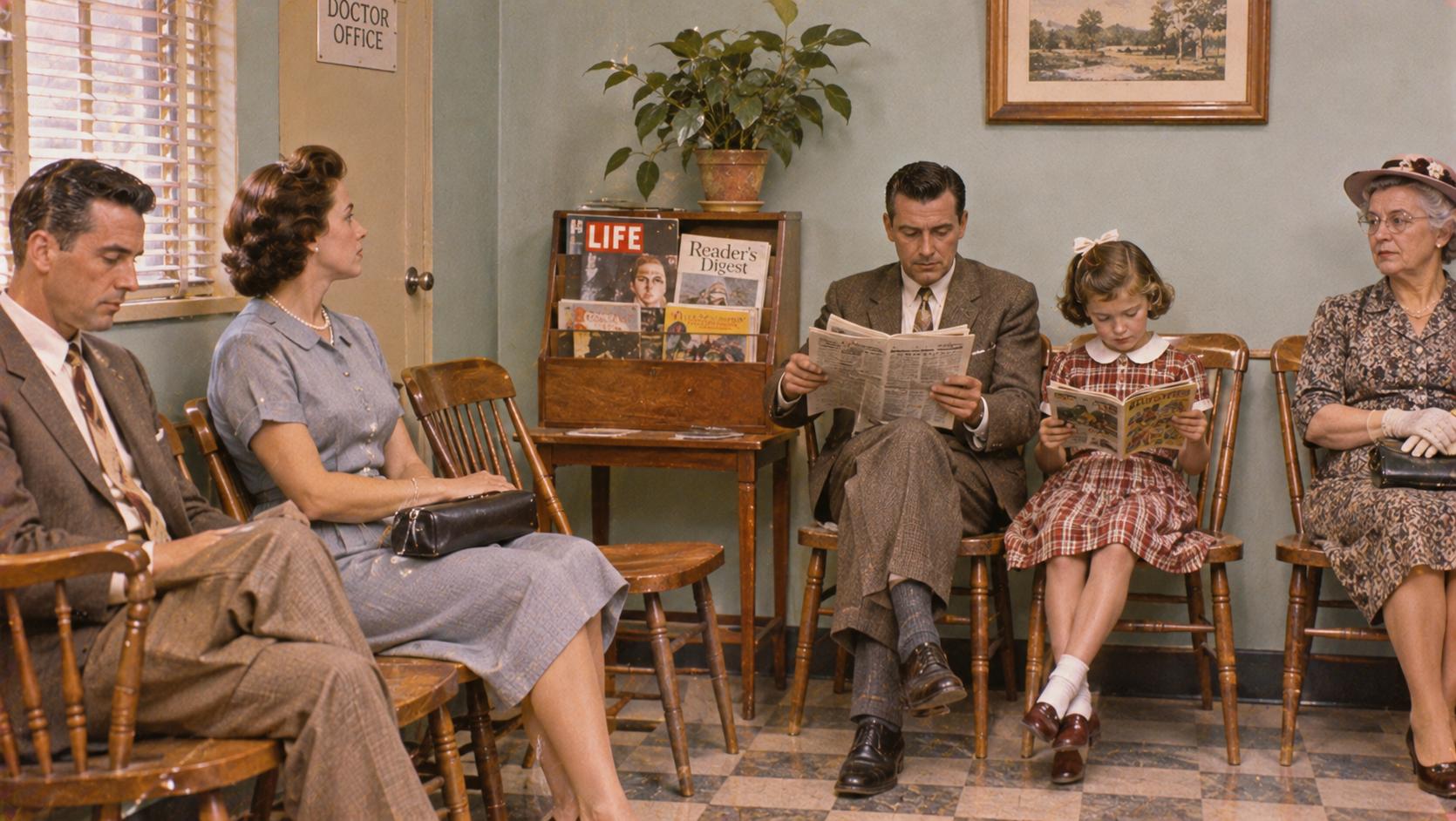
Medical waiting rooms in the 1950s often featured straightforward furnishings, including wooden chairs, small tables, and stacks of magazines. Patients might wait without television screens, electronic check-in systems, or digital appointment updates. Over the following decades, many offices introduced more comfortable seating, televisions, and dedicated reception areas, reflecting changing expectations about the patient experience.
3. Nurses Wore White Dresses and Traditional Caps
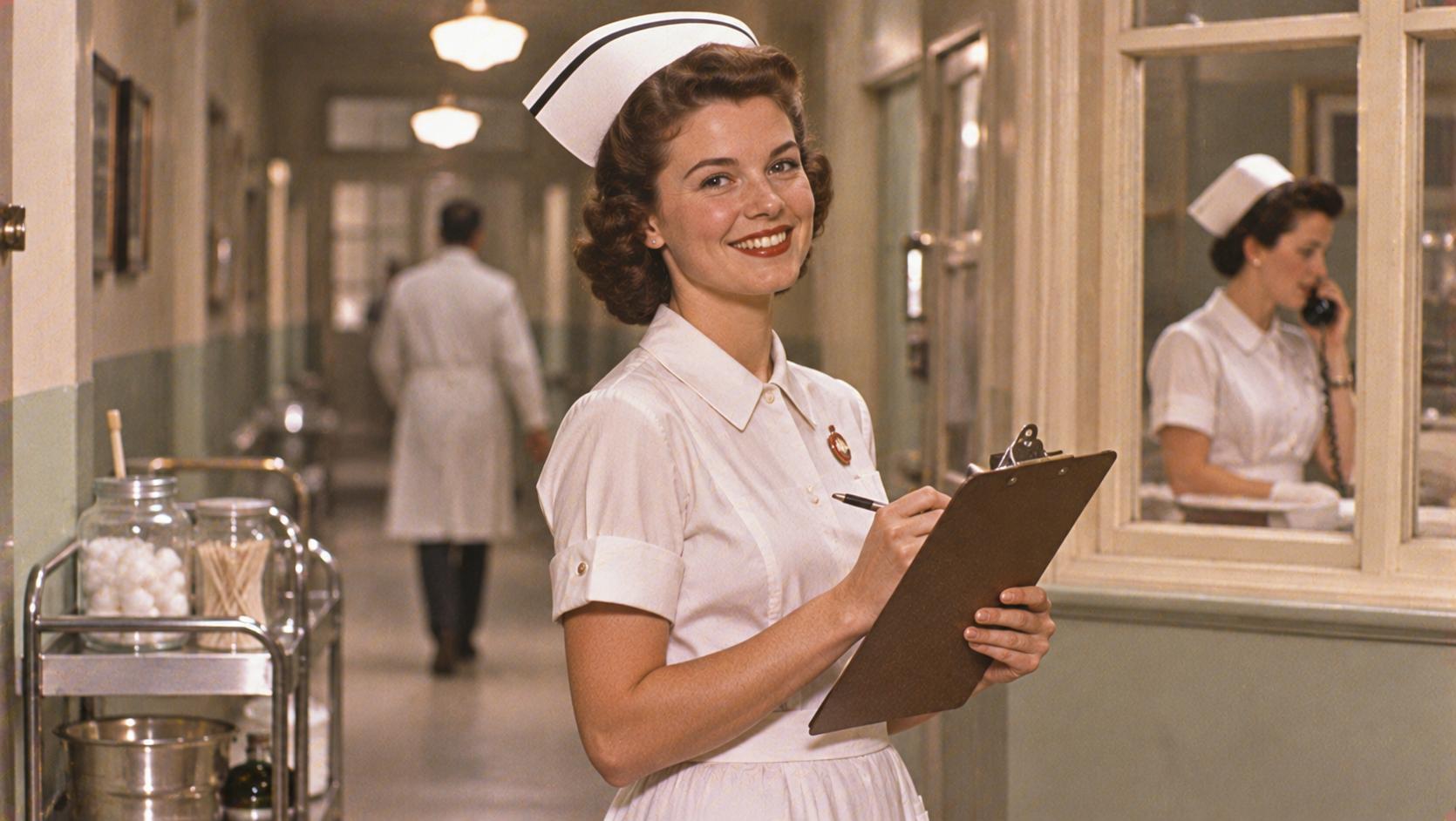
During the 1950s and 1960s, nurses were frequently photographed wearing crisp white uniforms, stockings, and distinctive nursing caps. These outfits represented professional identity and were common in hospitals and medical offices. By the 1980s and 1990s, practical scrubs and comfortable footwear had become increasingly popular, allowing healthcare workers greater freedom of movement during demanding shifts.
4. Medical Records Were Stored in Paper Folders
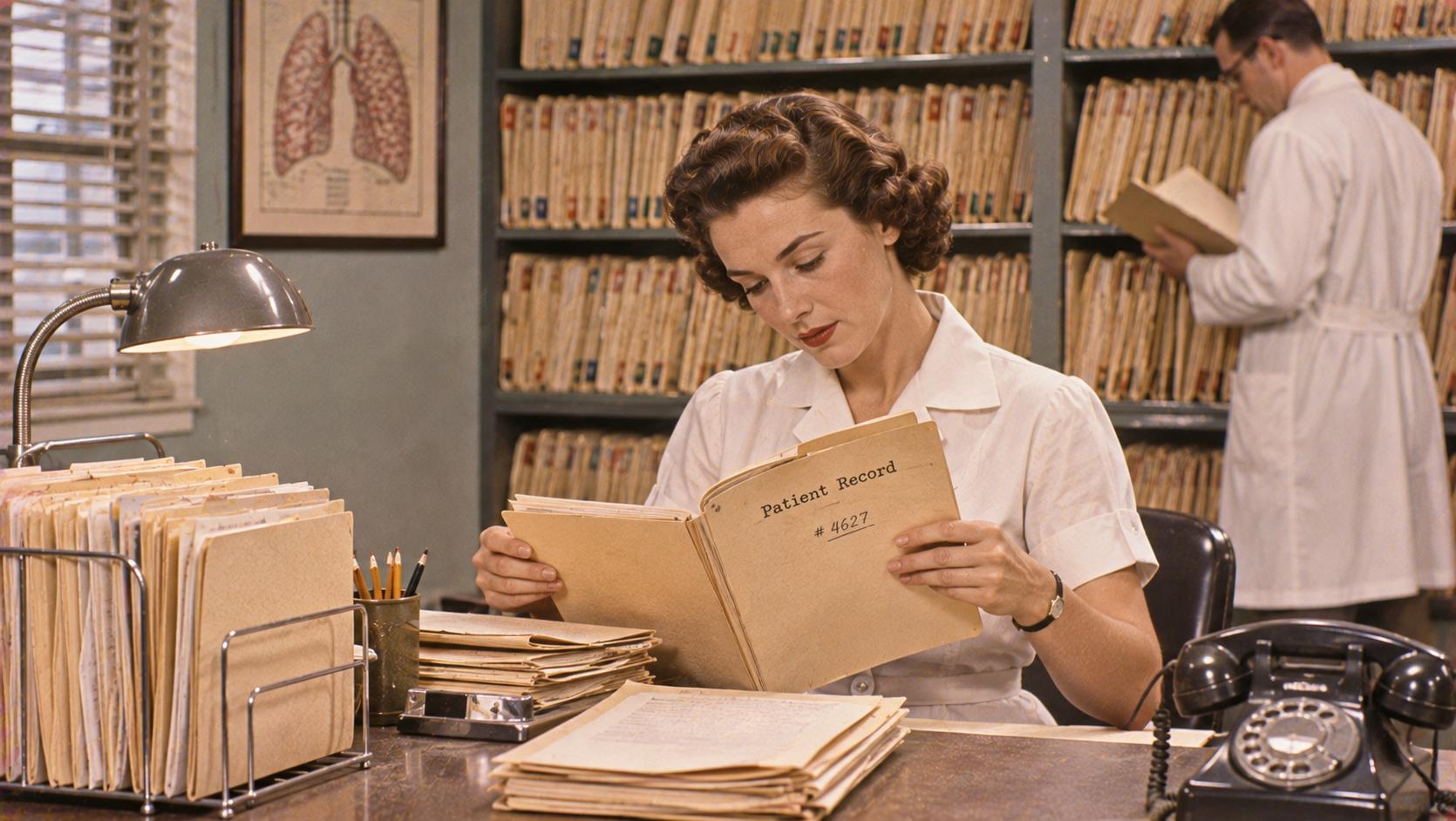
Before computerized medical records became available, doctors documented patient histories, prescriptions, and examination results on paper. Medical offices maintained filing cabinets filled with folders that staff members retrieved before appointments. Throughout the 1980s and 1990s, some healthcare facilities began adopting electronic record systems, although paper charts remained widespread and continued to be used well beyond the decade.
5. Doctors Used Glass Thermometers Filled With Mercury
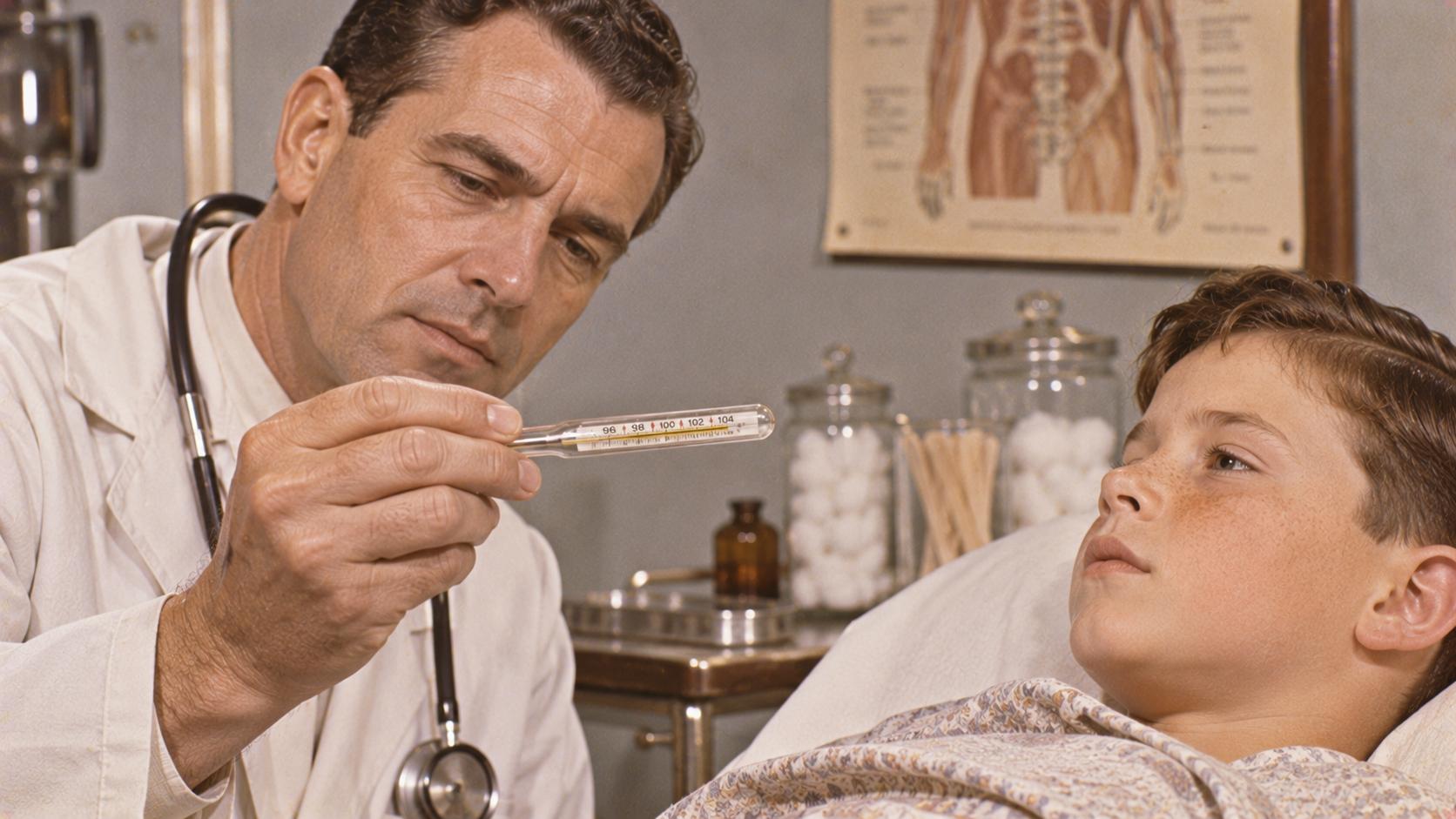
For much of the twentieth century, glass mercury thermometers were standard instruments in medical offices and family medicine cabinets. Patients often had to keep a thermometer in place for several minutes before receiving a temperature reading. Electronic thermometers became increasingly common during the 1980s and 1990s, providing faster results while reducing the risks associated with broken mercury-filled devices.
Trending on Wealth Gang
6. X-Ray Images Were Examined on Illuminated Viewing Boxes
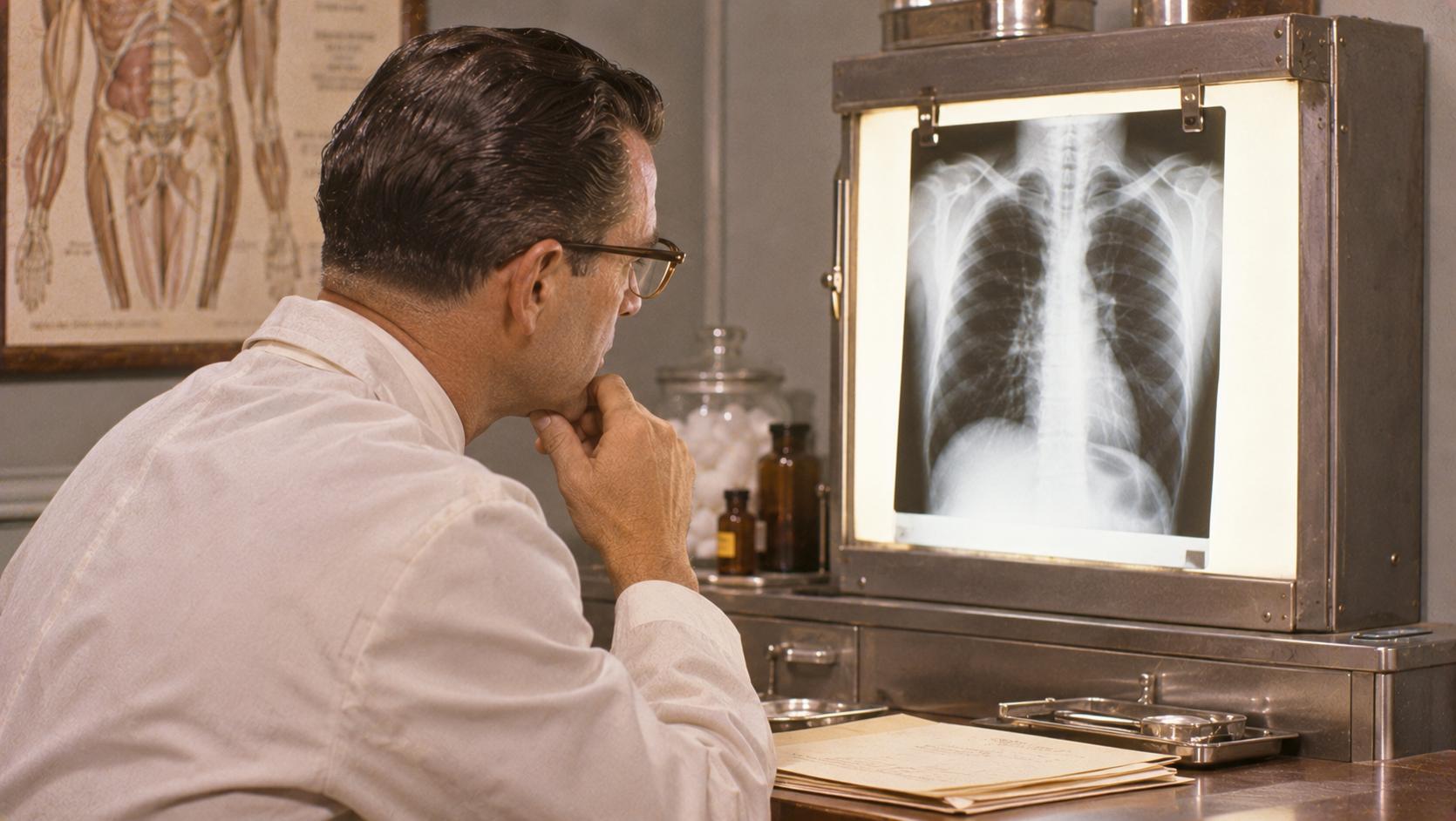
In the 1950s, doctors commonly examined X-ray films by placing them against illuminated viewing boxes. These large sheets of photographic film required chemical processing before physicians could study the images. During the following decades, improvements in medical imaging introduced computed tomography, magnetic resonance imaging, and eventually digital radiography, changing how medical professionals examined the human body.
7. Children Received Vaccinations in Very Different Settings
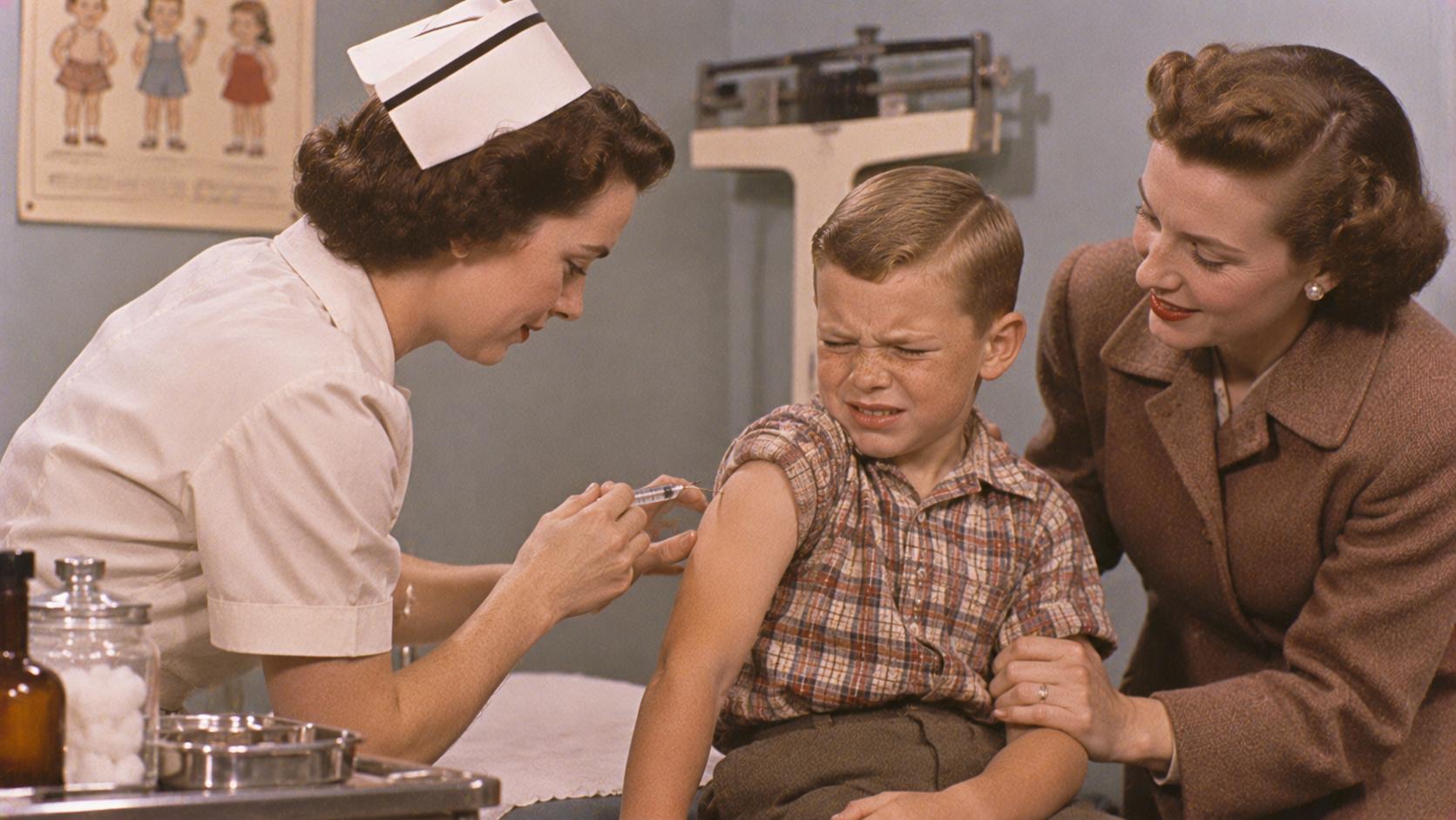
Vaccination visits during the 1950s and 1960s sometimes took place in school clinics, public health centers, and crowded medical offices. The introduction of the polio vaccine in 1955 led to major immunization efforts across the United States. By the 1990s, routine childhood vaccination schedules had expanded, and pediatric offices increasingly maintained detailed immunization records to track recommended doses.
8. Doctors Often Smoked Cigarettes in Medical Offices
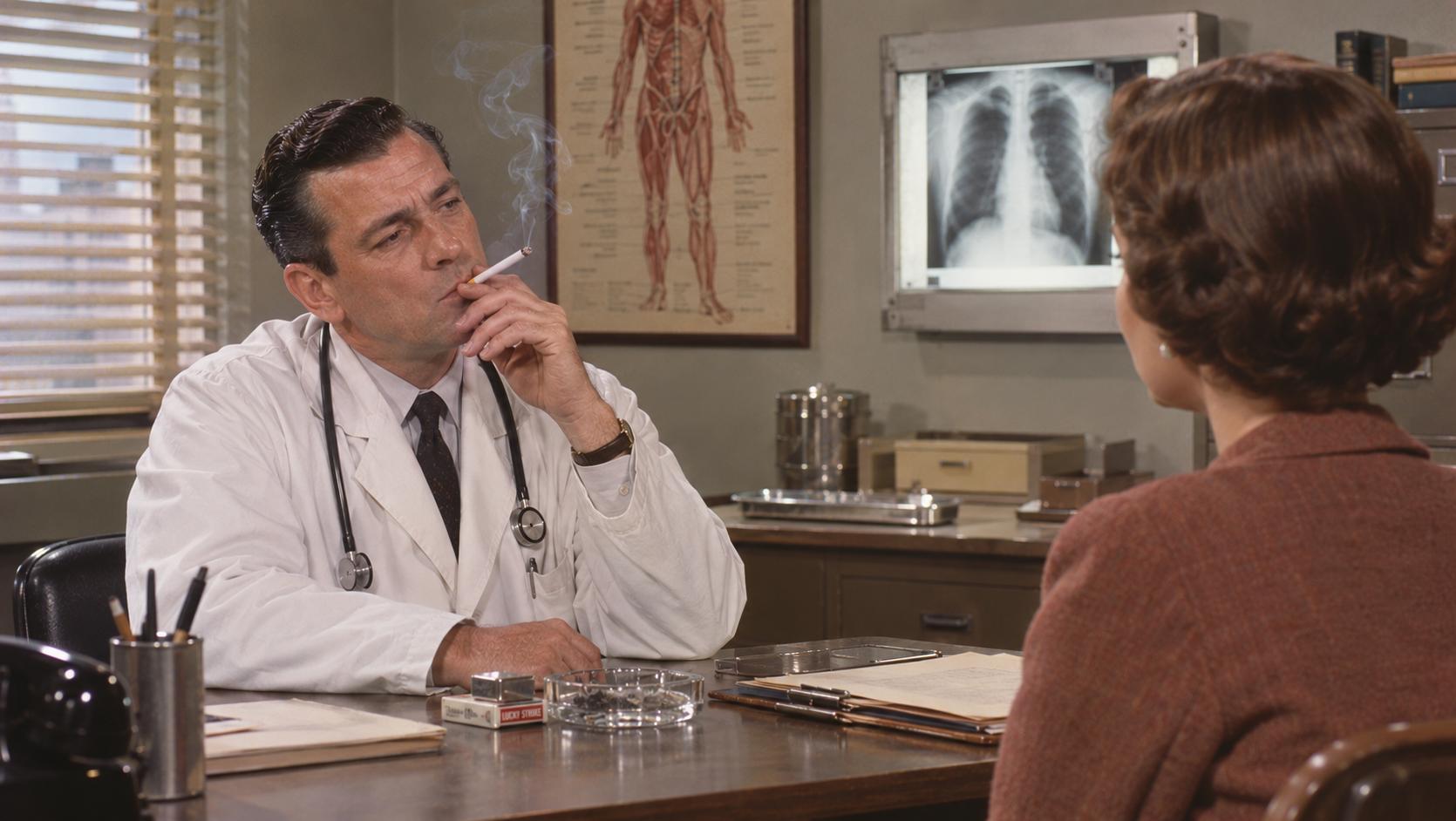
Vintage photographs from the mid-twentieth century sometimes show physicians smoking cigarettes in professional settings, reflecting a period when indoor smoking was widely accepted. As scientific evidence about tobacco-related health risks became better understood, attitudes changed dramatically. By the 1990s, smoking restrictions had become increasingly common in hospitals and medical facilities, making cigarette smoke far less acceptable in healthcare environments.
Sign up for our newsletter
9. Examination Rooms Had Basic Metal Furniture
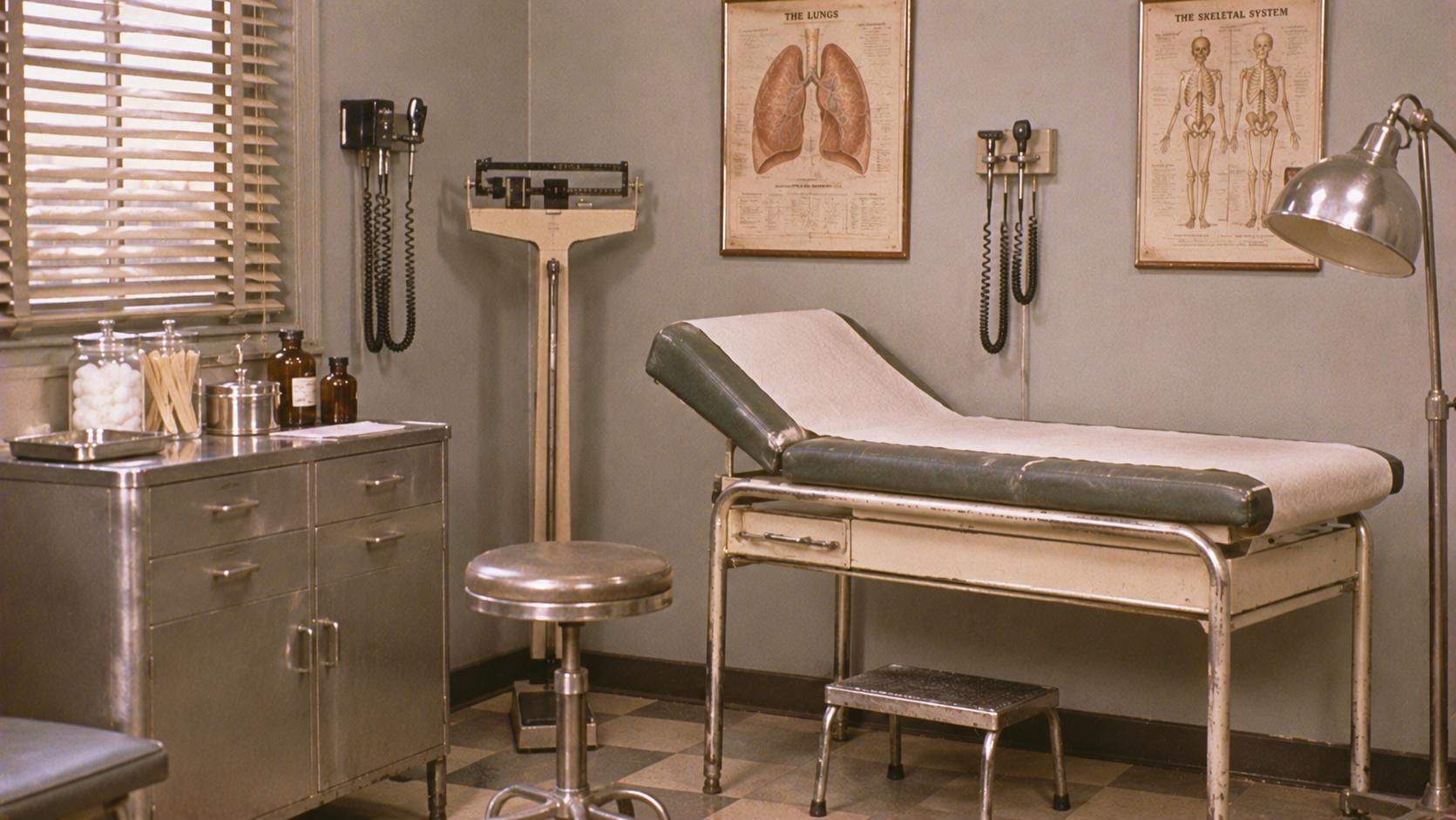
Medical examination rooms in the 1950s often contained metal examination tables, simple stools, weighing scales, and a limited selection of instruments. Equipment was generally mechanical rather than electronic. Over the following decades, adjustable examination tables, improved lighting, disposable supplies, and specialized diagnostic tools gradually became more common, giving medical offices a noticeably different appearance.
10. Doctors Relied on Mechanical Blood Pressure Equipment
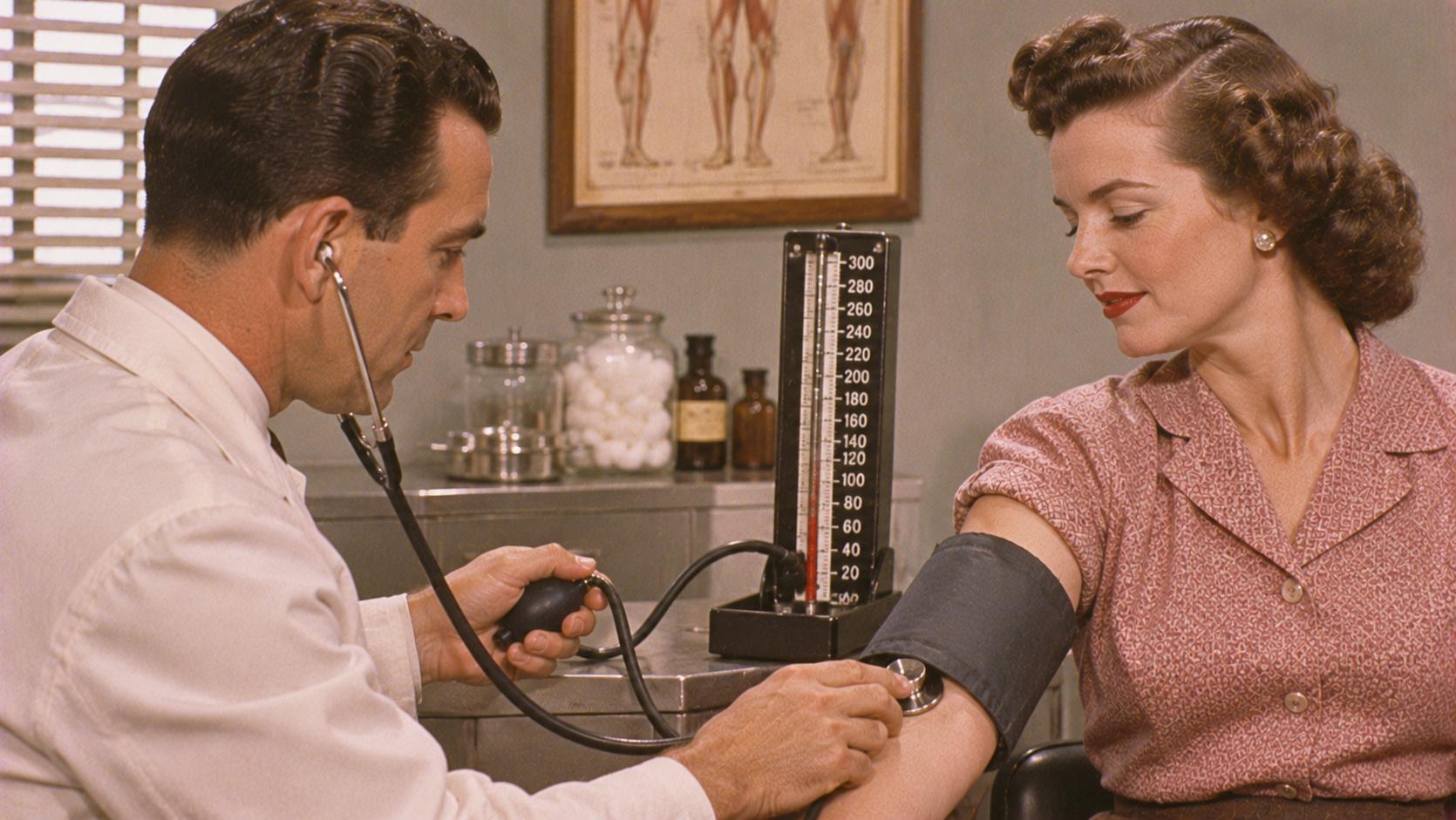
For decades, physicians and nurses measured blood pressure using manual cuffs, stethoscopes, and mercury or aneroid pressure gauges. These instruments required practitioners to listen carefully and interpret readings. Although manual devices remained important, automated electronic blood pressure monitors became more widely available during the 1980s and 1990s, making routine measurements easier in many clinical settings.
11. Eye Examinations Used Large Mechanical Instruments
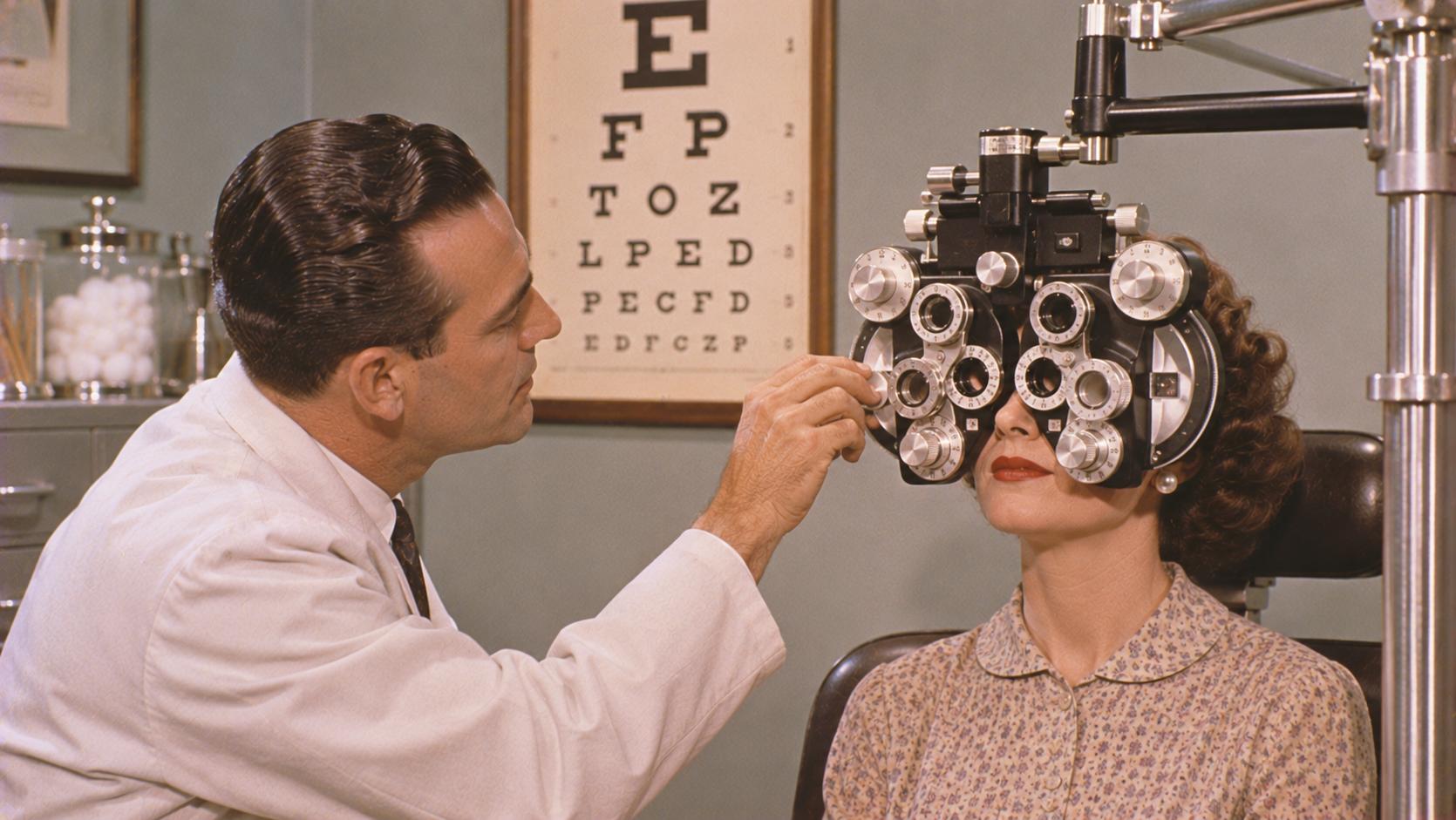
Vintage photographs of eye examinations frequently show patients seated behind bulky instruments while optometrists adjusted lenses manually. Traditional phoropters and eye charts were familiar features of vision testing throughout the twentieth century. By the 1990s, computerized diagnostic equipment and automated refractors had become increasingly common, helping eye care professionals measure vision and identify potential problems more efficiently.
12. Pregnancy Tests Required Laboratory Processing
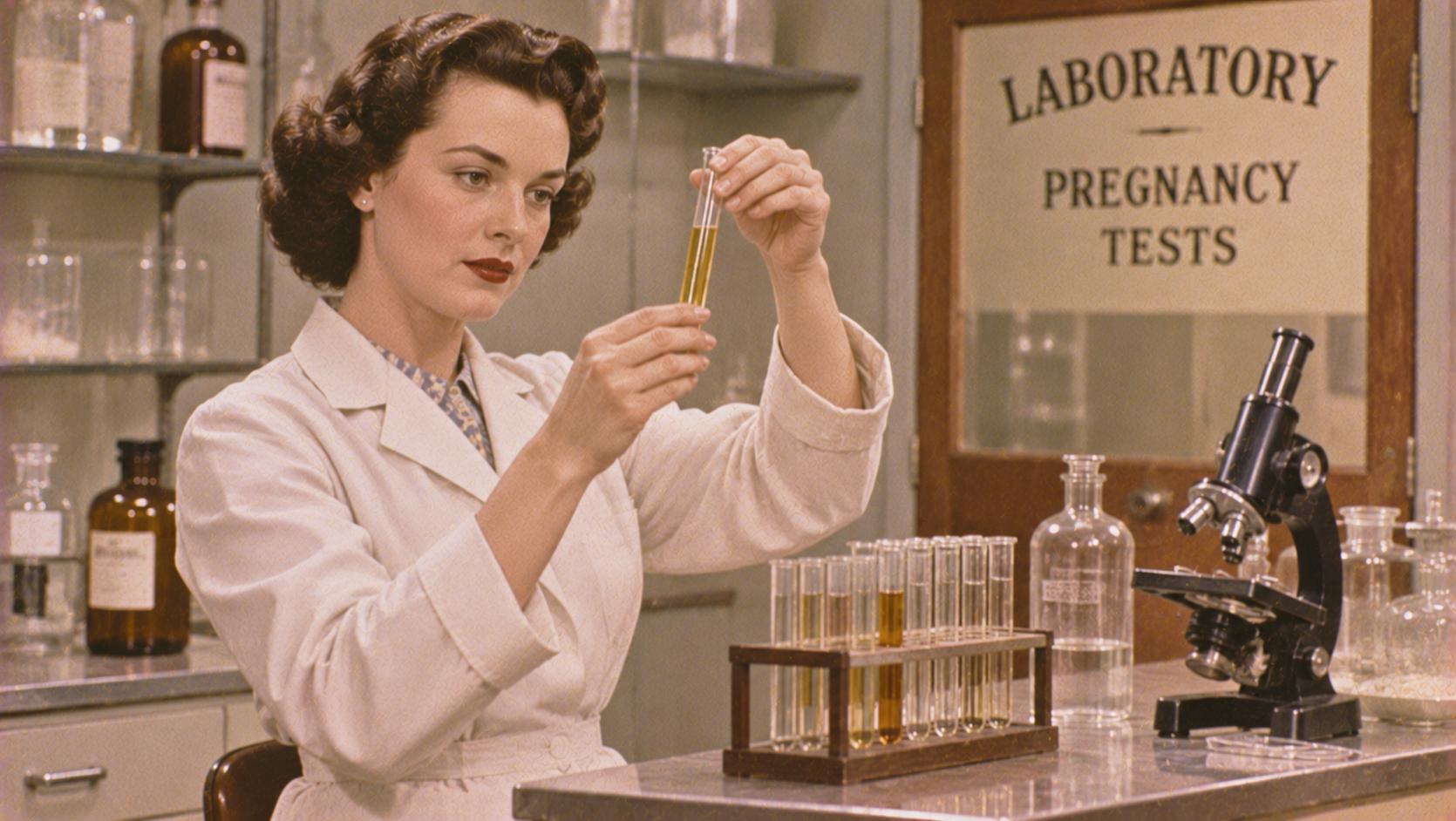
In the 1950s, pregnancy testing often involved laboratory procedures that could take considerable time and sometimes used biological testing methods involving animals. Improvements in immunological testing eventually made pregnancy detection faster and more practical. Home pregnancy tests became available in the United States during the 1970s, and by the 1990s, many women could confirm a pregnancy privately before scheduling a medical appointment.
13. Ultrasound Images Became Part of Prenatal Visits
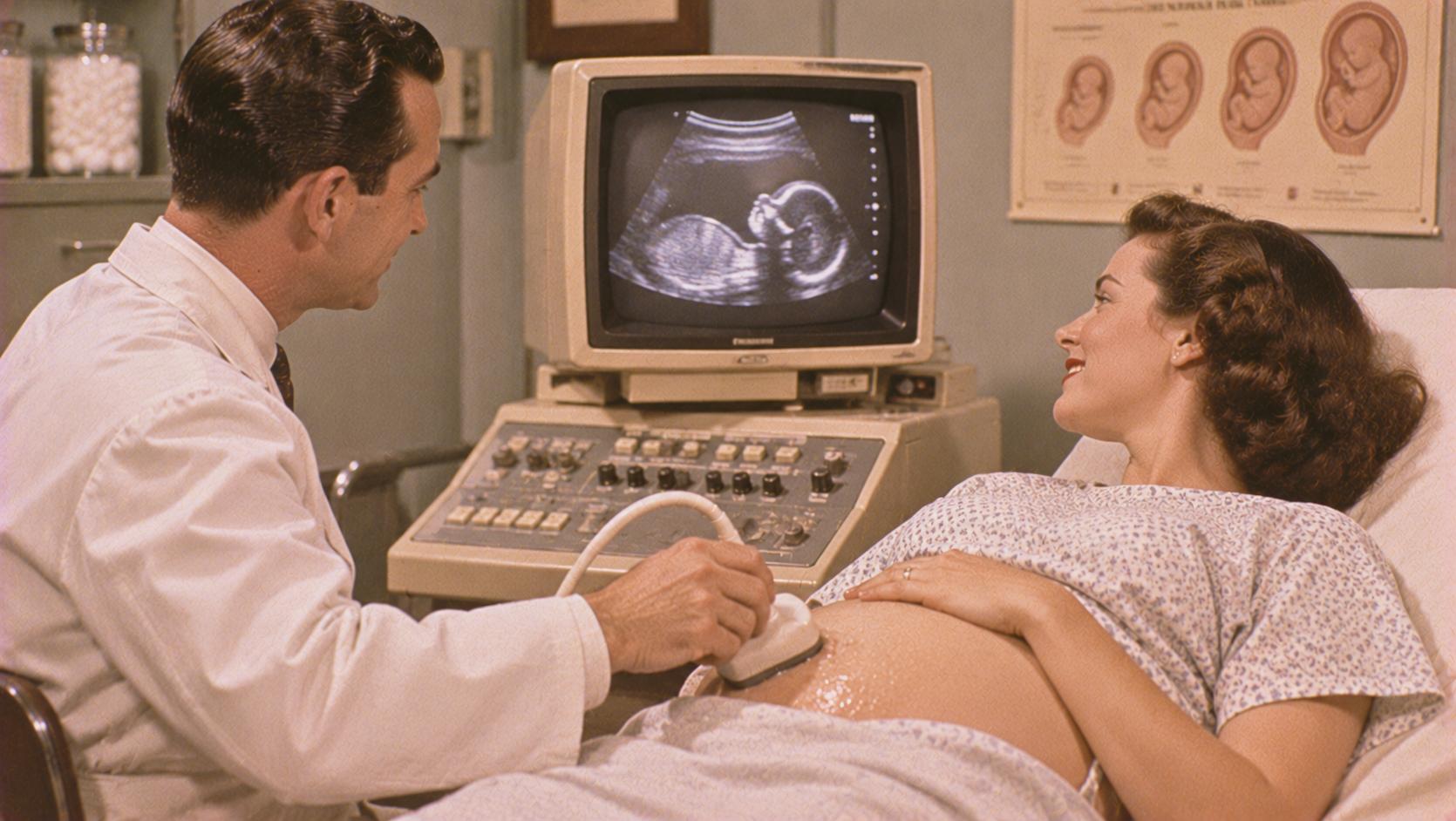
During the 1950s, expectant parents generally had no opportunity to see images of their developing babies during routine prenatal appointments. Medical ultrasound began developing into a clinical diagnostic tool during the following decades. By the 1980s and 1990s, ultrasound examinations had become increasingly familiar in prenatal care, allowing doctors to monitor fetal development and parents to see images before birth.
14. Dental Offices Featured Large Mechanical Equipment
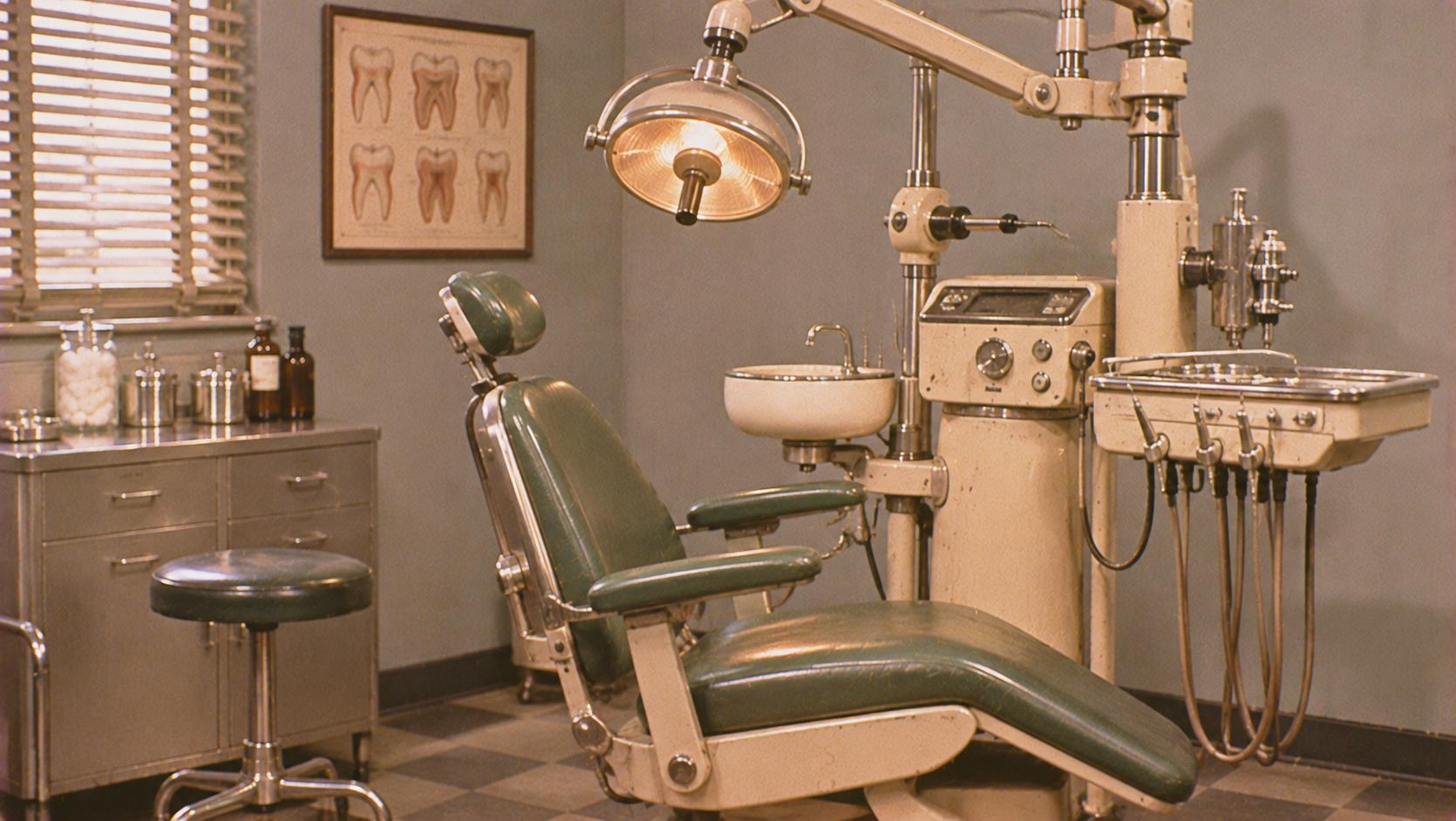
Dental visits in the 1950s often involved imposing chairs, overhead lights, metal instruments, and drilling equipment that could be intimidating for patients. Although many basic tools remained recognizable, dental technology improved considerably over the following decades. High-speed drills, better anesthetic techniques, improved suction systems, and advances in preventive care helped make dental appointments more efficient and, in many cases, more comfortable.
15. Doctors Wrote Nearly Every Prescription by Hand
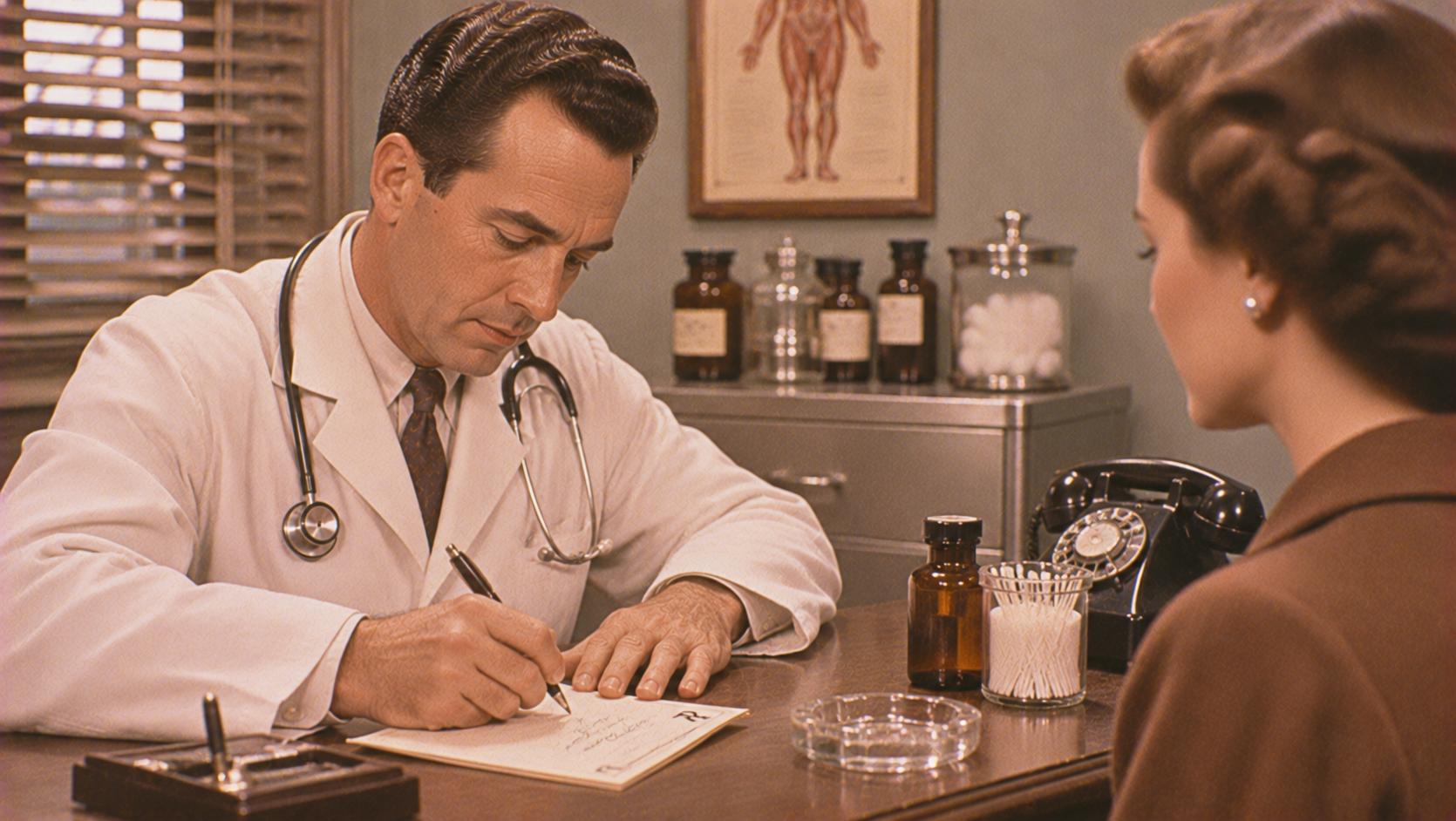
Throughout much of the twentieth century, patients typically left medical appointments carrying handwritten prescriptions. Pharmacists had to interpret physicians’ handwriting and prepare medications based on written instructions. By the 1990s, some medical practices had begun using computerized systems to generate printed prescriptions, although widespread electronic prescribing would become more common during the following decades.
16. Hospital Visits Involved More Shared Patient Rooms
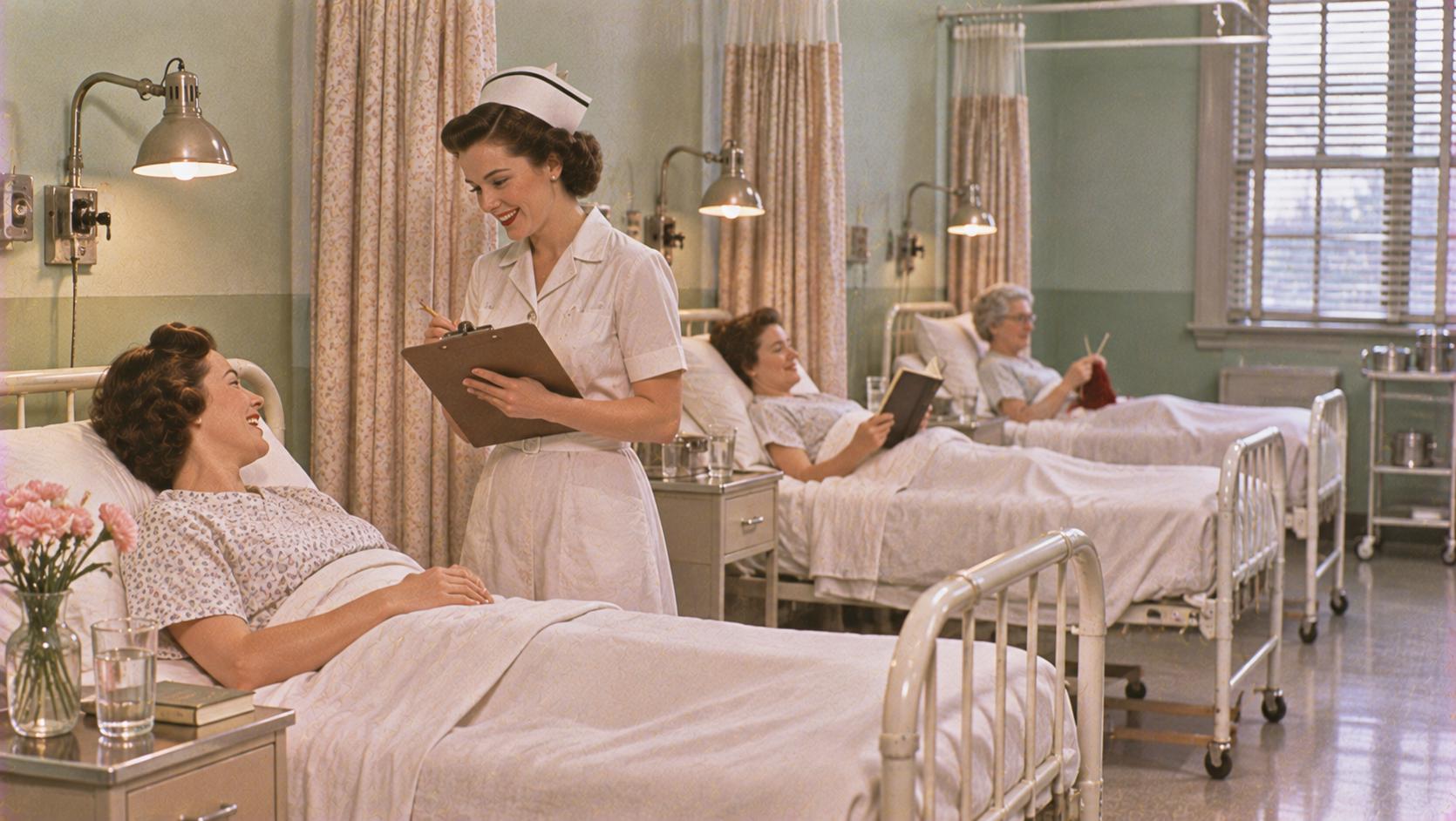
During the 1950s and 1960s, hospital photographs frequently showed large wards or rooms accommodating several patients. Curtains provided limited privacy, and visiting arrangements were often tightly controlled. Over the following decades, many hospitals introduced more private and semiprivate rooms, reflecting changing expectations about patient comfort, confidentiality, and the overall hospital experience.
17. Medical Offices Began Introducing Computers
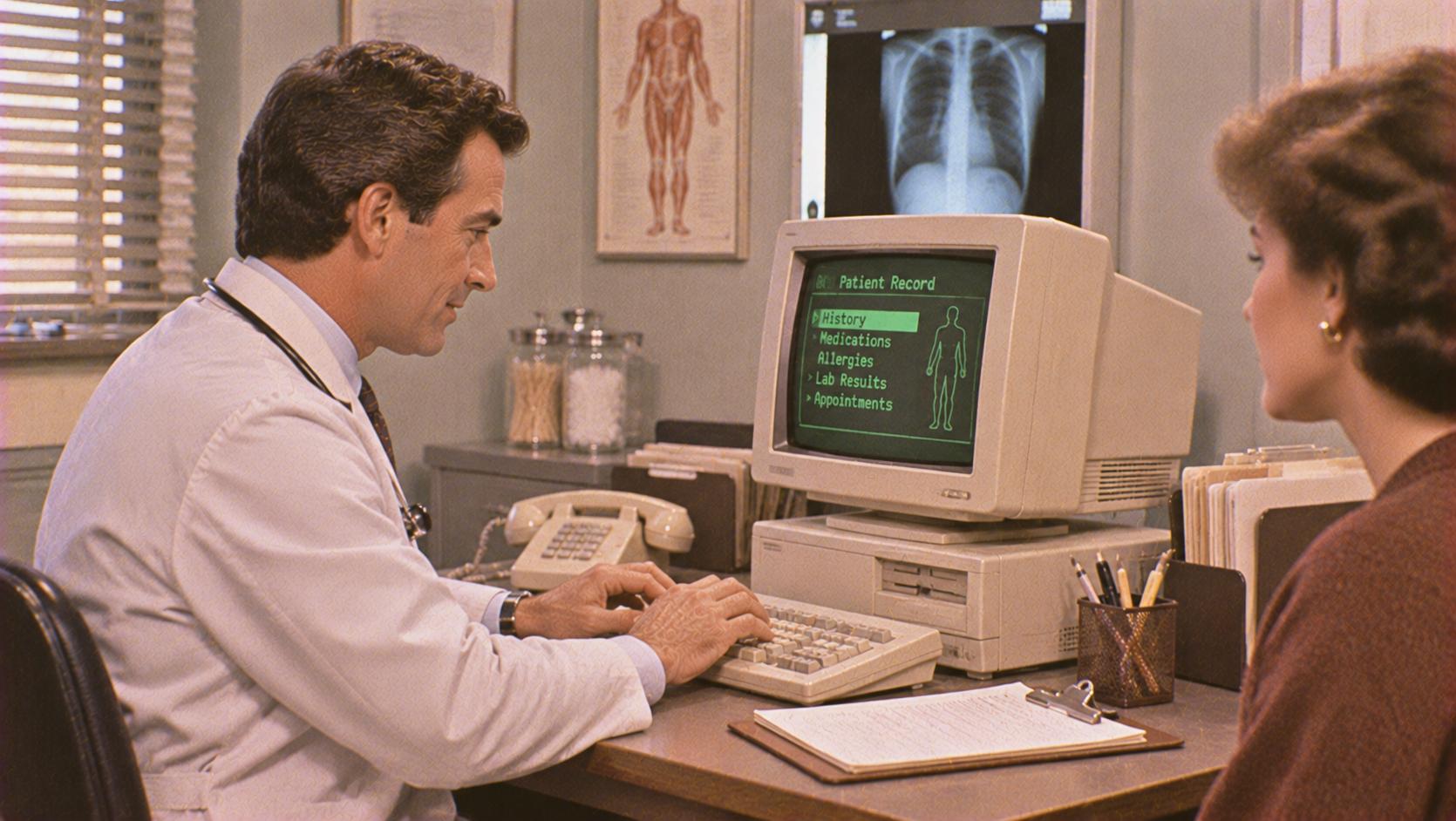
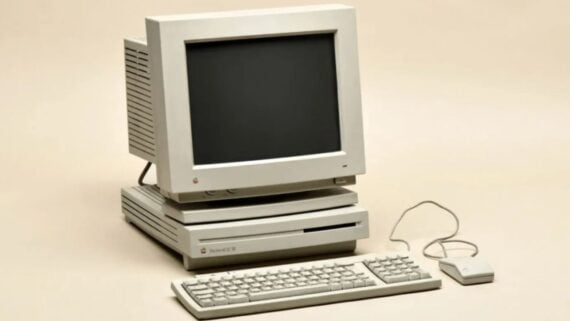
By the 1980s, computers were gradually appearing in medical reception areas and administrative offices. Early systems helped staff manage billing, patient information, and appointment scheduling, although many practices continued relying on paper records. During the 1990s, improvements in personal computing and medical software expanded these capabilities, laying the groundwork for the increasingly digital healthcare systems that followed.
18. Doctor Visits Became More Specialized by the 1990s
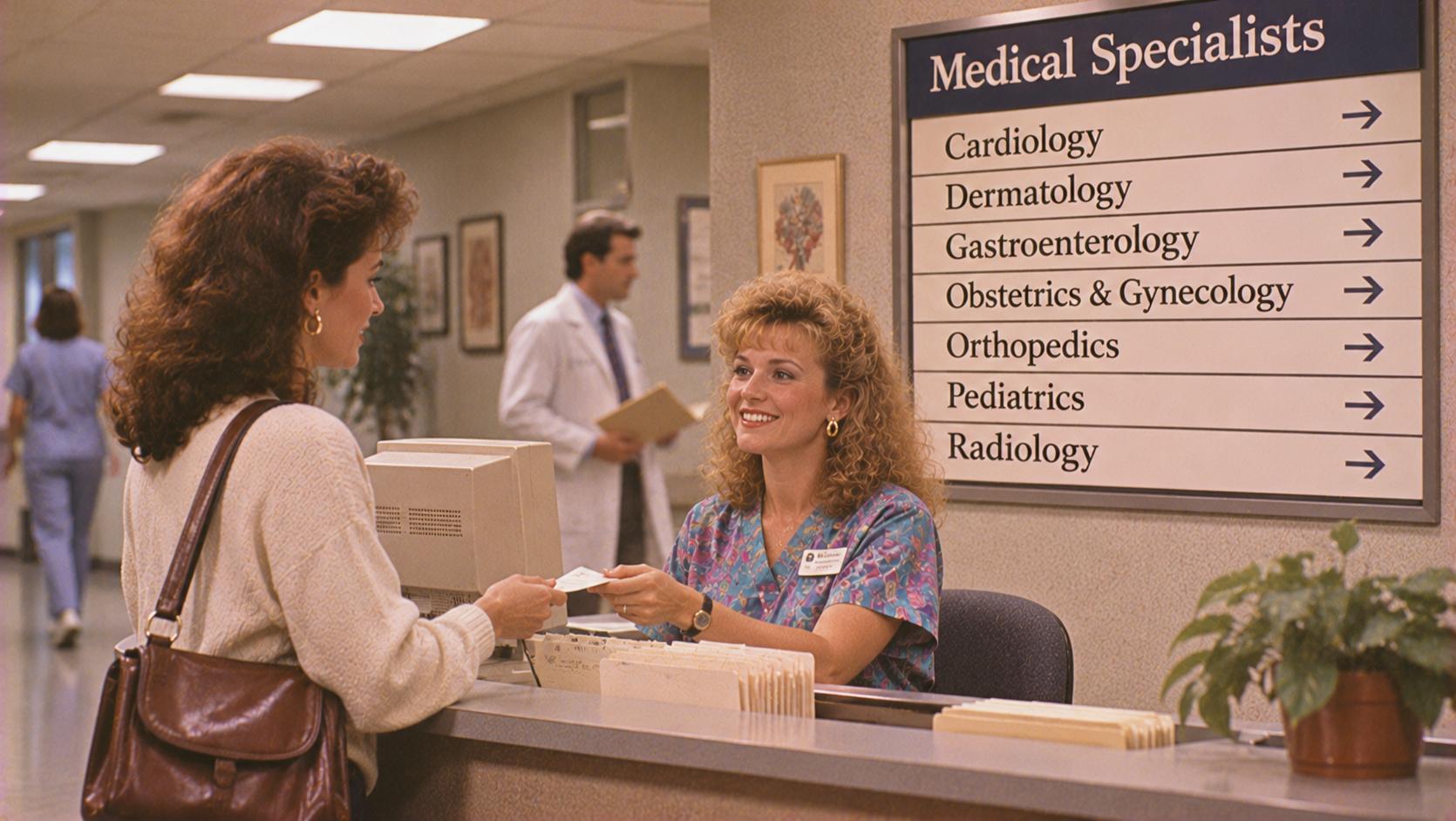
In the 1950s, family physicians often handled a broad range of medical concerns, particularly in smaller communities. Although medical specialists already played important roles, specialization expanded throughout the second half of the twentieth century. By the 1990s, patients were increasingly familiar with referrals to cardiologists, dermatologists, orthopedic specialists, and other professionals, reflecting the growing complexity of modern healthcare.
More Related Notes
• These Photos of Old Dentist Offices Show Why We Should Be Grateful for Modern Dentistry
Step inside vintage dental offices filled with intimidating equipment, old-fashioned treatment chairs, and unfamiliar instruments. These photographs reveal how dramatically patient care and medical technology have changed over the generations.
• From Iron Lungs to Vaccine Lines: 15 Photos From the Polio Epidemic You Won’t Forget
Explore powerful historical photographs of hospital wards, medical equipment, and healthcare workers during the polio epidemic. These images capture a turning point in American medicine and the development of modern healthcare.
• These Early 1950s Photos Are a Window Into Another Era
Travel back to the early 1950s through photographs documenting everyday American life, including the introduction of the polio vaccine and other developments that transformed public health and medical care.