College has always meant classes, friendships, late-night cramming, and figuring out how to adult. But students who walked onto campus in the 1950s, 1960s, or 1970s lived in a world that would feel surprisingly foreign today, one with pay phones in the hallway, curfews at nine p.m., and papers typed on actual typewriters.
From endless registration lines to dress codes at dinner, these 17 differences show how much American college life has changed for earlier generations. Rules varied from school to school, of course, but ask almost any grandparent and several of these stories will arrive with a dramatic sigh, because what older generations remember about campus sounds like another planet.
1. Registering for Classes Could Take Hours of Standing in Line
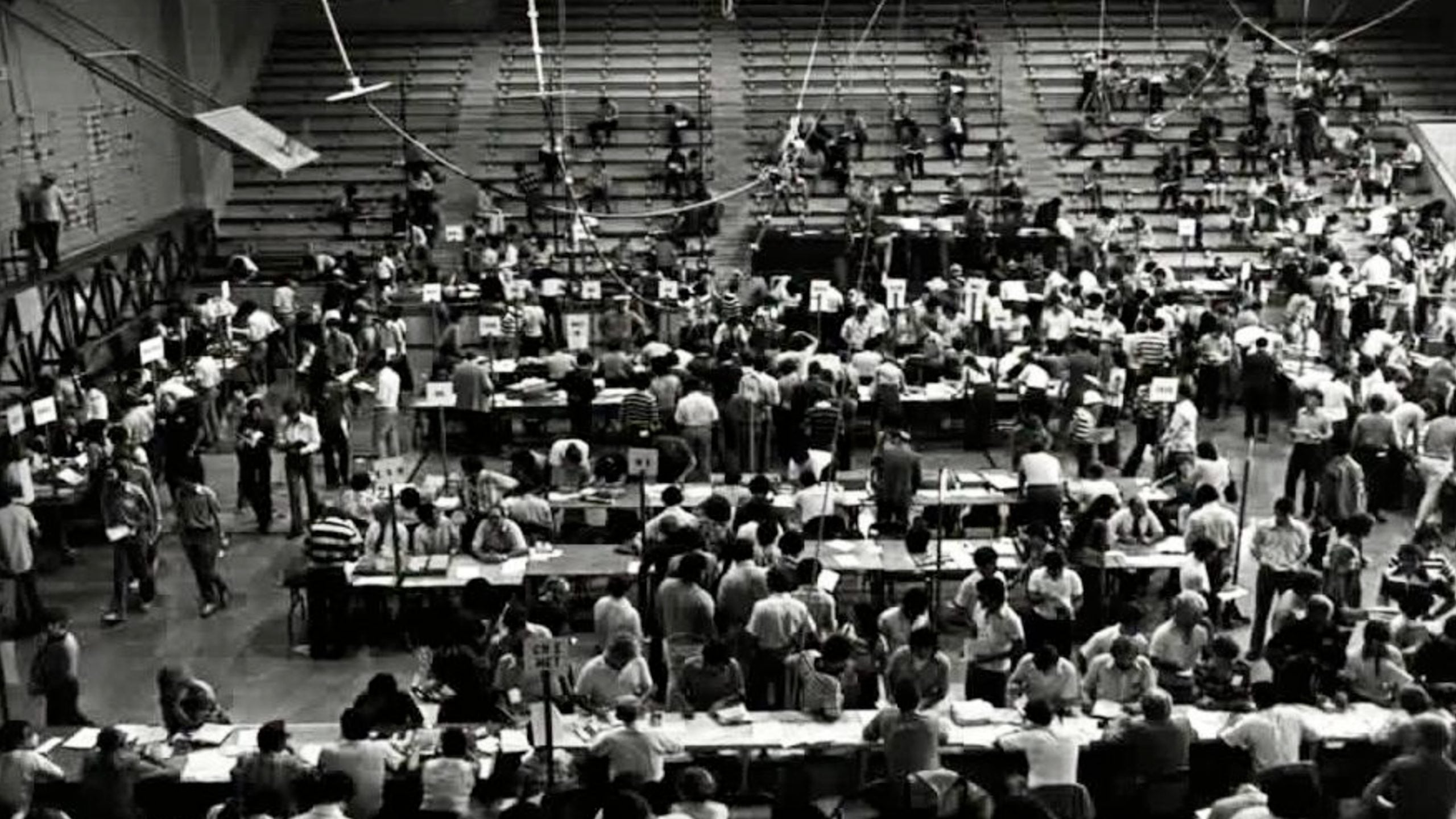
Before online sign-ups, building a class schedule could eat an entire afternoon. Penn State’s archives describe students in the mid-to-late 1960s lining up at Recreation Hall, where each seat in a class section was represented by a pink IBM punch card, and seniors and graduate students went first while freshmen waited at the back. Stressful? Absolutely. Today, students search for courses and enroll in minutes, which students from earlier generations would probably call witchcraft.
2. Calling Home Often Meant Waiting for a Dormitory Pay Phone
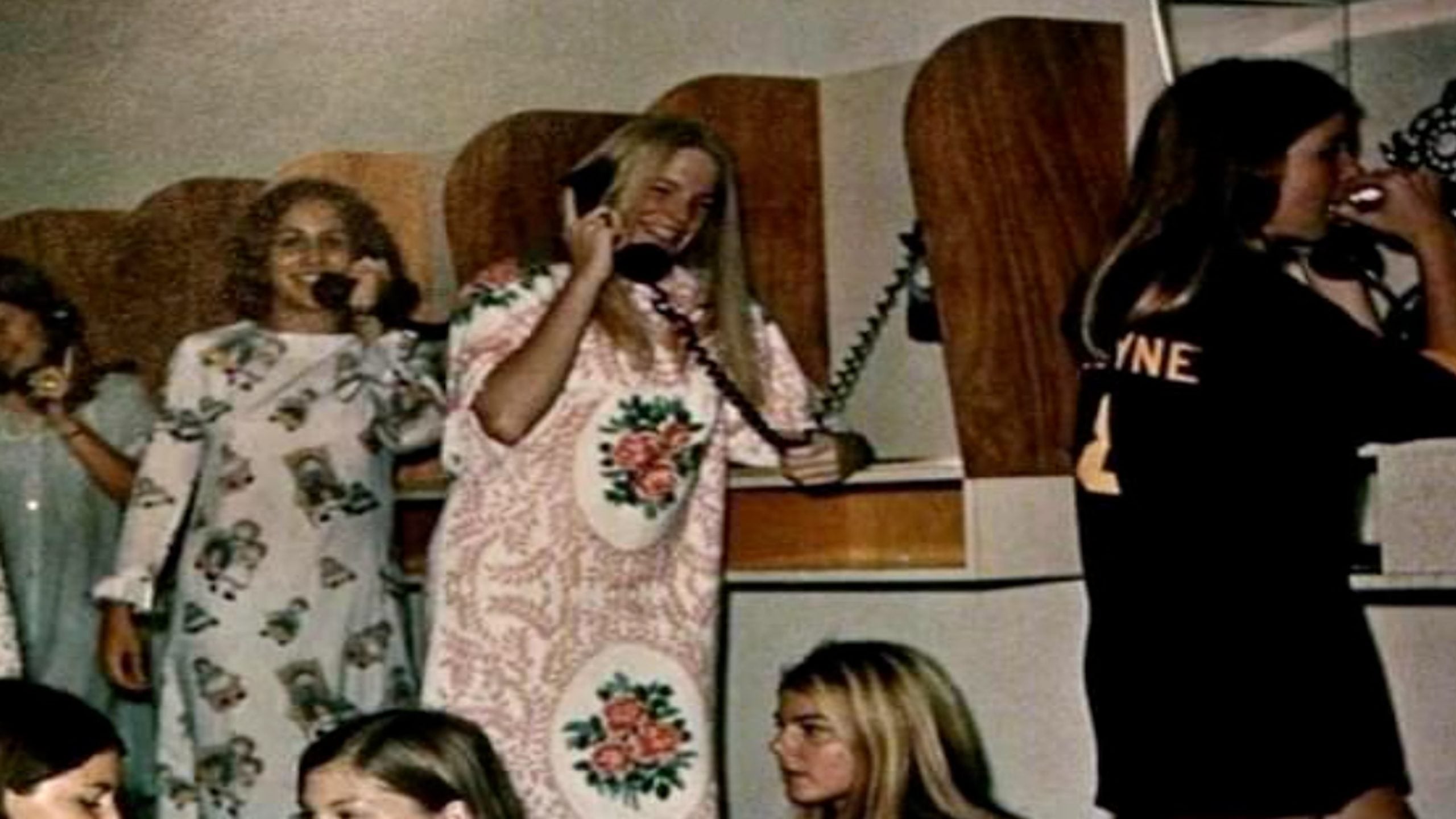
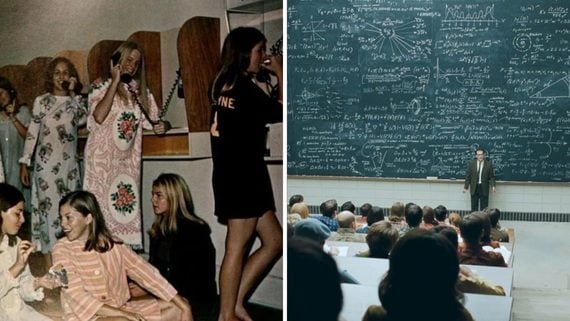
Before cell phones, calling home meant waiting for the dormitory hallway pay phone. In a University of Minnesota textbook, author Susan Walker recalls that her weekly call to her parents in the mid-1970s meant standing in that line and placing a collect call through an operator. Smartphones and video calls now let students reach family almost instantly from nearly anywhere, even from the middle of a pizza line.
3. Letters Were an Important Way to Keep in Touch With Friends and Family
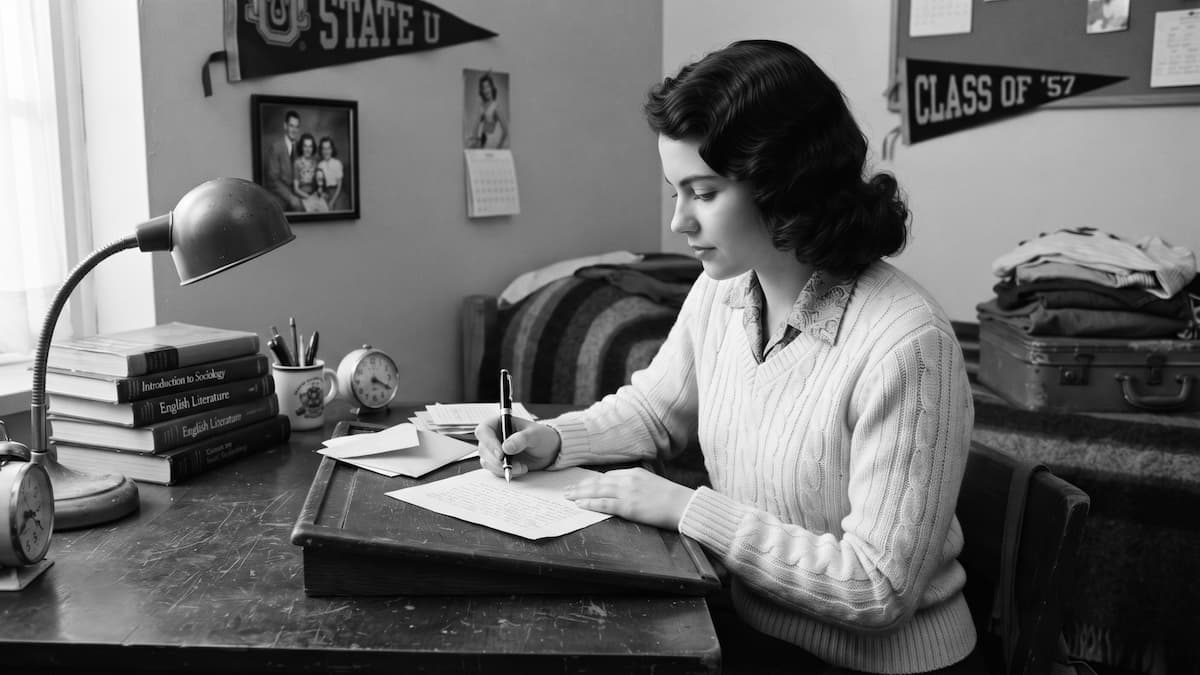
Letters were the other lifeline. Before email, texting, and social media, students relied on handwritten notes to stay in touch with people back home, partly because long-distance calls were expensive. The same University of Minnesota textbook says that when a call wasn’t practical, the answer was simple: write a letter. Then came the waiting for a reply, sometimes for days. Digital messaging has erased that suspense, though previous generations may still miss the thrill of spotting an envelope in the mailbox.
4. Writing a Term Paper Often Meant Using a Typewriter
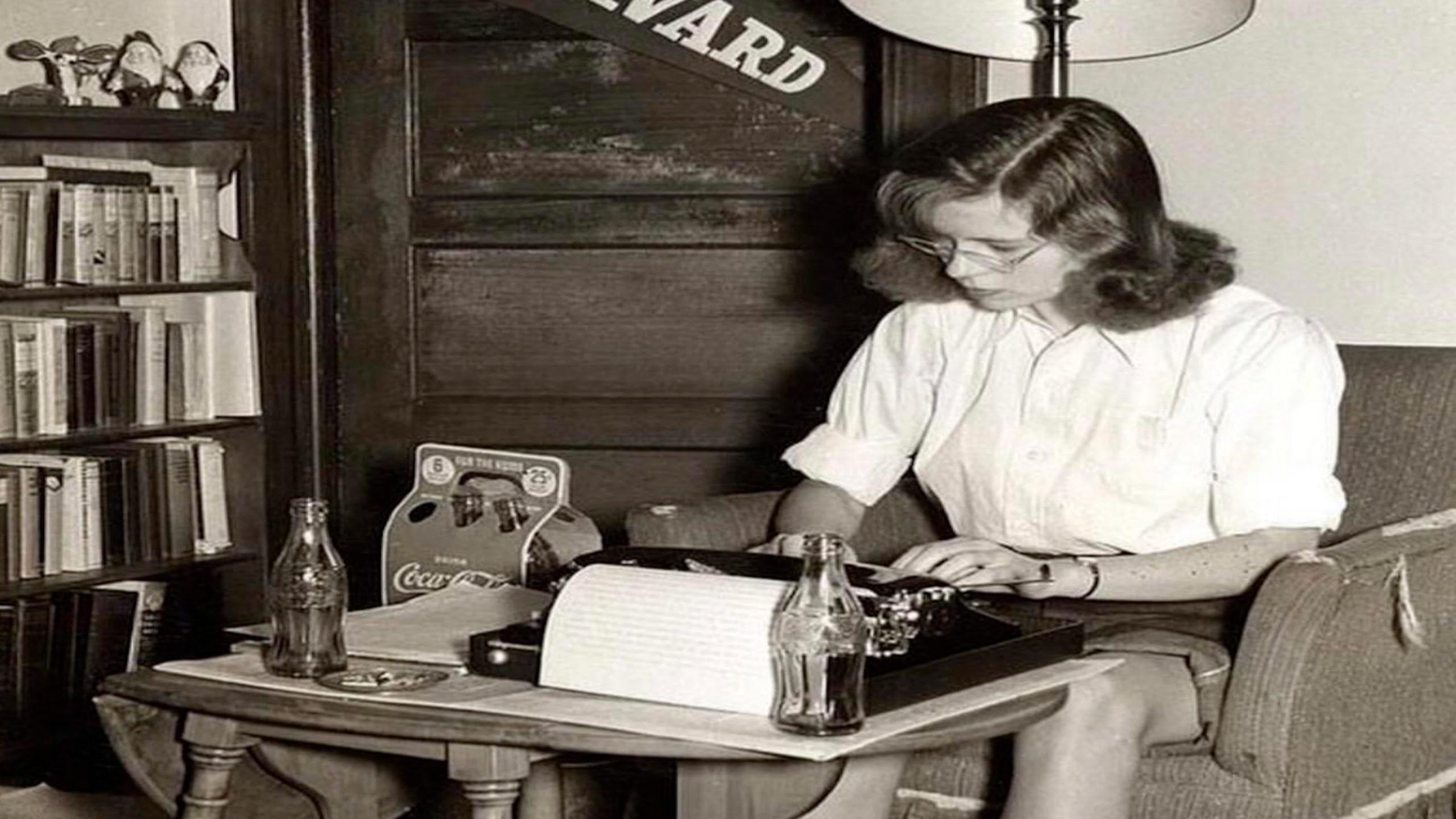
Before personal computers, a term paper meant a typewriter and plenty of patience, because fixing a big mistake could mean retyping an entire page. The University of Michigan has preserved photographs of students pounding out assignments in campus typing rooms, including one in South Quad in 1951, as this University of Michigan feature shows. Modern word processors let students edit, reorganize, and submit papers without retyping a single page, which is a gift from the universe.
5. Finding a Library Book Required Searching Through Card Catalogs
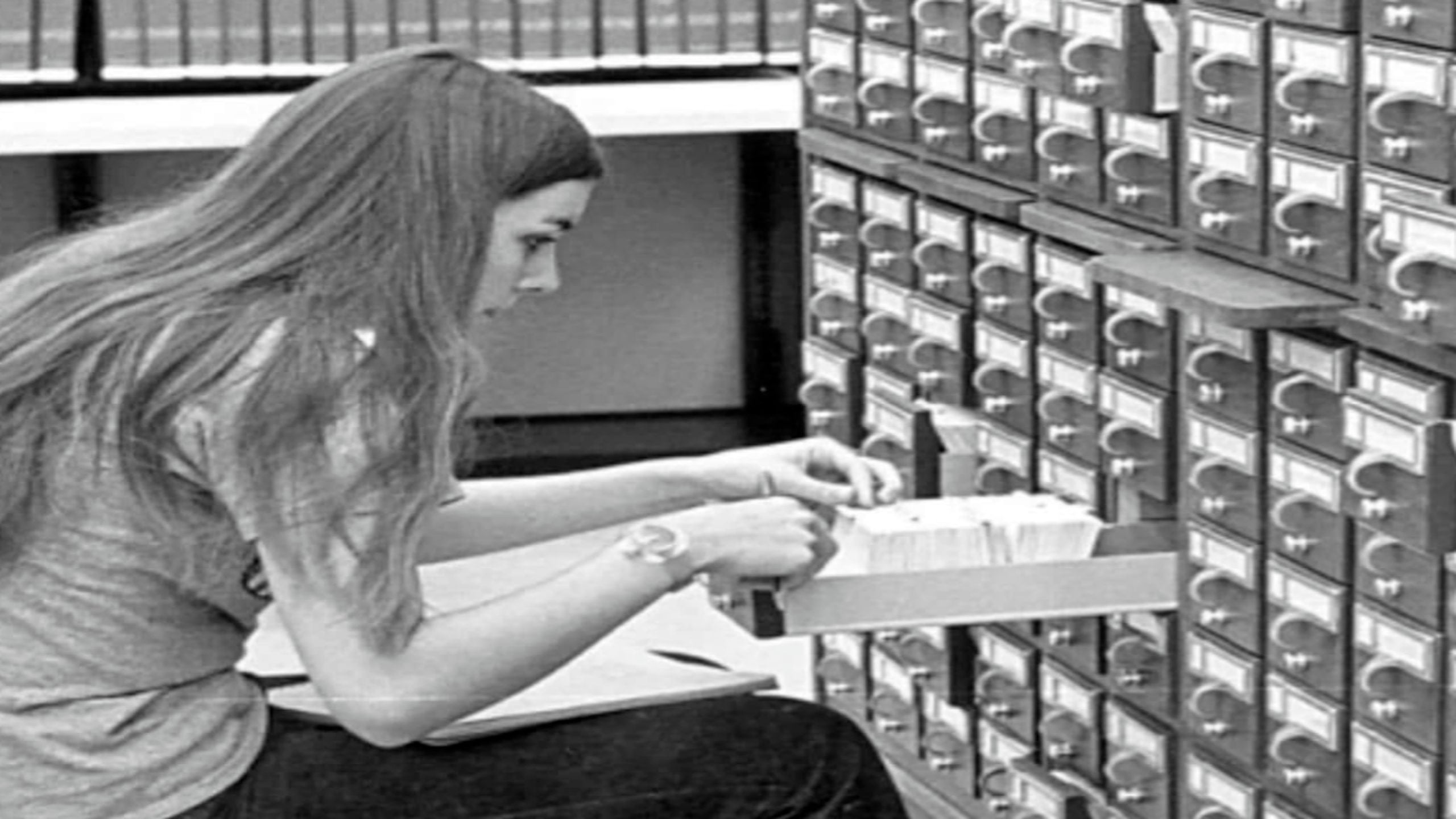
Finding a library book meant a trip to the card catalog, a giant piece of furniture packed with drawers of alphabetized index cards. The Library of Congress says its main card catalog had swelled to more than 9 million cards in 10,500 trays by the 1950s, and that its catalog covers books cataloged through 1980. Digital catalogs now let students search enormous collections in seconds, without a single paper cut, a convenience generations of students would have called a miracle.
Trending on Wealth Gang


6. Research Often Required Searching Physical Journals and Library Shelves
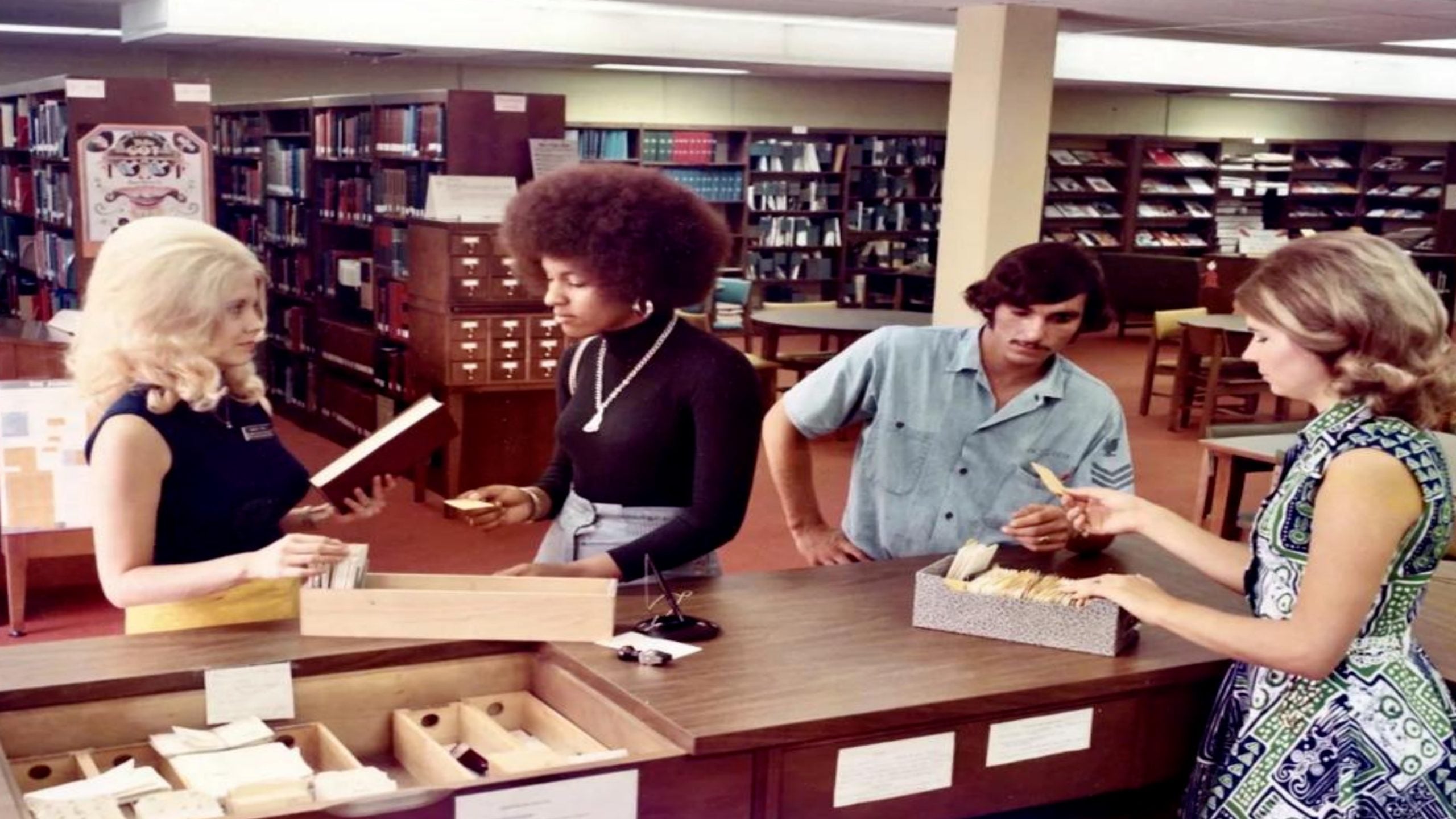
Research was practically a sport. Without online databases, finding scholarly articles meant heading to the library and digging through bound volumes of journals tucked away in the stacks, as Susan Walker recalls in her University of Minnesota textbook. Electronic journals and databases now put enormous collections right on a laptop screen, although some materials still require a trip to the shelves.
7. Taking Lecture Notes Usually Meant Pen, Paper, and a Chalkboard
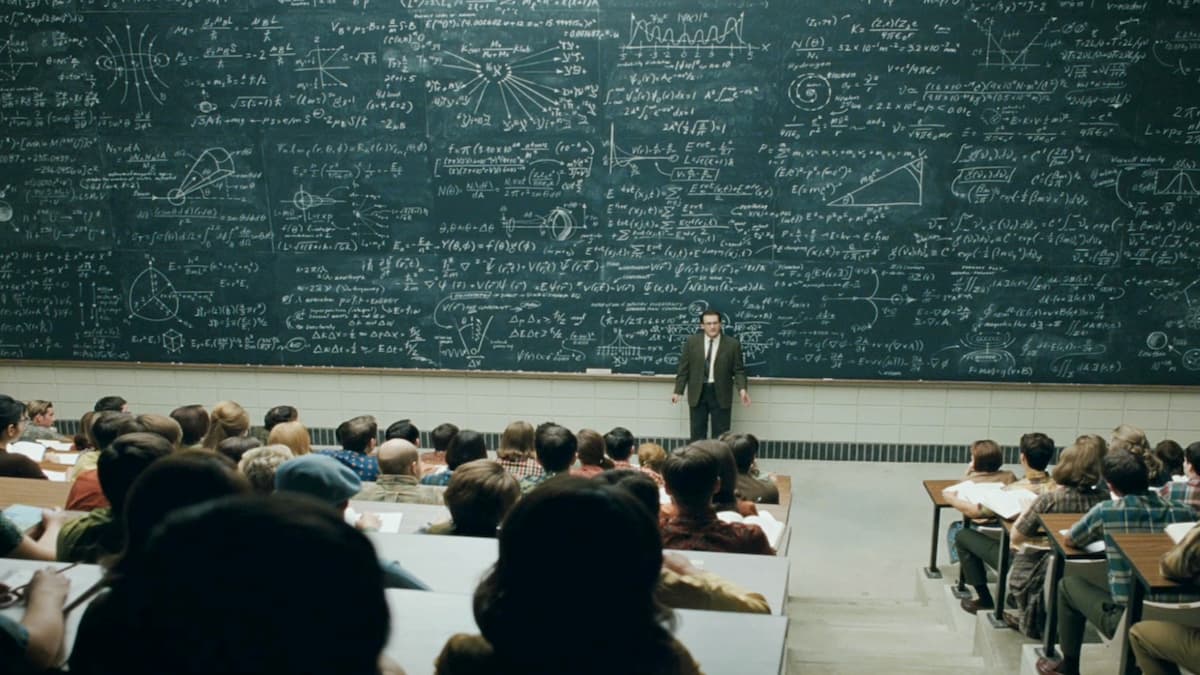
Notes were handwritten, and the chalkboard was the star of the show. Walker recalls sitting in lecture halls taking notes with pen and paper while professors lectured from a podium, using a chalkboard and the occasional overhead projector. Laptops, slides, and digital learning platforms give today’s students more ways to capture and review a lesson, though generations of cramped hands and chalk-dusted sleeves might insist the old way built character.
8. Many Women Had to Follow Strict Dormitory Curfews
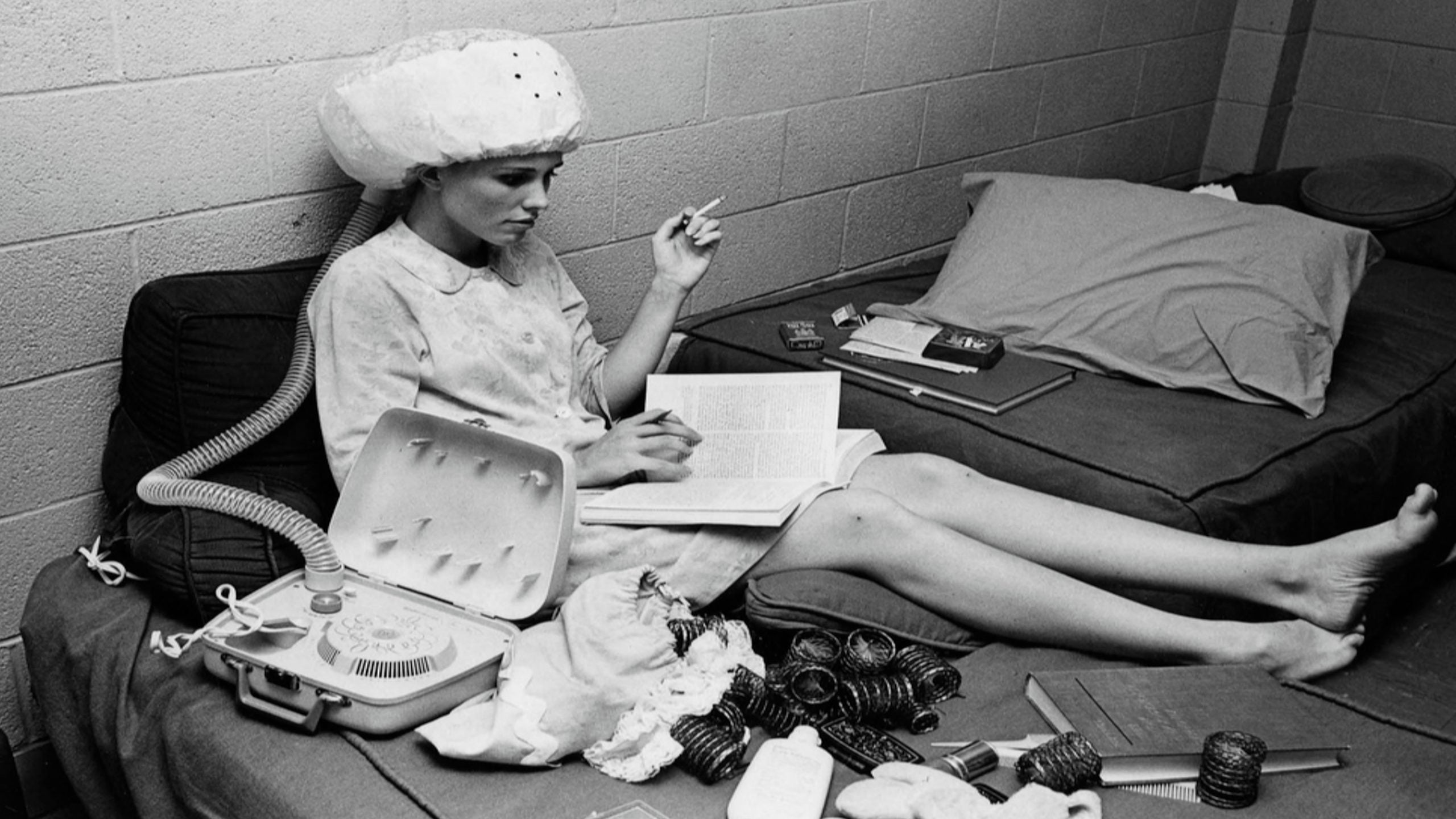
At many American colleges, women faced stricter residence hall rules than men, including curfews and sign-in requirements. History Nebraska describes how first-year women at the University of Nebraska in the mid-1960s lived under a 9 p.m. first-semester curfew, though freshmen with a 2.0 GPA could stay out until 10:30 on weeknights. Upperclass women had a 10:30 weeknight curfew and could stay out until 1 a.m. on Friday and Saturday. Those rules had loosened considerably by the late 1960s.
Sign up for our newsletter
9. Students Could Face Strict Rules About What They Wore to Class
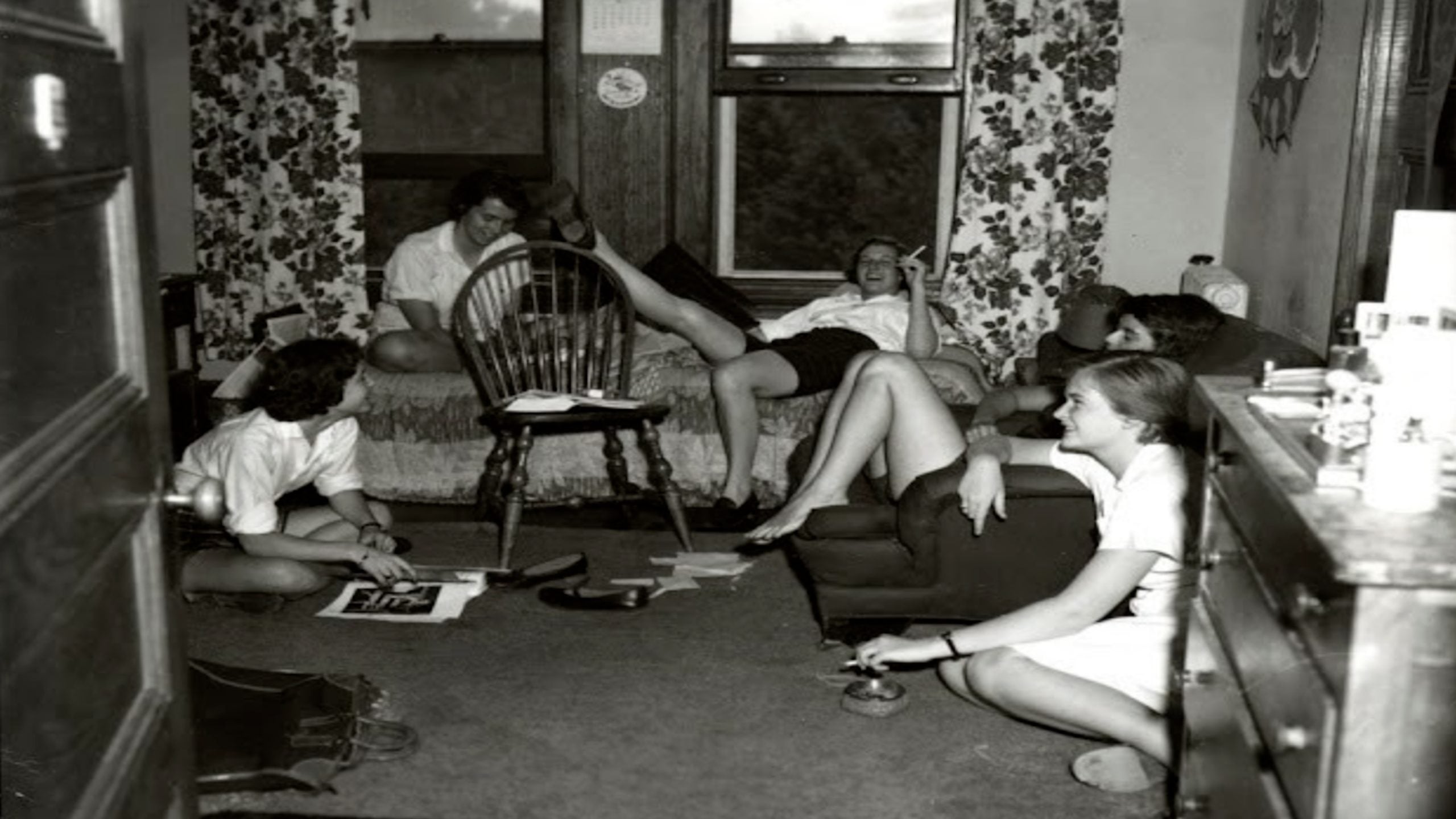
Dress codes once shaped what students could wear to class, the dining hall, and beyond. A 1957 handbook from Ohio State’s Women’s Residence Hall Council spelled it out for dinner on school days, Saturdays included: dresses, or skirts with blouses or sweaters, and “no slacks, bermudas or jeans.” Clothing rules relaxed during the cultural changes of the 1960s and 1970s, and generations of students since have happily shown up to dinner in sweatpants.
10. Dormitories Were Often Separated by Gender
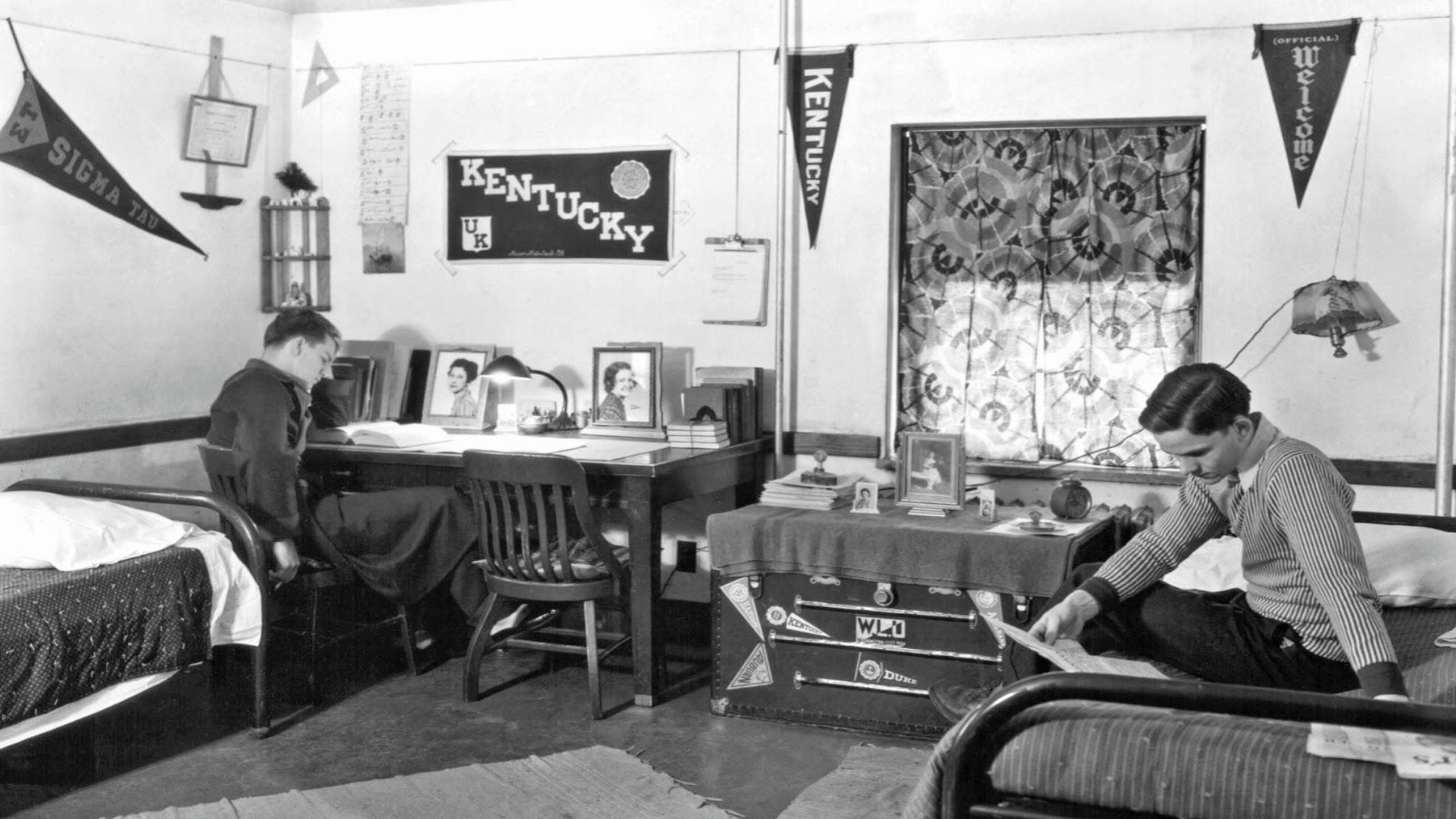
Many American colleges kept men and women in separate residence halls, often with strict visiting rules. The University of Delaware’s history of women on campus describes the 1960s as a turning point, when new residence complexes mixed men’s and women’s dormitories and moved away from the idea of a women’s campus separate from the men’s. Many universities now offer a wider range of housing instead of only traditional single-gender dorms.
11. First-Year Students Sometimes Had to Wear Special Beanies
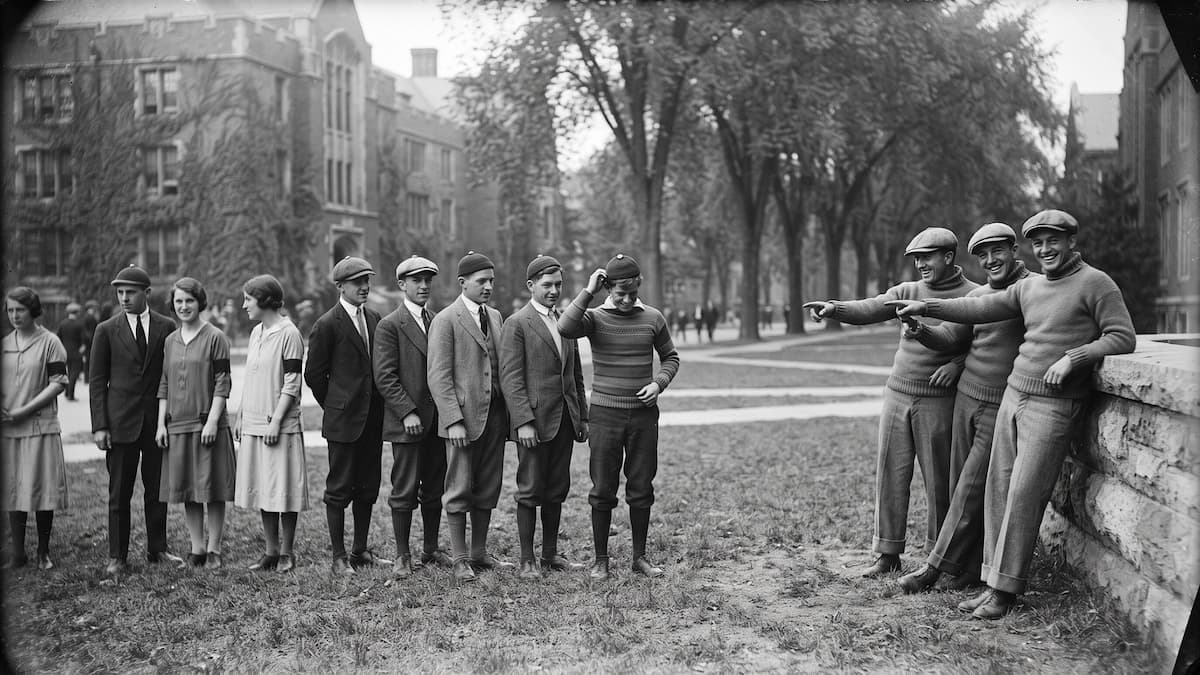
Picture arriving on campus and being handed a green beanie. At the University of Northern Iowa, a rule dated March 21, 1923, required freshman men to wear green beanies and freshman women green armbands from 7 a.m. to 6 p.m. every day except Sunday, according to the university’s archives. The student newspaper warned that rule-breakers would face whatever penalty the upperclassmen decided to inflict. Those mandatory costumes have largely vanished, and today’s optional orientation fun would strike past generations as a suspiciously easy start.
12. College Tuition Was Much Lower in Dollar Terms
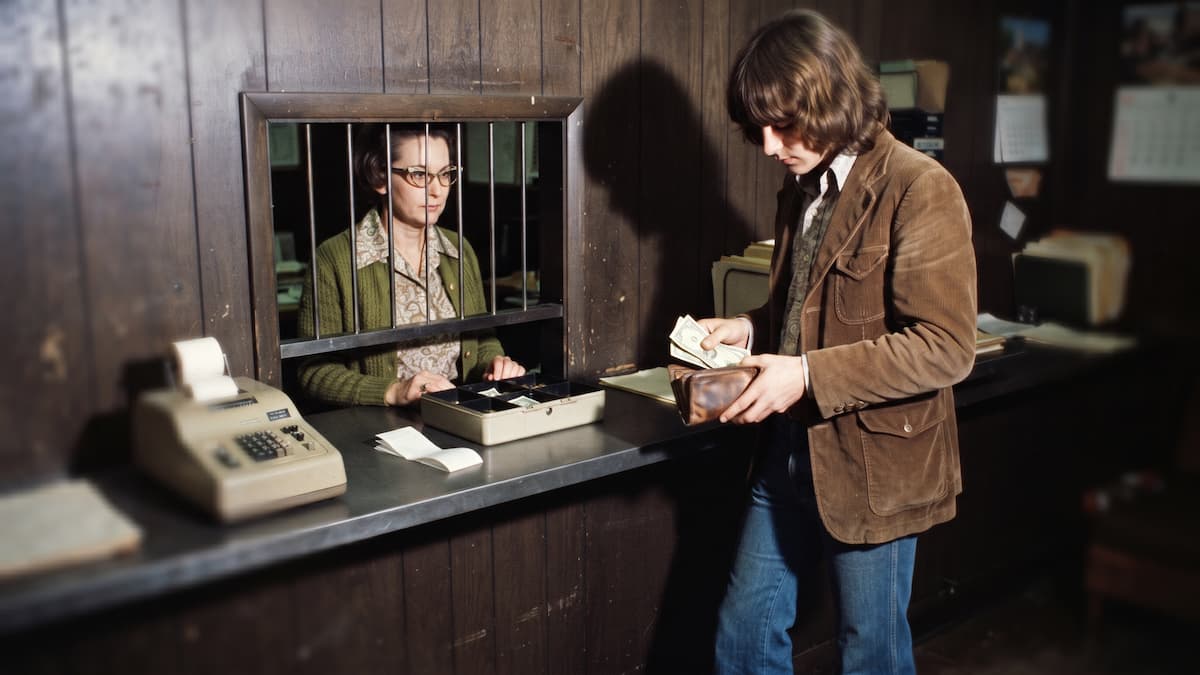
College bills were far smaller in dollar terms. According to the National Center for Education Statistics, the average combined cost of tuition, required fees, room, and board at four-year public institutions was $1,326 in 1970-71, compared with $23,176 in 2023-24. At private institutions, the figure rose from $2,754 to $51,069. Inflation explains a big chunk of that jump, but not all of it, and financial aid and other factors make direct comparisons tricky.
13. College Sports Offered Fewer Opportunities for Women
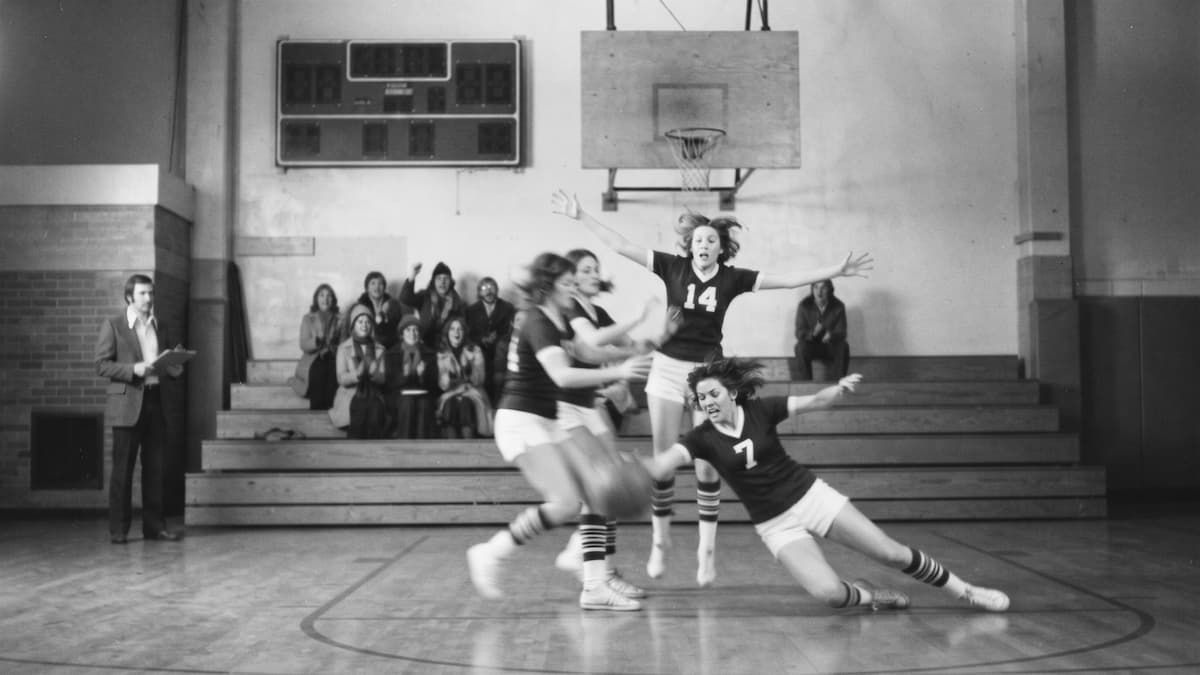
For much of the twentieth century, women had fewer varsity sports, scholarships, and resources than men at many colleges. Title IX of the Education Amendments of 1972 prohibited sex discrimination in federally funded education programs and helped open doors for women’s athletics. Women’s intercollegiate competition existed earlier, but the NCAA didn’t begin sponsoring women’s championships until 1981, starting with field hockey and cross country that November, according to the NCAA. Participation has grown considerably since, although gaps remain, and generations of female athletes have benefited from those who pushed for change.
14. Postwar Campuses Included Large Numbers of Military Veterans
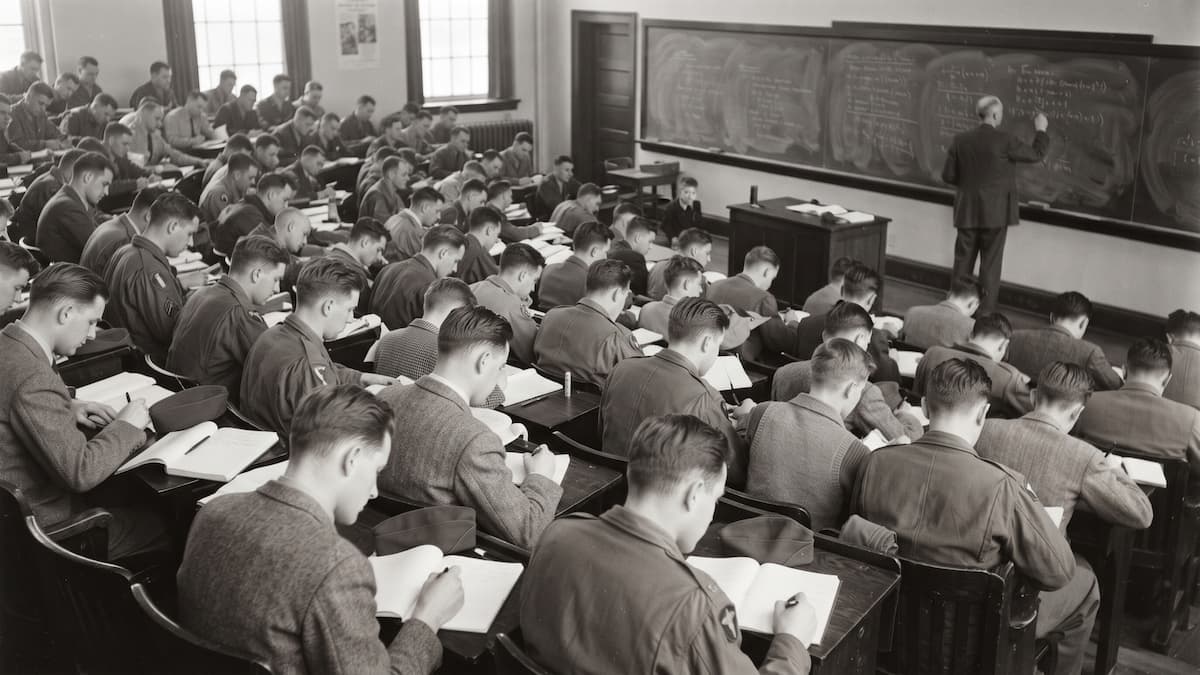
After World War II, campuses looked very different. Returning service members used GI Bill benefits to head to college, and the University of South Carolina notes that in the peak year of 1947, veterans accounted for half of all college admissions. Many were older or married, so classrooms were filled with students who had already seen the world instead of recent high school graduates.
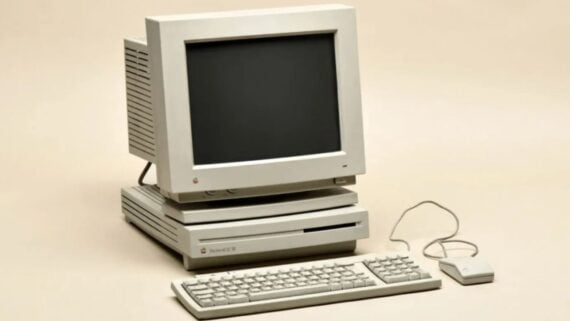
15. Using a College Computer Could Involve Punching Hundreds of Cards
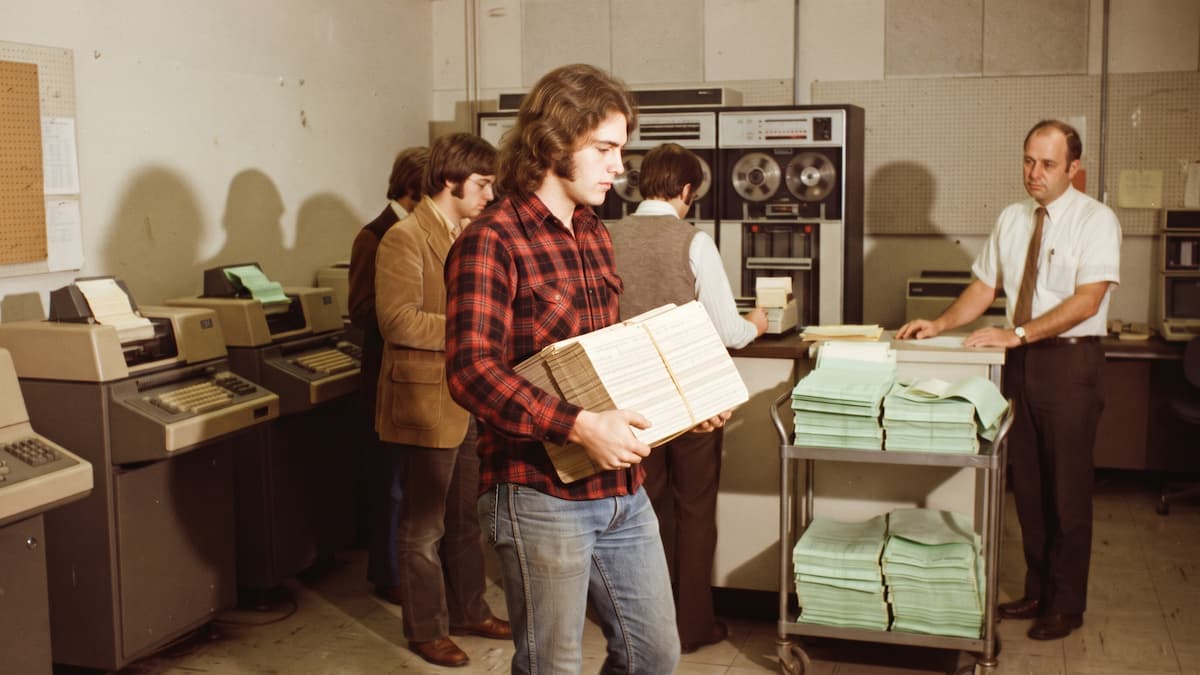
In the 1960s and 1970s, students in technical courses sometimes entered programs on punched cards instead of typing them directly into a computer. At Virginia Tech, alumna Catherine Winfrey, Class of 1973, recalls dropping off a deck of cards and getting a printout two hours later, adding that keypunch errors were something to avoid. Personal computers eventually made access much faster, a relief after the long lines and overnight waits that Virginia Tech’s IT history describes, and programmers of later generations have no idea how lucky they are.
16. Campus Social Events Often Came With Chaperones
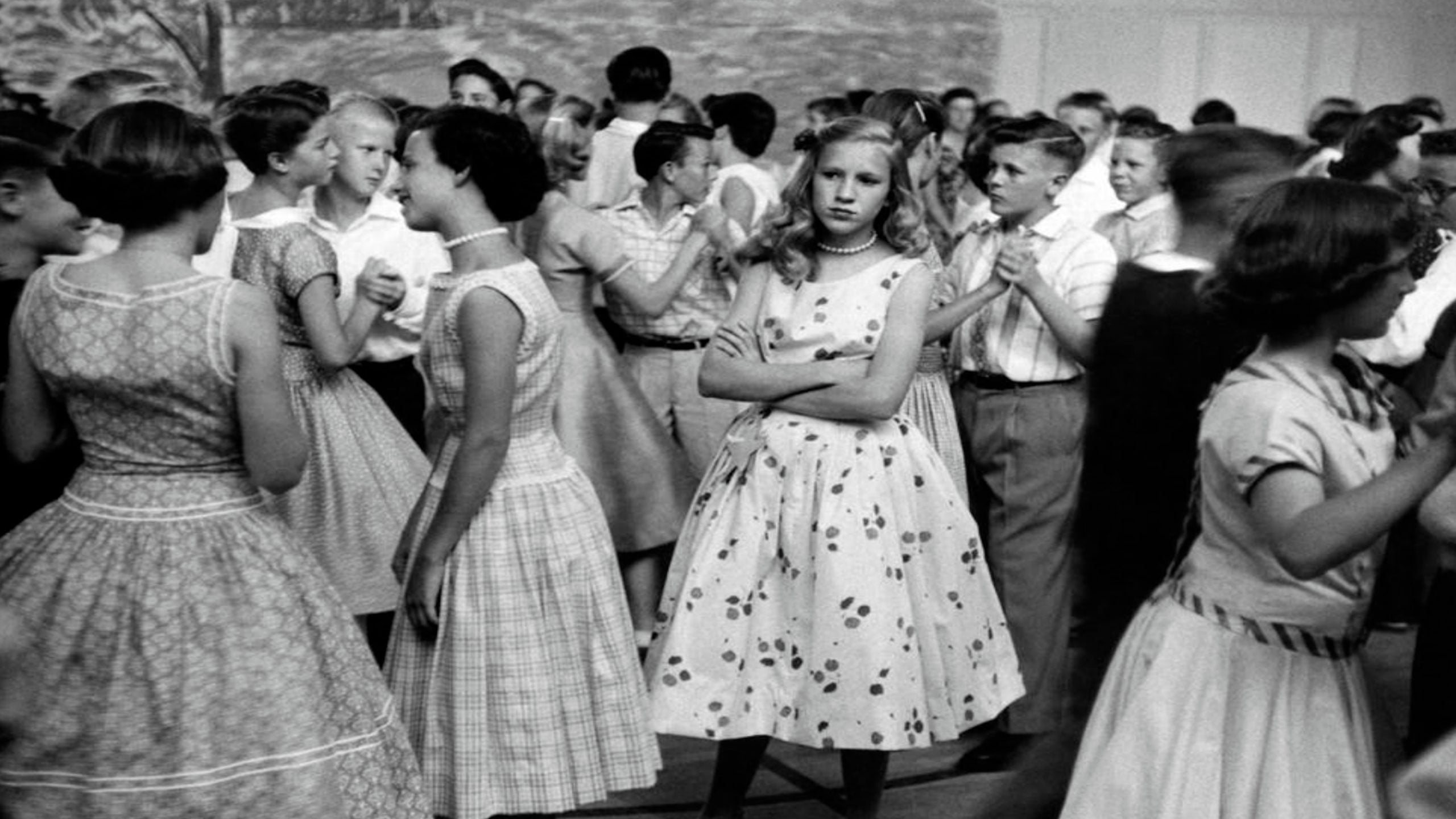
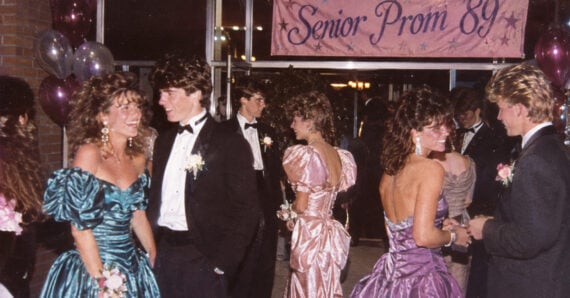
Dances and social gatherings often came with adult supervision. A Wittenberg University history notes that until 1967, every social function had to register two chaperone couples, and faculty members chaperoned sorority dances and dorm parties. Colleges still enforce conduct policies, but having faculty members watch over routine student gatherings has become far less typical.
17. Some College Buildings Had Designated Indoor Smoking Areas
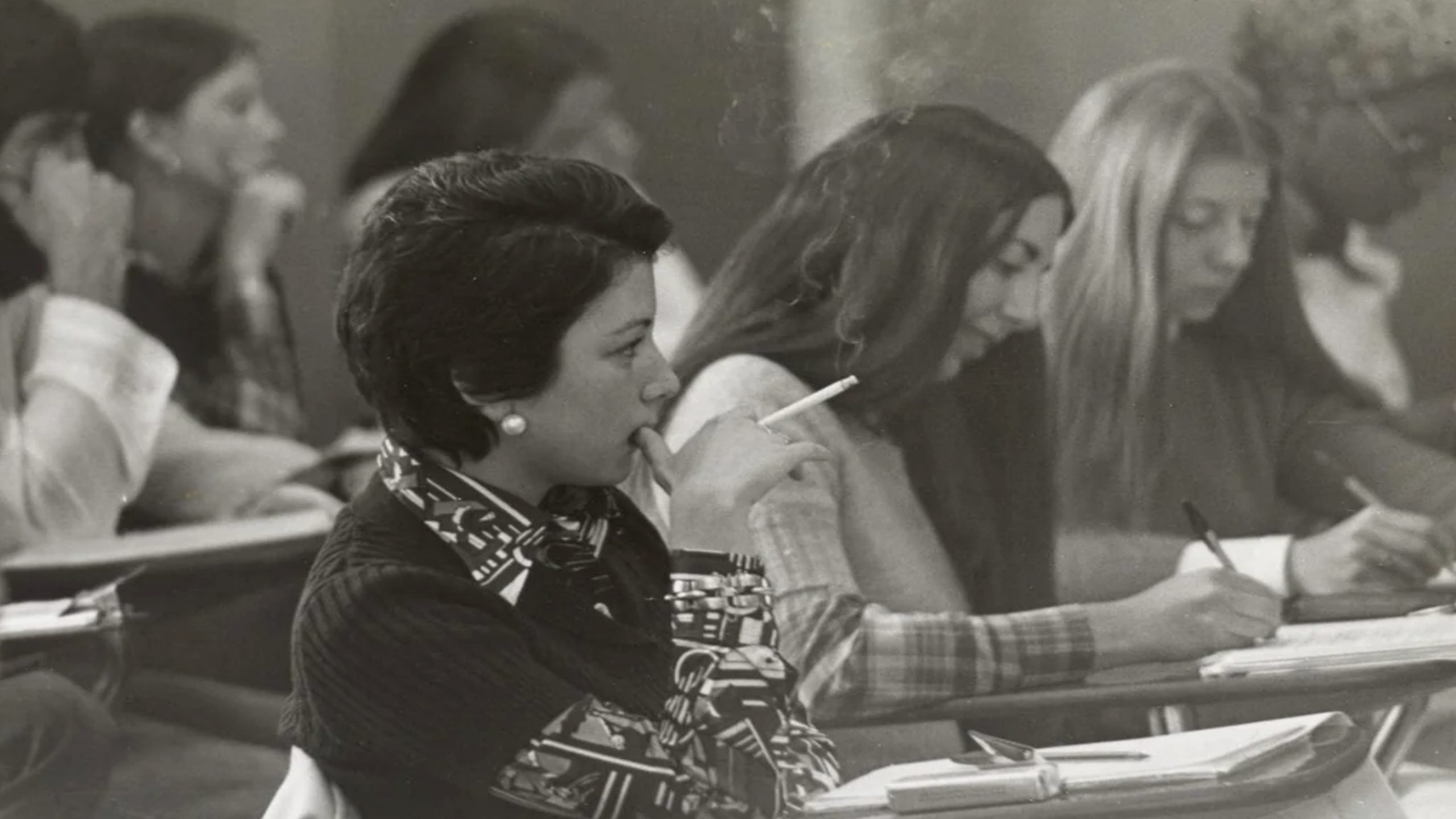
Smoking was treated very differently on campuses in the mid-twentieth century, and indoor spaces were often set up for smokers. The University of Michigan’s Type Hype feature notes that ashtrays lined the counters of the Undergraduate Library, so students could have a smoke while they worked. Indoor smoking policies have tightened dramatically as the health risks of tobacco became better understood, and the generations who grew up with ashtrays everywhere might be surprised by how strict campuses are today.
These differences show how much college life shifted between generations, and how much stayed exactly the same: classes, friends, and a truly heroic amount of late-night cramming. Campus rules varied from school to school, but the stories sound familiar almost everywhere. Which of these would be the hardest to live without? Tell us in the comments!