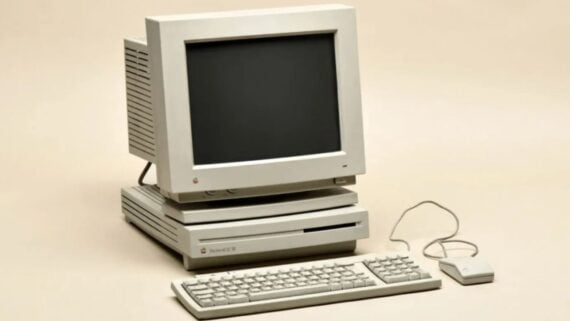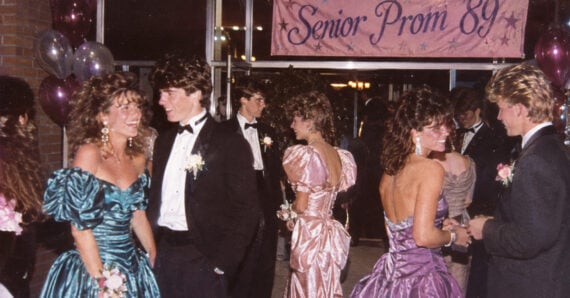
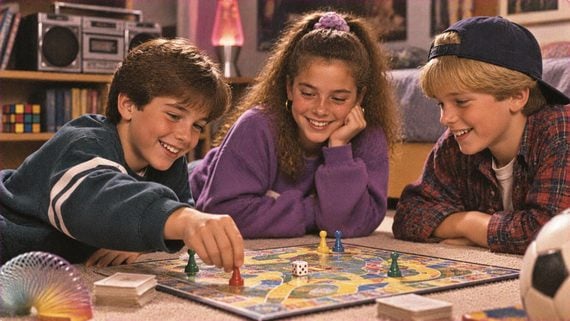
The 1990s were a decade of unforgettable music, colorful fashion, Friday night movie rentals, and a world that was just beginning to discover the internet. For many Americans, life seemed to move at a different pace. People made plans without texting, spent afternoons wandering shopping malls, and waited an entire week to watch the next episode of their favorite television show. Looking back, even the smallest routines can bring back memories of a time that felt a little less complicated.
Of course, the decade had its own problems, and not everything was better than it is today. Still, there was something special about growing up or simply living through those years. From the excitement of opening a new CD to the freedom of being unreachable for an afternoon, these 18 memories explain why the 1990s continue to hold such a powerful place in American nostalgia.
1. Friday Nights Meant a Trip to Blockbuster
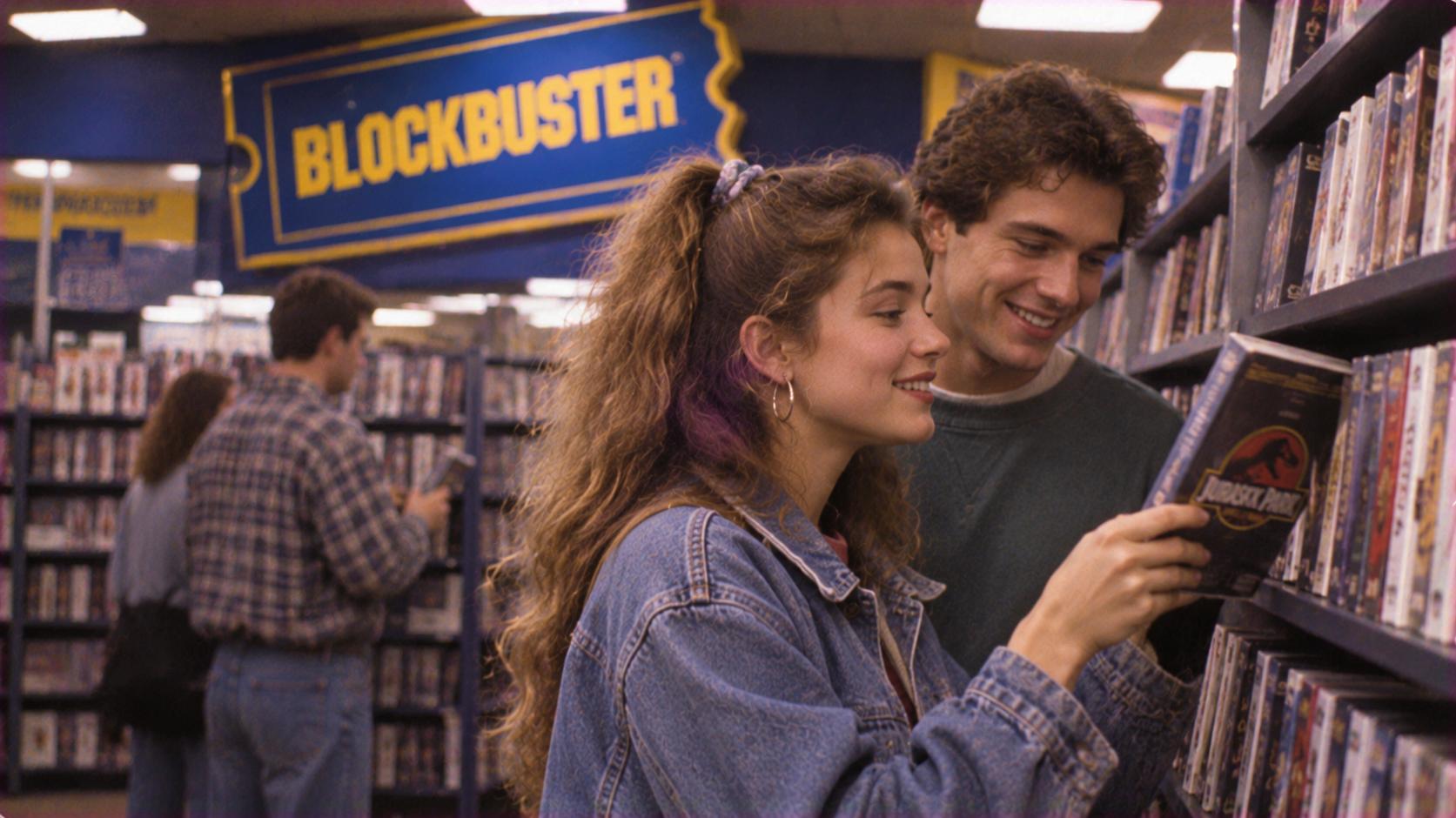
Before streaming services made thousands of movies available instantly, choosing what to watch was an event of its own. Families and friends wandered through Blockbuster aisles, examining VHS covers and debating which movie deserved a spot in the VCR that night. New releases were especially exciting, although finding an empty shelf where the most popular movie should have been could ruin your plans. There was also the pressure of returning tapes on time and remembering to rewind them. Somehow, the entire ritual made movie night feel more memorable than scrolling through endless options.
2. You Could Leave the House Without Being Reachable
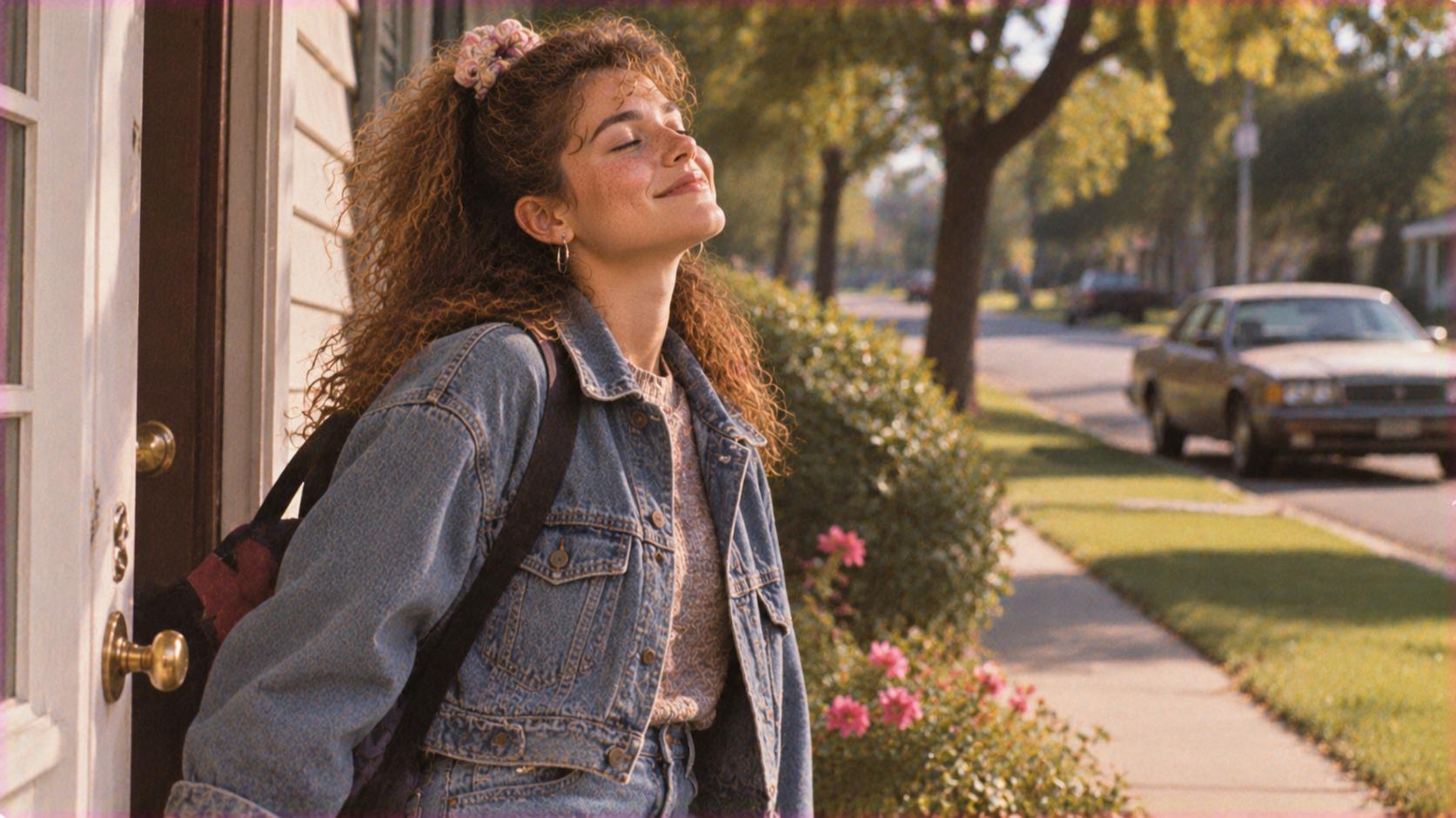
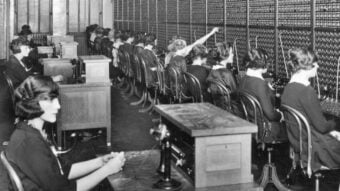
One of the biggest differences between the 1990s and today was the ability to disappear from communication for a few hours. Most people didn’t carry cell phones, and nobody expected an immediate response to every message. If you went shopping, visited a friend, or spent the afternoon outside, people generally had to wait until you returned home to reach you. Plans required a little more preparation, but everyday life also came with fewer digital interruptions. Being unavailable wasn’t considered unusual. It was simply how the world worked.
3. Shopping Malls Were the Ultimate Hangout Spots
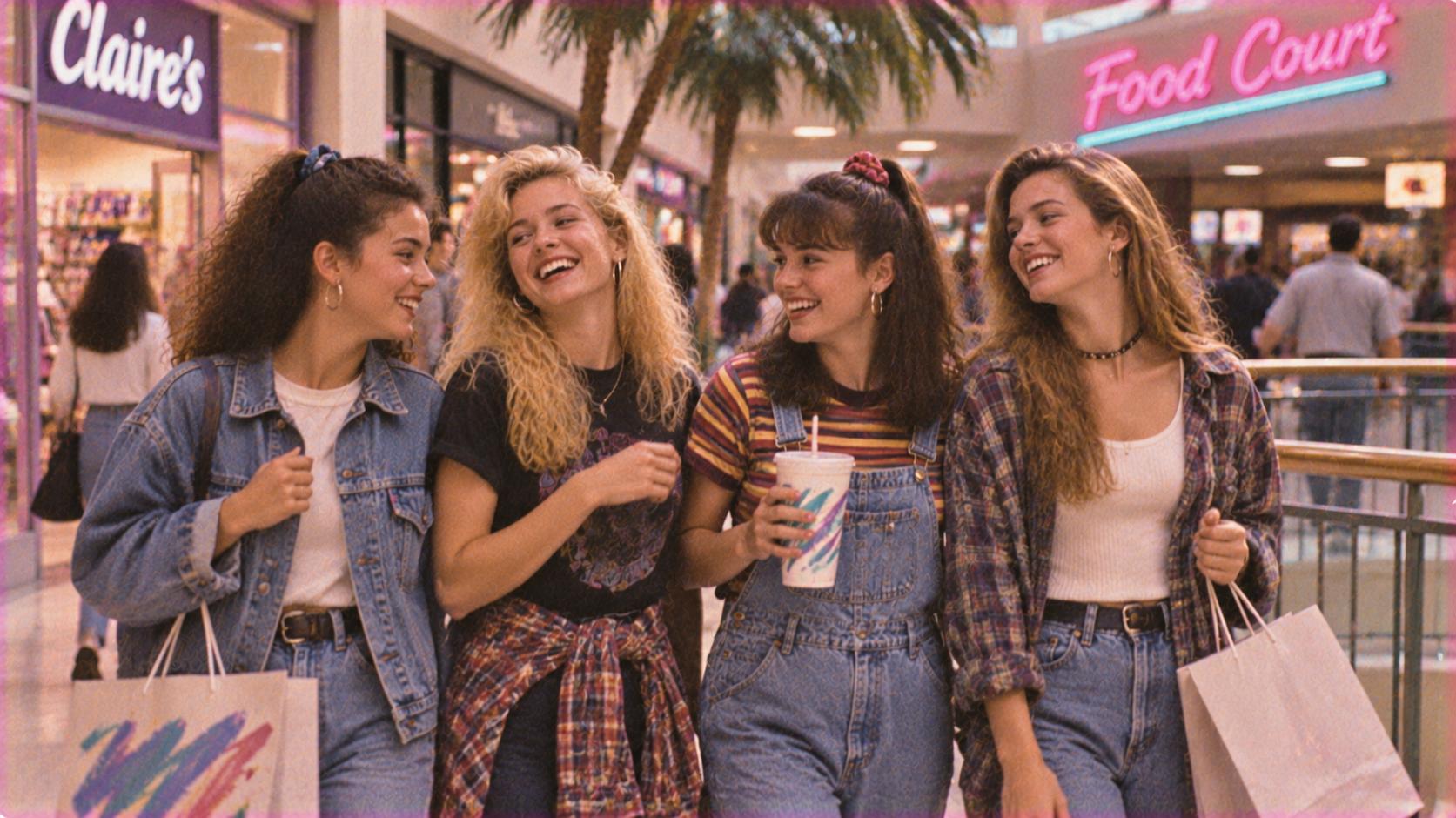
During the 1990s, shopping malls were much more than places to buy clothes. They were social destinations where teenagers met friends, families spent entire afternoons, and people browsed stores without necessarily purchasing anything. The food court offered everything from pizza to pretzels, while music stores, arcades, and clothing shops provided hours of entertainment. You might run into classmates, discover a new fashion trend, or spend your allowance on something completely unnecessary. For many young Americans, the mall was one of the few places where social life happened naturally.
4. Saturday Morning Cartoons Were Worth Waking Up Early For
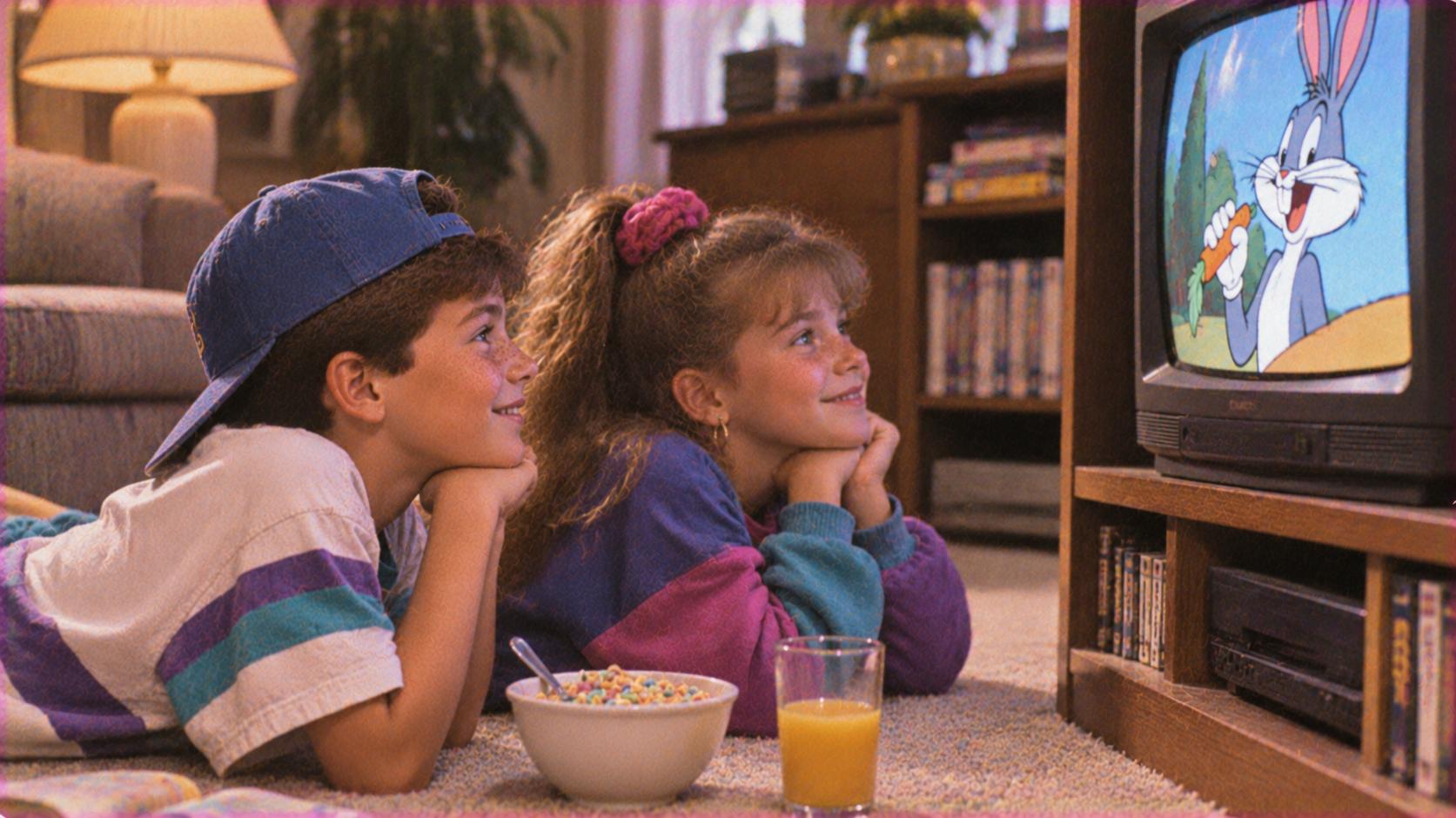
Before children could watch almost anything on demand, Saturday mornings had their own special television tradition. Kids woke up early, poured oversized bowls of cereal, and settled in front of the television for hours of animated entertainment. Shows like Rugrats, Animaniacs, and X-Men: The Animated Series became part of childhood routines. Missing an episode meant waiting for another opportunity to see it, which made the experience feel more important. There was something comforting about knowing that millions of other kids were probably watching the same cartoons at the same time.
5. Music Stores Made Discovering New Albums an Adventure
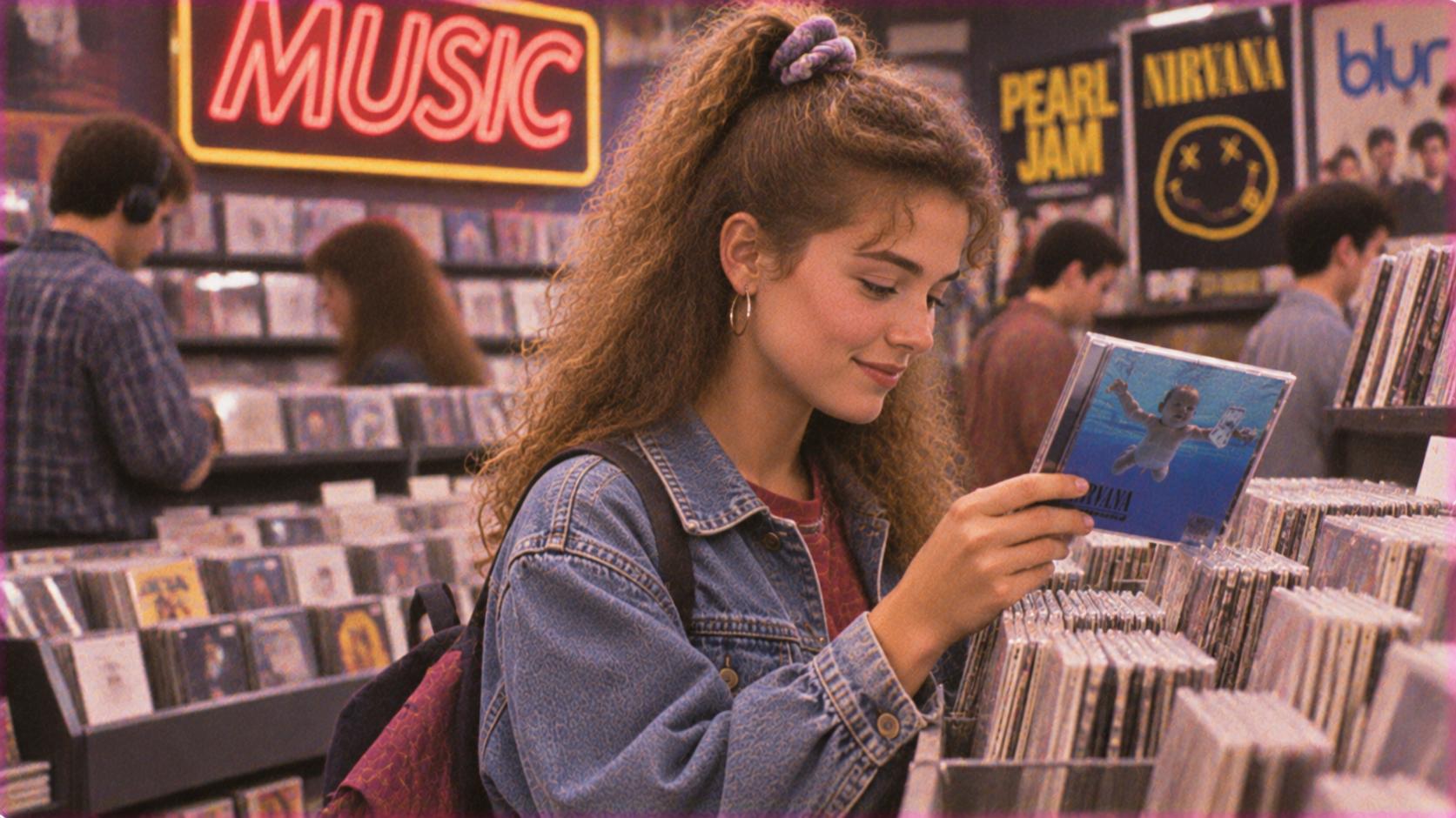
Buying music in the 1990s involved more than clicking a button. Record stores such as Sam Goody and Tower Records were filled with CDs, cassette tapes, posters, and listening stations where customers could discover unfamiliar artists. People spent time studying album covers, reading track lists, and deciding whether an entire album was worth their money. A new CD could become the soundtrack to an entire summer, and owning a physical music collection felt personal. The anticipation of bringing an album home and hearing it for the first time was part of the excitement.
Trending on Wealth Gang

6. Family Vacations Happened Without Constant Social Media Updates
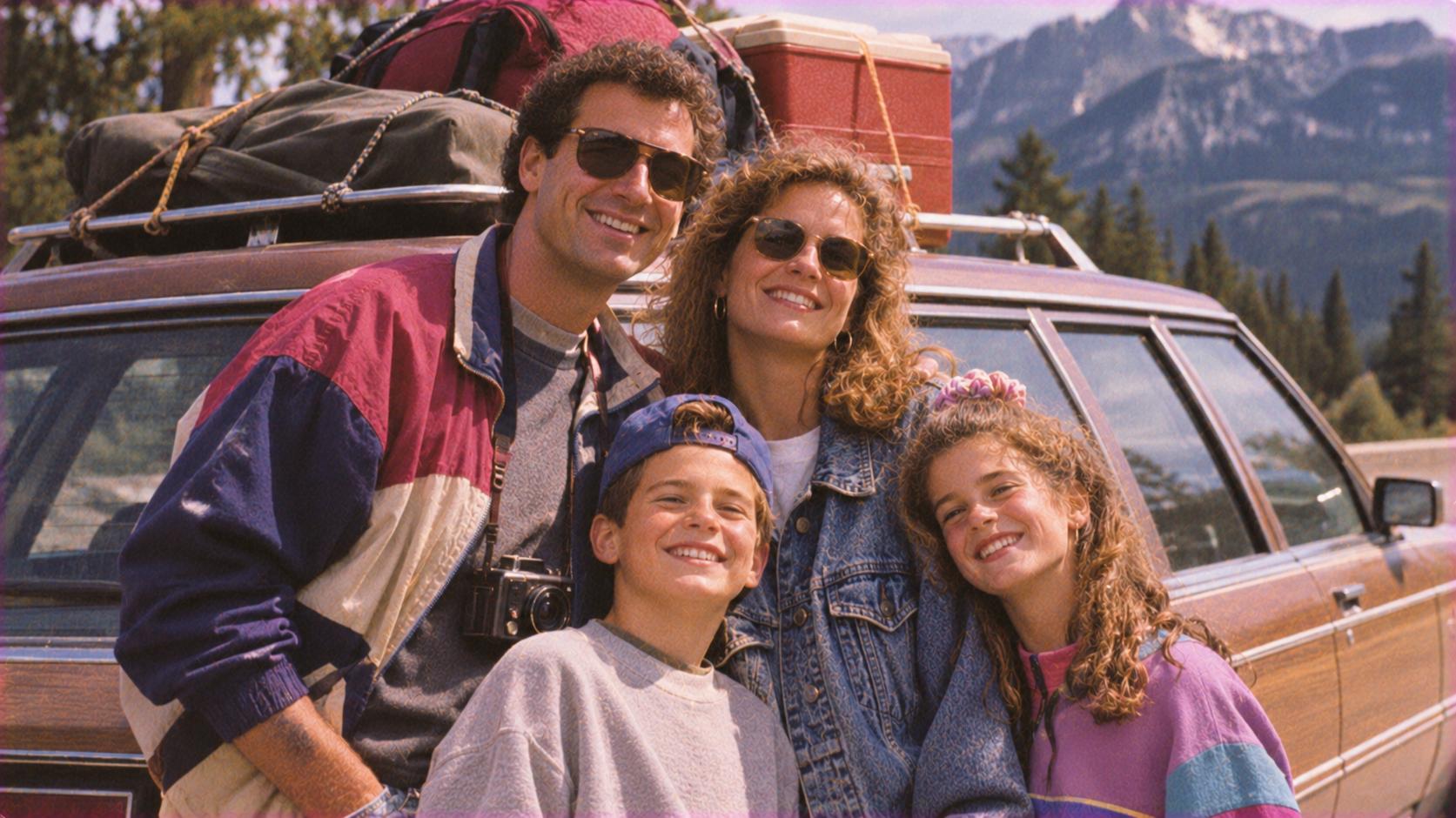
Vacations during the 1990s were often documented with disposable cameras, camcorders, and photo albums rather than smartphones. Families visited beaches, amusement parks, and national parks without feeling pressure to post every experience online. Pictures weren’t immediately available for inspection, and sometimes the best moments were discovered only after the film was developed. A blurry photograph or an accidentally covered lens could become a family joke for years. Instead of collecting likes, people collected souvenirs, postcards, and memories that were shared when they returned home.
7. Video Rental Nights Made Weekends Feel Special
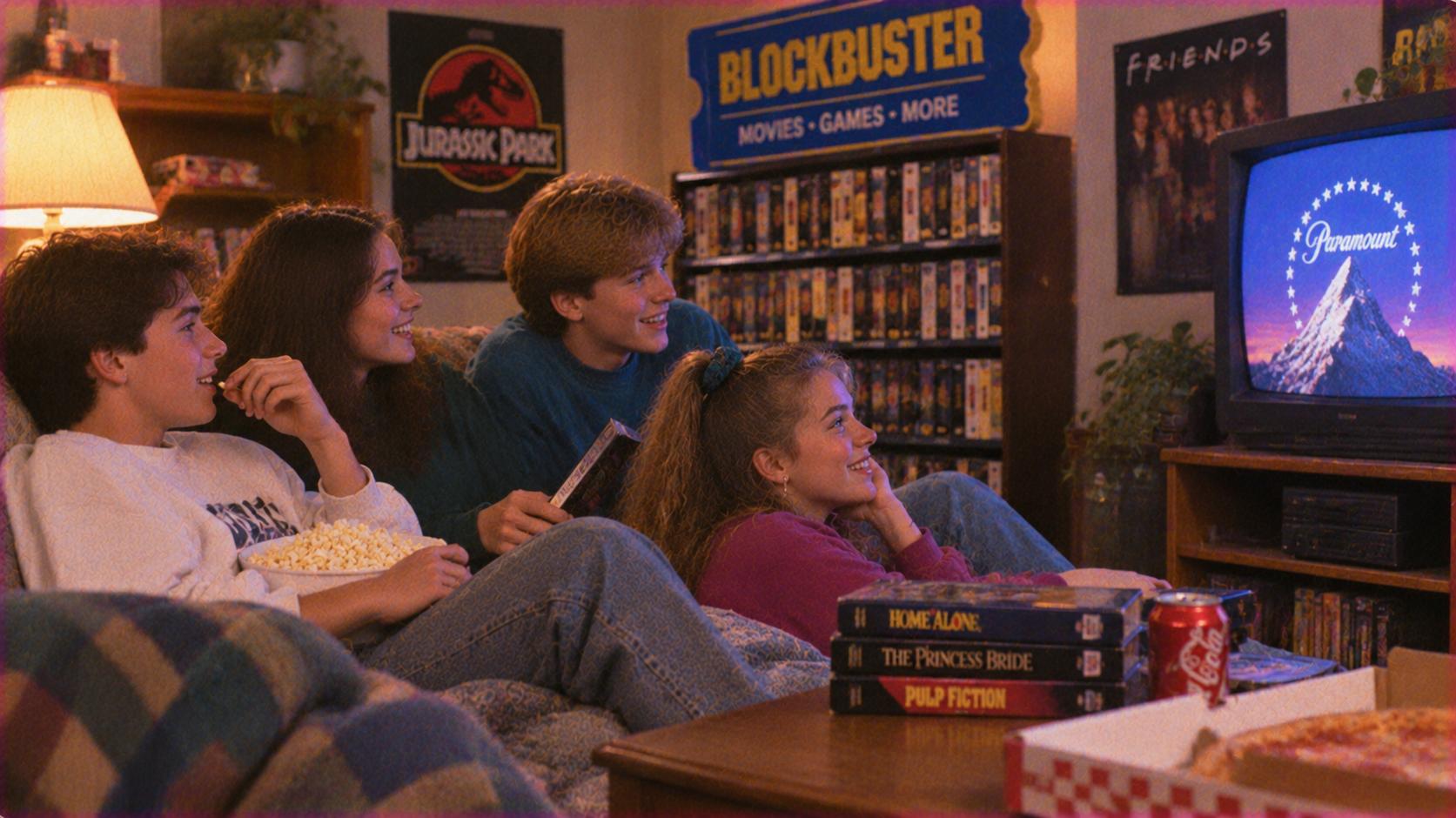
For many families, renting movies was a weekly tradition that began long before anyone pressed play. Choosing two or three VHS tapes, picking up snacks, and deciding who controlled the remote could take longer than expected. Sleepovers often included scary movies, comedies, or animated favorites that everyone had already watched several times. There was no algorithm recommending the next title and no automatic playback. Once the movie ended, people talked about it, rewound the tape, or decided whether they had enough energy for another one. The limited selection made every choice feel deliberate.
8. The Internet Was Exciting Instead of Constant
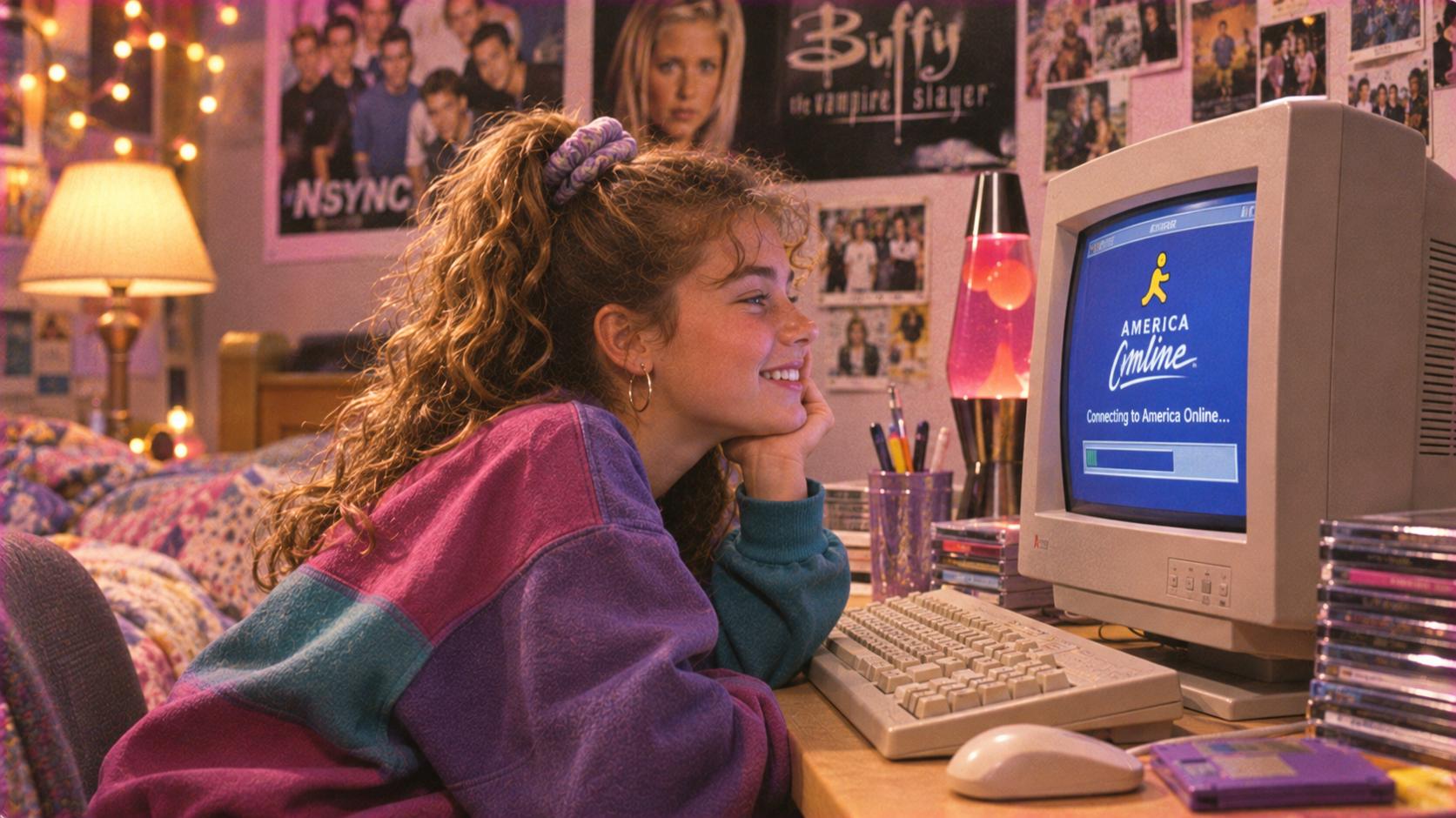
When home internet access began spreading during the 1990s, going online felt like entering a completely different world. Dial-up connections made distinctive noises, websites loaded slowly, and using the internet often meant tying up the household telephone line. Chat rooms, early websites, and email introduced possibilities that seemed futuristic at the time. However, most people weren’t connected throughout the day. The internet was something you intentionally accessed rather than an environment that followed you everywhere. That separation helped keep online activities from dominating every spare moment.
Sign up for our newsletter
9. Playing Outside Was Still a Major Part of Childhood
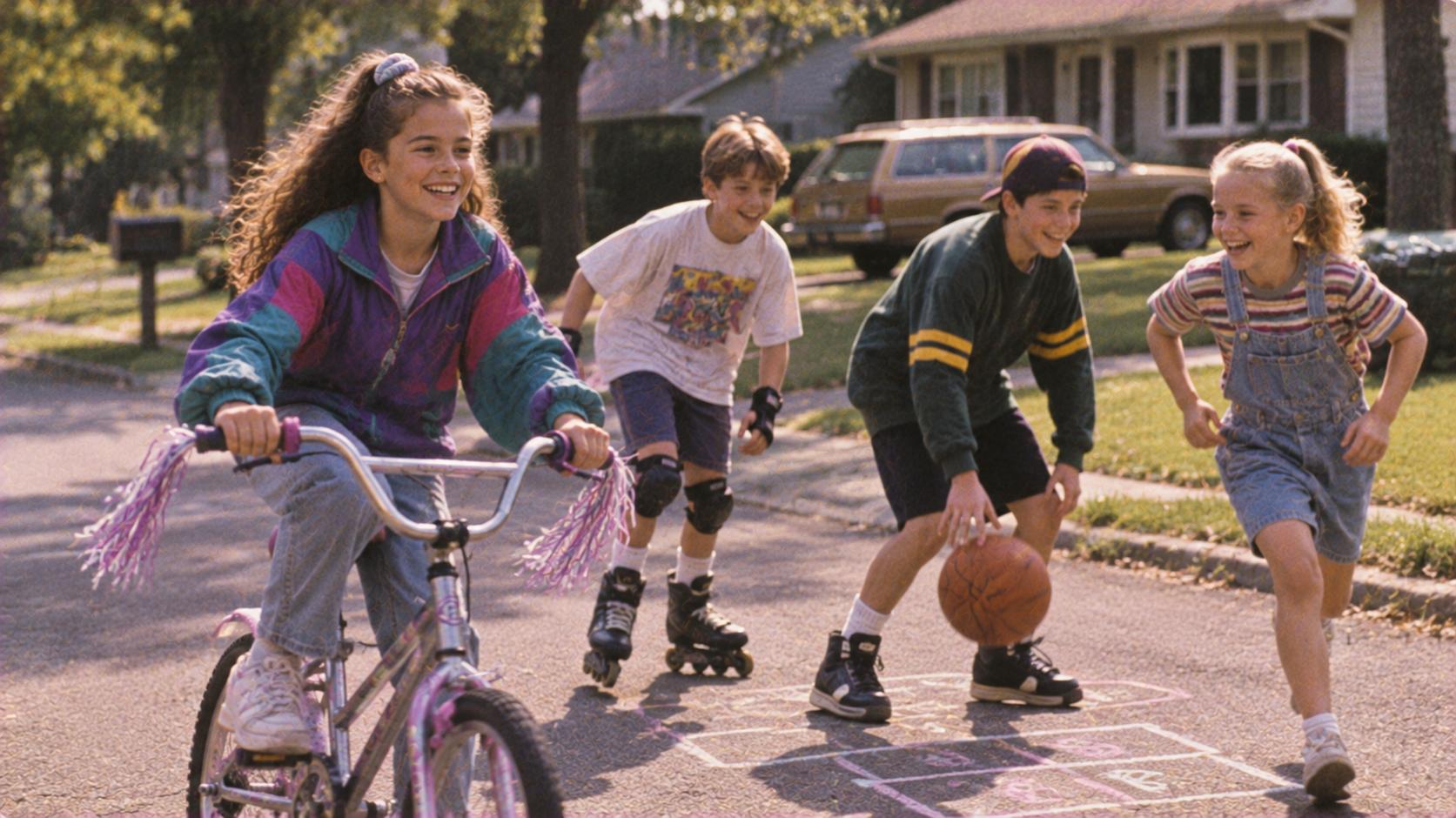
Many children growing up in the 1990s spent their afternoons riding bicycles, playing basketball, exploring neighborhoods, and inventing games with friends. Parents often expected them to return home by a certain time, and coordinating activities didn’t require group chats or location sharing. Neighborhood friendships developed through spontaneous visits and afternoons spent outdoors. Not every child experienced that freedom, and circumstances varied widely, but outdoor play remained an important part of childhood for many families. The lack of constant digital entertainment encouraged kids to find creative ways to fill their time.
10. Television Shows Brought Everyone Together
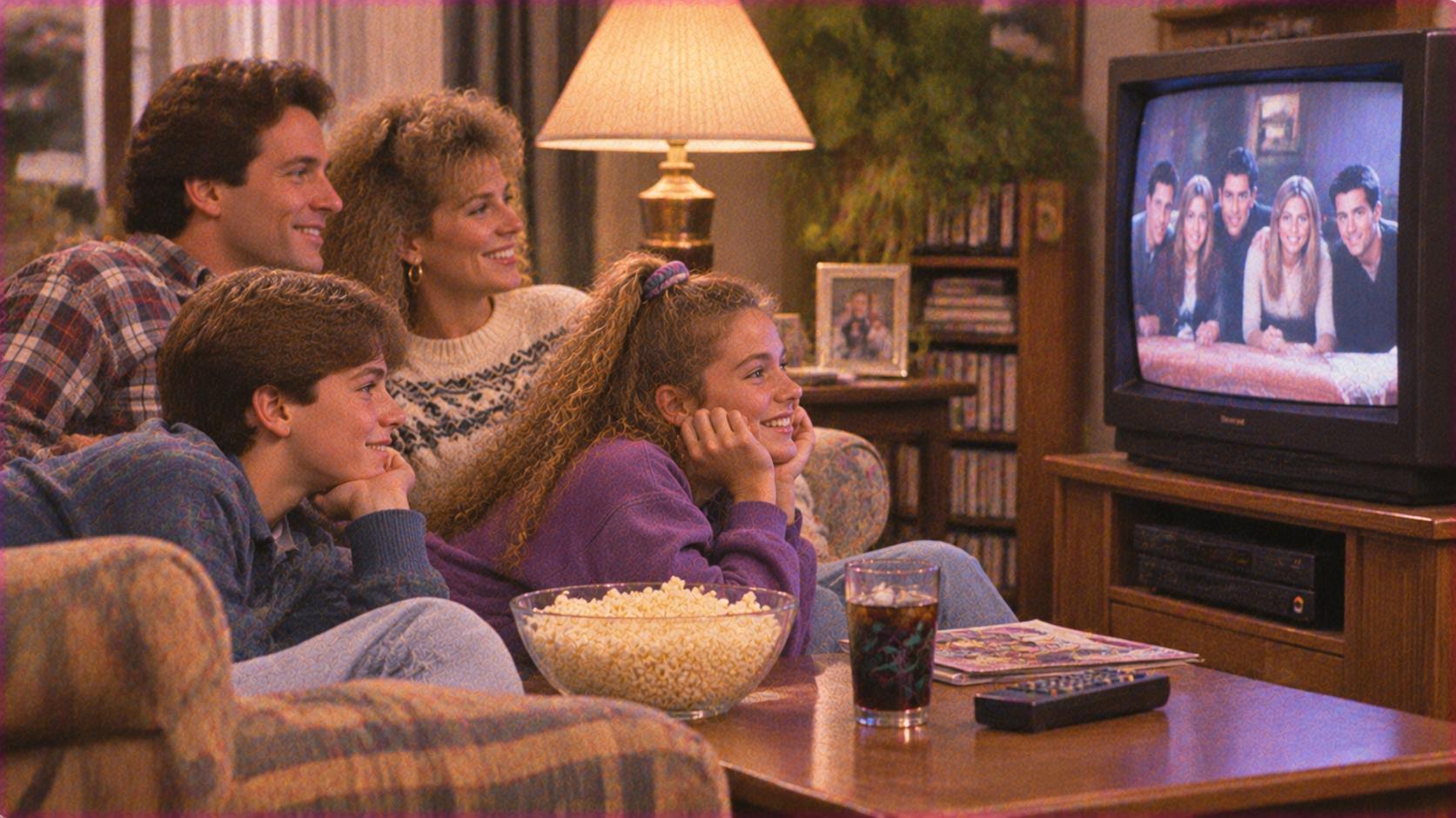
Popular television programs once created shared cultural moments that were difficult to avoid. Shows like Friends, Seinfeld, The Fresh Prince of Bel-Air, and ER attracted enormous audiences, and people frequently discussed the previous night’s episodes at work or school. Because viewers generally followed the same broadcast schedules, major storylines became national conversations. There were no entire seasons released overnight and relatively few opportunities to binge-watch new episodes. Waiting for the next installment created anticipation, while season finales could become events that millions of Americans experienced together.
11. Disposable Cameras Made Every Picture Count
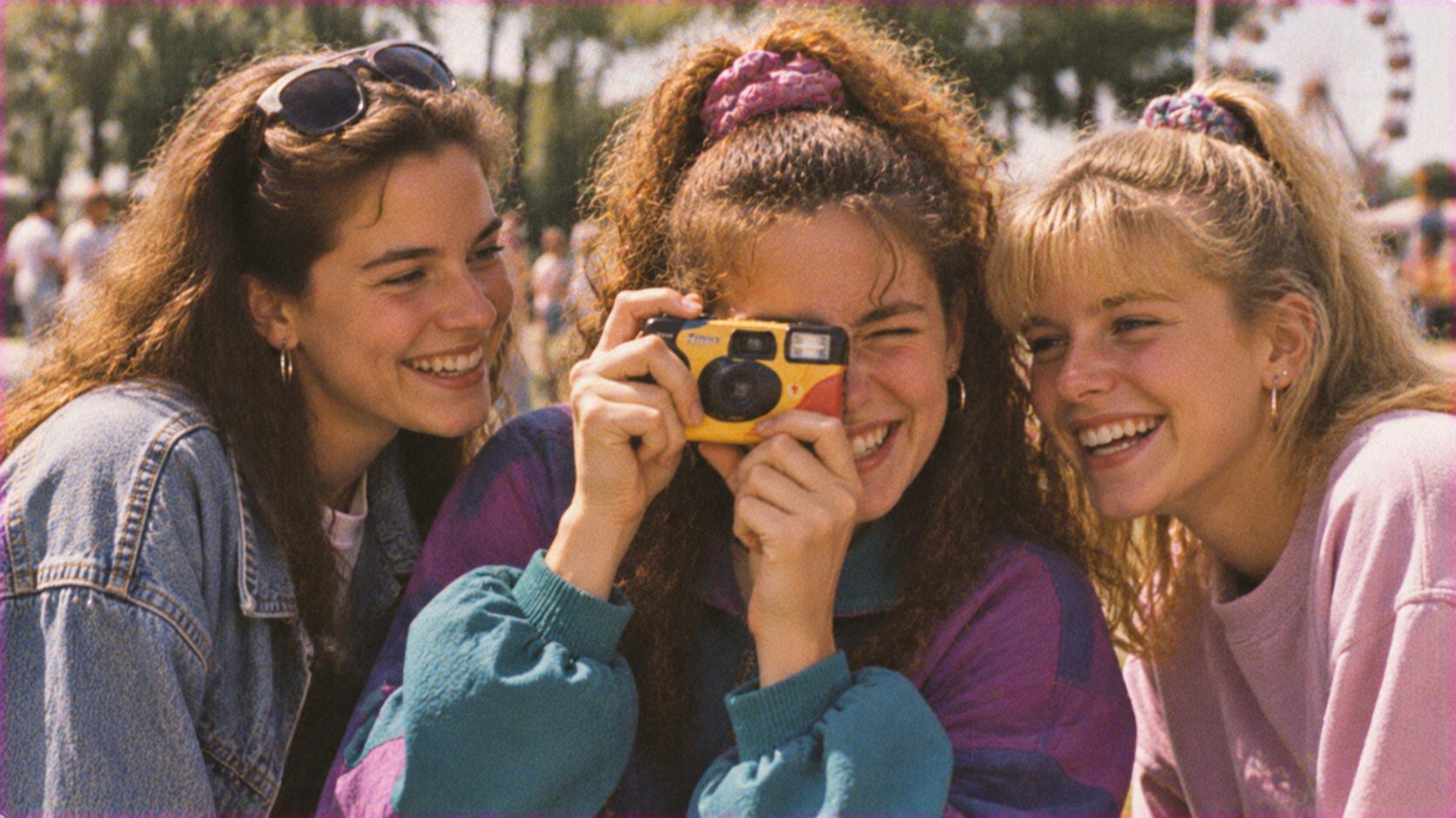
Taking photographs in the 1990s required patience and a little faith. Disposable cameras were popular at birthday parties, school trips, weddings, and vacations because they were affordable and easy to use. With a limited number of exposures, people had to think about which moments deserved a photograph. There was no screen to check whether someone blinked or whether the lighting looked right. After finishing the roll, the camera went to a photo lab, and the results arrived later. That uncertainty made opening an envelope of developed photographs surprisingly exciting.
12. Birthday Parties Didn’t Need to Be Elaborate
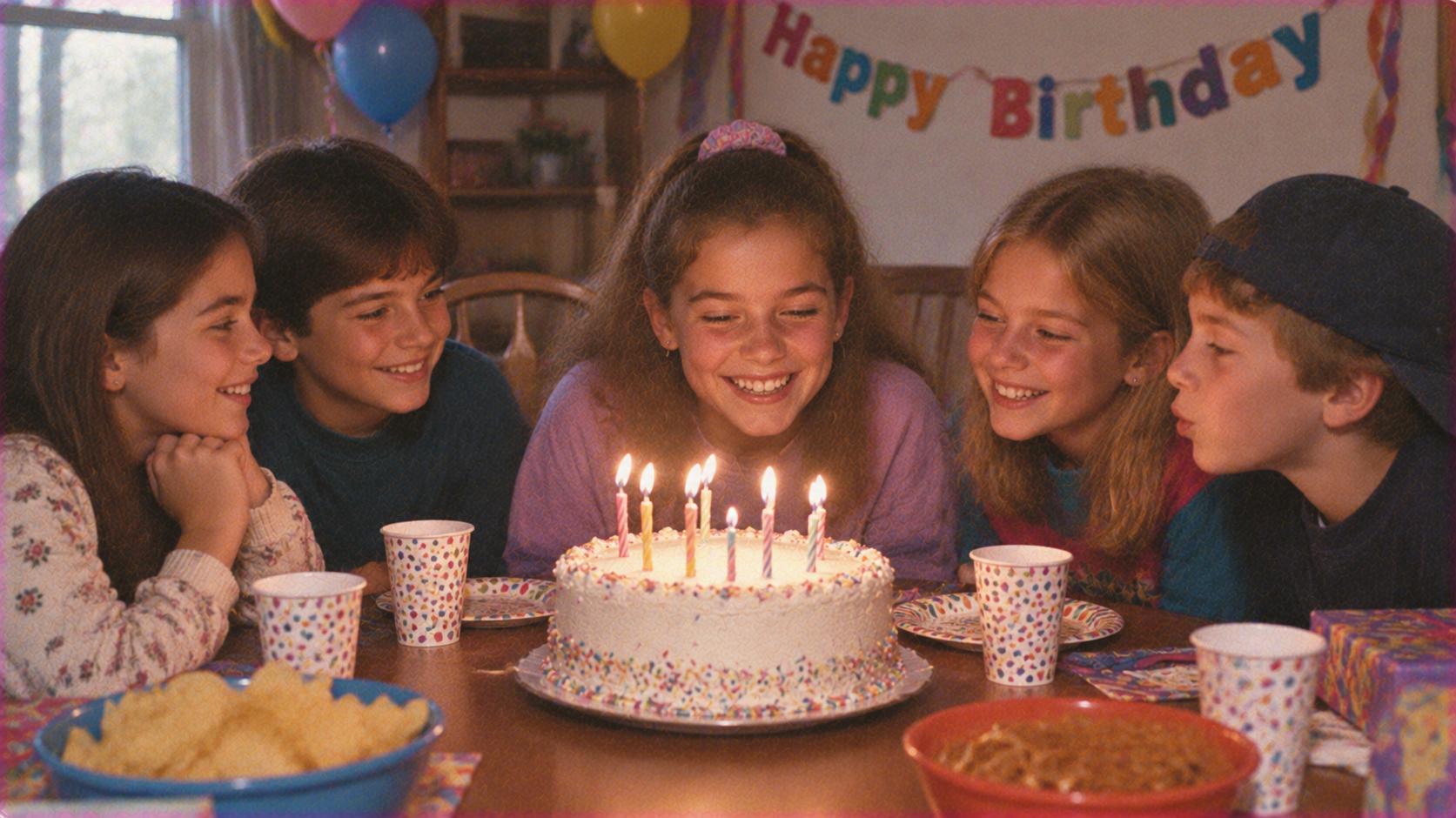
Many childhood birthday parties in the 1990s revolved around simple activities rather than expensive decorations or carefully planned social media moments. Pizza, sheet cake, balloons, party games, and a few friends were often enough to make the afternoon memorable. Popular destinations included roller skating rinks, bowling alleys, arcades, and family entertainment centers. Party favors might consist of candy, stickers, or inexpensive plastic toys. Although elaborate celebrations certainly existed, many children were perfectly happy spending a few hours playing games and opening presents surrounded by their friends.
13. Arcades Were Full of Excitement and Friendly Competition
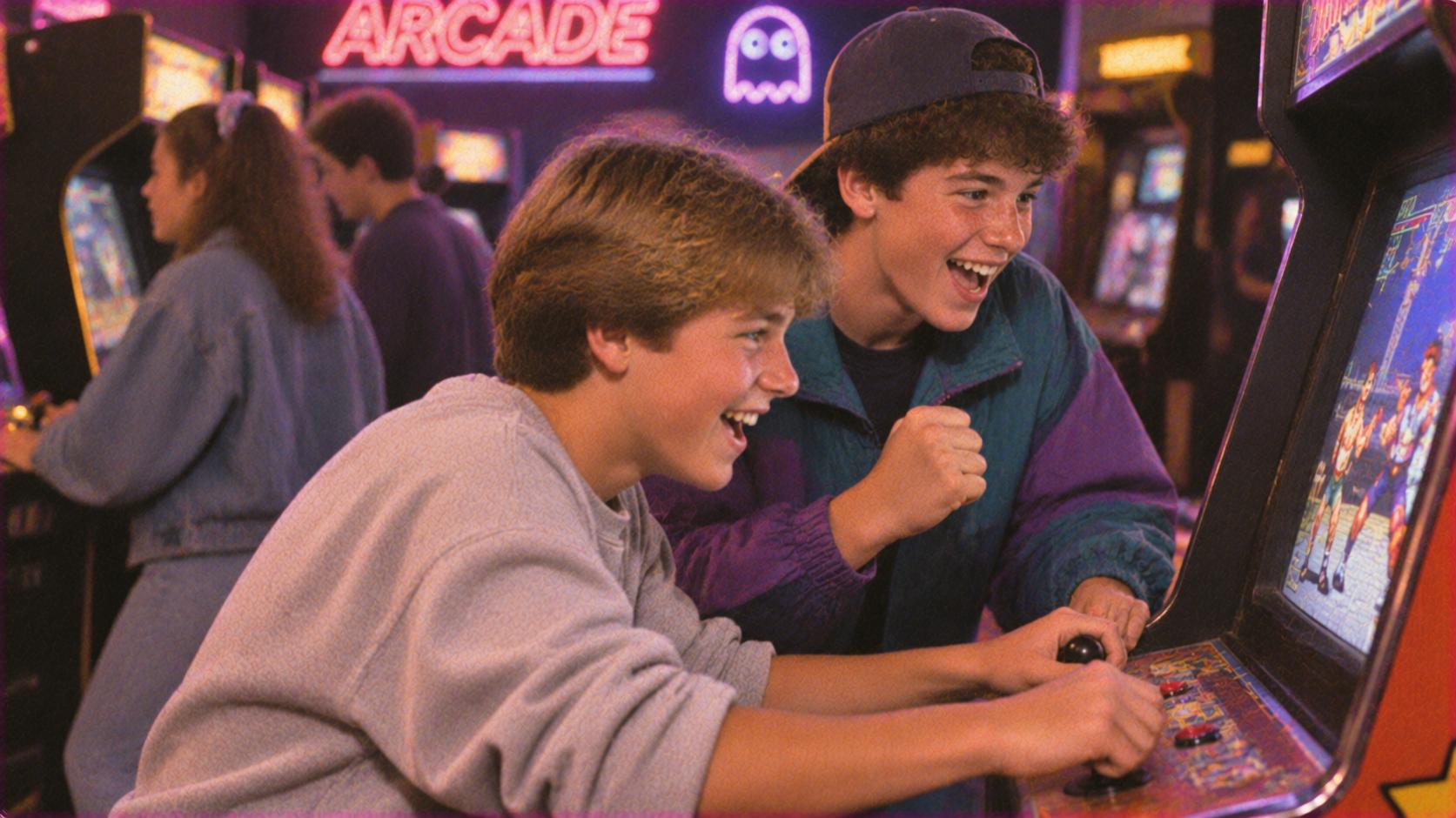
Long before online multiplayer gaming became commonplace, arcades offered a noisy and colorful place to compete with friends and strangers. Machines featuring Street Fighter II, Mortal Kombat, and NBA Jam attracted crowds of players eager to prove their skills. Winning meant keeping your place at the machine, while losing could send you searching for another quarter. The flashing screens, electronic sound effects, and excitement of watching someone achieve a high score made arcades feel like miniature entertainment worlds. Even people who weren’t playing often enjoyed standing nearby and watching the action.
14. Making Mixtapes Was a Personal Way to Share Music
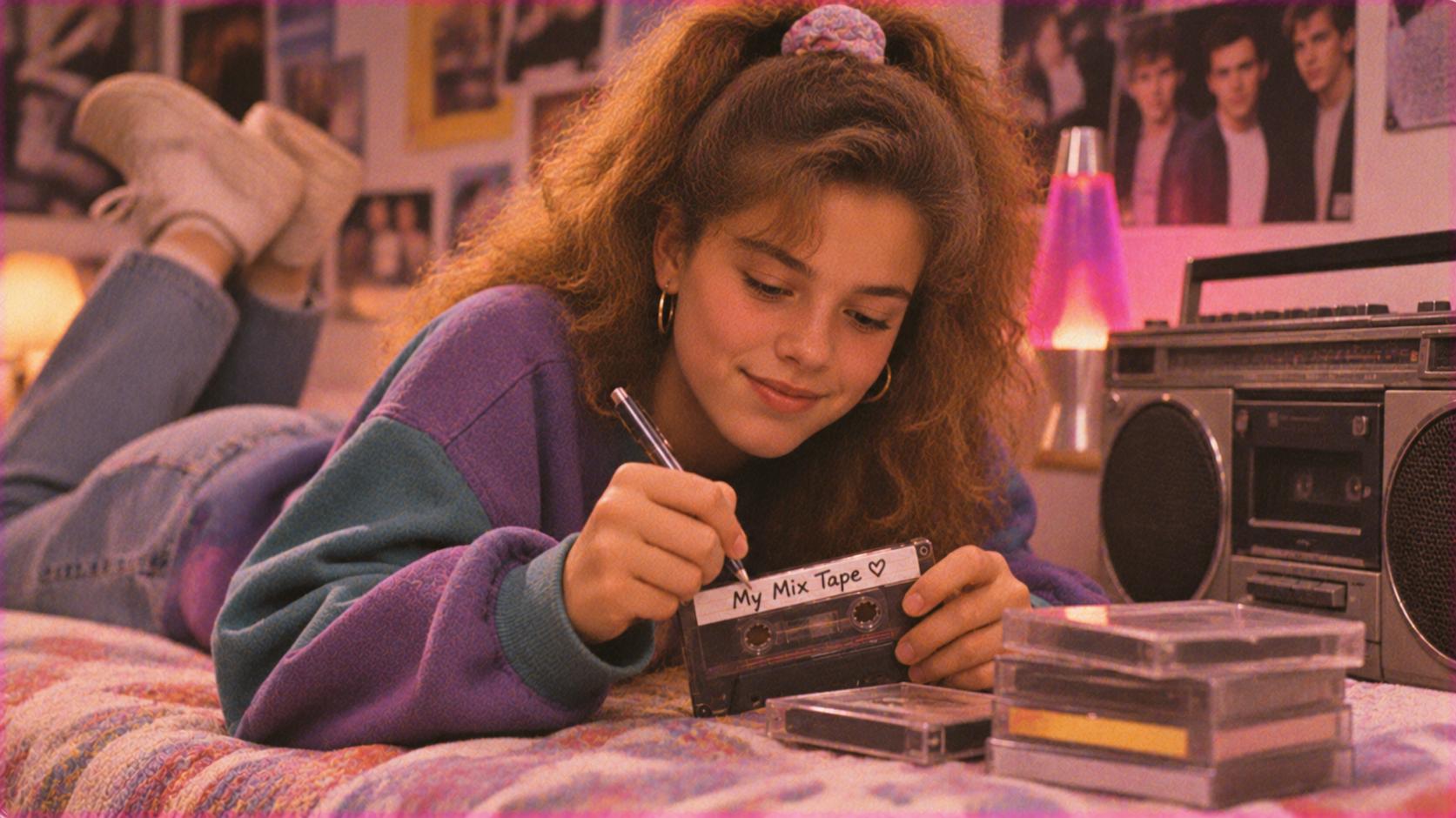
Creating a mixtape in the 1990s required time, attention, and careful planning. People recorded favorite songs from CDs or waited beside the radio for a particular track to play. Timing mattered because a radio DJ could interrupt the beginning or end of a song. Once the tape was finished, handwritten labels and decorated cassette cases added a personal touch. Mixtapes became gifts for friends, romantic interests, and family members, often expressing feelings that were difficult to put into words. Unlike instantly generated playlists, each cassette represented a small investment of effort.
15. School Life Wasn’t Constantly Connected to Technology
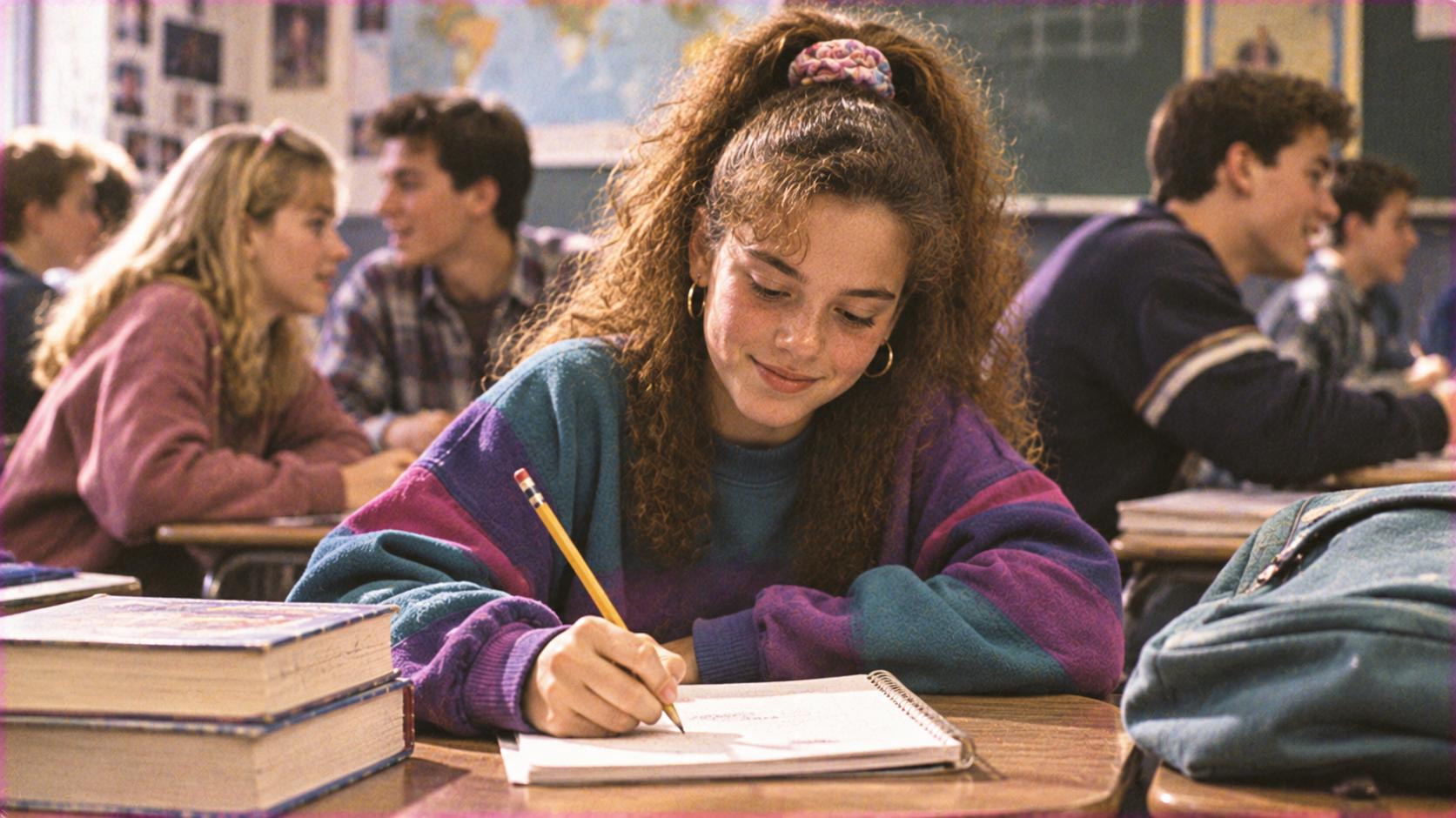
For many American students, the school day in the 1990s involved notebooks, textbooks, overhead projectors, and occasional visits to computer labs. Research assignments often required library trips, encyclopedias, and printed reference materials. Students passed handwritten notes, decorated binders, and relied on landline calls to coordinate homework or weekend plans. While computers were becoming increasingly common, smartphones and social media had not yet transformed classroom and social experiences. For many students, leaving school also meant leaving much of the day’s social drama behind until the following morning.
16. Toys and Games Didn’t Always Need Screens
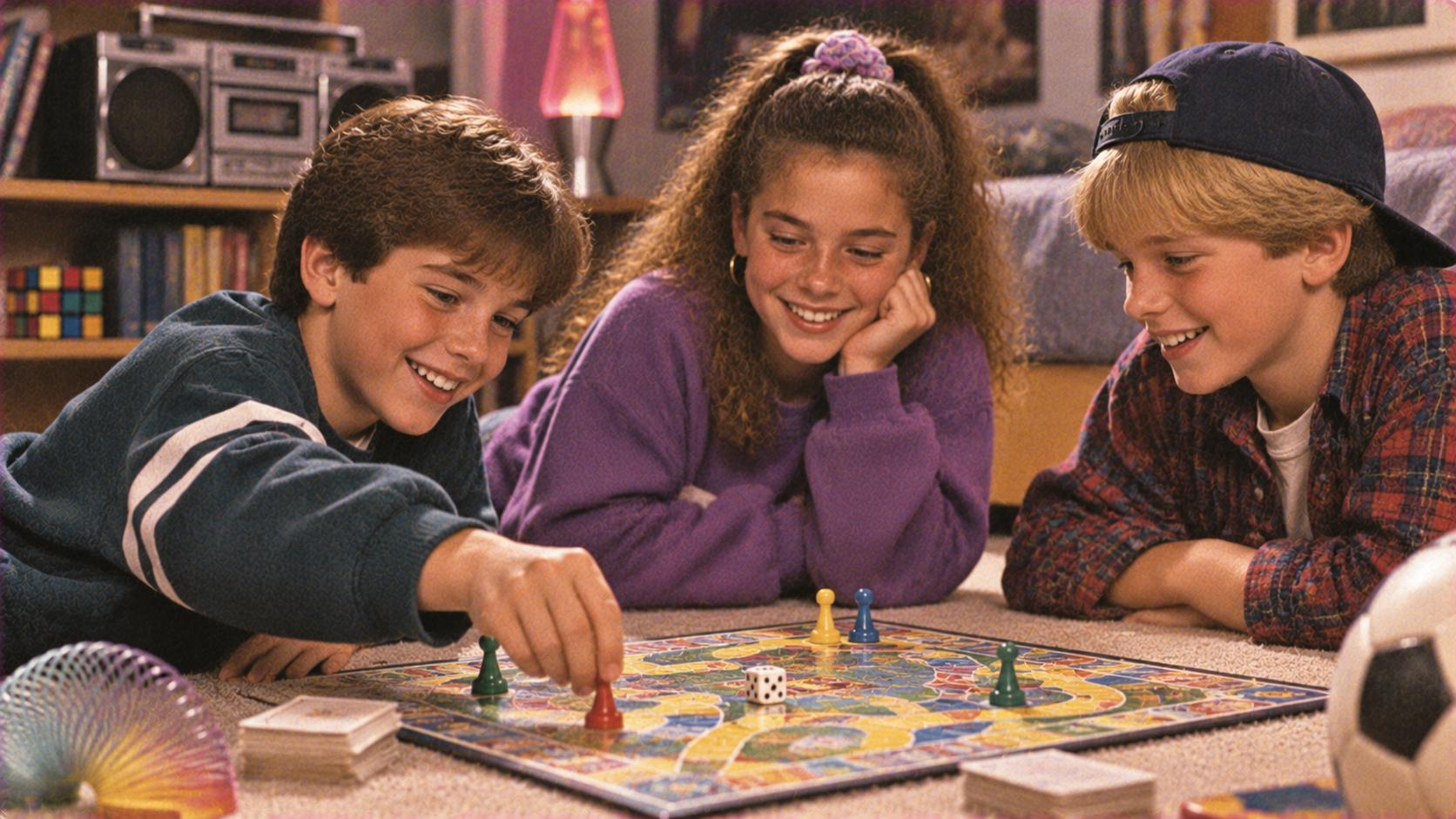
The 1990s introduced an unforgettable collection of toys and games that encouraged collecting, trading, and face-to-face interaction. Beanie Babies became a nationwide craze, while Pogs, Tamagotchis, Pokémon cards, and action figures filled bedrooms and playgrounds. Kids compared collections, negotiated trades, and sometimes spent weeks saving money for a particular toy. Board games and outdoor activities also remained popular ways to spend time with friends. Although electronic entertainment was growing rapidly, many childhood favorites still relied on imagination, competition, and the excitement of owning something tangible.
17. Concert Tickets and Events Felt Like Bigger Occasions
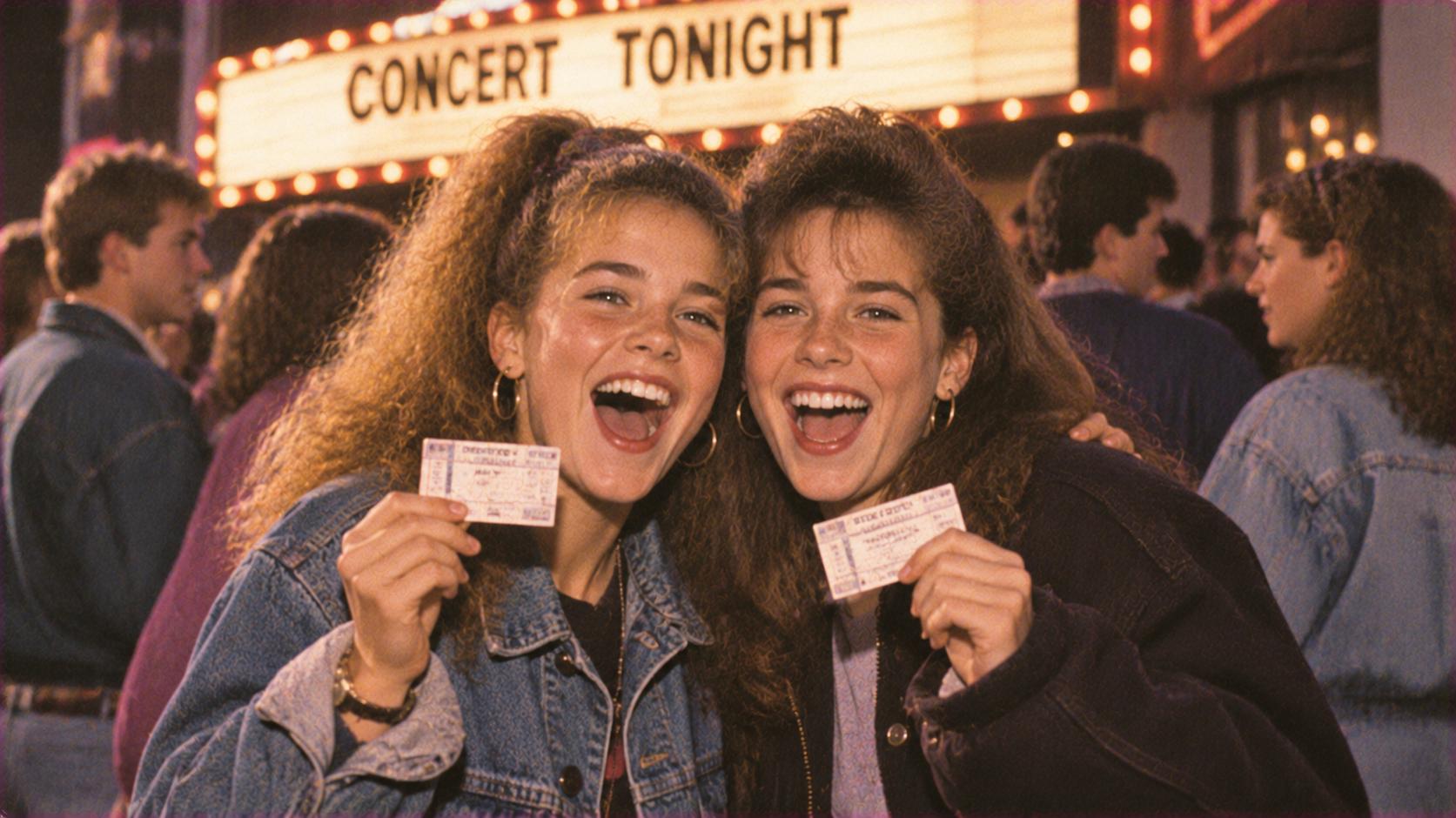
Attending a concert or major event during the 1990s often required considerable planning. Fans might wait in line at ticket outlets, call ticket agencies, or ask friends to help secure seats before a show sold out. Once inside the venue, most people experienced the performance without recording every song on a smartphone. Concert photographs were limited, and memories depended largely on what attendees saw and heard. Whether it was a rock concert, a pop performance, or a local music festival, the experience could feel especially immersive because there were fewer digital distractions competing for attention.
18. Everyday Life Had More Room for Boredom and Spontaneity
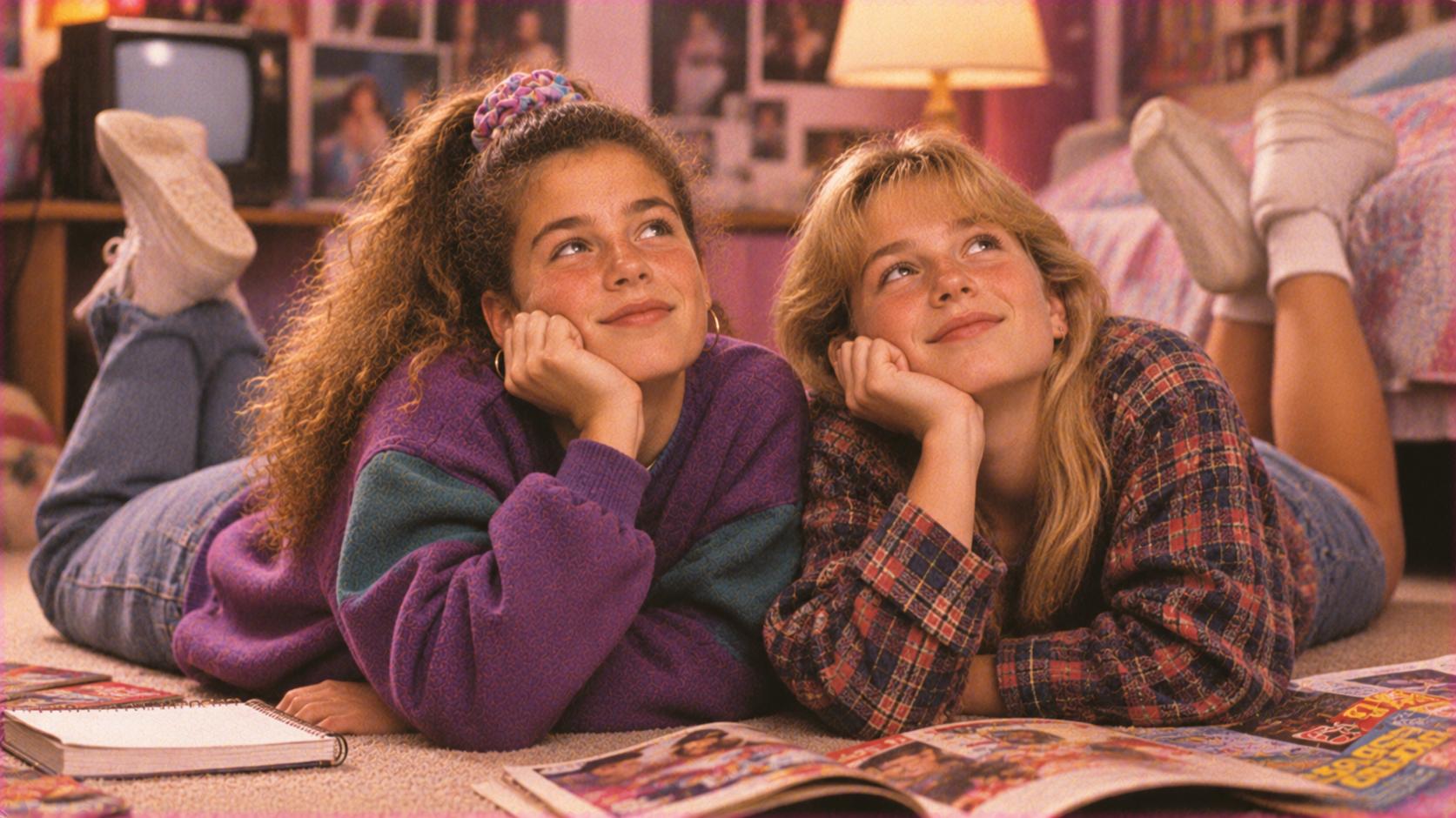
Perhaps one of the most appealing things about the 1990s was the amount of unstructured time people experienced. Without smartphones constantly offering entertainment, directions, news, and communication, ordinary moments sometimes involved simply waiting or finding something to do. People flipped through magazines, wandered into stores, called friends unexpectedly, or spent afternoons doing very little. Boredom could lead to spontaneous plans, new hobbies, or conversations that might never have happened otherwise. Modern technology has made countless aspects of life easier, but the slower rhythm of those everyday moments remains one of the reasons so many people remember the decade fondly.
More Related Notes
• 10 Things That Were Totally Normal in the 90s but Make No Sense Today
Revisit the everyday routines and unforgettable experiences that defined life in the 1990s, from making plans over landlines to enjoying a world without constant notifications and social media.
• 15 Classic 90s Childhood Rituals That Were Wiped Out by Screens and Discord
Remember when weekends meant renting movies, hanging out with friends, and finding entertainment without smartphones? Rediscover the simple childhood traditions that made growing up in the 1990s so memorable.
• 15 Fads From the 1990s That Seemed Permanent but Vanished Fast
Take a nostalgic look at the toys, fashion trends, and pop culture crazes that shaped the decade. From Beanie Babies to butterfly clips, these unforgettable fads capture the spirit of the 1990s.