
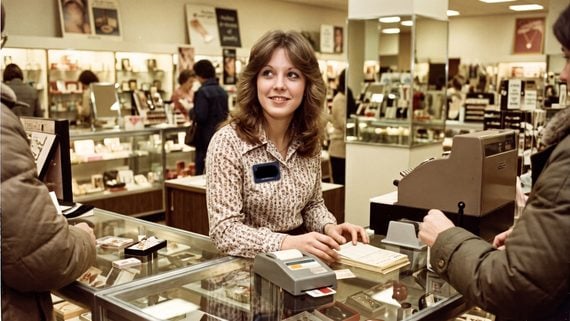
Picture 1976: a checkbook on the kitchen counter, a postage stamp on every envelope, and a phone bill that punished anyone who talked too long to Grandma in another state. Fifty years ago, Americans managed their money in ways that would feel almost comical today, with no apps, no streaming bills, and no instant balance checks. Groceries and clothes took a bigger bite out of the budget, and the country was still shaking off an energy crisis. Here are 15 ways household finances looked very different for everyday Americans back then.
1. Groceries Took Up a Bigger Share of Household Budgets
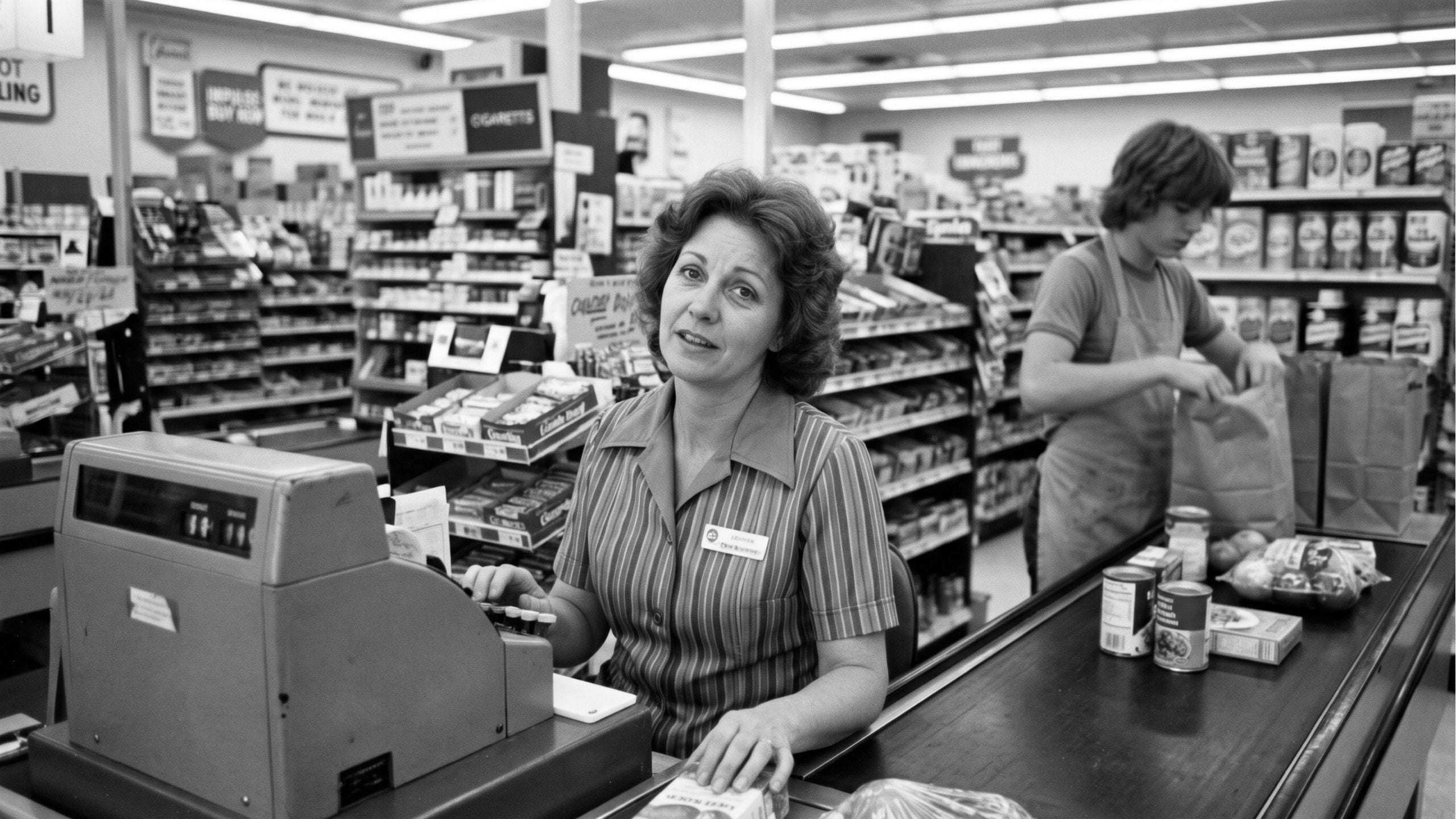
The grocery bill was a heavyweight in the 1970s. According to the Bureau of Labor Statistics, food made up 19.3% of the average household’s spending in 1972–1973, and by 1984–1985 that share had dropped to 15%. That doesn’t mean a gallon of milk cost more back then; it means families had less wiggle room, so a bigger slice of every paycheck went straight to the supermarket. Percentages tell the real story, and they explain why Americans of that era felt every trip down the cereal aisle.
2. More of the Food Budget Went Toward Home-Cooked Meals
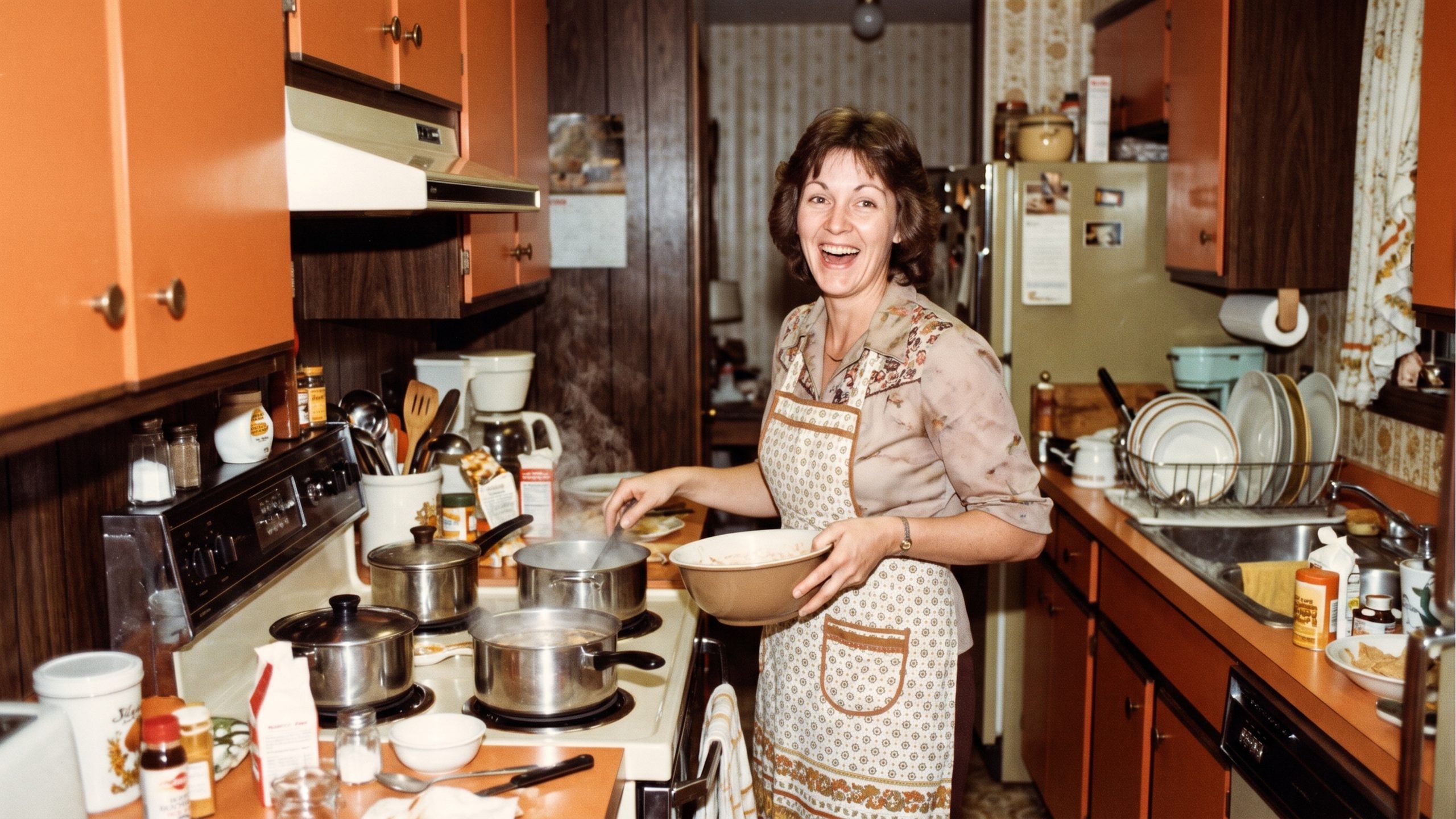
Eating out was already a thing in the 1970s, but most of the food budget still went to the grocery store and the kitchen stove. USDA research found that food bought away from home made up about 26% of household food spending in 1970, and that share climbed to 43% by 2006. Dinner at a restaurant was more of a treat than a habit. By 2023, a broader national measure reached 58.5%, though that figure isn’t a direct match for the older household numbers.
3. Clothing Accounted for a Larger Portion of Spending
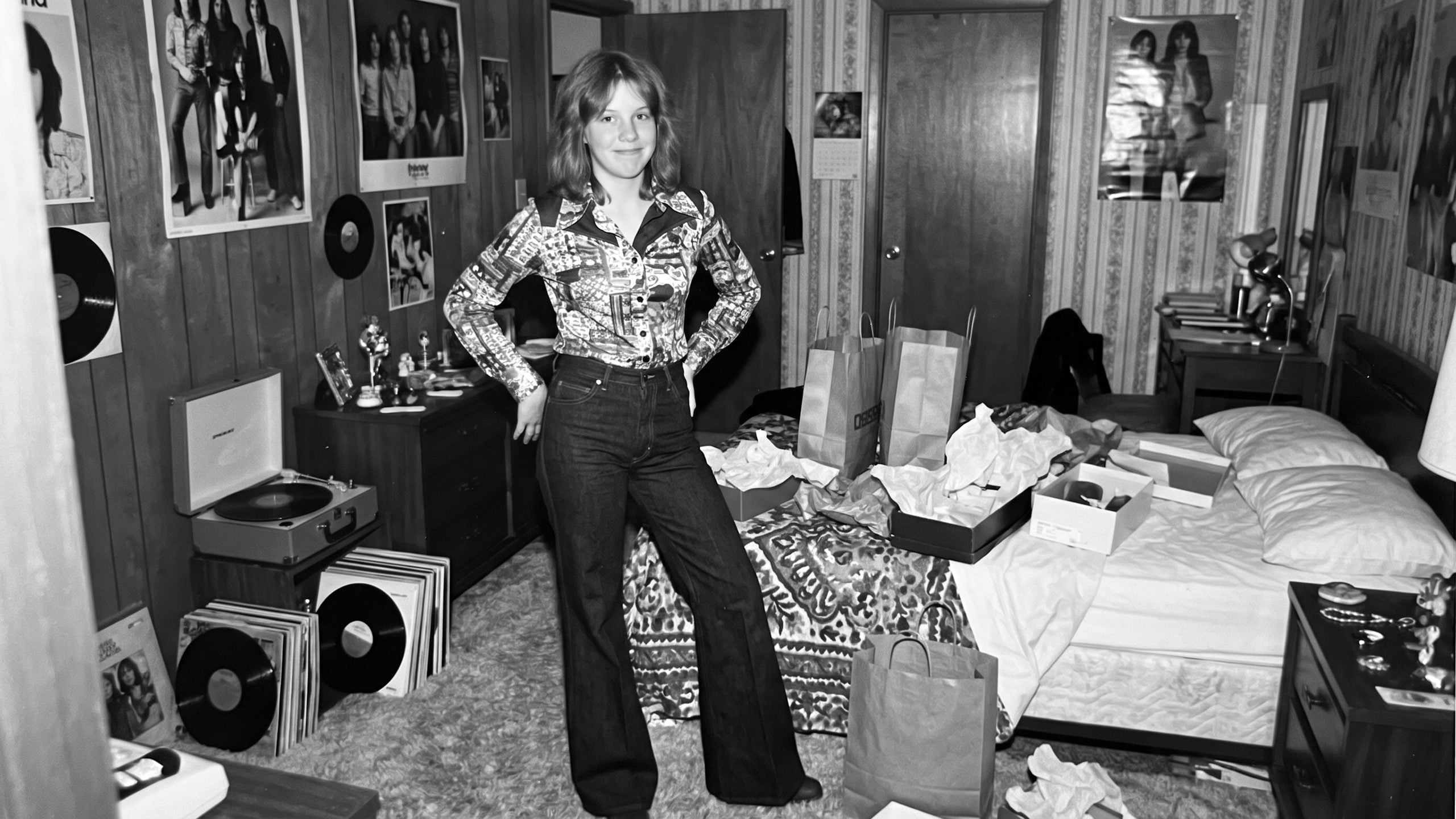
Closets were smaller and so were the shopping sprees, yet clothing still took a bigger share of the budget. Federal consumer spending data show that Americans spent about 7.8% of household expenditures on clothes in 1972–1973. By 1984, that had dropped to 6%, and by 2014 it was just 3.3%. People didn’t stop buying clothes, but changes in manufacturing, international trade, and retail made apparel a much smaller part of the average budget.
4. Housing Costs Came With a Different Set of Pressures
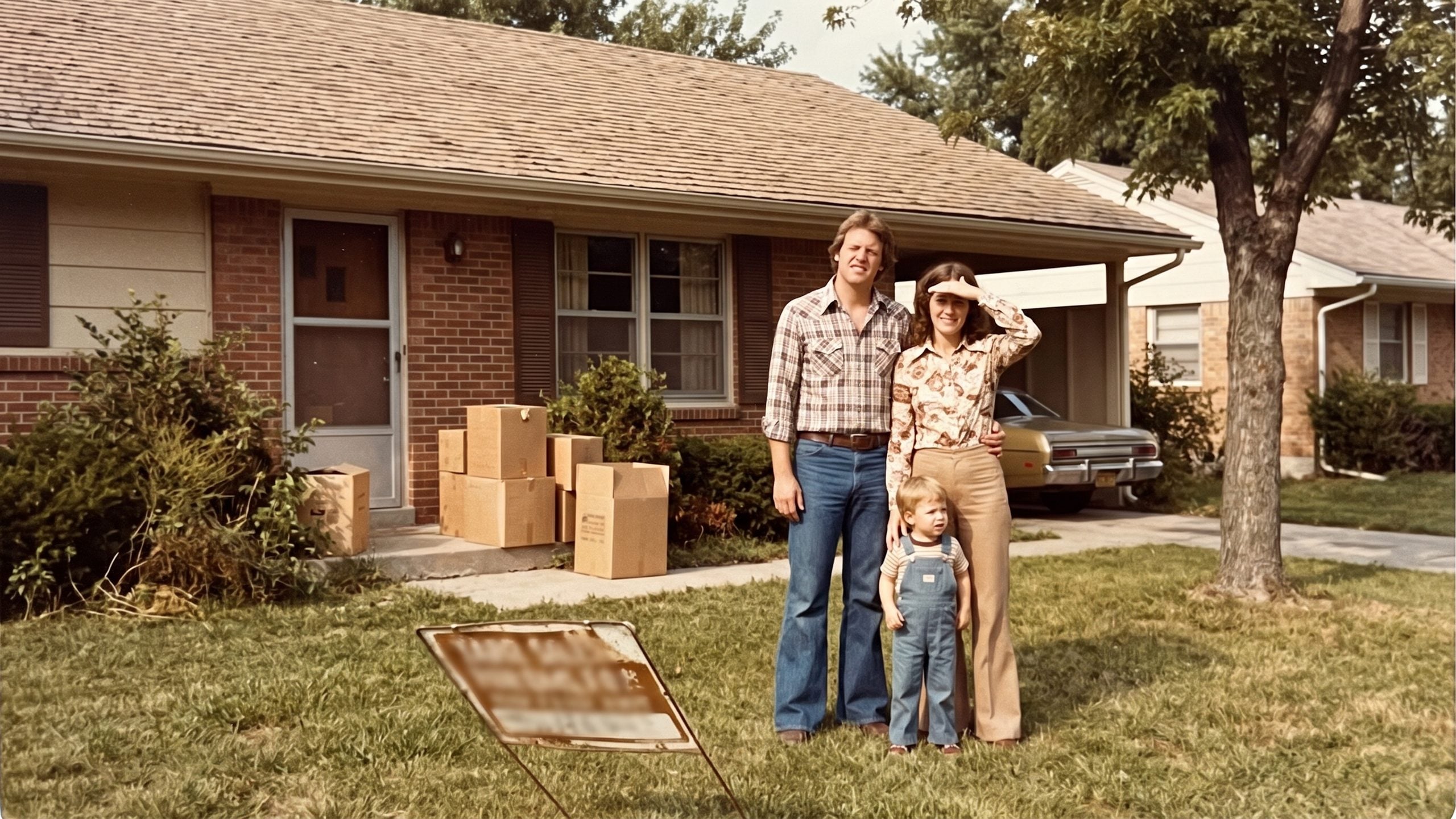
Housing took roughly the same slice of the pie it does today, but the pressures were different. It made up 30.8% of household spending in 1972–1973, compared with 33.3% in 2014. Houses cost fewer dollars back then, but mortgages were no bargain: Freddie Mac data show 30-year fixed rates hovering around 9% for much of 1976. Add inflation and lower incomes, and a cheap sticker price turns out to be a poor sign of easy homeownership.
5. Public College Tuition Was Far Lower in Dollar Terms
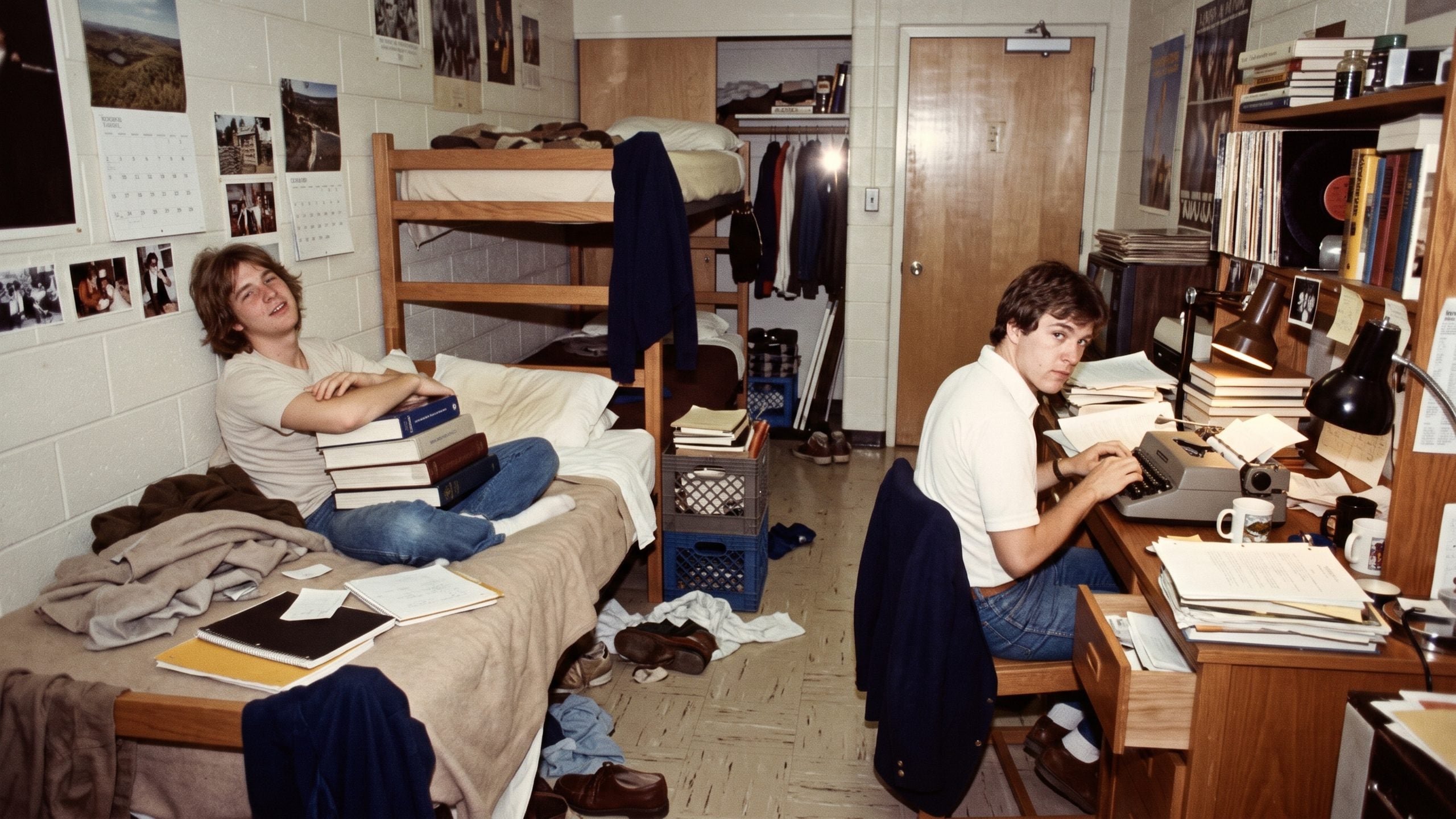
Sticker shock hit differently in 1975–1976, when average tuition and required fees at public four-year colleges were about $542, according to the National Center for Education Statistics. That covered tuition only, not housing, meals, books, or transportation, so college still cost real money for Americans of modest means. Tuition has climbed substantially since, even after adjusting for inflation. College wasn’t free back then, and affordability varied a lot depending on the school and the family income.
Trending on Wealth Gang


6. Gasoline Had Become a Much Bigger Concern After the Oil Crisis
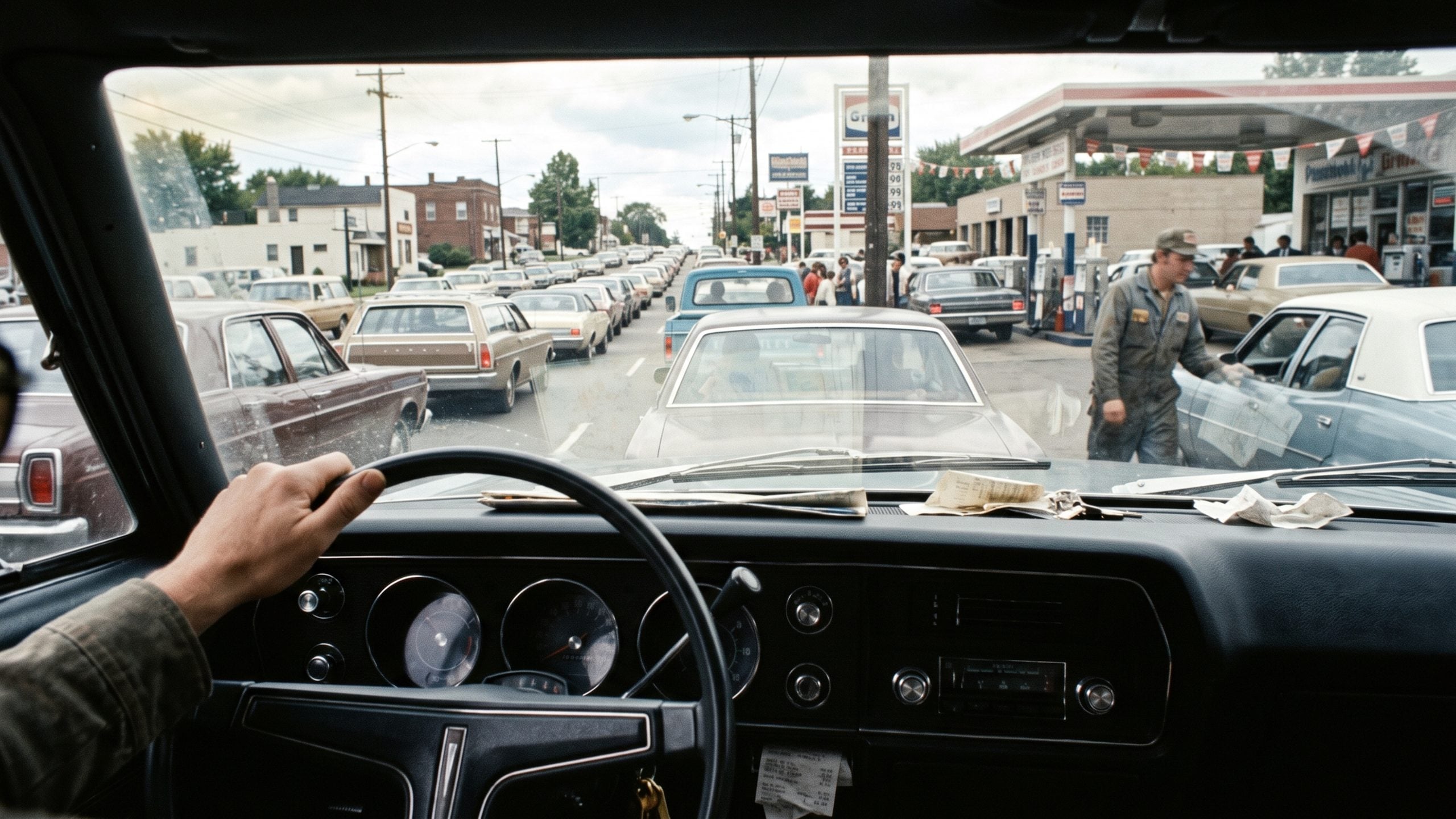
The 1973–1974 Arab oil embargo shook up petroleum supplies and sent prices soaring, and by 1976 motorists were far more sensitive about every gallon. The Energy Information Administration documents shortages, long lines at service stations, and steep price hikes. The crisis also pushed Congress to act, including fuel economy standards created by legislation passed in 1975. Even after the worst shortages eased, the gas gauge remained a household worry.
7. Home Heating Expenses Were Closely Linked to Energy Prices
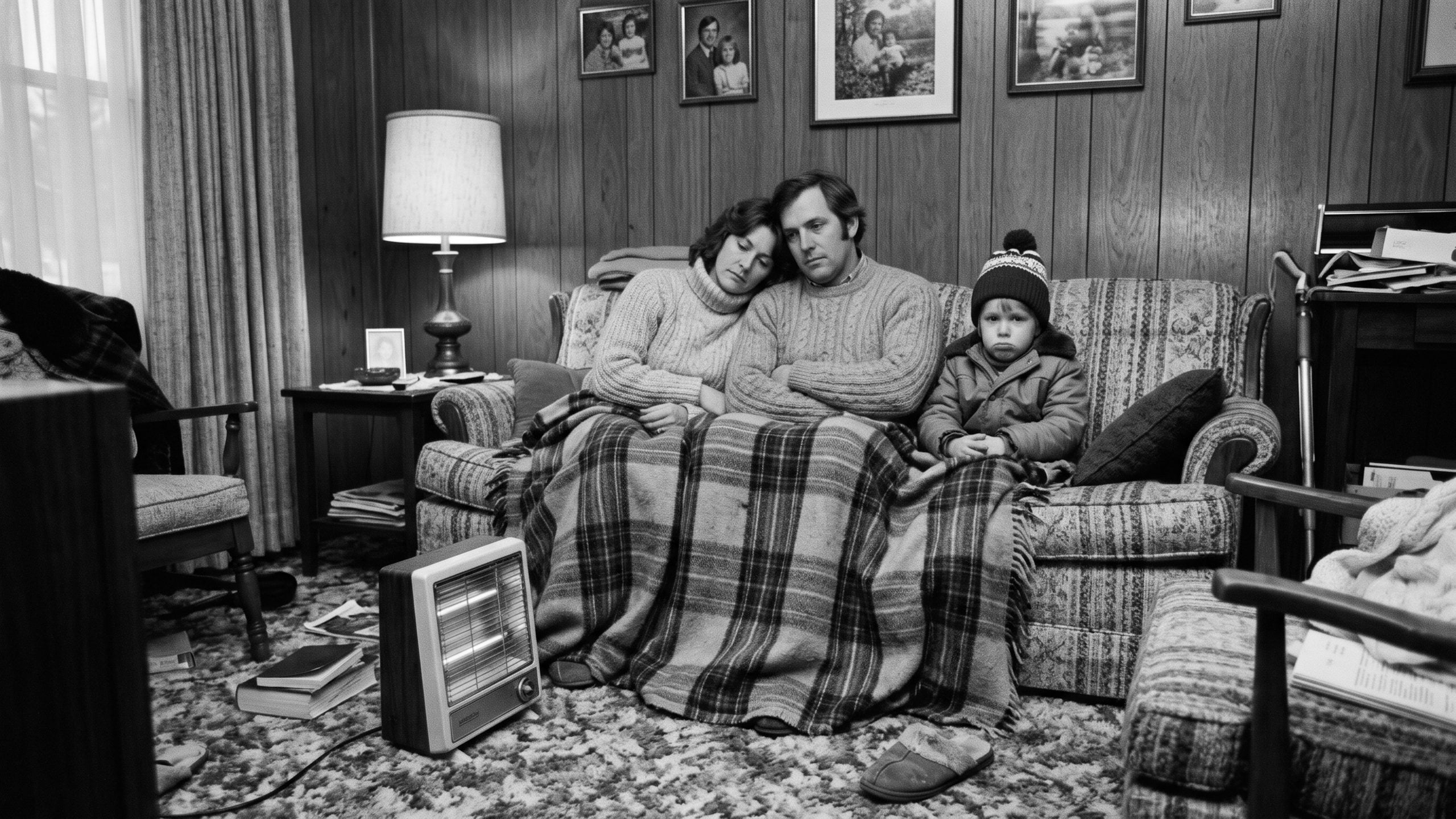
The crisis didn’t stop at the gas pump. Families heating with oil, natural gas, or electricity watched energy prices climb through the decade, and winter bills became a serious budgeting headache. BLS research found that energy prices rose at an average annual rate of 9.9% between 1968 and 1983. No wonder insulation, efficient equipment, and home improvements became hot topics, as Americans looked for ways to keep the thermostat from eating the paycheck.
8. Paper Checks Were a Standard Way to Pay Bills
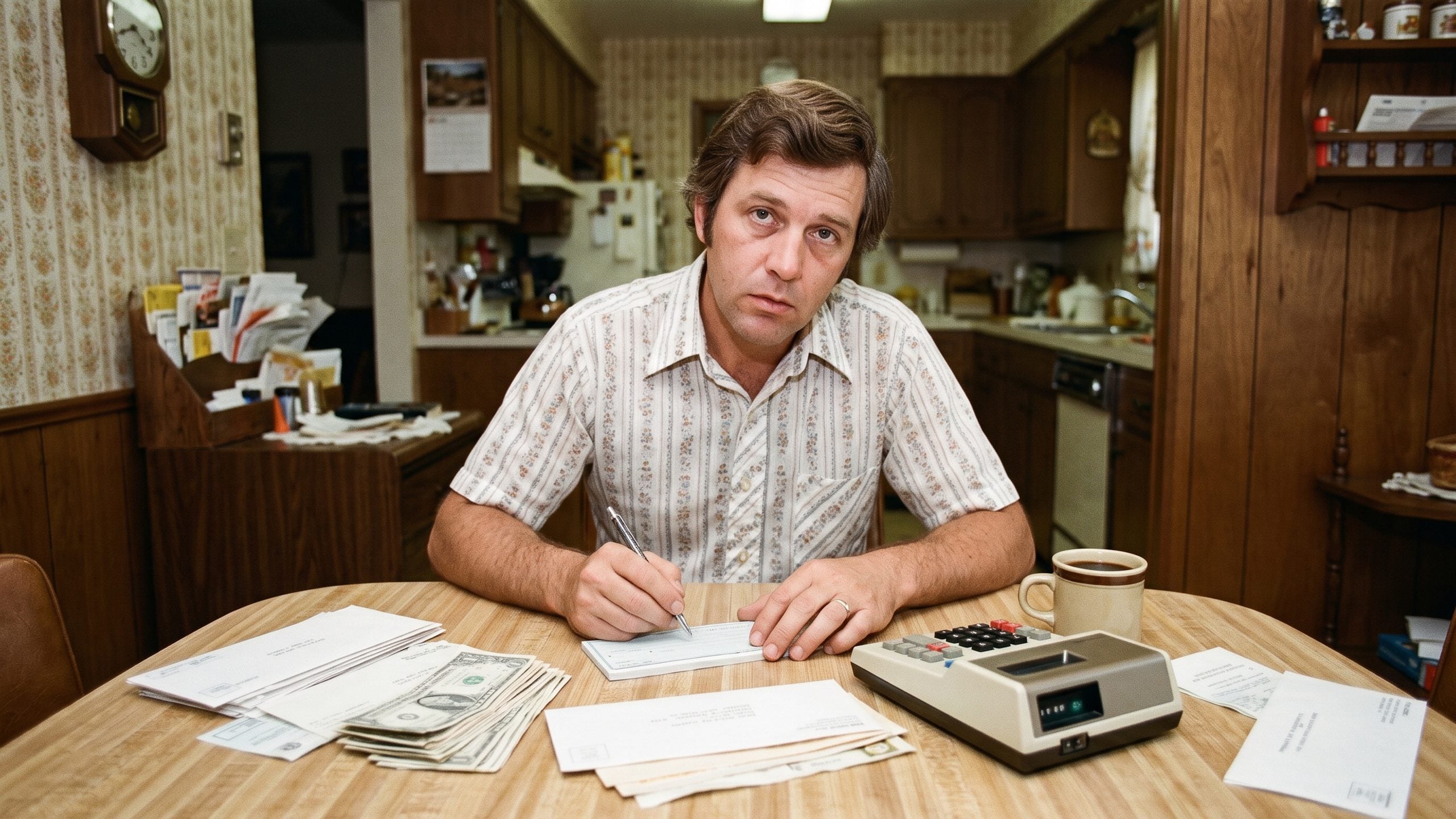
Rent, utilities, and insurance often meant writing a check and either dropping it in the mail or delivering it in person. The Federal Reserve’s own history notes that the central bank processed about 8 billion checks in 1970, and by 1974 roughly 7,500 people worked in check processing at the Fed alone. It was a vast paper machine. Electronic payments eventually shrank that operation, but the transition took decades.
Sign up for our newsletter
9. Many Credit Cards Worked Only at Particular Stores
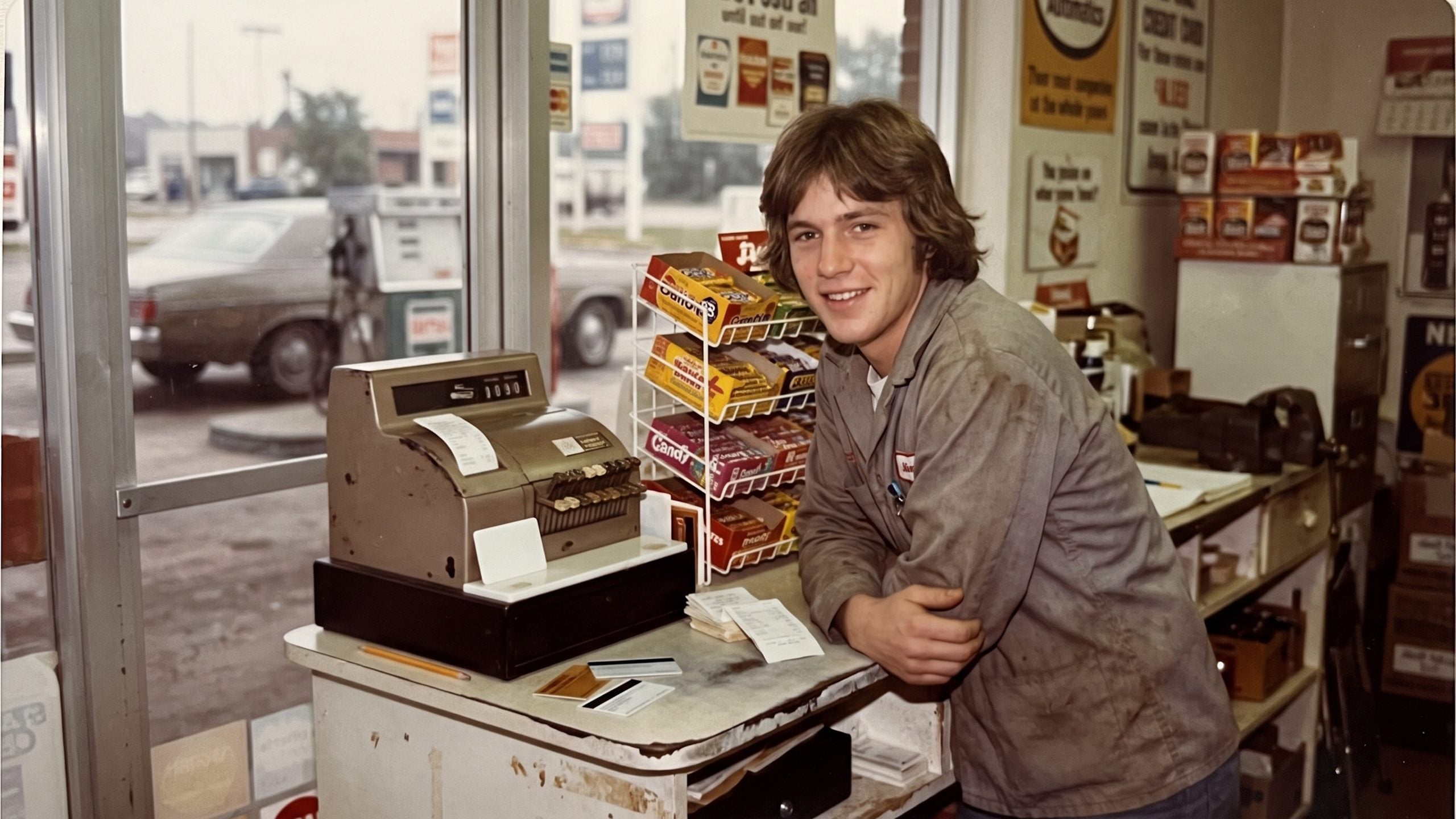
Plastic existed in the 1970s, but it wasn’t the all-purpose kind. Many cards came from department stores and gas companies and generally worked only at the business that issued them. A Consumer Financial Protection Bureau historical review found that most credit cards in 1970 came from retailers and gasoline companies, while bank-issued cards were held by only about 16% of households. Over the following decades, general-purpose cards spread, and Americans finally got one card that worked almost everywhere.
10. Revolving Credit Card Debt Was Much Less Widespread
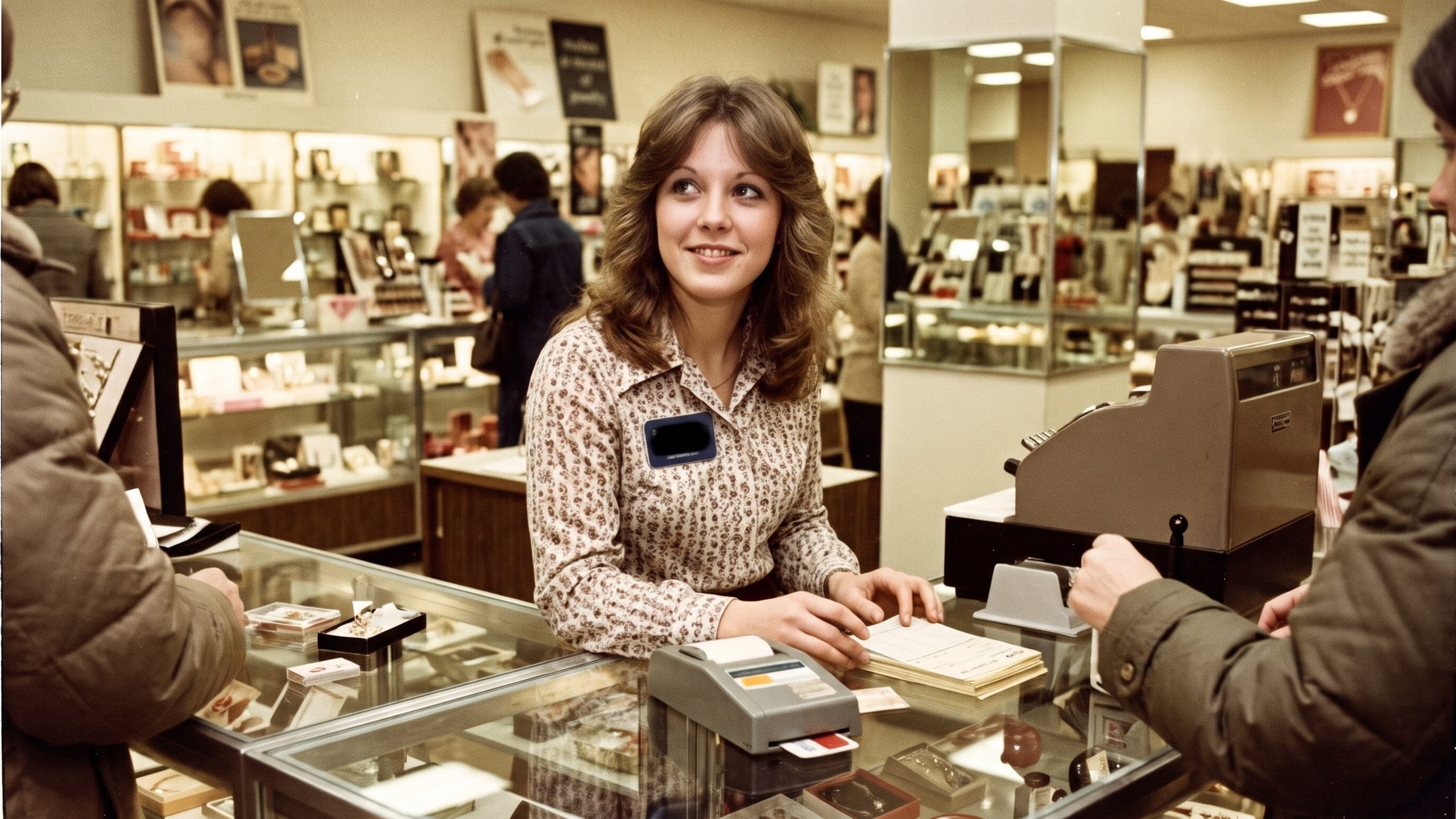
Cards were catching on, but carrying a balance from month to month was still relatively rare. According to the Federal Reserve, just over half of households had at least one credit card in 1970, and revolving credit made up only 3.8% of outstanding consumer credit. By 1977, nearly 63% of households held cards, and revolving balances had grown substantially. The numbers show how fast plastic was becoming part of everyday life, long before it reached today’s levels.
11. Mailing Bills Meant Paying for Postage
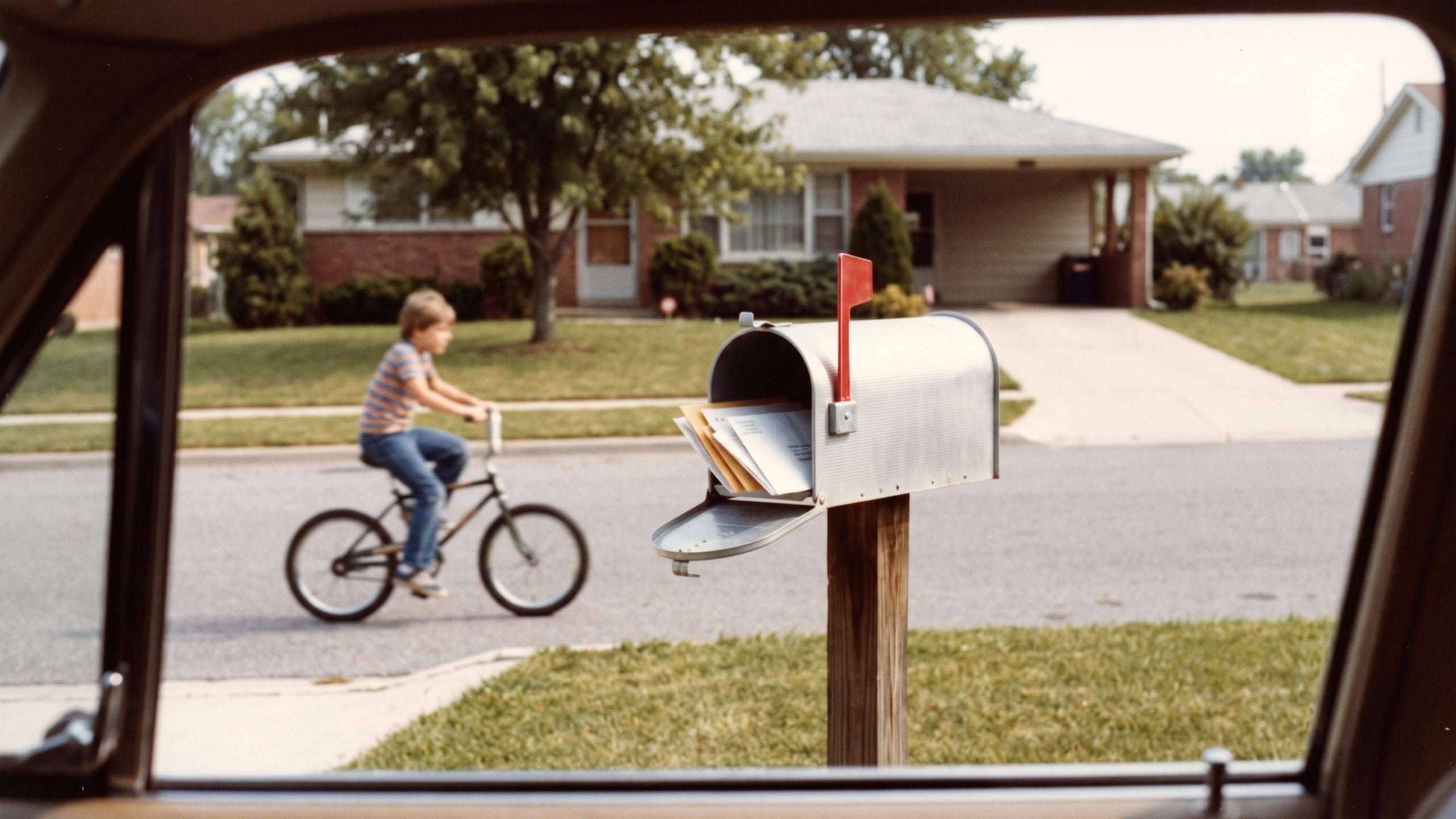
Paying a bill in 1976 took a whole routine: write the check, fill out the stub, find an envelope and lick a stamp. The cost of a first-class letter rose from 10 cents to 13 cents on December 31, 1975, so Americans started 1976 paying the higher rate, according to USPS rate history. It was a small expense, but it added up across rent, utilities, and insurance every month. Electronic transfers later wiped out the need to mail many recurring payments.
12. Long-Distance Calls Could Add Up Quickly
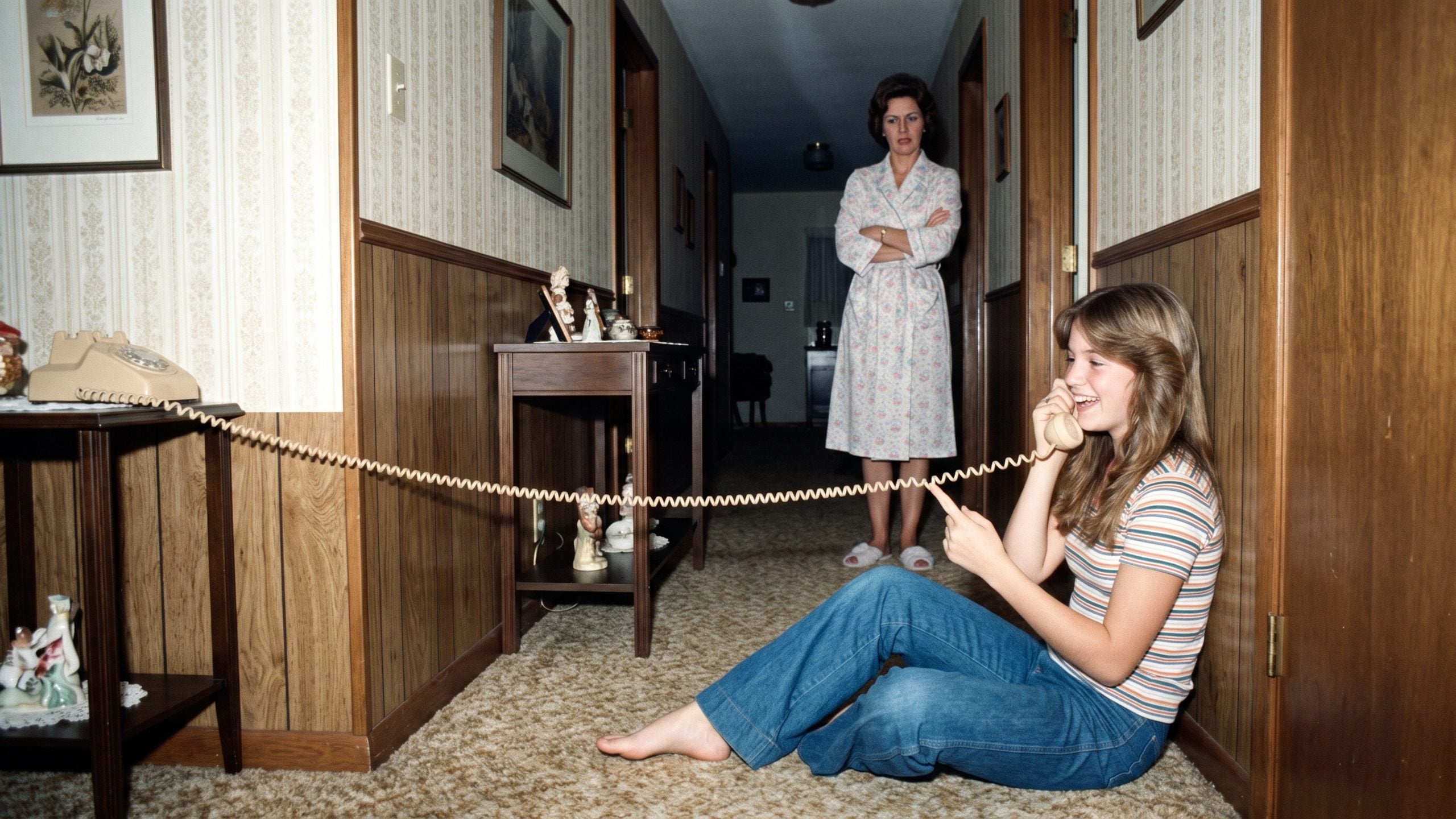
Phone bills in the 1970s split local service from long-distance, with extra charges based on distance, length, and time of day. That’s why families often saved the long chats with distant relatives for evenings and weekends, when rates dropped. Competition in long-distance service grew during the decade, but AT&T and government regulation still shaped the industry, as the FCC notes. Nationwide calling plans and internet communication eventually changed what it costs to stay in touch.
13. Newspaper Subscriptions Were a Common Household Purchase
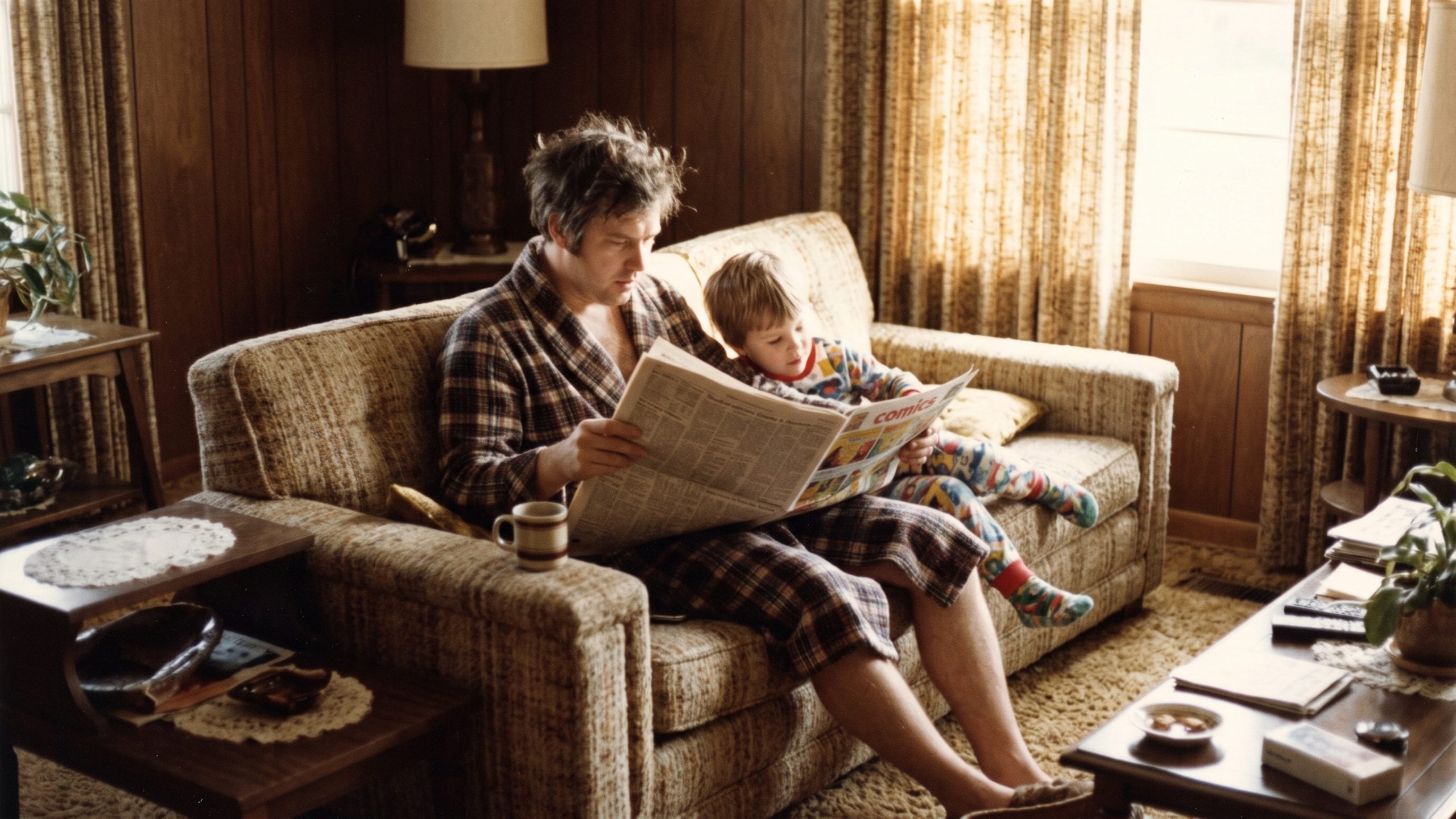
Morning coffee often came with a printed newspaper, either delivered to the door or picked up at a newsstand. Pew Research Center’s historical data show that weekday circulation reached roughly 61 million copies in 1976, with about 51.6 million on Sundays. Those pages carried local reporting, classified ads, sports and national news, and Americans paid for them without a second thought. Online news later changed both how people read and how publishers earn money.
14. Most Television Viewing Didn’t Require a Subscription
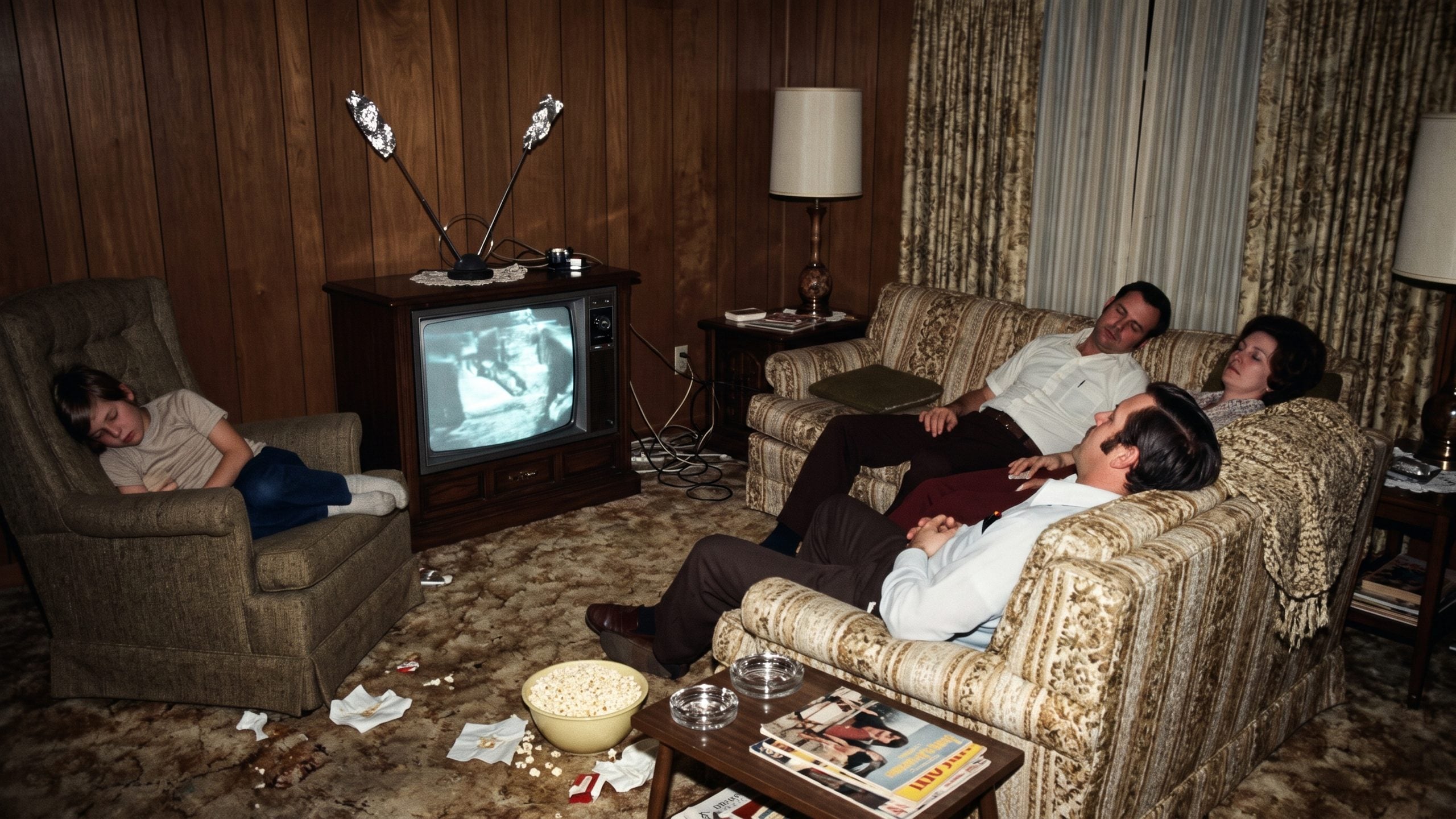
In 1976, plenty of families watched TV through an antenna that picked up local broadcast channels, with no monthly fee. Cable already existed, especially where reception was poor, but it hadn’t become the national default. According to the Federal Communications Commission, cable served more than 1 million homes by 1966, and the industry kept growing through the 1970s. The later arrival of cable bundles, satellite, and streaming created a whole new category of recurring entertainment bills.
15. Digital Subscriptions Weren’t Part of the Monthly Budget
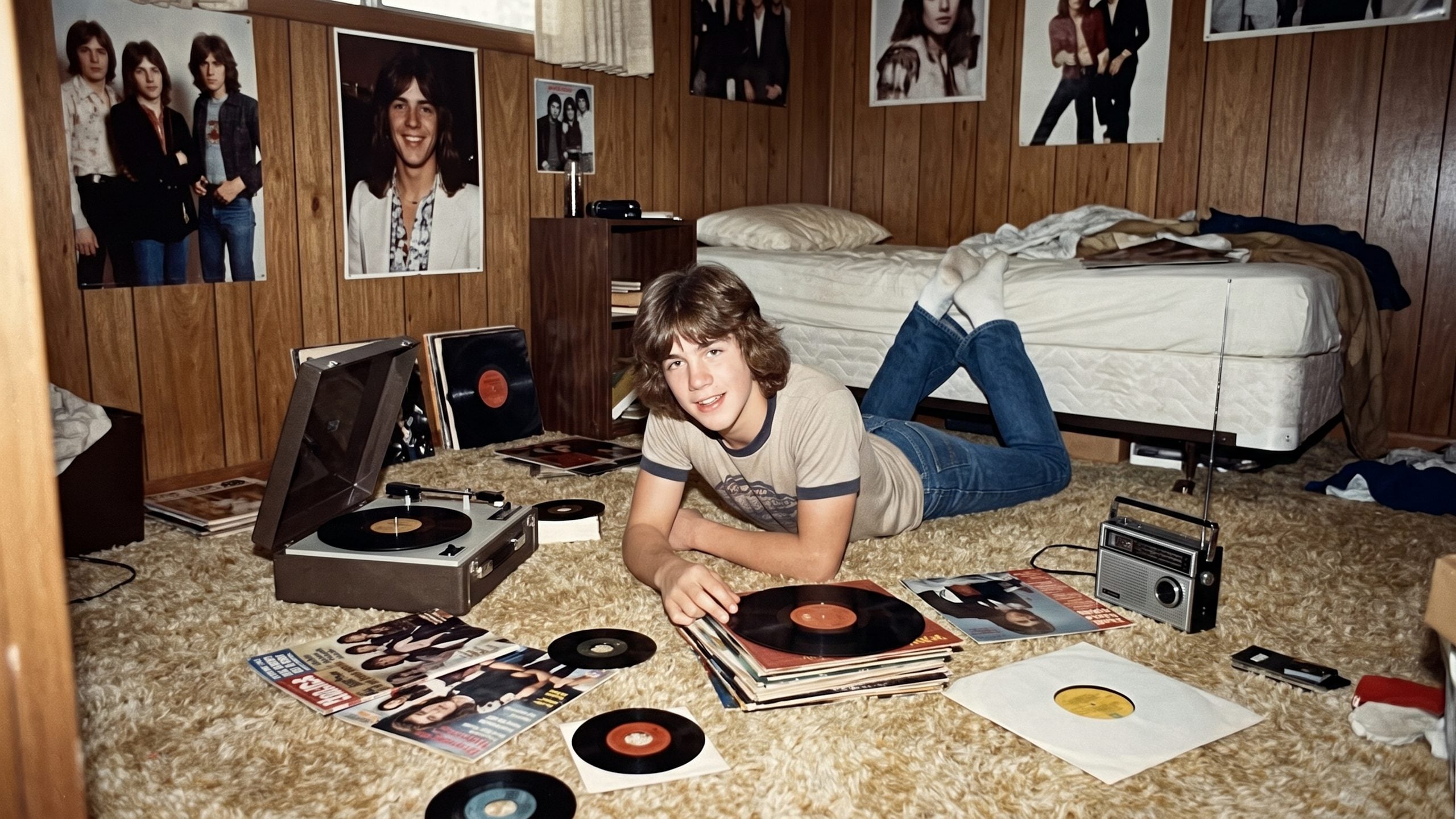
A 1976 budget had no line for broadband, streaming, cloud storage, or phone data plans. Entertainment meant movie tickets, records, magazines, and newspapers, while the landline and the TV handled communication and home entertainment. Digital services arrived slowly: even in March 2000, only 1% of American adults reported subscribing to home broadband, according to Pew Research Center. When those bills finally showed up, they created a whole new set of recurring expenses, and Americans have been juggling them ever since.
Looking back, 1976 had its own financial headaches, from sky-high mortgage rates to endless lines at the pump. Which of these old spending habits would Americans miss the most, and which one is definitely staying in the past? Tell us in the comments!